ST. PALLADIUS’ CHURCH, Fordoun, Kincardineshire.
Reading edition
The village of Fordoun lies in the picturesque glen of the Luther Water, about 2½ miles west from Fordoun Railway Station. The name of Saint Palladius, the early “apostle of the Scots,” is attached to a small
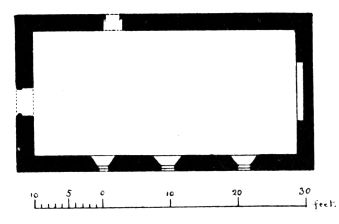
Fig. 1414.—St. Palladius’ Church, Fordoun. Plan.
chapel which stands in the churchyard surrounding the parish church. Dr. Skene’s opinion[188] is that Palladius was sent to Ireland (then the country of the Scots) and that Terrananus or Ternan, his disciple, brought
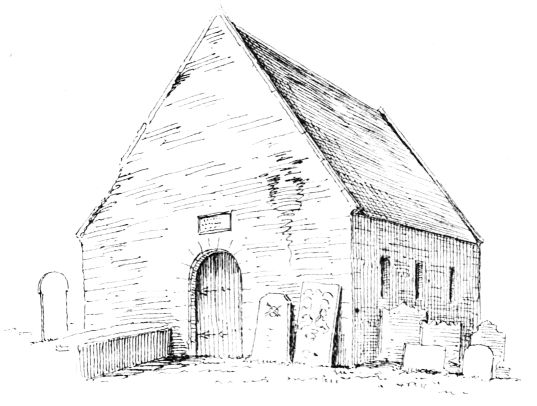
Fig. 1415.—St. Palladius’ Church, Fordoun. View from South-West.
his relics either from Ireland or from Galloway (in one of which places he had been martyred) to his native district in the territories of the Southern Picts, and as the founder of the church of Fordoun, in honour of Palladius, became to some extent identified with him. Be that as it may, the name of Palladius has been handed down from the fifth century in connection with a religious establishment in the place. A chapel, a well, and an annual fair are named after him. The small chapel which now bears the name of the Saint is a modern restoration. It is a plain oblong structure (Fig. 1414), 39 feet by 18 feet internally. The walls are low, and there is a pointed gable at each end (Fig. 1415). The east wall has a recess, which probably contained a monument, and the west wall a round-headed entrance doorway. There are three small square-headed windows in the south wall and a doorway in the north wall.
The east end is probably the oldest part. There is a burial-vault beneath it. An ambry with round head near the north door, and a plain pointed piscina at the south side of the eastern recess, are the only ancient appurtenances.
A chapel here is frequently mentioned in the records of the Priory of St. Andrews. It is not called a church till 1244.[189]
The Friars’ Glen, which runs north-westward from Fordoun, was, in the fifteenth century, in the possession of the Carmelite Friars of Aberdeen.