KILRENNY CHURCH, Fifeshire.
Reading edition
The village and church of Kilrenny stand about one mile inland from the coast at Anstruther. The only record before the Reformation is that in 1268 a pension was given to the vicar, who in 1336 was a certain “John.”[177] The tower of the church (Fig. 1383) is old, and is attached to a modern edifice. It is of the form common in Fife about the time of the Reformation, being carried up (Fig. 1384) without buttresses or ornament,
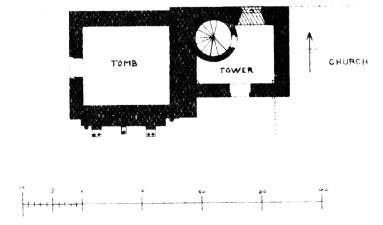
Fig. 1383.—Kilrenny Church. Plan of Tower, &c.
and having a parapet supported on corbels similar to those used in the castles of the period. There are traces of a large arch in the east wall of the tower, and another in the south wall, as if intended to open into a building, possibly the old church. The mark of the roof over the building on the south side still remains, and also a portion of a thick wall running southwards from the tower. In the internal angles of the tower there are square shafts with rude caps, apparently intended to support a vault, but there are now no traces of any vaulting. There are also the remains of a two-light window in the north wall of the tower. Attached to the west end of the tower is a stately monument erected by the family of Lumsdaine of Innergelly.
In the churchyard of Kilrenny may still be seen the monument of Cardinal Bethune or Beaton. It is an enclosure which stands to the eastward
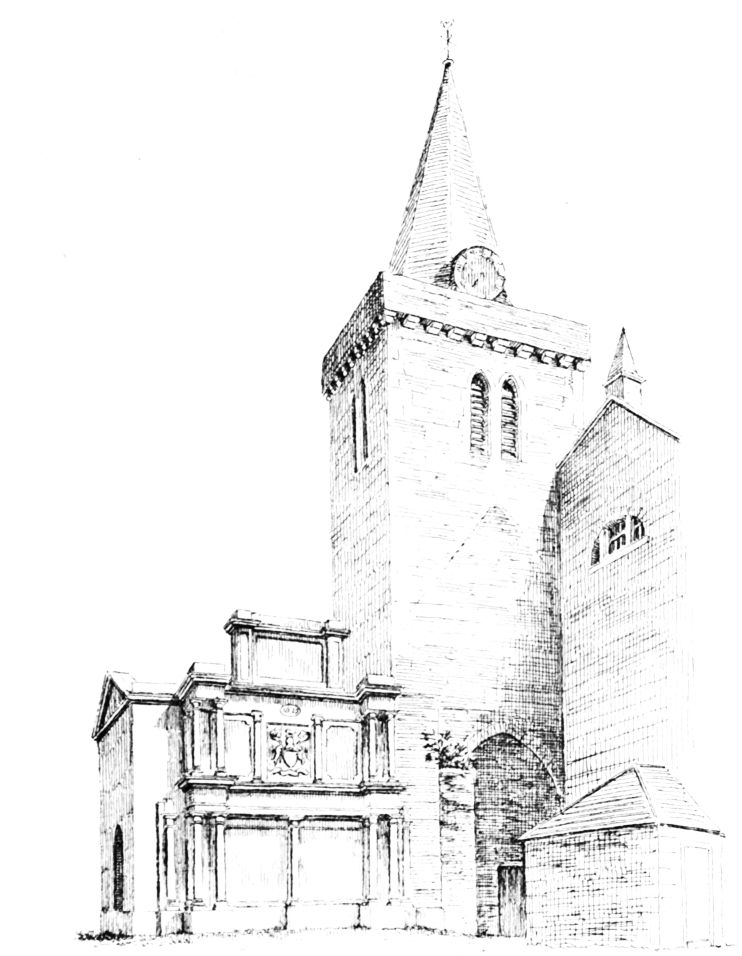
Fig. 1384.—Kilrenny Church. Tower, &c., from South-West.
of the church, built with ashlar and ornamented with Ionic pillars. The frieze and cornice are unfortunately wanting.
The entrance is in the east end, and in the opposite wall is a well-carved representation of the arms of Bethune of Balfour, viz., quarterly, 1st and 4th, azure a fesse between three mascles, or, for Bethune; 2nd and 3rd, argent on a chevron sable an otter’s head erased of the first, for Balfour. Crest, an otter’s head proper; motto, “Debonnaire.”