PARISH CHURCH, SELKIRK.
Reading edition
Of the important churches which existed here in the twelfth century no trace now remains. The parish church was in a state of ruin at the beginning of the sixteenth century, when a new one was built, which in turn followed its predecessors, and in the year 1747 another church was erected, the ruins of which still exist.
The following description of the church taken down in 1747 occurs in Our Journall into Scotland, p. 15.[216] “They have a very pretty church where the hammermen and other tradesmen have several seats mounted above the rest, the gentlemen below the tradesmen in the ground seats; the women sit in the high end of the church, with us the choir, there is one neat vaulted porch in it, my Lord Bucplewgh’s (Buccleuch) seat is the highest in the church, and he hath a proper (private) passage into it in at the outside of the vaulted porch. On a corner of the outside of the choir is fastened an iron chain with a thing they call the Jogges,” &c. “The form of it is a cross house, the steeple fair, handsomely tiled as the Royal Exchange at London, it having at each corner four pyramidal turrets, they call them pricks; my Lord Maxfield’s house at Langham being of the form of the steeple. The church was tiled upon close joined boards and not lats” (laths).
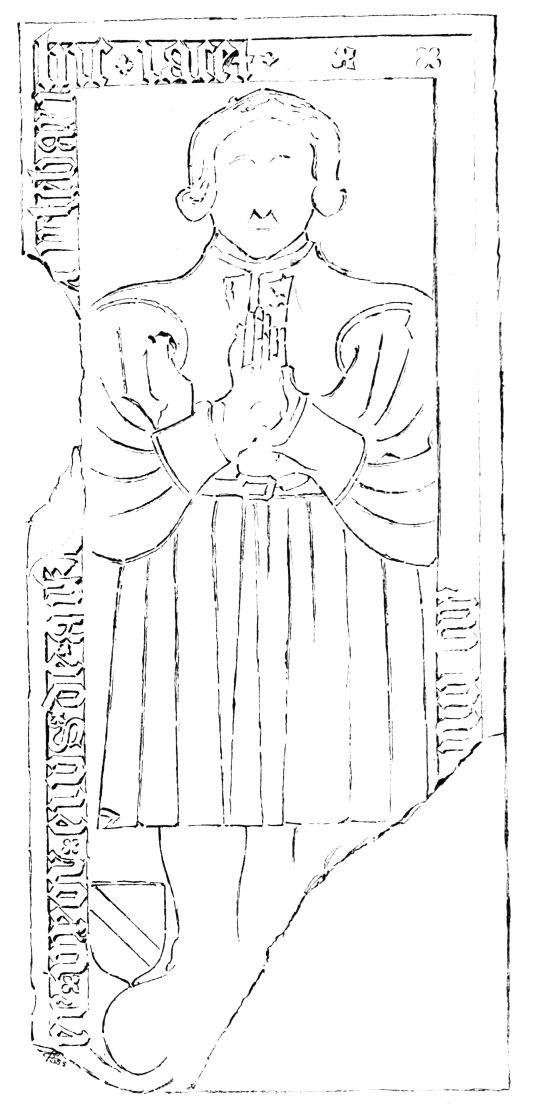
Fig. 1494.—Selkirk Parish Church. Slab in Wall of Church.
The grave slab shown in Fig. 1494 is built into one of the walls of the existing ruins. It is of red sandstone, and measures 6 feet 4 inches high by 2 feet 5 inches wide. It is very much mutilated, and from its exposed situation and the friableness of the stone, it is rapidly decaying, and unless some proper means are taken to preserve it, will at no distant date be obliterated. The figure represents that of a stout yeoman with hands folded on the breast, having a belt round his waist. On a shield at his feet is a bend, any other charges which may have been on it being obliterated. The inscription in raised letters is more than half gone, but from the first syllable of the place of Aikwood being still legible, and in
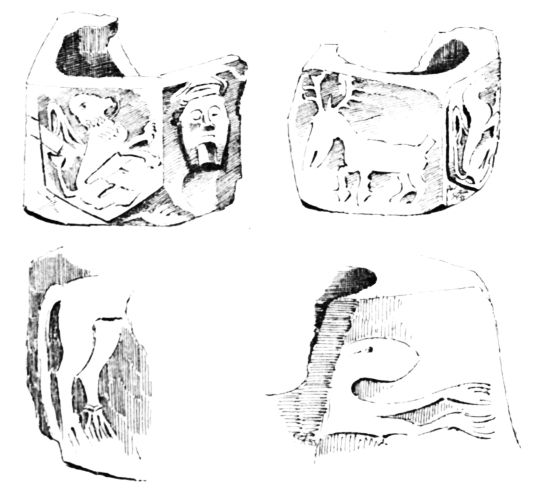
Fig. 1495.—Selkirk Parish Church. Stoup.
conjunction with the arms, it is supposed by Mr. T. Craig Brown[217] to commemorate one of the Scots of Harden, who lived at Aikwood or Oakwood, a tower still standing not far from Selkirk. The stone probably dates from about the early part of the sixteenth century.
The following figures represent three stoups in the possession of Mr. Craig Brown, Selkirk. Fig. 1495 shows the five sides of one of these. On one face is a lion rampant, and on the adjoining space to the right is a human face, the mouth of which forms an opening for emptying the basin. On the space to the left is carved the figure of a buck or hart. The other two faces are broken. On one is the hind quarters of an ox having a long tail and cloven feet, and on the other the forequarters and head of a hare in full flight.
The lion may be heraldic or it may have a symbolic meaning. The hart is probably an allusion to the beginning of the xlii. psalm—“As the hart panteth after the water brooks.” This verse is inscribed on a font of the eleventh century, at Potterne, Wilts,[218] and the figure of a hart is of frequent occurrence on Celtic and Norman work, where, as is now generally
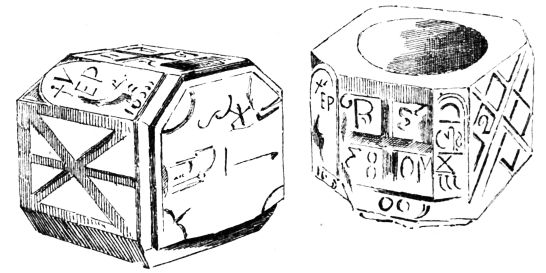
Fig. 1496.—Selkirk Parish Church. Stoup.
believed, it has a symbolic meaning. The ox and hare, being also animals referred to in Scripture, are probably to be considered in the same category. This example is from Peebles, and was given to Mr. Brown by a gentleman who believes it was found at some ruined building there. It measures about 13 inches across on top by 9¾ inches high, and the bowl is 4 inches deep.
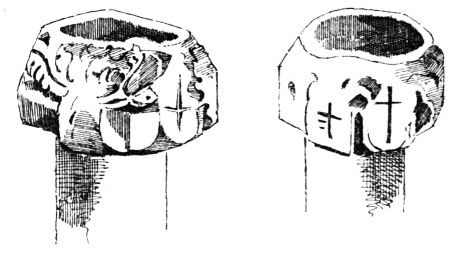
Fig. 1497.—Selkirk Parish Church. Stoup.
Fig. 1496 shows two views of a stoup, which is square, with the angles cut off, converting it into an unequal-sided octagon. It is decorated in a very curious manner with signs and letters of which we can give no explanation. It was found built into an old house at Selkirk when it was taken down many years ago. A mason took possession of it and used it for a flower pot, and chiselled a hole in the bottom. The fragment measures about 14⅝ by 16 inches. The basin is 11 inches over by 10 inches deep.
Both of these specimens are cut out of red sandstone.
The third stoup (Fig. 1497) is cut out of hard blue whinstone, and has an unfinished appearance. It is decorated with shields, some having an incised cross, and with foliage of a Gothic character. The plan on the under side is in the form of a Greek cross. It measures about 18 inches in diameter by 10½ inches high, with a basin 11 inches wide by 9 inches deep.