LARUS HEERMANNI.—Cassin. The White-Headed Gull. PLATE V.—Adult Male and Young female.
Reading edition
Amongst the many species of sea-birds which frequent the coast of the American continent on the Pacific ocean, there is a race of Gulls with very graceful forms, slender and brightly colored bills, and handsome plumage, of which no immediate representatives have yet been discovered on the eastern shores of this continent. The range of the species of this race extends from Oregon to Cape Horn, and one species similar in general characters inhabits the coasts of Australia and some of the islands in the Pacific ocean.
This group appears to be characterized generally by the uniform lead-colored plumage which prevails in several of the known species, and seems to embrace Larus Belcheri. Vigors. Larus fuliginosus. Gould. Larus nova hollandiæ. Stephens, the present species, and some others.
The bird, which is the subject of the present description, is one of the most handsome of the numerous family to which it belongs, and of which species are found on all the sea shores of the world. It is one of many additions to the ornithological fauna of the United States, which have been discovered by Adolphus L. Heermann, M. D., of Philadelphia, who has been occupied for nearly three years in making researches and collections, with excellent judgment and great enterprise, in California, and has now succeeded in safely bringing home the most extensive collections ever made in that country.
Dr. Heermann found this Gull occurring frequently on the coast of California, but most numerous in the harbor of San Diego in the month of March, at which time though it appeared to have attained its perfect plumage in some instances, yet many specimens were clothed in that of young birds. Both of these stages of plumage are represented in our plate, and it is possible that the plumage assumed in winter, at all ages, may be similar in most respects to that of the young.
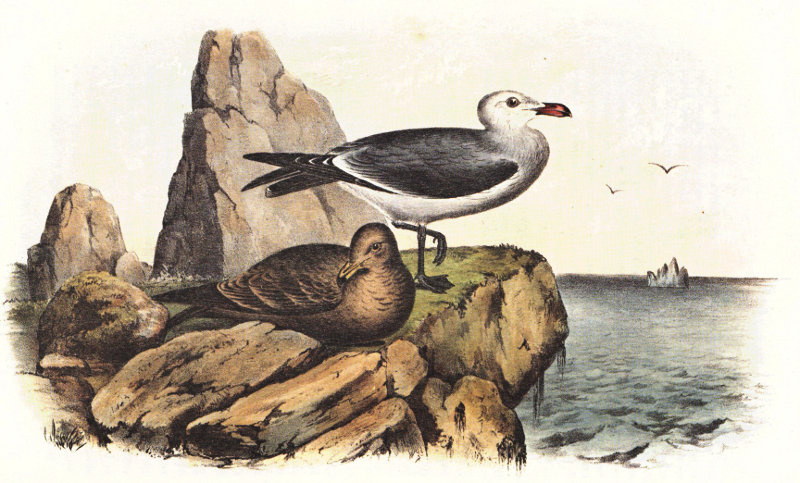
Plate 5 The White-headed Gull Larus Heermanni (Cassin)
29
It was observed, at the localities alluded to, usually flying in company with the western Gull, Larus occidentalis, Audubon, a large and handsome species, of which, in a future part of our work, we hope to have the pleasure of presenting a figure and description to our readers. It appeared to be engaged in the capture of small fishes, of which several species abound in the harbor of San Diego, and also appeared to feed on the small maritime animals of various classes, that inhabit the immense beds of Kelp which occur on the coast, and are especially extensive off the harbor of San Diego less than a mile from its mouth.[1] The nests and eggs of both the present species and of the western Gull were found by Dr. Heermann on the Coronadoes islands which are situated a short distance below the mouth of the harbor.
Our first notice of this bird which we regard as having been previously undescribed, and which we dedicated to its discoverer, is in the Proceedings of the Academy of Natural Sciences of Philadelphia, Vol. VI. p. 187, (October, 1852.) The figures given in the present plate are about one-sixth of the natural size.
DESCRIPTION AND TECHNICAL OBSERVATIONS.
Genus Larus. Linn. Syst. Nat. I. p. 224, (1766.)
Larus Heermanni. Cassin. Proc. Acad. Nat. Sci., Philada., Vol. VI. p. 187, (1852.)
Form. Bill rather long and slender; wings very long, extending beyond the end of the tail; first primary longest; tail truncate or slightly emarginate.
Dimensions. Adult. Total length of skin from tip of the bill to the 30 end of the tail, about 17½ inches; wing, 13½; tail, 5½; bill from the angle of the mouth to the tip of the upper mandible 2½ inches.
Colors. Adult. Bill red, both mandibles tipped with black; feet and legs dark; head white, which color gradually blends into an ashy lead color enveloping the entire body above and below—darker on the back and wings and paler on the abdomen. Secondary quills tipped with white, forming an oblique bar when the wings are folded. Superior coverts of the tail very pale cinereous, nearly white. Quills and tail feathers brownish black, all of the latter narrowly tipped with white. Shafts of the two first primaries white on the inferior surface of the wing.
Young. Smaller, total length about 16 inches, wing 13, tail 5 inches. Entire plumage brown, darker on the head and paler on the under surface of the body; quills and tail feathers brownish black, the latter narrowly tipped with white.
Hab. Coast of California. Spec. in Mus. Acad. Philada.
Obs. We are acquainted with no species of Gull which intimately resembles the bird now described. Judging from the only description extant of Larus Belcheri. Vigors, which is in the Zoological Journal, Vol. IV. p. 358, and which is too short to be of service in this family of birds—it appears to resemble that species to some extent. L. Belcheri is much larger, and is described as having the entire plumage brownish lead-color, and as being 21 inches in total length. It appears to be, however, the only western American species with which our present bird can be confounded.
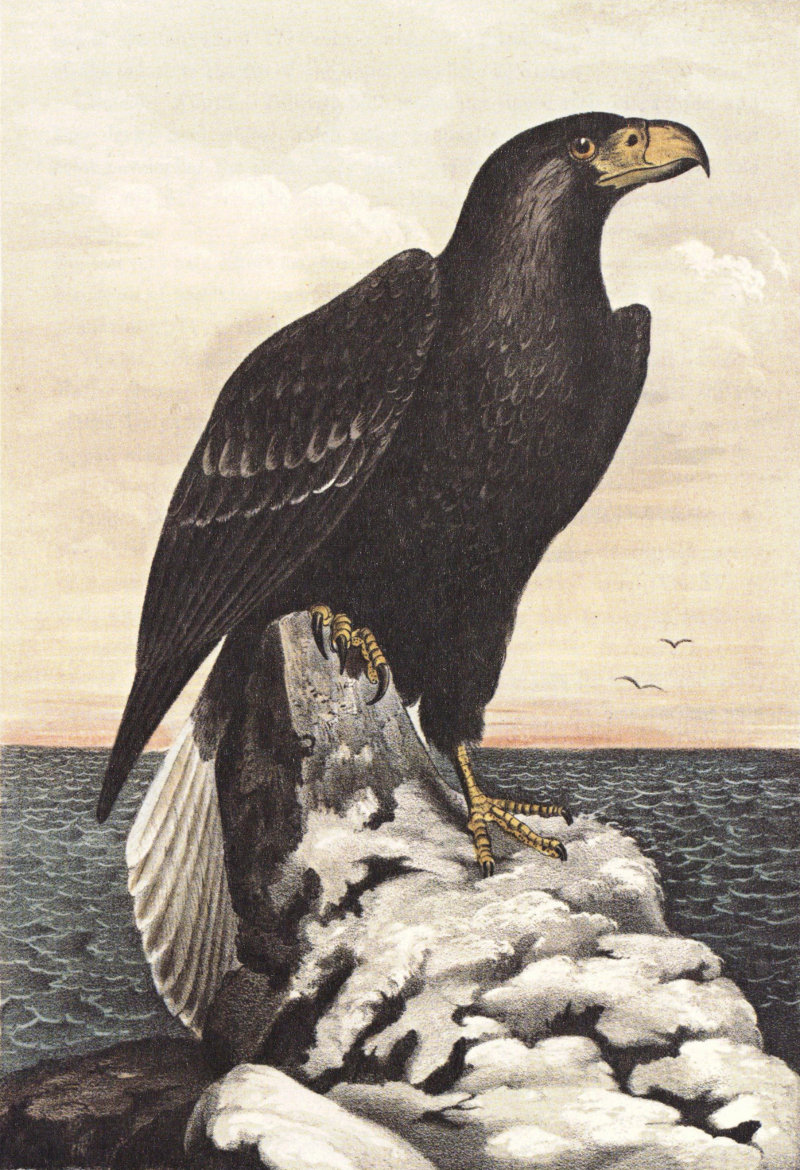
Plate 6 The Northern Sea Eagle Haliaëtus pelagicus (Pallas)
31