EMBERNAGRA BLANDINGIANA.—(Gambel.) Blanding’s Finch. PLATE XII.—Adult Male.
Reading edition
Blanding’s Finch was discovered in the Rocky mountains by Dr. Gambel, and named by him in honor of one of the most universally respected of American naturalists and friends of science, William Blanding, M. D., formerly a resident of Philadelphia, but now of Providence, Rhode Island. During many years of previous residence in South Carolina, Dr. Blanding omitted no opportunity of facilitating by observation and active exertion in contributing to collections, the advancement of the interests of Natural Science in all its departments, and he has been deservedly complimented by naturalists whose studies he has been the means of promoting, and with whom personally he has for many years maintained relations of the most friendly character. Many of the cultivators of Natural History in America owe much to the advice and encouragement of Dr. Blanding, and among such we gratefully include ourselves.
This bird belongs to a group of which several species are known to inhabit Mexico and South America, and of which one other species is a summer visitor to Texas. All of them are birds of handsome and even elegant general appearance and color of plumage, and partake much of the inoffensive habits of other birds of the family to which they belong, and which includes the Finches and Sparrows. Subsisting for the greater part on seeds, much of their time is passed on the ground, or in undergrowths of shrubbery in the immediate vicinity of fields and meadows, or other grass-bearing localities.
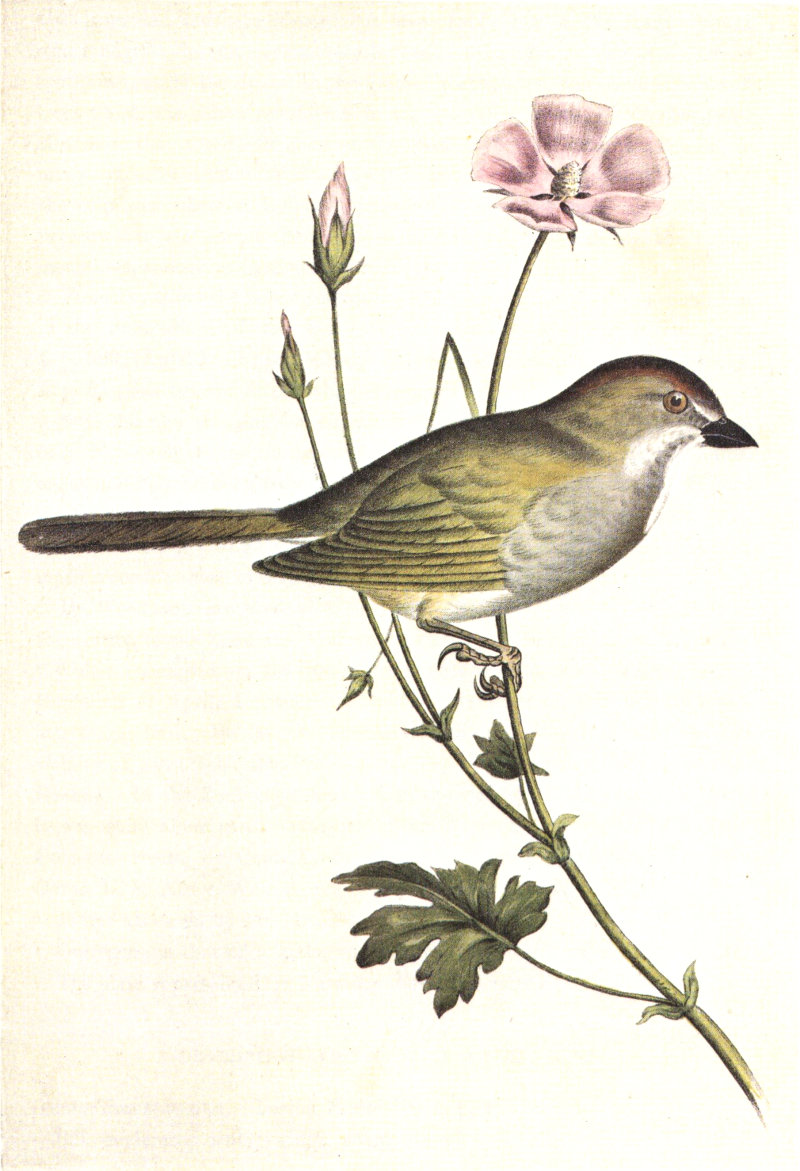
Plate 12 Blanding’s Finch Embernagra Blandingiana (Gambel)
71
We regard the present species as the handsomest Bird of the family of Sparrows yet discovered in the United States, and regret that it is not in our power to lay before our readers an account of it at all full or satisfactory, little having been placed on record, or having otherwise come to our knowledge, beyond the fact that it inhabits sparingly the Rocky mountains, California and northern Texas. It is probably one of the many species which migrate in summer to those countries from Mexico, and even further southward, as is the case with the greater part of the numerous species of birds which are summer-residents in the eastern portion of this continent. Not more than three specimens of this bird have been brought home in the many extensive collections made by the various naturalists who have visited the countries where it is found, from which we must necessarily infer at present that it is one of the rarest of the birds of California and the Rocky mountains, though more abundant in Texas.
From Dr. Gambel’s paper containing his description of this bird, published in the Proceedings of the Academy of Natural Sciences of Philadelphia, I. p. 260, (April 1843,) and subsequently in the Journal of the same society, I. p. 51 (Quarto), we extract the following:
“Of this new and singularly marked species, I procured a single specimen only, in September, on the bank of a small stream in the Rocky mountains, about half-way between New Mexico and the Colorado of the West. It kept in low bushes, in company with Fringilla guttata, and F. graminea, occasionally uttering a single chirp. The throat and breast of this species very much resemble those of Fringilla Pennsylvanica.”
Dr. Woodhouse procured, also, one specimen, only, during Capt. Sitgreaves’ Expedition to the Zuñi, and Colorado rivers, respecting which he observes: “Whilst encamped on the Rio Salado, near San Antonio, Texas, in the beginning of April, I procured a solitary specimen of this beautiful and interesting bird. Its favorite haunts seemed to be the low bushes in the vicinity of the creek; this was the only one that I observed east of the Rio Grande. In the Zuni mountain, and in the vicinity of the pueblo of Zuñi, it was quite abundant.” (Report of an Expedition down the Zuñi and Colorado rivers, by Capt. L. Sitgreaves, of the Topographical Engineer Corps, U. S. Army, Washington, 1853. Zoology, p. 85.)
It was also seen by Dr. Heermann, in California.
Our figure is that of a male, and is about two-thirds of the natural size.
The plant represented, is Nuttallia digitata, a native of California.
DESCRIPTION AND TECHNICAL OBSERVATIONS.
Genus Embernagra. Lesson Traité d’Orn, p. 465, (1851.)
Bill, moderate, conic; wings, short, rounded, usually with the fifth and 72 sixth quills slightly longest; tail, lengthened, rounded at the tip; tarsi and toes, lengthened, strong; claws, short, curved. A genus of birds related to Zonotrichia, and containing several species, all of which are American.
Embernagra Blandingiana. (Gambel.)
Fringilla Blandingiana. Gamb., Proc. Acad. Philada. I. p. 260, (April, 1843)
Fringilla chlorura. Aud. Orn. Biog. V. p. 336?
Form. Rather robust, bill strong, wing short, second, third and fourth quills nearly equal, third slightly longest, tail rather long, legs and feet strong, claws well developed, that on the hind toe large.
Dimensions. Adult. Total length (of skin) from tip of bill to end of tail, about 7 inches; wing, 3⅛; tail, 3¼ inches.
Colors. Head, above, fine rufous chestnut. All other upper parts, yellowish green, tinged with ashy. Throat, white, which color is bordered on each side by a line of ashy black. Sides of the neck, the breast and sides of the body, and flanks, light cinereous, tinged with ochre on the latter and under tail coverts. Middle of the lower part of breast, and of the abdomen, white. Wing, at its flexure and under wing coverts, yellow. Quills and tail-feathers, light greenish yellow on their outer webs.
Hab. California and Texas. Spec. in Mus. Acad. Philada., and Nat. Mus. Washington.
Obs. This species resembles somewhat several others which are natives of the Southern extreme of North America, though not sufficiently to be readily confounded with either of them.
The description of Fringilla chlorura, Aud. in Orn. Biog. V. p. 336, consists of extracts of letters from Dr. Townsend, in which a bird is described, of which he procured no specimens, but evidently like the present, in some respects, but not with sufficient precision to be determined. He represents it as “a true Fringilla. The head of light brownish color spotted with dusky, back varied with dusky and greenish olive, rump brownish spotted with dusky, &c.” Our present bird is by no means a true Fringilla, nor does the description otherwise apply to it with such degree of probability as to be relied on.
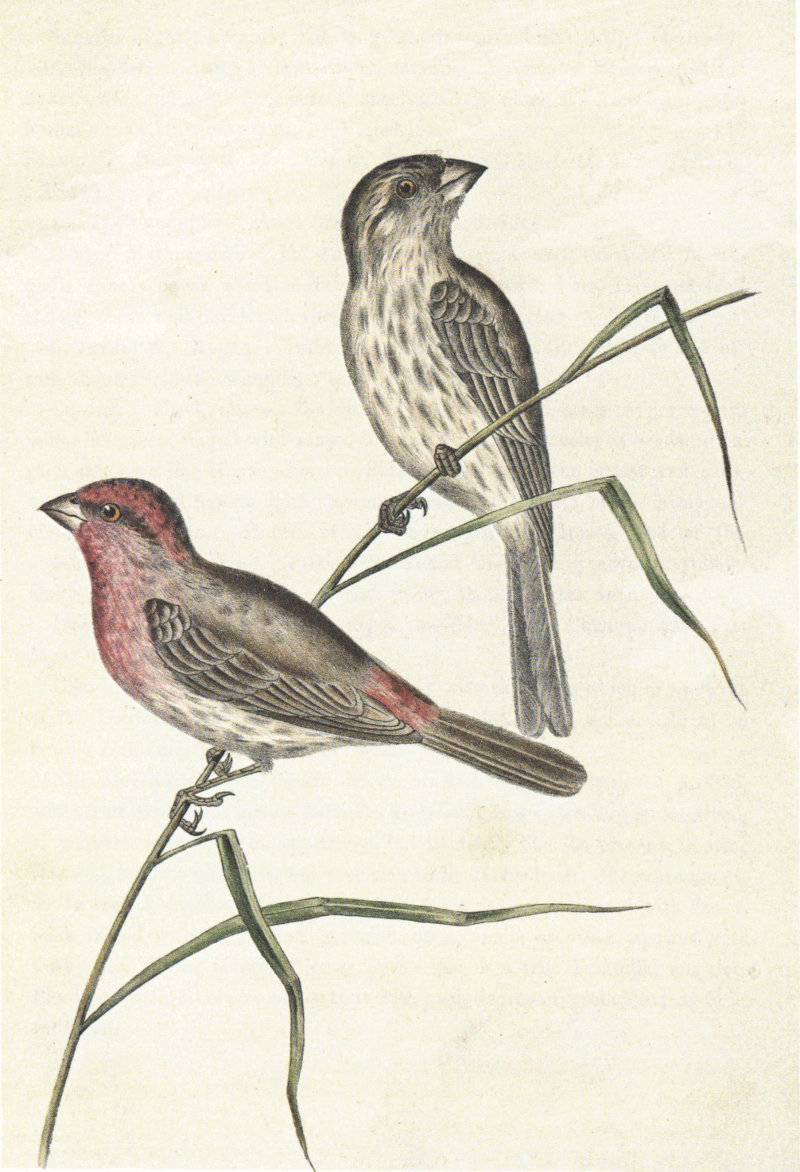
Plate 13 The American House Finch Carpodacus familiaris (M‘Call)
73