A CYCLOPÆDIA OF PRACTICAL RECEIPTS, &c. VOLUME II (continued 38)
Reading edition
In the 17th century also lived Frère St Cosme, a French monk, who obtained considerable fame as an operator for lithotomy, for the performance of which he regarded himself as especially chosen by Heaven. In the 18th century lived in England Cheselden and Douglas, two eminent lithotomists; John Hunter, Pott and Ley; in Scotland, Benjamin and John Bell and Monro; and in Ireland, O’Halloran and Deases; whilst in France flourished Petit, celebrated for his treatise on diseases of the bones; from Germany, Rechter and Haller.
In this century (1784) was founded the Royal College of Surgeons in Ireland. In the present century there are few branches of science in which greater progress has been made than that of surgery. From amongst the most eminent of the English surgeons of the present century we may select the following names:—Abernethy, Blizard, Astley Cooper, Brodie, Dalrymple, Guthrie, Aston Key, Liston, Stanley, Travers, Arnott, Bowman, Erichsen, Fergusson, Prescott Hewett, Hilton, Lane, Lawrence, Paget, Spencer Wells, Marshall, Christopher Heath, Durham, Bryant, Nunn, Lee, H. Smith, Mason, and Pollock.
SUSPENDED ANIMATION. See Asphyxia.
SWAL′LOW. Three or four species of hirundo (Linn.) pass under this name. It was once held in great repute in medicine. Even the excrement was included among the simples of the Ph. L. 1618. The swallow is an insectivorous bird, but, like the sparrow and rook, is much persecuted for its good services. It has been calculated that, directly and indirectly, a single swallow is the humble means of lessening the race of one kind of insect alone to the extent of 560,970,489,000,000,000 of its race in one year.
SWEEPING. Before commencing to sweep, the floor should be strewed with a good amount of damp tea-leaves, saved for the purpose; these collect the dust and thereby save the furniture, which as far as practicable should be covered up during the process. Tea-leaves may also be advantageously used upon druggets and short-piled carpets. Light sweeping and soft brooms are desirable if these latter are to be operated upon. Many a carpet is prematurely worn out by over-violent sweeping.
In sweeping thick-piled carpets, such as Axminster and Turkey carpets, the servant should always be instructed to brush the way of the pile; by following this advice the carpets may be kept clean for years; but if the broom is used in a contrary direction, all the dust will be forced into the carpet, and soon spoil it.
SWEET BALLS. Prep. Take of Florentine orris root, 3 oz.; cassia, 1 oz.; cloves, rhodium wood, and lavender flowers, of each 1⁄2 oz.; ambergris and musk, of each 6 gr.; oil of verbena, 10 or 12 drops; beat them to a paste, form this into balls with mucilage of gum
SWEET BAY. Syn. Laurel; Laurus nobilis (Linn.), L. The fruit (LAURI BACCÆ; LAURUS—Ph. L.), as well as the leaves (LAURI FOLIA), are reputed aromatic, stimulant, and narcotic. They were formerly very popular in coughs, colic, hysteria, suppressions, &c.; and externally, in sprains, bruises, &c.
SWEET′BREAD. The thymus gland of the calf. When boiled, it is light and digestible; but when highly dressed and seasoned it is improper both for dyspeptics and invalids. (Pereira.)
SWEET FLAG. Syn. Acorus calamus, L. A plant of the natural order Orontiaceæ. The rhizome (‘root’) is an aromatic stimulant, and is regarded by some as a valuable medicine in agues, and as a useful adjunct to other stimulants and bitter tonics. It is sometimes employed by the rectifiers of gin. The volatile oil obtained from it by distillation is employed for scenting snuff and in the preparation of aromatic vinegar.
SWEET′MEATS. Under this head are properly included confections, candies, and preserves, in sugar; but, as generally employed, the word embraces all the sweet compounds of the confectioner.
Sweetmeats, as well as cakes, blancmange, and jellies, are not unfrequently coloured with deleterious substances, the consequences of which are always pernicious, and in many instances have proved fatal. Gamboge, a drastic cathartic; chrome yellow, red lead, orpiment, emerald green, and various other pigments containing lead, arsenic, copper, or other poisons, have been thus employed. The whole of these may be readily detected by the tests and characteristics appended to their respective names.
The colours and stains which may be safely employed to increase the beauty of these articles are noticed under Stains and Liqueur.
SWEETS. Home-made wines: British wines.
SWINE-POX. See Pox.
SYDENHAM’S LEN′ITIVE. Prep. Take of rhubarb (recently grated or powdered), 3 dr.; tamarinds, 2 oz.; senna, 1⁄2 oz.; coriander seeds (bruised), 2 dr.; boiling water, 1 pint; macerate for 3 hours in a covered vessel, and strain. An excellent stomachic and laxative.—Dose, 1⁄2 to 1 wine-glassful.
SYL′VIC ACID. Syn. Silvic acid. The portion of common resin or colophony which is the least soluble in cold and somewhat dilute alcohol.
SYMBOLS. In chemistry are representations of one atom of each of the elementary bodies, by the capital initial letter with or without the addition of a small letter of their Latin names. As C, for carbon; Fe (ferrum), iron; O, oxygen, &c.
Symbols, Alchemical[217]—
Acetum

Acetum destillatum
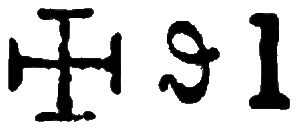
Acidum

Aër
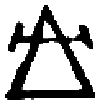
Aerugo

Alumen

Alembic

Æther

Amalgama
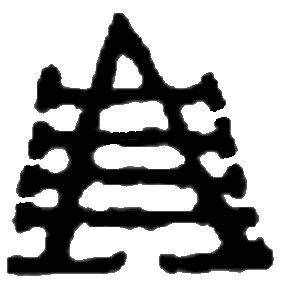
Ammonium

Aqua

Aqua fortis

Aqua pluvialis

Aqua regia

Arena

Argentum

Arsenicum
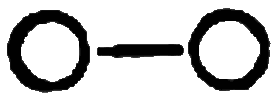
Auripigmentum

Aurum

Aurantium

Baln. arenæ

Baln. mariæ
Baln. vaporis

Baryta
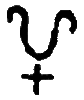
Bismuth
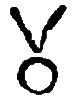
Borax
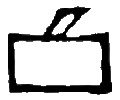
Calcaria
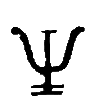
Calcaria usta
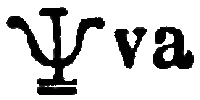
Camphora

Cancer
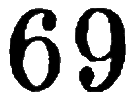
Caput mortuum

Carbo
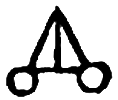
Carbonicum
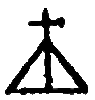
Carduus benedictus
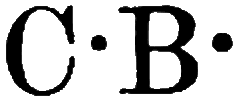
Card. marianus
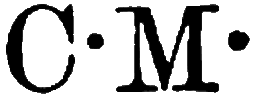
Cera
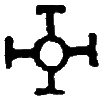
Cinis clavelatum
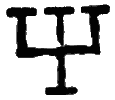
Cinis
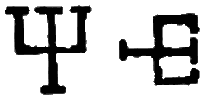
Cinnabar
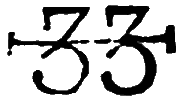
Cornu cervi
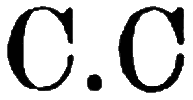
Cristalli
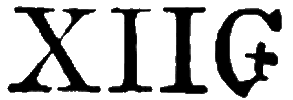
Crucibulum

Cuprum

Distillare
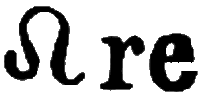
Ferrum

Fictile

Fixum
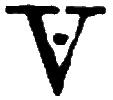
Flores
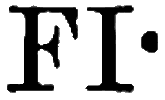
Gummi
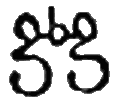
Hora

Hydrargyrum
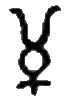
Hydr. chloridum
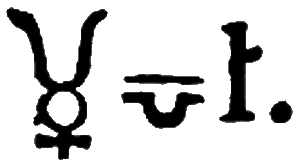
Hydr. corrosivum
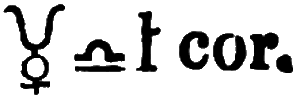
Ignis
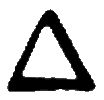
Kali
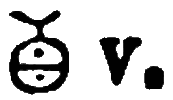
Lapis

Lithargyrum
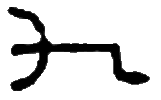
Magnet
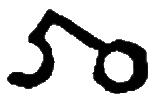
Magnesia

Menstruum

Natrum

Nitrum

Oleum
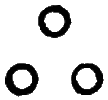
Oxidatum
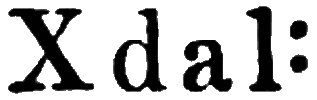
Oxidulatum
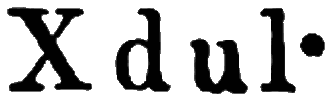
Per deliquium
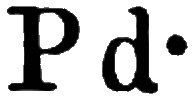
Plumbum

Precipitare
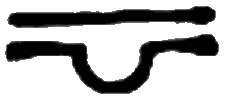
Preparare

Pulvis

Regulus

Resina
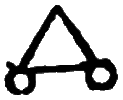
Retorta

Saccharum
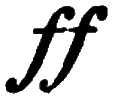
Sal

Sal kali

Sal ammoniac

Sal medius

Sapo

Spiritus

Spiritus vini
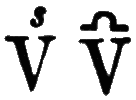
Spiritus rectificatissimus
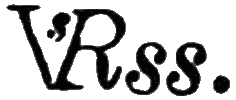
Spiritus rectificatus
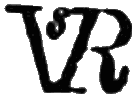
Stannum
Stibium
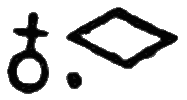
Stratum super stratum
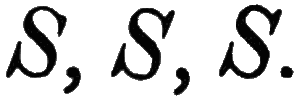
Sublimare
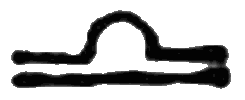
Succinum
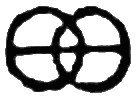
Sulphur
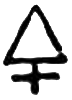
Tartarus

Terra
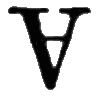
Terra foliata
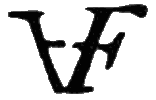
Tinctura
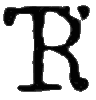
Vitriolum
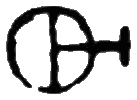
Vitrum

Volatile
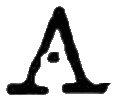
Urina

Ustare
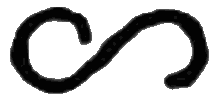
Zincum
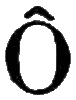
Symbols and Abbreviations, Botanical.
Monocarp. A plant which produces seed only once during its life. The symbol representing the sun.

Annual. A monocarp which dies in the same year that it germinated, e.g. Mustard.
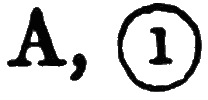
Biennial. A monocarp which produces leaves only the first year and perfects its seed the next, e.g. Mullein.
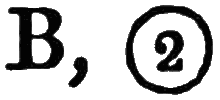
P Perennial. A plant which produces seed for an indefinite number of years, e.g. Apple.
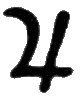
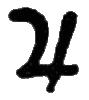
Rhizocarp. A perennial the stems of which die down to the ground every year, e.g. Rhubarb, Mint. The symbol representing Jupiter, which has a period of revolution round the sun of 12 years.
Caulocarp. A perennial, the stems of which are persistent throughout the whole of its life, e.g. Apple. The symbol representing Saturn, the period of revolution of which round the sun is 30 years.

H Herb. A plant, the stems of which remain soft or succulent, e.g. Mint or Rhubarb.
Shrub. A plant in which the stems are woody, and which usually divide near the ground into numerous branches and twigs, e.g. Lilac.
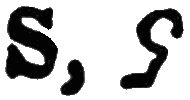
Under shrub. A small shrub; one that does not grow more than 3 feet in height, e.g. Gooseberry.

Tree. A plant which grows to 20 feet or more in height, having a woody stem forming a distinct trunk, e.g. Oak.
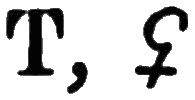
A climbing plant which follows the sun, e.g. Hop.
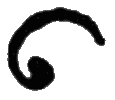
A climbing plant which moves against the sun, e.g. Scarlet-runner.

Flowers having stamens only (unisexual, staminiferous, or male), e.g. male flowers of Box. The symbol representing Mars, the period of revolution of which is 2 years.

Flowers having pistils only (unisexual, pistillate, or female), e.g. female flowers of Box. The symbol representing Venus.
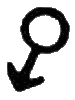
Flowers having both stamens and pistils (bisexual or hermaphrodite), e.g. Buttercup.
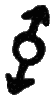
Abortive staminiferous flowers (neuter).

Abortive pistillate flowers (neuter), e.g. the florets of the ray in Daisy.

Monœcious plants, producing male and female flowers upon the same individual, e.g. Box.
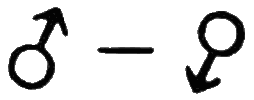
Diœcious plants, producing male and female flowers, but upon separate individuals, e.g. Willow.
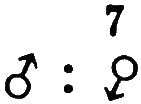
Polygamous plants, which produce hermaphrodite and unisexual flowers upon the same or different individuals, e.g. Atriplex.
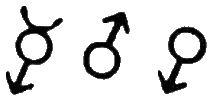
Indefinite in number; applied to stamens and other parts of flowers.

Cotyledons accumbent, radicle lateral.
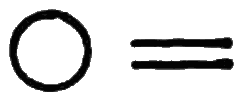
Cotyledons incumbent, radicle dorsal.
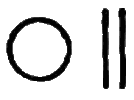
Cotyledons conduplicate, radicle dorsal.

Cotyledons twice folded, radicle dorsal.
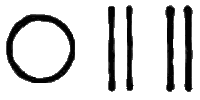
Cotyledons thrice folded, radicle dorsal.
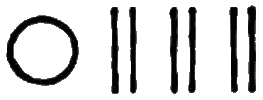
Trimerous, applied to flowers when the whorls of the flower are multiples of three, as in most endogens.
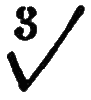
Pentamerous, applied to flowers when the whorls of the flower are multiples of five, as in exogens generally.
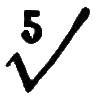
Bab., Babington.
Berk., Berkeley.
Br., Brown.
Cal., calyx.
Caul, caulis, stem.
Cl., Classis, class.
Cor., corolla.
Cuv., Cuvier.
D. C., or De Cand., De Candolle.
Endl., Endlicher.
Fam., family.
Fr., fructus, fruit.
Gen., genus, genus.
Hook., Hooker.
Juss., Jussieu.
D. or Linn., Linnæus.
Lindl., Lindley.
Nat. Ord., Natural order.
O. or Ord., ordo, order.
Per., perianthus, perianth.
Rad., radix, root.
Rich., Richard.
Sp. or Spec, species, species.
Subord., Suborder.
Subk., Subkingdom.
Var., varietas, variety,
V. s. c., vidi siccam cultam, a dry cultivated plant seen.
V. s. s., vidi siccam spontaneam, a dried specimen seen.
V. v. c, vidi vivam cultam, a living cultivated plant seen.
V. v. s., vidi vivam spontaneam, a living wild plant seen.
Willd., Willdenow.
With., Withering.
SYMPATHET′IC INK. See Ink.
SYN′APTASE. Syn. Emulsin. The name given by Robiquet to the Emulsin, a nitrogenised or albuminoid principle existing in both the bitter and sweet almond. It possesses the remarkable property of converting amygdalin, in the presence of water, into hydrocyanic acid and the essential oil of bitter almonds. 100 gr. of amygdalin yield, under the influence of synaptase and water, 47 gr. of raw oil, and 5·9 gr. of anhydrous hydrocyanic acid. (Liebig.)
SYN′COPE. See Fainting.
SYR′UP. Syn. Sirup, Sirop; Syrupus, L. A saturated, or nearly saturated, solution of sugar in water, either simple, flavoured, or medicated.
In the preparation of syrups care should be taken to employ the best refined sugar, and either distilled water or filtered rain water; by which they will be rendered much less liable to spontaneous decomposition, and will be perfectly transparent, without the trouble of clarification. When inferior sugar is employed, clarification is always necessary. This is best done by dissolving the sugar in the water, or other aqueous menstruum, in the cold, and then beating up a little of the cold syrup with some white of egg, and an ounce or two of cold water, until the mixture froths well; this must be added to the syrup in the boiler, and the whole ‘whisked up’ to a good froth; heat should now be applied, and the scum which forms removed from time to time with a clean ‘skimmer.’ As soon as the syrup begins to slightly simmer it must be removed from the fire, and allowed to stand until it has cooled a little, when it should be again skimmed, if necessary, and then passed through clean flannel. When vegetable infusions or solutions enter into the composition of syrups, they should be rendered perfectly transparent by filtration or clarification, before being added to the sugar.
M. Magnes-Lahens[218] describes below a process for the clarification of syrups, the originator of which was M. Demarest, a pharmacien.
A filter of moleskin capable of holding about one third of the volume of the syrup, and having the form of an inverted sugar-loaf, is supported over a suitable receptacle; the syrup with the pulp is poured rapidly into it, so as to fill it as quickly as possible; and the filter is kept full so long as any of the syrup remains. When the greater part has run through, and but little remains in the filter, and consequently the ‘felting’ of the paper pulp is complete, the syrup which has already run through, is again poured into the filter. The liquid which now passes is perfectly bright, and may be collected. In pouring the syrup into the filter, the stream should be directed into the middle, and not upon the sides, so as to avoid disarranging the felt, which would interfere with the success of the operation.
The author very strongly recommends this method for the clarification of all kinds of syrups; its advantages being that it results in a perfectly limpid liquid, and that it involves neither trouble nor loss of time or material. He states that in 4 or 5 hours, with a filter of 8 litres in capacity, 24 litres of syrup may be clarified.
The small quantity of syrup retained in the filter and pulp, may be recovered by pouring on a sufficient quantity of warm water, pressing strongly, evaporating the liquid to a syrupy consistence, beating up with a little paper pulp, and passing, it again through a small filter.
The proper quantity of sugar for syrups will, in general, be found to be 2 lbs. (avoir.) to every imperial pint of water or thin aqueous fluid. These proportions, allowing for the water that is lost by evaporation during the process, are those best calculated to produce a syrup of the proper consistence, and possessing good ‘keeping qualities.’ They closely correspond to those recommended by Guibourt for the production of a perfect syrup, which, he says, consists of 30 parts of sugar to 16 parts of water.
In the preparation of syrups it is of great importance to employ as little heat as possible, as a solution of sugar, even when kept at the temperature of boiling water, undergoes slow decomposition. The plan which we adopt is to pour the water (cold) over the sugar, and to allow the two to lie together for a few hours, in a covered vessel, occasionally stirring, and then to apply a gentle heat (preferably that of steam or water bath) to finish the solution. Some persons (falsely) deem a syrup ill prepared unless it has been allowed to boil well; but if this method be adopted, the ebullition should be only of the gentlest kind (‘simmering’), and should be checked after the lapse of 1 or 2 minutes.
Mr Orynski recommends the preparation of all syrups without the application of heat, as follows:
Introduce 30 or 32 oz. of sugar (according to the temperature) into a percolator, in which has been previously introduced a piece of lint or sponge, well adjusted, and gradually pour on 16 ounces of liquid, so as to make the percolate (syrup) pass drop by drop. If the first liquid is turbid pour it back into the percolator till the syrup passes clear.
The advantages claimed for this process are: First, the syrups are clear; and there is no necessity for purifying them.
Secondly, they possess their medicinal properties unaltered; since many drugs may be injured by heat, more especially aromatics, and those containing readily volatile substances; and—
Thirdly, the syrups will neither crystallise nor ferment; and may be prepared in large quantity, provided the vessels or bottles are clean before filling them with syrup.
When it is necessary to thicken a syrup by boiling, a few fragments of glass should be introduced, in order to lower the boiling point.
To make highly transparent syrups, the sugar should be in a single lump, and, by preference, taken from the bottom or broad end of the loaf, as, when taken from the smaller end, or if it be powdered or bruised, the syrup will be more or less cloudy.
Syrups are judged, by the laboratory man, to be sufficiently boiled when some taken up in a spoon, pours out like oil, or a drop cooled on the thumb-nail gives a proper ‘thread’ when touched. When a thin skin appears on blowing upon the syrup, it is judged, by the same party, to be completely saturated. These rude tests often lead to errors, which might be easily prevented by employing the proper proportions, or determining the sp. gr.
A fluid ounce of SATURATED SYRUP weighs 5771⁄2 gr.; a gallon weighs 131⁄5 lbs. (avoir.); its sp. gr. is 1·319 to 1·321, or 35° of Baumé’s aërometer; its boiling-point is 221° Fahr., and its density at the temperature of 212° is 1·260 to 1·261, or 30° Baumé. The syrups prepared with the juices of fruits, or which contain much extractive matter, as those of sarsaparilla, poppies, &c., mark about 2° or 3° more on Baumé’s scale than the other syrups.
In most pharmaceutical works directions are given to completely saturate the water with sugar. Our own experience, which is extensive, leads us to disapprove of such a practice, since we find that, under all ordinary circumstances, a syrup with a very slight excess of water keeps better than one fully saturated. In the latter case a portion of sugar generally crystallises out on standing, and thus, by abstracting sugar from the remainder of the syrup, so weakens it, that it rapidly
The decimal part of the number denoting the sp. gr. of a syrup, multiplied by 26, gives the number of pounds of sugar it contains per gallon, very nearly. (Ure.)
In boiling syrups, if they appear likely to boil over, a little oil, or rubbing the edges of the pan with soap, will prevent it.
Syrups may be decoloured by agitation with, or filtration through, recently burnt animal charcoal. Medicated syrups should not, however, be treated in this way.
The preservation of syrups, as well as of all other saccharine solutions, is best promoted by keeping them in a moderately cool, but not a very cold, place. “Let syrups be kept in vessels well closed, and in a situation where the temperature never rises above 55° Fahr.” (Ph. L.) They are better kept in smaller rather than in large bottles, as the longer a bottle lasts the more frequently it will be opened, and, consequently, the more it will be exposed to the air. By bottling syrups whilst boiling hot, and immediately corking down and tying the bottles over with bladder perfectly air-tight, they may be preserved, even at a summer heat, for years, without fermenting or losing their transparency.
The ‘candying,’ or crystallisation, of syrup, unless it be oversaturated with sugar, may be prevented by the addition of a little acetic or citric acid (2 or 3 dr. per gall.).
The fermentation of syrups may be effectually prevented by the addition of a little sulphite of potassa or of limes. Chlorate of potassa has been proposed for this purpose by Dr Macculloch, on theoretical grounds. M. Chereau recommends the addition of some (about 3 to 4%) sugar of milk, with the same intention. Dr Durand asserts that by adding about 1 fl. dr. of ‘Hofmann’s anodyne’ to each pint of syrup, the accession of fermentation may not only be prevented, but arrested when it occurs, fermenting syrups may be immediately restored by exposing the vessel containing them to the temperature of boiling water. The addition of a little spirit is ordered in the new ‘London Pharmacopœia.’
In making the above additions to syrup, care must be had not to mix incompatible substances. Thus, in general the two methods referred to cannot be practised together.
Syrup is, perhaps, the worst possible form of medicine, owing to the difficulty of accurately saturating it with active medicinals, and its liability to change. Few persons think that “sweetness renders a nauseous drug more palatable.” See also Squire’s ‘Companion to the British Pharmacopœia.’
Syrup of Ac′etate of Mor′phia. Syn. Syrupus morphiæ acetatis, L. Prep. (Ph. D.) Solution of acetate of morphia, 1 fl. oz.; simple syrup, 15 fl. oz.; mix. Each fl. oz. contains 1⁄4 gr. of acetate.—Dose, 1⁄2 to 2 teaspoonfuls.
Syrup of Al′mond. Syn. Barley syrup, Orgeat; Syrupus amygdalæ, L.; Sirop d’orgeat, Fr. Prep. 1. Sweet almonds, 1 lb.; bitter almonds, 1 oz.; blanch, beat them to a smooth paste, and make an emulsion with barley water, 1 quart; strain, to each pint add of sugar, 2 lbs., and a table-spoonful or two of orange-flower water; put the mixture into small bottles, and preserve it in a cool place. Some persons add a little brandy.
2. (Ph. Bor.) Sweet almonds, 8 oz.; bitter almonds, 2 oz.; blanch them, after cold maceration, then beat them in a marble mortar, with a wooden pestle, to a paste, adding, gradually, of water, 16 fl. oz.; orange-flower water, 3 fl. oz.; after straining through flannel, dissolve 3 lbs. of sugar in each pint of the emulsion. An agreeable pectoral and demulcent.
Syrup of Aniseed. Syn. Syrupus anisi. Prep. Infuse 1⁄2 oz. of bruised aniseed in 4 oz. of hot water, strain, and add 2 dr. of sugar.
Syrup, Antiscorbutic. Syn. Syrupus antiscorbuticus (P. Cod.) Prep. Scurvy-grass, watercresses, horseradish, all fresh, of each 10 oz.; buckbean, 1 oz.; bitter orange peel, 2 oz.; cinnamon, 1⁄2 oz.; white wine, 40 oz. (by weight); macerate 2 days and distil off 10 oz. (by weight); then add to the distillate, sugar, 25 oz.; strain the residue left in the retort, decant and make into a syrup with another 25 oz. of sugar; clarify with white of egg, and when cold, add to it the former syrup.—Dose, 4 dr.
Syrup of Balsam of Peru. Syn. Syrupus balsami peruviani. (Ph. G.) Prep. Balsam of Peru, 1 oz.; boiling water, 11 oz.; digest with frequent agitation till cold, and form 10 oz. of the filtered liquid into a syrup, with 18 oz. of sugar.
Syrup of Bark. Syn. Syrupus cinchonæ. (P. Cod.) Prep. Calisaya bark, 1 oz.; percolate, with 10 oz. of proof spirits (·996), and then with water, so as to yield 10 oz. of liquid; distil off spirit, filter, and add 10 oz. of sugar; reduce by a gentle heat, so as to obtain 151⁄4 oz. (by weight) of product.
Syrup of Bark, Vinous. Syn. Syrupus cinchonæ vinosus. (P. Cod.) Prep. Soft extract of bark, 1 oz.; white wine, 2 pints 3 oz.; dissolve, filter, add 31⁄2 lbs. of white sugar, and dissolve by a water bath.
Syrup of Belladonna. Syn. Syrupus belladonnæ. (P. Cod.) Tincture of belladonna (P. Cod), 3⁄4 oz. (by weight); syrup, 10 oz. (by weight).
Syrup, Boyle’s. See Syrup, Symphytic.
Syrup of Buck′thorn. Syn. Syrupus rhamni (B. P., Ph. L. & E.), S. rhamnni cathartici, L. Prep. 1. (Ph. L.) Juice of Buckthorn, defecated by 3 days’ repose, 2 quarts; ginger and allspice, of each (bruised) 6 dr.; macerate the spice in 1 pint of the juice, at a gentle heat, for 4 hours, and filter; boil the remainder of the juice to 11⁄2 pint, mix the liquors, dissolve therein of white sugar, 6 lbs.; and add to the (nearly cold) syrup 6 fl. oz. of rectified spirit. In the Ph. E. the spirit is omitted.
2. (B. P.) Buckthorn juice, 97; ginger, sliced, 1; pimento, bruised, 1; refined sugar, 97; rectified spirit, 8 oz.; evaporate the juice to nearly half (5⁄8); add the ginger and pimento, digest at a gentle heat for four hours, and strain; when cold add the spirit, let the mixture stand for two days, then decant off the clear liquor, and in this dissolve the sugar at a gentle heat; sp. gr. 1·32.—Dose, 1 dr.
3. (Wholesale.)—a. Take of buckthorn juice, 3 gall.; bruised pimento and ginger (sifted from the dust), of each 1⁄2 lb.; simmer for 15 minutes, strain, and add of sugar, 44 lbs.
b. Take of buckthorn juice, 3 galls.; boil to 2 gall.; add of bruised pimento and ginger gruffs (free from dust), of each 3⁄4 lb.; boil to 1 gall., strain, add molasses, 72 lbs., and finish the boiling.
Obs. Syrup of buckthorn is a brisk but unpleasant cathartic. It is now chiefly used in veterinary practice.—Dose, 1⁄2 fl. oz. to 1 fl. oz. Should the colour be dull, the addition of a few grains of citric or tartaric acid will brighten it.
Syrup of Cabbage-tree Bark. Syn. Syrupus geoffroyæ. (Dr Wright.) Prep. Decoction of cabbage-tree bark made into a syrup with twice its weight of sugar. Vermifuge.—Dose, 1 to 4 tablespoonfuls.
Syrup of Cahinca. Syn. Syrupus cahincæ. (Soubeiran.) Prep. Alcoholic extract of cahinca, 64 gr.; syrup, 16 oz.; dissolve the extract in a little water, and add the solution to the boiling syrup.—Dose, 1 oz. daily.
Syrup of Cap′illaire. Syn. Syrup of maidenhair; Syrupus adianthi, Syrupus capillorum veneris, L.; Capillaire, Sirop de capillaire, Fr. Prep. (P. Cod.) Canadian maidenhair (Adiantum pedatum—Linn.), 4 oz.; boiling water, 21⁄2 pints; infuse, strain, add of white sugar, 5 lbs., and pour the boiling clarified syrup over 2 oz. more of maidenhair; re-infuse for 2 hours, and again strain.
Obs. Demulcent. Clarified syrup flavoured with orange-flower water or curaçoa is now commonly sold for CAPILLAIRE. It is usually ‘put up’ in small bottles of a peculiar shape, known in the trade as ‘capillaires.’ It is now chiefly used to sweeten and flavour grog. See Capillaire.
Syrup of Car′rageen. Syn. Syrup of Iceland moss. Prep. Boil horehound, 1 oz., liverwort, 6 dr., in water, 4 pints, for 15 minutes; express and strain; then add carrageen (previously softened with cold water), 6 dr.; again boil for 15 minutes, strain through flannel, and add sugar, 1 lb., to each pint. An agreeable demulcent in coughs.
Syrup of Castor, Compound. Syn. Syrupus castorii compositus. (Lebron.) Prep. Valerian water, 5 oz.; cherry laurel water, 21⁄2 oz.; castor (dissolved in a sufficient quantity of spirit), 3 dr.; white sugar, 15 oz. In spasmodic asthma.
Syrup of Catechu. Syn. Syrupus catechu. (P. Cod.) Prep. Extract catechu, 21⁄2 oz.; syrup, 6 lbs.; dissolve the extract in double its weight of water, and add to the syrup.
Syrup of Chamomile. Syn. Syrupus anthemidis. (P. Cod.) Prep. Chamomile flowers, dried, 1 lb.; boiling water, 10 lbs.; macerate, strain with expression, and form the infusion into a syrup with twice its weight of sugar.
Syrup of Chloral Hydrate. Syn. Syrupus chloralis hydratis. (B. Ph.) Prep. Hydrate of chloral, 80 gr.; distilled water, 4 fl. dr. Syrup to measure, 1 fl. oz.—Dose, 1⁄2 fl. dr. to 2 fl. dr.
Syrup of Chloride of Lime. Syn. Syrupus chloridi calcis. (Dr Reid.) Prep. Liquid chloride of lime, 1 dr.; mucilage, 2 dr.; syrup of orange peel, 10 dr.
Syrup of Cinchonine. Syn. Syrupus cinchoninæ. (P. Cod.) Prep. Sulphate cinchonine, 20 gr.; syrup, 16 oz. (by weight).
Syrup of Citrate of Caffeine. Syn. Syrupus caffeinæ citratis. (Hannon.) Prep. Citrate of caffeine, 1 scruple; syrup, 1 oz.
Syrup of Citrate of Iron and Ammonia. Syn. Syrupus ferri et ammoniæ citratis. (Beral.) Prep. Ammonio-citrate of iron, 1⁄4 oz.; syrup 91⁄2 oz. (by weight); cinnamon water, 1⁄4 oz.
Syrup of Citrate of Iron and Quinine. Syn. Syrupus ferri et quiniæ citratis. A syrup is prepared by Mr Bullock under this name, but its composition has not been made known. Another form is citrate of iron and quinine, 1 oz.; syrup of orange peel, 1 pint. (Beasley.)
Syrup of Cit′ric Acid. Syn. Syrupus acidi citrici (Ph. D.), L. Prep. (Ph. D.) Take of citric acid (in powder) and distilled water, of each, 21⁄2 oz.; dissolve, add the solution, together with tincture of lemon peel, 5 fl. dr., to simple syrup, 3 pints, and mix with agitation. An agreeable refrigerant. Used for sweetening barley water, &c., and for flavouring water to
Syrup of Cloves. Syn. Syrupus caryophylli. (Ph. E.) Prep. Clove, July flowers, 1 troy oz.; boiling water, 4 oz.; macerate for 12 hours, strain, and add sugar, 7 oz.; make a syrup. Used for its colour and flavour.
Syrup of Cochineal. Syn. Sryupus coccinellæ, Syrupus cocci (Ph. L.), L. Prep. (Ph. L.) Take of cochineal (bruised), 80 gr.; boiling distilled water, 1 pint; boil for 15 minutes in a closed vessel, strain, and add of sugar, 3 lbs., or twice that of the strained liquor; lastly, when the syrup has cooled, add of rectified spirit, 21⁄2 fl. oz., or 1⁄2 fl. dr. to each fl. oz. of syrup. Used as a colouring syrup, and often sold for SYRUP OF CLOVE-PINKS.
Syrup of Cochineal, Alkaline. Syn. Syrupus cocci alkalinus. Prep. Cochineal in powder, 2 scruples; carbonate of potash in powder, 4 scruples; triturate, and add boiling distilled water, 16 oz.; strain, and add 4 oz. of sugar candy. A popular domestic remedy for hooping cough.—Dose. From a teaspoonful to a tablespoonful, according to the age of the child, 3 or 4 times a day.
Syrup of Cod-liver Oil. Syn. Syrupus olei morrhuæ. (Duclos.) Prep. Mix 5 parts of powdered gum with 4 of simple syrup; add 8 parts of cod-liver oil, triturate till perfectly mixed, gradually adding 12 parts of water; lastly, dissolve in the emulsion, 24 oz. of sugar by means of a gentle heat. In the same manner may be prepared syrups from the oil of skate, castor oil, &c.
Syrup of Coffee. Syn. Syrupus caffeæ. Prep. Concentrated infusion of fresh-roasted coffee, 4 oz.; refined sugar, 8 oz.; dissolved in a closed vessel by a gentle heat.
Syrup of Colchicum. Syn. Syrupus colchici. (Ph. E., 1817.) Prep. Fresh colchicum, 1 oz.; vinegar, 16 oz.; macerate for 2 days, and strain with gentle expression; add to the clear liquor 26 oz. of sugar, and boil.
Syrup of Colts′foot. Syn. Syrupus tussilaginis, L. Prep. (P. Cod.) Flowers of coltsfoot, 1 lb. (or dried flowers, 2 oz.); boiling water, 2 lbs.; macerate for 12 hours; strain, press, filter, and add of white sugar, 4 lbs. A popular remedy in coughs, colds, &c.—Dose, 1 to 2 table-spoonfuls, ad libitum.
Syrup of Copaiba. Syn. Syrupus copaibæ. (Puche.) Prep. Triturate 2 oz. of copaiba with 1⁄2 oz. of powdered gum and 11⁄2 oz. of water; add 32 drops of essence of peppermint, and 12 oz. of simple syrup.
Syrup of Corsican Moss. Syn. Syrupus helminthocorti. (P. Cod.) Macerate 1 lb. of cleansed Corsican moss in 21⁄2 lbs. of boiling water; in six hours strain. Macerate the residue in sufficient boiling water, so as to obtain, including the product of the first maceration, 23⁄4 lbs., in which dissolve 5 lbs. of sugar.
Syrup of Cream. Finely powdered lump sugar mixed with an equal weight of fresh cream. It will keep for a long time if put into bottles, and closely corked and sealed over. It is commonly placed in 2-oz. wide-mouthed phials, and taken on long voyages, a fresh phial being opened at every meal.
Syrup of Cyanide of Potassium. Syn. Syrupus potassii cyanidi; Syrop de hydrocyanate de potasse. Prep. Clarified syrup, 16 oz.; medicinal hydrocyanate of potash (a solution of 1 part of cyanide of potassium in 8 of water), 1 dr.
Syrup of Dittany. Syn. Syrupus diotamni. From Dittany of Crete, as Syrup of Hyssop.
Syrup of Dulcamara. Syn. Syrup of bitter sweet, Syrupus dulcamaræ. As Syrup of Corsican moss.
Syrup, Easton’s. This preparation is said to contain in each fluid drachm—1 gr. of phosphate of iron, 1 gr. of phosphate of quinia, and a 1⁄32 gr. of strychnia. The dose is 1 dr. A precipitate, which consists of phosphate of quinine, sometimes forms in this syrup. This may be obviated by avoiding as much as possible exposure of the syrup to the air, caused by filtration of the quinine solution into the syrup.
Syrup of Eggs. Syn. Syrupus ovorum. (Fuller.) Prep. Beat the whites of 3 eggs with 6 oz. of plantain water, and work it in a mortar with 6 oz. of powdered sugar till they form a syrup.
Syrup of Emetina. Syrupus emitinæ. (P. Cod.) Prep. Coloured emetine, 12 gr.; syrup, 171⁄2 oz. (by weight); mix.
Syrup, Empyreumat′ic. Treacle.
Syrup of Ergotine. Syn. Syrupus ergotinæ (Bonjean.) Ergotine (watery extract of ergot), 2 dr.; orange-flower water, 1 oz.; dissolve, and add the solution to 16 oz. (by weight) of boiling syrup.—Dose, 2 to 4 spoonfuls in the day.
Syrup of E′ther. Syn. Syrupus ætheris, S. æ. sulphurici, L.; Sirop d’æther, Fr. Prep. (P. Cod.) Sulphuric ether, 1 part; white (simple) syrup, 16 parts; place them in a glass vessel having a tap at the bottom, shake them frequently for 5 or 6 days, and then draw off the clear syrup into small bottles.—Dose, 1⁄2 to 3 fl. dr.
Syrup of Eucalyptus. Syn. Syrupus eucalypti globuli. Prep. 1. 100 gr. of the chopped leaves are infused for 6 hours in 1 litre of boiling water, the liquid expressed, and after allowing it to deposit, it is made into a syrup by the addition of 190 grams of sugar, for 100 grams of the clear liquid.
2. (Dorvault.) Distilled water of eucalyptus, 50 parts; sugar, 95 parts; dissolve.
Syrup, Euston’s. See Syrup of Phosphate of Iron, with quinine and strychnia.
Syrup of Fennel. Syn. Syrupus fœniculi. (Ph. G.) Prep. Infuse bruised fennel seed, 2 oz., in 12 oz. of boiling water for three hours;
Syrup of Foxglove. Syn. Syrupus digitalis. (P. Cod.) Prep. Tincture of foxglove (P. Cod), 1⁄2 oz. (by weight); syrup, 20 oz. (by weight).
Syrup of Fumitory. Syn. Syrupus fumariæ. (P. Cod.) Clarified juice of fumitory, 1 lb.; white sugar, 2 lbs.; boil to a syrup.
Syrup of Garlic. Syn. Syrupus allii. (Ph. U. S.) Prep. Garlic, 6 oz. troy; distilled vinegar, 16 oz. (o. m.); macerate for 4 days; express, and form a syrup with the clear liquor and sugar, 2 troy lbs.
Syrup of Garlic, Compound. Syn. Syrupus allii compositus. Dr Will’s Syrup. Prep. Garlic, cut small, 1⁄2 oz.; bruised aniseed, 1⁄2 oz.; elecampane root, 3 dr.; liquorice root, 2 dr.; brandy, 24 oz.; digest for 2 or 3 days, strain, and form a syrup with 11⁄2 lb. of sugar.
Syrup of Gin′ger. Syn. Syrupus zingiberis (B. P., Ph. L., E., & D.), L. Prep. 1. (Ph. L.) Bruised ginger, 21⁄2 oz.; boiling water, 1 pint; macerate for 4 hours, strain, and add of white sugar, 21⁄2 lbs., or q. s.; and rectified spirit, as directed for syrup of cochineal. The Ph. E. omits the spirit.
2. (Ph. D.) Tincture of ginger, 1 fl. oz.; simple syrup, 7 fl. oz.; mix. Stimulant and carminative. Chiefly used as an adjuvant, in mixtures.
3. (B. P.) Strong tincture of ginger, 1; syrup, 25; mix.—Dose, 1 to 4 dr.
Syrup of Gold. Syn. Syrupus auri. (P. Cod.) Prep. Powdered gold, 20 gr.; syrup, 1 oz. As a local application.
Syrup of Guaiacum Wood. Syn. Syrupus guaiaci ligni. (P. Cod.) Prep. Boil rasped guaiacum wood, 3 oz. twice, and for an hour each time, in 30 oz. of water; strain through a thick cloth; mix the two liquids, and concentrate until they are reduced to 6 oz. (by weight); let cool, filter through paper, and add 10 oz. of sugar.
Syrup of Guarana. Syn. Syrupus Paulliniæ, Syrupus guaranæ. Prep. Extract of guarana, 21⁄2 dr.; syrup, 32 oz.
Syrup of Gum. Syn. Syrupus acaciæ, L.; Sirop de gomme, Fr. Prep. (P. Cod.) Dissolve pale and picked gum Arabic in an equal weight of water, by a gentle heat, add the solution to four times its weight of simple syrup, simmer for 2 or 3 minutes, remove the scum, and cool. A pleasant demulcent. The addition of 1 or 2 fl. oz. of orange-flower water to each pint greatly improves it.
Syrup of Gum Ammoniacum. Syn. Syrupus gummi ammoniaci. (Wurt. Ph.) Prep. Dissolve 2 oz. of gum ammoniacum in 8 oz. of white wine, by the heat of a water-bath, and add sugar, 16 oz.
Syrup of Gum Tragacanth. Syrupus gummi tragacanthæ. (Mouchon.) Prep. Gum tragacanth, 1 oz.; water, 32 oz.; macerate for 48 hours, press through a linen cloth, and mix the mucilage with 8 lbs. of syrup, heated to 176° F., and strain through coarse cloth.
Syrup of Hedge Mustard. Syn. Syrupus erysimi. Prep. From the expressed juice of hedge mustard (clarified), 1 lb.; sugar, 2 lbs.; make into a syrup.
Syrup of Hedge Mustard, Compound. Syn. Syrupus erysimi compositus, Sirop de velar, Sirop de chantre. (P. Cod.) Prep. Pearl barley, raisins, liquorice root, of each 3⁄4 oz.; cut and dried leaves of borage and chicory, of each 1 oz.; fresh hedge mustard, 15 oz.; dried elecampane root, 1 oz.; maidenhair, 1⁄4 oz.; dried lavender and rosemary tops, of each 1⁄4 oz.; green aniseeds, 1⁄4 oz.; sugar, 20 oz.; honey, 5 oz. Boil the pearl barley in the water until it bursts, add the raisins and the sliced liquorice, the borage and the chicory, and after just boiling strain and press. Then pour the strained liquid on to the other substances properly bruised and cut, and let the mixture digest for 24 hours over a water bath; then distil, drawing over 21⁄2 oz. liquid (by weight); on the other hand, press and strain the liquor that remains in the retort, clarify with white of egg, add the sugar and honey, and make into a syrup that, when boiling, shall have a sp. gr. of 1·29; when nearly cold add the 21⁄2 oz. of distilled liquid, and strain.—Dose, 1⁄2 to 2 oz.
Syrup of Henbane. Syn. Syrupus hyoscyami (P. Cod.). From the tincture (P. Cod.) as syrup of belladonna.
Syrup, Hive. Compound syrup of squills.
Syrup of Horehound. Syn. Syrupus marubii, L.; Sirop de prassio, Fr. Prep. 1. (P. Cod.) Dried horehound, 1 oz.; horehound water, 2 lbs.; digest in a water bath for 2 hours, strain, and add of white sugar, 4 lbs.
2. White horehound (fresh), 1 lb.; boiling water, 1 gall.; infuse for 2 hours, press out the liquor, filter, and add of sugar, q. s.
Obs. A popular remedy in coughs and diseases of the lungs.—Dose. A table-spoonful, ad libitum. “It is sold for any syrup of herbs that is demanded, and which is not in the shop.” (Gray.)
Syrup, Horseradish. Syn. Syrupus armoraciæ. (Dr Cullen.) Prep. Scraped horseradish, 1 oz.; hot water, 8 oz.; digest, strain, and dissolve in the liquor twice its weight of sugar.—Dose, 1 dr. frequently in hoarseness from relaxation.
Syrup of Houndstongue. Syn. Syrupus cynoglossi. (Fuller.) Prep. Clarified juice of houndstongue boiled, with its weight of sugar, to a syrup. In catarrhous humours.
Syrup of Hydrochlo′′rate of Mor′phine. Syn. Syrup of muriate of morphine; Syrupus morphiæ muriatis (Ph. D.), L. Prep. (Ph. D.) Solution of muriate of morphia, 1 fl. oz.; simple syrup, 17 fl. oz.; mix. Each fl. oz. contains 1⁄4 gr. of the muriate.—Dose, 1⁄2 to 2 teaspoonfuls.
Syrup of Hydrocyanic Acid. Syn. Syrupus acidi hydrocyanici. The Paris Codex orders a syrup, in which 200 parts (by weight) contain 1 part (by weight) of officinal medicinal hydrocyanic acid, containing 10 per cent. of anhydrous acid.
Syrup of Hypophosphate of Iron. Syn. Syrupus ferri hypophosphitis. (Wood.) Prep. Granulated sulphate of iron, 480 gr.; hypophosphite of lime, 326 gr.; diluted phosphoric acid, 1 fl. oz.; water, 11⁄2 oz.; syrup, 3 dr. Dissolve without heat the iron in the acid, mixed with the water; rub the hypophosphite to fine powder, and pour on it the solution of sulphate of iron; rub together for two or three minutes; then pour the mixture on a piece of damp calico, and squeeze out the liquid; filter the solution so obtained, and add to it seven times its volume of syrup.
Syrup of Hypophosphite of Lime. Syn. Syrupus calcis hypophosphitis. (Churchill.) Prep. Hypophosphite of lime, 1 part; syrup, 100 parts.
Syrup of Hypophosphite of Potash. See Syrup of the Hypophosphites.
Syrup of Hypophosphite of Soda. See Syrup of the Hypophosphites.
Syrup of Hyposulphite of Soda. Syn. Syrupus sodæ hyposulphitis. (Mouchon.) Prep. Hyposulphite of soda, 1 oz.; water, 12 oz.; sugar, 33 oz. Dissolve with a gentle heat, and filter.
Syrup of the Hypophosphites. Syn. Syrupus hypophosphiticus. Prep. Hypophosphite of lime, potash, and soda, 1 part each, dissolved with heat in syrup, 100 parts.—Dose, 1 dr.
Syrup of Hyssop. Syn. Syrupus hyssopi. (P. Cod.) Prep. As syrup of coltsfoot.
Syrup of Iceland Moss. Syn. Syrupus lichenis. Iceland moss deprived of its bitterness, 1 oz.; syrup, 32 oz. Make a concentrated decoction of the moss, strain and add the syrup, and boil to a proper consistence.
Syrup of Indian Sarsaparil′la. Syn. Syrupus hemidesmi (B. P., Ph. D.), L. Prep. 1. (Ph. D.) Indian sarsaparilla (Hemidesmus Indicus—Brown), bruised, 4 oz.; boiling water, 1 pint; infuse for 4 hours, and to the strained and defecated infusion add twice its weight of sugar. Tonic, diuretic, &c.—Dose, 2 to 4 fl. dr.; in nephritic complaints, and in some others, instead of sarsaparilla.
2. (B. P.) Hemidesmus, bruised, 1; refined sugar, 7; boiling distilled water, 5; infuse 4 hours, strain, add the sugar, and dissolve. The product should weigh 101⁄2 oz., and measure 8. Sp. gr. 1·335.—Dose, 1 to 4 dr.
Syrup of I′odide of Iron. Syn. Syrupus ferri iodidi (B. P., Ph. L., E., & D.), L. Prep. 1. (Ph. L.) Mix iodine, 1 oz., and iron wire 3 dr., with distilled water, 8 fl. oz., and heat the solution until it assumes a greenish colour; then strain it, evaporate it to about 4 fl. oz., and add to it of white sugar, 10 oz.; lastly, when the syrup has cooled, add as much water as may be necessary, that it may measure exactly 15 fl. oz., and keep it in a well-stoppered black glass bottle. The formulæ of the Ph. E. & D. are nearly similar, a fl. dr. of each containing about 5 gr. of the pure dry iodide. This syrup is tonic and resolvent, and hæmatinic.—Dose, 15 or 20 drops to 1 fl. dr.; in anæmia, debility, scrofula, &c.
2. (B. P.) Iron wire, 1; iodine, 2; refined sugar, 28; distilled water, 13. Make a syrup with the sugar and 10 of the water, and keep it hot. Put into a strong soda-water bottle, covered with a cloth, the iron wire, the iodine, and 3 of the water, shake them together until the froth of the mixture becomes white, filter whilst still hot into the syrup. The product should be made up by water to weigh 43 or to measure 311⁄2. Sp. gr. 1385.—Dose, 20 to 60 minims.
Syrup of Iodide of Iron, Compound. Syn. Syrupus ferri iodidi compositus. (Ricord.) Prep. This may be made by adding 1 oz. of the syrup to 9 oz. of compound syrup of sarsaparilla, both by weight.
Syrup of Iodide of Iron and Quinine. Syn. Syrupus ferri et quiniæ iodidi. (Bouchardat.) Prep. Digest 1 dr. of iodine with 1⁄2 dr. of iron filings and 4 dr. of water, with a gentle heat and frequent agitation, till the solution is colourless. Filter it rapidly into a vessel containing 28 oz. of simple syrup. Dissolve also 12 gr. of sulphate of quinine in 2 dr. of water acidulated with sulphuric acid, and add to the former.
Syrup of Iodide of Manganese. Syn. Syrupus manganesii iodidi. (M. Hannon.) Pure hydrated carbonate of manganese, 1 dr.; concentrated hydriodic acid, q. s. to dissolve it. Mix this solution with 161⁄2 oz. of sudorific syrup.—Dose. From 2 to 6 tablespoonfuls daily.
Syrup of Iodide of Potassium. Syn. Syrupus potassii iodidi. (P. Cod.) Prep. Iodide of potassium, 1⁄4 oz.; water, 1⁄4 oz.; syrup, 91⁄4 oz. (by weight).
Syrup of Iodine. Syn. Syrupus iodinii. (Foy.). Prep. Compound tincture of iodine, 4 dr.; mint water, 4 oz.; syrup, 16 oz.
Syrup of Iodohydrargyrate of Potassium. Syn. Syrupus iodohydrargyratis potassii (Puche). Prep. Iodohydrargyrate of potassium, 16 gr.; tincture of saffron, 21⁄2 dr.; syrup, 16 oz.
Syrup of Ipecacuan′ha. Syn. Syrupus ipecacuanhæ, L. Prep. (Ph. E.) Ipecacuanha (in coarse powder), 4 oz.; rectified spirit, 15 fl. oz.; digest for 24 hours at a gentle heat, and strain; add of proof spirit, 14 fl. oz., and again digest and strain, and repeat the process with water, 14 fl. oz.; distil off the spirit from the mixed liquors, evaporate to 12 fl. oz., and filter; next add to the residuum rectified spirit, 5 fl. oz., and simple syrup, 7 pints, and mix well.—Dose. As an emetic for infants, 1⁄2 teaspoonful; for adults,1⁄2 fl. oz.; as an expectorant, 1 to 3 teaspoonfuls.
Syrup of Iron and Iodide of Potassium. Syn. Syrupus ferri et potassii iodidi. Prep. Dissolve 1 oz. of iodide of potassium in 6 oz. of hot water, add 121⁄4 oz. (fl.) of syrup of iodide of iron, and sufficient simple syrup to make up 11⁄2 pint.
Syrup of Jalap. Syn. Syrupus jalapinus. (P. Cod.) Prep. Jalap, 10 dr.; coriander, 1⁄2 dr.; fennel seed, 1⁄2 dr.; water, 12 oz.; heat to 212° F. for twenty minutes, let it stand 24 hours; strain, and make a syrup with 24 oz. of sugar.
Syrup of Kermes. Syn. Syrupus kermetis, Syrupus antimoniatus. Prep. Kermes mineral, 20 gr.; syrup of squills, 11⁄2 oz.; syrup of marshmallow, 11⁄2 oz. Mix.
Syrup of Lactate of Iron. Syn. Syrupus ferri lactatis. (Cap.) Prep. Lactate of iron, 1 dr.; boiling distilled water, 6 oz.; pure sugar, 12 oz.—Dose, 2 to 4 dr.
Syrup of Lacto-phosphate of Lime. Syn. Syrupus calcis lacto-phosphatis. (P. Vincent.[219]) Prep. Burnt bones, 155 gr.; hydrochloric acid, 310 gr.; liquid ammonia, 200 gr.; concentrated lactic acid, distilled water, of each q. s.; sugar, 181⁄2 oz.; leave together for some time the bone ash and the acid until effervescence ceases, then add distilled water, 500 gr.; precipitate with the ammonia, filter, and well wash the precipitate with distilled water, until the washings cease to give a precipitate with nitrate of silver. Leave to drain for 12 hours, after gently heating in a porcelain capsule, and add sufficient lactic acid to dissolve the precipitate; add sufficient distilled water to make the product weigh 91⁄2 oz.; filter, and add the sugar; make dissolve with a gentle heat.
Syrup of Lactucarium. Syn. Syrupus Lactucarii. (U. S.) Prep. Lactucarium, 1 troy oz.; syrup, 14 oz. (o. m.); proof spirit, q. s.; rub the lactucarium with the proof spirit to a syrupy consistence, transfer to a percolator and percolate with proof spirit until 8 oz. (o. m.) of tincture have been obtained. Evaporate this portion in a water bath at 160°F. to 2 oz. (o. m.). Mix it with the syrup made hot, and strain immediately.
Syrup of Le′mon. Syn. Syrupus limonis (B. P.), Syrupus limonum (Ph. L. & E.), Syrupus citri medicæ. Prep. 1. (Ph. L.) Lemon juice (strained or defecated), 1 pint; white sugar, 21⁄2 lbs.; dissolve by a gentle heat, and set it aside; in 24 hours remove the scum, decant the clear portion, and add of rectified spirit, 21⁄2 fl. oz. The Edinburgh College omits the spirit. A pleasant refrigerant syrup in fevers, &c.—Dose, 1 to 4 fl. dr., in any diluent. With water it forms an excellent extemporaneous lemonade.
2. (B. P.) Fresh lemon peel, 2; lemon juice, strained, 20; refined sugar, 36. Heat the lemon juice to the boiling point, and having put it into a covered vessel with the lemon peel, let them stand until they are cold, then filter and dissolve the sugar in the filtered liquid with a gentle heat. The product should weigh 56 and measure 41.—Dose, 1 to 2 dr.
Syrup of Lettuce. Syn. Syrupus lactucæ. (P. Cod.) Dissolve 2 oz. of extract of lettuce in 8 times its weight of cold water, filter, and add 6 lbs. 2 oz. of syrup, which, when boiling, has a specific gravity of 1·26.
Syrup of Lime. Syn. Syrupus calcis. (Trousseau.) Prep. Slake, 21⁄2 dr. of quicklime, with 3 oz. of water, and add it to 32 fl. oz. of simple syrup; boil 10 minutes and filter. This is usually diluted with 4 parts of syrup. Given in diarrhœa.
Syrup of Liquorice. Syn. Syrupus glycyrrhizæ. Prep. Liquorice root, 4 oz.; boiling water, 16 oz.; digest, strain, and make a syrup with sugar.
Syrup of Lobelia. Syn. Syrupus lobeliæ. (Mr Proctor.) Prep. Vinegar of lobelia, 6 oz.; sugar, 12 oz. Dissolve in a gentle heat.
Syrup of Malate of Manganese. Syn. Syrupus manganesii malatis. (M. Hannon.) Prep. Malate of manganese, 1 oz.; simple syrup, 16 oz.; spirit of lemon peel, 2 dr.—Dose, 1⁄2 dr. to 1 dr.
Syrup of Manna. Syn. Syrupus mannæ. (Ph. G.) Prep. Dissolve 3 oz. of manna in 12 oz. of water, strain and filter; then add 16 oz. of sugar, and make it into a syrup.
Syrup of Mercury. Syn. Syrupus hydrargyri. Prep. “There are several forms for mercurial syrups, but they all appear liable to serious objection. Plenk:—Quicksilver, 1 dr.; powdered gum Arabic, 3 dr.; syrup, 2 oz.; triturate and gradually add 1 oz. of water. Larrey:—Sudorific syrup, 1 pint; bichloride of mercury, 5 gr.; muriate of ammonia, 5 gr.; extract of opium, 5 gr.; Hofman’s anodyne liquor, 1⁄2 dr.—Dose, 1⁄2 oz. to 1 oz. Creron’s syrup consists of mercurial ether (4 gr. of sublimate to 2 dr. of ether), 2 dr.; syrup, 8 oz.” (Beasley.)
Syrup of Marshmal′low. Syn. Syrupus althææ (Ph. L. & E.), L. Prep. 1. (Ph. L.) Marshmallow root, fresh and sliced, 11⁄2 oz.; distilled water (cold), 1 pint; macerate for 12 hours, press out the liquor, strain it through linen, and add to the strained liquor twice its weight of white sugar (about 3 lbs.); dissolve by a gentle heat, and, when cold, add of rectified spirit, 21⁄2 fl. oz., or q. s. See Syrup of Cochineal.
2. (Ph. L. 1836.) Take of fresh marshmallow root, bruised, 8 oz.; water, 4 pints; boil down to one half, and express the liquor when it is cold; set it aside for 24 hours, that the fæces may subside, then decant off the clear liquid, and, having added to it of sugar, 21⁄2 lbs., boil the whole to a proper consistence. The formula of the Ph. E. is similar.
Obs. This is a popular demulcent and pectoral.—Dose,
Syrup of Milk. Syn. Syrupus lactis. Reduce skimmed milk by gentle evaporation to one half, and add twice its weight of sugar.
Syrup of Monosulphide of Sodium. Syn. Syrupus sodii monosulphidi. (P. Cod.) Crystallised monosulphide of sodium, 44 gr.; distilled water, 1 oz.; syrup, 94 oz. (by weight).
Syrup of Mugwort. Syn. Syrupus artemisiæ. As SYRUP OF WORMWOOD.
Syrup of Mugwort, Compound. Syn. Syrupus artemisiæ compositus. (P. Cod.) Prep. Take of fresh tops of mugwort, pennyroyal, catmint, and savine, of each 2 oz.; fresh roots of elecampane, lovage, and fennel, of each 88 gr.; fresh tops of wild marjoram, hyssop, feverfew, rue, and basil, of each 1 oz.; aniseed, 1⁄4 oz.; cinnamon, 1⁄4 oz.; all properly divided; rectified spirit, 21⁄2 oz. (by weight); water, 30 oz.; syrup of honey, 121⁄2 oz. (by weight). Put the plants in a vessel over a water bath, pour on the water mixed with the spirit, let it stand 24 hours, and then distil over 31⁄2 oz. (by weight). On the other hand, press the residue of the distillation, clarify with white of egg, and add sugar, 25 oz.; then make into a syrup, which, when boiling, has the sp. gr. 1·26. Take the weight and evaporate until it has lost weight, equal to that of the distilled liquid, then add the syrup of honey, and lastly, when nearly cold, the distilled liquid, and strain.—Dose, 2 to 12 dr.
Syrup of Mul′berries. Syn. Syrupus mori (B. P., Ph. L.), L. Prep. 1. (Ph. L.) Juice of mulberries, strained, 1 pint; sugar, 21⁄2 lbs.; dissolve by a gentle heat, and set the solution by for 24 hours; then remove the scum, decant the clear liquid, and add of rectified spirit, 21⁄2 fl. oz. Used as a colouring and flavouring, when alkalies and earths are not present. Syrup of red poppies (rhœados), slightly acidulated with tartaric or dilute sulphuric acid, is very generally sold for it.
2. (B. P.) Mulberry juice, 20; refined sugar, 32; rectified spirit, 21⁄2; heat the juice to the boiling point, and, when it has cooled, filter it; dissolve the sugar in the filtered liquid by a gentle heat, and add the spirit. The product should weigh 54. Sp. gr. 1·33.—Dose, 1 to 2 dr.
Syrup of Mu′′riate of Morphia. See Syrup of Hydrochlorate of Morphine.
Syrup of Opium. Syn. Syrupus opii. (P. Cod.) Prep. Extract of opium, 871⁄2 gr., dissolve in 6 dr. of cold water, and mix with sufficient syrup to make up 61⁄4 lbs. (1 in 500).
Syrup of Orange Flowers. Syn. Syrupus aurantii floris (B. P.) Prep. Orange-flower water, 8; refined sugar, 48; distilled water, 16, or a sufficiency; heat the sugar and water together, strain, and when nearly cold add the orange-flower water. When finished should weigh 72 and measure 54. Sp. gr. 1·33.—Dose, 1 to 2 dr.
Syrup of Orange Juice. Syn. Syrupus e succo aurantiorum. (Ph. E., 1744.) Prep. Orange juice, 1 lb.; sugar, 2 lbs. Dissolve by heat.
Syrup of Or′ange Peel. Syn. Syrupus aurantii (B. P., Ph. L., E., & D.), S. citri aurantii, S. é corticibus aurantiorum, L. Prep. 1. (Ph. L.) Dried orange peel, 21⁄2 oz.; boiling distilled water, 1 pint; macerate for 12 hours in a covered vessel, press out the liquor, simmer it for 10 minutes, and then complete the process as directed for SYRUP OF COCHINEAL. In the Ph. E. & D., and Ph. L. 1836, no spirit is ordered.
2. (B. P.) Tincture of orange peel, 1; syrup, 7; mix.—Dose, 1 to 2 dr.
3. (Wholesale.)—a. From fresh orange peel, 18 oz. (or dried, 3⁄4 lb.); sugar, 18 lbs.; water, q. s.
b. From tincture of orange peel, 1 fl. oz.; simple syrup, 19 fl. oz.; mix. An agreeable flavouring and stomachic.—Dose, 1 to 4 fl. dr.
Syrup, Pectoral. Syn. Syrupus pectoralis. (Ph. L. 1746.) Black maidenhair, 5 oz.; liquorice root, 4 oz.; boiling water, 4 pints; macerate for some hours, strain, add to the infusion twice its weight of sugar, and make a syrup.
Syrup of Pepsine. Syn. Syrupus pepsinæ. (Corvisart.) Prep. 6 parts of pepsin in 20 parts of cold water, and added to 70 parts of acidulated syrup of cherries.
Syrup of Persulphuret of Iron. Syrupus ferri persulphureti. (Bouchardat.) Prep. Reduce 10 oz. of syrup by evaporation to 9 oz., and add 2 oz. hydrated persulphuret of iron in a gelatinous state; mix, and keep in a close bottle.—Dose. A teaspoonful two or three times a day in scrofulous and cutaneous affections. As an antidote for poisoning by the salts of lead, mercury and copper. Give a teaspoonful frequently.
Syrup of Phosphate of Iron. Syn. Syrupus ferri phosphatis. (B. P.) Prep. Granulated sulphate of iron, 224 gr.; phosphate of soda, 200 gr.; acetate of soda, 74 gr.; dilute phosphoric acid, 51⁄2 oz.; refined sugar, 8 oz.; distilled water, 8 oz. Dissolve the sulphate of iron in 4 oz. of the water, and the phosphate and acetate of soda in the remainder; mix the two solutions, and, after careful stirring, transfer the precipitate to a calico filter, and wash it with distilled water till the filtrate ceases to be affected with chloride of barium. Then press the precipitate strongly between folds of bibulous paper, and add to it the dilute phosphoric acid. As soon as the precipitate has dissolved, filter the solution, add the sugar, and dissolve without heat. The product should measure exactly 12 fluid ounces. One fluid drachm contains 1 grain of phosphate of iron.
In the preparation of this syrup as much expedition as possible should be used in[220] gives a process for the preparation of this syrup, which consists in dissolving metallic iron in phosphoric acid and water, and then adding the solution to syrup.
Syrup of Phosphate of Iron, Compound. Syn. Syrupus ferri phosphatis compositus; Parrish’s chemical food; SYRUP OF THE COMPOUND PHOSPHATES; SYRUPUS PHOSPHATICUS. (Mr E. Parrish, U. S.) Dissolve sulphate of iron, 10 dr., in boiling water, 2 oz.; and phosphate of soda, 12 dr., in boiling water, 4 oz. Mix, and wash the precipitated phosphate of iron. Dissolve phosphate of lime, 12 dr., in 4 oz. of boiling water, with enough hydrochloric acid to make a clear solution; precipitate with liquid ammonia, and wash precipitate. Add to the fresh precipitates glacial phosphoric acid, 20 dr., dissolved in 4 dr. of water; when clear, add carbonate of soda, 2 scruples, and carbonate of potassa, 1 dr., and then sufficient hydrochloric acid to dissolve the precipitate. Now add water to make the solution measure 22 oz. old measure, and add powdered cochineal, 2 dr.; mixed sugar, 32 troy oz.; apply heat, and, when the syrup is formed, strain it and add orange-flower water, 1 oz.—Dose. A teaspoonful. In addition to phosphate of iron and phosphate of lime this syrup contains smaller quantities of the alkaline phosphates. Mr Howie points out that Parrish is incorrect in stating that this syrup contains 1 gr. of phosphate of iron and 21⁄2 gr. phosphate of lime in the fluid drachm, if this statement be compared with his formula, which by calculation will be found to give ·715 gr. of phosphate of iron and 2 gr. of phosphate of lime for the fluid drachm, even if none of the former were wasted in the process. Mr Howie deprecates the use of hydrochloric acid sometimes had recourse to in preparing the syrup, and he adds that the purest sugar only should be used, and that made from beet-root should be carefully avoided. See a valuable paper by Mr Howie on this subject, ‘Pharm. Journ.,’ 3rd series, vol. vi, p. 804.
Syrup of Phosphate of Iron and Manganese. Syn. Syrupus ferriphosphatis et manganesii. Prep. Dissolve 6 dr. of glacial phosphoric acid in a small quantity of water, add 72 gr. of phosphate of iron, and 48 gr. of phosphate of manganese; apply heat to dissolve, then add sugar, 10 oz., and water up to measure of 12 oz.—Dose, 1 to 4 dr.
Syrup of Phosphate of Iron, with Quinine and Strychnia. Syn. Syrupus ferri phosphatis, cum quinia et strychnia.
Syrup of Phosphate of Manganese. Syn. Syrupus manganesii phosphatis. (M. Hannon.) Prep. Phosphate of manganese, 1⁄2 dr.; spirit of tolu, 3 oz. 3 dr; syrup of bark, 5 oz.; spirit of lemon peel, 11⁄2 dr.; powder of tragacanth, 10 gr. Mix quickly and preserve in a well-stoppered bottle.
Syrup of Phosphate of Quinine. Syn. Syrupus quininiæ phosphatis. Prep. Phosphate of quinine, 96 gr.; water, 131⁄2 fl. dr.; syrupy phosphoric acid (sp. gr. 1·500), 21⁄2 fl. dr.; syrup, 10 fl. dr. Mix the acid with the water, add the quinine, and filter into the syrup.
Syrup of Phosphate of Zinc. Syn. Syrupus zinci phosphatis. Prep. Phosphate of zinc, 192 gr.; water, 11 fl. dr.; syrupy phosphoric acid (sp. gr. 1·500), 5 fl. dr.; syrup, 10 fl. oz. Rub the phosphate with the water, add the acid and filter into the syrup.
Syrup of Phosphoric Acid. Syn. Syrupus acidi phosphorici. Prep. Phosphoric acid (sp. gr. 1·454), 1⁄2 oz.; syrup, 321⁄2 oz. (both by weight). Syrup of raspberries may be substituted for simple syrup.
Syrup of Pomegranate-root Bark. Syn. Syrupus corticis radicis granati. (Guibort.) Prep. Obtain from 1 lb. of powdered bark of pomegranate root 4 lbs. of infusion by percolation. Boil this with 281⁄2 oz. of syrup till reduced to 2 lbs.
Syrup of Pop′pies. Syn. Syrup of white poppies; Syrupus papaveris (B. P., Ph. L. & E.), S. p. somniferi, L. Prep. 1. (B. P.) Poppy capsules, coarsely powdered, free from seeds, 36; rectified spirit, 16; refined sugar, 64; boiling distilled water, a sufficiency; macerate the poppy capsules in 80 of the water. Infuse for 24 hours, then pack in a percolator, and, adding more of the water, allow the liquor slowly to pass until 320 have been collected or the poppies are exhausted; evaporate the liquor by a water bath until it is reduced to 60; when quite cold add the spirit; let the mixture stand for 12 hours and filter. Distil off the spirit, evaporate the remaining liquor to 40, and then add the sugar. The product should weigh 104 and measure 783⁄4. Sp. gr. 1·32.—Dose, 1 dr.; 10 to 20 minims for children, increasing cautiously.
2. (Ph. L.) Poppy-heads, dried, bruised, and without the seed, 3 lbs.; boiling water, 5 galls.; boil down to 2 galls., press out the liquor, evaporate the expressed liquid to 2 quarts, strain it whilst hot, and set it aside for 12 hours; next decant the clear portion from the fæces, boil this down to 1 quart, and dissolve in it sugar, 5 lbs.; lastly, when cold, add of rectified spirit, 5 fl. oz. “Each fl. oz. is equivalent to 1 gr. of dry extract.” In the Ph. E. & Ph. D. 1826 no spirit is ordered.
3. (Wholesale.) Extract of poppies, 11⁄2 lb.;1⁄2 galls.; dissolve, clarify, or filter, so that it may be perfectly transparent when cold, then add of white sugar, 44 lbs., and dissolve.
Obs. Syrup of poppies is anodyne and soporific.—Dose. For an infant, 1⁄4 to 1⁄2 teaspoonful; for an adult, 2 to 4 fl. dr. According to M. Chereau, its tendency to fermentation is prevented by the addition of 32 parts of sugar of milk to every 1000 parts of the syrup.
Syrup of Potassio-tartrate of Iron. Syn. Syrupus ferri potassio-tartratis. Prep. Dissolve 4 dr. of potassio-tartrate of iron in 4 dr. of cinnamon water, and mix the solution with 16 oz. of syrup.
Syrup of Pyrophosphate of Iron. Syn. Syrupus ferri pyrophosphatis. (Parrish.) Prep. Pyrophosphate of iron in scales, 16 gr.; syrup, 1 fl. oz.
Syrup of Pyrophosphate of Iron and Ammonia. Syn. Syrupus ferri pyrophosphatis et ammoniæ. (P. Cod.) Prep. Pyrophosphate of iron with citrate of ammonia, 1 dr.; water, 2 dr.; syrup, 12 oz.
Syrup of Quinine with Coffee. Syn. Syrupus quiniæ cum caffea. Prep. Prepare 11⁄2 pint of clear infusion from 4 oz. of roasted coffee; dissolve it in 5 lbs. of refined sugar, and add to the syrup 11⁄2 dr. of sulphate of quinine dissolved in a little water, with the addition of a few drops of sulphuric acid.
Syrup of Raspberry. Syn. Syrupus aceti rubi idœa. (P. Cod.) Prep. Raspberry vinegar, 10 oz. (by weight); sugar, 171⁄2 oz.; boil them together.
Syrup of Red Pop′pies. Syn. Syrupus rhœados (Ph. L. & E.), S. papaveris rhœados, L. Prep. 1. (Ph. L.) Petals of the red poppy, 1 lb.; boiling water, 1 pint; mix in a water bath, remove the vessel, macerate for 12 hours, press out the liquor, and, after defecation or filtering, complete the process as directed for SYRUP OF COCHINEAL.
2. (Wholesale.) From dried red-poppy petals, 3 lbs,; boiling water, q. s.; white sugar, 44 lbs.; as the last.
Obs. Syrup of red poppies is chiefly employed for its fine red colour. A little acid brightens it. The colour is injured by contact with iron, copper, and all the common metals.
Syrup of Red Roses. Syn. Syrupus rosæ (B. P.), Syrupus rosæ gallicæ (Ph. E. & D.), L. Prep. 1. (Ph. E.) Dried petals of the red rose, 2 oz.; boiling water, 1 pint; pure sugar, 20 oz.; as the last.
2. (Ph. D.) Dried petals of the gallic rose, 2 oz.; boiling water, 1 pint; boil in a glass or porcelain vessel until the colour is extracted, strain with expression, and, after defecation, add to the clear decanted liquor twice its weight of white sugar. Astringent and stomachic; chiefly used as an adjunct in mixtures, &c.
3. (B. P.) Dried rose petals, 1; refined sugar, 15; boiling distilled water, 10; infuse the petals in the water 2 hours, squeeze through calico, heat the liquor to the boiling point, and filter; add the sugar and dissolve with heat. The product should weigh 23 and measure 171⁄4. Sp. gr. 1·335.—Dose, 1 to 2 dr.
Syrup of Rhatany. Syn. Syrupus krameriæ. (P. Cod.) As syrup of catechu.
Syrup of Rhu′barb. Syn. Syrupus Rhei (B. P.). Prep. 1. (B. P.). Rhubarb, in coarse powder, 2; coriander fruit, in powder, 2; refined sugar, 24; rectified spirit, 8; distilled water, 24; mix the rhubarb and coriander, pack them in a percolator, pass the spirit and water, previously mixed, slowly through them, evaporate the liquid that has passed until it is reduced to 13, and in this, after it has been filtered, dissolve the sugar with a gentle heat.—Dose, 1 to 4 dr.
2. (P. Cod.) Bruised rhubarb, 3 oz.; cold water, 16 fl. oz.; macerate for 12 hours, filter, and add of white sugar, 32 oz.
3. (Ph. U. S.) Take of rectified spirit, 8 fl. oz.; water, 24 fl. oz.; rhubarb (coarsely powdered), 2 oz.; (mixed with) sand, an equal bulk, or q. s.; make a tincture by percolation, evaporate this, over a water bath, to 13 fl. oz., and dissolve it in 2 lbs. of white sugar. An excellent formula.
4. (Wholesale.) Rhubarb (bruised), 13⁄4 lb.; cold water, q. s.; sugar, 20 lbs.; as No. 1. Stomachic and purgative.—Dose. For an infant, 1⁄2 to 1 teaspoonful; for an adult, 1⁄2 to 3⁄4 fl. oz., or more.
Syrup of Rhubarb and Senna. Syn. Syrupus rhei et sennæ. (Ph. E., 1745.) Prep. Rhubarb, 1 oz.; senna, 2 oz.; fennel seed, 2 dr.; cinnamon, 2 dr.; boiling water, 21⁄2 pints; macerate for 12 hours, strain, and boil with 3 lbs. of sugar to a syrup.
Syrup of Rhubarb (Spliced). Syn. Syrupus rhei aromaticus, L. Prep. (Ph. U. S.) Rhubarb, 21⁄2 oz.; cloves and cinnamon, of each 1⁄2 oz.; nutmeg, 1⁄4 oz. (all bruised); proof spirit, 32 fl. oz.; macerate for 14 days (or percolate), strain, gently evaporate to 16 fl. oz., filter whilst hot, and mix the liquid with simple syrup (gently warmed), 43⁄4 pints. A cordial laxative.—Dose, 1⁄2 to 1 teaspoonful; in infantile constipation, diarrhœa, &c.
Syrup of Ros′′es. Syn. Syrupus rosæ (Ph. L.), Syrupus rosæ centifoliæ (Ph. E.), L. Prep. 1. (Ph. L.) Dried petals of damask roses (Rosa centifolia), 7 oz.; boiling water, 3 pints; macerate for 12 hours, filter, evaporate in a water bath to 1 quart, and add of white sugar, 6 lbs.; and, when cold, rectified spirit, 51⁄2 fl. oz.
2. (Wholesale.) From rose leaves, 1 lb.; sugar, 19 lbs.; water, q. s.; as the last. Gently laxative.—Dose, 1⁄4 to 1 fl. oz. It is usual to add a few drops of dilute sulphuric acid, to brighten the colour. Alkalies turn it green.
Syrup of Rue. Syn. Syrupus rutæ, L.Prep. Take of oil of rue, 12 to 15 drops; rectified spirit, 1⁄2 fl. oz.; dissolve, and add it to simple syrup, 1 pint.—Dose, 1⁄2 to 1 teaspoonful; in the flatulent colic of children. An infusion of 1⁄2 oz. of the herb is sometimes substituted for the solution of the essential oil.
Syrup of Saf′fron. Syn. Syrupus croci (Ph. L., E., & D.), L. Prep. 1. (Ph. L.) Hay saffron, 5 dr. (10 dr.—Ph. E; 1⁄2 oz.—Ph. D.); boiling water, 1 pint; macerate in a covered vessel for 12 hours, then strain the liquor, and add of white sugar, 3 lbs., q. s., and rectified spirit, 21⁄2 fl. oz., or q. s. in the manner directed under SYRUP OF COCHINEAL. The Ph. E. & D. omit the spirit.
2. (Wholesale.) Hay saffron, 6 oz.; boiling water, 6 quarts; white sugar, 24 lbs.; as the last. Used for its colour and flavour; the first is very beautiful.
Syrup of Salicin. Syn. Syrupus salicini. Prep. Salicin, 1 dr.; boiling water, 1 oz.; sugar, 2 oz.
Syrup of Santonate of Soda. Syn. Syrupus sodæ santonatis. This formula is recommended because of the adaptability of its administration to children; the syrup being of very pleasant taste. It is made as follows:—Powdered santonate of soda, 5 grams; simple syrup, 900 grams; syrup of orange flower, 100 grams. Suspend the santonate in 250 grams of the syrup, and heat it over a spirit-lamp until dissolved; add the remainder of the syrup, then the syrup of orange flower, and mix carefully. A tablespoonful or 20 grams of this syrup will contain 10 centigrams of santonate, or the equivalent of 5 centigrams of santonin. For adults the dose might be double, or a syrup made containing 20 centigrams to the tablespoonful.
Syrup of Sarsaparil′la. Syn. Syrupus sarzæ (Ph. L. & E.), Syrupus sarsaparillæ, L. Prep. 1. (Ph. L.) Take of sarsaparilla (sliced), 31⁄2 lbs.; boil it in water, 2 galls., down to one half; pour off the liquor, and strain it whilst hot; again boil the sarsaparilla. in another gall. of water down to one half, and strain; evaporate the mixed liquors to 1 quart, and in these dissolve of white sugar, 8 oz.; lastly, when the syrup has cooled, add to it of rectified spirit, 2 fl. oz.
2. (Ph. E. & Ph. L. 1836.) Sarsaparilla (sliced), 15 oz.; boiling water, 1 gall.; macerate for 24 hours, boil to 2 quarts, strain, add of sugar, 15 oz., and boil to a syrup.
3. (Wholesale.) Take of extract of sarsaparilla, 3 lbs.; boiling water, 3 quarts; dissolve, strain, and add of white sugar, 12 lbs. Alterative and tonic.—Dose, 2 to 4 dr. See Sarsaparilla.
Syrup of Sarsaparil′la, Compound. Syn. Syrupus sarzæ compositus, L.; Syrop de cuisinier, Fr. Prep. (Ph. U. S.) Sarsaparilla (bruised), 2 lbs.; guaiacum wood, rasped, 3 oz; damask roses, senna, and liquorice root, bruised, of each 2 oz.; diluted alcohol (proof spirit), 10 wine pints (1 gall. imperial); macerate for 14 days, express, filter through paper, and evaporate in a water bath to 4 wine pints (31⁄4 pints, imperial); then add of white sugar, 8 lbs.; and, when cold, further add of oils of sassafras and aniseed, of each 5 drops, and oil of partridge berry (Gaultheria procumbens), 3 drops, previously triturated with a little of the syrup.
Obs. This is an excellent preparation; but the rose leaves might be well omitted.—Dose, 1⁄2 fl. oz. 3 or 4 times a day, as an alterative, tonic, and restorative. The syrup of the P. Cod. is made with water instead of spirit, and is inferior as a remedy to the preceding.
Syrup of Sarsaparilla, Ioduretted. Syn. Syrupus sarsæ iodureti. (Ricord.) Prep. Syrup of sarsaparilla, 31 parts; iodide of potassium, 1 part.
Syrup of Senega. Syn. Syrupus senegæ. (U. S.) Prep. Senega in moderately fine powder, 4 troy oz.; sugar, 15 troy oz.; proof spirit, 2 pints (o. m.) Introduce the senega into a percolator and pour on the proof spirit; when finished, evaporate the percolate by a water bath at 160° F. to 8 oz. (o. m.); filter, add the sugar, dissolve by a gentle heat, and strain whilst hot.
Syrup of Sen′na. Syn. Syrupus sennæ (B. P., Ph. L. & E.), L. Prep. 1. (Ph. L.) Take of senna, 31⁄2 oz.; fennel seed (bruised), 10 dr.; boiling water, 1 pint; macerate for 6 hours, with a gentle heat; then strongly press out the liquid through linen, and dissolve in it of manna, 3 oz.; next add this solution to treacle, 3 lbs., previously evaporated over a water bath until a little of it, on being cooled, almost concretes, and stir them well together.
2. (Ph. E.) Senna, 4 oz.; boiling water, 24 fl. oz.; infuse, strain, add of treacle, 48 oz., and evaporate to a proper consistence. Aperient.—Dose, 1 to 4 dr.
3. (B. P.) Senna, broken small, 8 oz.; oil of coriander, 41⁄2 minims; refined sugar, 12 oz.; distilled water, 50 oz.; or a sufficiency; rectified spirit, 1 oz.; digest the senna in 3⁄4 of the water twenty-four hours at a temperature of 120°, press, and strain; digest the marc in the remainder of the water six hours, press, and strain; evaporate the mixed liquors to 5 oz.; when cold add the rectified spirit containing the oil of coriander; filter, and wash the filter with water to make up to 8 oz.; add the sugar, and dissolve with gentle heat. The product should weigh 21 oz., and measure 16 oz. Sp. gr. 1·310.—Dose, 1 to 2 dr.
Syrup of Senna with Manna. Syn. Syrupus sennæ cum manna. (Ph. G.) Prep. Infuse 10 oz. of senna leaves and 1 oz. of bruised fennel seeds for some hours in 205 pints of hot water; strain, and dissolve in the strained liquor 15 oz. of manna. Pour off 51⁄2 oz. (by weight) of liquid from the sediment, and dissolve it in 3 lbs. 2 oz. of sugar.
Syrup, Simple. Syn. Syrupus (B. P., Ph. L.), Syrupus simplex (Ph. E. & D.), L.
1. (Ph. L.) White sugar, 3 lbs.; distilled water, 1 pint; dissolve by a gentle heat.
2. (Ph. E. & Ph. L. 1836.) Pure sugar, 10 lbs.; boiling water, 3 pints.
3. (Ph. D.) Refined sugar (in powder—crushed), 5 lbs.; distilled water, 1 quart.
4. (B. P.) Refined sugar, 6; distilled water, 3; dissolve the sugar in the water with the aid of heat, and when cool add water to make the product weigh 9 and measure very nearly 7. Sp. gr. 1·33.
5. (Wholesale.) Finest double refined sugar, 44 lbs.; distilled water, 23⁄4 gall.; make a syrup.
Obs. This preparation should be as white and transparent as water. Used as capillaire, &c., and to give cohesiveness and consistence to pulverulent substances in the preparation of electuaries, pills, &c.
Syrup of Snails. Syn. Syrupus limacibus (P. Cod.) Prep. Vine snails, deprived of their shells and of the black portions, and cut up, 2 oz.; wash in cold water and then boil with 10 oz. of water to 7 oz.; then add 10 oz. of sugar.
Syrup of Soap Wort. Syn. Syrupus saponariæ. From the root, the same as syrup of coltsfoot.
Syrup of Squills. Syn. Syrupus scillæ (B. H., Ph. E. & D.), L. Prep. 1. (Ph. E.) Vinegar of squills, 3 pints; white sugar (in powder), 7 lbs.; dissolve by a gentle heat.
2. (Ph. D.) Vinegar of squills, 8 fl. oz.; refined sugar (in powder), 1 lb.; dissolve.
3. (B. P.) Vinegar of squills, 20; refined sugar, 40; dissolve with the aid of heat.—Dose, 1⁄2 to 1 dr.
4. (Wholesale.) Take of vinegar of squills (perfectly transparent), 14 lbs.; double refined sugar, 28 lbs.; dissolve in a stoneware vessel, in the cold, or at most by a very gentle heat.
Obs. This syrup, like the last, should be as clear as water, and nearly colourless.—Dose, 1 to 2 fl. dr., as an expectorant; in chronic coughs and asthma. In large doses it proves emetic.
Syrup of Squills, Compound. Syn. Hive syrup; Syrupus scillæ compositus, L. Prep. (Ph. U. S.) Squills and senega, of each, bruised, 5 oz.; water, 1⁄2 gall.; boil to a quart; add of sugar, 41⁄2 lbs.; evaporate to 3 pints, or a proper consistence, and dissolve in it, whilst hot, of potassio-tartrate of antimony (in powder), 1 dr.
Obs. This syrup is a popular expectorant in the U. S., where it is known as hive syrup.—Dose. As an expectorant, 20 to 30 drops, for adults; for children, 5 to 10 drops; in croup, 10 drops to 1⁄2 fl. dr., repeated until it vomits.
Syrup of Stinking Hellebore. Syn. Syrupus hellebori fœtidi. Prep. Sprinkle the fresh leaves of bear’s foot with vinegar, and express the juice. Boil this with twice its weight of sugar.
Syrup of Stramonium. Syn. Syrupus STRAMONII. From the tincture as syrup of belladonna.
Syrup of Strychnia. Syn. Syrupus strychniæ. (P. Cod.) The Paris Codex orders a syrup containing 1⁄4 gr. of sulphate of strychnia in 1000 gr. of syrup.
Syrup, Sudorific. Syn. Syrupus sudorificus. (Foy.) Sarsaparilla, 6 oz.; guaiacum raspings, 6 oz.; water, 3 pints. Macerate for 24 hours, evaporate to 11⁄2 pint; strain, and make into a syrup with 21⁄2 lbs. of sugar.
Syrup of Sulphate of Iron. Syn. Syrupus ferri sulphatis. (Willis.) Prep. Sulphate of iron, 1 dr.; water, 2 dr.; syrup, 16 oz.
Syrup of Sulphate of Quinine. Syn. Syrupus quininæ sulphatis. (P. Cod.) Prep. Dissolve 30 gr. of sulphate of quinine in 4 dr. of water, with 1⁄2 dr. of dilute sulphuric acid, and mix the solution with 13 oz. of white syrup.
Syrup of Sulphuret of Potassium. Syn. Syrupus potassii sulphureti. (P. Cod.) Prep. Liver of sulphur, 8 gr.; water, 16 gr.; syrup, 1 oz.
Syrup of Superphosphate of Iron. Syn. Syrupus ferri-superphosphatis. (Mr Greenish.) Prep. Superphosphate of iron, 2 scruples; simple syrup, 1 fl. oz.
Syrup, Symphytic. Syn. Syrupus symphyti; Boyle’s syrup. (Ph. E. 1745.) Prep. Fresh comfrey root, 1⁄2 lb.; plantain leaves, 1⁄2 lb.; bruise, express the juice, boil to half, and make a syrup with an equal weight of sugar.
Syrup of Tannin. Syn. Syrupus tannini. (Foy.) Prep. Tannin, 2 oz.; water, 16 oz.; sugar, 32 oz.
Syrup of Tar. Syn. Syrupus picis. (P. Cod.) Prep. Tar water, 51⁄4 oz.; sugar, 10 oz. Dissolve by water bath, and filter through paper.
Syrup of Tartaric Acid. Syn. Syrupus acidi tartarici. (P. Cod.) Prep. Tartaric acid, 1 oz.; water, 2 oz,; sugar, 6 lbs. 1 oz. Dissolve in the cold.
Syrup of Tartrate of Manganese. Syn. Syrupus manganesii tartratis. Made with tartrate of manganese, as syrup of malate of manganese.
Syrup of Tolu′. Syn. Balsamic syrup; Syrupus Tolutanus (B. P., Ph. L., E., & D.), L. Prep. 1. (Ph. L.) Balsam of Tolu, 10 dr. (1 oz.—Ph. D.); boiling distilled water, 1 pint; boil in a covered vessel for 1⁄2 an hour, frequently stirring, then cool, strain, and dissolve in the liquor sugar, 21⁄2 lbs.
2. (Ph. E.) Simple syrup (warm), 2 lbs.; tincture of Tolu, 1 oz.; mix by degrees, and agitate them briskly together in a closed vessel.
3. (B. P.) Balsam of Tolu, 11⁄4; sugar, 32; water, 20; boil the balsam half an hour, adding water when required; when cold make up to 16, filter, add the sugar, and dissolve. The product weighs 48 and measures 36. Sp. gr. 1·33.—Dose, 1 to 2 dr.
4. (Wholesale.) To warm water, 23 lbs., add tincture of Tolu, gradually, until it will bear no more without becoming opaque; then cork down the bottle, and occasionally agitate until cold; when quite cold, filter it through paper, and add of the finest double-refined sugar, 44 lbs.; lastly, promote the solution, in a closed vessel, by a gentle heat, in a water bath.
Obs. This syrup should be clear and colourless as water; but, as met with in the shops, it is usually milky. It is strange that the London College should have omitted from their formula the usual addition of rectified spirit, although this syrup, perhaps more than any other, would be benefited by it.
Syrup of Tolu is pectoral and balsamic.
Syrup of Valerian. Syn. Syrupus valerianæ. (P. Cod.) Prep. Infuse 1 lb. of bruised valerian in 4 lbs. of boiling water for six hours; strain, and press; then pour upon the marc 2 lbs. more of boiling water, or q. s. so as to obtain 41⁄2 lbs. of infusion, including the product of the first infusion; filter, and add 1 lb. of valerian water, and then dissolve in it, by the aid of a water bath, 10 lbs. of sugar.
Syrup of Vanilla. Syn. Syrupus vanillæ. Prep. Vanilla, 2 oz.; white sugar, 18 oz.; water, 9 oz. Beat the vanilla with a few drops of spirit, then with part of the sugar, and water, q. s. to form a soft paste; add the rest of the sugar and water, and digest for 18 or 20 hours in a glass vessel placed in a water bath. Strain and clarify with white of egg if required.
Syrup, Velno’s Vegetable. According to Dr Paris and Sir B. Brodie, this celebrated nostrum is prepared as follows:—Young and fresh burdock root, sliced, 2 oz.; dandelion root, 1 oz.; fresh spearmint, senna, coriander seed, and bruised liquorice root, of each 11⁄2 dr.; water, 11⁄2 pint; boil down gently to a pint, strain, add of lump sugar, 1 lb., boil to a syrup; and, lastly, add a small quantity of corrosive sublimate, previously dissolved in a little spirit. Used as an alterative and purifier of the blood.
Syrup of Vin′egar. Syn. Syrupus aceti, L. Prep. (Ph. E.) Take of vinegar (French, in preference), 11 fl oz.; white sugar, 14 oz.; and make a syrup.—Dose, 1 dr. to 1 fl. oz.; as an expectorant, in coughs and colds, or diffused through any mild diluent, as a drink in fevers. A more agreeable preparation is that of the P. Cod., made by dissolving 30 parts of sugar in 16 parts of raspberry vinegar.
Syrup of Vi′olets. Syn. Syrupus violarum, Syrupus violæ (Ph. L. & E.), L. Prep. 1. (Ph. L.) Macerate violet flowers, 9 oz., in boiling water, 1 pint, for twelve hours, then press, strain, and set aside the liquid, that the fæces may subside; afterwards complete the process with sugar, 3 lbs., and rectified spirit, 21⁄2 fl. oz. (or as much of each as may be necessary), in the way which has been ordered concerning syrup of cochineal.
2. (Ph. E.) Fresh violets, 1 lb.; boiling water, 21⁄2 pints; infuse for 24 hours in a covered vessel of glass or earthenware, strain off the liquor (with gentle pressure), filter, and dissolve in the liquid white sugar, 71⁄2 lbs.
3. (Wholesale.) From double-refined white sugar, 66 lbs.; ‘anthokyan,’[221] 11 lbs.; water, 22 lbs., or q. s.; dissolve in earthenware.
Uses. Syrup of violets is gently laxative.—Dose. For an infant, a teaspoonful.
Obs. Genuine syrup of violet has a lively violet-blue colour, is reddened by acids, turned green by alkalies, and both smells and tastes of the flowers. It is frequently used as a test. A spurious sort is met with in the shops, which is coloured with litmus, and slightly scented with orris root. The purest sugar, perfectly free from either acid or alkaline contamination, should alone be used in the manufacture of this syrup. The Ph. E. orders the infusion to be strained without pressure; and the P. Cod., and some other Ph., direct the flowers to be first washed in cold water.
Syrup of Wild Cherry Bark. Syn. Syrupus primi virginianæ. (U. S.) Prep. Moisten 5 troy. oz. of coarsely powdered bark of wild cherry and water; let it stand 24 hours, then put it into a percolator, adding water till 16 oz. (o. m.) of liquid are obtained. To this add 21⁄4 troy lbs. of sugar in a bottle and agitate until it is dissolved.
Syrup, Wilks’. See Syrup of Garlic, Compound.
Syrup of Worm′wood. Syn. Syrupus absinthii, L.; Sirop d’absinthe, Fr. Prep. (P. Cod.) Tops of wormwood (dried), 1 part; boiling water, 8 parts; infuse for 12 hours, strain, with expression, and dissolve in the liquor twice its weight of sugar. Bitter, tonic, and stomachic.—Dose, 1 to 3 fl. dr.
Syrups for Aerated Waters. 1. a. Lemon Syrup.—Dissolve 1 oz. of citric acid in 4 oz. of water, and add to 9 pints of simple syrup; also add 4 fl. oz. of mucilage of acacia and half a fluid ounce of tincture of lemon.
b. Grate off the yellow rind of lemons and beat it up with a sufficient quantity of granulated sugar. Express the lemon-juice; add to each pint of juice 1 pint of water and 31⁄2 lbs. of granulated sugar, including that rubbed up by the rind. Warm until the sugar is dissolved, and strain.
c. Dissolve 6 dr. of tartaric acid and 1 oz. of gum Arabic in pieces in 1 gallon of simple syrup, then flavour with 11⁄2 fl. dr. of best oil of lemon. Or flavour with the saturated tincture of the peel in Cologne spirits.
2. a. Orange Syrup. To be prepared from the fruit in the same manner as b, Lemon Syrup.
b. Dissolve 6 dr. of citric acid in 1 gall. of simple syrup, and add 2 fl. dr. of fresh oil of
3. Vanilla Syrup. See Syrup.
4. Syrup of Coffee. See Syrup.
5. Strawberry and Raspberry Syrups. Mash the fresh fruit, express the juice, and to each quart add 31⁄2 lbs. of granulated sugar. The juice, heated to 180° Fahr. and strained or filtered previous to dissolving the sugar, will keep for an indefinite time. See also Strawberry essence, Factitious.
6. Pine-apple Syrup. Expressed juice of pine-apple, 1 pint; sugar, 2 lbs. Boil gently, and when cold, filter.
7. Nectar Syrup. Mix 3 parts of vanilla syrup with 1 each of pine-apple and lemon syrup.
8. Sherbet Syrup. Mix equal parts of orange, pine-apple, and vanilla syrup.
9. Grape Syrup. Mix 1⁄2 pint of brandy, 1⁄4 oz. of tincture of lemon, and sufficient tincture of red sanders, with 1 gall. of syrup.
10. Cream Syrup. Condensed milk, 1 pint; water, 1 pint; sugar, 11⁄2 lb. Heat to boiling, and strain.
11. Orgent Syrup. Cream syrup and vanilla syrup, of each 1 pint; oil of bitter almonds, 4 minims.
12. Ginger Syrup. Syrup, 71⁄2 fl. oz.; essence of ginger (1 part of ginger to 4 of spirit), 1⁄2 oz.
13. Syrup of Chocolate. Chocolate, 8 oz.; syrup, sufficient; water, 1⁄2 pint; white of 1 egg. Grate the chocolate and rub it in a mortar with the egg. When thoroughly mixed, add the water gradually, and triturate till a uniform mixture is obtained. Finally, add syrup to 4 pints, and strain.
TABASHEER. A deposit chiefly composed of silica, found in the joints of the bamboo. When dry it is opaque, but possesses the property of becoming transparent when placed in water. Its deposition in the nodes and joints of the bamboo appears to be due to a diseased condition of these parts. Tabasheer is much and unduly prized by the natives of India as a tonic and constitutional restorative, and is chewed mixed with betel. It has the least refractive power on light of any body known.
TABES DORSALIS. A disease of the posterior column of the spinal cord, resulting in incoordination of the movements of the legs, sometimes spreading to the upper limbs, so that the patient in walking throws out the legs with a jerk, and brings them down violently upon the heels. Such patients are popularly called “Stampers.”
TABLETTES. [Fr.] See Lozenges and Savonettes.
TACAMAHACA. The resinous substance known by this name, is believed to be obtained from the Fagara octandra (of Linnæus), a large tree growing in the island of Curaçoa and in Venezuela. The juice, which exudes from the tree spontaneously, becomes hard upon exposure. The commercial article varies greatly in size, sometimes occurring in irregular-shaped pieces of one or two inches in diameter, whilst at others it is met with no larger than a mustard seed. The pieces are usually of a reddish-brown or light yellow colour. They have a resinous agreeable odour, with a balsamic, bitter, slightly acrid taste. Tacamahaca dissolves partially in alcohol, and entirely so in ether and fixed oils. It is composed of resin and a little volatile oil. There are several varieties of this substance. At one time Tacamahaca enjoyed a high reputation as an internal remedy for urinary and scorbutic affections. It is now only occasionally employed in medicine as an ingredient in ointments and plaster. Sometimes it enters into the composition of incense. In properties it is very similar to the turpentines.
TAF′FETAS. Plasters on silk are occasionally so called. For Taffetas Anglicum, see Court plaster; for Taffetas vesicans, see Vesicants.
TALC. Syn. Foliated talc; Ubruc. A transparent, foliated, siliceous magnesian mineral, flexible, but not elastic, found in Scotland, the Tyrol, and elsewhere. It is used as a cosmetic, to impart a silky whiteness to the skin; also in the composition of rouge végétal, and to give a flesh-like polish to alabaster figures. A second and harder species of this mineral (French chalk, SOAPSTONE, STEATITE; creta Gallica) is employed as a crayon by carpenters, glaziers, and tailors, and forms the boot-powder of the boot-makers. Writing executed with it on glass, even after being apparently removed by friction, becomes again visible when breathed upon.
TAL′LOW and other fats are commonly purified by melting them along with water, passing the mixed fluids through a sieve, and letting the whole cool slowly, when a cake of cleansed fat is obtained.—Another plan is to keep the tallow melted for some time, along with about 2% of oil of vitriol, largely diluted with water, employing constant agitation, and allowing the whole to cool slowly; then to remelt the cake with a large quantity of hot water, and to wash it well.—Another method is to blow steam for some time through the melted fat. By either this or the preceding process a white hard tallow may be obtained.—Some persons add a little nitre to the melted fat, and, afterwards, a little dilute nitric or sulphuric acid, or a solution of bisulphate of potash. Others boil the fat along with water and a little dilute nitric or chromic acid, or a mixture of bichromate of potash and sulphuric acid; and afterwards wash it thoroughly with water. These methods answer well for the
Tallow converted into stearic acid by saponification is readily hardened and bleached, if moderately pure. A mixture composed of 1 part of oxalic acid and 2000 parts of water is sufficient to bleach 1000 parts of stearic acid. The mode of operating is as follows:—Throw the stearic acid, cut into small pieces, into a vessel of cold water, and turn on steam; as soon as it has melted and assumed a turbid appearance, add the solution of oxalic acid, and boil the mixture. After boiling for 3⁄4 hour, long threads appear in the liquid; the liquid itself, which previously was of a greyish colour, becomes black, and the threads unite together. The boiling must now be discontinued, and the contents of the vessel, having been allowed to settle for three or four hours, must be drawn off into the coolers.
As commercial stearic acid frequently contains undecomposed tallow, as well as various foreign matters, this process is occasionally unsuccessful. To obviate the inconveniences connected with the use of this impure material, the candle may be run at two operations, as follows:—“The stearic acid, treated as above, is exposed for a month to the sun, by which means the foreign matters are oxidised, and the bleached stearic acid acquires a dirty yellow colour; the oxidised blocks are then melted in water containing a little sulphuric acid, at about 150° Fahr.; an addition of about 10 per cent. of good white wax (or spermaceti) is next made, and the whole boiled for half an hour; the white of an egg, previously beaten up in a quart of water, is then added to each 1 cwt. of stearic acid, the temperature of the mass having been reduced to 100°, or at most 120° Fahr., after which the mixture is again well stirred and boiled, when the liquid soon becomes clear, which is seen by the dark colour it assumes.
“This mixture of stearic acid and wax or spermaceti is very suitable for forming the exterior coating of the candle; it is transparent, and of perfect whiteness, and, as it is devoid of oxalic acid, it does not injure the moulds; whilst at the same time, as it is less fusible than pure stearic acid, candles made with it do not run. The first coating may be run hot without crystallising; the interior of the candle, being protected from without against too sudden a cooling, may also be run somewhat hot; by this means the candle acquires a whiteness and a transparency which cannot be realised by other processes.” (‘Le Moniteur Industriel.’)
The sulphuric acid saponification of inferior tallow and other solid or semi-solid fatty bodies is now carried out on a very large scale for producing the cheaper varieties of ‘stearine candles.’ For this purpose, the tallow or fat is mixed with 5 or 6% of concentrated sulphuric acid, and exposed to a steam heat of 350° to 360° Fahr. After cooling, the black mass thus obtained crystallises to a tolerably solid fat, which is well washed once or twice with water, or high-pressure steam, and is then submitted to distillation by the aid of steam heated to about 560° Fahr. The product of the distillation is beautifully white, and may be at once used for making candles. It is better, however, to first submit it to the processes of cold and hot pressing, whereby a much more solid fat is obtained.
According to M. Pohl, palm oil or palm tallow is most easily purified by simple exposure to a high temperature, provided it has been first well defecated. When quickly heated to about 465° Fahr., and kept at that temperature for from 5 to 15 minutes, it is completely decoloured. The product has a slight empyreumatic odour, but this disappears by age, exposure, or saponification, and the natural violet odour of the oil returns. Cast-iron pans should be employed in the process, and should be only 2-3rds filled, and well covered during the operation.
By the distillation of sulphurated palm oil in closed vessels, at a heat ranging from 570° to 600° Fahr., from 68% to 75% of a mixture of palmitic and palm-oleic acid passes over, of which 25% to 30% is colourless, hard, and crystalline, and the rest darker and softer. (Pohl.) The residuum in the still is a fine hard pitch. See Candles, Fat, Glycerin, Oils (Fixed), Stearic acid, &c.
TAMAR′A. A mixed spice used in Italian cookery, consisting of cinnamon, cloves, and corianders, of each 2 parts; aniseed and fennel seed, of each 1 part.
TAM′ARIND. Syn. Tamarindus (B. P., Ph. L., E., & D.), L. The pulp or preserved fruit or pod of the Tamarindus Indica, or tamarind tree.
Tamarind pulp is refrigerant and gently laxative. Mixed with water, it forms a grateful acidulous drink in fevers.—Dose, 1⁄4 oz. and upwards.
Composition of the Tamarind.—Vanquelin.
Citric acid 9·40 per cent.
Tartaric ” 1·55 ”
Malic ” 0·45 ”
Bitartrate of potash 3·25 ”
Sugar 12·50 ”
Besides gum, vegetable jelly, parenchyma, and water.
TANKS. The difference between water-tanks and cisterns is not very obvious. Perhaps the definition the most nearly representing the general idea respecting them would be, that whilst both were receptacles for water, in tanks water would be stored for a longer period than in cisterns, which supplying the constantly recurring needs of a house or a building of any kind would be more frequently filled and emptied; although in many instances there might be no such distinction between them, and they might be regarded as synonymous. In whatever sense the terms may be understood, the remarks that follow as
The materials for tanks and cisterns for the reception of water consist of stone, cement, brick, slate, iron, zinc, and lead. Of these materials, the best, although the dearest, is slate. The slate cistern, however, is occasionally liable to leakage, a defect mostly arising from the employment of mortar instead of cement for joining the slabs.
Wrought-iron cisterns and tanks as well as the pipes in connection with them are in very general use. The tendency of both to corrosion by the action of the water is considerably reduced by coating the insides with Portland cement or a vitreous glaze.
Mr Burn advocates the employment of a compound of tar, which, he says, most effectually protects them. Zinc, although cheap, and little acted upon by water, is seldom employed for cisterns. Dr Osborne says he has seen several cases of zinc poisoning, caused by drinking water that had passed through zinc pipes, or had stood in zinc pails. Equal, if not greater risk is incurred when drinking-water is kept in lead cisterns, or is made to run through lead pipes. In setting up cisterns or tanks made of stone or cement, common mortar must not be used, as lime is taken up and the water is rendered hard in consequence.
In seasons of drought it is by no means an unusual occurrence for many rural districts to lack a sufficiency of water, the limited supply of which entails considerable suffering, sometimes terminating fatally upon farm stock, with frequent loss to the owners. Few persons, perhaps, can form a correct idea of the immense quantity of water that in the shape of rain falls even in the least humid portions of our islands. If this rain, which is now allowed to run waste, were properly collected and stored, it would form a valuable resource in times and at places where there was a dearth or scarcity of this necessary element.
Mr Bayley Denton, writing on this subject, says:—“Take an ordinary middle-class house in a village with stabling and outbuildings, the space of ground covered by the roofs will frequently reach 10 poles, while the space covered by a farm-labourer’s cottage and outbuildings will be 21⁄2 poles.
Assuming that the roof is slate and the water dripping from it is properly caught by eave-troughing, and conducted by down-pipes and impervious drain-pipes into a water-tight tank sufficiently capacious to prevent overflow under any circumstances, and that by this method 20 inches of water from rain and dew are collected in the course of the year, the private houses will have the command of 28,280 gallons, and the cottage 7070 gallons in a year.... A tank 16 feet long, and ten feet wide, will hold 1000 gallons in every foot of depth, and where the water is not wanted for drinking, it need not be covered, except with a common boarded floating roof of half-inch boards fastened together. This floating roof keeps the water clean, and prevents evaporation.”[222]