THE DICTIONARY OF GARDENING, (continued 5)
Reading edition
AMARYLLIDEÆ. A large and important order of usually bulbous plants, sometimes with a stem. Flowers solitary, umbellate, or paniculate; perianth superior, six-lobed, often with a corona at the top of the tube. Leaves ensiform or linear. This order contains many very beautiful genera, including Agave, Amaryllis, Crinum, Hæmanthus, Hippeastrum, Narcissus, Pancratium, and several others.
AMARYLLIS (from Amaryllis, the name of a country-woman mentioned by Theocritus and Virgil). ORD. Amaryllideæ. Half-hardy or hardy, deciduous, bulbous plants. Flowers large, sweet-scented, pedicelled; spathe two-leaved; umbels few-flowered; perianth with a very short tube, funnel-shaped, six-parted, sub-regular or irregular; segments many-nerved, broad, undulate, spreading somewhat at the apices; stamens at the summit of the tube, unequal, declined; anthers fixed by the middle, incumbent, curved into a circular arch after bursting; style declined; stigma thickened, sub-three-lobed; scape tall, solid, compressed. Capsule obovate; seeds globose, fleshy. Leaves appearing at a different season from the scapes, numerous, strap-shaped. The following genera are sometimes arranged hereunder, but in this work are treated separately: Brunsvigia, Crinum, Hippeastrum, Nerine, Sprekelia, Sternbergia, Vallota, Zephyranthes. Warm, dry, and well-drained positions in front of hothouses, or at the base of south or south-west walls, are the most suitable sites for A. Belladonna and its varieties. The soil should be composed of good, fibrous loam, leaf mould, and sand, in equal parts. Insert the bulbs 6in. to 8in. deep, and surround with sand, after which they may be covered with the compost, which should be pressed firmly about them; they should not be again disturbed for years, when they will ultimately establish themselves, and produce grand masses of blossom. The best time to plant a fresh stock is June or July, when they commence root-action, before the flower-stems are sent up. In their growing season, and in dry weather, an occasional soaking of clear water, or liquid manure, will be greatly beneficial. The extremely ornamental plants now largely grown, and frequently classed as Amaryllis in nurserymen's catalogues, belong to the genus Hippeastrum. For pot-culture of the Belladonna Lily, see Hippeastrum.
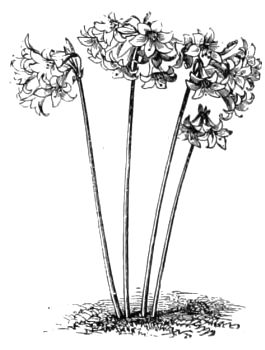
FIG. 75. AMARYLLIS BELLADONNA, showing Habit at Flowering Season.
A. Belladonna.* Belladonna Lily. This splendid species is very variable, both in the size and colour of the flowers, frequently producing variously-shaded flowers, from almost white to a reddish or purplish hue. Autumn. West Indies, 1712. See Fig. 75. The leaves and flowers are not produced together. In Fig. 76 they are both shown in the same illustration for economy of space.
A. B. pallida (pale).* A pale-coloured variety. h. 2ft.
AMASONIA (named in honour of Thomas Amason, one of the earlier American travellers). SYN. Taligalea. ORD. Verbenaceæ. A genus comprising six species (which may be reduced to four) of stove sub-shrubs, natives of tropical America. Flowers yellow or sulphur-coloured, racemose or panicled; calyx five-cleft; corolla five-cleft, sub-bilabiate. Leaves alternate, toothed or rarely entire. For culture of the only species introduced, see Clerodendron.
A. punicea (reddish-brown). fl. yellow, with pretty, brownish bracts; peduncles once or twice trifid, cymose or one-flowered. May and June. l. slender, 3in. to 2in. long, oblong- or elliptic-lanceolate, shortly acuminate, unequally toothed. Stem erect, simple or slightly branched. h. 2ft. to 3ft. Brazil, 1884.
AMATEUR. This term is usually meant to refer to one who has a taste for a particular pursuit, and who is, in a pecuniary point of view, independent of it. An Amateur gardener is one who rears and grows his plants, and cultivates his garden, for his own amusement—for mere love of horticulture.
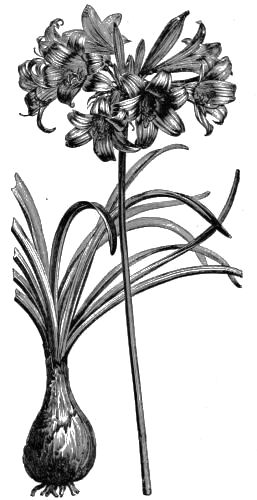
FIG. 76. AMARYLLIS BELLADONNA, showing Bulb and Flower Spike.
AMBER, SWEET. See Hypericum Androsæmum.
AMBER-TREE. See Anthospermum.
AMBROSINIA (commemorative of Professor Giacinti Ambrosini, of Bologna). ORD. Aroideæ (Araceæ). A curious, half-hardy, tuberous perennial, thriving in any light soil, with protection in winter. Increased by seeds, and by divisions. The former should be sown, as soon as ripe, in a cool house; and the latter should be made just previous to new growth in spring.
A. Bassii (Bass's).* fl., spathes prolonged into a long tail, and a tongue-shaped spadix, with the male flowers on one side, and so placed as to preclude the access of pollen to the stigma on the other side of the spathe, save by insect agency. l. oblong, stalked. h. 4in. Corsica, Sardinia, 1879.
AMBURY, or ANBURY. The name given to galls of small Weevils (Ceuthorhynchus sulcicollis) which appear on the roots of Cabbages and Turnips, as well as of the Wild Mustard, and of other weeds belonging to the genus Brassica. The galls form swellings individually about the size of split peas, but often two or more are joined to form considerable masses. In each is a space inclosing a white grub. Anbury is usually not very hurtful. It is quite distinct from Clubbing. The galled roots should be collected, before the grubs emerge, and burned.
AMELANCHIER (Savoy name of the Medlar, to which this genus is closely allied). TRIBE Pomaceæ of ORD. Rosaceæ. Hardy, deciduous shrubs or small trees, with racemes of white flowers, and simple, serrated leaves; bracteas linear-lanceolate. Pome, when mature, three to five-celled. They are of easy cultivation, in a somewhat rich, loamy soil, and are propagated by layers or cuttings, in autumn, in sheltered situations; by seeds, and by grafting, in early spring, on the Hawthorn or the Quince, or the weaker on the stronger-growing species.
A. canadensis (Canadian).* Grape Pear. fl. white. April. Pome purple. l. oblong-elliptic, cuspidate, when young rather villous, but at length glabrous. h. 6ft. to 8ft. Canada, 1746. A very ornamental tree, having a profusion of flowers in early spring, and rich autumnal foliage. SYN. Pyrus Botryapium.
A. c. florida (flowery).* fl. white, numerous, in upright racemes. May. Pome purple. l. oblong, obtuse at both ends, coarsely serrate in the terminal portion, glabrous in every state. h. 10ft. to 20ft. North America, 1826.
A. c. ovalis (oval-leaved). fl. white; racemes pressed together. April. l. roundish-elliptic, acute when rather young, velvety beneath, glabrous when mature. h. 6ft. to 8ft. North America, 1800.
A. c. parvifolia (small-leaved). This has a dwarfer habit, and shorter leaves, than the type.
A. sanguinea, (bloody). fl. white; racemes capitate. April. Pome blackish-purple. l. oblong, rounded at both ends, sharply serrated, always naked. h. 4ft. to 8ft. North America, 1800. This form differs principally from A. canadensis in the fewer flowers, much shorter raceme, and shorter, broader, and more ovate petals.
A. vulgaris (common).* fl. white. April. Pome darkish-purple. l. roundish-oval, bluntish, pubescent beneath, at length glabrous. h. 3ft. to 9ft. Europe, 1596. A desirable shrub, producing an abundance of flowers. SYN. Mespilus Amelanchier.
AMELLUS (a name employed by Virgil for a blue, Aster-looking plant growing on the banks of the river Mella). ORD. Compositæ. Pretty, branched, ascending or diffuse, perennial herbs. Flowers in solitary heads. Leaves hairy, lower ones opposite, upper alternate. Of very easy culture, in ordinary garden soil. Increased by divisions, or cuttings, inserted under glass, in spring.
A. Lychnitis (Lychnitis). fl.-heads violet, solitary, terminal, and lateral. June. l. linear, lanceolate, entire, hoary. h. 6in. Cape of Good Hope. Evergreen, greenhouse trailer.
AMENTUM. A catkin. A deciduous spike of unisexual, apetalous flowers.
AMERICAN ALMOND. See Brabejum.
AMERICAN ALOE. See Agave americana.
AMERICAN BLIGHT, or WOOLLY APHIS (Schizoneura lanuginosa). The white, cottony-looking matter which is found upon the bark of the Apple and other trees of a similar nature, belongs to a species of Aphis, which has short legs: the females are wingless, while the males are winged; the latter appear in July and August. The insects belong to a group of Aphides unprovided with honey tubes on the hinder part of the body, and in which the third vein of the front wing shows only one fork The woolly coating also distinguishes them from true Aphides. The Blight is said to have been imported from America in 1787, but this is uncertain.
As these insects get into the cracks and under the bark of trees, they are hard to dislodge. The injury inflicted is not apparent for some time; but, in process of time, large, cankerous wounds are produced, which gradually (with the aid of the insects) destroy the branches, and render the tree useless. If young trees are attacked, they are rendered valueless in a very short time. The insects hide in crevices of the bark of the trees each autumn, and remain dormant during the winter, ascending to their old quarters as the weather becomes warm. Trees which are covered with moss and lichens probably serve as places for hybernation; hence, it is desirable to remove such hiding-places, as well as all pieces of dead bark. To their being left may be frequently attributed the severe attacks of Blight experienced where they exist on trees. So soon as the cottony substance makes its appearance, one of the following remedies should be applied, and, if persisted in for a few seasons, the trees will be quite cleared.
Brushing and Scraping. In winter, the trees should be thoroughly cleaned; and, so long as there is a chance of the insects being in the bark, all loose pieces, moss, &c., should be brushed off, and the parts affected should be thoroughly saturated with a strong solution of soft soap or of soft soap and lime-water, applied with a stiff brush, so as to enter all the crevices.
Gas Liquor. This is the ammoniacal liquor from gas works. It must be diluted with from eight to twelve times its bulk of water, or it is dangerous to the trees; in fact, after dilution, it is advisable to test it, previous to using to any great extent. As the woolly covering of the insects resists water, it is desirable that the liquor be applied with a brush, and forced amongst the Blight.
Infusion of Tobacco Leaves (½lb. to 1 gallon) kills the insects on shoots dipped into it.
Paraffin or Petroleum. This is a simple and useful remedy. Obtain a painter's half-worn sash-tool, free from paint, and just moisten it in the oil. Then brush out each infested place as often as the Blight appears, and in one season the trees will be cleared.
Spent Tan. Collect spent tan into a heap a month or two before it is to be used, and if it has heated well and rotted, so much the better. In winter, clear away all leaves, rubbish, grass, &c., and spread the tan at the rate of about thirty loads to the acre, taking care that it surrounds the base of each tree infested with Blight. Practical proof of its utility has been given.
Turpentine and other Spirits. The mode of applying these is the same as for paraffin, but they frequently injure the bark, and sometimes kill young trees.
To kill insects on the roots, it is well to clear away the soil as far as possible from them, and to saturate the place with soapsuds or ammoniacal solutions; soot, quicklime, or other applications to the soil would also prove useful.
Other remedies that have been suggested are the drainings of stables, and grafting-clay plastered over the bark.
AMERICAN CENTAURY. See Sabbatia.
AMERICAN CHINA ROOT. See Smilax.
AMERICAN COWSLIP. See Dodecatheon.
AMERICAN CRANBERRY. See Oxycoccus macrocarpus.
AMERICAN CRESS. See Barbarea.
AMERICAN DEWBERRY. see Rubus canadensis.
AMERICAN GOOSEBERRY. See Pereskia aculeata.
AMERICAN GREAT LAUREL. See Rhododendron maximum.
AMERICAN HIGH BLACKBERRY. A common name for Rubus villosus (which see).
AMERICAN MANDRAKE. See Podophyllum peltatum.
AMERICAN MOUNTAIN ASH. See Pyrus americana.
AMERICAN PLANTS. This term includes Rhododendron, Azalea, and several others of similar habit and constitution; indeed, any hardy, flowering shrubs requiring a moist peat border.
AMERICAN SPANISH OAK. See Quercus falcata.
AMERICAN SWAMP LILY. See Saururus cernuus.
AMERICAN WHITE OAK. See Quercus alba.
AMERICAN WILD BLACK CURRANT. See Ribes floridum.
AMERICAN WILD RED RASPBERRY. See Rubus strigosus.
AMERIMNON (from a, privative, and merinna, care; in allusion to the little attention the plant requires; name originally applied to the House-leek). SYN. Amerimnum. ORD. Leguminosæ. Ornamental, evergreen, stove shrubs, with alternate, stalked, ovate, somewhat cordate, simple leaves. For culture, see Anona.
A. Brownei (Browne's).* fl. white, sweet-scented; peduncles axillary, ten-flowered, glabrous or puberulous. May. l. ovate, somewhat cordate, acute, glabrous. h. 6ft. to 10ft. Jamaica, 1793. Requires a trellis or other support.
A. strigulosum (strigulose). fl. white; racemes axillary, solitary, three times longer than the petioles. May. l. ovate, rather cordate, obtuse, clothed with adpressed hairs on both surfaces; branches and petioles clothed with light brown, dense, short hairs. h. 6ft. to 10ft. Trinidad, 1817.
AMERIMNUM. A synonym of Amerimnon (which see).
AMHERSTIA (commemorative of Countess Amherst, a zealous promoter of natural history, particularly botany). ORD. Leguminosæ. A stove, evergreen tree of almost unsurpassed magnificence and brilliancy, requiring a very high and moist temperature. It delights in a rich, strong loam, and may be propagated by cuttings of the half-ripened wood, inserted in sand, under a glass in bottom heat of about 80deg.; also by seeds.
A. nobilis (noble).* fl. of a fine vermilion colour, diversified with yellow spots, large; racemes long, pendulous, axillary. May. l. large, impari-pinnate, bearing six to eight pairs of leaflets. h. 30ft. to 40ft. India, 1837. The flowers are, unfortunately, somewhat ephemeral, lasting but a few days in perfection, during which period, however, no object in the whole range of the vegetable kingdom presents a more striking aspect than this tree.
AMICIA (commemorative of J. B. Amici, a celebrated French physician). ORD. Leguminosæ. A pretty, greenhouse or half-hardy perennial, succeeding in any warm, sheltered spot. Young cuttings will root in sand, under a hand glass, in heat.
A. Zygomeris (two-jointed-podded).* fl. yellow, splashed with purple on the keel; peduncles axillary, five or six-flowered. Autumn. Legumes with two joints. l. abruptly pinnate, with two pairs of cuneate-obcordate, mucronate leaflets, which are full of pellucid dots; branches and petioles pubescent. h. 8ft. Mexico, 1826.
AMMOBIUM (from ammos, sand, and bio, to live; in reference to the sandy soil in which it is found). ORD. Compositæ. This well-known everlasting is closely allied to Gnaphalium, from which it differs principally in habit. Receptacle with oblong, pointed, toothed, chaffy scales; involucre of imbricated leaflets. It may be treated as a half-hardy annual, or as a biennial, if seeds are sown in September and kept in a cool greenhouse during the winter, and this is the best way to grow it. Any moderately good soil suits it.
A. alatum (winged). fl.-heads about 1in. across, of a silvery whiteness, with the exception of the yellow disk florets, very numerous, in loose, corymbose panicles. May to September. l. oblong-lanceolate; radical ones in a tufted rosette. Stems winged—hence the specific name. h. 1½ft. to 2ft. New Holland, 1822. See Fig. 77.
A. a. grandiflorum (large-flowered).* fl.-heads purer white, nearly twice the size of those in the type. This variety, which comes true from seed, is a great acquisition.
AMMOCHARIS. See Brunsvigia.
AMMODENDRON (from ammos, sand, and dendron, a tree; in reference to its natural habitat). SYN. Sophora. ORD. Leguminosæ. A small, neat, hardy evergreen, silky shrub, having the petioles hardening into spines; an excellent subject for shrubberies. It thrives in an ordinary soil, with good drainage, and is propagated by layers and seeds.
A. Sieversii (Sievers').* fl. purple, disposed in racemes. June. l. bifoliolate; leaflets lanceolate, silky-white on both surfaces. h. 2ft. to 4ft. Siberia, 1837.
AMMYRSINE. See Leiophyllum.
AMOMOPHYLLUM. See Spathiphyllum.
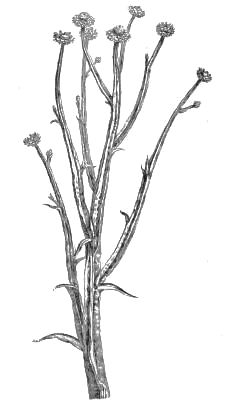
FIG. 77. INFLORESCENCE OF AMMOBIUM ALATUM.
AMOMUM (from a, not, and momos, impurity; in reference to the quality of counteracting poison). ORD. Zingiberaceæ. Stove, deciduous, herbaceous perennials, chiefly aromatic, formerly used in embalming. Flowers produced close to the ground, in spikes or clusters, bracteate. Leaves distichous, sheathing at the base, lanceolate, entire. For culture, see Alpinia.
A. angustifolium (narrow-leaved).* fl. sometimes of a uniform chrome-yellow, sometimes crimson, with the labellum of a yellow colour, more or less pale, and sometimes entirely crimson; scape naked, from 3in. to 8in. in length; spike capitate. July. l. linear-lanceolate. h. 8ft. Madagascar.
A. Cardamomum (Cardamom).* fl. brownish; lip three-lobed, spurred; scape compound, flexuous, procumbent. August. h. 8ft. East Indies, 1823.
A. Danielli (Daniel's). fl. 4in. across; outer sepals fine red; the spreading labellum whitish, tinged with rose and yellow; scape short, arising from the bottom of the stem. l. oblong-lanceolate, 9in. long. h. 2½ft. Western Africa.
A. grandiflorum (large-flowered). fl. white, numerous, close; spike short. June. l. elliptic-lanceolate, pointed. h. 3ft. Sierra Leone, 1795.
A. Granum Paradisi.* Grains of Paradise. fl. white, tinged with yellow and rose. l. elliptic-lanceolate, long-pointed. Stems very red at base, and dull purplish-red above from the long, sheathing leafstalks. h. 3ft. West Africa.
A. Melegueta (Melegueta).* Grains of Paradise. fl. pale pink, solitary, with an orbicular, irregularly toothed lip. May. l. narrow, linear-elliptic, distichous, sessile. h. 1ft. to 2ft. Sierra Leone, 1869. Habit creeping.
A. sceptrum (sceptre). fl. bright rose purple, large, sub-erect; the most conspicuous portion is the lip, which is 2½in. in diameter; flower-scapes 6in. high. January. l. narrow, oblong-lanceolate. h. 5ft. to 6ft. Old Calabar, 1863.
A. vitellinum (yolk-of-egg-coloured). fl. yellow; lip oblong, obtuse, toothed; spike oblong, sessile, rather loose. April. l. oval. h. 2ft. East Indies, 1846. Plant stemless, glabrous.
AMORPHA (from a, not, and morphe, form; incomplete formation of the flowers). Bastard Indigo. ORD. Leguminosæ. A handsome genus of hardy deciduous shrubs with very graceful impari-pinnate leaves, and many pairs of leaflets, which are full of pellucid dots. Racemes spicate, elongated, usually in fascicles at the tops of the branches; corolla without wings and keel; vexillum or standard ovate, concave. They are well adapted for small shrubberies, requiring a sheltered situation, and thrive well in common garden soil. Increased by layers, or cuttings, taken off at a joint, and planted in a sheltered situation early in autumn; these should be allowed to remain undisturbed till the following autumn. Amorphas produce an abundance of suckers, from which they may be readily propagated.
A. canescens (hoary).* The Lead Plant. fl. dark blue. July. l., leaflets ovate-elliptic, mucronate. h. 3ft. Missouri, 1812. Whole plant clothed with hoary hairs.
A. fruticosa (shrubby).* The False Indigo. fl. very dark bluish purple. June. l., leaflets elliptic-oblong; lower ones distant from the stem. h. 6ft. Carolina, 1724. Shrub glabrous, or a little villous. There are several varieties, having mucronate, emarginate, or narrower leaflets, but all with purple flowers. A host of names, representing the merest forms of A. fruticosa, are to be found in nurserymen's catalogues. Amongst them are: caroliniana, crocea, crocea-lanata, dealbata, fragrans, glabra, herbacea, nana, pubescens, &c. These differ so slightly from the type and from each other, that it is impossible to distinguish them.
AMORPHOPHALLUS (from amorphos, deformed, and phallos, a mace; alluding to the inflorescence). SYN. Pythion. Including Proteinophallus. ORD. Aroideæ (Araceæ). A very remarkable genus, closely allied to Arum, but distinguished therefrom by "their spreading, not convolute, spathes; by their anthers opening by pores, not by longitudinal slits; by the numerous cells to the ovary; and by the solitary, erect ovules, those of Arum being horizontal." A soil consisting of two-thirds good rich loam, with the additional third of sweet manure, thoroughly rotted, suits them well. Other essentials are plenty of pot room, a genial atmosphere, and a temperature ranging from 55deg. to 65deg., or even 70deg. They require to be kept dry, and warm in winter, as nothing is more fatal to them than cold or damp. Beneath a shelf or stage in the stove is an excellent spot for them, or they may be stored in sand, and kept free from frost. They are difficult to increase; the corms of most of them are of great size, and rarely make offsets. Efforts should consequently be made to induce the plants to seed whenever practicable. All the species are strikingly effective in sub-tropical bedding. For fertilising and growth of seedlings, see Arum.
A. campanulatus (bell-shaped).* Similar to A. Rivieri, but the flowers are brown, red, and black, and the scape is neither so stout nor so tall. h. 2ft. India, 1817. SYN. Arum campanulatum.
A. grandis (large). fl., spathe green, white inside; spadix purplish. h. 3ft. Java, 1865. Stove species.
A. Lacourii (Lacour's).* l. pedatisect, the ultimate segments lanceolate, yellow-spotted; petioles transversely mottled with yellow markings. Cochin China, 1879. Greenhouse. The correct name of this species is Pseudodracontium Lacourii.
A. nivosus. See Dracontium asperum.
A. Rivieri (Rivier's).* fl., spadix, spathe, and scape, reaching 3ft. or more in height, appearing before the leaves; scape stout and strong, of a deep green colour, speckled or dotted with rose; spadix projecting, deep red; spathe of a rosy-green colour. March to May. l. solitary, decompound, 40in. to 50in. across, on tall marbled petioles. Cochin China. Perhaps the most useful species. SYN. Proteinophallus Rivieri. See Fig. 78.
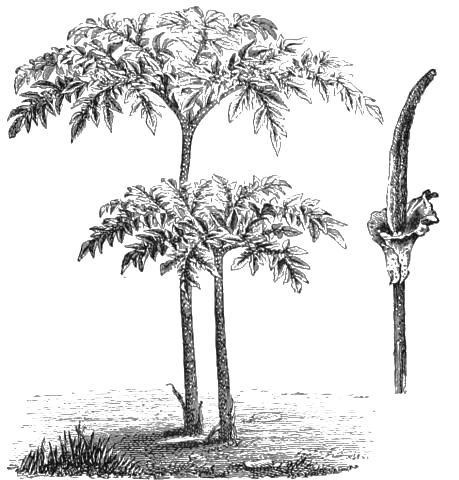
FIG. 78. AMORPHOPHALLUS RIVIERI, Foliage and Inflorescence.
A. Titanum (Titan's).* fl., spadix 5ft. high, black purple; spathe nearly 3ft. in diameter, campanulate in shape, with patent and deeply toothed edges. The deeper portion of the interior is pale greenish, but the limb is of a bright black purple hue; the outside is pale green, smooth in the lower portion, but thickly corrugated and crisp above; scape about 1½ft. long, green, marked with small whitish orbicular spots. l. the divided blade covers an area of 45ft. in circumference. West Sumatra, 1878. As will be seen from the above, this extraordinary plant is of gigantic proportions, and, in size of the flowers, eclipsing nearly all others in the vegetable kingdom. SYN. Conophallus Titanum.
AMORPHOUS. Without definite form.
AMPELOPSIS (from ampelos, a vine, and opsis, resemblance; resembling the Grape Vine in habit, and to which it is closely allied). SYN. Quinaria. ORD. Ampelideæ. A genus nearly allied to Vitis. Calyx slightly five toothed; petals concave, thick, expanding before they fall; disk none. Fast growing and ornamental climbing, hardy deciduous shrubs, of very easy culture in common garden soil. Cuttings, having a good eye, may be taken in September, and pricked either under handlights in sandy soil on the open border, or in pots stood on the stage or shelf in a greenhouse; they root readily, and will be fit for transplanting early in the spring. Or cuttings made from the young soft wood, expressly grown for the purpose, in spring, root freely in gentle heat. This applies especially to A. tricuspidata. They are also easily increased by layers. Most of the species will thrive with equal vigour in almost any position, however exposed.
A. aconitifolia (Aconite-leaved).* l. palmisect, with pinnatifid segments. China, 1868. A slender and very elegant free-growing species, with long reddish branches. There are two or more varieties. SYNS. A. lucida, A. triloba, A. tripartita, and Vitis dissecta. See Fig. 79.
A. bipinnata (bipinnate). fl. green, small; raceme stalked, twice bifid. Berries globose. June. l. bipinnate, smooth; leaflets deeply lobed. h. 10ft. Virginia, 1700.
A. hederacea (Ivy-leaved). Synonymous with A. quinquefolia.
A. japonica (Japanese). Synonymous with A. tricuspidata.
A. lucida (shining). Synonymous with A. aconitifolia.
A. napiformis (turnip-like).* Greenish. China, 1870. See Fig. 80.
A. quinquefolia (five-leaved).* Virginian Creeper. fl. greenish-purple; raceme corymbose. June. l. palmate, with three and five leaflets, smooth on both surfaces; leaflets stalked, oblong-acuminated, mucronately toothed; autumnal tint red. North America, 1629. SYN. A. hederacea.
A. q. hirsuta (hairy). l. downy on both surfaces.
A. serjaniæfolia (Serjania-leaved).* l. green, palmately five-parted, or the upper ones three-parted, the intermediate division being often ternate or pinnate; leaflets obovate acute, and incisely toothed or sublobate; the rachis is articulately winged. Japan, 1867. SYNS. A. tuberosa, Cissus viticifolia. Roots tuberous; see Fig. 81.
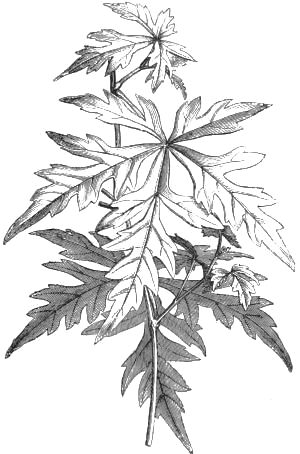
FIG. 79. STEM AND LEAVES OF AMPELOPSIS ACONITIFOLIA.
A. tricuspidata (three-pointed).* l. very variable in shape; younger ones almost entire; older ones larger, roundish-cordate, divided to the middle into three deltoid lobes, which run into little tails, and are coarsely toothed at the margin. Japan, 1868. SYNS. A. Veitchii, Vitis japonica (of gardens).
A. triloba (three-lobed). A synonym of A. aconitifolia.
A. tripartita (three-parted). A synonym of A. aconitifolia.
A. tuberosa (tuberous). A synonym of A. serjaniæfolia.
A. Veitchii (Veitch's). A synonym of A. tricuspidata.
AMPHIBLEMMA CYMOSUM. See Melastoma corymbosum.
AMPHIBLESTRA. Included under Pteris (which see).
AMPHICARPÆA (from amphi, both, and karpos, a fruit; in allusion to the two kinds of pods—those of the upper flowers being scimitar-shaped, three or four-seeded; those of the lower, pear-shaped, fleshy, usually ripening but one seed; these lower pods bury themselves in the ground after fertilisation). ORD. Leguminosæ. A genus of ornamental annuals, with herbaceous, twining stems, and sometimes apetalous flowers, allied to Wistaria. The species are of easy culture. Seeds should be sown in the open border, in spring, in a sunny situation.
A. monoica (monœcious). Hog Pea-nut. fl. with a pale violet vexillum, and white keel and wings; racemes axillary, pendulous. June to August. l. pinnately-trifoliate; leaflets ovate, glabrous. North America. 1781.
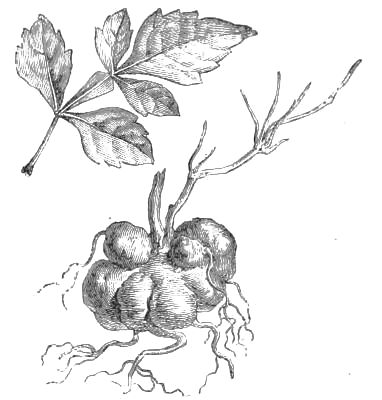
FIG. 80. TUBERS AND LEAF OF AMPELOPSIS NAPIFORMIS.
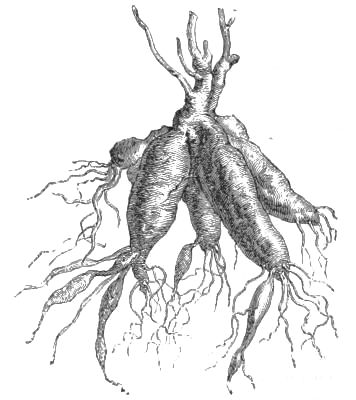
FIG. 81. ROOTS OF AMPELOPSIS SERJANIÆFOLIA.
AMPHICOME (from amphi, on both sides, and kome, a head of hair; in reference to the seeds being furnished with a tuft of hairs at both ends). ORD. Bignoniaceæ. Flowers axillary or terminal. Leaves alternate, unequally pinnate. Very ornamental greenhouse or half-hardy rock herbaceous plants. If planted outside, they must be protected during the winter from wet and severe frosts. A mixture of loam, sand, and leaf soil suits them well. Increased by striking the young shoots in spring in sandy soil in gentle heat; or by seed, which should be sown in early spring, in pots of sandy soil placed in a greenhouse.
A. arguta (finely-cut).* fl. red, drooping; racemes axillary, terminal; corolla tubular near the base, ventricose above. August. l. alternate, impari-pinnate; leaflets opposite, on short petioles, three to four pairs, lanceolate, acuminated, deeply serrated. h. 3ft. Himalaya, 1837.
A. Emodi (Emodian).* fl. rose and orange, erect; racemes axillary; corolla 1½in. to 2in. long, bell-shaped, slightly tubular below. August to October. l. impari-pinnate, with numerous leaflets. h. 1ft. to 1½ft. India, at high altitudes, 1852. A very beautiful plant.
AMPHILOPHIUM (from amphilophos, crested on all sides; limb of corolla much curled). SYN. Amphilobium. ORD. Bignoniaceæ. A handsome stove evergreen climber. Corolla somewhat coriaceous, with a short tube, and a large ventricose throat. Loam and peat, well mixed, suits it best; cuttings from young shoots root readily in sand, under a hand glass, with bottom heat, during the spring months.
A. paniculatum (panicled).* fl. rose-coloured; panicle terminal, composed of three-flowered peduncles. June. l. joined by pairs, opposite; leaflets ovate-roundish, acuminated, sub-cordate. West Indies, 1738.
AMPLEXICAULIS. Embracing the stem; usually applied to leaves.
AMPULLACEOUS. Resembling a bladder or flask.
AMSONIA (in honour of Charles Amson, a scientific traveller in America). ORD. Apocynaceæ. Very pretty hardy, herbaceous perennials, with alternate leaves, and terminal panicles of pale blue flowers; corolla with linear lobes, and a narrow funnel-shaped tube. They thrive in half shady positions in borders, or the edges of shrubberies, where they will not need to be frequently transplanted. Propagated by cuttings during the summer months, or by divisions of the roots in spring.
A. latifolia (broad-leaved). Synonymous with A. Tabernæmontana.
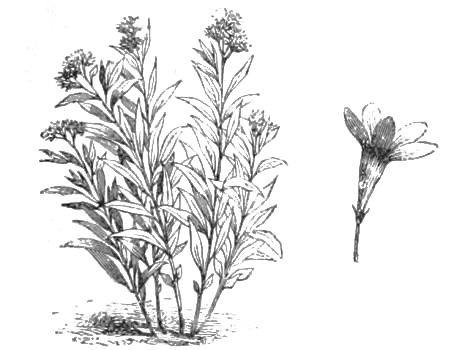
FIG. 82. AMSONIA SALICIFOLIA, showing Habit and Flower.
A. salicifolia (willow-leaved).* fl. light blue, in terminal corymbose cymes; corolla small, funnel-shaped, with a rounded tube; throat whitish, bearded. Summer. l. lanceolate, smooth, acute. h. 1½ft. to 2½ft. North America, 1812. Habit less erect than the following species. See Fig. 82.
A. Tabernæmontana (Tabernæmontanus).* fl. pale blue, in cymes; petals lanceolate, acute, slightly hairy on the outside; sepals also lanceolate, acute. Summer. l. ovate-lanceolate, acute, shortly stalked. h. 1½ft. to 2½ft. North America, 1759. SYNS. A. latifolia, Tabernæmontana Amsonia.
AMYGDALUS (from amysso, to lacerate; fissured channels in the stone of the fruit). Almond. ORD. Rosaceæ. TRIBE Drupaceæ. Well known, ornamental, deciduous spring flowering shrubs. Drupe clothed with velvety pubescence, with a fibrous dry rind, separating irregularly, having the stone of the fruit pitted or smooth. The larger-growing species are very excellent for shrubberies, or as specimen trees; being in blossom before most other trees, they make a fine appearance in early spring. The dwarfer kinds are also well fitted for small shrubberies or the fronts of large ones. For greenhouse culture they should be obtained in a small pyramidal shape; they are not, however, suited to a small house, as the plants, to bloom well and be effective, ought to be at least 2ft. or 3ft. high, and proportionately wide. Plenty of root room is essential. After potting, water thoroughly, and place the trees in an orchard house for a few weeks, when they may be removed to their permanent station. A temperature of about 50deg. or 55deg. is sufficient to hasten the flowering; a higher temperature is apt to frustrate the object in view. After flowering, gradually harden off the plants until about the end of May, when they may be plunged out of doors for the season. Repotting should be done as soon as the leaves fall. Increased by budding upon seedling plum-stocks in summer. The Almond is grown on the Continent for its fruit. See also Prunus.
A. argentea (silvery). A synonym of A. orientalis.
A. Besseriana (Besser's). A synonym of A. nana.
A. cochinchinensis (Cochin China). fl. white; racemes small, sub-terminal. fr. ovate, ventricose, acute at the apex. March. l. oval, quite entire. h. 30ft. to 40ft. Cochin China, 1825. Greenhouse.
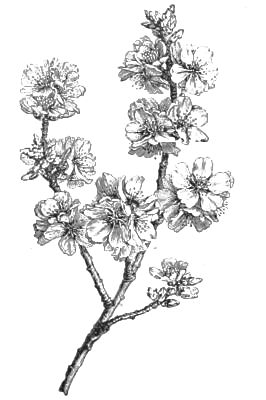
FIG. 83. FLOWERING BRANCH OF AMYGDALUS COMMUNIS.
A. communis (common).* Common Almond. fl. white or rose coloured, solitary. March. fr. compressed, egg-shaped, tomentose. l. oblong lanceolate, serrulated. h. 10ft. to 30ft. Barbary, 1548. See Fig. 83.
A. c. amara (bitter).* Bitter Almond. fl. larger, white, but rose coloured at the base. April. Seeds bitter.
A. c. dulcis (sweet). Sweet Almond. fl. red, earlier; fruit ovate, compressed, acuminated. Seeds sweet. l. of a greyish green colour.
A. c. flore-pleno (double-blossomed).* fl. flesh colour, full double, rosy in the bud. l. oval-elliptic, acuminate.
A. c. fragilis (brittle). fl. pale rose coloured, rising with the leaves; petals broader, deeply emarginate. l. shorter than those of the type.
A. c. macrocarpa (large-fruited).* fl. whitish rose colour, large, rising before the leaves, with broadly obcordate undulated petals. fr. larger than that of the type, umbilicate at the base, but acuminated at the apex. l. broader than the type, acuminated. There are also numerous other varieties.
A. incana (hoary).* fl. red, solitary. April. Drupe compressed, pubescent. l. obovate, serrated, clothed with white tomentum beneath. h. 2ft. A handsome dwarf shrub. Caucasus, 1815.
A. nana (dwarf).* fl. rose coloured, solitary. March. fr. of the same form as that of A. communis, but much smaller. l. oblong-linear, attenuated at the base, serrated, quite glabrous. h. 2ft. to 3ft. Tartary, 1683. SYN. A. Besseriana.
A. orientalis (Oriental). fl. rose coloured. March. fr. mucronate. l. lanceolate, quite entire, almost permanent, clothed with silvery tomentum, as well as the branches. h. 2ft. to 4ft. Levant, 1756. SYN. A. argentea.
AMYLACEOUS. Starch-like.
AMYRIDACEÆ. See Burseraceæ.
AMYRIS (from a, intensive, and myron, balm; the whole of the trees in this genus smell strongly of balm or myrrh). ORD. Burseraceæ. Ornamental stove evergreen trees, abounding in a resinous fluid. Flowers white, disposed in panicles. Leaves unequally pinnate. They thrive well in a mixture of loam and peat; and cuttings root freely in sand, under a hand glass with bottom heat, during the spring months.
A. balsamifera (balsam-bearing). Synonymous with A. toxifera.
A. braziliensis (Brazilian).* fl. white; panicles axillary, shorter than the leaves. August. l. with one to three pairs of opposite leaflets; leaflets lanceolate, tapering to the base, rounded at the apex, mucronate, quite entire, veiny, shining above, discoloured beneath. h. 20ft. Brazil, 1823.
A. heptaphylla (seven-leaved). fl. whitish yellow; panicles branched, axillary, and terminal. l. with three to four pairs of alternate, simple leaflets, which are stalked, obliquely-lanceolate, acuminated, entire. h. 16ft. India, 1823.
A. Plumieri (Plumier's).* Gum Elemi Tree. fl. white; panicles branched, terminal. The fruit of this species is the shape and size of an olive, but red, having an odoriferous pulp within it. l. leaflets three to five, all stalked, somewhat serrated, ovate, acuminate, villous beneath. h. 20ft. West Indies, 1820.
A. toxifera (poison-bearing).* fl. white; racemes simple, about the length of the petioles. fr. the shape of a pear, and of a purple colour, hanging in bunches. l., leaflets five to seven, stalked, ovate, somewhat cordate, acuminated. h. 50ft. West Indies, 1818. The wood, known as Rhodes Wood, bears a fine polish, and has a pleasant smell. SYN. A. balsamifera.
ANACAMPSEROS (from anakampto, to cause return, and eros, love). SYN. Rulingia. ORD. Portulacaceæ. Very dwarf greenhouse succulent herbs or sub-shrubs, natives of the Cape of Good Hope. Flowers large, expanding only in the heat of the sun; petals five, very fugacious; sepals five, opposite, oblong, rather concrete at the base; pedicels one-flowered, short or elongated, disposed in racemes. Leaves ovate, fleshy. They grow freely in sandy loam, mixed with some lime rubbish; but little water is needed. Cuttings root freely if laid to dry a few days before planting. Leaves taken off close to the plants, and also left to dry for a short time before being planted, will take root. Seed, when obtainable, should be sown in the spring.
A. arachnoides (cobwebbed).* fl. white; petals lanceolate; racemes simple. July. l. ovate, acuminated, difformed, green, shining, cobwebbed. h. 6in. to 9in. 1790.
A. filamentosa (thready). fl. reddish, or deep rose coloured; petals oblong. August. l. ovate-globose, gibbous on both sides, and cobwebbed, rather rugged above. h. 6in. to 1ft. 1795.
A. intermedia (intermediate). Very like A. filamentosa, but has broader and more numerous leaves.
A. rubens (reddish).* fl. red; racemes simple. July. l. ovate, difformed, shining, dark green, somewhat reflexed at the apex. h. 6in. to 9in. 1796.
A. rufescens (rusty-coloured). fl. reddish, similarly disposed to A. varians. July. l. crowded, expanded and recurved, ovate, acute, thick, green, usually dark purple beneath. h. 6in. 1818.
A. Telephiastrum (Telephium-like). Synonymous with A. varians.
A. varians (varying).* fl. reddish; racemes few-flowered, sub-panicled. July. l. ovate, difformed, glabrous. h. 3in. 1813. SYN. A. Telephiastrum.
ANACAMPTIS. See Orchis.
ANACARDIACEÆ. A rather large order of trees or shrubs, with a resinous, milky juice. Flowers inconspicuous. Leaves generally dotless. Ovary containing a single ovule. This order contains, among other genera, Anacardium, Mangifera, and Rhus.
ANACARDIUM (origin doubtful; probably from ana, like, and kardia, the heart; in reference to the form of the nut). ORD. Anacardiaceæ. An ornamental stove evergreen tree with entire, feather-nerved leaves and terminal panicles of flowers; nut reniform, umbilicated, seated laterally on a fleshy, wide, pear-shaped peduncle. It requires a light loamy soil. Ripened cuttings, with their leaves left on, root freely in sand under a hand glass, in heat.
A. occidentale (Western). Cashew Nut. fl. reddish, small, very sweet scented, succeeded by an edible pome-like fruit of a yellow or red colour. l. oval, cuneated, very blunt, somewhat emarginate, obovate-oblong, entire, smooth. h. 16ft. West Indies, 1699.
ANADENIA. See Grevillea.
ANAGALLIS (from anagelas, to laugh; removing despondency: meaning doubtful). Pimpernel. ORD. Primulaceæ. Annual or perennial trailers with angular stems, opposite or verticillate leaves, and solitary pedunculate flowers; corolla rotate or funnel-shaped, deeply five-cleft. All are very pretty and free flowering plants, of easy culture. The annuals are raised from seed sown in a sunny spot in spring; the perennials are increased by striking cuttings of the young shoots, or division, at any time, either under a hand glass or in a close frame. Keep in the shade until well established, and gradually harden off. Plant outside in light rich soil for summer flowering, and each year secure a stock in frames during the winter. They require, if left out of doors, a protection during the winter, except A. tenella.
A. fruticosa (shrubby).* fl. axillary, large, vermilion, with a dark throat. May to August. l. verticillate, four in each whorl. h. 2ft. Morocco, 1803. A biennial.
A. grandiflora (large-flowered).* fl. very variable, but intense blue and deep vermilion red are predominant. May to autumn. h. 4in. Habit very compact and neat, and very floriferous. There are several varieties. Annual.
A. indica (Indian). fl. deep blue, small. July. h. 1ft. Nepaul, 1824. Annual; trailing.
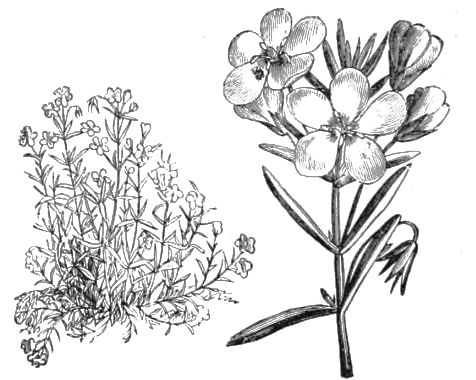
FIG. 84. ANAGALLIS LINIFOLIA, showing Habit and Flowers.
A. linifolia (flax-leaved).* fl. brilliant blue, large, about ½in. in diameter. July. l. opposite. h. 9in. to 12in. Portugal, 1796. Perennial. There are many varieties, the best of which are the following. SYN. A. Monelli. See Fig. 84.
A. l. Brewerii (Brewer's).* fl. red. June. h. 9in. Known also as Phillipsii.
A. l. Eugenie (Eugenie's).* fl. blue, margined with white.
A. l. lilacina (lilac-flowered). fl. lilac. May. h. 1ft.
A. l. Napoleon III. (Napoleon's).* fl. crimson maroon, distinct and pretty.
A. l. Parksii (Parks'). fl. red, large.
A. l. phœnicea (Phœnician).* fl. scarlet. May. Morocco, 1803.
A. l. sanguinea (bloody). fl. bright ruby colour.
A. l. Wilmoreana (Wilmore's).* fl. bright blue purple, with yellow eye. h. 6in.
A. Monelli (Monell's). A synonym of A. linifolia.
A. tenella (delicate).* fl. delicate pink, with deeper veins; corolla bell-shaped. Summer. l. roundish, very small, opposite. A beautiful little native bog trailer, and one of the prettiest in the whole genus. Requires a boggy and wet soil.
A. Webbiana (Webb's). fl. blue; petals with their tops slightly denticulated. June to August. l. several, verticillate. h. 4in. Portugal, 1828.
ANAGYRIS (from ana, backwards, and gyros, a circle; the pods are curved backwards at their extremities). ORD. Leguminosæ. An ornamental greenhouse or half-hardy shrub, having the two stipules placed opposite the leaves. It thrives in a mixture of loam, sand, and peat in equal proportions. Young cuttings should be planted in July in a pot of sand, and placed under a hand glass.
A. fœtida (fœtid). fl. yellow, hairy, like those of the Laburnum; racemes short. May. l. trifoliate; leaflets lanceolate, acute, entire. h. 6ft. to 8ft. South Europe, 1750. This shrub is fœtid in every part when bruised.
ANALOGY. Resembling a thing in form but not in function; or vice versâ. Corresponding with a thing in many points, but differing in more, or in points of more importance.
ANANAS (from nanas, the South American name for the Pine Apple). SYN. Ananassa. Pine Apple. ORD. Bromeliaceæ. Stove herbaceous perennials, having the berries collected with the bracts into a compound fruit. Leaves rigid; edges spiny. The variegated form is a useful plant for decorative purposes, and may be employed without the usual harmful consequences attending stove plants generally, but it must not be subjected to cold draughts. The soil should consist of two parts fibrous loam, one of peat, one of dung and leaf mould, and another of sand. Those propagated from suckers, which should be laid by a day or two and then inserted in a strong heat, have, as a rule, longer and lighter-coloured leaves. Offsets are often produced at the base of the fruit, and make stout plants, with high-coloured foliage. When the plants are potted in spring, plunge them in bottom heat, to hasten their growth; but this is not absolutely necessary. Should it be desired to fruit the variegated form, the plants may be submitted to the same process of culture as detailed under Pine Apple (which see).
A. bracamorensis (Bracamora). Brazil, 1879.
A. bracteata (bracted). fl. crimson. April. h. 3ft. Brazil, 1820.
A. lucida (shining). fl. pink. April. h. 3ft. South America, 1820.
A. macrodonta (large-toothed).* fl. reddish, tinted buff; spike elongate-ovoid, with imbricating dentate bracts. fr. conical, about 8in. long and 4in. wide, with conspicuous bracts, and highly perfumed. l. with conspicuous teeth. 1878. SYN. Bromelia undulata.
A. Mordilona (Mordilona; native name). fr. large, with a fine aroma. l. distinguished in being without spines. Columbia, 1869.
A. Porteana (Porter's).* l. armed on the margins with sharp spines, deep olive green, with a broad band of pale yellow running down the centre from base to apex. This species has a somewhat erect habit of growth. Philippines, 1866.
A. sativa (cultivated). Pine Apple. For culture, see Pine Apple.
A. s. variegata (variegated).* l. rosulate, finely arched, 2ft. or 3ft. long, serrated on the edges; centre bright green, sometimes with a few lines of white, broadly margined with rich creamy-yellow, tinged with red towards the margins. A very elegant variegated plant for vases, &c.
ANANASSA. See Ananas.
ANANTHERIX (from a, without, and antherix, an awn; there are no horn-formed processes from the base of the leaflets of the corona, as in Asclepias, to which it is closely allied). ORD. Asclepiadeæ. A small genus of pretty, hardy herbs. A. viridis is of easy culture in an open situation, and light soil. Increased by division of the root; or by seeds, which ripen in abundance.
A. viridis (green). fl. purplish-green, large; corolla sub-campanulate, five-cleft; umbels proceeding from the stem, sub-panicled, few-flowered. August. l. opposite, sessile, obovate-oblong, pointed, smoothish. h. 1ft. North America, 1812.
ANAPELTIS. Included under Polypodium.
ANARRHINUM (from a, without, and rhin, a snout; the corolla being without a spur, or furnished with a very short one). ORD. Scrophularineæ. Elegant little half-hardy biennials or perennials allied to Antirrhinum. Flowers small, drooping, in long spike-formed, twiggy, and interrupted racemes. Radical leaves usually in a rosette; stem and branch leaves palmate-parted, or toothed at the apex; superior ones quite entire. They are of easy culture in ordinary garden soil; seed may be sown outside in spring, or they can be increased by growing cuttings, but they require protection during severe weather.
A. bellidifolium (Daisy-leaved).* fl. white, or pale blue; racemes slender, elongated. June. l. radical ones spathulate or obovate-lanceolate, deeply toothed; branch leaves deeply three to seven-parted. h. 2ft. South Europe, 1629.
A. Duriminium (Douro). A synonym of A. hirsutum.
A. fruticosum (shrubby). fl. white, without a spur. July. l. lower ones mostly tridentate at the apex; superior ones oblong, quite entire. h. 2ft. to 3ft. South Europe, 1826. Shrubby.
A. hirsutum (hairy). fl. whitish, a little larger than those of A. bellidifolium, of which it is, perhaps, only a downy variety. h. 1ft. to 2ft. Portugal, 1818. SYN. A. Duriminium.
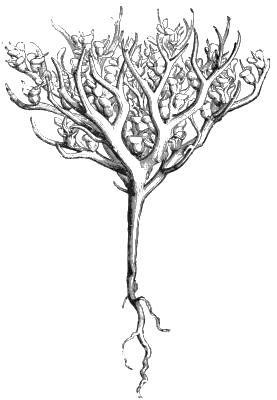
FIG. 85. DRY FRUITING PLANT OF ANASTATICA HIEROCHUNTINA.
ANASTATICA (from anastasis, resurrection; plant recovering its original form, however dry it may be, on immersion in water). ORD. Cruciferæ. A very curious and interesting little annual, the leaves of which fall off from the plant after flowering, the branches and branchlets then become dry, hard, and ligneous, and rise upwards and bend inwards at their points. This plant has the remarkable property of resuming vitality on being placed in water, after being kept in a dry state for many years. Seeds should be sown in heat, in the spring, and the plants afterwards potted off and plunged again in heat to hasten their growth, which cannot otherwise be fully developed with our precarious and sunless summers.
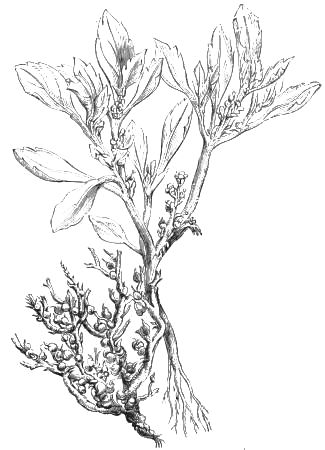
FIG. 86. ANASTATICA HIEROCHUNTINA.
A. Hierochuntina. Rose of Jericho. fl. small, white, sessile, disposed in spikes along the branches; petals obovate. July. fr., or silicle, ventricose, with the valves bearing each an appendage on the outer side at the end. l. obovate, with stellate hairs; lower ones entire, upper ones slightly toothed. Branches crowded lattice-wise into a globular form. h. 6in. Syria, &c., 1597. Supposed by some commentators to be the "rolling thing before the whirlwind" mentioned by Isaiah. See Figs. 85 and 86.
ANASTOMOSE. Branching of one vein into another.
ANBURY. See Ambury.
ANCEPS. Two-edged; as the stem of an Iris.
ANCHIETEA (named in honour of P. Anchietea, a celebrated Brazilian writer on plants). SYNS. Lucinæa, Noisettia. ORD. Violarieæ. An ornamental, stove, evergreen climber. Petals five, very unequal, two upper ones smallest, two intermediate ones longer, lowest one largest, with a spur at the base. The species thrives in a mixture of loam, sand, and peat. Young cuttings root freely under a bell glass if planted in sand, and placed in a moderate heat.
A. pyrifolia (pear-leaved). fl. whitish, veined with red at the base, in axillary fascicles; lower petal obovate. July. l. alternate, stalked, stipulate, ovate, acute, crenated. Brazil, 1826.
ANCHOMANES (name of doubtful origin). ORD. Aroideæ. A remarkable and beautiful stove tuberous-rooted perennial aroid, allied to Amorphophallus, and requiring somewhat similar treatment. As soon as the leaves die down, the plants should be repotted in rich sandy loam and leaf mould, with ample drainage. They will need scarce any water or attention until growth commences the following spring, when they must have an abundance of water, and a moist atmosphere. Summer temperature, 60deg. to 85deg.; winter, 55deg. to 60deg. Propagated by seeds and offsets.
A. Hookeri (Hooker's).* fl., spathe pale purple, appearing before the leaf, much expanded; spadix whitish; scape prickly, shorter than the petiole. June. l., petiole slender, prickly, bearing on its summit the horizontal blade, about 3ft. in diameter; this is divided into three primary divisions, which are again cut up into several leaflets, the largest of these being toothed. h. 3ft. Fernando Po, 1832. There is a variety with a paler coloured spathe. SYN. Caladium petiolatum.
ANCHOVY PEAR. See Grias cauliflora.
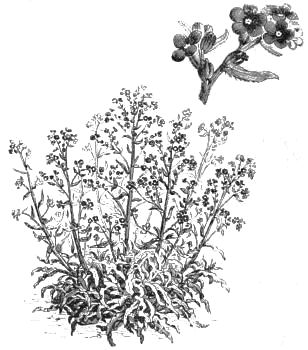
FIG. 87. ANCHUSA CAPENSIS, showing Flower and Habit.
ANCHUSA (from anchousa, paint for the skin; use of some species). ORD. Boraginaceæ. Very pretty hardy annuals, biennials, or perennials. Flowers in scorpoid racemes; corolla funnel-shaped; throat closed by erect, obtuse processes; nuts four, one-celled, inversely conical, with a contraction towards the point, fixed to the bottom of the calyx, perforated and concave at the base. Of easy culture, in ordinary soils, and preferring a sunny situation. Propagated by seeds, which should be sown in early spring in pots of sandy soil, when most of them will germinate in three or four weeks, some less. The honey-bee is very partial to this genus.
A. Agardhii (Agardh's). fl. purple, on short pedicels, distant, disposed in terminal racemes, which are generally conjugate. July. l. linear-lanceolate, tubercled, strigose. h. 1ft. Siberia, 1820. Perennial. Rare.
A. azurea (blue). Synonymous with A. italica.
A. Barrelieri (Barrelier's). fl. blue, with a white tube and yellow throat; racemes conjugate, panicled, bracteate. May. l. oblong-lanceolate, denticulated, hispid. h. 1ft. to 2ft. South Europe, 1820. Perennial. SYNS. Buglossum Barrelieri, Myosotis obtusum.
A. capensis (Cape).* fl. blue; racemes terminal, panicled. July. l. linear lanceolate, hispid. Stem simple, hairy. h. 1½ft. Cape of Good Hope, 1800. Requires greenhouse protection in winter. Biennial. See Fig. 87.
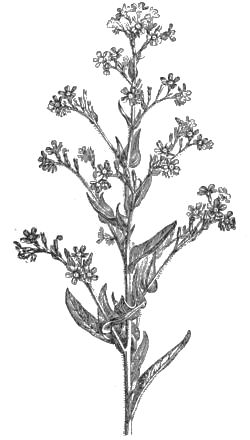
FIG. 88. INFLORESCENCE OF ANCHUSA ITALICA.
A. italica (Italian). fl. bright blue or purple, in panicled racemes. Summer. l. lanceolate, entire, shining; radical ones sometimes 2ft. long. h. 3ft. to 4ft. Caucasus, &c., 1810. One of the best. SYNS. A. azurea, A. paniculata. See Fig. 88.
A. latifolia (broad-leaved). Synonymous with Nonnea rosea.
A. myosotidiflora (Myosotideum-flowered). fl. fine blue; throat yellow; raceme terminal, panicled, bractless. July. l. large, radical ones on long petioles, reniformly cordate; those of the stem sessile, ovate, hairy. h. 1ft. Siberia, 1825. A pretty plant. SYN. Myosotis macrophylla.
A. officinalis (officinal). fl. blue or purple, sessile, imbricate; spikes joined by pairs, terminal. June to October. l. lanceolate, hispid; radical ones tufted. h. 1ft. to 2ft. Britain, naturalised here and there.
A. o. incarnata is a variety with flesh coloured flowers.
A. paniculata (panicled). Synonymous with A. italica.
A. sempervirens (evergreen). fl. rich blue, in short axillary spikes, generally leafy at the base. May. l. broadly ovate, lower ones upon long stalks. Stem erect. h. 1½ft. to 2ft. Perennial; here and there naturalised in Britain. See Fig. 89.
A. tinctoria (dyers'). Alkanet. fl. deep blue; tube blood-colour; racemes usually twin, terminal, many-flowered. June. l. oblong, hispid. h. 6in. South Europe, 1596. A diffuse perennial.
ANCYCLOGYNE. A synonym of Sanchezia (which see).
ANDERSONIA (in honour of Messrs. Anderson, surgeons, great promoters of botany). ORD. Epacridaceæ. Elegant and delicate little greenhouse shrubs. Flowers terminal, solitary, or spicate; corolla sub-campanulate, hypocrateriform, five-lobed. The undermentioned, which is the only species yet introduced, grows freely in a sandy peat with perfect drainage, which latter is most essential. Cuttings from the tips of young shoots may be made in autumn, winter, or spring, and planted in sand in a gentle heat, with a bell glass placed over them.
A. sprengelioides (Sprengelia-like).* fl. pink, furnished with two small bracteas, spicate. March. l. spreading, bases curved inwards, so as to resemble a hood, ending in a flat point. h. 1ft. to 3ft. New Holland, 1803. Evergreen squarrose shrub. SYN. Sprengelia Andersoni.
ANDIRA (its Brazilian name). ORD. Leguminosæ. Large ornamental stove evergreen trees, nearly allied to Geoffroya (which see for cultivation). Flowers in axillary or terminal panicles. Pod drupaceous. Leaves alternate, unequally pinnate.
A. inermis (unarmed). fl. purple, on short pedicels; panicles terminal. l. impari-pinnate; leaflets thirteen to fifteen, ovate-lanceolate, acute, glabrous on both surfaces. h. 20ft. to 30ft. Jamaica, 1773. Known as the Cabbage Tree.
A. racemosa (branchy). fl. purple, in panicled racemes. l. impari-pinnate; leaflets thirteen, ovate-oblong, acuminated, glabrous on both surfaces. h. 20ft. to 60ft. Brazil, 1818.
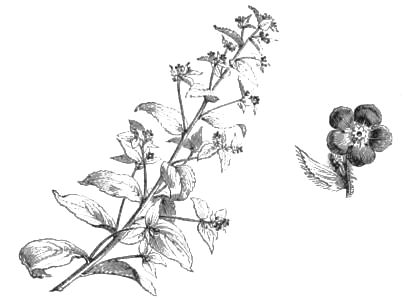
FIG. 89. ANCHUSA SEMPERVIRENS.
ANDROCYMBIUM (from aner, a man, and cymbos, a cavity; the stamens are enclosed in a hollow formed by the folding of the limb of the petals). ORD. Liliaceæ. A peculiar greenhouse bulbous plant, requiring a light sandy soil, dry atmosphere, no shade, and a season of rest; during the latter period, scarcely any water is required. Propagated by seeds and offsets.
A. punctatum (dotted). fl. whitish, few, in a dense sessile umbel, surrounded by about four spreading lanceolate, acuminate leaves, which are 5in. to 6in. long, ½in. to ¾in. broad above the base, channelled down the centre from base to tip. South Africa, 1874.
ANDRŒCIUM. The male organ of the flower.
ANDROGYNOUS. Producing male and female flowers on the same spike.
ANDROLEPIS (from aner, a man, and lepis, a scale; referring to the scaly stamens). ORD. Bromeliaceæ. Stove evergreen epiphyte. For culture, see Æchmea.
A. Skinneri (Skinner's). fl. white. h. 1½ft. Guatemala, 1850. SYN. Billbergia Skinneri.
ANDROMEDA (named after the daughter of Cepheus, who was rescued from the sea monster by Perseus). ORD. Ericaceæ. A dwarf, hardy shrub, found in peaty bogs in the temperate and Arctic regions of the northern hemisphere. Sow seeds as soon as ripe in pots or pans, very thinly, in sandy peat soil, and place in a cool frame, giving plenty of air. Place the young plants out in spring. Layers, pegged carefully down during September, will generally take twelve months to make sufficient roots to allow of their being separated, and thus become independent plants. For other species often included under this genus in catalogues, see Cassandra, Cassiope, Leucothoë, Lyonia, Oxydendrum, Pieris, and Zenobia.
A. polifolia (Polium-leaved). Wild Rosemary. fl. pinky white, drooping, sometimes tipped with red; corolla ovate, furnished with ovate, rather leafy imbricated bracteas, terminal, umbellate. June. l. linear-lanceolate, mucronulate, with the margins more or less revolute, quite entire, glaucous beneath, with an elevated rib, and reticulated veins. h. 1ft. The numerous varieties of this very beautiful native shrub principally differ in the colouring of the flowers.
ANDROPOGON (from aner, a man, and pogon, a beard; tufts of hair on flowers). ORD. Gramineæ. A large genus of grasses with polygamous flowers. The majority of species are of no horticultural value; several, however, are very ornamental subjects, and thrive well in a rich, deep soil. Easily propagated by seeds or by division of the roots. The South European kinds succeed in the open air if planted in a warm dry border.
A. citratum (Citrus-leaved). Synonymous with A. Schœnanthus.
A. Schœnanthus. Lemon Grass. fl. in threes; spikes imbricate, conjugate, panicled. A handsome species, the leaves of which emit a very fragrant odour when bruised. h. 2ft. India, 1786. Stove species. SYN. A. citratum.
Other species worth growing are furcatus, halepensis, muricatus, pubescens, scoparius, squarrosus, and strictus.
ANDROSACE (from aner, a man, and sakos, buckler; in reference to the resemblance of the anther to an ancient buckler). Including Aretia. ORD. Primulaceæ. Dwarf annuals or perennials, entirely alpine, agreeing in most characters with Primula, but having the tube of the corolla narrowed at the mouth. An airy, well-drained, and partially sunny position is essential in their culture. They thrive well between fissures of rocks or stones with a rich sandy peat soil. Drought and a sour soil are alike fatal, and both will be greatly obviated if small pieces of sandstone are mixed with the soil. The woolly species are best arranged beneath a jutting ledge of the rockery, which will afford them protection from the hottest sunshine, and from excessive wet in winter; additional comfort will be provided from the latter ill if a piece of glass is placed over them during the autumn and winter months. They can also be well grown, and make charming little specimens, in pots, with rich sandy soil and thorough drainage. Sprinkle sand among the small rosettes of leaves. They are increased by divisions, cuttings, or seed; the latter should be sown as early as possible, and raised in a frame.
A. alpina (alpine). fl. purplish rose; throat and tube yellow, solitary; peduncles about ½in. long. June. l. crowded, small, tongue-shaped, in small rosettes. h. 2in. to 3in. Switzerland, 1775. This species requires a rather shady aspect, and to be planted almost perpendicularly in a soil composed of leaf mould, peat, fibrous loam, and sharp sand. SYN. A. glacialis.
A. Aretia (Aretius'). Synonymous with A. helvetica.
A. aretioides (Aretia-like). Synonymous with A. obtusifolia.
A. argentea (silvery).* fl. white, sessile, very numerous. June. l. densely imbricated, lanceolate, oblong, covered with short hairs, forming very pretty silvery-grey rosettes. h. about 2in. Switzerland, 1826. This requires a well drained, sunny fissure. SYN. A. imbricata.
A. carnea (flesh-coloured).* fl. pink or rose, with a yellow eye, three to seven, on hairy stalked umbels. July. l. awl-shaped, smooth, acuminated, not forming rosettes. Stem somewhat elongated. h. 3in. or 4in. Switzerland, 1768. This forms charming little cushions if allowed to remain undisturbed; it is easily increased. SYNS. A. Lachenalii, A. puberula.
A. c. eximia (select).* Larger and more robust than the typical species, and a more rapid grower. Forms compact tufts of dense rosettes, bearing heads of rosy-crimson yellow-eyed flowers, on stems 2in. or 3in. high. Auvergne Alps, 1871. It requires moist sunny ledges and fissures of rockwork in peat, loam, and sand.
A. Chamæjasme (rock jasmine).* fl. blush, ultimately deep pink, with a yellow eye, umbellate. June. l. lanceolate, tapering to a point towards the base, in comparatively large, not dense, rosettes. h. about 2in. to 4in. Austria, &c., 1768. A very free flowering species, growing freely when established, ultimately forming large tufts. It thrives best in a deep, well drained and rich loam soil.
A. ciliata (ciliated). fl. deep carmine red, on stems double as long as the leaves. June. l. lanceolate-oblong, smooth on both surfaces, with ciliated margins, imbricated. h. 2in. to 3in., forming dense cushions. Pyrenees.
A. coronopifolia (buckhorn-leaved).* fl. pure white, on slender pedicels, umbellate on peduncles, about 6in. high. April to June. l. lanceolate, distantly serrated, smooth, in flattish rosettes. Russia, 1755. This is a charming little biennial, well worthy of a place on the rockery. A colony of it is extremely pretty; it seeds freely, and a batch of young plants almost invariably takes the place of the old ones. SYN. A. septentrionalis.
A. glacialis (glacial). Synonymous with A. alpina.
A. helvetica (Swiss).* fl. white, nearly sessile, with a yellow eye, larger than the little rosettes of leaves on the stalk from which they spring. May. l. lanceolate, obtuse, closely imbricated, small, ciliated. h. 1in., forming dense cushions. Switzerland, 1775. A rare little gem, requiring a partially shaded position, and very sandy soil. SYN. A. Aretia.
A. imbricata (imbricated). Synonymous with A. argentea.
A. Lachenalii (Lachenal's). Synonymous with A. carnea.
A. lactea (milk-white).* fl. pure white, with yellow throat, large, on long graceful stalks, umbellate. June. l. linear, or nearly so, in rosettes, sometimes scattered on the elongated branches. h. about 4in. Austria, 1752. Very floriferous and strong growing. Should have an eastern or western aspect, and be propagated from seeds. SYN. A. pauciflora.
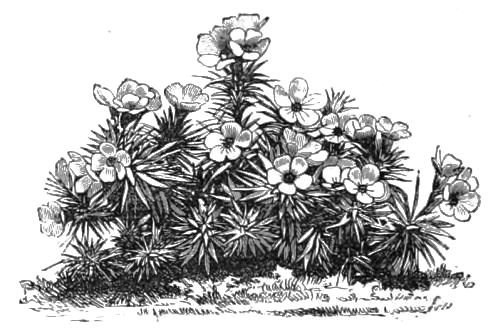
FIG. 90. ANDROSACE LAGGERI.
A. Laggeri (Lagger's).* fl. pink, sessile; when approaching maturity the stem becomes elongated, and bears a tuft of stalked flowers. March. l. awl-shaped, sharply pointed, in tiny rosettes. h. 3in. Pyrenees, &c., 1879. Very like A. carnea, but more delicate, earlier, and more abundant flowering, with deeper green foliage. It suffers from exposure to the sun, and therefore requires a partially shady position. Should be propagated from seeds or cuttings, which latter strike freely. See Fig. 90.
A. lanuginosa (woolly-leaved).* fl. delicate rose, with a small yellow eye, umbellate. June to October. l. nearly 1in. long, clothed with shiny silken hairs. h. 6in. to 9in. Himalaya, 1842. A very beautiful species, with spreading or trailing shoots, easily multiplied by cuttings or layers. It requires a warm sunny spot on the rockery, with a sandy peat soil. When planted so that its shoots drape the face of a rocky ledge, it is one of the most charming plants possible to grow.
A. obtusifolia (blunt-leaved). fl. white or rose, with yellow eye; umbels five or six-flowered. Spring. l. lanceolate or rather spathulate, in rather large rosettes. Stems downy. h. 2in. to 6in. European Alps. A very pretty form, closely allied to A. Chamæjasme, and differing principally in its somewhat larger rosette of leaves and stronger growth. SYN. A. aretioides.
A. pauciflora (few-flowered). Synonymous with A. lactea.
A. penicillata (finely hairy). Synonymous with A. villosa.
A. puberula (puberulous). Synonymous with A. carnea.
A. pubescens (downy). fl. white, with a faint yellow eye, solitary, at the ends of the branchlets, very numerous. June. l. oblong-ovate, ciliated, in a crowded rosette. Stem with a small swelling close to the flower. h. 2in. Alps, 1869. Treat like A. Chamæjasme.
A. pyrenaica (Pyrenean). fl. white, with yellowish eyes, on a scape about ¼in high. Summer. l. narrow-oblong, ciliated, recurved, keeled at the back. h. 1in. Pyrenees. An exceedingly pretty and diminutive little alpine plant, grown, according to Mr. Robinson, "to great perfection in fissures between large rocks, with, however, deep rifts of sandy peat and loam in them. It will also grow on a level exposed spot, but in such a position should be surrounded by half-buried stones."
A. sarmentosa (trailing).* fl. bright rose, with a white eye, in umbels of ten to twenty, on an erect scape. May and June. l. very silvery, forming dense rosettes, whence spring a number of runners, bearing at their extremities other tufts, which should be pegged down and covered with soil, when they will root freely. Himalayas, 1876. It requires rich sandy loam, a sunny position, and to be wedged between pieces of sandstone. Cover the rosettes during winter with a sheet of glass. See Fig. 91.
A. septentrionalis (northern). Synonymous with A. coronopifolia.
A. villosa (hairy).* fl. rose or blush, with a deeper coloured eye, and a honey-like perfume, umbellate. May. l. narrow, oblong, covered with soft white down, chiefly on the under surface, in compact tufts. h. 2in. to 4in. Pyrenees, &c., 1790. When well grown, the flowers are produced in great abundance, almost covering the green cushions. Plant in a sunny fissure of the rockery, in sandy loam and leaf soil. SYN. A. penicillata.
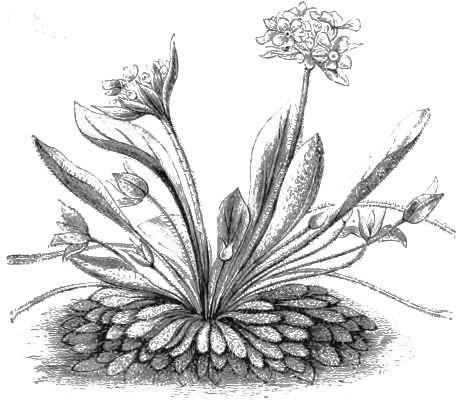
FIG. 91. ANDROSACE SARMENTOSA, showing Habit, and the two kinds of Leaves, &c.
A. Vitaliana (Vital's).* fl. rich yellow, comparatively large; tube inflated at the middle, almost nestling among the leaves. May to July. l. linear, acute, greyish. Stems numerous. h. 1in. to 2in. Pyrenees, &c., 1787. When well grown, it produces flowers in abundance, and is the only species in cultivation having yellow flowers. A well-drained, sunny pocket is desirable, with a calcareous soil, covering the surface with nodules of sandstone. SYN. Gregoria Vitaliana.
A. Wulfeniana (Wulfen's).* fl. rosy or crimson, large. Summer. l. oval, acuminated, in dense rosettes. h. 2in. Styria. A very rare species in cultivation in this country.
ANDROSÆMUM. See Hypericum.
ANDROSTEPHIUM (from aner, a man, and stephos, a crown; some of the stamens are barren and petaloid, forming a corona). ORD. Liliaceæ. A very pretty little hardy bulb, of dwarf habit, allied to Brodiæa. It requires a rich sandy loam, in a sunny position, and may be propagated by offsets and seeds; the latter should be sown as soon as ripe in a cold frame. Plant 6in. deep, when it will require no protection in winter.
A. violaceum (violet). fl. violet blue, about 1in. long, three to six in an umbel, on pedicels about their own length; tube infundibuliform, about as long as the spreading segments; corona half as long. Spring. l. four to six, very narrow. h. 6in. Texas, 1874.
ANDRYALA (the meaning of this is unknown). ORD. Compositæ. These are pretty half-hardy evergreen herbaceous perennials, easily grown in ordinary well-drained garden soil. Increased by seeds and divisions in spring. Two species only are in cultivation.
A. lanata (woolly).* fl.-heads yellow, Hieracium-like. May. l. white, woolly, thick, oblong-ovate; radical ones stalked; upper ones sessile. Stems with a leaf at each joint. h. about 1ft. South Europe, 1732.
A. mogadorensis (Mogador). fl.-heads bright yellow, as large as a half-crown; disk bright orange. April. Morocco, 1871. This species is rare in cultivation.
ANEILEMA (from a, not, and eilema, involucre; in reference to the absence of the involucre). ORD. Commelynaceæ. Greenhouse and stove evergreen perennials, with generally a trailing habit. A genus resembling Commelyna, from which it is distinguished by the inflorescence being sub-paniculate, and the peduncles entirely exserted from the bracts at the branching of the panicle. Flowers without any involucre. They thrive in a compost of loam, peat, leaf mould, and sand, well mixed. Increased by seeds and root divisions. There are a large number of species known to botanists.
A. biflora (two-flowered).* fl. blue; floral stalks two-flowered. July. l. lanceolate. Stem creeping; plant smooth. New Holland, 1820. Greenhouse species.
A. sinicum (Chinese). fl. pale blue; racemes about seven-flowered, alternate, placed in a panicle form. May. l. ligulate, acuminate. Stems branched, diffuse. h. 1ft. China, 1820. Greenhouse species.
ANEMIA (from aneimon, naked; in reference to the naked panicles of sporangia). Including Anemidictyon. ORD. Filices. A well-marked genus of stove and greenhouse ferns, chiefly confined to Tropical America. Capsules small, very abundant, forming a copiously-branched panicle, quite distinct from the leafy part of the frond. This genus of handsome dwarf-growing ferns is of easy culture, in a compost of fibrous peat, leaf soil, and sand. Several species are exceedingly pretty for fern cases. For general culture, see Ferns.
A. adiantifolia (maidenhair-leaved).* sti. 12in. to 18in. long, firm, naked. fronds, barren portion shortly-stalked, 6in. to 9in. long, 4in. to 6in. broad, deltoid, bi-tripinnate; pinnæ close, lanceolate, the lowest the largest; ultimate divisions oblong or linear-cuneate, the outer toothed, with a firm texture; panicle 3in. to 4in. long, the peduncle 1in. to 3in. long. West Indies, 1793. A very handsome stove fern.
A. ciliata (ciliated). Synonymous with A. hirsuta.
A. collina (hill). sti. 8in. to 12in. long, firm, erect, densely clothed with fine ferruginous hairs. fronds, barren portion sessile, 6in. to 12in. long, 2in. to 3in. broad, with about twelve sessile pinnæ on each side, which are 1in. to 1½in. long, and about ½in. broad, unequal-sided, obliquely-truncate below, blunt, sub-entire, with a sub-coriaceous texture; panicle 2in. to 3in. long, close, the peduncle 4in. to 6in. long. Brazil, 1829. Very rare stove species. SYN. A. hirta.
A. deltoidea (deltoid-like). Synonymous with A. tomentosa.
A. Dregeana (Drege's).* sti. 8in. to 12in. long, firm, slightly villose. fronds, barren portion sub-sessile, 8in. to 12in. long, 2in. to 3in. broad, about equal in width in the lower half, with eight to twelve pinnæ on each side, which are 1in. to 1½in. long, ½in. to ¾in. broad, ovate-deltoid, unequal at the base, the upper side sub-cordate, the edge inciso-crenate; panicle 3in. to 4in. long, the lower branches elongated; peduncle same length. Natal. Stove species.
A. flexuosa (wavy). Synonymous with A. tomentosa.
A. hirsuta (hairy). sti. 6in. to 12in. long, slender, naked. fronds, barren portion 2in. to 6in. long, 1in. to 3in. broad, sessile, oblong-deltoid, bipinnatifid; pinnæ in six to eight opposite pairs, 1in. to 1½in. long, ¼in. to ¾in. broad, varying from oblong, obtuse, sub-entire, truncate at the base on the lower side, to deeply pinnatifid with narrow divisions; panicle 1in. to 2in. long, close; peduncle 2in. to 6in. long, slender. Jamaica, 1704. Very handsome stove species. SYNS. A. repens and A. ciliata.
A. hirta (hairy). Synonymous with A. collina.
A. mandioccana (Mandioccan).* sti. 6in. to 12in. long, deciduously villose. fronds, barren portion 1ft. or more long, 2in. to 4in. broad, oblong-lanceolate, the lower half about equal in width; pinnæ in twenty or more close pairs, the point narrowed, but scarcely acute; edge finely serrulate, the upper base parallel with the stem, the lower obliquely truncate; rachis and surfaces finely pilose; texture sub-coriaceous; panicle very compound, 3in. to 4in. long: peduncle longer. Brazil. A very beautiful and distinct stove species.
A. Phyllitidis (Phyllitis-like).* sti. 6in. to 18in. long, stramineous, naked, or fibrillose. fronds, barren portion sessile, 4in. to 12in. long, 2in. to 8in. broad, ovate-oblong, simply pinnate; pinnæ in four to twelve sessile pairs, the lowest the largest, ovate, 1in. to 6in. long, ½in. to 2in. broad, the apex acute, the edge crenulate, the base rounded or cuneate, or unequal, with a firm texture; panicle dense, 3in. to 9in. long, the branches short; peduncles the same length. Cuba, Mexico, &c. SYN. Anemidictyon Phyllitidis. Greenhouse species.
A. P. lineata (lined). fronds with a yellowish-green central stripe down the pinnæ. South America, 1868.
A. P. plumbea (leaden). Synonymous with A. P. tessellata.
A. P. tessellata (tessellated). Pinnæ dark green, with bright green centre and leaden-grey border. Brazil, 1875. The forms of this species are numerous: fraxinifolia and macrophylla are names often met with, but only show slight deviations. They all have a more hardy constitution than the other species, and grow well in the greenhouse. SYN. A. P. plumbea.
A. repens (creeping). Synonymous with A. hirsuta.
A. tomentosa (tomentose).* sti. 6in. to 12in. long, strong, erect, clothed with ferruginous hairs. fronds, barren portion 6in. to 12in. long, half as broad, ovate-deltoid, bipinnatifid or bipinnate; lowest pinnæ the largest, the blunt lobes ½in. to ¾in. long, ¼in. broad, nearly entire; rachis and surfaces densely pilose, with a firm texture; panicle 4in. to 9in. long, loose; peduncle 1in. to 2in. long. Tropical America. Greenhouse species. SYNS. A. deltoidea, A. flexuosa, A. villosa.
A. villosa (hairy). Synonymous with A. tomentosa.
ANEMIDICTYON. See Anemia.
ANEMONE (from anemos, wind; the greater part of the species grow in elevated places, much exposed to the wind). Wind Flower. ORD. Ranunculaceæ. An extensive genus of very ornamental hardy perennials. The generic characters of Anemone proper are: Involucre of three cut leaflets, distant from the flower; calyx of five to twenty petal-like sepals; petals absent. Of sub-genus Hepatica: Involucre of three entire leaflets, just under the flowers; calyx of six to nine petal-like sepals; petals absent. For botanical purposes, they are both now included under the one generic name of Anemone; but in gardens the Hepaticas are frequently regarded as a distinct genus. They delight in a rich sandy loam, but most will thrive in ordinary garden soil. Some are suitable for borders, while others thrive best on the rockery, most of them preferring a damp and partially shady position. For the numerous varieties of A. coronaria, both double and single flowered, the soil can hardly be too rich, and the position, though open, should be a sheltered one, and well drained. The tubers may be planted early in October, about 6in. apart, and 3in. deep, various colours being intermixed, when a splendid effect is produced in the following spring. After flowering, the tubers should be taken up—say in June—and spread out thinly, in a shady, airy situation, until they are dry, when they should be thoroughly cleaned, and, if necessary, divided, and finally stored away in a cool place, in pots or boxes of dry sand until the planting season. Anemones make admirable pot plants if placed in a compost of two parts turfy loam, and one of leaf mould or rotten hotbed or cow manure, with about a sixth part of sharp gritty sand; but, if so grown, they should be protected through severe weather, and brought into warmth as required. The herbaceous species are propagated by root divisions or root cuttings, or by seeds, in autumn or early spring; the seeds are better sown as soon as ripe in pans in a cold frame. Some, such as A. japonica, are freely increased by division; while others, such as A. narcissiflora, are very slow; and the tuberous rooted ones, by root division and seeds. The best and most rapid means of propagating the invaluable varieties of A. coronaria, and also of obtaining new ones, is by seed. A careful selection of flowers, and skilful hybridising, will produce results commensurate with the trouble incurred. So soon as the seed ripen, they should be gathered and sown at once in a warm sheltered situation outside, or in pans under glass, covering lightly with sandy soil, and keeping moist. They are somewhat difficult to sow on account of a mass of cotton-like down which adheres closely to them; they should be thoroughly separated therefrom by rubbing them in dry sand. Of course, if the seed are sown at different times, plants will be produced which will flower at different periods, and a succession of bloom may be had from April to November—indeed, nearly all the year.
A. alba (white). fl. white; pedicel solitary; sepals five, obovate, very blunt. June. l. ternate or quinate; segments deeply toothed at top; those of the involucre stalked. h. 6in. Siberia, 1820.
A. alpina (alpine).* fl. variously coloured, sometimes white, white with the back purple, cream, yellowish or yellow with their backs paler; sepals six, spreading, elliptical, rarely ovate. May. l. sometimes smooth, sometimes clothed with long crowded silky hairs, biternate; segments pinnate and deeply serrated; involucre of the same form. h. 6in. Middle Europe, 1658. Very handsome alpine. Plant on the rockery in rich deep soil, with a damp situation. SYN. Pulsatilla alpina.
A. a. sulphurea (sulphur).* fl. beautiful soft yellow, 2in. to 2½in. across when expanded, but they are usually cup-shaped; sepals six, covered with a silky down outside; anthers of a rich golden colour. May and June. l. radical, stalked, drooping, more than 1ft. long; leaflets pinnatifid, deeply toothed. A very beautiful form, thriving in ordinary garden soil, and a rather moist situation. See Fig. 92.
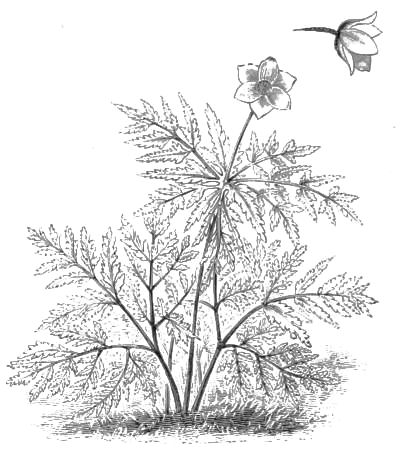
FIG. 92. ANEMONE ALPINA SULPHUREA, showing Habit and Flower.
A. americana (American). A synonym of A. Hepatica.
A. angulosa (angled).* fl. fine sky blue, over 2in. across, with numerous black anthers surrounding a tuft of yellow styles; sepals eight to nine, elliptical, spreading. February. l. palmately five-lobed; lobes serrated. h. 8in. to 12in. East Europe. A very fine species, twice the size of A. Hepatica in all its parts; it is well suited for the border or rockery, enjoying a deep rich soil. SYN. Hepatica angulosa.
A. apennina (Apennine).* fl. blue, 1½in. across; sepals ten to fourteen, oblong, obtuse, erect; pedicel one-flowered. March. l. binately pinnate; segments lanceolate, deeply-toothed, acute. h. 6in. England (naturalised here and there), and Southern Europe. An exceedingly pretty plant, with soft-looking feathery foliage. It thrives best under the partial shade of trees, where the flowers retain their colour longer. Tuberous rooted.
A. baldensis (Mount Baldo).* fl. white, clothed with adpressed hairs on the outside, and reddish tinged with blue; sepals eight to ten, oblong-oval; pedicels one-flowered. May. l. biternate; segments many-parted; lobes linear; involucral leaves multifid. h. 6in. Switzerland, 1792. A. cœrulea is probably identical with this species. Shady parts of the rockery. Rare. Tuberous rooted.
A. blanda (fair).* fl. deep blue, nearly 2in. across; sepals nine to fourteen, narrow. Winter or early spring. l. triternate; segments deeply cut and acute; involucral leaves stalked, trifid, deeply cut. h. 6in. Eastern Europe. A very handsome early flowering plant. It requires a rich, light, and well drained sandy loam, and a warm, sheltered position. It closely resembles A. apennina, of which it is merely a form, with deeper blue flowers. Tuberous rooted.
A. caroliniana (Carolina). fl. purple or whitish, pubescent on the outside, on a long one-flowered pedicel; sepals ten to twenty, oblong-linear. May. l. ternate, with three-parted, or cut acutely-toothed lobes; involucral leaves trifid, with cut lobes. h. 9in. Carolina, 1824. A very slender and delicate plant. Shady parts of the rockery. Tuberous rooted.
A. cernua (drooping). fl. somewhat drooping, dark purple; sepals six, spreading, elliptical-oblong. May. l. pinnate, villous underneath; segments pinnatifid; lobes cut, oblong; scapes, petioles, and peduncles clothed with downy hairs. h. 6in. Japan, 1806. Rare.
A. coronaria (garland).* Poppy Anemone. fl. very various in colouring, solitary; sepals six, oval, approximate. April to May. l. ternate; segments multifid; lobules linear, mucronated; involucral leaves sessile, multifid. South Europe, 1596. This is one of the species from which the majority of "florists' varieties" have originated, which can be purchased at such a cheap rate, either in named varieties, or in mixture, and are invaluable for spring flowering. It thrives best in a good loamy soil, and should be somewhat shaded from the mid-day sun. Tuberous rooted. See Fig. 93.
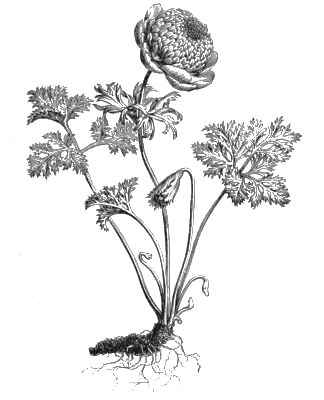
FIG. 93. ANEMONE CORONARIA FLORE-PLENO.
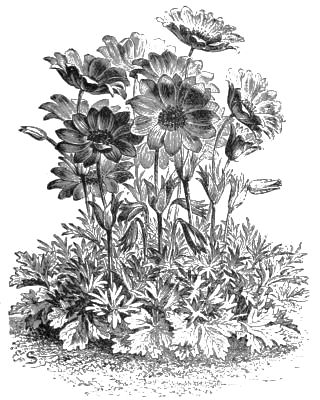
FIG. 94. ANEMONE FULGENS.
A. decapetala (ten-petaled).* fl. cream white or pale sulphur, about 1in. to 2in. across, erect; sepals eight to twelve, oblong, spreading. May to June. l. tripartite, and freely divided into numerous linear-acute segments, of a deep green colour. h. 12in. to 18in. North-West America, &c. A pretty free-flowering species, suitable for naturalising in woods, &c. It is less ornamental than many others, but is very distinct.
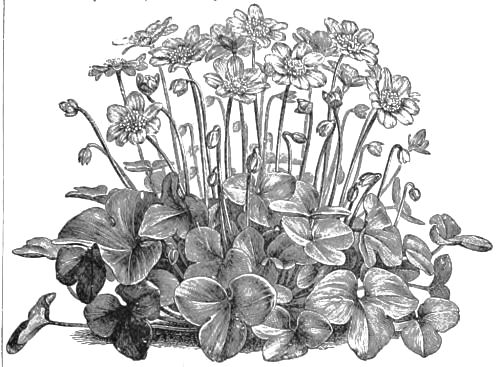
FIG. 95. ANEMONE HEPATICA.
A. dichotoma (forked).* fl. white, with a tinge of red on the under side; sepals five, elliptical; pedicels many, usually bifid. May. l. three parted; lobes oblong, deeply-toothed at top; those of the involucrum sessile. h. 1½ft. Siberia, North America, &c., 1768. Border, or for naturalising in woods. SYN. A. pennsylvanica.
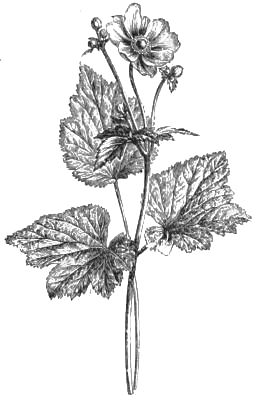
FIG. 96. FLOWER AND LEAF OF ANEMONE JAPONICA.
A. fulgens (shining).* fl. of a dazzling vermilion or scarlet, with a black central patch of stamens, about 2in. across; sepals obovate. May. Greece, South Europe, &c., 1865. A very beautiful variety, much more showy than A. hortensis (of which it is generally regarded as a variety), and a universal favourite. In "Hardy Perennials," Mr. Wood says of this splendid species: "It may be grown in pots for conservatory or indoor decoration. It needs no forcing for such purposes; a cold frame will prove sufficient to bring the flowers out in winter. Borders or the moist parts of rockwork are suitable for it; but perhaps it is seen to greatest advantage in irregular masses in the half shade of trees in front of a shrubbery; and, after all, it is impossible to plant this flower wrong as regards effect. To grow it well, however, it must have a moist situation and good loam." See Fig. 94.
A. Halleri (Haller's).* fl. purplish inside, large, erect; sepals six, oval-lanceolate. April. l. pinnate, very villous; segments three parted; lobes with lanceolate-linear, acuminated divisions. h. 6in. Switzerland, 1816. A sunny border or the rockery. SYN. Pulsatilla Halleri.
A. Hepatica (supposed remedy for liver diseases). Common Hepatica. fl. usually blue; sepals six to nine. February. l. cordate, three-lobed; lobes quite entire, ovate, acutish; petioles and scapes rather hairy. h. 4in. to 6in. There are numerous varieties of this species. England, &c. SYN. Hepatica triloba. Varieties: alba has large pure white flowers; cœrulea (blue), the double form of cœrulea is scarce and very showy; rubra produces reddish-pink flowers, and of which there is also a double variety, very bright and lasting; Barlowi has large sky-blue flowers. Besides these there are many others. They are all charming early spring-flowering plants, preferring rich light soil, and to remain undisturbed for years, when they form grand clumps, often producing seedlings where they stand. SYN. A. americana. See Fig. 95.
A. Honorine Jobert (Honorine Jobert). Synonymous with A. japonica alba.
A. hortensis (garden). Nearly approaches A. coronaria, the parent of a large number of garden forms. A. fulgens and A. stellata are by competent authorities placed as varieties.
A. Hudsoniana (Hudson's). Synonymous with A. multifida.
A. japonica (Japanese).* fl. rosy carmine, from 2in. to 2½in. across, on footstalks which spring from a whorl of three or four leaves; anthers golden yellow. Autumn. l. ternate, with unequally lobed, toothed segments. h. 2ft. to 3ft. Japan, 1844. See Fig. 96.
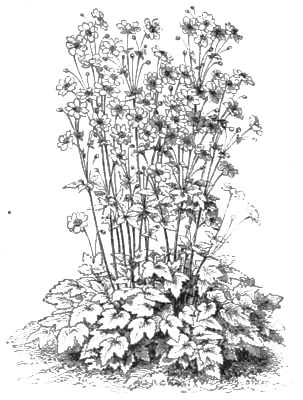
FIG. 97. ANEMONE JAPONICA ALBA.
A. j. alba (white).* This is a splendid variety, with a profusion of large pure white flowers, which are produced from August to November. This white form is one of the handsomest of border flowers. The blooms are 2in. to 3in. across, with a centre of dense lemon coloured stamens. For cutting purposes the flowers are invaluable. It thrives best in deep soil. SYN. A. Honorine Jobert. See Fig. 97.
A. j. elegans (elegant).* Very like A. japonica, with broader leaves, and pale rose-coloured flowers, which are more than 3in. across. This is also called rosea and hybrida. Japan.
A. lancifolia (lance-leaved). fl. white; sepals five, ovate-acute; scapes one-flowered. May. l. all stalked, ternate; segments lanceolate, crenate-toothed. h. 3in. Pennsylvania, 1823. Very rare. Rockery. Tuberous rooted.
A. multifida (many-cleft).* fl. red, whitish yellow, or citron colour, small; sepals five to ten, elliptical, obtuse; peduncles three, one-flowered, one of which is naked and earlier, the other two longer, and bearing two-leaved multifid involucels on their middle. June. l. radical ones ternate; segments cuneated, three parted, multifid, with linear lobes; those of the involucrum multifid, on short petioles. h. 6in. to 12in. North America. Border or rockery. SYN. A. Hudsoniana.
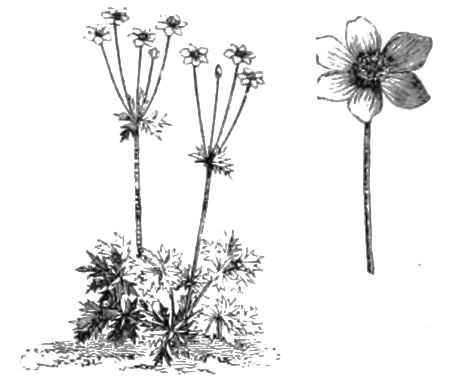
FIG. 98. ANEMONE NARCISSIFLORA, showing Habit and Flower.
A. narcissiflora (Narcissus-flowered).* fl. usually cream coloured, sometimes purplish on the outside; umbels generally many-flowered; pedicels in some instances twice or three times longer than the involucrum, and in others very short; sepals five or six, ovate or oval, blunt or acute. May. l. radical ones palmately three to five parted; lobes deeply toothed; lobules linear, acute; those of the involucrum three to five cleft. h. about 1ft. Europe, North America, 1773. An extremely variable and beautiful species. Rockery. See Fig. 98.
A. nemorosa (grove).* Wood Anemone. fl. generally white; sepals six, elliptical; scapes one-flowered. March. l. ternate; segments trifid, deeply toothed, lanceolate, acute; involucral leaves stalked. h. 6in. This species varies greatly in the colour of its flowers. It is a most beautiful little plant, frequent in our native woods, and suitable for planting in shaded shrubberies, &c. Tuberous rooted.
A. n. cœrulea, (blue),* from the North-west States of America, is very near, if not identical with, the variety Robinsoniana, of our native woods.
A. n. flore-pleno (double-flowered).* fl. pure white, over 1in. across, solitary, double. This is an exceedingly pretty plant, and remains in beauty considerably longer than the type. It should be grown in large clumps, and in rich loam.
A. n. Robinsoniana (Robinson's).* fl. bright azure blue, large, over 1½in. in diameter. A charming variety for the rockery or border, and one of the prettiest in the whole genus.
A. n. rosea (rosy).* A very pretty form, with rose-coloured flowers, of which there is a double flowered sub-variety; there is also a double form of the type, named bracteata fl.-pl., white flowers, surrounded with a large involucrum.
A. obtusiloba (blunt-lobed-leaved). fl. cream coloured; sepals five, obovate; peduncles two to three, one-flowered, villous, naked, or the lateral ones are bracteate. June. l. three lobed cordate, and are, as well as petioles, very villous; segments broadly cuneated, and deeply crenate; involucral leaves trifid. Himalaya, 1843. This species requires a warm and sheltered position.
A. palmata (palmate).* fl. golden yellow; sepals ten to twelve, oblong, obtuse; scape one, rarely two, flowered. May. l. cordate, sub-orbicular, bluntly three to five-lobed, toothed; involucral leaves trifid. South-west Europe, 1597. A white flowered variety, though scarce, is in cultivation, and is very pretty. True alpines, which should be grown on the rockery, where the soil is both rich and deep, with a somewhat damp situation. Tuberous rooted.
A. patens (spreading).* fl. purplish, or rarely yellow, erect, spreading, in the involucre almost sessile; sepals five to six. June. l. pinnate, rising after the flowers; segments three parted; lobes toothed at the top. Northern Europe, &c., 1752.
A. p. Nuttalliana (Nuttall's).* fl. purple, sometimes cream coloured, erect, villous on the outside; sepals five or six, erect, connivent. June. l. three parted; segments cuneate, trifid, cut; lobes linear-lanceolate, elongated; those of the involucre with linear lobes. h. 1ft. North America, 1826. A pretty border plant.
A. pavonina (peacock). Synonymous with A. stellata.
A. pennsylvanica (Pennsylvanian). Synonymous with A. dichotoma.
A. pratensis (meadow).* fl. dark purple, pendulous; sepals six, erect, reflexed at the top, acute. May. l. pinnate, many parted; lobes linear. h. 6in. to 12in. Northern Europe, &c., 1731. Differs chiefly from the following species in having smaller flowers, sepals narrower and more acute, connivent at base, and reflexed at apex. SYN. Pulsatilla pratensis.
A. Pulsatilla (common Pulsatilla).* Pasque Flower. fl. generally violet, sub-erect; sepals six, spreading, externally silky, very handsome. April. l. pinnate; segments many parted; lobes linear. h. 6in. to 12in. England, &c. A singular and beautiful species, thriving best in a dry situation and well-drained soil of a calcareous nature. It is a very pretty plant for a border or rockery; when well grown, it forms handsome tufts, and flowers very freely. See Fig. 99. SYN. Pulsatilla vulgaris. There are numerous varieties, the best of which are:
A. P. dahurica (Dahurian). fl. erect; sepals oblong, very villous. Plant dwarf. Sunny border or rockery.
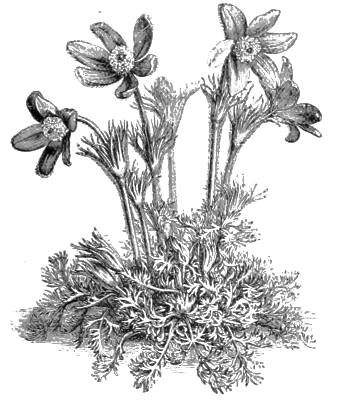
FIG. 99. ANEMONE PULSATILLA.
A. P. lilacina (lilac). fl. lilac.
A. P. rubra (red). fl. erect; sepals blunter. Plant dwarfer.
A. ranunculoides (Ranunculus-like).* fl. usually yellow (but in the Pyrenean variety purple), generally solitary, single or double; sepals five to six, elliptical. March. l. radical ones three to five parted; segments subtrifid, deeply toothed; those of the involucrum on short stalks three parted, deeply toothed. h. 3in. Naturalised in English woods, but rarely. Tuberous rooted.
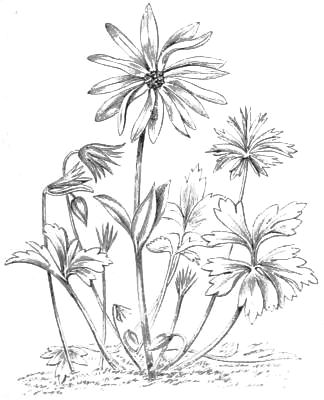
FIG. 100. ANEMONE STELLATA.
A. rivularis (river).* fl. white; anthers purple; sepals five, oval, smooth; pedicels three, one of which is naked. April. l. villous, as well as petioles, three parted; lobes cuneated, trifid; lobules cut, acutely toothed. h. 1ft. to 2ft. North India, 1840. Should be grown on the banks of running water, or in a damp situation in the border.
A. sibirica (Siberian). fl. white; sepals six, orbicular; scapes one-flowered. June. l. ternate; segments deeply toothed, ciliated, those of the involucrum on short stalks, ternate; segments lanceolate. h. 6in. Siberia, 1804. Rockery; very rare.
A. stellata (star-leaved).* fl. purple, or rose red, or whitish, solitary; sepals ten to twelve, oblong, bluntish. April. l. three parted; lobes cuneated, deeply-toothed; involucral leaves sessile, oblong. h. 8in. to 10in. South Europe, 1599. A pretty and gay spring flowering plant. Tuberous rooted. SYN. A. pavonina. Double forms of this occur in cultivation. See Fig. 100.
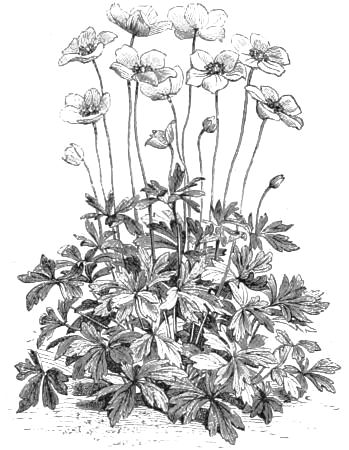
FIG. 101. ANEMONE SYLVESTRIS.
A. sylvestris (wood).* Snowdrop Windflower. fl. pure satin white, slightly drooping, 1½in. across when fully open, fragrant; sepals six, elliptical; pedicel solitary. April. l. ternate or quinate, hairy beneath; segments deeply toothed at top, those of the involucrum stalked. h. 6in. to 18in. Europe, 1596. This distinct and showy species thrives best in a light vegetable soil in a rather shady and moist situation. The roots are creeping, and should be allowed plenty of room, so that they may ramble without check. See Fig. 101.
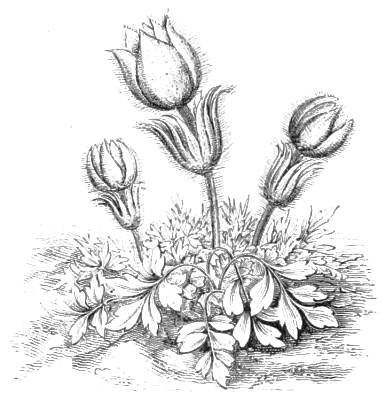
FIG. 102. ANEMONE VERNALIS.
A. trifolia (three-leaved). fl. white, erect; sepals five, elliptical, obtuse. April. l. all stalked, ternate; segments ovate-lanceolate, acute, toothed. h. 6in. France, 1597. This species comes close to A. nemorosa.
A. vernalis (spring).* fl. whitish inside, violet and covered with silky down outside, erect, sub-sessile or on pedicels; sepals six, straight, elliptic-oblong. April. l. pinnate; segments cuneate-lanceolate, trifid; involucrum very villous. h. 6in. Europe, 1816. A curious rather than a showy species; it makes a pretty pot plant, but must not, under any consideration, be allowed to want water. It can be plunged in sand or ashes in the open, and just as the flowers commence to expand, transfer to a cool frame. It thrives best in a peat and loam compost, to which small pieces of charcoal may be added. SYN. Pulsatilla vernalis. See Fig. 102.
A. virginiana (Virginian).* fl. purplish green or pale purple, small; sepals five, elliptical, silky-pubescent on the outside; pedicels often rising in pairs from the involucel. May. l. ternate; segments trifid, acuminated, deeply toothed; those of the involucre and involucels stalked; peduncles three to four, much elongated, middle one naked, sometimes 1ft. high; lateral ones bearing two-leaved involucels. h. 2ft. North America, 1722. Border or woodlands, and damp places.
A. vitifolia (vine-leaved). fl. white, villous on the outside; anthers copper colour; sepals eight, oval, oblong; pedicels one-flowered. July. l. large, cordate, five-lobed, beneath as well as the stems clothed with white wool; lobes broadly ovate, cut, and crenate; those of the involucrum stalked, woolly underneath, smooth above, bluntly cordate, five-lobed. h. 2ft. Upper Nepaul, 1829. This requires a warm sheltered position to stand the winter. Very near A. japonica alba, and probably the progenitor of it.
ANEMONOPSIS (from anemone, and opsis, resemblance; flowers like those of the Anemone). ORD. Ranunculaceæ. A handsome and remarkable hardy herbaceous perennial, not unlike Anemone japonica, but smaller. It thrives in any light soil. Propagated by seeds and divisions of the root-stock in spring.
A. macrophylla (large-leaved).* fl. in loose racemes; sepals about nine, concave, the outer three purple, internally pale lilac; petals twelve, in many rows, one-third the length of the sepals, linear-oblong. July. l. large, biternate, coarsely toothed, glabrous. h. 2ft. to 3ft. Japan, 1869.
ANEMOPÆGMA (from anemos, the wind, and paigma, sport). ORD. Bignoniaceæ. A handsome stove climbing shrub. For culture, see Bignonia.
A. racemosum (racemose).* fl. delicate buff coloured, in axillary racemes, large. September. Brazil, 1879. This beautiful and vigorous climber is, as yet, very rare in cultivation.
ANETHUM (from ano, upwards, and theo, to run; in reference to its quick growth). ORD. Umbelliferæ. A genus of erect glabrous annuals. Flowers yellow; involucre and involucels wanting. Leaves decompound, with linear-setaceous lobes. This genus is of no ornamental value, its most important species being the garden Dill (A. graveolens), which see for culture.
ANGELICA (in reference to the supposed angelic medicinal virtues of some species). ORD. Umbelliferæ. Perennial or biennial herbs. Flowers white; umbels terminal; involucra wanting or of few leaves; involucels of many leaves. Leaves bipinnate. The common Angelica (A. Archangelica) is the only species that calls for mention. It is a native biennial, and was at one time in much request for confectionery, and as a herb of supposed great medicinal value. Seed should be sown in September or March in ordinary soil, and the young plants thinned out to about 18in. apart.
ANGELICA TREE. See Aralia spinosa.
ANGELONIA (from angelon, the local name of A. salicariæfolia in South America). SYN. Schelveria. ORD. Scrophulariaceæ. Very pretty stove herbaceous perennials. Flowers axillary, racemose; corolla irregular, bilabiate; lower lip saccate at the base, trifid; upper one smaller, bifid. Leaves opposite. Stem and branches quadrangular. A mixture of light turfy loam, peat, leaf soil, and sand, is a good compost. Cuttings of young shoots in spring strike readily under a hand glass, or plunged in the propagating bed, giving plenty of air daily.
A. salicariæfolia (Willow-leaved).* fl. blue, hairy, axillary, solitary, pedicellate, disposed in terminal racemes. August. l. sessile, lanceolate, acute, serrated towards the apex, finely pubescent on both surfaces. h. 1½ft. to 3ft. South America, 1818.
ANGIOPTERIS (from aggeion, a vessel, and pteris, a wing). Including Psilodochea. ORD. Filices. A genus of gigantic greenhouse ferns. Capsules eight to fifteen, opening by a slit down the side, sessile, very close but not concrete, arranged in linear-oblong or boat-shaped sori near the edge of the frond. These ferns require a very liberal supply of water, and plenty of room to fully expand. The most suitable compost is a mixture of strong loam and peat, with some sharp sand. Thorough drainage must be afforded.
A. evecta (evectic). cau. erect, 2ft. to 6ft. high, 1½ft. to 2ft. thick, very fleshy. sti. swollen and articulated at the base, furnished with two large leathery persistent auricles. fronds 6ft. to 15ft. long, bi- or tripinnate; pinnæ 1ft. to 3ft. long, spreading, the lowest the largest; rachis swollen at the base; pinnules 4in. to 12in. long, ½in. to 1½in. broad, linear-oblong, sessile or shortly stalked, acuminate; edge entire or finely toothed. Tropics of Old World. This is the only clearly defined species; the others usually known as distinct species are but varieties of it, and its culture should not be attempted if plenty of room cannot be afforded it.
ANGOPHORA (from aggos, a vessel, and phero, to bear; in reference to the shape of the fruit). ORD. Myrtaceæ. Australian evergreen greenhouse ornamental trees or shrubs. Flowers corymbose; calyx five or six-cleft. Leaves large, opposite. A mixture of leaf soil, peat, and sand suits them well. Ripened cuttings will root in sandy soil under a hand glass in a cool house, in a few weeks.
A. cordifolia (heart-leaved).* fl. yellowish, corymbose, large. May. l. sessile, ovate, cordate at the base, glabrous. h. 7ft. to 10ft. New Holland, 1789.
A. lanceolata (lanceolate-leaved).* fl. white, corymbose. May. l. petiolate, lanceolate, acuminate, glabrous. h. 4ft. to 6ft. New Holland, 1816.
ANGRÆCUM (deduced from angurek, a Malayan name for air plants). ORD. Orchidaceæ. TRIBE Vandeæ. These are among the most beautiful of epiphytal orchids. One characteristic, both remarkable and peculiar, is the long, hollow, tail-like spur depending from the base of the lip. The flowers are produced on spikes from the axils of the leaves. The leaves are evergreen, and arranged in two rows, the one opposite to the other, and, in many kinds, being curved, give the plant a very graceful appearance. The fact of these plants producing their blooms during the winter—a period when flowers are generally scarce—considerably enhances their value. They usually continue six or eight weeks in perfection, or even more. The following table of night temperatures should be almost universally adhered to for all the species enumerated, except A. falcatum, which thrives best in a cool house. From November to February, 58deg. to 63deg.; March to May, September and October, 65deg.; June to August, 70deg. The day temperature should be 7deg. or 8deg. higher than that of the night. A compost of crocks, charcoal, and sphagnum is best. A layer of a few large crocks at the bottom of the pot or pan will be required; over these spread another layer of charcoal and smaller crocks, just enough to allow the roots to support the plant; so that the first pair of leaves will be, in large plants, about 4in. above the rim of the pot, or proportionately less in the case of small plants. When the plant is carefully adjusted in its proper position, and held there with one hand, the other hand should work in among the roots more crocks and charcoal, ceasing so to do when within 2in. of the rim; the remaining space must be occupied with fresh sphagnum, pressed firm (this is most essential) in a cone shape, which may be built up to within ½in. of the lower pair of leaves. Prior to potting, which ought to be done between February and April, water should be withheld for a short time; but give a good soaking immediately after the operation. In the process of repotting, clear the roots of the old moss, all rotten stems, and particles of decayed roots. If plants are potted as we have recommended, a thorough soaking once a week only, or if grown on blocks of wood, or in suspended baskets or pans, about twice weekly will be found sufficient. Excessive fumigation, drought, whether atmospherical or at the roots, will cause the leaves to drop, and prevent any growth being made, in which case the plant ought to be lowered. If the stems have emitted but few roots, a ring of moss fastened round the stems, and kept constantly wet, will induce the plant to throw out additional roots, when the lowering may be proceeded with. To keep the plants free from insect pests, frequently sponge the foliage. Thrips generally prove very troublesome, and a moderate fumigation is needful, dislodging the insects that may be secreted low down in the centre of the plant, shortly before the operation, by dropping a little weak tobacco water or sulphur among them.
A. arcuatum (curved).* fl. white; racemes from the axils of the two-year-old leaves, two or three being produced from a single growth, about 6in. long, arching. l. about 4in. long, and ¾in. broad. Natal. SYNS. Listrostachys arcuata. A. (Listrostachys) Sedeni comes close to the above species, but is excessively rare in cultivation.
A. bilobum (two-lobed).* fl. white, with a tinge of rose, about 1½in. in diameter; spur 2in. long, produced from the side of the stem, just above the two-year-old leaves; racemes pendulous, 6in. or more long, bearing about a dozen flowers, which possess a slight fragrance. October to December. l. 4in. long by 2in. broad, two-lobed at the apex, about eight on a plant. Stem erect, about 6in. high. Cape Coast, 1841. Should be grown in a basket.
A. caudatum (tailed). fl. greenish yellow, mixed with brown; labellum pure white; spur thick, pale green, about 9in. long, two-lobed at the lowest portion; racemes arching, 1ft. or more long, produced from the base of the two-year-old leaves. Autumn. l. pale green, drooping, about 10in. long by 1in. broad. h. 1½ft. Stem erect, or nearly so. Sierra Leone, 1834.
A. cephalotes (capitate).* fl. white. Tropical Africa, 1873.
A. Chailluanum (Chaillu's).* fl. white; sepals and petals narrow, acute; spur yellowish green, 4in. or more long; racemes pendulous, 8in. or 10in. long, about twelve medium sized flowers produced from the side of the stem, just above the axils of two-year-old leaves. l. 6in. long, 1½in. broad, slightly wavy, two-lobed at the apex, arranged in an imbricate manner. West Africa, 1866. A rare species.
A. Christyanum (Christy's). A curious species, with yellow or greenish-white flowers, having a much developed three-lobed lip. The plant has the aspect of A. arcuatum. 1880.
A. citratum (citron-like).* fl. creamy white, or pale yellow, nearly 1in. in diameter; spurs about 1½in. long; racemes three, on strong plants, produced from the axils of two-year-old leaves, arched, about 1ft. long, bearing sometimes twenty flowers. l. 4in. to 6in. long and 2in. broad, six or eight on a plant, occupying about 1½in. of stem. Madagascar, 1868. Habit compact; stem nearly erect.
A. distichum (two-rowed-leaved). fl. whitish, ¼in. across, on one-flowered pedicels, which are produced from the axils of the leaves. l. very short, closely imbricated, deep bright green. h. 6in. Sierra Leone, 1834. A very neat growing little species, and quite distinct.
A. eburneum (ivory-lipped).* fl. sepals and petals greenish white; lip uppermost, white, very large; racemes about 18in. long, from the axils of two-year-old leaves; footstalks erect, but gradually becoming pendulous from the commencement of the flowers. l. 20in. long by 2in. broad, light green, stiff. Madagascar, 1826. SYN. Ærobion eburneum. A. virens is an inferior variety, but A. e. superbum surpasses the type in beauty; it is, however, at present extremely rare.
A. Ellisii (Ellis's).* fl. pure white, fragrant, about 2in. across, with narrow reflexed sepals and petals, the column standing very prominent; spur pale brownish, 6in. to 8in.; racemes frequently 2ft. long, on the side of the stem just above the axils of the two-year-old leaves, bearing about twenty blossoms. l. dark green, 9in. or 10in. long, and 2in. broad, divided at the apex into two unequal lobes. Madagascar, 1879.
A. falcatum (sickle-shaped).* fl. pure white, very fragrant; spur upcurved, 2in. long; racemes from the axils of the two-year-old leaves, short, bearing from two to five blooms. l. 2in. to 4in. long, very narrow and fleshy, dark green. 1815. An elegant little cool house species, and one of the smallest belonging to this genus. It should be grown in peat, in a basket or small pot suspended about 2ft. from the glass, but rather shaded.
A. Kotschyi (Kotschy's).* fl. yellowish white, perfume similar to the common white pink, 1in. to 1½in. across; spur reddish-tinted, 6in. or 7in. long, distinguished by the two spiral twistings; racemes from the axils of the lower leaves, 18in. long, bearing about twelve blossoms. l. 6in. long by 3in. broad, of which there are generally six or more on a good plant. Zanzibar, 1880. Should be grown in a basket, or on a cylindrical block of teak wood.