THE MINOR PLANTS
Reading edition
Although only a few dozen plants are important sources of surplus honey, there are hundreds of minor plants which are of value for the support they give the bees when no major plant is in bloom. The number and variety of these plants will largely determine the value of the locality, and whether it will be necessary for the beekeeper to resort to migratory beekeeping at times.
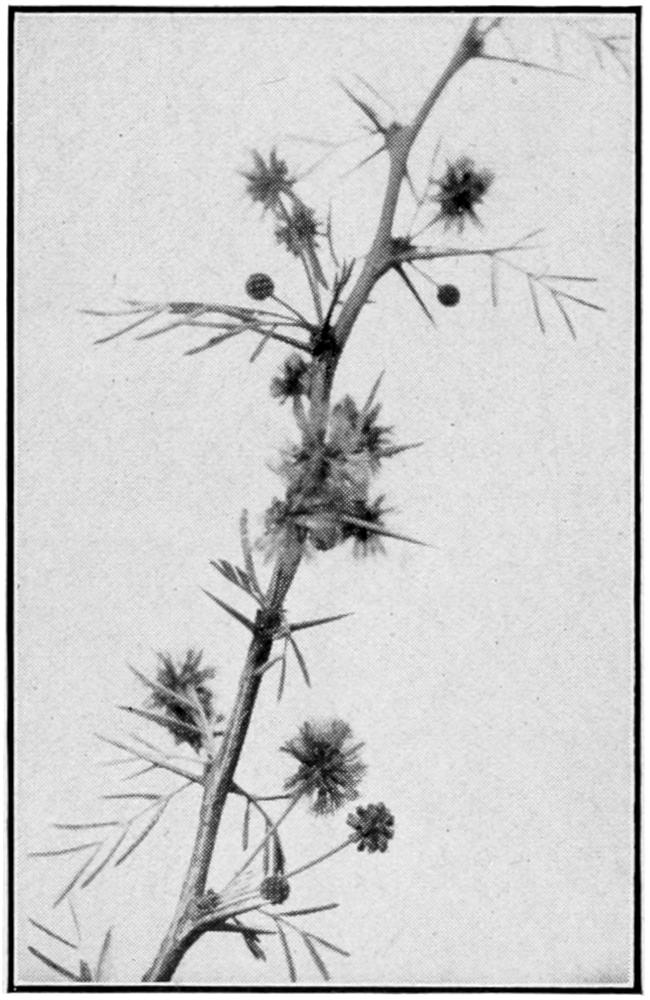
Fig. 1. Blossoms of huisache (Acacia farnesiana).
Catnip is famous as a bee plant, yet it is doubtful whether a single pound of catnip honey was ever stored in America, unmixed with honey from other sources. If catnip could be grown in large fields like clover, it is probable that catnip honey would appear in the markets.
If the beekeeper is familiar with the minor plants, he will often be able to locate outyards where the bees will be able to gather enough nectar from such sources to keep his colonies in the best possible condition for the surplus flows. It is a well-known fact that it is only the big colonies which produce large crops of surplus honey. A little nectar coming to the hive for some time in advance of the main flow, is the best possible stimulant for brood rearing. It often happens that bees will be poorly prepared for the harvest in one yard, while others only two or three miles distant will be in the best possible condition, because of the presence of some minor plants not within reach of the first.