V
Reading edition
VACCINIUM, see Blueberry.
VARNISH TREE or TREE OF HEAVEN (Ailanthus glandulosa).
This tree is met by a great variety of names, varnish tree, tree of heaven and Chinese sumac being common. The tree is a native of China and has been extensively cultivated as a shade tree in America. It spreads easily and is quite generally naturalized. Scholl lists it as a source of honey and pollen in Texas. Richter regards it as a wonderful yielder in California, where it produces an abundance of ill-tasting honey. It is reported as a honey producer in Georgia and is to be found in many States from east to west in greater or less abundance. The disagreeable odor of the staminate flowers is a well-known characteristic of the tree. In appearance it looks much like a very large sumac.
In the vicinity of Paris, France, the ailanthus, also called ailanthe, yields honey which must be removed before other honeys are harvested, as it spoils the taste of the honey of other plants.
VERBENA, see Vervain.
VERMONT—Honey Sources of.
The willows furnish first nectar in Vermont. Fruit blossoms, dandelions and maples also furnish nectar in abundance in early spring. White and alsike clover, together with goldenrod, furnish the principal surplus honey. Sumac, laurel, asters and less important plants also furnish some honey.
VERNONIA, see Ironweed.
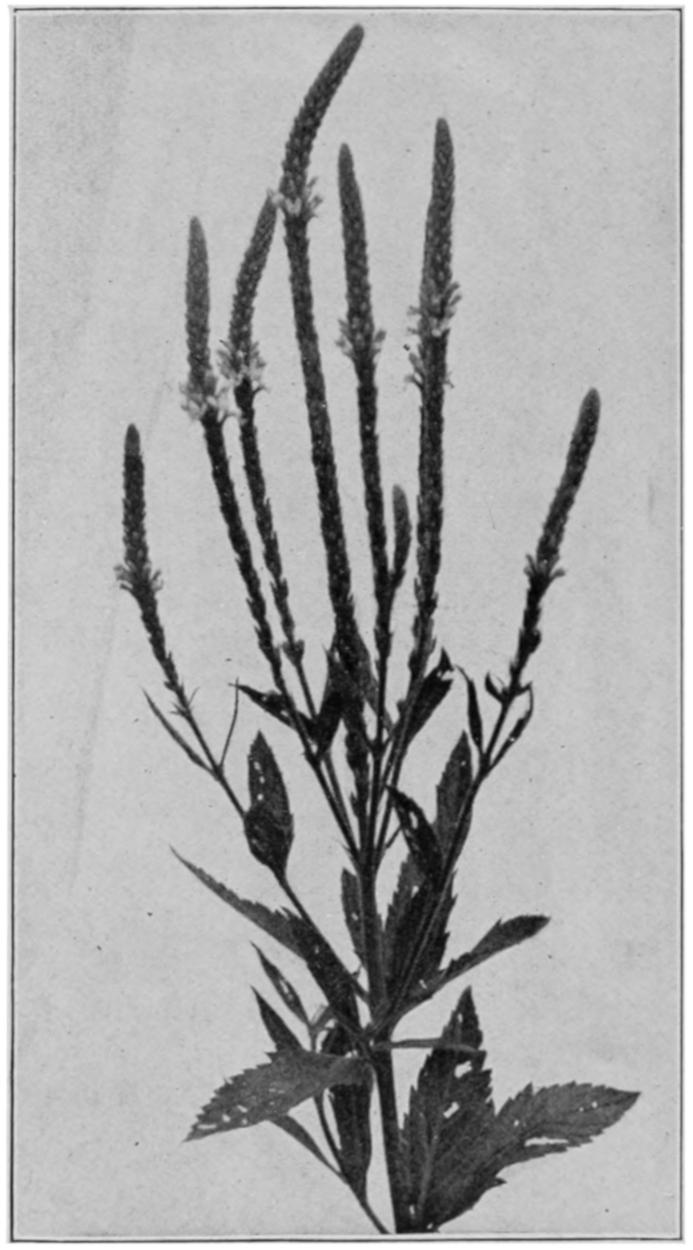
Fig. 139. Bloom of the purple vervain.
VERVAIN (Verbena).
There are about 16 species of verbenas in North America, and several of them are widely distributed. Figure 139 shows the blue vervain (Verbena hastata), which is found from Nova Scotia to Quebec and Manitoba, south to Arkansas, New Mexico and California, and on the east, south to Georgia. This particular species is usually found in low lands, along streams, etc. Richter, in his “Honey Plants of California,” mentions another species, Verbena prostrata, as yielding considerable honey in some localities in that State. In Iowa the hoary vervain (Verbena stricta), is very common in upland pastures, especially over the north half of the State, and reports of surplus honey from this source are not uncommon.
Mr. Scholl reports Verbena xutha as yielding sparingly in Texas. While in the main the vervains can hardly be regarded as important honey plants, in limited localities some species are very valuable sources of nectar. Mr. S. W. Snyder, former Secretary of the Iowa Beekeepers’ Association, reports the blue vervain as quite valuable in his locality, some years furnishing a surplus.
VERVENIA, see Phacelia.
VETCH (Vicia).
There are about a dozen species of vetch native to America and two or three varieties widely cultivated for forage. They yield some honey, and there are reports from beekeepers to the effect that their bees work upon vetch freely. However, there is little to indicate that they are an important source of nectar. Richter lists spring vetch as a source of honey, but does not indicate that it yields surplus in California, where it is grown as a cover crop. Some species have extra-floral nectaries.
Some of the group are regarded as good honey plants in Europe.
VINEGAR-WEED, see Blue Curls, also Tarweed.
VINE MAPLE (Acer circinatum).
Vine maple is common on the Pacific Coast from Humboldt County, California, north to Washington. There are numerous reports of vine maple as an abundant source of early nectar in Oregon and Washington. The honey is amber and of excellent quality, but it blooms so early (April) that the bees are usually not in condition to store much surplus. (See Maple). In exceptional seasons as high as 50 pounds of surplus have been gathered by a single colony from vine maple.
VINE MILKWEED (Enslenia albida).
The vine milkweed is a smooth perennial climbing herb, with small whitish flowers. It is common along streams from southern Pennsylvania and the Ohio Valley south to north Georgia and west to Texas.
It is reported as a good honey plant in the vicinity of Buffalo, Texas. H. B. Parks states that it is a valuable bee plant, if sufficiently common.
VIPER’S BUGLOSS, see Blueweed.
VIRGINIA—Honey Sources of.
Willows, fruit blossoms, red-bud and maples furnish early nectar and pollen. These are followed by dandelion, which is abundant. Persimmon, clover, locust, chinquapin, tulip-poplar, holly, laurel, basswood, tupelo and asters are sources of later nectar. Sourwood is found in some sections and produces an abundance of the finest honey.
VIRGIN’S BOWER, see Clematis.
VIRGINIA CREEPER (Parthenocissus quinquefolia).
The Virginia creeper, also known as American ivy or woodbine, is a common climbing vine in thickets and woods from New England to Quebec and Manitoba. Dakota and Colorado and south to the Gulf from Florida to western Texas.
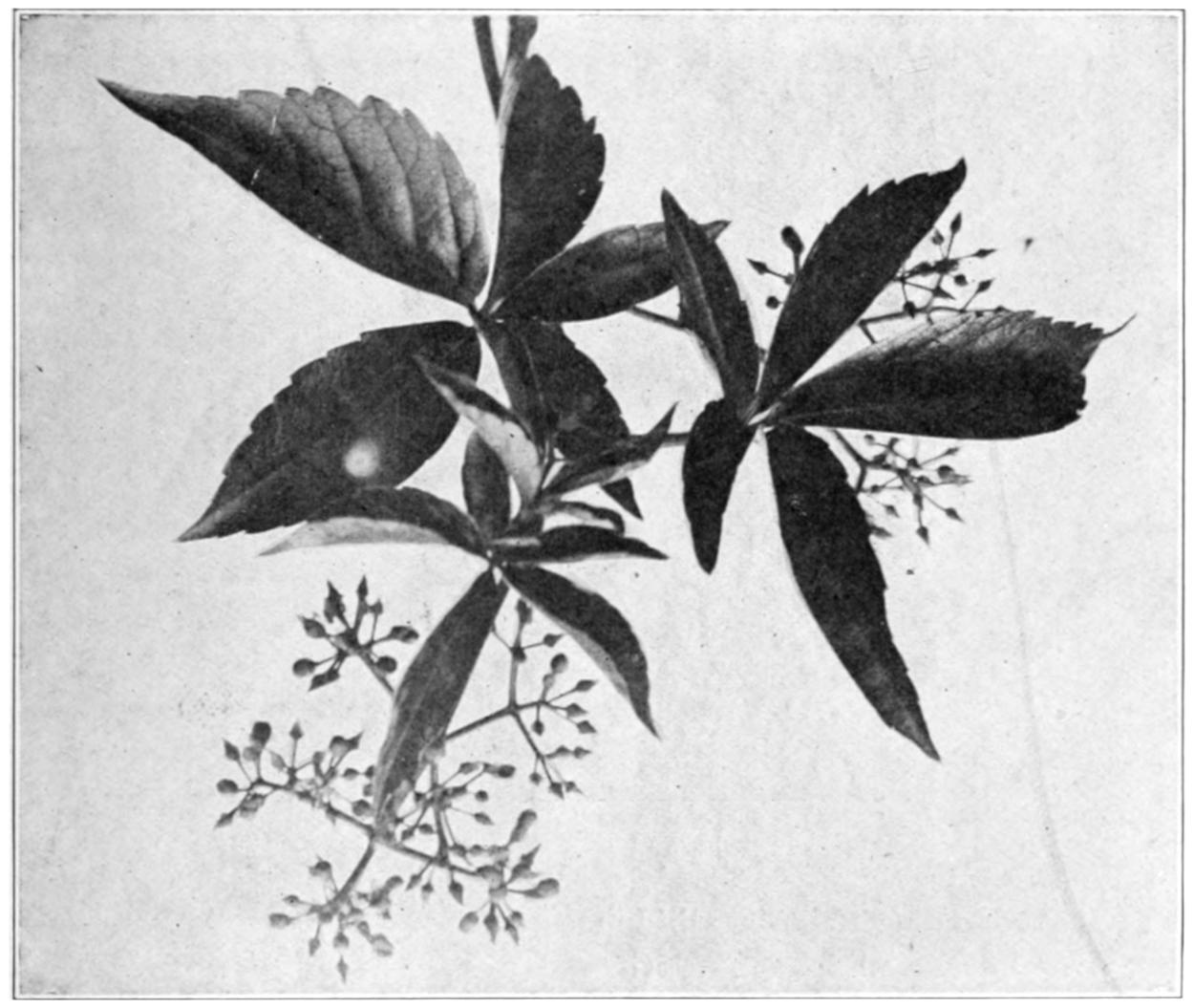
Fig. 140. Virginia creeper, or American ivy.
While the bees seek it eagerly at times and the vines fairly hum with them, it can hardly be regarded as of importance to the beekeeper.
This plant is often confused with poison ivy, but the two plants can easily be distinguished by the difference in habit of growth, and by the five leaflets in the creeper, as shown in Figure 140, while the poison ivy has only three leaflets to each leaf.
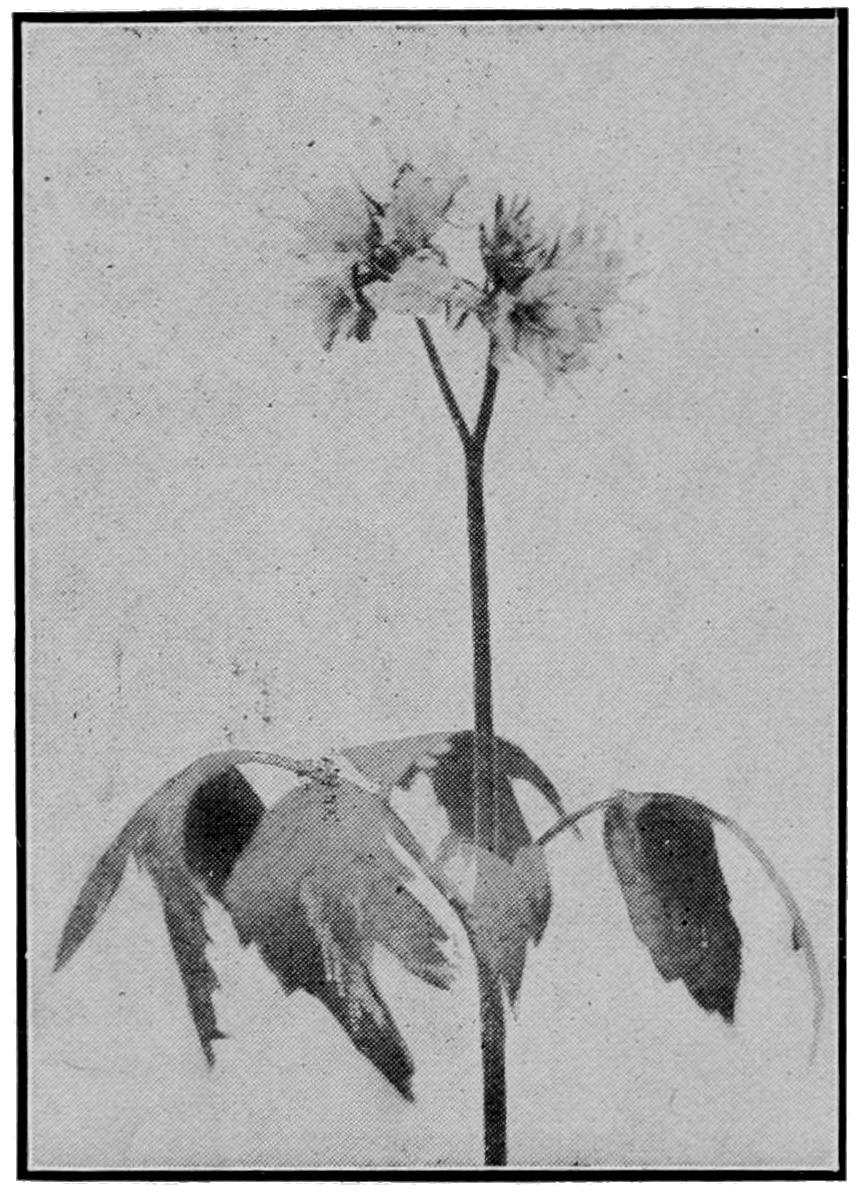
Fig. 141. Blossoms and leaf of Virginia waterleaf.
VIRGINIA WATERLEAF (Hydrophyllum virginicum).
The Virginia waterleaf does not bloom until after the fruit blossoms are gone, and so has less competition for attention than some other plants that come into bloom during the same period. It blooms abundantly and grows luxuriantly in moist woods. The bees have been so eager for the blossoms of this plant in the writer’s wild garden and in the surrounding woods for several years past, that he has come to regard it is quite a valuable honey plant, although nowhere so listed as far as can be learned. Figure 141 shows the blossom and leaf of this plant, while Figure 142 shows masses of the plants in bloom. Apiaries in the vicinity of woodlands should find this plant of considerable value, judging from the writer’s limited observation.
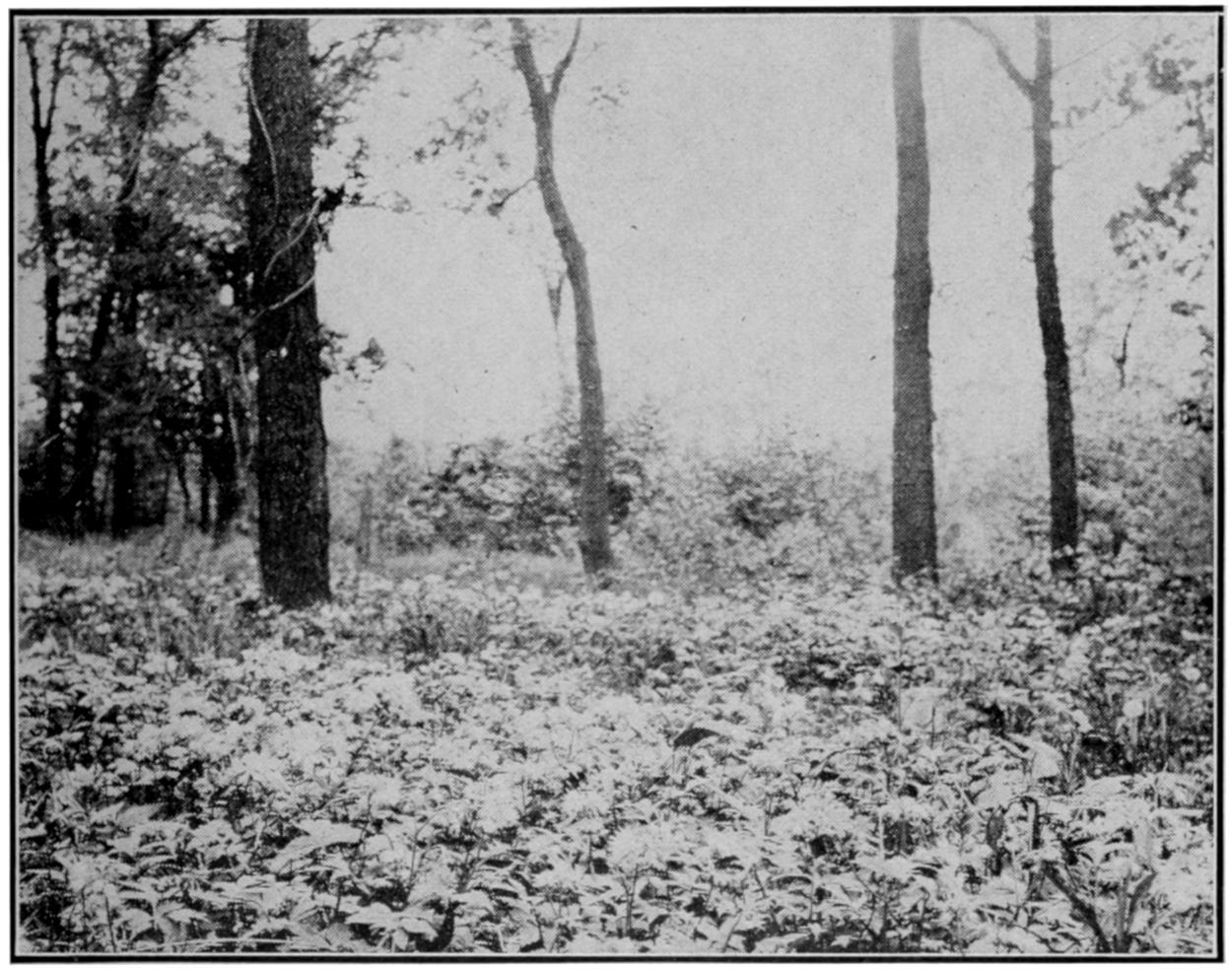
Fig. 142. Masses of Virginia Waterleaf in the author’s wild garden at Atlantic, Iowa.
VITEX NEGUNDO INCISA.
A plant of recent introduction by the Bureau of Plant Industry. Described as follows by Frank N. Meyer, explorer, who found it at Shantung, China:
“A sage which may prove to be a good plant for the arid Southwestern States. It is able to resist alkali remarkably well. The Chinese use it for basketry manufacture, taking the annual shoots for this purpose. It has pretty blue flowers and is diligently visited by all kinds of bees, and as such it might be grown in gardens as a semi-ornamental shrub. It grows, when left alone, up to 20 feet tall.”
Specimens tested by the author in Iowa, which were mere whips about 20 inches tall, began blooming the same season, the last week in July, and had not entirely faded on September 10. The bees sought it eagerly and apparently, if abundant, it would be a valuable honey plant.