XIX.—MEDICINE AND SURGERY. (Table-Case H.)
Reading edition
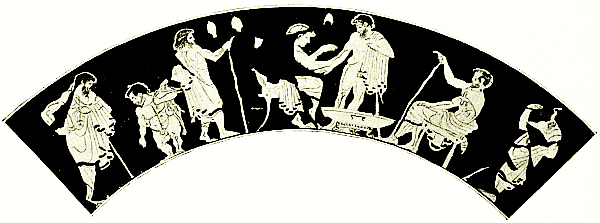
Fig. 223.—Greek Surgeon at Work (No. 556).
The objects illustrating Greek and Roman Medicine and Surgery are exhibited in part of Table-Case H. First in importance are the surgical instruments, a selection of which is shown in fig. 224. With rare exceptions these instruments are of bronze. The principal varieties are here represented. There are several knives or bistouries, an excellent example being the one from Myndos in Asia Minor, with the upper part of the handle inlaid with silver (No. 557; fig. 224g). The lower part of the handle was in iron, and has fallen away. The heavier bronze blades must have been used for various purposes in connection with dissecting. The forceps is fairly common. The interesting variety seen on the right of the illustration (k) with its fine toothed ends (No. 558) is probably an uvula forceps, used for crushing the part intended to be amputated. An instrument frequently found is the spatula or "spathomele" (No. 559; fig. 224 a-c, e, f), so called from its flat broad end. This was principally employed for mixing and spreading ointments, while the olive-shaped ends were used as probes. Other instruments which call for notice are the fine-toothed surgical saw (No. 560; fig. 224h), the sharp hook (No. 561; fig. 224d), used for "seizing and raising small pieces of tissue for excision, and for fixing and retracting the edges of wounds." The bifurcated probes (No. 562) were perhaps used for the extraction of arrows and other weapons. A curious instrument (No. 563), the use of which was for long a puzzle, appears to be a folding drill-bow and has been completed accordingly.
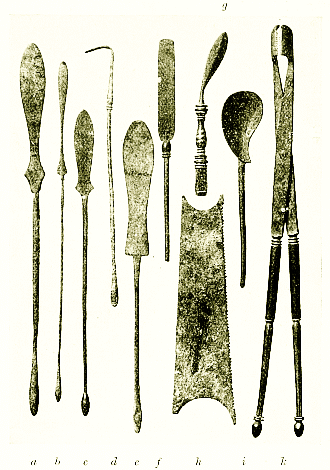
Fig. 224.—Bronze Surgical Instruments (No. 557, etc.). 1:2.
More elaborate than any of these are the examples of surgical appliances which have been found in the excavations at Pompeii, and are now at Naples. These are represented here by a group of electrotype reproductions, including anal and vaginal specula, and other objects (No. 564).
The bronze cupping-vessel (No. 565) should be noticed. Similar vessels are seen suspended on the walls of the surgery depicted in the vase-scene figured above (fig. 223). Burning lint or some other lighted substance was placed in the vessel to rarify the air, and its mouth was then applied to the part from which blood was to be extracted. One such cupping vessel appears on the marble relief in the Phigaleian Room, representing a physician named Jason treating a boy with a swollen stomach (Fig. 225). Compare a similar consultation on an engraved gem, under the immediate superintendence of Asklepios. The bronze box (No. 566), probably from the Cyrenaica, was almost certainly used by a Roman physician for his drugs. It is divided into several compartments, each furnished with a separate cover, and has a sliding lid. Boxes of a precisely similar character have been found with surgical instruments. Compare also the cast from Athens of a votive relief with a fitted case of instruments (No. 567).
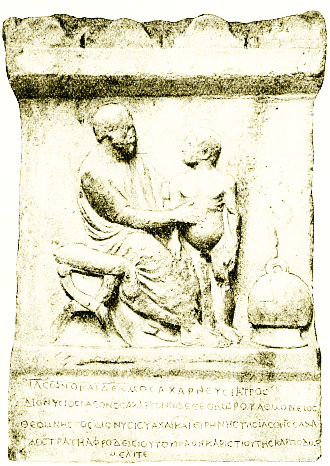
Fig. 225.—Marble Relief. Physician Treating Patient. Ht. 2 ft. 7 in.
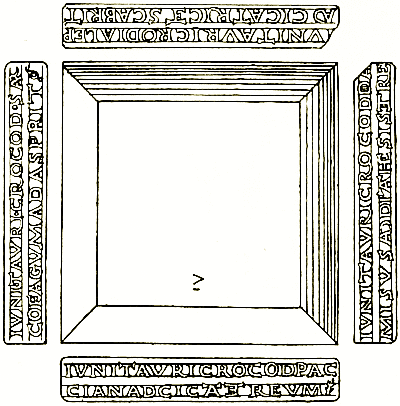
Fig. 226.—Stamp of the Oculist Junius Taurus (No. 569). 4:5.
(563) Cat. of Bronzes, 2674; Journ. of Hellenic Stud. 34, p. 116; (567) Svoronos, Athen. Nationalmus. xlvii, 1378; (568) Cf. Espérandieu, Signacula Medicorum Oculariorum; (574*) Papers of the Brit. School at Rome, iv, pp. 279-282.
See on ancient medicine and surgery generally, Daremberg and Saglio, s.v. Chirurgia, Medicus; Milne, Surgical Instruments in Greek and Roman Times; Deneffe, Étude sur la trousse d'un chirurgien gallo-romain du IIIe siècle (found near Paris, 1880).