Chapter VII · (continued 2)
Reading edition
In the Turdinae the young are constantly spotted, as opposed to the Sylviinae.
Sub-fam. 2. Myiodectinae.–These birds differ from the Turdinae in their short, somewhat depressed bills, and strong rictal bristles. Myiodectes and Cichlopsis are in both sexes fairly uniform brown, grey, or blackish, with a grey lower surface, and occasionally chestnut or orange throat and belly; one species of the former, however, is cinnamon, with black head and under parts, and a white band across the cheeks.
Sub-fam. 3. Sylviinae.–Besides the typical Warblers are here included most of Dr. Sharpe's groups Bradypteri and Cisticolae,[285] but not, of course, the American "Warblers" (Mniotiltidae). They differ from the Turdinae in being smaller, with the bill usually weak and slender, though it is very stout in Rhopophilus and Arundinax; a few genera shew strong rictal hairs; while Regulus has the nostrils covered by one or more peculiar bristly feathers. The metatarsus is sometimes scutellated anteriorly; the wings are comparatively short and broad. The tail, which in some twenty genera contains but ten feathers, varies from square to rounded, being rarely emarginated, but not uncommonly graduated, as in Locustella, Cisticola, and elsewhere; it is much lengthened and widened in Laticilla, broad and soft in Bradypterus, and so forth. In Sphenoeacus, Dromaeocercus, and the still longer-tailed Stipiturus the rectrices are spiny with curiously decomposed webs; in Orthotomus the median pair are elongated during summer in the male; in Sylviella the rump-feathers nearly hide the tail itself.
The usual coloration in both sexes is plain greyish or brown, with rufous, buff, white, or yellowish lower parts, and frequently spots, stripes, and streaks. Many forms, however, shew more or less black or red hues, often in the form of a cap; others, as Cryptolopha, Habrornis, Tickellia, and Phyllergates exhibit brilliant yellows and greens, relieved by grey, black, chestnut, and white; Orthotomus and some species of Prinia, Hapalis, and Euprinodes are hardly duller; while Phylloscopus, Acanthopneuste, Regulus, Hypolais, Neornis, and Acanthiza vary from yellow-green to brown and buff above. Regulus, Phyllergates, and certain members of Cisticola, have red, orange, or yellow crowns; Acanthiza has scaly frontal feathers; the male of Stipiturus a blue throat; Myiomoira is black and white, with a yellow and orange breast in one case; Stiphrornis has an orange throat in two; Leptopoecile shews a blue wash on the rump and lower surface.
Sub-fam. 4. Polioptilinae.–The Gnatcatchers, with the sole genus Polioptila, have very slender bills, moderate rictal bristles, metatarsi scutellated anteriorly, shortish wings, and graduated tails. They are blue-grey above, with black rectrices, externally marked with white; and are greyish or white below. White shews occasionally on the wing, and some males have black heads.
Sub-fam. 5. Miminae.–The American Mocking-birds have fairly long bills, which are little decurved except in Harporhynchus, but are frequently notched, and bristly at the gape. The metatarsi are usually strong and distinctly scutellated in front, though more slender in Oreoscoptes and Melanoptila, and sometimes quite smooth in the latter and Galeoscoptes; the wings are shortish and rounded, with well-developed outer primary; the tail is rather long and is generally broad and much graduated, but is narrower and squarer in Oreoscoptes. The usual coloration is dull brown, rufous, and grey, varied by white on the remiges and rectrices, and by an occasional black cap or chestnut vent; Melanoptila, however, is uniform purplish- or bluish-black, Rhodinocincla rosy or rufous below in the male and female respectively, with superciliary streak to match. Oreoscoptes, Mimus, Cichlherminia, and Harporhynchus often shew spots beneath and Donacobius dusky bars, Mimus trifasciatus has a dark chest-band.
The Turdidae occupy the whole globe, being characteristically, though not invariably, migratory.[286] Of the Turdinae, Thrushes abound in the Neotropical Region, and–if we include the Ground-Thrushes–are common in the Ethiopian, Indian, and Australian, but the Palaearctic and Nearctic are poorly supplied: Chats, Robins, Redstarts, Nightingales, Hedge-sparrows, and their nearest allies are mainly Palaearctic, Ethiopian, and Indian; though Sialia reaches America, Pratincola Celebes, and Petroeca Samoa. Nesocichla is restricted to Tristan da Cunha, Turnagra to New Zealand, Phaeornis to the Sandwich Islands; while Madagascar possesses peculiar forms both of this Sub-family and of the Sylviinae. The last-named, however, are chiefly Palaearctic, and visit the southern Old World in winter; yet two species of Acrocephalus breed in Australia, Miro and Myiomoira occupy New Zealand, Tatare and Psamathia are Polynesian, one species of Phylloscopus reaches Alaska, Regulus occurs thence to Panama, and so forth. The Polioptilinae and Miminae inhabit North and South America; the Myiodectinae range from the more western United States to Bolivia and Brazil. Of the last groups several forms are confined to the Antilles, and of the Miminae three to the Galápagos.
Thrushes inhabit wooded country, and reach an altitude of twenty thousand feet in some latitudes; they feed chiefly on the ground, where they hop about scratching or searching for worms, molluscs, and insects. Snails are habitually cracked on some favourite stone by the Song-Thrush, and fruit is also eaten. The strong rapid flight is undulating and frequently low, but flocks cover vast distances on migration; Ground-Thrushes are naturally more terrestrial and resident, while the solitary Rock-Thrushes haunt stony hills, rocks, and ruins. This Sub-family comprises some of our very finest songsters, the Song-Thrush or Mavis vying with the Nightingale, which gladdens both day and night, and the Blackbird uttering delightfully mellow notes; but chirping sounds and harsher screams are common. Phaeornis sings prettily. The typical Turdine nest is a massive cup of grass, cemented with mud and inlaid with finer herbage; but other materials are constantly added, while mud, dung, or rotten wood constitutes the lining in the case of the Song-Thrush, and occasionally elsewhere. It is usually placed in trees or bushes, but not infrequently in cavities in trunks, walls or rocks, and sometimes on the ground in heather, banks, and so forth. The eggs may be greenish or bluish with reddish-brown or purplish spots and streaks, or glossy blue with or without black or brown markings; Rock-Thrushes have them light blue with faint stains, or pinkish with rusty freckles, Turnagra whitish with black-brown spots.
As regards the Saxicoline and Ruticilline forms attention should be drawn to the jerky, flitting flight, the "chacking" alarm-note and the rarer song of our Wheatear, the similar habits of our Stonechat and Whinchat, not to mention other allied forms; as well as to the pleasant notes of Redstarts, Redbreasts, Blue-throats, and Hedge-sparrows, and the common habits of hopping, flirting the tail, and drooping the wings. The nests of Chats consist of grass and moss, often lined with hair, feathers, or fur, and are usually placed in holes of various descriptions, or in rough herbage; the four to seven blue, greenish, or even whitish eggs being spotted or zoned with rufous, except in a few instances, such as our Wheatear, where markings are rare. Deserts and stony or furzy flats are favourite haunts. Petroeca adds bark, fibres, cobwebs, or lichens, and chooses sites in forks, or holes in trees and walls; the greenish or buffish eggs being marked with purplish, brown and grey. Cyanecula and Nemura select hollows in marshy spots, building with moss, grass, and leaves, like Robins; but the former, instead of reddish-white eggs with rufous spots, has them olive-coloured or dull greenish with faint rusty markings, as have the Nightingales, which place their fabric of oak or beech leaves on the ground or in low shrubs. Copsychus, Cossypha, Catharus, and Thamnobia nest as Robins do, in holes in banks, trees, or walls, and have similar eggs; Redstarts deposit five or six, which are light blue or white and very rarely spotted, in a structure of grass, moss, roots, hair, and feathers, placed in cavities of trees or masonry; Tarsiger and Notodela prefer hollows in banks and rocks, and lay blue and salmon-pink eggs respectively. Hodgsonius and Larvivora also have them blue. Chimarrhornis and Rhyacornis nidificate like Redstarts, but their eggs are greenish-white with rufous or yellowish spots; the shy Cittocincla haunts thick woods, and deposits four oily-green eggs, with brown and purplish spots and dashes, on a bed of leaves and grass in holes in trees; the unsuspicious Sialia utilizes cavities in stumps or buildings, the nest and its contents resembling those of a Redstart. The breeding habits of the Hedge-Sparrow need no description, and those of the Alpine Accentor differ little, except that rocky sites are chosen.
In the above section the number of eggs varies from four to seven. The flight is feeble as compared with that of Thrushes, most species feeding chiefly upon the ground and being more insectivorous, though Redstarts and Chats will take insects on the wing.
The habits of the active Sylviinae are much more uniform; they seldom fly far, except on migration, and a few flit about like Wrens; while Amytis, Stipiturus, Sphenura, and some species of Aedon run, or hop among the herbage, with upturned tail. They frequent trees, bushes, long grass or reeds, seldom flocking as does Regulus, and live on insects and their larvae, small molluscs and fruit, the first-named being either caught in the air or sought upon the leaves and branches. The song is usually clear and sweet, though often plaintive, metallic, or whistling; the Willow- and Wood-Warblers (Phylloscopus) trill: the Black-cap and Garden-Warblers (Sylvia) have beautiful songs, as well as grating alarm notes; the Cataract-bird (Origma) runs along rocky water-courses emitting shrill cries; the Reed- and Sedge-Warblers (Acrocephalus), the skulking Cettia, and other marsh- and grass-frequenting forms, utter more or less jarring sounds, generally from some bush, whence they quickly drop to cover; while the Grasshopper-Warblers (Locustella) have a peculiar cricket-like note.
The nest may be a thin or fairly substantial cup of grasses, bed-straw (Galium) and the like, occasionally lined with hair, and placed in bushes or rank herbage, as in the Black-cap, Garden-Warbler and White-throats (Sylvia); or a firmer structure, including wool, moss, feathers, reed-flowers, or even lichens, built on the ground, in shrubs, in sedge, or between reed-stems, as is the case in Locustella, Acrocephalus, Aedon, and Hypolais. Phylloscopus, as well as some African and many Indian and Australian members of the Sub-family, fashion a round ball of grass and a little moss, lined with finer grasses, hair, down, or feathers, and generally place it close to the earth; Regulus hangs a cup of moss and spiders' webs, bedded with feathers, below the end of a conifer or other branch, or even builds it in creepers. Savi's Warbler (Locustella luscinioïdes) makes a Rail-like nest of broad grass-blades (Glyceria) in sedges, Myiomoira one of bark, grass, wool, moss, and fibres in holes in trees, Miro a similar fabric on their branches, Acanthiza a domed hanging structure of like materials, Origma a ragged pendent mass of moss and roots, lined with fur or feathers, under rocks. Orthotomus (Tailor-bird) and some species of Franklinia, Prinia, and Cisticola stitch together the edges of a leaf or leaves to sustain their nest of grass, cotton, wool, and hair.
The number of eggs is generally from three to six, but as many as twelve are found in Regulus. The colour is buffish-white with brownish and violet-grey spots in Savi's Warbler; pinker with delicate red-brown freckling in the Grasshopper-Warbler; rich red-brown in Cettia and Chthonicola; similar or varying to blue, green, white or pinkish, with or without red or brown spots, in Prinia–even in the same species; little different in Cisticola; bronzy-brown in Pyrrholaemus; white or purplish with dark markings in Sericornis; white in Origma and Cryptolopha. In Sylvia the eggs are greenish- or yellowish-white with olive, brown, green, or reddish spots; in Acrocephalus they are decidedly greener; in Aedon greyer with brown and dull violet markings; in Phylloscopus and Acanthiza white, usually with dark red or purplish spotting; in Hypolais lilac-pink with blackish or brown blotches or streaks; in Regulus white, freckled or entirely suffused with yellowish or ruddy dots.
Myiodectes frequents woods and thickets, and has somewhat Thrush-like habits; the voice is powerful, clear and metallic; while the food consists chiefly of berries, though insects are hawked for in the air. The nest, placed on bushes, stumps, banks or rocks, is made of sticks lined with soft materials, or of twigs, roots, and moss, and contains from three to six eggs, not unlike those of the Redbreast.
Polioptila haunts tall trees or shrubs in pairs or small companies; the habits are restless, the flight is quick, the food consists of gnats and so forth, commonly captured on the wing. The purse-like nest is felted with bark, fibres, and down, and decorated with lichens; it is woven to boughs, stems, or creepers, and contains four or five greenish- or bluish-white eggs, marked with red-brown, lilac, and grey.
Of the Miminae, Mimus polyglottus is the Mocking-bird in chief; the natural song being rich, varied, and powerful, and the imitations ranging from the yelp of the Eagle to the noises of the farm-yard. It is found from the United States to Mexico and the Antilles, where in isolated trees, hedges, or brambles it makes a bulky platform of rough twigs to support the cup of roots, wool, and so forth, which contains the four to six pale greenish-blue–or rarely buffish–eggs, with brown and purplish markings. The movements are energetic but graceful, the flight Thrush-like; the food consists of insects, often taken in the air, and fruit. Mimus modulator, the "Calandria," of Argentina, Brazil, and Bolivia, feeds chiefly on the ground, and can hardly be said to mock, though M. triurus of the same countries does so. Galeoscoptes carolinensis, the Cat-bird, besides an attractive song, utters clucks, whistles, and mewing sounds; it feeds chiefly on insect-larvae, and deposits from three to five deep greenish-blue eggs in a nest of twigs, bark, and plant-stalks lined with grass. Oreoscoptes, of the North American sage-brush districts, resembles Mimus in its habits, nest, and eggs, but is no mimic; nor, it may be added, are the shy Thrashers (Harporhynchus), which commonly haunt arid situations, placing their large, flattish nest of coarse twigs, leaves, fibres, bark, grass, and moss, lined with softer materials, in low trees or thorny scrub. Their three to six eggs are white, bluish, greenish, or buff, with yellowish, purplish, or red-brown spots or specks, those of the more terrestrial H. crissalis being uniform pale greenish-blue. Donacobius frequents reeds, but possibly does not belong to this group; Melanoptila has a harsh or mewing note, and lays blue eggs, as does Melanotis.
Fam. VIII. Cinclidae.–The Dippers or Water-Ousels form a single genus, Cinclus, probably more akin to the Wrens than to the Thrushes. The bill is moderate and straight, without bristles at the gape, the maxilla being slightly curved and notched; the smooth metatarsi are fairly long and strong; the wings are abbreviated, rounded, and concave; the tail is extremely short, and the whole body peculiarly squat-looking. The colour above is normally greyish-black or brown, C. ardesiacus being, however, delicate grey; the lower parts are similar or white, commonly with a black belly, while a chestnut band crosses the breast in the British C. aquaticus and in C. albicollis. White spots often occur above and below the eye; C. leuconotus and C. leucocephalus have nearly white heads, and the former shews white on the back. The sexes are alike, but the young are spotted. Both plumage and down are close and nearly impervious to water.
These birds range throughout the Palaearctic Region, just reaching the southern slopes of the Himalayas, China, and Formosa. One species occupies the Atlas Mountains, while others occur along the heights of Western America, and the Andes southwards to Peru. Individuals of a dark form from Northern Europe occasionally stray to Britain, but such migration is exceptional.
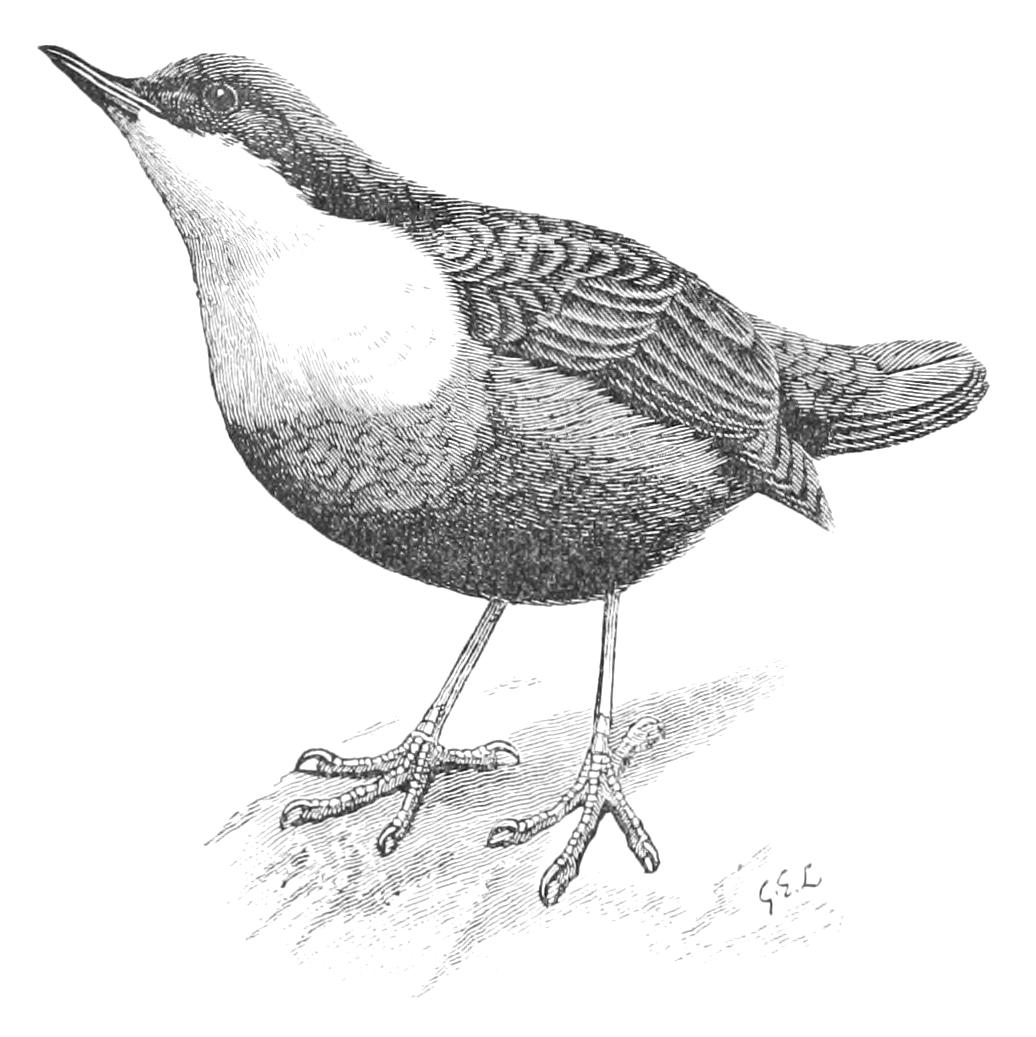
Fig. 113.–Dipper. Cinclus aquaticus. × 5⁄13.
Dippers frequent rapid streams in hill-country, which seldom freeze, and appear as cheery in winter as in summer; their flight is powerful, rapid, and direct, with quick wing-strokes and sudden descent; their cry upon the wing is loud and clear, their song when stationary Wren-like. They sit on stones in the water, bobbing up and down and jerking their tails, while they use both legs and wings below the surface, whither they dive noiselessly in search of insects, their larvae and pupae, or molluscs. Fish-spawn has not been found in the stomach. The domed, but flattened, nest is composed chiefly of moss or grass, with an inner bed of dry materials, which are generally oak or beech leaves, though in India sometimes ferns and roots. It is affixed to rock-faces, ledges, or boulders in streams, placed in crevices of masonry, or even built in holes in the soil or in débris caught on bushes, common situations being behind water-falls, under bridges, or beside mill-wheels. C. albicollis seems to make an open fabric in Italy. From four to seven dull white eggs are laid very early in the season, two or even three sets being often produced–occasionally in the same nest. This the young sometimes leave by the end of March, being able to swim before they are fully fledged.
Fam. IX. Troglodytidae.–The Wrens have their headquarters in Tropical America, but even reach Greenland, Patagonia, and the Falkland Islands. Four genera with some eight species inhabit the Himalayas, the hills of West China, the Burmese countries, Sumatra and Java; while Troglodytes, including the common Wren, occupies most of the Palaearctic and Nearctic Regions. An altitude of eleven thousand feet is attained in certain cases.
The bill is generally moderate, slender, and somewhat arched; being, however, stouter and almost hooked in Thryothorus and Campylorhynchus, much elongated in Catherpes, Salpinctes, and Microcerculus, high and compressed in Cyphorhinus, remarkably conical, straight, and pointed in Sphenocichla. The maxilla may be notched, but rictal bristles are almost entirely absent. The long robust metatarsi are scutellated anteriorly, except in Pnoëpyga; Salpinctes shews scales behind; Cistothorus has a very large hind claw. The wings are rounded and concave; the tail is usually short and graduated, though it is exceptionally long in Cinnicerthia, Sphenocichla, and Urocichla, and is hardly visible in three species of Pnoëpyga. The last-named genus has only six rectrices, Urocichla has ten. The coloration is ordinarily brown, with a great tendency to barring; spots, stripes, and streaks are not uncommon; chestnut, bay, orange, and grey often relieve the dulness; Troglodytes formosus, Catherpes, and Henicorhina exhibit white spots above or even below; and two species of Microcerculus have a white alar bar.
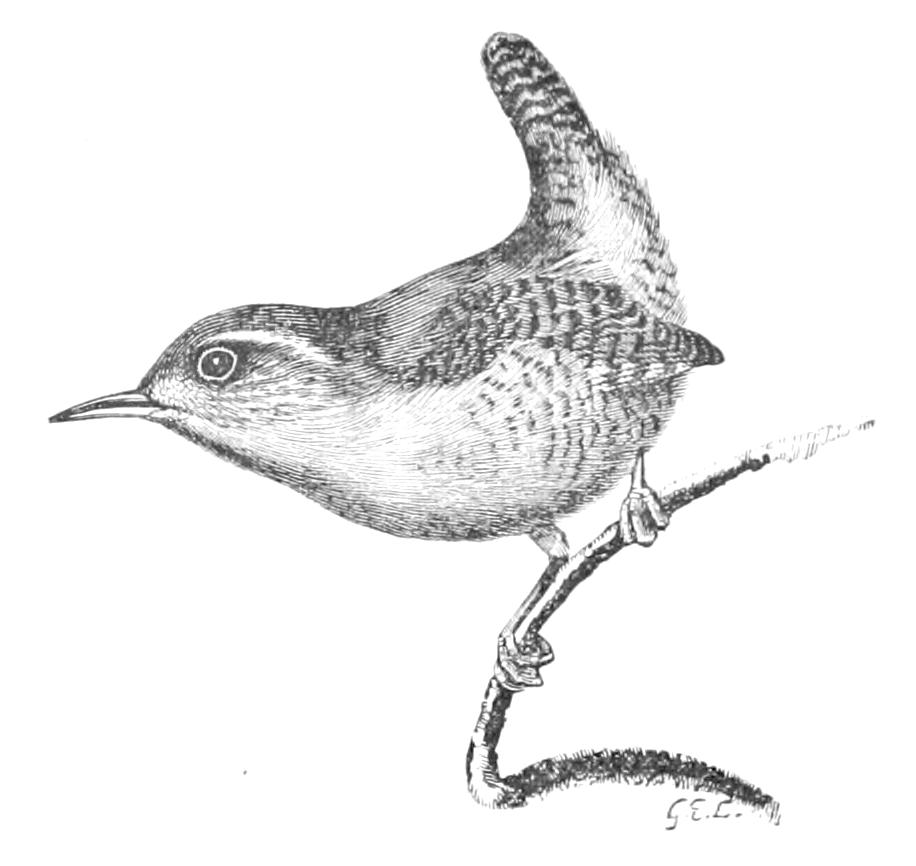
Fig. 114.–Wren. Troglodytes parvulus. × 4⁄7.
Wrens frequent marshy, as well as dry or rocky localities, being familiar and yet wary; they habitually hop about with upturned tails, fly sharply from cover to cover, and hunt for insects, their larvae, and spiders, among fallen leaves, in crevices of rocks, and so forth, while they occasionally eat worms, small molluscs, crustaceans, and seeds. The characteristic note is shrill and Warbler-like, though harsher sounds accompany it, but Cyphorhinus cantans, the Organ-bird of the Amazons, Troglodytes domesticus (aedon), Microcerculus, and other American forms utter melodious flute-like strains. The nest is usually a domed structure of ferns, grass, moss, leaves, or even twigs, often lined with hair or feathers, which is placed in bushes, hedges, cacti, reeds, and cavities of masonry, or on trees, rocks, banks, and the like; Salpinctes, Catherpes, Urocichla and sometimes Pnoëpyga make no covering; Campylorhynchus fashions a large purse-like structure, with a long passage for entrance. The eggs vary in number from three to nine, and are white, with or without spots or freckles of red, purplish, or brownish; in Thryophilus pleurostictus they are said to be blue.
Fam. X. Chamaeidae.–This contains only Chamaea fasciata and C. henshawi of California, which by various American authorities have been referred to the Wrens or the Tits, though not agreeing closely with either. This is the only Family of land birds peculiar to the Nearctic Region. In both sexes the lax plumage is brown above and buffish below, with faint tail-bars and pectoral streaks; the bill is short, straight, and compressed, and is furnished with rictal bristles; the metatarsi are stout and nearly smooth; the wings are rounded and concave; the tail is graduated. Chamaea inhabits dry plains and bushy hill-sides, flits about or searches for insects with elevated tail, utters a Wren-like trill, and builds a nest of twigs and grass in low bushes, adding hair or feathers to the lining, and laying three or four pale greenish-blue eggs.
Fam. XI. Hirundinidae.–The Swallows and Martins compose a well-defined cosmopolitan Family, certainly far removed from the Swifts (p. 420), with which they used to be joined. The latter have ten tail-feathers, and hardly any scutellation on the legs, the former twelve rectrices, and an anteriorly scutellated metatarsus. The bill is short, broad, and usually much depressed, being notched at the tip and split nearly to the eyes. The feet are very small and weak, with the middle digit more or less adherent to its neighbours; Tachycineta has a stoutish hallux, Chelidon feathered toes, and Cotile riparia a tuft at the back of the metatarsus. The wings are extremely long and pointed, while the exterior margin of the outer primary has hooked barbs in the males of Psalidoprocne and Stelgidopteryx. The tail varies in length, and is often very deeply forked, Petrochelidon, Stelgidopteryx, Chelidon dasypus and Psalidoprocne nitens having it exceptionally square; while the lateral feathers may be almost linear, as in Hirundo rustica, or even wire-like, as in H. smithii.
Chelidon is purplish- or bluish-black, or brown, having a white rump occasionally barred with black, and white or buffish under parts; Tachycineta is similar, or greener and somewhat bronzy, in certain cases lacking the white rump, in others shewing white mottlings above. Hirundo is glossy metallic black, with a variable amount of chestnut or rufous on the head, rump, or lower surface; the last of these regions exhibiting much white or having a black pectoral band, while streaky markings are not uncommon. Cheramoeca is blue, black, white, and brown above, and white below with a black breast-patch; Procne is either entirely blue-black or has some white beneath, P. tapera alone being brown, with a longitudinal band of the same colour on the white lower surface. Atticora is blue-black or greenish above, black and white or brown underneath; Petrochelidon is steel-blue with concealed white striations, the forehead, nape, rump, and most of the lower surface being chestnut, rufous, or buff, with or without stripes; Psalidoprocne is uniform blue, green-black, or sooty, P. albiceps having a white crown and chin. Cotile, Phedina, and Stelgidopteryx are dull brown above, the first being white, grey, brown, or rufous below, the second white with longitudinal brown streaks, and the third white and rufous with yellow middle to the breast and abdomen in two species. The plumage of most Swallows is very metallic, and white spots are often prominent on the tail feathers in Hirundo, Chelidon, Cotile, and Petrochelidon. The female is duller than the male in Procne only.
The range of Hirundo and Cotile is practically worldwide, reaching from beyond the Arctic Circle in summer to South Africa, India, and Brazil in winter, not to mention resident southern species; no Swallow, however, occurs in New Zealand, nor is Cotile found in the Australian Region. Four species of Petrochelidon are found in America, two in Southern Africa, two in the Australian Region, and one in India–a remarkable distribution. Psalidoprocne, Phedina, and Cheramoeca are Ethiopian, Mascarene (with Madagascar), and Australian respectively: Tachycineta and Procne extend over the New World from its Arctic portions to Patagonia, Atticora from that country to Guatemala, Stelgidopteryx from Canada and British Columbia to Bolivia and Brazil. Chelidon is confined to the Old World, migrating in autumn to Central Africa, Borneo, and Burma. The summer migrants to Britain are Hirundo rustica, the Swallow, Chelidon urbica, the Martin, and Cotile riparia, the Sand-Martin. Swallows traverse immense distances on their periodical journeys, while all perhaps shift their quarters to some extent for the winter.
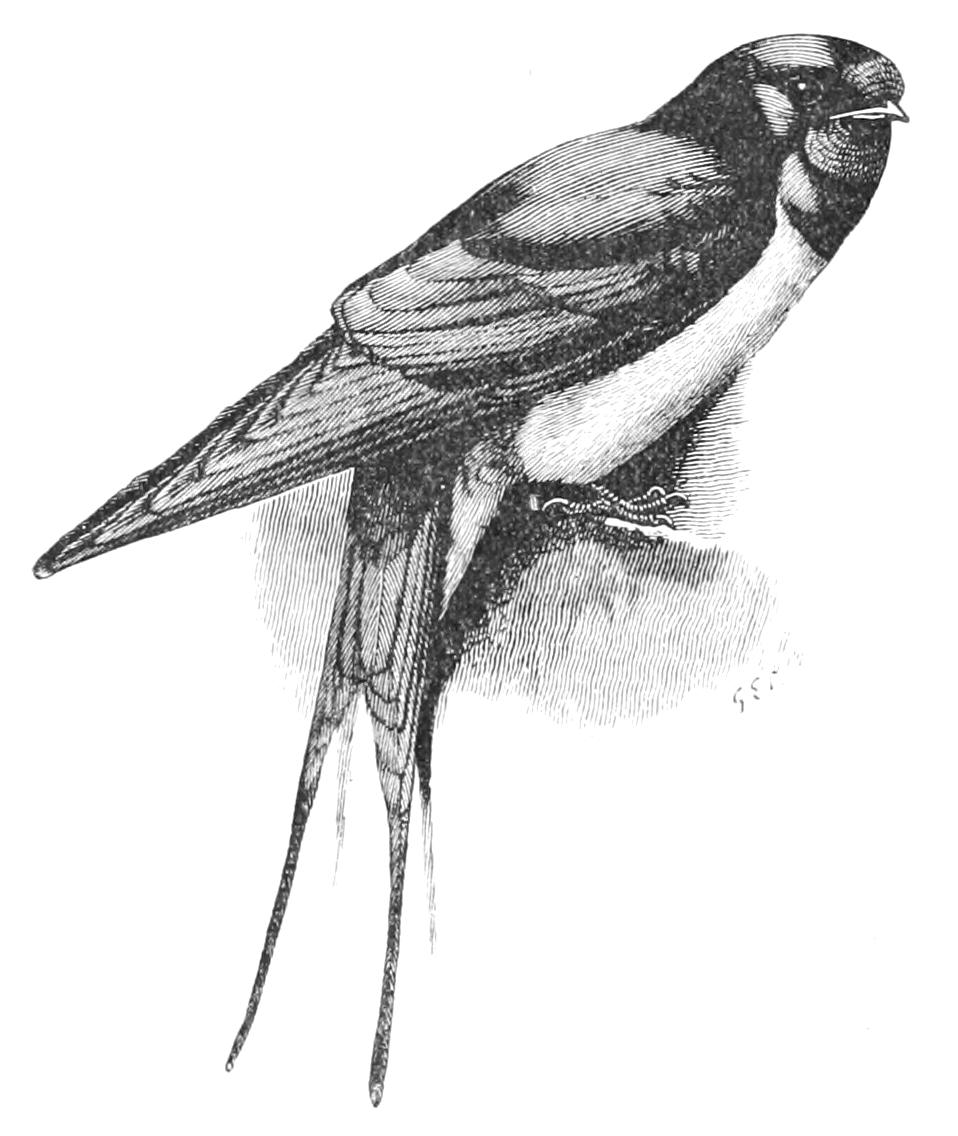
Fig. 115.–Swallow. Hirundo rustica. × ½.
Hardly any sort of country comes amiss to these birds, though the neighbourhood of water is preferred, and for some species seems necessary. Spending their life chiefly in the air and alighting comparatively little, they rapidly dart, twist, double, sail aloft, or skim the water's surface in company, at times chasing each other in sport or even fighting savagely. Insects, which form the whole of their sustenance, are habitually taken on the wing, and the young are sometimes fed, or building materials snatched up, in full flight. A few species not uncommonly perch on trees, as Hirundo rustica, Tachycineta albiventris, Petrochelidon nigricans, Psalidoprocne nitens and Procne tapera; the last-named, moreover, is exceptional in being non-gregarious, while it flits about with depressed wings and slow butterfly-like flight when not hawking. The majority are rarely seen on the ground, unless they are procuring mud for nidification; but many roost on reeds or in their nests, and just before migration they settle in crowds on branches, fences, wires, and ridges of roofs. Hirundo, Chelidon, and Psalidoprocne bask in the sun on gravelly places. The twitter or warble of Swallows–uttered on the wing or at rest–and their squeaks of anger or alarm, are well-known; the scream of Procne and the chirp of Stelgidopteryx being somewhat exceptional; when excited, however, the bill is not uncommonly snapped noisily. The nest may be cup-shaped as in our Swallow, Cotile rupestris, C. fuligula, and C. concolor, and made of agglutinated pellets of mud with a lining of straw, chaff, leaves, or feathers; it may be similarly constructed but semi-ovate, with a hole near the top, as in the Martin; or retort-shaped with a tube for entrance at the side, as in several members of the genera Hirundo and Petrochelidon: in these cases it may be placed inside buildings, under eaves, against rocks or walls. Procne–when not accommodated with a box–some species of Tachycineta, Petrochelidon nigricans, and other forms, not uncommonly prefer holes in trees, lining them as usual, if at all; while many species of Cotile, Psalidoprocne, and Cheramoeca tunnel in banks, or, more rarely, choose holes in masonry. Procne furcata utilizes the holes of Conurus patachonius; P. tapera the nests of Furnarius rufus in Argentina; Tachycineta leucorrhous occasionally that of Anumbius; Atticora cyanoleuca that of the Dendrocolaptine Geositta, itself within that of a biscacha. The eggs are from four to seven in number, generally pure white in Martins, and whitish with reddish-brown, grey, and lilac markings in Swallows; but the cases are occasionally reversed. Two or even three broods are reared in a season, and tended with the greatest care. Colonies are frequently formed, especially by Bank- and Cliff-Swallows. In Britain the Sand-Martin arrives first, but the Swallow comes early in April, while individuals have even been obtained in winter.
Fam. XII. Campephagidae.–The "Cuckoo-Shrikes" are commonly placed near the Laniidae, but are possibly connected with the Muscicapidae or the Corvidae. The bill is usually strong, and of moderate length, being hooked, arched, and wide at the base; it is especially stout in Artamides, decidedly weaker in Campephaga, long and thin in Edoliisoma. The metatarsus may be elongated and comparatively robust as in Pteropodocys, Lalage, and Symmorphus, or short and less powerful, as in Pericrocotus; the wings are normally long and pointed, and more particularly so in Pericrocotus, Lalage, Symmorphus, and Graucalus. The tail is also fairly long, and frequently rounded, though it may be forked, as in Pteropodocys, and to a less extent in Campechaera, or graduated as in Pericrocotus, Campephaga, and Graucalus. The plumage is soft, with characteristically stiff shafts on the lower back; the nostrils are nearly concealed by the feathers; the rictal bristles are feeble. The usual coloration is either bluish-grey with a certain amount of black and white, or chiefly black and white. The black has generally a purplish or a greenish gloss; while barring occurs occasionally in the cocks, and much more commonly in the hens, where the tints are duller, the grey lighter, and the hue in some cases brown or even rufous. The Mascarene Oxynotus is almost unique among Birds in having the males of the two species alike, the females very different. Shaft-streaks on the feathers are fairly frequent; two species of Lalage have a chestnut lower surface, and one the rump similar; while Symmorphus is either brown above and whitish below, or black and white with buff rump and under parts. Campechaera is green and golden-yellow in both sexes, but shews some black, white, and grey as well; Lobotus is olive-yellow with dark green head and throat, orange-chestnut rump and breast, greenish tail, and an orange lobe at the gape. Pericrocotus is usually black, adorned with lovely scarlet, crimson, orange, or yellow markings, and with a little white, but two species lack the brilliant tints, and others replace the black by brown or grey; the females in this genus usually have yellow where the males have red, though they also shew red in two cases. Three African species of Campephaga vary from the ordinary grey or blackish coloration in being glossy bluish-black, with scarlet, orange, and yellow shoulder-patches respectively, and one in being steel-green, with purple face and neck, and steel-blue lower surface. In these forms the females have yellow markings. Finally, Graucalus azureus is azure and black, with a shade of cobalt.
The restless and active members of this Family are generally seen in small flocks in wooded country, gardens, orchards, and hedge-rows. They are found up to an altitude of ten thousand feet throughout the Ethiopian, Indian, and Australian Regions, and even reach Amurland; Graucalus inhabits all three Regions, but Oxynotus is peculiar to Mauritius and Réunion. The flight is easy, undulating, and strong, though of brief duration; while the birds hop and frisk about the branches, or move briskly from tree to tree, as they examine the crevices of the bark or the leaves, and occasionally pluck the fruit. They may occasionally be noticed darting to the earth to secure caterpillars, of which they are extremely fond, or sallying into the air after insects, like Flycatchers. Pericrocotus is said to hang to the boughs like a Tit; Pteropodocys lives chiefly on the ground. The mellow and lively notes are of a whistling or twittering nature, varied by jarring sounds; but all the species are rather silent. The nest, composed of twigs and grass, or of moss and leaves, is usually very shallow, and is covered with lichens and spiders' webs; it is placed on slender branches of trees, or more rarely in bushes. The two to five Shrike-like eggs are brownish, whitish, or apple-green, with markings of brown, rufous, or purple. Those of the isabelline-coloured Hypocolius ampelinus, which possibly belongs to the Ampelidae, are white with plumbeous spots.
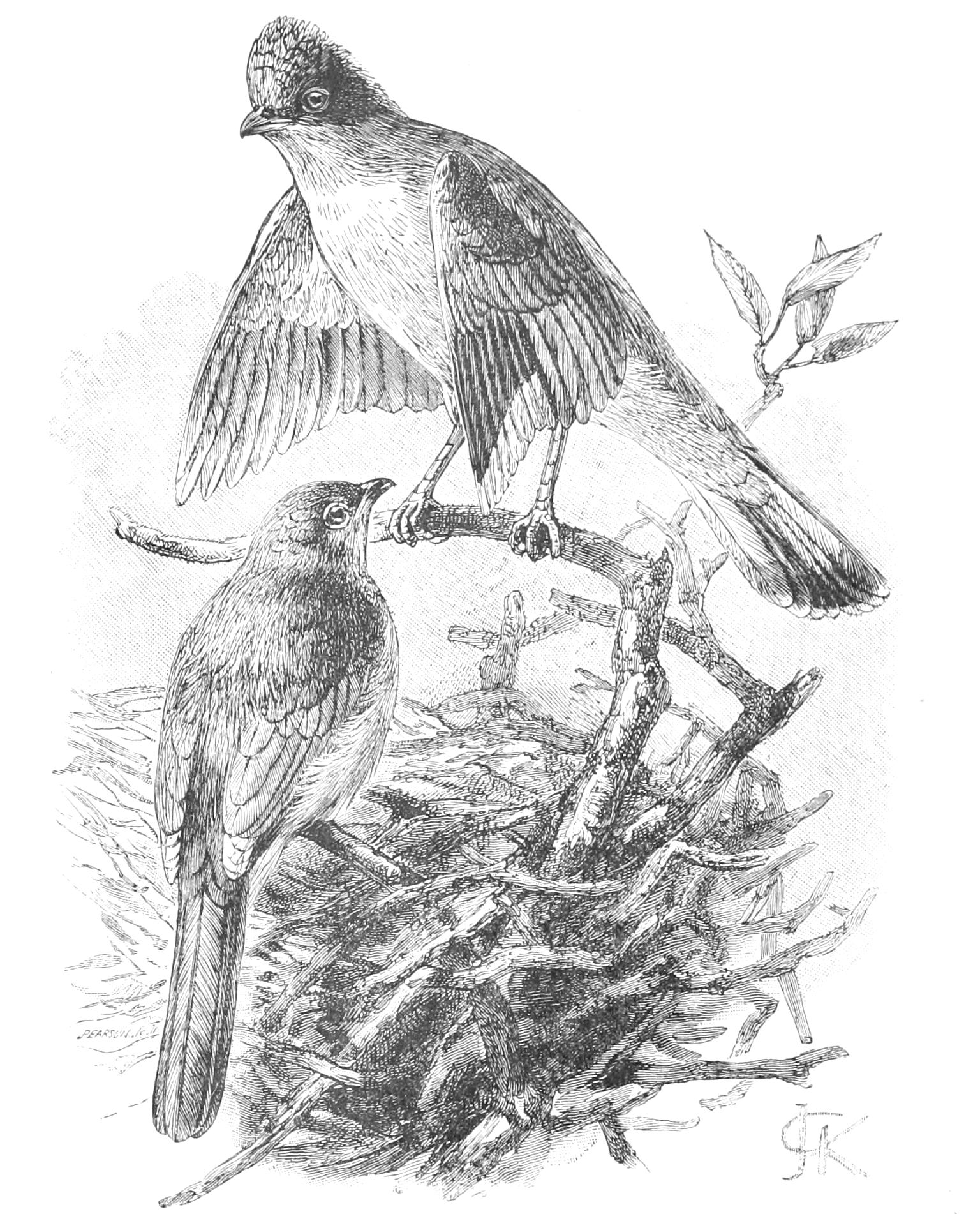
Fig. 116.–Grey "Coly-Shrike." Hypocolius ampelinus. × 5⁄12. (From Nature.)
Fam. XIII. Dicruridae.–The Drongos, usually associated with the Laniidae, range throughout the Ethiopian, Indian, and Australian regions, as far east as New Britain and New Ireland (Dicranostreptus). Chibia bracteata is the only species in Australia, while Buchanga leucogenys is said to reach Japan; B. waldeni is peculiar to Mayotte, and Edolius forficatus to Madagascar and Joanna Island. Both sexes are typically black, with a metallic gloss of blue, purple, or green, though a few are greyer or browner, or have a little white below. The variable bill is usually large and more or less curved, with a hooked tip, a notched maxilla, and fairly strong rictal bristles–much developed in Chaetorhynchus. The metatarsi are short, the toes small, the wings long. The tail has only ten rectrices, and is generally very deeply forked, though less so in Dicrurus, Chibia, and Chaetorhynchus. In Chibia the two outer feathers are slightly elongated and turned up, in Dissemuroïdes they are produced and recurved at the tip, in Dicranostreptus they are extraordinarily lengthened and turned to face one another. In Bhringa and Dissemurus the long bare shafts terminate in racquets, and have a twist that brings the upper side inwards in the former, and one in the racquet itself in the latter. On the forehead a large, erect tuft occurs in Edolius, a still more extensive recurved crest in Dissemurus, a bunch of long, silky hairs in Chibia hottentotta. A few similar hairs are found in C. pectoralis, and scanty plumes in C. bimaënsis; Dissemuroïdes having the one or the other. Various species exhibit a tendency to lanceolate hackles on the head and neck, while the feathers of the former are scaly-looking in Chaetorhynchus. The bill and feet are black; the eyes red, white, or brown.
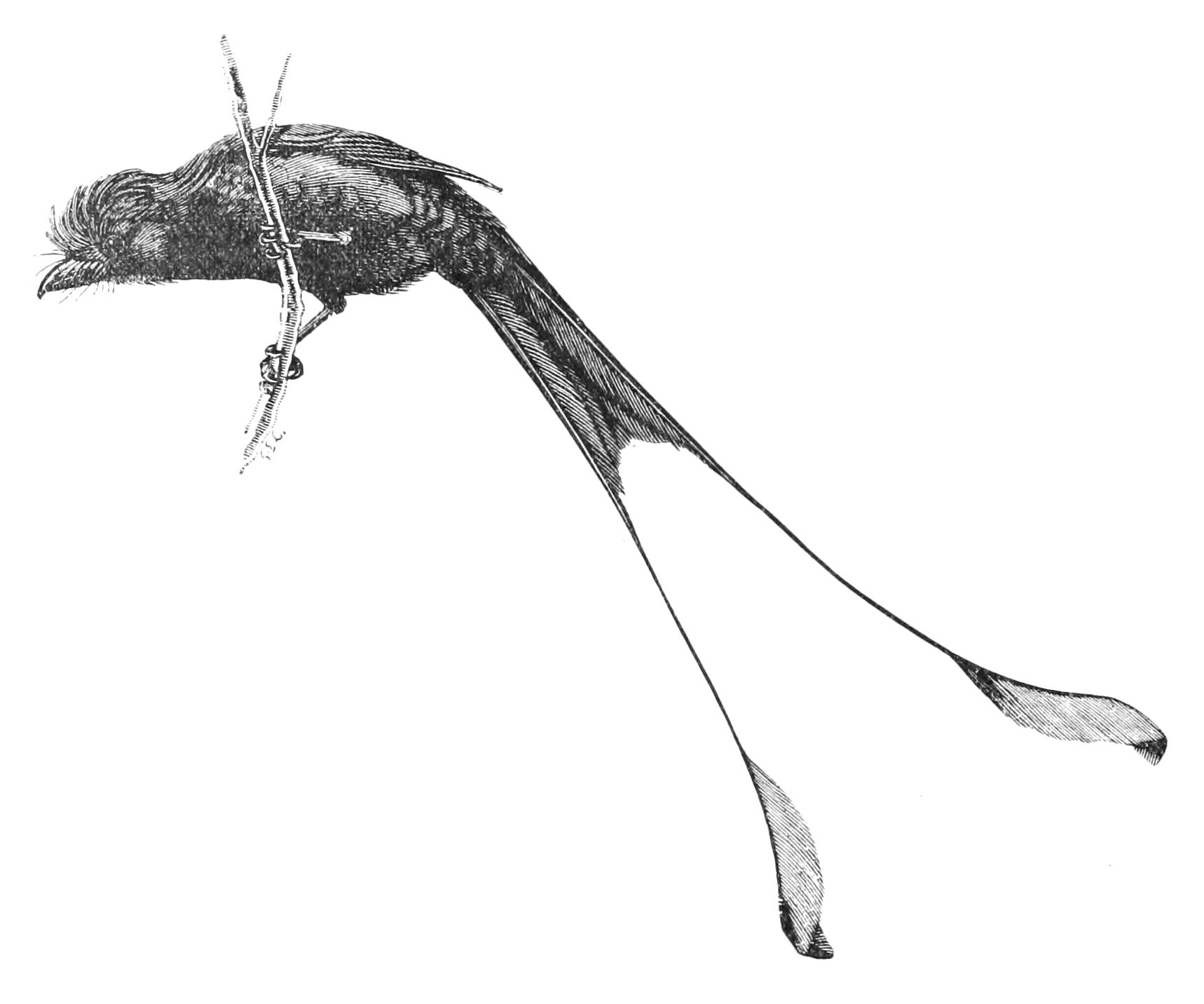
Fig. 117.–Drongo. Dissemurus paradiseus. × 2⁄9.
These wary, active birds frequent gardens, open country, and forests up to at least eight thousand feet, more usually in pairs than in companies; their flight is strong and rapid, but undulating and not sustained, while they are often seen perched on bushes or exposed branches, and occasionally hover like a Kestrel. The song or whistle is ringing and melodious, varied by harsh chattering or creaking sounds; the food consists of insects of all kinds, which are captured on the ground, on leaves or flowers, on the backs of cattle, or at times upon the wing, individuals often returning to their perches like Flycatchers. Drongos are good mimics, fight viciously, and are very courageous, mastering even Hawks and Crows. The nest is a shallow cup of twigs, roots, leaves, fine grass, lichens, hair, and cobwebs, often so slight that the contents can be seen from below: it is usually woven into a horizontal fork like that of an Oriole, but may be fixed among bamboos, and often overhangs water. The eggs, rarely more than three or four in number, are sometimes plain white, but usually pink, buff, or white, with red, brown, claret, purplish, or grey spots and blotches. Not uncommonly a second set is found in a nest whence the first has been taken. A curious instance of "unconscious mimicry" is that of Buchanga atra and the Indian Cuckoo Surniculus dicruroïdes, the plumage being exactly the same, though the feet distinguish them at once.
Fam. XIV. Ampelidae.–In this group most forms have a short, depressed bill, though it is longer with bristly gape in Phaenoptila, and stouter in Dulus; they have abbreviated metatarsi, not scutellated in Phaenoptila; the wings are long and pointed in Ampelis, shorter and roundish elsewhere; the tails vary from short and even in Ampelis to long and rounded in Phaenopepla, or cuneate with elongated median feathers in Ptilogenys caudatus.
Both sexes of our irregular winter-visitor the Waxwing (Ampelis garrulus) are silky greyish-brown, with blackish wings, and tail relieved by yellow and white; a black forehead, eye-stripe, and throat; chestnut under tail-coverts and basal margin of the erectile crest; and, in the adults, flattened wax-like tips to the shafts of the secondaries or even the rectrices. The young are streaked below. Breeding near the Arctic Circle, and changing its quarters erratically, it occurs in the New as well as in the Old World, while in winter it migrates southwards to at least lat. 43° N. The flight is easy, graceful, and often high; the notes are of a trilling or of a chirping nature; the food consists of insects, berries, and other fruit. The nest of twigs and fibrous lichens, or of grass and bark, is placed on firs or birches, and contains from five to seven purplish-grey or drab eggs, with spots of black, brown, or lilac. The smaller North American A. cedrorum lacks the yellow and white on the wing; A. phoenicoptera, of Japan, North China, and East Siberia, has red, but not wax-like, tips to the remiges and rectrices.
Dulus dominicus, of San Domingo, is dark brown, varied with greenish and yellow, the yellowish-white lower surface shewing broad brown streaks. Several pairs often join their nests of twigs into a circular mass. Phaenoptila melanoxantha, of the Costa Rican hill-valleys, is glossy black, having an olive rump-band, and similarly coloured under parts with yellow sides and grey middle. The female is olive above with black crown. Phaenopepla nitens, of Mexico and the Southern United States, is bluish-black, with white on the primaries and vent-region; it has an erectile occipital crest. The hen is dark grey, with brown abdomen and a different distribution of white. This shy, active bird has the graceful movements of a Flycatcher, with a habit of jerking the tail; the song is plaintive or whistling; the food consists of insects and fruit. The flat nest, of fibres, grass, and down, contains from two to five greyish eggs, speckled with brownish-black and neutral tints: Ptilogenys cinereus, of the highlands of Central America, is plumbeous, with black remiges, black and white rectrices, loose broad lavender crest-plumes, and yellow under tail-coverts and flanks; the female is chiefly brown.
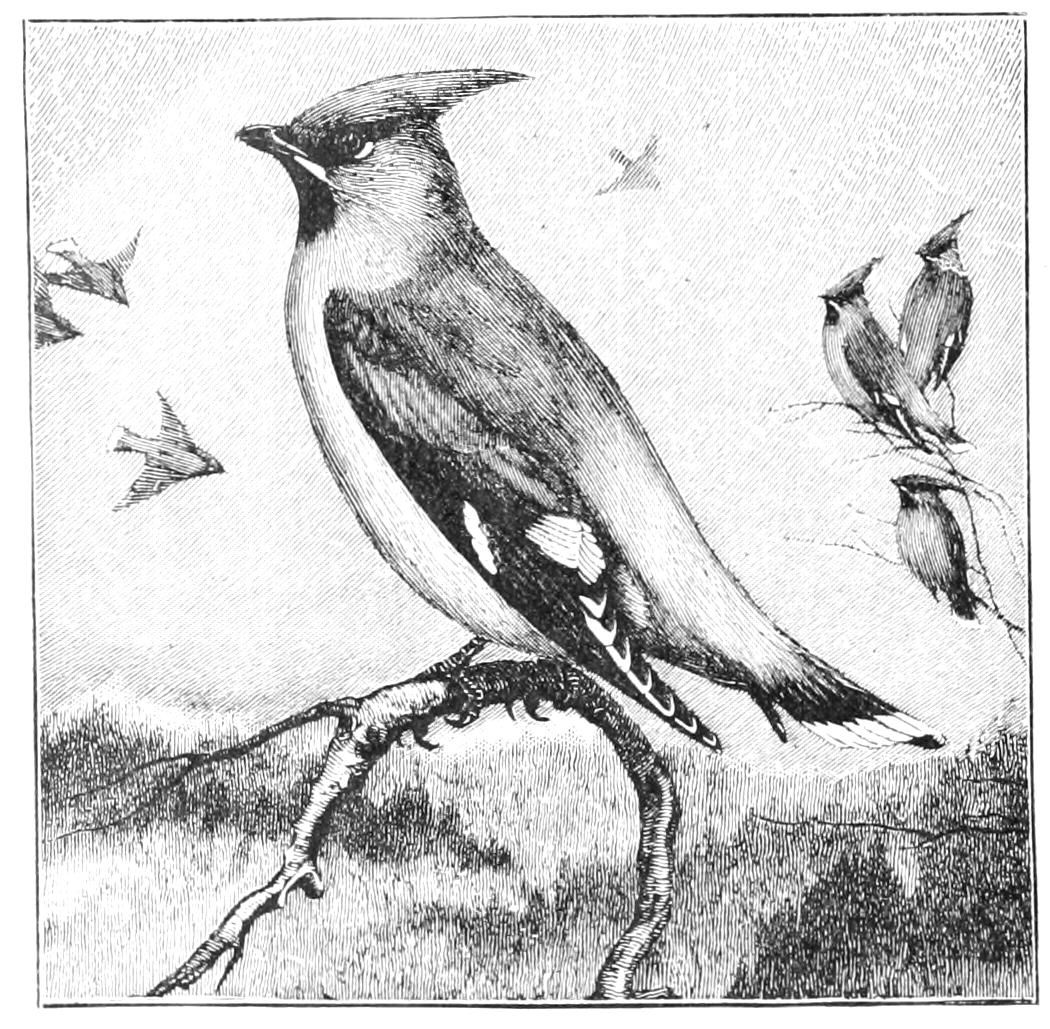
Fig. 118.–Waxwing. Ampelis garrulus. × ⅓. (From Bird Life in Sweden.)
Fam. XV. Artamidae.–The "Wood-Swallows" constitute a group of very doubtful position, ranging from the Australian to the Indian Region and in one case (Pseudochelidon) to West Africa. In the last-named the bill is broad, but elsewhere it is long, pointed, and slightly curved, with wide gape. The metatarsi are short and strong; the wings are much elongated; the tail is short and occasionally emarginate, with soft, exserted shafts to the rectrices in Pseudochelidon, which is glossy greenish-black with red beak and feet. Artamus, where powder-down patches occur on the sides, thighs, and lower back, exhibits black, brown, rufous, or grey tints, relieved by white–especially below, or towards the tip of the tail; the bill is blue with black extremity, the feet are greyish. The sexes hardly differ.
These woodland birds often float nearly motionless in the air, occasionally moving ahead with a few strokes of the wing; at other times they wheel and twist about like Swifts. They hawk for insects, or sally after them from their perches, feeding also upon the ground, on the larvae and on seeds. Congregating like Swallows, they have in Australia a curious habit of hanging in ball-like masses from the branches; the note is plaintive or chirping. The nests, often found in close proximity, are placed in forks of trees, on their side-shoots, in holes, behind loose bark, in deserted habitations of other birds, or in bushes; the outer materials being twigs and grass, those of the lining fibres and feathers. From two to four white, greenish, or flesh-coloured eggs are deposited, spotted and streaked with umber, red-brown, grey, lilac, or occasionally black.
Fam. XVI. Laniidae.–Few Families are more difficult to define than this. A typical Shrike is easily recognised; but such forms as Pachycephala and Hemipus are closely connected with the Muscicapidae; Calicalicus and Neolestes with the Pycnonotidae; Gymnorhina and its allies with the Corvidae; while some authors include the Campephagidae. Dr. Gadow[287] recognises five Sub-families: (1) Gymnorhininae, (2) Malaconotinae, (3) Pachycephalinae, (4) Laniinae, and (5) Vireoninae; but the last-named is here allowed Family rank, while Prionopinae is admitted in its place.
The bill is stout, notched, and often strongly hooked, while it is either curved or straight; in Falcunculus it is more than usually compressed, in Rhectes the maxilla has the edge finely serrated, in Xenopirostris the mandible is upcurved, leaving a distinct gap above it. In the Gymnorhininae the culmen is long, straight, and slightly rounded, with slit-like nostrils near the middle. The variable metatarsus is very strong in the larger forms, and much weaker in the Prionopinae; it is perhaps shortest in the Malaconotinae, where–as in all the Family–the scutes tend more or less to fuse. In Calicalicus and Nicator the basal joints of the third and fourth toes are united. The wings–usually moderate–may be very long and pointed, as in Gymnorhina and Pityriasis, or abbreviated and much rounded, as in Telephonus and Laniarius; the rather short tail is rarely emarginate, but frequently has acuminate feathers; while it may be square or rounded, or at times graduated, as in Laniarius, Laniellus, Paeoptera, Telephonus, Ptererythrius, some species of Lanius, and still more Urolestes, where the two median rectrices are exceptionally elongated. Falcunculus and Oreoeca have well-developed erectile crests; Rhectes, Sigmodus, Pseudorhectes, and Melanorhectes also exhibit lengthened head-plumes; Platylophus has these feathers broad and extraordinarily long; while Prionops has in addition frontal feathers overhanging the nostrils. Pityriasis has a bare yellow crown, the ear-coverts and lower throat being covered by brown bristles with red bases: Leptopterus, Prionops, and Sigmodus have a fleshy wattle round the eye. Rictal and nasal hairs may be highly developed or absent. The sexes are generally similar, except in the Pachycephalinae, and to some extent in the Prionopinae.
Sub-fam. 1. Gymnorhininae.–The remarkable red and black Pityriasis gymnocephala inhabits Borneo; the black and white Gymnorhina Australia, with Tasmania; the black, white, and grey Strepera the same countries, Cracticus Papuasia also. Gymnorhina and Cracticus have the beak bluish-white. Strepera occurs in parties in open wooded districts or swamps, feeding chiefly upon the ground on insects, their larvae, and a little fruit; while it runs, hops, or leaps from branch to branch with great agility, but generally flies low and feebly. It is a bold bird with a shrill, ringing, oft-repeated cry. The nest, as large as that of a Crow, is placed in the fork of a low tree, and is formed of sticks and twigs with a lining of bark, grass, leaves, wool, or hair; three or four pale chocolate- or reddish-brown eggs, with faint red or lilac markings, being deposited. Gymnorhina, the Piping Crow, resembles Strepera in habits, though its single, clear notes are somewhat different, and it can be taught to whistle or mimic. G. hyperleuca of Tasmania is called the Organ-bird, as Cyphorhinus (p. 522) is in Amazonia. The eggs vary from brown to whitish, bright green, or sky blue, with smears, dashes, spots, or freckles of lilac and brown. The shy Cracticus is more arboreal, and eats mice, young birds, lizards, and even crabs, in addition to insects, upon which C. destructor darts like a Flycatcher, impaling its prey subsequently after the fashion of a Shrike. The cry in this genus bears a general resemblance to that of the above forms; the eggs are equally variable, and may have zonal markings.
Sub-fam. 2. Malaconotinae.–These African and Indian birds are commonly black, white, and chestnut; Laniarius, however, is chiefly red, green, and yellow; Nicator, Neolestes, and several species of Ptererythrius shew much yellow and green; while Artamia leucocephala is greenish-black, and A. bicolor chiefly cobalt, both having the head and under parts white. The feathers of the back are very broad, soft, and fluffy. Vanga, Artamia, Xenopirostris, and Calicalicus are peculiar to Madagascar; unless Clytorhynchus pachycephaloïdes of New Caledonia and the New Hebrides be referred to Xenopirostris. Between X. polleni and Tylas eduardi (Pycnonotidae) a most curious instance of "unconscious mimicry" exists. The retiring members of this Sub-family are commonly seen hopping or climbing about thick undergrowth in search of insects and their larvae, or hunting for worms and spiders on the ground; they run well and fly fairly, while some forms, as Dryoscopus cubla and D. rufiventris, puff out their feathers until the body resembles a black and white ball. The voice of Laniarius rubiginosus has been compared to that of a Nightingale, and other species utter ringing notes, sweet or melancholy whistles, or at times loud, discordant cries or "churrs." The nest–where known–consists of twigs, grass, wool, hair, and feathers, and contains from three to five greenish-white eggs with brown spots; it is placed in a bush, or among close-growing plants. The male occasionally incubates.
Sub-fam. 3. Pachycephalinae.–This group, which extends from most of Polynesia and Australia to Tenasserim and the Great Sunda Islands, shews brown, black, white, grey, yellow, and olive hues, the yellow being somewhat characteristic. The majority of the members hop actively about leafy trees, or search the ground for insects, their larvae, and berries; Falcunculus takes short, quick flights, clings to the boughs like a Tit, and often tears off the bark; while Pachycephala simplex prefers swampy ground, and behaves like a Flycatcher. Some species have a low, mournful, reiterated note, others a continuous whistle, often ending with a smacking sound, others again have a sweet song. The nest of Pachycephala is a neat, though sometimes frail, cup of twigs, roots, and grasses, often placed on horizontal boughs, and containing three or four creamy or brownish eggs, with scattered or zonal umber markings and a few lilac spots; Falcunculus usually selects a gum-tree, and uses bark, grass, and cobwebs, laying two or three elongated whitish eggs, with olive, black, and greyish dots or lines; those of Oreoeca are bluer.
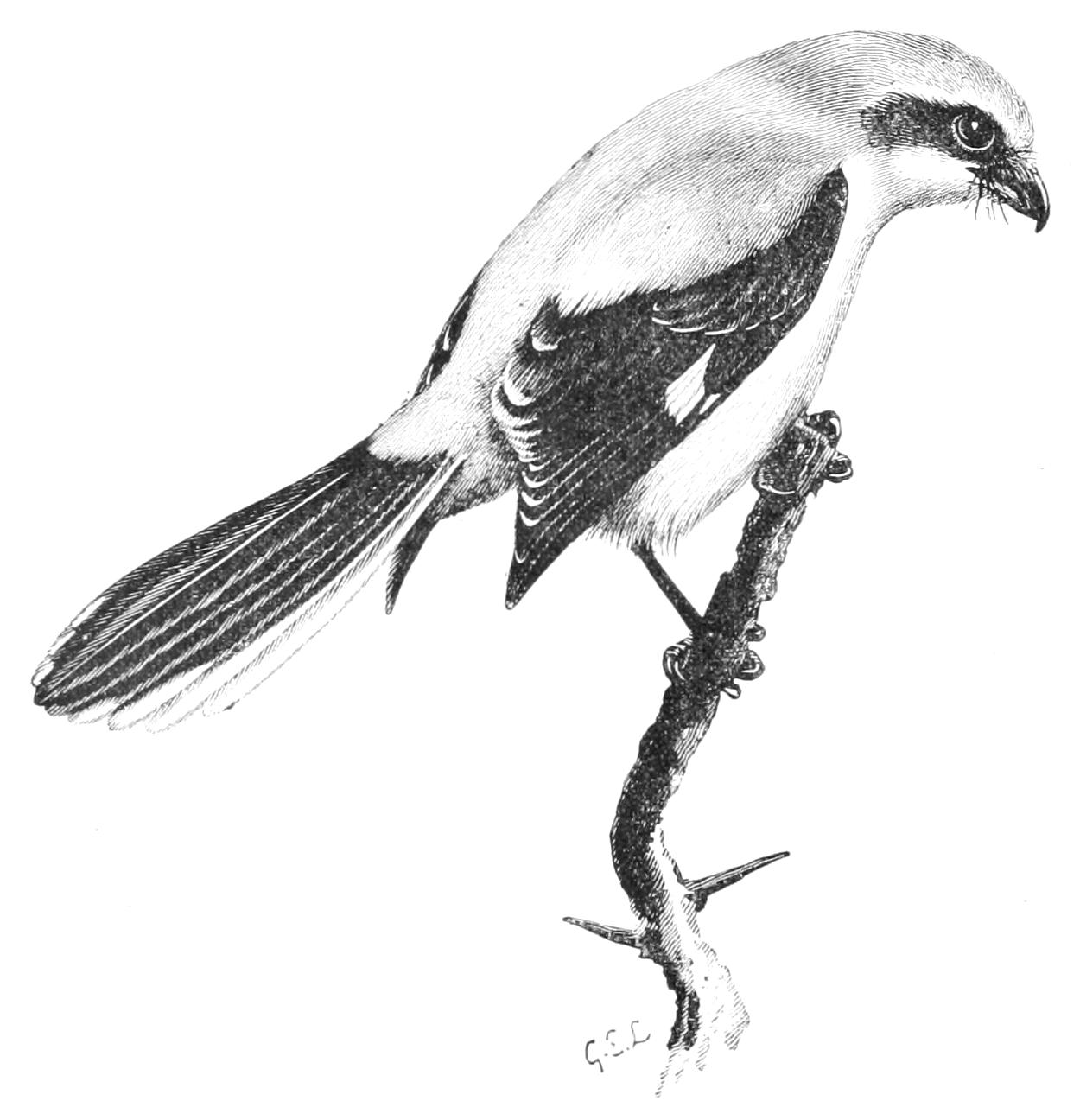
Fig. 119.–Great Grey Shrike. Lanius excubitor. × 5⁄13.
Sub-fam. 4. Laniinae.–The Shrikes proper extend over the Palaearctic, Indian, and Ethiopian Regions, and alone of the Family occur in the New World, Lanius borealis and L. ludovicianus inhabiting North America. The lax plumage is either black, grey, and white, or is varied with rich red-brown. Urolestes has the feathers of the crown and neck lanceolate, and those of the sides long and fluffy; Laniellus is exceptional in being spotted. The young are browner, and are often transversely barred below, a fact also true of the Gymnorhininae. In the large genus Lanius are included all the British Butcher-Birds, L. excubitor, L. minor, L. pomeranus, L. collurio, the Great Grey, Lesser Grey, Woodchat and Red-backed Shrikes, of which only the last-named breeds in our island. The Sub-family contains many of these quarrelsome, rapacious birds, often seen perched on the tops of bushes, or chasing each other along the hedge-rows. The flight is strong and rapid, but undulating and brief; the food, which may be taken on the wing, or procured upon the ground, consists of small mammals and birds, insects, snakes, lizards, frogs, or even crabs and fruit, the creatures not devoured at once being impaled on thorns or spiky leaves. The larders are usually near the nest, which is a bulky mass of twigs, grass, and the like, with a softer lining, placed in a thick bush or fairly high up a tree; the four to seven eggs vary from green to reddish-buff or whitish, and are spotted, blotched, and generally zoned, with brown, red, olive, green, or a little grey. Sometimes the male incubates. The usual note is harsh and grating, but shriller cries or sweeter songs are not uncommon, while certain species are good mimics. Pellets of the indigestible portions of the food are ejected after eating, as in Birds of prey, and elsewhere.
Sub-fam. 5. Prionopinae.–The "Wood-Shrikes" are usually dull in colour, though some have the normal browns, greys, and blacks relieved by bright chestnut, fawn, or yellowish-white, and several are black and white, or uniform black. They frequent trees and bushes, and eat molluscs and fruit; but live chiefly upon insects captured on the branches or on the ground, if not by darting into the air from a perch. Their flight, rapid but short, is commonly performed with quivering wings; they hop easily upon the ground; while their notes take the form of a rather pleasing Thrush-like song or a harsh chatter. The slight, loose nest, built in a low fork, in the hollow of a stump, or even on a rocky ledge, is made of moss, grass, bark, roots, wool, feathers, lichens, cobwebs, or downy seeds; the three eggs being white, greenish, or buff, often with brown, black, and grey blotches, dashes, freckles, or zones.
Grallina, the "Magpie-Lark" of Australia and New Guinea, doubtfully placed here, possesses vocal organs abnormal for an Oscinine bird.[288] Graceful and tame, it frequents homesteads, stream-sides, and swamps, having a heavy, flapping flight, uttering a shrill, plaintive whistle, and plastering a nest of mud and grass on some horizontal bough. The three or four eggs are white or pinkish, marked or zoned with red, brown, and lilac.
The Helmet-bird of Madagascar (Euryceros prevosti), a purplish-black and chestnut species, with a compressed, swollen and hooked steel-blue beak exhibiting a pearly interior, should perhaps stand in a separate Family, Eurycerotidae, and not with the Shrikes.
Fam. XVII. Vireonidae.–The small group of "Greenlets" ranges from Winnipeg and Nova Scotia to Argentina. The compressed or depressed beak varies from stout and strongly hooked, as in Vireolanius and Cyclorhis, to small and comparatively weak as in Hylophilus; both mandibles being notched, and the gape bristly. The metatarsi are usually short and robust with slightly united anterior toes, but are longer and more feeble in Vireo; the wings may be elongated and pointed, as in Vireosylvia, or abbreviated and roundish, as in Vireo and Neochloe; the tail is normally short and even, with narrow feathers, but is rounded in Neochloe. The frontal feathers are somewhat erect. The coloration is olive, or green and grey above–with a black, brown, ashy, or reddish cap–and is grey, whitish, or yellow beneath; the wing frequently exhibits white bands, and the head white, dusky, or rufous stripes. White or yellow orbital rings occur in Lanivireo, a red-brown tail in Hylophilus ochraceiceps, a blue crown in Vireolanius pulchellus, a chestnut pectoral band in V. melitophrys. The bill and feet are sometimes red; the eyes white, red, or yellow. The sexes frequently differ in colour.
These active and fearless birds inhabit forests up to an altitude of ten thousand feet, as well as ravines, swamps, or even streets of towns; they are usually observed in pairs among the higher branches of trees, creeping and hanging to the twigs, or chasing one another about in play. Seldom do they seek the ground, but they take fairly long flights, and dart out after passing insects, which, with the larvae and a few berries and seeds, form the diet. The continuous song consists of loud, reiterated, flute-like notes, supposed in one case to resemble "Whip-Tom-Kelly"; some forms also utter harsher chirps or mews. The nest, a deep, firm cup of leaves, grass, bark, lichens, spiders'-webs and cottony materials, lined with fibres, fir-needles, delicate stems, or rarely down, is supported by some horizontal fork, over which the rim is commonly turned; the four or five eggs are white, generally spotted with red-brown, black, or purplish.
Fam. XVIII. Sittidae.–The Nuthatches, though closely allied to the Paridae, show a certain affinity to the Certhiidae (p. 571). Typically they are stout little birds with long, pointed wings, and short nearly square tails; the bill is fairly long and strong, and is straight and awl-like, being notched only in Sitella and Hypositta, and slightly upcurved in the former.
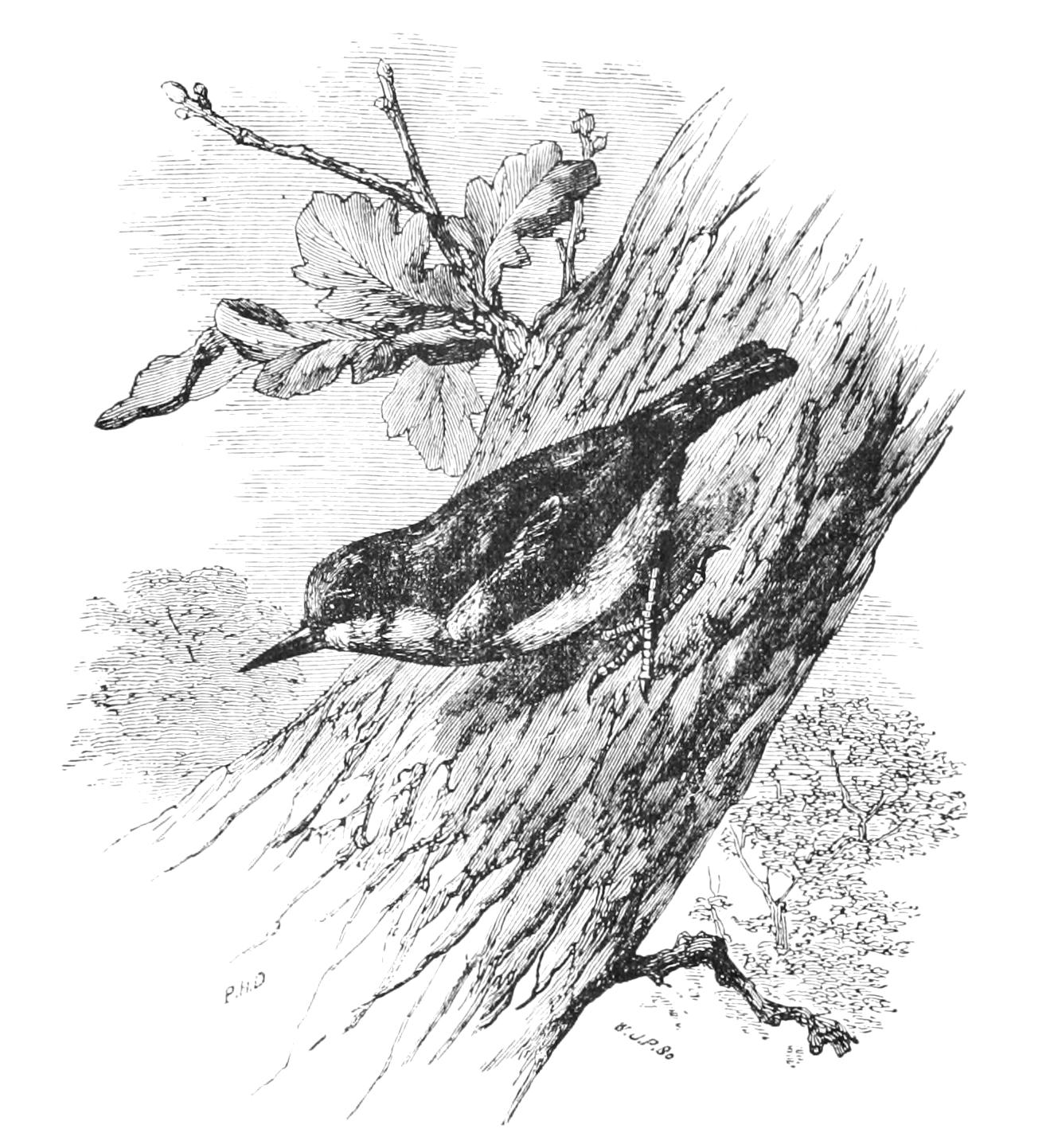
Fig. 120.–Nuthatch. Sitta caesia. × 4⁄11. (From Natural History of Selborne.)
Bristles usually occur at the gape, while the nostrils are concealed by the same or feathers. The metatarsi are short and powerful, the scutes being fused in Hypositta; the hind toe is unusually developed; the claws are long, curved, and sharp. The colours in Sitta, which ranges over nearly all the Palaearctic and Indian Regions, and throughout North America to Mexico, are slaty-blue and rusty-red of various shades, relieved by black and white; the slaty tints shewing chiefly above, often in combination with a black or brown cap. Dendrophila and Callisitta, of the Indian Region and Timor, are blue and black, with creamy or ochreous lower parts. Sitella, of Australia and New Guinea, exhibits brown, grey, black, rufous, and white, often having a white head, or a rusty or white wing-patch; Daphoenositta, of the latter country, adds to these hues pink at the base of the bill and on the graduated tail; Hypositta of Madagascar is greenish-blue, with browner head and under surface, and coral-red bill.
Nuthatches are quiet, non-migratory birds, which frequent forests or open country with old timber, where they may be seen darting quickly from tree to tree with undulating flight, or creeping jerkily in Tit-like fashion up and down the trunks or over rocks. They seldom seek their food upon the ground, but search every cranny, and dig in rotten wood for insects, their larvae, and so forth, or collect nuts, acorns, beech-mast, and seeds; while the nuts are cracked by fixing them in chinks and hammering them with the whole weight of the body, which swings backwards and forwards from the hip-joint. In winter they are exceedingly tame. The spring call is a noisy, querulous "whit-whit," recalling that of the Wryneck, but sibilant sounds and sweeter cries are not uncommon, few persons being aware that the British species (Sitta caesia) has at least four sets of notes, one of which is very Thrush-like. Sitella has a weak, piping voice. In England the nesting-cavity is usually chosen in a tree, but occasionally in a wall, haystack, or the like; this is commonly lined with scales from conifer trunks, and the entrance blocked up with a plaster of clay pierced by a round hole: abroad, however, holes in rocks are often utilized, and nests made of moss, bark, hair, and feathers. The Indian species do not always plaster up their holes, and the American apparently never do so. Sitella forms a curious funnel-shaped nest with a very thin rim, in forks or on branches, using as materials bark, moss, down, cobwebs, and lichens, the bark being applied externally like shingles. The three or four greenish or bluish-white eggs, with blackish, grey, or lilac markings, are very unlike those of Sitta, which are white, with fine pinkish-red and lilac spots or blotches, and number from five to eight.
Fam. XIX. Paridae.–The Tits usually have a moderate and slightly decurved bill, though it is elongated in Sphenostoma and Certhiparus, abbreviated with roundish outline in Acredula, Psaltria, and Psaltriparus, more pointed in Aegithalus and Auriparus; the maxilla having little trace of a notch, or the gape of bristles. The metatarsi are short, except in Acredula, where the legs are longer and the scales tend to fuse; the robust front toes are partially united, and possess strong claws. The wings are rounded and abbreviated, especially in Aegithalus; the tail varies considerably, being short and nearly square in Parus, long and graduated in Acredula and Psaltriparus, intermediate in Psaltria and Sphenostoma, and emarginate in Aegithalus. The nostrils, generally hidden by bristly feathers, are exposed in Xerophila and Sphenostoma. Crests occur in the last-named and at times in Parus.
The colour of the soft, lax plumage is commonly dull; but Parus may be glossy greenish-black and yellow, as in the Sultan-bird (P. sultaneus); black with white on the wings, tail, or lower parts, as in P. niger and a few other African species; blue and white, with a little black and grey or a yellow fore-neck, as in P. cyanus and P. flavipectus; blue, black, greenish, yellow, and white, as in the British Great and Blue Tits (P. major and P. caeruleus); olive, brown, or grey, varied with black, white, chestnut, or buff, as in our Crested Tit (P. cristatus); or lastly, the tints while including but little yellow or blue, as in our Coal and Marsh Tits (P. britannicus and P. palustris), may be greyish or olive on the back, with a black head, white cheeks, and buffish-white under parts, the former species having a white nuchal patch. Psaltria is brown, grey, white, and buff; Psaltriparus is similar; Xerophila and Sphenostoma are brown, with yellowish-white, buff, or brown and white lower surface; Certhiparus is red-brown, with a grey nape and dull white breast. Acredula, containing the Long-tailed Tits, is black and white with a more or less pronounced rosy wash, or may be rufous, or brown and grey, with pinkish or fawn under parts, two species having chestnut heads. Aegithalus and Auriparus are rufous-brown, yellow-green, or greyish above, with black and white, orange-red, or yellow heads; and are commonly rufous and white, yellow, or whitish below, occasionally with bay marks. The sexes are very similar, the young often yellower.
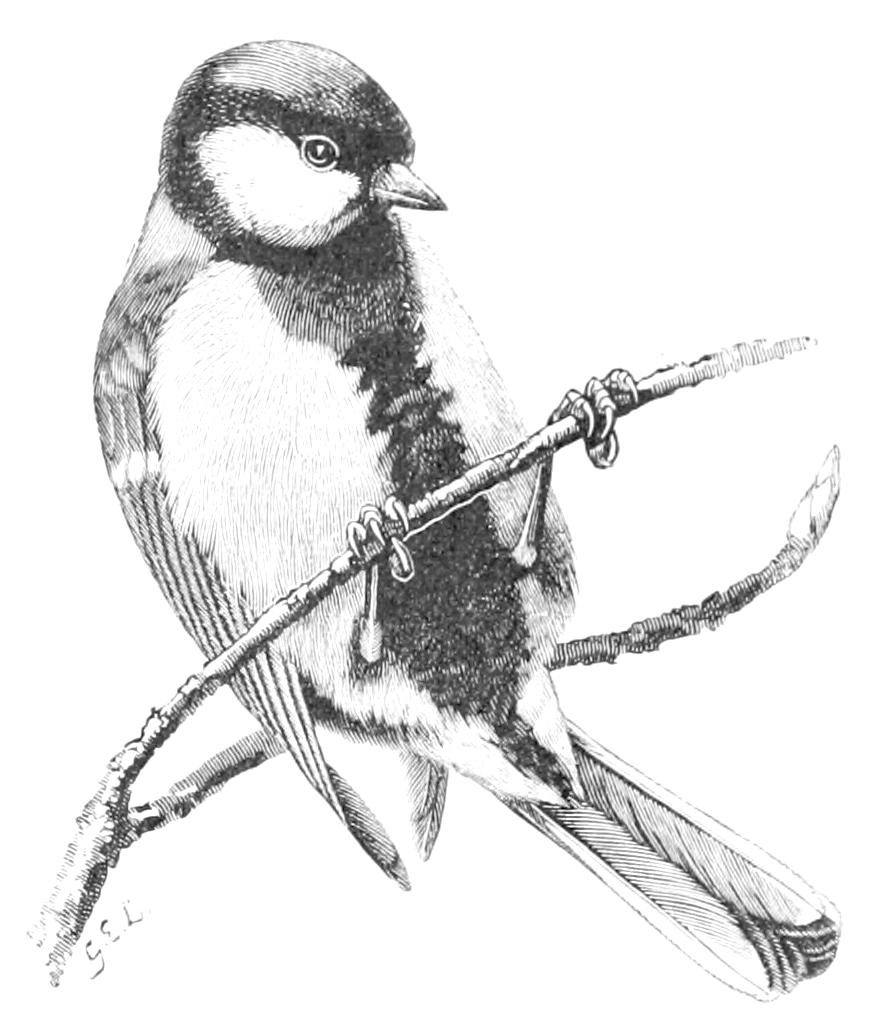
Fig. 121.–Great Titmouse. Parus major. × ⅝.
Titmice are ordinarily non-migratory, Parus occupying most of the globe, except South America and the Australian Region east of Lombok and Flores; Psaltria is confined to Java, Acredula to the Palaearctic and Indian countries, Aegithalus to the same with the Ethiopian Region, Psaltriparus and Auriparus to North America, Xerophila and Sphenostoma to Australia, Certhiparus to New Zealand.
These familiar birds, active and often noisy, are found in flat or hilly, open or wooded districts, up to an altitude of ten thousand feet or more. They are decidedly arboreal, seldom frequenting the ground, and usually combining into flocks, except when breeding. The food consists mainly of insects, their eggs, larvae, and pupae, but at times of conifer-seeds, acorns, beech-mast, nuts, and the like; while in winter a suspended meat-bone, fat, or crumbs, prove great attractions. No doubt a certain amount of fruit is eaten in summer, and buds are plucked in spring; but the latter commonly contain injurious grubs. The Great Tit will kill smaller birds. The flight is weak and undulating, but on the trees the birds hop, climb, cling head downwards, and pry into the crannies in most workman-like style. Xerophila is, however, more terrestrial. The sharp reiterated notes are varied by sibilant sounds, those of the Blue Tit being fairly representative; yet some are harsher; others, as in the Long-tailed Tits, softer; while certain Crested Tits are credited with a song. The nest is normally a mass of moss–and sometimes grass–with a felted lining of wool, hair, or fur, containing from five or six to twelve or more white eggs, which are in most cases spotted or freckled with various shades of red, but rarely with purplish or chocolate-colour. Sometimes more than one is laid in a day. The fabric is placed in holes in trees, stumps, rocks, walls, or the ground; pumps, post-boxes, and so forth are frequently selected: nooks behind loose bark, deserted habitations of other birds, or the foundations of those of Hawks and Crows are sometimes chosen; while Sphenostoma, and occasionally Xerophila, build open nests in shrubs. Acredula, Aegithalus, and Psaltriparus make a purse-shaped structure with an entrance near the top; the first-named, thence called Bottle-Tit, placing it in hedges, bushes, undergrowth, forks of trees, or even ivy, and using as materials, moss, wool, lichens, and cobwebs, with a thick feather-lining; the two latter generally suspend it to branches and fashion it of grass, fibres, and leaves, often adding twigs externally or down internally. Aegithalus occasionally makes a tubular passage. Auriparus deposits in a similar or bulkier nest pale bluish or greenish eggs with red-brown specks, while those of Sphenostoma are blue with blackish markings. Acredula apparently incubates with its tail over its back. The hen's bravery when sitting, her hissing challenge, and her speedy return when driven off, are characteristic of Tits.
Fam. XX. Panuridae.–Family rank is now pretty generally accorded to Panurus biarmicus, the "Bearded Tit" or "Reed-Pheasant," though its affinities are still doubtful. Dr. Gadow,[289] judging from the internal structure, inclines to the view that it is akin to the Finches, but others place it next to the Tits. The bill is short, curved, rather conical, and without a notch; the metatarsus is long and scutellated anteriorly; the wings are short and rounded, the tail is extremely long and graduated. The plumage is orange-brown above, with a grey crown and a black streak from the lores down the cheeks, where the feathers are elongated and point backwards; the wings are varied with black and white; the throat is greyish, the breast pinkish; the abdomen coloured like the back; the under tail-coverts are black, the bill is yellow. The hen has a buff head, while she lacks the black "moustache" and under tail-coverts.
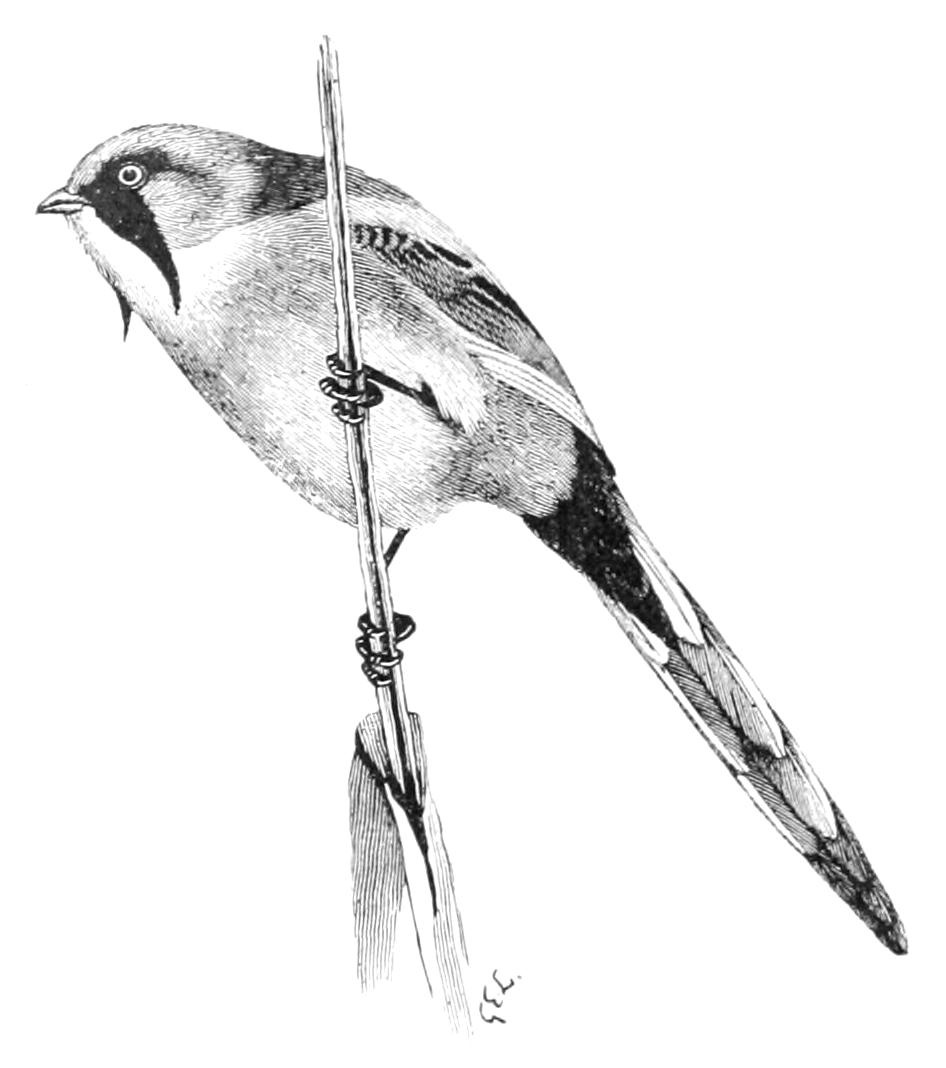
Fig. 122.–Reed Pheasant. Panurus biarmicus. × ½.
This pretty species, which ranges through most of Europe, except Scandinavia and Northern Russia, and reaches Central Asia, may be seen to advantage on the Norfolk Broads, where it is resident, and still breeds in diminished numbers. In windy weather the separate pairs keep hidden, but at other times, though shy, a quiet observer may see them flitting above the reeds, uttering their clear "ping-ping," or clinging to the flowering tops. Insects and small molluscs, with seeds in winter, constitute the food. From April to August a nest of broad grasses, sedges, and the like, lined with reed-flowers, or exceptionally with vegetable-down, is built in aquatic herbage, or rarely in moderately high plants, to contain the round creamy eggs with sparing brownish-black lines and scrawls. These number from four to eight, or even ten, should two hens lay together. The alarm-note is plaintive. Towards autumn the adults and young form large flocks.
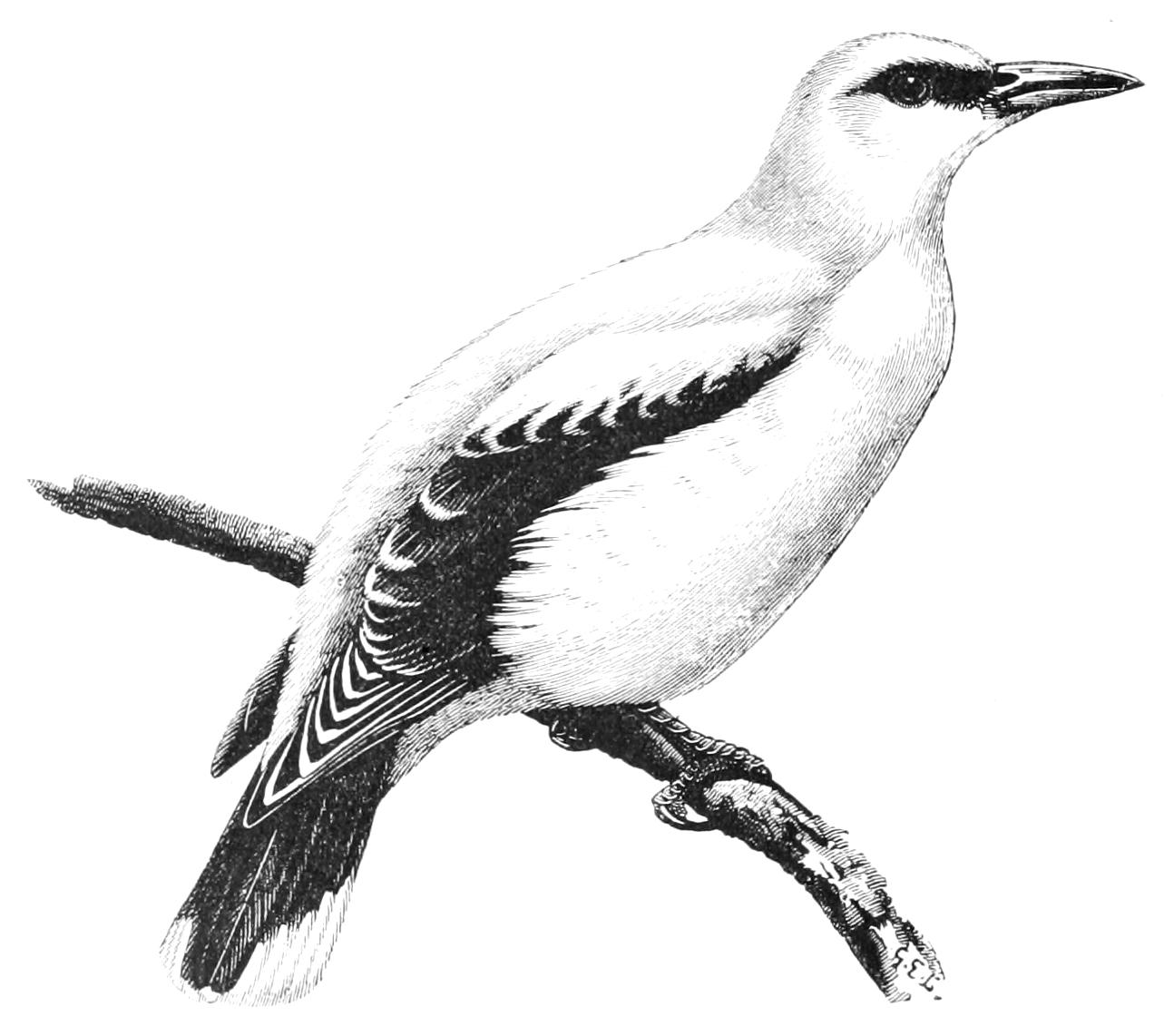
Fig. 123.–Golden Oriole. Oriolus galbula. × 3⁄7.
Fam. XXI. Oriolidae.–The Old World Orioles, not to be confounded with the so-called "American Orioles" (Icteridae), inhabit the Palaearctic, Indian, and Australian Regions, reaching eastward to Turkestan, China, and Papuasia. The bill is strong, rather long, straight, and notched, or, in Sphecotheres, curved; the metatarsus is short, the toes are small, the wings are long, the tail is moderate and slightly rounded. Sphecotheres has naked lores and orbits. The Golden Oriole (O. galbula) which breeds exceptionally in England, is orange-yellow, with black lores and mainly black wings and tail; the similar Indian Mango-bird (O. kundoo), has a black post-ocular streak; other species shew black napes or heads. O. viridis and its allies are olive-yellow or brownish, often with dusky streaks, O. steerii being white beneath with broad black stripes; O. cruentus is blue-black, with crimson wing-bar and mid-breast; O. ardens chiefly crimson, with black head and fore-neck; O. trailli maroon, with black head, throat, and wings; O. hosii black, with chestnut under tail-coverts. The bill is crimson, pinkish, or bluish. Sphecotheres is yellow-green or olive-yellow, at times brighter below, and is relieved by black, grey, and white, the orbits being yellowish or flesh-coloured, the bill blackish.
These shy, restless, and quarrelsome birds frequent gardens, groves, and mangrove swamps, avoiding the ground, flying heavily but swiftly from tree to tree, and hopping among the higher branches. They eat insects and fruit; and utter flute-like notes, varied by mewing calls or "churrs" of alarm. The nest is a pocket of bark, grass, and fibres, with the rim woven over two forking twigs–leaves, moss, and hair being occasionally added. The three to five white or salmon-coloured eggs have dark purplish or brown-pink spots, and more rarely streaks; those of Oriolus viridis being more dusky with brown and lilac markings. Sphecotheres maxillaris makes a shallow nest of twigs, and lays three olive or green eggs, blotched or zoned with red-brown.[290]
Fam. XXII. Paradiseidae.–The Birds of Paradise have no rivals in splendour, unless it be the Humming-birds, among which, however, there is no such marvellous development of accessory plumes. They are undoubtedly allied to the Corvidae, as is evidenced in particular by Lycocorax and Manucodia, while these also connect the more typical forms with the comparatively plainly garbed Bower-birds, often placed in a separate Family, Ptilorhynchidae. Few species are as large as Crows, and some are not bigger than Thrushes. Whether known to earlier traders or not, the first undoubted account of Birds of Paradise published in Europe was that of Maximilianus Transylvanus (1523), followed by that of Antonio Pigafetta, both relating to a couple of birds brought by Magellan's company from Batchian,[291] where they were called Manukdewata, or "Birds of the gods." Natives when preserving the skins used to cut off the wings and the feet, a fact which gave rise to absurd stories of Paradise-birds (Paradisea apoda) never perching, gazing perpetually at the sun (passaros de sol), suspending themselves by the tail-feathers, and so forth. The hen was also said to lay her eggs on the back of her spouse.
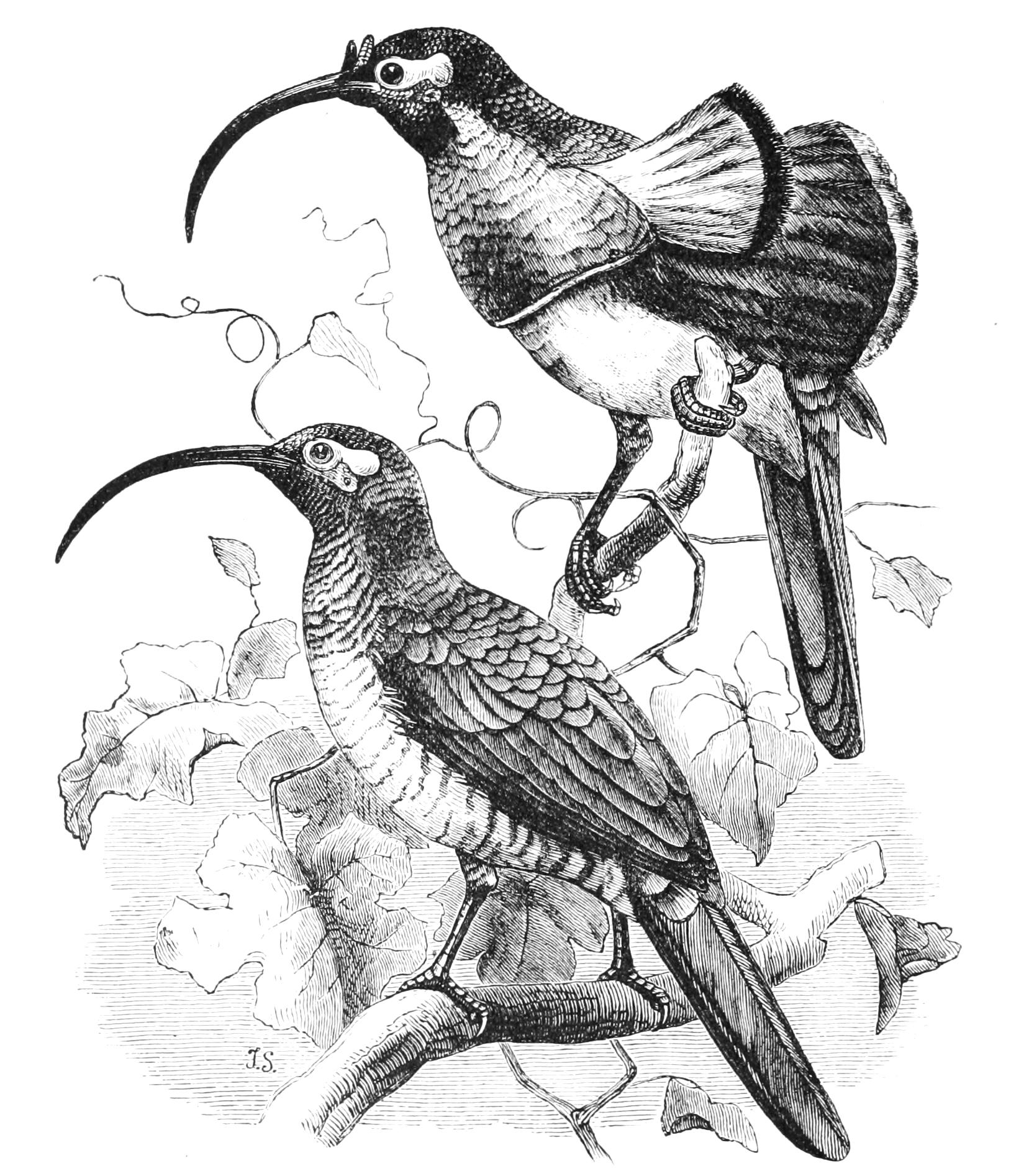
Fig. 124.–D'Albertis' Bird of Paradise. Drepanornis albertisi. × ⅖. (From Nature).
The bill is usually short and stout, but is Crow-like in Manucodia and Lycocorax, long and decurved in Ptilorhis, Paryphephorus, Ianthothorax, Seleucides, and Falcinellus, and becomes slender and sickle-shaped in Drepanornis; the maxilla is in some cases notched, and in Scenopoeetes bidentate. The metatarsi are strong and fairly long, the outer and middle toes are slightly united, and the hallux is large. The wings are moderate or short, being especially rounded in Bower-birds; the tail may be enormously elongated and graduated, as in both sexes of Falcinellus, Astrapia, and Paradigalla; less graduated and shorter, as in Drepanornis; of medium length, and square or rounded, as in many forms; or much abbreviated, as in Cicinnurus. Astrapia stephaniae has the two median rectrices concave and decurved over; those feathers in the males of Paradisea, Cicinnurus, Diphyllodes, Schlegelia, Paradisornis, and Uranornis exhibiting more or less wire-like shafts, which terminate in large racquets in Cicinnurus, smaller discs in Paradisornis. They are broader, convex above, wavy, and horny in Uranornis, and are curled outwardly in Diphyllodes and Schlegelia, while they cross each other twice in the last, but once in Cicinnurus. Pteridophora has an extraordinary streamer behind each eye. That these however, are by no means the only remarkable developments, will be seen from the following descriptions of the most striking species, all of which are confined to Papuasia and Australia, except the Moluccan genera Semioptera and Lycocorax. The feathering often extends over part of the bill.
Manucodia and Phonygammus are the only Passerine birds known to have a convoluted trachea.[292]
Ptilorhis paradisea, the Rifleman-bird,[293] is velvety-black with a purple gloss, having the head, throat, and median rectrices green, the abdomen bronzy; the crown-feathers are scale-like, and the silky flank-plumes considerably elongated. P. magnifica is somewhat similarly coloured, with a stiff pectoral shield of metallic green; Ianthothorax and Paryphephorus, with erectile nuchal collars, are near allies. Seleucides ignotus the Twelve-wired Bird of Paradise, which has six long, recurved and filiform appendages to the lax, projecting feathers of each side, is black, with purplish head, wings, and tail, bronzy back, broad erectile breast-plumes margined with emerald, yellow sides and belly. Drepanornis albertisi is rufous-brown, with green throat and ante-ocular region, white belly and dusky breast; the sides of the last exhibit dark-edged bronzy plumes, which can be expanded like a fan, succeeded by long grey decomposed feathers with lilac margins; and small bluish tufts surmount the bare orbits and post-ocular region. Falcinellus speciosus is black with rainbow-like reflexions; the broad plumes of the sides of the upper breast being banded with metallic blue and green, and having wide tips which open upwards into a fan; while the long pointed flank-feathers compose similarly coloured tufts.
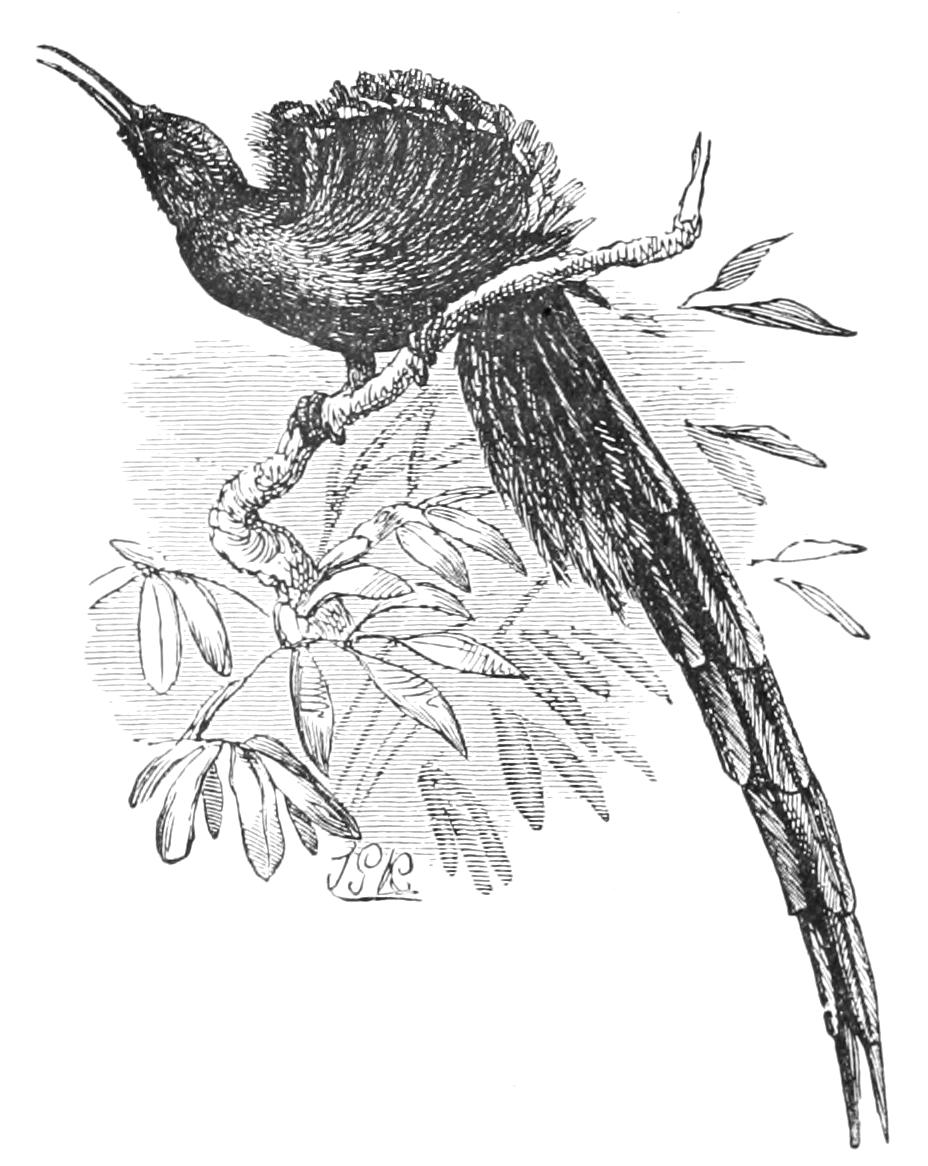
Fig. 125.–Long-tailed Bird of Paradise. Falcinellus speciosus. × ⅐. (From Malay Archipelago.)
Astrapia nigra, the Paradise-Pie of old authors, is bronzy-black above and green below, with golden-green occiput and nape, purplish black throat, coppery fore-neck, and violet tail, the feathers round the head forming an erectile frill. A. stephaniae has the head and neck bluer, the breast purplish-bronze. The smaller A. splendidissima has a more brilliant nape-region, red fore-neck, and much buff on the tail. Macgregoria pulchra is black, with mainly orange-buff primaries, and an orange wattle covering most of the face. Paradigalla carunculata is black, with green and bronzy sheen above; the front of the head being naked, with three wattles on each side–one broad and yellow above the bill, another moderate and blue at the gape, a third small and red below it. Paradisea apoda, the Great Bird of Paradise, is rich brown, becoming purplish beneath; the head and neck are pale yellow, the forehead, lores, cheeks, and throat metallic green. The wiry median rectrices have very slight apical and basal webs, while long, thick, extensile tufts of delicate decomposed golden-orange feathers, tipped with brown, grace the sides. Of its congeners, P. minor has the mantle straw-coloured; P. raggiana has a light yellow gorget, and red lateral plumes like those of P. (Uranornis) rubra, the Red Bird of Paradise. P. (Paradisornis) rudolphi is greenish-blue and dusky above, with blackish head, neck, and under surface, and a purplish occipital patch. From the sides of the body spring two series of elongated, decomposed feathers; the outer and stiffer being ultramarine, changing terminally to lilac with a brown external tinge, the inner smaller and deeper blue. Below these come a row of short chestnut plumes and finally a set of black. The two long median rectrices are violet-black with small blue racquet-tips.
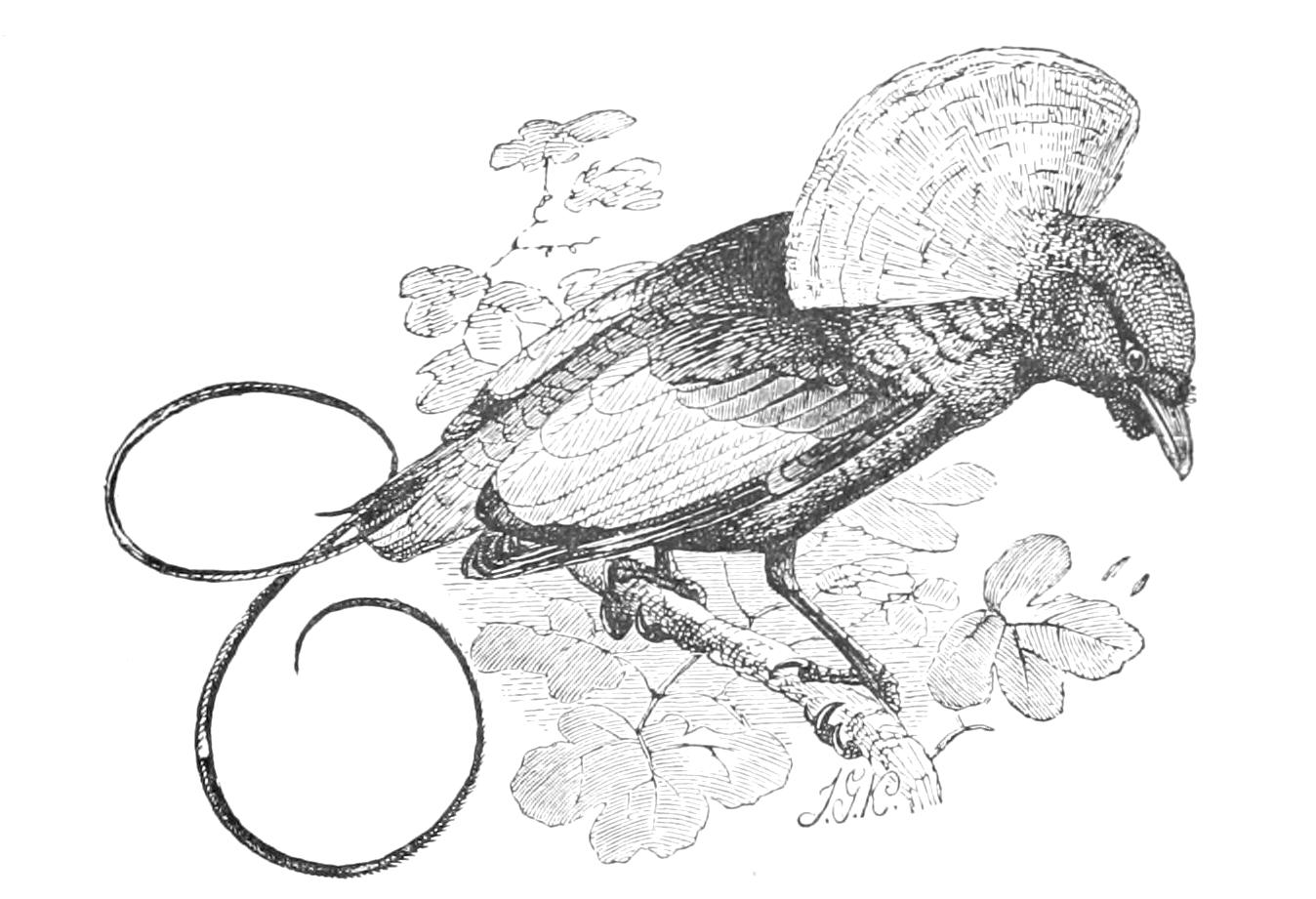
Fig. 126.–Magnificent Bird of Paradise. Diphyllodes magnifica. × 3⁄7. (From Malay Archipelago.)
Cicinnurus regius, the King Bird of Paradise, hardly seven inches long, is glossy crimson, with a metallic green band dividing the throat from the white lower parts. An expansible fan of ashy plumes tipped with emerald arises from each side, while the long median tail-wires have the terminal green inner webs coiled into discs. The feathering reaches far down the orange bill; the feet are cobalt, contrasting with the black, yellowish, or fleshy tints usual in the Family. Diphyllodes gulielmi tertii is orange-red with mainly dusky wings and tail; the long nuchal ruff being orange, the lateral neck-tufts purplish-brown, the pectoral shield green edged with emerald, the long side-plumes brown with green ends, the belly purple. D. magnifica has a brown head and under surface, green throat and breast-shield, orange-brown back surmounted by a double cape of straw-yellow upon red-brown, and long, curved steel-blue tail-wires. Schlegelia respublica is remarkable for its naked blue head, with two lines of brown feathers crossing each other at right angles, and for its blue feet. The upper parts are successively green, yellow, crimson, black, and brown; the silky gular shield is green, with metallic blue spots above and coppery marks below; the lateral breast-plumes shew coppery and green hues. Parotia sexpennis, the Six-wired Bird of Paradise, is bronzy- and purplish-black, having scale-like golden throat- and breast-feathers with green and blue reflexions. A satiny white patch crosses the forehead; the occiput is green, blue, and purple, having two lateral tufts, from each of which spring three wires terminating in small black discs; while large, soft, erectile masses of black adorn each side of the body. Semioptera wallacii, the Standard-wing, is mouse-coloured, with somewhat bronzy back and violet head; the pectoral feathers have green edges; the green shield on the fore-neck extends in lateral tufts to the flanks; and two long, narrow white plumes, erected at will, adorn the bend of each wing. Lophorhina superba is black, with blue, green, and bronzy gloss on the head and neck; the bluish-green breast-shield is prolonged at the sides, and a metallic black erectile ruff graces the nape. Lamprothorax has coppery, green, purple, rosy, and brownish hues, and two long blue-green median rectrices. Phonygammus jamesi is purplish-violet, with blue-green head, under surface, lanceolate neck-feathers, and acuminate occipital tufts. The extraordinary Pteridophora alberti possesses a wonderful streamer behind each eye, twice as long as the body. This has, on the outer side only, about thirty-seven thin quadrangular enamel-like lobes, which are light blue with dusky backs. The plumage is black, with olive rump-region and ochraceous lower parts, the head and neck shewing elongated plumes.
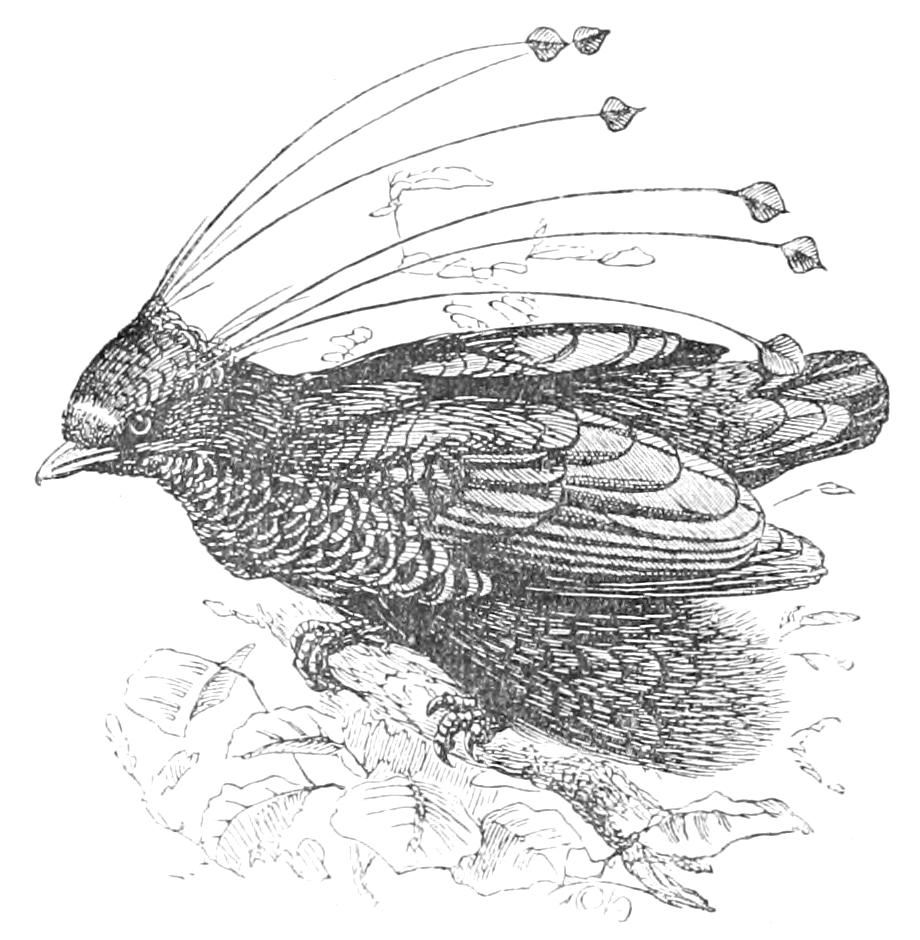
Fig. 127.–Six-wired Bird of Paradise. Parotia sexpennis. × ⅙. (From Malay Archipelago.)
Manucodia atra is steel-green and black, with purple reflexions; M. (Eucorax) comrii has the head and neck-feathers curly, M. chalybeata those of the fore-neck. The Crow-like Lycocorax pyrrhopterus is greenish-black with brown wings; Xanthomelus aureus is orange-yellow, and has a deeper-coloured crested head and neck, black throat, tail, and part of wings and back, and a cape of hackled plumes falling over the last.
Of the Bower-birds, Prionodura newtoniana is bright orange, olive, and brown; Cnemophilus macgregori is golden-yellow above and black below, with brownish wings and tail; the thin recurved crest merging into a compressed frontal ridge, whence chestnut feathering extends over the culmen. Loria loriae is chiefly purplish-black with an iridescent violet nasal shield of scale-like feathers. Loboparadisea sericea is rufous-brown and yellow, with a wattle, apparently bluish, extending upwards from the gape on each side. Amblyornis inornata and A. subalaris are respectively olive and reddish-brown, with a huge orange-red crest. A. flavifrons has the crest yellower. Sericulus melinus, the Regent-bird, is black, with orange head, neck, and most of the remiges; Ptilorhynchus violaceus, the Satin-bird, is purplish-black, with much feathered culmen; Scenopoeetes dentirostris is olive-brown above, and fulvous with dusky streaks below. Aeluredus viridis, the Cat-bird, not to be confounded with that of America (p. 519), is bright green, with a blue wash on the back, and with white streaks, bars, or spots on the nape, wings, tail, and yellowish under parts. Other species of the genus have mainly black or brown heads, while some have white throats with black markings. Chlamydodera nuchalis has grey-brown plumage above with whitish tips, a lilac nuchal band backed by stiff feathers, and a yellow-grey lower surface.
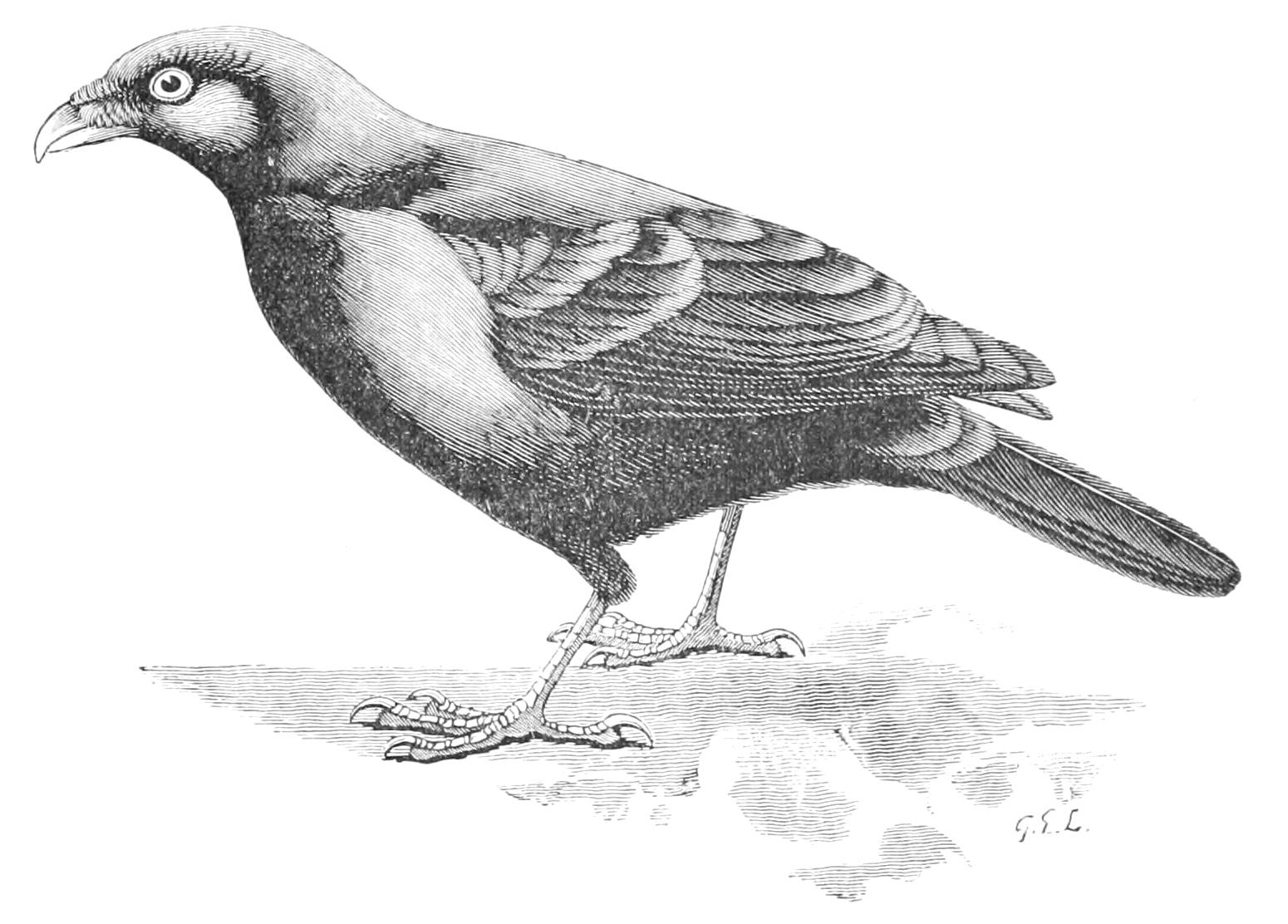
Fig. 128.–Satin Bower-bird. Ptilorhynchus violaceus. × ⅓.
Female Paradise-birds generally have brown upper parts with lighter markings, though they are occasionally blacker, as in Astrapia and Paradigalla; below the colour is rufous, buff, grey, yellowish or white, with bars, stripes, or chevrons of blackish or brown. In the female of Schlegelia the bare head is duller than in the male, while a little red and gold shews above; the hen of Ptilorhynchus exhibits grey-green and brown tints; the sexes are almost alike in Phonygammus, Manucodia, Lycocorax, and Aeluredus; in Paradisornis the female has blue wings and tail. Young birds usually resemble their mother; but with regard to their progress to maturity, the elongation and abrasion of the webs of the median rectrices, and the growth of the decorative tufts, the works of Mr. Wallace,[294] Dr. Guillemard,[295] and Mr. Rothschild[296] should be consulted.
Except in the Bower-birds the habits vary but little. Paradise-birds are lively and active, shy though curious, taking refuge in the thick foliage when disturbed; small flocks are not unfrequently observed, usually of one species, while for considerable periods the males appear to live apart. Closely wooded hills and ravines are the chief resorts, Falcinellus, Astrapia, Lophorhina, Diphyllodes, and the like preferring the inland heights of New Guinea up to an altitude of about nine thousand feet; Parotia of that country and Scenopoeetes of Queensland range to about four thousand feet; but such forms as Cicinnurus, Xanthomelus, Phonygammus, Ptilorhis, and the Australian Cat-birds and Bower-birds, occupy lower elevations on the coast or elsewhere. Falcinellus, Astrapia, Paradisea, Parotia, Ptilorhis, Sericulus, and doubtless others, love high tree-tops; Semioptera, Cicinnurus, and so forth, live nearer to the ground. The brief flight is rapid, though undulating and often heavy; in Cicinnurus it is noisy, in Ptilorhis the sound produced resembles the rustling of silk. Most species hop constantly about the boughs; Paradigalla often rests on dead trees; Drepanornis, Seleucides, Semioptera, and Ptilorhis, search under the bark for insects, and move about like Creepers. The pugnacious males of Paradisea collect to "dance" on favourite trees at the breeding season, when they fly about with elevated and vibrating plumes; while in the Family generally the cock courts the hen in Pigeon-like fashion, Diphyllodes making meanwhile a complete circle of its expanded mantle- and throat-plumes. Parotia scratches and rolls in the dust like a Fowl.
The voice may be a shrill reiterated "wake-wake," as in Paradisea; a harsh or sonorous cry, as in Falcinellus, Chlamydodera, Phonygammus, Ptilorhynchus, Sericulus, Seleucides, and Semioptera; a long, grating or triple sound, as in Ptilorhis; a mewing or flute-like note, as in Cicinnurus; or a sharp whistle, as in Aeluredus; the last-named and Amblyornis being especially excellent mimics. The diet consists largely of berries, seeds, fruits of Pandanus, and Freycinetia, the fig, nutmeg, and so forth; frogs, lizards, worms, snails, and caterpillars, however, are also eaten; insects are in great request; and Seleucides sucks honey from the flowers. The nest and eggs of several species have now been discovered; the former being a loose, open fabric of sticks and leaves in Ptilorhis, Ptilorhynchus, Sericulus, and Phonygammus; or of twigs, roots, moss, and grass in Eucorax, Chlamydodera, Prionodura, Aeluredus, and Drepanornis; it is placed in bushes, if not in low or even high trees. The eggs are glossy reddish-buff, with dark rufous or chestnut blotches and streaks, and a few black spots, in Paradisea apoda, P. augustae victoriae, P. raggiana, and Ptilorhis victoriae; similar or whiter, often with purplish or purplish-grey markings in Eucorax, Manucodia, and Drepanornis cervinicauda; yellower with additional wavy scrolling in Ptilorhynchus violaceus; yellowish-grey with pale brown freckles and blotches in Prionodura newtoniana; bluish or greenish-white, with or without red-brown dots and lines, in Aeluredus maculosus and Ae. viridis; greenish-white with a network of narrow brown and black lines in Chlamydodera maculata and C. cerviniventris; pale lavender with sienna and lilac spots and scrawls in Sericulus melinus. The number of eggs found varies from one to three.
Parotia lawesi, Aeluredus viridis and Scenopoeetes dentirostris, though not said to form bowers, make clear spaces where from six to eight males meet to sport, the last two species decorating them with green or coloured leaves, berries, and flowers. Prionodura fashions a bower or play-place of from four to six feet high by eight broad, piling sticks round two trees and roofing over the intervening space with creepers; white moss, ferns, and green fruit serving as ornaments. Small structures of over-arching grass capped with twigs are often observable close by. Amblyornis inornata heaps a cone of moss round a sapling, leaving a circular gallery between this and an outer conical cover of sticks two feet high, covered with orchid sprays. Before the entrance lies a bed of green moss decked with bright flowers and berries, which are renewed daily, the withered decorations being piled at the back. A. subalaris fashions a domed bower of sticks and moss, with one or two openings, round a shrub which is itself entwined with twigs; the centre of the floor shewing a cheese-like mass of moss ornamented with flowers and seeds. Sericulus melinus builds a run about a foot long on a platform of sticks, composing it of arched twigs and decorating it with shells, berries, and leaves. Ptilorhynchus violaceus makes a like structure of twigs and grass, which scarcely meet above, and adorns it with bright feathers; scattering other feathers, bones, shells, rags, berries, and the like over the space which Bower-birds habitually clear in front. In Chlamydodera nuchalis the similar bower, about three feet long, is lined with grasses, a large heap of ornaments lying before each entrance.
Paradise-birds are shot with blunt arrows, snared, caught in nets, in cloths, or with bird-lime; they have been kept in captivity by the Zoological Society of London, and in Italy.
Fam. XXIII. Corvidae.–The Crows and their kin compose a fairly uniform tribe, often divided into the Sub-families Corvinae (Crows), Garrulinae (Magpies and Jays), and Fregilinae (Choughs).
The bill is generally stout and fairly straight, with no distinct notch, being very strong in Corvultur and Corvus corax, but more or less curved in Gazzola, Microcorax, Macrocorax, Urocissa, Garrulus, Callaeas (Glaucopis), Struthidea, and Pyrrhocorax; while in the last-named and Heterocorax it is exceptionally long and slender, and in Nucifraga subulate and of diverse proportions. The metatarsus is usually strong; the wings are long and pointed in Crows and Choughs, shorter in Jays and Magpies, and decidedly rounded in Corcorax, Callaeas, and Struthidea. The variable tail is very long and much graduated in Pica, Cyanopica, Urocissa, Cryptorhina, Dendrocitta, Crypsirhina, Cissa, and Calocitta, the two median rectrices often exceeding the others; but it is usually moderate, though at the same time graduated in some Jays.
Crests occur in Cyanocitta, Platysmurus, Cyanocorax, Uroleuca, and Calocitta, those of the last two being recurved, and Calocitta having the plumes widened; sometimes the crown-feathers are dense and erectile, as in Garrulus. The head of Picathartes is bare and yellow, with a broad black patch behind each eye; Gymnocorax shews a large yellowish or whitish naked space on the face; the adult Rook (Corvus frugilegus) has whitish skin over the forehead, lores, and throat; in C. pastinator the throat is feathered. Pica mauritanica has a blue, and the yellow-billed P. nuttalli a yellow, ear-patch; Cissa a fleshy vermilion orbital outgrowth; Callaeas an orange rictal wattle with blue base in one species, a blue wattle in the other.
This Family occupies nearly all the globe, except the Australian Region east of the Sandwich Islands, New Caledonia, and New Zealand; while the members are less plentiful in America, and from Panama to Uruguay only a few genera akin to the Jay occur. The sexes are similar, the young usually duller.
True Crows are generally black with a purplish or greenish gloss, and frequently with white at the base of the feathers; some, however, are browner, while the silvery-grey hind-neck of the Jackdaw and the grey back and lower parts of the "Hooded" Crow are well known. The Chinese Corvus torquatus and the Ethiopian C. scapulatus have white collars behind, and white on the breast; in Gazzola of Celebes that colour extends further; but the African Corvultur has the white collar only. The throat sometimes exhibits hackles, and in the Antillean Microcorax leucognaphalus the feathers have hair-like extremities. Our visitor the Nutcracker (Nucifraga caryocatactes) is brown, with whitish dorsal and pectoral spots, and blackish quills; three or four other species of the genus, with most variable bills, inhabit conifer woods in the Palaearctic Region; and a near ally (Picicorvus columbianus) those of the western Rocky Mountains. Choughs (Pyrrhocorax), which occur in the Palaearctic and the extreme north of the Ethiopian Region, are glossy black, with brilliant red feet, and red or yellow bill.
Pica rustica, the well-known Magpie, needs no description, nor do its black and white congeners, P. mauritanica, distinguished by a naked blue spot behind the eye, and P. nuttalli with this spot and the beak yellow. P. rustica extends through the Palaearctic Region, and reaches Formosa and North America; the other species are found respectively in Algeria and Morocco and in California. Platysmurus aterrimus of Borneo, and Temnurus truncatus of Cochin China are instances of uniform glossy black forms in this section; Psilorhinus, from the centre of America, is a dull brown Jay. Cyanopica cooki, of Southern Spain, represented in Eastern Asia and Japan by C. cyana, is a blue Magpie, having cobalt wings and tail, an ashy body, and a black head; while the Indo-Chinese and Sumatran genus, Dendrocitta, shews brown, orange, buff, and grey tints, mingled with black and usually white. Cissa contains three species from India, Burma, Sumatra, and Java, of lovely green and blue, or cobalt and ultramarine hues, with some red-brown on the wing, a white tip to the tail, coral-red bill and feet, and–in two cases–a black nape. Our soft-plumaged Jay (Garrulus glandarius), with its black and white crest and wings, black tail, reddish-fawn upper and buff under parts, and patch of blue, white and black bars on the wing-coverts, may represent a genus ranging over the Palaearctic Region, and through the Himalayas, to the Burmese districts and Formosa. In Japan alone four species are found. Aphelocoma and Calocitta of the central parts of the New World; the Blue Jays (Cyanocitta) of North America; Urocissa, a Magpie with red or yellow bill and feet, from India, Burma, and China; and the Central and South American Cyanocorax, all shew more blue than Garrulus, not uncommonly on the under surface. Perisoreus infaustus, the Siberian Jay, is brown, grey, and olive, with much chestnut on the wings, tail, and abdomen, its congeners being plain brown, grey, and white. Lastly, Xanthura luxuosa, the Green Jay of South Texas and Mexico, is green, with yellow on the abdomen and lateral rectrices, and a black and blue head; some species of the genus, which reaches southwards to Venezuela and Bolivia, having the lower surface entirely yellow or black, and others being almost blue with black on the head.
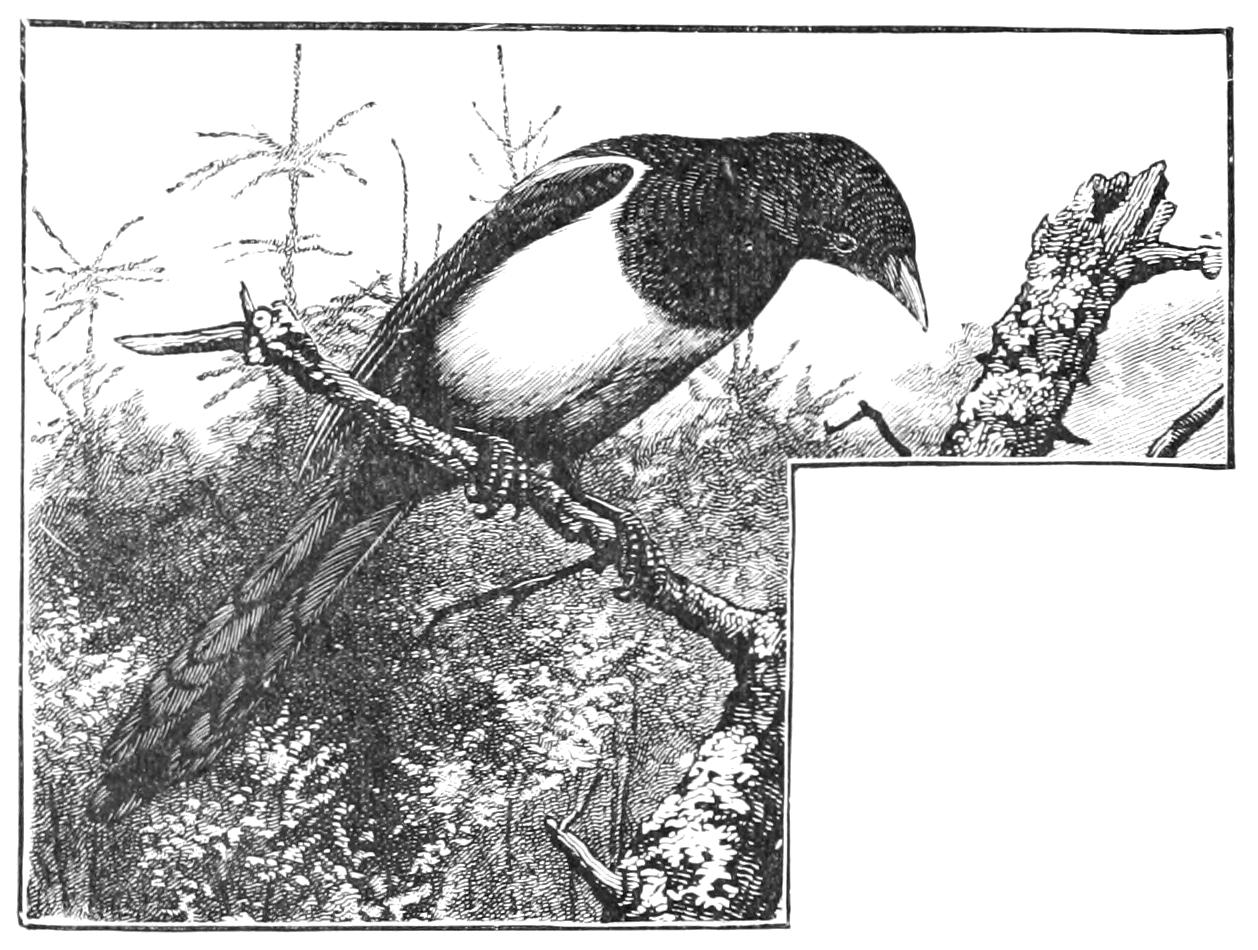
Fig. 129.–Magpie. Pica rustica. × ⅙. (From Poachers.)
The habits of the cunning voracious Crows, the gregarious Rooks, the astute but bold Magpies and Jackdaws, and the more shy or retiring Jays and Choughs are well known; yet the habit of posting sentinels in the Rook, the tumbling in mid-air of that bird, the Raven, and the Jackdaw, the scolding pursuit of intruders by Magpies and Jays, and the breaking of clams, bones, and the like by dropping them from aloft, by the Raven, Carrion-Crow, and Corvus caurinus require passing mention.
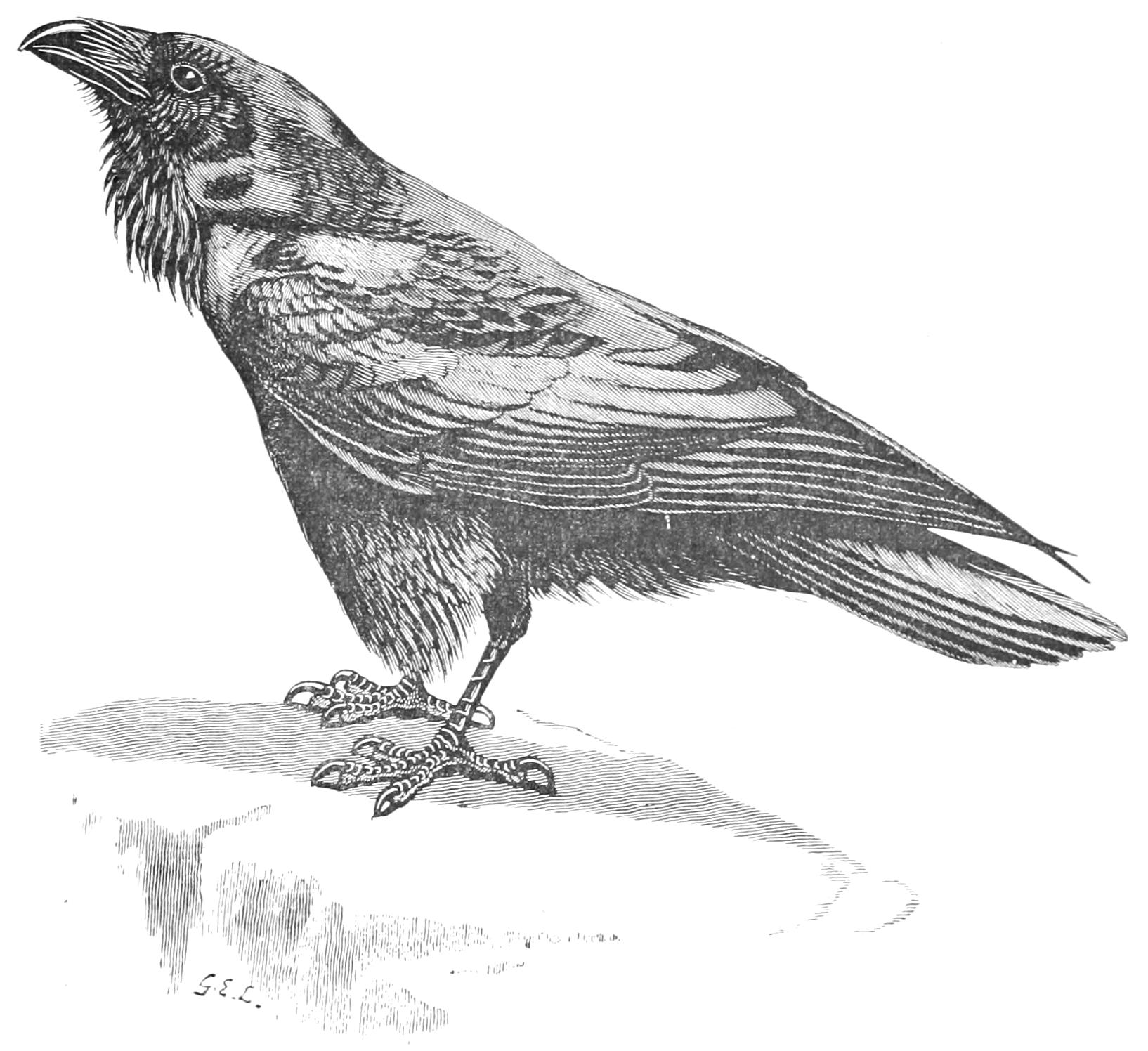
Fig. 130.–Raven. Corvus corax. × 3⁄17.
Crows generally inhabit wooded country, but also bare moorlands or sea-coasts; the Nutcracker requires pine-forests–commonly at considerable elevations; and Magpies haunt woods, yet not so invariably as Jays. The whole Family hop, and most forms, except perhaps Jays, walk or run also. All are active birds and fly well, the Chough, Jay, and Nutcracker in more undulating fashion: while soaring is a common practice. Ravens have very deep voices, and croak, "bark," or "grunt"; Jackdaws utter a clear jake-jake; Choughs a ringing, metallic note or a hoarse "chough-chough"; Nutcrackers a "churr-churr"; Magpies a continuous rattle or "chatter." Jays vary their harsh, grating utterances by mimicking other species, the American Blue Jays being notorious adepts, and exhibiting meanwhile fantastic contortions of the head, wings, and tail. Many species, such as Ravens, Magpies, and Jackdaws, learn to imitate sounds when tamed. The Corvidae are almost omnivorous, Ravens and other strong species even attacking weakly ewes or lambs, and preying on small mammals, birds, and reptiles; Hooded and Carrion Crows, Rooks, Magpies. Jackdaws, and Jays suck eggs; while Rooks, though undoubtedly beneficial, also grub up seed-corn and potatoes. An immense amount of insect-life is, however, destroyed, and the larger forms dispose of carrion; the American Corvus ossifragus and C. corone, moreover, will catch living fish. Magpies and Jays feed largely upon the ground, and eat slugs, snails, worms, insects, nuts, acorns, grain, seeds of conifers, and other fruits; Nutcrackers devour quantities of the last; Corvus tropicus, Macrocorax, and Gymnocorax relish fruit. Jays store provisions, and Jackdaws pick insects off cattle. The nests of Crows and Nutcrackers are bulky structures of sticks, lined with soft materials; the rough domed fabric of the Magpie is neatly lined with roots upon a layer of clay; the slighter nests of Choughs and Jays are inlaid with roots and fibres–more rarely with moss, hair, or wool–and every variety is found between these limits. The larger species build in forks and holes in trees, in crevices of rocks and masonry, or rarely in or on the ground; the Chough never chooses trees; Jays nest comparatively low, and often in bushes. Crows' eggs are normally greenish, mottled with darker green, olive, or brownish, but Heterocorax capensis has them pinkish with red spots, while other Crows, Ravens, and Dendrocitta sometimes shew a similar tint. Jackdaws' eggs are bluish-green or white, with dark olive or black markings interspersed with grey; those of Magpies and Nutcrackers have a like ground-colour with greenish-olive and faint brownish spots respectively; those of Jays are greenish, or even bluish, with close olive-green frecklings or zones, and occasional black scrawls at the larger end; those of Choughs are yellowish-white, with light brown and grey markings. The number laid varies from two or three, to as many as nine in Magpies, but is usually four or five. The hens sit rather closely. Ravens sometimes will even attack man at the nest.
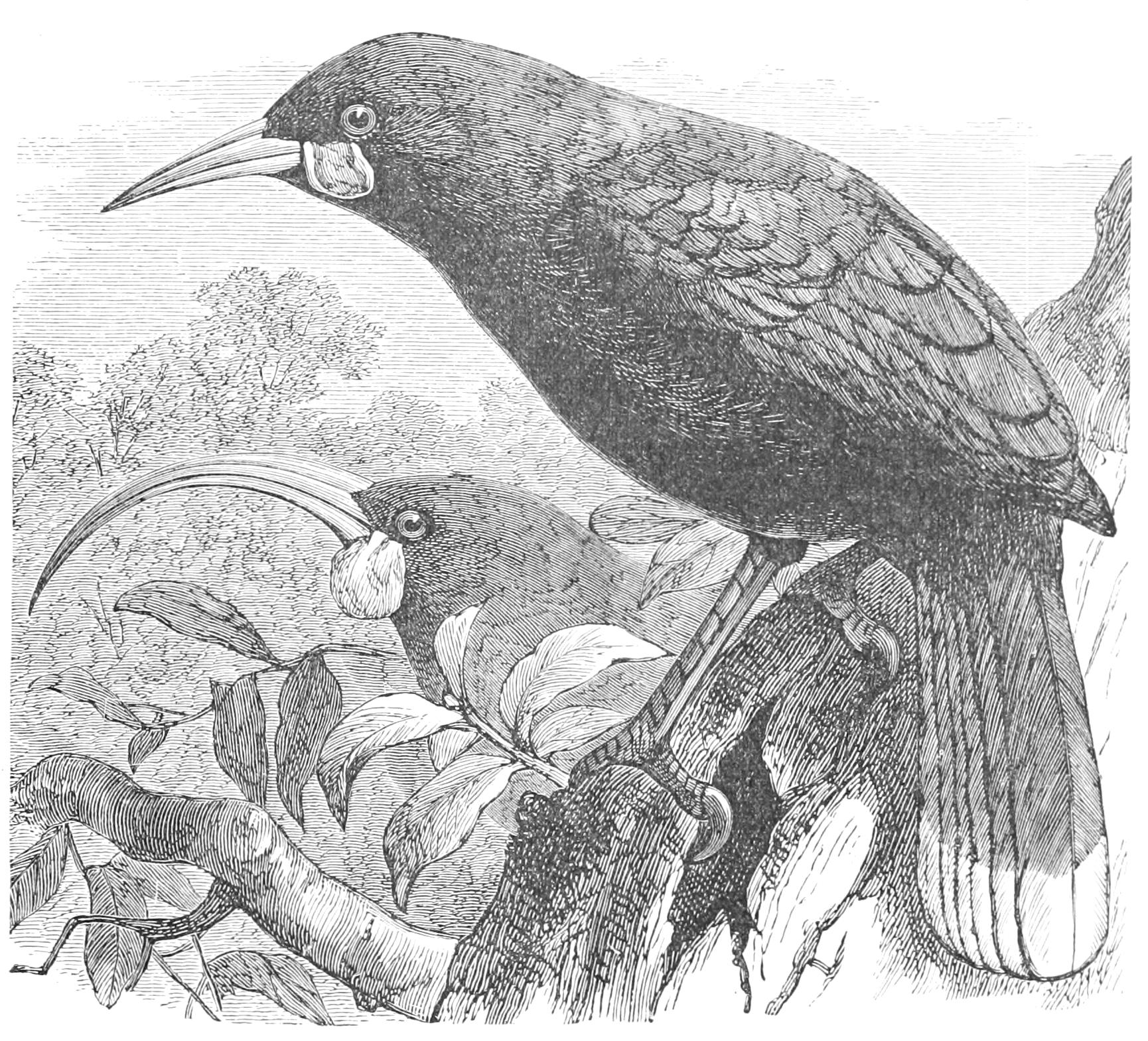
Fig. 131.–Huia. Heterolocha acutirostris. × ⅓. (From Nature.)
Of genera doubtfully included in the Family, Picathartes of the Gold Coast is slaty-grey, with brown quills, white under parts, and bare yellow head, shewing black behind each eye; it builds among rocks near forest-streams, and feeds upon reptiles and molluscs. The egg is whitish, clouded and dotted with brown. Callaeas (Glaucopis) cinerea, which is blue-grey, with black on the head, and an orange and blue rictal wattle, and its congener C. wilsoni, with entirely blue wattle, inhabit the lower hill-forests of the South and North Islands of New Zealand respectively. They have deep, rich, long-drawn notes, diversified by "cackles," mews, or "bell-like" sounds, the male performing antics when courting. The food consists of fruit, flowers, and insects; the flight is feeble. The large nests of twigs, moss, and grass are placed in trees; the two or three eggs being purplish-grey with brown blotches or frecklings. Corcorax and Struthidea are peculiar to Australia, the former being glossy black with white on the wing, the latter brownish-grey with black tail.[297] Corcorax haunts open forests, brook-sides, and lagoons in little flocks, running about actively, or leaping upon the boughs with motile, outspread tail. The food consists of insects; the note is grating or mournful; while the male courts the female like a Pigeon. The nest, a sort of basin of mud with a straw lining, is fixed on a horizontal branch, and contains from four to seven yellowish-white eggs with olive and purplish-brown markings. Struthidea frequents pine tracts, and has similar habits and nest, the eggs being white with red-brown and grey blotches. In Heteralocha[298] acutirostris, the New Zealand Huia, the female has a remarkably long, curved bill, that of the male being short, stout, and nearly straight. The plumage is greenish-black, with a white-tipped tail; the bill is whitish, the feet are blue-grey, the large rictal wattles orange. This bird frequents wooded gullies in the North Island, seldom flying above the foliage, but bounding or hopping along the ground or upon the branches. Natives attract and noose it by imitating the whistling note. The cock chisels away the decayed bark, and the hen probes the crevices for insects; "huhu" caterpillars and berries varying the main diet. The nest, of dry grass, leaves, and stalks, is placed in hollow trees, the eggs being apparently whitish, with or without brown and grey spots. Creadion carunculatus, the Saddle-back of the same country, is black, with chestnut back, rump, wing- and tail-coverts, and small yellow or red gape-wattles. It haunts wooded hills, hopping actively or moving spirally up the trunks and branches, while the flight is short, rapid, and laboured. The notes may be soft and sweet, or noisy and shrill; the food resembles that of Heteralocha. The nest of dry leaves, ferns, fibres, moss, and bark is built in hollow trees or large ferns, the three or four greyish-white eggs shewing purplish-brown markings.
Podoces includes four desert species, with elongated, strong, curved, and pointed bills; long, stout legs; short, rounded wings; and moderate square tails. The colour is fawn, grey, and brown, generally with black and white wings and black tail; P. hendersoni and P. biddulphi have a black cap, the former shewing white spots on it, P. panderi has a black throat-patch, P. humilis is brown with whitish nape and lower parts. They haunt sand-hills covered with saxaul (Anabasis ammodendron) or tamarisk, from Transcaspia to Tibet, running swiftly, occasionally flying like a Jay, feeding on the ground upon insects, their larvae, and seeds, uttering harsh reiterated Woodpecker-like cries, and making a nest of twigs lined with bark, grass, and hair in low trees, bushes, or rarely holes in the ground. The four eggs are greenish-grey with olive spots. P. humilis frequents more grassy ground up to eleven thousand feet.
Fam. XXIV. Sturnidae.–The Starlings, apparently connecting the Corvidae and the Icteridae, are divided by Mr. Oates[299] and Dr. Sharpe[300] into Eulabetidae (Tree-Starlings) with rictal bristles, more arboreal habits, and usually spotted eggs, and Sturnidae (Starlings proper) where the contrary holds good.[301] To these Buphaga may be added for the present, in default of a better position.
The bill is generally long and pointed–especially in Sturnopastor,–but is exceptionally slender in Cinnamopterus, shorter and stouter in Basilornis, Buphaga, Pastor, Pholidauges, and Aplonis; being curved in the last three, and also in Fregilupus and Necropsar; where it is longer. The anteriorly scutellated metatarsus is ordinarily strong, and is shortest in the Tree-Starlings. The wing is usually moderate, with small first primary, though it is more elongated and pointed in Sturnus and Dilophus, rounded in Sturnopastor, Temenuchus, and so forth, short in Coccycolius and Buphaga; the secondaries have long filamentous basal appendages in Psaroglossa, and loose hair-like exterior webs in Onychognathus. The tail varies from short to long, from square to much graduated; it is forked in Sturnia, and may have acuminate feathers; while Macruropsar and Lamprotornis possess exceptionally developed rectrices, L. caudatus having the broad median pair longer than the body. Lanceolate feathers commonly adorn the neck and breast; bushy crests occur in Pastor and Temenuchus, smaller tufts in Sturnia, Basilornis, Enodes, Fregilupus, Graculipica, Sturnornis and Acridotheres cristatellus; recurved plumes may cover the nostrils, as in Acridotheres, Ampeliceps, and Basilornis; while bare chins, orbits, or ear-patches of brown, yellow, and the like are frequent. Charitornis has the throat and cheeks naked; Dilophus the head and throat bare, with two erect wattles above and one below; Sarcops dull-red naked orbits, and merely a narrow feathered line down the crown; Eulabes a yellow post-ocular lappet forking to the back of the eye and the eyebrow, and a yellow patch below; Enodes a broad, superciliary wax-like red line; and Scissirostrum similar crimson feathers on the rump.
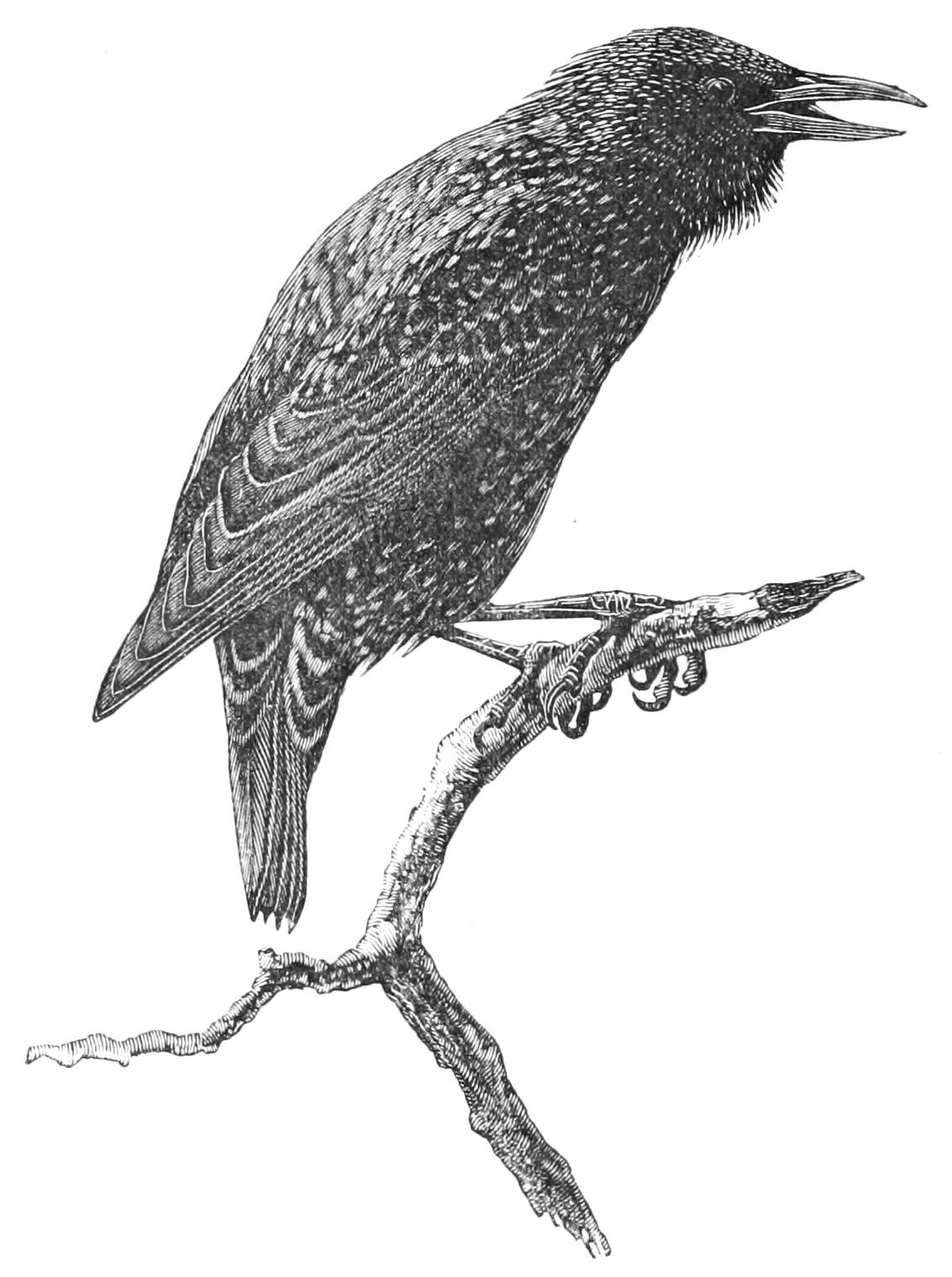
Fig. 132.–Starling. Sturnus vulgaris. × ½. (From English Illustrated Magazine.)
Most of the brighter species exhibit purple, coppery, blue and green reflexions, our familiar Starling (Sturnus vulgaris) being iridescent black, with buff marks above, and, after the autumn moult, white spots below. The female is duller, but in this Family the sexes usually differ little. S. unicolor is unspotted. Spodiopsar burmanicus has grey upper and pinkish under parts, with brownish wings and tail, white head, and white-tipped rectrices; Sturnopastor contra is blackish-brown and white above, and greyish beneath, with green-black head and throat and white cheeks; Pastor roseus, which wanders to Britain, is glossy black, with pink back and abdomen; Graculipica melanoptera is almost pure white, with black or bronzy remiges and rectrices. Eulabes religiosa, the Myna,–a name also popularly applied to Acridotheres (sacred to the god Ram Deo) and several other Indian forms,–is black, with purple and green reflexions, and a white patch on the wing-quills; Cinnamopterus tenuirostris is more highly coloured, with mainly chestnut primaries; Melanopyrrhus orientalis adds to its metallic black hue an orange head, neck, rump, and breast; Lamprotornis and the shorter-tailed Lamprocolius exhibit lovely greens, purples, and peacock-blues, relieved by golden-bronze; Coccycolius is golden-green with purple cheeks and abdomen. Pholidauges leucogaster is rich purplish-violet with white belly, the female being brown and buff above, and whitish below with dusky striations; Calornis and Aplonis are usually dullish green; while the extinct Fregilupus varius was ashy-brown, grey, and white. Falculia is white with blue-black back, wings, and tail. It frequents trees or streams, and utters plaintive, melodious notes. Buphaga is dull-brown, with fulvous rump and lower surface. The bill is commonly black throughout the group, but is sometimes red, pinkish, bluish, greenish, orange, or yellow; the feet also vary in colour. Albinos are rather frequent.
This Family occupies almost all the Old World, but not America proper, though Sturnus vulgaris has strayed to Greenland; the headquarters lie in the Indian and Ethiopian Regions, wherein several forms have a very restricted distribution. Instances of this are Charitornis of the Sula Islands, Scissirostrum, Enodes, and Streptocitta of Celebes, Hagiopsar of the Dead Sea and Sinaitic districts, Hartlaubius and Falculia of Madagascar, Sarcops of the Philippines, Mino of Papuasia, Melanopyrrhus and Macruropsar of New Guinea and its islands, Aplonis of the Pacific and the Tenimber group. Fregilupus, of which only a few examples exist in collections, was confined to Réunion, Necropsar is an extinct form from Rodriguez. Calornis alone inhabits Australia.
Lamprotornis, Spodiopsar, and the Eulabetidae in general, rarely leave the trees they haunt; on the other hand, some forms, as our Starling, spend much time upon the ground, or roost in huge flocks on shrubs, reeds, and the like. The habits are wary, and seldom as sociable as those of our British species, hills being often preferred to more wooded districts or the neighbourhood of houses. Aethiopsar reaches an altitude of seven thousand feet. The flight is strong, straight, and rapid, though heavier in Buphaga; while flocks of Starlings turn, sweep along, and gyrate in remarkable fashion, and soaring is not uncommon. The more terrestrial forms walk and run excellently, often stopping suddenly to probe the soil for worms or larvae, which, with insects generally, and molluscs, provide the chief sustenance. A large amount of fruit is also consumed, including berries and seeds; frogs and, as some say, callow nestlings are also devoured; Pastor, Dilophus, and Acridotheres destroy locusts; Eulabes and its allies prefer vegetable food; Buphaga is termed Ox-pecker or Rhinoceros-bird, from clearing ticks off those animals. Certain species disgorge nutriment for their young. The voice is commonly varied and pleasing, becoming a rich song in Eulabes; but most forms whistle, chatter, or utter harsh sounds; and many are extraordinary mimics, or even talk, like the Starling and the Myna, under tuition. By the more typical forms a rough nest of straw, twigs, rags, wool, or feathers is placed in holes in trees, walls, or banks; under eaves; in burrows or stone-heaps: from four to seven uniform light blue or whitish eggs being deposited. Sturnopastor, alone or in societies, affixes a huge structure to the outer branches of trees or bushes; Dilophus makes a neater cup in similar situations; Calornis, which usually forms colonies, suspends from the boughs a bulky bottle-shaped structure with a side-entrance, and so forth. Even our Starling at times builds an open nest. The Eulabetidae generally lay spotted eggs, Dilophus occasionally; Calornis has them greenish with reddish-brown marks.