Volume 1 — OUR MONTHLY GALLERY OF BEAUTIFUL AND INTERESTING PICTURES.
Reading edition
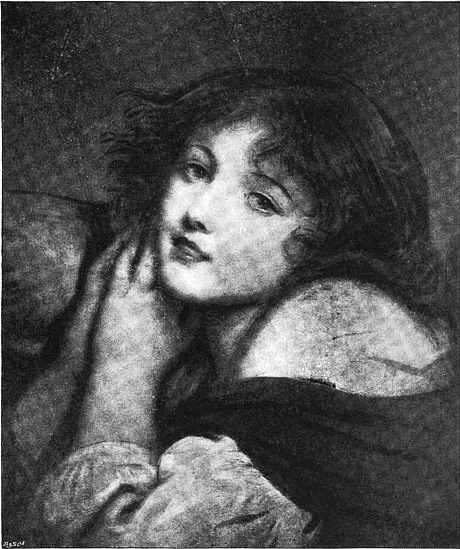
By permission of the Autotype Co., London
ONE OF GREUZE'S MASTERPIECES.
(Now in the National Gallery.)
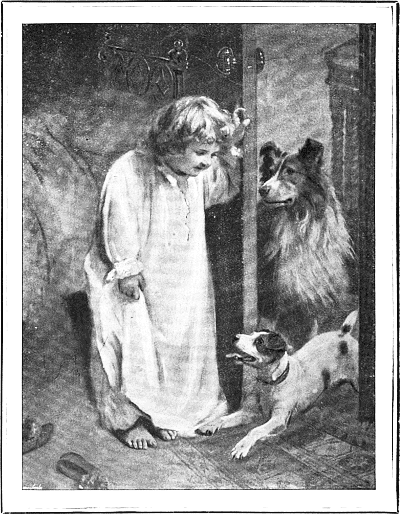
By Permission of Venn. Frost and Reed, Bristol, Publishers of the large Engraving
TIME TO GET UP!
From the Painting by A. J. Elsley.
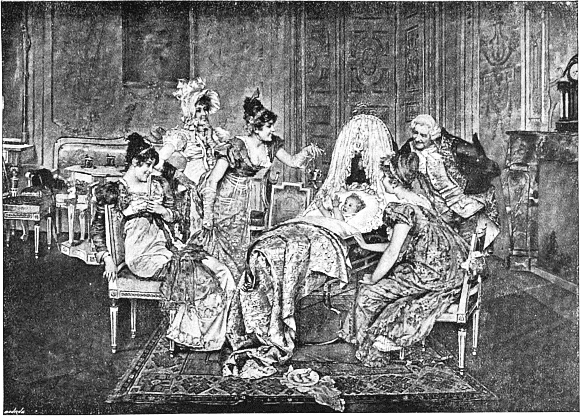
By permission of S. Hildesheimer & Co., London and Manchester
THE SON AND HEIR.
From the painting by L. Schmutzler.
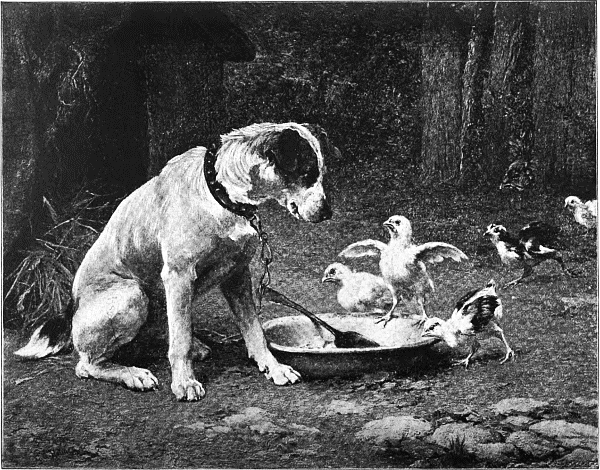
By permission of Messrs. Hildesheimer & Co., London and Manchester
A PUSHING FAMILY.
From the Painting by G. A. Holmes.
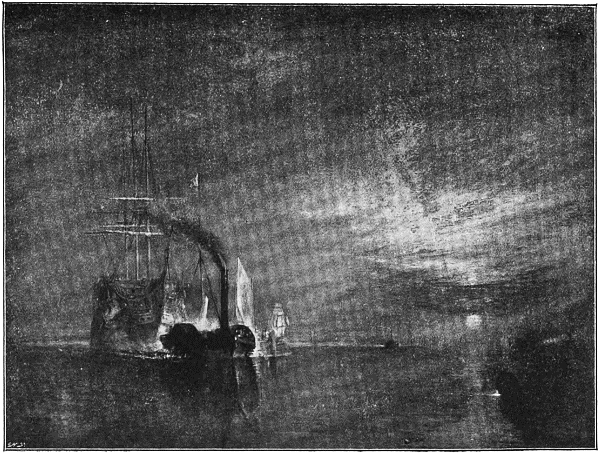
By Permission of the Autotype Co., London
TURNER'S GREAT WORK: THE FIGHTING TEMERAIRE.
(Now in the National Gallery.)
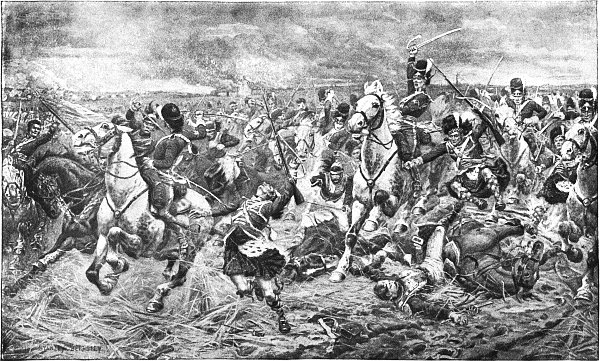
By Permission of Hildesheimer & Co., London and Manchester
GORDONS AND GREYS TO THE FRONT.
From the Painting by Stanley Berkeley.
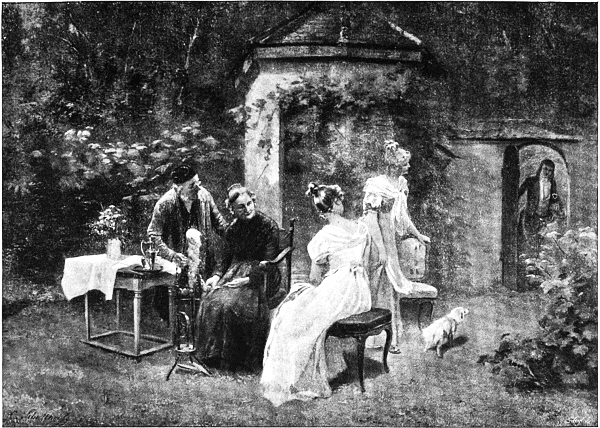
By Permission of the Berlin Photographic Co.
THE NE'ER DO WELL'S RETURN.
From the Painting by K. Schultheiss.
TYPES OF WOMANLY BEAUTY.
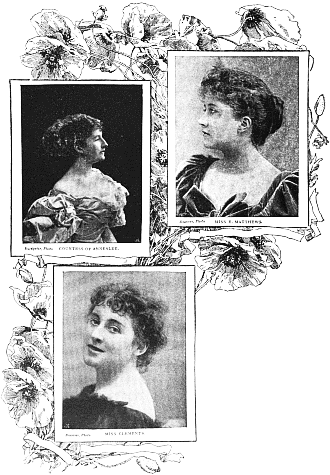
Lafayette, Photo
COUNTESS OF ANNESLEY
Bassano, Photo
MISS E. MATTHEWS
Bassano, Photo
MISS CLEMENTS
THE NEXT NUMBER
WILL BE
The Christmas ... Harmsworth.
It will be a
WONDERFUL SIXPENNYWORTH
· OF ·
PICTURES, FACT & FICTION.
ORDER NOW.
Transcriber's Note:
Some words appear both hyphenated and unhyphenated. This is as printed in the various articles, by various authors, or according to the meaning of the text.
There is some 17th century spelling in this book; there were no spelling rules in the 17th century. There is also some dialect.
The first part-sentence on page 359 has been removed, and added to the last part-sentence on page 357, as the sentence had been interrupted by a page of illustrations.
Page 371: 'illconception' is as printed. Pepys was writing in the 17th century. There were no spelling rules until the second half of the 19th century.