DISEASES OF THE GENERATIVE ORGANS.
Reading edition
By James Law, F. R. C. V. S.,
Formerly Professor of Veterinary Science, etc., in Cornell University.
CONGESTION AND INFLAMMATION OF THE TESTICLES, OR ORCHITIS.
In the prime of life, in vigorous health, and on stimulating feed, stallions are subject to congestion of the testicles, which become swollen, hot, and tender, but without any active inflammation. A reduction of the grain in the feed, the administration of 1 or 2 ounces of Glauber's salt daily in the feed, and the bathing of the affected organs daily with tepid water or alum water will usually restore them to a healthy condition.
When the factors producing congestion are extraordinarily potent, when there has been frequent copulation and heavy grain feeding, when the weather is warm and the animal has had little exercise, and when the proximity of other horses or mares excites the generative instinct without gratification, this congestion may grow to actual inflammation. Among the other causes of orchitis are blows and penetrating wounds implicating the testicles, abrasions of the scrotum by a chain or rope passing inside the thigh, contusions and frictions on the gland under rapid paces or heavy draft, compression of the blood vessels of the spermatic cord by the inguinal ring under the same circumstances, and, finally, sympathetic disturbance in cases of disease of the kidneys, bladder, or urethra. Stimulants of the generative functions, like rue, savin, tansy, cantharides, and damiana, may also be accessory causes of congestion and inflammation. Finally, certain specific diseases, like dourine, glanders, and tuberculosis, localized in the testicles, will cause inflammation.
Symptoms.—Apart from actual wounds of the parts, the symptoms of orchitis are swelling, heat, and tenderness of the testicles, straddling with the hind legs alike in standing and walking, stiffness and dragging of the hind limbs or of the limb on the affected side, arching of the loins, abdominal pain, manifested by glancing back at the flank, more or less fever, elevated body temperature, accelerated pulse and breathing, lack of appetite, and dullness. In bad cases the scanty urine may be reddish and the swelling may extend to the skin and envelopes of the testicle, which may become thickened and doughy, pitting on pressure. The swelling may be so much greater in the convoluted excretory duct along the upper border of the testicle as to suggest the presence of a second stone. Even in the more violent attacks the intense suffering abates somewhat on the second or third day. If it lasts longer, it is liable to give rise to the formation of matter (abscess). In exceptional cases the testicle is struck with gangrene, or death. Improvement may go on slowly to complete recovery, or the malady may subside into a subacute and chronic form with induration. Matter (abscess) may be recognized by the presence of a soft spot, where pressure with two fingers will detect fluctuation from one to the other. When there is liquid exudation into the scrotum, or sac, fluctuation may also be felt, but the liquid can be made out to be around the testicle and can be pressed up into the abdomen through the inguinal canal. When abscess occurs in the cord the matter may escape into the scrotal sac and cavity of the abdomen and pyemia may follow.
Treatment consists in perfect rest and quietude, the administration of a purgative (1 to 1-1/2 pounds Glauber's salt), and the local application of an astringent lotion (acetate of lead 2 drams, extract of belladonna 2 drams, and water 1 quart) upon soft rags or cotton wool, kept in contact with the part by a suspensory bandage. This bandage, of great value for support, may be made nearly triangular and tied to a girth around the loins and to the upper part of the same surcingle by two bands carried backward and upward between the thighs. In severe cases scarifications one-fourth inch deep serve to relieve vascular tension. When abscess is threatened its formation may be favored by warm fomentations or poultices, and on the occurrence of fluctuation the knife may be used to give free escape to the pus. The resulting cavity may be injected daily with a weak carbolic-acid lotion, or salol may be introduced. The same agents may be used on a gland threatened with gangrene, but its prompt removal by castration is to be preferred, antiseptics being applied freely to the resulting cavity.
SARCOCELE.
This is an enlarged and indurated condition of the gland, resulting from chronic inflammation, though it is often associated with a specific deposit, like glanders. In this condition the natural structure of the gland has given place to embryonal tissue (small, round cells, with a few fibrous bundles), and its restoration to health is very improbable. Apart from active inflammation, it may increase very slowly. The diseased testicle is enlarged, firm, nonelastic, and comparatively insensible. The skin of the scrotum is tense, and it may be edematous (pitting on pressure), as are the deeper envelopes and spermatic cord. If liquid is present in the sac, the symptoms are masked somewhat. As it increases it causes awkward, straddling, dragging movement of the hind limbs, or lameness on the affected side. The spermatic cord often increases at the same time with the testicle, and the inguinal ring being thereby stretched and enlarged, a portion of intestine may escape into the sac, complicating the disease with hernia.
The only rational and effective treatment is castration, and when the disease is specific (glanders, tuberculosis), even this may not succeed.
HYDROCELE, OR DROPSY OF THE SCROTUM.
This may be merely an accompaniment of dropsy of the abdomen, the cavity of which is continuous with that of the scrotum in horses. It may be the result, however, of local disease in the testicle, spermatic cord, or walls of the sac.
Symptoms.—The symptoms are enlargement of the scrotum, and fluctuation under the fingers, the testicle being recognized as floating in water. By pressure the liquid is forced, in a slow stream and with a perceptible thrill, into the abdomen. Sometimes the cord or the scrotum is thickened and pits on pressure.
Treatment may be the same as for ascites, yet when the effusion has resulted from inflammation of the testicle or cord, astringent applications (chalk and vinegar) may be applied to these. Then, if the liquid is not reabsorbed under diuretics and tonics, it may be drawn off through the nozzle of a hypodermic syringe which has been first passed through carbolic acid. In geldings it is best to dissect out the sacs.
VARICOCELE.
This is an enlargement of the venous network of the spermatic cord, and gives rise to general thickening of the cord from the testicle up to the ring. The same astringent dressings may be tried as in hydrocele, and, this failing, castration may be resorted to.
ABNORMAL NUMBER OF TESTICLES.
Sometimes one or both testicles are wanting; in most such cases, however, they are merely partially developed, and retained in the inguinal canal or abdomen (cryptorchid). In rare cases there may be a third testicle, the animal becoming to this extent a double monster. Teeth, hair, and other indications of a second fetus have likewise been found in the testicle or scrotum.
DEGENERATION OF THE TESTICLES.
The testicles may become the seat of fibrous, calcareous, fatty, cartilaginous, or cystic degeneration, for all which the appropriate treatment is castration. They also become the seat of cancer, glanders, or tuberculosis, and castration is requisite, though with less hope of arresting the disease. Finally, they may become infested with cystic tapeworms or the agamic stage of a strongyle (Strongylus edentatus).
WARTS ON THE PENIS.
These are best removed by twisting them off, using the thumb and forefinger. They may also be cut off with scissors and the roots cauterized with nitrate of silver.
DEGENERATION OF PENIS (PAPILLOMA, OR EPITHELIOMA).
The penis of the horse is subject to great cauliflower-like growths on its free end, which extend back into the substance of the organ, obstruct the passage of urine, and cause very fetid discharges. The only resort is to cut them off, together with whatever portion of the penis has become diseased and indurated. The operation, which should be performed by a veterinary surgeon, consists in cutting through the organ from its upper to its lower aspect, twisting or tying the two dorsal arteries, and leaving the urethra longer by half an inch to 1 inch than the adjacent structures.
EXTRAVASATION OF BLOOD IN THE PENIS.
As the result of kicks, blows, or of forcible striking of the penis on the thighs of the mare which it has failed to enter, the penis may become the seat of effusion of blood from one or more ruptured blood vessels. This gives rise to a more or less extensive swelling on one or more sides, followed by some heat and inflammation, and on recovery a serious curving of the organ. The treatment in the early stages may be the application of lotions, of alum, or other astringents, to limit the effusion and favor absorption. The penis should be suspended in a sling.
PARALYSIS OF THE PENIS.
This results from blows and other injuries, and also in some cases from too frequent and exhausting service. The penis hangs from the sheath, flaccid, pendulous, and often cold. The passage of urine occurs with lessened force, and especially without the final jets. In cases of local injury the inflammation should first be subdued by astringent and emollient lotions, and in all cases the system should be invigorated by nourishing diet, while 30-grain doses of nux vomica are given twice a day. Finally, a weak current of electricity sent through the penis from just beneath the anus to the free portion of the penis, continued for 10 or 15 minutes and repeated daily, may prove successful.
SELF-ABUSE, OR MASTURBATION.
Some stallions acquire this vicious habit, stimulating the sexual instinct to the discharge of semen by rubbing the penis against the belly or between the fore limbs. The only remedy is a mechanical one, the fixing of a net under the penis in such fashion as to prevent the extension of the penis or so prick the organ as to compel the animal to desist through pain.
DOURINE.
This disease is discussed in the chapter on "Infectious Diseases."
CASTRATION.
CASTRATION OF STALLIONS.
This is usually done at 1 year old, but may be accomplished at a few weeks old at the expense of an imperfect development of the fore parts. The simplicity and safety of the operation are greatest in the young. The delay till 2, 3, or 4 years old will secure a better development and carriage of the fore parts. The essential part of castration is the safe removal or destruction of the testicle and the arrest or prevention of bleeding from the spermatic artery round in the anterior part of the cord. Into the many methods of accomplishing this limited space forbids us to enter here, so that only the method most commonly adopted, castration by clamps, will be noticed. The animal having been thrown on his left side, and the right hind foot drawn up on the shoulder, the exposed scrotum, penis, and sheath are washed with soap and water, any concretion of sebum being carefully removed from the bilocular cavity in the end of the penis. The left spermatic cord, just above the testicle, is now seized in the left hand, so as to render the skin tense over the stone, and the right hand, armed with the knife, makes an incision from before backward, about three-fourths of an inch from and parallel to the median line between the thighs, deep enough to expose the testicle and long enough to allow that organ to start out through the skin. At the moment of making this incision the left hand must grasp the cord very firmly, otherwise the sudden retraction of the testicle by the cremaster muscle may draw it out of the hand and upward through the canal and even into the abdomen. In a few seconds, when the struggle and retraction have ceased, the knife is inserted through the cord, between its anterior and posterior portions, and the latter, the one which the muscle retracts, is cut completely through. The testicle will now hang limp, and there is no longer any tendency to retraction. It should be pulled down until it will no longer hang loose below the wound and the clamps applied around the still attached portion of the cord, close up to the skin. The clamps, which may be made of any tough wood, are grooved along the center of the surfaces opposed to each other, thereby fulfilling two important indications—(a) enabling the clamps to hold more securely and (b) providing for the application of an antiseptic to the cord. For this purpose a dram of sulphate of copper may be mixed with an ounce of vaseline and pressed into the groove in the face of each clamp. In applying the clamp over the cord it should be drawn so close with pincers as to press out all blood from the compressed cord and destroy its vitality, and the cord applied upon the compressing clamps should be so hard-twined that it will not stretch later and slacken the hold. When the clamp has been fixed the testicle is cut off one-half to 1 inch below it, and the clamp may be left thus for 24 hours; then, by cutting the cord around one end of the clamp, the latter may be opened and the stump liberated without any danger of bleeding. Should the stump hang out of the wound it should be pushed inside with the finger and left there. The wound should begin to discharge white matter on the second day in hot weather or the third in cold, and from that time a good recovery may be expected.
The young horse suffers less from castration than the old, and very rarely perishes. Good health in the subject is all important. Castration should never be attempted during the prevalence of strangles, influenza, catarrhal fever, contagious pleurisy, bronchitis, pneumonia, purpura hemorrhagica, or other specific disease, nor on subjects that have been kept in close, ill-ventilated, filthy buildings, where the system is liable to have been charged with putrid bacteria or other products. Warm weather is to be preferred to cold, but the fly time should be avoided or the flies kept at a distance by the application of a watery solution of tar, carbolic acid, or camphor to the wound.
CASTRATION OF CRYPTORCHIDS (RIDGLINGS).
This is the removal of a testicle or testicles that have failed to descend into the scrotum, but have been detained in the inguinal canal or inside the abdomen. The manipulation requires an accurate anatomical knowledge of the parts, and special skill, experience, and manual dexterity, and can not be made clear to the unprofessional mind in a short description. It consists, however, in the discovery and removal of the missing gland by exploring through the natural channel (the inguinal canal), or, in case it is absent, through the inguinal ring or through an artificial opening made in front and above that channel between the abdominal muscles and the strong fascia on the inner side of the thigh (Poupart's ligament). Whatever method is used, the skin, hands, and instruments should be rendered aseptic with a solution of mercuric chlorid 1 part, water 2,000 parts (a carbolic-acid lotion for the instruments), and the spermatic cord is best torn through by the écraseur. In many such cases, too, it is desirable to sew up the external wound and keep the animal still, to favor healing of the wound by adhesion.
CONDITIONS FOLLOWING CASTRATION.
Pain after castration.—Some horses are pained and very restless for several hours after castration, and this may extend to cramps of the bowels and violent colic. This is best kept in check by carefully rubbing the patient dry when he rises from the operation, and then leading him in hand for some time. If the pain still persists a dose of laudanum (1 ounce for an adult) may be given.
Bleeding after castration.—Bleeding from the wound in the scrotum and from the little artery in the posterior portion of the spermatic cord always occurs, and in warm weather may appear to be quite free. It scarcely ever lasts, however, more than 15 minutes, and is easily checked by dashing cold water against the part.
Bleeding from the spermatic artery in the anterior part of the cord may be dangerous when due precaution has not been taken to prevent it. In such case the stump of the cord should be sought for and the artery twisted with artery forceps or tied with a silk thread. If the stump can not be found, pledgets of tow wet with tincture of muriate of iron may be stuffed into the canal to favor the formation of clot and the closure of the artery.
Strangulated spermatic cord.—If in castration the cord is left too long, so as to hang out of the wound, the skin wound in contracting grasps and strangles it, preventing the free return of blood and causing a steadily advancing swelling. In addition the cord becomes adherent to the lips of the wound in the skin, whence it derives an increased supply of blood, and is thereby stimulated to more rapid swelling. The subject walks stiffly, with a straddling gait, loses appetite, and has a rapid pulse and high fever. Examination of the wound discloses the partial closure of the skin wound and the protrusion, from its lips, of the end of the cord, red, tense, and varying in size from a hazelnut upward. If there is no material swell and little protrusion, the wound may be enlarged with the knife and the end of the cord broken loose from any connection with the skin and pushed up inside. If the swelling is larger, the mass constitutes a tumor and must be removed. (See below.)
Swelling of the sheath, penis, and abdomen.—This occurs in certain unhealthy states of the system, in unhealthful seasons, as the result of operating without cleansing the sheath and penis, or of keeping the subject in a filthy, impure building, as the result of infecting the wound by hands or instruments bearing septic bacteria, or as the result of premature closure of the wound, and imprisonment of matter.
Pure air and cleanliness of groin and wound are to be obtained. Antiseptics, like the mercuric-chlorid lotion (1 part to 2,000) are to be applied to the parts; the wound, if closed, is to be opened anew, any accumulated matter or blood washed out, and the antiseptic liquid freely applied. The most tense or dependent parts of the swelling in sheath or penis, or beneath the belly, should be pricked at intervals of 3 or 4 inches to a depth of half an inch, and antiseptics freely applied to the surface. Fomentations with warm water may also be used to favor oozing from the incisions and to encourage the formation of white matter in the original wounds, which must not be allowed to close again at once. A free, creamlike discharge implies a healthy action in the sore, and is the precursor of recovery.
Phymosis and paraphymosis.—In cases of swelling, as above, the penis may be imprisoned within the sheath (phymosis) or protruded and swollen so that it can not be retracted into it (paraphymosis). In these cases the treatment indicated above, and especially the scarifications, will prove a useful preliminary resort. The use of astringent lotions is always desirable, and in case of the protruded penis the application of an elastic or simple linen bandage, so as to press the blood and accumulated fluid out, will enable the operator to return it.
Tumors on the spermatic cord.—These are due to rough handling or dragging upon the cord in castration, to strangulation of unduly long cords in the external wound, to adhesion of the end of the cord to the skin, to inflammation of the cord succeeding exposure to cold or wet, or to the presence of infection (Staphylococcus botriomyces). These tumors give rise to a stiff, straddling gait, and may be felt as hard masses in the groin connected above with the cord. They may continue to grow slowly for many years until they reach a weight of 15 or 20 pounds, and contract adhesions to all surrounding parts. If disconnected from the skin and inguinal canal they may be removed in the same manner as the testicle, while if larger and firmly adherent to the skin and surrounding parts generally, they must be carefully dissected from the parts, the arteries being tied as they are reached and the cord finally torn through with an écraseur. When the cord has become swollen and indurated up into the abdomen such removal is impossible, though a partial destruction of the mass may still be attempted by passing white-hot, pointed irons upward toward the inguinal ring in the center of the thickened and indurated cord.
CASTRATION BY THE COVERED OPERATION.
This is only required in case of hernia or protrusion of bowels or omentum into the sac of the scrotum, and consists in the return of the hernia and the application of the caustic clamps over the cord and inner walls of the inguinal canal, so that the walls of the latter become adherent above the clamps, the canal is obliterated, and further protrusion is hindered. For the full description of this and of the operation for hernia for geldings, see remarks on hernia.
CASTRATION OF THE MARE.
Castration is a much more dangerous operation in the mare than in the females of other domesticated quadrupeds and should never be resorted to except in animals that become unmanageable on the recurrence of heat and that will not breed or that are utterly unsuited to breeding. Formerly the operation was extensively practiced in Europe, the incision being made through the flank, and a large proportion of the subjects perished. By operating through the vagina the risk can be largely obviated, as the danger of unhealthy inflammation in the wound is greatly lessened. The animal should be fixed in a trevis, with each foot fixed to a post and a sling placed under the body, or it may be thrown and put under chloroform. The manual operation demands special professional knowledge and skill, but it consists essentially in making an opening through the roof of the vagina just above the neck of the womb, then following with the hand each horn of the womb until the ovary on that side is reached and grasped between the lips of forceps and twisted off. It might be torn off by an écraseur especially constructed for the purpose. The straining that follows the operation may be checked by ounce doses of laudanum, and any risk of protrusion of the bowels may be obviated by applying the truss advised to prevent eversion of the womb. To further prevent the pressure of the abdominal contents against the vaginal wound the mare should be tied short and high for twenty-four or forty-eight hours, after which I have found it best to remove the truss and allow the privilege of lying down. Another important point is to give bran mashes and other laxative diet only, and in moderate quantity, for a fortnight, and to unload the rectum by copious injections of warm water in case impaction is imminent.
STERILITY.
Sterility may be in the male or in the female. If due to the stallion, then all the mares put to him remain barren; if the fault is in the mare, she alone fails to conceive, while other mares served by the same stallion get in foal.
In the stallion sterility may be due to the following causes: (a) Imperfect development of the testicles, as in cases in which they are retained within the abdomen; (b) inflammation of the testicles, resulting in induration; (c) fatty degeneration of the testicles, in stallions liberally fed on starchy feed and not sufficiently exercised; (d) fatty degeneration of the excretory ducts of the testicles (vasa deferentia); (e) inflammation or ulceration of these ducts; (f) inflammation or ulceration of the mucous membrane covering the penis; (g) injuries to the penis from blows (often causing paralysis); (h) warty growths on the end of the penis; (i) tumors of other kinds (largely pigmentary), affecting the testicles or penis; (j) nervous diseases which abolish the sexual appetite or that control the muscles which are essential to the act of coition; (k) azoturia with resulting weakness or paralysis of the muscles of the loins or the front of the thigh (above the stifle); (l) ossification (anchylosis) of the joints of the back or loins, which render the animal unable to rear or mount; (m) spavins, ringbones, or other painful affections of the hind limbs, the pain of which in mounting causes the animal to suddenly stop short in the act. In the first three of these only (a, b, and c) is there real sterility in the sense of the nondevelopment or imperfect development of the male vivifying element (spermatozoa). In the other examples the secretion may be imperfect in kind and amount, but as copulation is prevented it can not reach and impregnate the ovum.
In the mare barrenness is equally due to a variety of causes. In a number of breeding studs the proportion of sterile mares has varied from 20 to 40 per cent. It may be due to: (a) Imperfect development of the ovary and nonmaturation of ova; (b) cystic or other tumors of the ovary; (c) fatty degeneration of the ovary in very obese, pampered mares; (d) fatty degeneration of the excretory tubes of the ovaries (Fallopian tubes); (e) catarrh of the womb, with mucopurulent discharge; (f) irritable condition of the womb, with profuse secretion, straining, and ejection of the semen; (g) nervous irritability, leading to the same expulsion of the male element; (h) high condition (plethora), with profuse secretion and excitement; (i) low condition, with imperfect maturation of the ova and lack of sexual desire; (j) poor feeding, overwork, and chronic debilitating diseases, as leading to the condition just named; (k) closure of the neck of the womb, temporarily by spasm or permanently by inflammation and induration; (l) closure of the entrance to the vagina through imperforate hymen, a rare, though not unknown, condition in the mare; (m) acquired indisposition to breed, seen in old, hard-worked mares which are first put to the stallion when aged; (n) change of climate has repeatedly been followed by barrenness; (o) hybridity, which in male and female alike usually entails sterility.
Treatment.—The treatment of the majority of these conditions will be found dealt with in other parts of this work, so that it is only necessary here to name them as causes. Some, however, must be specially referred to in this place. Stallions with undescended testicles are beyond the reach of medicine, and should be castrated and devoted to other uses. Indurated testicles may sometimes be remedied in the early stages by smearing with a weak iodin ointment daily for a length of time, and at the same time invigorating the system by liberal feeding and judicious work. Fatty degeneration is best met by an albuminoid diet (wheat bran, cottonseed meal, rape cake) and constant, well-regulated work. Saccharine, starchy, and fatty food (potatoes, wheat, corn, etc.) are to be specially avoided. In the mare one diseased and irritable ovary should be removed, to do away with the resulting excitability of the remainder of the generative organs. An irritable womb, with frequent straining and the ejection of a profuse secretion, may sometimes be corrected by a restricted diet and full but well-regulated work. Even fatigue will act beneficially in some such cases, hence the practice of the Arab riding his mare to exhaustion just before service. The perspiration in such case, like the action of a purgative or the abstraction of blood just before service, benefits, by rendering the blood vessels less full, by lessening secretion in the womb and elsewhere, and thus counteracting the tendency to the ejection and loss of semen. If these means are ineffectual, a full dose of camphor (2 drams) or of salicin may at times assist. Low condition and anemia demand just the opposite kind of treatment—rich, nourishing, albuminoid feed, bitter tonics (gentian), sunshine, gentle exercise, liberal grooming, and supporting treatment generally are here in order.
Spasmodic closure of the neck of the womb is common and is easily remedied in the mare by dilatation with the fingers. The hand, smeared with belladonna ointment and with the fingers drawn into the form of a cone, is introduced through the vagina until the projecting, rounded neck of the womb is felt at its anterior end. This is opened by the careful insertion of one finger at a time, until the fingers have been passed through the constricted neck into the open cavity of the womb. The introduction is made with a gentle, rotary motion, and all precipitate violence is avoided, as abrasion, laceration, or other cause of irritation is likely to interfere with the retention of the semen and consequently with impregnation. If the neck of the womb is rigid and unyielding from the induration which follows inflammation—a rare condition in the mare, though common in the cow—more force will be requisite, and it may even be needful to incise the neck to the depth of one-sixth of an inch in four or more opposite directions prior to forcible dilatation. The incision may be made with a probe-pointed knife, and should be done by a professional man if possible. The subsequent dilatation may be best effected by the slow expansion of sponge or seaweed tents inserted into the narrow canal. In such cases it is best to let the wounds of the neck heal before putting to horse. An imperforate hymen may be freely incised in a crucial manner until the passage will admit the human hand. An ordinary knife may be used for this purpose, and after the operation the stallion may be admitted at once or only after the wounds have healed.
PREGNANCY.
INDICATIONS OF PREGNANCY.
As the mere fact of service by the stallion does not insure pregnancy, it is important that the result should be determined to save the mare from unnecessary and dangerous work or medication when actually in foal and to obviate wasteful and needless precautions when she is not.
The cessation and nonrecurrence of the symptoms of heat (horsing) are most significant, though not an infallible, sign of conception. If the sexual excitement speedily subsides and the mare persistently refuses the stallion for a month, she is probably pregnant. In very exceptional cases a mare, though pregnant, will accept a second or third service after weeks or months, and some mares will refuse the horse persistently, though conception has not taken place, and this in spite of warm weather, good condition of the mare, and liberal feeding. The recurrence of heat in the pregnant mare is most liable to take place in hot weather. If heat merely persists an undue length of time after service, or if it reappears shortly after, in warm weather and in a comparatively idle mare, on good feeding, it is less significant, while the persistent absence of heat under such conditions may be usually accepted as proof of conception.
An unwonted gentleness and docility on the part of a previously irritable or vicious mare, and supervening on service, is an excellent indication of pregnancy, the generative instinct which caused the excitement having been satisfied.
An increase of fat, with softness and flabbiness of muscle, a loss of energy, indisposition for active work, a manifestation of laziness, indeed, and of fatigue early and easily induced, when preceded by service, will usually imply conception.
Enlargement of the abdomen, especially in its lower third, with slight falling in beneath the loins and hollowness of the back are significant symptoms, though they may be entirely absent. Swelling and firmness of the udder, with the smoothing out of its wrinkles, is a suggestive sign, even though it appears only at intervals during gestation.
A steady increase in weight (1-1/2 pounds daily) about the fourth or fifth month is a useful indication of pregnancy. So is a swollen and red or bluish-red appearance of the vaginal mucous membrane.
From the seventh or eighth month onward the foal may be felt by the hand (palm or knuckles) pressed into the abdomen in front of the left stifle. The sudden push displaces the foal toward the opposite side of the womb, and as it floats back its hard body is felt to strike against the hand. If the pressure is maintained the movements of the live foal are felt, and especially in the morning and after a drink of cold water or during feeding. A drink of cold water will often stimulate the fetus to movements that may be seen by the eye, but an excess of iced water may prove injurious, even to the causing of abortion. Cold water dashed on the belly has a similar effect on the fetus and is equally provocative of abortion.
Examination of the uterus with the oiled hand introduced into the rectum is still more satisfactory, and, if cautiously conducted, no more dangerous. The rectum must be first emptied and then the hand carried forward until it reaches the front edge of the pelvic bones below, and pressed downward to ascertain the size and outline of the womb. In the unimpregnated state the vagina and womb can be felt as a single rounded tube, dividing in front to two smaller tubes (the horns of the womb). In the pregnant mare not only the body of the womb is enlarged, but still more so one of the horns (right or left), and on compression the latter is found to contain a hard, nodular body, floating in a liquid, which in the latter half of gestation may be stimulated by gentle pressure to manifest spontaneous movements. By this method the presence of the fetus may be determined as early as the third month. If the complete, natural outline of the virgin womb can not be made out, careful examination should always be made on the right and left side for the enlarged horn and its living contents. Should there still be difficulty the mare should be placed on an inclined plane, with her hind parts lowest, and two assistants, standing on opposite sides of the body, should raise the lower part of the abdomen by a sheet passed beneath it. Finally the ear or stethoscope applied on the wall of the abdomen in front of the stifle may detect the beating of the fetal heart (one hundred and twenty-five a minute) and a blowing sound (the uterine sough), much less rapid and corresponding to the number of the pulse of the dam. It is heard most satisfactorily after the sixth or eighth month and in the absence of active rumbling of the bowels of the dam.
DURATION OF PREGNANCY.
Mares usually go about eleven months with young, though first pregnancies often last a year. Foals have lived when born at the three hundredth day, so with others carried till the four hundredth day. With the longer pregnancies there is a greater probability of male offspring.
HYGIENE OF THE PREGNANT MARE.
The pregnant mare should not be exposed to teasing by a young and ardent stallion, nor should she be overworked or fatigued, particularly under the saddle or on uneven ground. Yet exercise is beneficial to both mother and offspring, and in the absence of moderate work the breeding mare should be kept in a lot where she can take exercise at will.
The feed should be liberal, but not fattening—oats, bran, sound hay, and other feeds rich in the principles which form flesh and bone being especially indicated. All aliments that tend to indigestion are to be especially avoided. Thus rank, aqueous, rapidly growing grasses and other green feed, partially ripe rye grass, millet, Hungarian grass, vetches, peas, beans, or maize are objectionable, as is overripe, fibrous, innutritious hay, or that which has been injured and rendered musty by wet, or that which is infested with smut or ergot. Feed that tends to costiveness should be avoided. Water given often, and at a temperature considerable above freezing, will avoid the dangers of indigestion and abortion which result from taking too much ice-cold water at one time. Very cold or frozen feed is objectionable in the same sense. Severe surgical operations and medicines that act violently on the womb, bowels, or kidneys are to be avoided as being liable to cause abortion. Constipation should be corrected, if possible, by bran mashes, carrots, or beets, seconded by exercise, and if a medicinal laxative is required it should be olive oil or other equally bland agent.
The stall of the pregnant mare should not be too narrow, so as to cramp her when lying down or to entail violent effort in getting up, and it should not slope too much from the front backward, as this throws the weight of the uterus back on the pelvis and endangers protrusions and even abortion. Violent mental impressions are to be avoided, for though most mares are not affected thereby, yet a certain number are so profoundly impressed that peculiarities and distortions are entailed on the offspring; hence, there is wisdom shown in banishing particolored or objectionably tinted animals, and those that show deformities or faulty conformation. Hence, too, the importance of preventing prolonged, acute suffering by the pregnant mare, as certain troubles of the eyes, feet, and joints in the foals have been clearly traced to the concentration of the mother's mind on corresponding injured organs in herself. Sire and dam alike tend to reproduce their individual defects which predispose to disease, but the dam is far more liable to perpetuate the evil in her progeny which was carried while she was individually enduring severe suffering caused by such defects. Hence, an active bone spavin or ringbone, causing lameness, is more objectionable than that in which the inflammation and lameness have both passed, and an active ophthalmia is more to be feared than even an old cataract. For this reason all active diseases in the breeding mare should be soothed and abated as early as possible.
EXTRA-UTERINE GESTATION.
It is rare in the domestic animals to find the fetus developed elsewhere than in the womb. The exceptional forms are those in which the sperm of the male, making its way through the womb and Fallopian tubes, impregnates the ovum prior to its escape, and in which the now vitalized and growing ovum, by reason of its gradually increasing size, becomes imprisoned and fails to escape into the womb. The arrest of the ovum may be in the substance of the ovary itself (ovarian pregnancy), in the Fallopian tube (tubal pregnancy), or when by its continuous enlargement it has ruptured its envelopes so that it escapes into the cavity of the abdomen, it may become attached to any part of the serous membrane and draw its nourishment directly from that (abdominal pregnancy). In all such cases there is an increase and enlargement of the capillary blood vessels at the point to which the embryo has attached itself so as to furnish the needful nutriment for the growing offspring.
All appreciable symptoms are absent, unless from the death of the fetus, or its interference with normal functions, general disorder and indications of parturition supervene. If these occur later than the natural time for parturition, they are the more significant. There may be general malaise, loss of appetite, elevated temperature, accelerated pulse, with or without distinct labor pains. Examination with the oiled hand in the rectum will reveal the womb of the natural, unimpregnated size and shape and with both horns of one size. Further exploration may detect an elastic mass apart from the womb, in the interior of which may be felt the characteristic solid body of the fetus. If the latter is still alive and can be stimulated to move, the evidence is even more perfect. The fetus may die and be carried for years, its soft structures becoming absorbed so as to leave only the bones, or by pressure it may form a fistulous opening through the abdominal walls, or less frequently through the vagina or rectum. In the latter cases the best course is to favor the expulsion of the foal and to wash out the resulting cavity with a solution of carbolic acid 1 part to water 50 parts. This may be repeated daily. When there is no spontaneous opening it is injudicious to interfere, as the danger from the retention of the fetus is less than that from septic fermentation in the enormous fetal sac when that has been opened to the air.
MOLES, OR ANIDIAN MONSTERS.
These are evidently products of conception, in which the impregnated ovum has failed to develop naturally, and presents only a chaotic mass of skin, hair, bones, muscles, etc., attached to the inner surface of the womb by an umbilical cord, which is itself often shriveled and wasted. They are usually accompanied with a well-developed fetus, so that the mole may be looked upon as a twin which has undergone arrest and vitiation of development. They are expelled by the ordinary process of parturition, and usually at the same time with the normally developed offspring.
CYSTIC DISEASE OF THE WALLS OF THE WOMB, OR VESICULAR MOLE.
This condition appears to be attributable to hypertrophy (enlargement) of the villi on the inner surface of the womb, which become greatly increased in number and hollowed out internally into a series of cysts, or pouches, containing liquid. Unlike the true mole, therefore, they appear to be disease of the maternal structure of the womb rather than of the product of conception. Rodet, in a case of this kind, which had produced active labor pains, quieted the disorder with anodynes and effected a recovery. When this can not be done, attempts may be made to remove the mass with the écraseur or otherwise, following it up with antiseptic injections, as advised under the last heading.
DROPSY OF THE WOMB.
This appears as a result of some disease of the walls of the womb, but has been frequently observed as the result of infection after sexual congress, and has, therefore, been confounded with pregnancy. The symptoms are those of pregnancy, but without any movements of the fetus and without the detection of any solid body in the womb when examined with the oiled hand in the rectum. At the end of four or eight months there are signs of parturition or of frequent straining to pass urine, and after a time the liquid is discharged clear and watery, or muddy, thick, and fetid. The hand introduced into the womb can detect neither fetus nor fetal membrane. If the neck of the womb closes, the liquid may accumulate a second time, or even a third, if no means are taken to disinfect it or to correct the tendency. The best resort is to remove any diseased product that may be found attached to the walls of the womb and to inject it daily with a warm solution of carbolic acid 2 drams, chlorid of zinc one-half dram, water 1 quart. A course of bitter tonics (gentian 2 drams, sulphate of iron 2 drams, daily) should be given, and a nutritious, easily digested, and slightly laxative diet allowed.
DROPSY OF THE AMNION.
This differs from simple dropsy of the womb in that the fluid collects in the inner of the two water bags (that in which the foal floats) and not in the otherwise void cavity of the womb. This affection can occur only in the pregnant animal, while dropsy of the womb occurs in the unimpregnated. The blood of the pregnant mare contains an excess of water and a smaller proportion of albumen and red globules, and when this condition is still further aggravated by poor feeding and other unhygienic conditions there is developed the tendency to liquid transudation from the vessels and dropsy. As the watery condition of the blood increases with advancing pregnancy, so dropsy of the amnion is a disease of the last four or five months of gestation. The abdomen is large and pendulous, and the swelling fluctuates under pressure, though the solid body of the fetus can still be felt to strike against the hand pressed into the swelling. If the hand is introduced into the vagina, the womb is found to be tense and round, with the projecting rounded neck effaced, while the hand in the rectum will detect the rounded, swollen mass of the womb so firm and tense that the body of the fetus can not be felt within it. The mare moves weakly and unsteadily on her limbs, having difficulty in supporting the great weight, and in bad cases there may be loss of appetite, stocking (dropsy) of the hind limbs, difficult breathing, and colicky pains. The tension may lead to abortion, or a slow, laborious parturition may occur at the usual time.
Treatment consists in relieving the tension and accumulation by puncturing the fetal membrane with a cannula and trocar introduced through the neck of the womb and the withdrawal of the trocar so as to leave the cannula in situ, or the membranes may be punctured with the finger and the excess of liquid allowed to escape. This may bring on abortion, or the womb may close and gestation continue to the full term. A course of tonics (gentian root 2 drams, sulphate of iron 2 drams, daily) will do much to fortify the system and counteract further excessive effusion.
DROPSY OF THE LIMBS, PERINEUM, AND ABDOMEN.
The disposition to dropsy often shows itself in the hind and even in the fore limbs, around and beneath the vulva (perineum), and beneath the abdomen and chest. The affected parts are swollen and pit on pressure, but are not especially tender, and subside more or less perfectly under exercise, hand rubbing, and bandages. In obstinate cases rubbing with the following liniment may be resorted to: Compound tincture of iodin, 2 ounces; tannic acid, one-half dram; water, 10 ounces. It does not last more than a day or two after parturition.
CRAMPS OF THE HIND LIMBS.
The pressure of the distended womb on the nerves and blood vessels of the pelvis, besides conducing to dropsy, occasionally causes cramps of the hind limbs. The limb is raised without flexing the joints, the front of the hoof being directed toward the ground, or, the spasms occurring intermittently, the foot is kicked violently against the ground several times in rapid succession. The muscles are felt to be firm and rigid. The cramp may be promptly relieved by active rubbing or by walking the animal about, and it does not reappear after parturition.
CONSTIPATION.
This may result from compression by gravid womb, and is best corrected by a graduated allowance of boiled flaxseed.
PARALYSIS.
The pressure on the nerves of the pelvis is liable to cause paralysis of the hind limbs or of the nerve of sight. These are obstinate until after parturition, when they recover spontaneously, or under a course of nux vomica and (local) stimulating liniments.
PROLONGED RETENTION OF THE FETUS (FOAL).
Though far less frequently than in the case of the cow, parturition may not be completed at term, and the mare, to her serious and even fatal injury, may carry the foal in the womb for a number of months. Hamon records one case in which the mare died after carrying the fetus for 17 months, and Caillier a similar result after it had been carried 22 months. In these cases the fetus retained its natural form, but in one reported by Gohier the bones only were left in the womb amid a mass of apparently purulent matter.
Cause.—The cause may be any effective obstruction to the act of parturition, such as lack of contractile power in the womb, unduly strong (inflammatory) adhesions between the womb and the fetal membranes, wrong presentation of the fetus, contracted pelvis (from fracture or disease of the bones), or disease and induration of the neck of the womb.
The mere prolongation of gestation does not necessarily entail the death of the foal; hence the latter has been born alive at the four hundredth day. Even when the foal has perished putrefaction does not set in unless the membranes (water bags) have been ruptured and septic bacteria have been admitted to the interior of the womb. In the latter case a fetid decomposition advances rapidly, and the mare usually perishes from poisoning with the putrid matters absorbed.
At the natural period of parturition preparations are apparently made for that act. The vulva swells and discharges much mucus, the udder enlarges, the belly becomes more pendent, and the animal strains more or less. No progress is made, however; there is not even opening of the neck of the womb, and after a time the symptoms subside. The mare usually refuses the male, yet there are exceptions to this rule. If the neck of the womb has been opened and putrefying changes in its contents have set in, the mare loses appetite and condition, pines, discharges an offensive matter from the generative passages, and dies of inflammation of the womb and putrid infection. In other cases there is a slow wearing out of the strength, and she finally dies of exhaustion.
The treatment is such as will facilitate the expulsion of the fetus and its membranes and the subsequent washing out of the womb with disinfectants. So long as the mouth of the womb is closed time should be allowed for its natural dilatation, but if this does not come about after a day or two of straining, the opening may be smeared with extract of belladonna, and the oiled hand, with the fingers and thumb drawn into the form of a cone, may be inserted by slow oscillating movements into the interior of the womb. The water bags may now be ruptured, any malpresentation rectified (see "Difficult parturition"), and delivery effected. After removal of the membranes wash out the womb first with tepid water and then with a solution of 2 ounces of borax in half a gallon of water.
This injection may have to be repeated if a discharge sets in. The same course may be pursued even after prolonged retention. If the soft parts of the fetus have been absorbed and the bones only left, these must be carefully sought for and removed, and subsequent daily injections will be required for some time. In such cases, too, a course of iron tonics (sulphate of iron, 2 drams daily) will be highly beneficial in restoring health and vigor.
ABORTION.
Abortion is, strictly speaking, the expulsion of the impregnated ovum at any period from the date of impregnation until the foal can survive out of the womb. If the foal is advanced enough to live, it is premature parturition, and in the mare this may occur as early as the tenth month (three hundredth day).
The mare may abort by reason of almost any cause that very profoundly disturbs the system; hence, very violent inflammations of important internal organs (bowels, kidneys, bladder, lungs) may induce abortion. Profuse diarrhea, whether occurring from the reckless use of purgatives, the consumption of irritants in the feed, or a simple indigestion, is an effective cause. No less so is acute indigestion with evolution of gas in the intestines (bloating). The presence of stone in the kidneys, uterus, bladder, or urethra may induce so much sympathetic disorder in the womb as to induce abortion. In exceptional cases wherein mares come in heat during gestation, service by the stallion may cause abortion. Blows or pressure on the abdomen, rapid driving or riding of the pregnant mare, especially if she is soft and out of condition from idleness, the brutal use of the spur or whip, and the jolting and straining of travel by rail or boat are prolific causes. Bleeding the pregnant mare, a painful surgical operation, and the throwing and constraint resorted to for an operation are other causes. Traveling on heavy, muddy roads, slips and falls on ice, and jumping must be added. The stimulation of the abdominal organs by a full drink of iced water may precipitate a miscarriage, as may exposure to a cold rainstorm or a very cold night after a warm day. Irritant poisons that act on the urinary or generative organs, such as Spanish flies, rue, savin, tansy, cotton-root bark, ergot of rye or other grasses, the smut of maize and other grain, and various fungi in musty fodder are additional causes. Frosted or indigestible feed, and, above all, green succulent vegetables in a frozen state, have proved effective factors, and filthy, stagnant water is dangerous. Low condition in the dam and plethora have in opposite ways caused abortion, and hot, relaxing stables and lack of exercise strongly conduce to it. The exhaustion of the sire by too frequent service, entailing debility of the offspring and disease of the fetus or of its envelopes, must be recognized as a further cause.
The symptoms vary mainly according as the abortion is early or late in pregnancy. In the first month or two of pregnancy the mare may miscarry without observable symptoms, and the fact appears only by her coming in heat. If more closely observed a small clot of blood may be found behind her, in which a careful search reveals the rudiments of the foal. If the occurrence is somewhat later in gestation, there will be some general disturbance, loss of appetite, neighing, and straining, and the small body of the fetus is expelled, enveloped in its membranes. Abortions during the later stages of pregnancy are attended with greater constitutional disturbance, and the process resembles normal parturition, with the aggravation that more effort and straining is requisite to force the fetus through the comparatively undilatable mouth of the womb. There is the swelling of the vulva, with mucus or even bloody discharge; the abdomen droops, the flanks fall in, the udder fills, the mare looks at her flanks, paws with the fore feet and kicks with the hind, switches the tail, moves around uneasily, lies down and rises, strains, and, as in natural foaling, expels first mucus and blood, then the waters, and finally the fetus. This may occupy an hour or two, or it may be prolonged for a day or more, the symptoms subsiding for a time, only to reappear with renewed energy. If there is malpresentation of the fetus it will hinder progress until rectified, as in difficult parturition. Abortion may also be followed by the same accidents, as flooding, retention of the placenta, and leucorrhea.
The most important object in an impending abortion is to recognize it at as early a stage as possible, so that it may, if possible, be cut short and prevented. Any general, indefinable illness in a pregnant mare should lead to a close examination of the vulva as regards swelling, vascularity of its mucous membrane, and profuse mucus secretion, and, above all, any streak or staining of blood; also the condition of the udder, if that is congested and swollen. Any such indication, with colicky pains, straining, however little, and active movement of the fetus or entire absence of movement, are suggestive symptoms and should be duly counteracted.
The changes in the vulva and udder, with a soiled and bloody condition of the tail, may suggest an abortion already accomplished, and the examination with the hand in the vagina may detect the mouth of the womb soft and dilatable and the interior of the organ slightly filled with a bloody liquid.
Treatment should be preventive if possible, and would embrace the avoidance of all causes mentioned, and particularly of such as may seem to be particularly operative in the particular case. If abortions have already occurred in a stud, the especial cause in the matter of feed, water, exposure to injuries, overwork, lack of exercise, etc., may often be identified and removed. A most important point is to avoid all causes of constipation, diarrhea, indigestion, bloating, violent purgatives, diuretics or other potent medicines, painful operations, and slippery roads, unless well frosted.
When abortion is imminent, the mare should be placed alone in a roomy, dark, quiet stall, and have the straining checked by some sedative. Laudanum is usually at hand and may be given in doses of 1 or 2 ounces, according to size, and repeated after two or three hours, and even daily if necessary. Chloroform or chloral hydrate, 3 drams, may be substituted if more convenient. These should be given in a pint or quart of water, to avoid burning the mouth and throat. Or Viburnum prunifolium (black haw), 1 ounce, may be given and repeated if necessary to prevent straining.
When all measures fail and miscarriage proceeds, all that can be done is to assist in the removal of the fetus and its membranes, as in ordinary parturition. As in the case of retention of the fetus, it may be necessary after delivery to employ antiseptic injections into the womb to counteract putrid fermentation. This, however, is less necessary in the mare than in the cow, in which the prevalent contagious abortion must be counteracted by the persistent local use of antiseptics. After abortion a careful hygiene is demanded, especially in the matter of pure air and easily digestible feed. The mare should not be served again for a month or longer, and in no case until after all discharge from the vulva has ceased.
INFECTIOUS ABORTION IN MARES.
This disease is discussed in the chapter on "Infectious Diseases."
PARTURITION.
SYMPTOMS OF PARTURITION.
As the period of parturition approaches, the swelling of the udder bespeaks the coming event, the engorgement in exceptional cases extending forward on the lower surface of the abdomen and even into the hind limbs. For about a week a serous fluid oozes from the teat and concretes as a yellow, waxlike mass around its orifice. About 24 hours before the birth this gives place to a whitish, milky liquid, which falls upon and mats the hairs on the inner sides of the legs. Another symptom is enlargement of the vulva, with redness of its lining membrane, and the escape of glairy mucus. The belly droops, the flanks fall in, and the loins may even become depressed. Finally the mare becomes uneasy, stops feeding, looks anxious, whisks her tail, and may lie down and rise again. In many mares this is not repeated, but they remain down; violent contractions of the abdominal muscles ensue; after two or three pains the water bags appear and burst, followed by the fore feet of the foal, with the nose between the knees, and by a few more throes the fetus is expelled. In other cases the act is accomplished standing. The whole act may not occupy more than 5 or 10 minutes. This, together with the disposition of the mare to avoid observation, renders the act one that is rarely seen by the attendants.
The navel string, which connects the foal to the membranes, is ruptured when the fetus falls to the ground, or when the mare rises, if she has been down, and the membranes are expelled a few minutes later.
NATURAL PRESENTATION.
When there is a single foal, the common and desirable presentation is with the fore feet first, the nose between the knees, and with the front of the hoofs and knees and the forehead directed upward toward the anus, tail, and croup. (Plate XII, fig. 1.) In this way the natural curvature of the body of the fetus corresponds to the curve of the womb and genital passages, and particularly of the bony pelvis, and the foal passes with much greater ease than if placed with its back downward toward the udder. When there is a twin birth the second foal usually comes with its hind feet first, and the backs of the legs, the points of the hocks, and the tail and croup are turned upward toward the anus and tail of the mare. (Plate XII, fig. 2.) In this way, even with a posterior presentation, the curvature of the body of the foal still corresponds to that of the passages, and its expulsion may be quite as easy as in anterior presentation. Any presentation aside from these two may be said to be abnormal and will be considered under "Difficult parturition."
PREMATURE LABOR PAINS.
These may be brought on by, any violent exertion, use under the saddle, or in heavy draft, or in rapid paces, or in travel by rail or sea, blows, kicks, crushing by other animals in a doorway or gate. Excessive action of purgative or diuretic agents, or of agents that irritate the bowels or kidneys, like arsenic, paris green, all caustic salts and acids, and acrid and narcotico-acrid vegetables, is equally injurious. Finally, the ingestion of agents that stimulate the action of the gravid womb (ergot of rye or of other grasses, smut, various fungi of fodders, rue, savin, cotton root, etc.) may bring on labor pains prematurely.
Besides the knowledge that parturition is not yet due, there will be less enlargement, redness, and swelling of the vulva, less mucous discharge, less filling of the udder, and fewer appearances of wax and probably none of milk from the ends of the teats. The oiled hand introduced into the vulva will not enter with the ease usual at full term, and the neck of the womb will be felt not only closed, but with its projecting papillæ, through which it is perforated, not yet flattened down and effaced, as at full term. The symptoms are, indeed, those of threatened abortion, but at such an advanced stage of gestation as is compatible with the survival of the offspring.
Treatment.—The treatment consists in the separation of the mare, in a quiet, dark, secluded place, from all other animals, and the free use of antispasmodics and anodynes. Opium in dram doses every two hours, or laudanum in ounce doses at similar intervals, will often suffice. When the more urgent symptoms have subsided these doses may be repeated thrice a day till all excitement passes off or until the passages have become relaxed and prepared for parturition. Viburnum prunifolium (black haw), in ounce doses, may be added if necessary. Should parturition become inevitable, it may be favored and any necessary assistance furnished.
DIFFICULT PARTURITION.
With natural presentation this is a rare occurrence. The great length of the fore limbs and face entail, in the anterior presentation, the formation of a long cone, which dilates and glides through the passages with comparative ease. Even with the hind feet first a similar conical form is presented, and the process is rendered easy and quick. Difficulty and danger arise mainly from the act being brought on prematurely before the passages are sufficiently dilated, from narrowing of the pelvic bones or other mechanical obstruction in the passages, from monstrous distortions or duplications in the fetus, or from the turning back of one of the members so that the elongated conical or wedge-shaped outline is done away with. Prompt as is the normal parturition in the mare, however, difficult and delayed parturitions are surrounded by special dangers and require unusual precautions and skill. From the proclivity of the mare to unhealthy inflammations of the peritoneum and other abdominal organs, penetrating wounds of the womb or vagina are liable to prove fatal. The contractions of the womb and abdominal walls are so powerful as to exhaust and benumb the arm of the assistant and to endanger penetrating wounds of the genital organs. By reason of the looser connection of the fetal membranes with the womb, as compared with those of ruminants, the violent throes early detach these membranes throughout their whole extent, and the foal, being thus separated from the mother and thrown on its own resources, dies at an early stage of any protracted parturition. The foal rarely survives four hours after the onset of parturient throes. From the great length of the limbs and neck of the foal it is extremely difficult to secure and bring up limb or head which has been turned back when it should have been presented. When assistance must be rendered, the operator should don a thick woolen undershirt with the sleeves cut out at the shoulders. This protects the body and leaves the whole arm free for manipulation. Before inserting the arm it should be smeared with lard. This protects the skin against septic infection and favors the introduction of the hand and arm. The hand should be inserted with the thumb and fingers drawn together like a cone. Whether standing or lying, the mare should be turned with head downhill and hind parts raised as much as possible. The contents of the abdomen gravitating forward leave much more room for manipulation. Whatever part of the foal is presented (head, foot) should be secured with a cord and running noose before it is pushed back to search for the other missing parts. Even if a missing part is reached, no attempt should be made to bring it up during a labor pain. Pinching the back will sometimes check the pains and allow the operator to secure and bring up the missing member. In intractable cases a large dose of chloral hydrate (1 ounce in a quart of water) or the inhalation of chloroform and air (equal proportions) to insensibility may secure a respite, during which the missing members may be replaced. If the waters have been discharged and the mucus dried up, the genital passages and body of the fetus should be lubricated with lard or oil before any attempt at extraction is made. When the missing member has been brought up into position and presentation has been rendered natural, traction on the fetus must be made only during a labor pain. If a mare is inclined to kick, it may be necessary to apply hobbles to protect the operator.
Difficult parturition from narrow pelvis.—A disproportion between the fetus got by a large stallion and the pelvis of a small dam is a serious obstacle to parturition, sometimes seen in the mare. This is not the rule, however, as the foal up to birth usually accommodates itself to the size of the dam, as illustrated in the successful crossing of Percheron stallions on mustang mares. If the disproportion is too great the only resort is embryotomy.
Fractured hip bones.—More commonly the obstruction comes from distortion and narrowing of the pelvis as the result of fractures. (Plate XIII, fig. 2.) Fractures at any point of the lateral wall or floor of the pelvis are repaired with the formation of an extensive bony deposit bulging into the passage of the pelvis. The displacement of the ends of the broken bone is another cause of constriction, and between the two conditions the passage of the fetus may be rendered impossible without embryotomy. Fracture of the sacrum (the continuation of the backbone forming the croup) leads to the depression of the posterior part of that bone in the roof of the pelvis and the narrowing of the passage from above downward by a bony ridge presenting its sharp edge forward.
In all cases in which there has been injury to the bones of the pelvis the obvious precaution is to withhold the mare from breeding and to use her for work only.
If a mare with a pelvis thus narrowed has got in foal inadvertently, abortion may be induced in the early months of gestation by slowly introducing the oiled finger through the neck of the womb and following this by the other fingers until the whole hand has been introduced. Then the water bags may be broken, and with the escape of the liquid the womb will contract on the solid fetus and labor pains will ensue. The fetus being small will pass easily.
Tumors in the vagina and pelvis.—Tumors of various kinds may form in the vagina or elsewhere within the pelvis, and when large enough will obstruct or prevent the passage of the fetus. Gray mares, which are so subject to black pigment tumors (melanosis) on the tail, anus, and vulva, are the most liable to suffer from this. Still more rarely the wall of the vagina becomes relaxed, and being pressed by a mass of intestines will protrude through the lips of the vulva as a hernial sac, containing a part of the bowels. If a tumor is small it may only retard and not absolutely prevent parturition. A hernial protrusion of the wall of the vagina may be pressed back and emptied, so that the body of the fetus engaging in the passage may find no further obstacle. When a tumor is too large to allow delivery the only resort is to remove it, but before proceeding it must be clearly made out that the obstruction is a mass of diseased tissue, and not a sac containing intestines. If the tumor hangs by a neck it can usually be most safely removed by the écraseur, the chain being passed around the pedicel and gradually tightened until that is torn through.
Hernia of the womb.—The rupture of the musculo-fibrous floor of the belly and the escape of the gravid womb into a sac formed by the peritoneum and skin hanging toward the ground is described by all veterinary obstetricians, yet it is very rarely seen in the mare. The form of the fetus can be felt through the walls of the sac, so that it is easy to recognize the condition. Its cause is usually external violence, though it may start from an umbilical hernia. When the period of parturition arrives, the first effort should be to return the fetus within the proper abdominal cavity, and this can sometimes be accomplished with the aid of a stout blanket gradually tightened around the belly. This failing, the mare may be placed on her side or back and gravitation brought to the aid of manipulation in effecting the return. Even after the hernia has been reduced the relaxed state of the womb and abdominal walls may serve to hinder parturition, in which case the oiled hand must be introduced through the vagina, the fetus brought into position, and traction coincident with the labor pains employed to produce delivery.
Twisting of the neck of the womb.—This condition is very uncommon in the mare, though occasionally seen in the cow, owing to the greater laxity of the broad ligaments of the womb in that animal. It consists in a revolution of the womb on its own axis, so that its right or left side will be turned upward (quarter revolution), or the lower surface may be turned upward and the upper surface downward (half revolution). The effect is to throw the narrow neck of the womb into a series of spiral folds, turning in the direction in which the womb has revolved, closing the neck and rendering distention and dilatation impossible.
The period and pains of parturition arrive, but in spite of continued efforts no progress is made, neither water bags nor liquids appearing. The oiled hand introduced into the closed neck of the womb will readily detect the spiral direction of the folds on its inner surface.
The method of relief which I have successfully adopted in the cow may be equally effective in the mare. The dam is placed (with her head uphill) on her right side if the upper folds of the spiral turn toward the right, and on her left side if they turn toward the left, and the oiled hand is introduced through the neck of the womb and a limb or other part of the body of the fetus is seized and pressed against the wall of the womb, while two or three assistants turn the animal over on her back toward the other side. The object is to keep the womb stationary while the animal is rolling. If success attends the effort, the constriction around the arm is suddenly relaxed, the spiral folds are effaced, and the water bags and fetus press forward into the passage. If the first attempt does not succeed, it may be repeated again and again until success crowns the effort. Among my occasional causes of failure have been the prior death and decomposition of the fetus, with the extrication of gas and overdistention of the womb, and the supervention of inflammation and inflammatory exudation around the neck of the womb, which hinders untwisting. The first of these conditions occurs early in the horse from the detachment of the fetal membranes from the wall of the womb; and as the mare is more subject to fatal peritonitis than the cow, it may be concluded that both these sources of failure are more probable in the former subject.
When the case is intractable, though the hand may be easily introduced, the instrument shown in Plate XIV, figure 7, may be used. Each hole at the small end of the instrument has passed through it a stout cord with a running noose, to be passed around two feet or other portion of the fetus which it may be possible to reach. The cords are then drawn tight and fixed around the handle of the instrument; then, by using the cross handle as a lever, the fetus and womb may be rotated in a direction opposite to that causing the obstruction. During this process the hand must be introduced to feel when the twist has been undone. This method may be supplemented, if necessary, by rolling the mare as described above.
Effusion of blood in the vaginal walls.—This is common as a result of difficult parturition, but it may occur from local injury before that act, and may seriously interfere with it. This condition is easily recognized by the soft, doughy swelling so characteristic of blood clots, and by the dark-red color of the mucous membrane. I have laid open such swellings with the knife as late as 10 days before parturition, evacuated the clots, and dressed the wound daily with an astringent lotion (sulphate of zinc 1 dram, carbolic acid 1 dram, water 1 quart). A similar resort might be had, if necessary, during parturition.
Calculus (stone) and tumor in the bladder.—The pressure upon the bladder containing a stone or a tumor may prove so painful that the mare will voluntarily suppress the labor pains. Examination of the bladder with the finger introduced through the urethra will detect the offending agent. A stone should be extracted with forceps. (See "Lithotomy.") The large papillary tumors which I have met with in the mare's bladder have been invariably delicate in texture and could be removed piecemeal by forceps. Fortunately, mares affected in this way rarely breed.
Fecal impaction of the rectum.—In some animals, with more or less paralysis or weakness of the tail and rectum, the rectum may become so impacted with solid feces that the mare is unable to discharge them, and the accumulation both by reason of the mechanical obstruction and the pain caused by pressure upon it will impel the animal to cut short all labor pains. The rounded swelling surrounding the anus will at once suggest the condition, when the obstruction may be removed by the well-oiled or well-soaped hand.
Spasm of the neck of the womb.—This occurs in the mare of specially excitable temperament, or under particular causes of irritation, local or general. Labor pains, though continuing for some time, produce no dilatation of the neck of the womb, which will be found firmly closed so as to admit but one or two fingers; this, although the projection at the mouth of the womb may have been entirely effaced, so that a simple round opening is left, with rigid margins.
The simplest treatment consists in smearing this part with solid extract of belladonna, and after an interval inserting the hand with fingers and thumb drawn into the form of a cone, rupturing the membranes and bringing the fetus into position for extraction, as advised under "Prolonged retention of the fetus." Another mode is to insert through the neck of the womb an ovoid rubber bag, empty, and furnished with an elastic tube 12 feet long. Carry the free end of this tube upward to a height of 8, 10, or 12 feet, insert a filler into it, and proceed to distend the bag with tepid or warm water.
Fibrous bands constricting or crossing the neck of the womb.—These, occurring as the result of disease, have been several times observed in the mare. They may exist in the cavity of the abdomen and compress and obstruct the neck of the womb, or they may extend from side to side of the vagina across and just behind the neck of the womb. In the latter position they may be felt and quickly remedied by cutting them across. In the abdomen they can be reached only by incision, and two alternatives are presented: (1) To perform embryotomy and extract the fetus piecemeal, and (2) to make an incision into the abdomen and extract by the Cæsarean operation, or simply to cut the constricting band and attempt delivery by the usual channel.
Fibrous constriction of vagina or vulva.—This is probably always the result of direct mechanical injury and the formation of rigid cicatrices which fail to dilate with the remainder of the passages at the approach of parturition. The presentation of the fetus in the natural way and the occurrence of successive and active labor pains without any favorable result will direct attention to the rigid and unyielding cicatrices which may be incised at one, two, or more points to a depth of half an inch or more, after which the natural expulsive efforts will usually prove effective. The resulting wounds may be washed frequently with a solution of 1 part of carbolic acid to 50 parts of water, or of 1 part of mercuric chlorid to 1,000 parts of water.
Fetus adherent to the walls of the womb.—In inflammation of the mucous membrane lining the cavity of the womb and implicating the fetal membranes the resulting embryonic tissue sometimes establishes a medium of direct continuity between the womb and fetal membranes; the blood vessels of the one communicate freely with those of the other and the fibers of the one are prolonged into the other. This causes retention of the membranes after birth, and a special risk of bleeding from the womb, and of septic poisoning. In exceptional cases the adhesion is more extensive and binds a portion of the body of the foal firmly to the womb. In such cases it has repeatedly been found impossible to extract the foal until such adhesions were broken down. If they can be reached with the hand and recognized, they may be torn through with the fingers or with a blunt hook, after which delivery may be attempted with hope of success.
Excessive size of fetus.—It would seem that a small mare may usually be safely bred to a large stallion, yet this is not always the case; and when the small size is an individual rather than a racial characteristic or the result of being very young, the rule can not be expected to hold. There is always great danger in breeding the young, small, and undeveloped female, and the dwarfed representative of a larger breed, as the offspring tend to partake of the large race characteristics and to show them even prior to birth. When impregnation has occurred in the very young or in the dwarfed female there are two alternatives—to induce abortion or to wait until there are attempts at parturition and to extract by embryotomy if impracticable otherwise.
Constriction of a member by the navel string.—In man and animals alike the winding of the umbilical cord around a member of the fetus sometimes leads to the amputation of the latter. It is also known to get wound around the neck or a limb at birth, but in the mare this does not seriously impede parturition, as the loosely attached membranes are easily separated from the womb and no strangulation or retarding occurs. The foal may, however, die from the cessation of the placental circulation unless it is speedily delivered.
Water in the head (hydrocephalus) of the foal.—This consists in the excessive accumulation of liquid in the ventricles of the brain so that the cranial cavity is enlarged and constitutes a great, projecting, rounded mass occupying the space from the eyes upward. (See Plate XIII, fig. 3.) With an anterior presentation (fore feet and nose) this presents an insuperable obstacle to progress, as the diseased cranium is too large to enter the pelvis at the same time with the fore arms. With a posterior presentation (hind feet) all goes well until the body and shoulders have passed out, when progress is suddenly arrested by the great bulk of the head. In the first case, the oiled hand introduced along the face detects the enormous size of the head, which may be diminished by puncturing it with a knife or trocar and cannula in the median line, evacuating the water and pressing in the thin, bony walls. With a posterior presentation, the same course must be followed; the hand passed along the neck will detect the cranial swelling, which may be punctured with a knife or trocar. Oftentimes with an anterior presentation the great size of the head leads to its displacement backward, and thus the fore limbs alone engage in the passages. Here the first object is to seek and bring up the missing head, and then puncture it as above suggested.
PLATE XII. NORMAL PRESENTATIONS.
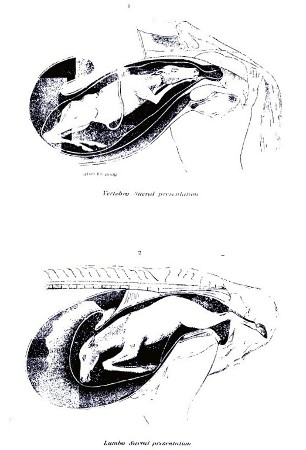
PLATE XIII. SOME FACTORS IN DIFFICULT LABOR.
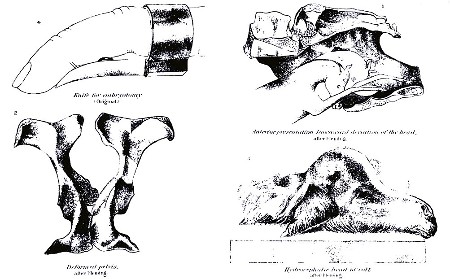
PLATE XIV. INSTRUMENTS USED IN DIFFICULT LABOR.
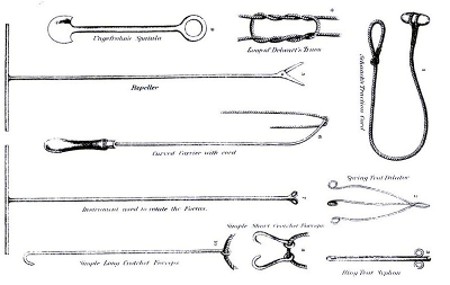
Ascites, or dropsy of the abdomen in the foal.—The accumulation of liquid in the abdominal cavity of the fetus is less frequent, but when present it may arrest parturition as completely as will hydrocephalus. With an anterior presentation the foal may pass as far as the shoulders, but behind this all efforts fail to effect a further advance. With a posterior presentation the hind legs as far as the thighs may be expelled, but at this point all progress ceases. In either case the oiled hand, passed inward by the side of the foal, will detect the enormous distension of the abdomen and its soft, fluctuating contents. The only course is to puncture the cavity and evacuate the liquid. With the anterior presentation this may be done with a long trocar and cannula, introduced through the chest and diaphragm, or with a knife an incision may be made between the first two ribs and the lungs and heart cut or torn out, when the diaphragm will be felt projecting strongly forward, and may be easily punctured. Should there not be room to introduce the hand through the chest, the oiled hand may be passed along beneath the breast bone and the abdomen punctured. With a posterior presentation the abdomen must be punctured in the same way, the hand, armed with a knife protected in its palm, being passed along the side of the flank or between the hind limbs. It should be added that moderate dropsy of the abdomen is not incompatible with natural delivery, the liquid being at first crowded back into the portion of the belly still engaged in the womb, and passing slowly from that into the advanced portion as soon as that has cleared the narrow passage of the pelvis and passed out where it can expand.
General dropsy of the fetus.—In this case the tissues generally are distended with liquid, and the skin is found at all points tense and rounded, and pitting on pressure with the fingers. In some such cases delivery may be effected after the skin has been punctured at narrow intervals to allow the escape of the fluid and then liberally smeared with fresh lard. More commonly, however, it can not be reached at all points to be so punctured nor sufficiently reduced to be extracted whole, and resort must be had to embryotomy.
Emphysema, or swelling of the fetus with gas.—This has been described as occurring in a living fetus, but I have met with it only in the dead and decomposing foal after futile efforts had been made for several days to effect delivery. These cases are very difficult, as the foal is inflated to such extent that it is impossible to advance it into the passages, and the skin of the fetus and the walls of the womb and vagina have become so dry that it is impracticable to cause the one to glide on the other. The hair comes off any part that may be seized, and the case is rendered the more offensive and dangerous by the very fetid liquids and gases. The only resort is embryotomy, by which I have succeeded in saving a valuable mare that had carried a colt in this condition for four days.
Contractions of muscles.—The foal is not always developed symmetrically, but certain groups of muscles are liable to remain short, or to shorten because of persistent spasmodic contraction, so that even the bones become distorted and twisted. This is most common in the neck. The bones of this part and even of the face are drawn to one side and shortened, the head being held firmly to the flank and the jaws being twisted to the right or left. In other cases the flexor muscles of the fore limbs are contracted so that the latter are strongly bent at the knee. In neither of these cases can the distorted part be extended and straightened, so that body or limbs must necessarily present double, and natural delivery is rendered impossible. The bent neck may sometimes be straightened after the muscles have been cut on the side to which it is turned, and the bent limbs after the tendons on the back of the shank bone have been cut across. Failing to accomplish this, the next resort is embryotomy.
Inclosed ovum, or tumors of the fetus.—Tumors or diseased growths may form on any part of the foal, internal or external, and by their size impede or hinder parturition. In some cases what appears as a tumor is an imprisoned and undeveloped ovum which has grafted itself on the fetus. These are usually sacculated, and may contain skin, hair, muscle, bone, and other natural tissues. The only course to be pursued in such cases is to excise the tumor, or, if this is not feasible, to perform embryotomy.
Monstrosities.—Monstrosity in the foal is an occasional cause of difficult parturition, especially such monsters as show excessive development of some part of the body, a displacement or distortion of parts, or a redundancy of parts, as in double monsters. Monsters may be divided into—
(1) Monsters with absence of parts—absence of head, limb, or other organ.
(2) Monsters with some part abnormally small—dwarfed head, limb, trunk, etc.
(3) Monsters through unnatural division of parts—cleft head, trunk, limbs, etc.
(4) Monsters through absence of natural divisions—absence of mouth, nose, eyes, anus, confluent digits, etc.
(5) Monsters through fusion of parts—one central eye, one nasal opening, etc.
(6) Monsters through abnormal position or form of parts—curved spine, face, limb, etc.
(7) Monsters through excess of formation—enormous head, supernumerary digits, etc.
(8) Monsters through imperfect differentiation of sexual organs—hermaphrodites.
(9) Double monsters—double-headed, double-bodied, extra limbs, etc.
Causes.—The causes of monstrosities appear to be very varied. Some monstrosities, like extra digits, absence of horns or tail, etc., run in families and are produced almost as certainly as color or form. Others are associated with too close breeding, the powers of symmetrical development being interfered with, just as in other cases a sexual incompatibility is developed, near relatives failing to breed with each other. Mere arrest of development of a part may arise from accidental disease of the embryo; hence vital organs are left out, or portions of organs, like the dividing walls of the heart, are omitted. Sometimes an older fetus is inclosed in the body of another, each having started independently from a separate ovum, but the one having become embedded in the semifluid mass of the other and having developed there simultaneously with it, but not so largely nor perfectly. In many cases of redundance of parts the extra part or member has manifestly developed from the same ovum and nutrient center with the normal member to which it remains adherent, just as a new tail will grow out in a newt when the former has been cut off. In the early embryo, with its great powers of development, this factor can operate to far greater purpose than in the adult animal. Its influence is seen in the fact pointed out by St. Hilaire that such redundant parts are nearly always connected with the corresponding portions in the normal fetus. Thus superfluous legs or digits are attached to the normal ones, double heads or tails are connected to a common neck or rump, and double bodies are attached to each other by corresponding points, navel to navel, breast to breast, back to back. All this suggests the development of extra parts from the same primary layer of the impregnated and developing ovum. The effect of disturbing conditions in giving such wrong directions to the developmental forces is well shown in the experiments of St. Hilaire and Valentine in varnishing, shaking, and otherwise breaking up the natural connections in eggs, and thereby determining the formation of monstrosities at will. So, in the mammal, blows and other injuries that detach the fetal membranes from the walls of the womb or that modify their circulation by inducing inflammation are at times followed by the development of a monster. The excitement, mental and physical, attendant on fright occasionally acts in a similar way, acting probably through the same channels.
The monstrous forms liable to interfere with parturition are such as, from contracted or twisted limbs or spine, must be presented double; where supernumerary limbs, head, or body must approach the passages with the natural ones; where a head or other member has attained to an unnatural size; where the body of one fetus has become inclosed in or attached to another, etc.
Extraction is sometimes possible by straightening the members and obtaining such a presentation as will reduce the presenting mass to its smallest and most wedgelike dimensions. To effect this it may be needful to cut the flexor tendons of bent limbs or the muscles on the side of a twisted neck or body; one or more of the manipulations necessary to secure and bring up a missing member may be required. In most cases of monstrosity by excess, however, it is needful to remove the superfluous parts, in which case the general principles employed for embryotomy must be followed. The Cæsarean section, by which the fetus is extracted through an incision in the walls of the abdomen and womb, is inadmissible, as it practically entails the sacrifice of the mare, which should never be done for the sake of a monster. (See "Embryotomy," p. 202.)
Entrance of twins into the passage at once.—Twins are rare in the mare, and still more rare is the impaction of both at once into the pelvis. The condition would be easily recognized by the fact that two fore limbs and two hind would occupy the passage at once, the front of the hoofs of the fore feet being turned upward and those of the hind feet downward. If both belonged to one foal, they would be turned in the same direction. Once recognized, the condition is easily remedied by passing a rope with a running noose round each foot of the foal that is furthest advanced or that promises to be most easily extracted, and to push the members of the other fetus back into the depth of the womb. As soon as the one fetus is fully engaged into the passage it will hold its place and its delivery will proceed in the natural way.
ABNORMAL PRESENTATIONS.
(Pls. XV-XVIII.)
Abnormal presentations may be tabulated as follows:
Anterior presentations:Fore limbsIncompletely extended. Flexor tendons shortened.
Crossed over the neck.
Bent back at the knee.
Bent back from the shoulder.
HeadBent downward on the neck.
Head and neck turned back beneath the breast.
Turned to one side.
Turned upward and backward on the back.
Hind limbsHind feet engaged in the pelvis.
TransverseBack of foal to side of pelvis.
InvertedBack of foal to floor of pelvis.
Posterior presentationsHind limbsBent on itself at the hock.
Bent at the hip.
TransverseBack of foal to side of pelvis.
InvertedBack of foal to floor of pelvis.
Transverse presentation of body With back and loins presented.
With breast and belly presented.
Fore limbs incompletely extended.—In cases of this kind, not only are the back tendons behind the knee and shank bone unduly short, but the sinew extending from the front of the shoulder blade over the front of the elbow and down to the head of the shank bone is also shortened. The result is that the fore limb is bent at the knee and the elbow is also rigidly bent. The condition obstructs parturition by the feet becoming pressed against the floor of the pelvis or by the elbow pressing on its anterior brim. Relief is to be obtained by forcible extension. A rope with a running noose is passed around each fetlock and a repeller (see Plate XIV) planted in the breast is pressed in a direction upward and backward while active traction is made on the ropes. If the feet are not thereby raised from the floor of the pelvis the palm of the hand may be placed beneath them to protect the mucous membrane until they have advanced sufficiently to obviate this danger. In the absence of a repeller, a smooth rounded fork handle may be employed. If the shortening is too great to allow of the extension of the limbs in this way, the tense tendons may be cut across behind the shank bone and in front of the elbow, and the limb will be easily straightened out. This is most easily done with an embryotomy knife furnished with a ring for the middle finger, so that the blade may be protected in the palm of the hand. (See Plate XIII, fig. 4.)
Fore limb crossed over back of neck.—With the long fore limbs of the foal this readily occurs, and the resulting increase in thickness, both at the head and shoulder, offers a serious obstacle to progress. (See Plate XV, fig. 2.) The hand introduced into the passage detects the head and one fore foot, and farther back on the same side of the head the second foot, from which the limb may be traced obliquely across the back of the neck.
If parturition continues to make progress the displaced foot may bruise and lacerate the vagina. By seizing the limb above the fetlock it may be easily pushed over the head to the proper side, when parturition will proceed normally.
Fore limb bent at knee.—The nose and one fore foot present, and on examination the knee of the missing fore limb is found farther back. (Plate XV, fig. 1.) First place a noose each on the presenting pastern and lower jaw, and push back the body of the fetus with a repeller, while the operator seizing the shank of the bent limb extends it so as to press back the knee and bring forward the fetlock and foot. As progress is made little by little the hand is slid down from the region of the knee to the fetlock, and finally that is secured and brought up into the passage, when parturition will proceed without hindrance. If both fore limbs are bent back the head must be noosed and the limbs brought up as above, one after the other. It is usually best to employ the left hand for the right fore limb, and the right hand for the left fore limb.