Chapter VII · MISCELLANEOUS EMBLEMS; RECAPITULATION, AND CONCLUSION. (continued 3)
Reading edition
Mythology, a fruitful source of illustrations, 241; Open to every one, 242; Ovid the chief storehouse, 242.
N.
1. Narren Beschwörung, 65. See Murner.
Narren Schyff, 1494, p. 57; Supplied texts for Geyler, 66. See Brant.
Navicula, 1511, p. 66. See Geyler.
Navis stultifera, before 1500, p. 57. See Locher.
Nef des dames vertueuses, 1503, p. 63. See Champier.
Nef des folles, selon les cinq sens, 1501, p. 61.
Nef des princes, 1502, p. 63. See Champier.
Nestor, Histoire des hommes—de Medici, ed. 1564, p. 80.
North, Morall philosophie of Doni, 1570 and 1601, pp. 76, 91, 120.
2. Ne per morte, 309;
Nil penna sed usus, 370;
Nimium rebus ne fide secundis, 476;
Niuno vecchio, Spaventa Iddio, 136;
Nobil è quel, ch’ è di virtu dotata, 366;
Non absque Theseo, 143;
No pleasure without pain, 333;
Nous savons bien le temps, 392;
Nunquam siccabitur æstu, 125, note;
Nusquam nisi rectum, 124;
Nusquam tuta fides, 196.
3.
Nebulo nebulonum, 1620, p. 65. See Flintner.
North’s Plutarch, 1579, Timon of Athens, 426; Epitaph, 430, 431.
Notes and queries, 1862, p. 67.
4.
Napoleon’s return from Elba, 18.
Narcissus, from Mignault, Alciat, 294; Aneau, Whitney, Shakespeare, 295, 296.
Nature, Emblems from facts in, and from properties of animals, 346–376: —Natural, one of the divisions of emblems, 346; Frosty Caucasus, 346; Adamant indestructible, 347, 348; Bear and cub, power of love, 348–350; The inhabited world, 350–353: Zodiac, 353–355; Turkey, 356–358; Vulture, 358; Commonwealth of bees, 358–365; Happe goulden honie bringes, 364; Falconry, 365–368; Eagle renewing its youth, 369; Ostrich spreading its wings, 370; Unicorn, 371–373; Hercules and dragon, 373–375; Various animals, 375, 376.
Nemesis and hope, 182. See Hope.
Niobe and her children, from Alciat, 292; Aneau, Whitney, Shakespeare, 293.
Nowell, Dr. Alexander, 395.
Nun, or canoness, Holbein, 469.
O.
1. Occulti academici, &c., 1568. See Rime.
Orozco, Emblemas morales, 1610, pp. 31, 99.
Ovid, Heroidum liber, 1473, p. 242; Metamorphoses, 1480, p. 242; M. cum figuris depictis, 1497, p. 35; Metamorphoses, Spanish, 1494, p. 242; Italian, 1497, p. 242; Metamorphoses, figurato, &c., 1559, pp. 35, 245; Plantin’s ed. 1591, p. 246; Golding’s English translation, 1565 and 1567, pp. 241, 243; La bible des poetes, 242.
2.
Orphei musica, 272;
Otiosi semper egentes, 146;
O vita misero longa, 268.
3. Oetlinger, Bibliog. biog. univ., 97.
Ormerod, History of Cheshire, 211.
Ovid, Metamorphoses, quoted:—Singular subscription, 242; Swan, 214; Circe, 250; Orpheus, 274; Actæon, 278; Phaeton, 284; Niobe, 291; Daphne, 296; Phœnix, 385; Halcyon, 391; Wounded stag, 399; Cupid’s arrow golden, 400; Chaos, 448; 2 Trist., Jove’s thunderbolt, 209.
4. Oak and reed, Junius, Shakespeare, Vænius, 315; Whitney, 316.
Oarsman’s cry, 61, 62.
Occasion, or opportunity, 258; Alciat, 259; Whitney, 260; Shakespeare, 260, 264, 265; Plate XII., 265.
Old men at death, Shakespeare, 215.
Old time, Shakespeare, 473.
Olive and vine, 249. See Vine.
Orange, Prince of, device, 125, note.
Order, of St. Michael, 227; Of the golden fleece, 228.
Ornamentation of houses, Emblems used for, 126–130, 131.
Orpheus, Coustau, 271; Reusner, Whitney, 272; Ovid, 274; Shakespeare, 273, 274.
Ostrich, eating iron, 126; Giovio, 233; Camerarius and Shakespeare, 234; Spreading its wings, Paradin, 370; Whitney and Shakespeare, 370, 371.
P.
P, O. L., Alciat’s Emb. p. xii., Antverp., 1581, p. 318.
1. Palazza, I discorsi imprese, &c., 1577, pp. 79, 86.
Paracelsus, Prognosticatio, 1536, p. 71.
Paradin, Quadrins historiques de la Bible, 1555, p. 75; Devises heroiques, 1557, Symbola heroica, 1567, and other editions before 1600, p. 75; English version, 1591, p. 75; Menestrier, 79.
Parker, Tryumphes of Petrarcke, 1564, p. 55.
Passæus, 95, 96. See De Passe.
Peacham, Minerva Britanna, 1612, pp. 99, 100.
Percivalle, Versus et emblemata, 1588, p. 79.
Pergaminus, Dyalogus Creaturarum, written in the 14th century,—editions, Latin, 1480, 1483; French, 1482; and English, 1520, pp. 51, 52, 66.
Perriere, 60. See De la Perriere.
Personé, alluded to by Menestrier, 79.
Petrarch, Trionphi, 1475, 1510, and 1523, p. 55.
Pezzi, La vigna del signore, 1589, p. 87.
Pfintzing, Tewrdannckh, 1517; love adventures of Maximilian I. and Mary of Burgundy, 67, 68.
Phasianinus, Latin version of Horapollo, 1517, p. 64.
Philieul, Dialogue des Devises, 1561, p. 78.
Pierius Valerian, Hieroglyphica, 1556, pp. 24, 80.
Pignorius, Vetustissimæ tabulæ, 1605, 95; Characters Ægyptii, 1608, pp. 95, 97; and Short notes on Alciat, 1618, p. 71.
Pinciano, Los Emblemas de Alciato, 1549, p. 70.
Pinedi, Duodecim symbola in Jobum, 1600, p. 79.
Pittoni, Imprese di diversi principi, 1566, p. 86.
Ponce de Leon, Epiphanius, 1587, p. 28.
Porri, Vaso di verita, 1597, p. 92.
Porro, Il primo libro, 1589, p. 87.
2. Parfaite est l’amitie qui vit après la mort, 307;
Partium τῆς οἰκουμένης symbola, 351;
Patria cuique chara, 361;
Paupertas immerita, 489;
Pecunia sanguis et anima mortalium, 177;
Perfidus familiaris, 195;
Pennæ gloria immortalis, 446;
Perpolit incultum paulatim tempus amorem, 348;
Per vincula crescit, 123;
Peu à peu, 349;
Φιλαυτία, 295;
Piena di dolor voda de sperenza, 124;
Pietas filiorum in parentes, 191;
Pietas revocabit ab orco, 124;
Piu por dulzura que por fuerza, 162, 167;
Plus par doulceur que par force, 165;
Plus virtute quàm armis, or Plvs par vertv qve par armes, 164;
Poetarum gloria, 379;
Ponderibus virtus innata resistit, 124;
Porta hæc clausa erit et non aperietur, 47;
Post amara dulcia, 332;
Πῶς γέροντα μουσίκον, 213;
Πῶς λαὸν πειθήνιον βασιλεῖ, 358;
Precipitio senza speranza, 124;
Precium non vile laborum, 228;
Principis bona imago, 143;
Principis clementia, 360;
Pro lege et grege, 394;
Propera tarde, 16;
Prudentes vino abstinent, 249;
Pur reposer, 7.
3. Palæphatus, on Actæon, 278.
Paradin, quoted,—Ape and miser’s gold, 501; Arrow wreathed on a tomb, 183; Barrel full of holes, 332; Butterfly and candle, 151; Fleece, golden, 228; Gold on the touchstone, 175; Leafless trees and rainbow, 128; Michael, order of St., 227; Ostrich with stretched wings, 370; Phœnix, 234, 385; Snake on the finger, 342; Stag wounded, 399; Wheat among bones, 184; Wreath of chivalry, 169; Wreath of oak, 224; Wrongs on marble, 458.
Penny Cyclopædia, on Pericles, 168; on the plays of Henry VI., 238; Unicorn, 372.
Percy Reliques, Dragon, 373.
Pfister, earliest printed book on scriptural subjects, 1462, p. 45; Earliest German book, 1461, p. 50.
Pindar, on Symbol, 2.
Plantin, 1564–1590, fifty editions of Emblem-books, 85.
Plato, the swan, 214; king-bee, 359.
Plautus, “life to me,” 161.
Plutarch, Timon of Athens, 430; Carking, 468.
Priestley, Lectures on History—on Grecian coins, 13.
Proclus, Seven ages of man, 407.
4. Painters referred to, Romano, 110; Rubens, 96; Titian, 111, 114.
Palm-tree, a device on Queen Mary’s bed, 124.
Parallelisms and correspondencies between Shakespeare and emblem writers, numerous, 494.
Pegasus described, 141–144; Alciat, 299; Shakespeare, 300.
Pelican, Epiphanius, 393; Camerarius and Reusner, 394; Junius and Whitney, 395; Shakespeare, 396; Note in Knight, 396.
Pembroke, earl of, dedication to, 1668, p. 122.
Pericles, accepted as of Shakespeare’s authorship, 156, 157, 158; the triumph-scene, 158; First knight, Lux tua vita mihi, 160–162; Second knight, Piu por dulzura que por fuerza, 162–167; Third knight, Me pompæ provexit apex, 168–170; Fourth knight, Quod me alit, me extinguit, 170–175; Fifth knight, Sic spectanda fides, 175–181#; Sixth knight, In hac spe vivo, 181–186.
Personification, especially in mythology, 258.
Perth, earl of, Emblems in a letter to, 124, note.
Phaeton, Ovid, 284; Alciat, 285; Symeoni, 284; Shakespeare, 286, 287.
Philip, duke of Burgundy, 1429, Golden fleece, 228.
Phœnix, emblem for long life; for returning to friends; restoration after long ages, 23; Oneliness or loneliness, 235, 236; Accounts of, 22, 23, 234–236; Phœnix’ nest, 380; Emblem of loneliness, Paradin, Giovio, 234, 235; Shakespeare, 236; Emblem of duration, Horapollo, 23; Emblem of new birth, and resurrection, Freitag, 381; Mary of Lorraine, 123; Emblem of oneliness, Paradin and Reusner, 385; Whitney, 387; Shakespeare, 388–390; Emblem of life eternal, 386.
Phœnix with two hearts, Hawkins, 383; the Virgin mother and her son, entire oneness of affection, 384; Shakespeare, 384.
Phryxus, or Phrixus, 229. See Golden Fleece.
Picture writing, 18, 30.
Picture and short poesie, marks of the Emblem, 31.
Pilgrim travelling, Cullurn’s Hawsted, 128.
Pine-trees in a storm, Horace, Sambucus, 475; Whitney, 476; Shakespeare, 477.
Plate, of emblematical character, 20.
Pleasant vices, their punishment, 425.
Poetic ideas, emblems for, 377–410; Shakespeare’s splendid symbolical imagery, 377; Glory of poets, 379, 380; The phœnix, 381–383; Phœnix with two hearts, 384; The bird always alone, 384–390; Kingfisher, 391–393; Pelican, 393–398; Wounded stag, 397–400; Golden, the epithet, 400; Death and Love, 404, 405; Cupid in mid-air, 404; Human life a theatre, 405, 406; Seven ages of life, 407–410.
Poet’s badge, Alciat, 218; Whitney, 217; Shakespeare, 219.
Poet’s glory, 379; Le Bey de Batilly, 380; Shakespeare, 380.
Politics in emblems, Il Principe, 34.
Porcupine, Drummond, 124; Giovio, 231; Camerarius, Shakespeare, 232.
Portcullis, emblem used by Henry VIII., 124.
Powers granted for noble purposes, Whitney, Shakespeare, 412.
Printing with blocks, 45–49; with moveable types, 50.
Progne or Procne, Aneau, Shakespeare, 193.
Prometheus bound, Alciat, 266; Aneau, 267; Microcosme, 267; Reusner, Whitney, 268; Shakespeare, 268, 269.
Proverbs, Emblems in connection with, 318–345: —Proverbs suggestive of narrative or picture, 318; La fin couronne les œuvres, 320–322; Manie droppes pierce the stone, &c., 324; To clip the anvil of my sword, 325–327; Jove laughs at lovers’ perjuries, 328, 329; Labour in vain, 329–332; Every rose its thorn, 332–334; True as the needle to the pole, 334–337; Out of greatest least, 337–339; A snake in the grass, 340, 341; Who against us? 342, 343; Hoist with his own petar, 343, 344.
Providence, and girdle, 413 (see Drake’s ship); Making poor and enriching, Plate XVI., 489.
Pyramid and ivy, Drummond, 124.
Q.
1. Quadrins historiques de la Bible, 1553–1583, twenty-two editions in various languages73.
Quadrins historiques du Genèse, 1553, p. 73.
Quadrins historiques de l’Exode, 1553, p. 73.
2. Quæ ante pedes? 411;
Quæ sequimur fugimus, nosque fugiunt, 466;
Quæ supra nos, nihil ad nos, 260;
Quel che nutre, estingue, 175;
Que mas puede la eloquençia que la fortaliza, 164;
Quem nulla pericula terrent, 347;
Quibus rebus confidimus, iis maxime evertimus, 344;
Quid nisi victis dolor, 124;
Qui me alit, me extinguit, 171–173;
Quis contra nos? 126, 342;
Quod in te est, prome, 395;
Quod me alit, me extinguit, 170, 174;
Quod nutrit extinguit, 174;
Quod sis esse velis, 312;
Quo modo vitam? 456;
Quo pacto mortem seu hominis exitum? 454;
Quo tendis? 128.
3. Quarles, definition of Emblem, 1.
Quinctilian, use of the word Emblem, 5.
4. Qui or quod, variations in the reading, 174.
R.
R, O. L., Nef des folz, xlix., Paris, 1499, p. 411;
O. L., of uncertain origin, p. 531.
1. Rabelais, Les songes drolatiques de Pantagruel, 1565, p. 86.
Rastall, Dialogue of creatures, 1520, p. 51.
Regiomontanus, or Muller, 1476, p. 42.
Regiselmus. See Joachim.
Reusner, Emblemata 1581, Aureolorum Emblem., 1591, pp. 88, 89, 251.
Rime de gli academici occulti, 1568, p. 86.
Rinaldi, Il mostruosissimo, 1588, p. 87.
Ripa, Iconologia, &c., 1603, 1613, p. 92.
Riviere, Nef des folz du monde, before 1500, p. 57.
Rollenhagen, Les emblemes, 1611, p. 95; Nucleus Emblematum, 1613, p. 97.
Ruscelli, Discorso, 1556, p. 77; Imprese illustri, 1566, p. 78.
Rüxner, Turnier-buch, 1530, p. 68.
2. Rabie succensa, 356;
Remember still thy ende, 320;
Renovata juventus, 369;
Res humanæ in summo declinant, 435;
Respice et prospice, 139;
Rompe ch’ il percote, 125;
Rore madet vellus, Permansit arida tellus, 47;
Rota vite que septima notatur, 407.
3. Rapin, History of England, 1724, p. 122.
Real museo Borbonico, 1824, p. 19.
Reusner, quoted:— Circe, 251; Hares and dead lion, 306; Man a god to man, 283; Orpheus and harp, 272; Pegasus, 143; Pelican and young, 394; Phœnix, 385; Prometheus, 268; Serpent and countryman, 197; Sirens, 252; Swan, 215, 216; Unicorn, 371.
Roscoe, Leo X., 303.
4. Recapitulation and conclusions, 492–495.
References and coincidences not purely accidental, 494.
References to passages from Shakespeare, in the order of the plays and poems, and to the corresponding devices and subjects of the Emblems, Appendix iii., 531–542.
Rhetoric, chambers of, their pursuits and amusements, 81, 82; Extent and nature, 82.
Rich and poor, Plate XVI., 489.
Rock in waves, Drummond, 125, note.
Romano, Julio, works known to Shakespeare, 110; Where there are now works of his, 110, 111.
Romano, Capitano Girolamo Mattei, 233.
Rose and thorn, Whitney, Perriere, 333; Vænius, 333; Shakespeare, 334.
Rubens, desciple of Vænius, 96.
Rudolph II, 85, 89, 96.
Ruins and writings, Whitney and Costalius, 444; Shakespeare, 444, 445; Boissard, 449.
S.
S, O. L., Giovio’s Sent. Imp. 3, Lyons, 1562, pp. 156, 515; O. L., Sambucus (Emb. 232), Antverp., 1564, p. 302.
1. Sadeler, Symbola divina et humana, 1600, 1601, p. 95; Theatrum morum, 1608, pp. 95, 96, 97.
Sambigucius, Interpretatio, 1556, p. 77.
Sambucus, Emblemata, 1564, and Emblêmes de Jehan Sambucus, 1567, p. 85; Notes by Don John of Austria, 1572, p. 86.
Sanctius, or Sanchez, on Alciat, 1573, pp. 71, 88.
Sassus, referred to by Menestrier, 79.
Sceve, Delie, 1544, p. 75.
Schopperus, Πανοπλία, 1568, and De omnibus illiberalibus sive mechanicis artibus, 1574, p. 88.
Schrot, Wappenbuch, 1581, p. 90.
Scribonius, 1550. See Graphæus.
Sevus, referred to by Menestrier, 79.
Shyp of fooles. See Watson and Barclay.
Sicile, Le blason de toutes armes, and Le blason des couleurs, 1495, p. 58.
Simulachres & historiees faces de la mort, 1538, p. 71; Fifteen editions, 72, 471.
Soto. See De Soto.
S. (P.), Heroical devices, 1591, pp. 75, 120.
Spanish Emblem-books, passim, and, 70, 90, 99.
Speculum humanæ salvationis, MS., printed about 1430 by Koster, 43; Description of his edition, 43; Many editions and kindred works before 1500, p. 43; Plates IV. and V., 44.
Spelen van sinne, allegorical plays, 1539, p. 81.
Stam und wapenbuch, 1579, p. 31.
Stimmer, Neue kunstliche figuren Biblischen, 1576, p. 90.
Stockhamer, commentariola to Alciat, 1556, p. 70.
Stultifera navis, previous to 1500, Locher, Riviere, Plate IX., 57; Other versions, 57; Badius, 61.
Symeoni, Vita et Met. d’Ovid., 1559, pp. 3, 35, 79; Devises ou emblemes heroiques et morales, 1561, pp. 15, 16; Imprese, 1574, p. 17; Imprese heroiche et morale, 1562, p. 78; Sententiose imprese, 1562, p. 78.
2. Sa virtu m’attire, 123;
Scelesti hominis imago & exitus, 53;
Scribit in marmore læsus, 457, 458;
Scripta manent, 443;
Servati gratia ciuis, 224;
Sibi canit et orbi, 217;
Sic majora cedunt, 366;
Sic spectanda fides, 159, 175, 178;
Si Deus nobiscum, quis contra nos?, 342;
Si fortuna me tormenta, il sperare me contenta, 137, 138;
Si fortune me tourmente, l’esperance me contente, 138;
Silentium, 208;
Sine justitia confusio, 449, 450;
Sola facta, solum Deum sequor, 234;
Sol animi virtus, 161;
Sola vivit in illo, 126;
Speravi et perii, 130;
Spes altera vitæ, 1833, #184;
Spes aulica, 182;
Spes certa, 182;
Spiritus durissima coquit, 233;
Stultitia sua seipsum saginari, 310;
Stultorum infinitus est, 66;
Superbia, 292;
Superbiæ vltio, 293.
3. Sadeler, Zodiacus christianus, 1618, p. 353.
Sambucus, quoted: —Actæon, 277; Astronomer, 335; Ban-dog, 482; Child and motley fool, 484; Elephant, 196; Forehead, 129; Hen eating her own eggs, 411; Laurel, 422; Mercury and lute, 256; Pine-trees in a storm, 475; Ship on the waves, 435; Time flying, 466; Timon, 427; World, map of, 351.
Schiller, Werke, 199.
Schlegel, on Pericles, 157.
Shakespeare quoted, by way of allusion, or of reference to: —Æsop’s Fables, 303; Actæon, 276, 279; Adam hiding, 416; Adamant, 348; Æneas and Anchises, 191; Ape and miser’s gold, 488; Apollo and the Christian muse, 379; Argonauts and Jason, 230; Arion, 283; Astronomer and magnet, 356; Atlas, 245; Bacchus, 249; Ban-dog, 484; Bear and ragged staff, 237–240; Bear and cub, 349, 350; Bees, 361–365; Bellerophon and chimæra, 300; Brutus, 201–205; Butterfly and candle, 153; Cadmus, 245; Cannon bursting, 345; Casket scenes, 149–154, 186; Cassius and Cæsar, 193; Chaos, 451–453; Child and motley fool, 485; Chivalry, wreath of, 168; Circe, 252; Cliffords, 192; Clip the anvil of my sword, 327; Commonwealth of Bees, 362–365; Conscience, power of, 421; Coriolanus, 201; and his civic crowns, 226; Coronation scene, 9; Countryman and serpent, 197; Cupid blinded, 331; Cupid in mid-air, 404; Daphne, 297; Death, 469; Dog baying the moon, 269; Dogs not praised, 145, 483; D. O. M., 464, 465; Drake’s ship, 415; Drinking bout of Antony and his friends, 246; Drops pierce the stone, 324; Dust, to write in, 461; Eagle renewing its youth, 369; Elizabeth, queen, 404; Elm and vine, 309; Emblem defined, 9; Emblems without device, 149–151; End crowns all, 320, 323; Engineer hoist, 345; Envy, 433; Estridge, 371; Eternity, 491, 492; Falconry, 367, 368; Fame armed with a pen, 445, 446; Fin couronne les œuvres, 320–323; Fortune, 262; Fox and grapes, 311; Frosty Caucasus, 346; Gem in a ring, 419; Golden, 400, 404; Gold on the touchstone, 175, 180; Golden Fleece, 227; Good out of evil, 447; Greatest out of least, 337–339; Hands of Providence, 489, 490; Happe some goulden honie bringes, 365; Hares and dead lion, 304; Hen eating her own eggs, 412; Heraldry, 222, 223; Homo homini lupus, 280, 283; Homo homini Deus, 283, 284; Hydra, 375; Icarus, 291; Inverted torch, 170; Jackdaw in fine feathers, 313; Janus, two-headed, 140; Jupiter and Io, 246; Jove laughs at lovers’ perjuries, 328; King-fisher, 392; Labour in vain, 331, 332; Lamp burning, 456; Laurel, 422–425; Lottery, 209–211; Love’s transforming power, 349; Man with a fardel or burden, 481; Man’s greatness, 284; Map of the world, 351, 352; Medeia, 192; Mercury, 257, 258; Michael, order of St., 227; Milo, 297; Narcissus, 296; Niobe, 293, 294; Oak and reed, 315, 316; Occasion, or opportunity, 260, 264, 265; Old Time, 473; Orpheus, 273, 274; Ostrich, 234, 371; Pegasus, 299, 300; Pelican, 394–397; Pen, its eternal glory, 447; Pericles,—the triumph scene, 158, 160–186; Phaeton, 286, 287; Phœnix, 236, 381–390; Pine-trees, 477; Poet’s badge, 218, 219; Poet’s glory, 379, 380; Porcupine, 232; Powers granted for noble purposes, 412; Progne, 194; Prometheus bound, 268; Romano, Julio, 110; Ruins and writings, 443–445; Rose and thorn, 333, 334; Serpent in the breast, 198; Seven ages of man, 407–410; Shadows fled and pursued, 468; Ship in storm and calm, 435–440; Sirens, 254; Skull, human, 337–339; Snake in the grass, 341; Snake on the finger, 343; Stag wounded, 397–400; Student entangled in love, 441; Sun and wind, 160; The setting sun, 323; The swan, 219; Sword on an anvil, 327; Sword with a motto, 138; Testing of gold, 175, 180, 181; Theatre of life, 405, 406; Things at our feet, 411, 412; Thread of life, 454; Time leading the seasons, 491; Timon, 427–431; Turkey and cock, 357, 358; Unicorn, 371, 372; Vine and olive, 249; Whitney’s dedication lines, 464; Wreath of chivalry, 168; Wreaths, 222; Wreath of oak, 225; Wrongs on marble, 457–462; Zodiac, signs of, 353.
Shakespeare, acquainted with languages, 106, 107, 168; with the works of Julio Romano, 110; and of Titian, 115; with Emblems, 137, 158, 186. —Attainments, 106–116; sufficient for cultivating Emblem literature, 107, 108. —Dramatic career, 1590–1615, pp. 91, 92; An Emblem writer, 148, 154, 493; Genius, 105; Judgment in works of art,—sculpture, 109, 110; ornament, 111; painting, 112–115; melody and song, 115, 116. —Knowledge of ancient history and customs, 105, 106, 225, 226; Marks of reading and thought, 242; Tendency to depreciate his attainments, 105; Use of term Symbol, 2; Device, 8; Emblem, 9.
Shepheards calender, Spenser, 134–137, 186.
Siegenbeek, Geschiedenis der Nederlandsche letterkunde, 82.
Smith, Dictionary of Greek and Roman Antiquities, 10.
Sotheby, Principia typographica, 1858, pp. 48, 49.
Spenser, ideas of devices, 8; Early sonnets, 88; Visions, 134; Shepheards calender, 134, 136, 185; Ban-dogs, 481.
Stamm Buch, 1619, Adam hiding, 416.
Statius, badges, 47.
Suetonius, Tiber. Cæsaris vita, 5.
Symbola divina et humana, 1652, p. 176.
Symeoni, quoted:—Ape and miser’s gold, 486; Butterfly and candle, 153; Chaos, 448; Creation and confusion, 35; Diana, 3; Dolphin and anchor, 16; Forehead shows the man, 129; Inverted torch, 171; Phaeton, 284; Serpent’s teeth, 245; Wounded stag, 398; Wrongs on marble, 457.
Syntagma de symbolis, 2.
4. Saint Germain, fair at, imprese, 124, note.
Salamander, impresa of Francis I., 123, 125.
Satan, fall of, Boissard, 1596, Plate XI., 132, 133.
Satire in Emblems, 33.
Saviour’s adoption of a human soul, Vænius, Plate II., 32.
Savoy, duke of, his impresa, 124; Madame Bona of, her device, 235.
Sepulchre and cross, Diana of Poitiers, 183.
Serpent and countryman, Freitag, Reusner, 197; Serpent in the bosom, Shakespeare, 198.
Seven ages of man, Arundel MS., 406; Hippocrates, Proclus, Antonio Federighi, Martin, Lady Calcott, 407; Block-print described, Plate XV., 407, 408; Shakespeare, 409, 410.
Shadow, fled and pursued, Whitney, 467; Shakespeare, 468.
Shield untrustworthy. See Brasidas.
Shields of Achilles, Hercules, Æneas, &c., 20.
Ship, with mast overboard, Drummond, 124; Ship on the sea, Drummond, 125; Ship tossed by the waves, Sambucus, Whitney, 435; Ship sailing forward, Whitney, Alciat, 436; Boissard, 437; Shakespeare, 438–440.
Sieve held by Cupid, 340. See Cupid.
Silent academy at Hamadan, 17.
Silversmiths, their craft and emblems, 20.
Similitudes and identities in literature, 302.
Sinon, 194–200; Virgil, 194; Whitney, 195, 196, 199; Shakespeare, 200.
Sirens,—Alciat, 253; Whitney, 254; Shakespeare, 254.
Six direct references to Emblems in the Pericles of Shakespeare, 156–186.
Skiff of foolish tasting, Badius, 1502, p. 61.
Skull, human, Aneau, Whitney, 337; Shakespeare, 338, 339.
Snake in the grass, Paradin, Whitney, 340; Shakespeare, 341.
Snake on the finger, Paradin, 342; Whitney, Shakespeare, 343.
Soul, its hieroglyphic sign, 25, 26.
Spanish motto, 162, 164, 167.
Speculum humanæ salvationis, Plates IV. and V., 44.
Stag wounded, Giovio and Symeoni, 398; Paradin, Camerarius, Virgil, Ovid, Vænius, 399; Shakespeare, 399, 400.
Stage, the world a, 409. See Seven ages.
Star, its hieroglyphic meaning, 25.
Statuary and architecture excluded, 11.
Stirling-Maxwell, Bart., of Keir, De Bry’s Stam und wapenbuch, 1593, p. 32; ΜΙΚΡΟΚΟΣΜΟΣ, by Costerius, 98. See also Keir.
Stork, emblem of filial piety, &c., 28; Epiphanius and Alciat, 28.
Student in love, Alciat, Whitney, 441; Shakespeare, 442.
Subjects of the Emblem Imprese, &c., 515–530.
Sun and moon, in dialogue, 52.
Sun of York, 223; Sun in eclipse, 124; Sun setting, Whitney, 323; Sun, wind, and traveller, Corrozet, 165; Freitag, Shakespeare, 166.
Swan singing at death, Æschylus, Horapollo, 213; Virgil, Horace, 214; Old age eloquent, Aneau, 215; Pure truth, Reusner, 216; Camerarius, 217; Insignia of Poets, Alciat, Whitney, 218; Shakespeare, 219, 220.
Sword with motto, 138.
Sword on anvil, Perriere, 326; Whitney, 327; Shakespeare, 325, 327.
Sword to weigh gold, Drummond, 124.
Symbol, more exact use, Pindar, Æschylus, Cudworth, Shakespeare, 2.
Symbols and Emblems, almost convertible terms, 1; yet a difference, 2.
Symbolic properties of animals, 28.
Symbolical imagery, fine example of, 377.
T.
T, O. L., Nef des Folz. 7, Paris, 1499, p. xiii.
1. Taëgius, referred to by Menestrier, 79.
Tambaco, Speculũ-paciẽtierum, 1509, p. 65.
Tasso, Torq., Discorsi del poeme, 79, 92.
Tasso, Herc., referred to by Menestrier, 79.
Taurellius, Emblema physico-ethica, 1595, pp. 94, 96.
Tewrdannckh, in honour of Maximilian I., dedicated to Charles V., splendid volume, 67.
Théatre des animaux, 93. See Desprez.
Todtentanz, the original editions, 1485 to 1490, not by the Holbeins, 56.
Trebatius, Latin version of Horapollo, 1515, p. 64.
Triumphwagen, 67. See Durer.
Troiano, Discorsi delli triomfi, 1568, p. 86.
Turnier-buch, 68. See Durer.
Typotius, 1601–1603, p. 95. See Sadeler.
2. ’t Geld vermagalles, 177;
Temere ac pericvlose, or Temerité dangerevse, 152;
Tempus irrevocabile, 36, 490;
Tempus omnia terminat, 323;
Te stante virebo, 124;
Time terminates all, 323;
Trino non convenit orbis, 124;
True as needle to the pole, 334;
True as steel, 337.
3. Tennyson, Elaine, 30.
Tibullus, on lovers’ vows, quoted, 328.
Timperley, Dictionary of printers, 1839, pp. 44, 56.
Titian, Triumph of truth and fame, 32; his paintings, 111, 114.
Tod, remarks on Spenser, 137.
4. Tabley, Cheshire, ancient hall of the Leycesters, with emblem, 131.
Talbot, earl of Shrewsbury, 207, 227.
Theatre, human life, Boissard, Plate XIV., 405; Shakespeare, 406.
Theological conjecture, a curious, 383.
Thieves, so triumph, 319.
Things at our feet, Whitney, Sambucus, 411; Types of powers to be used, Shakespeare, 412.
Thingwall, the emblem library there, 86.
Thompson, H. Yates, of Thingwall, 5, 44.
Thread of life, Horapollo, 454; Shakespeare, 455.
Time flying, Sambucus, 466; Whitney, 467; Plutarch, 468; Shakespeare, 468, 469; Turning back, Shakespeare, 473.
Time leads the seasons, Vænius, Horace, Plate XVII., 491; Shakespeare, 491.
Timon of Athens, Dr. Drake, 426; North, Plutarch, Sambucus, 426, 427; Shakespeare, 428, 429; Epitaph, 430; Mode of death, 431.
Titus, son of Vespasian, his emblem, 16.
Tongue with bat’s wings, Cullum and Paradin, 128.
Tree of life, 126. See Arrow wreathed.
Tree in a churchyard, Drummond, 124.
Triangle, sun and circle, Drummond, 124.
Triumph scene in the Pericles, 1589, pp. 160–186.
Tronus Cupidinis, De Passe, 348.
Trophy on a tree, Drummond, 124.
True as needle, Sambucus, 334; Whitney, 335; Shakespeare, 336; lode stars, 336.
True as steel, 337.
True men so yield, 319.
Truth, an emblem so named, 20.
Turkeycock, Freitag, Camerarius, 357; Shakespeare, 358.
U.
1. Ulloa, Alphonsus, 1561, Menestrier, 79.
2. Unde, 124, note; Undique, 123; Unica semper avis, 385; Unum quidem, sed leonem, 124; Ut casus dederit, 124; Ut parta labuntur, 128; Utilia prudenti, imprudenti futilia, 53.
4. Ulysses and Diomed as an emblem, 5. Unicorn, 371; Reusner, Brucioli, Penny Cyclopædia, and Camerarius, 372; Shakespeare, 373.
V.
1. Vænius, 93; Zinnebeelden, 1603, p. 98; Q. Horatii Fl. Emblemata, 1607 & 1612, pp. 36, 95; Amorum Emblemata, Latin, English, and Italian, 1608, pp. 95, 99; Amorum Emblemata, Spanish, 1608, pp. 99, 122; Amoris Divini Emblemata, 1615, pp. 32, 99.
Valence, Emblesmes—du Segnor Espagnol, 1608, pp. 93, 94.
Valerian, 80. See Pierius.
Vander Noot’s Theatre, &c., 1568, pp. 87, 91.
Van Ghelen, Flem. trans. Navis stultorum, 1584, p. 90.
Van Vischer, Sinnepoppen (Emblem play), 1614, p. 98.
Verdier, trans. into French, Imagini, &c., 1581, p. 87.
Villava, Empresas Espirituales, &c., 1613, p. 99.
Virgil Solis, 85; Libellus sartorum, 1555, p. 77; Figures for the New Testament, and Artistic book of animals, between 1560 and 1568, p. 85.
Volucribus, de, sive de tribus columbis, MS., 13th century, 44.
2. Vel post mortem formidolosi, 205;
Veritas armata, 123;
Veritas invicta, 264;
Via, veritas, vita, 462;
Victrix animi equitas, 314;
Victrix casta fides, 371;
Video et taceo, 208;
Vigilantia et custodia, 210;
Vina coronal, 101;
Vincit qui patitur, 315;
Violentior exit, 154;
Vipera vim perdet, sine vi pariente puella, 47;
Virgo salutatur, innupta manens gravidatur, 47;
Virtuti fortuna comes, 211;
Vine ut viuas, 444;
Volat irrevocabile tempus, 36, 494;
Voluptas ærumnosa, 277;
Vijt Adams appel Sproot, Ellende Zonde en Doodt, 132.
3. Vænius, quoted, Butterfly and candle, 152; Christian Love presenting the soul to Christ, Plate II., 32; Conscience, 421; Cupid felling a tree, 324; Elm and vine, 308; Fortune, 263; Rose and thorn, 333; Ship sailing, 437; Time leading the seasons, Plate XVII., 490, 491; Two Cupids at work, 179; Venus dispensing Cupid from his oaths, 328; Wounded stag, 399; Amorum Emblemata, Latin, English, and Italian, 179, 437.
Van der Veen, Adams appel, 1642, Plate X., 132.
Van Hooghe, Frontispiece of Cebes, 1670, p. 13.
Virgil, Æneid, Bees, 359; Circe, 251; Crests, 14; Shield of Æneas, 20; Sinon, 194; Stag wounded, 398; Swan, 214; L’Eneide de Virgile, Lyons, 1560, p. 36.
4. Van Hooft, illustrious Dutch poet, 98.
Varieties of Emblems, 18; great, 34.
Vases with emblems, Warwick, 10; Italo-Græco, 19.
Venus dispensing Cupid from his oaths, 328.
Verard, 1503, publisher of Les figures, &c., 63.
Vine and olive, Whitney, Alciat, 249.
Vine watered with wine, Drummond, 124.
Volvelle, astrological, 42.
Vostre, Simon, of Paris, printer, 39.
W.
W, O. L., Symeoni’s Vita d’ Ovidio, Lyons, 1559, p. 1.
1. Watson, Shyppe of Fooles, 1509, pp. 57, 65, 119.
Whitney, Choice of Emblemes, 1586, pp. 91, 120.
Willet, Sacrorum Emblematum Centuria, 1598, pp. 99, 100, 119, 120.
Wohlgemuth, Libri cronicarum, 1493, p. 56.
Wyrley, True use of armorie, 1592, pp. 99, 100.
2. Wat den mensch aldermeest tot’ conste verwect?, 82;
Where the end is good, all is good, 437;
With manie blowes the oke is ouerthrowen, 324.
3. Walcott, Sacred Archæology, 1868, p. 27.
Waller, master-bee, 363.
Wedgwood, Life of, fictile ornament, 19.
Whitney, Fac-simile Reprint, 1866, p. 172; Emblems quoted by Knight to illustrate Hamlet, 396.
Whitney, quoted:—Definition of Emblems, 6; Actæon, 278; Adam hiding, 416; Æneas bearing Anchises, 191; Ants and grasshopper, 148; Ape and miser’s gold, 128, 487; Arion and the dolphin, 281; Astronomer and magnet, 335; Bacchus, 248; Ban-dog, 483; Barrel with holes, 332; Bear and ragged staff, 236; Bees, 361, 364; Brasidas, 195; Brutus, 202; Chaos, 450; Child and motley fool, 484; Circe, 251; Cupid and death, 402; Diligence and idleness, 146; Dog baying the moon, 270; D. O. M., 464; Drake’s ship, 413; Elephant, 196; Elm and vine, 308; Envy, 432; Fame armed with a pen, 446; Fardel on a swimmer, 480; Fleece, golden, 229, 230; Forehead, 129; Fox and grapes, 311; Gold on the touchstone, 178; Hares and dead lion, 305; Harpocrates, silence, 208; Hen eating her own eggs, 412; Hope and Nemesis, 182; Icarus, 288; Introductory lines, D. O. M., 464; Inverted torch, 173; Janus, 139, note; Laurel, 423; Lottery in London, 208; Medeia, 190; Mercury and lute, 256; Mouse and oyster, 130; Narcissus, 295; Niobe, 293; Oak and reed, 315; Occasion, 260; Orpheus, 272; Ostrich stretching out its wings, 370; Pelican, 395; Phœnix, 387; Pine-trees in a storm, 476; Prometheus, 267; Rose and thorn, 333; Ruins and writings, 443; Serpent in the bosom, 199; Shadows, 468; Ship tossed by the waves, 435; Ship sailing forward, 436; Sirens, 254; Skull, 338; Snake in the grass, 340; Snake on the finger, 342; Student entangled, 441; Sun setting, 323; Swan, of poets, 217; Sword on an anvil, 327; Time flying, 467; Vine and olive, 249; Wreaths on a spear, 222; Wrongs on marble, 460.
Wrangham, Plutarch, 431.
4. Walker, Rev. T., 462.
Waves and siren, 125, note; Waves with sun over them, 125.
Wheat among bones, Paradin, 183; Camerarius, 184; Boissard and Messin, 185.
Wheel rolling into the sea, 124.
Whitehall, collection of paintings there, founded by Henry VIII. and Charles I., 111.
Who against us? Paradin and Whitney, 342; Shakespeare, 343.
Wilbraham, Tho., Esq., the old English gentleman, 467.
William III., history of, in medals, 14.
Wings and feathers scattered, 124.
Wolf and ass, a fable, 52–54.
Woltmann, Holbein and his time, Death’s fool, 471; Shakespeare’s mistakes as to costume, 106.
Woodcock, so strives the, with the gin, Shakespeare and Æsop, 319.
Words and forms of thought, some, the same in Whitney and Shakespeare, 463.
World, inhabited, three-cornered, earth the centre, Brucioli, 350; Sambucus, 351; No. America, 351, 352; Shakespeare, 52; Three-nooked world, 353.
World a stage, 133.
Wreath of chivalry, Paradin, 169; Shakespeare, 168, 170.
Wreath of oak, Paradin, 224; Shakespeare, 225, 226.
Wreaths of victory, Whitney, Camerarius, 222; Shakespeare, 222, 223; Paradin, 224.
Writings remain, Whitney, 443; Boissard, 444; Shakespeare, 444, 445.
Wrongs on marble, Symeoni, 457; Paradin, 458; Shakespeare, 459, 460; Whitney, 460; Origin of the sentiment, 460; Sir T. More and Columbus, 461; Nobler sentiments, 462.
X.
Xenophon’s Cyropædia, king bee, 359.
Y.
Y, the letter, an emblem of life, 320.
Yates, Joseph B., Alciat, MS., 1610, p. 101; Sketch of Emblem-books, 4, 5; Silver emblem, 5; Dedication Plate to, p. v.
Z.
Zainer, Das helden buch, 1477, p. 55.
Zeb, Dr., of the Silent Academy, 17.
Zinne-beelden, oft Adams appel, Plate X., 132.
Zisca, named by Alciat and Whitney, 206.
Zodiac, signs of, Sadeler, Brucioli, Plate XIII., 353; Shakespeare, 353–355.
Zuingerus, Icones, 1589, p. 89.
COLOPHON.
Ex literarum studiis immortalitatem acquiri.
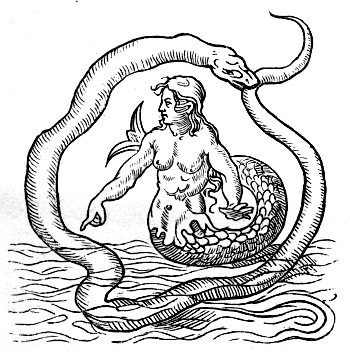
Alciat, ed. 1534, p. 45.
BRADBURY, EVANS, AND CO., PRINTERS, WHITEFRIARS.
Transcriber’s Note
The table at the end of this note summarizes any corrections to the text that have been deemed to be printer’s errors. Proper names have been mostly allowed to stand as well, given the vagaries of spelling and translation in the originals, with the exception of Diane of Poi[c]tiers, whose name is consistently spelled without the ‘c’, save in the one instance noted.
The paragraph at the bottom of p. 19, beginning with ‘For the nature of Fictile ornamentation...’ ends with a double quotation mark which is unmatched. It is not clear where the quotation begins, since the passage seems to be partly paraphrasing. The quotation has been allowed to stand.
The spelling of the emblem-writer ‘Cœlius’ in the General Index disagrees with that given in the table on p. 89 as ‘Cælius’.
On p. 39, an illustration serves as a border for the text. This has been approximated here, but, depending on browser settings, may not display correctly.

On p. 289 and p. 418, the ornate dropcap letters for ‘F’ and ‘L’ on the opening lines of poetry has not been reproduced, but can be seen here.
The text makes frequent use of now-obsolete contractions, ligatures, and scribal abbreviations. The Greek terminal -os () ligature is rendered here using an inline image.The Greek terminal -os ligature is given simply as The Latin terminal -que () is rendered as ‘q́₃que’. There is a French terminal ‘e’ which appears with a slash as . This is rendered as ‘é̩[e/]̩’.


The index entry for the Latin phrase Malè parta, malè dilabuntur includes a reference to p. 502, where it is not mentioned. The emblem associated with the phrase appears on p. 487. The incorrect page reference was retained, but a link is provided to the correct location.
p. 5 n. 9 [“]Quidam ... Added.
p. 79 Bartholo[æm/mæ]us Taëgius Transposed.
p. 129 of his temper and inclination.[”] Added.
p. 174 Pericles, Prince of Tyre,” was first pu[b]lished Added.
p. 183 n. 106 used by Diana of Poi[c]tiers Removed.
p. 257 [“]O thou great thunder-darter of Olympus Added.
p. 271 Of an instrume[u/n]t Corrected.
p. 545 Brucioli’s Trattato della sphera, 1543, Zodiac, Plate [XIV/XIII]., 353. Corrected.
p. 562 Pignorius, Vetustissimæ tabulæ, 1605[, 95]; Added.
p. 564 Rubens, d[e/i]sciple of Vænius Corrected.
p. 565 Servati gratia [av/ciu]is Corrected.
p. 566 Dramatic c[e/a]reer, 1590–1615 Corrected.