Chapter VII · MISCELLANEOUS EMBLEMS; RECAPITULATION, AND CONCLUSION. (continued 2)
Reading edition
Bellerophon and Chimæra 299 Consilio et virtute Chimæram superare, id est, fortiores et deceptores. Alciat, Emb. 14. Ed. 1581.
Bible of the Poor, Pl. VI. 46 Ecce virgo concipiet et pariet filium, &c. Humphrey’s Fac-simile from Pl. 2, Block-book, 1410–20.
Bird caught by an Oyster (see Mouse). 130 Speravi et perii Cullum’s Hawsted, Ed. 1813.
*Bird in Cage and Hawk. 124 Il mal me preme et me spaventa a Peggio. Drummond’s Scotland, Ed. 1665.
Block Book, specimens. Pl. VI. 46 Ecce virgo concipiet et pariet filium, &c. Humphrey’s Fac-simile from Pl. 2, Block-book, 1410–20.
Pl. VII. 49 Conversi ab idolis, &c. Tracings photo-lithed from Hist. S. Joan. Euang. About 1430.
Pl. VIII. 49 Datæ sunt muliebri duæ alæ aquitæ, &c. Tracings photo-lithed from Hist. S. Joan. Euang. About 1430.
Block Print. Pl. XV. 407 Seven ages of man Archæologia, vol. xxxv., 1853, p. 167, a print from original in Brit. Museum.
Brasidas and his Shield 195 Perfidvs familiaris Aneau’s Picta Poesis, Ed. 1552, p. 18.
195 Whitney’s Emb. Ed. 1586, p. 141.
Brutus, Death of 202 Fortuna virtutem superans. Alciat, Emb. 119, Ed. 1581, p. 430.
202 ” ” Whitney’s Emb. Ed. 1586, p. 70.
Butterfly and Candle. 151 Cosi vino piacer conduce à morte. Paradin’s Dev. Her. Ed. 1562.
152 La guerre doulce aux inexperimentez. Corrozet’s Hecatomg. Ed. 1540.
152 Brevis et damnosa voluptas. Camerarius, Ed. 1596.
152 ” ” Vænius’ Emb. of Love, Ed. 1680, p. 102.
152 Breue gioia Vænius’ Emb. of Love, Ed. 1608, p. 102.
153 D’amor soverchio Symeoni’s Imprese, Ed. 1561.
*Camel and his Driver. 283 Homo homini Deus Cousteau’s Pegma, Ed. 1555, p.323.
*Camomile trodden down. 124 Fructus calcata dat amplos. Drummond’s Scotland, Ed. 1665.
Cannon bursting 344 Beza’s Emb. 8; Ed. 1580.
Canoness (see Nun) 469
Cebes, Tablet of 12 Picture of Human Life Ed. “Francphordio,” anno 1507.
Pl. I. 13 ” ” Ed. Berkeli, 1670, De Hooghe.
Pl. I.b. 68 ” ” Old Woodcut.
Chaos 448 Il Caos Symeoni’s Ovid, Ed. 1559, p. 12.
ΧΑΟΣ 449 Sine ivstitia confvsio. Aneau’s Picta Poesis, Ed. 1551. p. 49.
450 ” ” Whitney’s Emb. Ed. 1586, p. 122.
Chess an Emblem of Life. 320 La fin nous faict tous egaulx Perriere’s Th. Bons Engins, 27; Ed. 1539.
321 ” ” Corrozet’s Hecatomg. Ed. 1540
Child and motley Fool 484 Fatuis leuia commitito. Whitney’s Emb. Ed. 1586, p. 81.
484 ” ” Sambucus.
Chivalry, Wreath of (see Wreath). 169
Christian Love presenting the Soul to Christ. Pl. II. 32 Vænius’ Amoris Div. Emb. Ed. 1615.
Circe transforming Ulysses’ men. 250 Cauendum à meretricibus Alciat, Emb. 76, Ed. 1581, p. 184.
250 Homines voluptatibus transformantur. Whitney’s Emb. Ed. 1586, p. 82.
252 Improba Siren desidia Reusner’s Emb. Ed. 1581, p. 634.
*Cleopatra applying the Asps. 131 Chimneypiece, Lower Tabley Hall.
*Conscience, Power of 420 Hic murus aheneus esto Emb. of Horace, Ed. 1612, pp. 58 and 70.
Countryman and Viper 197 Maleficio beneficium compensatum Freitag’s Myth. Eth. Ed. 1579.
198 Merces anguina Reusner’s Emb. Ed. 1581, p. 81.
199 In sinu alere serpentem Whitney’s Emb. Ed. 1586, p. 189.
Crab and Butterfly 15 Festina lente Symeoni’s Dev. Ed. 1561, p. 218.
Creation and Confusion. Pl. III. 35 La creatione & confusione del mondo. Symeoni’s Ovid, Ed. 1559, p. 13.
Crescent Moon 127 Donec totem impleat orbem Iovio’s Dial. des Dev. Ed. 1561, p. 25.
123 ” ” Drummond’s Scotland, Ed. 1655.
*Crossbow at full stretch. 126 Ingenio superat vires Gent. Mag. Nov. 1811, p. 416.
Crowns of Victory (see Wreaths, Four). 221
*Crowns, Three, one on the Sea.
124 Aliamque moratur Drummond’s Scotland, Ed. 1655.
*Crucifix and kneeling Queen. 123 Undique Drummond’s Scotland, Ed. 1655.
Cupid and Bear (see Bear, Cub, and Cupid). 348
Cupid and Death 401 De morte et amore: Iocosum Whitney’s Emb. Ed. 1586, p. 132.
401 ” ” Alciat, Emb. Ed. 1581.
403 De Morte et Cvpidine Peacham’s Min. Ed. 1612, p. 172.
Cupid blinded, holding a Sieve. 329 Perriere’s Th. Bons Engins, 1539, p. 77.
*Cupid felling a Tree. 324 “By continuance” Vænius, Ed. 1608, p. 210.
Daphne changed to a Laurel. 296 Aneau’s Picta Poesis, Ed. 1551, p. 47.
Dedication page. v Alciat’s Emb. Ed. 1661, Title-page.
Diana. 3 Qvodcvnqve petit, conseqvitvr Symeoni’s Ovid, Ed. 1559, p. 2.
Diligence and Idleness. 145 Perriere’s Th. Bons Engins, Ed. 1539, Emb. 101.
146 Otiosi semper egentes Whitney’s Emb. Ed. 1586, p. 175.
Dog baying at the Moon. 270 Beza’s Emb. Ed. 1580, Emb. 22.
269 Inanis ineptis Alciat, Emb. 164, Ed. 1581, p. 571.
269 ” ” Whitney’s Emb. Ed. 1586, p. 213.
270 Despicit alta Canis Camerarius, Ed. 1595, p. 63.
Dolphin and Anchor. 16# Propera tarde Symeoni’s Imprese, Ed. 1574, p. 175.
16 Giovio’s Dialogo, Ed. 1574, p. 10.
D. O. M. 464 Domino Optimo Maximo Whitney’s Emb. Ed. 1586, Frontispiece.
*Doves and winged Cupid. 245 Corrozet’s Hecatomg. Ed. 1540, f. 70.
Drake’s Ship. 413 Auxilio diuino Whitney’s Emb. Ed. 1586, p. 203.
Eagle renewing its Feathers. 368 Renovata ivventvs Camerarius, Emb. 34, Ed. 1596.
*Eclipses of Sun and Moon. 124 Ipsa sibi lumen quod invidet aufert. Drummond’s Scotland, Ed. 1665.
Elephant and undermined Tree. 196 Nusquam tuta fides Sambucus’ Emb. Ed. 1564, p. 184.
196 ” ” Whitney’s Emb. Ed. 1586, p. 150.
Elm and Vine 307 Amicitia etiam post mortem durans. Alciat, Emb. 159, Ed. 1581, p. 556.
307 ” ” Whitney’s Emb. Ed. 1586, p. 62.
308 ” ” Camerarius, Ed. 1590, p. 36.
Envy 432 Inuidiæ descriptio Whitney’s Emb. Ed. 1586, p. 94
431 ” ” Alciat, Emb. 71, Ed. 1581.
Falconry 366 Sic maiora cedvnt Giovio’s Sent. Imprese, Ed. 1562, p. 41.
Fame armed with a Pen. 446 Pennæ gloria immortalis Whitney’s Emb. Ed. 1586, p. 197.
446 ” ” Junius, Ed. 1565.
Fardel on a Swimmer 480 Auri sacra fames quid non? Whitney’s Emb. Ed. 1586, p. 179.
481 Perriere’s Th. Bons Engins, Ed. 1539, p. 70.
February 135 Iddio, perche è uecchio, Fa suoi al suo essempio. Spenser’s Works, Ed. 1616.
Fleece, Golden, and Phryxus. 229 Diues indoctus Alciat, Emb. 189, Ed. 1581.
229 In diuitem indoctum Whitney’s Emb. Ed. 1586, p. 214.
Fleece, Golden, Order of. 228 Precium non vile laborum Paradin’s Dev. Her. Ed. 1562, f. 25.
*Flourishes of Arms, &c. 124 Dabit Deus his quoque finem Drummond’s Scotland, Ed. 1665.
*Forehead measured by Compasses. 129 Fronte nulla fides Cullum’s Hawsted, Ed. 1813.
129 ” ” Whitney’s Emb. Ed. 1586, p. 100.
129 ” ” Sambucus, Emb. Ed. 1564, p. 177.
Forehead shows the Man. 129 Frons hominem præfert Symeoni’s Dev. Her. Ed. 1561, p. 246.
Fortune 261 L’ymage de fortune Corrozet’s Hecatomg. Ed. 1540, Emb. 41.
Fox and Grapes 310 Ficta eius quod haberi nequit recusatio. Freitag’s Myth. Eth. Ed. 1579, p. 127.
310 Stultitia sua seipsum saginari Faerni’s Fables, Ed. 1583.
311 ” ” Whitney’s Emb. Ed. 1586, p. 98.
Gem in a Ring of Gold 418 Beaulté compaigne de bonté. Corrozet’s Hecatomg. Ed. 1540, p. 83.
Gemini 355 Tratta della Sphera Brucioli, Ed. Venice, 1543.
Gold on the Touchstone 175 Sic spectanda fides Paradin’s Dev. Her. Ed. 1562, f. 100.
178 ” ” Whitney’s Emb. Ed. 1586, p. 139.
177 Pecunia sanguis et anima mortalium. Crispin de Passe, about 1589.
Good out of Evil 447 Ex malo bonum Montenay, Ed. 1574.
Halcyon days (see King-fisher). 391
Hands of Providence. Pl. XVI. 489 Dominus pauperem facit, et ditat. Coornhert, Ed. 1585, p. 6.
Hares biting a dead Lion 305 Cum laruis non luctandum. Whitney’s Emb. Ed. 1586, p. 127.
305 ” ” Alciat, Emb. 153, Ed. 1581.
306 ” ” Reusner’s Emb. Ed. 1581.
Harpocrates guarding his Mouth 208 Silentium Whitney’s Emb. Ed. 1586, p. 61.
209 The Goddess Ageniora Pegma, Ed. 1555, p. 109.
Hawk on Mummy-case 26 Πῶς δηλοῦσι ψυχήν Cory’s Horapollo Ed. 1840, p. 15.
Hen eating her own Eggs 411 Quæ ante pedes Whitney’s Emb. Ed. 1586, p. 64.
411 ” ” Sambucus, Emb. Ed. 1564, p. 30.
Hives of Bees (see Bees). 358, &c.
Hope and Nemesis 182 Illicitum non sperandum Whitney’s Emb. Ed. 1586, p. 139.
Hydra slain by Hercules 374 Multiplication de proces Corrozet’s Hecatomg. Ed. 1540.
Icarus and his ill Fortune. 288 In astrologos Alciat, Emb. 103. Ed. 1581.
288 ” ” Whitney’s Emb. Ed. 1586, p. 28.
289 Faire tout par moyen Corrozet’s Hecatomg. Ed. 1540, Emb. 67.
Idiot-Fool, and Death 472 Holbein’s Imag. Mortis, Lyons, 1547.
*Introductory Lines (see D. O. M.). 464 Whitney.
Inverted Torch 171 Qvi me alit me extingvit Symeoni’s Sent. Imprese, 1561, p. 35.
Inverted Torch 173 Qvi me alit me extingvit Paradin’s Dev. Her. Ed. 1562, f. 169.
173 ” ” Whitney’s Emb. Ed. 1586, p. 183.
*Jackdaw in Peacock’s Feathers. 313 Qvod sis esse velis Camerarius, Ed. 1596, Emb. 81.
Janus, Double-headed 139 Prudentes Alciat, Ed. 1581, p. 92.
139 Respice, et prospice Whitney’s Emb. Ed. 1586, p. 108.
140 Perriere’s Th. Bons Engins, Ed. 1539.
John, St. (Apocalypse). Pl. VIII. 49 Block-book, about 1430.
John, St., the Evangelist, History of. Pl. VII. 49 Block-book, about 1430.
June 136 Spenser’s Works, Ed. 1616.
King-fisher, Emblem of Tranquillity. 392 Novs scavons bien le temps Giovio’s Sent. Imprese, Ed. 1561, p. 107.
125 Mediis tranquillus in undis. Drummond’s Scotland, Ed. 1665.
Lamp burning 456 Quo modo vitam Horapollo, Ed. 1551, p. 220.
Laurel, Safety against Thunderbolts. 422 Conscientious integra, laurus Sambucus, Emb. Ed. 1564, p. 14.
423 Murus æneus, sana conscientia. Whitney’s Emb. Ed. 1586, p. 67.
423 Camerarius, Ed. 1590, p. 35.
*Leafless Trees and Rainbow. 128 Jam satis Paradin’s Dev. Her. Ed. 1562, f. 38.
128 Cullum’s Hawsted, Ed. 1813.
*Lion and Whelp 124 Unum quidem, sed leonem Drummond’s Scotland, Ed. 1665.
*Lion in a Net, and Hares. 124 Et lepores devicto insultant leone. Drummond’s Scotland, Ed. 1665.
Loadstone (see Astronomer). 335
*Loadstone towards the Pole. 123 Maria Stuart, sa virtu m’attire. Drummond’s Scotland, Ed. 1665.
*Lotterie in London, 1568. 208 Video, et taceo Whitney’s Emb. Ed. 1586, p. 62.
*Lucrece 131 Lower Tabley Old Hall, 1619.
Macaber, Dance of (see Brunet’s Manuel, vol. v. c. 1559–60). 39 MS. of the 14th century.
*Man measuring his Forehead. 129 Fronte nulla fides Cullum’s Hawsted, Ed. 1813.
Man swimming with a Burden (see Fardel on a Swimmer). 480
Map of inhabited World. 351 Partium τῆς οἰκουμένης symbola. Sambucus’ Emb. Ed. 1564, p. 113.
Medeia and the Swallows. 189 Ei qui semel sua prodegerit, aliena credi non oportere. Alciat, Emb. 54, Ed. 1581.
190 ” ” Whitney’s Emb. Ed. 1586, p. 33.
Mercury and Fortune. 255 Ars Naturam adiuuans Alciat, Emb. Ed. 1551, p. 107.
Mercury charming Argus. 123 Eloquium tot lumine clausit. Drummond’s Scotland, Ed. 1665.
Mercury mending a Lute. 256 Industria naturam corrigit. Sambucus’ Emb. Ed. 1564, p. 57.
256 ” ” Whitney’s Emb. Ed. 1586, p. 92.
Michael, St., Order of 227 Immensi tremor Oceani Paradin’s Dev. Her. Ed. 1562, p. 12.
*Milo caught in a Tree 344 Qvibvs rebvs confidimvs, iis maxime evertimvs. Le Bey de Batilly, Ed. 1596, Emb. 18.
Moth and Candle (see Butterfly). 151
Motley Fool (see Child). 484
Mouse caught by an Oyster. 130 Captiuus ob gulam Alciat, Emb. 94, Ed. Paris, 1602, p. 437.
130 ” ” Whitney’s Emb. Ed. 1586, p. 128.
130 Freitag’s Myth. Eth. Ed. 1579, p. 169.
Narcissus viewing himself. 294 Φιλαυτία Alciat, Emb. 69, Ed. 1581, p. 261.
295 Amor sui Whitney’s Emb. Ed. 1586, p. 149.
295 Contemnens alios, arsit amore sui. Aneau’s Picta Poesis, Ed. 1552, p. 48.
Nemesis and Hope (see Hope). 182
Niobe’s Children slain 292 Superbia Alciat, Emb. 67. Ed. 1581, p. 255.
293 Superbiæ vltio Whitney’s Emb. Ed. 1586, p. 13.
Nun or Canoness 469 Holbein’s Simulachra, &c., Sign. liiij. 1538.
Oak and Reed, or Osier. 315 Vincit qui patitur Whitney’s Emb. Ed. 1586, p. 220.
314 Εἴξας νικᾶ, or victrix animi equitas. Junius’ Emb. Ed. 1565.
Occasion. Pl. XII. 265 Dum Tempus labitur, Occasionem fronte capillatam remorantur. David’s Occasio, Ed. 1605. p. 117.
Occasion, or Opportunity. 259 In occasionem. Διαλογιστικῶς. Alciat, Emb. Ed. 1551, p. 133.
260 ” ” Whitney’s Emb. Ed. 1586, p. 181.
258 Perriere’s Th. Bons Engins, Ed. 1539.
261 L’image d’occasion Corrozet’s Hecatomg. Ed. 1540, p. 84.
Olive and Vine (see Vine). 249
Order, &c. (see Fleece, Golden, and 228
Michael, St., Order of). 227
Orpheus and Harp 271 La force d’eloquence Cousteau’s Pegme, Ed. 1560, p. 389.
272 Musicæ, et poeticæ vis Reusner’s Emb. Ed. 1581, p. 129.
272 Orphei musica Whitney’s Emb. Ed. 1586, p. 186.
Ostrich eating Iron 233 Spiritus durissima coquit Giovio’s Sent. Imprese, Ed. 1561, p. 115.
234 ” ” Camerarius, Emb. Ed. 1595, p. 19.
126 ” ” Gent. Mag. Nov. 1811, p. 416.
Ostrich with outspread Wings. 370 Nil penna, sed usus Paradin’s Dev. Her. Ed. 1562, f. 23.
370 ” ” Whitney’s Emb. Ed. 1586, p. 51.
Palm Tree 124 Ponderibus virtus innata resistit. Drummond’s Scotland, Ed. 1665.
Pegasus 141 Ars rhetor, triplex movet, &c. Bocchius, Symb. 137, Ed. 1555, p. 314.
143 Non absque Theseo Reusner’s Emb. Ed. 1581, p. 1.
Pegasus (see Bellerophon). 299
Pelican and Young 393 ΠΕΡΙ ΤΗΣ ΠΕΛΕΚΑΝΟΣ Epiphanius, S., Ed. 1588, p. 30.
394 Pro lege et grege Reusner’s Emb. Ed. 1581, p. 73.
394 ” ” Camerarius, Ed. 1596, p. 87.
395 Quod in te est, prome Junius’ Emb. 7, Ed. 1565.
395 ” ” Whitney’s Emb. Ed. 1586, p. 87.
Phaeton and the Sun’s Chariot. 285 In temerarios Alciat, Emb. 56, Ed. 1551.
284 Phaethontis casvs Plantinian Ovid, Ed. 1591, pp. 46–9.
281 Fetonte fulminato da Gioue Symeoni’s Ovid, Ed. 1559, p. 34.
Phœnix, Emblem of New Birth, &c. 381 Juuenilia studia cum prouectiori ætate permutata. Freitag’s Myth. Eth. Ed. 1579, p. 249.
123 En ma fin git mon commencement. Drummond’s Scotland, Ed. 1665.
Phœnix, Emblem of Duration 23 Πῶς ψυχὴν ἐνταῦθα πολὺν χρόνον διαβέβουσαν. Horapollo, Ed. 1551, p. 52.
Phœnix, Emblem of Loneliness. 234 Sola facta solum Deum sequor Paradin’s Dev. Her. Ed. 1562, f. 165.
235 Sola facta solvm Devm seqvor Giovio’s Sent. Imprese, Ed. 1561.
Phœnix, Emblem of Oneliness. 385 Vnica semper auis Paradin’s Dev. Her. Ed. 1562, f. 53.
385 ” ” Reusner’s Emb. Ed. 1581, p. 98.
387 ” ” Whitney’s Emb. Ed. 1586, p. 177.
Phœnix with two Hearts. 384 Eadem inter se. Sunt eadem vni tertia. Hawkin’s ΠΑΡΘΕΝΟΣ, Ed. 1633.
Phryxus (see Fleece, Golden). 229
*Pilgrim travelling 128 Dum transis, time Cullum’s Hawsted, Ed. 1813.
Pine-trees in a Storm 476 Nimium rebus ne fide secundis. Whitney’s Emb. Ed. 1586, p. 59.
475 ” ” Sambucus’ Emb. Ed. 1569 p. 279.
Poets, Insignia of (see Swan). 218
Porcupine 231 Cominvs et eminvs Giovio’s Sent. Imprese, Ed. 1561, p. 56.
124 Ne volutetur Drummond’s Scotland, Ed. 1665.
*Portcullis 124 Altera securitas Drummond’s Scotland, Ed. 1665.
Progne, or Procne 193 Impotentis Vindictæ Fœmina Aneau’s Picta Poesis, Ed. 1552, p. 73.
Prometheus chained 266 Quæ supra nos, nihil ad nos. Alciat, Emb. 102, Ed. 1551.
267 Cvriositas Fvgienda Aneau’s Picta Poesis, Ed. 1552, p. 90.
267 Microcosme, Ed. 1579, p. 5.
268 O vita, misero longa Reusner’s Emb. Ed. 1581, p. 37.
268 ” ” Whitney’s Emb. Ed. 1586, p. 75.
Providence and Girdle (see Drake’s Ship). 413
*Pyramid and Ivy 124 Te stante virebo Drummond’s Scotland, Ed. 1665.
Various Authors.
Quivers of Cupid and Death (see Cupid and Death). 401
*Rock in Waves 125 Rompe ch’il percote Drummond’s Scotland, Ed. 1665.
Rose and Thorn 333 Post amara dulcia Whitney’s Emb. Ed. 1586, p. 165.
332 ” ” Perriere’s Th. Bons Engins, Ed. 1539, Emb. 30.
333 Armat spina rosas, mella tegunt apes. Otho Vænius, Ed. 1608, p. 160.
Ruins and Writings 443 Scripta manent Whitney’s Emb. Ed. 1586, p. 131.
442 Costalius’ Pegma, Ed. 1555, p. 178.
Salamander 126 Nvtrisco et extingvo Jovio’s Dialogue, Ed. 1561, p. 24.
123 ” ” Drummond’s Scotland, Ed. 1665.
Satan, Fall of. Pl. XI. 133 Lapsvs Satanæ Boissard’s Theatrum, Ed. 1596, p. 19.
Sepulchre and Cross (see Arrow wreathed). 183 & 126
Serpent and Countryman (see Countryman). 197 Maleficio beneficium compensatum. Freitag’s Myth. Eth. Ed. 1579, p. 177.
*Serpent and Countryman. 198 Merces anguina Reusner’s Emb. Ed. 1581, p. 81.
*Serpent in the Bosom 199 In sinu alere serpentem Whitney’s Emb. Ed. 1586, p. 189.
Seven Ages of Man. Pl. XV. 407 Rota vitæ que septima notatur. Archæologia, vol. xxxv. 1853, p. 167.
*Shadows Fled and Pursued. 468 Mulier vmbra viri Whitney’s Emb. Ed. 1586, p. 218.
Shield, Untrustworthy (see Brasidas and his Shield). 195
Ship on the Sea. 125 Durate Drummond’s Scotland, Ed. 1665.
Ship tossed by the Waves. 435 Res humanæ in summo declinans. Sambucus’ Emb. Ed. 1564, p. 46.
435 ” ” Whitney’s Emb. Ed. 1586, p. 11.
Ship sailing forward 436 Constantia comes victoriæ Whitney’s Emb. Ed. 1586, p. 137.
436 ” ” Alciat, Emb. 43, Ed. 1581.
*Ship with Mast overboard 124 Nusquam nisi rectum Drummond’s Scotland. Ed. 1665.
Sieve held by Cupid (see Cupid). 329
Sirens and Ulysses 253 Sirenes Alciat, Emb. Ed. 1551.
254 ” ” Whitney’s Emb. Ed. 1586, p. 10.
Skull, human 337 Ex Maximo Minimvm Aneau’s Picta Poesis, Ed. 1552, p. 55.
338 ” ” Whitney’s Emb. Ed. 1586, p. 229.
Snake fastened on the Finger. 342 Quis contra nos? Paradin’s Dev. Her. Ed. 1562, f. 112.
342 Si Deus nobiscum, quis contra nos? Whitney’s Emb. Ed. 1586, p. 166.
126 Quis contra nos? Gent. Mag. Nov. 1811, p. 416.
Snake in the Grass 340 Latet anguis in herba Paradin’s Dev. Her. Ed. 1562, f. 41.
340 ” ” Whitney’s Emb. Ed. 1586, p. 24.
Speculum,— Photoliths in small size. Pl. IV. and V. 44 Speculum humanæ salvationis. An exact MS. copy in the collection of H. Yates Thompson, Esq.
Stag wounded 398 Esto tiene sv remedio y non yo. Giovio and Symeoni’s Sent. Imprese, Ed. 1561.
398 Esto tienne su remedio, y non yo. Paradin’s Dev. Her. Ed. 1562, f. 168.
399 Vvlnvs, salvs et vmbra Camerarius, Ed. 1595, Emb. 69, p. 71.
Star, Hieroglyphic 25 Τί ἀστέρα γράφοντες δηλοῦσι. Leeman’s Horapollo, Ed. 1835, Fig. 31.
25 ” ” Cory’s Horapollo, Ed. 1840, p. 30.
Storks, their Purity and Love. 28 Epiphanius, S., Ed. 1588, p. 106.
Student entangled in Love. 441 In studiosum captum amore. Whitney’s Emb. Ed. 1586, p. 135.
441 ” ” Alciat, Emb. 108, Ed. 1581.
Sun and Moon 52 De sole et luna Dyal. Creat. Lyons Ed. 1511.
*Sun in Eclipse 124 Medio occidet die Drummond’s Scotland, Ed. 1665.
Sun Setting 323 Tempus omnia terminat Whitney’s Emb. Ed. 1586, p. 230.
Sun, Wind, and Traveller. 165 Plus par doulceur que par force. Corrozet’s Hecatomg. Ed. 1540, Emb. 28.
166 Moderata vis impotenti violentia potior. Freitag’s Myth. Eth. Ed. 1579, p. 27.
Swan, Insignia of Poets. 218 Insignia poëtarum Alciat, Emb. Ed. 1551, p. 197.
217 ” ” Whitney’s Emb. Ed. 1586, p. 126.
Swan (Old Age eloquent). 215 Facvnda senectvs Aneau’s Picta Poesis, Ed. 1552, p. 28.
Swan (Pure Truth) 216 Simplicitas veri sana Reusner’s Emb. Ed. 1581, p. 91.
217 Sibi canit et orbi Camerarius, Ed. 1595, Emb. 23.
Swan singing at Death 213 Πῶς γέροντα μουσικόν Horapollo, Ed. 1551, p. 136.
Sword broken on an Anvil. 326 Perriere’s Th. Bons Engins, Ed. 1539, p. 31.
327 Importunitas euitanda Whitney’s Emb. Ed. 1586, p. 192.
*Sword to weigh Gold 124 Quid nisi victis dolor Drummond’s Scotland, Ed. 1665.
Sword with a Motto 138 Si Fortune me tourmente L’Esperance me contente. Douce’s Illustr. vol. i. p. 452.
Testing of Gold (see Gold on Touchstone). 173
Theatre of Human Life. 405 Theatrum omnium miserarium. Boissard’s Theatrum, 1596. Pl. XIV.
Things at our Feet (see Hen eating her Eggs). 411
Thread of Life. 454 Quo pacto mortem seu hominis exitum. Horapollo, Ed. 1551, p. 219.
Time flying, &c. 466 Quæ sequimur fugimus, nosque fugiunt. Sambucus, Ed. 1564.
467 Whitney’s Emb. Ed. 1586, p. 199.
Time leading the Seasons, and of Eternity a Symbol. 491 Tempus irrevocabile Vænius, Emb. Hor. Ed. 1612, p. 206. Pl. XVII.
Timon. 427 Μισάνθροπος Τίμων Sambucus, Ed. 1564.
Title-page, Photolith fac-simile. Pl. IX. 57 Navis stultorum Brant’s and Locher’s Navis stultifera, Ed. 1497.
*Tongue with Bats’ Wings. 128 Quò tendis? Cullum’s Hawsted, Ed. 1813.
128 ” ” Paradin’s Dev. Her. Ed. 1562, f. 65.
Torch (see Inverted Torch). 171
Tree of Life (see Arrow wreathed). 183
*Tree planted in a Churchyard. 124 Pietas revocabit ob orco Drummond’s Scotland, Ed. 1665.
*Triangle, Sun, Circle 124 Trino non convenit orbis Drummond’s Scotland, Ed. 1665.
*Trophy on a Tree, &c. 124 Ut casus dederet Drummond’s Scotland, Ed. 1665.
Turkey and Cock. 357 Jus hospitalitatis violatum Freitag’s Myth. Eth. Ed. 1579, p. 237.
357 Rabie svccensa tvmescit Camerarius, Ed. 1596, Emb. 47.
Unicorn, Type of Faith undefiled. 371 Victrix casta fides Reusner’s Emb. Ed. 1581, p. 60.
372 Nil inexplorato Camerarius, Ed. 1595, Emb. 12.
372 Hoc virtutis amor Camerarius, Ed. 1595, Emb. 13.
372 Pretiosum quod utile Camerarius, Ed. 1595, Emb. 14. pp. 14–16.
*Venus dispensing Cupid from his Oaths. 328 Amoris ivsivrandvm pœnam non habet. Van Veen’s Emb. of Love, p. 140.
Vine and Olive. 249 Prudentes vino abstinent Whitney’s Emb. Ed. 1586, p. 133.
249 ” ” Alciat, Emb. 24, Ed. 1602, p. 164.
*Vine watered with Wine. 124 Mea sic mihi prosunt Drummond’s Scotland, Ed. 1665.
*Waves and Siren 125 Bella Maria Drummond’s Scotland, Ed. 1665.
*Waves, with Sun over 125 Nunquam siccabitur æstu Drummond’s Scotland, Ed. 1665.
Wheat among Bones 184 Spes altera vitæ Camerarius, Ed. 1595, p. 102.
184 ” ” Paradin’s Dev. Her. Ed. 1562.
Wheel rolling into the Sea. 124 Piena di dolor voda de Sperenza. Drummond’s Scotland, Ed. 1665.
Wings and Feathers scattered 124 Magnatum vicinitas Drummond’s Scotland, Ed. 1665.
World, Three-cornered (see Map, &c.). 351
Wreath of Chivalry 169 Me pompæ prouexit apex Paradin’s Dev. Her. Ed. 1562, f. 146.
Wreath of Oak 224 Seruati gratia ciuis Paradin’s Dev. Her. Ed. 1562, f. 147.
Wreaths, Four on a Spear. 221 Fortiter et feliciter Whitney’s Emb. Ed. 1586, p. 115.
222 His ornari avt mori Camerarius, Ed. 1590, Emb. 99.
Wrongs engraved on Marble. 457 Scribit in marmore læsus Giovio and Symeoni’s Sent. Imprese, Ed. 1562, p. 24.
458 ” ” Paradin’s Dev. Her. Ed. 1562, f. 160.
460 ” ” Whitney’s Emb. Ed. 1586, p. 183.
Zodiac, signs of. Pl. XIII. 353 Trattato della sphera Brucioli, Ed. Venetia, 1543, Title.
David, ed. 1601.
III.
REFERENCES TO PASSAGES FROM SHAKESPEARE, IN THE ORDER OF THE PLAYS AND POEMS OF MACMILLAN’S EDITION, 1866, AND TO THE CORRESPONDING DEVICES AND SUBJECTS OF THE EMBLEMS TREATED OF IN THIS WORK.
N. B. The subjects printed in italics have no corresponding device.
THE TEMPEST
VOL. PAGE. ACT. SC. LINE. DEVICE OR SUBJECT. PAGES.
I. 20 I. 2 387 Appreciation of music 116
36 II. 2 7 Ape and miser’s gold 488
48 III. 2 135 Hands of Providence. Plate XVI. 489
50 III. 3 21 Unicorn 373
50 III. 3 21 Phœnix 373, 385
50 III. 3 22 Phœnix, type of oneliness 234, 236
53 III. 3 95 Laurel, type of conscience 422, 424
54 IV. 1 1 Thread of life 454, 455
57 IV. 1 110 Diligence and idleness 145, 146
64 V. 1 21 rarer action in virtue v462#
THE TWO GENTLEMAN OF VERONA.
I. 112 II. 6 24 a swarthy Ethiope 162
121 III. 1 153 Phaeton 285, 286
129 III. 2 68 Orpheus and harp 273, 274
135 IV. 2 38 Gem in ring of gold 418, 419
143 IV. 4 87 The Fox and Grapes 310, 312
THE MERRY WIVES OF WINDSOR.
I. 177 I. 3 64 East and West Indies 351, 352
186 II. 1 106 Actæon and hounds 275, 276
190 II. 2 5 Gemini,—Zodiac. Plate XIII. 353, 355
196 II. 2 187 Shadows fled and followed 466, 468
MEASURE FOR MEASURE.
I. 296 I. 1 28 Hen eating her own eggs 411, 412
303 I. 2 158 Zodiac, signs of. Plate XIII. 353, 354
324 II. 2 149 Gold on the touchstone 175, 180
327 II. 4 1 Student entangled in love 441
334 III. 1 6 Idiot-fool, and death, Holbein’s Simulachres 472
334 III. 1 17 Sleep and death, Holbein’s Simulachres 469, 470
340 III. 1 175 Gem in ring of gold 417, 418
THE COMEDY OF ERRORS.
I. 411 II. 1 97 Eagle renewing its feathers 369
417 II. 2 167 Elm and vine 307, 309
425 III. 2 27 Sirens and Ulysses 253, 254
429 III. 2 131 America 351, 352
437 IV. 2 53 Time turning back 473
455 V. 1 210 Circe transforming men 252
MUCH ADO ABOUT NOTHING.
II. 22 II. 1 214 Withered branch 181
69 V. 1 4 Water through a sieve 329, 331
75 V. 1 170 Adam hiding 415, 416
LOVE’S LABOUR’S LOST.
II. 97 I. 1 1 Ruins and writings 443, 444
97 I. 1 4 Time leading the Seasons. Plate XVII. 491
114 II. 1 56 Bear, cub, and Cupid 349, 350
138 IV. 2 100 Oak and reed, or osier 315, 316
144 IV. 3 97 Rose and thorn 333, 334
144 IV. 3 111 Juno but an Ethiope were 162
151 IV. 3 308 Bacchus 247, 249
MIDSUMMER NIGHT’S DREAM.
II. 204 I. 1 168 arrow with a golden head 404
205 I. 1 180 Astronomer and magnet 335, 336
206 I. 1 232 Bear, cub, and Cupid 349
215 II. 1 148 Appreciation of melody 116
216 II. 1 155 Cupid and Death 401, 404
216 II. 1 173 Drake’s ship 413, 415
216 II. 1 181 Ape and miser’s gold 488
217 II. 1 194 Astronomer and magnet 335, 336
218 II. 1 227 Daphne changed to a laurel 296, 297
218 II. 1 231 Gelding’s Ovid used 244
225 II. 2 145 Countryman and serpent 197, 198
239 III. 2 200 Coats in heraldry 218, 220
240 III. 2 237 Ape and miser’s gold 488
241 III. 2 260 Snake on the finger 342, 343
250 IV. 1 37 Vine and elm 307, 309
258 V. 1 1 Æsop 302
258 V. 1 12 The poet’s glory 379, 380
MERCHANT OF VENICE.
II. 280 I. 1 50 The two-headed Janus 139, 140
281 I. 1 77 The world a stage 133
281 I. 1 77 The world a stage. Plate XV. 407, 410
284 I. 1 161 Golden fleece and Phryxus 229, 230
286 I. 2 24 The old man prophesying 213, 215
286 I. 2 4 Lottery 208, 209
296 II. 1 11 Lottery 208, 209
312 II. 7 4 A casket scene 150
312 II. 7 20 “golden mind,” “golden bed” 404
313 II. 7 62 Casket scene 150
318 II. 9 63 Casket scene 151
319 II. 9 79 Moth and candle 151, 153
325 III. 2 41 Insignia of Poets 218, 219
328 III. 2 115 A painter’s power 112
345 IV. 1 75 The mountain pine 476
347 IV. 1 124 Envy, description of 432, 433
360 V. 1 54 Appreciation of melody 116
361 V. 1 70 Power of music 271, 273
AS YOU LIKE IT.
II. 391 I. 3 69 Juno’s swans, Golding’s Ovid 244
393 I. 3 120 Ganymede, Golding’s Ovid 244
394 II. 1 29 The wounded stag 397, 398
400 II. 4 43 Sword broken on an anvil 326, 327
405 II. 7 13 A motley fool 485
406 II. 7 43 “A motley coat” 485
409 II. 7 136 Theatre of human life. Plate XIV. 405, 406
409 II. 7 137 Theatre of human life 133, 405
409 II. 7 139 The seven ages of man. Plate XV. 407, 409
427 III. 3 67 Hawking 366, 368
442 IV. 3 15 The Phœnix 234, 236
THE TAMING OF THE SHREW.
III. 10 Ind. 2 41 Hawking 366, 367
10 Ind. 2 47 Mythological pictures by Titian 114
10 Ind. 2 47 Cytherea, Io, Daphne, Apollo 115
10 Ind. 2 52 Jupiter and Io 246
10 Ind. 2 55 Daphne and Apollo 296, 297
23 I. 2 24 Two Italian sentences 163
45 II. 1 338 Beautiful furniture described 112
67 IV. 1 174 Falconry 366, 367
78 IV. 3 165 “honour peereth in the meanest habit.” Plate XVI. 490
ALL’S WELL THAT ENDS WELL.
III. 112 I. 1 76 Symbolical imagery 377
119 I. 2 58 Bees,—and native land 361, 365
123 I. 3 73 A lottery 208, 210
127 I. 3 182 Cupid and the sieve 329, 330
132 II. 1 40 “cicatrice an emblem of war” 9
133 II. 1 59 The Fox and the Grapes 310, 311
201 V. 3 5 Niobe’s children slain 292, 293
TWELFTH NIGHT.
III. 223 I. 1 9 Actæon and the hounds 277, 278
224 I. 1 33 “The rich golden shaft” 404
225 I. 2 10 Arion and the dolphin 280, 282
231 I. 3 127 Zodiac,—Taurus. Plate XIII. 353, 355
234 I. 5 50 Mottoes,—Latin, &c. 138
240 I. 5 214 Power of judging artistic skill 113
257 II. 5 15 A turkey-cock 357
257 II. 5 27 A turkey-cock 357
265 III. 1 68 Snatches of French 163
271 III. 2 73 New map with the Indies 352
285 III. 4 340 Whitney’s Introduction 464
THE WINTER’S TALE.
III. 323 I. 2 115 The wounded deer 398, 400
371 IV. 1 7 Old Time, power of 473
382 IV. 4 116 Proserpina,—see Ovid 244
383 IV. 4 135 Poetic ideas, or symbolical imagery 379
420 V. 2 8 “Julio Romano” 110
422 V. 3 14 Description of statuary 109
423 V. 3 18 Sleep and death, Holbein’s Simulachres 469, 470
424 V. 3 63 Description of statuary 189
KING JOHN.
IV. 17 II. 1 134 Hares biting a dead lion 305, 306
26 II. 1 373 Theatre of human life. Plate XIV. 405, 406
37 III. 1 96 Gold on the touchstone 177, 180
42 III. 1 258 Snake on the finger 342, 343
65 IV. 2 125 Occasion, 259; or Fortune 261, 264
67 IV. 2 170 Mercury mending a lute 256, 257
76 IV. 3 155 Wind, sun, and traveller 166
91 V. 7 1 The swan, the Poet’s badge 218, 219
RICHARD II.
IV. 116 I. 1 202 Wreath of chivalry 169, 170
125 I. 3 129 Envy 432, 433
130 I. 3 275 “no virtue like necessity” 347
131 I. 3 294 “the frosty Caucasus” 347
137 II. 1 53 Wreath of chivalry 169, 170
140 II. 1 120 The Pelican 393, 396
145 II. 1 270 hollow eyes of death 339
164 III. 2 12 Snake in the grass 340, 343
164 III. 2 24 Cadmus and the serpent’s teeth 245
164 III. 2 29 Human dependence 465
165 III. 2 37 Drake’s ship 413, 415
168 III. 2 129 Countryman and serpent 197, 198
179 III. 3 178 Phaeton and the Sun-chariot 285, 286
210 V. 3 57 Countryman and serpent 197, 198
FIRST PART HENRY IV.
IV. 317 IV. 1 97 Ostrich with spreading wings 370
318 IV. 1 104 Mercury 255, 257
323 IV. 3 30 Sir Walter Blount 160
337 V. 2 82 Time leading the Seasons. Plate XVII. 491
342 V. 4 25 Hydra slain by Hercules 374, 375
SECOND PART HENRY IV.
IV. 392 II. 2 41 Time terminates all 323
405 II. 4 165 Sword with Spanish motto 137, 138
431 IV. 1 70 Occasion, 259; Fortune 261, 264
450 IV. 4 103 Hands of Providence. Plate XVI. 489
453 IV. 5 35 Sleep and Death, Holbein’s Simulachres 469, 470
454 IV. 5 75 Bees 361, 364
474 V. 3 136 Prometheus chained 266, 358
KING HENRY V.
IV. 491 I. Chor. 5 Diligence and idleness 145, 146
493 I. 1 35 Hydra slain by Hercules 374, 375
502 I. 2 178 Bees 360, 362
538 III. 4 1 Snatches of French 163
543 III. 6 20 Image of Fortune 261, 262
544 III. 6 44 Thread of life 454, 455
549 III. 7 10 Pegasus 141, 142
550 III. 7 54 French and Latin proverb 144
552 III. 7 130 The mastiff praised 483
555 IV. 1 3 “goodness out of evil” 447
555 IV. 1 9 Time irrevocable. Plate XVII. 491
564 IV. 1 256 Sound sleep of the slave 147
574 IV. 4 2 Snatches of French 163
582 IV. 7 82 Human dependence 465
588 IV. 8 100 Human dependence 465
591 V. 1 13 Turkey-cock 357, 358
596 V. 2 48 Evils of war 147
598 V. 2 107 Snatches of French 163
FIRST PART HENRY VI.
V. 8 I. 1 127 “A Talbot! a Talbot!” 207
14 I. 2 129 Halcyon days 392
20 I. 4 49 Adamant on the anvil 347, 348
25 I. 6 6 Adonis’ gardens, Golding’s Ovid 243
29 II. 1 78 The cry, “A Talbot! a Talbot!” 207
32 II. 3 11 The cry, “A Talbot! a Talbot!” 207
33 II. 3 36 A picture gallery named 114
36 II. 4 30 Rose and thorn 333, 334
40 II. 5 28 Death 469
68 IV. 1 188 Chaos,—discord 450, 453
71 IV. 3 17 Prometheus bound 266, 268
72 IV. 3 47 Prometheus bound 267, 268
78 IV. 6 46 Icarus and his ill fortune 288, 291
80 IV. 7 60 Order of St. Michael 227
80 IV. 7 60 Order of the Golden Fleece 227, 228
82 IV. 7 92 Phœnix 386, 388
86 V. 3 30 Circe 252
SECOND PART HENRY VI.
V. 129 I. 4 16 Ban-dog 484
132 II. 1 1 Falconry 366, 367
145 II. 3 45 Pine-trees in a storm 477
153 III. 1 55 Fox and Grapes 310, 312
153 III. 1 69 Jackdaw in peacock’s feathers 312
158 III. 1 224 Snake in the grass 340, 341
162 III. 1 343 Countryman and serpent 197, 198
162 III. 1 360 The porcupine 231, 232
168 III. 2 125 Bees 361, 363
171 III. 2 232 Conscience 421, 422
174 III. 2 310 Envy 432, 433
182 IV. 1 83 The pelican 393, 394, 397
185 IV. 2 27 Thread of life 454, 455
197 IV. 7 49 Latin proverb, “bona terra,” &c. 139
206 IV. 10 23 Ostrich eating iron 233, 234
213 V. 1 143 Bear and ragged staff 237, 239
215 V. 1 196 Bear and ragged staff 237, 240
217 V. 2 28 The game of chess 320
217 V. 2 28 French proverb, “La fin couronne,” &c. 320
218 V. 2 45 Æneas and Anchises 191, 192
THIRD PART HENRY VI.
V. 244 I. 4 16 Phaeton 285, 286
245 I. 4 35 Phœnix 385, 386, 388
245 I. 4 39 Leash of proverbs 318
252 II. 1 50 Cupid felling a tree 324
252 II. 1 68 Human skull 337, 339
271 II. 6 10 Phaeton 285, 287
280 III. 2 48 Many drops pierce the stone 324
281 III. 2 51 Inverted torch 171, 173, 174
284 III. 2 153 Bear, cub, and Cupid 349, 350
285 III. 2 188 Countryman and serpent, Sinon 197, 200
309 IV. 4 32 Olive branch and laurel crown 223
312 IV. 7 24 Fox and Grapes 310, 312
319 V. 1 34 Atlas 245
319 V. 1 54 Wrongs on marble 458, 461
324 V. 3 1 Four wreaths on a spear 221, 222
325 V. 4 1 Ships sailing 435, 436, 438
329 V. 5 25 Æsop 303
332 V. 6 18 Icarus 288, 290
KING RICHARD III.
V. 473 I. 1 1 “Sun of York” 223
580 IV. 2 8 Gold on the touchstone 177, 180
583 IV. 2 65 D. O. M. 464
606 IV. 4 418 The phœnix 385, 389
615 V. 2 Sir James Blount 160
617 V. 3 30 Sir James Blount 160
625 V. 3 181 Laurel, type of conscience 422, 425
KING HENRY VIII.
VI. 3 Prol. 15 A motley coat 485
45 II. 3 60 Gem in a ring of gold 418, 419
46 II. 3 75 Gem in a ring of gold 418, 420
56 III. 1 1 Orpheus and his harp 271, 274
76 III. 2 372 Laurel, type of conscience 422, 424
79 III. 2 446 D. O. M. 465
84 IV. 1 81 Emblems literally 9
87 IV. 2 27 Wrongs on marble 458, 459
88 IV. 2 77 Swan, the Poet’s badge 218, 219
103 V. 3 10 D. O. M. 464
104 V. 3 43 Envy 432, 433
114 V. 5 28 Phœnix 385, 390
TROILUS AND CRESSIDA
VI. 130 I. 1 94 Daphne 295, 296
134 I. 2 100 Epithet golden 403, 404
142 I. 3 33 Ship sailing forward 436, 439
142 I. 3 33 Perseus’ horse 299, 300
142 I. 3 39 Pegasus 143
143 I. 3 49 Oak and reed, or osier 315, 316
144 I. 3 75 Bees 360, 361, 363
144 I. 3 75 Chaos 449, 451
155 I. 3 391 Ban-dog, or Mastiff 483
164 II. 2 81 Paris and Helen 463
164 II. 2 92 Paris and Helen 463
168 II. 3 9 Mercury 255, 257
169 II. 3 18 Envy 432, 433
175 II. 3 189 Cancer,—Zodiac. Plate XIII. 353, 355
177 II. 3 237 Milo 297
178 II. 3 240 Milo 244, 344
191 III. 2 169 Astronomer, magnet, polestar 335, 337
198 III. 3 145 Active exertion demanded 378
201 III. 3 196 Hand of Providence 489
228 IV. 5 183 Pegasus 299, 300
230 IV. 5 223 Setting sun 323
247 V. 3 37 “kindness befitting a lion” 282
253 V. 5 11 Sagittary,—Zodiac. Plate XIII. 353, 355
259 V. 9 21 Hares biting a dead lion 304, 305
261 V. 11 16 Niobe and her children 292, 294
CORIOLANUS.
VI. 287 I. 3 7 Wreath of oak 224, 225
304 I. 9 58 Wreaths of victory 221, 225
312 II. 1 109 Wreath of oak 224, 226
323 II. 2 84 Wreath of oak 224, 225
344 III. 1 161 D. O. M. 465
369 IV. 1 44 Gold on the touchstone 175, 177, 181
380 IV. 5 100 Sword on an anvil 325, 326
403 V. 2 102 Oak and reed, or osier 315, 316
407 V. 3 101 Great Roman names 201
411 V. 3 206 Great Roman names 201
TITUS ANDRONICUS.
VI. 450 II. 1 5 The zodiac. Plate XIII. 353
451 II. 1 14 Prometheus chained 266, 268
451 II. 1 18 Sirenes 253, 254
456 II. 2 1 Tabley Old Hall, chimneypiece 131
459 II. 3 55 Actæon and hounds 277, 279
472 III. 1 12 “to write in the dust” 461
483 III. 2 9 Theatre of human life. Plate XIV. 405, 406
490 IV. 1 85 Wrongs on marble 458, 460
490 IV. 1 102 Wrongs on marble 458, 460
492 IV. 2 18 Conscience, power 420
501 IV. 3 52 The zodiac. Plate XIII. 353, 354
522 V. 2 192 Progne 193
527 V. 3 85 Countryman and serpent,Sinon 200
ROMEO AND JULIET.
VII. 23 I. 4 4 Cupid hoodwinked 329, 331
30 I. 5 41 Gem set in gold 418, 420
42 II. 3 90 Venus dispensing Cupid from his oaths 327
58 II. 4 187 Astronomer and magnet 187, 335
59 II. 5 8 Doves and winged Cupid 245
72 III. 2 1 Phaeton 285, 286
75 III. 2 69 Snake in the grass 340, 341
84 III. 3 126 Dispensing from oaths 327, 328
117 V. 1 15 Time and eternity, symbol. Plate XVII. 492
124 V. 3 61 D. O. M. 464
126 V. 3 111 Theatre of human life. Plate XIV. 405, 406
TIMON OF ATHENS.
VII. 228 II. 1 28 Jackdaw in borrowed plumes 312, 314
245 III. 3 1 Gold on the touchstone 175, 177, 180
254 III. 5 31 Wrongs on marble 458, 459
263 III. 6 103 Timon’s intense hatred 427, 428
265 IV. 1 35 The extravagance of Timon’s hatred 429
269 IV. 3 18 The extravagance of Timon’s hatred 429
270 IV. 3 51 The extravagance of Timon’s hatred 429
288 IV. 3 473 The extravagance of Timon’s hatred 429
269 IV. 3 25 Gold on the touchstone 175, 177, 178
281 IV. 3 317 Mention of many animals 375
281 IV. 3 324 Mention of many animals 376
281 IV. 3 331 The unicorn 371, 373
283 IV. 3 377 Gold on the touchstone 177, 178
305 V. 4 69 Timon’s epitaph 430
JULIUS CÆSAR.
VII. 322 I. 1 68 Jackdaw in borrowed plumes 312, 313
326 I. 2 107 Æneas and Anchises 191, 193
329 I. 2 192 Characteristics of Brutus and Cassius 205
334 I. 3 5 Oak and reed, or osier 315, 316
347 II. 1 203 Unicorn 371, 372
363 III. 1 58 Astronomer and magnet 335, 336
368 III. 1 205 The wounded stag 398, 399
375 III. 2 73 Wrongs on marble 458, 459
384 IV. 1 12 Three-cornered world 351, 352
389 IV. 3 21 Dog baying at the moon 269, 270
396 IV. 3 213 Occasion. Plate XII. 259, 260
409 V. 3 80 Wreath of victory 221, 224, 226
413 V. 5 25 Death of Brutus 202, 203
MACBETH.
VII. 438 I. 5 61 Snake in the strawberry 340, 341
442 I. 7 44 “I dare not,” “I would” 376
444 II. 1 7 D. O. M. 464
454 II. 2 71 Sleep and death, Holbein’s Simulachres 469, 470
454 II. 3 67 Gorgon, Golding’s Ovid 244
459 II. 4 10 Falconry 366, 368
467 III. 2 22 “After life’s fretful fever he sleeps well” 492
512 V. 5 19 Theatre of life. Plate XIV. 405, 406
512 V. 5 24 Time leading on the Seasons. Plate XVII. 491
HAMLET.
VIII. 14 I. 2 71 Time leading the Seasons. Plate XVII. 491
35 I. 5 13 The porcupine 231, 232
63 II. 2 295 “Man a God to man” 283, 284
79 III. 1 62 Theatre of life. Plate XIV. 405, 406
79 III. 1 60 Sleep and death, Holbein’s Simulachres 469, 470
79 III. 1 70 Death’s praises, life’s evils 471
80 III. 1 76 Fardel on a swimmer 481
97 III. 2 259 The wounded stag 398, 399
111 III. 4 53 The herald Mercury 255, 256, 258
111 III. 4 55 A poet’s artistic description 112
117 III. 4 205 Cannon bursting 344, 345
127 IV. 4 33 The camel and his driver 283
135 IV. 5 135 The pelican 393, 394, 396
145 IV. 7 84 Pegasus 143, 144
153 V. 1 73 Human skull 337, 338
154 V. 1 86 Human skull 337, 338
158 V. 1 191 Human skull 337, 339
164 V. 2 8 Drake’s ship 413, 414
KING LEAR.
VIII. 280 I. 4 93 Child and motley fool 485
295 I. 5 33 “why seven stars” 356
307 II. 2 73 King-fishers 392, 393
317 II. 4 61 Ants and grasshopper 148, 149
320 II. 4 129 Prometheus and the vulture 266, 358
342 III. 4 68 Pelican 393, 394, 396
366 IV. 1 64 Hands of Providence. Plate XVI. 489
416 V. 3 171 our pleasant vices, &c. 425
OTHELLO.
VIII. 477 II. 1 129 “Old fond paradoxes” 474
498 II. 3 290 Hydra slain by Hercules 374, 375
500 II. 3 326 Symbols 2
505 III. 1 47 Occasion. Plate XII. 259, 261, 265
512 III. 3 145 Confidence kept back 434
513 III. 3 159 Calumny 434
574 V. 2 7 Light; the Canoness 469
581 V. 2 146 Swan 218
586 V. 2 249 Swan 213, 216, 218, 220
ANTONY AND CLEOPATRA.
IX. 38 II. 2 201 Appreciation of art 113
40 II. 2 245 The lottery 208, 211
48 II. 5 95 Narcissus at the stream 205, 206
60 II. 7 101 Bacchus 246, 247
64 III. 2 7 The Phœnix 381, 387, 389
100 III. 13 195 Ostrich, or estridge 371, 372
109 IV. 6 5 Map, “three-nooked world” 351, 353
118 IV. 12 3 Medeia, swallows on her breast 190
123 IV. 14 46 Lamp, or torch of life 456
132 IV. 15 84 Lamp of life 456
150 V. 2 277 Time’s and eternity’s emblems. Plate XVII. 491
151 V. 2 305 Chimney-piece at the Old Hall, Tabley 131
CYMBELINE.
IX. 167 I. 1 130 The eagle renewing its feathers 369
183 I. 6 12 The phœnix 234, 235, 236
183 I. 6 15 The phœnix, “Arabian bird” 387, 390
184 I. 6 30 Ape and miser’s gold 488
185 I. 6 46 Contrasts of epithets 474
191 I. 6 188 Jewels and ornaments of rare device 8
207 II. 4 68 Adornments of Imogen’s chamber 111
212 II. 5 33 Envy 432, 433
226 III. 4 57 Countryman and serpent, Sinon 197, 208
240 III. 6 31 Diligence and idleness 145, 147
253 IV. 2 172 Pine-trees in a storm 477
257 IV. 2 259 The oak and reed, or osier 315
PERICLES PRINCE OF TYRE.
IX. 325 I. 2 102 Thread of life 454, 455
343 II. 2 17 The Triumph Scene 158, 159
343 II. 2 19 A black Ethiope 160
343 II. 2 27 Spanish motto 162
343 II. 2 30 Wreath of chivalry 168, 169
343 II. 2 32 Inverted torch 170, 171, 173
343 II. 2 33 Quod or qui me alit 170, 174
344 II. 2 36 Gold on the touchstone 175, 177
344 II. 2 43 Withered branch 181, 183
345 II. 3 9 Wreath of victory 223, 224
366 III. 2 26 Man a God to man 283, 284
375 IV. Intr. 12 Envy 432, 433
POEMS.
VENUS AND ADONIS.
VOL. PAGE. LINE. SONNET. DEVICE OR SUBJECT. PAGES.
IX. 436 Dedication 475
RAPE OF LUCRECE.
IX. 544 1723 The chimney-piece, Tabley Old Hall 133
515 869 Occasion or opportunity. Plate XII. 259, 264
537 1513 Countryman and serpent, Sinon 197, 200
SONNETS.
IX. 578 1 55 Ruins and writings 443, 445
583 1 65 Ruins and writings 443, 445
A LOVER’S COMPLAINT.
IX. 638 92 Phœnix 381, 385, 389
THE PHŒNIX AND THE TURTLE.
IX. 671 21 Phœnix 381, 385, 388
671 25 Phœnix with two hearts 384
671 37 Phœnix with two hearts 384
672 53 Phœnix’ nest 23, 381, 389
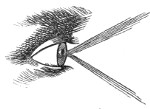
Hesius, 1536. Per cæcum videt omnia punctum.
GENERAL INDEX,
ARRANGED ACCORDING TO FOUR SUBJECTS:
1. EMBLEM WRITERS PREVIOUS TO A.D. 1616.
2. PROVERBS, SAYINGS, AND MOTTOES.
3. WORKS QUOTED OR REFERRED TO.
4. MISCELLANEOUS REFERENCES.
A.
A, O. L. Linacre’s Galen, Paris, 1538, p. 105;
O. L. Nef des folz, f. xvi., Paris, 1499, p. 188;
O. L. Alciat’s Emblems, 2, Paris, 1534, p. 377.
1. A. Bruck, Emb. mor. et bellica, 1615, p. 95; Emb. politica, 1618, pp. 34, 97.
Æsop, Fables, Latin and German, 1473; Italian, 1479; Greek, 1480; French and English, 1484; Spanish, 1489; thirty other editions before 1500, p. 51.
Aesticampianus, Tabula Cebetis, 1507, pp. 12.
A. Ganda, Spiegel van vrouwen, 1606, p. 98; Emblemata amatoria nova, 1613, p. 98.
Alberti, Ecatonphyla, 1491; French, 1536, p. 55.
Alciat, Andrew, Emblematum libellus, 1522, p. 69; Emb. liber, 1531, its size compared with ed. 1621, p. 69; in the interval above 130 editions; French, 1536; German, 1542; Spanish and Italian, 1549; English (?), 1551, p. 70; Commentators, 70; arms or device, 211.
Aleander, Explicatio antiq. fabulæ, &c., 1611, pp. 95, 97.
Altorfinæ, Emb. anniversaria, 1597, p. 94.
Amman, Biblical figures, Heraldry, &c., 1564, p. 85.
Ammirato, Il rota overo dell’ imprese, 1562, pp. 79, 81.
Aneau, French Alciat, 1549, p. 70; Picta poesis, and L’imagination poetique, 1552, p. 76.
Angeli, Astrolabium planum, 1488, p. 42.
Anjou, La joyeuse et mag. entrée, 1582, p. 87.
Apocalypse, a block-book, 48, 49.
Arias Montanus, Hum. salutis monum., 1572, pp. 88, 89.
Ars memorandi, a block-book, about 1410, p. 45.
Astronomical MS., about 1330, Chetham Library, 41.
Austria, Don John of, On Sambucus, 1572, p. 86.
2. Aliamque moratur, 124;
Altera securitas, 124;
Amicitia etiam post mortem durans, and Amicitiæ immortali, 307;
Amor certus in re incerta cernitur, 179;
Amoris jusjurandum pœnam non habet, 328;
Amor vincit omnia, 7;
Anchora speme, 185;
Armat spina rosas, mella tegunt apes, 333;
Ars naturam adjuvans, 255;
Ars rhetor triplex movet, &c., 141;
Au navire agité semble le jour de l’homme, 437;
Auri sacra fames quid non? 480;
Auxilio divino, 413;
Ave gratiâ plena, dominus tecum, 46;
A vous entier: j’en suis contente, 45.
3. Æschylus, on Symbol, p. 2; Swan, 213.
Æsop’s Fables, low estimate of by Shakespeare, 302; Antwerp, ed. 1593, p. 313; Jackdaw and fine feathers, 312.
Aikin’s General Biography: Champier, 63; Joachim, 67; Pierius, 80.
Alciat, characterised, 69; quoted, Janus, 139–40; Hope, 182; Æneas and Anchises, 191; Medea and Progne, 191; Brutus 201; Zisca, 206; Swan, 213; Insignia of poets, 218; Phrixus, 229; Sirens, 253; Mercury and Fortune, 255; Occasion, 259; Prometheus bound, 266; Dog and moon, 270; Actæon, 275; Arion, 280; Phaeton, 285; Icarus, 288; Niobe, 292; Narcissus, 295; Pegasus, 299; Several fables, 303; Friendship after death, 307; Bees, 360; Cupid and death, 401; Envy, 431; Ship-sailing, 435; Student entangled in love, 440.
Amboise, 1620, named by Menestrier, 79.
Ames’ Antiquities of printing names an English version of Alciat, 70.
Anacreon, the swan, 214.
Aneau, or Anulus quoted: Progne, 193; Brasidas, 194; Swan, 213; Prometheus, 267; Actæon, 276; Narcissus, 295; Daphne, 296; Skull, 337; Chaos, 449.
Animals, artistic books of, 1560–1586, p. 85.
Archæologia, lottery, 208; Ages of man, 406.
Aristotle, the head an index of the mind, 129; Halcyon’s nest, 391.
Arundel MS., ages of man, 406.
Athenæ (Cantab. ii. p. 258), Spenser, 87.
Augustine, S., Confessions, 426.
Aulus Gellius, Androcles and lion, 281.
Ayscough, 461.
4. Achilles, shield of, 20.
Actæon, referred to by Alciat, 275; Shakespeare, Aneau, Sambucus, 276; Palæphatus, Ovid, Whitney, 278; and Shakespeare, 279.
Adam hiding, by Shakespeare, Whitney, 416; Montenay and Stamm Buch, 416.
Adam’s apple, reference to Milton, Plate X., 132.
Adamant, indestructibility: Le Bey de Batilly and Pliny, 347; Shakespeare, 348.
Æneas, his shield, 20; and Anchises, by Alciat and Whitney, 191; Shakespeare, 193.
Albret, Madame, Queen of Navarre, 88.
Aldi, 1490–1563, device, 16; Horapollo, 1505, p. 64.
Alphonso V., ancestor of Don Juan Manuel, 1575, p. 90.
America and West Indies ignored, 350, 352.
Androcles and the lion, 281.
Antefixæ, of Etruscan art, 19.
Ants and grasshopper, by Freitag, 148; and Whitney, 148.
Ape and miser’s gold, by Cullum, 128; Paradin, Whitney, and Symeoni, 486; Shakespeare, 488.
Apollo and the Christian muse, Le Bey de Batilly, 379; Shakespeare, 380.
Appendices, I. 497, II. 515, III. 531–542.
Architecture and statuary excluded, 11.
Argonauts and Jason, 229; Shakespeare, 230.
Arion, by Alciat, 280; Whitney, &c., 281; Shakespeare and Microcosm, 282, 283.
Arms on Queen Mary’s bed, 123, 124.
Arran, earl of, 1549; patron of Aneau, 108, 121.
Arrow wreathed on a tomb, Paradin, 183.
Art, Shakespeare’s exquisite judgment of, 108–117.
Ascencian printing press, 1511, p. 63.
Ass and wolf, 53, 54.
Astronomer and magnet, Sambucus, 335; Whitney, 335; Shakespeare, 336.
Athenian coin, 8.
Atkinson’s gem, Picta Poesis, 76.
Atlas, by Giovio and Shakespeare, 245.
Augustus, his emblem, 15.
B.
1. Badius, Stultif. navic. fatuarum mul., 1500, 1502, p. 61; Nef des folles, &c., 1501, p. 62; Account of, 63.
Balsat, Nef des princes, &c., 1502, p. 63.
Barclay, Shyp of folys of the worlde, 1509, 1570, pp. 57, 65, 91, 119; Mirrour of good maners, 1570, p. 58.
Bargagli, 79; Dell’ Imprese, 1589, p. 87.
Bedford Missal, MS., 1425, p. 44.
Beham’s Bible figures, 1536, p. 72.
Bellerophon, of Lust tot wysheyd, 1614, p. 98.
Belloni, Discorso, 1601, p. 92.
Bernardetti, Giornata prima, &c., 1592, pp. 79, 92.
Beza, Icones, accedunt emb., 1581, p. 88.
Bible figures, 1503, p. 63; 1536, p. 72.
Biblia pauperum, 1410–1420, p. 45; Plate VI., 46; Description of, 46, 47.
Biblische historien, 1551, p. 73.
Billyng, Five wounds of Christ, MS., 1400, ed. 1814, p. 41.
Block-books: Biblia pauperum, Plate VI., 45–47; Book of Canticles and the Apocalypse of S. John, 48; Ars memorandi, 45, 48; Historia S. Joan. Evangelist., sold for 415l., not for 45l., Plates VII. and VIII., 49; Print, Plate XV., 407.
Bocchius, Symbol. Quest., libri v. 1555, p. 77.
Boissard, Theatrum vitæ humanæ, 1596, p. 31; Shawspiel Menschliches lebens, 1597, p. 97; Fall of Satan, Plate XI., 133; Human life a theatre, Plate XIV., 405.
Boissart, Mascarades recueillies, 93, 94.
Bol, Emb. evang. ad XII. signa, 1585, p. 88.
Boner, German fables, about 1400, ed. 1461, p. 50.
Borcht, Ovid’s Metamorphoses, 1591, p. 94.
Boria, Emprese morales, 1581, p. 90.
Brandt, Narren schyff, 1494; Stult. navis, before 1500, Plate IX., ed. 1497, p. 57; Nef des fols, 57; Flemish version, 1504, Two English, 1509, p. 57; Hortulus animæ, MS., ed. 1498, p. 58.
Broecmer, Embl. moralia et œconomica, 1609, pp. 95, 97.
Brosamer, Biblische historien, 1551, p. 73.
Bynneman, Van der Noot’s theatre, 1569, p. 91.
2. Beaulté compaigne de bonté, 418;
Bella Maria, 125;
Bona terra, mala gens, 139;
Breue gioia, 152;
Brevis et damnosa voluptas, 152.
3. Bacon’s Adv. of learning, 1.
Bateman’s ed. Five wounds of Christ, 40.
Bellay’s Cupid and death, 1569, p. 400; Dog, 482; Emblem writing, 136.
Berjeau’s Biblia pauperum, ed. 1859, pp. 45, 48.
Beza, quoted, Phrixus, 230; Dog and moon, 270; Engineer and petard, 344.
Biographie Universelle, Boner, 50; Zainer, 55; Badius, 63; Shoeufflein, 67; Manuel, 90; Dinet, 94; Van Visscher, 98.
Blanchet’s Apologues orientaux, 17.
Blandford, Catalogue of emblem books, 35, 55.
Blomfield’s Norfolk, Lottery, 208.
Bohn’s Holbein, ed. 1858, Lottery, 207; Edward VI., 121.
Boissard quoted, Satan’s fall, 132, 133; Bacchus, 247; Bear and whelp and Cupid, 349; Human life, 405. See Messin, Emblemes.
Brucioli’s Trattato della sphera, 1543, Zodiac, Plate XIII., 353.
Brunet’s Manuel du libraire, 39; Speculum humanæ salvationis, 43; Dyalogus Creaturarum, 51; Ecatonphyla, 55; Todtentanz, 56; Figures du vieil Test., 63; Turnierbuch, 68; Figures of the Bible, 73; Giovio, &c., 78; Spelen van sinne, 81; Hoffer, 81; &c.
Bryan’s Dict. of Engravers, Zainer, 56; Boissart, 94; Van Veen, 96.
Brydges, Egerton, Res literariæ, 78, 100.
4. Bacchus, by Boissard, and Microcosme, 247; Alciat, Whitney, 248; Shakespeare, 249.
Badges, traced by Giovio, 14; Of ancient usage, 14; Augustus, 15; Titus, 16.
Ban-dog, Sir T. More, Spenser, 481; Sambucus, 482; Whitney, 483; Shakespeare, 484.
Barrel with holes, Paradin, Whitney, 332.
Bear and ragged staff, Whitney, 236, 239; traced to the Earls of Warwick, 237, 239; Shakespeare, 239.
Bear and cub, Boissard, 349; Tronus Cupidinis, 348; Shakespeare, 350.
Beauchamp, Thos. and Richd., their monuments, 237.
Beccafumi’s designs for seven ages, 407.
Bed of state, with emblems by Mary Stuart, 123, 126; at Hinckley, 126.
Bees, types of good government, Horapollo, 358; Alciat, 360; King bee, Plato, Xenophon, Virgil, 359; Types of love for native land, Whitney, 361; Commonwealth, Shakespeare, 362-364.
Bellerophon and Chimæra, Alciat and Shakespeare, 299, 300.
Bird caught by an oyster, 130; In a cage, and hawk, 124.
Black Ethiope reaching at the sun, 123, 160–162; No exact resemblance found, Reusner, 160, 161.
Blount’s crest, an armed foot in the sun, 166; Families of Blounts, 160.
Bodily signs emblematical, 17.
Bodleian library, its block-books, 49.
Bona of Savoy, the Phœnix her device, 234.
Brasidas and shield, Aneau and Whitney, 194, 195.
Bridgewater gallery, Diana bathing, 111.
Britain, emblem literature known in, 119–137.
Brutus, death of, Alciat and Whitney, 201, 202; Shakespeare, 203, 204; Characteristics of Brutus and Cassius, Shakespeare, 204, 205.
Bullogne, Godfrey of, his impresa, 123.
Butterfly and candle, Paradin, 151; Corrozet, Camerarius, Vænius, 152; Symeoni, 153; Shakespeare, 153; Boissard, 152.
C.
C, O. L., Alciat, 38 Ant., 1581, p. 497.
1. Caburacci, Trattato ... di fare le imprese, 1580, pp. 79, 86.
Callia, Emb. sacra, e libris Mosis excerpta, 1591, p. 94.
Camerarius, Symb. et emblematum, &c., 1590, p. 89.
Camilli, Imprese—co i discorsi, &c., 1586, p. 87.
Canticles, book of, a block-book, 48.
Capaccio, Delle imprese trattato, 1592, pp. 34, 85.
Caputi, La pompa, 1599, p. 92.
Cartari, Imagini dei Dei degli antichi, 1556, p. 79.
Cebes, Tablet of, B.C. 390, p. 12; Editions various, 1497–1507, pp. 13, 68; De Hooghe’s and another’s delineation, Plates I. and I. b, 13, 68.
Champier, La nef des dames vertueuses, 1503, p. 63.
Chartier, Les blasons de vertu par vertu, 1574, pp. 87, 88.
Chiocci, Delle imprese, 1601, pp. 79, 92.
Cimolotti, Il superbi, 1587, p. 87.
Clamorinus, Thurnier-buch, 1590, p. 90.
Clemens of Alexandria, Stromata, 21.
Cœlius, Emblemata sacra, 1589, p. 89.
Combe, Emblems, about 1594, p. 120.
Compost des bergers, 1500–1705, p. 42.
Contile, Ragionamento ... delle imprese, 1574, pp. 79, 86.
Coörnhert, Recht ghebruyck ende misbruyck, 1585, p. 90.
Corrozet, Hecatomgraphie, 1540, and other works, 74.
Cory, Hieroglyphics of Horapollo Nilous, 1840, pp. 22, 24.
Costalius, Pegma, cum nar. phil., 1555, p. 77.
Costerius, Ὁ Μικρόκοσμος, 1584, p. 98.
Coustau, Le pegme, avec les nar. phil., 1560, p. 77.
Crosse, His covert, MS. about 1600, with reasons for that date, 100.
2. Canis queritur nimium nocere, 482;
Canis reversus ad suum vomitum, &c., 144;
Captivus ob gulam, 130;
Cavendum à meretricibus, 250;
Certe tu vita es mihi, 161;
Christus bajulat crucem, 43;
Come l’oro nel foco, 179;
Cominus et eminus, 231;
Coney, so doth struggle in the net, 319;
Conscientia integra laurus, 422;
Consequitur quodcunque petit, 3;
Consilio & virtute chimæram superari, &c., 299;
Constantia comes victoriæ, 436;
Contraria industriæ ac desidiæ præmia, 148;
Cosi troppo piacer conduce à morte, 153;
Cosi vivo piacer conduce à morte, #151;
Creatione et confusione del mondo, 35;
Creavit dominus novum super terram, &c., 47;
Cucullus non facit monachum, 138;
Cum larvis non luctandum, 305;
Curiositas fugienda, 267.
3. Calendrier et compost des bergers, 1705, p. 42.
Callimachus, Perjuria ridet amantum, 328.
Cambridge Works of Shakespeare, 1863, 1866, p. 157.
Centifolium stultorum, 1707, p. 33.
Chaucer, use of the word Emblem, 7.
Chrysostom, God loved and hated in man, 281.
Cicero, use of the word Emblem, 5.
Collier, J. Payne, Phœnix’ nest, 1593, reprint, 380.
Cotgrave’s Dictionary, Emblema 1.
Cowden Clarke’s Concordance, 388.
Cudworth’s Intellectual System, ed. 1678, pp. 2, 103.
Cullum, Sir John, History and antiquities of Hawsted, 1813, p. 127.
4. Cadmus, alluded to in Rich. II., 245.
Calcott, Lady, account of the seven ages of man inlaid on the pavement, Siena, 407.
Calumny, Shakespeare, 434.
Camel and his driver, 283.
Camerarius, quoted for,—Butterfly and candle, 151; Dog and moon, 270; Eagle renewing youth, 369; Elm and vine, 307; Falconry, 366; Jackdaw in fine feathers, 312; Laurel and lightning, 423; Ostrich, 234; Pelican, 394; Stag wounded, 398; Swan, 217; Turkey and cock, 357; Unicorn, 372; Wheat among bones, 184; Wreaths on a spear, 223.
Cannon bursting, Beza and Shakespeare, 344.
Casket scenes, emblematical, 149–154, 186.
Cassius and Cæsar in the Tiber, 193.
Cervantes and Shakespeare died in 1616, 318.
Chaos, Ovid, Symeoni, 448; Aneau, Whitney, 449, 450; Shakespeare, 451, 453.
Charles I., his fine collection of paintings, 111.
Charles V. emperor, the Tewrdannckh dedicated to him in 1517, p. 68.
Chatterton, Dr., on choice of a wife, 210.
Chess, emb. of life and equality in the grave, Perriere, 320; Corrozet, 321.
Child and motley-fool, Whitney, Sambucus, 484; Shakespeare, 485; Drant, 486.
Chivalry, wreath of, Paradin, Shakespeare, 169.
Cholmeley, knight, Sir Hughe, 320.
Christian art, fulness of its emblems, 26.
Christian love, the soul, and Christ, Plate II., 32.
Circe, Alciat, 250; Whitney, Horace, Reusner, 251; Shakespeare, 252.
Classification of the correspondencies and parallelisms, 187.
Cliffords, father and son, 192.
Clip the anvil of my sword, Shakespeare, 325; Perriere, 326; Whitney, and meaning, 327.
Closet adorned with emblems, 127.
Coats of arms, often imaginative, 236.
Coincidences of Whitney and Shakespeare in the use of words, 478, 479, 497–514.
Coincidences and parallelisms in heraldic emblems, 240.
Coins and medals often emblematical, 13.
Columbus, tribulations on marble, 461.
Commonwealth of bees, Whitney and Shakespeare, 361–365.
Compress, difficulty to, 101.
Conclusion, Shakespeare acquainted with Emblem-books, 495.
Confidence kept back, Shakespeare, 434.
Conscience, power of, Horace, 420; Vænius, 421; Shakespeare, 421, 424, 425.
Coörnhert’s device of Providence making poor and making rich, Plate XVI., 489.
Coriolanus, 201; his civic crowns, 225.
Coronation scene, Anne Bullen’s, 9.
Correspondence of Whitney and Shakespeare in words, 477–479, 497–514.
Corrozet, quoted, Butterfly and candle, 152; Chess, 321; Doves and Cupid, 245; Fortune, 261; Gem in gold, 418; Hydra, 374; Icarus, 289; Sun and wind, 165.
Corser of Stand, Rev. T., Historia S. Joan, sold for 415l., p. 49; De Sole et Luna, 52; Figures du vieil Test. et du nouuel, 63; Alciat of 1531 p. 69; Dance of Death, 71; Crosse his covert, MS., 100.
Cotton, Richard, Esquier, of Combermere, 1586, p. 360.
Countryman and serpent, Freitag, Reusner, 197; Shakespeare, 198.
Coustau, Camel and driver, 283; Silence, 209; Orpheus, 271; Ruins and writings, 442.
Crab and butterfly, Symeoni, 15.
Creation and confusion, Ovid, Plate III., 35.
Crescent moon, Giovio, 125, 127.
Crests of ancient times, 14–16.
Crowns, civic and others, 221, 224.
Cupid felling a tree, 324; Blinded, Perriere and Shakespeare, 329, 331; and Bear, Boissard, 349; Tronus Cupidinis, 348; Cupid and Death, Alciat, 400; Whitney, 401; Haechtan, 400; Peacham, 403; Cupid in mid-air, Shakespeare, 404.
Curtius, a silver emblem ornament, 5.
Custom, a guide for Emblems, 37.
D.
1. Dance of Death. See Holbein.
Danse Macabre, ed. 1485, p. 56.
Dalle Torre, Dialogo, 1598, p. 92.
Daniell, Worthy Tract of Paulus Iouius, 1585, p. 77.
David, Virtutis spectaculum, 1597; Veridicus christianus, 1601; Christelücke, 1603; Occasio arrepta, neglecta, 1605; Pancarpium marianum, 1607; Messis myrrhæ et aromatum, 1607; Paradisus sponsi et sponsæ, 1607; Duodecim specula, 1610, p. 95; Occasio, quoted in illustration, Plate XII., 265.
Daza Pinciano, Alciat in Spanish, 1549, p. 70.
De Bry, T., Stam und wapenbuch, 1593, p. 32; Emb. nobilitate et vulgo scitu digna, 1592, and Emblemata secularia, 1593, p. 94; Emb. sec.—rhythmis Germanicis, 1596, p. 97; Pourtraict de la cosmog. morale, 1614, p. 94.
De la Perriere, Theatre des bons engins, 1539; Les cent considerations d’amour, 1543; Les considerations des quatre mondes, 1552; La Morosophie, 1553, p. 74.
De Montenay, Emblêmes ou devises chrestiennes, 1574, pp. 87, 88.
De Passe, 96; Metamorphoseωn Ouid., 1602, p. 95; Speculum heroicum—Homeri, 1613, p. 36; Original drawings at Keir, about 1600, p. 177; Quoted, Phaëton, 284; Daphne, 296; Tronus Cupidinis, 348.
Derendel, Historyke Portreatures, 1553, pp. 73, 119.
De Romieu, Le Pegme de P. Covstav, 1560, p. 77.
De Soto, Emblemas moralizadas, 1599, p. 99.
Desprez, Théatre des animaux, &c., 1595, p. 93.
Destructoriũ vitiorum (Dyalog. Creat.), 1509, p. 52.
Dialoges of creatures moralyzed, 1520, pp. 52, 119, 303.
Dinet, Les cinq livres des hieroglyph., 1614, p. 94.
Dolce, Le prime imprese del conte Orlando, 1572; Dialogo, 1575, p. 86.
Domenichi, Ragionamento, 1556, 1574, pp. 77, 78.
Doni, I mondi; I marmi; La moral filosofia, 1552, 1553, p. 76.
Droyn, La grãt nef des folz, 1498, 1579, pp. 57, 87.
Dupont, Satyriques grotesques, 1513, p. 67.
Durer, Ehrenpforte, 1515; Tewrdannckh, 1517; and Triumphwagen, 1522, p. 67.
Dutch Emblem-books, passim, and 90, 97.
Duvet, L’apocalypse figurée, 1561, p. 81.
Dyalogus creaturarum, 1480, p. 51; French ed. 1482, English, 1520, p. 51.
2. Dabit Deus his quoque finem, 124;
Dederitne viam Casusve Deusve, 123;
Defecit in dolore vita mea, &c., 131;
De more et amore, 401;
De Morte et Cupidine, 403;
Descendet dominus sicut pulvia in vellus, 47;
Despicit alta canis, 270;
Dives indoctus, 229;
Divesque miserque, 31;
D. O. M., 464;
Dominus tecum virorum fortissime, 47;
Dominus vivit et videbit, 416;
Donec totum impleat orbem, 123, 127;
Dum ætatis ver agitur, consule brumæ, 148;
Dum tempus labitur, occasionem fronte capillatam remorantur, 265;
Dum transis, time, 128;
Durate et vosmet rebus servate secundis, 125.
3. De Bry, Icones virorum illustrũm, 85.
De la Perriere, quoted for,—Chess emb. of life, 320; Cupid blinded and sieve, 329; Diligence, 145; Fardel, 495; Janus, 140; Occasion, 258; Sword broken on anvil, 326; Thorns on the rose, 332.
Democritus, Golden sentences, 13.
De Montenay, quoted, Adam hiding, 416; Fearlessness, 440; Good out of evil, 447.
Dibdin, Bibliographical Antiquarian, 58; Bibliomania, 51, 137; Bibliogr. Decameron, 45; Bibliotheca Spenseriana, 48; Tour, 57.
Dict. Greek and Roman Antiquities, 20.
Diodorus Siculus, History, 20.
Donne, Elegy, Flowers, 18.
Doré, Drawings for Elaine, 30.
Douce, Dissertation, ed. 1833, pp. 56, 71; Remarks on Macaber, 56; Illustrations of Shakspeare and of Ancient Manners, 1807, pp. 106, 167, 172; Holbein’s Images, ed. 1858, p. 121.
Drake, Shakspeare and his Times, 106, 107, 238; on Falconry, 365; Timon of Athens, 426.
Drant, Horace’s Art of Poetry, 1567, p. 486.
Drayton, Baron’s Wars, 1598, names, emblems, impresas, hieroglyphics, 132.
Drummond, History of Scotland, 1655, p. 123; Letter to Benjamin Johnson, Emblems on a bed of state, 123–125; Other letters naming devices or emblems, 124.
Dryden’s opinion of the Pericles, 157.
Dugdale, Antiq. of Warwickshire, 237.
Du Vondel, illustrious poet of Holland, 98.
4. Daphne to a laurel, Aneau, Ovid, 296; Shakespeare, 297.
Death, its mention by Shakespeare, 339, 469.
Death and sleep, 469–471.
Death’s praises,—life’s evils, 471.
Dedalus and his sons, 287.
Diana, emblem and symbol in one, 3.
Diana of Poitiers, dedication to, 3, 172.
Dice an emblem of life, Le Bey de Batilly, 322.
Diligence and idleness,—Perriere, 145; Whitney, 146; not followed by Shakespeare, 147.
Direct References to Emblems, six in the Pericles, 156–188.
Di Terra Nova, Duke, emblem, 125.
Division into three parts of Emblem-books, from 1500 to 1564, p. 60; into two parts, from 1564 to 1615, p. 84.
Dog baying the moon, Shakespeare and Alciat, 269; Whitney and Camerarius, 270; Beza, 271.
Dogs not praised by Shakespeare, 145, 483.
Dolphin and anchor, Symeoni and Giovio, 16; The device of Titus, and of the Aldi, 16.
D. O. M., Whitney and Shakespeare, 464, 465.
Doubtful if certain books are Emblem-books, 51, 55.
Doves and winged Cupids, Shakespeare and Corrozet, 245.
Drake, Sir Francis, compared to Jason, 229.
Drake’s ship, Whitney, 413; Shakespeare, 414.
Drawing and device or emblem, their difference, 49.
Drinking bout of Antony and his friends, 246.
Droppes manie pierce the stone, &c., Whitney, 324; Shakespeare and Vænius, 324
Dudley, Ambrose, earl of Warwick, died 1589, p. 238.
Dudley, Robert, earl of Leycester, died 1588, p. 238; Whitney’s Emblems dedicated to him, 239.
Dupes emblematised, 33.
Dust, to write in, Sir T. More, 461; Shakespeare, 460, 461.
E.
E, O. L. of uncertain origin, 241;
O. L. from Plato’s works, 710; Francfort, 1602, p. 346;
O. L., Dial. of Creatures, 62, ed. 1520, p. 463.
1. Ecatonphyla, 1491, centiesme amour, 1536. p. 55.
Ehrenpforte, or triumphal arch, about 1515, p. 67.
Emb. Amat., Afbeeldinghen, 1611, p. 98.
Emblemata Evang. ad XII. signa, 1585, p. 88.
Emblesmes sur les actions—du Segnor Espagnol, 1608, p. 93.
Emblematum Philomilæ Thiloniæ Epidigma, 1603, p. 95.
Emblem-books, in the tabulated forms, 86–99:— Dutch or Flemish, 1585, p. 90; 1603–1614, pp. 97, 98. English, 1569–1586, p. 91; 1591–1612, p. 99. French, 1568–1588, p. 87; 1595–1614, pp. 93, 94. German, 1576–1590, p. 90; 1596–1611, p. 97. Italian, 1566–1589, pp. 86, 87; 1592–1609, p. 92. Latin, 1568–1590, pp. 88, 89; 1591–1615, pp. 94, 95. Spanish, 1575–1589, p. 90; 1599–1615, p. 99.
Emblem-books, in Greek; Tablet of Cebes, B.C. 390, pp. 12, 68; Clemens of Alexandria, about A.D. 300, Stromata, 21; Epiphanius, A.D. 367, p. 28; Horapollo, originally Egyptian, about A.D. 400, p. 22; translated into Greek by Philip, about A.D. 550, p. 22.
English Emblem-books down to Willet, 1598, p. 119; passim, 91, 99–101.
Epiphanius, A.D. 367, Physiologus, 1587, p. 28.
Estienne, Henri, Anthologia gnomica, 1579, pp. 88, 89.
2. Eadem inter se, 384;
Ecce, ancilla domini, fiat mihi, 46;
Ecce ascendimus Hierosolimam, 66;
Ecce virgo concipiet et pariet filium, 46;
Ei qui semel sua prodegerit, aliena credi non oportere, 189;
Εἴξας νικᾶ, 314;
Eloquentia fortitudine præstantior, 164;
Eloquium tot lumina clausit, 123;
En ma fin git mon commencement, 123;
Erant signa in sole et luna, 48;
Esto tiene su remedio y non yo, 398;
Ex domino servus, 276;
Ex malo bonum, 447;
Ex maximo minimum, 337.
3. Engravers, named, and referred to:— Amman, Jost, 1564, pp. 74, 85. Avibus, Gaspar ab, 1558, p. 80. Bernard, Solomon, 1560, pp. 36, 73. Bewick, Thomas, 1789, p. 71. Boissart, Robert, 1590, p. 94. Bonasone, Giulio, 1555, p. 77. De Bry, Theodore, 1592, pp. 96, 348. ” John Theod., p. 96. ” John Israel, p. 96. De Hondt, Jost, 1606, p. 98. De Hooghe, Romyn, 1670, p. 13. De Jode, Gerard, 1584, p. 53. De Passe, Crispin, 1611, pp. 95, 97, also pp. 57, 177. Durer, Albert, 1509, pp. 65, 67, 73. Duvet, John, 1561, p. 81. Feyrabend, Sigismund, about 1581, p. 90. Fortoul, 1832, p. 71. Holbein, Hans, 1538, pp. 71, 72. Koster, Laurens, 1410, p. 46. Lützenberge, Hans, 1538, p. 72. Marcolini, Ant. Franc., 1552, p. 76. Pytheus, named by Pliny, 5. Raimondi, Marc Ant., 1516, p. 67. Sadeler, Ægidius, 1600, pp. 96, 98. Sadeler, John, 96. Sadeler, Raphael, 96. Schlotthauer (Dance of Death), 1832, p. 71. Shaeufflein, Hans, 1517, p. 67. Solis, Virgil, 1555, p. 77; 1560, p. 74. Stimmer, Tobias, 1576, p. 90. Stimmer, John Chr., 1591, p. 90. Van der Borcht, 1591, p. 95. Van Veen, or Vænius, Otho, 1607, p. 96. Van Veen, Gilbert, 1607, p. 96. Veneziano, Zoan And., 1500, p. 55.
Eschenburg’s Manual class. lit., 1844, pp. 7, 224.
4. Eagle renewing its youth, Camerarius, 368; Shakespeare, 369, 370.
Edward VI., Emblem-books belonging to him, 121.
Egerton, Lord Chancellor, and Thomas Wilbraham, 467.
Elephant and undermined tree, Sambucus and Whitney, 196.
Elizabeth, Queen, devices, 124; prayer-book, 137; lottery, 208; phœnix, 390; flattered by Shakespeare, 404.
Elm and vine, Alciat and Boissard, 307; Whitney and Camerarius, 308; Vænius and Shakespeare, 309.
Ἔμβλεμα, ἐνβαλλεῖν, pp. 4, 5, 6.
Emblem defined, Cotgrave, Quarles, and Bacon, 1; Whitney, 6; Shakespeare, 9; origin, 9; definition seldom strictly observed, 30.
Emblems, original meaning, 4; Chaucer, 7; kept by Shakespeare and Milton, 9; changes of meaning, 4; classical and modern meaning, 4, 5, 11.
Emblem and Symbol, confounded, 1; difference, 2; united, 2, 3; affinity of, 6.
Emblem, the word introduced into Latin, 5; opposed by Tiberius, 5; used by Cicero and Quinctilian, 5.
Emblema nudum, or bare, without a device or picture, 13, 51; in Shakespeare, 149–154.
Emblem Artists and Artificers, 5, 20. See also Engravers.
Emblem Authors, number before 1616, p. 102; men of literature and mental power, 102; estimate in which they were held, 103; introduce fables, 303.
Emblem-books our theme, 11; preceded by writings, 119; three large collections, accessible for this work, at Keir, Stand, and Thingwall, 86; number composed from 1564 to 1590, pp. 91, 92; number of original texts and versions, 770, before 1616, p. 102; illuminated MS., 38–45, 50; block books, 46–50.
Emblem Literature,—applied with great latitude; what appears essential to it, 31; Instances: proverbs and witty sayings, scenes from history, armorial bearings, 31; celebration of events, devotion and satire, 32, 33; politics, 34; classic poets, 34–36; great latitude in using the phrase, Emblem Literature, custom the general guide, 37; includes ornamental devices in books, 38; architecture, sculpture, and painting too extensive to be included, 38; known in Britain, 119–137; bed of state, with emblems wrought by Mary, Queen of Scots, 123–125; ancient bed at Hinckley, 126; painted closet at Hawsted, 127–130; ancient hall at Lower Tabley, 131; Drayton’s testimony, 1598, p. 132.
Emblems,—raised or carved figures and designs, a crust or framework, a mosaic, figured ornaments, 9, 10; devices on smooth surfaces; any drawing representative of thought, character, &c.; a species of hieroglyphics, 11; coins and medals, 13; heraldry, 14–17; signs, 17–19; fictile ornamentation, 19, 20; works by the silversmith, 20; hieroglyphics, 21–26; Christian art, 26, 27.
Emblems classified—by Whitney into three kinds, 187; for this work into eight divisions, 188: —historical, 188–211; heraldic, 212–240; mythological, 241–301; for fables, 302–317; for proverbs, 318–345; for objects in nature, 346–376; for poetic ideas, 377–410; moral and æsthetic, 411–462; miscellaneous, 463–496.
Emperors:—Maximilian I., 1517, pp. 67, 68; Charles V., 1517, p. 68; Maximilian II., 1564, p. 85; Rodolph II., 1576, pp. 85, 89, 96; Matthias, and Ferdinand II., 96.
End crowns all; or the end makes all equal, Shakespeare, Messin, Whitney, Perriere, 320; Illustrated by chess, Perriere, 320; Corrozet, 321, 322; Whitney and Shakespeare, 323.
Engineer hoist with his own petar, from Beza and Le Bey de Batilly, 344; Shakespeare, 345.
Envy, from Whitney, Alciat, 431, 432; Shakespeare, 433.
Estridge, ostrich, or falcon? Paradin, 370; Shakespeare, 371.
Eternity, emblem of, 37; in Plate XVII., 491; Horapollo, 491; Shakespeare, 492.
F.
F, O. L., Nef des folz, Paris, 1499, xxv., p. vii.
1. Fables, German, about 1400, p. 50. See Boner.
Fabrici, Delle allusioni, imprese & emblemi, 1588, p. 87.
Faerno, Fabvlæ centvm, 1565, pp. 85, 303, 310, 311; quoted, Fox and grapes, 311.
Farra, Settenario dell’ humana riduttione, 1571, pp. 79, 86.
Feyrabend, Stam und wapenbuch, 1579, p. 90.
Figures du vieil Test. & du nouuel, 1503, p. 63.
Figures of the Bible, 73.
Fiorino, Opera nuova, &c., 1577, p. 86.
Flemish books of emblems, passim, and, 90, 97.
Franceschino, Hori Apollinis selecta hieroglyphica, 1597, p. 94.
Fraunce, Insignium armorum emblematum, &c., 1588, p. 89.
Freitag, Mythologia ethica, 1579, p. 88; Viridiarium mor. phil. per fabulas, 1594, p. 94.
Frellonius, Holbein’s Historiarum veteris instrumenti, 1547, p. 72.
French Emblem-books, passim, and, 87, 93.
Furmerus, De rerum usu et abusu, 1575, p. 88; Hands of Providence, Plate XVI., 489.
2. Facunda senectus, 215;
Faire tout par moyen, 289;
Fatuis levia commitito, 484;
Feriunt summos fulgura montes, 475;
Festina lente, 15;
Ficta ejus quod haberi nequit recusatio, 310;
Finis coronat opus, 437;
Fortiter et feliciter, 221;
Fortitudo ejus Rhodum tenuit, 124;
Fortuna virtutem superans, 202;
Fortunæ comites, 124;
Frons hominem præfert, 129;
Fronte nulla fides, 129;
Fructus calcata dat amplos, 124;
Frustra, 329, 331.
3. Farmer, Dr., on Pericles, 156.
Flintner, Nebulo nebulonum, 1620, p. 65.
Freitag, quoted for,— Mouse caught by an oyster, 130; Ants and grasshopper, 148; Countryman and serpent, 197; Fox and grapes, 309; Phœnix, 381; Sun, wind, and traveller, 166; Turkeycock and cock, 356.
4. Fables: doubtful if strictly emblems, 51; The best emblem writers introduce them, 303; A floating literature, interchanged throughout the world, 302; Shakespeare’s estimation of them, 303; Early editions, 303.
Fables, emblems illustrative of, 302–317; Fly and candle, 151–153; Sun, wind, and traveller, 164–167; Elephant and tree, 196; Countryman and serpent, 197; Hares biting the dead lion, 304–306; Elm and vine, or elm and ivy, 307–309; Fox and grapes, 309–312; Jackdaw in fine feathers, 312–314; Oak and reed, 314–316.
Facts in Nature, emblems from, and from the properties of animals, 346–376: —Frosty Caucasus, 346; Adamant on the anvil indestructible, 347; Bear, cub, and Cupid—natural affection, 348–350; The inhabited, or three-cornered world, 351–353; Signs of the zodiac, 353–356; The cock and turkeycock, 356–358; The vulture, 358; Bees, types of a well governed people, and of love for our native land, 358–365; Falconry, 365–368; Eagle renewing its feathers, 368; Ostrich with outspread wings, 370; Unicorn, type of faith undefiled, 371–373; Hydra slain by Hercules, 373–375; Various animals named, 375, 376.
Falconry, from Dr. Drake, 365; Camerarius and Giovio, 366; Shakespeare, 367, 368.
Fame armed with a pen, from Junius and Whitney, 445, 446; Shakespeare, 444, 445.
Fardel on a swimmer, 480, 481.
Ferdinand II., emperor, 96.
Fictile ornamentation, 19, 20.
Fin couronne les œuvres, from Shakespeare, 320–323. See End.
Firmin Didot, 40.
Flower language, emblematical, 18.
Fly and candle. See Butterfly.
Forehead, index of the mind, 129.
Fortune, from Corrozet, 261. See Occasion.
Fox and grapes, from Freitag, 310; Faerni, 310; Whitney, 311; Shakespeare, 311, 312.
Francis I., impresa, 123, 125, 126.
Friendship after death, 307. See Elm and Vine.
Frosty Caucasus, 346.
G.
G, O. L., an altered C, from Linacre’s Galen, Paris, 1538, p. 543.
1. Ganda. See À Ganda.
German Emblem-books, passim, and, 90, 97.
Geschlechtes Buch, editions 1550, 1580. p. 75.
Geyler, Navicula sive speculum fatuorum, 1511, and Navicula penitentiæ, 1511, several reprints before 1520, —the first book with the imperial privilege, 66; Two German translations, 66; Latin version of Narren Schyf, 1498, p. 66.
Giovio, Dialogo dell’ imprese, or Ragionamento, 1555, p. 77; 1574, pp. 14, 15, 16; English version, 1585, p. 77; Menestrier, 79.
Giovio, Symeoni, and Domenichi, Dialogo dell’ imprese, &c., 1574, p. 78; Twenty-seven editions between 1553 and 1585, p. 78.
Glissenti, Discorsi morali, &c., 1609, pp. 92, 93.
Golding, Ovid’s Metamorphoses, 1565, p. 243.
Goulart, Les vrais pourtraits, 1581, p. 87.
Grapheus, Entry of Philip of Spain, 1550, p. 75.
Grevin, Emblemes d’ Adrian la Jeune, 1568, p. 87.
Guazzo, Dialoghi piacevoli, 1585, p. 87.
Gueroult, Premier livre des emblemes, 1550, p. 75.
Guillim, A display of heraldry, 1611, pp. 99, 120.
Gulden, Den gulden winckel, 1613, p. 98.
Guzman, Triumphas morales, 1557, p. 90.
2. Gang forward; I am ready, 14;
Giuramento sparso al vento, 328.
3. Gale’s Opus mythol., 13.
Gentleman’s Magazine, 126, 208.
German book—the first in pure German,—a book of fables printed in 1461, p. 50.
Giovio, quoted from,— Alciat’s device, 211; Atlas, 245; Crescent moon, 125, 127; Dolphin and anchor, 16; Falconry, 365; Kingfisher, 392; Ostrich and iron, 233; Phœnix, 235; Salamander, 125, 126. Giovio and Symeoni, quoted,—Porcupine, 231; Wrongs on marble, 457.
Golding’s Ovid, 1567, p. 243; Shakespeare indebted to it, 243; The epithet golden, 400.
Gough, on the Bedford missal, 1794, p. 44.
Gower’s Conf. am.—pur reposer, 7.
Green’s Never too late, 1610, p. 128.
4. Gem in a ring of gold, by Corrozet, 418; Shakespeare, 419, 420.
Gemini, 355.
Geography, 350–353; more correct, 415.
Glance only, at times, to emblem subjects by Shakespeare, 269, 317.
Glyptic art as exemplified in hieroglyphics, 21–26.
Gold on the touchstone, by Paradin, 175; Whitney, 178; Crispin de Passe, 177; Shakespeare, 175, 180; Vænius, 179.
Golden, the epithet, Douce, Sidney, Golding’s Ovid, 400; Bellay, Alciat, 400; Whitney, 401; Peacham, Whitney, 403; Shakespeare, 404.
Golden fleece, order of, 228.
Gonsaga, Hanibal, saying on surrendering his sword and himself, 138.
Good out of evil, Shakespeare and Montenay, 447.
Greatest out of least, from Anulus, 337; Whitney, 338; Shakespeare, 338, 339.
Grecian coins, 13.
H.
H, O. L., Nef des folz, xv., Paris, 1499, p. 187; Monogram, H. G., a construction, preface, xii.
1. Haller, Chartiludium logicæ, 1507, p. 64.
Held, Alciat in German, 1542, p. 70.
Hesius, Emblemata sacra, 1581, p. 88.
Hillaire, Speculum Heroicum ... Homeri, 1613, pp. 36, 95.
Historia S. Joan. Euangelist., block-book, 1420, p. 49; MS. of, belonged to Henry II., 49.
Histories of Joseph, Daniel, Judith, and Esther, earliest printed book with text and engravings, 1461, p. 45.
Hoffer’s Icones catecheseos, 1560, p. 81.
Holbein, Les simulachres & Historiees faces de la mort, 1538, pp. 72, 350, 487; Previous to 1600 at least fifteen editions, 72; Historiarum veteris instrumenti icones, 1538, p. 72; Spanish, ed. 1543, English, ed. 1549, within the century twelve other editions, 73; The canoness or nun, 469; Sleep and death compared, 469, 470; Wrong done to the soul, 433; Praises of death, evils of life, 470, 471; The last judgment, and escutcheon of death, 470.
Hollar, Dance of death, 1790, p. 56.
Homeri, Speculum heroicum. See Hillaire.
Horapollo, account of, 22; De sacris notis et sculpturis, 1551, example, the Phœnix, 22, 23; Other examples from Leemans and Cory, 24–26 (see Leemans and Cory); First printed edition by Aldus, 1505, Latin, French, Italian, and German, before 1535; sixteen other editions before 1616, p. 64.
Horatii Emblemata, 1607 and 1612, p. 36.
Horozco, Emblemas morales, 1589, Symbolæ sacræ, 1601, p. 90.
Hortinus, Icones, 1585, p. 88; Emblemata sacra, 1589, p. 89.
Hortulus rosarum, 1499, p. 58.
Hunger, Alciat, Cum rhythmis Germanicis versus, 1542, p. 70.
2. Heart of Jesus the well of everlasting life, 40; Homines voluptatibus transformantur, 250; Homo homini Deus, 283; Homo homini lupus, 280, 283; His ornari aut mori, 222.
3. Haechtan’s Parvus mundus, 1579, p. 400.
Hallam, on Pericles, 157.
Halliwell, on Astron., MS., Chetham Library, 42.
Haslewood, reprint Dialogues of Creatures, 1816, p. 303.
Hawkins’ Η ΠΑΡΘΕΝΟΣ, 1633, p. 383.
Heraldry, ornamental, 16th century, 1868, p. 14.
Herodotus, the Scythian arrow, mouse, &c., 18; the phœnix, 382.
Hesiod, shield of Hercules, 20.
Hessells on Spelen van sinnen, 81, 82.
Hippocrates, Seven ages of man, 406.
Holbein’s Simulachres, the canoness, 469; Heath and sleep, 469; Death and fool, 472.
Holland’s Pliny, a work of art by Pytheus, to be put on or taken off,—a literal Emblem, 5; Hardnesse of a diamant, 348; The phœnix, 382; Halcyones, 391.
Homer, Iliad, shield of Achilles, 20; Word Emblem illustrated, 4; Death not unbecoming the defender of his country, 222; Insults to Hector’s dead body, 304; Odyssey, Circe, 250.
Hood’s Miss Kilmansegg, to illustrate “golden,” 403.
Horace, conscience, 420, 421; Circe and Sirens, 251; Pine-trees in a storm, 490; The swan, 214; Time leading the seasons, 490.
Horapollo, quoted, Bees, 358; Hawk on mummy case, 26; Lamp burning, 456; Phœnix, 23; Star, 25; Swan, 213; Thread of life, 454.
Humphrey’s Hist. of art of printing, 1867, p. 43; Plates from block-books, Biblia pauperum, 43, 46; Ars memorandi, 45; Dance of death, 469.
4. Halcyon. See Kingfisher.
Hands of Providence, by Furmer and Coornhert, Plate XVI., 489; Shakespeare, 489.
“Happe some goulden honie brings,” Whitney, 364; Shakespeare, 365.
Hares biting a dead lion, Iliad, Alciat, Shakespeare, 304; Alciat, Whitney, 305; Reusner, 306; Shakespeare, 306.
Harpocrates, Silence, Whitney, 208; Pegma, 209. See Lottery.
Hawk on a mummy case, its meaning, 26.
Hawsted and Hardwick, emblems there, 127–130.
Hen eating her own eggs, Whitney, Sambucus, 411; Shakespeare, 412.
Henry II. of England, 50.
Henry II. of France, his impresa, 123, 125, 127.
Henry VIII., collection of pictures, 111, 114; his impresa, 124.
Heraldic Emblems, 212–240; in three divisions;— I. Poetic Heraldry, 212–221:— The swan singing at death, Horapollo, 213; Virgil, Horace, Pindar, Anacreon, 214; On death poets take the form of swans, Ovid, Plato, 214; type of old age eloquent, Aneau, 215; of the simplicity of truth, Reusner, 215; fine thought by Camerarius, 217; insignia of poets, Alciat and Whitney, 218; Shakespeare combines various of these emblems, or of their spirit, 219–221; Shakespeare’s beautiful comparison of heraldry, 221. II. Heraldry of Reward for heroic achievements, 221–230:— Wreath of chivalry, Whitney, Camerarius, 222; Shakespeare, 223; Victors’ crowns, Paradin, 224; Eschenburg, 224; Shakespeare, 225–227; Honours from sovereign princes, Shakespeare, Talbot, 226; Order of St. Michael, Paradin, 227; Order of the golden fleece, Paradin, 228; Argonauts, Whitney, 229; Phrixus, Alciat, 229; Whitney, 230; Beza, 230; Shakespeare, 230. III. Imaginative Devices, 231–240:— Porcupine, Giovio, 231; Camerarius, 232; Shakespeare, 232; Ostrich and iron, Giovio, 233; Camerarius, 234; Shakespeare, 234; Phœnix, Lady Bona of Savoy, Paradin, 234; Giovio, 235; Shakespeare, 236; Bear and ragged staff, Whitney, 236; Dugdale, 237; Dudley, 238; Shakespeare, 239.
Heraldry, Emblems its language, 14, 17, 82; Its close connection with Emblems, 212; Beautiful comparison from, 220.
Heraldry of poetry, 212–221.
Heraldry of heroic achievements, 221–230.
Heraldry of imaginative devices, 231.
Hercules, his shield, 20.
Hieroglyphics, their emblem character, 21, 25; Subjects, 21, 26; Examples, 24, 26; Meanings of several, 26.
Hinckley, bed at, with emblems, 126, 127.
Historical Emblems, 188—211:— Medeia, Alciat, Whitney, 189, 190; Æneas and Anchises, Alciat and Whitney, 191, 192; Shakespeare, 192; Progne, Aneau, Shakespeare, 193, 194; Sinon, illustrated from Brasidas and his shield, Aneau, 194; Whitney, 195; The elephant and undermined tree, Sambucus, 196; Countryman and viper, Freitag, 197; Shakespeare, 198; Siege of Antwerp, Whitney, 199; Sinon often alluded to by Shakespeare, 200; Coriolanus, 201; Death of Brutus, Alciat, Whitney, 201; Shakespeare, 203, 204; Characteristics of Brutus and Cassius, 204, 205; Formidable after death, Alciat, Whitney, 205; Shakespeare, 207; The lottery, video et taceo, Whitney, 208; Costalius, 209; Shakespeare, 209–211.
Hives of bees, 371. See Bees.
Homo homini lupus, Whitney, Chrysostom, 281; Androclus and the lion, 281; Shakespeare, 282.
Homo homini Deus, Coustau, 283; Reusner, 283; Shakespeare, “in apprehension how like a god,” 284.
Honours from sovereign princes, 226.
Hope, illustrated by Alciat, Paradin, Whitney, and Sambucus, 182–185; Camerarius, 184; Spenser, 185.
Human life a theatre, Plate XIV., 405.
Hunterian Museum, Glasgow, the Tewrdannckh, 67.
Hydra slain by Hercules, Corrozet, 374; Shakespeare, 375.
I.
I, O. L., Giovio’s Ragionamento, Venetia, 1556, p. 30;
O. L., Alciat’s Diverse Imprese (p. 2), Lyons, 1551, p. 84.
1. Ieucht, Den nieuwen Ieucht spieghel, 1610, p. 98.
Italian emblem-books, passim, and, 86, 92.
2. Iddio, perche é vecchio, fa suoi al suo essempio, 136;
Il caos, 448;
Il fine corona l’opere, 437;
Illicitum non sperandum, 182;
Il mal me preme et mi spaventa Peggio, 124;
Immensi tremor oceani, 227;
Importunitas evitanda, 327;
Impotentis vindictæ fœmina, 193;
Improba siren desidia, 252;
In astrologos, 288;
In avaros vel quibus melior conditio ab extraneis offertur, 280;
In divitem indoctum, 229;
Industria naturam corrigit, 256;
Ingenio superat vires, 126;
In hac spe vivo, 159, 181, 185;
In morte vita, 185;
In occasionem, 259;
In receptatores sicariorum, 275;
In sinu alere serpentem, 199;
Insonti qui insidias struit, ipse perit, 54;
In spe fortitude, 182;
In statuam Bacchi, 248;
In studiosum captum amore, 441;
In temerarios, 285;
Invidiæ descriptio, 432;
Ipsa sibi lumen quod invidet aufort, 124;
Isaac portat ligna sua, 43.
3. Image or symbol of St. Matthew, 48.
4. Icarus and ill-fortune, Alciat, 288; Whitney, 288; Corrozet, 289; Shakespeare, 291.
Idiot-fool and death, Holbein and Shakespeare, 472.
Index, General, 543–571.
Indian hieroglyphics, 18.
Industry. See Diligence and Idleness, 145.
Introductory lines,— Whitney, D. O. M., 464; Shakespeare, 464.
Inverted torch,— Shakespeare, Symeoni, 171; Paradin, Whitney, 173; Shakespeare, 170; Vænius, 171; Corrozet, 175.
Io, 245. See Jupiter.
J.
1. Joachim, Abbot, died 1201; editions 1475, 1515, Prophetia dello Abbate Joachimo circa le Pontefici & Re, 67.
Joan. S., Euangelist., block-book. See Historia.
Jodelle, Recueil, 1558; Austriacis gentis imagines, 1558, 1569, 1573, p. 80.
John, Don, of Austria, Notes on Alciat, 1572, p. 86.
Joseph, Daniel, Judith and Esther. See Histories of, 45.
Jovius. See Giovio.
Junius, Emblemata, 1565; and 10 others, 86.
2. Jam satis, 128;
Jus hospitalitatis violatum, 357;
Juvenilia studia cum provectiori ætate permutata, 381.
3. Jode, Gerard de, 89, 282, 298, 313.
Johnson and Steevens’ Shakspeare, 483.
Johnson, Dr., 426.
Jones, Mr., Chetham Library, on Joachim, 67, 123.
Jonson’s testimony to Shakespeare, 496.
Junius, quoted:— Fame armed with a pen, 446; Oak and reed, 314; Pelican and young, 395; The caged cat and the rats; The crocodile and her eggs, 303.
4. Jackdaw in fine feathers, Camerarius, Æsop, Microcosme, Shakespeare, 313.
James VI. of Scotland, Beza’s emblems, 122; Epigram on, 122.
Janus, two-headed, Alciat, Whitney, 139, 140; Shakespeare, 140.
Jar, with Emblems, named by Pliny, 5.
Jason, 229, 230.
Jove laughs at lovers’ perjuries, Shakespeare, 327; Van Veen, Callimachus, Tibullus, 328; Shakespeare, 328.
June, illustration from Spenser, ed. 1616, p. 136.
Jupiter and Io, Symeoni, Ovid, Shakespeare, 245, 246.
K.
K, O. L., Plato’s Works (p. 153), Francfort, 1602, p. 212.
1.Kalendrier des Bergers, MS., 1330, p. 42;
Kindred works in Latin, Italian, and German, 1475, p. 42.
3. Kenrick’s Anc. Egypt, p. 21.
King’s Vale Royal, 211.
Knight’s Pictorial Shakspere, 156; Acknowledging Shakespeare’s acquaintance with Whitney, 396.
Kugler’s Handbuch de geschichte der malerei, Berlin, 1847, pp. 110, 111, 114.
4. Katherine, Queen of France, her emblem, 128.
Keir, near Dunblane, N. B., its library: —Astrolabium planum, 1488, p. 42; Alciat’s Emblems, 1531, p. 69; Entry of Philip of Spain into Antwerp, 1549, p. 75; Gueroult’s Premier livre des emblemes, 1550, p. 75; Doni’s Emblem Works, 1552, 1553, p. 76; Remark, 86; Guillim’s Heraldry, 100; Thirty-five original Emblem Drawings by Crispin de Passe, 177.
King-emperor, or master-bee, 359–363.
Kingfisher, Halcyon-days, Ovid, Aristotle, and Pliny, 391; Giovio, Shakespeare, 392.
Knowledge of Emblem-books in Britain, 119–137.
Koster of Haarlem, about 1430, p. 43; Earliest engraver of block-books, 1410–1420, p. 45.
L.
L, O. L., Camerarius (i. 35), Norimberg, 1605, p. #383; O. L., David’s Veridicus Christianus (70), Antverpiæ, 1606, p. 60.
1. L’Anglois, Discours des hierog. Égyptiens, 1583, p. 87.
Le Bey de Batilly, Emblemata, 1596, p. 94.
Leemans, Horapollinis Niloi Hierogl., 1835, examples from, pp. 24, 25.
Lefevre, Emblemes de Maistre A. Alciat, 1536, p. 70.
Le Vasseur, Devises des Emp. Rom., 1608, p. 93; Devises des Rois de France, 1609, p. 93.
Libri cronicarum, 1493, p. 56.
Locher, Stultifera navis, before 1500, Plate IX., 57.
Lonicer, J. A., Stand und Orden, 1585, p. 90; Venatus et aucupium icon., 1582, p. 88.
Lonicer, Ph., Insignia sacræ Cæsaræ maj., 1579, p. 88.
Lydgate’s Dance of Macaber, about 1430, p. 56; Hollar’s account, 1790, quoted, 56.
2. La fin couronne les œuvres, 139, 320, 322;
La fin nous faict tous egaulx, 321;
La force d’eloquence, 273;
La guerre doulce aux inexperimentez, 152;
Latet anguis in herba, 340;
La vie de Memoire, 444;
Le chien est retourné à son propre vomissement, et la truie lavée au bourbier, 144;
Loues triall, 179;
Lucet et ignescit, sed non rubus igne calescit, 64;
Lux tua vita mea, 160;
Lux tua vita mihi, 160;
L’ymage de Fortune, 261.
3. Langhorne’s Plutarch, Timon, 430.
Le Bey de Batilly, quoted:—Adamant on anvil, 347; Apollo and Christian Muse, 379; Milo caught in a tree, 344; Life like a game of dice, 322.
Lindsay, Lord, Christian Art, 293; Seven Ages, 407.
4. Labour in vain:—Cupid and sieve, Perriere, 329; Shakespeare, 330; A tun with holes, Paradin, Whitney, 331, 332.
Laing, D., letter, 1867, Queen Mary’s bed, 123, note.
Lamp-burning, Horapollo, Shakespeare, 456.
Land-jewels of the Netherlands, what, 83.
Languages, snatches of, by Shakespeare, 163.
Laurel, safety against lightning, Sambucus, 422; Whitney, Camerarius, 423; Shakespeare, 424, 425.
Life, its seven ages, Plate XV., 407.
Life, evils of, Holbein’s Simulachres, Shakespeare, 471.
Limbert, Stephen, of Norwich School, 461.
Limner’s art in Emblems, 38.
Loft, Capel, his opinion of Shakespeare, 106, 107.
Logomaniacs, reproved by Cudworth, 103.
Lorrain, Card. of, his impresa, 124.
Lottery of 1569, Whitney, 208; Shakespeare, 209–211.
Louis XI., Order of St. Michael in 1469, p. 227; his impresa, 231.
Louis XIV., history of, in medals, &c., 13.
Love, its transforming power, Shakespeare, 349.
M.
M, O. L., Linacre’s Galen, f. 35, Paris, 1538, p. 119.
1. Macaber, Dance of, 14th century, p. 39; ed. 1484, p. 39; La Danse Macabre, 1485, and several other editions, 56.
Mansion, Dialogue des creatures moralizie, 1482, p. 52.
Manuel, El conde Lucanor, 1575, p. 90.
Marquale, Diverse imprese, 1547, p. 70.
Martin, Orus Apollo de Ægypte, 1543, p. 22.
Mercerius, Emblemata, 1592, p. 94.
Mercier, Horapollo, 1551, p. 22.
Messin, Boissard’s Emblêmes, 1588, pp. 87, 164, 307, 320, 383, 444.
Microcosme, le, 1562, p. 247.
Mignault, or Minos, Emblemes d’Alciat, 1583, p. 70; Omnia Andreæ Alciati Emblemata. Adj. comm., 1573 and 1581, pp. 71, 79.
ΜΙΚΡΟΚΟΣΜΟΣ, Parvus mundus, 1579 and 1592, pp. 88, 267.
Modius, Liber ordinis eccl. origo, 1585, and Pandectæ triumphales, 1586, pp. 88, 89.
Moerman, Apologi creaturarum, 1584, pp. 53, 88; De Cleyn Werelt, 98.
Montenay. See De Montenay.
More’s “pageauntes,” 1496, p. 120.
Murner, Chartiludium logicæ, 1507, p. 64; Narren Beschwörung, 1512, 1518, p. 65.
2. Maleficio beneficium compensatum, 197;
Malè parta, malè dilabuntur, 128, 502;
Manie droppes pierce the stone, 324;
Materiam superabat opus, 124;
Maulvaise nourriture, 175;
Mea sic mihi prosunt, 124;
Medio occidet die, 124;
Mediis tranquillus in undis, 125, note;
Mens immota manet, 335;
Me pompæ provexit apex, 158, 168;
Merces anguina, 198;
ΜΙΚΡΟΝ ΦΡΟΝΤΙΣΑΝΤΕΣ ΣΩΚΡΑΤΟΥΣ, 155;
Moderata vis impotenti violentia potior, 166;
Mort vivifiante, 185;
Much rain wears the marble, 324;
Multiplication de proces, 374;
Mulier umbra viri, 468;
Murus æneus, sana conscientia, 423.
3. Magnat, On flower signs, 1855, p. 18.
Martin, Shakespeare’s seven ages, 1848, p. 407.
Menestrier, Philosophia and Judicium, 1595, pp. 78, 79.
Microcosm, quoted:—Fortune, 263; Prometheus, 267; Arion, 280; Milo, 298.
Mignault, quoted:—Symbols, Coats of Arms, and Emblems, ed. 1581, or 1608, p. 2; Narcissus, 295; Hares and dead lion, 304, 305.
Milton, Emblem, 9; Paradise Lost, curiously portrayed in Adams appel, 1642, p. 132; in Boissard’s Theatrum, The fall of Satan, Plate XI., 133.
Moerman quoted, Wolf and ass, 53, 54.
Moine’s Devises, Roy des abeilles, 363.
Montalde, P. Horatius, 79.
More, Sir T., quoted, 120, 461, 481.
Motley, Dutch Republic, 81, 82.
Mulgrave, Voyage to the North Sea, 348.
4. Maidens, Hindoo and Persian, and flowers, 18.
Manchester Free Library, Faerno’s Fables, 1565, p. 85.
Man, like a wolf, 281; like a god, 283.
Man measuring his forehead, 129.
Man swimming with a burden, from Perriere, 480; Whitney, 480; Shakespeare, 481.
Man’s greatness, Coustau, 283; Reusner and Shakespeare, 283, 284.
Manuscript Emblem-books, Macaber, 39; Astronomical, 41; Speculum humanæ salvationis, 42, 44; Bedford Missal, 44; Hortulus animæ, 58; Crosse, 100; Eng. Alciat, 101.
Map of the world, Sambucus, 351; Shakespeare, 352.
Marble, writings on, 457–462.
Marcus Curtius, 5.
Marquetry or mosaic work, in Emblems, 4.
Mary of Lorrain, her impresa, 123.
Mary, queen of Scotland, educated in France, 1548, p. 121; Bed of state wrought by her with many emblems, 123; Account of it, 123–125.
Matthias, emperor, 96, 97.
Maximilian I., Tewrdannckh attributed to him, 1517, p. 67; Ehrenpforte and Triumphwagen in his honour, 67.
Maximilian II., patron of Sambucus, 85.
Maxwell. See Stirling-Maxwell.
Mead, Dr., his copy of the Dance of Death, 40.
Medeia and the swallows, as shown by Alciat, 190; Whitney, 190; Shakespeare, 192.
Mercury and fortune, Alciat, 255; Mercury charming Argus, Drummond, 123; Mercury mending a lute, Sambucus, Whitney, 256; Shakespeare, 257, 258.
Metrical renderings or translations: Diana, 3; the Fool, 34; Wolf and ass, 54; Oarsman’s cry, 61, 62; Epigram on James I., 122; Janus, 140; Diligence, 145; Sun of the soul, 161; Sun and wind, 165; Inverted torch, 171; Money, 178; Hope, 184; Snake, 198; Drums, 206; Wreaths, 222; Porcupine, 232; Courage, 233; Lady Bona, 235; Wine, 249; Sloth, 251; Fortune, 255, 262; Prometheus, 266; Dog and moon, 271; Eloquence, 272; Assassin, 276; Actæon, 277; Arion, 280; Man to man a god, 283; Phaeton, 285; Daphne, 297; Pegasus, 299; Insult to Hector, 304; Dead lion, 306; Elm and vine, 308; False feathers, 312; Ash and reed, 314; Cupid and the sieve, 330; Mind unmoved, 335; Adamant, 348; Wasps, 360; Falcon, 367; Renewed youth, 369; Unicorn, 372; Law’s delay, 374; Glory of poets, 380; Phœnix, 383; Alcyone, 391; King-fisher, 392; Pelican, 394, 395; Wounded stag, 398; Theatre, 405; State of man, 408; The hen, 411; Beauty, 419; Integer vitæ, 421; Laurel, 422; Timon, 428; Constancy, 436; Cupid and a ship, 437; Chaos, 448, 449; Wrongs on marble, 457; We flee what we follow, 467; Ban-dogs, 482; Riches and poverty, 489.
Michael, St., order of, 1469, p. 227.
Milo, in a tree, De Batilly, 344; Bull-bearing, Shakespeare; Microcosm, 296.
Minerva superintending the Argo, 20.
Minnesingers, or troubadours, remains of, 1461, p. 50.
Miscellaneous Emblems: Words and forms of thought, Paris and Helen, 463; D. O. M., 464, 465; Time flying, &c., 466–468; Shadows fled and pursued, 468; Death and sleep, 469–471; Death’s fool, 471; Old time, 473, 474; Similarity of dedications, 475; Pine-trees in a storm, 475–477; Correspondencies in words, 477–479; Man swimming with a burden, 480; Ban-dogs, 481–483; Child and motley fool, 484; Ape and miser’s gold, 487; Hands of Providence, 489; Time leading the seasons, 491; Eternity, 491.
Montgomerie, Earl of, Shakespeare’s dedication to, 122.
Moral and æsthetic Emblems, allusions to, Corrozet, Montenay, Le Bey de Batilly, Shakespeare, 411–462: —Things at our feet, 411–413; Drake’s ship, 413–415; Adam in the garden, 415, 416; Gem in a ring of gold, 417–420; Conscience, 420–422; Laurel, safety of, against lightning, 422–425; Pleasant vices, 425; Timon of Athens, 426–431; Envy, 431–433; Ship tossed on the sea, 434–440; Student in love, 440–442; Ruins and writings, 443–445; Fame armed with a pen, 446; Good out of evil, 447; Il Caos, 448; Chaos, 449–454; Thread of life, 454, 455; Lamp burning, 456; Wrongs on marble, 457–461; Write in dust, 461; Higher morality, 462.
Moth and candle, 151–153. See Butterfly.
Motley fool and child, 499.
Mouse caught in an oyster, Alciat, Whitney, Freitag, 130.
Mulcaster, of Merchant Tailors’ school, 1561, p. 100.
Music, Shakespeare’s appreciation of, 116.
Mythological characters, Emblems for, 241–301: —Instances, 243, 244; Milo, 244; Cupid’s wings, 245; Cadmus, 245; Atlas, 245; Jupiter and Io, 245; Bacchus, 246–248; Circe, 250; Sirens, 253; Mercury and Fortune, 255; Mercury and the lute, 256; Mercury, 257, 258; Fortune, or occasion, and opportunity, 258–260; Fortune, 261; Fortune on the rolling stone, 263; Occasion, 263–265; Prometheus bound, 265–269; The dog baying at the moon, 270; Orpheus, 271–274; Actæon and the hounds, 274–279; Arion, 279–281; The contrary sentiment, 281–283; Phaeton, 284–287; Dædalus and Icarus, 287–291; Niobe, 291–294; Narcissus, 294–296; Daphne, 296, 297; Milo, 297; Pegasus, 298–300.