THE ANNUAL CALENDARS, 1833—1892 (continued 3)
Reading edition
SUMMER 1868
Íătä'go Dahótal-de K'ádó, "Sun dance when the Ute killed us," or Ä'yädaldä P'a K'ádó, "Timber-hill river (Medicine-lodge creek) sun dance." The dance this summer was held on Medicine-lodge creek, near where the treaty had been made, this, as has been said, being a favorite place for the purpose. The Cheyenne and Arapaho also frequently held their sun dance in the same neighborhood, but not in connection with the Kiowa, although they always attended the Kiowa dance in large numbers. The Comanche had no sun dance of their own, but sometimes joined with the Kiowa. On one occasion they tried to get up such a dance, but the attempt was a failure.
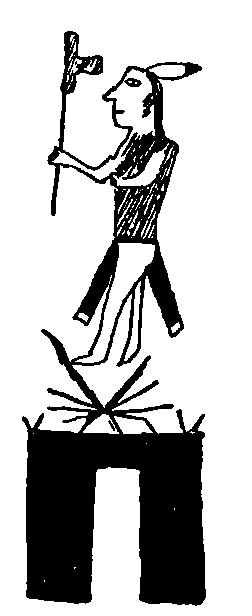
Fig. 143—Summer 1868—Ute fight.
This summer was signalized by a disastrous encounter with the Ute, in which two of the three taímes of the Kiowa were captured. On the Set-t'an calendar this battle is indicated by the figure, above the medicine lodge, of a man holding out the red stone war-pipe, which was sent around as an invitation to the warriors to join the expedition. On the Anko calendar it is indicated by flying bullets about the medicine lodge.
This battle was the most disastrous in the history of the Kiowa tribe since the memorable massacre by the Osage in 1833. The impression made was perhaps even greater, for the reason that their sacred palladium captured on this occasion has never since been recovered.
In the previous winter Pá-tadal, "Lean-bull" (alias Poor-buffalo), who is still living, had led a small party against the Navaho beyond the head of the South Canadian. On reaching the salt beds on that river, near the line between Texas and New Mexico, they met some Navaho coming on foot to steal Kiowa horses. A fight ensued, resulting in the death of one Navaho and one Kiowa, the latter being Pá-tadal's stepson. The father thirsted for revenge, and at the next sun dance he sent around the pipe to all the warriors of the tribe to enlist them for a great expedition against the Navaho. A large number responded, perhaps two hundred, including some of the Comanche, and placed themselves under his leadership. Among these was Set-dayá-ite, "Many-bears," the son (nephew?) of Ansó'te, the medicine keeper. To render victory more certain and complete, he asked and obtained permission from his father to carry with the expedition the two smaller taíme images, viz, the small "man" figure and the "bear kidney." These were sometimes carried to the field, but the larger one, the "woman," which the tribe still retains, was never allowed to leave the home camp. Set-dayá-ite carried one and intrusted the other to his friend Pá-guñhéñte, "Hornless-bull." According to another story, Pá-guñhéñte's medicine was one which belonged to himself and had no connection with the taíme, although it was a smaller image of similar appearance. However, Pá-guñhéñte was killed and his medicine captured, together with the other.
They set out for the Navaho country, but the omens were unpropitious from the start. Among the numerous things tabooed to the taíme are bears, skunks, rabbits, and looking-glasses, none of which must be permitted to come near the sacred image or be touched by the taíme keeper. Almost at the start the warriors were alarmed by seeing a skunk cross their path, and soon afterward it was discovered that the Comanche had brought with them their looking-glasses, which they refused to break or throw away, but wrapped them up and concealed them at one of the camping places to await their return. Farther on, at a place where the warriors had halted for the night to prepare supper, the wind carried to the nostrils of the Kiowa the smell of burning grease. On investigating the cause they found that their sacrilegious allies had killed a bear and were broiling the flesh over their fire. Realizing that nothing but defeat could now be in store for them, many of the warriors turned back, but Set-dayá-ite, trusting to his medicine, persisted in going forward, while Pá-tadal, although he foresaw disaster, as the organizer and leader of the expedition felt bound in honor to proceed.
They went up the north bank of the South Canadian until they reached the salt beds in the vicinity of Red-river spring, near where they had encountered the Navaho the preceding winter. Here they met a much smaller party of Ute, said to have numbered only thirty or forty, and the battle at once began. For some reason, perhaps because the Kiowa felt that their gods had deserted them, they did not fight with their accustomed dash, and the battle soon became a flight, the Ute pursuing them for some miles down the river and killing seven, including Set-dayá-ite and his adopted son, a Mexican captive. Set-dayá-ite on this occasion rode a balky horse, which became unmanageable, so that he dismounted and met his fate on foot, telling his comrades that there was his place to die. His adopted son might have saved himself, but on seeing his father's plight he returned and was killed with him. Pá-guñhéñte, who carried the other medicine, was also among the slain.
Set-dayá-ite had the taíme bag tied upon his back, where it was found by the Ute after the fight. They readily recognized it as some great "medicine," a conjecture which was made certain if it be true, as some say, that the dead man had cut (painted?) upon his body sacred emblems similar to those painted upon the image itself, viz, a crescent upon each breast, the sun in the center, and upon his forehead another crescent. Stumbling-bear, who was in the fight, as was also Anko, went back shortly afterward to bury his remains. He found a beaten circle around the skeleton of Set-dayá-ite, as though the Ute had danced around his dead body.
The Ute carried the taíme with them to their own country, but misfortune went with it. The son of its capturer was shortly afterward killed in a fight with the Cheyenne, and soon after that the custodian himself was killed by a stroke of lightning. Afraid to keep longer such "bad medicine," they brought both images down to the trader Maxwell, in New Mexico, who placed them on a shelf in his store, where they remained in plain view for a long time, but were finally lost. The Ute left word with Maxwell that the Kiowa, if they came for the images, might have them, on payment of a specified number of ponies. For some reason the Kiowa did not come—perhaps because they were afraid to trust themselves so far in their enemies' country.
While the sacred images were on Maxwell's shelf they were seen by a brother of George Bent, of the noted pioneer trading family, from whom the author obtained a description of their appearance. They were two small carved stones or petrifactions, the taíme proper having the shape of a man's head and bust, and was decorated and painted. The other resembled in form a bear's kidney. While in New Mexico some years ago the author made diligent inquiry among Maxwell's former business associates concerning the images, but found no one who could throw any light upon their whereabouts. In 1893 Big-bow and some others of the tribe visited the Ute, chiefly for the purpose of ascertaining the fate of the taíme, not knowing that it had passed out of their possession. They learned nothing, however, as they asked no direct questions concerning it and the Ute volunteered no information. This was the first friendly meeting between the two tribes, although as early as 1873 the Kiowa chiefs in council had made an urgent request to the agent that some good white man should be sent with them to make peace with the Ute (Battey, 18).
When the news of the defeat reached them, the Kiowa were encamped on the Arkansas, near Fort Larned, where at that time they drew their government issues. They at once moved down to the Washita and encamped adjoining the Cheyenne village under Black-kettle, on the western border of Oklahoma. This village was soon after destroyed by Custer. About this time steps were taken to confine the confederated tribes to the reservation assigned them by the late treaty, which was soon after accomplished, and as a people the Kiowa never again went back to the neighborhood of Arkansas river.
The only official reference to this fight, if indeed it does refer to it, is the incidental mention in a letter of about June 20 that an appointment by the agent for the Ute and Jicarilla Apache had been postponed in consequence of the absence of Kaneatche, who was away and had had a fight with the Kiowa and Comanche (Report, 88). Kaneatche, Kanache, or Conyatz (Kanats according to Major Powell) was the head chief of the confederate Ute and Jicarilla band of Apache, and on his death was succeeded by Ouray.
The encounter is thus noted by a contemporary author:
During the previous summer [1868] a war party of Ute left their haunts in New Mexico, and after marching on foot a distance of over 500 miles fell upon a band of Kiowa, completely routed them, captured a number of ponies, took many scalps, and, more calamitous than all, got possession of the "medicine" of the band. As might be inferred, the Kiowa had a superstitious dread of the very name Ute (Keim, 2).
The action and the grief of the Kiowa over the loss of their medicine are further described by a writer in a contemporary Kansas newspaper, who evidently speaks with exact knowledge:
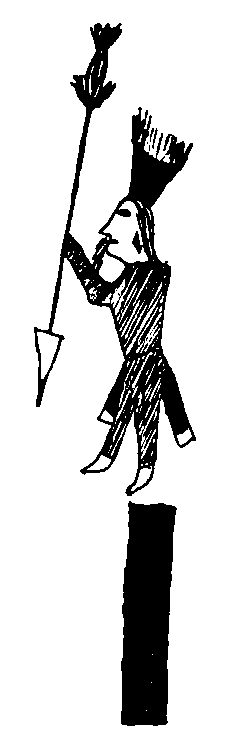
Fig. 144—Winter 1868—69—Tän-gúădal killed.
About the 10th of July [1868] the Kiowa had a battle with the Ute, in which the chief Heap-of-Bears and seven other Kiowa braves were killed. Heap-of-Bears had on his person the medicine of the Kiowa, which was captured by the Ute, who still retain it. This medicine consists of an image about 18 inches in length, carved to represent a human face, and covered with the down and feathers of the eagle and other birds and swathed in wrappers of different materials of value. Although I have been conversant with Indian habits and customs for a long time, I was surprised to find the value these people attach to this medicine. They begged and implored Colonel Murphy to recover it for them, and promised to pay the Ute as many horses as they wanted, and also to make a permanent and lasting peace, not only with the Ute, but also to refrain from further depredations on the Texas border, if this should be restored. Colonel Murphy promised to endeavor to recover it, but I think his success in the matter will be doubtful, as the Ute also attach great importance to their capture, believing that while they retain it the Kiowa will be powerless to do them harm (Abbott, 1).
WINTER 1868—69
Tän-gúădal Ehótal-de Sai, "Winter that Tän-gúădal was killed." Tän is the name of a particular variety of headdress, also of an edible root resembling a turnip; gúădal signifies red. Shortly after the removal to the Washita, a small raiding party went to Texas. In an encounter with a white man and boy both parties fired simultaneously and Tän-gúădal was killed. Although a young man, he was a noted warrior and the hereditary owner of a medicine lance or zebat, shaped and adorned like an arrow. The event is indicated on the Set-t'an calendar by the figure, above the winter mark, of a man holding the arrow lance. On the Anko calendar it is indicated by the rude figure of the medicine lance.
This medicine lance, which was hereditary in Tän-gúădal's family, came originally from the Crows. The one carried by him on this occasion, as described by Set-k`opte, who was with the party, had a Mexican-made steel blade and was left sticking upright in the ground at the place where they rested before the encounter, the owner not having taken it into the fight. Set-t'aiñte claimed the hereditary right to this medicine lance, through marriage into the family of one of Tän-gúădal's ancestors. Despite the protest of Tän-gúădal, he made a similar lance, which he carried for several years (see summer 1874). This lance of Set-t'aiñte is said to have had a separable ornamented wooden point, which was inserted on ceremonial occasions, while an ordinary steel blade was substituted when it was to be used in actual service. Similar "medicine" lances for ceremonial purposes were used also among other tribes.
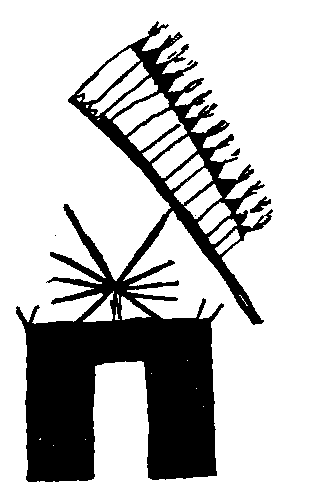
Fig. 145—Summer 1869—War-bonnet sun dance.
While this expedition was in Texas another party, under Stumbling-bear, went up the Canadian to bury the bones of those killed with Set-dayá-ite in the encounter with the Ute.
SUMMER 1869
Ä´tahá-i Gyä´`gan-de K`ádó, "Sun dance when they brought the war-bonnet." On both calendars this sun dance is designated by the figure of a war-bonnet (ä-tahá-i, "feather crest") above the medicine lodge.
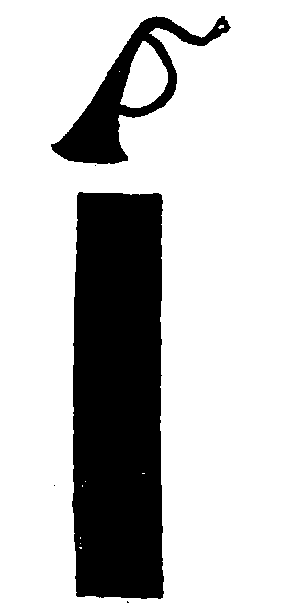
Fig. 146—Winter 1869—70—Bugle scare.
The dance was held on the north side of the North fork of Red River, a short distance below the junction of Sweetwater creek, near the western line of Oklahoma, the Kiowa having been removed during the preceding autumn from Kansas and the north to their present reservation, but still ranging outside the boundaries, under the hunting privilege accorded by the late treaty. While the dance was in progress, Big-bow, who had gone with a large party against the Ute to avenge the death of Set-dayá-ite the year before, returned with the war-bonnet of a Ute whom he had killed in the mountains at the head of the Arkansas, in Colorado. By a curious chance this Ute was one whom the Cheyenne or Arapaho had wounded and scalped on a former expedition. The Ute had taken their wounded comrade to the Mexicans of New Mexico, who cured him, only to die soon afterward by the hand of a Kiowa. The facts in the case were learned by Big-bow on his friendly visit to the Ute in 1893.
WINTER 1869—70
Dómbá Etpé-de Sai, "Winter when they were frightened by the bugle." The circumstance is indicated on both calendars by means of a bugle in connection with the winter mark.
This was a winter of chronic alarm, as the Cheyenne, the neighbors and friends of the Kiowa, were on the warpath and were being hard pressed by Custer. The Kiowa had made their winter settlement in two camps on Beaver creek, near the junction of Wolf creek, in the vicinity of the present Fort Supply, in Oklahoma. It was reported that soldiers were in the neighborhood, and a party of young men went out to look for them. On returning, about daylight, one of them, who carried a bugle, blew it to announce their approach, with the result that the whole camp, thinking that the troops were about to attack them, fled precipitately several miles before the truth was discovered.
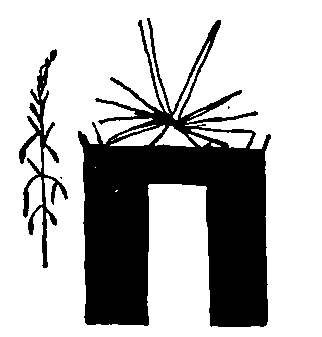
Fig. 147—Summer 1870—Plant-growing sun dance; dusty sun dance.
According to another account, the bugle was blown by Set-t'aiñte, who for many years carried on ceremonial occasions a bugle which he had probably obtained from some army post. He had been on a visit to the Arkansas, and blew it on his return in order to locate the camp.
SUMMER 1870
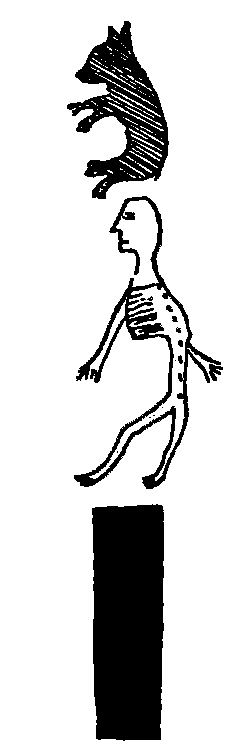
Fig. 148—Winter 1870—71—Set-ängya's bones brought home; drunken fight; negroes killed.
É`gú Gyäk`íädă-de K`ádó, "Plant-growing sun dance," or K`ádó Paíñyoñhä´-de, "Dusty sun dance." The former is the more common designation. This sun dance, like the last, was held on the North fork of Red river, but on the south side, in what is now Greer county, Oklahoma, near where the reservation line strikes the stream. During the dance the traders brought corn and watermelons to sell to the Indians. The seeds were thrown away, and on returning to the spot in the fall the Kiowa found that they had germinated in the sandy soil and developed into full growth; hence the common name of the dance, indicated on the Set-t'an calendar by a stalk of green (blue) corn beside the medicine lodge. On the Anko calendar it is distinguished as the "Dusty sun dance," on account of the high winds which raised clouds of dust during the dance and which are rudely indicated by close black lines across the medicine pole. No other event is recorded, the dance serving merely as a chronologic point.
WINTER 1870—71
Set-ä´ngya Ä´ton Ágan-de Sai, "Winter when they brought Set-ängya's bones."
For this winter the Set-t'an calendar records the bringing home of the bones of young Set-ängya, indicated by a skeleton above the winter mark, with a sitting bear over the head.
In the spring of 1870, before the last sun dance, the son of the noted chief Set-ängya ("Sitting-bear"), the young man having the same name as his father, had made a raid with a few followers into Texas, where, while making an attack upon a house, he had been shot and killed. After the dance his father with some friends went to Texas, found his bones and wrapped them in several fine blankets, put the bundle upon the back of a led horse and brought them home. On the return journey he killed and scalped a white man, which revenge served in some measure to assuage his grief. On reaching home he erected a tipi with a raised platform inside, upon which, as upon a bed, he placed the bundle containing his son's bones. He then made a feast within the funeral tipi, to which he invited all his friends in the name of his son, telling them, "My son calls you to eat." From that time he always spoke of his son as sleeping, not as dead, and frequently put food and water near the platform for his refreshment on awaking. While on a march the remains were always put upon the saddle of a led horse, as when first brought home, the tipi and the horse thus burdened being a matter of personal knowledge to all the middle-age people of the tribe now living. He continued to care for his son's bones in this manner until he himself was killed at Fort Sill about a year later, when the Kiowa buried them. Although a young man, Set-ängya's son held the office of Toñhyópdă´, the pipe-bearer or leader who went in front of the young warriors on a war expedition.
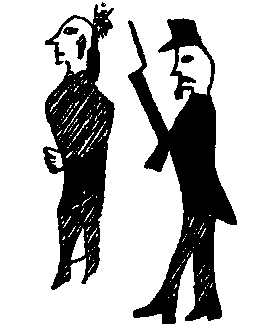
Fig. 149—Summer 1871—Set-t'aiñte arrested; Koñpä´te killed.
The Anko calendar records two incidents. The first was a drunken fight between two Kiowa, in which one killed the other, indicated by the rude representation of two heads with a bottle between them. The other event was the killing of four or five negroes in Texas by a party led by Mamä´nte ("Walking-above)," who brought back the scalps with the woolly-hair attached. It is shown on the calendar by means of a figure with bullet and arrow wounds, drawn below the heads and the bottle. An attempt has been made to indicate the peculiar woolly hair of the negro; the trousers are blue, like those worn by soldiers, Anko thinking they were probably soldiers, because, as he says, "Negroes can't go alone."
In this winter Ansó-gíăni or Ansó`te, "Long-foot," the great medicine keeper, died of extreme old age. He had been in charge of the taíme for forty years; consequently there was no sun dance for two years until his successor was selected.
SUMMER 1871
For this summer the Anko calendar records the death of Koñpä´te, "Blackens-himself," who was shot through the head in a skirmish with soldiers. He was the brother of the noted raider, White-horse. The event is indicated by the rude representation of a head struck by a bullet. As there was no dance this summer, the medicine lodge is not represented on either calendar.
The great event of the summer was the arrest of the noted chiefs and raiders, Set-t'aiñte, Set-äñgya and Ä´do-eétte, "Big-tree." The figure on the Set-t'an calendar shows the soldier arresting Set-t'aiñte, distinguished by the red war-paint which he always used.
Notwithstanding the promises of good conduct which had induced General Sheridan to release Lone-wolf and Set-t'aiñte when the tribe had been brought to the reservation in December, 1868, the Kiowa had never ceased their raids into Texas, and had constantly behaved in the most insolent manner toward the agent and military commander on the reservation. On May 17, 1871, a party of about one hundred warriors, led by Set-t'aiñte and Set-ängya, attacked a wagon train in Texas, killed 7 men and captured 41 mules. Shortly afterward Set-t'aiñte had the boldness to avow the deed to the agent, Lawrie Tatum, who at once called upon the commander at Fort Sill to arrest Set-t´aiñte and several other chiefs who had accompanied him, viz: Set-ängya, Big-tree, Big-bow, Eagle-Heart and Fast-bear. The officer promptly responded and arrested the first three; Eagle-heart escaped and the other two were absent at the time. On May 28, the three prisoners were sent under military guard to Fort Richardson (Jacksboro), Texas, to be tried for their crimes, when Set-ängya attacked the guard and was killed in the wagon (Report, 89; Record, 11; Battey, 19; Tatum letter). The fate of the other prisoners is noted elsewhere.
According to the Kiowa account, which is correct in the main incidents, the prisoners having been disarmed, Set-ängya was placed in a wagon, accompanied by a single soldier, and Set-t'aiñte and Big-tree were put into another wagon with other guards, and an escort of cavalry and Tonkawa scouts rode on either side. Leaving Fort Sill, they started toward the south on the road to Texas, when Set-ängya began a loud harangue to the two prisoners in the other wagon, telling them that he was a chief and a warrior, too old to be treated like a little child. Then pointing to a tree where the road descends to cross a small stream about a mile south of the post, he said: "I shall never go beyond that tree." As he spoke in the Kiowa language, none but the prisoners knew what he was saying. Then raising his voice, he sang his death song, the song of the Kâitséñko, of whom he was chief:
I´ha hyo´ o´ya i´ya´ i´ya' o i´ha ya´ya yo´yo´ A´he´ya ahe´ya´ ya´he´yo´ ya e´ya he´yo e´he´yo Kâ´itseñ´ko änä´obahe´ma haa´-ipai´-degi o´ba´-ikă´ Kâi´tse´ñko änä´obahe´ma hadâ´mga´gi o´ba´-ikă´ I hahyo, etc. Aheya, etc. O sun, you remain forever, but we Kâitse´ñko must die. O earth, you remain forever, but we Kâitse´ñko must die.
The song ended, he suddenly sprang upon the guard with a knife which he had managed to conceal about his person, and had cut him seriously when the soldiers following behind fired and he fell dead in the wagon. He was buried in the military cemetery at Fort Sill, but there is nothing to distinguish the grave. The Kiowa statement of his singing his death song is corroborated by Battey and by agent Tatum.
Although a noted warrior and a chief of the Kâitséñko, Set-ängya was generally feared and disliked by the tribe on account of his vindictive disposition and his supposed powers of magic. It was believed that he could kill an enemy by occult means, and that he had in this manner actually disposed of one or two who had incurred his displeasure. The knife with which he attacked the soldier is reputed to have been a "medicine knife," which he could swallow and disgorge as demanded by the necessity of concealment or use; several stories are told by the Indians to confirm this belief. His paternal grandmother was a woman of the Sarsi (Pákiägo, a small tribe incorporated with the Blackfeet,) who had married a Kiowa when the latter tribe lived in the far north. Unlike Indians generally, he habitually wore a mustache and straggling beard. He left two children; the elder, a son, was adopted into a white family under the name of Joshua Given, was educated in the east, married a white lady, afterward returned as a missionary to his people, and died of consumption about four years ago. The younger child, Julia Given, was until recently employed in one of the mission schools on the reservation.
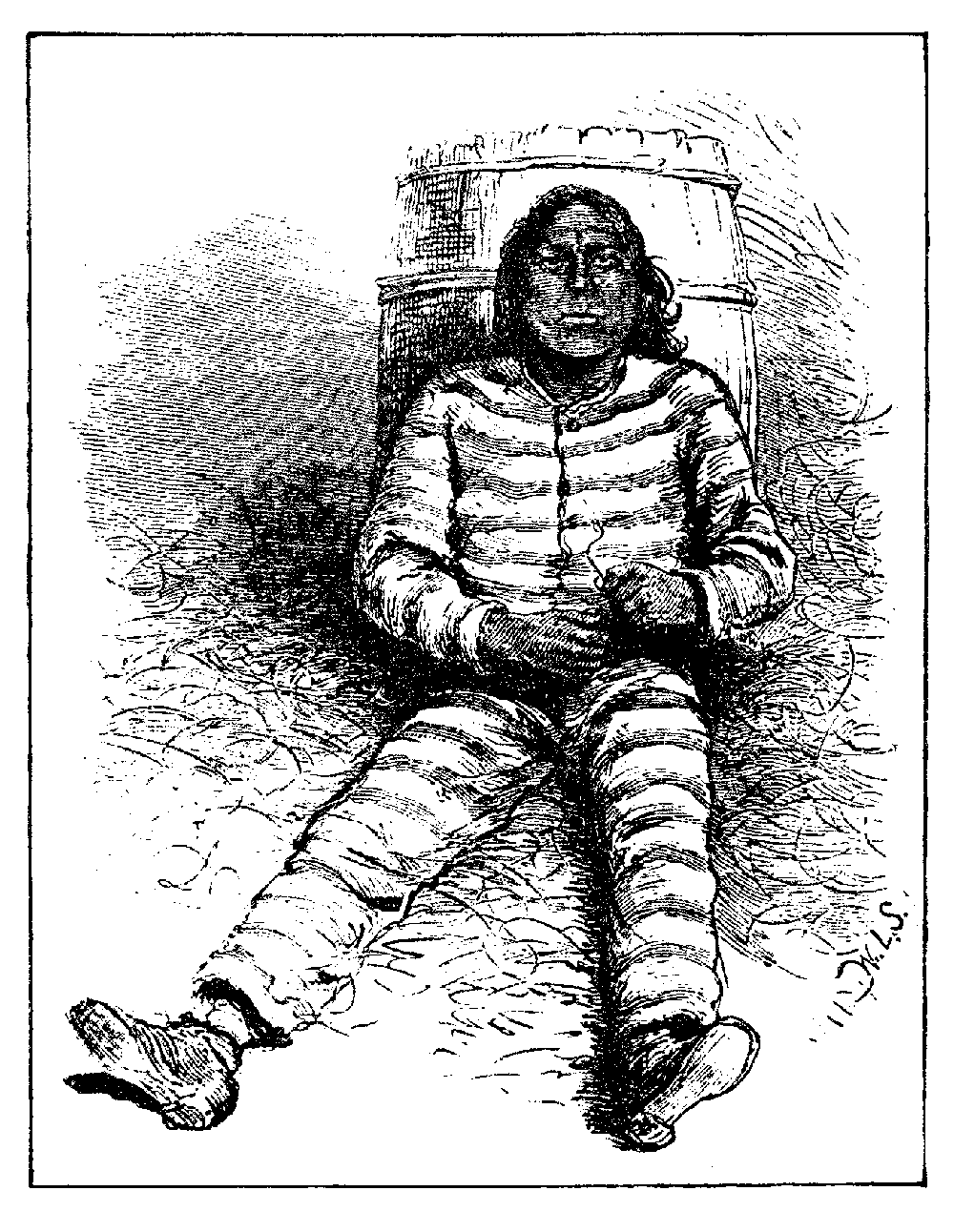
Fig. 150—Set-t'aiñte in prison (from Scribner's Monthly, February, 1874)
BUREAU OF AMERICAN ETHNOLOGY— SEVENTEENTH ANNUAL REPORT PL. LXXVIII
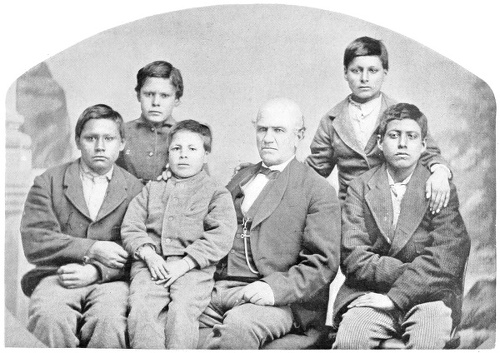
PHOTO BY SOULE (1) 1872.
LAWRIE TATUM, FIRST KIOWA AGENT, WITH GROUP OF RESCUED CAPTIVES.
Bearing on the subject of the arrest of the three chiefs and the death of Set-ängya, we quote at length from a letter written by Lawrie Tatum, the first agent for the Kiowa and associated tribes, from whom the author has obtained much valuable information in response to letters of inquiry. Mr Tatum, who is now (1896) living in Springdale, Iowa, at the advanced age of 75 years, is a member of the Society of Friends, and was appointed, on their recommendation, in accordance with the "Indian peace policy" of President Grant, soon after the tribes were brought upon the reservation. He took charge, as he states, July 1, 1869, and resigned March 31, 1873, in consequence of the release of Set-t'aiñte and Big-tree, a measure which he opposed, as it was on his motion that these men were originally arrested. During his incumbency he rescued a number of white captives without ransom—a thing before unexampled. On this point he states, in a letter of March 31, 1896:
I recovered fourteen white captives from the Indians, two of whom had forgotten their names and every word of English. I advertised for their parents and found them. I also recovered twelve Mexicans. I was the first agent, I think, that those Indians had, who obtained captives of them without paying a ransom. A part of them were procured by withholding rations from the band that had them, and a part were obtained by means of the leverage that Colonel Mackenzie gave by taking a hundred women and children from a raiding camp to Texas.
His stringent measures at times brought him into disfavor with his co-religionists, but had great influence in bringing these unruly tribes under effectual control. He writes, under date of April 7, 1896:
General Sherman called at my office, Kiowa and Comanche agency, Indian Territory, fifth month, 23, 1871, to see if I knew of any Indians having gone to Texas lately. He said that a party of Indians, supposed to number about one hundred and fifty, had attacked a train of ten wagons about 17 miles from Fort Richardson and killed the trainmaster and six teamsters. Five others escaped. Being at the fort at the time, he gave orders for the available troops to follow them with thirty days' rations and report at Fort Sill.
I told the general that I could not then tell what Indians they were, but thought that I could ascertain in a few days. Four days later the Indians came after their rations. Before issuing I asked the chiefs to come into the office, and told them of the tragedy in Texas, and wished to know if they could tell by what Indians it had been committed. Satanta immediately arose and said:
"Yes; I led in that raid. I have been told that you have stolen a large amount of our annuity goods and given them to the Texans. I have repeatedly asked for arms and ammunition, which have not been furnished, and made other requests which have not been granted. You do not listen to my talk. The white people are preparing to build a railroad through our country, which will not be permitted. Some years ago they took us by the hair and pulled us here close to Texas, where we have to fight them. When General Custer was here some years ago he arrested me and kept me in confinement several days, but that is played out now. There are never to be any more Kiowa Indians arrested. I want you to remember that.
"On account of these grievances a short time ago I took about one hundred of my warriors, whom I wished to teach how to fight, to Texas, with the chiefs Satank [Set-ängya], Eagle-heart, Big-tree, Big-bow, and Fast-bear. We found a mule train, which we captured, and killed seven of the men. Three of our men got killed, but we are willing to call it even. It is all over now, and not necessary to say much more about it. We don't expect to do any raiding around here this summer. If any other Indian claims the honor of leading that party he will be lying to you, for I led it myself."
Satank, Eagle-heart, and Big-tree were present, and assented to the correctness of the statement made by Satanta. That they were guilty of murder in the first degree I had not the shadow of a doubt, and thought that forbearance in the case had ceased to be a virtue and would become a crime. I told the men to go to issuing and I would go to the fort (Sill). I went to Colonel Grierson's quarters and requested him to arrest Satanta, Satank, Eagle-heart, Big-tree, Big-bow, and Fast-bear on the charge of murder. Scarcely had the order been given when, to the surprise of all of of us, Satanta took the post interpreter into Colonel Grierson's quarters. He had heard that there was a big Washington chief there (General Sherman), and he probably wished to measure up with him and see how they compared. When I started to the agency he said he would go with me, but some soldiers stepped in front of him with their revolvers and ordered him back, and he quietly obeyed. The colonel sent for Satank and Eagle-heart to go to his quarters. Satank went and was arrested. Eagle-heart got nearly there and saw Big-tree being arrested, and he turned and fled. Kicking-bird pled eloquently for the release of the three prisoners, although he entirely disapproved of their raiding.
A day or two after the arrest, Colonel Mackenzie, in command of the troops from Fort Richardson, arrived at Fort Sill and reported that the heavy and continued rains had obliterated the tracks of the raiding Indians so that they could not be followed. After remaining a few days, the colonel with his troops took charge of the prisoners to convey them to Texas for trial. Satank was so refractory that he was put into a wagon with two soldiers, and Satanta and Big-tree were put into another wagon. George Washington, a Caddo Indian, rode alongside of the wagons as they left Fort Sill. Satank called to him and said: "I wish to send a little message by you to my people. Tell them that I am dead. I died the first day out, and my bones will be lying on the side of the road. I wish my people to gather them up and take them home." Satanta also sent a message, saying: "Tell my people to take the forty-one mules that we stole from Texas to the agent, as he and Colonel Grierson require. Don't commit any depredations around Fort Sill or in Texas."
When about a mile from the post Satank sang his death song, and with his back to the guard drew the shackles off his hands by taking some of the skin with them. Then with a butcher knife which he had secreted, he started for the guard in the front part of the wagon, cutting one of the soldiers slightly in the leg. They both jumped out, leaving their guns. Satank picked up one of them and commenced loading it, wanting to kill one more man. Before he got it loaded he received several shots, and in twenty minutes died in much agony, gritting his teeth. Colonel Grierson had him buried at Fort Sill. He gave the Indians permission to take him up and convey him to their camp for interment, which they declined to do.
Mr Leeper, my interpreter, who has since been a practicing physician in Chicago, and Horace P. Jones, the post interpreter, attended the trial of Satanta and Big-tree at Jacksboro. The jury brought in a verdict of murder in the first degree, and sentenced them to be hung on the 1st of the following September. I had requested that they be not executed, and gave my reasons for thinking that such a course would have a better effect upon the Indians of the reservation. The judge wrote me that he approved of my request and would ask the governor to commute the sentence to life imprisonment, which was done. The Kiowas delivered to me the stolen mules, as Satanta requested.
Although Set-ängya was a bad Indian and deserved punishment, it is impossible not to admire the grim courage of the old man, as, true to his warrior oath to despise death, though laden with chains and surrounded by armed troops, he boldly sang his death song, and then, wrenching the manacles from his bleeding wrists, drove the guards from the wagon, picked up their abandoned guns, and coolly prepared to kill one more enemy of his race before he fell, shot to death.
WINTER 1871—72 (1872—73)
A part of the Kiowa camped during this winter on Ä´-gíăni P'a, "Long-tree creek," a branch of Elk creek of upper Red river. The name is indicated on the Anko calendar by the figure of a tree below the winter mark. The remainder of the tribe camped on the Washita, near Rainy mountain. During this winter the Kiowa were visited by a large party of Pawnee, who came to make peace. They came on foot and remained a long time, returning with many horses given them by their hosts. On the Set-t'an calendar the event is indicated by a representation of three characteristic Pawnee heads above the winter mark.
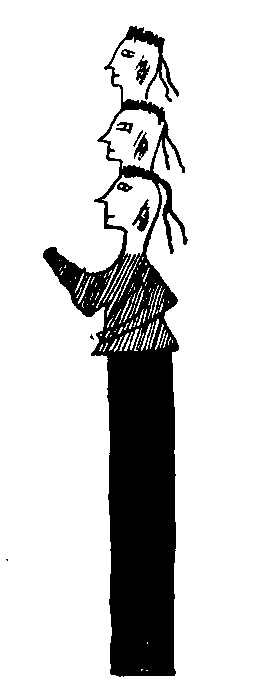
Fig. 151—Winter 1871—72 (1872—73)—Pawnee visit; camp on Long-tree creek.
This was the first friendly meeting within the memory of the two tribes. The Pawnee first came to the Wichita, their near relatives, and then announced their intention to visit the Kiowa to make a treaty of peace. The Kiowa debated the matter for some time, but finally agreed, and after the visit dismissed their guests with many presents of horses. The older men describe the identical horses which were given. In the fall of 1873 another large party of the Pawnee visited the Wichita and remained some time. On their return home they gave such an account of their experience that the entire tribe decided to remove to the south from Nebraska, where they were constantly harassed by the Dakota. The matter was brought to the attention of the government and a new reservation was selected for them in Indian Territory (Oklahoma), to which they removed in the spring of 1875 (Report, 90).
From the concurrent notices by Battey, Grinnell, and the Indian Commissioner, together with the statements of a number of Indians, it is plain that in this instance the author of the calendar has made an error in the date, which should be the winter of 1872—73. As the Indians tell it, the Pawnee came late in the fall, after the Kiowa had left Ä´gíăni P'a. The explanation may be in a confusion between the visit of the Pawnee and that of the Pueblos (see winter 1872—73).
In regard to this Pawnee visit, which led to the removal of the tribe to Indian Territory, Grinnell says that in the summer of 1870 Lone-chief led a large party of the Pawnee southward to visit the Wichita. Again in the winter of 1871—72, the same chief, with a party, started on another visit to the Wichita, but for some reason turned back. The next winter (1872—73) in consequence of renewed inroads of the Dakota, the Pawnee were thrown into an unsettled condition and the question of removal to a safer situation began to be seriously discussed. It was finally decided to send a small party under Lone-chief and one or two others to the southern tribes to learn how these would look upon a general Pawnee migration into Indian Territory. The delegates visited the Oto, Kansa, Wichita, Comanche, Kiowa, and Apache, and were everywhere received in a friendly manner. The Pawnee then invited the chiefs of the various tribes to meet them at the Wichita camp, where the Pawnee speaker broached the proposition, stating that his people wished to be at peace and had made up their minds to come and live with their friends in the south.
They received a cordial invitation from all the chiefs of the different tribes, who said that they had good land and plenty of buffalo for them, and the result was that in 1873 the first party moved south and was followed by others, until in 1875 the whole tribe had removed from Nebraska to the Indian Territory (Grinnell, Pawnee, 1).
Grinnell is not entirely consistent with himself, but in another place says that the first expedition under Lone-chief took place "the following summer in August" of 1869 or 1870, and that it was on that occasion that the Pawnee visited and made peace with the Kiowa, and afterward visited the Comanche (Grinnell, Pawnee, 2).
The Quaker teacher, Battey, was with Kicking-bird in the Kiowa camp on Cache creek on the arrival of the Pawnee dancers, numbering forty-five, in March, 1873. He gives an extended account of their reception and performance:
A party of Pawnees came in last evening, giving notice of their arrival by their headman and two or three others coming into camp, while the main body remained 2 or 3 miles distant. This morning a public reception was given them.
The party was seen coming over a ridge in single file, bearing a white flag. Approaching to within 20 rods, they planted their flag, upon which was painted the single letter P, and sat down in a line on each side of it, facing the village. After sitting in this manner for perhaps half an hour, during which they maintained entire silence, and preliminary arrangements for their reception were made in the camp, the chiefs, followed by most of the headmen, and these by the young men, women, and children, went forth to welcome them. Upon drawing near to them, the Kiowa chiefs walking with a slow step and dignified mien, some of the old women set up a chant in a shrill voice, whereupon the head chief of the Pawnees and two or three others, perhaps the nearest in rank, arose, and with a quick, firm step approached the Kiowa chiefs, and after embracing them retired to their former position.
Others of the Pawnees came forward, a few at a time, until all had embraced and been embraced by the Kiowa chiefs and headmen. The women, remaining some distance behind, renewed their shrill chant from time to time. Some of the Pawnees occasionally placed a shawl or embroidered blanket upon the shoulders of a Kiowa, while several of the old men passed along in front of the whole line of the visitors, shaking hands with them. After this the Pawnees set up a weird song, during the continuance of which Kiowa fathers, each carrying a small child in his arms, bearing a piece of stick in its little hands, young girls, and occasionally a woman, would approach the Pawnees, and selecting someone, would present themselves before him, holding out the stick. Thereupon he would arise, place his hands upon the donor's head in a solemn, reverential manner, as if blessing, pass them down the sides, following the arms, take the stick, and sit down. Each stick thus given was a pledge from the giver to the receiver for a pony, to be given when the visitors are ready to return to their country. Old men, from time to time addressing the Kiowas, urged them to liberality, to show the largeness of their hearts and the warmth of their friendship by giving ponies to these poor Pawnees, who had come so far to see them and renew their friendship, and not allow them to return on foot, as they came. I know not how many ponies were thus pledged to them, but there must have been many.
At the conclusion of the ceremony the Pawnees arose in a body, ceased their song, took up their flag, and a part following one Kiowa chief and a part another, accompanied them to their lodges to partake of their hospitality. The head chief, with four or five others, including the flag bearer, accompanied Kicking-bird to his lodge, thus becoming his guest.
In the afternoon the visitors gave a Pawnee war dance, of which Battey wisely remarks:
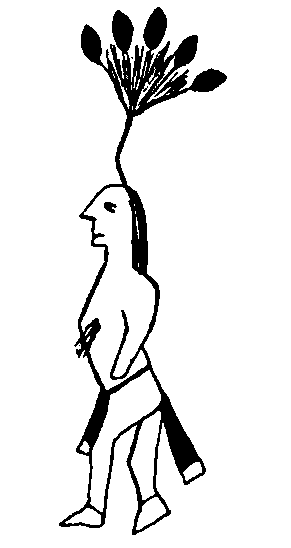
Fig. 152—Summer 1872—Viejo shot.
I shall not render myself ridiculous by attempting to describe that which is indescribable.... Individuals occupied the intervals between the dances by narrating their own former valorous exploits, not even omitting that their victims were in some instances Kiowas, concluding by throwing their war implements upon the ground with such force, in case of tomahawk or hatchet, as to cause the metal to ring. Then, with gesture of covering it up, they would go away, leaving it to lie there; thus intimating that, though they had been foolish and fought, they now rejoiced in the beams of peace and hoped that the red men everywhere might live in peace one with another; all of which was received by the Kiowas with the loud response of "How! how! Yes! yes!" (Battey, 20).
SUMMER 1872
This summer there was no sun dance, and in consequence the medicine lodge does not appear on either calendar.
For this summer the Anko calendar has two connected human figures, together with what he explains as a "mule's head" above the medicine pole. Between the forks of the pole is another human head, where he commenced to draw the first figure, but found that he had no room. The joined human figures refer to a drunken fight between Sun-boy and T'ené-zépte, "Bird-bow" (?), growing out of some whisky smuggled in by Mexicans, in which Sun-boy shot his antagonist with an arrow. The mule's head indicates a raid into Kansas, in which the Kiowa captured a large number of mules. This may have been the same raid in which Bíako was shot.
The Set-t'an calendar has a picture of a man wounded in the chest, with a tree above his head to show that the event occurred in summer. This has reference to a skirmish with the whites in which a Mexican captive named Bíako (Viejo) was shot, but afterward recovered. He was one of those selected for confinement in Florida a few years later, and is still living and with the tribe. The fight took place in the course of a raid into Kansas by a small party of Kiowa under T'ené'taide, "Bird-chief," which was undertaken against the protests of the other chiefs, who desired to be at peace with the Americans. Near Medicine-lodge creek, not far from the Kansas line, they were joined by some of the Osage, and soon afterward met a party of white men in wagons, whom they thought were surveyors; a skirmish ensued, resulting in the wounding of the captive and one of the Osage.
WINTER 1872—73
Téguăgo Tsän-de Sai, "Winter that the Pueblos came." In this winter, while most of the Kiowa were encamped on the Washita near Rainy mountain, a party of Pueblo Indians and Mexicans visited them to trade biscocho, or Pueblo bread, and eagle feathers for horses and buffalo robes. The Kiowa were very fond of this bread and willingly gave a pony for a small bag of it. The figure on the Set-t'an calendar represents a Pueblo Indian, with his hair tied in a bunch behind, driving before him a burro (donkey) with a pack upon his back. The Kiowa say that the Pawnee visited them late in the fall, while the Pueblo party came in the winter, stopping south of Stumbling-bear's present camp. From an early period the Pueblo Indians of the Rio Grande had carried on a trade with the southern plains tribes, with which they appear to have been always on friendly terms. This was the next to their final visit.
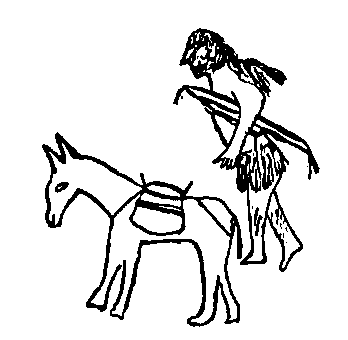
Fig. 153—Winter 1872—1873—Pueblo visit; battle tipi burned.
The Anko calendar records the accidental burning of a noted heraldic tipi, hereditary in the family of the great Dohásän. It was known as the Dó-gíägyä gúăt, "Tipi with battle pictures," being ornamented with battle pictures on the northern side and horizontal stripes of black and yellow alternating on the southern side; it occupied the second place from the entrance in the camp circle on ceremonial occasions. A small facsimile model has been deposited by the author in the National Museum. Plate LXXIX shows the appearance of the buckskin model when open and spread out.
The Kiowa, like the plains tribes generally, had an elaborate system of heraldry, exemplified in the painting and decoration of their shields and tipis. Every prominent family had its heraldic tipi, which had its appointed place in the great camp circle of the tribe and descended by inheritance from generation to generation. The system may form the subject of a future study by the author.
SUMMER 1873
Iyúgúa P'a K`ádó, "Maggot-creek sun dance," so called because held on that stream, known to the whites as Sweetwater creek, a tributary of the North fork of Red river, near the western line of the reservation, just within the Texas panhandle. The dance was made by Dóhéñte, "No-moccasins," the successor of Anso te; it occurred in June and was attended by Battey, who describes it in detail in his book. There were present most of the Kiowa, Comanche, and Apache, with a large part of the Cheyenne and Arapaho, who discussed the question of starting another war in consequence of the continued imprisonment of Set-t'aiñte and Big-tree. Although Battey himself had come to bring them the news of the further detention of these chiefs on account of the Modok war, he was able, with the help of Kicking-bird, to dissuade the Indians from their hostile intent.
BUREAU OF AMERICAN ETHNOLOGY— SEVENTEENTH ANNUAL REPORT PL. LXXIX
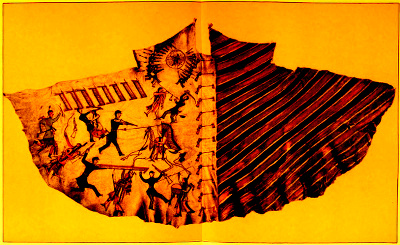
THE DO-GÍÄGYÄ-GUAT OR TIPI OF BATTLE PICTURES
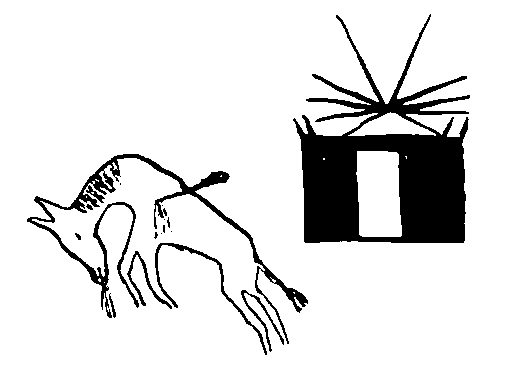
Fig. 154—Summer 1873—Pa-kóñkya's horses killed.
While the dance was in progress Pa-kóñkya ("Black-buffalo") "stole" the wife of Guibadái, "Appearing-wolf," in retaliation for which the injured husband killed seven of Pa-kóñkya's horses and took a number of others, in accordance with the tribal custom; he threatened also to kill the seducer, so that the Toñkóñko Dog-soldiers had to interfere. The killing of the horses or the seizure of the property of the offender by the injured husband is the regular tribal punishment for such offenses, but in extreme cases, as in this instance, the Dog-soldiers interfere. The same event is recorded on both calendars, the Set-t'an picture being sufficiently suggestive, while the Anko calendar has above the medicine pole the figure of a horse's head struck by a bullet, with another head below it to represent the woman.
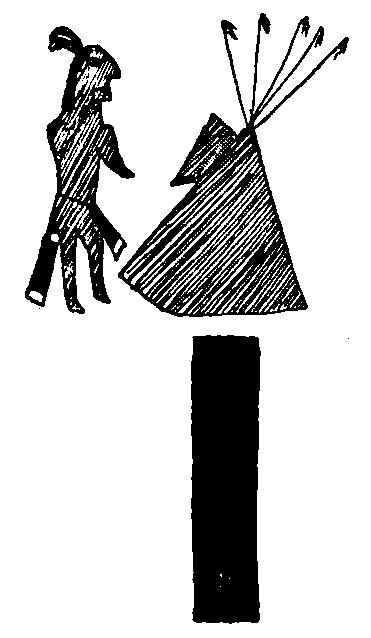
Fig. 155—Winter 1873—74—Set-t'aiñte returns; Lone-wolf's son killed.
WINTER 1873—74
Set-t'aiñte Tsän-de Sai, "Winter of Set-t'aiñte's return." The notable event of this season was the return of Set-t'aiñte from prison October 8, 1873. The figure above the winter mark on the Set-t'an calendar shows Set-t'aiñte, distinguished by his red headdress, coming into his tipi, which was conspicuous by being painted entirely red, with red streamers at the ends of the poles. The red marks above the tipi are intended to represent his return footprints. The event is noted at length in another place.
The Anko calendar commemorates the killing in Mexico of two "sons" (i. e., a son and a nephew) of Lone-wolf, rudely indicated below the winter mark by a human figure wearing a k`ódalpä or shell breastplate, with several flying bullets at the side.
Battey, who was in the Kiowa camp when the news arrived, has this entry in his diary under date of January 13, 1874:
This is a day of wailing in our camp. News arrived this morning of the death of two Kiowa braves, the one a son of Lone-wolf, the other of Red-otter [Ápeñ-gúădal] Lone-wolf's brother. They were killed while on a raid in Mexico. Lone-wolf's son was wounded in the knee a year ago last summer while raiding in Texas, and came near losing his life. This, it seems, did not satisfy his thirst for blood, and the Kiowa determining to raid no more in Texas, he, the past autumn, went into Mexico, where it appears he has been killed. The camp resounded with the death wail, the song of mourning for the unreturning braves mingled with the war whoop. This was revived at stated intervals for several days (Battey, 21).
According to information given by the Indians to Battey, Lone-wolf's son, with a few other young Kiowa warriors, had accompanied a raiding party of Comanche into Mexico. On their return they were attacked at a night camp by Mexican troops and the two Kiowa were killed. The remaining Kiowa at once returned home with the news, but the Comanche crossed the Rio Grande into Texas and began a series of raids on Nueces river, when they were attacked by soldiers and several killed. The rest started for home, but meeting another party of Comanche, they turned back with them and were again attacked by the troops, losing, in both encounters, twenty-two killed. A desire to avenge these losses had much to do with the ferment among them which led to the outbreak in the following summer; they also tried to make it appear that the Kiowa had been raiding in Texas when killed, in order to involve that tribe with themselves, although it seems beyond question that the Kiowa were killed in Mexico and had not been engaged in the Texas raids.
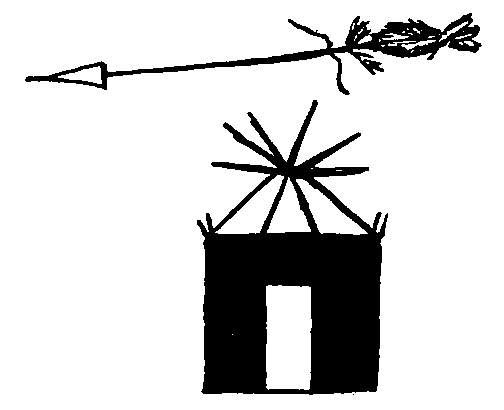
Fig. 156—Summer 1874—The medicine lance; Bluff-end sun dance.
Lone-wolf went to Mexico to bury the body of his son, the sun dance having been postponed in the meantime, and it is said that on finding it he knelt down beside it and vowed to avenge his death with the life of a white man. A lot of government horses were soon afterward stolen from Fort Concho (or Clark?), in Texas, and it was charged that this was done by Lone-wolf and his party on their return, although they denied it. The killing of his son was the chief reason assigned by Lone-wolf for his part in the outbreak which followed (Battey, 22; Report, 91).
SUMMER 1874
Tsó`kakánă-de K`ádó, "Sun dance at the end of the bluff." The dance was held at a place called Tsó`kakán, "end of the bluff," on the south side of the North fork of Red river, above the junction of Elm fork, at a mountain called by the Kiowa the "Last mountain," in Greer county, Oklahoma. On the Anko calendar the bluff is indicated by a projection from one side of the medicine pole.
At this dance Set-t'aiñte, in thanksgiving for his release from prison, gave his famous zébat, or medicine arrow-lance, to Ä´`to-t'aiñ, "White-cowbird," brother of the chief Sun-boy, thus resigning his own chieftainship in favor Ä´`to-t'aiñ. There were only two lances of this kind in the tribe, both being regarded as medicine lances, the other belonging to Tän-gúădal (see winter 1868—69).
WINTER 1874—75
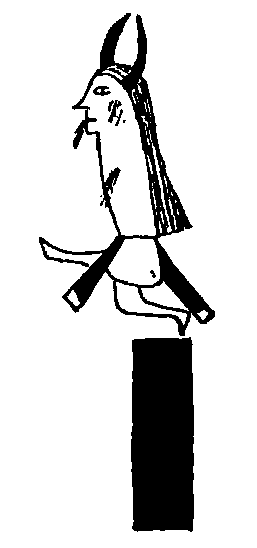
Fig. 157—Winter 1874—75—Gi-edal killed; Kiowa imprisoned.
Gí-edal Ehótal-de Sai, "Winter that Big-meat was killed." The southern plains tribes, including a large part of the Kiowa, went out together on the warpath. After the fight at the Wichita agency, at Anadarko, in August, 1874, as previously detailed, the Comanche warriors who were implicated fled to the Staked plain, and the Kiowa to the head of Red river, with the troops in pursuit. While there a small party of the Kiowa went on a horse-stealing raid into New Mexico, resulting in an encounter, in which they killed two men, captured a woman, and ran off several horses. On their return they stopped to rest in the mountains, and were stretched at ease telling stories when they were suddenly attacked by the soldiers. Gi-edal was mortally wounded at the first fire, but propped himself against a rock and succeeded in killing one soldier and wounding another before he died. Another Kiowa was killed also, but the troops were finally repulsed. The Set-t'an calendar shows Gi-edal, who is distinguished by buffalo horns on his war-bonnet, wounded, with the blood gushing from his mouth.
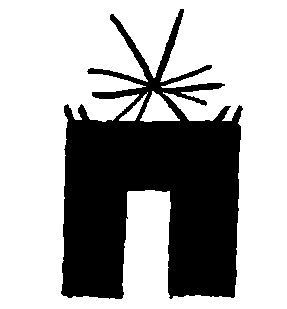
Fig. 158—Summer 1875—Love-making spring sun dance.
At the close of the outbreak, a number of warriors were selected and sent to confinement at Fort Marion, Florida. The figure on the Anko calendar is intended to represent Fort Sill, with the imprisoned Kiowa warriors confined before being sent to Florida.
SUMMER 1875
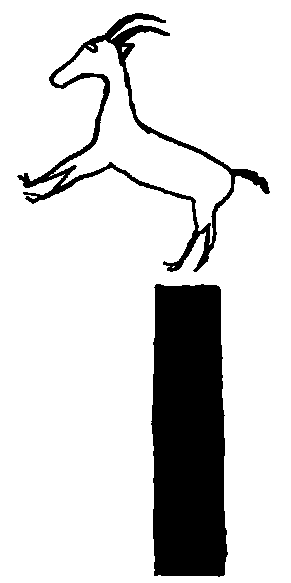
Fig. 159—Winter 1875—76—Sheep and goats issued.
K`ioñ-Toñ K`ádó, "Love-making spring sun dance." It was held at a spring in a bend on the north (reservation) bank of North fork of Red river, a few miles from K`ób-akán, "Last mountain" (Mount Walsh, in Greer county). As conditions were yet unsettled on account of the outbreak, the Kiowa were escorted on this occasion by a body of troops.
The spring takes its name from the fact that on one occasion, while the Kiowa were encamped there, some young men "stole" two girls who had gone to the spring for water. On the Anko calendar the place is identified by a figure of a woman above the medicine pole.
WINTER 1875—76
In this instance the same event is recorded on both calendars by means of the figure of a ram or goat in connection with the winter mark.
In the various engagements during the last campaign and at the final surrender, several thousand ponies and mules had been taken from the Indians. These were sold under direction of Colonel Mackenzie, who determined to invest the proceeds in sheep and cattle for the benefit of the Indians, with the idea of changing their habits from hunting to pastoral. A detachment of troops, accompanied by several Kiowa and Comanche, was sent to New Mexico, where they purchased thirty-five hundred sheep and goats, with which they returned in November, 1875, the flock being driven by Mexican herders. Many died on the journey, and the remainder arrived in poor condition, but recuperated in the spring, when they were distributed to those Indians deemed most deserving. Stumbling-bear received one hundred, and others smaller flocks. Six hundred cattle were also purchased from the same fund and distributed in the same manner (Report, 92).
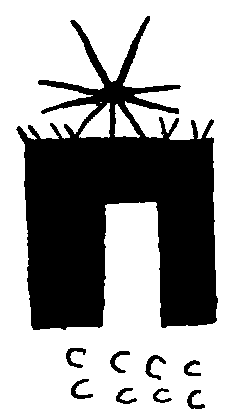
Fig. 160—Summer 1876—Horse-stealing sun dance.
Just previous to the outbreak the Kiowa, Comanche, and Apache, with the few of the Delaware tribe living among them, were officially reported to have over sixteen thousand horses and mules. At the close of the troubles they had only six thousand remaining, having lost ten thousand within a little more than a year. They had also a small number of cattle before the outbreak, but no sheep (Report, 93).
This was the first general attempt by the Kiowa to raise stock (except horses). Although at the start the experiment promised well, the herds were soon reduced by neglect, killing for food, etc., and in a few years the last animal was gone. It is said that some of the sheep escaped to the Wichita mountains, where for several years they roamed wild.
SUMMER 1876
Iyúgúa P'a Pähä´dal K'ádó, Sun dance at the fork of Maggot (Sweetwater) creek, or Paí-tälyí-de Tseñko Edásémk`opa-de K`ádó, "Sun dance when Sun-boy's horses were stolen." This dance was held at the junction of Sweetwater creek and the North fork of Red river, on the western line of the reservation. While it was in progress some Mexicans stole all of Sun-boy's horses. After the dance the Kiowa pursued the thieves, but their horses gave oat, and they failed to recover the stolen animals. On both calendars the event is indicated by means of figures representing horse tracks near the medicine lodge.
Dó-héñte, "No-moccasins" ("Tohaint" of Battey) had died in the preceding fall and had been succeeded as taíme priest by Set-dayá-iti, "Many-bears," who made this dance. He was the uncle of Set-dayiá-iti, who was killed by the Ute, and the cousin ("brother") of Taímete, who afterward had charge of the taíme.
WINTER 1876—77
This winter is distinguished on the Set-t'an calendar by the killing of the woman A`gábaí, "On-top-of-the-hill," by her husband Íăpa, "Baby," in the Kiowa camp, which at that time was a short distance below Fort Sill. The figure shows the woman above the winter mark, with a character intended for a cliff beside a river (the wavy line) to indicate her name. Although the killing occurred in summer, it was some time after the sun dance, and hence is marked as happening in winter. The woman was sick and promised Íăpa, who was considered a doctor and was then unmarried, that if he would make her well she would marry him; he succeeded in curing her and she married him, but soon after left him, and for this he stabbed her.
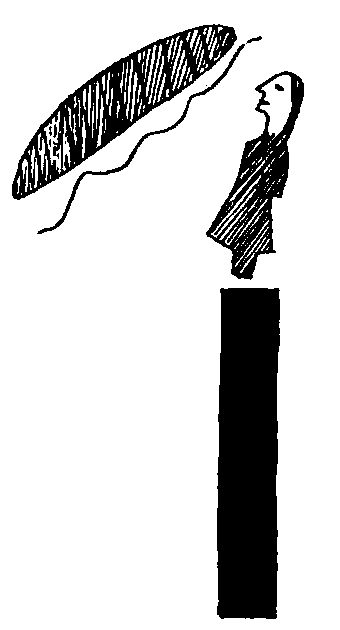
Fig. 161—Winter 1876—1877—A'gábaí killed; scouts enlisted.
The incident is thus noted by Agent Haworth in his official report:
A young man in a mad fit killed his wife. On hearing of it, I called a council of Kiowa chiefs and asked them to take some action about it. I explained to them the penalties the white man's law inflicted for such terrible crimes. After a short consultation they decided they would do with him whatever I said—kill him, if I said so. They said, however, that he was young and foolish and did not know the white man's laws or road, but they would arrest him as soon as he could be found and bring him to me, and I could do with him as I desired. Two of their number, Dangerous-eagle and Big-tree, about nine oclock the same evening brought him to my house, having made the arrest themselves. I sent them on with him to the guard-house, where he was confined for several months, most of the time with ball and chain, working around the garrison in full view of his people. After his arrest they made the request that, in consideration of his ignorance of the white man's laws, his life be spared. I told them he would not be hurt, but the arrest was made without any promises of mercy being exacted or made, no soldiers being required, and done simply on my suggestion or request (Report, 94).
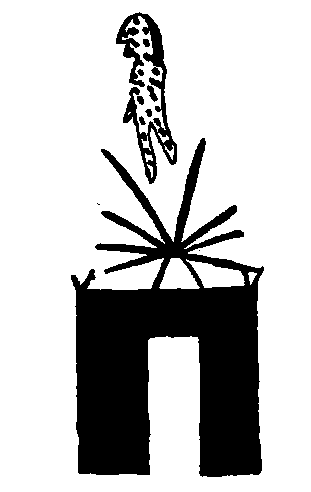
Fig. 162—Summer 1877—Measles sun dance.
Anko's calendar commemorates the fact that he, with about twenty other Kiowa braves, enlisted as scouts this year at Fort Sill, remaining in the service two or three years. The figure below the winter mark shows a man holding a gun and wearing a peculiar variety of hat then used by the scouts. The first Kiowa scouts were enlisted at the time of the surrender in 1875.
SUMMER 1877
Dä´-mä´tánä´ P'a K`ádó, "Star-girl-tree river sun dance," or Á`gat-hódal K`ádó, "Measles sun dance." This dance took place within the present Greer county, Oklahoma, on Salt fork of Red river, called by the Kiowa the "Star-girl-tree river," from a noted tree which originated from a sapling used in a medicine sacrifice to the "Star girls" or Pleiades. On this occasion the troops accompanied the Kiowa on their buffalo hunt and afterward escorted them to the place selected for the dance.
This summer is noted for an epidemic of measles, which is said to have killed more children in the tribe than the measles epidemic of 1892. It is represented on both calendars by a human figure covered with red spots, above the medicine lodge. Strangely enough there is no notice of this epidemic in the report of the agent for this year, which may perhaps be accounted for by the fact that he was himself prostrated by sickness which occasioned his retirement in the following spring. From the report of the agent for the Cheyenne and Arapaho, however, we learn that the epidemic broke out among the latter tribes in April, and in spite of the best efforts of the physician, killed two hundred and nineteen children, so that almost every family was in mourning. In happy contrast to the more recent experience of the Kiowa, the government school was temporarily turned into a hospital, with the teachers for nurses, so that although seventy-four children were sick at the same time, not one died (Report, 95).
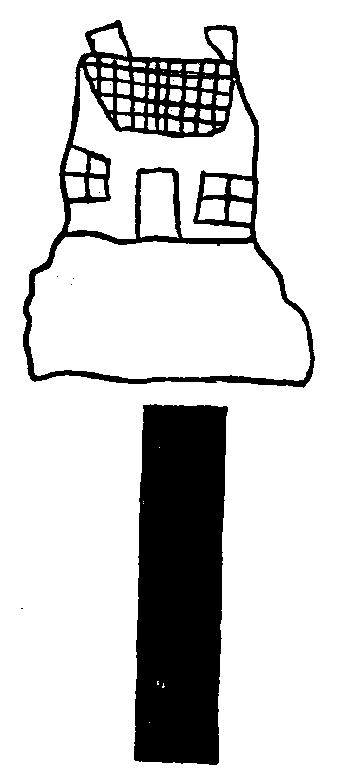
Fig. 163—Winter 1877—78—Camp at Signal mountain; hunt on Pecan creek.
WINTER 1877—78
K`op-taíde-do-tsédal-de Sai, "Signal-mountain winter." During this winter a part of the tribe camped near Mount Scott, while the remainder camped west of Fort Sill, at the foot of Signal mountain, called by the Kiowa "the mountain with a house built upon it," referring to a stone lookout station built during the last Indian outbreak. The figure on the Set-t´an calendar is sufficiently suggestive of a house upon a mountain.
Anko records the fact that he hunted buffalo this winter on Elk creek (on upper Red river), called by the Kiowa Dónä´-i P'a, "Pecan river." The rounded figure below the winter mark is intended to represent a pecan nut.
This winter is noted for an epidemic of fever, which is mentioned in the report for 1878. In the fall of 1877, under Agent Haworth, as an inducement to the Indians to abandon their roaming habit, the government built houses for ten prominent chiefs of the three tribes, including Stumbling-bear, Gaápiatañ (Heidsick), Guñsádalte (Cat), and Sun-boy, of the Kiowa, and White-man and Taha, of the Apache. These were the first Indian houses ever built upon the reservation, excepting two erected by the military. At first the new owners continued to live in the tipis, which they preferred from long usage, but by the further gift of beds and chairs they were induced to go into the houses. An attempt to get the Indians to cut the logs and do a part of the work themselves under instruction seems to have been a failure. The houses were reasonably good frame structures of three rooms, having doors, glass windows, and substantial double fireplaces and chimneys of stone; they cost $600 each (Report, 96). In 1886 there were nine Kiowa families living in houses (Report, 97), but a few years later most of these dwellings were vacant or occupied by white renters, the Indian owners being again in the tipis.
SUMMER 1878
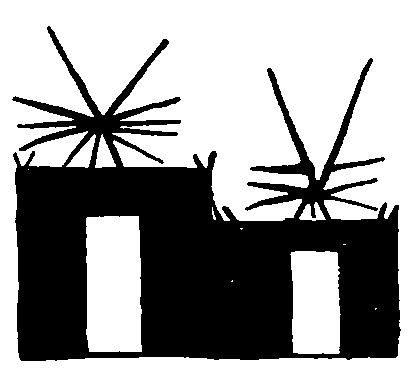
Fig. 164.—Summer 1878—Repeated sun dance.
Adăldä K`ádó, "Repeated sun dance." This is the second recorded instance of this kind, the first having occurred in 1842. On the Set-t´an calendar it is indicated by the figure of two adjoining medicine lodges, and in the Anko calendar by a double-forked medicine pole. The two dances were held on the North fork of Red river. Part of the Kiowa had gone to the plains on the western part of the reservation to hunt buffalo, while the others remained at home. Each party, unknown to the other, promised to make a sun dance, in consequence of which one dance was held at the regular period, after which the leaves were renewed and another dance was held for another four days. On this occasion also the buffalo hunters, who made one sun dance, were escorted by a detachment of troops as a protection and as a precaution against their committing depredations (Report, 98).
WINTER 1878—79
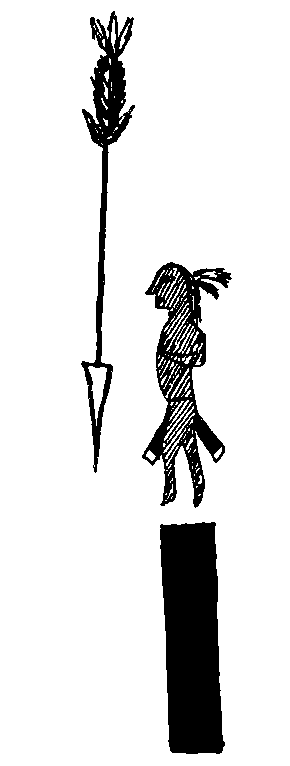
Fig. 165—Winter 1878—79—Ä´to-t'aíñ killed.
The event noted for this winter on both calendars is the killing of Ä´to-t'aíñ, "White-cowbird," the man to whom Set-t'aiñte had given his medicine lance five years before, thus resigning his chieftanship to him (see summer 1874). On the Set-t'an calendar it is indicated by a human figure painted red and with the red headdress, both characteristic of Set-t'aiñte, above the winter mark, and with the medicine lance or zébat in front. On the Anko calendar it is indicated by the figure of the arrow-lance below the winter mark. By a curious coincidence Set-t'aiñte himself committed suicide in a Texas prison about the same time.
Ä´to-t'aíñ was the brother of the chief Sun-boy, and on account of his relationship and the dignity conferred upon him by Set-t'aiñte, if not for his personal merits, was a prominent man in the tribe. On account of having this lance he was also known as Zébä-dó-k`ía, "Man-who-has-the-arrows," i. e., "Arrowman." He was killed by Texans while with a party who had gone, by permission of the agent and accompanied by an escort of troops, to hunt buffalo on upper Red river in what is now Greer county, Oklahoma; the Texans shot him through the body and both arms, scalped him, and cut off a finger upon which was a ring. The hunt occurred in the winter season, but the buffalo were now so nearly exterminated that it was practically a failure and the Indians suffered much in consequence. The killing with its sequel is thus noted in the official report:
Captain Nolan, commanding the company of troops who were escorting the Indians while on the hunt, had, in view of the scarcity of buffalo, allowed parties, each accompanied by a squad of soldiers, to go off from the main camp to points where it was said straggling droves of buffalo could be found. While a Kiowa man was one day a short distance from the camp of one of these parties and alone he was run onto by a company of Texas state troops, shot down, killed, and scalped. A few moments after this grand military feat was performed the little Indian camp was discovered, and they were just in the act of covering themselves with additional glory by charging it and butchering the squaws and pappooses when the squad of colored troops presented themselves, mounted on the bare backs of their horses, having had no time to saddle them, and the warlike band disappeared. Upon the return of the Indians to the agency a request was made that the Texans who murdered the Kiowa should be arrested and punished by the authorities, expressing at the same time no intention of avenging his death themselves. It seems that after waiting some time and concluding that nothing could or would be done by the authorities, a party of young Kiowas, headed by the brother of the murdered man, quietly left their different camps, dashed hurriedly across the line into Texas, killed and scalped a white man they met in the road, and returned as secretly to their camps, apparently feeling that they had avenged the death of their brother and friend by this taking of one scalp.
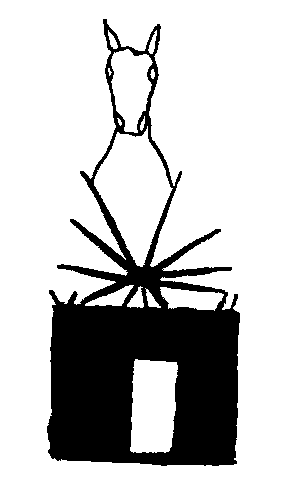
Fig. 166—Summer 1879—Horse-eating sun dance; Boy shot.
A party of troops was sent after this avenging party immediately on learning of this last killing, but so quietly had they proceeded that no trace of them could be found or any definite information procured on which to base measures for their punishment. The white man killed was named Earle, and the agent expresses his belief that if proper satisfaction had been made in the first place by punishing the murderers of the Kiowa or making presents to his family according to the Indian custom, the avenging party would not have entered Texas on their deadly mission (Report, 99).
SUMMER 1879
Tséñ-píä K`ádó, "Horse-eating sun dance." It is indicated on the Set-t'an calendar by the figure of a horse's head above the medicine lodge. This dance was held on Elm fork of Red river, and was so called because the buffalo had now become so scarce that the Kiowa, who had gone on their regular hunt the preceding winter, had found so few that they were obliged to kill and eat their ponies during the summer to save themselves from starving. This may be recorded as the date of the disappearance of the buffalo from the Kiowa country. Thenceforth the appearance of even a single animal was a rare event. The official report says:
In the month of June last a portion of each band was permitted to go to the western part of the reservation to subsist themselves awhile on buffalo, deer, etc, as the supplies for the year had been so nearly expended it was not seen how they could all be fed until those for the next year were received. But again they failed to find game sufficient to feed themselves, and the Kiowa, who while out were engaged in their annual medicine dance, suffered some with hunger. I think their failures in finding buffalo the past year, and their consequent suffering while out, will have a good effect in causing them to abandon their idea of subsisting in this way and to look to their crops and stock for a support. It is a fact worthy of note that the reports of the agents show the value of the robes and furs sold by the Indians now belonging to the Kiowa, Comanche, and Wichita agency for the year 1876 amounted to $70,400; for 1877, $64,500; for 1878, $26,375; while in 1879 only $5,068 was received, showing that buffalo hunting is not a thing of profit as it once was; and, besides, the most serious drawback to the Indians is the lack of the buffalo meat which at one time helped to subsist them, and which, added to the insufficient rations furnished by the government, kept them partly comfortable. As that supply is cut off, the Indian must go to work and help himself or remain hungry on the rations furnished (Report, 100).
The Anko calendar records the fact that while the Kiowa were driving away their issue of beef cattle some mischievous boys, shooting at the cattle with their arrows, accidentally shot another boy in the shoulder, but not fatally. In giving this explanation it was evident that Anko did not want to mention the boy's name, probably because he was now dead.
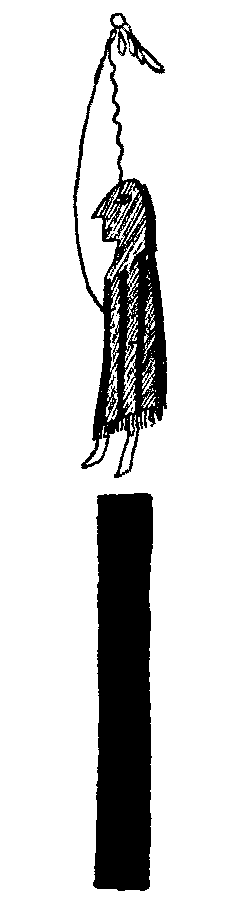
Fig. 167—Winter 1879—80—Eye-triumph winter.
WINTER 1879—80
Tä´kágyä Sai, "Eye-triumph winter." The name and story furnish a curious illustration of Indian belief. Káäsä´nte, "Little-robe" (or Little-hide), with two or three others, had gone to the North fork of Red river to look for antelope. According to another story they went to look for their old enemies, the Navaho, who, it seems, although now removed to their former reservation in western New Mexico, still occasionally penetrated thus far. Among them was a man named Pódodal (a variety of bird), who claimed to understand the language of owls, a bird believed by the Kiowa to be an embodied spirit. While resting one night in camp this man warned Little-robe not to go to bed, but to round up the ponies and keep watch over them, for an owl had told him that the Navaho would try to steal them that night. During the night Pódodal fired at something in the darkness, and on looking in the morning they found the trail of a man, and blood drops, which they followed for a long distance, but at last gave up the pursuit. That night the owl again came and told Pódodal that the wounded Navaho was lying dead beyond the point where they had turned back, and that he (the owl) would go and fetch him.
On rising in the morning Pódodal saw some strange-looking object lying on the ground in the lodge, and on examining it it proved to be the eye of a dead Navaho. On the advice of Pódodal they then abandoned the hunt and returned to the Kiowa camp, on a small branch of Apache creek (Sémät P'a), an upper branch of Cache creek. They carried with them the eye, hung at the end of a pole after the manner of a scalp, and danced over it as over a scalp on arriving at the camp on the small stream, since called Tä´-kágyä P'a, "Eye-triumph creek" from this circumstance.
It should be added that there were some skeptics who laughed at the whole story and declared that the eye was that of an antelope which Pódodal had secretly shot.
On the Set-t'an calendar the event is indicated by a figure intended to represent a scalp at the end of a pole, carried by a man wearing a striped robe to indicate his name, Little-robe. On the Anko calendar there is a representation of a scalp on a pole under the winter mark.
SUMMER 1880
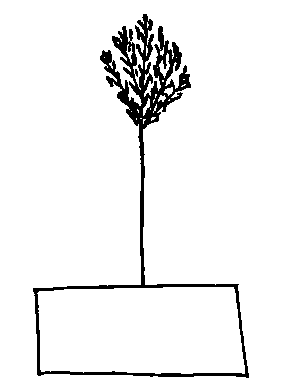
Fig. 168—Summer 1880—No dance; Päbóte died.
This summer there was no sun dance, perhaps on account of failure to find buffalo, and instead of the medicine lodge the summer is indicated on the Set-t'an calendar by the figure of a leafy tree above a square figure, which is explained as meaning that the author of the calendar stayed at home, the lines being intended to show a space inclosed in a fence after the manner of a white man's farm. A similar device is several times used for the same purpose in later years. Under date of September 1, 1881—a year later—the agent says:
Last year I was encouraged in the belief that the Indians under my charge were rather disposed to lay aside these ideas and ceremonies, from the fact that very little was heard of their medicine men during the year, and the Kiowas failed to hold their annual "medicine dance." The latter part of this year, however, from some cause, their medicine men have been unusually active, as I learn has been the case at other agencies, and the Kiowas have recently returned from the western part of their reservation, where they held their annual dance (Report, 101).
The Anko calendar records the death of a chief named Päbóte, "American-horse." He was a man of unusual height and size, hence his name, which signifies literally an animal taller than the average. He was buried in a coffin by the whites at the agency nearly opposite Fred's store. On the calendar the square figure below the picture of the man, and connected with it by a line, is intended to represent the coffin.
On first explaining the calendar, in 1892, Anko evaded the mention of this man's name, in accordance with the Kiowa custom which forbids naming the dead, but three years later consented to do so. The same objection was frequently encountered, but finally overcome in regard to other names on the calendars.
WINTER 1880—81
For this winter the Set-t'an calendar has a house over the winter mark, but he could not remember whose house it was intended to represent. In Captain Scott's notes it is said to be Paul Set-k'opte's new house, but Set-k'opte did not return from the east until 1882. It is probably intended to represent a new house built for another, Paul Zoñtam, who returned from the east in 1881 as an ordained Episcopal minister.
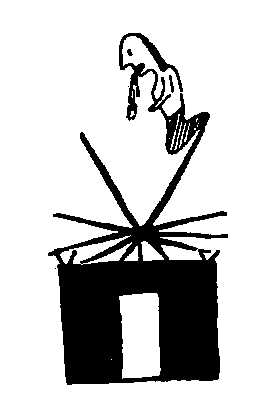
Fig. 169—Winter 1880—81—House built; Pueblo visit.
The Anko calendar records the visit of a large party of Pueblo Indians from New Mexico, indicated by a human figure below the winter mark with the hair bunched up in Pueblo fashion. There were about a hundred of them and they stopped at various camps of the Kiowa and Apache, remaining some time. This was the last time the Pueblos ever visited these tribes. In the following fall Big-bow returned their visit.
SUMMER 1881
K`ádó Sä' lä´ti, "Hot-sun dance," or Dóguătal Sáomhäpä-de K adó "Sun dance when blood came up from the young man." It was called the "hot sun dance" from the fact that it was held late in August, instead of in June as usual, the delay being due probably to the difficulty of finding a buffalo for the purpose; after a long search a solitary bull was found. The dance was held on North fork of Red river, a short distance beyond the end of the mountains.
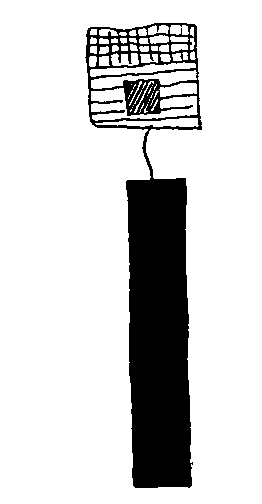
Fig. 170—Summer 1881—Hemorrhage or hot sun dance.
The close upright lines between the forks of the medicine pole on the Anko calendar he explains to indicate the heat, probably from the Indian gesture sign for fire, made by holding the hand with thumb and fingers together pointing upward, and separating them with a quick motion, the concept being the upward motion of the sparks and smoke.
The suggestive figure on the Set-t'an calendar records an incident which gives another name to this sun dance, a young man, the adopted son of Poor-buffalo, having been attacked by hemorrhage. He was called Măsá`te, "Six," from the fact that he had six toes on each foot; his brother, Bóhé, still living, is said to have six fingers on each hand, Such instances of malformation are at least as rare among Indians as among whites.
WINTER 1881—82
Ĭmdádóá-de Saiá, "Winter when they played the dó-á medicine game." This winter is noted for a great dó-á game played under the auspices of two rival leaders, each of whom claimed to have the most powerful "medicine" for the game. The game was played in the winter camp on the Washita, near the mouth of Hog creek, the Kiowa leader being Pa-tepte, "Buffalo-bull-coming-out," alias Dátekâñ, now dead (see summer 1882), while his opponent was the Apache chief and medicine-man Dävéko. The Kiowa leader was recognized distinctively as having "medicine" for this game, and it was said that he could do wonderful things with the "button," making it pass invisibly from one hand to another while he held his hands outstretched and far apart, and even to throw it up into the air and cause it to remain there suspended invisibly until he was ready to put out his hand again and catch it; in other words, he was probably an expert sleight-of-hand performer. His Apache rival, Dävéko, is known as a medicine-man as well as a chief, and is held in considerable dread, as it is believed that he can kill by shooting invisible darts from a distance into the body of an enemy. On this occasion he had boasted that his medicine was superior for the dó-á game, which did not prove to be the case, however, and as the Kiowa medicine-man won the victory for his party, large stakes were wagered on the result and were won by the Kiowa. It is said that this was a part of Pa-tepte's effort to revive the old customs and amusements on a large scale. The game was witnessed by a large concourse, all dressed and painted for the occasion. The picture on the Set-t'an calendar is very suggestive.
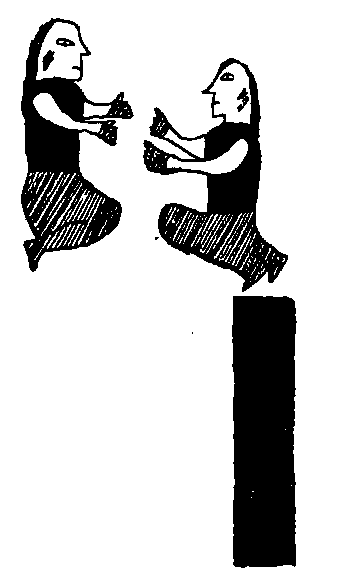
Fig. 171—Winter 1881—82—Dó-á game; medicine tipi.
The name dó-á signifies the "tipi game," from do, tipi or house, and a, a game, because, unlike most of their games, it is played inside the tipi, being essentially a game for the long nights when the whole tribe is assembled in the winter camp. A similar game is found among nearly all our wild tribes; it is played by both sexes, but never together. In its general features it resembles our game of "hunt the button," the players forming a circle around the fire in the tipi, one-half of them playing against the others, sitting facing them on the opposite side of the fire. The leader of one party then takes the k`íäbo or button, a short piece of stick wrapped around the middle with a strip of fur and small enough to be concealed in the hand. Putting his closed hands together, he raises his arms above his head, clasps them across his chest or puts them behind his back, endeavoring to pass the k`íäbo from one hand to another, or from his own hand to that of his next partner, without being perceived by any of the opposite party, all the while keeping time to the movements of his hands with one of the peculiar dó-á songs, in which the members of his party join.
When the opposing player thinks he has detected in which hand the other has concealed the stick, he indicates it with a peculiar jerk of his thumb and index finger in that direction, with a loud Tsoq! (Comanche for "That!"); if he has guessed correctly, he scores a certain number of points, the account being kept by means of a bundle of green-painted tally sticks. He then takes the k`íäbo and begins a similar set of movements in time to another song, in which his partners join; so the game goes on far into the night, until the contest is decided and the stakes won by one side or the other. It is a most animated and interesting game, of which they are very fond, and frequently at night in the winter camp the song chorus may be heard from several games in progress simultaneously, the high-pitched voices of the women in one tipi making a pleasing contrast to the deeper tones of the men in another.
The Anko calendar notes the building of a medicine tipi by Dátekâñ, for the purpose of bringing back the buffalo (see summer 1882). The tipi is shown below the winter mark.
SUMMER 1882
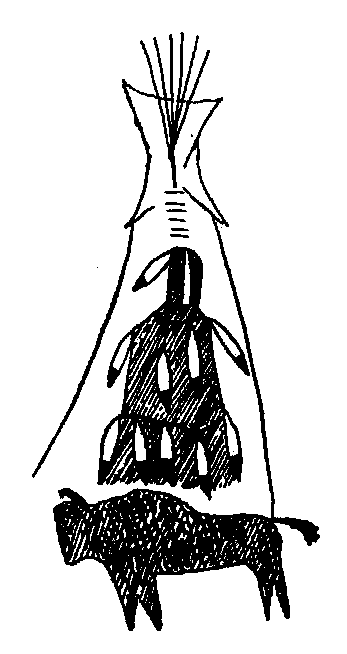
Fig. 172—Summer 1882—Buffalo medicine; Pätso`gáte died.
This summer Dohásän, whose hereditary duty it was to supply the buffalo for the sun dance, failed to find even one, and in consequence there was no dance. For this summer the Anko calendar notes the death of Pätso`gáte, "Looking-alike," a daughter of Stumbling-bear, noted for her beauty. In accordance with the tribal custom in regard to speaking of the dead, Anko for a long time refused to mention her name. The incident is indicated by the figure of a woman where the medicine pole is usually pictured.
The Set-t'an calendar notes the excitement caused by the efforts of Dátekâñ, or Pa-tepte, to bring back the buffalo, also noted by Anko in the preceding winter season. The figure represents the medicine-man seated in his sacred lodge, wearing his ceremonial red blanket trimmed with eagle feathers, and with a buffalo beside him.
The buffalo had now disappeared, and with it the old Indian life, the sacred sun dance, and all else that they most cherished threatened also to pass away. According to Kiowa mythology, the buffalo originally lived in a cave underground, from which they had been released by their great hero Sinti and scattered over the prairies for the benefit of his children, the Indians. Somewhat similar beliefs are entertained by other tribes. As the buffalo had disappeared with the coming of the white man, who, by reason of his superior knowledge, was rapidly dispossessing the Indian, the native tribes almost universally believed, not that the buffalo had been exterminated—a calamity too terrible for their comprehension—but that it had been shut up again underground by their enemy, the white man, in order more easily to accomplish their subjection. It was believed that by prayer and sacred ceremonial the buffalo might again be released to furnish food and life for the Indian, and in every tribe there sprang up medicine-men who undertook to effect the restoration.
Among the Kiowa this task was adventured by a young man named Dátekâñ, "Keeps-his-name-always," who announced early in 1882 that he had had a vision in which he received a mission to bring back the buffalo. Accordingly, he began to make medicine and assumed the name of Pá-tépté, "Buffalo-bull-coming-out," in token of his new powers. He was already noted in other directions as a medicine-man, and had been the winner in the great dó-á contest mentioned in the calendar of the preceding winter. It is possible that his success on that occasion encouraged him to this attempt, as he began his buffalo medicine immediately afterward. He erected a medicine tipi, in front of which he set up a pole with a buffalo skin upon it, and prepared for himself a medicine shirt ornamented with blue beads, over which he threw a red blanket trimmed with eagle feathers. Thus attired, and carrying a sacred pipe in his hand, he began his mystic ceremonies within the tipi, and from time to time announced the results to the people, most of whom believed all he said and manifested their faith by gifts of blankets, money, and other property; they were further commanded to obey him implicitly, on pain of failure of the medicine in case of disobedience. His pretensions were opposed by the younger men among the returned prisoners from the east, who used all their influence against him, but with little effect. After nearly a year of medicine-making, being unsuccessful, he announced that some one had violated some of the innumerable regulations, and that in consequence his medicine was broken for the time and they must wait five years longer, when he would begin again. Before that time had elapsed, however, he died, but his claims and prophecies were revived and amplified five years later by Pá-iñgya (see summer 1888).
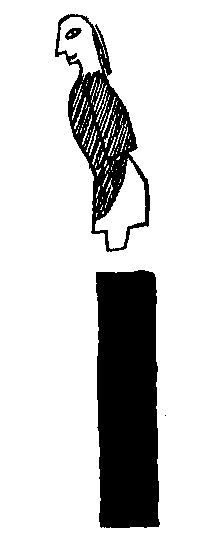
Fig. 173—Winter 1882—83—Bot-édalte dies; Grass leases; Camp on Pecan creek.
WINTER 1882—83
For this winter the Set-t'an calendar records the death of a woman named Bot-édalte, "Big-stomach," indicated by the figure of a woman with an abnormal abdomen above the winter mark.
The Anko calendar notes that the Indian police camped this winter on Dónä´i P'a, "Pecan creek" (Elk creek of North fork of Red river), indicated, as in 1877—78, by the figure of a pecan nut below the winter mark. The Texas cattle trail crossed at that point and the police were stationed there to keep the cattle off the reservation. Quanah, chief of the Comanche, was there also in the interest of the cattlemen, and it was through his persuasion that the allied tribes finally agreed to lease their grass lands.
Anko notes also that the Indians now "began to talk about grass leases," but that as yet there was no grass money paid. It is indicated on the calendar by three circles for dollars below the winter mark, with a +, intended for a picture of the Indian gesture sign for "cut off" or "stop," made by bringing the extended right hand downward in front of the other, as if cutting a rope with a knife-stroke.
On this subject the agent says, under date of August 17, 1883:
The grass question seems to be the most difficult thing I have to contend with. I find it impossible to keep trespassing cattle entirely off the reservation, and we are now crowded on all sides. It seems to do very little good to put them off, for it is found that cattle that have just been driven off will come back on the reservation as soon as the police force advances. Our Indians are not disposed to rent the grass, yet if it is used it seems they should be paid for it.... The grass should be utilized in some way that will benefit the Indians, and if it is not possible to supply them with herds sufficient to consume it, it does seem as if the grass should be rented and the Indians receive the money for it (Report, 103).
The final result was the establishment of the system of grass leases.
SUMMER 1883
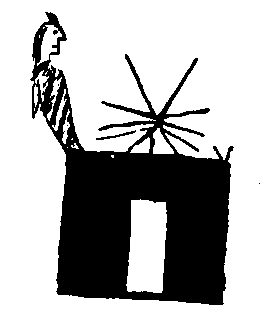
Fig. 174—Summer, 1883—Nez Percé sun dance.
´dalk`atói K`ádó, "Nez Percé sun dance," so called on account of a visit from the Nez Percés, called by the Kiowa the "people with hair cut off across the forehead." The figure above the medicine pole on the Anko calendar is intended to represent a man in the act of cutting off his front hair. The Set-t'an calendar has beside the medicine lodge the figure of a man wearing the peculiar striped blanket of the Nez Percés. This sun dance is sometimes known as Máp'ódal K`ádó, "Split-nose sun dance," because held on the Washita on pasture lands inclosed by a cattle man known to the Indians by that name.
On account of difficulties with the whites, the Nez Percés of Chief Joseph's band had left their homes in eastern Oregon in the summer of 1877, and after a retreat of a thousand miles were intercepted in Montana by General Miles, when within a few miles of the British border, and compelled to surrender. They were brought as prisoners to Fort Leavenworth, and thence removed, in July, 1878, to a reservation assigned to them in Indian Territory. The climate and surroundings proving entirely unsuited to them, they were returned to reservations in Washington and Idaho in 1885, their numbers in the meantime having been reduced from about four hundred and fifty to three hundred and one, about one-third of their whole number having died. It was while domiciled in Indian Territory that they visited the Kiowa and other tribes, dancing with the Kiowa and Apache at the head of Sémät P'a, "Apache creek" (upper Cache creek), and attending the Kiowa sun dance, which was held on the north side of the Washita, about ten miles above Rainy-mountain creek, near where now is Cloud Chief. This was the first time the Kiowa had ever seen the Nez Percés, although they had a dim traditional memory of them in their old northern home.
In the spring of this year the keeper of the taíme medicine, Set-dayá-ite, "Many-bears," died, and the image was taken by Taímete, "Taíme-man," who continued to hold it until his death in 1894.
WINTER 1883—84
For this winter the Set-t'an calendar has the picture of a house with smoking chimney beside a tipi. It appears to be a canvas house, such, as those Indians in a transition state sometimes use. Set-t'an explains it to mean that Big-tree was given a stove by the government and put it into a large tipi which he occupied; but Scott's informant, who is corroborated by Anko and others, explains it as meaning that Gákinãăte, "Ten," the brother of Lone-wolf, built a house this fall on the south side of the Washita, about opposite Cobb creek. Stumbling-bear says that he himself had received a stove as far back as 1875, two years before the government built his house.
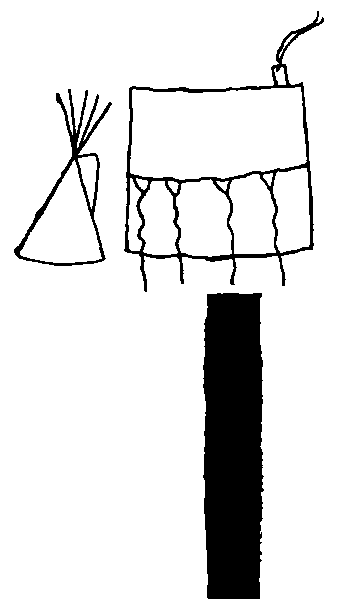
Fig. 175—Winter 1883—84—House built; children taken; Sioux dances.
The Anko calendar records the taking of a large number of children to the Chilocco Indian school, near Arkansas City, Kansas. The heavy drafts made during the term to furnish children for Chilocco and other schools very considerably reduced the number of pupils in attendance at the reservation schools; according to the agent's statement, seventy were thus taken at one time (Report, 103). The figure below the winter mark is intended to represent two wagons filled with children.
Anko notes also that a party of Dakota came down to dance with the Kiowa, indicated by the feather dance-wand at the side of the winter mark.
SUMMER 1884
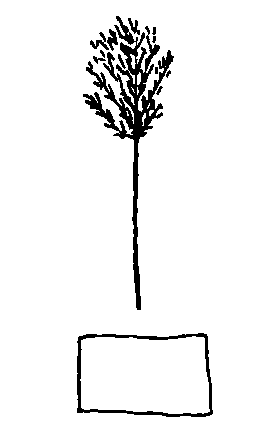
Fig. 176—Summer 1884.—No sun dance; Hauled freight.
There was no sun dance this summer, and the Set-t'an calendar has only the figure of a tree to indicate summer, with a figure below intended to represent an inclosed field, implying that the owner stayed at home. Concerning this the agent says, under date of August 28:
The Kiowas have danced less this year than usual, and they seem to have given up their annual medicine dance, for as yet they have said nothing about it. The holding of this dance has always been a great occasion and considered one of their most important ceremonies, for they have believed it absolutely necessary to secure their health and success in all their undertakings, either at war or in the chase. They have generally gone out on the plains from 40 to 60 miles from the agency and been absent from five to six weeks. On several occasions since the buffalo disappeared, they have suffered very much with hunger while out, and I hope we have heard the last of the dance (Report, 104).
The calendar of Anko for this summer notes the hauling of government freight by the Kiowa, including himself, indicated by a figure of a wagon where the medicine pole would otherwise be. This was in agreement with a plan inaugurated several years before, by which those Indians who had suitable teams and wagons—the latter furnished by the government—were permitted to haul supplies for the agency and were paid for their labor as an inducement to get them to adopt the white man's industries. As there was no railroad near at that time, most of the freight had to be hauled overland from Caldwell, Kansas, a distance of 150 miles. For such labor during this year the Indians received nearly $8,000, and performed the work cheerfully and in a satisfactory manner (Report, 105).
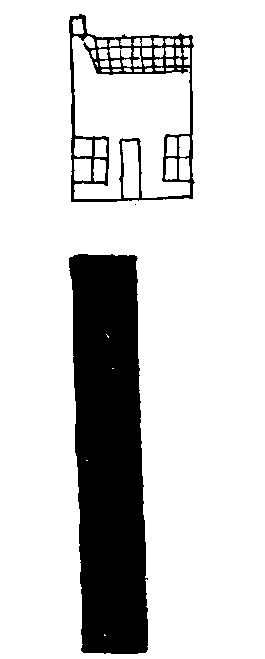
Fig. 177—Winter 1884—85—Winter camp; Tón-ak`á's elopement.
WINTER 1884—85
The Set-t'an calendar has a house above the winter mark, which is interpreted to mean that the Kiowa camped all winter on the Washita near Set-k`opte's house, just above the agency. This was the fact, but another informant suggests that the original intention was to record the event that the Kiowa about this time began to build houses for themselves. On this subject the agent says at this time:
These Indans retain much of their roving disposition, and except during the cropping season do not camp long in one place, but do not go far from their fields. Few of the Kiowas, Comanches, and Apaches have houses, and most of them live in tents. This will probably be the last of their savage customs to be abandoned (Report, 106).
In 1886 it is officially stated that only nine Kiowa families were living in houses, all the rest being in tipis (Report, 107).
The Anko calendar records the stealing of another man's wife by Tón-ak`á, "Notched-tail," i. e. "Water-turtle," a noted medicine-man, for which the woman was whipped and a number of Tón-ak`á's horses were killed by the injured husband. The turtle below the winter mark indicates the event.
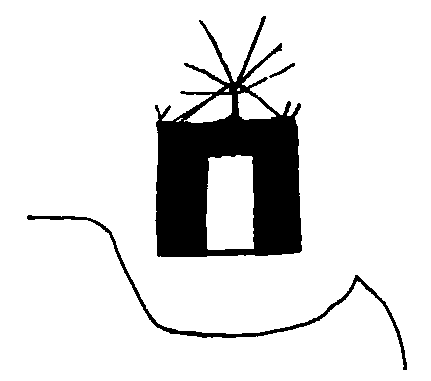
Fig. 178—Summer 1885—Little Peninsula sun dance; Grass payment.
SUMMER 1885
Píhó K`ádó Sän, "Little Peninsula sun dance," so called because it was held in a peninsula formed by a bend of the Washita about twenty miles above the agency; the same place where another dance, the Píhó K`ádó, had been held in 1839. The figure on the Set-t'an calendar shows the medicine lodge within the bend (see summer 1839). The figure on the Anko calendar is intended to represent the medicine pole with the buffalo head fastened below the forks.
On this occasion Dohásän had to go to the Staked plain to find a buffalo for the purpose. This dance was the first held by Taímete, the successor of Set-dayá-ite. On this point the agent has to say:
I mentioned in my last report the fact that the annual medicine dance of the Kiowa would not be held that year, and I expressed the hope that they had abandoned it; but their old medicine man has since died, and his successor, unfortunately a young man of little ability or character, ordered that another be held this year. The Comanche have no such ceremonial as an annual dance, and the other tribes of the reservation have no medicine dance, but the Caddoes frequently meet together and dance for enjoyment, as white people do (Report, 108).
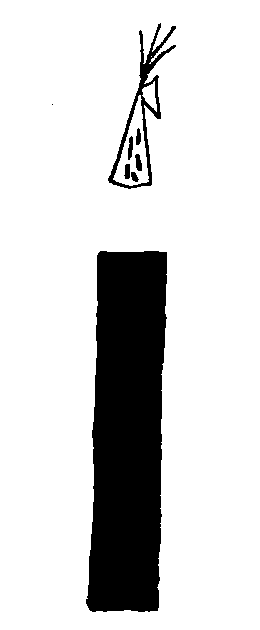
Fig. 179—Winter 1885—86—Camp burned.
The Anko calendar notes that the Comanche received their first grass money this summer, shown by the circles for dollars below the medicine pole, but with nothing to indicate the tribe. The Kiowa did not make leases until a year later. For some reason, perhaps on account of a change of agents which occurred about this time, there is no notice of this payment in the official report.
WINTER 1885—86
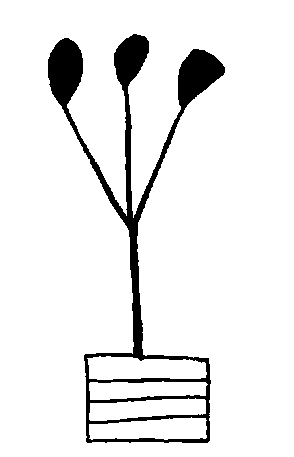
Fig. 180—Summer 1886—No sun dance; Policemen; Grass payment.
For this winter both calendars record a prairie fire which destroyed all the tipis and much of the other property of T'ébodal's and Â'dal-pepte's camps, northwest of Mount Scott, while most of the tribe had gone to the agency for rations. The Set-t'an calendar indicates the event by means of the picture of a tipi, streaked with red for the fire, above the winter mark. The Anko calendar has below the winter mark a peculiar symbol, which he explains to mean the rising flames.