VI PERIOD OF SCIENTIFIC SUBDIVISION (FROM ABOUT 1825 ONWARDS) (continued 2)
Reading edition
§ 11. Some Important Bacteriological Results.
Diphtheria is a disease for which physicians now habitually demand a bacteriological diagnosis. Bretonneau of Tours (p. 185), working on clinical and post-mortem material, and without the use of a microscope, was able to distinguish Diphtheria as a specific disease (1826). Half a century later (1883) Edwin Klebs (1834-1913) of Zürich, a pupil of Virchow, described the specific organism of the disease. In the following year Friedrich Loeffler (1852-1915), a Prussian and an assistant of Koch, succeeded in cultivating it. The organism has since been known as the ‘Klebs-Loeffler Bacillus’. Its study has thrown much light on the nature of bacterial action in general and has, moreover, led to important therapeutic developments (p. 263).
Of all diseases destructive of human life, none is so dramatic as Plague, the scourge of mankind throughout history. The bacillus of Plague was discovered independently by the Japanese Shibasaburo Kitasato (c. 1860-), a pupil of Koch, and by the Frenchman Alexandre Yersin (1863-), a pupil of Pasteur, during an epidemic at Hong Kong in 1894. These two observers cultivated the organism and reproduced the disease by inoculation of pure cultures in animals. It had long been observed that outbreaks of a deadly disease of rats and mice were liable to precede Human Plague. These ‘epizootics’ which precede ‘epidemics’ are now known to be due to the bacillus of Plague. A mass of evidence has been collected to show that the normal carrier of the Plague infection is the rat flea. This knowledge has led to the formulation of effective measures for the control of Plague. These measures are based on the wholesale extermination of the rat population which harbors the infective fleas. The study of the Natural History of the Plague Bacillus has also led to prophylactic measures for the safety of individuals.
Fig. 114. Bacilli of Diphtheria from a Culture. Highly magnified. In cultures these bacilli are liable to degenerate into thick club-shaped forms several of which are here seen.
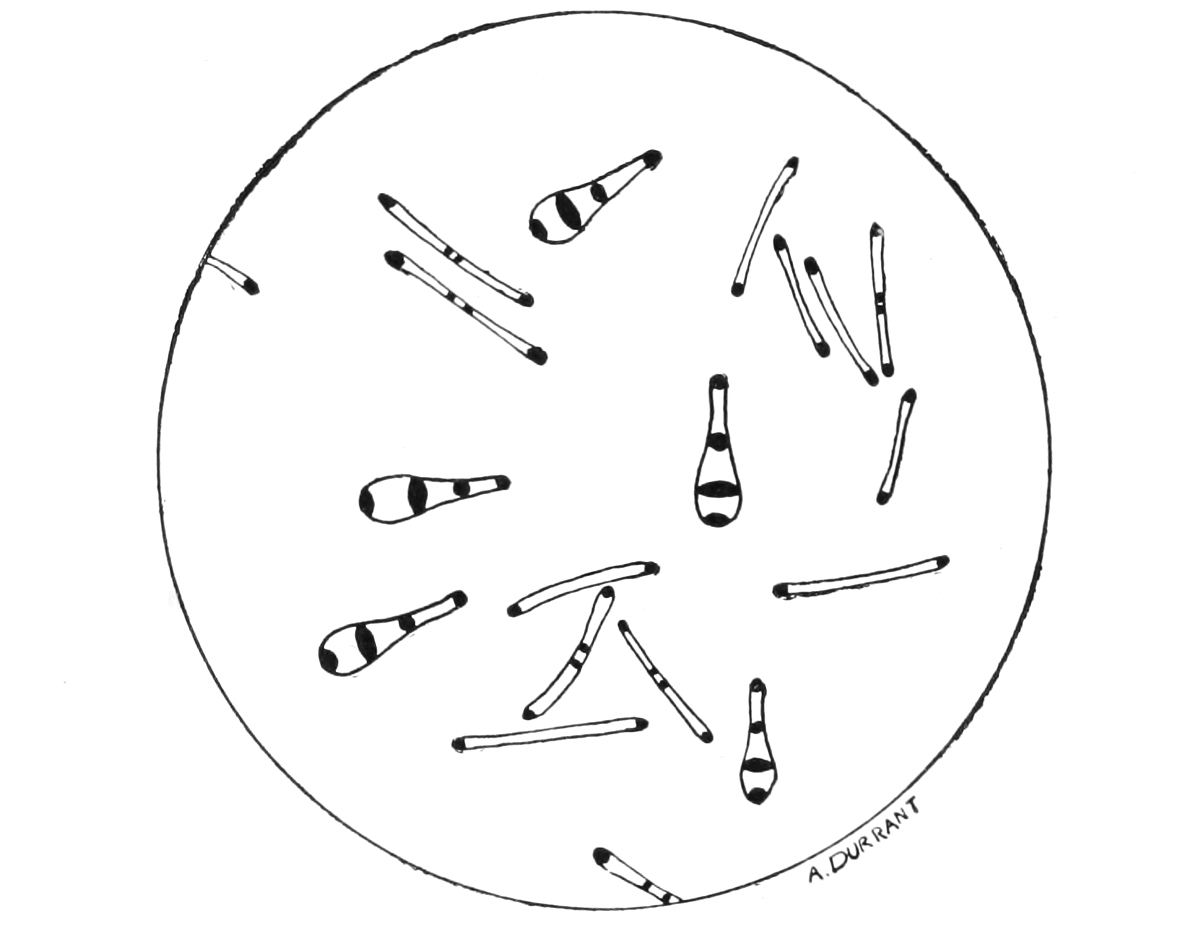
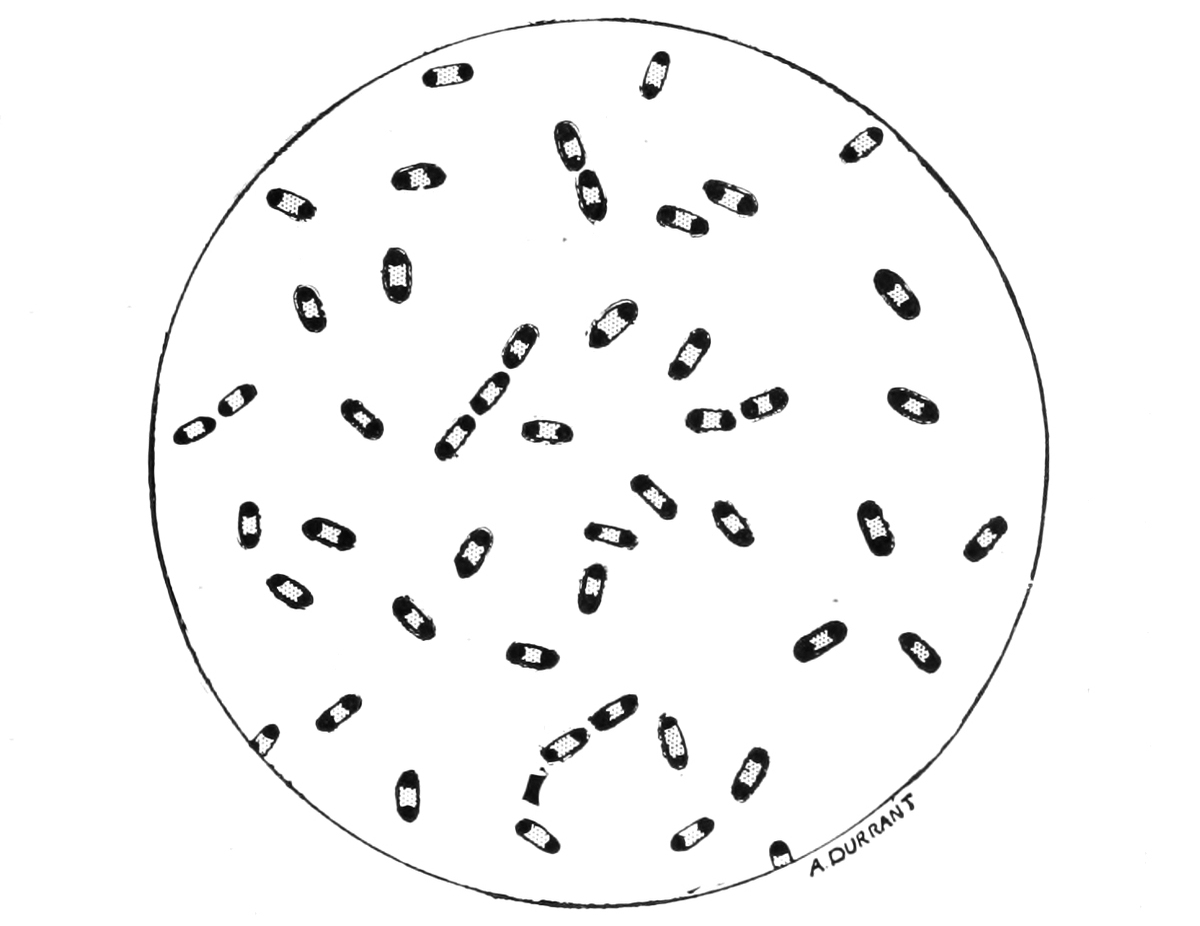
Fig. 115. Bacilli of Plague from a Culture. Highly magnified.
Malta Fever is a disease of much wider distribution than its name implies. Not only is it found throughout the Mediterranean area, but it is also encountered in China, South Africa, and parts of both North and South America. It is a long, tedious and wearing disease, and though the mortality from it is low, yet it was at one time one of the main causes of disability in the British army at Malta. In 1887 an English military surgeon, David Bruce (1855-), succeeded in cultivating a characteristic bacillus from the spleen of a patient dead of the disease, and he established its causal relation to Malta Fever. In 1904 its mode of propagation was studied by a British Government Commission. The goat was shown to be the normal host of the bacillus, and in Malta 50 per cent. of these animals were found to be infected. The disease, it was discovered, is usually transmitted by goat’s milk. The knowledge has led to the application of very effective precautions (Fig. 116).
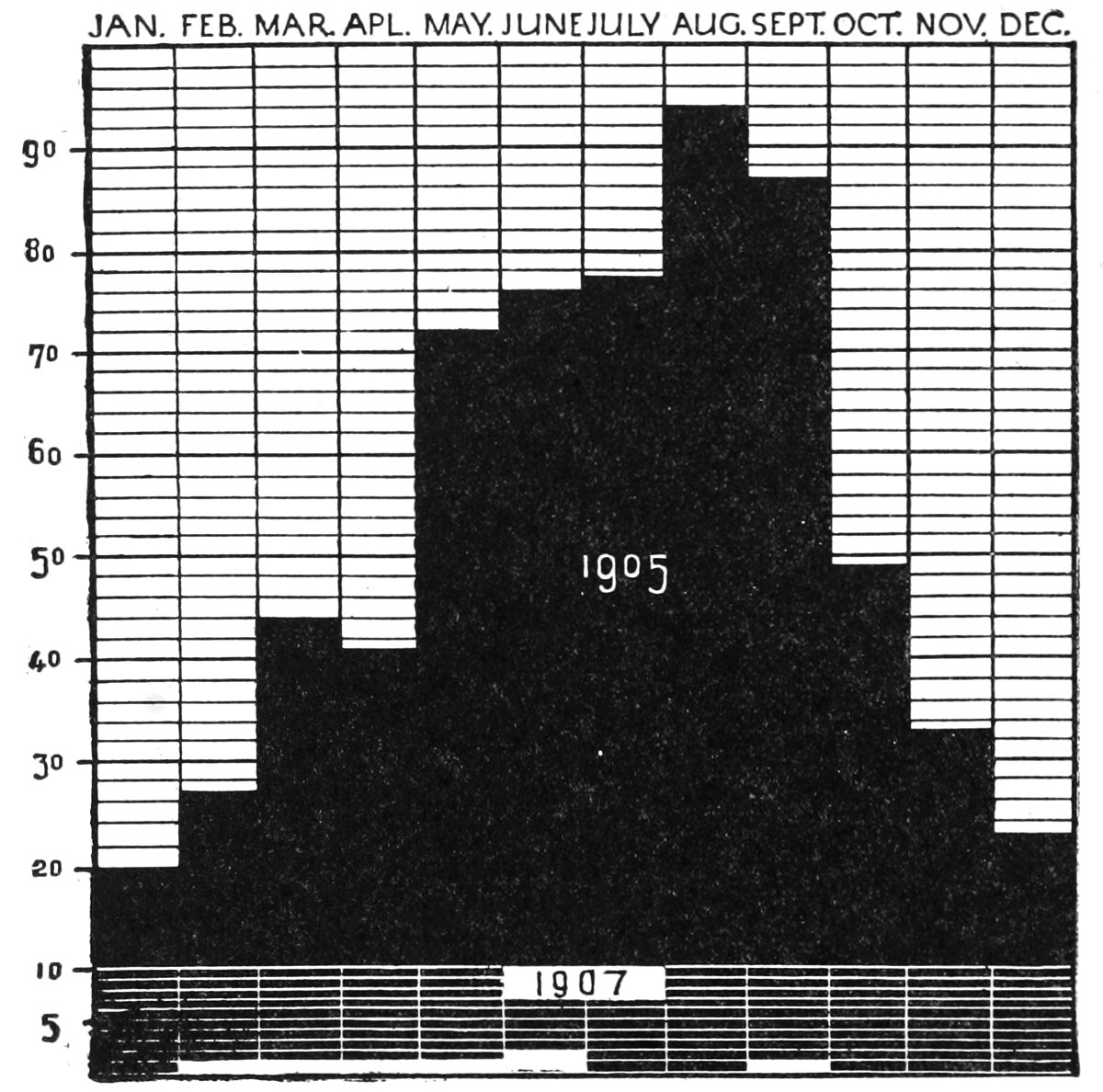
Fig. 116. DIAGRAM SHOWING THE INCIDENCE OF MALTA FEVER in the British garrison at Malta immediately before and immediately after the institution of the preventive measure of cutting off the supply of unboiled goats’ milk. The figures of 1905—before the new regulation came into force—are represented in black. The figures in the margin refer to the number of cases per ten thousand of strength. The figures for 1907 are represented in white on the same scale. There is a drop in the maximum monthly incidence from 94 to 2. The size of the garrison itself remained almost constant throughout the period.
Among the most anciently described diseases is the condition known as Tetanus or ‘Lockjaw’. There are unmistakable references to it in the Hippocratic Collection and notably in the Aphorisms. Two of these
references we have already quoted (p. 23). A general association of Tetanus with wounds has long been recognized. In the eighties the disease was shown to be transmissible from animal to animal. It was, moreover, experimentally produced in animals by the inoculation into them of garden mold. In 1889 Koch’s pupil, Kitasato, obtained the Bacillus of Tetanus in pure culture and conveyed the disease to animals. He found the organism would grow only in the absence of Oxygen. It is, in fact, a type of a large and now well-known group, the ‘anaerobic’ bacteria. The natural habitat of the Tetanus Bacillus has been proved to be soil, and especially richly manured soil. The knowledge of the bacillus, of its habitat, and of its mode of growth has led to the development of a valuable protective process.
Looking backward from the standpoint of present-day knowledge we can trace Typhoid Fever far back in history. Nevertheless, it was not till 1837 that the distinction between the two distinct conditions known now as ‘Typhoid’ and ‘Typhus’ was first clearly made. This was the work of an American physician, William Gerhard (1809-72), of Philadelphia. The English were backward in adopting the distinction. The organic cause of Typhoid Fever was first seen in 1880 by Karl Joseph Eberth (1835-1927), a pupil of Virchow, and after him it is known as ‘Eberth’s Bacillus’. It was not isolated, however, until some years later. It is an inhabitant of the intestine, and its natural history was obscured by confusion with certain other and very similar organisms, which also dwell in the intestine. These have now been fairly differentiated from each other, and in the course of this process the ‘flora’, both normal and pathological, of the intestinal canal has become well known. Moreover, it has been shown that typhoid organisms are not always of the same species, but that several closely allied forms produce several closely allied diseases. Lastly, certain of the effects wrought by the typhoid group of organisms on the body, which is their host, have been exactly investigated. These investigations have led to improved methods of recognition of the disease, that is to say, diagnosis, and also of prevention of its incidence, that is to say, prophylaxis. To these methods of diagnosis and of prophylaxis we now turn.
Fig. 117. Bacilli of Tetanus from a Culture. Highly magnified. The drum-stick forms are very typical.
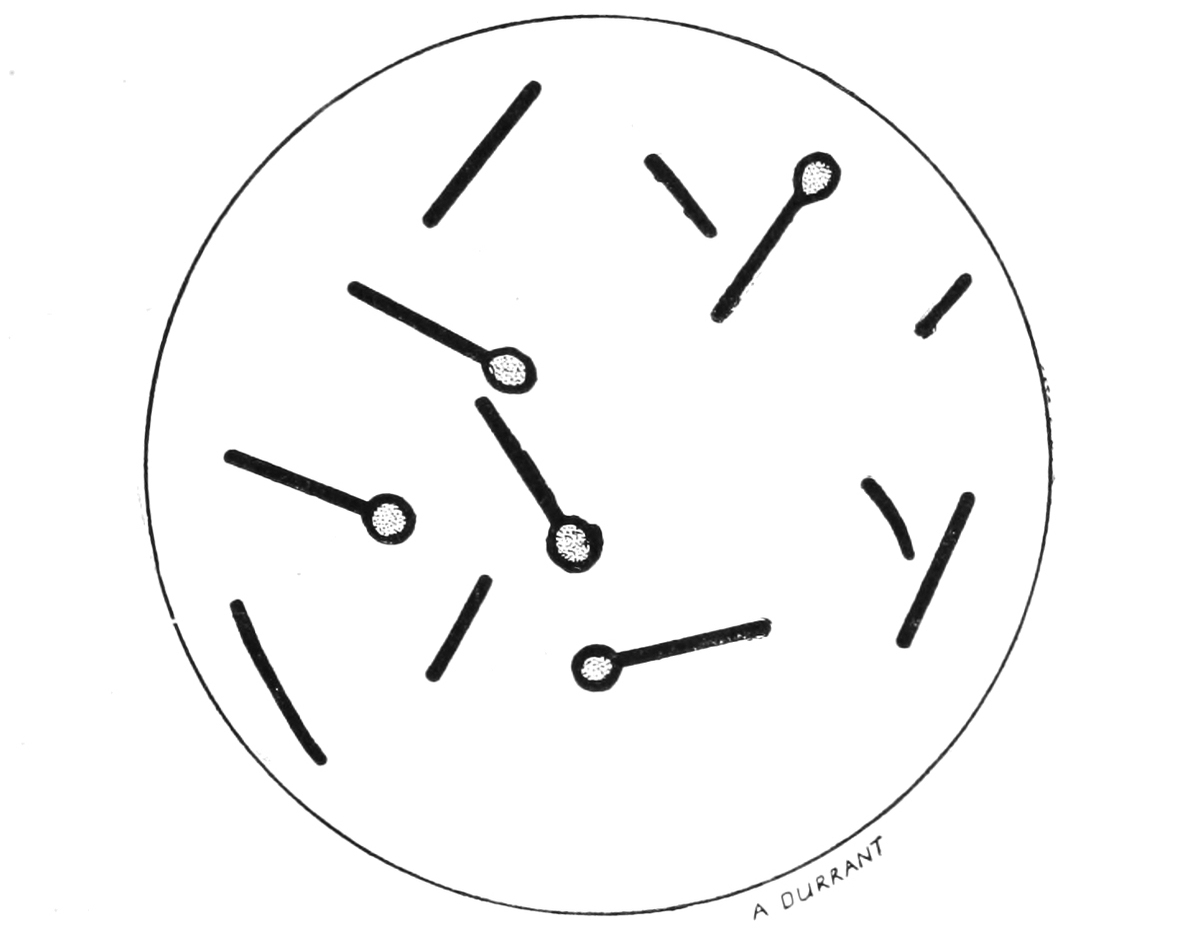
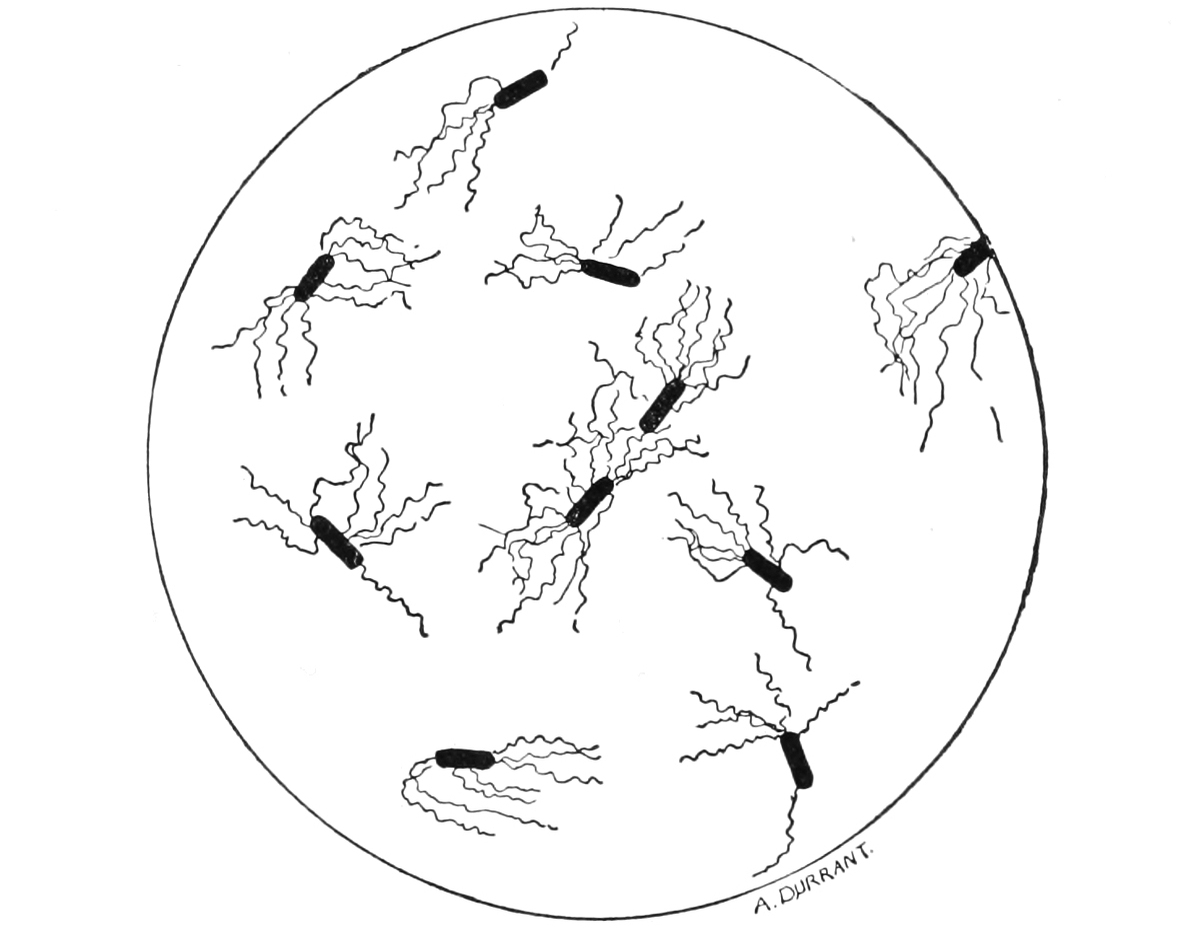
Fig. 118. Bacilli of Typhoid Fever from a Culture. Highly magnified. The long flagellae, which are constantly in motion and are very characteristic of these organisms, are well seen.
§ 12. The Study of Immunity.
In the production of disease by living organisms two main factors are involved. There is, firstly, the multiplication of the organisms themselves, and there is, secondly, the production by the organisms of poisonous substances or toxins. The former phenomena are spoken of as infection, the results of the latter come under the title of intoxication or toxic effects. The first toxins to be investigated were those isolated from putrefying substance and named ptomaines (1876, by false formation from Greek ptoma ‘a corpse’). These are, in fact, definite chemical substances of the group known to chemists as ‘alkaloids’ (p. 325). Later, toxins were prepared from actual disease organisms such as those of Typhoid and Tetanus (1888). The method was introduced of filtering the bacteria away from their fluid cultures and thus obtaining a bacterium-free liquid containing the poisonous bacterial products. This was the starting point of the scientific study of toxins. These, it soon became clear, were either substances which were normally sent out by the bacteria, exotoxins, or they were normally retained within the bacteria and could only be obtained in solution by breaking up the bodies of the bacteria, endotoxins. The use of these toxins has been essential for the scientific study of Immunity.
The word Immunity is derived from a Latin word which means ‘exemption from military service’. In Medicine it indicates an exemption, relative or absolute, from the incidence of a disease. Immunity in the medical sense is of various kinds. There is ‘species immunity’, some species not being liable to diseases to which others fall victims. There is relative and there is absolute immunity. There is innate and acquired immunity. Of acquired immunity there is a natural immunity resulting from the ordinary contraction of a disease, and there is an ‘artificial immunity’. It is only artificial immunity that is in the hands of the physician.
Artificial immunity itself is of two kinds, and both kinds are of use and of importance in Medicine. There is an Active Immunity, which is produced directly by injection of disease organisms or their products. It is found, however, that if a high degree of active immunity be attained the blood serum of the immunized animal, when injected into a second animal, may itself produce a state of immunity. The state thus indirectly produced is described as Passive Immunity.
The early observers found that when organisms are cultivated outside the body they lose their virulence to a greater or less degree. Pasteur found this for Chicken Cholera (p. 234). He found, moreover, that such ‘attenuated cultures’, when inoculated, protect against the disease. By the use of attenuated cultures he succeeded in establishing a state of ‘Active Immunity’ against Chicken Cholera. But there are many other ways of attenuating the virulence of an organism. Thus, in 1882, Pasteur showed that to grow Anthrax bacilli at a high temperature would reduce their virulence. These bacilli of reduced virulence could be injected into a sheep. They would give the animal the disease in a mild form and protect it against further attacks of the disease. They acted, in fact, in the same way as did the old ‘Inoculation’ of Small-Pox (p. 183).
It has been found, however, that the same kind of immunity which is produced by administering attenuated cultures is sometimes given even by dead cultures. Nearly all active immunization is therefore done by inoculating such killed cultures. These are usually called ‘Vaccines’ from the analogy which they bear to vaccination. The most familiar and effective ‘vaccine’ is that against Typhoid. Moreover, it has been found that in certain cases the principle of the induction of Active Immunity may be applied directly in the treatment of disease. The conditions that respond best to this line of treatment are those which present some localized infection, such as a boil or carbuncle. In such cases we must suppose that, while the local capacity for resistance is lowered, yet reserves of resistance in other parts of the body can be brought into play. These reserves are called up by the signal that reaches them by the reaction of the body against the Vaccine.
It has been shown that, for the production of Active Immunity, the actual bodies of the disease organisms are not always necessary. In some cases, toxins obtained from these disease organisms are themselves sufficient to induce Active Immunity. The matter may become of great medical importance in the future and is already applied for Diphtheria (p. 265).
We turn to ‘Passive Immunity’. The fact that Immunity can be transferred from one animal to another via the serum proves that the immunizing serum contains substances antagonistic to the bacterium or toxin against which immunity is conveyed. These antagonistic substances are spoken of as Antibodies. A series of very important observations on Antibodies has been made, and may in time profoundly modify not only our views of Disease but also our whole conception of the workings of the living body. We find that it is not only toxins that stimulate the formation of antibodies. Antibodies can be elicited also by the introduction into the tissues of the living body of red blood corpuscles, of embryonic tissue, and of various soluble tissue-constituents of animal or vegetable origin. We are still only on the threshold of the investigation of this subject, which may be as important philosophically as it is therapeutically.
§ 13. Some Practical Applications of Immunity.
We may now consider a few special applications of our knowledge of the defences against bacterial action.
Diphtheria is a disease in which the characteristic organisms are found only locally, and in artificially produced cases only at the site of inoculation. It therefore seemed probable from the first that the symptoms were due not to the organisms themselves but to poisons that they threw off, that is to their ‘exotoxins’. This was given demonstrational form in 1889 by two pupils of Pasteur, Pierre Roux (1853-) and Alexandre Yersin (1863-), who investigated many of the properties of these toxins. In the following year (1890) Emil von Behring (1854-1917), a Prussian Army Surgeon, and Kitasato showed that it was possible to produce a Passive Immunity against Tetanus by a serum from an infected animal, the immunity being efficient against 300 times the fatal dose of Tetanus. Their paper contains for the first time the word antitoxic. Immediately after, von Behring showed that against Diphtheria, too, immunity could be obtained by injecting serum from an animal that had been previously injected with living cultures of the Diphtheria bacillus. This epoch-making discovery of von Behring was soon given a practical application. It was found possible to induce a degree of immunity even after the onset of the disease. The first human case was a child in a clinic at Berlin in 1891. Antidiphtheritic serum was placed on the market in 1892. In a few years’ time its administration had become a routine part of the treatment of the disease. Diphtheria antitoxin is one of the greatest additions to therapeutics. With competent administration the case mortality of Diphtheria is one-half or one-quarter of what it is without the use of Antidiphtheritic serum. (Fig. 119.)
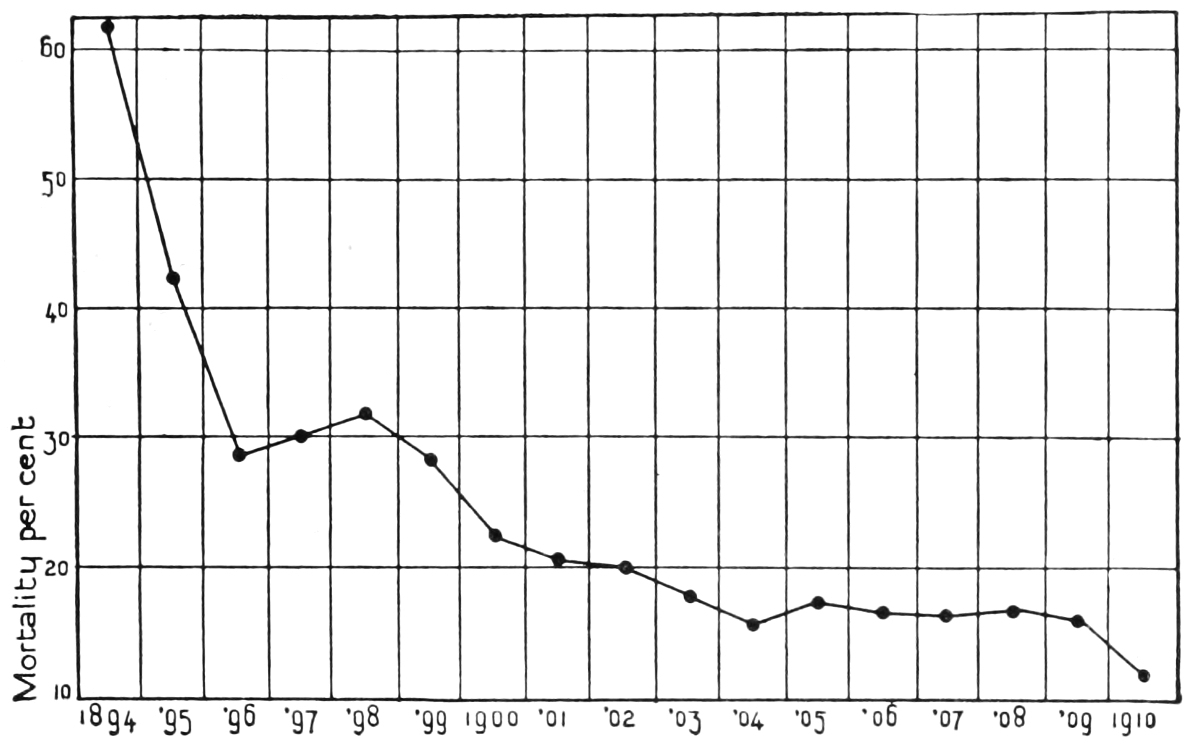
Fig. 119. Death-rate of cases of Laryngeal Diphtheria in Public Hospitals in London. Antitoxic serum came into use in London in 1895 and into full use in 1896. As its application became more general and as the method of administration improved the death-rate from this very grave condition progressively fell.
An important aspect of the reaction of the body to the Diphtheria toxin was revealed by B. Schick of Vienna in 1908. The technique of inducing it was perfected by him in 1913, and the test is known by his name. He showed that susceptibility to the disease could be detected by the behavior of the skin after injection of minute doses into it. It has thus been found that new-born infants are seldom susceptible and that the proportion of susceptibles increases up to two years of age, but that then it diminishes. The actual proportions of susceptibles, as estimated in a large number of cases in New York City in 1919, are as follows:
Of those under 3 months 15% are susceptible
Of those between 3 months and 6 months 30% are susceptible
Of those between 6 months and 1 year 60% are susceptible
Of those between 1 year and 2 years 70% are susceptible
Of those between 2 years and 3 years 60% are susceptible
Of those between 3 years and 5 years 40% are susceptible
Of those between 5 years and 10 years 30% are susceptible
Of those between 10 years and 20 years 20% are susceptible
Of those over 20 years 15% are susceptible
These figures show why Diphtheria is mainly a disease of childhood and is relatively seldom encountered in adults. They also make it evident that steps for protecting individuals against contracting the disease—‘prophylactic measures’ as they are called—need only be taken with a fraction of the population. The useful term Prophylaxis is derived from a Greek word meaning a watchman or guard. It is used to describe preventive measures against disease in general, but is more specially applied to that form of protection which is achieved through the artificial production of Immunity.
Such prophylactic measures are now available against Diphtheria. They differ from those in use against any other disease, since the substance injected is neither the living infective material as in vaccination against Small-pox (p. 184), nor is it a killed culture of the organisms as in immunization against Typhoid (p. 268), nor is it the serum of an immunized animal as in the protective measures against Tetanus (p. 267). The Toxin itself (mixed with an experimentally determined proportion of its antitoxin) is now in wide and effective use as a prophylactic against Diphtheria. The method was proposed by von Behring (cp. p. 264) in 1913. The details, however, have since been worked out in the laboratories of the New York City Department of Public Health and have been mainly the work of W. H. Park (1863-). The susceptibles are first determined by the Schick test and are then immunized against the disease. The immunization reduces the likelihood of contracting the disease to about one quarter.
Plague differs from Diphtheria in that the organisms, instead of being local, pullulate throughout the body of the victim. As in the case of most diseases of this type, the toxins of Plague are chiefly endotoxins, unlike those of Diphtheria, which are exotoxins (p. 263). Thus, the filtrate of a culture of Plague Bacilli is but little toxic and confers little or no immunity. Protective vaccines of a killed culture of Plague Bacilli are, however, prepared, and these confer considerable immunity. It is claimed that they reduce the liability to the disease by about three-quarters, and the case mortality by about one-half. Prophylactic inoculation against Plague is associated especially with the name of the Russian investigator Waldemar Haffkine (1860-), a pupil of Pasteur, who was for many years in the service of the British Government in India, the Plague center of the world.
After Diphtheria one of the earliest diseases of which the toxins were investigated was Tetanus. Kitasato found in 1891 that the filtrates of pure cultures injected into animals are very toxic. A peculiar feature is the incubation period of some days that occurs between the inoculation and the advent of the symptoms. This fact had been referred to, more than two thousand years earlier, in the Aphorisms of Hippocrates (p. 23). Moreover, it has been found that, soon after inoculation, the Tetanus toxin disappears from the blood-stream. This, it has been shown, is due to its affinity for nervous tissue, with which it rapidly enters into some sort of combination. The fact is of clinical significance and of therapeutic application.
By injection of small and progressively increasing doses of Tetanus toxin into animals, a high and long-lasting degree of immunity to the disease is produced. The serum of such immunized animals has the capacity to protect animals susceptible to the disease against an injection of a fatal dose. It is now a routine treatment to inject serum derived from an immunized horse into those who have wounds likely to result in Tetanus. Owing to the rapid disappearance of the Tetanus toxin from the blood-stream, and owing to its tendency to unite with nervous tissue, it is important to inject the serum as soon as possible after the infliction of the wound. In some cases it is advisable to inject the serum into the sheath that surrounds the spinal cord in order to give it as rapid access to the nervous centers as possible. During the Great War prophylactic doses of Antitetanic Serum were given to every wounded man after 1914. Before the practice was adopted, the incidence of Tetanus among the wounded was 16 per 1,000. After the introduction of this line of treatment as a routine, the incidence fell to 2 per 1,000. Countless lives were thus saved. Antitetanic serum should be injected as early as possible in every case of a large ragged wound, especially if contaminated with soil.
Typhoid Fever differs from Diphtheria, Plague, and Tetanus in that it can hardly be conveyed to animals. It has thus proved impracticable to produce anything in the way of passive immunity in man. On the other hand, there is no disease in which the production of active immunity by means of Vaccines of dead cultures has been attended with more favorable results. The researches which led up to the introduction of active immunization against Typhoid Fever are bound up with investigations concerning the diagnosis of the disease which are of wide importance in connection with several other diseases.
The discovery of Antibodies (p. 262) gave rise to great activity in their investigation. Among the most interesting and important of the antibodies is a group which will cause ‘agglutination’ or clumping of the disease organisms with which they are specially associated. This reaction is specific for the corresponding organisms, within certain limitations. Given, therefore, (1) a pure culture of an organism, and (2) the knowledge of the highest degree of dilution of the serum containing such an antibody that will cause agglutination of that particular organism, the physician has in his hands a means of detecting or excluding infection with that organism. The method was especially studied by the Parisian investigator Fernand Widal (1862-), who in 1896 succeeded in making it practicable for Typhoid Fever, and his name is attached to the test. It is now universally applied in that disease. Similar tests have been devised for Malta Fever and for other conditions.
There are other groups of antibodies that have been investigated. Some of these possess the power of dissolving the corresponding organism. They are, therefore, known as Bacteriolysins. Their existence gives a certain insight into the defensive mechanism of the animal body against bacterial invasion. They are sometimes of practical use in distinguishing types of disease-producing bacteria. The method is applicable, for example, in detecting certain types of dysentery organisms.
Another group of antibodies act not against bacteria but against certain specific substances. Antibodies of this type were first detected by the Belgian workers Jules Bordet (1870-) and Octave Gengou (1875-) in the year 1900. The physician avails himself of the existence of such an antibody in the test that is applied for Syphilis, which was introduced in 1904 by Ehrlich’s pupil, August von Wassermann (1866-), and is known by his name.
Of late years a special aspect of Immunity has come into view in connection with the so-called ‘Carrier Problem.’ With many diseases, acquisition of Immunity on the part of the patient implies the death within his body of the organism that has been causing the disease. There are conditions, however, in which the organisms may lurk in some individuals long after the symptoms have subsided. These persons may even contract the disease so lightly that they are unconscious of it, but nevertheless they become capable of conveying it. Such individuals are known as carriers. Evidently the existence of carriers introduces special difficulty into attempts to delimit an infective disease in any population.
Among the diseases of known bacterial origin that are sometimes conveyed by carriers are Typhoid Fever, Diphtheria, and Spotted Fever or Cerebrospinal Meningitis. A special case of the Carrier Problem is afforded by Infantile Paralysis, a disease due to ‘ultra-microscopic’ organism—since the virus is ‘filtrable’ (p. 274). This disease, like that of Cerebrospinal Meningitis, is probably transmitted by carriers who do not themselves suffer.
Typhoid Fever, Diphtheria, Influenza, Scarlet Fever, and many other conditions are often conveyed by ‘ambulant’ cases. This term is applied to those cases which, while definitely suffering from a disease, do not regard themselves as ill enough to take to their beds but continue their ordinary avocations. Such ambulant cases are not less but more dangerous to their neighbors than those more severely stricken.
The whole study of the Carrier Problem is in its infancy. It is beset with extraordinary difficulties. In the case of Diphtheria and Typhoid Fever, however, the demonstration that a suspected individual is or is not a ‘carrier’ is easy. The difficulty is to trace him in the first instance!
§ 14. The Conquest of the Tropics.
Nowhere in Medicine has the rational spirit been more triumphantly vindicated than in connection with the diseases peculiar to hot countries. The increase in the habitability of the Tropics may be traced to two main causes. First is the application of the ordinary laws of Hygiene. Second is the increasingly exact knowledge of the microbic origin of tropical diseases, leading to a more complete apprehension and a stricter application of the laws of Hygiene.
We have glanced at the great changes wrought in the social organization of temperate countries by the rise of modern Hygiene (pp. 172-78), which commenced to be felt about the middle of the eighteenth century. The death-rate then began to fall, and has fallen steadily ever since. The mid-eighteenth century marks, for temperate countries, the end of the ‘Middle Ages’ of Hygiene. But with the advent of the modern period the fall in the death-rate in temperate countries has not been the only change in the public health. Even more significant is a change in the causes of death.
Certain diseases have gradually receded from the more civilized and settled temperate countries, and are now almost unknown there. Thus, Malaria, Plague, Typhus, Leprosy and Dysentery, once of world-wide distribution, have come to be regarded as more or less distinctively ‘tropical’ diseases. A time is approaching when we shall be able to place other diseases with which temperate countries are still afflicted, such as Typhoid Fever, in the same category. The ultimate exclusion of Typhoid as a disease of civilized communities is suggested by the death-rates of England and Wales.
Average Annual Death-rate in England and Wales from Typhoid per million living.
1871-80 1881-90 1891-1900 1901-10 1911-20 1921-26
332 198 174 91 35 24
In the category of such removable diseases which, being excluded from temperate countries, are regarded as tropical are Malaria, Plague, Typhus, Leprosy, and certain forms of Dysentery. These diseases are ‘tropical’ only in the sense that it is in the Tropics that the general hygienic conditions most favorable to their development are still found. If the hygienic conditions of the Tropics could be raised to those of the civilized temperate countries—a task, it is true, of very great difficulty—these particular diseases might become as rare there as they are with us. Indeed, it is possible to foresee a world in which a number of these so-called tropical diseases will have disappeared altogether.
There are, however, other diseases that are tropical in another sense. Such diseases have seldom or never visited the shores of temperate countries, or at least have obtained no lasting foothold there, even when the conditions have been favorable to them. Among such diseases are Yellow Fever, Sleeping Sickness (which must not be confused with the so-called ‘Sleepy Sickness’), Beri-Beri, Dengue, Sprue, Kalar-azar, and a host of other less known conditions.
It must be said, to avoid misunderstanding, that ‘the Tropics’ in the medical sense is a region considerably wider and far less well-defined than the geographical Tropics. Moreover, despite the existence of diseases peculiar to the Tropics, ‘tropical diseases’ form no natural group based on any common organic causation. The organisms that give rise to the various ‘tropical diseases’ differ from one another just as much as the organisms that give rise to the diseases of temperate countries.
Since we cannot speak of tropical diseases on the basis of their common causation, we are forced to deal with them as separate entities and especially from the point of view of their prevention. We will therefore select two diseases, the history of which illustrates the process by which the Tropics have been rendered safer both for European and for native races. These will serve as types, and we will choose one from the truly tropical group which does not invade temperate climes, and the other from the group which is being gradually excluded from temperate climes. No better instances of these two groups can be adduced than Yellow Fever and Malaria.
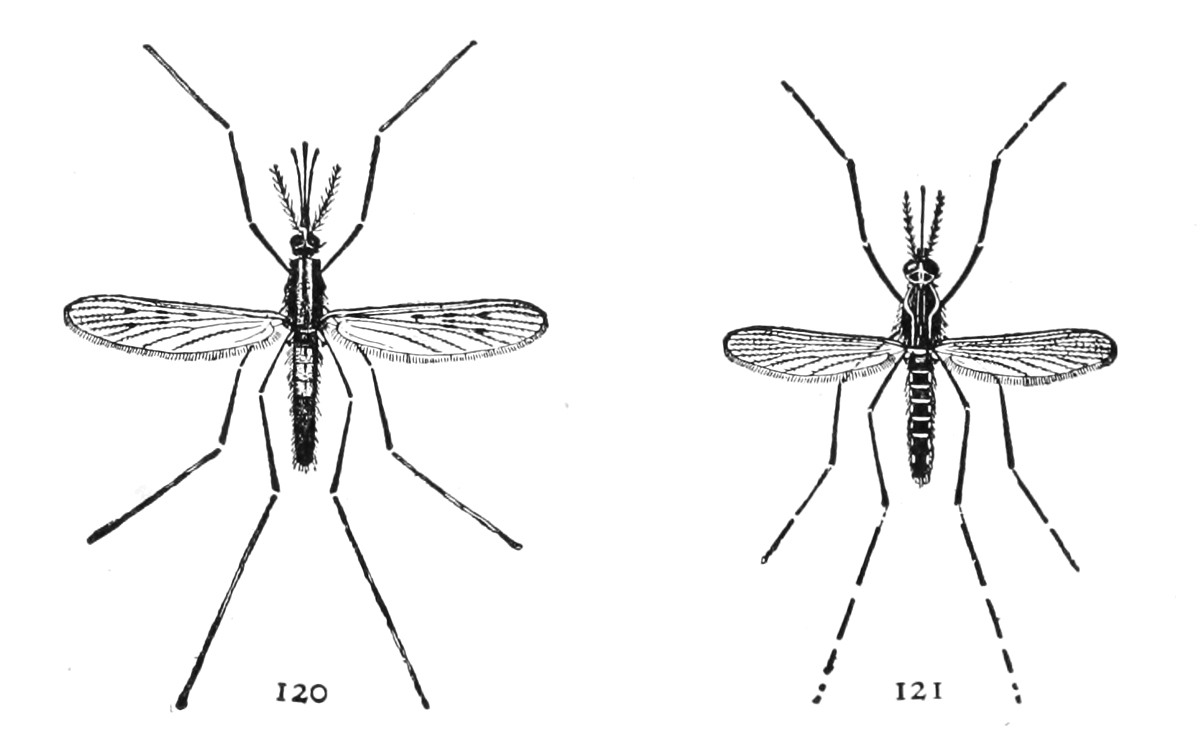
Fig. 120. A common Malaria-carrying mosquito × 3.
Fig. 121. The Yellow Fever-carrying mosquito × 3.
(a) Yellow Fever.
In discussing the history of Yellow Fever, as of many other conditions, it is perhaps best to begin at the end, for modern knowledge of the organic cause of a disease often illumines and gives a meaning to historical records.
In 1918 the Japanese investigator Noguchi observed a very delicate and minute spiral organism in the blood of a case of Yellow Fever at Guayaquil, the principal port of Ecuador, on the West Coast of South America, one of the most important endemic centers of the disease. Noguchi showed that guinea-pigs inoculated with the blood of this infected case developed symptoms similar to those of Yellow Fever, and he was able to demonstrate the same organism in the sick guinea-pigs. He passed the disease by means of inoculation from one guinea-pig to another. He succeeded in obtaining pure cultures of the organism on artificial media. He passed such cultures through a series of guinea-pigs and finally recovered it in pure culture again. He showed that different strains vary greatly in virulence, a fact in accord with the great variability in the gravity of attacks of Yellow Fever.
One of the reasons why the discovery of this organism has been so long delayed is doubtless the very small numbers in the blood of patients suffering from Yellow Fever. Thus, the toxins must be extremely powerful. Indeed, it has been shown that 1/10,000 of a cubic centimeter of a virulent culture rapidly induces fatal symptoms in a guinea-pig.
There are other important points about the Yellow Fever organism. It passes through a stage in which it is so small as to be beyond the reach even of microscopic vision. This fact is known because the blood of a Yellow Fever patient is infective when passed through any but the finest filters. The organism in fact exists in what is called a ‘Filter-Passing’ stage. Of late years a number of infective diseases have been shown to be due to filter-passing organisms of this type. Among them is the organism of the disease known as Infantile Paralysis (p. 270). The study of ‘filter-passers’ bids fair to be in itself a special science.
Finally, Noguchi threw light on the nature of Yellow Fever epidemics. He was able to pass the parasite from one guinea-pig to another, not only by inoculation in the ordinary way, but also by means of the bite of a species of mosquito which has long been known to be the carrier of the disease for man. He showed that a period of some twelve days’ duration within the body of the insect is necessary for the parasite again to develop its dangerous phase. The period of incubation in man, that is, the time that passes between the infective insect bite and the appearance of the disease, is 3-5 days, but 12-14 days is the period that usually elapses after the introduction of a case of the disease before other cases occur. The discrepancy is now explained. The disease is not infectious except through the mosquito, so the developmental period of the parasite within the mosquito corresponds to the incubation period of the epidemic.
Outbreaks of Yellow Fever have struck the public imagination, have given rise to folk tales and have inspired poets. The story of the Flying Dutchman is that of a ship stricken with Yellow Fever. The specter ship is supposed by sailors to haunt the seas around the Cape of Good Hope, and to bode ill for those who see it. A murder was committed on the ship, and following it ‘Yellow Jack’ broke out. All ports were closed to the wretched crew, who finally all died of the disease. The Flying Dutchman was the subject of an opera by Wagner and a novel by Marryat. A picture of a ship smitten by Yellow Jack is to be found in Coleridge’s Ancient Mariner.
An historic case may be quoted. In 1837 a barque named Huskisson was at Sierra Leone. She was lading when Yellow Fever appeared among the crew. All but two or three died. Yellow Fever broke out in the colony, but gradually died down. The Huskisson, in the meantime, remained in harbor without hands for three months. At last, hands were obtained, tempted by very high pay. Again the Yellow Fever broke out among them and again nearly all died. They were bitten by infected mosquitoes which remained in the ship during the three months. Many cases, no less dramatic, are on record. The disease is among those which are peculiarly common and fatal among medical men. Thus, Senegal has twice been denuded of medical men by Yellow Fever. In 1830 six died out of twelve, and in 1878 twenty-two out of twenty-seven.
An attack of Yellow Fever confers Immunity. In children it assumes a mild form, and therefore, in countries where the disease is endemic, the population consists largely of the survivors of attacks. On this account terrible outbreaks of the Flying Dutchman or Ancient Mariner type are always either on immigrant ships or in places which have remained long unvisited by the disease, in other words such outbreaks occur under conditions in which immune persons are few or absent.
The distribution of the Yellow Fever mosquito is wider than the distribution of Yellow Fever at the present day, but Yellow Fever is never found, save in sporadic outbreaks, where the mosquito cannot live permanently. The distribution of the mosquito corresponds, however, to the areas where the disease has in the past, from time to time, established itself, but is smaller than the area wherein sporadic outbreaks have been reported.
During the seventeenth and eighteenth and even the nineteenth century there were repeated outbreaks of Yellow Fever far beyond the region to which it is now confined. Along the eastern shores of North America it has at times extended as far north as New York, and there have been destructive outbreaks in Baltimore, Philadelphia, and even Boston. The disease has been found along most of the littoral of South America. In the Old World it has visited chiefly West Africa, where it was imported very early by the slave trade. It has visited at times Spain, Portugal, and Italy with devastating epidemics, and has even occasionally made a call in France and once in England. The last considerable outbreak in Europe was at Madrid in 1878.
England has always had important interests in the West Indies. During the eighteenth and first half of the nineteenth century she had, moreover, large military establishments there, which were regarded as very bad stations. In Thackeray’s Vanity Fair, which refers to the period just after the Napoleonic wars, the disreputable and unfortunate Rawdon Crawley is sent as governor to ‘Coventry Island’ in the West Indies, and is not expected to last long! There are many historic occasions on which the British forces in the West Indies lost almost incredible numbers from Yellow Jack, garrisons being practically wiped out. In Jamaica the mean annual mortality in the garrison was for many years 185 per 1,000! In the Bermudas the mortality was about 80 per 1,000. One should remember that soldiers are picked men in the prime of life, and that these mortality rates were in places now regarded as health resorts! A hundred years ago, Jamaica had the highest death-rate in the Empire, with the exception of West Africa, where the mean annual mortality of whites at Sierra Leone was 362 per 1,000!
Conditions in the West Indies began to improve definitely from about 1850 onwards. At that time there was no effective knowledge of the organic cause of Yellow Fever, nor, for that matter, of any other tropical disease. Only lately has the basic reason for this early improvement become obvious. From about 1850 onwards the water-supply in the more settled parts of the West Indies, and notably in the larger towns, came to be arranged by pipes. Now these towns were the special resorts of the Yellow Fever mosquito. The removal of open standing water, the enclosure of water-supplies, and the introduction of ordinary modern sanitation in the clearing away of rubbish, did good work without any knowledge of the organic cause of the disease.
We now know the life-course of the Yellow Fever mosquito. We know her breeding habits and how the water-living larvae congregate specially in the small collections of water in the neighborhood of houses. Precautions have been taken against them and under favorable circumstances the disease has completely disappeared in well-managed districts under British and American control. The romantic story of the destruction of Yellow Fever in the Panama zone, in Cuba, Puerto Rico, Jamaica, Barbadoes, Trinidad, New Orleans, has been too often recited to be detailed again. Every one has heard of the tragic event in connection with the American Mosquito Commission of 1900 and of the death of Lazear. He and his colleagues, led by Walter Reed (1851-1902), finally proved that the disease is never conveyed by bedding, or by clothes, or by other objects, but always and only, in nature, by the bite of an infected mosquito.
During the experiments of the American Commission, cases of Yellow Fever were produced in volunteers by bites of infected mosquitoes, by injection of blood of infected patients, and by injection of filtered blood serum of infected patients (p. 74). With this knowledge in his hands, the American chief sanitary officer of Havana, William C. Gorgas (1854-1920), began to destroy mosquitoes systematically and to treat all Yellow Fever patients under mosquito nets. Within three months Havana was free from Yellow Fever for the first time for one hundred and fifty years. These wonderful results are brought out by a table:
Deaths in Havana from Yellow Fever.
Year. Deaths. Year. Deaths.
1885 165 1895 553
1886 161 1896 1,282
1887 532 1897 858
1888 468 1898 136
1889 303 1899 103
1890 308 1900 310
1891 356 1901 18
1892 357 1902 0
1893 496 1903 0
1894 382 1904 0
Except for the semi-civilized states of Central and South America, Yellow Fever is now generally under control. It is perhaps not always realized, however, that, while the local extinction of this disease may be among the future triumphs of modern science, its substantial control over large areas is part of the history of world hygiene (p. 278), and that it is part of the very same movement that has made our own cities healthier and more habitable than they were in the Middle Ages.
(b) Malaria.
The history of Malaria, which is also carried by a mosquito, is very different from that of Yellow Fever. Malaria was, till recent times, a disease of temperate as well as of tropical countries. The old name for the disease is Ague. The word Malaria is of no great antiquity in the English language. It came into use only in the eighteenth century. Like the word Influenza, it is of Italian origin, and, like Influenza, it carries with it a forgotten pathological theory. Malaria is simply mal aria, that is, ‘bad air’. So Influenza is the influence, that is to say, the influence of unpropitious planets or comets that were held to rain down poison into the air. It was believed that these diseases were the result of local atmospheric conditions. In Rome and the Campagna the natives still believe that just as the sun goes down the air becomes specially poisonous.
While the term Malaria is comparatively modern, nevertheless, recognizable accounts of the condition are perhaps more ancient than those of any other disease. Of all diseases produced by micro-organisms, Malaria has perhaps changed its type least during the course of historic time. The disease is distinctly described in several places in the Hippocratic Collection.
The conception of diseases as separate entities is, of course, modern. In the case of most infectious diseases, therefore, we cannot hope to follow the history very far back. But the symptoms associated with a malarial attack are so definite that there is no difficulty in tracing the disease with certainty as far back as 1000 B.C. The real division into ancient and modern times comes, for this disease, with the use of Cinchona, which is the plant from which Quinine (p. 326) is now derived. Very soon after the introduction of Cinchona in the seventeenth century, fevers came to be habitually divided into those which respond to Cinchona and those which do not. Cinchona—and therefore its derivative, Quinine—is one of the drugs that we owe to the discovery of the New World (p. 95). The rind of the Cinchona tree was taken as a remedy by the aborigines. In Europe, where it was introduced by Jesuit missionaries, it became known as ‘Jesuits’ bark’. It was popularized by Sydenham (p. 100) and has ever since been widely used in medicine.
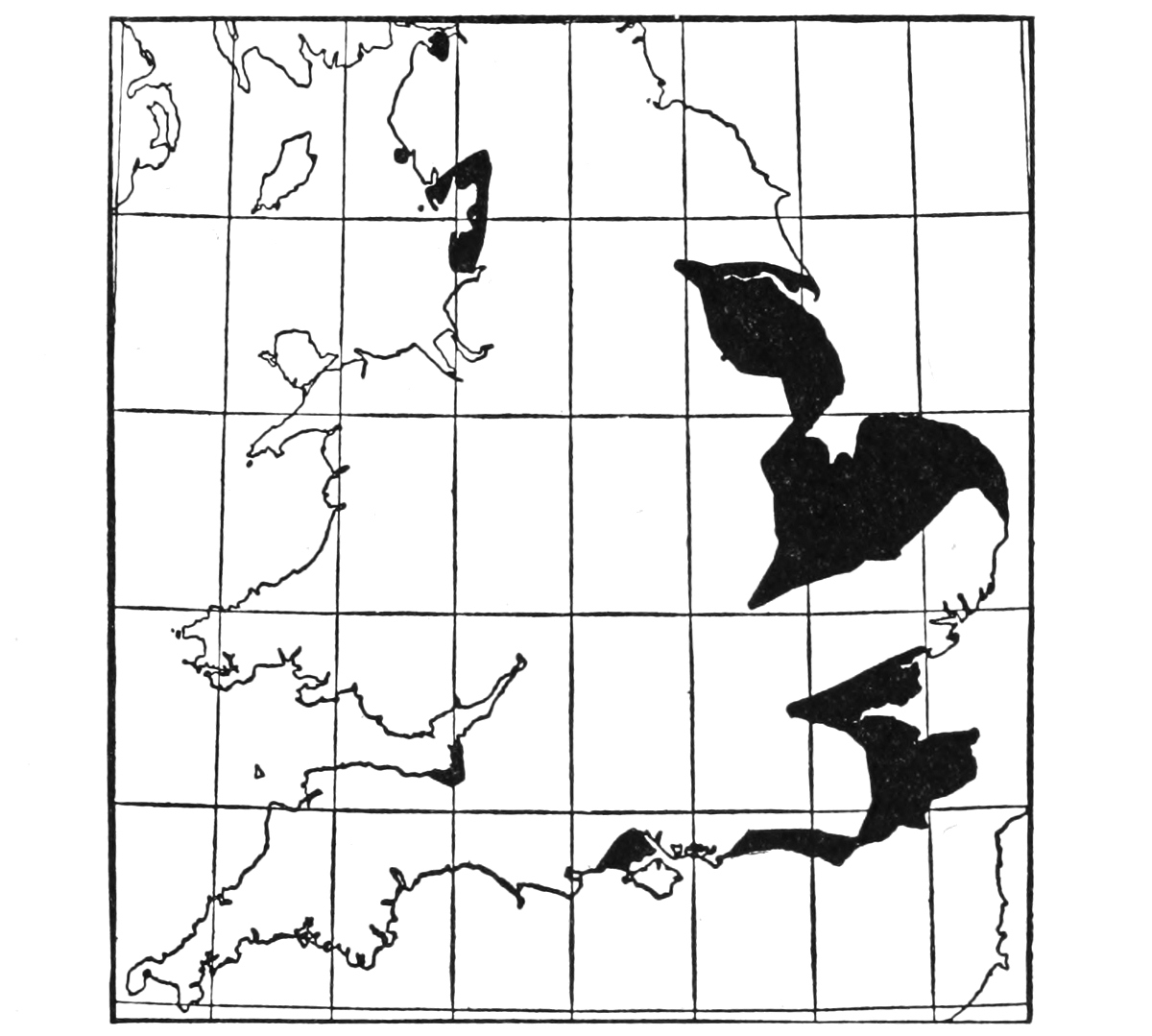
Fig. 122. Geographical Distribution of Indigenous Malaria in England and Wales about 1860.
Sydenham gave a good description of Malaria. During the seventeenth and eighteenth centuries epidemic after epidemic of ‘Ague’ swept over England as over other European countries. These epidemics spread from their endemic centers, the low-lying ill-drained, swampy districts, where the Malaria mosquito could breed freely in the slowly flowing water. Of such places the principal in England were the Fens of Cambridgeshire, Lincolnshire, and the surrounding counties, the marshes on either side of the estuary of the Thames in Kent and Essex, the marshes of Romney and Pevensey on the South coast, and those around Bridgewater near the Bristol Channel (Fig. 122). There Malaria was never absent, though it differed greatly in prevalence and severity in different years. Ague remained prevalent in London as late as 1859. The proportion of ague cases to the total number of in-patients and out-patients at St. Thomas’s Hospital in London from 1850-60 varied from between 12 per 1,000 at lowest to over 60 per 1,000 at highest. Thus, over one-twentieth of the patients in a large London hospital suffered from what we now regard as a tropical disease, within the lifetime of men who are still with us!
In London the rise in the value of land led to the erection of the Thames Embankment, which effectually reclaimed the land around the river. Extensive works of drainage were at the same time being undertaken in other infested districts. These soon had their now well-known effect. In 1864 Malaria was found to be rapidly diminishing everywhere, and to have left many of its old haunts. The disease retreated rapidly. At the beginning of the twentieth century a systematic search was made for a native case in England. After much labor one single case was at last found. It may safely be prophesied that native Malaria will never again be anything but a rare disease in any temperate country with an efficient sanitary service.
The story of the discovery of the malarial parasite is worth recounting. These organisms inhabit the red blood corpuscles and were first seen by Alphonse Laveran (1845-) in 1880 in Algiers. His observations were extended by French and Italian observers, who showed that the sudden rise in temperature in Malaria coincides with a process of division of the parasite. Later the suggestion that the parasite might be conveyed to man by the mosquito was made by Patrick Manson (1844-1922). The matter was clinched in 1898 by Ronald Ross (1857-), who showed that the malarial parasite necessarily passes through a stage in the stomach of the mosquito. The process was first traced by Ross in a malarial parasite that is peculiar to certain birds, and was subsequently demonstrated for the allied species of parasite that produces human Malaria.
We have here an illustration of the value of comparative pathological studies. Since the demonstration of the life-cycles of the malarial parasites of man (Fig. 123), the chief attention of hygienists interested in
Malaria has been directed to the mosquito (Fig. 124). Controlling the breeding of the mosquito has proved the best method of reducing the incidence of the disease. Engineering and sanitary works in some places previously infested with Malaria have had the effect of almost entirely eliminating disease. The classical instance is the Panama zone, where, as is well known, the two mosquito-born diseases, Yellow Fever and Malaria, have disappeared. There are now many areas in the Tropics, previously infested, in which the disease is almost unknown. There are many devices for dealing with the mosquito larvae.
By advances such as have been made in the knowledge of Yellow Fever and Malaria, those areas of the Tropics which are under proper sanitary control have become far safer habitats. There is good hope of an early and rapid extension of the process, ultimately rendering new areas of the Tropics suitable for permanent habitation by the white races and healthier and happier places for the colored.
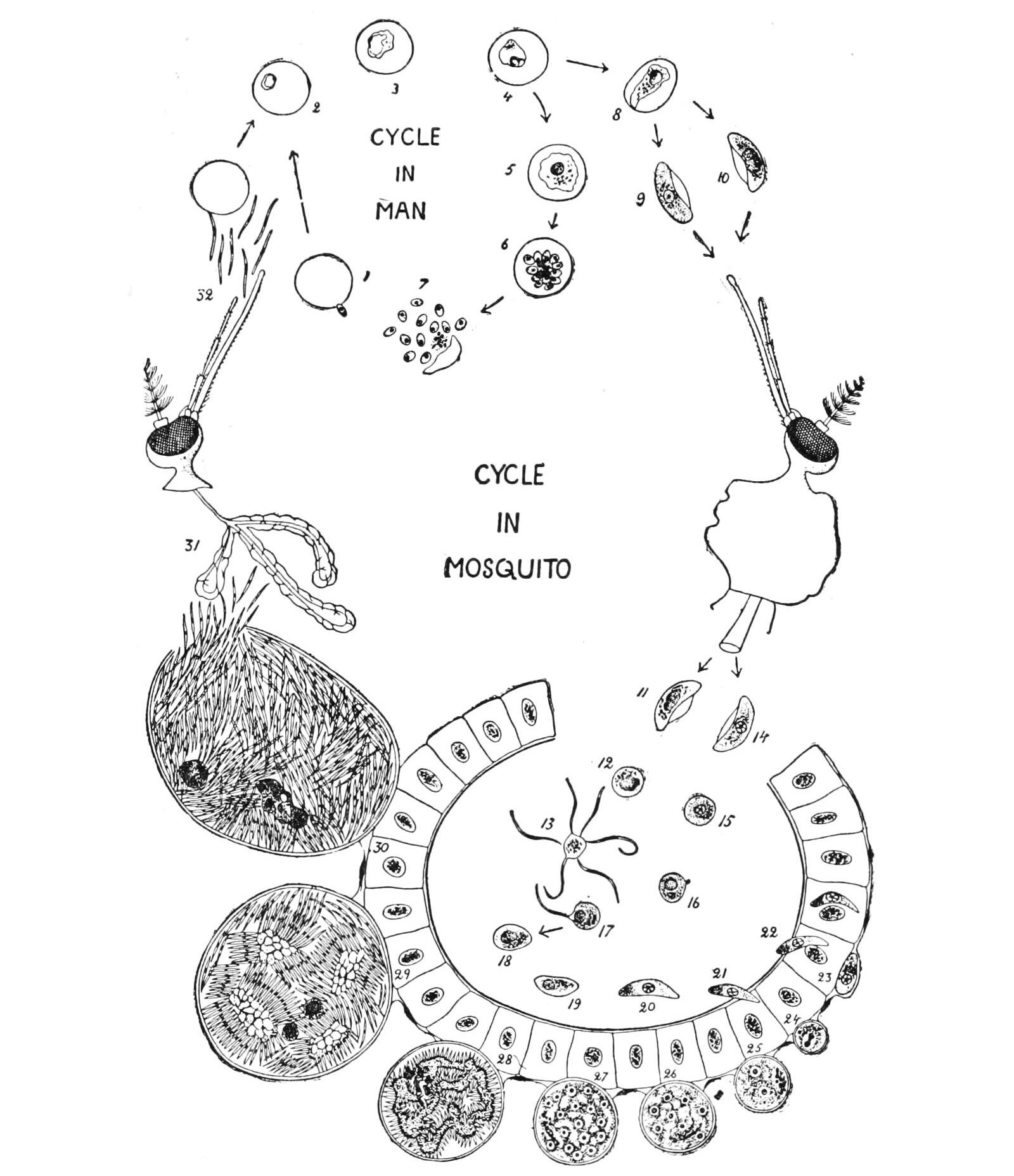
Fig. 123. THE LIFE-HISTORY OF THE PARASITE OF MALARIA
The life-histories of the parasites of the malarial diseases of man have been completely traced. The parasites run through a double cycle, one in man and the other in the mosquito. In our diagram the cycles of only one species are represented; there are however two other special malarial parasites in man.
On either side the head of the mosquito involved is diagrammatically shown, just below the ‘cycle in man’.
In man the parasites conveyed by the bite of the mosquito (32) or formed by a division of a parasite already in the blood (7) make their way into the red blood corpuscles (1 and 2), develop there (3 and 4). Some of them ultimately divide to go through the same cycle (5, 6, 7 and back to 1, 2). The process of division corresponds to the period of fever. Others develop into crescent-shaped bodies (8, 9 and 10), which can be differentiated into two slightly different forms corresponding to two sexes (9 male, 10 female). These, if sucked up by a biting mosquito of the right species, pass into the animal’s stomach where they develop further (11, 12, 13 male; 14, 15, 16 female) and end by dividing into forms which conjugate (17). The resultant of this conjugation or union of the two sexes (17) develops into a lanceolate form (18, 19, 20) which passes into the cells of the mosquito’s stomach (21, 22) and finally penetrates these cells (23). The parasite then secretes a cell-wall and forms a ‘cyst’ (24), which enlarges (25). The enlargement continues while the nucleus breaks up (26, 27, 28). In the cyst, which is still growing, a large number of needle-like forms develop, each of which contains a fragment of the nucleus (29). Finally the cyst bursts (30), the needle-like forms are cast forth into the body of the mosquito, and ultimately lodge in her salivary glands (31). When the mosquito bites another man, she injects some of her saliva into him through her proboscis. Thus she infects his blood with some of the needle-shaped parasites that lurk in her salivary gland (32). So the cycle is re-enacted again and again. We may note that to prevent this process of repeated reinfection it is only necessary to break either cycle at one point. Thus destruction of mosquitoes or of their breeding-places will suffice, or, again, protection of human hosts from bites of mosquitoes will be sufficient. Either process, if persisted in, will lead to the extinction of the parasite in the region under supervision. In England both methods have been in operation and the disease is almost extinct there so long as any of the malarial mosquitoes remain in one district. However, the disease can always be reintroduced by the introduction of subjects of malaria from without.
(From C. M. Wenyon’s Protozoology, Vol. II, by kind permission of Messrs. Baillière, Tindall and Cox. Slightly reduced in size.)
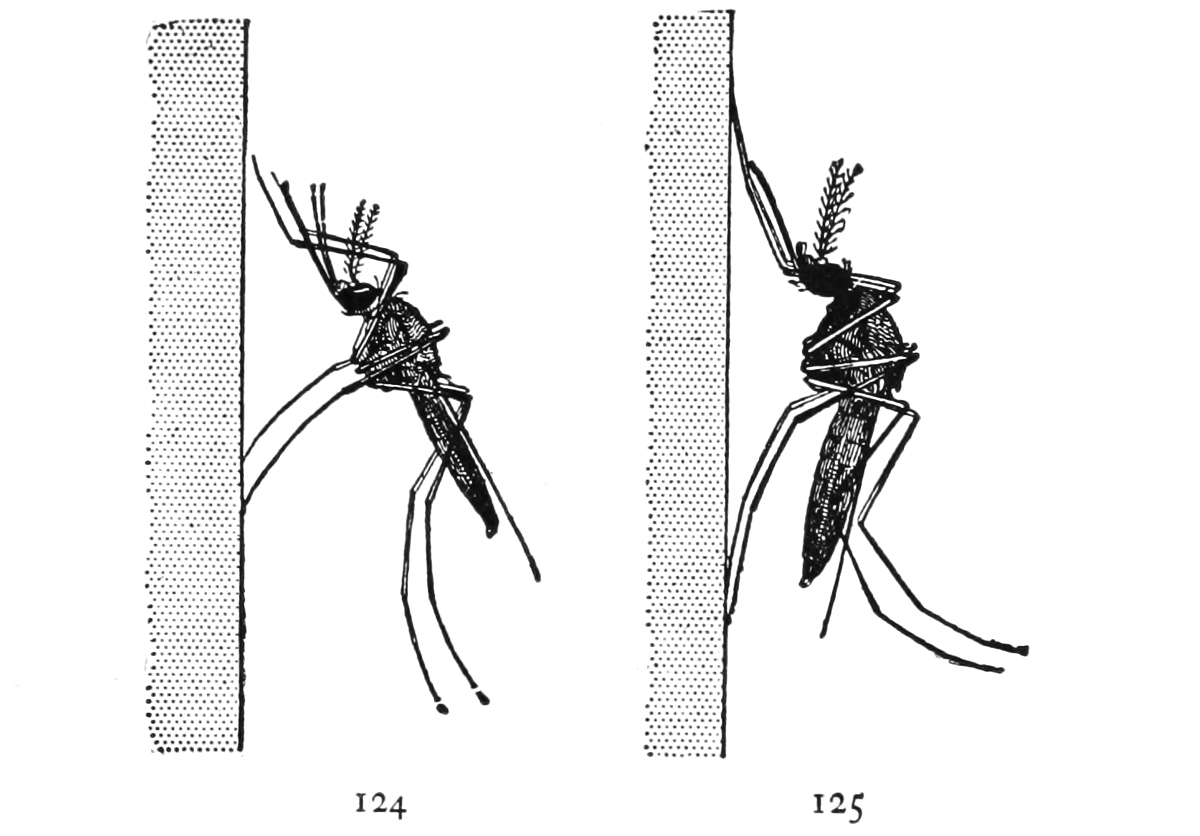
Figs. 124 and 125. A common Malaria-carrying mosquito and a common gnat sometimes confused with the Malaria-carrying mosquitoes. They are both in sitting posture and may be easily distinguished by the attitude that they then assume.
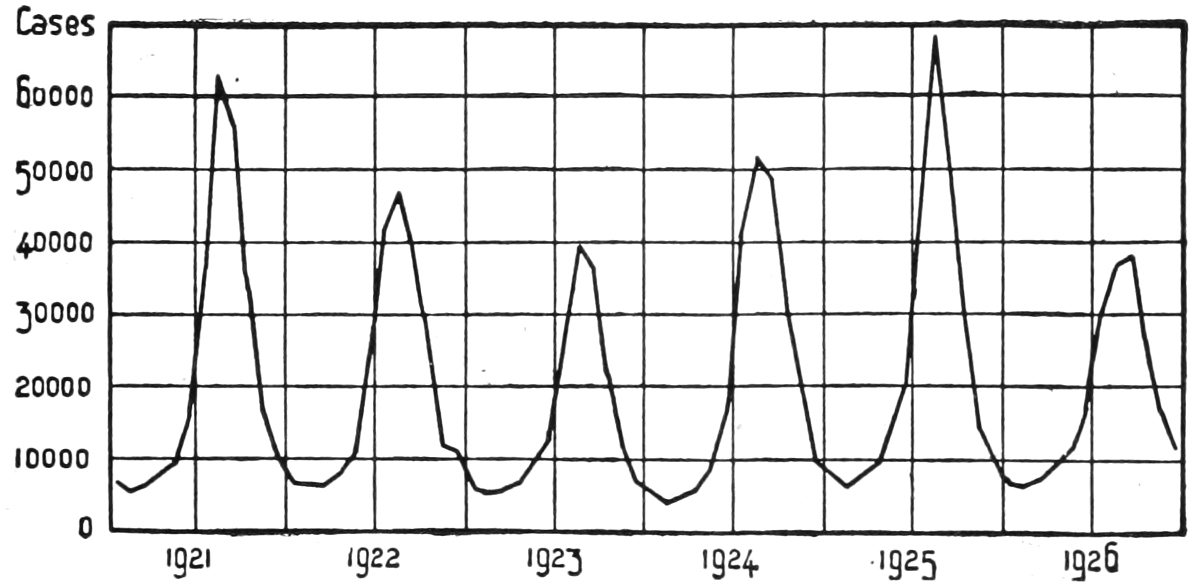
Fig. 126. Chart of cases of Malaria reported in Italy in recent years, showing the seasonal variation of the disease. The date of the year is written, in each case, below a vertical line corresponding to midsummer. It will be seen that the maximum incidence is always in the months July to September, and the minimum incidence is always in the months January to March. This incidence corresponds to the known facts of the life-history of the mosquito and of the evolution of the malarial parasite within the body of the mosquito.
§ 15. The Changed View of Insanity.
Insanity is as old as History. The Bible, Homer, and the Hippocratic Collection, for instance, recount numerous examples of the disease. Until the nineteenth century there was practically no scientific knowledge of the conditions classed as insanity. Nevertheless, hospitals for the insane were instituted at an early date. A well-known instance is Bethlem Hospital or Bedlam in London, which was developed as an insane asylum in the fourteenth century.
The new era in the treatment of insanity begins with the abolition of the old system of restraint. This was primarily due to two noble-minded men, one a Frenchman and the other an Englishman. Philippe Pinel (1745-1826), physician at the Bicêtre and afterwards at the Salpêtrière at Paris, at great personal risk both to his life and liberty, insisted on freeing from their chains the unfortunate lunatics under his charge. His Medico-philosophical Treatise on Mental Alienation (1791) was devoted to championing the humaner treatment of the insane. His contemporary, the Quaker philanthropist William Tuke (1732-1822), succeeded in 1792 in establishing at York a small retreat for the insane, where the antiquated, unnecessary and cruel restraints were abolished (Fig. 127).
While Pinel was beginning the humaner treatment of insanity in France, considerable interest was aroused in the subject in Germany. There, however, the medical profession was still under the influence of the mystical Stahl (pp. 132-3), who regarded all forms of insanity as perversions of the moral tendencies of the soul, produced by sin!
In France Pinel was succeeded in 1810 by Jean Étienne Dominique Esquirol (1772-1840). The influence of Esquirol was as radical for the scientific study of the subject as had been that of Pinel for the humane treatment of the sufferers. Esquirol threw himself into the task of founding properly conducted asylums, and he produced in 1838 his monumental work On Mental Diseases considered in their Medical, Hygienic, and Legal relations. It is the first important, rational, scientific treatise on the subject. Esquirol abandoned the barren type of speculation that had characterized previous works on the subject and devoted himself to the systematic collection of data. He was able to sketch out some of the main forms of insanity, including that now known as ‘General Paralysis of the Insane’. This disease was finally differentiated by one of his pupils. Another pupil of Esquirol was the first to succeed in the training of idiots. The main school of French alienists is descended from Esquirol. In the early forties his work resulted in the foundation of journals and societies devoted to the study of Insanity in France, England, the United States, and Germany.
England was behind France in her treatment of the Insane. Not until 1828 were there proper laws governing their certification. In 1844 the great and good Lord Shaftesbury (1801-85), the seventh Earl, brought in his Bill establishing the Board of Lunacy Commissioners with the duty of inspecting all lunatic asylums. It was a subject to which that great philanthropist gave much thought. The same period saw also an awakening in the United States, where Miss Dorothea Lynde Dix (1802-87) carried on a very successful campaign for the better treatment of the insane and the establishment of proper houses for their reception. Her labors resulted in the foundation of many asylums on a reformed model in the United States and Canada. In 1845 the provision of asylums out of the local rates was made compulsory on the local Justices in England.
The late sixties and early seventies saw in every country a further change for the better in the treatment of the Insane. The causes of this improvement were two. On the one hand, Insanity came generally to be recognized as a group of diseases which, like other diseases, have usually a traceable physical basis. On the other hand, the great improvement of the system of nursing under the inspiration of Florence Nightingale (pp. 298-300) began to reach the asylums. In 1877 there was a Parliamentary investigation into the care of the Insane in England and Wales, and in 1890 the duties of asylum administration were transferred from the Justices to the County Councils. This has resulted in an immense improvement in the accommodation and treatment of the insane poor in England. At the same time the order of a magistrate became necessary for the consignment of a private patient to an asylum. In 1913 provision was made for the mentally defective, who do not come within the Lunacy Act. Lastly, with the establishment of a Ministry of Health in 1917, the general control of the Insane has passed to that body.
Many types of insanity have been traced to an organic cause in the Nervous System itself. The Morbid Anatomy, both coarse and microscopic, of some of these diseases has become recognized. Chief among them is the well-known condition known as ‘General Paralysis of the Insane’. During the intensive study of the factors in the causation of Insanity it has become clear that in some groups, as in General Paralysis, which is always preceded by Syphilis, a ‘toxic cause’ is at work. Other types of toxic insanity are due to the actual intake of a poisonous substance. This is sufficiently evident in cases which are associated with Alcoholism. There is also evidence that in a considerable number of cases toxic conditions result from perversion of metabolic processes, or, again, are associated with ‘deficiency’ states (pp. 302-8). This is a very hopeful finding, since by removing the toxic cause, or by remedying the deficiency, relief may be possible.
Much less hopeful is the outlook with those forms of insanity, especially common in the adolescent, which are of the nature of a perversion of development. Such is the large group known as ‘Dementia praecox’. These cases almost invariably originate from a mentally unsatisfactory stock. This is less so with the Epileptic insane, though a considerable proportion of epileptics may be classed with those who are born mentally defective and are liable to give rise to a bad stock. Whatever view may be taken of the question of the artificial limitation of human fertility, it is almost impossible to imagine that the free breeding of these classes of defectives, epileptics and their congeners, will continue unchecked in any civilized community.
The general care and treatment of the insane has improved out of all knowledge during the last quarter of a century. It is probable that there is now no class of sick person who is more skilfully and considerately cared for.
From time to time an alarm is raised at the rapid increase in Insanity, and it is a fact that the proportion of certified insane has been, for some time, steadily rising. A considerable part of this rise is certainly due to the greater willingness of the insane themselves to enter an asylum, and of their friends to allow them to do so. Part of the rise in numbers of the insane is due to their increased length of life under improved treatment. It must be remembered that more than 90 per cent. of the insane in England and a similar percentage in other countries are paupers, who are not readily discharged as they have no means of support. Mild mental cases and the senile insane go now to the improved asylums. Before they would have been kept at home or sent to a rate-supported or a State infirmary. The general conclusion of those best qualified to judge is that Insanity, if increasing at all, is doing so only very slowly.
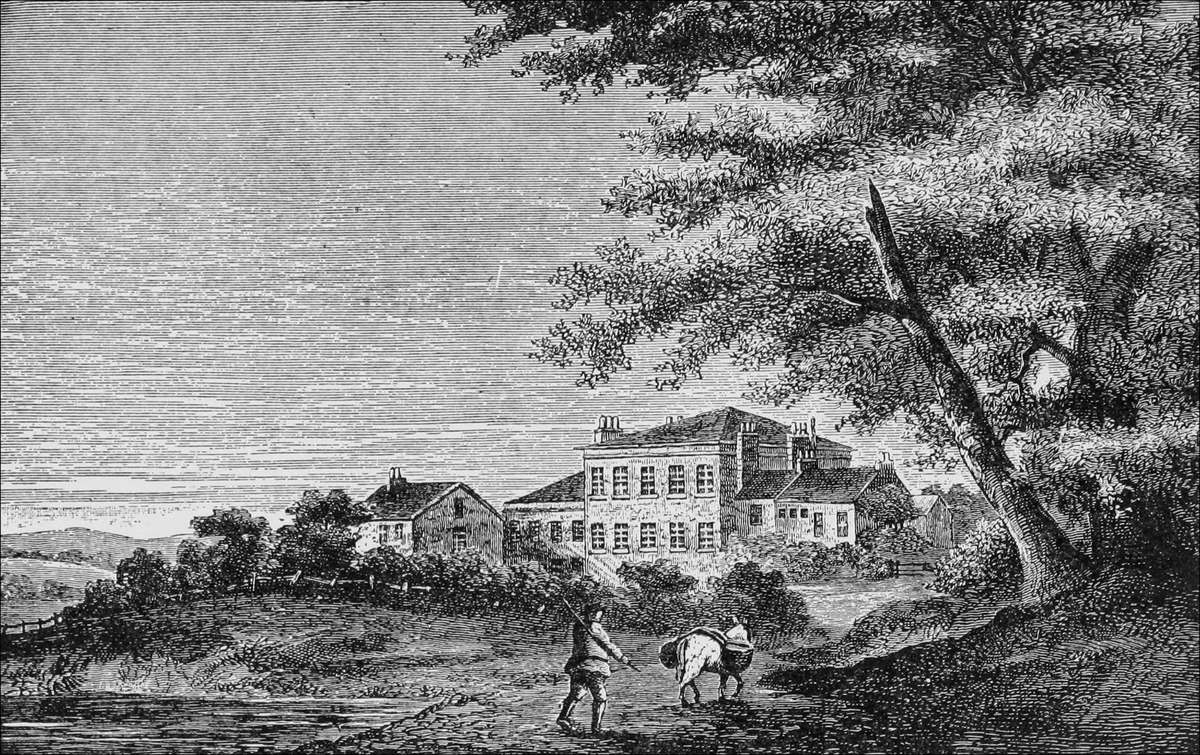
Fig. 127.
‘THE RETREAT’ NEAR YORK FOUNDED IN 1792
being the first institution in England where the insane were accorded humane and scientific treatment.
§ 16. The New Movement in Psychology.
During the last half-century various new points of view have entered into our conception of Mind and its disorders. The evolutionary view of the origin of man, which was brought to wide notice by Charles Darwin, not only in his Origin of Species of 1859 but also in his Descent of Man of 1871 and his Expression of the Emotions of 1872, has given rise to new ideas as to the nature of many instincts and emotions. These views have been co-ordinated with our knowledge of lower types of man, both in his existing state and in his extinct and fossil forms. Much that we call Insanity has been found to be related to what is normal in other and less developed environments. The Mind, breaking free from its habitual restraints, ‘reverts to a lower type’. There is a constant though unconscious ‘conflict’ in the mind, which is variously resolved.
Whole schools of Psychology have arisen in the discussion of the nature and resolution of these conflicts. Sigmund Freud of Vienna (1856-) takes the leading place among those who have dealt with this subject. He holds these conflicts to be rooted in sex and has introduced the method of Psycho-analysis, which lays great stress on the subconscious or unconscious element in mental life. Largely under the direction of C. G. Jung of Zürich (1875-), preventive and curative measures, based on this view, have been introduced into medicine. It has been established that painful experiences, lurking in the unconscious mind, disturb the equilibrium of health. Such disturbance is often of the nature of a struggle to repress into the unconscious unpleasant memories which are tending to surge up into the conscious. The psycho-analyst seeks to release the repressed experience into the conscious. The recognition and consideration that follow a success in this attempt is often far less painful than the repression. Persistent unreasonable fears on the part of adults, but especially of children, are frequently thus dispersed.
The importance of suitable environment to children has always been recognized. But a new significance has been given to the mental impressions received in infancy by cumulative evidence of harmful results in the adult life of events in the early years of life that are seemingly forgotten. This recognition of the enduring character of mental impressions has led to a movement for the better instruction of mothers, and has thus been a factor in the remarkable development, in recent years, of work for infant welfare.
It is recognized, moreover, that certain instincts—such, for example, as the self-regarding instinct and the sex instinct—must have expression. Mere repression of such instincts is always harmful, but they are susceptible of a process of transformation, technically known as sublimation, to an almost indefinite extent. Thus the self-regarding impulse need by no means lead to the inconvenience and discomfort of others, but, rightly guided, may develop into a sense of personal responsibility for the welfare of others. So, too, sex instinct is but one aspect of that creative vital activity on which depends the continuance not merely of the human race but also of the culture that the race has built up. The sex instinct is thus habitually sublimed into other creative channels, and there are many altars, beside those of Venus, at which young men and women may kindle their essential fires.
§ 17. The Revolution in Nursing.
During the Middle Ages, and in Catholic countries after the Reformation, attendance on the sick in Hospitals and elsewhere was the task of religious sisterhoods. In Protestant countries the absence of these sisterhoods necessitated the employment of women specially for the purpose. The task was not an attractive one, nor did any social distinction attach to it. The profession of nurse became despised and was followed, for the most part, by a low and illiterate type of woman, though midwives were sometimes better educated and of a higher class (p. 180). The great philanthropists of the eighteenth century (pp. 171-72) could do little to improve the nursing profession. The conditions of employment formed the root of the evil. The vast improvement that has resulted in health and happiness to our whole population from the improvement in the character and training of nurses is probably seldom realized, even by medical men. Yet it may reasonably be doubted whether all modern medical and surgical advances put together—apart from Preventive Medicine and Infant Hygiene—have saved as many lives as the Reform of Nursing.
The reader may gain some insight into the life of a nurse from the conditions that prevailed until beyond the middle of the nineteenth century at a very good and well-managed English provincial hospital, the Radcliffe Infirmary at Oxford. The salary of a nurse was £5 a year. There was no distinction between a nurse and a domestic servant. One nurse only was the allowance for a ward of seventeen patients. A nurse’s day began at 6 a.m. The wards were cleaned till 7, when a bell was rung and each nurse had to bring down her ashes and sift them under the direction of the porter, who then gave her coals for the day. She took breakfast with the patients, who helped her, so far as they were able, with the ward work. At 2 p.m. she went to the servants’ hall, where she had her dinner in company with the servants on daily hire. During the dinner the ward was left in charge of a patient. After dinner she took away a plate of meat and vegetables for her supper. For the night there was normally only one nurse for the whole hospital of about 100 beds. There were no regular holidays, and the nurse was never allowed to leave the hospital before 6 p.m. The practice of nurses receiving gratuities from patients continued till 1870 and even beyond. Those patients who wished to secure a nurse’s early attention for their dressings gave tips, those who did not frequently had to wait.
What sort of woman could such a system produce? That some nurses at least were kind and skilful, even under such conditions, is a fact, and is pleasing evidence of the natural goodness and wisdom that reside in the human heart. Many, however, can have been no better than Sairey Gamp and Betsy Prig.
The first important reform in Protestant countries began in Germany, through the influence of Elizabeth Fry (p. 171). In 1822 Theodor Fliedner (1800-64), the young pastor of the church at Kaiserswerth, a little town on the Rhine near Düsseldorf, visited England and was much impressed by Elizabeth’s teaching and example. Returning to his charge, he devoted himself to the spiritual and physical care of jail-birds. In 1833 he and his devoted wife Frederica (1800-42) opened a refuge for discharged female convicts. From them the couple turned their attention to the sick poor. The conception of an organized body of specially trained women crossed their minds. In 1836 they opened a small hospital.
At this hospital six young women of the most spotless character were induced to serve as ‘deaconesses’. It was their duty to perform all the tasks of the hospital in rotation. The physicians who attended the hospital gave them instruction. The Kaiserswerth idea rapidly spread and the ‘Kaiserswerth Deaconesses’ became and remain an important order, which is still occupied in good works in many parts of the world. The conception of the order is different from that of most religious orders in that the members make no attempt to withdraw from the world, and marriage is not forbidden to them. Moreover, the duties of the Kaiserswerth deaconesses are rather different from and more varied than those of a sick-nurse. They include teaching, both secular and religious, nursing, household duties, management of children and convalescents. In 1865 a preparatory school for probationers was opened.
In England Anglican orders of a somewhat similar character were formed in the forties and fifties. In 1850 and 1851 Florence Nightingale (1820-1910), who was a lady of good social rank, visited Kaiserswerth, and went through a regular training there. She was profoundly impressed by the extremely high character of the deaconesses, most of whom were only peasant women. The next three years she spent in writing and in examining hospitals in her own country.
Florence Nightingale’s opportunity came with the outbreak of the Crimean War in 1854, and the rapid breakdown of the medical services, which contained no women nurses. The French had a number of ‘religieuses’ to nurse their sick, and a feeling of shame arose in England at the neglect and mismanagement of the British sick and wounded. The Secretary of State for War asked Florence Nightingale to go to the Crimea to organize a nursing service. She left at once with thirty-eight nurses whom she selected personally. Ten of these were Roman Catholic sisters and all the others had had nursing experience. From that event dates the Revolution in Nursing. Florence Nightingale performed marvels under conditions of great difficulty (Fig. 128) and in the face of determined opposition. She returned home in 1856 a national heroine. She had no difficulty in establishing a school and home for nurses at St. Thomas’s Hospital in London in 1860. The example was followed by the other London hospitals.
Florence Nightingale was a woman of the most powerful will and an admirable organizer and administrator. Her system of nursing contained many new features, not quite all of which have stood the test of time. That nursing rapidly and steadily improved from the moment she was in authority cannot at all be doubted. Looking back, it is apparent that the immediate success of her methods was due to two main factors. First was her capacity to secure women of high character and good social position to accept positions of responsibility. Second was her removal of the control of the nursing staff entirely from the hands of men into those of women. Her influence soon passed across the Atlantic, and she was associated with the United States Sanitary Commission and the women who took charge of army nursing during the American Civil War.
While Florence Nightingale was reforming Nursing, her contemporary, Mary Carpenter (1807-77), was applying herself to the kindred task of looking after neglected children, establishing Reformatory and Industrial Schools and improving the position of Indian women. She obtained a large measure of public support and exercised considerable influence in America, which she visited in 1873. Many other distinguished and devoted women worked on similar lines.
Among the indirect results of the activity of Florence Nightingale was the establishment at Geneva in 1864 of the International Red Cross Committee, the branches of which have done good service in many wars and have been no less useful in peace.
Florence Nightingale opposed anything in the way of State registration of nurses. Concentrating on a high ideal of competence and character for the nurse, she failed to grasp some of the secondary effects of her own scheme. A large nursing service is now a necessity in every civilized country, as a result of her efforts and example. Having regard to human imperfections, we can as little hope that every woman who nurses will be a born nurse, devoted to her task, as that every doctor or teacher will have a natural vocation for his work. In an imperfect world mankind must protect itself against the incompetent and the unfit. Registration is a way—doubtless an imperfect way—of doing this. A Nurses’ Registration Act became law in England in 1919.
There have been many improvements in the details of the training of nurses, incident on the changes in Medicine and Surgery during the last half-century. Apart from these, the main improvements in Nursing have been due firstly to an increased interest in the welfare and health of the nurse herself, and secondly to the recognition that Nursing is a profession for which, as for Medicine, some preliminary scientific knowledge should precede professional training. Thus, the very long hours of the nurse have of late been reduced, and in the best schools instruction is now given to nurses in Anatomy, Physiology, Hygiene, Bandaging, and Cookery, before the commencement of actual hospital work.
Further developments will probably be along the lines of State and Municipal Nursing Services. Since Health is a public as well as a private concern, the same must be true of the training and work of nurses.
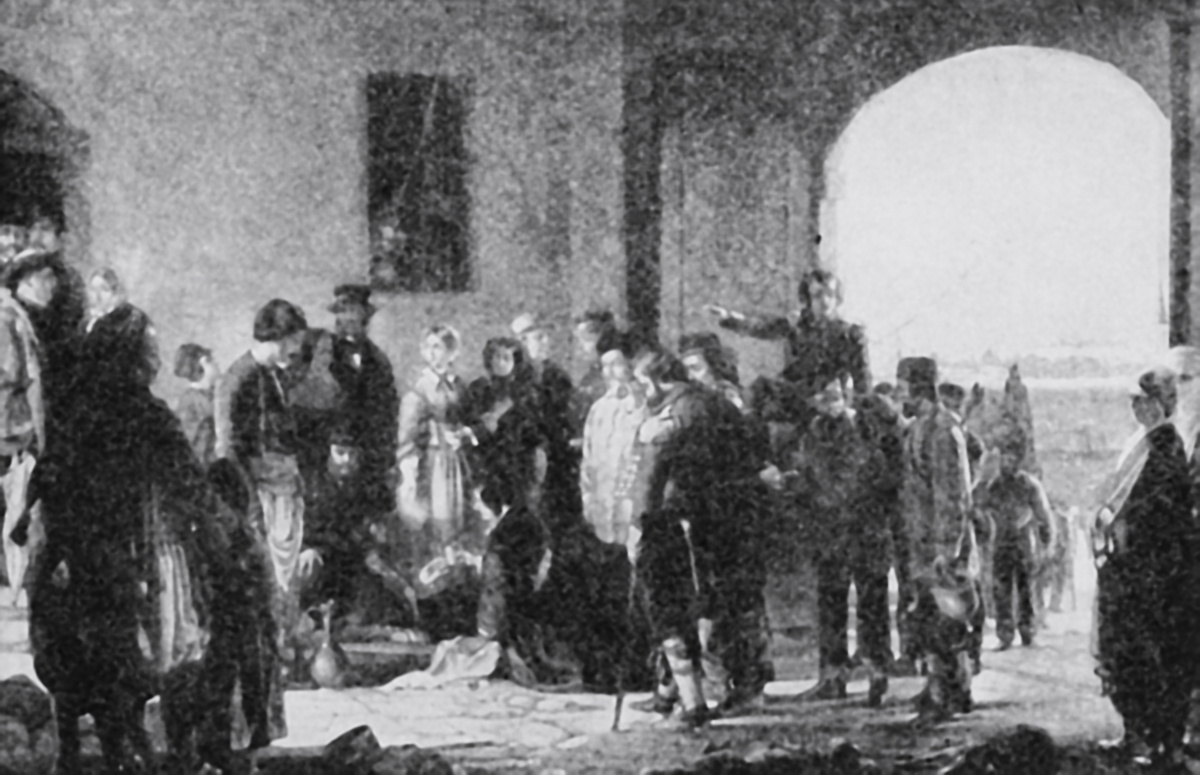
Fig. 128.
FLORENCE NIGHTINGALE RECEIVING WOUNDED AT SCUTARI
From a painting by Jerry Barrett
§ 18. Some Modern Physiological Concepts of Clinical Import.
The vast activity in the sciences of Physiology and Pathology during the last fifty years, and their repeated divisions into independent sciences, each prosecuted by its own specialists, have yielded many ideas which have been imported into the clinical practice of Medicine. It is impossible to say which of these are of permanent value. All previous ages have had to discard part of the practice and a large proportion of the medical ideas that have been handed down to them, and there is no reason to suppose that the age that follows us will differ from those which have gone before us. Some ideas that have entered Medicine from the physiological laboratory, pushed by interested parties or seized on in despair by physicians at a loss for a line of treatment, are already seen by men of experience and judgment to be no permanent addition to our store. Other lines of physiological thought are still under discussion by them.
There are, however, certain physiological conceptions which, apart from their general implications in the economy of the body, have received such wide application that their future, as an organic part of medical practice, seems assured. Certain of these conceptions demand discussion in even the most cursory survey of medical development.
(a) Ductless Glands and Internal Secretions.
The nature and action of the various glands of the body has been a classical physiological field. Malpighi (pp. 116-20) was the first to investigate the structure of these organs, and he was followed by many others. It became evident that many glands, such as the liver, the salivary glands, and the tear glands, are provided with ducts or tubes, which carry off the characteristic secretion of the glands. These secretions can be examined with comparative ease—as happened early with the secretion from the stomach, or ‘gastric juice’ (pp. 146-48), and later with the secretion of other glands. There remain, however, certain glands unprovided with ducts. The action of such ‘ductless glands’ long remained a mystery. Of these the type is the ‘Thyroid gland’. Much of our physiological knowledge of this organ, together with the conception of its function as indispensable to normal life, has come through Surgery.
It had long been known that certain symptoms were associated with enlarged Thyroid gland or ‘Goitre’. Attempts to remove the organ surgically were made after the introduction of antiseptic methods. Goitre is particularly common in Switzerland, and it is not remarkable that the technique of the very dangerous operation for the surgical removal of goitres was first perfected by Swiss surgeons, among whom Theodor Kocher (1841-1917) has taken the first place. The study of cases that had had their Thyroid glands removed gave a clue to the nature and action of the gland.
It was found that those surgically deprived of the Thyroid gland develop abnormal slowness in movement and response. The temperature is low, the pulse small, the muscles are torpid and sometimes rigid, and there is a failure in ordinary fine muscular movements. The patient shows a thickening and swelling of the skin and presents a dull and very characteristic appearance. When the operation was performed on one whose growth was not yet complete, development was checked. Such a patient remains infantile or childish both in body and mind.
The conditions were recognized by Swiss surgeons in the seventies as resembling those of a spontaneous disease to which the name Myxoedema was attached. Further the close relationship both of the surgical and of the spontaneous condition to the state of idiocy known as Cretinism came gradually into view. In Switzerland, as in other parts of Europe, stunted beings known as Cretins had long been known. These defectives are sometimes goitrous, sometimes without a Thyroid gland, but their general appearance and condition is an exaggerated version of what has been described for those with Thyroid glands removed (Fig. 129).
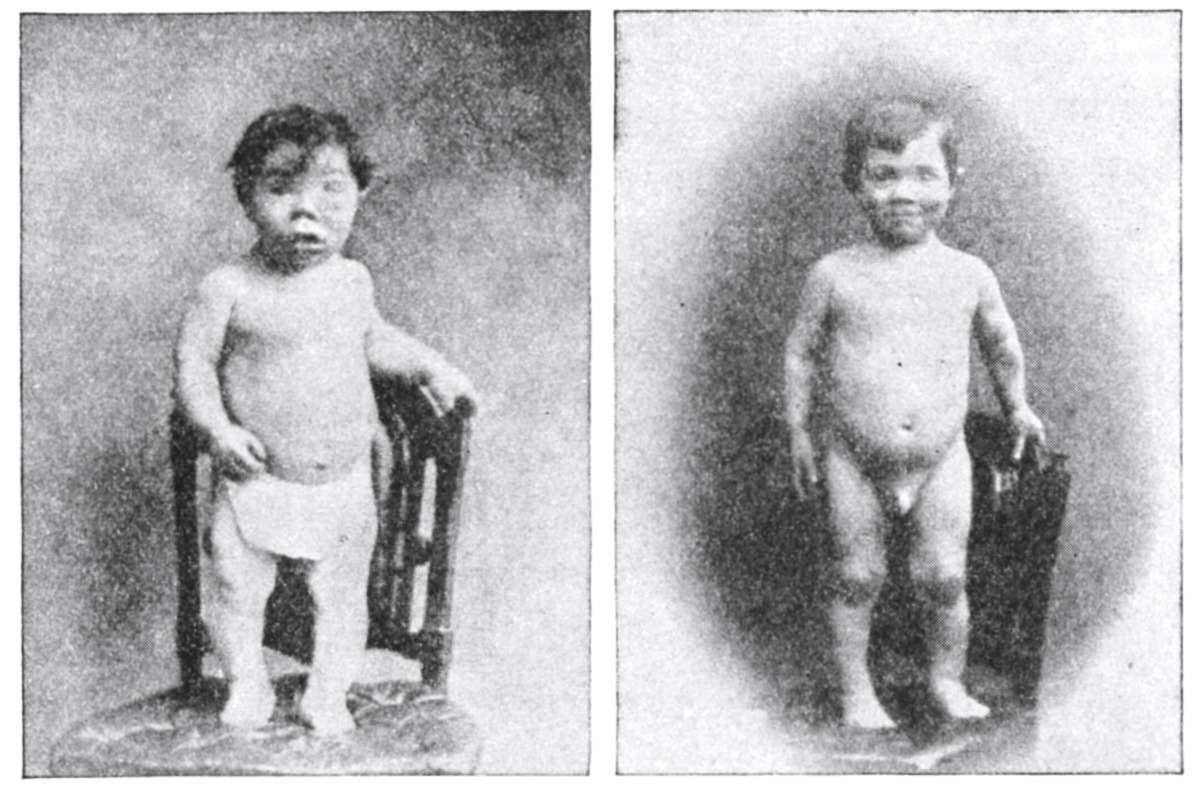
Figs.
129 and 130.
Cretinous infant before and after Thyroid Treatment.
From the Collection of the Royal College of Surgeons.
The result of these observations was to direct the attention of physiologists to the Thyroid gland. It was soon found that the symptoms of Thyroid deprivation could be experimentally produced in animals. Moreover, it was shown by Moritz Schiff of Berne (1823-1890), in 1884, that the results of the removal of the Thyroid might be avoided if the animal were fed regularly on an extract of the glands. The results were soon applied to man and have led to one of the greatest of medical triumphs. By its means sufferers from myxoedema and cretinism can be either cured or improved. A drivelling and idiotic cretinous child, adequately treated with Thyroid, enters on a normal process of development. The improvement is almost incredible, and the child rapidly passes into a healthy and happy state, so that it is literally true to say that his own parents would not recognize him (Fig. 130). Further, the gland may be given in excessive doses, and a condition produced that closely resembles a well-known pathological condition known as ‘Exophthalmic Goitre’, which is similarly susceptible of experimental investigation.
The facts here enumerated justify the deduction that the Thyroid gland secretes something which is essential to normal well-being. The organ has no duct, and the secretion is, therefore, never normally thrown out of the body. The Thyroid is, in fact, an organ of what is called ‘internal secretion’. Investigations on this secretion led to the isolation of the active principle as a pure compound known as Thyroxin in 1916. The story of the Thyroid has recently (1926) been rounded off by the preparation of Thyroxin synthetically. The synthetic product has been given with effect in cases of Myxoedema.
The observations made on the Thyroid directed further attention to other ductless organs of which a number have been shown to have their own ‘internal secretions’. Furthermore, it has been demonstrated that, among organs which throw out their products through a duct, there are those which also send an internal secretion into the blood-stream. Among these are the essential organs of sex, the testicle and ovary. The effect of castration on the general physique is well known. It may be compared with the effect of ‘spaying’ or the removal of the ovary. This operation leads to an assumption by the female, in more or less modified degree, of the secondary sexual characters of the male.
Peculiarly interesting for their practical results have been certain investigations made of late years upon the organ known as the ‘Pancreas’. The Pancreas has a duct which opens into the Intestine just below the Stomach. It has long been known that the secretion of the Pancreas is related to the amount and fate of sugar in the blood. The association of disease of the Pancreas with the symptom known as ‘Diabetes’, in which sugar appears in the urine, was also familiar. Later it became apparent that it was not the Pancreas as a whole that was related to the process but only certain isolated and peculiarly formed nests of cells. It is now possible to administer extracts of these cell-nests with very favorable results on the course of certain types of Diabetes. The extract is now in wide use under the name of Insulin.
Among the ductless glands that have been best investigated are the so-called ‘suprarenal bodies’, which lie above the kidneys. As with the thyroid gland, the attention of physiologists was directed to these bodies as a result of clinical observations. These observations date back to the middle of the nineteenth century. In the last years of that century it was observed that an extract of the suprarenal bodies, injected into the circulation, caused a rise in blood-pressure, an effect opposite to that following the extirpation of the glands. The administration of extract from suprarenal bodies has found wide clinical application. Unlike the extract of thyroid, the effect of this extract is very temporary. It is easily oxidized and rapidly disappears from the blood. It belongs to the group of substances which are known as hormones. The active element in a suprarenal extract, the ‘suprarenal hormone’, has been recently prepared by a synthetic process.
The nature of hormones has only come clearly into view of late years. The word ‘hormone’ is formed from a Greek word meaning ‘to excite’. The internal secretions have, in general, functions of considerable physiological complexity, and act, for the most part, slowly and continuously. The hormones are, however, exceptions to this rule. They act rapidly and in an excitatory manner. These substances appear to be of relatively simple chemical structure. They are easily oxidizable, so that they rapidly disappear from the body. They act, in fact, as ‘chemical messengers’, producing a state of ‘chemical correlation’ of the different parts of the body which is comparable to the better-known and more widely recognized ‘nervous correlation’.
The hormones represent a very ancient and primitive physiological mechanism. In organisms consisting of but one cell, in which there are very few differentiated organs, the messages from one part of the body to another are necessarily of a chemical or hormonic character. In higher multi-cellular animals the intercommunication between different parts of the body is maintained, for the most part, by a specially developed nervous system. Certain necessary messages are, however, still conveyed by chemical messengers. The development of the conception of hormones has been especially the work of the London physiologist E. H. Starling (1866-1927).
Internal secretions and especially hormones form part of the increasingly complex picture of the working of the animal body. They are not only of great physiological value, but have also entered the department of practical therapeutics. They are, moreover, of philosophical importance, since they yield us a conception of the body in which every part is dependent on every other part, and the whole is subject to a process of ‘integration’ or linkage into a unitary system. We have glanced at the mechanism of chemical integration. We have now to turn to the mechanism of nervous integration.
(b) Nervous Integration.
If the simple reactions of animal bodies are tested, it will be found that they clearly serve certain ends. Lightly touch the foot of a sleeping child and it will withdraw it. Tickle the ear of a cat and it will shake it. Exhibit savory food to a hungry man and at once his digestive process will get to work—his mouth will ‘water’. These instances might be multiplied a hundredfold. Such reflexes are admirably adapted to their ends. Many of them will continue in an animal in which the spinal cord is severed from the brain. Nevertheless, in the higher animals, and especially in man, they are controllable to a greater or less extent by the will. But to leave the question at that would give a false idea of the extremely complex integrative functions performed by the nervous system. Thus, the spinal cord, which, to the naked eye, is a longitudinal and little differentiated nervous mass, is, in fact, a collection of nerve-centers which have historically, both in the individual and in the race, been formed by the union of a series of separate segments. Each one of these segments is dependent on the action of the next segment in a fashion somewhat similar to that in which the actions of the cord itself are dependent on the brain. Each of the sections governs certain functions or movements of the body. There is thus a very complex process of integration which runs right through the nervous system.
The investigation of the bodily functions of a chemical and physical nature reveals that these activities are far more largely under nervous control and discipline than was at one time conceived to be possible. Thus, the main factor in the activity of any part is its blood-supply, but the blood-supply is largely determined by the state of contraction of the vessels of supply, which are in their turn under nervous control. So it is with the state of nutrition of the muscles, with the action of the sweat glands of the skin, with the mechanism of childbirth, and with a thousand bodily states with which both physician and biologist are concerned.
The investigation of nervous integration is especially associated with the name of Sir Charles Sherrington of Oxford. As the outcome of his work the picture formed of the nervous apparatus is that of a machine in which some parts work spontaneously, automatically, and with complete uniformity; others, though mainly automatic, are susceptible of various degrees of alteration and adjustment; others need intermittent or constant attention, and demand for their functioning fresh supplies of energy at longer or shorter intervals; while, finally, others have hardly yet taken a fixed form and are improvised as occasion demands. Thus the nervous system is a system of systems of every degree of independence.
These systems, each with a certain individuality of its own, date from every stage of Evolution, the more ancient being, as a rule, the more automatic and the less dependent on other systems. The most ancient, the chemical messenger or ‘hormonic’ system (pp. 306-8), we share with the lowest living things which consist of only one cell. Very recent are the factors in the nervous system that are specially developed in man as contrasted with the higher apes. Such are those associated with the delicate co-ordination of sensory impressions and motor impulses involved in such acts as speaking, reading, writing and the like. Each of these systems, high or low, ancient or recent, has its own place in the body. For many the exact position of the controlling center is demonstrable and some of the lower systems can function without the aid of any other systems save those which control their nutrition.
Among these nervous relations there is one which calls for special mention on account of its great clinical importance. The state of ‘shock’, the general nature of which is vaguely understood by everybody, has been given a more exact physiological meaning of late years, especially by the American surgeon G. W. Crile (1864-). It has been found possible to localize ‘shock’ experimentally. If a section of the spinal cord of an animal be cooled to a point just above freezing, the part of the body below the cooled level passes into a state of ‘shock’, that is to say, its reflexes no longer respond to irritation in the normal fashion. This shock effect is due to the removal of some influence exercised by the higher parts of the nervous system. In the experiment the shock effect is induced by an external agent, but there is an internal mechanism within the nervous system itself, which can cause it under appropriate conditions.
(c) Vitamins.
There are no current medical problems that are more discussed than those of nutrition. It has long been recognized that articles of diet may be classified according to their constitution into ‘proteins’, ‘carbohydrates’, and ‘fats’. If an animal is fed on a diet containing these in correct proportion, but in a perfectly pure state, it will become ill and ultimately die. The onset of illness and death will be the more rapid if it be a young animal. This fact, observed as long ago as 1880, was reinvestigated by F. Gowland Hopkins of Cambridge in 1906, from whence dates our real knowledge of a very important subject. He found that, in the case of rats, the addition of a very small quantity of milk to this chemically pure diet would induce normal growth. The milk must therefore contain some growth-promoting substance or substances other than protein, fat, or carbohydrate. The result of many similar experiments by a large number of observers has shown that almost all fresh food contains such growth-promoting substances. They have been named ‘vitamins’.
Several of these vitamins have been distinguished. None, however, has been isolated, and we depend for our knowledge of them on our investigation of their mode of action. One, known as Vitamin A, is produced in the growing green parts of plants, and is especially necessary for the promotion of growth. Vitamin A is abundant in cod-liver oil. It has been shown that the necessity for Vitamin A can to some extent be evaded if the animal is exposed to sunlight or ultra-violet rays. Moreover, it has been shown that the absence of Vitamin A or of some allied substance is associated with the disease of the bones known as ‘Rickets’ or ‘Rachitis’. The history of this disease (p. 181) is made intelligible by our knowledge of these facts. Rickets can be shown to be most prevalent under precisely those social conditions in which articles of diet containing Vitamin A are scarce and the amount of sunlight is inadequate.
Our knowledge of this topic is in the process of active extension. The question of the actual influence of sunlight and of the rays of various wave-length which go to make it up is still too uncertain for discussion here. There is a special aspect of this topic, however, to which we may refer. It has been demonstrated that stable-fed cows, fed not on fresh food but on oil-cake, yield milk of little antirachitic power. It has, however, been shown that this milk becomes antirachitic after exposure to ultra-violet light. Therefore, some antirachitic substance is produced in the milk, as in the body, by the action of ultra-violet light. Now recent research has shown that the antirachitic elements are associated with a chemical substance known as Cholestrol which is of the nature of a complex alcohol. Nevertheless chemically pure Cholestrol has no antirachitic power, though it, too, acquires it by exposure to ultra-violet light. By chemical means 99·9 per cent. of rayed and antirachitic Cholestrol has been recovered as pure Cholestrol without antirachitic power. Therefore the antirachitic power, that is the vitamin factor, resides in the remaining one-tenth per cent. of rayed Cholestrol. The further investigation of this fraction may be expected to yield results of great importance both theoretically and practically.
Another substance of the same order exists in the husks of rice. If animals such as fowls be fed on a diet of rice deprived of its husks, they develop a nervous affection. Now a somewhat similar nervous affection known as ‘Beri-beri’ is known in the East among natives who live on milled rice. The disease, whether in human beings or chickens, may be cured or avoided by giving the husks of the rice separately. The substance thus conveyed has been named Vitamin B. There is yet another disease, Scurvy (p. 170), which occurs in those who have been deprived of fresh food. Vitamin C, which cures this, is specially found in the juices of oranges and lemons. Our knowledge of ‘deficiency diseases’, of which Scurvy is one, is only just beginning. It may well be that they are of wider occurrence than has been supposed, and vitamins may be important curative and preventive agents.
§ 19. Knowledge of the Eye and its Disorders.
From an early date the treatment of ailments of the eye has stood somewhat apart from the rest of medical practice. Moreover, the knowledge of the structure and functions of the parts of the eye has not kept closely parallel with that of other departments of anatomy and physiology.
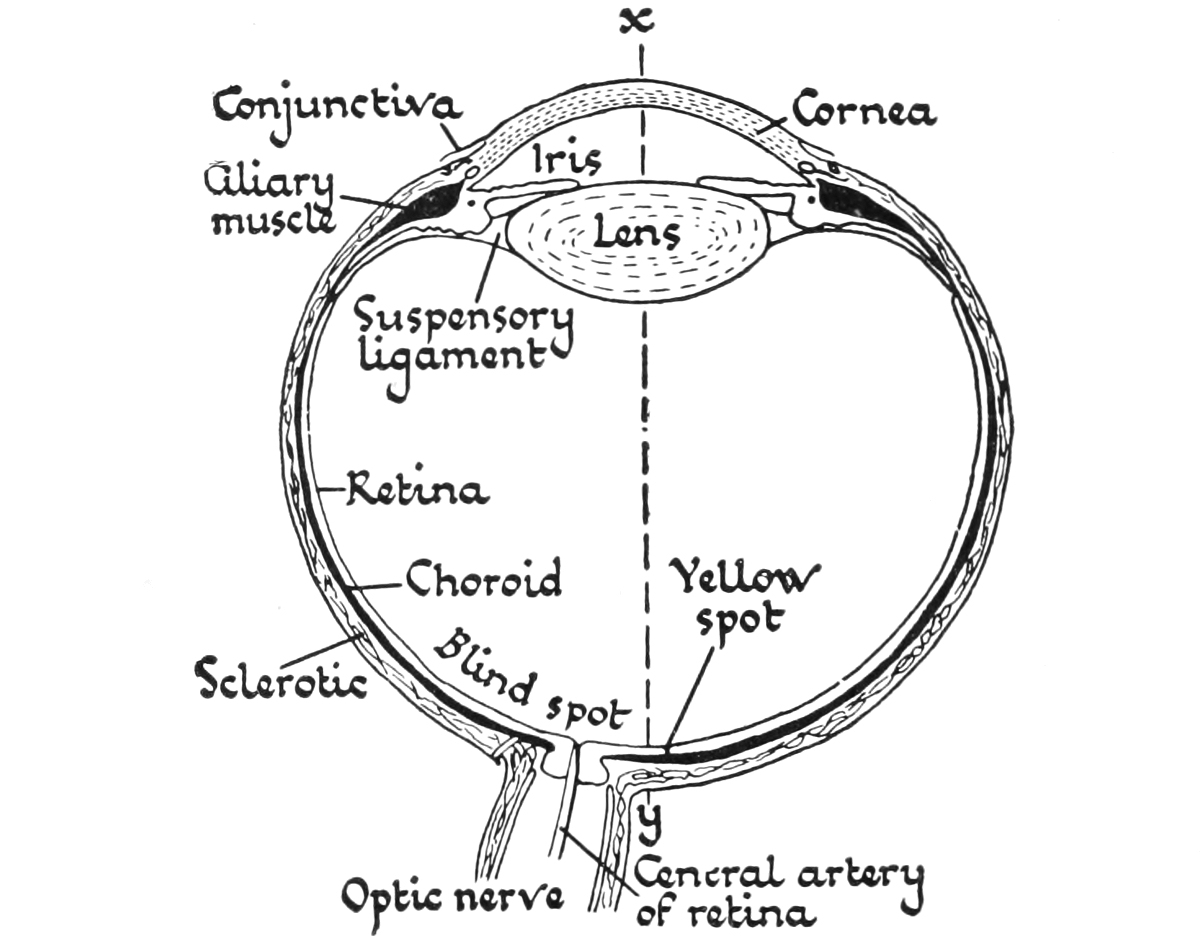
Fig. 131. Diagram to show the Structure of the Eye, represented in section.
For description see
pp. 314-15
.
The eye is a roughly spherical organ, enclosed in a tough capsule, the Sclerotic coat (Fig. 131). The transparent front of this capsule, the Cornea, is the curved window through which we look upon our world. There is a watery space, the Anterior Chamber, behind the Cornea, at the back of which is situated the Lens, a horny transparent structure. In front of the Lens is a ring-shaped pigmented muscle which shuts out light from the Lens, except at the center, and gives the characteristic color to the eye. This circular colored muscle is the Iris, and the hole in its center is the Pupil. The pupil becomes smaller or larger with contraction or expansion of the Iris. This change is a reflex and unconscious act, depending on the amount of light and also on the degree to which the eye is adjusted to examine near objects.
The edge of the Lens of the eye is attached by the circular Suspensory Ligament to the circular Ciliary Muscle. The Ciliary Muscle, by contracting or relaxing, alters the form of the Lens (Fig. 132). This change in form of the Lens is part of the process of adjustment to near or distant vision. Behind the Lens is the large Posterior Chamber, containing a transparent gelatinous substance. At the back of the posterior chamber is the sensitive area or Retina, which is the essential organ of vision, and is backed by a pigmented coat, the Choroid. The Retina is continuous with the Optic Nerve, along which an artery enters the globe of the eye. At the point where this artery pierces the Retina there is the so-called Blind Spot.
A ray of light penetrating the eye from the center of the Cornea through the center of the Lens falls on or near a specially sensitive area, the Yellow Spot, and images formed there are more distinctly perceived than those formed elsewhere. When an object is examined closely, the observer makes the attempt to bring the image of it on to his Yellow Spot. Any injury to the Yellow Spot causes a great diminution in clearness of vision. Man and his allies, the zoological group known as the ‘Primates’, are the only mammals, except the cat tribe, that possess a Yellow Spot. There can be little doubt that the possession of this Yellow Spot has done much to raise the importance of vision among the senses in the Primates. It has thus been a very potent factor in the evolution and elevation of Man himself.
The eye is an optical instrument which, like other instruments, performs its functions with something less than perfection. Most purely optical errors of the eye can be remedied by spectacles. These aids to vision are of very great importance, since, by the time middle life is reached, few are fortunate enough to read in comfort without them. The introduction of spectacles, therefore, enormously extended the active intellectual life. Their social effects are incalculable.
The commoner optical errors may be classified under four heads.
First and commonest there is ‘old sight’. When a healthy eye adjusts to near vision, the Ciliary Muscle contracts towards its attachment at the junction of Conjunctiva and Sclerotic. This draws forward and relaxes the Suspensory Ligament. The elasticity of the Lens, no longer constrained by the Ligament, causes it to assume a more convex form. This more convex form is appropriate to the correct focussing of a near object on the Retina. At or about the age of forty-five the Lens usually begins to lose its elastic power, and thus has difficulty in adapting to near vision. The trouble is remedied by the use of convex glasses for reading or other near work.
A second common error is the so-called ‘far sight’. In this form—save in extreme cases—the eye is competent for distant objects, but those that are near are not clearly seen. The incapacity for near vision is due to a deformity—usually innate—of the eye. The eye is too short along the axis xy (Fig. 131). The resulting optical error can be remedied by the use of convex spectacle lenses.
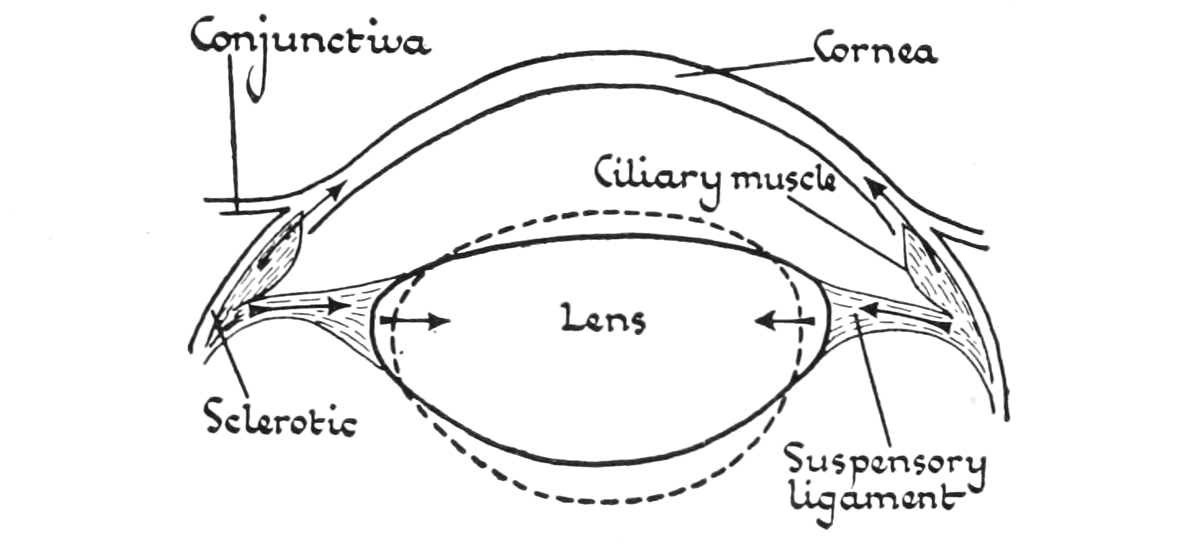
Fig. 132. Diagram to show the nature of Accommodation of the Eye to near vision. The Ciliary muscle, by contracting, pulls forward the lateral attachment of the Suspensory Ligament to the Sclerotic. Thus the ligament is relaxed and in turn relaxes its pull on the Lens. The Lens thereon becomes more convex. As age advances the Lens loses this power and so the sight fails for near vision.
Thirdly, there is the so-called ‘near sight’. In this state near objects can be clearly seen, but vision fails with those that are more distant. Near sight is usually an acquired condition. The eye is too long along the axis xy (Fig 131). The resulting optical error can be remedied by the use of concave spectacle lenses.
Fourthly, there is ‘irregular sight,’ known as ‘astigmatism’. In extreme cases of this condition no perfectly clear image can be formed of any object, whatever its distance. It is in some measure both congenital and acquired, and is due to an irregular deformation of the optical apparatus of the eye. The remedy for astigmatism is a compensatory deformation of the spectacle lens, which may need, in other respects, to accord to the convex or concave form, according as the deformation of the eye is of the far-sighted or near-sighted type.
Historically optical errors of the eye were relieved by spectacles before the nature of the defects was understood. The first suggestion of the use of convex lenses as an aid to old sight was made by Roger Bacon (1214-94) in the thirteenth century. Spectacles with convex lenses for old or for far sight first came into use about 1300. By the fifteenth century they were widely known. It may well be that their adoption, by prolonging reading life, had an important effect upon that process of extension of knowledge that we dub the ‘Revival of Learning’. Concave lenses for the relief of near sight came in towards the end of the fifteenth century, but were not widely used till the eighteenth century. Astigmatic lenses were not contrived till well into the nineteenth century.
In 1874 S. Weir Mitchell (1830-1914), a very able American physician, showed that the eye strain resulting from astigmatism was associated with many nervous conditions. Weir Mitchell’s name is familiarly associated with a line of treatment of these conditions. Since his discovery it has been the practice to examine for optical error all sufferers with headache and other neurotic symptoms.
For long there was no means of estimating the degree of error, whether of old sight, far sight, or near sight, save by trial on the part of the patient himself. Spectacles were a common object of the hawker’s trays, and from them the sufferer selected the specimen that suited him best. The first essential improvement in this state of affairs was an elucidation of the mode of action of lenses. The paths of light rays in their passage through a lens were first correctly determined at the beginning of the seventeenth century by the astronomer Johannes Kepler (1571-1630). Knowledge of optics advanced during the seventeenth and eighteenth centuries, but the optical errors of the living eye were not accurately estimated until the time of the great Dutch ophthalmologist Frans Cornelis Donders (1818-89). The system of prescribing and fitting spectacles that is now in vogue dates from the publication of his work, The Anomalies of Refraction and Accommodation, in 1864. Hardly less important was the invention of the ophthalmoscope by Hermann von Helmholtz (p. 213). Very important also was the introduction of ‘test types’ for examining errors of vision by the Dutch ophthalmologist Hermann Snellen (1834-1904).
One of the most remarkable minds that has ever applied itself to medical problems was that of the Quaker physician Thomas Young (1773-1829). He was a man of immense learning, and is remembered for having been the first to decipher Egyptian hieroglyphics. Young explained the power of the eye to ‘accommodate’ for near vision. This faculty of ‘accommodation’ was, he showed, due to changes in the curvature of the crystalline lens (Fig. 132). In his memoir On the Mechanism of the Eye (1801), Young gave the first scientific account of Astigmatism. His theory of color vision and his doctrine that light is due to waves in the ether are still important. His ‘wave theory’ of light completely replaced the old view, the so-called ‘emission theory,’ that light is due to something material which goes forth from the luminous object. While we are referring to Young we may remind the reader that his work on ‘Energy’ lies at the back of all modern Physics, in the history of which he takes an extremely important place.