Part 6 — THE MAJOR’S CIGAR
Reading edition
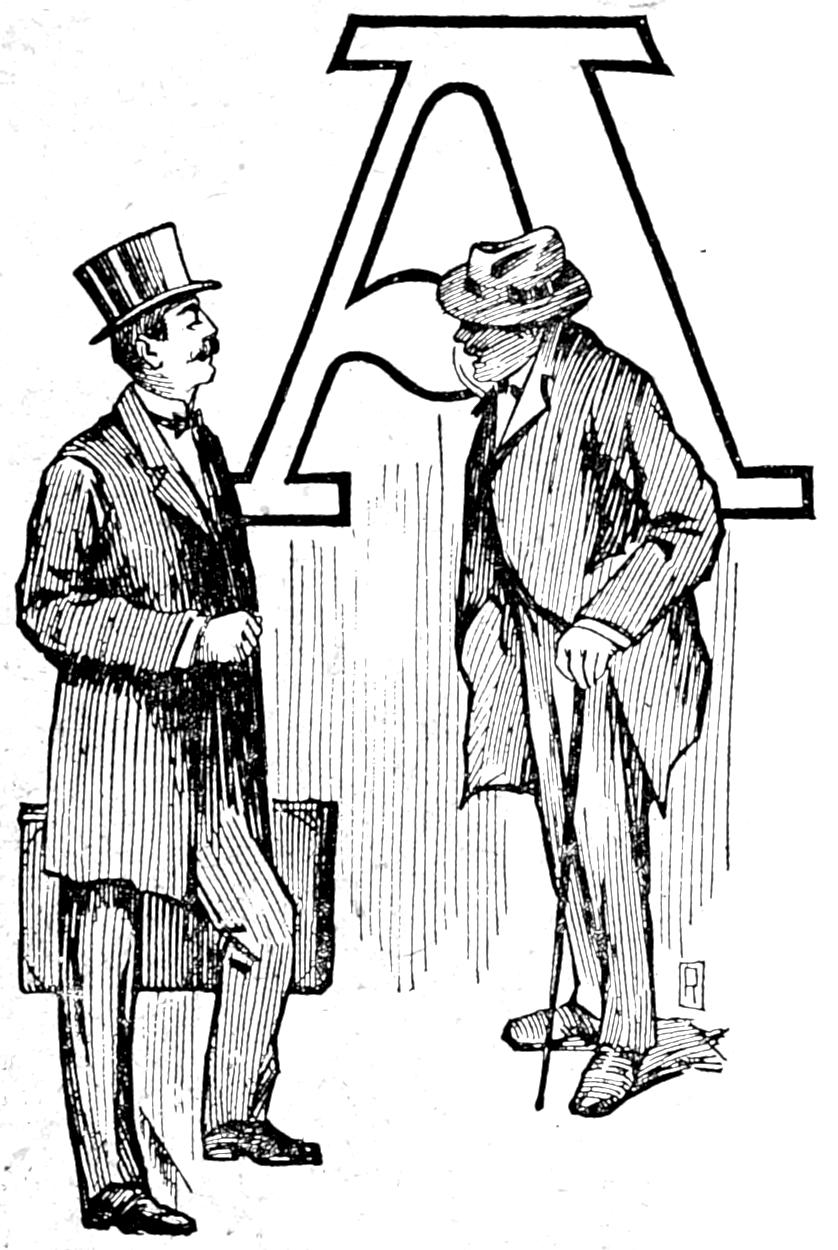
After a separation of many years, I met my old friend, Major ——, at a railway station. If he had not spoken first, I should not have recognized my Virginia comrade of ’64. It was not merely the disguise of a silken hat and a shaven cheek, but,—as I told him after we had chatted awhile about each other’s ups and downs since the war,—I was sure this was the first time I had ever seen him away from the table, without a cigar in his mouth.
“Haven’t smoked for five years,” was his reply. “I’m down on tobacco as thoroughly as you ever were.”
“Good. Tell me about it.”
We locked arms, and walked leisurely up and down the platform. Dropping the dialogue, this was, in substance, his story:—
“It wasn’t a sudden conversion. I never was quite so easy in my mind over it as I pretended to be. I intended to taper off when I got home from the army. And I did,—smoked less in three weeks than I used to in one.
“But one summer I went off on some business for our company, which kept me up in the mountains, among the charcoal burners, three days longer than I expected. I got out of cigars, and couldn’t obtain any at any price.
“In forty-eight hours I was more uncomfortable and unstrung than I had ever been in my life. I actually borrowed an old Irishman’s filthy clay pipe, and tried to smoke it. I thought of that miserable summer we spent, crawling about the trenches in Virginia, and, I am ashamed to confess that I wished I was there again, with a cigar in my mouth.
“Then, I began to realize what a shameful bondage I was in to a mere self-indulgence. I, a man who secretly prided himself on his self-control, nerve, manliness,—who never flinched at hard fare or rough weather,—a downright slave to a bad habit; unnerved and actually unfit for business for lack of a cigar. It made me angry at myself; I despised myself for my weakness.
“Going into the matter a little further, I found that the money I had spent for cigars in a dozen years would have paid for my house and furnished it. I had smoked away more money than I had laid out for our library, our periodicals, and our intellectual culture generally. Cigars had cost me nearly twice as much as I had given to church work, missions, and charity.
“My conscience rose up at the record. I knew I could not plead any equivalent for the outlay; it had not fed me; it had not strengthened me; it had simply drugged me. Every cigar had made the next cigar a little more necessary to my comfort. To use the mildest word, it had been a useless expenditure.
“My detention in the mountains was calculated to open my eyes to my domestic short-comings, and I saw, as I never saw before, how selfishly unsocial tobacco had made me at home. I smoked before I was married, and my wife never entered any protest against my cigars afterward.
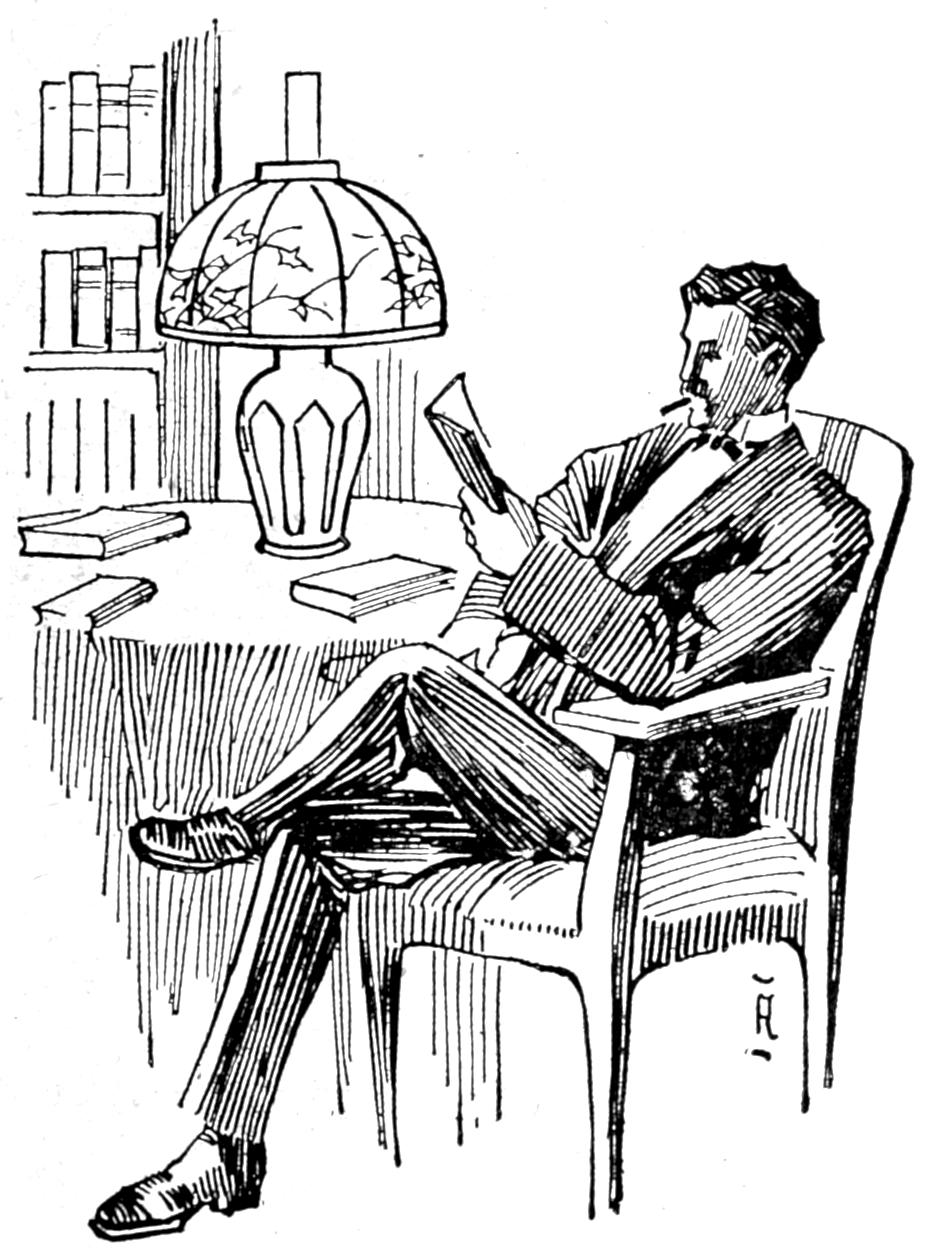
An Unsocial Habit
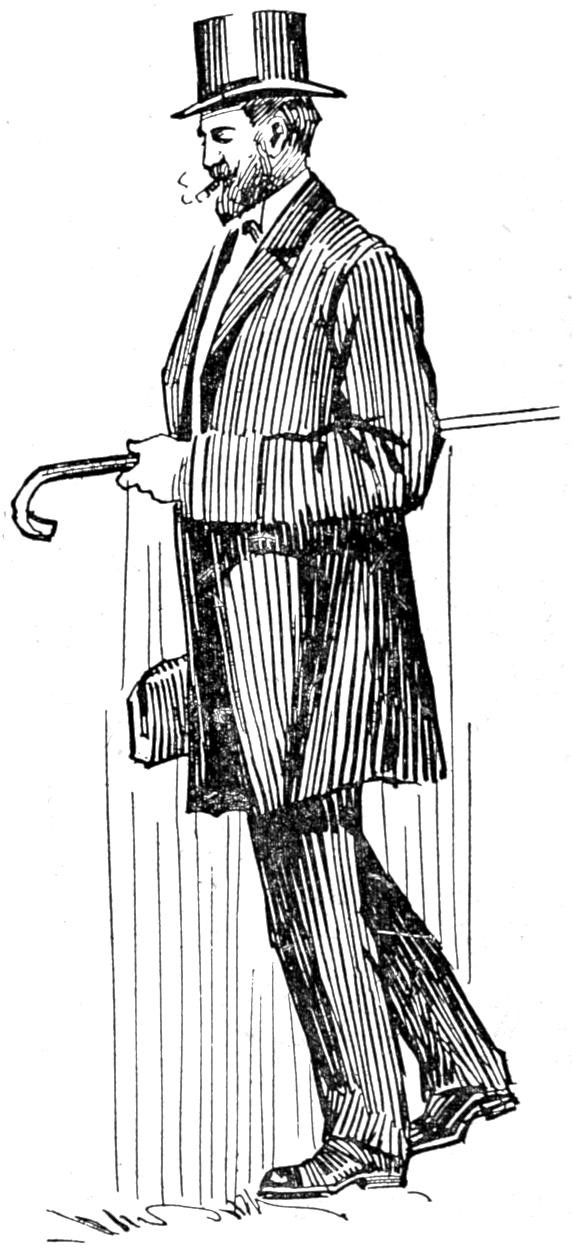
The Smoking Doctor
“But our first baby was a nervous child, and the doctor told me it would not do for it to breathe tobacco smoke. So I got into the way of shutting myself up in the library of evenings, and, after meals, to enjoy my cigars. As I look at it now, nothing is more absurd than to call smoking a social habit. It’s a poor pretense of sociability, where a man is simply intent on his own enjoyment. My wife owns now that my tobacco-tainted breath and tobacco-saturated clothing were always more or less a trial to her.
“The satisfaction it has given me to be rid of a tobacco atmosphere, and the thought of my contemptibly selfish indifference to her comfort all those years, have humbled me, I tell you. And I wouldn’t exchange my own daily satisfaction now-a-days in being a cleaner man—inside and outside,—for the delight that anybody gets out of his cigars.
“I didn’t need to go outside of my own door to find reasons enough for giving up the habit; but I think I found still stronger ones, after all, when I went away from home.
“The more I thought about the harm tobacco does in the community at large, the more sure I felt that it was time for me to stop giving it the moral support of my example. I know I smoked too much, and that my nervous system is still the worse for it; and I think the people who are likely to be hurt the most by it, are just the ones who are most likely to smoke excessively.
“And then, I’ve noticed that the doctors who stand up for tobacco are always men who use it, and are liable to the suspicion of straining a point in justification of their own self-indulgence.
“On one point, though, I believe the authorities agree. No one denies that it is a damaging indulgence for boys. It means a good deal when smoking is forbidden to the pupils in the polytechnic schools of Paris, and the military schools of Germany, purely on hygienic grounds. The governments of these smoking nations are not likely to be notional in that matter.
“But the use of tobacco by our American boys and men is excessive and alarming. We ought to save our rising generation for better work than they can do if tobacco saps the strength of their growing years, and makes the descent easier, as it no doubt often does, to worse vices. I don’t know how to forgive myself for the example I set before my Sabbath-school class of bright boys, year after year, by my smoking habits.
“It isn’t in the family, either, that the selfishness of the habit is most apparent. I don’t believe, other things being equal, that there is any other class of men who show such a disregard in public for other people’s comfort as tobacco users do. A man would be considered a rowdy or a boor who would willingly spatter mud on the clothing of a lady as she passed him on the sidewalk. But a lady to whom tobacco fumes are more offensive than mud, can hardly walk the streets in these days, but that men who call themselves gentlemen,—and who are gentlemen in most other respects,—blow their cigar smoke into her face at almost every step.
“Smokers drive other men out of the gentlemen’s cabins on the ferryboats, and from the gentlemen’s waiting rooms in railroad stations, monopolizing these rooms as coolly as if they, only, had any rights in them.
“I can’t explain such things except on the theory that tobacco beclouds the moral sense, and makes men especially selfish.”
The Major’s train came in just then, and as he took my hand to say “Good-by,” the smoking car of the waiting train drew his parting shot.
“See there! did you ever reflect how the tobacco habit levies its taxes on everybody? The railway company furnishes an extra car for the smokers, which, in the nature of the case, must be paid for by an extra charge on the tickets of all the passengers. What a stir it would raise if the legislature should attempt to furnish luxuries to any special class at public cost in this way!
“How we’d vote them down! I vote against this thing by throwing away my cigar.”