Chapter XVIII · ANI, AND THE ARMENIAN KINGDOM OF THE MIDDLE AGES
Reading edition
In Europe we may find examples of mediæval towns from which the tide of life has long since receded, and which have been preserved almost intact to the present day. Less fortune attends the footsteps of the traveller in Armenia, until he arrives before the walls and towers of the city on the Arpa Chai. It is perhaps to the complete desolation of the neighbourhood that is due this welcome surprise. No settlement has arisen in the immediate vicinity to despoil these architectural remains. Favoured by the dryness of the Armenian climate, the pink volcanic stone displays all the freshness of the day when it was fashioned by the mason’s tool. Even lichen has failed to effect much hold upon its surface, while our persistent ivies and sweet, irresistible wallflowers have not adventured into these sunny and treeless plains. We admire these buildings in much the same state and condition as when they delighted the eyes of Armenian monarchs nine centuries ago. Such a site would in Western lands be at least occupied by a small town or village; the solitude of Ani is not shared by any such presence; and the mood engendered by the spectacle of her many noble monuments is not disturbed by the contrast of commonplace successors or of miserable tenements, clinging to the creations of a culture that has disappeared.
The native institutions of the Armenian people were not unfavourable to such a development. At the present day they cannot be said to possess a class of nobles, and they are devoid of natural leaders. But in the ninth century their councils were governed by a strong territorial nobility, a relic of the period when they possessed their own independent kings of Arsakid descent. The Arsakid dynasty had struggled on into the fifth century, when it succumbed to the Sasanian monarchy of Persia and Mesopotamia, and a Persian governor was sent to rule over the land (A.D. 428). But the great nobles maintained and perhaps increased their ascendency; they were supported by the obstinate patriotism of the people; and the interval between the overthrow of the ancient and the rise of the mediæval kingdom is filled by the almost incessant clash of arms. From the east the pertinacity of the Armenian race is challenged at first by the Persians, eager to convert them to the religion of the Magi, and next by the Arabs, who, after supplanting the Sasanian dynasty, seek to impose upon them the precepts of Islam. Their neighbours upon the west are scarcely less obtrusive; and we may discover beneath the religious controversies with their fellow-Christians of the Roman Empire the same fervid self-assertion which has enabled this strange people to preserve, in the face of odds which appear to us to have been overwhelming, the inflexible individuality of their race. While their clergy are resisting the menaces or the blandishments of the Church of the Empire, their nobles are combating the worship of the Persians or of the Mohammedans at the head of the native levies. It thus happened that, when the bonds relaxed which bound the subject states to the Arab caliphate, the Armenians possessed, in their class of nobles as well as in their patriarchate, institutions which had been tested in the furnace of adversity during a period of over 400 years.
This individual, by name Afshin, is depicted by the priestly historian with all the resources of the vocabulary of hate. He is a wild beast; he is armed with the poignard of perfidy, and his death is described as the outcome of a loathsome malady which destroyed the body before the soul descended to hell. Throughout the reign we see him harassing the dominions of the Armenian monarch; but his first expedition appears to have been met by a vigorous and successful resistance, which no doubt helped the remonstrances of Sembat. At the head of his troops the king reasoned with his Mohammedan adversary, and represented that his friendship with the emperor of the Greeks was to the advantage of the master of Afshin. “You yourselves,” he said, “may at any moment have need of the support of the Greeks, and your merchants require openings in Greek territory, whence they will draw riches which will swell the treasury at Baghdad.” These advances were met on the part of the Arab governor by the offer of a peace, which was duly ratified. Afshin returned to Azerbaijan, and the king retraced his steps up the Araxes and appeared before the walls of Dvin. This city, which was at this period the acknowledged capital of Armenia, was reduced to an obedience from which it had lapsed. Its situation in the neighbourhood of the present town of Erivan was calculated to invest it with the character of a strong place on the side of the Arab possessions in Persia. Its subjection to Sembat does not appear to have been of long duration; during the subsequent portion of his reign we find it in the hands of the Mohammedans, serving, it would seem, as an advanced base to the troops of Afshin and of his successor.
The diplomacy no less than the prowess of Sembat was successful in other directions nearer home. If his kingdom remained essentially feudal in character, its limits were at least extended over the adjacent lands. On the west his sovereignty was acknowledged as far as the city of Karin, the modern Erzerum; while on the north-east and east it embraced the foot of Caucasus and the shore of the Caspian Sea. The Armenian princes who ruled in the country on the southern side of the barrier of mountains which culminate in Ararat were attached to him by feudal or family ties; his name must at least have been respected among his countrymen beyond the limits of the lake of Van. His ascendency was for a second time challenged by Afshin, who advanced to Nakhichevan and Dvin; but he led his troops in person against the Mussulmans, and inflicted upon them a signal defeat. The subsequent defection to his enemy of his nephew, the prince of Vaspurakan (Van), who was joined for a time by the prince of Siunik, a province bordering that of Van upon the north, does not appear to have materially shaken his power; we find him directing his attention to the outer limits of his territory, and endeavouring to establish his dominion not only over the country of Taron (Mush), but also as far south as the Mesopotamian plains.
This advance brought him into collision with an Arab emir, named Ahmed, who, in the decay of the caliphate, cherished pretensions to these districts. The Armenian prince of Taron was unable to withstand his Mussulman adversary, and Sembat was obliged to take the field in person (A.D. 896 [C.]). At the head of a numerous army he marched towards Taron, west of which his enemy was encamped. The reverse of his arms was due to the treachery of a countryman, a prince belonging to the province of Vaspurakan; and, indeed, the jealousy of the chiefs of the Van country seems to have paved the way for the successes of his Mussulman neighbours. His old enemy Afshin was not slow to profit by this turn of fortune. After attempting in vain to seduce the loyalty of the northern feudatories of Sembat, he entered the province of Kars and laid siege to that fortress. Thither had taken refuge the Armenian queen, a daughter of the king of Kolchis, and several of the wives of the principal nobles. The capitulation of Kars and the capture of the queen came as a melancholy pendant to the disaster of the king’s arms in the south. He was obliged to purchase peace on humiliating terms, and to give his niece in marriage to the Mohammedan potentate. But it was not long before hostilities were again resumed in the same quarter. Afshin directed his march towards the city of Tiflis, swept like a whirlwind through the Georgian country, and advanced upon Shirak. Sembat and his army were obliged to take refuge in the strong places of his ally Aternerseh, upon whom he had previously bestowed a royal crown; while his adversary, after having endeavoured in vain to sap the loyalty of the Georgian prince, retraced his steps along the Araxes to Azerbaijan. Afshin was meditating a fresh attack when he fell a victim to a malignant malady, which appears also to have made ravages among his troops (901 [St.-M.], 898–99 [D.]).
A curious incident now occurs, which is characteristic of the times (A.D. 905 [St.-M.]). Yusuf prepares in secret to sever his allegiance to the caliph, and goes so far as to issue orders in his own name. Apprised of his proceedings, the sovereign at Baghdad sends messengers throughout his dominions to effect a rising against his rebellious servant. One of the highest in rank of these envoys arrives at the court of the Armenian monarch, and delivers a personal letter requiring the prince to assemble his forces and to march against the emir of Azerbaijan. As an inducement, the vassal is remitted the payment of a year’s tribute. This request or command was at once difficult to comply with and impossible to elude or reject. Sembat was bound to Yusuf by the terms of a treaty, and still more forcibly deterred from offending his neighbour by motives of interest. It was only natural that he should have recourse to perfidy, the usual expedient in such circumstances among Eastern princes. But his double-dealing was of transitory advantage: and it may, perhaps, be excused by the reflection that his own weight would have been insufficient to turn the scale to the advantage of either side. Yusuf affected submission to his spiritual and temporal superior; the Armenians were confronted by a coalition of the contending influences; and the unhappy king was besieged by emissaries from both the Mussulman princes, demanding the arrears of tribute in imperious terms. On four occasions he had succeeded in acquitting his obligations by making the prescribed payment in kind; but this time he was compelled to discharge the debt in money, and to impose taxes which strained the structure of his feudal rule.
A combination of some of the nobles with Aternerseh of Georgia was the outcome of these events. Ani, which was then a fortress, was handed over to Aternerseh, together with the treasures of the royal palace at Erazgavors. Sembat at the head of his forces hurried back to Shirak, whereupon the conspirators evacuated the province, laden with spoils. The Armenian monarch carried the war into the territory of Aternerseh, who was constrained to sue for peace. Many of the revolted nobles fell into the hands of their sovereign, who, after putting out their eyes, dispatched some to the Byzantine emperor for custody and others to the king of Kolchis. This rising had no sooner been quelled than the reigning prince of Vaspurakan separated himself from the king. The cause of quarrel was a dispute about the town of Nakhichevan in the valley of the Araxes, which Sembat had conferred on another noble, but to which this prince had a hereditary claim. Gagik—such was his name—had recourse to the common enemy, Yusuf, who was eager to profit by such dissension among his Christian neighbours. The emir bestowed upon him a royal crown in order to perpetuate his rivalry with Sembat. It was all in vain that our historian, who was at that time patriarch, endeavoured to avert the rising storm. He even journeyed to the court of the emir in Azerbaijan, taking with him magnificent presents, among which were included some of the sacred vessels belonging to the churches. He was treated with distinction by his Mussulman host so long as his gifts held out. When these were exhausted he was thrown into prison, where he lingered for a considerable time. The hardships of his condition were aggravated by the mortification which he must have experienced at the complete failure of his good offices. He was strictly refused an audience of his countryman, King Gagik, who shortly afterwards arrived at the court of Yusuf in order to concert an invasion of the territory of Sembat. At the approach of spring the emir set out for Armenia, taking with him the unhappy patriarch, loaded with chains. In the neighbourhood of Nakhichevan were received the messengers of Gagik, who announced the approach of their master with his troops (A.D. 909 [St. M.]). Sembat endeavoured to pacify his enemy by a payment of money, which the emir swallowed without arresting his advance. The king was quite unable to cope with the forces arrayed against him; he fled to the fortresses of Georgia, whither he was pursued by his implacable adversary.
It is unnecessary to follow in detail the developments of a situation, of which the historical interest consists in the light which it throws upon the Armenian monarchy of the Middle Ages, and upon the relations of that monarchy to the neighbouring states. We see the Artsrunian prince of the extensive province of Vaspurakan turning his arms against his own countrymen and their Bagratid king, and in active alliance with the enemies of his religion and race. The Mussulman horsemen overran the fertile plains of Armenia, and the tardy repentance of Gagik came too late. Sembat appealed in vain to the suzerain at Baghdad, who was too much occupied by domestic troubles to intervene. Better success attended his entreaties at the Byzantine court, and his old friend, Leo, collected troops and marched in person to his assistance. The death of the emperor at the inception of the enterprise, and the internal troubles of the new reign, removed all hope of succour from the side of the Roman provinces. The Christian state in the heart of Asia seemed doomed to destruction, and the king and queen were taken prisoners. Sembat was conducted to Dvin, where he was barbarously tortured in the presence of the populace. Every indignity was inflicted upon him, and each refinement of Oriental cruelty; after he had expired, his body was nailed to a wooden stake and exhibited to the townspeople (A.D. 914 [C.]).
We close these graphic pages with the feeling that we have been privileged to gain some insight into the state of the country during the reigns of the Bagratid sovereigns, as well as to estimate the nature of their rule. If I have eliminated by this brief abstract whole chapters of our author, I may perhaps have saved my reader from becoming wearied by his declamations, and from losing the main thread of his thrilling narrative among the side issues in which he allows it to become involved. The sovereignty of the Bagratids was essentially feudal in character; and the loose ties of such a political organisation were ill adapted to withstand the strain to which they were subjected at the hands of their Mussulman neighbours. Indeed, the fact that such a dynasty could ever have arisen in the heart of Asia, among a people which could not have numbered more than a few millions of souls, can only be explained by the comparative weakness of their contemporaries professing the Mohammedan faith. The Armenian historians are fond of railing upon their countrymen on account of the internal divisions which precipitated their political fall. They are not less inclined to attribute the miseries of their nation to their desertion in critical moments by the Greek Empire. But they do not appear to have reflected that the frequent instances of treachery among the Armenian nobles need not have been due to any inherent defects in the character of the Armenian people. Similar examples abound in the annals of our European nations while they were still in the feudal stage of development. Again, the Greeks, while they were no doubt prejudiced by dogmatic differences, might, one cannot doubt, have established a good case for their abstention from more strenuous succour of the young state. Their subsidies were spent, and their troops were marched across Asia with little further result than the aggrandisement of one princelet at the expense of a competing claimant of the same race. The lesson which may be derived from a perusal of this contemporary record explains to us many points which would otherwise be obscure in the much more meagre annals of the subsequent period which witnessed the frail blossoming and premature destruction of the Armenian kingdom of the Middle Ages. When the hordes of Turks descended from the valleys of the Tien-shan and swept across the settled territories of Persia towards the richest portions of the Old World, they found upon the high road of the Armenian tableland a state which was as little adapted to provide a bulwark against their invasions as any other of the fissiparous fragments of the caliphs’ empire.
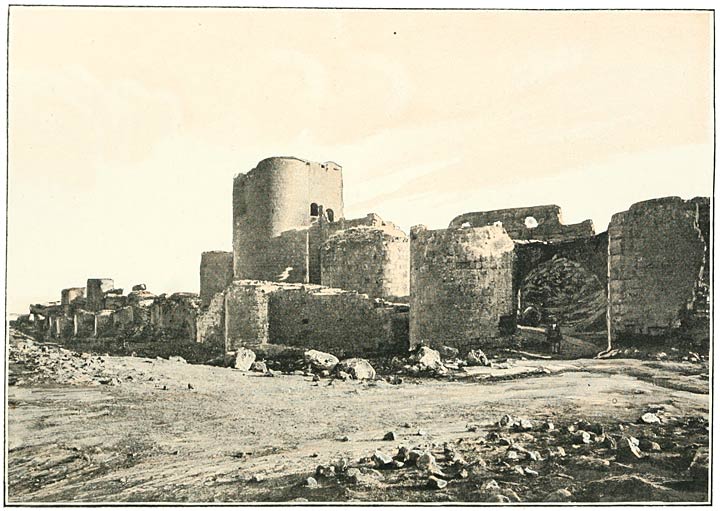
Fig. 70. Walls and Gateway of the City of Ani from Outside, looking East.
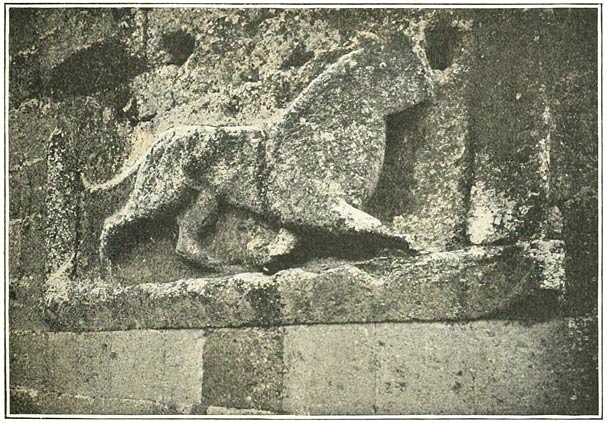
Fig. 71. Ani: Bas-relief on the Inner Wall of the Gateway.
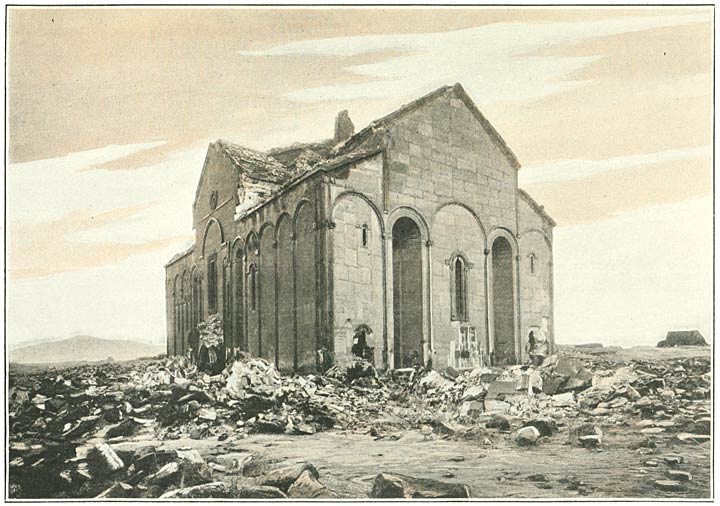
Fig. 72. Ani: The Cathedral from South-East.
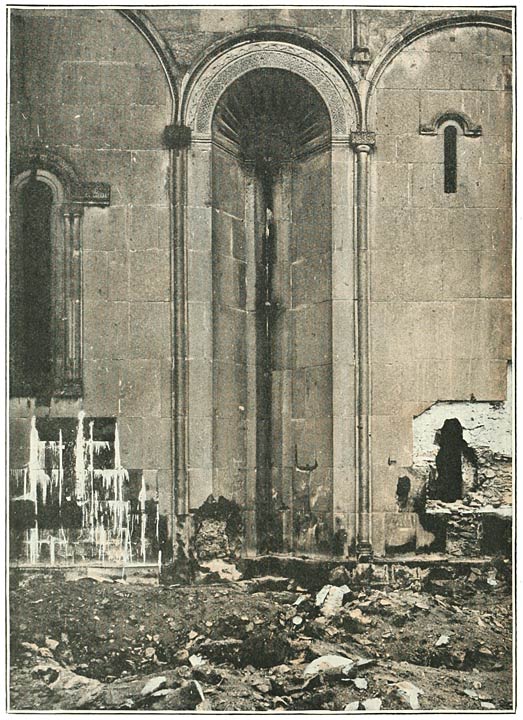
Fig. 73. Ani: Niche in Eastern Wall of Cathedral.
The architecture of the roof is less single of feature. Multiplicity of outlines and contrast of shapes are the characteristics which are here displayed. At one level you have the aisles, at another the nave and transept, at yet another the supreme crown of the dome. Here it is a group of gables; there the large circle of the drum of the dome; there again the cone formed by the roof of the dome. This uppermost member of the series has unhappily fallen in; but enough remains of the drum to enable the eye to complete the picture, and to reconstruct the delicate mouldings of a false arcade. We have in fact a roof scene essentially Byzantine in character, but which is quite free of that suggestion of a series of box-like elevations which is engendered by the appearance of some specimens of the style. On the contrary, we receive the impression of a stately simplicity underlying the diversity of outline and form.
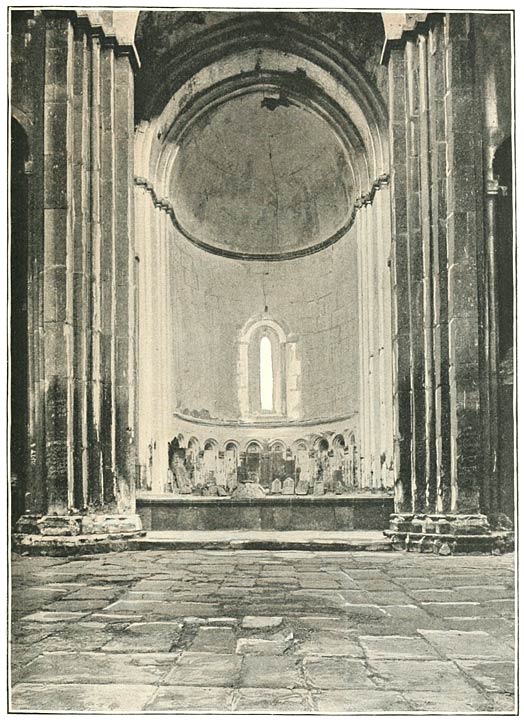
Fig. 74. Ani: Apse of the Cathedral.
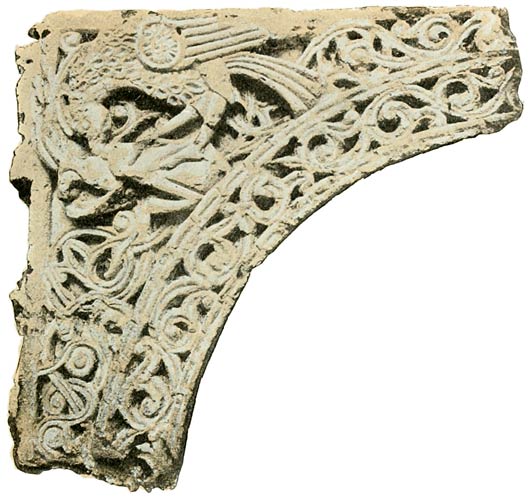
Fig. 75. Ani: Scupltured Stone Moulding.
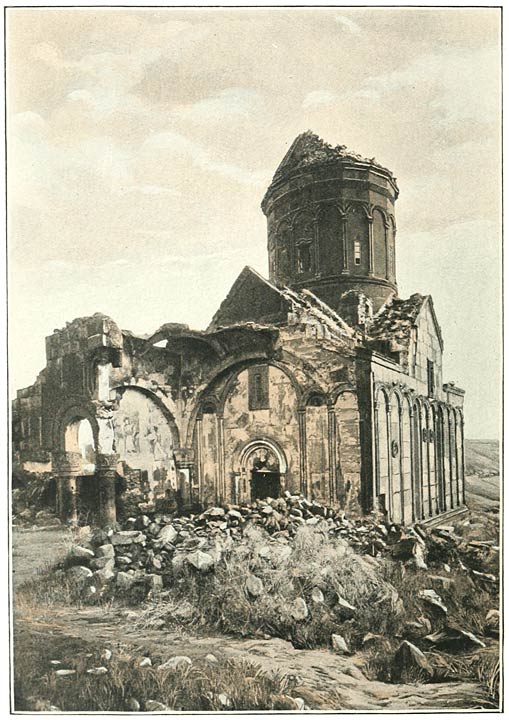
Fig. 76. Ani: Church of St. Gregory from the West.
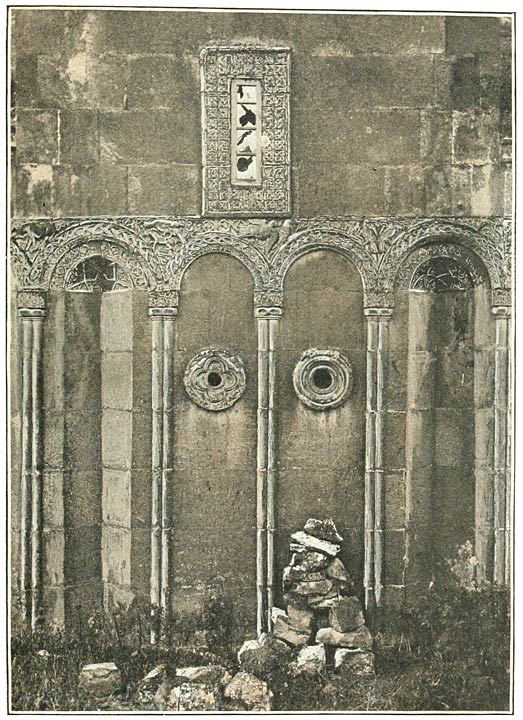
Fig. 77. Ani: North Wall of the Church of St. Gregory.
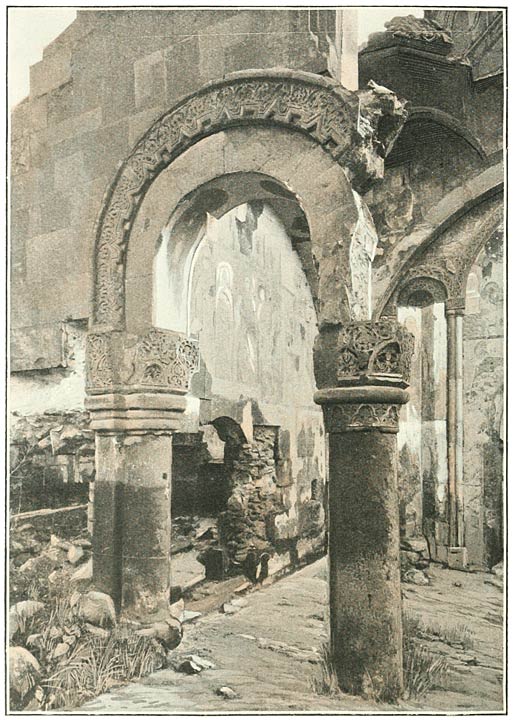
Fig. 78. Ani: Detail of the Porch of St. Gregory.
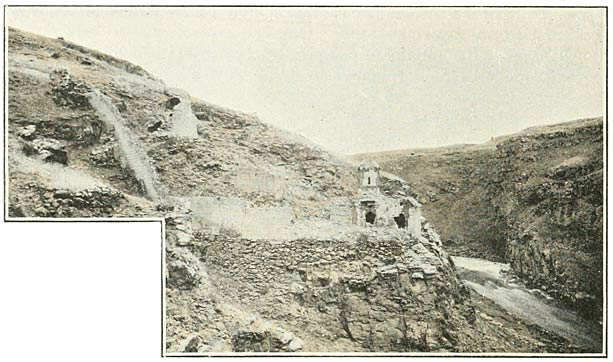
Fig. 79. Ani: Walled Enclosure and Chapel.
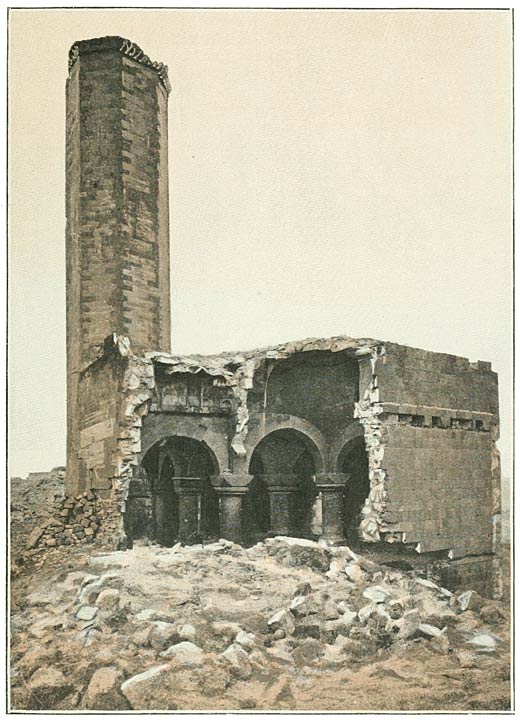
Fig. 80. Ani: Mosque and Minaret.
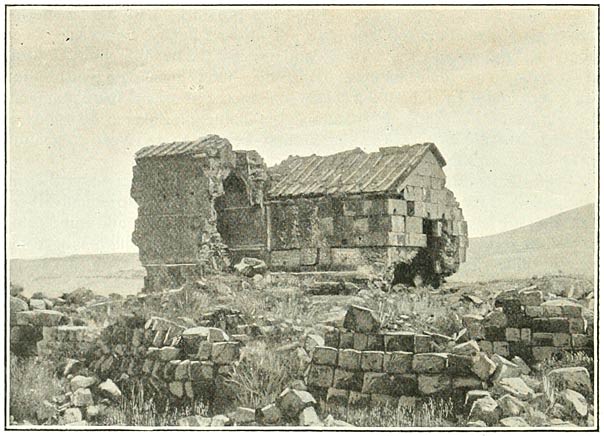
Fig. 81. Ani: Building on the Citadel.
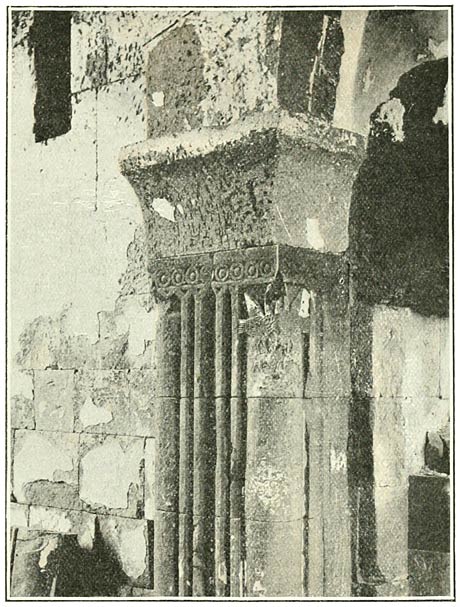
Fig. 82. Ani: Pilaster in the Building on the Citadel.
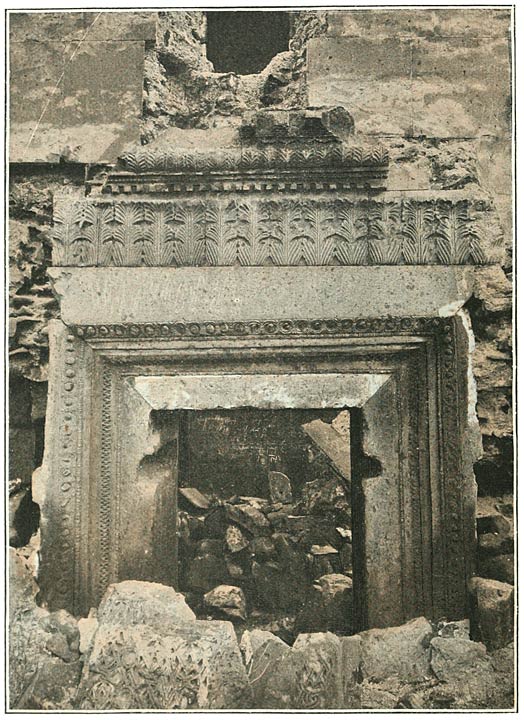
Fig. 83. Ani: Detail of Doorway of Chapel near Citadel.
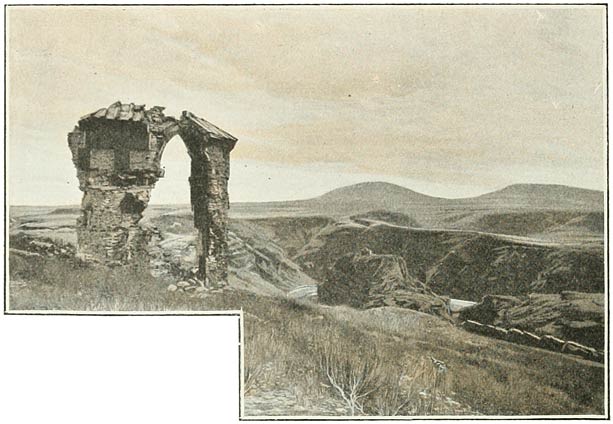
Fig. 84. Ani: Landscape from the southern extremities of the site.
Such is the site of the ancient fortress of Ani, which must have enjoyed a fine view over the city. I observed that this view comprises the south and west sides of the cathedral, while the north side is turned towards the town. The fact that the south wall of that edifice has been more profusely decorated than its counterpart which faces north confirms the supposition that the palace was situated within the citadel, and that it was for the royal windows that the decorative resources of the architect were principally displayed.
Just below the standpoint of this picture are situated the remains of the outer wall which encircled the peninsula. At the extremity of the figure stands a tower, which is concealed by the lie of the ground. But portions of the wall are visible in the illustration; and it appears to have extended along the valley of the Alaja in a northerly direction, and to have been joined to the outer fortifications of the city on the side of the plain. Where I examined the masonry of this wall I found it faced on both sides, and 3 feet 4 inches in thickness. Issuing from the citadel or inner fortress, we examined the substructures of a curious building which had been recently brought to light by Mr. Marr. But the length of this notice warns me that I must confine it to a description of the monuments which are still erect.
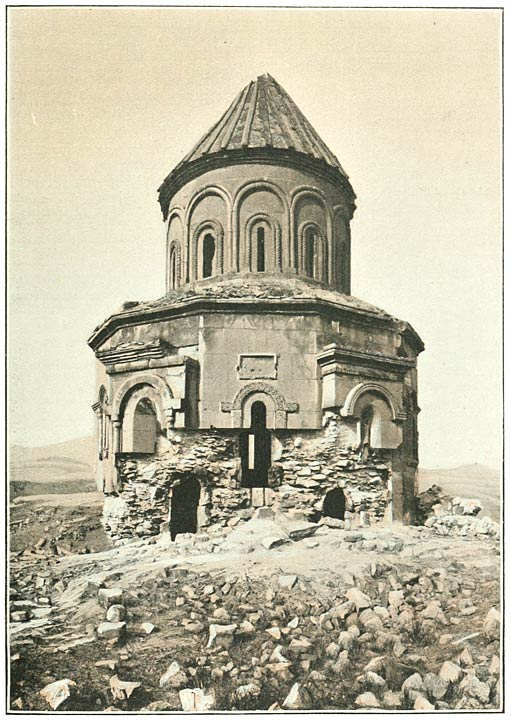
Fig. 85. Ani: Chapel of St. Gregory. East Side.
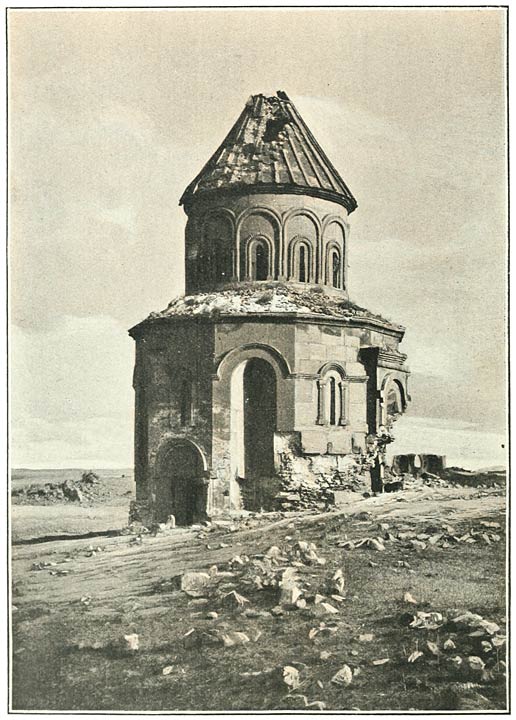
Fig. 86. Ani: Chapel of St. Gregory. Entrance.
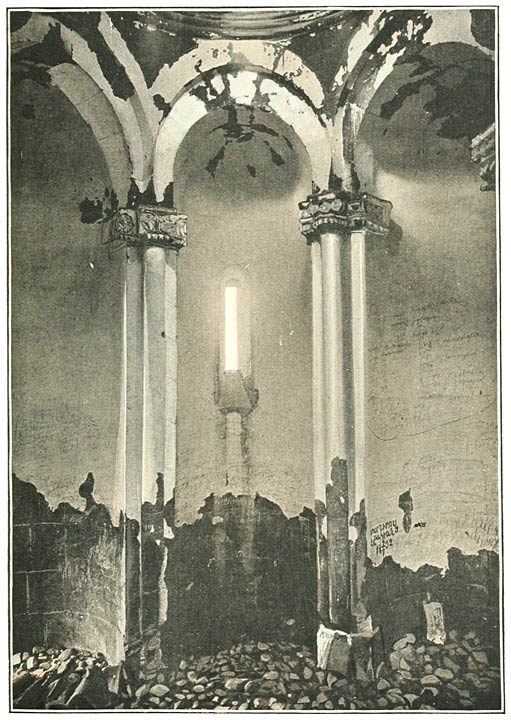
Fig. 87. Ani: Interior of the Chapel of St. Gregory.
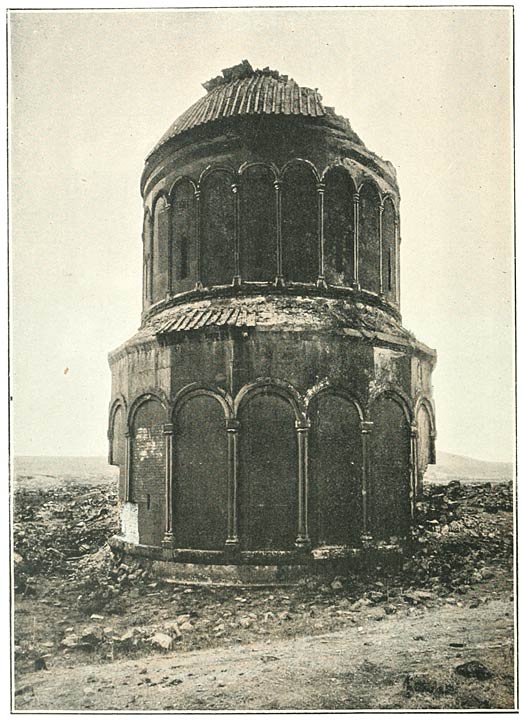
Fig. 88. Ani: Chapel of the Redeemer.
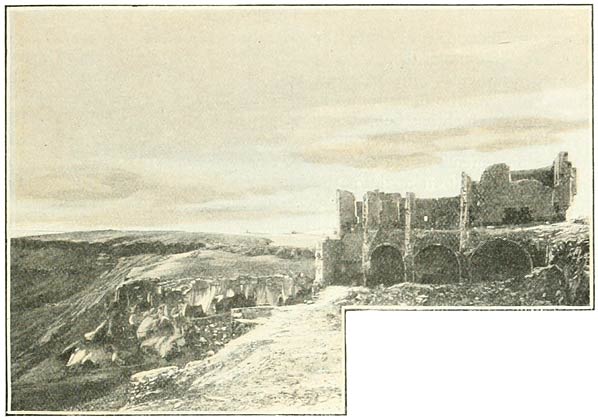
Fig. 89. Ani: The Castle.
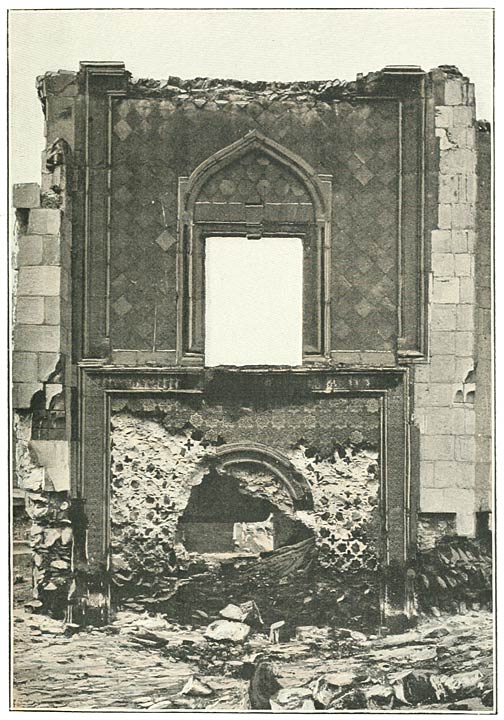
Fig. 90. Ani: Doorway of the Castle.
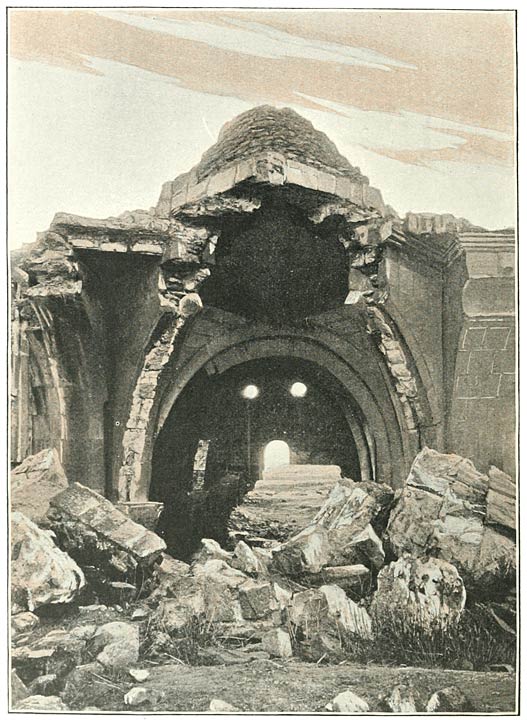
Fig. 91. Ani: Portal of the Church of the Apostles from the West.
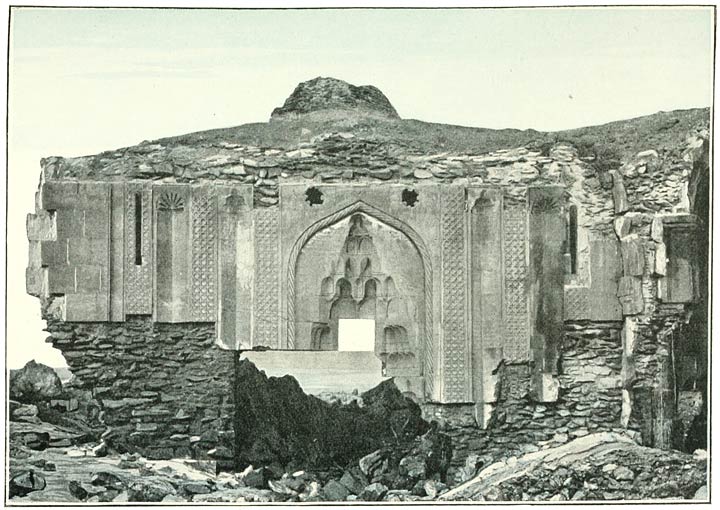
Fig. 92. Ani: East Front of the Church of the Apostles.
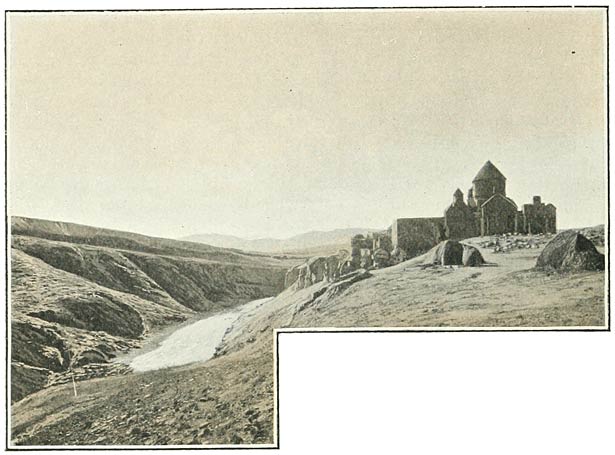
Fig. 93. The Monastery of Khosha Vank: east side.
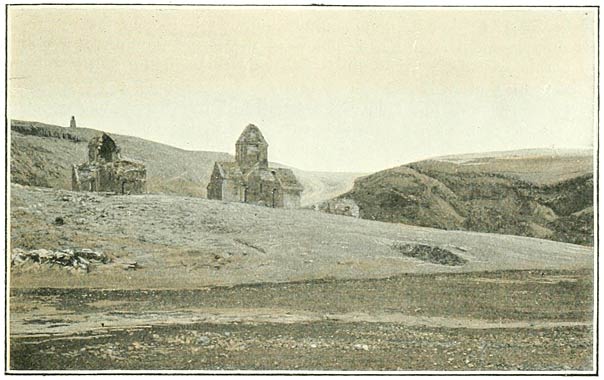
Fig. 94. Khosha Vank: Chapels in the Ravine of the Arpa Chai.
Triumphal Archway.
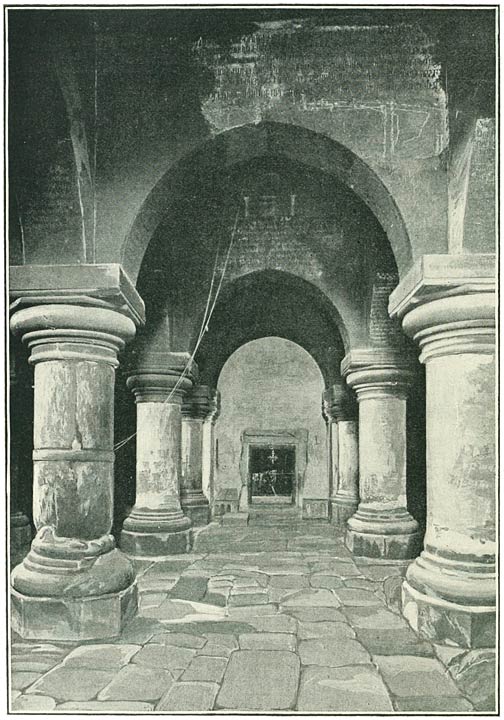
Fig. 95. Khosha Vank: Pronaos.
The monastic buildings occupy a considerable area upon the high ground within the bend of the river. They are surrounded by a lofty wall. Entering from the west, we cross a court to an opposite doorway which opens into a vast and gloomy chamber (Fig. 95). On the further or eastern side of this chamber we perceive the door of the church. The architecture of this outer hall or pronaos is quite remarkable. In some respects it resembles that of the mosque at Ani. The ceilings are vaulted, and there are no less than four rows of pillars. The space is divided into the form of a nave and two aisles. The circumference of the pillars is 9½ feet. The central vaulting of the nave is surmounted by a dome, different in shape from any of the domes which have been described. Viewed from the outside, it becomes merged in a tall belfry, which is seen on the left of my illustration (Fig. 96), taken from the south-west. To the interior it displays a drum of eight panels; and the only light which it transmits comes from above. The panels are of stone and covered with sculpture in low relief. Here it is an architectural figure, there a beautiful vine pattern which is the subject of the ornament. One space displays the form of the Virgin Mary, set in a rich frame. The two extremities of the frame are supported by the shapes of animals, a bull and a lion. On the back of the lion is seated an eagle, and a child on that of the bull. Two angels keep watch, one on either side of the Mother of Christ. The gloom of the building is due to the design of this dome, as well as to the smallness of the round windows, resembling the port-holes of a ship, of which there are three in the north and two in the south wall.
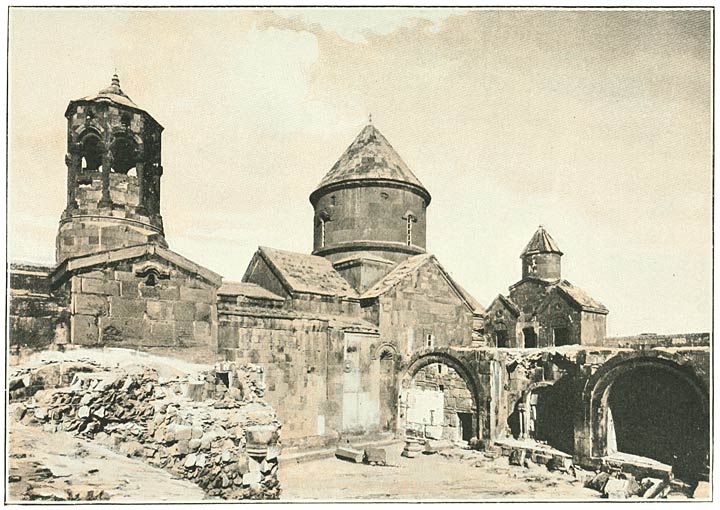
Fig. 96. Khosha Vank: Exterior of Pronaos and Church from South-West.
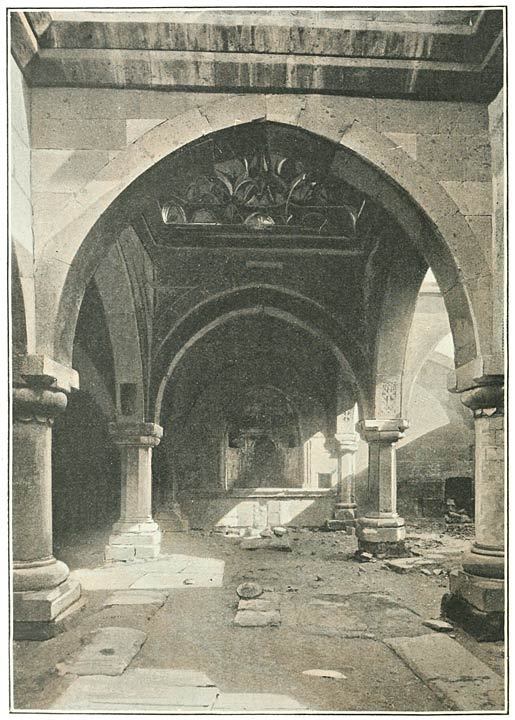
Fig. 97. Khosha Vank: Hall of the Synod.
On the north side of the church buildings there is nothing but a narrow and vacant space separating them from the wall of the cloister. But at the east end of this part of the enclosure, and in line with the east front of the church, are situated the roofless remains of a little chapel, crowning a ruinous substructure which is overgrown by rank weeds, and of which the sculptured stones litter the ground. The pendant of this building on the south side of the church is seen in my illustration (Fig. 96). It is much better preserved than the companion edifice, and the chamber in the lower storey is still intact. This chamber is oblong in shape, with a vaulted ceiling and an altar with sculptured stones. The chapel is of triple design, with three apses, the whole surmounted by a dome. It is possible that both these buildings, which so closely correspond, were designed to receive the remains of some high personages.
But the actual tomb of one of the kings has been spared by a happy chance, and may be found quite close to the second and larger of the chapels which repose in the bed of the Arpa Chai (Fig. 94). It is placed near the south-eastern angle of the building. With what a thrill of delight did we discover this eloquent relic—a rounded slab resting on two stone steps! In spite of the lichen and the wear of the stone, the words “Ashot Thagavor” (Ashot, the king) were distinctly legible. The chapels are placed in a line from west to east, and were originally three in number. Of these the most westerly is falling into ruin, a state which has already overtaken that on the east. The central member of the group is at once the largest and the best preserved. It contains an inscription over the south door to the effect that it was built in 460 (A.D. 1011) by one George, son of the patriarch Martiros. But I have not been able to identify this patriarch; and it is possible there may be some error in the translation made by my dragoman, who, although well educated, was not a scholar in old Armenian. The king whose name appears on the tomb is probably Ashot the Third.
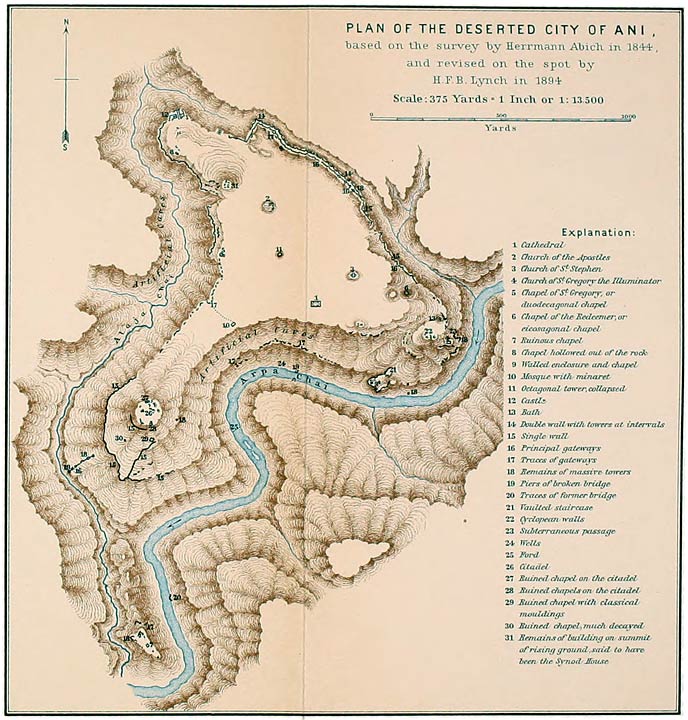
PLAN OF THE DESERTED CITY OF ANI,
based on the survey by Herrmann Abich in 1844, and revised on the spot by H.F.B. Lynch in 1894
In the portals of St. Gregory and of the church of the Apostles (Figs. 78 and 92) we have elaborate examples of the later period when the influence of Mussulman art was supreme. And the pronaos of Khosha Vank, with its massive pillars and groined ceilings, with the finely sculptured panels in the dome, seems to blend some of the characteristics of the architecture of the kings with the plainer style which belongs to the mosque.
But a lesson of wider import, transcending the sphere of the history of architecture, may be derived from a visit to the capital of the Bagratid dynasty, and from the study of the living evidence of a vanished civilisation which is lavished upon the traveller within her walls. Her monuments throw a strong light upon the character of the Armenian people, and they bring into pronouncement important features of Armenian history. They leave no doubt that this people may be included in the small number of races who have shown themselves susceptible of the highest culture. They exhibit the Armenians as able and sympathetic intermediaries between the civilisation of the Byzantine Empire, with its legacies from that of Rome, and the nations of the East. They testify to the tragic suddenness with which the development of the race was arrested at a time when they had attained a measure of political freedom, and when their capacities, thus favoured, were commencing to bear fruit. The Armenian architects thenceforward subserve the taste of their Mussulman masters; and during the long centuries which have elapsed since the Seljuk conquest, the genius of their countrymen has been exploited by the semi-barbarous peoples of Asia, while their abilities and character have progressively declined and become debased.
For all these reasons a special duty devolves upon the traveller to address a pressing appeal both to the Armenians and to the Russian Government for the preservation of these monuments. I have already mentioned the abstraction of two important bas-reliefs, and the petty thefts which are taking place with increasing frequency. Of the buildings observed by my predecessors within comparatively recent years, the octagonal minaret has already succumbed. A like fate will presently overtake the chapel of the Redeemer, unless measures be promptly taken to maintain that edifice. The monastery of Horomos is falling into ruin. Rich Armenians spend vast sums upon the embellishment of Edgmiatsin; can none be found to conserve for the instruction of posterity the noblest examples of the genius of their race? The co-operation of the Russian Government should be secured in this laudable enterprise; nor need we despair that it will be forthcoming in such a cause. Much as that Government is inclined to discourage Armenian patriotism, it rarely omits to perform a service in the interests of culture when the appeal is general and the interests are clear.