Part Six Stop Thief
Reading edition

In the days when the roving fisher boats chugged into the little cove to set their nets for salmon or silver smelt, we spent most of our time on the bay. We knew every broad-beamed gray launch that rounded Green Point, a mile away, and we knew most of the fishermen who owned them. We would wait until the coughing engine was silent and the anchor was cast; then we 102would hoist the sail of our tiny, round-bottomed skiff and, using an oar for a rudder, skim out across the ruffled surface of the bay to pay a visit to the swarthy-visaged men with heavy, grizzled beards and rough, red hands. They always made us welcome in their strange and guttural tongues, for we took them apples from the orchard, and sometimes a glass of jelly or a loaf of home-made bread. And in exchange they gave us curious souvenirs of their travels—dried starfish of monstrous size, lovely, iridescent shells, and reed baskets bartered from the Siwash Indians.
The boat we knew best was called Rosenzweig, which, the Austrian owners said, meant “Rose-branch.” These two fishermen, dark, powerful men, anchored just beyond our float in the smelt and salmon seasons, and we were fond of them. They let us help them 103haul in the nets, and more than once Brother and I have stood in huge hip boots many sizes too large, tugging at wet ropes heavy with seaweed, excitedly pulling at the drag net and watching for the first glint of splashing silver in the brown meshes which would tell us that the net was nearly to the beach and filled with fish.
We were always sorry to see the Rosenzweig leave us, and it was always a day of rejoicing when we sighted the little gray boat chugging around the Point, its bow and stern piled high with seine and drag nets. The two fishermen brought us a gift each time—we expected it. Sometimes it would be a bunch of letters with Austrian stamps attached—Brother and I were confirmed philatelists; sometimes it was a sugar-cured salmon, and once they brought us a carved canoe paddle which they had purchased 104of a Nittenat chief, far up the straits toward Alaska.
But the day of days was when, coming alongside their gray boat just as the anchor splashed, we were greeted by Andrin, the elder brother, who grinned delightedly and signified in his broken English that he had something wonderful for us.
We clambered over the gunwale of the Rosenzweig, with its littered deck and its heavy, perpetual smell of fish, seaweed, and tar calking, and Karl, the younger fisherman, made us shut our eyes while he carried something up from the hold and put it on the deck, something that thrashed about wetly and barked in a high-pitched baby voice much like a puppy’s.
We opened our eyes and stared in amazement. For there, before us on the deck, was a baby seal! He was wet and shiny brown, with great, 105bright eyes that peered at us curiously, but without fear, and delicate nostrils with neat, gentlemanly whiskers protruding from each side. With his tiny fore-flappers he propelled himself along the deck, barking constantly. Andrin threw him a piece of dried fish, which he caught in the air and devoured instantly.
“We bring you nice present,” said Karl, showing his white teeth in a smile, and he indicated the baby seal, who reared himself up as high as he could on his front flappers and barked vociferously.
That we were delighted goes without saying. We had seen many seals from a distance, but never had we thought to have one for a friend.
Often one would pop out of the water in the wake of our boat as we rowed to town, his wet, sleek head blackly silhouetted against the blue 106water. And if we whistled or called, he would follow us indefinitely, for seals have more than their share of curiosity. They are interested in strange sounds and in bright colors. Once, when Brother was wearing a red sweater, a seal followed our boat for nearly a mile.
We had often known when they were near us in the Bay even without seeing them. For when we saw a salmon jumping many times, in a series of frenzied leaps, we knew it was not through sport, but because he was pursued by a seal who would surely seize him the minute his strength gave out. We had seen salmon nets spread in the water with only a row of fish heads remaining in the meshes. Robber seals had neatly bitten off the rest of the body. Once, while Brother and I were swimming far out from the float, a smooth, heavy body brushed against 107mine, and I screamed with fear. But an instant later a brown, wet head arose not twenty yards away, and two bright eyes were turned on me inquiringly as if to ask why I had been frightened.
You see, we were well acquainted with the seal family at long distance, but never before had we been so close to one of the brown brethren.
I took a piece of fish from Karl’s hand and stooped toward the baby seal, who turned his head from side to side, sniffed once or twice, and then dragged himself along the deck to me, taking the friendship offering gingerly from my outstretched fingers. A little later he found a warm, sunny place on a pile of nets and turned over on his back, scratching himself negligently with one of his fore-flappers.
Karl said he would not take it amiss if we scratched him under the chin, 108and indeed he did not. He stretched his head back and closed his eyes, while we gently stroked the glossy fur, which, as it dried, became gray rather than brown in color.
The fishermen told us that the baby seal had attended a net-robbing expedition with his mother. Both the lady seal and her baby had become entangled in the nets. The mother had fought and had finally escaped. But the baby they had loosed from the heavy meshes, and had taken him, barking and protesting, on board the Rosenzweig, where they had kept him in the hold, first as a prisoner and then as a pet, to bring to Brother and me.
I know they were sorry to part with Alfred, as we christened the little seal, but they needed the hold of their small boat for their catches of fish. They could not afford to turn it permanently into a bath-tub for a water-baby who 109could not live long away from the element to which he was accustomed. So when the Rosenzweig chugged away a few days later, Alfred was left to our care, with a hundred instructions as to how to regulate his diet and behavior.
The grown-ups were none too pleased at our latest pet, and it was a tribute to Alfred’s winning ways that he finally established himself as firmly in their affection as in ours. For there was no doubting his intelligence, handicapped as it was by his unwieldy body that seemed half fish and half animal.
He learned to respond to his name sooner than most dogs, and he displayed his love for us in a manner which was unmistakable. At first we were afraid to let him go into the bay for fear he would swim away and leave us. We did not know how large seals had to be before they could earn their 110living in the water, but we chose to think—selfishly perhaps—that Alfred was too small to make his way in a submarine contest of wits against older and more experienced of his kindred.
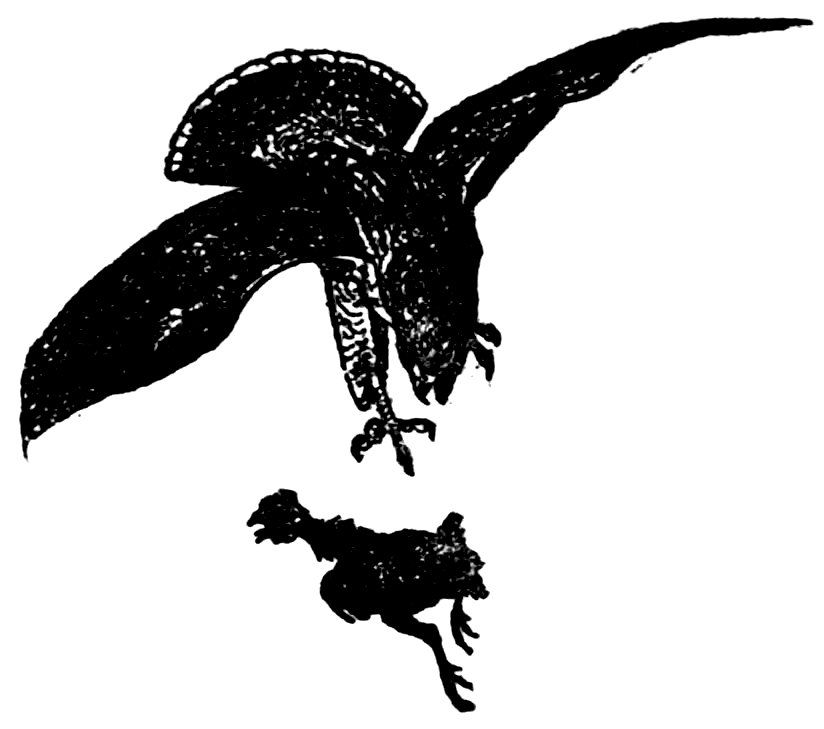
We need not have worried, however, for the baby seal adopted us in the same spirit that we had adopted him. He evidently had no thought of leaving us. The float in front of the cabin was his headquarters, and from it he would slide off into the water, rolling and splashing like a young dolphin, to return when he was tired or when we called him.
I can see him now, his small, sleek head, with its great brown eyes, sticking up out of the water, at our call pointing for the float like a periscope; lifting himself by his wet fore-flappers with their short, clicking nails and dragging himself toward us, leaving in his wake a trail of salt water.
111It was his constant barking which at first had set the grown-ups against him, so we made him refrain from it. He learned that when we said, with finger upraised reprovingly, “Alfred, less noise!” he must be quiet, or there would be no piece of dried fish for him, no bottle of milk, and no gum-drops.
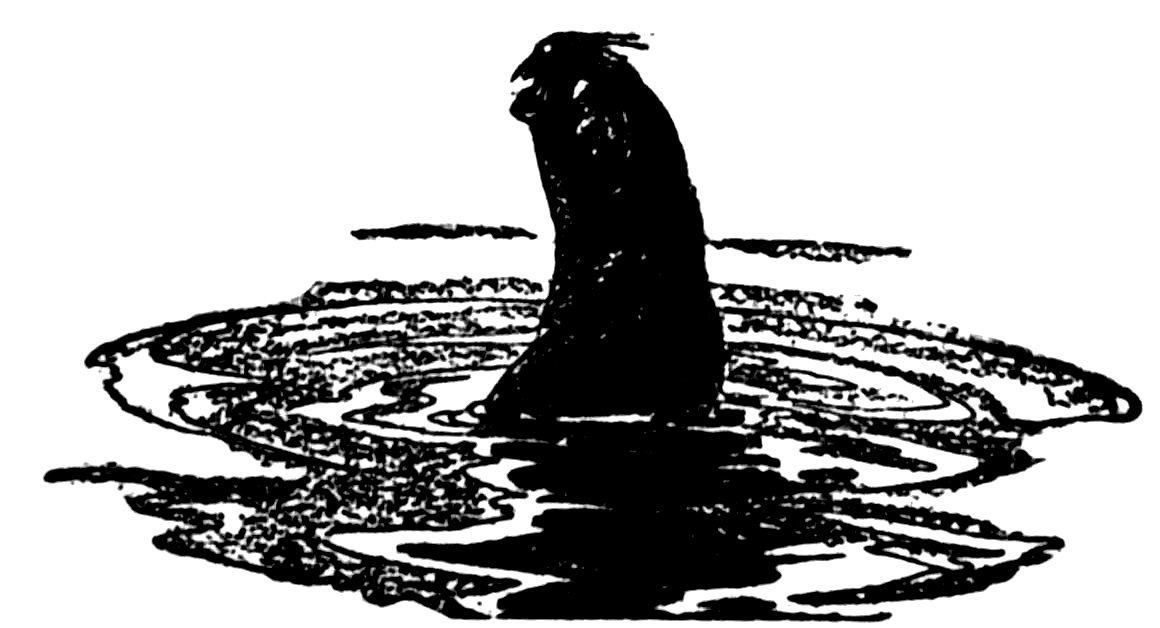
It might not have been necessary to bring Alfred up on the bottle, especially as the fishermen of the Rosenzweig had been feeding him dried fish ever since they had caught him, but our experience with other baby animals had convinced us that milk was a pleasant if not absolutely essential form of food. So we trained Alfred to drink from a bottle with a rubber nipple, and he loved it. He broke the first two, banging them down on the float, so Brother and I devised 112a padded bag for it. From this Alfred daily took his milk, blinking his great, shining eyes at us and pausing occasionally to bark. We came to know it for his sign of approval.
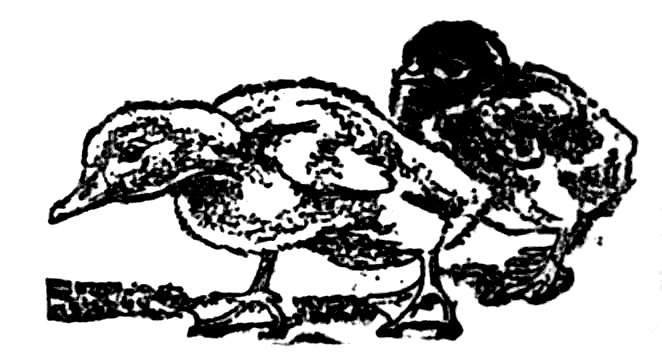
The gum-drops were given to him experimentally. Brother maintained that the Esquimaux lived on them, and that Alfred, being a relative of northern fur-bearing seals, would doubtless thrive on the same diet. His reasoning may have been faulty in theory, but in practise it was amazingly successful. Many a time did Brother and I row the three miles to town for the special purpose of purchasing gum-drops for Alfred. He seemed to know instinctively when we had the candy with us, for when, in returning, we reached the Pointing Finger, half-way between Green Point and the cove, we could make out a black speck on the float 113ahead of us, a speck that wriggled and flopped and finally slid down into the water. Then we would see a round dot against the blue little waves of the bay, a dot that resolved itself into a sleek, brown head, and there would be Alfred, swimming toward the boat, lifting himself as high out of the water as he could, his eyes fixed upon us beamingly. We always made him wait until we reached the float and moored the boat, then we would toss him the candy a piece at a time, making him catch it in midair.
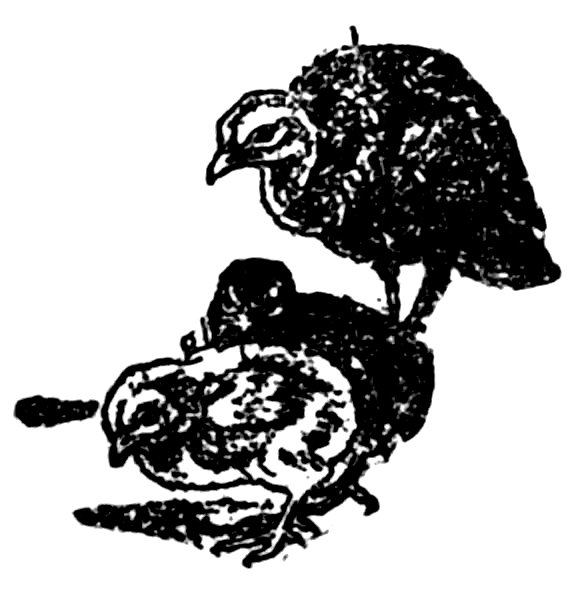
As Alfred grew older and larger, we trained him to do some of the things we had seen his kindred do in the circuses. And how eager he was to learn! He put Brother and me to shame, for we hated lessons. He loved them. We taught him to balance an indoor baseball on the tip of his brown nose, and when he saw us coming down the float 114with his ball in our hands, he would set up a hilarious barking and wriggle over to us, his head moving up and down in an ecstasy of anticipation. There was no barking, though, when he went through his tricks. If Alfred had been a man, his power of concentration would have made him a millionaire. He would sit, moment after moment, posing the ball on his nose, flexing his body from side to side to keep the balance, his bright, intelligent eyes fixed steadily on the leathern sphere.
We taught him to “play dead,” to dive from a high springboard, and to fetch us a stick that we threw into the water.
Some people say there is nothing in heredity. I am sure there is. I do not pretend to be an expert on the question, but I can account in no other way for Alfred’s deflection from the path of 115respectability. It was certainly not because of lack of nourishment that he took to robbing seine nets of salmon. I am rather inclined to think it was his mother’s waywardness which was cropping out in him. At any rate, he took to making nocturnal excursions, and in the morning we would find him on the float, stretched out listlessly, his stomach actually distended by too much food, and he would eye with disdain the padded bottle of milk and the pieces of griddle cake we had brought for his breakfast.
Still we did not suspect that our friend had become a net robber until the Old Fisherman descended on us one morning with wrath in his eye. He told us of having made the rounds of his salmon nets the night before to find the bodies neatly snipped from half a dozen king salmon. He had even caught the fish burglar in the act 116of amputating a Chinook salmon’s silver body from its head, and the seal had stared at him in the lantern light and had barked at him.
That it was Alfred, he was sure. Brother and I demurred that one seal was much like another. But no, said the Old Fisherman; this was a small seal, a seal unafraid of people, an impudent, half-grown seal—Alfred!
“And he chose the best fish o’ the lot,” he fumed. “If he’d taken a dog-salmon, now—but no, he has to pick out the kings, the steel-heads and the Chinooks!”
We faced Alfred and charged him with suspicion of robbery. It seemed to us that he avoided our questioning eyes. He flapped over to his ball at the side of the float and occupied himself in trying to hoist it on his nose. It was perfectly clear to us that his conscience was clouded with guilt.
117
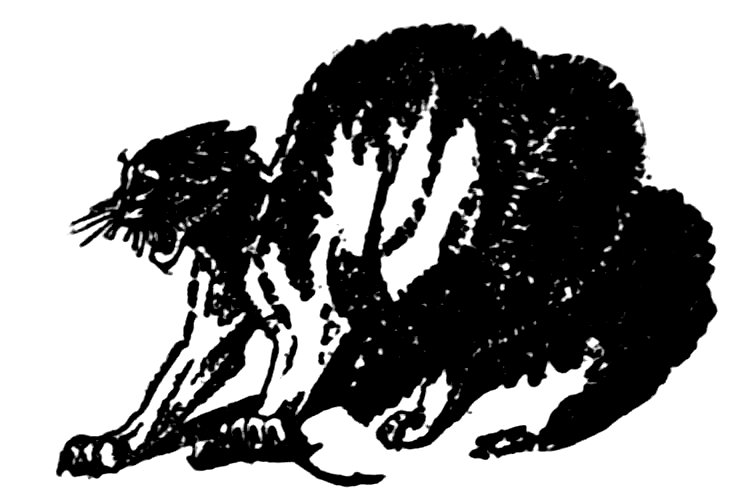
What to do? We loved Alfred dearly, but we loved the Old Fisherman, too, and his living depended upon the hauls of fish he made. A scanty living it was at best, and we could not bear the thought of being even indirectly the cause of poverty descending upon him.
We built a wire cage in which we confined Alfred the next night, much against his will. And the Old Fisherman reported in the morning that no salmon had been stolen. But the following night heredity and appetite proved stronger than the wire netting we had devised, and Alfred robbed the seine net, near the Pointing Finger, of three large steel-heads.
The question of turning Alfred loose was a difficult one. We had never restrained him in any way, and our float and the beach beside it were the only homes he knew. The Old Fisherman 118spoke of killing, but that was against the law, since the seals of Puget Sound are considered in the same class with sea-gulls and other scavengers. Besides, Brother and I would never have permitted such a thing. Alfred was our friend. Somewhat of a reprobate, it is true, but after all, he had as much right to the salmon in the Bay as had the Old Fisherman. It was not his fault that he could not understand the man-made ethics by which human beings assumed control over the water and its inhabitants.
Then the next morning, as if in response to prayer, the Rosenzweig came chugging around Green Point. Hardly had its anchor splashed when Brother and I were easing our boat alongside and clambering up to the smelly deck.
We told Karl and Andrin, all in a breath, how Alfred, the seal baby, had 119grown up to be a salmon thief, just like his mother. We told how sorry we were for the Old Fisherman, and how we could not seem to explain to Alfred about controlling his appetite.
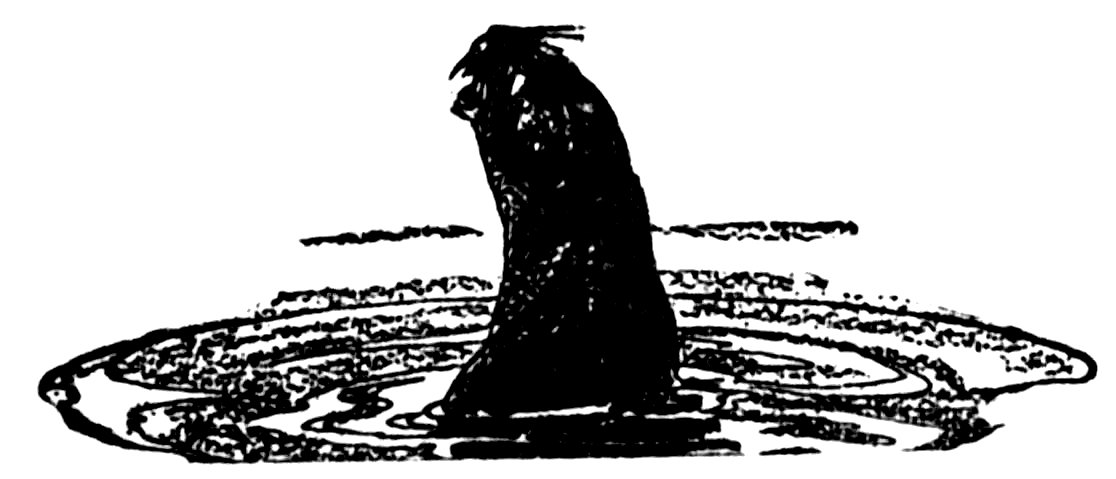
Karl and Andrin took counsel with each other. We hung hopefully upon the strange foreign sentences that we could not understand. Then Karl grinned broadly. They were going to buy a new boat, he said, a bigger boat. They could fix a sort of a tank for Alfred, wherein he could submerge himself in water. There would be no question of fish; he would have his fill of them. They had missed him, Karl said. He had been “such a smart babee!”
So Alfred left us as he had come to us—on board the Rosenzweig. He nuzzled against my hand like a dog as I gave him a gum-drop, and his shining eyes were fixed on me with so much 120affection in them that I had to blink hard to keep from crying. He had forgotten Karl and Andrin. His heart was plainly in our keeping.
But the parting had to be. It was with sorrowful faces that we watched the Rosenzweig weigh anchor and commence to chug out into the current.
Brother and I stood on the float, trying to pretend to each other that we weren’t down-hearted, when suddenly I spied between the boards Alfred’s ball.
“Oh,” I cried, “he must have that to remember us by.”
We piled into the little white boat and, pulling on the oars with all our might, set out in pursuit of the gray fishing launch. Our cries finally reached Karl and Andrin, for the engine stopped, and in a few minutes we came alongside.
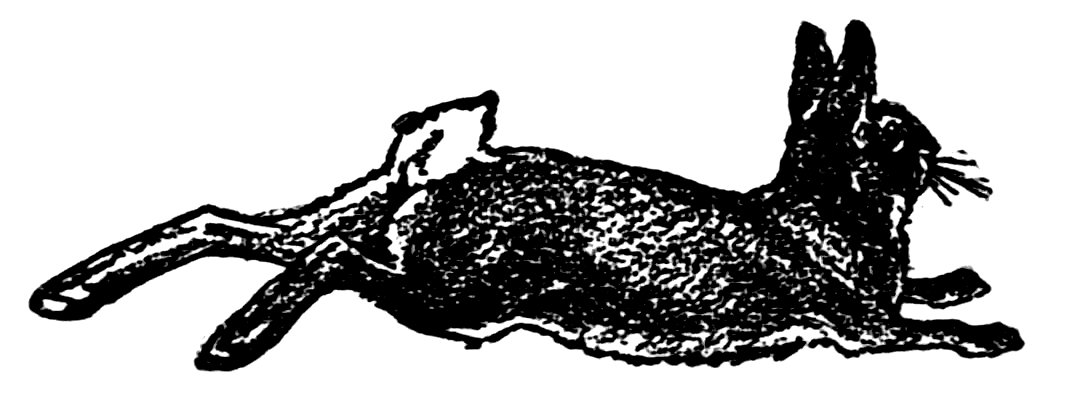
“Alfred’s ball!” we explained 121breathlessly. “He’d be lonesome without it.”
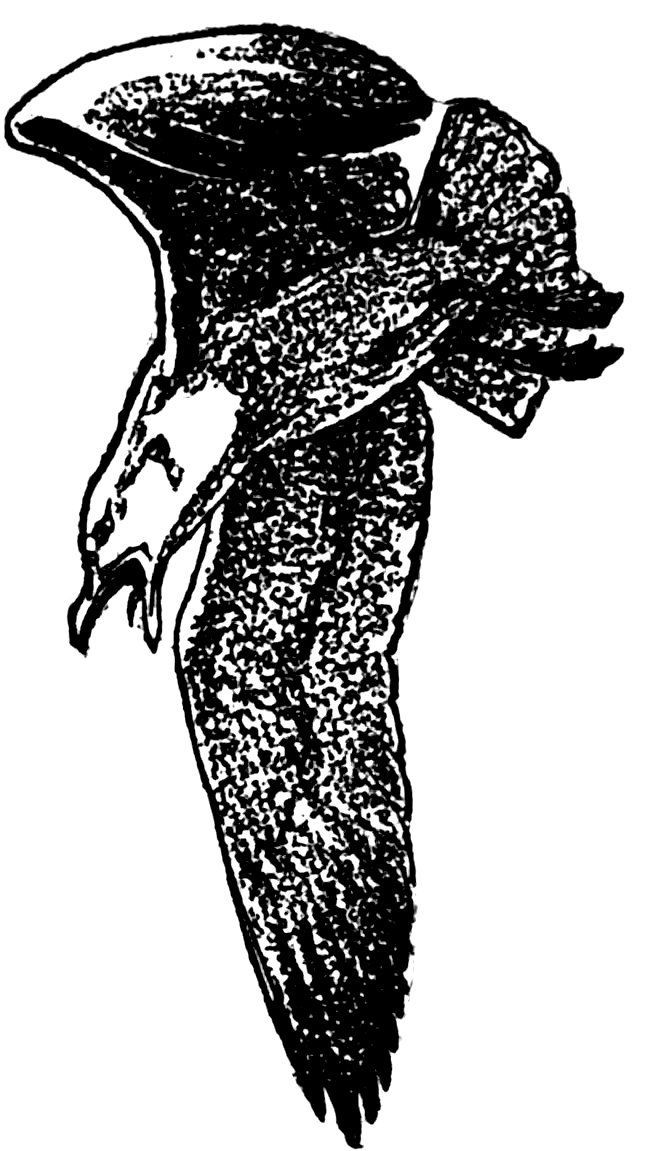
And at the sound of our voices, we heard a high-pitched barking from the hold. It was Alfred, who was calling to us as best he knew how, begging us not to leave him, asking us to please take him home with us—
We did not wait for the fishermen’s thanks. We were on the verge of tears. So the engine started again its steady drumming, the propeller churned the water into green and white whirlpools, and the Rosenzweig made out towards the Straits, while our little boat rocked gently in her wake.
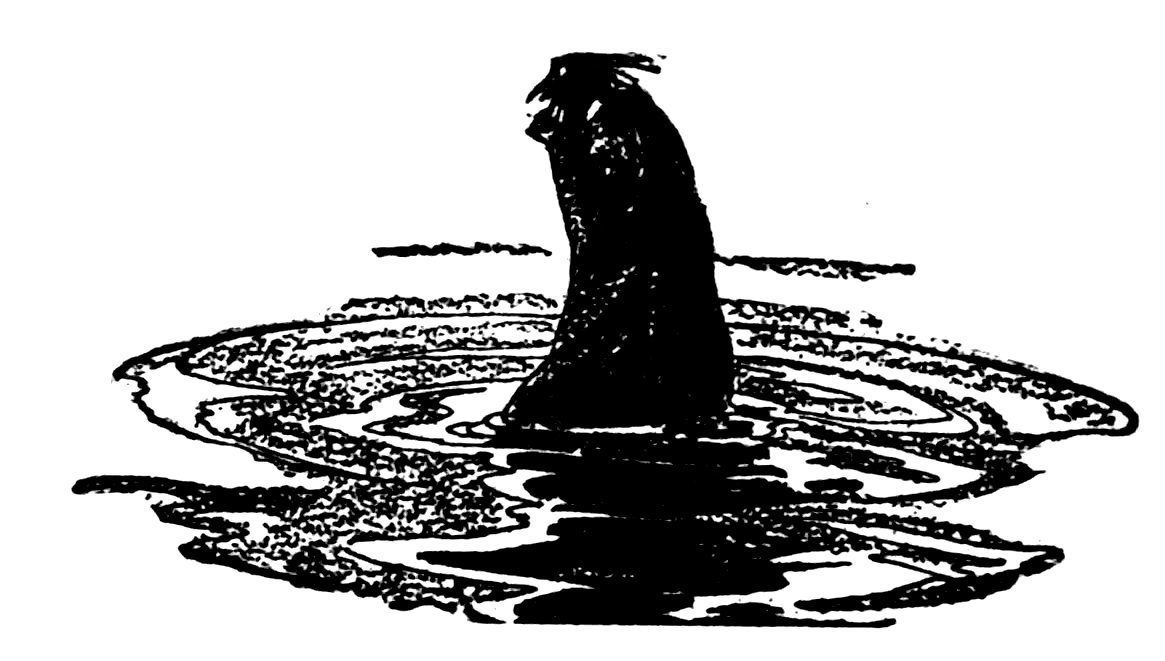
And then, as we sat there, a sleek brown head appeared out of the water not a dozen yards from the stern—a shiny seal head with brilliant, intelligent eyes. It was not Alfred, of course, but for an instant we thought it might be. For the space of a few breaths the 122eyes watched us intently, then the head disappeared from sight.
“I’ll bet it was Alfred’s mother,” said Brother solemnly, “wanting to know what we’d done with her child.”
“Well,” said I, “what has happened is her own fault. If only she hadn’t made a robber of him!”
123
Part Seven
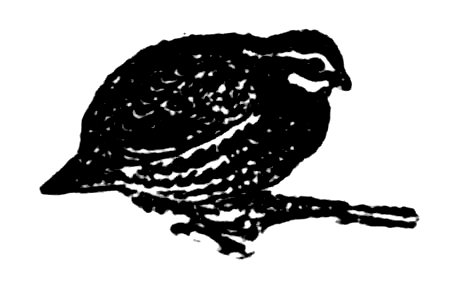
O’Henry, the Quail Baby
124
If Clarence had been a man, he would have endowed orphanages.