CAMPANULA pulla.
Reading edition
Russet Bell Flower.

Class and Order.—Pentandria Monogynia.
Syn. Campanula pulla. Loddige's Bot. Cab., p. 554.
Root fibrous—plant from two to three inches high—stem slender, radical, leafy, one-flowered—leaves very small, ovate, crenate, sessile, opposite—flowers terminal, drooping—calyx five segments—corolla purple, monopetalous, campanulate—margin five cleft—stamens five—style longer than the stamens—stigma divided into three parts—germen inferior.
This lovely little plant is a native of the mountains of Austria and Styria, and is particularly ornamental for rock work, to which it is well adapted by its low growth and general habit. It was introduced into this country about the year 1779, but is still very seldom met with. It is hardy, though like many Alpine plants is liable to be lost in the Winter unless protected, and it is therefore the safest plan either to keep it in a frame, or to cover it with dry leaves and a hand glass during Winter. It flowers in June, likes a light rich soil, and is increased by parting the roots. The genus Campanula is a very numerous one, consisting of upwards of sixty species: some of the most ornamental are—
C. peregrina. C. barbata.
— carpatica. — punctata.
— patula. — Scheuchzeri.
— persicifolia. — pyramidalis.
— capitata. — azurea.
Pl. 21.
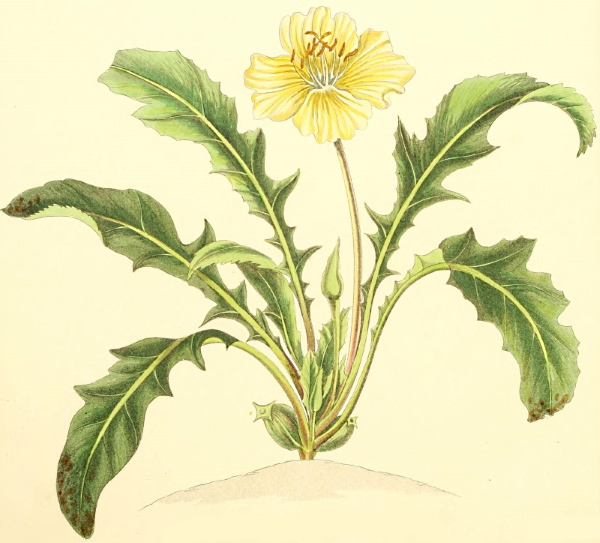
Plate 22. Œnothera Triloba. Drawn from Nature by M.R. Engraved by R. Havell Junr.