PART VII. VEGETABLE OILS AND FATS, AND NUTS. (continued 2)
Reading edition
The above data show that the peanut is a food product extremely rich in oil and protein and comparatively poor in carbohydrates. For dietetic purposes it should be eaten with some highly amylaceous substance, such as potato, rice, or tapioca.
The value of the peanut for food purposes is not fully realized in this country, where it is eaten rather as a relish and as an incident to the circus or the picnic. In such cases they are usually consumed in too large quantities and by unbalancing the ration may produce unpleasant effects from which an unreasonable prejudice against this valuable food product might arise.
Peanut Butter.
—An oily preparation of the peanut or the oil therefrom deprived of a part of its stearin is known as peanut butter and is used as a substitute for ordinary butter. What has been said of the nutritive value of the oil of the peanut applies also to this product. The butter has the peculiar flavor of the peanut which is not agreeable to all persons, though, perhaps, this fact does not materially interfere with the nutritive value of the product. The nuts are also powdered more or less finely and mixed with other food products. Peanuts which grow in northern Senegambia are regarded very highly for the manufacture of fine salad oil, and peanut oil is used extensively for this purpose.
Peanut Butter and Peanolia.
—Peanut butter and peanolia are used to a considerable extent in the United States as food products. They are prepared from peanuts, properly roasted, ground to a fine powder, and mixed with an appropriate quantity of salt. The analyses of the samples of these products, made in the Connecticut Agricultural Experiment Station, show the following composition:
Peanut butter. Peanolia.
Water, 2.10 1.98
Protein, 28.66 29.94
Fat, 46.41 46.68
Sugar and dextrin, 6.13 5.63
Starch, 6.15 5.58
Insoluble cellulose, 2.30 2.10
Common salt, 3.23 4.95
Ash, .80 1.08
The above analyses show that the preparations are produced from the roasted peanuts, which process reduces the water to about 2 percent. The ground, roasted product is mixed with about 4 percent of common salt. The other constituents are the same as those of the peanuts from which the preparations were made. Of the carbohydrate content of the peanut about 4 percent has been found to be pentosans.
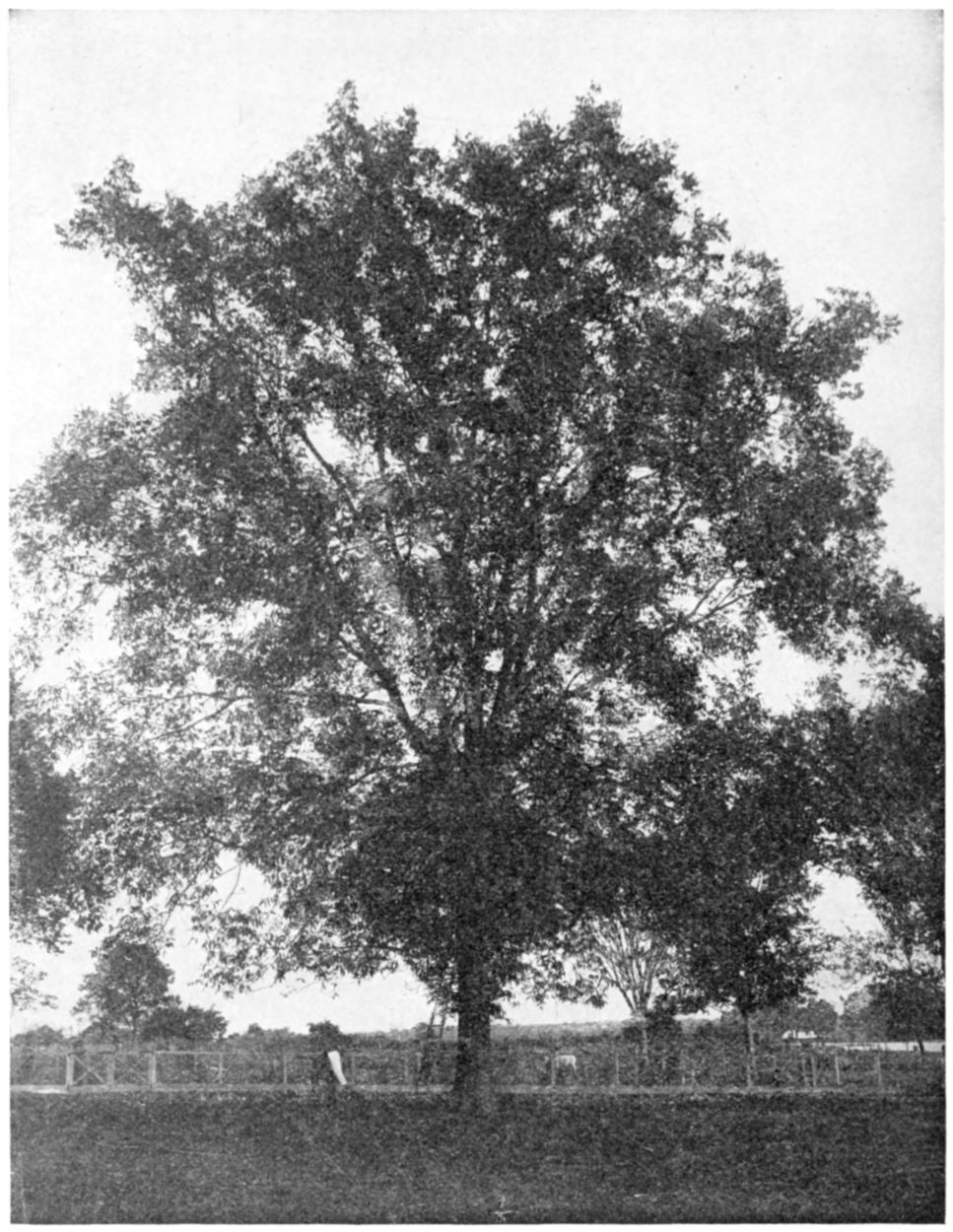
Fig. 58.—Pecan Tree, 30 Years Old, Morgan City, La.—(Courtesy of H. E. Van Deman.)
Where Peanuts are Grown.
—Virginia is one of the most important of the peanut-growing states, especially in its southeastern portion. The Commissioner of Agriculture of Virginia reports that about one hundred thousand acres are planted annually in the state of Virginia, producing over four million bushels. Fifty bushels per acre is considered a good average yield. An important point in the production of good peanuts is the selection of the seeds. The most vigorous and well formed kernels are to be selected for planting, and especially those that are produced by plants of identical size and shape. By a selection of this kind the quality of the crop can be greatly improved.
WILD NUT
RUSSELL
STUART
VAN DEMAN
FROTSCHER
PABST
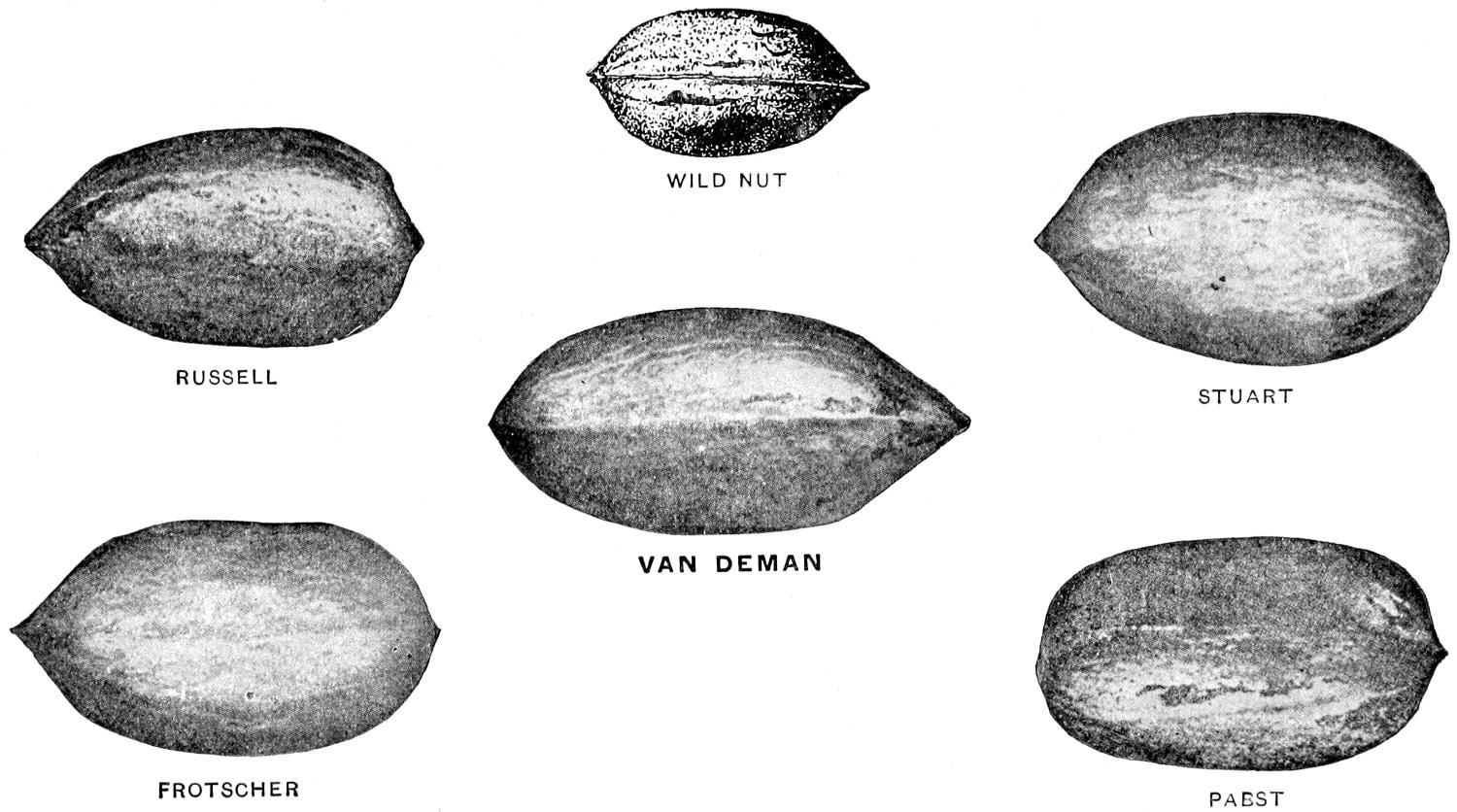
Fig. 59.—Five Forms of Choice, Thin-shelled Pecans. Also Wild Nut Showing Difference in Size.—(By permission American Nut and Fruit Co.)
One of the peculiarities of the peanut is that it is an underground legume. All other leguminous fruits mature above the soil. Its underground habitat is the reason for its botanical name, hypogæa. If the stem carrying the small, yellow, butterfly-shaped flowers and which springs from the axis of the branch above the ground fails to reach the soil no fruit is formed. If the soil is properly cultivated the germ may penetrate of its own accord. However, art assists nature in this matter and covers up the pods so as to give them a better start. The peanut, like some other leguminous crops, develops nodules upon its roots in which the bacteria that assimilate free nitrogen live in symbiotic union with the plant itself.
Pecan-nut (Hicoria pecan (Marsh.) Britton; Carya olivæformis Nuttall).
—The pecan is a nut which is very much valued and grows, with a most excellent flavor, in the southern part of the United States. Texas, Louisiana, southern Alabama, Mississippi, Georgia, and Florida are the principal regions where the pecan grows, although it is cultivated in some instances much further north.
The pecan belongs to the same family as the hickory-nut and is indigenous to the United States. It grows wild over a large area, extending from southern Illinois and Indiana to the Gulf. It often forms very large trees in the forests. There are several species of Hicoria. The fruit of the pecan is especially valued on account of the thinness of the shell and its extremely pleasant and aromatic flavor. As is the case with most nuts, it is composed chiefly of oil and proteids, the sugar and starch being in minute proportions. The composition of the fruit of the pecan, when divested of its hard shell, is given in the following table:
Edible Portion.
Water, 2.9 percent
Protein, 10.3 „
Fat, 70.8 „
Sugar, starch, etc., 14.3 „
Ash, 1.7 „
Calories per pound, 3,445
For marketing purposes the pecans are now largely grown in orchards, as the supply of the wild nut is uncertain, and its texture and flavor are not so fine as the cultivated variety. The cultivated variety may also be grafted upon the wild tree with good effects. The tree begins to bear at four or five years of age. A comparative appearance of the wild and cultivated nut is shown in the accompanying Fig. 59. The tree, when full grown, is handsome in appearance, and is valued as a shade tree as well as a fruit producer. The full grown tree is shown in the accompanying Figs. 58 and 60.
Pine-nuts.
—In many portions of the western part of our country pine-nuts are consumed largely as food. There are several species of pines yielding edible nuts on the Pacific coast of the United States and as far east as Colorado and New Mexico. These nuts are articles of considerable importance in the commerce of many of the cities of California. The principal specimens of pine which yield edible nuts are Pinus monophylla Torr. and Frem., Pinus edulis Engelm., Pinus sabiniana Dougl. The refuse is usually less than 50 percent of the total weight of the nut.
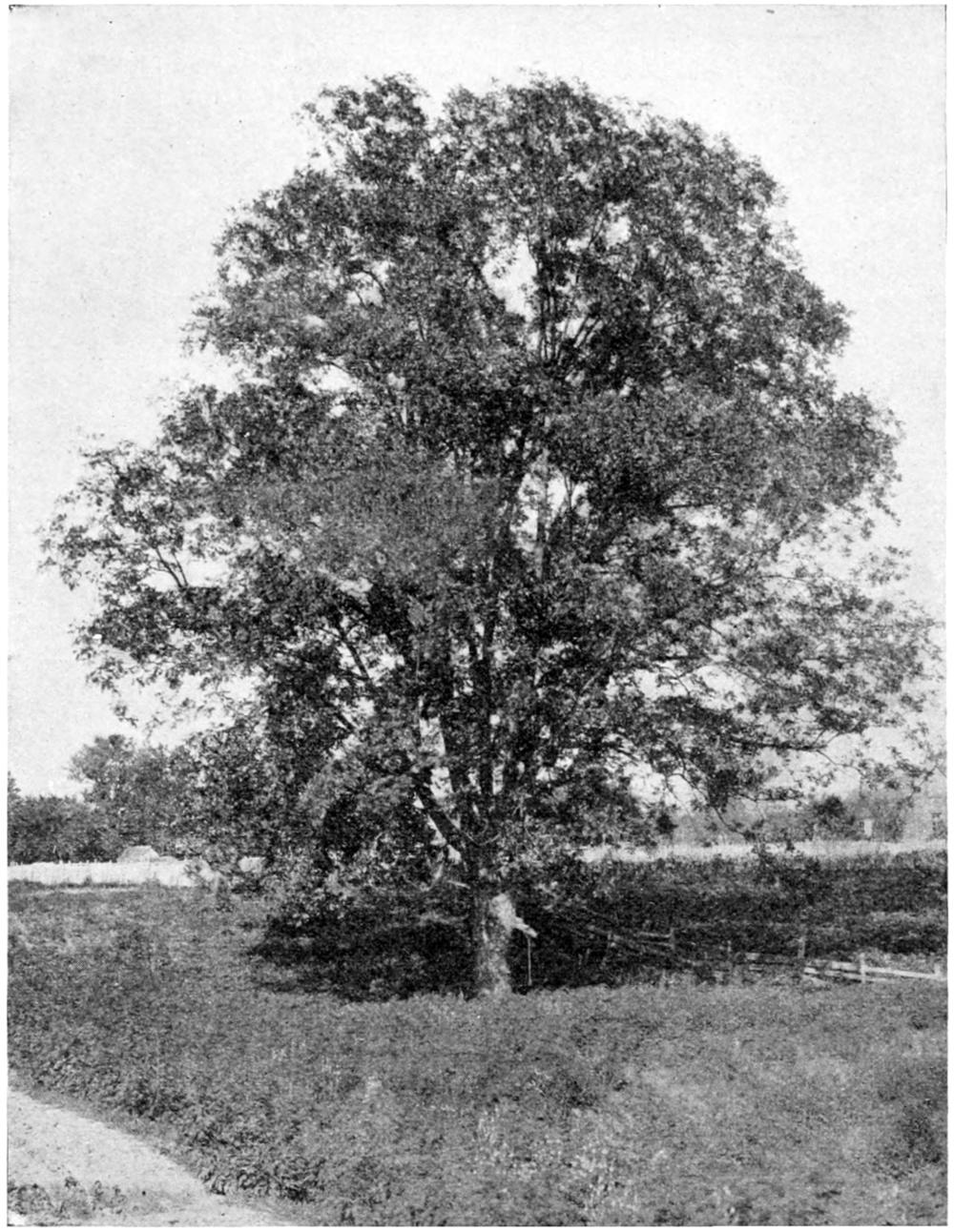
Fig. 60.—Full Grown Pecan Tree.—(By permission Field Columbian Museum.)
Composition of the Edible Portion.—
Water. Protein. Fat. Starch and Sugar. Ash. Calories Per Pound.
Pinus monophylla, 3.8 6.5 60.7 26.2 2.8 3,327
„ edulis, 3.4 14.6 61.9 17.3 2.8 3,364
„ sabiniana, 5.1 28.1 53.7 8.4 4.7 3,161
Pistachio.
—The nut of the pistachio (Pistachia vera) is used very largely for flavoring purposes and also for food. The tree is a native of Syria but has been cultivated in southern Europe for many years. The nut produced in America, though somewhat larger than the native Syrian fruit, has not half so high a palatable value. The pistachio is grown to some extent in the southern part of the United States and also in California. The kernel of the fruit is green in color and has a flavor which in some respects is reminiscent of almonds. It is used chiefly in this country in the manufacture of confectionery and ice creams.
Composition of the Pistachio.—
Edible Portion.
Water, 4.2 percent
Protein, 22.3 „
Fat, 54. „
Starch and sugar, 16.3 „
Ash, 3.2 „
Calories per pound, 3,235
Walnuts (Juglans nigra L.).
—The American walnut grows wild over a very large portion of the country, especially the middle section west of Maryland to the Mississippi river. The walnut tree is especially abundant along the Ohio river, where it forms in the early summer a dense foliage. The trees often attain a very great size, reaching a diameter as great as five feet.
The walnut trees grow only on rich soil, hence, unless the country was very hilly and unsuitable for cultivation, the walnut forests were the first to fall before the axe of the pioneer. Later the demand for walnut lumber completed the devastation of the walnut forests, until now very often in the regions where fifty years ago the trees were extremely abundant a large walnut tree is rarely seen. The walnut lumber has peculiar lasting powers, and on account of its natural color and grain is of the highest value for building and ornamental purposes. The early farmers in the Ohio valley made their rail fences out of walnut trees. The wild nut grows in a dense kernel and is covered with a thick pericarp which is green even at the time when the fruit is ripe. After a frost when the fruit naturally falls from the trees the outer covering disintegrates. When the nuts are gathered by boys the outer covering is usually beaten off with clubs. It contains a coloring matter of a brown or brownish-black tint which the early housewives used for dyeing homespun cloth. The bark of the tree also contains to a greater or less extent the same coloring matter. The kernel of the walnut, that is, the edible portion, is extremely rich in oil and protein and has a very pleasant taste. Like other nuts the walnut is best during its first winter, since on longer keeping the oil tends to become rancid and the fruit unpalatable.
White Walnut (Juglans regia L.).
—The white walnut, commonly known as the English walnut, is grown very extensively in France. All the departments of south central and southeastern France grow these walnuts as a valued crop. The best walnut orchards are at an altitude of from 600 to 900 feet. Only the outer or exposed limbs produce perfect nuts. In planting the most important precaution is to give the trees plenty of room, 15 yards is about the usual distance at which they are planted. The trees are cultivated and fertilized with manure and commercial fertilizers every two or three years. A bearing orchard of these white walnuts in France is worth from four to five hundred dollars per acre and may yield a revenue of from seventy-five to one hundred dollars a year per acre. The nuts ripen from the middle of September to the end of October. These nuts are used largely in America as a food, for which purpose the kernels are carefully extracted in halves, commonly known as “walnut halves.” In France an excellent table oil is expressed from the dry nut which for many culinary purposes is valued as highly as olive oil. After extraction the oil cake is used for stock food. The white walnut is supposed to have been originally introduced from Persia, though it is commonly known as the English walnut. In the United States the butternut tree is commonly known as the white walnut.
The composition of the kernel of the dry walnut is shown by the following data:
Edible portion:
Water, 2.5 percent
Protein, 16.6 „
Fat, 63.4 „
Total carbohydrates, 16.1 „
Ash, 1.4 „
As purchased:
Refuse, 58.1 percent
Water, 1.0 „
Protein, 7.0 „
Fat, 26.6 „
Total carbohydrates, 6.7 „
Ash, .6 „
General Discussion.
—A brief description has been given above of the principal edible nuts used in the United States, accompanied by a statement of their chemical composition. The character of the food products is well shown by the analytical data. Nuts as a whole are extremely oily substances and contain next in importance as a food material, protein. Alone they constitute an unbalanced ration in which the fat and protein are abundantly present at the expense of the starch and sugar. For this reason an exclusively nut diet cannot be recommended, as it surely tends to unbalance the ratio and to disturb the digestion in the great majority of cases. There are doubtless individuals of a peculiar temperament who can thrive on a diet of nuts alone, but such a case is exceptional. On the other hand the value of the nut as a food is undeniable, both as a nutrient and as a pleasant condimental addition to the food. The large percentage of oil in nuts also in many cases is beneficial from the well-known effect of oil in promoting the digestive activities, mechanical and otherwise. Nuts should be eaten in as fresh a state as possible, especially those of a highly oily character. Rancidity not only spoils the taste but interferes largely with their dietetic value. On account of the high amount of oil, nuts are preëminently a heat-forming food and thus can be eaten very freely by those engaged in vigorous bodily exercise and during cold weather. They also form a food especially useful during periods of extreme exertion, since by their combustion they furnish abundant stores of heat and energy.
Many fads relating to foods flourish in various localities. Among them the school of dietetics, which advises a diet solely of nuts, is worthy of mention. It is true that life can be sustained for an indefinite time on a diet of nuts alone. If the nuts are sought in the forests and fields the good effects of the exercise and outdoor life are to be taken into consideration. There is no reason to believe, however, that the general condition of mankind, from a dietetic point of view, would be improved by an exclusive nut diet. The impossibility of supplying man with such a food product is also a factor in the discussion of the problem that should not be forgotten.