PART VI. VEGETABLES, CONDIMENTS, FRUITS. (continued 2)
Reading edition
Character of the Cans.
—It is important that the containers in which canned vegetables are preserved should be of a character to yield no poisonous or injurious substance to the contents therein. What is said here in respect of canned Indian corn is generally applicable to canned products of all descriptions.
The approved standards for food products in the United States require the following properties for the containers:
“I. Suitable containers for keeping moist food products such as sirups, honey, condensed milk, soups, meat extracts, meats, manufactured meats, and undried fruits and vegetables and wrappers in contact with food products contain on their surfaces, in contact with the food products, no lead, antimony, arsenic, zinc, or copper or any compounds thereof or any other poisonous or injurious substance. If the containers are made of tin plate they are outside soldered and the plate in no case contains less than one hundred and thirteen (113) milligrams of tin on a piece five (5) centimeters square or one and eight-tenths (1.8) grains on a piece two (2) inches square. The inner coating of the containers is free from pin-holes, blisters, and cracks.
“If the tin plate is lacquered, the lacquer completely covers the tinned surface within the container and yields to the contents of the container no lead, antimony, arsenic, zinc, copper, or any compounds thereof.”
Souring and Swelling of Canned Corn.
—In all cases where sterilization is not complete, or where spores remain undestroyed which afterward develop and produce various kinds of ferments, the canned corn spoils. The contents usually become sour and acquire a bad taste, and, in many cases, on puncturing the container gas escapes. The pressure of this gas in the can is sometimes great enough to produce a swelling, and hence the technical term “swelled” applied to cans of this kind. Various forms of ferments are active in producing these conditions. The usual alcoholic ferment does not usually occur by reason of the fact that the yeasts which produce this form of fermentation are readily destroyed in the sterilizing process. Ferments which produce lactic, butyric, and other acids, and those which act upon the nitrogenous matter and tend to form various decomposition products are the most common.
In the case of canned corn and other canned vegetables the nitrogenous decomposed products are not usually very poisonous. On the other hand in the case of meat, and especially of fish and crustaceans, the degradation products from the nitrogen constituents of the food become poisonous and are known collectively under the name of ptomains.
If the sterilization has not been complete at the time of preparation, sweet corn as well as other foodstuffs in similar circumstances undergoes a kind of fermentation which renders it unfit for food. The fermentation is usually due to the greater vitality of spores and fungi, the real bacteria usually succumbing to the heat of preparation. Various gases beside carbon dioxid are produced, causing the corn to swell. All swelled goods should be rejected for food purposes.
Canned Peas and Beans.
—These leguminous products lend themselves readily to canning purposes, and are preserved in great quantities in the United States in this way. Peas are always shelled before canning, and are harvested at a time to secure their greatest succulence. If the peas be too ripe they make a hard, unpalatable berry which detracts from the value of the canned product. The smaller variety of pea is preferred to the larger for canning, but, irrespective of size, they should be fresh, succulent, and not too mature. In the large canning factories the peas are harvested with machines such as are used for the cereals. The harvested material is passed through a shelling machine, by means of which the pods are opened and the peas separated. The rest of the pods, stalks, leaves, etc., are very valuable for cattle food or fertilizing purposes. Peas, before canning, should be separated into different sizes so that all those entering one can may be as nearly uniform in size as possible. This separation not only makes the contents of the can appear more attractive but also renders the sterilization more certain and easy. If a large and small pea are put in the same can the heat of sterilization must be high enough and continue long enough to sterilize completely the large pea, and this might induce an over-cooking and impair the edible properties of the small one.
The technique of the canning process is not at all different except in the preparation of the material, as described above, from that of other vegetable canning factories.
Composition of Canned Peas.
—The composition of typical varieties of canned peas compiled from a large number of analyses is shown in the following table:
Water, 85.47 percent
Fat, .21 „
Fiber, 1.18 „
Protein, 3.57 „
Starch and sugar, 7.79 „
Ash, 1.11 „
Salt, .67 „
From the above data it is seen that the canned pea does not have a high nutritive value, considering its bulk. In the canned pea one of the principal food elements in the wet material is the protein which it contains, both the pea and the bean being very rich in this important food material.
Adulteration of Canned Peas.
—The principal form of adulteration which is practiced in the canning of peas is the addition of sulfate of copper for the purpose of producing an intense green color. The delicate shade of green of the fresh, succulent pea tends to assume a yellowish tint on canning, and especially after keeping for some time. To such an extent does this oxidation of the natural chlorophyl go on that in many samples when opened, instead of a green, we discover a decidedly yellowish tint. When a copper salt, such as sulfate, is heated in contact with a nitrogenous substance, such as that which exists in the pea, a chemical combination is formed between the copper and nitrogenous bodies which has an intensely green tint.
It is often supposed that the sulfate of copper is added to canned peas to preserve their natural color. This, however, is not the case. The copper combination, as above mentioned, produces a dye of a very bright green hue. Sulfate of copper is a highly poisonous substance, and for this reason should be excluded from food products. It is only fair to state that those who use this material claim that in the form of the combination produced it remains insoluble during the process of digestion, and therefore the copper is inert. This claim is not sustained by the facts in the case. It is quite certain that the copper product forming the dye or the excess of the copper which is used remains in a state of very unstable composition which is easily broken up under the action of the acids and enzymes in the digestive organs.
It is greatly to the credit of the canners of the United States that the use of sulfate of copper has never come into use in this country.
Tests for Copper.
—Fortunately the presence of copper in canned peas is easily ascertained even by the novice. If a portion of the peas be rubbed in a mortar to a fine paste and mixed with water acidulated with two or three drops of hydrochloric acid, a paste will be formed which on boiling will deposit copper on a clean metallic substance such as silver, steel, or iron. If a bright steel knife or a clean iron nail be placed in this paste, the surface will soon be covered with metallic copper. This simple test shows that the copper is not combined in any such permanent form as is claimed.
Saccharin.
—The use of saccharin as an imitation of the natural sweet of the pea is, unfortunately, very largely practiced and is open to the same objections as were pointed out in the case of Indian corn. The use of sugar, salt, and other condimental substances in canned peas cannot be regarded as an adulteration unless deception results therefrom. It is claimed there is no special variety of pea distinguished by its content of sugar, and therefore the addition of sugar does not cause one variety of pea to imitate the properties of another. If this be true no deception is practiced, and, if the sugar is pure, no injury is done. In all cases of this kind, perhaps, it would be better if the manufacturer would plainly mark on the label the name of the added materials. Then there could be no question of the nature of the product.
Canned Tomatoes.
—Next, perhaps, in importance to the industry of canned corn, is the preservation of tomatoes. Immense quantities of these goods are produced annually in the United States. The technique of the canning process is not at all different from that of canned corn. By reason of the pulpy condition of the material and its freedom from hard and impenetrable matter in the preparation for canning, the sterilization is accomplished in less time and with greater certainty than in the case of Indian corn.
Preparation of the Raw Material.
—Only fresh, ripe, mature, and sound tomatoes should be used in the preparation of the canned goods. These are delivered by the farmer or contractor in baskets or otherwise to the factory. After sorting and rejecting all those that are unfit, the portions selected for preservation are treated in the usual manner to secure sterilization.
The skins, cores, and rejected portions of the tomatoes should be removed to a sufficient distance from the factory to prevent any bad odor or danger of infection.
Composition of Canned Tomatoes.
—The chemical composition of canned tomatoes is shown in the following analysis:
Water, 93.59 percent
Fat, .23 „
Fiber, .60 „
Starch and sugar, 3.47 „
Protein, 1.29 „
Ash, .66 „
Salt, .14 „
From the above data it is seen that the tomato is not particularly valuable on account of its nutrient properties. It consists chiefly of water, and its value as a food product is principally condimental. It must not be denied, however, that it has that peculiar value which is possessed by all edible succulent vegetables and fruits, namely, it is a means of keeping the digestive processes in good form, preventing constipation, and promoting the general metabolic activity. In this sense it is seen that it is more than condimental. It also, of course, has a distinct food value, due chiefly to the carbohydrates it contains.
Addition of Sugar and Spices.
—Sugar and other condimental substances are often used in the preparation of tomatoes. In this case it is doubtful whether the addition of pure sugar can be regarded in any sense as an adulteration if properly notified on the label. It is claimed that there is no distinction in the classification of tomatoes based upon their sugar content. If there was a variety of distinctly sweet tomato as distinguished from the ordinary field crop, then the addition of sugar to the field crop to imitate the sweet of the naturally sweet article would be an adulteration. But even in this case unripe or imperfect tomatoes may be used and sugar added to conceal inferiority. The use of common condimental substances, such as salt, spices, vinegar, etc., in the preparation of various products of tomatoes must be regarded as a perfectly legitimate operation.
Adulteration of Canned Tomatoes.
—Fortunately there are few adulterations practiced in the case of canned tomatoes. The use of antiseptics to insure the conservation of the contents of the can was formerly practiced to some extent, salicylic and benzoic acids being the chief antiseptics employed. Since it has been made possible to easily, speedily, and economically sterilize the contents of the cans, the use of antiseptics is practically a thing of the past. The most common adulteration of tomatoes, perhaps, has been artificial coloring. The use of artificial coloring is resorted to solely for deceptive purposes. Where green or immature tomatoes are used, or other portions and parts of such fruits as are not suitable for the production of the highest grade products, the naturally red color of the tomato is imitated artificially, usually by the addition of cochineal or a coal tar dye. The use of artificial color in canned tomatoes has almost ceased in this country.
Saccharin is also sometimes used as an adulterant to imitate the properties of pure sugar.
It has already been intimated that green or unfit tomatoes or the residue of better grades are sometimes prepared and sold as the real article. This is a form of adulteration which is most reprehensible. Unfortunately, except in so far as the artificial color is concerned, this adulteration is not readily revealed by either chemical or microscopic examination, although the latter is exceedingly valuable in detecting certain forms of this kind of material. Only by a rigid inspection of the factories can this form of adulteration be excluded with certainty. The use of such immature fruits or scraps without notice to the consumer is, without doubt, an adulteration of an exceedingly bad type. If there be a desire to make a very cheap grade of the product out of these materials the nature of them should be plainly stated upon the label and then, perhaps, there would be a valid excuse for their appearance on the market.
Other Canned Vegetables.
—There is no necessity to enter into the detail of the preparation of other canned vegetables further than to say that practically all vegetables which are offered on the market, except those which are necessarily eaten in a raw state, are preserved or can be preserved by the sterilizing process.
Tomato Ketchup.
—A sauce which is used in large quantities in the United States and in other countries is known as tomato ketchup and is manufactured in many parts of the country. Tomato ketchup is the pulp of sound, ripe tomatoes mixed with various condimental substances and flavoring matters to make it palatable and desirable as a sauce. The character of flavor and condimental substances employed is left to the judgment of the manufacturer and the taste of the consumer, provided the materials are wholesome and sanitary. It has been claimed by some manufacturers that it is impracticable to place this desirable product upon the market without the use of chemical antiseptics. They admit, as in the case of the manufacture of fruit sirups, that tomato ketchup can be sterilized and kept properly until the bottle is opened for consumption; but, inasmuch as it is used in small quantities and a bottle of it lasts for many days, it cannot be kept in a proper state except by the use of such preservatives. The principal antiseptics which are used in connection with tomato ketchup are salicylic and benzoic acids.
Experience has shown that these claims are not of sufficient value to warrant the exception of tomato ketchup from the ordinary regulations respecting pure food. The habit of leaving a tomato ketchup bottle upon the table where the material adheres to the rim and becomes hardened to a gummy paste, serving as a pabulum for flies, does not appeal with any great force to the æsthetic sense relative to dining rooms. A ketchup bottle carefully opened and used in such a way as to avoid infection and then returned to the ice box can be kept for many days without danger of fermentation.
Artificial Colors.
—Tomato ketchup is sometimes subjected to artificial coloring. This is done to imitate the color of the best raw material. If red, ripe, sound tomatoes are used no artificial color is necessary.
Use of Refuse for Making Ketchup.
—It has been stated that the ripe, imperfect tomatoes at the time of harvesting are cooked in large quantities and treated with benzoic acid and stored in large containers until the canning season is over, after which this material is made into ketchup and artificially colored. Further statements have also been made to the effect that the skins, cores, and refuse of the cannery have been treated in the same way as indicated below. The proper inspection of the factories would exclude from the preparation of ketchup unfit material of the kind mentioned. It is doubtless true that when the people are finally convinced that the ketchup which is used is made of the best material and contains no artificial color or no harmful antiseptic, its use will be immensely increased.
A manufacturer of ketchup recently made the following statement respecting the utilization of the refuse matter at the cannery:
“We use in our standard catsup the peelings and small tomatoes. We preserve the pulp with four ounces of sodium benzoate to each 50 gallon barrel, cooked and whipped through a cyclone pulp machine. It takes two barrels of this stock to produce 60 gallons of catsup, and we use eight ounces more of sodium benzoate to preserve it.”
If waste material of this kind is sound and wholesome, there can be no valid objection to its use if the product be offered for sale under its proper designation.
STARCHES USED AS FOODS.
Edible Starches.
—Attention has already been called to the fact that starch is the principal constituent of many of the common foods, such as cereals and the different varieties of the potato and other vegetables. Starch is often separated from the part of the plant producing it, and is then largely consumed as food in practically a pure state. Starches used in this way are presented in the form of pudding or desserts of some kind, and are often richly spiced, highly sweetened, and often eaten with cream. Starch also appears in the market under other names such as tapioca, arrowroot, etc.
Arrowroot.
—The plant which furnishes the substance known as arrowroot belongs to the natural family Cannaceæ and is principally native of tropical regions. The most important source of the arrowroot of commerce is the Canna indica. The starch of this plant exhibits in a strong degree certain characteristic qualities of starches derived from this natural family. The hilum in this starch is round and in some varieties double. The appearance of this starch under the microscope is shown in Fig. 45. The product of commerce is obtained from the rhizome and tubers.
Bermuda Arrowroot.
—The Bermuda arrowroot is obtained principally from the Maranta arundinacea. This arrowroot is also produced very largely in St. Vincent and other West Indian localities. The granules of the starch are very much smaller than in the two species just described. The hilum is prominent, and frequently takes the shape of a well defined slit instead of the usual round spot. These arrowroots and those of South African origin are very extensively used for invalid foods where starchy foods are indicated, which, however, is not very often the case. These starches form a firm and semitranslucent jelly-like body when heated to the boiling point in a small quantity of water. The term arrowroot is applied to starch from plants of the origin mentioned because the natives of the country producing them use the bruised rhizomes as a poultice for wounds caused by arrows.
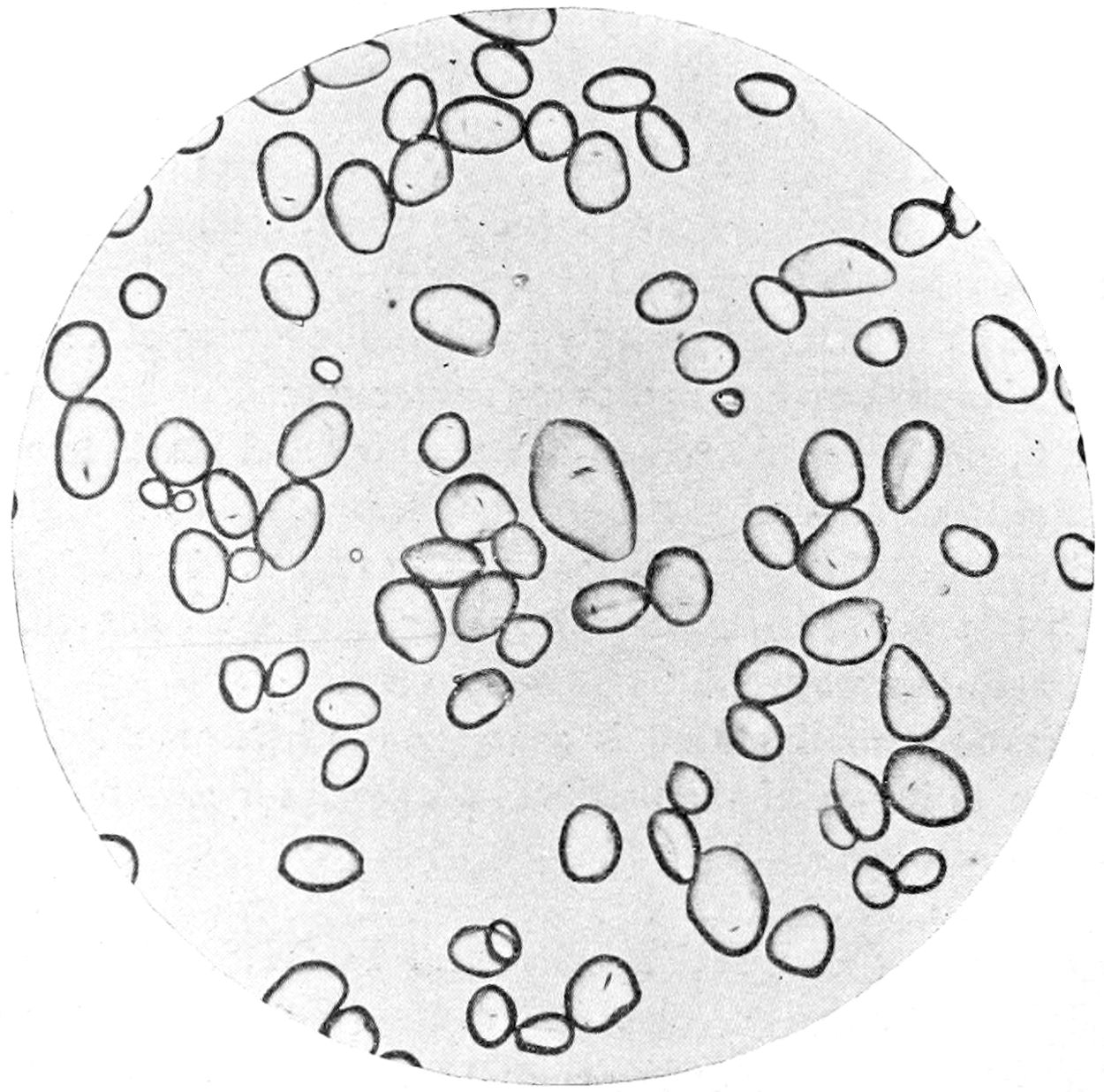
Fig. 45.—Maranta (Arrowroot) Starch (× 200).—(Courtesy Bureau of Chemistry.)
Canna edulis.
—This species of Cannaceæ also furnishes a starch of commerce nearly allied to the Canna indica. The common commercial name of this variety of starch is “Tous les mois.” The starch granules of this species are rather larger than those of the Canna indica, and the concentric markings are more delicate and regular.
Madagascar Arrowroot.
—There is also produced in Madagascar an arrowroot from a different form of plant, namely Tacca pinnatifida. It is not, however, of any very great commercial importance. A similar starch is made from the same plant in Otaheite.
Plantain Meal.
—The plants of the natural family Musaceæ are important articles of food in many tropical regions, the plant yielding also, in addition to the starch, fibers suitable for textile use. The fruit of the Musa paradisiaca is chiefly employed for this purpose. It is quite similar in its character to the fruit of the allied species, Musa sapientum, or common banana. The starch granules which make up the plantain meal are remarkable for their long and narrow shape. The lines marking their surface are only faintly distinguishable, and the hilum is small and somewhat indistinct. Plantain meal is not used to any very great extent outside of the country where it is produced.
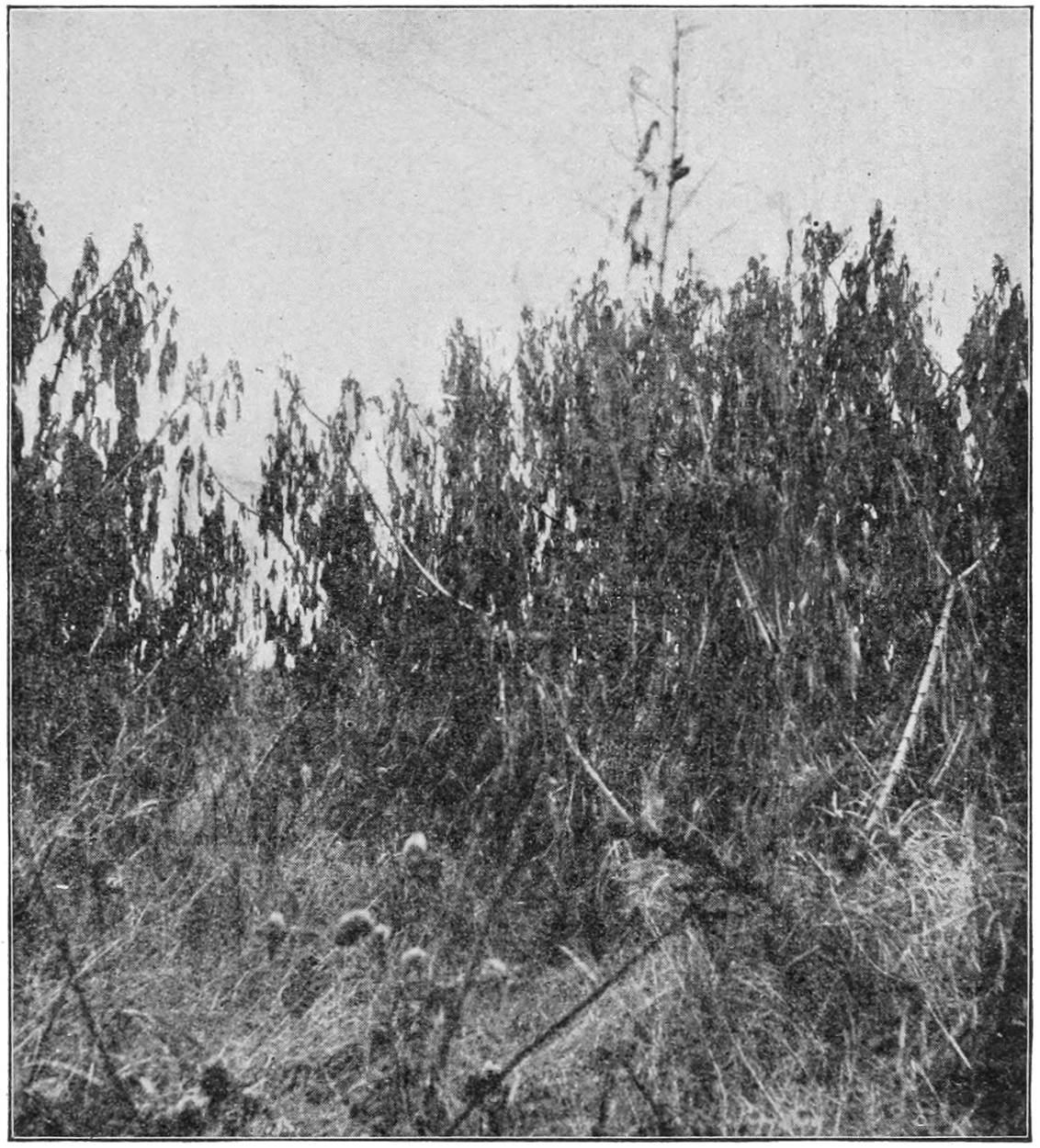
Fig. 46.—A Cassava Field in Georgia.—(Photograph by H. W. Wiley.)
Sago.
—Another form of starch which has a high value as a food product is made from the natural family Palmaceæ. The palm starch or sago is consumed in immense quantities in many parts of the world, and is probably in importance only second to the starch derived from the cereals as human food. The starch granules are rather large and coarse, although very many small granules are found mixed with them. Some of the larger granules appear to be partially divided or broken. The hilum is distinct and very long. The sago of commerce is like a tapioca made from the palm starch. It has been subjected to heat while still moist in the process of manufacture, so that it is quite difficult, as a rule, to find the distinct starch granules of the palm in the commercial article. Sago is grown principally in the Moluccas and Sumatra.
South African Arrowroot.
—There are many species of Marantaceæ cultivated in South Africa from which arrowroot is manufactured. They are of the same variety as that used in Bermuda and the West Indies. The cultivation of the plant has modified to some extent the action of the starch granules as originally found in the uncultivated plant. The starch granules in the cultivated variety approach more nearly a spherical form. The concentric lines are much more distinct and the hilum more prominent than in the wild variety.
Tapioca.
—The most important of the starch products used as food is the tapioca. It is made from the plant belonging to the natural family Euphorbiaceæ, and is derived particularly from the variety of cassava plant known as Manihot. Attention has been called to the fact that many of the varieties of cassava plant are highly poisonous, due to the natural development during growth of hydrocyanic acid, one of the most violent of known poisons. This substance, however, is of quite a volatile character, and when comminuted cassava root is heated or boiled, all or at least the principal part of the hydrocyanic acid (prussic acid) disappears. None of it or at least not more than a trace is found in the food product tapioca. A comparatively sweet variety of cassava that is containing but a small proportion of prussic acid is grown in Florida and Georgia. The appearance of a field of cassava is shown in Fig. 46. The tapioca of commerce is prepared by the separation of the starch in the usual way by grinding and washing with water. Before the starch becomes dry, in fact, while it is still containing its maximum degree of moisture, it is submitted to heat first at a low temperature, gradually increased until the starch granules are disintegrated or agglutinated into a somewhat firm and gelatinous mass. The heat is then continued at the proper temperature until the water is nearly all driven off. The starch from this plant is sometimes known as Brazilian arrowroot.
The starch granules of the bitter cassava are very small and often angular in shape, although some of them appear as well rounded spheroids. The hilum is, as a rule, clearly distinguished. The microscopic appearance of the grains of cassava starch is shown in Fig. 47.
Adulteration of Tapioca.
—The true tapioca should only be made from starch of the cassava. Any starch, derived from any source whatever, if taken in the moist state may be subjected to the same process of heating, and forms an imitation tapioca which possesses many of the physical and probably all of the edible properties of the genuine article. The substitution, however, of any of the other starches for that of the cassava is at least an imitation, if not an adulteration, of the genuine article.
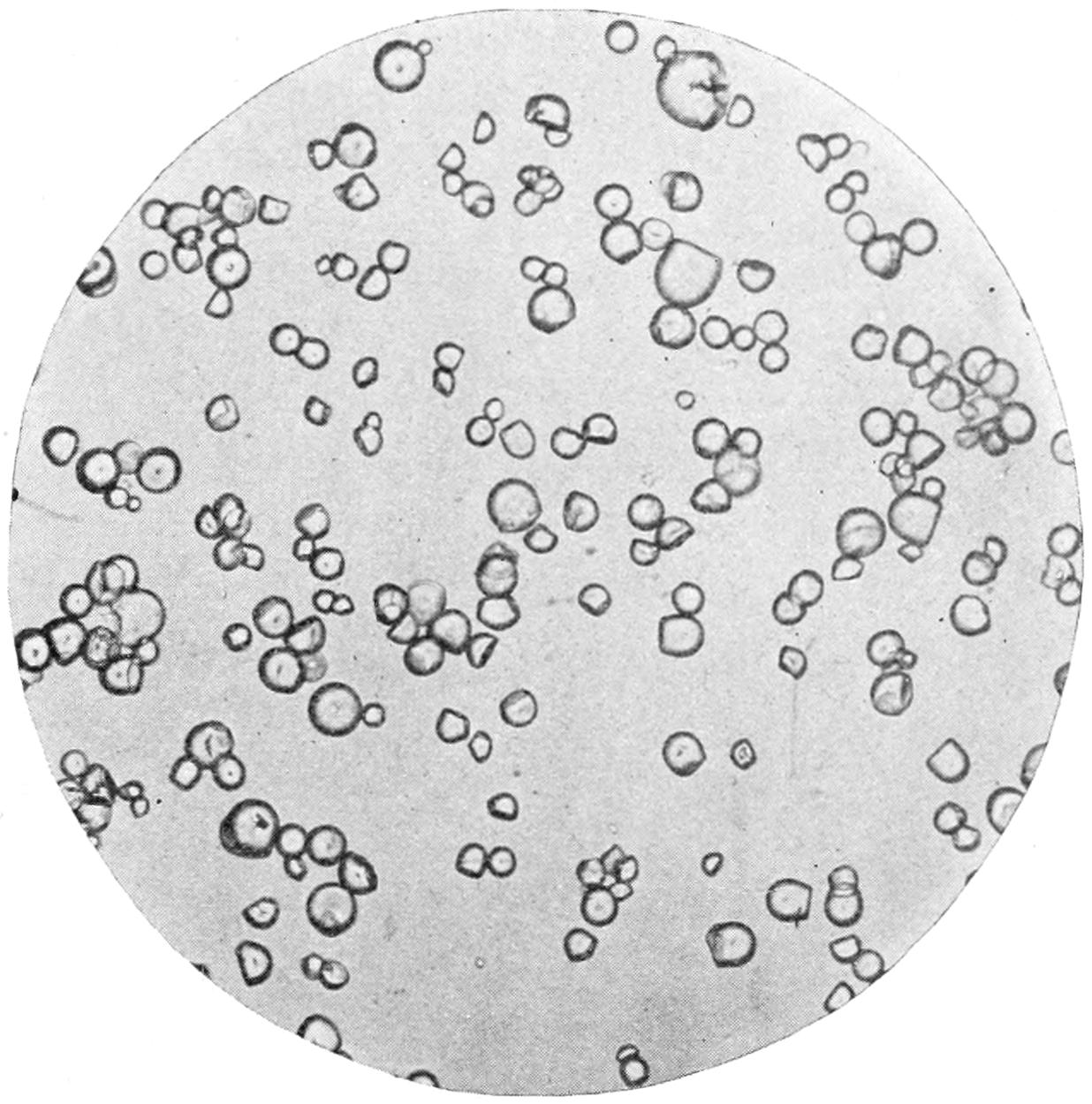
Fig. 47.—Cassava Starch (× 200).—(Courtesy Bureau of Chemistry.)
Food Starches Derived from Cereals.
—The starches which are derived from the common cereals are also extensively used as food products, especially the maize starch in the United States. It is commonly sold as “corn” starch, and is largely used for the purpose already mentioned. It may be in its natural state or it may be previously submitted to the action of heat while still moist, so that it takes on the character of tapioca or sago. In the United States the Indian corn is practically the only cereal which furnishes the food starch in very large quantities, although rye starch is extensively used for this purpose in other countries.
The starches of certain of the legumes, such as peas and beans, have also been separated and used for food purposes. They are not, however, used to any such extent as would warrant any especial reference to them at this point.
Starch from the Peanut.
—The peanut also yields a starch which has sometimes been separated and used for food purposes. The quantity so employed, however, is of no consequence as far as magnitude of product is concerned.
Food Starch Derived from the Potato.
—Potato starch is also used very extensively for food purposes, either in its natural form or when subjected to heat while still moist, as in the preparation of tapioca and sago.
Adulteration of Starches.
—The most common adulteration of starches is rather a misbranding than adulteration. The practice of adding inert white powdered mineral matters to starches is practically unknown in this country. Starch sometimes contains sulfurous acid used as a bleach in its preparation. This is an injurious substance and should be excluded from edible starches. The naming of a starch of one kind by the name of another and more valuable kind is simple deception. It is practiced to some extent in this and other countries. Starch itself may be used as an adulterant, as when maize starch is mixed with wheat flour or powdered starch mixed with granulated sugar. This kind of adulteration is quite unknown in this country. The selling of cheaper starches for tapioca and sago is more common than it should be.
CONDIMENTS.
Condiments other than Sugar, Salt, Vinegar, and Wood Smoke.
—The principal condimental substances which are used for food are of vegetable origin and of a highly aromatic character. Condimental substances themselves may have food value, that is, contain digestible material which takes part in the metabolic processes. Their utility, however, and their value do not depend upon the amount of food which they contain, but upon their aromatic and condimental principles above mentioned. Condimental substances are used in a variety of ways, but in general it may be said that in an air-dried state they are reduced to a fine powder and employed in this way. Extracts may also be made from these condimental substances, either with water or usually with alcohol, and this extractable matter used as a condiment. The essential oils which they contain are also frequently separated by distillation, and in this purified and concentrated state are, after dilution with alcohol, used for condimental purposes. Peppermint oil is a type of this character of condiments.
It will be sufficient for the purpose of this manual to mention the principal condimental substances and refer for the character of their composition to the standards of purity established for them under authority of Congress in Appendix A.
Allspice
, also known as pimento, is the dried fruit of the Pimenta pimenta L.
Anise.
—The anise is a plant which grows from 14 to 16 inches in height. Its botanical name is Pimpinella Anisum L. French, anis; German, Anis; Italian, aniso; Spanish, anis.
The anise produces abundant seeds, which are the principal condimental part. The seeds are used either directly in bread and other foods or especially in the manufacture of liqueurs and confections. Anise seed is one of the oldest of condimental substances of which historical account has been preserved.
Bay leaf
is the dried leaf of the Laurus nobilis L. In a powdered form it is used as a condimental substance in food, but it is chiefly employed in flavoring alcohol in the manufacture of the material known as bay rum.
Capers.
—The capers are obtained by drying the flower buds of the caper bush. The botanical name is Capparis spinosa L. French, caprier; German, Kapernstrauch; Italian, cappero; Spanish, alcaparra.
The caper is a plant which is a native of southern Europe of shrub-like proportions, growing to a height of from three to five feet. The flower buds are gathered when they are about as large as peas and are preserved by pickling in vinegar.
Caraway.
—This is a plant which is native to Europe, is either annual or biennial, and belongs to the botanical species Carum Carvi L. French, carvi; German, Feld-Kümmel; Italian, carvi; Spanish, alcaravea.
The seeds contain the aromatic principles which make the caraway valuable as a condiment. The plant often grows wild. The roots have some value as food and are also highly spiced, but are seldom eaten. The seeds are used very largely for flavoring bread, especially among the Germans. They are also used in certain varieties of cheese, especially that made in Holland. Often they are found in certain candies and other confections.
Cassia
is that variety of cinnamon obtained from other species of cinnamon than Cinnamomum zeylanicum, and is not so highly valued for condimental and other purposes as the true cinnamon.
Cassia buds, which are often used for condimental purposes, are the dried immature fruit of any species of the cinnamomum plant. The cinnamon, as it is offered for condimental purposes, is usually finely ground, and the same is true of cassia.
Celery Seed.
—The seeds of celery are highly prized for condimental purposes, either directly or in the form of an extract. The seeds or their extracts are also often recommended for medicinal purposes.
Cinnamon.
—The cinnamon is the bark of various species of plants belonging to the genus Cinnamomum. The true cinnamon is derived solely from the bark of Cinnamomum zeylanicum Breyne.
Cloves.
—Cloves are dried buds of the Caryophyllus aromaticus L. They are used either in the original dried state or as a finely ground powder.
Coriander.
—The aromatic principles of coriander which is used for condimental purposes are the dried seeds of the Coriandrum sativum L. This is a plant which is indigenous to southern Europe, growing from two to two and a half feet high. The seeds are used in the manufacture of liqueurs and for seasoning a great number of culinary preparations. It is stated by some authorities that the leaves are used for condimental purposes, but this is not the case. The leaves as well as the other green parts of this plant have a very unpleasant odor from which the name of the plant is derived. This odor is of a character which would exclude the leaves from use for condimental purposes.
Cumin Seed.
—The cumin plant (Cuminum Cyminum L.) is thought to be indigenous to Egypt. It is an annual plant, sometimes growing from four to five inches high. The seeds are the aromatic part and are used for condimental purposes. They have a hot, acrid taste and a strong aromatic flavor. They are used chiefly for flavoring soups and in the manufacture of pastry of all kinds. They are also found in many kinds of liqueurs.
Dill.
—The dill plant (Anethum graveolens L.) is indigenous to southern Europe. It is an annual plant and grows from two to two and a half feet high. The seeds, which are the condimental part of the plant, are flat and have a strong and bitter flavor. They are used in this country principally for flavoring a kind of pickle known as the dill pickle.
Fennel.
—The fennel plant (Fœniculum fœniculum L.) is indigenous to southern Europe. It grows both wild and under cultivation. The common garden fennel is biennial in its habits. The seeds contain the condimental properties of the plant, and the seeds of the cultivated fennel are usually about twice as long as those of the wild variety. They are flat on one side and convex on the other and crossed by thick yellow-colored ribs. The seeds are used chiefly in the manufacture of liqueurs.
Ginger.
—The ginger is the root of the plant Zingiber zingiber L., and is one of the most highly prized of the condimental substances. It is a plant which naturally contains a large amount of starch, which forms nearly half of its weight in the dried state. The roots are often sent into commerce covered with lime, either for the purpose of preserving them or bleaching them. This is such a common condition that the limed ginger or bleached ginger is recognized as a legitimate article of commerce.
Mace.
—The mace of commerce is composed of the dried arillus of Myristica fragrans Honttyn. Mace contains a large quantity of fatty substance, usually not less than 20 nor more than 30 percent of its total weight. There are several varieties of mace on the market, the principal one being Macassar mace, which is obtained from the dried arillus of Myristica argentea Warb. The Bombay mace is derived from the dried arillus of Myristica malabarica.
Marjoram
is the dried leaf of the plant known by the botanical name of Majorana majorana (L.) Karst. or Origanum vulgare L. This plant is a native of Europe and is a very common wild plant in France, especially on the borders of the forests. It is also extensively cultivated. It is a perennial. The leaves of the plant are the condimental portions. A plant known as mountain mint is frequently sold as marjoram and has some of its condimental properties.
Mustard.
—The mustard seed is derived from various species, distinguished largely by the color of the seeds. For instance, the white mustard is the seed of Sinapis alba L., the black mustard the seed of Brassica nigra (L.) Koch, and the black or brown mustard the seed of Brassica juncea (L.) Cosson. The mustard is a widely distributed plant probably indigenous to Europe. It grows extensively wild and is also largely cultivated. The mustard seed forms one of the most important condiments of commerce. The mustard is often ground before it is sold, and frequently it is mixed with other spices and with oils and is known as prepared mustard. This latter variety is subjected to all kinds of adulterations, frequently containing very little mustard but with enough turmeric to give the preparation a yellow color resembling that attributed to the pure article. Prepared mustard should be a thick paste composed largely of ground mustard seed together with salt, spices of different kinds, and vinegar. It may also be ground in oil.
Nutmeg.
—Nutmeg is the seed of Myristica fragrans. The seed is sent into commerce with a thin coating of lime, which, of course, must be removed before the nutmeg is used. It is principally used as the unground nut and by grating it into the food which is to be flavored at the time of use. The nut thus retains its flavor much better than when all ground at once and kept for some time. There are many varieties of nutmeg on the market, the principal ones being the Macassar, Papua, male, and long nutmegs. These are all the dried seeds of the Myristica argentea.
Pepper.
—Pepper is one of the most important of the principal aromatic condimental substances. There are many standard varieties which are known to the trade and which are derived from distinct botanical species. The principal varieties are black pepper, white pepper, and paprika pepper. Black pepper is the dried immature berry of Piper nigrum L. White pepper is the dried mature berry of Piper nigrum L. from which the outer and the inner coatings of the seed have been removed. Paprika pepper is a red pepper of very mild aromatic qualities grown chiefly in Hungary and in Spain.
Cayenne pepper is a very active aromatic red pepper which is the dried fruit of Capsicum frutescens L. or Capsicum baccatum L.
The red peppers, therefore, may be divided into two distinct classes, namely, cayenne or hot, acrid pepper and the paprika or mild-flavored pepper. There is another variety of pepper known on the market as long pepper which is the dried fruit of Piper longum L.
Saffron
is the dried stigma of Crocus sativus L.
Sage
is a common garden plant which is very extensively used for condimental purposes, belonging to the species Salvia officinalis L. Sage is used very extensively by the housewife in the preparation of domestic sausage, and is perhaps more commonly used in meat products of this description than in other foods.
Savory or summer savory
is a preparation from the leaf, the blossom, and tender tips of the branches of Satureja hortensis L.
Sweet Basil.
—This plant is indigenous to India, growing usually about one foot high. The botanical name is Ocymum Basilicum L. French, basilic grand; German, Basilikum; Italian, basilico; Spanish, albaca.
The leaves of the plant are the aromatic part and are extensively used for condimental purposes of different kinds. There are many varieties of basil in use.
Thyme.
—Thyme is a plant indigenous to southern Europe and belongs to the botanical species Thymus vulgaris L. It is a perennial plant and grows in the form of a small dwarf shrub. The plant may be propagated either by cuttings or may be grown from the seed. The leaves and young shoots of the thyme may be used for condimental purposes. Some other species of the thyme are also used for condimental purposes, especially the varieties known as lemon thyme and mother-of-thyme.
Vegetable Flavoring Extracts.
—In speaking of condimental substances it was stated that they were either used directly in a state of fine subdivision for flavoring purposes or their extracts were employed. The use of the extract is often more convenient than the use of the powdered material, and, also, it secures a more even distribution of the flavoring principal throughout the food product. It is doubtful, however, if for really condimental purposes there is any advantage in the use of the extracted materials. Nevertheless there are many food products in which it would be inconvenient to use the powdered aromatic substance itself and the flavoring extract has become established as a legitimate article of a condimental nature.
All the common extracts used in foods are described in the standards of purity established by the Secretary of Agriculture by authority of Congress, and will be found in Appendix A.
FRUITS.
Definition.
—Under the term “fruit” is included the edible products of many trees and shrubs. The term “fruit” in its general sense can be applied to any kind of a food product, as for instance the fruit of the farm, the fields, and the forest, but in a restricted sense, as it will be used here, it is applied to the class of orchard products represented by apples, peaches, pears, etc. Fruits, in a general sense, include also that class of wild or cultivated edible bodies known as berries. The term “berry” is restricted in its present sense to the products of certain small shrubs or vines, such as gooseberries, blackberries, raspberries, etc. The fruits that grow upon small bushes, such as the currant and gooseberry, occupy an intermediate position between the orchard fruits which have been mentioned and berries. Orchard fruits are conveniently divided into large and small fruits, the large fruits being represented by the apple, pear, peach, quince, etc., and the small fruit by the cherry and plum. Fruits were doubtless among the earliest foods of man, and this leads to another classification of fruits, namely, wild and cultivated. Wild fruits, at the present time, do not include any large proportion of human foods. There are certain trees growing wild, such as the mulberry, the wild cherry, and others, which produce delicious fruits, usually of small size. The term “fruit” as used herein does not include that very valuable class of foods known as nuts, which is considered under a separate classification.
General Characteristics of Fruits.
—The general characteristics of fruits include their color, flavor, odor, and nutritive properties in so far as we are concerned with them in this manual. They are composed very largely of water, perhaps 80 percent or more. The solid matter consists of the usual cellulose structure of vegetable bodies, sugars, gums, organic acids, and mineral matters. Fruits are all succulent, that is, by reason of their high content of water, composed chiefly of matters in solution which constitute their juices. All fruits, therefore, when subjected to pressure yield a juice which contains the principal portion of their dietetic constituents. The study of the composition of the fruit juices would, therefore, naturally accompany a study of the fruits themselves. The chief characteristics of fruit from a dietetic point of view and also a palatable standpoint are their sugars and acids. The characteristic of taste depends on these two constituents principally. In addition to this, the fruits contain aromatic substances belonging to the class of essential oils and compound ethers which give to them the agreeable odor which adds so much to their value. Fruits are naturally colored and these colors, to which the eye is accustomed, become marks of distinction and excellence in many cases. The prevailing colors of fruits are red, yellow, and green. All shades of colors, however, are represented by the mingling of the primary tints. Certain colors are associated with certain fruits as, for instance, red with the cherry, raspberry, etc., green, red, and yellow with apples, and shades of red and yellow with peaches. These colors are due to the different conditions of the chlorophyll or vegetable coloring matter which the skin of the fruit contains. The three principal color tints which are produced are known as chlorophyll, green, xanthophyll, yellow, and erythrophyll, red. The mingling of these three distinct colors in the plant coloring matter forms the various tints which are seen in fruits and which render them so attractive to the eye.
The sugars in fruit include both the common sugar (sucrose) and invert sugar, which contains equal quantities of dextrose and levulose. As the sugar is more or less abundant in proportion to the other ingredients the fruit is more or less sweet. The different fruits contain different quantities of sugar,—the richest perhaps is the grape which often in a state of complete maturity may have from 25 to 30 percent of sugar. Apples contain from five to 15 percent of sugar, and peaches and pears somewhat less. In fact this range in sugar will cover nearly all the fruits, large and small, as well as most of the berries. The quantity of sugar contained in each of the fruits will be especially noted in treating of them individually. One of the most important constituents of fruit from a palatable point of view is found in its organic acids. These vary in different classes of fruits. The most common organic acid in fruit is malic, which is the chief acid in the apple and allied forms. In citrus fruits, such as the lemon and orange, citric acid is the principal organic acid. In grapes the principal organic acid is tartaric. More than one of these acids is, however, usually contained in a single fruit, and other organic acids than those named are found in small quantities in various fruits. The three mentioned may be regarded as the typical acids in fruits. These acids, if prepared chemically and administered in a pure state, have practically no food value at all, and cannot be considered as wholesome material to place in the stomach. When, however, they are eaten in their natural state in combination with the potash and other bases which fruits contain, and mingled, as Nature has done, with the other constituents, they add not only to the palatability but also to the wholesomeness of the product. This is only another illustration of the fact that natural products are often wholesome and desirable where artificial products of the same kind chemically are hurtful and undesirable. Many fruits contain considerable quantities of a carbohydrate allied to some extent in its composition to sugar and starch but which has the property of setting to a semi-resilient mass known as jelly. This constituent in fruit is known as pectin or pectose and is present in greater or less quantities in almost all fruits. It is by the utilization of this component of fruit that the jellies which are so common an article of food are prepared. While in its physical properties the jelly of fruits has some resemblance to the gelatine or jelly of animals, its chemical composition and nutritive values are entirely different. The gelatine or jelly of animals is essentially a nitrogenous product while the pectin or jelly of fruit is essentially a carbohydrate product. The two, therefore, are not to be confounded.
Nutritive Uses.
—The edible fruits are not only valuable on account of the nourishment they contain but particularly so because of the general effect which they have upon the digestive operations. Their judicious use is conducive to health in many ways. The fruits are mildly laxative, as a rule, although there are some exceptions to this. For instance, in some berries, like the blackberry, the quantity of tannin present is sufficient to cause a styptic or binding action. While all the fruits contain tannin it is usually not in such proportions as to produce a constipating effect. On the other hand the combination of the acids, bases, pectins, and sugars favors a free and natural progress of the food through the alimentary canal. The entire withdrawal of fruit from the dietary, even if the nourishment it supplies be provided in some other way, would work great damage to health. There are certain dangers, however, to be avoided in the general use of fruit. Immature and imperfect fruits are unwholesome. Fruits are often subjected, moreover, to infection with eggs of various kinds of insects, and these organisms and the larvæ or eggs thereof may be introduced into the stomach with more or less injurious effects. In the eating of fruit, care should be exercised in the inspection and proper preparation of the article; it should be free from infection, decay, and insect life. The natural condition in which fruit is eaten is in the raw state, and in general it may be said that this is the more wholesome and preferable way of eating it. On the other hand the cooking of fruit sterilizes it and makes the consumer secure against any infection from bacteria and insect life, and in some ways promotes to a certain degree the digestive processes. This is especially true of fruits of a hard or unyielding nature. Cooked fruits, as a rule, may be considered less desirable than the natural article, but they deserve mention on account of their freedom from infection, wholesomeness, and general dietetic value. Some fruits, such as apples and pears, contain notable quantities of starch, especially in the immature state, and this disappears to a greater or less extent during the process of ripening. At the period of complete maturity the starch is reduced to a minimum and the sugar in the fruit reaches a maximum. After this period the fruit begins to lose in dietetic value, due to the natural process of decay, which is not even entirely checked by placing the fruit in cold storage. The sugar gradually ferments and disappears. The fruit becomes more spongy and less palatable and its general properties are impaired. Other fruits, such as the orange and lemon, berries, etc., contain little or no starch at any period of their growth. By careful storage the period of maturity may be prolonged for weeks or even months, and thus the fruit made available over a very much longer period than would otherwise be the case. Under the existing conditions of communication with all parts of the world it is not impracticable for even those who are not blest with wealth to have a daily supply of fresh fruits grown in different parts of the world. In temperate climes fresh fruits are available from June until May of the following year, either furnished directly from the orchard or properly preserved by storage.
Apples.
—The apple is one of the principal fruits in the market both for its crop value and for its general properties.
It is the most abundant as well as the most valuable of fruits. The apple is grown practically in all parts of the United States, but there are some localities in which the apple tree flourishes in great abundance. Among the states which are famous for apple growing may be mentioned New York, Virginia, Michigan, and Missouri.
The varieties of apples are so numerous that it will be useless to attempt to mention them. Some of the most important are the Ben Davis, the Pippin, the Winesap, Jonathan, Rhode Island Greening, York, Albemarle Pippin, Clayton, Early Harvester, Sweet June, Tompkins King, Northern Spy, Russet, Yellow Bellflower, etc.
Acidity of Apples.
—One of the chief points in the palatability of apples as well as in their general character is their acidity. While apples are not relished when too sour they are as little relished when too sweet. The sugar and acid in apples are the chief factors in their palatability, not excluding the delicate flavor imparted by essential oils and ethereal substances which, though present in such small quantities as not to be measured chemically, nevertheless are highly important in making up the total effect of palatability and wholesomeness. The chief acid in apples is malic. It exists during all periods of the growth of the apple, but is more apparent in the green and immature state than in the ripe fruit. The relative quantity of malic acid in respect of sugar and starch is given under the heading of “Behavior of Apples During Storage.”
Adulteration of Apples.
—There is, of course, no adulteration of apples in their natural state except the attempt which is sometimes made to deceive the purchaser respecting the character of the whole package by placing the best and most attractive fruit on the top. This is such a well known practice, though regrettable, as not to demand any particular comment. The purchaser who has his own interest at stake will usually inspect the bottom as well as the top of the package before buying. The chief forms of debasement are those which are not practiced with any attempt to deceive. They consist in offering apples which are bruised by carelessness in gathering, or which are infected by insect life. In fact the greatest damage to which the apple is subject is that of the ravages of insects. There are certain kinds of insects which naturally breed in the apple. The egg is often laid in the early development of the fruit and by the time the apples are ready for consumption the larvæ stage has been reached and the worm has produced ravages to a great extent which are often not indicated by any external appearance. It is evident that the farmer cannot be held responsible in all cases for this condition of the fruit. Nevertheless it is only fair to state that in the modern development of the spraying industry the ravages of insect pests can be restrained and controlled, if not entirely prevented, by the proper spraying of the fruit. This spraying introduces another danger which cannot be forgotten, namely, the remaining upon the surface of the fruit of some of the spraying material itself. If present at all this material is apt to be either at the point of the junction of the stem with the fruit or at the opposite extremity of the apple. For this reason the fruit when eaten raw should be peeled in order that any remaining particles of the poisonous material used in spraying may be removed. It is to the interest of the merchant to present fruit of this kind in the most attractive form, by the exclusion of bruised, rotten, or infected apples and the offering of the sound, ripe fruit in as presentable a condition as possible.
Composition of Apples at Various Stages of Maturity.
—The following table shows the analysis made of one variety of apple, the Baldwin, at various stages of maturity:
Condition. Solids. Invert Sugar. Cane Sugar. Starch. Acidity as Malic Acid. Per Cent. Ash.
Percent. Percent. Percent. Percent. Percent. Percent.
Very green, 18.47 6.40 1.63 4.14 1.14 0.27
Green, 20.19 6.46 4.05 3.67 .... ....
Ripe, 19.64 7.70 6.81 .17 .65 .27
Overripe, 19.70 8.81 5.26 None .48 .28
The chief point of interest in the above analysis is the gradual decline of the starch. When the apple is overripe the starch is entirely gone. When the apple is ripe only a small part of the starch is found. In the green apple very large quantities of starch are found. The sugar increases as the starch diminishes. There is a little over 14 percent of sugar in the perfectly ripe apple but much less in the green. The acidity calculated as malic acid diminishes as maturity is approached. In general it may be said that in the ripening of an apple the starch is converted into sugar and the acidity is diminished.
The composition of apples varies very greatly, as may be easily understood, with the variety of the apple examined, the character of the season in which it grew, and with the individual apple or sample. The best that can be done in showing the composition of apples is to give some of the most reliable analyses, covering the largest range of examinations in this and other countries. In the following table are given three sets of analyses of American apples and two sets of foreign apples, the first three being American and the second series being foreign.
The table gives the number of samples included in the analytical data, and the mean, maximum, and minimum results of the analyses.
No. of Samples. Total Solids. Ash. Acidity Expressed as H2SO4. Protein N × 6.25. Reducing Sugar. Cane Sugar. Crude Fiber.
Percent. Percent. Percent. Percent. Percent. Percent. Percent.
Series 1:
Average, 13 13.77 .240 .376 .590 7.04 4.59 ....
Maximum, 16.47 .320 .670 .806 .... 7.79 ....
Minimum, 9.37 .170 .190 .356 .... 1.80 ....
Series 2:
Average, 27 16.43 .27 .486 .... 7.92 3.99 ....
Maximum, 23.36 .34 .811 .... 11.75 6.81 ....
Minimum, 13.46 .17 .073 .... 5.34 1.74 ....
Series 3:
Average, 23 13.65 .288 .452 .694 8.73 1.53 0.96
Maximum, 16.55 .404 .863 1.094 10.80 2.81 1.29
Minimum, 10.60 .228 .139 .421 6.89 .15 .70
Foreign Variety.
Series 1: 17 16.42 .310 .614 .39 7.73 .... 1.98
Series 2:
Average, 5 15.07 .290 .234 .... 10.12 .55 ....
Maximum, 16.03 .360 .329 .... 10.69 1.11 ....
Minimum, 14.04 .240 .190 .... 9.77 None ....
The combination of the average data of the American series shows a mean percentage of reducing or invert sugar of 7.90 and of cane sugar of 3.40. The average American apple therefore contains 11.30 percent sugar.
Dietetic Value.
—The wholesomeness of apples is well recognized by all authors on physiology and hygiene, and the necessity of at least a partial fruit diet is acknowledged by all. Inasmuch as the apple is one of the most abundant of fruits, being produced in enormous quantities and sold often at a very low rate, its value as a food product is probably not as fully acknowledged by our own people as it should be. Through a greater part of the year apples can be made a staple article of diet. They are, of course, to be most highly recommended uncooked, and especially those varieties which have high palatable qualities and a suitable softness of texture. Very hard apples, even if palatable, are not recommended for eating raw. In a cooked state the apples are scarcely less wholesome and nutritious than in the raw state. It is true that in pastry their good qualities are often counteracted by the poor quality of the pastry envelop which, by reason of the method of its preparation, usually with an excessive quantity of lard or some other oil or fat, is rendered sometimes not only unpalatable but also difficult of digestion. In a stewed condition or prepared in some other unobjectionable manner no adverse criticism can be made upon the quality of the apple as an edible product. It may also be preserved in cans by sterilization by the process described under canned fruits. In this condition the product is known as “canned apples.” When prepared in this way the apples are often flavored with sugar and sometimes with spices.
Many suggestions are often given as to the proper time for eating apples, but it probably makes little difference, so far as their dietary or hygienic character is concerned, whether they are eaten before or after meals or during meals. Since it is advisable, as a rule, not to introduce into the stomach continually fresh portions of food, it may be regarded as safe advice to suggest that the consumption of fruit be made practically a function of the meal and that it be not used indiscriminately, loading the stomach between meals with additional quantities of material which require digestion.
Length of Harvest.
—By selecting varieties that mature early in the summer, in the early autumn, and in the late autumn the period for harvesting apples may be prolonged in the northern states from August to November. During this period, if the different varieties are properly selected for the maturing time, the ripe apple can be offered to the markets fresh from the tree during the entire season. As a rule the later maturing varieties are more palatable, more aromatic, and more nutritious than those that mature early.
Pectose Content of Apples.
—The juice of apples like the juice of many other fruits has the property of coagulating to a solid or semi-solid material on boiling to a proper consistence and allowing to stand. It is due, essentially, to the existence of pectin or pectose bodies as described in the introduction on the chapter on fruits. This is a body allied to the carbohydrates and must be regarded as one of the essential constituents of apples and as imparting to them a characteristic flavor and quality.
Picking and Care of Apples.
—The greatest difficulty experienced in marketing apples is in the danger of bruising either at the time of picking or during transportation. The apple when removed from the tree still remains a living organism with all of its functional activities, except additional growth, continuing in full power. As a rule, at the time of picking the apple is not yet mature, and unless intended for immediate consumption the utmost care should be exercised that the skin be not broken or the flesh bruised. Wherever the flesh of the apple is bruised it lessens its vitality and decay soon begins. This is shown very conclusively in the studies in the Bureau of Chemistry, where it was found that the starch which is still present in apples at the time of picking is gradually converted into sugar during the storage of the apple, thus increasing the palatability of the fruit. In those parts of the flesh that have been bruised and the vitality impaired the starch remains unchanged during the process of ripening. By the careful picking of the fruit and wrapping in soft papers, so as to prevent bruising in transit, apples of the proper character can be transported long distances, even beyond the seas, and arrive in good condition. This is an especially important fact in the American product, because our foreign trade in fresh apples is very large and constantly growing. It is useless to attempt to send a bruised or decaying apple on a long journey, since it will arrive in a condition unfit for consumption and, further than this, the organisms which are active in decay are conveyed to the sound fruit, and thus a whole package may be infected from a single apple in bad condition.
Storage of Apples.
—The apple is a crop which is capable of being stored through many months, especially in winter time, without any material deterioration. The subject of the storage of apples has been carefully studied in the Bureau of Chemistry and the Bureau of Plant Industry, and the following are some of the conclusions which have been reached:
Tannin Principle.
—Apples, as is the case with other fruits, have a notable content of tannin in some form. This constituent of apples is also active in giving flavor and palatability to the product. It is not present in quantities which render the apple unusually bitter or styptic in its character. Inasmuch as tannin is practically a universal constituent of all vegetable substances it must not be neglected as a normal constituent of fruit, while some of the fruits, especially the grape, owe some of their chief characteristics as to flavor and palatability to their tannin content.
Preparation of Apples for Drying.
—The apples usually are brought to the large factories in wagons or by railway and are pared and sliced by machinery. Where proper control is exercised all the imperfect, rotten, and infected apples are rejected, and are used either for cattle feeding or sometimes, unfortunately, in cider making. The sound apples, after they are pared and sliced, are placed in trays and passed to a sulfuring apparatus where they are exposed to the fumes of burning sulfur to prevent their becoming dark upon evaporation. In other words it is essentially a bleaching process. The fumes of sulfur are also strongly antiseptic in character, and thus the finished product is less likely to decay or become infected with mould than a similar product not exposed to the fumes of sulfur. This process is extensively practiced, but its extent does not render it immune from proper criticism. Of 24 samples of evaporated fruits purchased on the open market 13 samples had been treated with sulfur fumes. This shows that over 50 percent of evaporated fruits are sulfured during the process of preparation and evaporation. The greater number of physiological and hygienic experts agree that the fumes of burning sulfur, commonly known as sulfurous acid, are injurious to health. It has been shown by researches in the Bureau of Chemistry that sulfurous acid or sulfites have a specific influence upon the red corpuscles of the blood, tending to diminish them very largely in relative numbers. This acid has also many other influences upon metabolism of an objectionable character. The question is one worthy of very careful consideration—whether for the sake of preserving a light color and securing immunity from mould or decay it is advisable to introduce into a food product any quantity whatever of a substance injurious to health. The answer to this question seems almost unavoidable, and it is, and should be, negative. It is highly advisable that the manufacturer of evaporated apples, as well as other fruits treated in a similar manner, should at once begin a series of experimental determinations for the purpose of ascertaining whether or not a product equally as palatable and more wholesome cannot be made without the use of sulfurous acid. The result of this investigation cannot be doubted. There is no doubt whatever, even at the present time, that by the elimination of the sulfuring process a product can be made which is far more wholesome, although perhaps not so presentable as that which is now made. If all manufacturers of evaporated fruits practice the same method there can be no injury in the market as a result of a darker color which the finished product would assume. On the contrary the consumer of this product would soon understand that the darker color was due to a more hygienic method of preparation, and hence the product would be commended in such a way as doubtless to enter more largely into consumption. Instead of the manufacturer being injured by the prohibition of the use of sulfur he would in a very short time be greatly benefited. It is hoped that by the means of general information which is spread abroad concerning matters of this kind among our people and also through the operations of national and state laws the use of injurious substances, such as the fumes of burning sulfur in connection with food products, may be entirely discontinued.
Dried Apples.
—A very important industry in this country is the preservation of apples by drying or evaporation. The term “dried” apples is usually applied to the product which is naturally dried by cutting the apples into convenient sizes and exposing them to the action of the sun. This is more of a domestic than a commercial industry, and until the introduction of artificial drying was practiced very generally by the farmers’ wives of the country. It was not an unusual thing in the autumn to see the roofs of smoke houses or kitchens practically covered with sliced apples exposed to the drying influence of the autumnal sun. In such cases care must be exercised always to have the exposed articles under such control as to enable them to be gathered up and put away when rain is threatening. The dried apple is a wholesome fruit, although somewhat unattractive in appearance owing to the darkening of the surface during the long exposure necessary to secure the proper degree of evaporation. When properly prepared the dried apple has its moisture content reduced to approximately 30 percent or less.
Evaporated Apples.
—The term “evaporated” is applied to apples produced on the same principle as “dried,” but instead of being exposed to the heat of the sun they are artificially dried by evaporation. This industry has reached a great magnitude in this country, and Wayne Co., New York, especially, may be regarded as one of the centers of the evaporating industry.
Cherries.
—The cultivated cherry tree is believed by Bailey and Powell to have been derived from its ancestral type, the sour cherry (Prunus cerasus L.), which is characterized by a diffuse and mostly low, round-headed growth with fruit which is always red, with soft flesh and very sour taste, and from the sweet cherry (Prunus avium L.), a tall growing tree with the bark tending to peel off in birch-like rings and with variously colored fruit, spherical or heart-shaped, with the flesh hard or soft and generally sweet. There are a great many varieties of these trees. The cherry orchard begins to bear profitably at about the age of five years; the trees often live to a great age and continue to bear fruit. Records of cherry trees over a hundred years old are known. However, it is believed that about thirty years is the limit for profitable bearing. Cherries grow in all parts of the United States. Formerly the crop was a very important one in the East, especially New York, but of late years the California cherries have been more and more occupying the market. As a rule the California cherries are finer in appearance, larger, and freer from worms and imperfections, and possess a flavor which is often equal to that of the best flavored cherries grown in the East.
Composition of Cherries.
—What has been said respecting the variations in the composition of apples is applicable with equal force to cherries. In the following table is given first the mean composition of six samples of cherries of American origin with the maximum and minimum. Following this is the mean composition of nine samples of foreign cherries.
No. of Samples. Total Solids. Ash. Acidity Expressed as H2SO4. Protein N × 6.25. Total Sugars.
Percent. Percent. Percent. Percent. Percent.
American origin:
Average, 6 20.13 .443 .432 1.425 11.10
Maximum, 38.84 .521 .605 1.727 12.75
Minimum, 11.46 .403 .328 1.100 8.98
Foreign origin:
Average, 9 19.74 .73 .665 .620 10.24
The data show that the average quantity of insoluble matter in cherries is about the same whether of American or foreign origin. The total solids represent that part of the cherry which is not water, including principally the cellulose, the ash, and the protein. The quantity of protein, as is seen, is quite small, the average being a little less than 11⁄2 percent. The total sugar present, including cane sugar and reducing sugar, is a little over 11 percent. The analytical table does not give the minute portions of essential oils, ethereal substances, and acids to which the juice owes its distinctive flavor.
Varieties.
—There are a great many trade-names given to different varieties of cherries. In New York the common varieties are the Black Tartarian, Black Eagle, Napoleon, Yellow Spanish, Windsor, May Duke, Robert’s Red Heart, Governor Wood, Early Richmond, etc.
A great many cherry trees are also grown in Iowa. The varieties most prized in Iowa are the Malaheb, the Mazzard, Wild Bird Cherry, Sand Cherry, American Morello, Russian Seedling, Northwest, Duchess d’Angoulême, and very many others.
In Virginia the principal varieties, in addition to those mentioned, which are cultivated, are the Coe, Early Purple, Kirtland Mary, Rockport, Olivet, Philippe, etc.
The cherry owes one of its chief values to the fact that it is one of the first orchard fruits to ripen. In the vicinity of Washington cherries ripen in May, and further north not later than June. The cherry, therefore, offers a delicious and wholesome fruit early in the season, and is the precursor of the crops of orchard fruits which begin early in May and last until the frosts of autumn. It is eaten raw, stewed, or in the form of pie or pudding. For cooking purposes it is desirable that the pit of the cherry be removed.
Grapes.
—There is no fruit more highly esteemed in this and other countries than grapes. The utilization of grapes for wine making is reserved for discussion in the companion volume to the present manual devoted to beverages. Table grapes are grown extensively in this country in New York, Ohio, Virginia, Missouri, and California. In fact, such grapes are grown in almost every state, but those mentioned embrace the principal grape-growing districts. The Catawba and Delaware varieties are the chief products of the northern vineyards. Many other varieties are produced in California, such as the Tokay, Muscat, and Malaga, while in the South one of the principal varieties is the Scuppernong. The oldest grape vine known in the United States is the original Scuppernong stock.
I am indebted to Dr. B. W. Kilgore, of Raleigh, N. C., for the following description of the vine and also for Fig. 48.
“The Scuppernong Vine on Roanoke Island, North Carolina.
“The old scuppernong grape vine on Roanoke Island is probably the oldest fruiting plant in America—certainly one of the oldest of which there is definite knowledge. A clear record of it begins in 1797, when the land on which it was growing was purchased by Maurice Baum. Previous to his purchase nothing definite is known as to its age or to whom it belonged, save the fact that it was then a very old vine, as Maurice Baum was told by his father that he had eaten grapes from it when a boy. From Maurice Baum the estate, of which the vine was a part, descended to his daughter, Mahala, and from her to Benjamin F. Meekins, her son, who is the present owner.
“The vine is situated on the northern end and on the eastern shore of the island, about two miles south of the supposed site of Fort Raleigh. It covers an area of about one-fourth of an acre, and as far back as can be remembered its growth has been stationary, probably due to a lack of proper training and inducement to spread. The vine has five large trunks averaging two feet in circumference which are indescribably gnarled and twisted. It is still vigorous and yields abundantly, seemingly unaffected by age in this respect. A conservative estimate of its yield is an average of sixty bushels of grapes a season.”
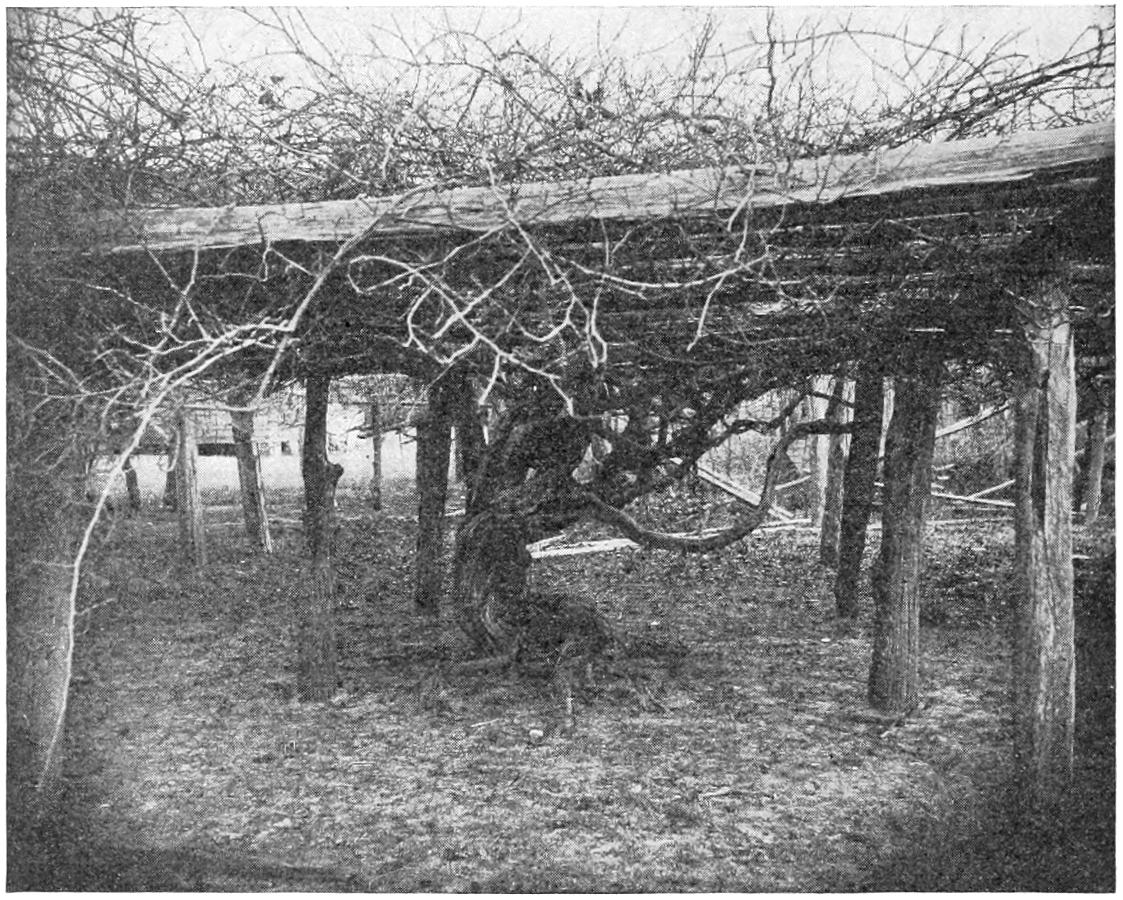
Fig. 48.—Scuppernong Grape Vine, Roanoke Island.—(Courtesy B. W. Kilgore.)
There is no part of the country, however, that grows grapes so abundantly as California. Many thousands of acres are covered with vines, both for table use and wine making. The climate is remarkably well suited to produce a grape very rich in sugar. The edible grapes do not have so high a content of sugar as those used for wine making, as is shown by the data below.
Composition of California Grapes
(three samples) (edible portion):
Water, 80.12 percent
Protein, 1.26 „
Sugar, 16.50 „
Pure ash, 0.50 „
Fat, fiber, etc., 1.62 „
The preceding analyses are evidently of grapes for table use. The juice of the wine-making grapes of California, according to the composition of the wine, contains about 24 percent of sugars.
The luxurious growth of the vine in California is illustrated by Fig. 49, showing a scene in a vineyard near Fresno, California.
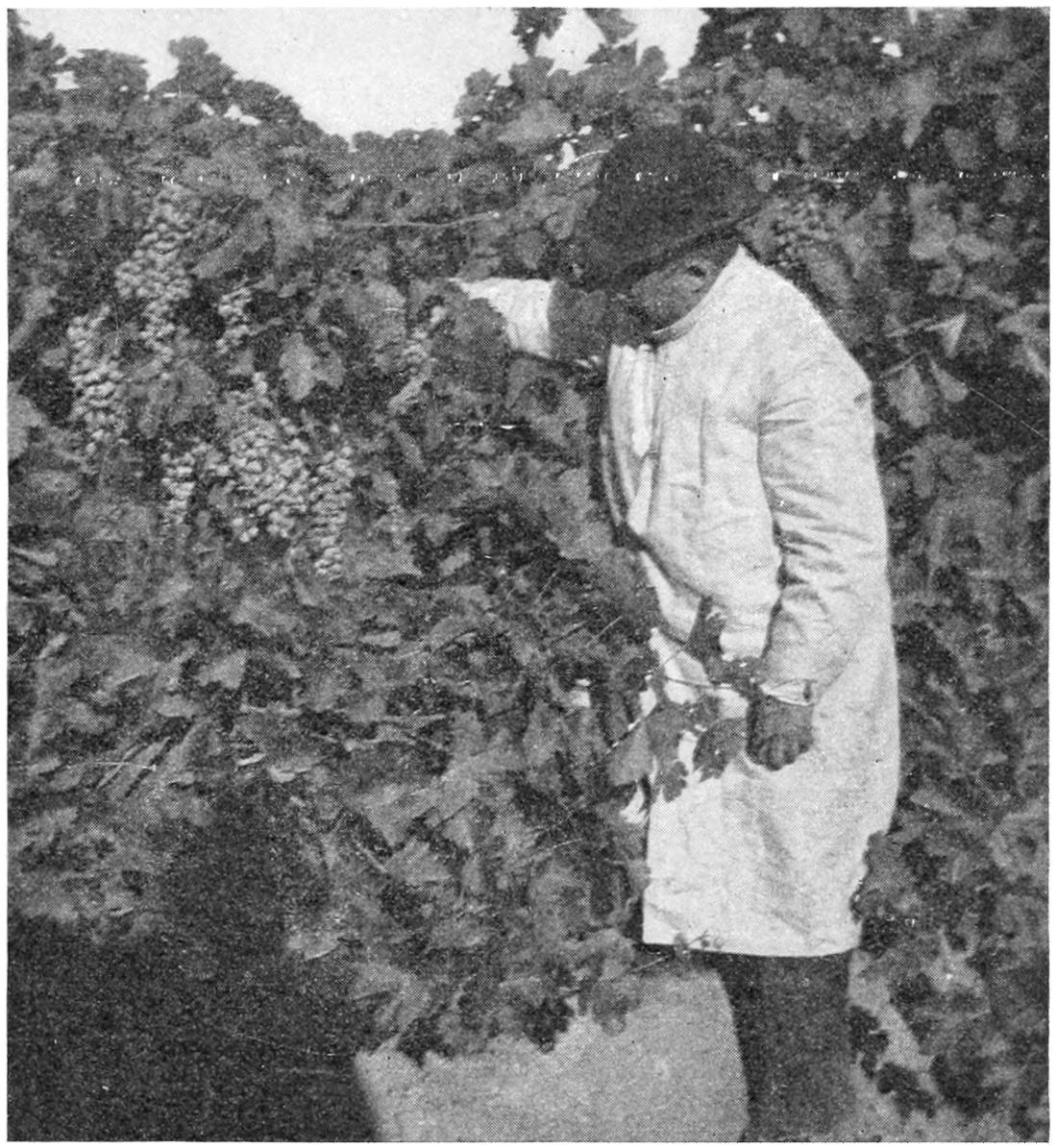
Fig. 49.—Vineyard near Fresno, California.—(Photograph by H. W. Wiley.)
Peaches.
—One of the most valued orchard fruits in the United States is the peach. The peach is a tree which is particularly sensitive to the environment in respect of bearing a crop. In many localities where peaches have once been valuable they have ceased to produce with any regularity, which renders the planting of an orchard inadvisable. The principal danger in the peach tree is the too early blooming and the exposure of the tender fruit to late frosts. The peach tree is also subject to many forms of disease, one of which, namely, the yellows, has baffled up to the present time the efforts of the experts to diagnose and treat. In planting a peach orchard experience has shown that it is well to plant the trees upon high ground or upon the sides of hills. By being placed on high ground near deep ravines it has been found that the chilling of the air, which would naturally come with frosts, makes the air heavier, so that it rolls down into the valleys, replacing the air on the hills with fresh portions unchilled and thus protecting the high ground from frost while the low ground is chilled below the freezing point. Everyone must have noticed, especially in the autumn at the time of the first frosts, that the vegetation in low lying land is usually killed before that on the adjacent hills. The peculiar susceptibility of the peach tree to the environment mentioned above has practically confined the culture of peaches to certain definite localities, as for instance to Michigan, Connecticut, Delaware, Maryland, Tennessee, and Georgia. The danger of late frosts of course does not attach to the peach tree grown in California and similarly situated localities. At the present time Georgia is probably the most important peach-growing state in the Union, both on account of the reasonable certainty of the crop and also because of the early date at which the peach can reach the markets of the large cities of the east and central portions of our country.
Many attempts have been made to protect the peach tree against the danger of premature blossoming and consequent exposure to the late frosts. In the cultivation of the trees it has been desirable to secure a variety which blooms as late in the spring as possible. The building of fires around a peach orchard in the spring when a frost is imminent has sometimes protected the orchard from disaster. This process is known as smudging. Another method of protecting the trees from the danger of late frosts is by whitewashing. The colors which absorb heat most readily are black and purple. White is one of the best protections by reason of its reflective power. A whitewashing of the branches of the trees and in fact of all the tree has been practiced with some success as retarding the early bloom of the buds. Elaborate studies of this method of treatment have been carried on by the Missouri station, and it has been developed that there is a considerable difference between the temperature of whitewashed and unwhitewashed peach twigs. The whitewash is therefore recommended as a means of retarding the development of the buds. The whitewashed trees bloom from a week to ten days later than those which are not thus treated. It is reasonably certain that by means of this kind or by cultivation a peach tree may be produced in any given locality which will put forth its buds from a week to ten days later than the normal period of blooming in that neighborhood. In regions where the winters are severe, the development of the tree in the early spring may also be prevented by placing straw round about it when the ground is frozen. The straw protects the frozen ground from rapid thawing and thus delays the development of the buds. The varieties of peach trees are legion, and it is useless to try to name them here. Some of the varieties most prized in Georgia are the Bishop, Champion, Crawford’s Early, Chinese Free, Crimson Beauty, Crosby, etc.
Composition of the Peach.
—Naturally, the peach varies greatly in its composition according to the variety, environment, and general accidental conditions. Its chief characteristics, of course, are the acid which it contains, its sugar content, and the taste and aroma due to the essential oils, ethers, etc., which are developed with proper delicacy in the fruit. The peach also has a distinct flavor associated with small quantities of hydrocyanic acid. This poisonous compound is developed in considerable quantities in the kernel of the fruit, and there are sufficient traces of the flavor above mentioned in the fruit itself to give a distinct and characteristic taste. The mean composition of some of the different varieties of peaches is given below:
Water, 88.1 percent
Protein, .7 „
Fat, .1 „
Ash, .7 „
Sugar and other carbohydrates, 10.8 „
Free and Cling Peach.
—Peaches may be divided into two great classes in respect of persistence with which the flesh adheres to the pit of the fruit. Peaches in which the flesh is separated easily from the pit, leaving the external surface of the pit dry and clean, are called freestones, while in the other variety, where the flesh is firmly attached to the pit and on the removal of the flesh a portion adheres thereto, the term “clingstone” is applied. There is probably no difference in the value of the two varieties, but by reason of the ease with which the freestone peach can be utilized for eating and cooking purposes it is sometimes preferred.
Since the development of rapid means of transportation and the effective manner of cold storage the peach is exposed in the city markets from early spring to late autumn. The peaches in Florida are ready for the market in May and in Georgia from June on, while in the north the peach ripens at later periods up to October. In fact in the north the late peaches are esteemed as better in flavor and quality, and especially suitable for canning and preserving purposes.
Uses of the Peach.
—Peaches are perhaps the most esteemed of all the common fruits for eating purposes. On the table the sliced peaches with sugar and cream is a common dish through the whole summer in almost every part of the country. Peach cobbler (a deep pie) and peach pudding are dishes which are highly esteemed.
Plums.
—(Native Plums.) The following data represent the mean composition of three samples of California plums:
Total solids, 21.60 percent
Ash, .52 „
Acidity, 1.00 „
Protein, .40 „
Total sugars, 13.25 „
The plums imported from Japan and the hybrids produced therefrom are considered of higher value than the native plum. The Japan plum (Prunus triflora) has been introduced into this country for many years. They are larger and handsomer and have better shipping qualities than those of native origin, except perhaps in a few cases. The trees are also less subject to that great enemy of the plum, the curculio, than the native plum. Of the plum trees grown in Georgia the varieties of native trees which are recommended are the Clifford and the Wilder, of Japan trees the Lutts, Red June, Abundance, and Chabot, and of the hybrid varieties, the Wickson. Plums in Georgia mature from the first of June until the middle of July. Further north the date of maturity is later. The plum, as well as the cherry, flourishes especially in California, which is more famous for these fruits than any other state.
Quince.
—The quince is a fruit which is not very extensively used raw, but is valued chiefly as a preserve. The quince flourishes in localities that produce good apples, but the magnitude of the crop is very restricted as compared with apples.
Small Fruits.
Blackberries (Rubus nigrobaccus var. Sativus Bailey).
—Among the small fruits one of the most common and abundant is the blackberry. This fruit grows wild over large areas in the United States, mostly in the middle portion between the extreme north and south. The brier on which it grows is an annual plant, springing each year from the roots and dying after bearing fruit. The plant is very largely cultivated, bearing larger and more presentable berries, but gaining nothing in flavor and palatability. The berries are generally black when fully ripe, though red during the ripening stage and sometimes when mature. They are eaten raw, stewed, and in pies or “cobblers.” The berry is extensively used for making jams, jellies, and preserves, and for canning purposes. The juice of the berry is used for making a wine, usually with the admixture of sugar. Blackberry cordial is blackberry juice preserved in whisky or brandy.
Dewberry.
—This is a variety of blackberry in which the vines lie on the ground instead of standing upright. Some of the dewberries possess unusual fragrance and palatability. In other respects they conform to the statements relating to blackberries.
Gooseberry (Ribes oxyacanthoides L.).
—The gooseberry resembles very closely the currant in its general properties. In the European gooseberry the surface is covered with prickles, but the American variety is smooth. The gooseberry bush is found in most gardens, affording a fruit of high condimental value. The fruit is eaten raw, but principally in pies and as preserves.
Huckleberry (Gaylussacia resinosa Torr. and Gray).
—The fruit of the huckleberry bush is used very extensively for making pies, especially in the northeastern parts of the United States. There are many varieties of the berry on the markets. The blueberry is one variety that is very abundant. The term whortleberry is also applied to this fruit.
Mulberry (Morus nigra).
—The mulberry grows wild over extensive areas in the United States, especially in the Ohio valley. It is a tree valued highly for its wood, which is lasting and excellent for fence-posts. The berries ripen early in the summer or late in the spring and are used as food to a limited extent.
Raspberry (Rubus strigosus Michx.).
—The raspberry is nearly related to the blackberry in all of its characters. It is chiefly a cultivated plant, being less hardy than the blackberry, and therefore not growing wild to such an extent. The fruit matures just before the blackberry, and is usually of a red color and of a pleasant characteristic taste.
Strawberry (Fragaria Chiloensis Ehrh.).
—For edible purposes in its fresh state the strawberry is the most important of the small fruits. It is offered on the markets at all seasons of the year—ripening in the winter time in Florida and California and coming into the markets in the late summer in the northern and northeastern states. It grows on vines lying on the ground and ripens early in the spring in the latitude of Washington, viz., from about the middle of May. It is eaten raw—often with sugar and cream—more extensively than any other small fruit. The wild strawberry is not so large as the cultivated variety, but is more highly prized for its aroma and taste.
Composition of Small Fruits.—
Water. Protein. Fat. Sugar, Starch Etc. Ash.
Percent. Percent. Percent. Percent. Percent.
Blackberries, 86.3 1.3 1.0 10.9 0.5
Cranberries, 88.9 0.4 0.6 9.9 0.2
Huckleberries, 81.9 0.6 0.6 16.6 0.3
Raspberries, 84.1 1.7 1.0 12.6 0.6
Strawberries, 85.9 0.9 0.6 7.0 0.6
Tropical and Subtropical Fruits. (Bulletin 87, Bureau of Chemistry.)
Anona.
—This is a variety of edible fruit grown in the tropics, especially in Cuba, but on account of its restricted production is of little importance. There are three varieties, known as follows: Sweet-sop (anona) (Anona squamosa L.), sour-sop (guanabana) (Anona muricata L.), and custard apple (chirimoya) (Anona reticulata L.). The sour-sop is a green, irregular-shaped, pod-like fruit, varying from 31⁄2 inches to 12 inches in length and about two-thirds as broad near the top, and curving to a blunt point at the lower end. The skin is thick and covered with numerous small, hooked briers. The pulp has the appearance of wet cotton and surrounds the numerous seed sacs containing the small brown seeds. A fibrous core runs through the fruit from the stem to the lower point. The fruit weighs from 3.5 ounces to 2.2 pounds. The flavor is acid, but not too much so. This fruit is more extensively used in the manufacture of cooling beverages than directly as a food, but it is also used very extensively for making preserves. The sweet-sop resembles the sour-sop in general character, but does not attain by any means to so large a size. The fruit is heart-shaped and deeply creased. The pulp contains more sugar and less acid than that of the sour-sop. This variety is eaten fresh and is also used for flavoring beverages, but is not extensively used for making preserves. The third variety, known as the custard apple, varies in color from light green to reddish brown, and is shaped something like a strawberry. It has a thick skin and black seeds, and a pulp very similar to that of sweet-sop in flavor. It is eaten chiefly raw, and is not very extensively used in the manufacture of preserves.
Composition of the Sour- and Sweet-sop Varieties.—
Edible Portion. Solids. Total Sugar. Protein. Ash. Acidity.
Percent. Percent. Percent. Percent. Percent. Percent.
Sour-sop, 72.30 19.03 13.07 1.65 .41 .51
Sweet-sop, 30.00 28.10 10.07 2.13 .92 .20
The above analyses show that the anona is a fruit which has about half the nutritive value of the banana. It has a much larger percentage of waste, especially the sweet-sop variety, where nearly three-fourths of the fruit is not edible.
Anona Preserves.
—The anona preserves should be made exclusively with sugar and thus have the character of the fruit modified only by the amount of sugar added. In one sample of preserves analyzed the following data were obtained:
Total solids, 54.33 percent
Total sugar, 49.66 „
Protein, .73 „
Ash, .43 „
Acidity, .19 „
The above data show that the natural constituents of the fruit have been diminished in quantity in proportion to the amount of sugar added.
The Avocado (Persea persea).
—The avocado is a fruit which has only lately been introduced into the United States. Its common name is alligator pear and it is already very highly prized.
The cultivation of the alligator pear was first undertaken as a novelty, and its real value as a dessert fruit is only beginning to be appreciated. It is evident that this fruit will have a great vogue in the near future, and will be in much demand as soon as its production is on a scale which makes it accessible to the people of ordinary means. The edible part of the fruit is a sweet, soft substance with an agreeable taste and of a semi-solid consistence. It has a nutty and peculiar flavor which is highly prized.
In the regions where the alligator pear is grown it is often used in the raw state or after having been treated with a little salt. It is highly prized when served in this manner. It is also often cut into small pieces and put into soup and is said to give a most agreeable odor and flavor thereto. The ripe fruit has different colors; it may be green, yellow, brown or dark purple or a combination of any of these colors. The alligator pear is particularly valued as a salad fruit.
Composition of the Avocado.—
Water, 81.10 percent
Protein, 1.00 „
Fat, 10.20 „
Starch and sugar, 6.80 „
Ash, .90 „
The above data show that the alligator pear is not a fruit which is very highly nutritious. Its principle nutrient is fat, the next most important being starch and sugar, but it is extremely deficient in protein, and therefore could not be regarded as a balanced ration. Its principle value, therefore, is mostly on account of its condimental properties rather than for its nutrients. Bulletins 61 and 77 of the Bureau of Plant Industry, Department of Agriculture, give important information regarding the avocado. The accompanying illustration is taken from Bulletin 77, above mentioned.
From the amount of fat in the alligator pear it might be regarded as a nut instead of a fruit, but its paucity of nitrogenous constituents excludes it from that category.
Bananas (Musa).
—One of the most abundant and most important of the tropical fruits, for food purposes, is the banana. The banana is not grown to any extent for food purposes in the United States, though it is produced on a limited scale in southern Florida. Immense quantities of bananas come into this country from the Central American states, particularly from Guatemala and Nicaragua. This fruit can be landed at New Orleans at very small expense for transportation, and for this reason can be distributed all over the country at a price which looks to be ridiculously small when it is considered that the fruit comes from so great a distance. It is also sent in large quantities to other ports, notably New York, Boston, and Baltimore. For shipping purposes the banana is gathered while still green, and often the ripening has not reached the stage when the ordinary yellow color which characterizes the ripe fruit is seen when it reaches the markets in the center of the country. The banana is not only valued for its peculiar flavor, which is pleasant and sweet, sometimes almost too much so, but it also has a high nutritive value, being a substance rich in carbohydrates and growing in such abundance that its price is within the reach of the poorest classes. Great quantities of bananas are also grown in Cuba, but they are mostly consumed by the native population, forming one of the principal foods of the island.
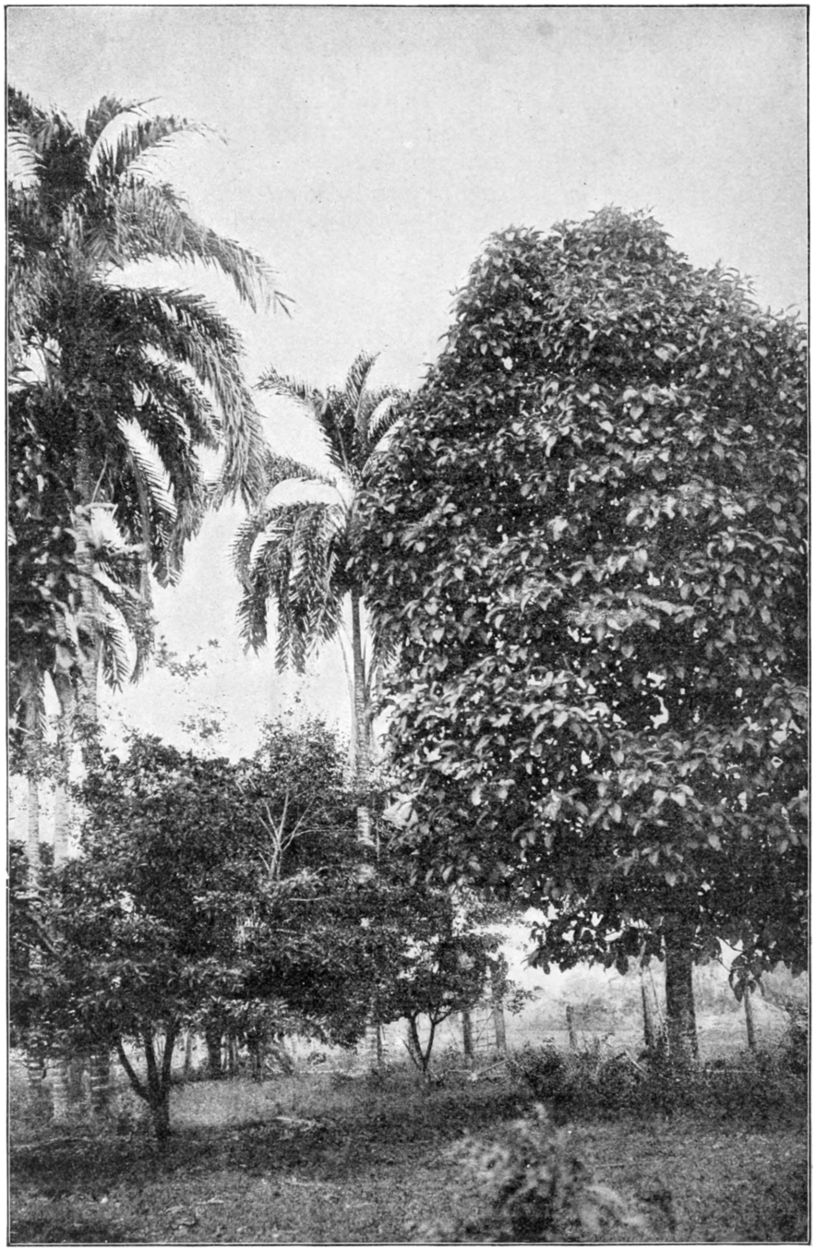
Fig. 50.—Avocado Tree.—(Courtesy Department of Agriculture.)
The banana has perhaps less waste than almost any other fruit, as the whole of the inner portion is edible. In the green fruit there is a large proportion of starch, which gradually changes into invert sugar in the ripe fruit. In thoroughly mature bananas the quantity of sugar is relatively high and the quantity of starch correspondingly low. Bananas are not only eaten raw but also fried and in various other forms. The banana is a fruit which, when properly cared for, can be transported over long distances and kept for a long time. When properly prepared the banana forms a nutritious diet, probably equal in value to the same amount of solid matter contained in the common fresh fruits. One hundred grams may be taken as the average weight of the banana, although some of them are very much larger. About 70 percent of the banana is edible and 30 percent inedible, that is, the skin, which while not wholly inedible is usually rejected. The banana is essentially a carbohydrate food, the percentage of protein not usually rising above 1.3. Nearly all the carbohydrates in the ripe fruit consist of sugars which are present both as reducing and as cane sugars. The average total percentage of sugar present in the banana is a little over 20.
The composition of the banana is shown in the following table which contains the data of analyses of two samples bought in the open market in Washington.
Edible Portion. Solids. Total Sugars. Protein. Ash.
Percent. Percent. Percent. Percent. Percent.
Sample 1, 62.10 26.13 21.71 1.13 .84
Sample 2, 64.50 26.24 21.76 1.21 .86
The analytical data were obtained upon the edible portion and not upon the whole fruit.
The bananas which are imported from Jamaica and Central America are represented by the analyses given above. They are commonly known as the Johnson banana. Smaller fruits with better flavors are grown in Cuba,—some of them are of a red color like the oronoco and colorado. The indiano is a large, yellow, angular fruit with a salmon-colored pulp and a rather disagreeable acid flavor.
With reference to the banana as a food product it is seen that, including the starch and digestible cellulose, it consists of at least 25 percent, in its edible portion, of carbohydrates suitable for food purposes. Its low content of protein indicates that it is not a well balanced ration, but should be eaten in connection with beans, peas, or other vegetables rich in protein, or with lean meat in order to secure a proper quantity of protein in the diet.
On account of the great abundance of the product and luxuriance of growth in the Central American states, it is evident that the banana might become a profitable source of industrial alcohol in that locality.
Cashew (Maranon) (Anacardium occidentale).
—The cashew, of which the principal habitat is Cuba, is a small, oddly shaped, yellow and red fruit from two to three inches long and from 1⁄2 to two inches in diameter at the bottom, decreasing gradually in diameter toward the top. The seed is small and kidney-shaped and grows outside of the fruit at the lower end. The seed is regarded as poisonous until it has been roasted, due probably to the presence of hydrocyanic acid. After roasting it is regarded as a delectable edible. The meat of the seed of the cashew resembles the roasted chestnut, but contains more oil. The pulp is of a dull yellow color, is tough and very juicy, with an acid astringent flavor and a disagreeable odor. The fruit is not eaten raw but chiefly in preserves. The composition of the cashew is shown in the following table:
Composition of Edible Portion
—85.9 percent.—
Solids, 12.84 percent
Sugar, 6.76 „
Acid, .31 „
Ash, .36 „
The composition is somewhat like that of the hicaco, but the cashew contains a larger proportion of acid and hence is better suited for preserves. The sample of cashew preserves examined had the following composition:
Solids, 71.22 percent
Sugar, 66.89 „
Protein, .26 „
Acidity, .08 „
Ash, .14 „
Citrus Fruits.
—The term “citrus fruit” is applied to that class of fruits represented by the orange, lemon, grape fruit, and lime. In the United States extensive areas are devoted to the production of citrus fruits, and it is claimed by connoisseurs that some of the best varieties grown anywhere in the world are the products of this country. Florida and southern California are two localities where the development of the citrus fruit industry has been carried to the greatest extent. The phenomenally cold winter which occurred in Florida some ten years ago almost ruined the citrus fruit industry in that state for the time being. In the reëstablishment of it the center of production has been extended farther south than it was before. It is believed that at the present time the industry has been extended sufficiently far south in the Florida peninsula to avoid any repetition of the great disaster which ruined the citrus groves in certain portions of the state at the time mentioned. The climate of southern California is more equable, and no injury has ever been experienced in that location from very low temperature. In Florida the oranges are cultivated without irrigation, while in southern California irrigation is universally practiced. The seasonal conditions are therefore under better control in California than in Florida.