PART I. MEATS. (continued 2)
Reading edition
Boneless ham, 53.30 64.09 16.84 3.75 3.15 .10 .50 23.44 19.69 .62 1.56 5.43 4.34 97.54 50.19 36.06 11.63 9.29
Gold Band sliced ham, 48.37 68.72 29.78 2.82 1.89 .09 .84 17.62 11.81 .56 2.62 5.03 4.10 98.07 34.06 57.58 9.72 7.93
Boneless cooked ham, 41.53 63.50 34.60 3.03 2.50 .12 .41 18.94 15.62 .75 1.28 4.33 3.66 98.25 32.38 59.17 7.40 6.26
Prosciutto Scelto in Fette, 36.77 57.27 35.79 3.05 1.96 .19 .90 19.06 12.25 1.19 2.81 8.37 7.51 97.38 30.12 56.60 13.24 11.88
Lunch ham, 40.74 59.53 31.56 3.68 3.21 .16 .31 23.00 20.06 1.00 .97 3.84 3.08 98.26 38.81 53.26 6.48 5.19
Huckins sandwich ham, 36.56 72.17 49.34 2.04 1.77 .07 .20 12.75 11.06 .44 .62 1.75 .. 99.79 20.13 77.77 2.76 ..
Ham, “Coin Special,” 50.87 69.12 26.42 2.94 2.55 .34 .05 18.38 15.94 2.12 .16 3.55 2.39 99.09 37.37 53.77 7.23 4.86
Sliced Star bacon, 15.34 21.24 27.79 6.68 4.75 .74 1.19 41.75 29.69 4.62 3.72 15.02 13.28 96.28 49.31 32.82 17.74 15.69
Beechnut bacon, 18.59 26.42 29.59 5.74 4.10 .26 1.38 35.88 25.62 1.62 4.31 19.90 17.84 99.63 44.06 36.35 24.44 21.91
Sliced breakfast bacon, 20.73 67.06 69.07 1.07 .92 .07 .08 6.69 5.80 .44 .25 3.06 2.37 99.41 8.44 87.13 3.86 2.99
Gold Band sliced bacon, 19.69 62.99 68.74 1.40 .91 .10 .39 8.75 5.69 .62 1.22 2.57 2.27 98.55 10.87 85.60 3.20 2.83
Fresh pork, rib and loin, 51.80 78.32 33.86 2.15 1.57 .25 .33 13.44 9.81 1.56 1.03 .78 Tr. 98.88 27.87 70.25 1.62 Tr.
Adulteration of Canned Ham and Bacon.
—From the above data it is seen that the products are probably true to name, and are actually ham and bacon. The principal adulterations which are found in these articles are preservatives and coloring matters. The coloring matter usually found is saltpeter which, in one instance, was present in quantities of one-tenth of one percent and the average quantity found was one-twentieth of one percent. Saltpeter is not used as a preservative, although it is often claimed by packers that such is the case. In the minute quantities in which it is employed it has little or no effect as a preservative if, indeed, it could be deemed a germicidal substance. The principal preservative which is found is boric acid. In fourteen cases examined, however, only two contained this preservative, which shows that there is no necessity for its use on any occasion. Under the new meat inspection law all meat products prepared for interstate and foreign commerce are packed under direct supervision of the Department of Agriculture, and contain no harmful color and no chemical preservative.
Canned Tongue.
—Several varieties of canned tongue are found upon the market known as ox tongue, lamb tongue, luncheon tongue, etc. The tongues of calves, steers, sheep, lambs, and swine are the ones which are usually canned, and they may be previously pickled before canning. The average composition of the canned tongue upon the market is shown from the following data based upon the examination of seventeen samples:
Water, 55.17 percent
Fat, 20.23 „
Protein, 19.43 „
Meat bases, 1.23 „
Glycogen, .24 „
Total ash, 3.71 „
Of which common salt, 2.90 „
The data show that in the canning of tongue a large quantity of fat is present, more than the true part of the tongue contains. Nearly all of the samples examined contained saltpeter, the largest quantity found being .15 percent.
Adulteration of Canned Tongue.
—It is not probable that any meat, except the tongue itself, is used for canning, but the contents may not be true to name. The fat dressing employed is not specified, and probably its character and amount rest alone with the ideas of the manufacturer relative thereto. Presumably the fat should be of the same animal as the tongue. A critical examination of the fat will, however, reveal whether or not this is the case.
Saltpeter is the most common adulteration, and is used solely to impart or preserve the red color of the fresh meat. Boric acid is also occasionally employed. One of the samples contained boric acid.
Without inspection of the process of manufacture, it is not possible to be assured of the sanitary conditions of the meats which are sold as canned tongue and also of the sanitary conditions of the canning itself. These are all matters of the highest importance to the consumer, and should be attested by proper inspection certificates. Under the new meat law only the proper articles can be certified by the officials in charge of inspection.
Examination of Fat as a Test for Adulterations.
—It is evident, from what has already been said, that the character of the fats which are used in the canning of preserved meats is not always the same as that of the meat to which they are added. A careful study has been made in the Bureau of Chemistry of the fats extracted from different canned meats. The chemical and physical characteristics of these fats are given in the following table:
Source of Fat. Melting Point. Chilling Point. Iodin Number. Maumené Number. Degrees Butyro- refracto- meter.
C.° C.° C.°
Canned roast beef, 36.5-43.9 27.8-37.0 36.1-50.6 35.6-36.0 47.0-55.5
Canned smoked beef, 37.7-41.8 22.0-29.0 50.9-57.5 .. 51.0-58.5
Canned ham and bacon, 23.6-30.5 17.5-24.0 48.5-68.2 39.8-43.5 49.0-58.2
Fowl, 28.0-34.0 12.0-36.5 67.0-86.4 38.9-52.0 49.0-62.5
It has been noticed that the crystals deposited by the evaporation of the ether solution of chicken fat resemble beef stearin in shape, but are much smaller and more delicate. It is seen that the melting point of fat in ham and bacon is rather lower than in leaf lard. It is evident, therefore, that this fat is not lard or, at least, not wholly composed of the best lard, but probably consists of the fat not usually employed for lard making.
Potted Meats.
—There is found on the market a large number of varieties of potted meat. It is difficult to describe in any scientific way these potted meats because the term “potted” is employed by all manufacturers to describe a mixture of a great many different articles, the exact composition of which is usually a trade secret. There is, apparently, an understanding among manufacturers that the labels of potted goods are not intended in any way to indicate the variety of meat or principal meats contained in the package. In the absence of any trade, sanitary, or chemical standard it is difficult to make any just criticism of the character of the potted goods upon the market.
The principal object of mentioning them here is to inform the consumer of the probable character of the potted goods which he may consume, and to let him understand that it is by no means certain that the name of the meat upon the label describes the character of the meat which he is actually eating. The chief object in the manufacture of potted meat is to make a supply of uniform character and consistency, and properly spiced and flavored to attract and hold the patronage of the consumer.
A certain degree of consistency is established by each manufacturer for each variety of potted goods made, and to obtain this consistence more or less fat meat of some kind is added. It may thus be of some advantage to add the fat of pork rather than the fat of beef or mixtures of the two. It is claimed by many manufacturers that a single kind of meat does not give the desired flavor in potted and deviled goods. Therefore, meats of different origin are finely ground and mixed together, and a sufficient quantity of oil or fat added to secure the required physical consistence. For this reason cured meats, such as beef and pork, are often preferred for making potted and deviled meats because of the agreeable flavor and aroma which they impart thereto. These meats are therefore used in potting, although they cost more than corresponding quantities of fresh meat. In a character of goods so variegated as these it is impossible to lay down any rule which may guide the consumer in his choice. The widest latitude is left to the manufacturer, and the only real protection is in a strict inspection of the factory or factories where such goods are made. It is there only that the character of the materials employed and the quality of the condiments or other substances added can be determined. The day is doubtless rapidly approaching when consumers will be perfectly protected in this matter, and when no canned, potted, or deviled meats of any description will be allowed to enter into commerce without bearing the certificate of competent inspection officers as to the kind of meats used, their sanitary character, etc.
Potted meats should always be carefully sterilized and the contents of the tins should be consumed as soon as possible after they are opened.
Potted Beef.
—Potted beef, more than any other product bearing the label of potted, corresponds more closely to the character of the meat named on its label. Of four samples of commercially potted beef examined in the Bureau of Chemistry only one appeared to contain any other meat than beef. The composition of the potted beef is shown in the table on page 53.
Adulteration of Potted Beef.
—From the average data given above it is seen that the principal adulteration in potted beef, assuming that the meat is beef, is starch. Two of the four samples contained starch, one more than 14 percent and one more than 11 percent. The admixture of starch is evidently solely for fraudulent purposes, to increase the weight and bulk with a very much cheaper substance and one for which no necessity for the addition can be claimed. It also increases the quantity of water which the product will carry. Saltpeter was found in one of the four samples and boric acid in two. One of the samples contained a large quantity of tin, due probably to the action of the potted meat upon the tin lining of the can.
Potted Deviled Meats.
—The term “deviled meat” is applied to a mixture of finely ground meat with spices, condiments, and other substances, and, like the term “potted,” is used rather to indicate a miscellaneous mixture than any single compound.
All that has been said respecting the composition of potted meat applies with equal force to deviled meat. If there be any difference at all it is understood by the term deviled that the spices and condiments are more pronounced in character and greater in quantity and the miscellaneous character of the goods more pronounced. Under the terms of “deviled” and “potted” may be found every kind of mixed and miscellaneous finely comminuted meat, flavored with all kinds of condimental substances and prepared so as to appeal as strongly as possible to the taste and desire of the consumer.
COMPOSITION OF POTTED BEEF.
Samples. Composition of Original Material. Composition of Dry Material.
Water. Water in- fat- free- sub- stance. Fat. Nitrogen. Nitrogenous substances. Starch. Glyco- gen, calcu- lated to dry fat- free mate- rial. Salt- peter. Total ash. Sodi- um chlo- rid. Heavy metals per kilogram. Preser- vatives. Total. Pro- tein (N × 6.25). Fat. Ash. Sodi- um chlo- rid.
Total. Meat bases. Pro- tein (N × 6.25). Pro- teids insol- uble in hot water. Gelati- noids and pro- teids precip- itated by bromin. Meat bases.
P. ct. P. ct. P. ct. P. ct. P. ct. P. ct. P. ct. P. ct. P. ct. P. ct. P. ct. P. ct. P. ct. P. ct. Milli- grams. P. ct. P. ct. P. ct. P. ct. P. ct.
1, 28.24 50.33 43.89 3.76 0.56 23.50 19.50 0.50 1.75 ... 0.32 0.05 3.31 2.43 Tin 145.1 None 97.24 32.75 61.19 4.61 3.39
2, 51.80 64.40 19.58 ... ... ... ... ... ... 14.26 ... ... ... ... ... Boric acid ... ... 40.62 ... ...
3, 54.92 62.20 12.70 2.87 .64 17.94 12.88 1.06 2.00 11.56 .22 ... 4.50 ... ... do 99.69 39.81 28.17 9.98 ...
4, 65.51 72.92 10.26 3.14 .42 19.62 15.06 1.94 1.31 ... .25 ... 2.30 ... ... None 96.44 36.88 29.75 6.67 ...
It may be said, in connection with these goods, that there is no objection whatever to their manufacture and sale provided the meat used in their preparation is sound and sanitary, the conditions of manufacture clean and free of infection, and provided the fraudulent additions for the purpose of increasing bulk and weight are excluded, together with injurious preservatives and coloring matters, such as borax, saltpeter, sulfite of soda, etc.
Potted and deviled are not the only terms, however, which are used to express miscellaneous mixtures of meat products. The term “pâtés” is also employed for a large class of goods, among which the principal ones are the familiar pâté de foie gras, which should be made largely of fatty goose livers.
Composition of Pâtés.
—The result of the examination of large quantities of pâtés in the Bureau of Chemistry indicates that they are made up principally of the meat of beef and pork. It is not quite certain in any case that the highly prized livers of fat geese have been employed at all to any considerable extent. There are no forms of comminuted meats of any description which are so objectionable in name as those that are sold under the name of pâtés, especially when they are ascribed to a particular composition, as is the case with pâté de foie gras. As has been remarked before, there is certainly no objection to the manufacture of these mixtures, but misleading statements concerning them are to be condemned. The manufacturer and consumer of pâté de foie gras should establish some standard of the percentage of goose livers which they should contain, and each package should be accompanied by an official certification that it has been inspected and found to be up to the standard. It is only in this way that the public can be protected against fraud and imposition. Where no descriptive word at all is used with the word pâté there is no reasonable limit to be placed upon the kind of meat used, provided it is of a sound and sanitary character. The term pâté itself means a mixture and, therefore, it is no deception and imposition upon the public to sell a pâté of a miscellaneous character, provided it does not bear any false statement regarding origin or character.
The mean composition of forty-three samples of pâtés and purées is found in the following data:
Water, 45.87 percent
Water in fat-free substance, 71.18 „
Fat, 35.41 „
Protein, 11.92 „
Meat bases, .82 „
Starch, 7.44 „
Total ash, 2.88 „
Of which sodium chlorid, .97 „
From the above data it is seen that the pâtés are characterized by a very high percentage of fat and a correspondingly low percentage of protein. A very large majority of the samples examined contained starch, the highest quantity found being 15.80 percent. Only two of the samples were found to contain saltpeter; six contained boric acid and three benzoic acid. Tin and zinc were found in a few cases.
Principal Adulterations of Mixed, Miscellaneous, Potted, Deviled, and Comminuted Meats.
—As has been observed in the analyses of the commercial articles which have been submitted it is evident that no detection of the adulteration of these minced meats with impure fragmentary, diseased, or unwholesome articles is possible in so far as chemical analysis is concerned. A microscopic analysis also often fails to reveal the true character of the meats which have been used in the preparation of these bodies. Hence the adulteration of these bodies with diseased, unwholesome, unfit, and unsanitary meats cannot be controlled nor even positively affirmed after the meats are prepared and canned. Such adulterations are doubtless frequent and are the most objectionable. The only protection to the consumer is in a certificate of inspection before preparation and packing. The consumer, by refusing to purchase such comminuted meats in the absence of such a certificate, would soon compel the manufacturer to secure official inspection and certification of his products.
Adulteration with Starch.
—One of the chief adulterants in sausages and prepared meats is starch. It has been said by some hygienists that starch is not an objectionable adulterant on hygienic grounds. This, however, is not strictly true. The injection of large quantities of starch into meat tends to unbalance a ration which is fixed with certain quantities of other food and tends to increase the proportion of starchy matter therein. There are many conditions of disordered digestion in which such increases of starch, unknown to the physician or patient or even known, are highly objectionable. Hence the use of starch as an adulterant in meat of this kind is reprehensible on hygienic grounds. The principal purpose for using starch is deception. Starch increases the bulk and weight of goods, and, in the process of cooking, prevents undue shrinkage. The consumer, therefore, thinks that he has secured a larger quantity and better quality of meat than he really has, and is, to this extent, defrauded and deceived.
Preservatives.
—The preservatives which are principally used in meat are borax, boric acid, sulfite of soda, and benzoic acid. All of these preservatives have been shown, by researches in the Bureau of Chemistry, to be deleterious to health. They should be rigidly excluded from all meat as well as other food products.
Coloring Matter.
—Dyes are frequently used for coloring sausage and other minced meats. All such dyeing materials are reprehensible, both on account of the danger to health and deception. Preserved meats gradually lose the natural red tint of the fresh meat, and to that extent the color is an index of the time during which they have been preserved. Inasmuch as consumers prefer fresh meats preserved as short a time as possible, they are deceived and to that extent injured by the use of dyestuffs which impart to preserved meats a fresh appearance.
Indirect Coloring Matter.
—Certain chemicals, which of themselves have no color, serve to fix and hold, or even accentuate, the natural color of meat. The two principal chemicals used for this purpose are saltpeter and sulfite of soda. Saltpeter is used generally in preserved meats to retain and accentuate the red color thereof. Sulfite of soda is used principally on fresh meats, where it acts both as a preservative and as a retainer of color. Sprinkled over the freshly cut surface of fresh meat, sulfite of soda preserves the red tint, and the customer thinks it has just been cut. In this way he is deceived. Both of these substances are highly objectionable not only on account of deception but on account of being injurious to health. In the case of saltpeter, the general opinion concerning its therapeutic action is that it is not a proper substance to mix with foods. It would be highly desirable on the part of the packer, if he deemed it necessary to use bodies of this kind, to plainly state upon each package the character and quantity of preservatives and coloring matter employed. The consumer is then left to judge for himself whether or not he desires to eat these bodies.
The principal objection to notifications of this kind is that the consumer, not being an expert as a rule, cannot form any intelligent opinion respecting the desirability of these substances in food. He is more apt to be guided by common practice in this matter and by his own opinion than by any general principles of chemistry and hygiene.
Potted Tongue.
—The term “potted tongue” may apply equally to tongue of a single character, such as beef, lamb, pork, or swine, or the mixture thereof. The examinations which have been made of the potted tongues of commerce do not indicate whether they are of a single character or whether the tongues are derived from a variety of sources. The mean composition of twenty-one samples bought in the open market, as found in the Bureau of Chemistry, is given in the following table:
Water, 52.50 percent
Water in the fat-free substance, 67.67 „
Fat, 22.99 „
Protein, 17.80 „
Meat bases, .75 „
Total ash, 5.46 „
Adulteration of Potted Tongue.
—In the samples examined above starch was found in four cases, the largest amount being 11.6 percent. Saltpeter was found in eighteen cases, the largest amount being .06 percent. Tin was present in thirteen cases and zinc in eight cases. Boric acid was found in fourteen cases.
From the above it is evident that the principal adulterations in potted tongue, aside from the use of meats which are not tongue, and which chemical analysis cannot disclose, are the addition of starch, saltpeter, tin, and zinc, the two latter derived either from the solder or from the can in which the goods are placed.
Canned Poultry.
—Other fresh meats, in addition to beef and pork, are canned in a fresh state. In the case of poultry the fowls are dressed and drawn and the whole carcass boiled until the meat is sufficiently cooked to facilitate the separation from the bones. The bones are then removed and the meat is canned and sterilized by practically the same method as practiced with canned beef. Game and wild fowl meats are also subjected to the same process of canning as the domesticated chickens, geese, ducks, turkeys, etc. In general it may be said that there are no differences in the processes employed, but the important question to the consumer is the character of the raw materials used, the sanitary conditions which attended their preparation, and their freedom from admixtures of other meats cheaper in price and of different dietetic values.
Adulteration of Canned Fresh Meat.
—Fortunately the process of sterilization is of such a character, when properly carried out, as to exclude all necessity for the addition of any preservative substances to canned fresh meat. The use of ordinary condimental substances in moderate quantities cannot be regarded as an adulteration. Hence, the addition of small quantities of salt, sugar, vinegar, and the ordinary spices, when used solely for the improvement of the taste and flavor and not for preservative purposes, is regarded as unobjectionable.
The common preservatives used in canned meat are, first, those which give color to the meat and preserve its natural red tint. For this purpose saltpeter and sulfite of soda are most commonly employed. Red dyes of any description are rarely, if ever, found. The preservative which is used most frequently in canned meat is borax or boric acid. That this use is not necessary is evident from the investigations which have been made in the Bureau of Chemistry which show that in most cases no preservatives at all are used. The addition of any chemical preservative is, therefore, to be regarded as unnecessary and as an adulteration.
The use of any diseased, tainted, decomposed, or filthy meat, even if it is of the same origin as that in the can, is an adulteration of the most serious character and which can only be effectually controlled by the inspection mentioned above. The adulteration of the meat of fowls of all descriptions by cheaper meats, such as pork or veal, even if they be of wholesome and sound character, is an adulteration said to be often practiced and one which it is difficult to detect if the particles of meat are finely comminuted.
Standard for Preserved Meats.
—The standard for preserved meat is the same as that for fresh meat which is given in the Appendix (Circular 19, Office of Secretary, Department of Agriculture). The meat must be sound, wholesome, clean, freshly taken from the slaughtered animal, and not one that has died from disease, suffocation, or otherwise, and must conform in name and character to the meat of the animal.
Frequency of Adulteration.
—The examination made of numerous samples of canned meat in the Bureau of Chemistry shows that the adulteration of these foods is rather common but by no means general.
Canned Horse Meat.
—Horse meat is commonly used for human food in many European countries, although it is believed that it is not used to any extent in the United States. When procured from healthy animals in a proper way there is no hygienic objection to its use, though it is considered to be somewhat tougher than the flesh of other animals more commonly employed as food, but that is probably due to the fact that horses are not raised for food purposes and are usually not used for such until they are worn out in domestic service. There are many sentimental and often religious objections to the use of horse meat, but experience has shown that it is wholesome and nutritious. Horse meat is characteristic in containing more natural sugar, commonly known as glycogen, than any of the other ordinary meats used for human consumption. It approaches in its content of sugar some of the shell-fish flesh, such as that of the lobster. Practically all of the horse meat which is prepared in this country is exported to Europe. There are cases, however, on record of the sale of horse flesh to domestic consumers. Especially could it be used in this way in the form of sausage or other finely comminuted products without much danger of detection.
Composition of Horse Meat.
—A number of samples of horse meat of undoubted origin and wholesomeness have been examined in the Bureau of Chemistry and the data tabulated. The average composition of sixteen samples of horse meat, representing different parts of the carcass, is shown in the following table:
Water, 69.81 percent
Water in fat-free substance, 76.91 „
Fat, 9.61 „
Protein, 19.47 „
Protein insoluble in water, 14.83 „
Gelatinous protein, 1.23 „
Meat bases, 1.70 „
Glycogen, 1.82 „
Ash, 1.01 „
Composition of Dry Material—
Protein, 67.98 percent
Fat, 27.71 „
Ash, 3.18 „
Undetermined, 1.13 „
The high percentage of glycogen in horse meat is one of the safest methods of determining its character when comminuted or cut up into pieces so small as not to be identified by the usual anatomical characteristics. Very few other kinds of edible flesh contain as much as one percent of glycogen. Glycogen is a transitory product which tends naturally to be broken up into other substances, and, hence, even in horse meat after slaughter, it may rapidly disappear and thus, unless the meat is examined at once, very little glycogen may be found in it. A safer test for horse meat is in the nature of the fat therein. This fat does not tend to change as the glycogen does, and, therefore, in a pure preparation of horse meat even in a finely comminuted state the separation and examination of the fat will lead to a determination of the character of meat employed. The fats of horse meat have a lower melting point, a higher iodin number, and a higher heat value when mixed with sulfuric acid than those of beef.
Indeed, these differences are so marked as to afford a ready means of detection to the practical chemist. Even in the mixture of horse meat with other meat the variation in the character of the fats will be such as to lead to a correct judgment respecting the approximate amount of horse meat which has been used, provided it forms any notable amount of the mixture.
Canned Cured Meats.
—Sterilization is such a certain method of preventing the decay of meats that it has now come into use to a large extent in the final preservation of shipments of cured meats. The object of curing, as has already been stated, is not merely to prevent the meat from decaying, nor is it intended to inhibit entirely enzymic action. On the contrary, if the method of curing were such as to entirely stop fermentative action, the flavors and aromas of preserved meats, upon which their value so much depends, would be eliminated, and we would simply have a mass of tasteless meat, preserved from decay by the application of chemical preservatives of a character to impart neither flavor nor aroma to the meat and at the same time prevent the activity of the various ferments above described. Such methods of preparation, naturally, should never be of general use, because in cured meats the consumer demands the flavor which naturally proceeds from the ordinary method of curing. After curing and when subjected to transportation the meats may undergo decomposition and reach their destination in a spoiled state. To avoid this it has been a customary practice to pack the meat in a chemical preservative, such as borax. This is, however, a very objectionable practice because even in the cured state the meat is still absorptive, and the borax, which is packed externally upon it, as a precaution during transit, must necessarily penetrate to a certain extent to the interior of the meat. By packing cured meat in tins and subjecting these tins to sterilization complete immunity from decay may be secured and there is no damage done to the aroma or flavor. We, therefore, find upon the market at the present time in tinned, canned, or potted form almost every variety of meat that is used either in a fresh state or after the usual method of curing.
Canned Sausage.
—One of the most important of cured meats which is offered for sale is sausage. Sausage may be canned either in the fresh or cured state and, of course, may be adulterated in both conditions. Canned sausage should have a clean bill of health from the local inspector the same as any other meat food.
There is, perhaps, more room for deception in the manufacture of sausage than in almost any other form of comminuted meat. When properly treated with condimental substances, such as salt, spices, vinegar, etc., sausages are highly prized as a food product, and justly so. In the canned state sausage should undergo no other manipulation than spicing and sterilization at a temperature necessary to kill all fermentative germs and prevent decay.
Composition of Canned Sausage.
—Twenty-five samples of canned sausage examined in the Bureau of Chemistry had the following average composition:
Water, 58.51 percent
Water in fat-free substance, 75.59 „
Fat, 21.82 „
Protein, 13.92 „
Protein insoluble in water, 11.37 „
Gelatinous protein, 1.21 „
Meat bases, .67 „
Ash, 2.86 „
Sodium chlorid, 1.02 „
The above data show that canned sausage differs from fresh meat largely in its composition, especially in the much higher content of fat and lower content of water which is found therein.
Adulteration of Canned Sausage.
—The principal adulteration, as has already been stated, is in the admixture of meats of unknown and miscellaneous origin and possibly inedible in character. The degree of comminution to which sausage is subjected renders it difficult in the inspection of sausage itself to determine the character of the animal from which it is made. The study of the fat is the most useful guide in such cases. Presumably sausage is made almost exclusively of beef and pork, but, as a matter of fact, much which is not eaten under its own name may be found in sausage.
Next to the introduction of meat of an improper character the most important adulteration is the common use of starch. Starch is very much cheaper than meat, and its abundant use enables a greater profit to be made. It is highly esteemed, also, as a “filler,” on the ground that it prevents the shrinkage of sausage when fried. Starch granules under the influence of heat are gelatinous, holding moisture with tenacity and preventing shrinkage in bulk.
The presence of starch in sausage must be regarded as an unjustifiable adulteration unless the amount therein is plainly marked on the label of the package.
The use of preservatives in the curing of sausage is a very common practice and, hence, canned sausages are found to often contain boric acid or borax and sulfite of soda especially. Dyes of various kinds are also used in coloring sausage or its covering, largely of a coal tar origin.
The proper safeguard for the consumer in regard to the character of sausage is in the inspection of the factory. It is highly important that each municipality and state should have a rigid system for the inspection of sausage, and the sausage thus inspected should bear the certification of the kind of meat used and its general character. The presence of inspectors in factories would prevent the use of preservatives which, it has been shown by the researches of the Bureau of Chemistry, are prejudicial to health.
Magnitude of the Meat Industry.
—According to the census of 1905, showing the results of the tabulation of the statistics of slaughtering and meat packing and slaughtering, wholesale, for the calendar year 1904, forming a part of the census of manufactures of 1905, which was taken in conformity with the act of Congress of March 6, 1902, the figures indicate that there has been a normal increase in the slaughtering and meat packing industry in the United States, as compared with the statistics of 1900, which covered the fiscal year ending May 31st.
Comparative figures for 1905 and 1900 are shown in the following summary:
1905. 1900. Percent of Increase.
Number of establishments, 929 921 .8
Capital, $237,699,440 $189,198,264 25.6
Salaried officials, clerks, etc.:
Number, 12,075 10,227 18.0
Salaries, $13,377,908 $10,123,247 32.1
Wage-earners:
Average number, 74,132 68,534 8.2
Wages, $40,447,574 $33,457,013 20.9
Miscellaneous expenses, 30,623,108 24,060,412 27.3
Materials used:
Total cost, $805,856,969 $683,583,577 17.9
Animals slaughtered:
Beeves, $289,040,930 $247,365,812 16.8
Sheep, 44,359,804 37,137,542 19.4
Hogs, 329,763,430 278,736,961 18.3
Calves, 12,666,942 7,356,560 72.2
All other, 61,905 559,839
All other materials, 129,963,958 112,426,863 15.4
Products:
Total value, $913,914,624 $785,562,433 16.3
Beef—
Sold fresh, $247,135,029 $211,068,934 17.1
Canned, 7,697,815 9,167,531 17.1 [14]
Salted or cured, 8,107,952 9,661,834 16.1 [14]
Mutton—
Sold fresh, $36,880,455 $32,963,219 11.9
Veal—
Sold fresh, $12,856,369 $7,812,714 64.6
Pork—
Sold fresh, $91,779,323 $84,019,387 9.2
Salted, 116,626,710 88,674,016 31.5
Hams, smoked bacon, etc., 132,210,611 148,666,859 11.1 [14]
Sausage, fresh or cured, 25,056,331 21,472,413 16.7
All other meat sold fresh, 9,579,718 7,813,078 22.6
Refined lard, 74,116,991 52,620,348 40.8
Neutral lard, 8,423,973 8,588,350 1.1 [14]
Oleomargarine oil, 10,201,911 11,482,542 11.2 [14]
Other oils, 2,595,951 3,440,358 24.5 [14]
Fertilizers, 4,397,626 3,300,132 33.3
Hides, 44,137,802 33,925,911 30.1
Wool, 5,229,521 3,335,824 56.8
All other products, 76,880,536 47,548,983 61.7
GENERAL OBSERVATIONS.
It is evident, from the foregoing description of the methods of preparing and sterilizing meat, that it is a process which commends itself both on account of the economy in the use of meat which it secures and because of the nutritive value of the products obtained.
The real value of the products must necessarily depend upon the selection of the raw materials and the sanitary conditions which attend their manipulation. Experience has shown that it is not safe to leave these matters to the packers themselves. While, doubtless, the greater number of packers will exercise all possible care in the selection of the materials and in their preparation, human nature is of such a character that when opportunity for deception, fraud, and illegitimate gains are presented there are always some who take advantage of them. Hence, it may be safely said that no tinned or canned or sterilized meat of any description should be allowed to enter into consumption except when prepared under the inspection of qualified municipal, state, or national officers. The health of the animal furnishing the meat should be ascertained by inspection both before and after slaughter. This inspection should be of the most rigid kind, and all diseased animals should be excluded from entering into standard products. If it be claimed that there are certain diseases which are local only in character and which do not affect the wholesomeness of the whole carcass, special provisions can be made for this kind of meat. If admitted into consumption at all, it should be under a permanent label or tag by which the intended consumer would be informed of the character of the contents of the package.
There is a reasonable doubt respecting the suitability for human food of carcasses of animals afflicted in a moderate degree with tuberculosis, pleuro-pneumonia, lumpy jaw, or other contagious or epidemic diseases. In all such cases the rights of the consumers demand that the benefit of the doubt should be given to them and not to the owner, manufacturer, and dealer in any of the products they consume. Such meat would then enter the market under a separate grade and command a lower price, and when consumed no one would be deceived respecting its character.
It must be admitted, even if such meat be regarded as wholesome, that it is of inferior character, and cannot in any justice demand the right to pass under the name of higher grades of the article. The sanitary conditions under which such meats are prepared are of the highest importance. The slaughter house should be clean, and provided with good ventilation and natural light. The workmen should be free of disease, neatly dressed, and required to observe all necessary sanitary precautions. The débris and fragments of the packing house should be carefully removed and so disposed of as to prevent any suspicion that any part of them enters any of the products of the factory. Municipal, state, or national inspection should be frequent, thorough, and entirely removed from any possible influence of the packing business itself. Competent veterinary experts should pass upon the state of health of each carcass, and any one found diseased in any way should be subjected to a further careful inspection to see whether it should be admitted, under proper label and notification, as human food or consigned to the fertilizer heap. It is only by such inspection as this that the consumer can secure adequate protection. After the meat is once in the can inspection will only reveal whether or not preservatives and coloring matter have been used, or whether the contents of the can are spoiled or in a state unfit for consumption. No examination of the contents of the can will reveal in a satisfactory manner the state of health of the carcass from which the meat has been secured or the sanitary conditions under which it has been prepared. It is hoped the new methods of inspection established by the Secretary of Agriculture will secure the desired purity of meat products.
LARD.
The fat of swine, properly separated from the other tissues, is known as lard. The process of separation is termed “rendering.” Various methods of rendering are practiced, all depending, however, upon the use of heat, which liquefies the fat and gradually frees it from its connective tissues.
Parts of Fat Used for Lard Making.
—In the making of lard the highest grades are produced from the fat lining the back of the animal and that connected with the intestines. The sheets of fat which are found lining the back of the animal furnishes a variety known as leaf lard. All parts of the fat of the animal not used in the meats themselves may be used in the manufacture of lard. In the preparation of the carcass, the parts cut off in trimming the pieces and containing fat are sent to the rendering tank. The leaf lard is also removed by tearing it off from the back of the animal, and the intestinal fat is separated from the viscera in like manner. There is probably no question of wholesomeness between the lards made from different parts of the carcass. The lard differs in its chemical composition and its physical consistence as determined by its location in the body. Inasmuch as it is important that lard should have a certain degree of consistence even in summer time and not become too soft or liquid in character, the lard which has a high melting point is preferred, especially during the summer. The lards made from the feet and some other parts of the hog have lower melting points. The different kinds of fat from all parts of the animal might be mixed together and a lard made therefrom representing the average consistence of the fat of the whole body. A small quantity of stearin is often added to raise the melting point, but the addition of this substance without notice must be regarded as an adulteration.
Names of Different Kinds of Lard.
—The names applied to the different kinds of lard may be referred principally to the parts of fat used, such as leaf lard, intestinal lard, etc., or to the method of preparing it. The old-fashioned method of preparing lard for family use consisted in placing the fat in an open kettle and heating usually over the open fire. The rendering takes place as the mass increases in temperature, so that the residual tissues become browned by the high temperature reached. Lard made in this way is of most excellent quality and, of course, being made under family supervision, its character is well understood and the parts of the body used are well known. In the large packing establishments the lard is usually rendered by the application of heat in the form of steam under pressure, of a suitable temperature to make the character of lard uniform. Large yields can be secured in this way with less charring of the residual tissues, and consequently a finer and whiter color in the lard itself. Lard of this kind is sometimes known as steam rendered lard.
Uses of Lard.
—The fat of swine prepared as above mentioned, and known as lard, finds a very extended use in every kitchen. It is mixed with various forms of bread making materials, cake, etc., and is often known in this sense as “shortening.” It is also employed for lubricating the pans and other culinary utensils used for baking purposes. It is sometimes employed for the purpose of cooking by the process of frying or of introducing the substance to be cooked directly into the hot lard, as in the frying of oysters, the making of doughnuts, and similar operations. Lard has come to be looked upon as a necessity in every kitchen, even of the humblest citizen.
Many objections are made to the use of lard on hygienic grounds, and probably on account of its cheapness and general utility it is more freely used in American cooking than it should be. In other words, American cooking is under the reproach of being too greasy. There is no reason to question the digestive and nutritive value of lard when used in proper quantities and in proper conditions. It is a typical fat food composed of materials which are almost wholly oxidized in the body and which upon combustion produce a higher number of units of heat than that of any other class of food substances.
COMPOSITION OF DIFFERENT VARIETIES OF AMERICAN LARD.
Specific Gravity. Saponi- fication Equiv- alent. Melting Point. Melting Point of Fatty Acid. Crystal- lizing Point of Fatty Acid. Rise of Temper- ature with Sulfuric Acid. Iodin Ab- sorbed. Water.
C.° C.° C.° C.° Percent Percent
Leaf lard, .9057 272.64 41.6 43.0 40.40 39.7 59.60 .165
Pure leaf lard, .9028 281.01 44.9 42.8 40.40 37.1 53.04 .025
Prime steam lard, .9052 279.06 38.4 41.8 39.53 33.7 63.84 .040
Adulteration of Lard.
—The principal adulteration to which lard is subjected is admixture with other and cheaper fats. Among the fats which are used for this purpose may be mentioned beef fat and cottonseed oil. Beef fat has a higher melting point than lard and cottonseed oil a much lower melting point, being liquid at ordinary temperatures. A mixture of beef fat and cottonseed oil may, therefore, be made, having approximately the same melting point as lard itself. The addition of this mixture to lard would not alter its melting point to any sensible extent. Instead of using the whole cottonseed oil for the purpose mentioned it may be previously chilled and its product of a higher melting point, or as it is sometimes called, the stearin of cottonseed oil, may be used for admixture with lard. Large quantities of these mixed fats were formerly made in this country under the name of “compound lard” in which the above adulterants were the chief constituents. The laws of the various states are happily of a character which forbids the sale of a mixture of a compound of lard and other fats under the name of lard, although there is no objection to such admixture from a hygienic and dietetic point of view. There are many hygienists who are of the opinion that the more extended use of vegetable oils instead of lard would be of value to the health of the public. If this be true, the admixture of a vegetable oil with lard would improve it from a hygienic standpoint. The principal, perhaps the sole, objection to such admixtures is their fraudulent character. Vegetable oils, especially cottonseed oil, being very much cheaper than lard, their use in lard without notification cheapens the product and defrauds the customer. Lard may also be adulterated with its own stearin. In the manufacture of lard oil a residue is left of a much higher melting point and this residue may be mixed with a vegetable oil, such as cottonseed, in the production of a compound of approximately the same melting point as lard itself. In a case of this kind both constituents are fraudulent, in as much as neither the cottonseed oil nor the lard stearin may be regarded in any sense as lard.
Detection of Adulterations.
—The presence of cottonseed oil in any form in lard is at once determined by the application of a simple color test known as the Halphen test. This is not a reliable test in those cases where the animal has been fed cottonseed.
Halphen Reaction for Cottonseed Oil.
—Carbon disulfid, containing about one percent of sulfur in solution, is mixed with an equal volume of amyl alcohol. Mix equal volumes of this reagent and the oil under examination and heat in a bath of boiling brine for fifteen minutes. In the presence of as little as one percent of cottonseed oil an orange or red color is produced, which is characteristic.
Lard and lard oil from animals fed on cottonseed meal will give a faint reaction; also the fatty acids thereof.
This test is more sensitive than the Bechi test (nitrate of silver) and less liable to give unsatisfactory results in the hands of an inexperienced person. It is not affected by rancidity. The depth of color is proportional, to a certain extent, to the amount of oil present, and by making comparative tests with cottonseed oil some idea as to the amount present can be obtained, but it must be remembered that different oils react with different intensities, and oils which have been heated from 200° to 210° C. react with greatly diminished intensity. Heating ten minutes at 250° renders cottonseed oil incapable of giving the reaction.
Cottonseed oil also has the property of reducing silver in silver nitrate to a metallic state. When mixed with a solution of silver nitrate under proper conditions a blackening or precipitation of black metallic silver is observed. This is known as the Bechi test which is conducted as follows:
Bechi or Silver Nitrate Test for Cottonseed Oil.
—Reagent: Dissolve 2 grams of silver nitrate in 200 cubic centimeters of 95 percent alcohol and 40 cubic centimeters of ether, adding one drop of nitric acid.
Mix 10 c.c. of oil or melted fat, 5 c.c. of reagent, and 10 c.c. of amyl alcohol in a test tube. Divide, heat one-half in a boiling water bath for ten minutes, and then compare with portion not heated. Any blackening due to reduced silver shows presence of cottonseed oil.
Other oils which have become rancid, and lards which have been steamed or heated at high temperature, contain decomposition products which have a reducing action on silver nitrate. There were found in testing a large number of salad oils some which contained no cottonseed oil, according to the Halphen test, but gave a brown coloration with Bechi reagent, and in some cases reduced silver. These same oils on being purified gave no reaction. Hence the oils or fats should be purified before testing.
To purify the oils and fats, heat from 20 to 30 grams on water bath for a few minutes with the addition of 25 c.c. of 95 percent alcohol, shake thoroughly, decant as much of the alcohol as possible, and wash with two percent nitric acid, and finally with water. The oil or lard thus purified will give no reduction at all if it contains no cottonseed oil. Heating the oils or fats to 100° C. or simple washing with two percent nitric acid is not sufficient, except in a few cases.
With oils the use of the Halphen and Bechi tests will be found to be useful as a means of approximately determining the amounts of adulteration present. If Halphen gives a reaction and Bechi does not, the adulteration with cottonseed oil is probably less than 10 percent.
The admixture of beef fat with lard is best detected by means of the microscope. The fat is dissolved in ether and allowed to slowly crystallize. If it is composed of pure lard the crystal assumes a form which is represented in Fig. 8.
If, on the other hand, beef fat be mixed with lard, the crystals will assume a radiated fan-shaped appearance shown in Fig. 9. Even one who is an expert with the microscope may not be able without some difficulty to detect these adulterations by the simple tests above mentioned.
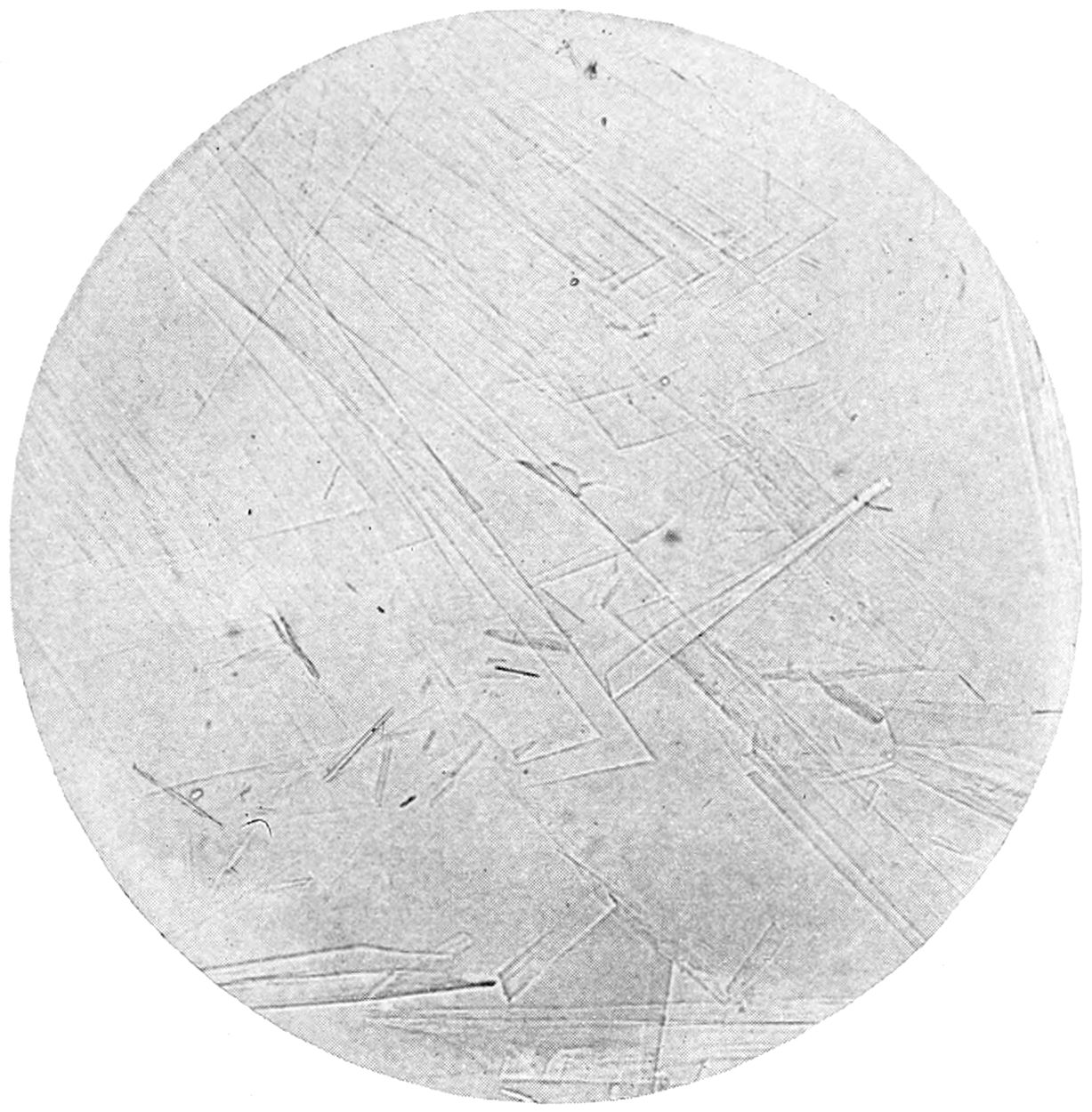
Fig. 8.—Lard Crystals. × 140.—(Bureau of Chemistry.)
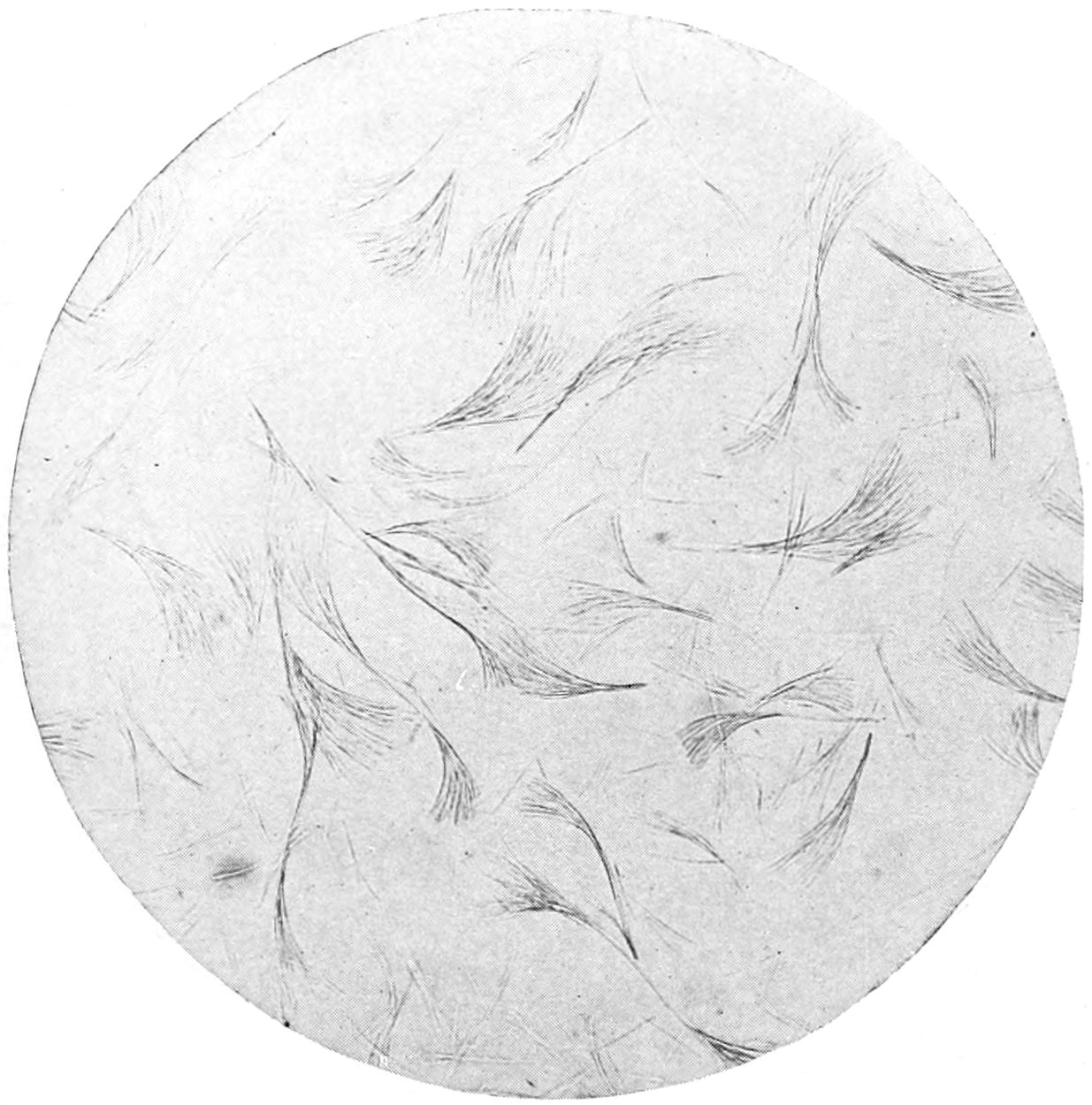
Fig. 9.—Beef Fat Crystals. × 140.—(Bureau of Chemistry.)
Commercial Classification of Lards.
—In addition to the kinds of lard mentioned above other varieties are known in commerce.
Neutral Lard.
—This, which is one of the best varieties of lard, is made from the fat derived from the leaf lard of the slaughtered animal in a perfectly fresh state, that is, taken immediately after slaughter and before the carcass is cold. The leaf lard, when it is removed from the animal, is at once placed in cold storage or put into cold water, in order to rapidly remove the animal heat. As soon as it is thoroughly chilled it is reduced to a pulp in a grinder and sent at once to the rendering kettle. The fat is rendered at a very low temperature, from 105 to 120 degrees F. (40-50 degrees C). It is evident that only a part of the lard is separated at this temperature, and this part is regarded as being of the best quality, almost tasteless, free of acids and other impurities. The residue from the making of neutral lard is sent to other kettles, where it is subjected to a higher temperature and the remainder of the lard extracted, which is sold under the name of another grade. Neutral lard, obtained as above, while still liquid, is washed with water containing a trace of sodium carbonate, common salt, or a dilute acid. The product thus formed is almost neutral in its reaction to litmus paper containing not to exceed .25 percent of free acid, but it has more water and mineral matter than is found in the pure rendered untreated lard. The neutral lard made in this way is not used so commonly for culinary purposes but chiefly in the manufacture of oleomargarine.
Leaf Lard.
—The residue of lard obtained by rendering the unseparated part of lard from the above process at a higher temperature is also of a high quality and is sometimes improperly designated leaf lard, a term which should be reserved for the whole product instead of a part obtained by rendering the residual leaf fat.
Choice Kettle-rendered Lard.
—The amount of neutral lard which is demanded in the manufacture of oleomargarine does not by any means exhaust the supply of leaf lard. For making choice kettle-rendered lard the leaf lard together with the fat cut from the back of the animal is rendered in steam-jacketed open kettles and produces a lard of a high quality known as kettle-rendered or choice kettle-rendered lard. The hide is removed from the fat portion of the back used for this purpose before the rendering. Both the leaf and pieces of the back are passed through a fine sausage grinder before they enter the rendering kettle. According to the requirements of the Chicago Board of Trade, choice lard, which is another term for the above variety, is to be made from leaf and trimmings only, either steam-rendered or kettle-rendered, and the manner of rendering to be branded on each package.
Prime Steam Lard.
—The prime steam lard of commerce is made as follows: The whole head of the hog, after the removal of the jowl, is used for rendering. The heads are placed in the bottom of the rendering tank. The mesenteric fat adhering to the small intestines is also used in the tank. Any fat that may be attached to the heart or other organs of the animal may also be used. In those factories where kettle-rendered lard is not made the scrap fat from the back of the animals and trimmings are also used. When there is an excess of leaf it is also put in the rendering tank and, in general, all the fat portions of the body which are removed in the trimming process. It is thus seen that prime steam lard is a term which may practically represent the average fat of the whole animal.
Prime steam lard is thus defined by the Chicago Board of Trade: “Standard prime steam lard shall be solely the product of the trimmings and other fat parts of hogs, rendered in tanks by the direct application of steam, and without subsequent change in grain or character by the use of agitators or other machinery except as such change may unavoidably come from transportation. It shall have proper color, flavor, and soundness for keeping, and no material which has been salted shall be included. The name and location of the renderer and the grade of the lard shall be plainly branded on each package at the time of packing.” All the lard which is made is subjected to the approval of inspectors both as to the material employed and the method of procedure, together with the character of the final product.
Disposition of the Intestines of the Hog.
—In the term intestines is included all of the abdominal viscera of the animal but not the thoracic viscera, namely, the heart and lungs. The material is handled in the following way: When the animal is opened the viscera are separated, including the flesh surrounding the anus and a strip containing the external genito-urinary organs. The heart is thrown to one side and the fatty portions trimmed off for lard. The rest of the heart is used for sausage or for fertilizer. The lungs and liver are either used in the manufacture of sausage or for fertilizer. The rectum and large intestines are separated from the intestinal fat and peritoneum and, along with the adhering flesh and genito-urinary organs, sent to the trimmer. All flesh from the above-mentioned organs is cut away and the intestine proper is used for sausage casings. The trimmings, including the genito-urinary organs, are washed and placed in the rendering tank where lard is made. The small intestine is also separated from the fatty membrane surrounding it and prepared for sausage casings. The remaining material, consisting of the peritoneum, diaphragm, stomach, and adhering membranes, together with the intestinal fat, constitutes the “guts” which are subjected to washing in three or four different tanks. In the first tank the stomach and peritoneum are split open, and also any portion of the intestines which still adhere to the peritoneum. The portions then go from tank to tank, usually four in number, and are then ready for the rendering tank. The omentum fat is cut from the kidneys, and the kidneys with any adhering fat go into the rendering vat. The spleen, pancreas, vocal cords, trachea, and œsophagus also go into the tank.
In general it may be said that everything connected with the viscera go into the rendering tank with the following exceptions: First, that portion of the intestines which is saved for sausage casings; second, the liver and lungs; third, that part of the heart free from fat.
In the killing of small hogs, where the intestines are not of sufficient size to be suitable for sausage casings, they also go into the rendering tank. It should be stated here that the grease or lard obtained by the rendering of the above described viscera, according to the statements of the manufacturers, is used solely in the manufacture of lard oil and soap, and does not enter into the lard of commerce.
When the processes of manufacture are properly controlled by official inspection the public may be assured that this disposition of the fat obtained by the rendering of the intestinal viscera is secured.
Butchers’ Lard.
—A considerable quantity of lard is made for commercial purposes by the small butcher for family use, etc. This lard is made almost exclusively by rendering in the open kettle. In the country where butchering is conducted for family use the ordinary open kettle is placed over an open fire. All parts of the fat of the animal which can be easily separated and the scraps derived from trimming the animal are used for rendering. The offal and refuse of the animal are also rendered separately and the product used for soap grease. The lard made in this way is regarded as perfectly wholesome, but it is frequently dark-colored from the charring due to rendering over the open fire and by reason of using some portions of the animal, such as tendons, from which glue is made. Such lard may contain traces or even considerable quantities of glue which, however, cannot be regarded as an unwholesome product. The partially browned residues in the kettle in the country are known as “cracklings” and are used for soap grease.
Inedible Hog Fat Products.
—In the shipping of hogs a great many are smothered and others die of disease or are in a condition, at the time of slaughter, which renders them unfit for human food, either by the presence of disease or otherwise. The fats are separated from dead animals of this class and are used for technical purposes such as burning oils, soap grease, etc. There are several varieties of these inedible fats of which the following are the principal:
White Grease.
—This grease is made chiefly from hogs which die in transit by being smothered or from freezing. Formerly it was the custom to make white grease also from the animals which died of disease, but the manufacture of this product has been restricted by certain state laws which forbid the use of animals which die of particular diseases, such as hog cholera, from being used for any purpose whatever and their carcasses are to be buried so as to remove all danger of infection.
Brown Grease.
—Brown grease is a product of a lower grade than white grease and is made usually by rendering the whole animal. It is one of the by-products in the manufacture of tankage from condemned animal carcasses, the tankage being used as fertilizer. Both white and brown grease are used chiefly in the manufacture of low grade lard oil and in the making of soap.
Yellow Grease.
—Yellow grease is a product intermediate in value between white and brown grease. It is made chiefly from the carcasses of animals that die while on the packers’ hands. It is used for the same purpose as white and brown grease.
Pig’s-foot Grease.
—A special variety of grease is made from pigs’ feet as a by-product in the glue factory. This grease is used also in making lard oil and soap. It is evident that these varieties of grease are only inedible varieties of lard, and through proper inspection the public is protected against the use of these varieties of grease in the edible product.
Lard Stearin.
—Mention has already been made of the fact that by melting a fat and cooling it slowly towards its solidifying point, certain constituents of the fat which have a higher melting point separate first, leaving those constituents with a lower melting point still in a liquid condition. Those portions of an oil or fat which separate first under such conditions, are the constituents of the product which is known as stearin, while the part that remains liquid is the constituent known as olein. Lard stearin is made principally for the manufacture of mixtures and is a by-product of the highest grade of lard oil. Lard stearin is made as follows: The lard is melted and kept in a crystallizing room at from 50 to 60 degrees F., until it is filled with the crystals of the separated stearin. The product is then wrapped in the form of cakes with cloth. Each package contains from 10 to 20 pounds. The cakes are then placed in a large press with suitable arrangements to facilitate the escape of the oil and maintain the low temperature. The pressure is applied very gradually at first, and as the process advances, with increasing power. The high grade oil obtained in this way is known as prime or extra lard oil and is used for illuminating and lubricating purposes. The resulting solid product, which is principally stearin, is used as one of the adulterants of lard, that is, in making a mixture which is sometimes called lard, composed of lard stearin and cottonseed oil.
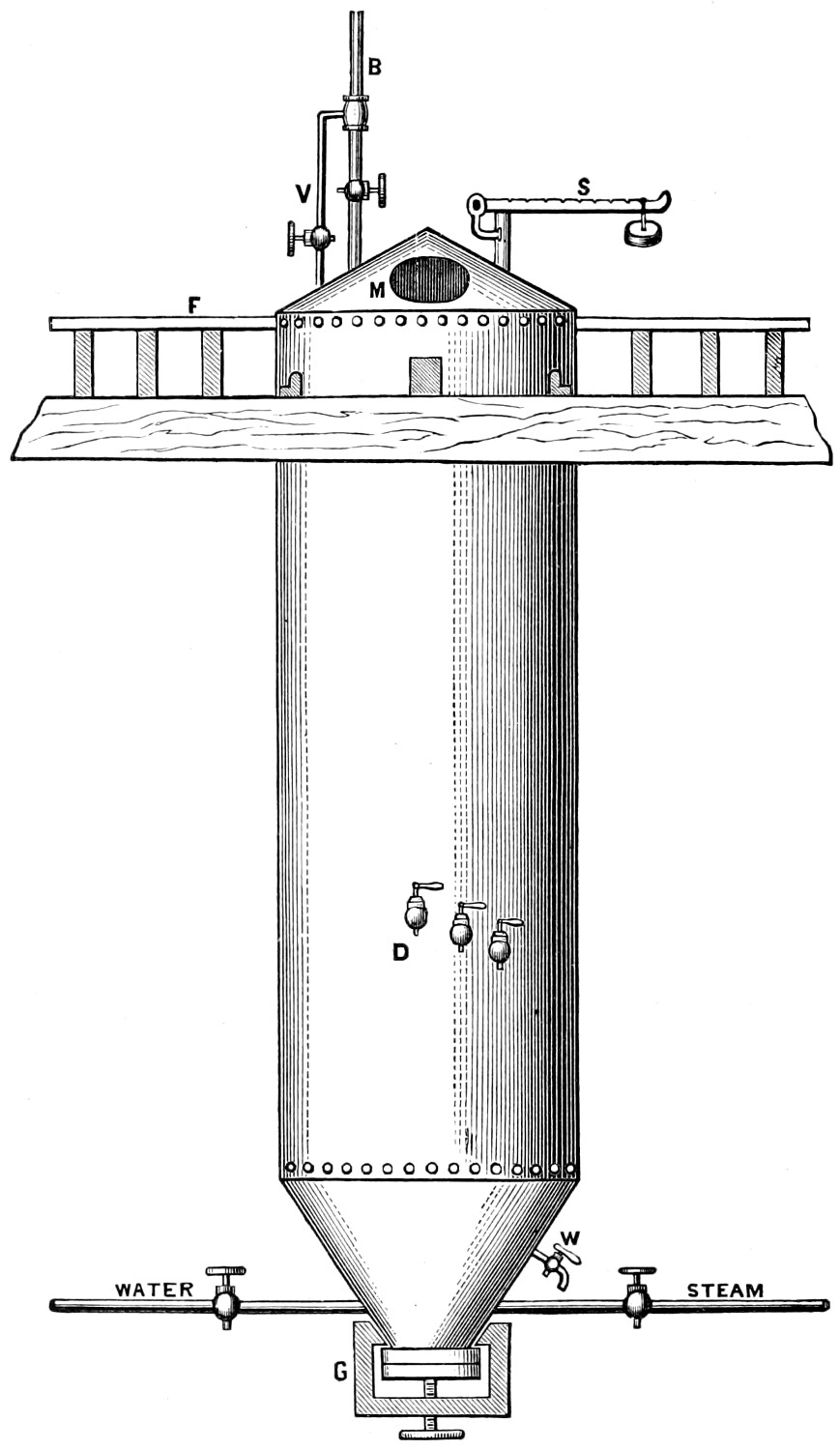
Fig. 10.
Tanks Used for Producing Lard Under Pressure.
—There are various forms of tanks used for producing steam rendered lard. In the open kettle there is a jacketed arrangement by means of which steam, at the proper temperature, is made to act upon the contents of the inner kettle. In the closed kettle the steam may be applied in the form of a jacketed arrangement or introduced directly into the kettle. The residues which remain after the steaming is completed and after the lard has been drawn off are withdrawn from the conical lower portion of the kettle which can be opened for the removal of these residues. A typical kettle for rendering lard is shown in Fig. 10. The fragments of meat to be received are placed in the opening M which is then properly closed when the tank is full. Steam is admitted and the condensation which is produced at first by the cold contents of the tank is drawn off through a water pipe. After the tank is thoroughly heated and the fat begins to separate the lard will rise above the water and the solid fragments and at the end of the process will fill the upper part of the tank. By means of the cocks at D it can be determined to what depth the tank is filled with lard and the lard can be drawn off through these cocks until water begins to flow. The bottom of the tank at G is then opened and the residues withdrawn, dried and ground for tankage.
Physical Properties of Lard.—Specific Gravity.—
The specific gravity of pure lard is to be determined at some definite temperature, inasmuch as a statement of its specific gravity without some reference to the temperature at which it is determined is likely to be misleading. It is not convenient to ascertain the specific gravity of a lard at a temperature below its melting point. It is customary, therefore, either to take the specific gravity at about 40 degrees C., or at a temperature of boiling water.
The average specific gravity of pure lard at 40 degrees C. (104 degrees F.), regarding water as 100, is 89, and at 100 degrees C. it is 86, the weight of water being determined at the point of greatest density, namely, 4 degrees C. (39 degrees F.). Unfortunately the specific gravity of pure lard is not very greatly different from that of other oils or other fats used in its adulteration. For this reason it is not of the highest value for determining whether or not the pure article has been subjected to adulteration.
Melting Point.
—The melting point of a pure lard is a physical characteristic of great value, since it is chiefly influenced by the part of the body of the animal from which it is made. The fat which is rendered from the foot of the hog has the lowest melting point, namely, about 35 degrees C. (95° F.). The fat adhering to the intestines has the highest melting point, namely, 44 degrees C. (111 degrees F.). The fat derived from the head of the hog has a slightly higher melting point than that from the feet. The kidney fat has a melting point of 42.5 degrees C. (108.2 degrees F.). In the steam rendered lards, representing the average of lards passed upon by the Chicago Board of Trade, the average melting point is found to be about 37 degrees C. (98.7 degrees F.). The melting point of superior or leaf lard has an average value of about 40 degrees C. (104 degrees F.).
Color Reaction.
—A pure high grade lard when mixed on a white porcelain plate with the proper amount of sulfuric or nitric acid should give only a very slight coloration. The production of any considerable quantity of color, either brown or black, indicates the presence of organic impurities in the lard.
Rise of Temperature with Sulfuric Acid.
—The various fats give different degrees of heat when mixed, under certain conditions, with strong sulfuric acid. It is possible to determine the approximate degree of the adulteration of lard by applying this test. The operation is a simple one and is conducted in the apparatus shown in Fig. 11. A common test tube about 24 cubic centimeters in length and 5 cubic centimeters in diameter is hung as indicated in the figure, provided with a stopper carrying a thermometer in the center with a bent glass rod stirrer passed loosely through the stopper on the side and a funnel for the introduction of the acid on another side of the thermometer. A coil which is on the stirring rod is so arranged as to permit the bulb of the thermometer to pass through its center.
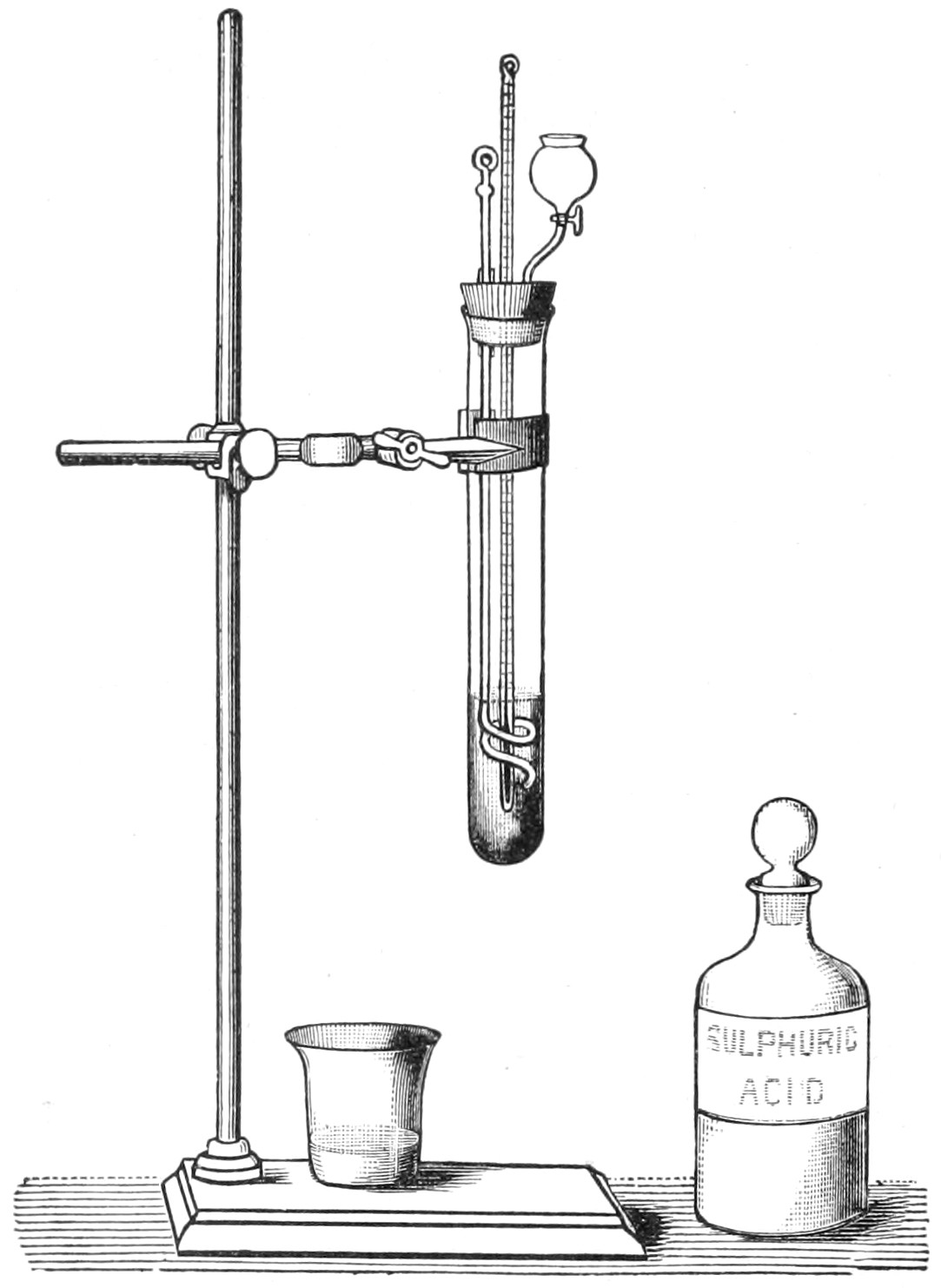
Fig. 11.
Manipulation.
—Fifty cubic centimeters of the fat or oil to be examined are placed in the test tube and warmed or cooled, as the case may be, until the temperature is the one required for the beginning of the experiment, say 35 degrees C.; 10 cubic centimeters of the strongest sulfuric acid at the same temperature are placed in the funnel, the stopper being firmly fixed in its place; the test tube containing the oil is placed in a non-conducting receptacle; the wooden cylinder lined with cork, used in sending glass bottles by mail, is found to be convenient for this purpose. The glass rod or stirrer which fits loosely in the stopper, so as to be moved rapidly up and down, is held by the right hand of the operator; with his left hand he opens the glass stop-cock of the funnel and allows the sulfuric acid to flow in upon the oil. The glass stirring rod is now moved rapidly up and down, for about 20 seconds, thus securing a thorough mixture of the oil and acid. The mercury rises rapidly in the thermometer and after two or three minutes reaches a maximum, and then, after two or three minutes more, begins to descend. The reading is made at the maximum point reached by the mercury. With pure cottonseed oil, linseed oil and some other substances the rise of temperature is so great as to produce ebullition in the mass, causing it to foam up and fill the tube. To avoid this, smaller quantities of acid should be used or the oil in question be diluted with a less thermogenic one, so that the maximum temperature may not be high enough to produce the effect cited.
Chemical Properties.—Volatile Acids.
—The quantity of volatile acid arising on the decomposition of a soap made by the saponification of lard is very minute in lard of high quality. The total amount of volatile acid should not be in excess of that necessary to saturate .2 cubic centimeter of deci-normal alkali solution.
Fixed Acid.
—The quantity of fixed acid, consisting principally of oleic and stearic, in pure lard should not be less than 93 percent. The total quantity of free acid in lard, that is, acid uncombined with the glycerine, should not exceed one-half of one percent, and in neutral lard should be much less than this.
Quantity of Iodin Absorbed.
—All common fats and oils have the property of absorbing, under given conditions, certain quantities of iodin. Lard of the highest quality should not absorb more than 60 percent of its weight of iodin. The lard made from the feet and certain other parts of the animal, however, may have a larger iodin number, rising as high as 75 or even 80.
Properties of Lard.
—The average properties of different classes of lard in relation to physical and optical conditions are shown in the following table:
Specific Gravity. 35° C. Melting Point. ° C. Refractive Index. 25° C. Rise of Temperature with Sulfuric Acid. ° C. Water. Percent. Iodin Absorbed. Percent.
.9053 40.7 1.4620 41.5 .077 62.48
The above table is the average composition of nineteen samples of lard furnished under affidavits of purity and which appear from their chemical and physical properties to be composed purely of the fat of swine taken from those parts of the animal usually devoted to lard making. The average data may be regarded as representing the properties of the ordinary pure commercial lard on the market.
Average Properties of Steam Lard.
—Below is given the average composition of eleven samples of steam lard furnished under affidavit and, apparently, as judged by their chemical and physical properties, composed solely of the fat of swine. Steam lards are not of as high a quality as the lards contained in the preceding table. They have usually a distinctively strong odor, quite different from that of lards which are rendered in open kettles at low temperature and from selected portions of fat.
Specific Gravity. 35° C. Melting Point. ° C. Refractive Index. 25° C. Rise of Temperature with Sulfuric Acid. ° C. Water. Percent. Iodin Absorbed. Percent.
.9055 37.0 1.4623 39.9 .109 62.86
Properties of Adulterated Lards.
—It is possible to mix together the different materials used in making adulterated lard in such a manner as to produce a compound which in some respects resembles the natural product. This compound, however, necessarily differs from the natural product in its physical and microscopic properties and in its reaction with various chemicals which give distinct color with the different fats and oils used as adulterants. The mean properties of thirteen samples of mixed or compound lards are shown in the following table:
Specific Gravity. 35° C. Melting Point. ° C. Refractive Index. 25° C. Rise of Temperature with Sulfuric Acid. ° C. Water. Percent. Iodin. Percent.
.9060 40.6 1.4634 46.5 .098 63.58
These lards, in addition to the above properties, show distinct color reaction with sulfuric and nitric acid and with the reagents which are distinctive of cottonseed oil. They are mostly mixtures of lard and tallow stearin with cotton oil or cotton oil stearin.
In addition to the adulterations already mentioned as mixing with cottonseed oil may be added the use of coconut oil. It is not probable that in the United States any adulteration of lard with coconut oil has been made for commercial purposes. Such an adulteration, however, is practiced in some foreign countries. Coconut oil contains considerable quantities of volatile acid, and, therefore, when used as an adulterant of lard, would increase the normal quantity of volatile acid materially. One sample examined by Allen, of England, was found to contain a quantity of coconut oil, amounting to 33 percent.
Summary.
—In the preceding pages has been given a description of the character of lard, the sources from which it is made, the method of its preparation, its chemical and physical properties and the common adulterations to which it is subjected. There is no question of the wholesomeness of the usual fats and oils, or parts thereof, which are used in the sophistication of lards. The adulteration is intended solely for fraudulent purposes, that is, to sell under the name of a higher priced article one of a lower price.
There are many persons who prefer to use vegetable oils and fats as substitutes for lard in all cases. It is only fair to the consumer that the character of a fat and oil, however, for edible purposes be plainly made known to the purchaser. He is then to judge of the propriety or impropriety of using the articles in question. It seems quite certain that the use of vegetable oils and fats will be greatly increased in this country. All hygienists grant that they are at least equally as wholesome as the animal fat and oil. They are certainly less open to suspicion as having been derived from diseased sources. As a rule, they are carefully expressed and properly refined, free from rancidity and from any mechanical or chemical constituents which render them unpalatable or unwholesome. They are generally much cheaper, perhaps the only exception being that of olive oil. These vegetable oils, as a rule, are excellent for salad dressing, for frying and general cooking purposes and for the ordinary uses to which lard and other animal fats are devoted. A proper labeling of all such packages would increase the quantity consumed, restoring confidence to the public in the character of the goods purchased, and prove of mutual benefit to the grower, the manufacturer and the consumer. It must be remembered, however, that there are many people who prefer the animal fats, and so there will probably always be a large field for their use. Such consumers are entitled to secure the pure article, properly prepared from healthy animals and free from rancidity and organic impurities. Lard and other animal fats offered in this way will have a greater vogue, command a greater degree of confidence and secure a larger trade than if sold under conditions engendering suspicion and distrust.
SOUPS.
Classification of Soups.
—The soups which are commonly consumed are divided into two great classes—those of animal and those of vegetable origin. Any liquid or semi-liquid preparation of a meat or vegetable or the two combined which may or may not carry particles of solid substances is classed with these preparations. Soups are generally used at the beginning of a meal, usually at dinner-time, and, as a rule, do not have any very high nutritive value. That they have a useful function cannot be denied, since the introduction of a small quantity of a condimental and slightly nutritive warm liquid into the stomach at the beginning of dinner tends to stimulate the secretive glands of the stomach walls to greater activity and thus to promote digestion. Soup should be regarded pre-eminently as a condimental and not as a nutritive substance.
Preparation of Stock.
—In the making of stock the base of the material, as a rule, is that part of the meat and bone soluble in hot water. The best way of preparing this stock is as follows:
The meat and bones selected should be fresh, free from all impurities and be derived solely from healthy animals as soon as they have been slaughtered. Inasmuch as the shape of the material used is of little consequence the parts of the carcass that are cut away in the preparation of the usual cuts of the marketable meats are utilized for stock making. The flesh should be cut into fragments of proper size and the bones broken up into small pieces. This material with the appropriate amount of water and salt is placed in a vessel capable of being closed in such a way that no aqueous vapor will escape, and a slight degree of pressure, equal to the half of an atmosphere, can be sustained. Simple forms of digesters are made for this purpose which are perfectly safe at low pressure and supplied with a safety valve so as to allow steam to escape if the pressure runs too high. Several hours of digestion are necessary for the preparation of stock, and if an ordinary vessel is used care must be exercised that the liquid does not evaporate so as to make the mass dry. Stirring from time to time assists the solution of the soluble substances. After the extraction is complete the liquid contents are poured off and the solid material pressed gently to separate the liquid held in solution. The mass is then put in a cool place and allowed to stand until thoroughly cooled and all the fat particles are collected at the top. The fat is then removed and the resulting liquid strained to remove any solid particles. The clear solution thus obtained is set aside and used as stock in the preparation of the various forms of soups. When properly flavored and used by itself it produces the soup known as consommé.
The soup stock made in this way usually contains not less than 95 percent of water and not more than 5 percent of nutritive matter. Many of the clear soups prepared in this way contain very much less nutritive matter, sometimes as low as one percent. It is evident, therefore, that the soup stock is valuable as a condiment and flavoring and not as a food.
The number of soups which can be made from soup stock is practically unlimited. They are formed by the admixture, chiefly of vegetables cut into small pieces, of starchy materials, mashed peas or beans, particles of potato, fragments of parched bread, and in fact almost any nutritive and palatable substance which the cook may wish to employ.
A soup made from a stock of the above description with pea flour was found to have the following composition:
Water, 88.26 percent
Protein, 3.38 „
Fat, .93 „
Ash, 1.13 „
Starch and other carbohydrates, 6.30 „
A soup made with potatoes from stock of the above description was found to have the following composition:
Water, 90.96 percent
Protein, 1.37 „
Fat, 1.53 „
Ash, .99 „
Starch and other carbohydrates, 5.13 „
The French make soups which are very well known and highly valued by cutting vegetables, such as carrots, beets, radishes and other vegetable substances, into small pieces and adding them to the soup stock.
Oyster Soup.
—A soup made of milk, cream, flour, condiments, oysters and the liquid of oysters is very largely eaten in the United States. The difference between oyster soup and oyster stew is chiefly in the amount of oysters employed.
Green Turtle Soup.
—A soup stock prepared as above described and flavored with pieces of green turtle is a very common dish.
Mock Turtle Soup.
—A soup made in imitation of a turtle soup in which veal takes the place of turtle for flavoring is known as mock turtle soup.
Clam Soup or Clam Chowder.
—This is a soup made of clams in the same way that oyster soup is made. When the clams are cut into small pieces and are in great abundance and when potatoes are used in large quantities in the mixture it is known as clam chowder.
Beef Extract.
—It is evident that a beef extract is only a soup or a soup stock specially prepared from beef. Beef extract first became known by the researches of the celebrated chemist Liebig, and has passed from a mere local preparation to an article which is important in commerce. Factories have been established in localities far removed from the principal markets of the world, but where cattle are extremely plentiful, as in South America, and the preparation of beef extract is carried on on a large scale, the meat of the animal being thrown away after the preparation of the extract. The method of preparing beef extract is practically that described for making a soup stock under pressure. Instead of using only the trimmings and refuse of the animal, however, usually the whole of the flesh is employed. The bones are sometimes used in the making of a beef extract. The sound, fresh meat is cut into small pieces and extracted under pressure as already described. After cooking and filtering the product it is brought, in vacuo, to a proper consistence. Meat extract is, therefore, simply a concentrated soup stock. It requires about thirty-four pounds of meat to yield one pound of concentrated extract, and this extract may be diluted for consumption so as to make from six to seven gallons of beef tea. The composition of the ordinary beef extract of commerce shows that it contains from 15 to 20 percent of moisture, from 17 to 23 percent of ash and from 50 to 60 percent of meat bases, that is, the soluble nitrogenous contents of meat. The bones and tendons are not used in making beef extract on account of the introduction of considerable quantities of gelatine into the material. Liebig does not recommend the presence of gelatine in beef extract because, being cheaper in quality, it is an adulteration of the genuine article, which should contain only the pure bases and not the gelatinous principle of the meat in the tendons and bones.
Character of Nitrogenous Bodies in Beef Extract.
—When beef extract is prepared according to the Liebig method those nitrogenous bodies commonly known as meat bases are found in the concentrated extract. In a beef extract which contains a total of 9.28 percent of nitrogen the quantity of nitrogen in the form of nitrogenous compounds which were found therein is as follows: Nitrogen in the form of soluble albumin,—trace; in the form of albumoses,—1.17; in the form of peptone,—trace; in the form of meat bases,—6.81; in the form of ammonia compounds,—.47; in the form of unenumerated compounds,—.83. The chief meat bases which form the principal part of the substance are creatin, creatinin, xanthin, carnin and carnic acid.
There are many different forms of beef extract upon the market, sometimes called by fanciful names and sometimes by the name of the manufacturer. Among the fanciful names are some which indicate origin or kind. The extracts which bear the names of the manufacturers are very numerous, but all of these extracts are essentially of the same character. One of these is a meat extract in which some of the meat fiber is contained. The quantity of meat fiber which is used varies, but is not very great. A comparison of the dry substance in a preparation of the class mentioned above with the dry substance in meat shows the following relation:
Protein. Percent. Meat Bases. Percent. Ash and Mineral Matter. Percent.
Extract, 49.7 25.6 24.7
Meat, 86.7 7.8 5.3
The above data show that the extract is essentially different in its composition from dried meat and has added to it a large quantity of meat fiber or the meat rendered soluble by some kind of treatment.
Nutritive Properties.
—It cannot be denied that meat extract, as has been said in the case of soup stock, contains only a small part of nutritive matter. This nutritive substance is in a state of solution and probably is more readily absorbed than a similar amount of other nutritives in the form of ordinary meat. Its chief value as a nutrient, therefore, is not in the amount of nutrient material which it contains, but in the ease and speed with which it may become absorbed into the circulation. In case of illness this is often a very important point. It is not a question so much of the utilization of a large amount of nutrients as the absorption and assimilation in small quantities which will sustain life until the disordered conditions disappear. For these reasons the meat extracts have a value. There is, however, little doubt of the fact that in the popular mind a great deal more credit is given to meat extracts than should properly belong to them. They must be regarded principally as condimental and incident to nutrition rather than as nutritive substances. The claims which are made by the manufacturers are sometimes misleading, as, for instance, that one pound of extract contains the nutritive properties of many pounds of meat. Such a statement, of course, is absurd upon its face and should not be allowed to go unchallenged. Even when meat extracts are reinforced by the addition of soluble or comminuted fiber, as is often the case, the quantity of nourishment is very small as compared with a similar weight of meat itself.
It is not intended by the above remarks to cast any discredit upon the value of beef extract, as its value has been attested in numerous cases. It is only designed to call attention to the fact that as food these extracts have comparatively little value. They may be useful as stimulants or as condimental substances or as a means of speedily introducing a soluble nutrient in the case of disease where it is extremely important that even small amounts of nutritious material should enter the body.
Beef Juice.
—A distinction is made between a beef extract and a beef juice. The latter term applies solely to the liquid naturally remaining in the fresh meat after its proper preparation for consumption, that is, after the withdrawal of the blood and the proper cooling and storing of the flesh. The fresh meat is then subjected to strong pressure and the juices which are extracted are concentrated in vacuo to the proper consistence. The meat of old bulls is often used. A true beef juice must be extracted from the cold meat and not with the aid of heat, hot water or other solvents. It is difficult to preserve an extract of this kind without sterilization, and the heat required for sterilization is likely to coagulate some of the albuminous material which is expressed. It is a great temptation, therefore, in some cases to preserve the beef juice by a chemical preservative other than common salt. Boric acid and sulfite of soda may be used for this purpose, but these substances are objectionable on the score of possible injury to health. Glycerine is also used. Inasmuch as these juices are usually given to invalids or those whose digestive functions are impaired it is most important that injurious substances should be omitted. In case of pressure it is advisable, in some cases, to chop the meat very fine, and in this comminuted condition extract the juice with cold water. This does not produce any change in the character of the juice and the water is subsequently removed by evaporation at a low temperature in vacuo. Beef juices are usually prepared from heated meats.
Composition of Beef Juice.
—The composition of beef juice from different parts of meat which was previously heated externally is shown in the following table.
COMPOSITION OF BEEF JUICE AND MEAT EXTRACT.
Beef Juice. Meat Extract.
Water, 90.65 21.66
Ash, 1.36 20.46
NaCl (salt), .15 5.47
P2O5 (phosphoric acid), .36 4.55
Fat, .19 .50
Acid (as lactic), .15 8.42
Nitrogen (total), 1.15 7.66
„insoluble and coagulable, .68 .48
„as proteoses, .04 2.02
„as peptones, .14 1.90
„meat bases, .30 3.05
„creatin, .75
„xanthin bases, .04
„ammonia, .21
The above analyses show the general character of meat juice extracted first by externally heating the meat and then pressing. They show that there is less nitrogenous bodies present in meat juice than there is in meat extracts. It is evident that meat extracts cannot be heated for sterilization without coagulation of the globulins. When it is advisable to use a beef juice in a case of illness it is far better to prepare it at the time when it is used than to prepare it on a commercial scale and preserve it by any of the chemical means in vogue. Meat juice can be very well prepared for domestic use by chopping the meat very fine, placing it in a vessel, heating to 140° F., and pressing it by any simple means, as, for instance, with the hand or by using an ordinary lemon squeezer. The juice obtained in this way can be flavored with salt and spices to suit the taste of the patient, and used immediately. In some cases, in order to get a greater yield, pure cold water may be mixed with the chopped meat and a somewhat dilute juice obtained but giving a greater yield of nutritive material for the same weight of meat.
Various names, fanciful and otherwise, are given to the so-called beef juices. These names are either fanciful or, as in the case of beef extracts, that of the manufacturer. Some of the fanciful names are, like those already mentioned, suggestive of origin. Some of these have large quantities of coagulable protein, like albumin, while others have such small quantities as to indicate that they are not wholly beef juice. In the case of some of these preparations there is some indication that they are prepared chiefly from blood and thus are not true meat juices. Naturally there must be particles of blood in a meat juice and the mere occurrence of blood cells would not be an indication that blood itself had been used in its preparation. By reason of these facts the use of so-called meat juices is restricted. They contain relatively very little nutritive material, they are sometimes preserved with harmful chemicals and they may be made from blood, and in general there is such a degree of secrecy attending their preparation as to warrant the physician and patient to confine themselves to the domestic article prepared at the time of using. Another objection which is not of a hygienic character is found in the great expense of securing a very little nourishment by this means. The quantity of juice which meat will yield is very small and, therefore, the relative expense for any given quantity of nourishment is far greater than it is even in the case of beef extract. While in the case of rich patients an objection like this is of little value, in the great majority of cases it should be given due consideration.
Soluble Meats.
—Various attempts have been made to put soluble meats upon the market for use, especially for invalids and in cases of disordered digestion. The principle which underlies the preparation of these meats is to subject them to a certain degree of artificial digestion, by means of which the protein matter becomes converted into soluble forms, either albumose, proteose or peptone. The process which is employed is a simple one, namely, the comminution of the meat into as fine particles as possible and its admixture with hydrochloric acid and pepsin. It is then subjected to artificial digestion until a considerable portion of the meat is soluble. Another method of preparation is to omit the pepsin and after the addition of hydrochloric acid to place the meat in a digestor where it is subjected to a temperature of steam under pressure for a considerable length of time. A goodly proportion of the meat becomes soluble under this process. After the preparation is completed the residual hydrochloric acid is neutralized by carbonate of soda, forming common salt, which gives the proper flavor to the compound.
The composition of soluble meat prepared in this way is given in the following table (Foods and Principles of Dietetics, by Robert Hutchinson):
Water, 67.21 percent
Fat, 5.93 „
Albumin, 11.00 „
Peptone, 6.51 „
Meat extract, 7.55 „
Ash and salt, 1.74 „
A meat solution of this kind is not really a solution, since not only is that part which passes into solution contained in it, but also the residual meat fibers which are not dissolved but so softened by the process that they lose their distinct form and can be rubbed up to a thick pasty mass. The product, therefore, consists not only of the part of the meat rendered thoroughly soluble in water by the process, but also of a residual part, softened and reduced to a paste. The mass has practically the same nutritive value as an equivalent amount of meat with the claimed advantage that a large portion of it is already soluble. This partial predigestion may be of value in cases of disease or disordered digestion of any kind, but there is no reason for believing that the healthy stomach requires any sort of artificial predigestion for the proper conduct of its functions. On the other hand, there is every reason for supposing that any kind of predigestion which is at all effective will in the end prove injurious to healthy digestive organs by depriving them of a part of their normal functions and thus tending to bring them to a condition of feebleness which may result in the omission, in part, of the normal functions of the vital organs.
Preparations of Blood.
—There is no doubt of the valuable nutritive properties of blood and its preparations are sometimes used as foods. There is a deep-seated prejudice against the use of blood as human food, doubtless based on older and more effective grounds than even the laws of health promulgated by Moses. Man is an animal of some refinement of character and the sight or use of blood is repugnant to his finer instincts. Sometimes blood is dried and powdered and the blood powder mixed with other food. Another method is to coagulate the blood, then remove the coagulated portion and use the residue for food purposes. This preparation, of course, contains no coagulable portions of blood, that is, the protein thereof known as fibrin. There is no reason for believing that preparations of blood will ever occupy any prominent position in the food supply, either of persons in health or of invalids.
Beef Tea.
—A very common food preparation from beef is that known as beef tea. In all essential particulars beef tea is nothing more than a rich unfiltered soup stock. Inasmuch, however, as it is constantly prescribed in many kinds of illness and is prepared under certain conditions it should be mentioned specially here in addition to the preparations already described. As in the case of meat juice, beef tea should always be prepared in the home, and immediately before using. It is a preparation which can not be properly made and kept without the addition of some preservative which renders it totally unfit for human consumption. The very choicest portion of the beef should be selected in the preparation of beef tea and it should be reduced to a fine state of comminution. The removal of the fat and tendons should be as complete as possible, as particularly the latter tend to add to the extract more of the gelatine-like principles than is desirable. The fragments should be mixed with a sufficient quantity of cold water to make the desired amount of beef tea, usually one pound of water to a pound of comminuted beef is a good proportion. The mixture should be kept cold for a considerable length of time with frequent stirrings in order to extract as much as possible of the nitrogenous matter which becomes coagulated by heating. Salt may be used not only to promote the solubility but also to give the proper taste. After the lapse of an hour or more the vessel may be covered and gradually warmed. During this warming the mass should be frequently stirred so to as promote the solution. When finally the extraction is complete, before the tea is administered it should be cooked, that is, heated to the boiling-point, by which process the soluble protein is coagulated but not hardened, and the material is rendered more palatable. The beef tea should be administered without separating the coagulated fragments of albuminous material, which is in a state easily digestible, and adds much to the nutritive value of the mixture. Finally the residue of beef may be put into a bag and subjected to pressure to remove as much of the juice contained therein as possible. The difference between beef tea and soup stock, as will be seen, is largely in the filtering. The beef tea should retain the coagulated flocks, while in the soup stock they are removed. One pound of good lean beef and one pint of water yield about one-half pound of good beef tea. As in the case of soup stock, beef tea is not a very nutritive substance. It is, however, stimulating, and the nourishment which it contains is quickly absorbed. The soft, coagulated flocks of albumin are readily digested, and often a patient may be nourished for days on a preparation of this kind when he is in a condition which renders it impracticable to use either solid or other liquid foods.