Front matter (continued 7)
Reading edition
While this is not a case of increase in the particular organ, it illustrates a progressive series of steps whereby the organism becomes better adapted to its surroundings. A similar instance is found in the suppression of certain sets of organs in internal parasites. For illustration, the tapeworm loses particular organs of digestion for which it does not have continued use; but the reproductive organs, upon which the continuance of its life depends, are greatly increased. Such cases as the formation of short-winged beetles show us that the action of natural selection is not always to preserve what we should call the best, but simply to preserve the fittest. Development, therefore, under the guidance of natural selection is not always progressive. Selection by nature does not mean the formation and preservation of the ideally perfect, but merely the survival of those best fitted to their environment.
Color.—The various ways in which natural selection acts are exceedingly diversified. The colors of animals may be a factor in their preservation, as the stripes on the zebra tending to make it inconspicuous in its surroundings. The stripes upon the sides of tigers simulate the shadows cast by the jungle grass in which the animals live, and serves to conceal them from their prey as well as from enemies. Those animals that assume a white color in winter become thereby less conspicuous, and they are protected by their coloration.
As further illustrating color as a factor in the preservation of animals, we may cite a story originally told by Professor E.S. Morse. When he was collecting shells on the white sand of the Japanese coast, he noticed numerous white tiger-beetles, which could scarcely be seen against the white background. They could be detected chiefly by their shadows when the sun was shining. As he walked along the coast he came to a wide band of lava which had flowed from a crater across the intervening country and plunged into the sea, leaving a broad dark band some miles in breadth across the white sandy beach. As he passed from the white sand to the dark lava, his attention was attracted to a tiger-beetle almost identical with the white one except as to color. Instead of being white, it was black. He found this broad, black band of lava inhabited by the black tiger beetle, and found very few, if any, of the white kind. This is a striking illustration of what has occurred in nature. These two beetles are of the same species, and in examining the conditions under which they grow, it is discovered that out of the eggs laid by the original white forms, there now and then appears one of a dusky or black color. Consider how conspicuous this dark object would be against the white background of sand. It would be an easy mark for the birds of prey that fly about, and therefore on the white surface the black beetles would be destroyed, while the white ones would be left. But on the black background of lava the conditions are reversed. There the white forms would be the conspicuous ones; as they wandered upon the black surface, they would be picked up by birds of prey and the black ones would be left. Thus we see another instance of the operation of natural selection.
Mimicry.—We have, likewise, in nature a great number of cases that are designated mimicry. For illustration, certain caterpillars assume a stiff position, resembling a twig from a branch. We have also leaf-like butterflies. The Kallima of India is a conspicuous illustration of a butterfly having the upper surface of its wings bright-colored, and the lower surface dull. When it settles upon a twig the wings are closed and the under-sides have a mark across them resembling the mid-rib of a leaf, so that the whole butterfly in the resting position becomes inconspicuous, being protected by mimicry.
One can readily see how natural selection would be evoked in order to explain this condition of affairs. Those forms that varied in the direction of looking like a leaf would be the most perfectly protected, and this feature being fostered by natural selection, would, in the course of time, produce a race of butterflies the resemblance of whose folded wings to a leaf would serve as a protection from enemies.
It may not be out of place to remind the reader that the illustrations cited are introduced merely to elucidate Darwin's theory and the writer is not committed to accepting them as explanations of the phenomena involved. He is not unmindful of the force of the criticisms against the adequacy of natural selection to explain the evolution of all kinds of organic structures.
Many other instances of the action of color might be added, such as the wearing of warning colors, those colors which belong to butterflies, grubs, and other animals that have a noxious taste. These warning colors have taught birds to leave alone the forms possessing those colors. Sometimes forms which do not possess a disagreeable taste secure protection by mimicking the colors of the noxious varieties.
Sexual Selection.—There is an entirely different set of cases which at first sight would seem difficult to explain on the principle of selection. How, for instance, could we explain the feathers in the tails of the birds of paradise, or that peculiar arrangement of feathers in the tail of the lyre-bird, or the gorgeous display of tail-feathers of the male peacock? Here Mr. Darwin seized upon a selective principle arising from the influence of mating. The male birds in becoming suitors for a particular female have been accustomed to display their tail-feathers; the one with the most attractive display excites the pairing instinct in the highest degree, and becomes the selected suitor. In this way, through the operation of a form of selection which Darwin designates sexual selection, possibly such curious adaptations as the peacock's tail may be accounted for.
It should be pointed out that this part of the theory is almost wholly discredited by biologists. Experimental evidence is against it. Nevertheless in a descriptive account of Darwin's theory it may be allowed to stand without critical comment.
Inadequacy of Natural Selection.—In nature, under the struggle for existence, the fittest will be preserved; and natural selection will operate toward the elaboration or the suppression of certain organs or certain characteristics when the elaboration or the suppression is of advantage to the animal form. Much has been said of late as to the inadequacy of natural selection. Herbert Spencer and Huxley, both accepting natural selection as one of the factors, doubted its complete adequacy.
One point is often overlooked, and should be brought out with clearness; viz., that Darwin himself was the first to point out clearly the inadequacy of natural selection as a universal law for the production of the great variety of animals and plants. In the second edition of the Origin of Species he says: "But, as my conclusions have lately been much misrepresented, and it has been stated that I attribute the modification of species exclusively to natural selection, I may be permitted to remark that in the first edition of this work and subsequently I placed in a most conspicuous position,—namely, at the close of the introduction—the following words: 'I am convinced that natural selection has been the main, but not the exclusive means of modification.' This has been of no avail. Great is the power of steady misrepresentation. But the history of science shows that fortunately this power does not long endure."
The reaction against the all-sufficiency of natural selection, therefore, is something which was anticipated by Darwin, and the quotation made above will be a novelty to many of our readers who supposed that they understood Darwin's position.
Confusion between Lamarck's and Darwin's Theories.—Besides the failure to understand what Darwin has written, there is great confusion, both in pictures and in writings, in reference to the theories of Darwin and Lamarck. Poulton illustrated a state of confusion in one of his lectures on the theory of organic evolution, and the following instances are quoted from memory.
We are most of us familiar with such pictures as the following: A man standing and waving his arms; in the next picture these arms and hands become enlarged, and in the successive pictures they undergo transformations into wings, and the transference is made into a flying animal.
Such pictures are designated "The origin of flight after Darwin." The interesting circumstance is this, that the illustration does not apply to Darwin's idea of natural selection at all, but is pure Lamarckism. Lamarck contended for the production of new organs through the influence of use and disuse, and this particular illustration refers to that, and not to natural selection at all.
Among the examples of ridicule to which Darwin's ideas have been exposed, we cite one verse from the song of Lord Neaves. His lordship wrote a song with a large number of verses hitting off in jocular vein many of the claims and foibles of his time. In attempting to make fun of Darwin's idea he misses completely the idea of natural selection, but hits upon the principle enunciated by Lamarck, instead. He says:
"A deer with a neck which was longer by half Than the rest of his family's—try not to laugh— By stretching and stretching became a giraffe, Which nobody can deny."
The clever young woman, Miss Kendall, however, in her Song of the Ichthyosaurus, showed clearness in grasping Darwin's idea when she wrote:
"Ere man was developed, our brother, We swam, we ducked, and we dived, And we dined, as a rule, on each other. What matter? The toughest survived."
This hits the idea of natural selection. The other two illustrations miss it, but strike the principle which was enunciated by Lamarck. This confusion between Lamarckism and Darwinism is very wide-spread.
Darwin's book on the Origin of Species, published in 1859, was epoch-making. If a group of scholars were asked to designate the greatest book of the nineteenth century—that is, the book which created the greatest intellectual stir—it is likely that a large proportion of them would reply that it is Darwin's Origin of Species. Its influence was so great in the different domains of thought that we may observe a natural cleavage between the thought in reference to nature between 1859 and all preceding time. His other less widely known books on Animals and Plants Under Domestication, the Descent of Man, etc., etc., are also important contributions to the discussion of his theory. A brief account of Darwin, the man, will be found in Chapter XIX.
CHAPTER XVIII
THEORIES OF EVOLUTION CONTINUED: WEISMANN, DE VRIES
Weismann's views have passed through various stages of remodeling since his first public championship of the Theory of Descent on assuming, in 1867, the position of professor of zoölogy in the University of Freiburg. Some time after that date he originated his now famous theory of heredity, which has been retouched, from time to time, as the result of aggressive criticism from others, and the expansion of his own mental horizon. As he said in 1904, regarding his lectures on evolution which have been delivered almost regularly every year since 1880, they "were gradually modified in accordance with the state of my knowledge at the time, so that they have been, I may say, a mirror of my own intellectual evolution."
Passing over his book, The Germ Plasm, published in English in 1893, we may fairly take his last book, The Evolution Theory, 1904, as the best exposition of his conclusions. The theoretical views of Weismann have been the field of so much strenuous controversy that it will be well perhaps to take note of the spirit in which they have been presented. In the preface of his book just mentioned, he says: "I make this attempt to sum up and present as a harmonious whole the theories which for forty years I have been gradually building up on the basis of the legacy of the great workers of the past, and on the results of my own investigations and those of my fellow-workers, not because I regard the picture as incomplete or incapable of improvement, but because I believe its essential features to be correct, and because an eye-trouble which has hindered my work for many years makes it uncertain whether I shall have much more time and strength granted to me for its further elaboration."
The germ-plasm theory is primarily a theory of heredity, and only when connected with other considerations does it become the full-fledged theory of evolution known as Weismannism. The theory as a whole involves so many intricate details that it is difficult to make a clear statement of it for general readers. If in considering the theories of Lamarck and Darwin it was found advantageous to confine attention to salient points and to omit details, it is all the more essential to do so in the discussion of Weismann's theory.
In his prefatory note to the English edition of The Evolution Theory Thomson, the translator, summarizes Weismann's especial contributions as: "(1) the illumination of the evolution process with a wealth of fresh illustrations; (2) the vindication of the 'germ-plasm' concept as a valuable working hypothesis; (3) the final abandonment of any assumption of transmissible acquired characters; (4) a further analysis of the nature and origin of variations; and (5), above all, an extension of the selection principle of Darwin and Wallace, which finds its logical outcome in the suggestive theory of germinal selection."
Continuity of the Germ-Plasm.—Weismann's theory is designated that of continuity of the germ-plasm, and in considering it we must first give attention to his conception of the germ-plasm. As is well known, animals and plants spring from germinal elements of microscopic size; these are, in plants, the spores, the seeds, and their fertilizing agents; and, in animals, the eggs and the sperms. Now, since all animals, even the highest developed, begin in a fertilized egg, that structure, minute as it is, must contain all hereditary qualities, since it is the only material substance that passes from one generation to another. This hereditary substance is the germ-plasm. It is the living, vital substance of organisms that takes part in the development of new generations.
Naturalists are agreed on this point, that the more complex animals and plants have been derived from the simpler ones; and, this being accepted, the attention should be fixed on the nature of the connection between generations during their long line of descent. In the reproduction of single-celled organisms, the substance of the entire body is divided during the transmission of life, and the problem both of heredity and origin is relatively simple. It is clear that in these single-celled creatures there is unbroken continuity of body-substance from generation to generation. But in the higher animals only a minute portion of the organism is passed along.
Weismann points out that the many-celled body was gradually produced by evolution; and that in the transmission of life by the higher animals the continuity is not between body-cells and their like, but only between germinal elements around which in due course new body-cells are developed. Thus he regards the body-cells as constituting a sort of vehicle within which the germ-cells are carried. The germinal elements represent the primordial substance around which the body has been developed, and since in all the long process of evolution the germinal elements have been the only form of connection between different generations, they have an unbroken continuity.
This conception of the continuity of the germ-plasm is the foundation of Weismann's doctrine. As indicated before, the general way in which he accounts for heredity is that the offspring is like the parent because it is composed of some of the same stuff. The rise of the idea of germinal continuity has been indicated in Chapter XIV, where it was pointed out that Weismann was not the originator of the idea, but he is nevertheless the one who has developed it the most extensively.
Complexity of the Germ-Plasm.—The germ-plasm has been molded for so many centuries by external circumstances that it has acquired an organization of great complexity. This appears from the following considerations: Protoplasm is impressionable; in fact, its most characteristic feature is that it responds to stimulation and modifies itself accordingly. These subtle changes occurring within the protoplasm affect its organization, and in the long run it is the summation of experiences that determines what the protoplasm shall be and how it will behave in development. Two masses of protoplasm differ in capabilities and potentialities according to the experiences through which they have passed, and no two will be absolutely identical. All the time the body was being evolved the protoplasm of the germinal elements was being molded and changed, and these elements therefore possess an inherited organization of great complexity.
When the body is built anew from the germinal elements, the derived qualities come into play, and the whole process is a succession of responses to stimulation. This is in a sense, on the part of the protoplasm, a repeating of its historical experience. In building the organism it does not go over the ground for the first time, but repeats the activities which it took centuries to acquire.
The evident complexity of the germ-plasm made it necessary for Weismann, in attempting to explain inheritance in detail, to assume the existence of distinct vital units within the protoplasm of the germinal elements. He has invented names for these particular units as biophors, the elementary vital units, and their combination into determinants, the latter being united into ids, idants, etc. The way in which he assumes the interactions of these units gives to his theory a highly speculative character. The conception of the complex organization of the germ-plasm which Weismann reached on theoretical grounds is now being established on the basis of observation (see Chapter XIV, p. 313).
The Origin of Variations.—The way in which Weismann accounts for the origin of variation among higher animals is both ingenious and interesting. In all higher organisms the sexes are separate, and the reproduction of their kind is a sexual process. The germinal elements involved are seeds and pollen, eggs and sperms. In animals the egg bears all the hereditary qualities from the maternal side, and the sperm those from the paternal side. The intimate mixture of these in fertilization gives great possibilities of variations arising from the different combinations and permutations of the vital units within the germ-plasm.
This union of two germ-plasms Weismann calls amphimixis, and for a long time he maintained that the purpose of sexual reproduction in nature is to give origin to variations. Later he extended his idea to include a selection, mainly on the basis of nutrition, among the vital elements composing the germ-plasm. This is germinal selection, which aids in the production of variations.
In The Evolution Theory, volume II, page 196, he says: "Now that I understand these processes more clearly, my opinion is that the roots of all heritable variation lie in the germ-plasm; and, furthermore, that the determinants are continually oscillating hither and thither in response to very minute nutritive changes and are readily compelled to variation in a definite direction, which may ultimately lead to considerable variations in the structure of the species, if they are favored by personal selection, or at least if they are not suppressed by it as prejudicial."
But while sexual reproduction may be evoked to explain the origin of variation in higher animals, Weismann thought it was not applicable to the lower ones, and he found himself driven to assume that variation in single-celled organisms is owing to the direct influence of environment upon them, and thus he had an awkward assumption of variations arising in a different manner in the higher and in the simplest organisms. If I correctly understand his present position, the conception of variation as due to the direct influence of environment is being surrendered in favor of the action of germinal selection among the simplest organisms.
Extension of the Principle of Natural Selection.—These variations, once started, will be fostered by natural selection provided they are of advantage to the organism in its struggle for existence. It should be pointed out that Weismann is a consistent Darwinian; he not only adopts the principle of natural selection, but he extends the field of its operation from externals to the internal parts of the germinal elements.
"Roux and others have elaborated the idea of a struggle of the parts within the organism, and of a corresponding intra-selection; ... but Weismann, after his manner, has carried the selection-idea a step farther, and has pictured the struggle among the determining elements of the germ-cell's organization. It is at least conceivable that the stronger 'determinants,' i.e., the particles embodying the rudiments of certain qualities, will make more of the food-supply than those which are weaker, and that a selective process will ensue" (Thomson). This is the conception of germinal selection.
He has also extended the application of the general doctrine of natural selection by supplying a great number of new illustrations.
The whole theory of Weismann is so well constructed that it is very alluring. Each successive position is worked out with such detail and apt illustration that if one follows him step by step without dissent on some fundamental principle, his conclusion seems justified. As a system it has been elaborated until it makes a coherent appeal to the intellect.
Inheritance of Acquired Characters.—Another fundamental point in Weismann's theory is the denial that acquired characters are transmitted from parent to offspring. Probably the best single discussion of this subject is contained in his book on The Evolution Theory, 1904, to which readers are referred.
A few illustrations will be in place. Acquired characters are any acquisitions made by the body-cells during the lifetime of an individual. They may be obvious, as skill in piano-playing, bicycle-riding, etc.; or they may be very recondite, as turns of the intellect, acquired beliefs, etc. Acquired bodily characters may be forcibly impressed upon the organism, as the facial mutilations practiced by certain savage tribes, the docking of the tails of horses, of dogs, etc. The question is, Are any acquired characters, physical or mental, transmitted by inheritance?
Manifestly, it will be difficult to determine on a scientific basis whether or not such qualities are inheritable. One would naturally think first of applying the test of experiment to supposed cases of such inheritances, and this is the best ground to proceed on.
It has been maintained on the basis of the classical experiments of Brown-Séquard on guinea-pigs that induced epilepsy is transmitted to offspring; and, also, on the basis of general observations, that certain bodily mutilations are inherited. Weismann's analysis of the whole situation is very incisive. He experimented by cutting off the tails of both parents of breeding mice. The experiments were carried through twenty-two generations, both parents being deprived of their tails, without yielding any evidence that the mutilations were inheritable.
To take one other case that is less superficial, it is generally believed that the thirst for alcoholic liquors has been transmitted to the children of drunkards, and while Weismann admits the possibility of this, he maintains that it is owing to the germinal elements being exposed to the influence of the alcohol circulating in the blood of the parent or parents; and if this be the case it would not be the inheritance of an acquired character, but the response of the organism to a drug producing directly a variation in the germ-plasm.
Notwithstanding the well-defined opposition of Weismann, the inheritance of acquired characters is still a mooted question. Herbert Spencer argued in favor of it, and during his lifetime had many a pointed controversy with Weismann. Eimer stands unalterably against Weismann's position, and the Neo-Lamarckians stand for the direct inheritance of useful variations in bodily structure. The question is still undetermined and is open to experimental observation. In its present state there are competent observers maintaining both sides, but it must be confessed that there is not a single case in which the supposed inheritance of an acquired character has stood the test of critical examination.
The basis of Weismann's argument is not difficult to understand. Acquired characters affect the body-cells, and according to his view the latter are simply a vehicle for the germinal elements, which are the only things concerned in the transmission of hereditary qualities. Inheritance, therefore, must come through alterations in the germ-plasm, and not directly through changes in the body-cells.
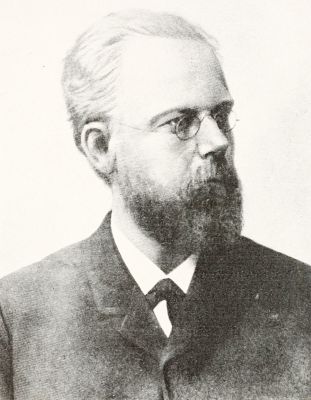
Fig. 114.—August Weismann, Born 1834. Permission of Charles Scribner's Sons.
Weismann, the Man.—The man who for more than forty years has been elaborating this theory (Fig. 114) is still living and actively at work in the University of Freiburg. August Weismann was born at Frankfort-on-the-Main in 1834. He was graduated at Göttingen in 1856, and for a short time thereafter engaged in the practice of medicine. This line of activity did not, however, satisfy his nature, and he turned to the pursuit of microscopic investigations in embryology and morphology, being encouraged in this work by Leuckart, whose name we have already met in this history. In 1863 he settled in Freiburg as privat-docent, and has remained connected with the university ever since. From 1867 onward he has occupied the chair of zoölogy in that institution. He has made his department famous, especially by his lectures on the theory of descent.
He is a forceful and interesting lecturer. One of his hearers in 1896 wrote: "His lecture-room is always full, and his popularity among his students fully equals his fame among scientists."
It is quite generally known that Weismann since he reached the age of thirty has been afflicted with an eye-trouble, but the inference sometimes made by those unacquainted with his work as an investigator, that he has been obliged to forego practical work in the field in which he has speculated, is wrong. At intervals his eyes have strengthened so that he has been able to apply himself to microscopic observations, and he has a distinguished record as an observer. In embryology his studies on the development of the diptera, and of the eggs of daphnid crustacea, are well known, as are also his observations on variations in butterflies and other arthropods.
He is an accomplished musician, and during the period of his enforced inactivity in scientific work he found much solace in playing "a good deal of music." "His continuous eye trouble must have been a terrible obstacle, but may have been the prime cause of turning him to the theories with which his name is connected."
In a short autobiography published in The Lamp in 1903, although written several years earlier, he gives a glimpse of his family life. "During the ten years (1864-1874) of my enforced inactivity and rest occurred my marriage with Fräulein Marie Gruber, who became the mother of my children and was my true companion for twenty years, until her death. Of her now I think only with love and gratitude. She was the one who, more than any one else, helped me through the gloom of this period. She read much to me at this time, for she read aloud excellently, and she not only took an interest in my theoretical and experimental work, but she also gave practical assistance in it."
In 1893 he published The Germ-Plasm, A Theory of Heredity, a treatise which elicited much discussion. From that time on he has been actively engaged in replying to his critics and in perfecting his system of thought.
The Mutation-Theory of De Vries.—Hugo de Vries (Fig. 115), director of the Botanical Garden in Amsterdam, has experimented widely with the growth of plants, especially the evening primrose, and has shown that different species appear to rise suddenly. The sudden variations that breed true, and thus give rise to new forms, he calls mutations, and this indicates the source of the name applied to his theory.
In his Die Mutationstheorie, published in 1901, he argues for the recognition of mutations as the universal source of the origin of species. Although he evokes natural selection for the perpetuation and improvement of variations, and points out that his theory is not antagonistic to that of natural selection, it is nevertheless directly at variance with Darwin's fundamental conception—that slight individual variations "are probably the sole differences which are effective in the production of new species" and that "as natural selection acts solely by accumulating slight, successive, favorable variations, it can produce no great or sudden modifications." The foundation of De Vries's theory is that "species have not arisen through gradual selection, continued for hundreds or thousands of years, but by jumps through sudden, through small transformations." (Whitman's translation.)
The work of De Vries is a most important contribution to the study of the origin of species, and is indicative of the fact that many factors must be taken into consideration when one attempts to analyze the process of organic evolution. One great value of his work is that it is based on experiments, and that it has given a great stimulus to experimental studies. Experiment was likewise a dominant feature in Darwin's work, but that seems to have been almost overlooked in the discussions aroused by his conclusions; De Vries, by building upon experimental evidence, has led naturalists to realize that the method of evolution is not a subject for argumentative discussion, but for experimental investigation. This is most commendable.
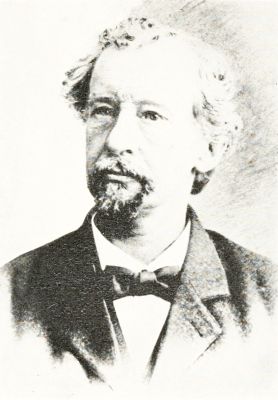
Fig. 115.—Hugo de Vries.
De Vries's theory tends also to widen the field of exploration. Davenport, Tower, and others have made it clear that species may arise by slow accumulations of trivial variations, and that, while the formation of species by mutation may be admitted, there is still abundant evidence of evolution without mutation.
Reconciliation of Different Theories.—All this is leading to a clearer appreciation of the points involved in the discussion of the theories of evolution; the tendency is not for the breach between the different theories to be widened, but for evolutionists to realize more fully the great complexity of the process they are trying to explain, and to see that no single factor can carry the burden of an explanation. Mutation is not a substitute for natural selection, but a coöperating factor; and neither mutation nor natural selection is a substitute for the doctrine of the continuity of the germ-plasm. Thus we may look forward to a reconciliation between apparently conflicting views, when naturalists by sifting shall have determined the truth embodied in the various theories. One conviction that is looming into prominence is that this will be promoted by less argument and more experimental observation.
That the solution of the underlying question in evolution will still require a long time is evident; as Whitman said in his address before the Congress of Arts and Science in St. Louis in 1904: "The problem of problems in biology to-day, the problem which promises to sweep through the present century as it has the past one, with cumulative interest and correspondingly important results, is the one which became the life-work of Charles Darwin, and which can not be better or more simply expressed than in the title of his epoch-making book, The Origin of Species."
Summary.—The number of points involved in the four theories considered above is likely to be rather confusing, and we may now bring them into close juxtaposition. The salient features of these theories are as follows:
I. Lamarck's Theory of Evolution.
1. Variation is explained on the principle of use and disuse.
2. Heredity: The variations are inherited directly and improved in succeeding generations.
A long time and favorable conditions are required for the production of new species.
II. Darwin's Theory of Natural Selection.
1. Variations assumed.
2. Heredity: Those slight variations which are of use to the organism will be perpetuated by inheritance.
3. Natural selection is the distinguishing feature of the theory. Through the struggle for existence nature selects those best fitted to survive. The selection of trivial variations that are of advantage to the organism, and their gradual improvement, leads to the production of new species.
III. Weismann's Theory of Continuity of the Germ-plasm.
1. The germ-plasm has had unbroken continuity from the beginning of life. Owing to its impressionable nature, it has an inherited organization of great complexity.
2. Heredity is accounted for on the principle that the offspring is composed of some of the same stuff as its parents. The body-cells are not inherited, i.e.,
3. There is no inheritance of acquired characters.
4. Variations arise from the union of the germinal elements, giving rise to varied combinations and permutations of the qualities of the germ-plasm. The purpose of amphimixis is to give rise to variations. The direct influence of environment has produced variations in unicellular organisms.
5. Weismann adopts and extends the principle of natural selection. Germinal selection is exhibited in the germ-plasm.
IV. De Vries's Theory of Mutations.
1. The formation of species is due not to gradual changes, but to sudden mutations.
2. Natural selection presides over and improves variations arising from mutation.
Among the other theories of evolution that of Eimer is the most notable. He maintains that variations in organisms take place not fortuitously or accidentally, but follow a perfectly determinate direction. This definitely directed evolution is called orthogenesis. He insists that there is continuous inheritance of acquired characters, and he is radically opposed to the belief that natural selection plays an important part in evolution. The title of his pamphlet published in 1898, On Orthogenesis and the Impotence of Natural Selection in Species-Formation, gives an indication of his position in reference to natural selection. A consideration of Eimer's argument would be beyond the purpose of this book.
The cause for the general confusion in the popular mind regarding any distinction between organic evolution and Darwinism is not far to seek. As has been shown, Lamarck launched the doctrine of organic evolution, but his views did not even get a public hearing. Then, after a period of temporary disappearance, the doctrine of evolution emerged again in 1859. And this time the discussion of the general theory centered around Darwin's hypothesis of natural selection. It is quite natural, therefore, that people should think that Darwinism and organic evolution are synonymous terms. The distinction between the general theory and any particular explanation of it has, I trust, been made sufficiently clear in the preceding pages.
CHAPTER XIX
THE RISE OF EVOLUTIONARY THOUGHT
A current of evolutionary thought can be traced through the literature dealing with organic nature from ancient times. It began as a small rill among the Greek philosophers and dwindles to a mere thread in the Middle Ages, sometimes almost disappearing, but is never completely broken off. Near the close of the eighteenth century it suddenly expands, and becomes a broad and prevailing influence in the nineteenth century. Osborn, in his book, From the Greeks to Darwin, traces the continuity of evolutionary thought from the time of the Greek philosophers to Darwin. The ancient phase, although interesting, was vague and general, and may be dismissed without much consideration. After the Renaissance naturalists were occupied with other aspects of nature-study. They were at first attempting to get a knowledge of animals and plants as a whole, and later of their structure, their developments, and their physiology, before questions of their origin were brought under consideration.
Opinion before Lamarck.—The period just prior to Lamarck is of particular interest. Since Lamarck was the first to give a comprehensive and consistent theory of evolution, it will be interesting to determine what was the state of opinion just prior to the appearance of his writings. Studies of nature were in such shape at that time that the question of the origin of species arose, and thereafter it would not recede. This was owing mainly to the fact that Ray and Linnæus by defining a species had fixed the attention of naturalists upon the distinguishing features of the particular kinds of animals and plants. Are species realities in nature? The consideration of this apparently simple question soon led to divergent views, and then to warm controversies that extended over several decades of time.
The view first adopted without much thought and as a matter of course was that species are fixed and constant; i.e., that the existing forms of animals and plants are the descendants of entirely similar parents that were originally created in pairs. This idea of the fixity of species was elevated to the position of a dogma in science as well as in theology. The opposing view, that species are changeable, arose in the minds of a few independent observers and thinkers, and, as has already been pointed out, the discussion of this question resulted ultimately in a complete change of view regarding nature and man's relation to it. When the conception of evolution came upon the scene, it was violently combated. It came into conflict with the theory designated special creation.
Views of Certain Fathers of the Church.—And now it is essential that we should be clear as to the sources of this dogma of special creation. It is perhaps natural to assume that there was a conflict existing between natural science and the views of the theologians from the earliest times; that is, between the scientific method and the method of the theologians, the latter being based on authority, and the former upon observation and experiment. Although there is a conflict between these two methods, there nevertheless was a long period in which many of the leading theological thinkers were in harmony with the men of science with reference to their general conclusions regarding creation. Some of the early Fathers of the Church exhibited a broader and more scientific spirit than their successors.
St. Augustine (353-430), in the fifth century, was the first of the great theologians to discuss specifically the question of creation. His position is an enlightened one. He says: "It very often happens that there is some question as to the earth or the sky, or the other elements of this world ... respecting which one who is not a Christian has knowledge derived from most certain reasoning or observation" (that is, a scientific man); "and it is very disgraceful and mischievous and of all things to be carefully avoided, that a Christian speaking of such matters as being according to the Christian Scriptures, should be heard by an unbeliever talking such nonsense that the unbeliever, perceiving him to be as wide from the mark as east from west, can hardly restrain himself from laughing." (Quoted from Osborn.)
Augustine's view of the method of creation was that of derivative creation or creation causaliter. His was a naturalistic interpretation of the Mosaic record, and a theory of gradual creation. He held that in the beginning the earth and the waters of the earth were endowed with power to produce plants and animals, and that it was not necessary to assume that all creation was formed at once. He cautions his readers against looking to the Scriptures for scientific truths. He said in reference to the creation that the days spoken of in the first chapter of Genesis could not be solar days of twenty-four hours each, but that they must stand for longer periods of time.
This view of St. Augustine is interesting as being less narrow and dogmatic than the position assumed by many theologians of the nineteenth century.
The next theologian to take up the question of creation was St. Thomas Aquinas (1225-1274) in the thirteenth century. He quotes St. Augustine's view with approval, but does not contribute anything of his own. One should not hastily conclude, however, because these views were held by leaders of theological thought, that they were universally accepted. "The truth is that all classes of theologians departed from the original philosophical and scientific standards of some of the Fathers of the Church, and that special creation became the universal teaching from the middle of the sixteenth to the middle of the nineteenth centuries."
The Doctrine of Special Creation.—About the seventeenth century a change came about which was largely owing to the writings and influence of a Spanish theologian named Suarez (1548-1617). Although Suarez is not the sole founder of this conception, it is certain, as Huxley has shown, that he engaged himself with the questions raised by the Biblical account of creation; and, furthermore, that he opposed the views that had been expressed by Augustine. In his tract upon the work of the six days (Tractatus de opere sex dierum) he takes exception to the views expressed by St. Augustine; he insisted that in the Scriptural account of creation a day of twenty-four hours was meant, and in all other cases he insists upon a literal interpretation of the Scriptures. Thus he introduced into theological thought the doctrine which goes under the name of special creation. The interesting feature in all this is that from the time of St. Augustine, in the fifth century, to the time when the ideas of Suarez began to prevail, in the seventeenth, there had been a harmonious relation between some of the leading theologians and scientific men in their outlook upon creation.
The opinion of Augustine and other theologians was largely owing to the influence of Aristotle. "We know," says Osborn, "that Greek philosophy tinctured early Christian theology; what is not so generally realized is that the Aristotelian notion of the development of life led to the true interpretation of the Mosaic account of the creation.
"There was in fact a long Greek period in the history of the evolutionary idea extending among the Fathers of the Church and later among some of the schoolmen, in their commentaries upon creation, which accord very closely with the modern theistic conception of evolution. If the orthodoxy of Augustine had remained the teaching of the Church, the final establishment of evolution would have come far earlier than it did, certainly during the eighteenth century instead of the nineteenth century, and the bitter controversy over this truth of nature would never have arisen."
The conception of special creation brought into especial prominence upon the Continent by Suarez was taken up by John Milton in his great epic Paradise Lost, in which he gave a picture of creation that molded into specific form the opinion of the English-speaking clergy and of the masses who read his book. When the doctrine of organic evolution was announced, it came into conflict with this particular idea; and, as Huxley has very pointedly remarked, the new theory of organic evolution found itself in conflict with the Miltonic, rather than the Mosaic cosmology. All this represents an interesting phase in intellectual development.
Forerunners of Lamarck.—We now take up the immediate predecessors of Lamarck. Those to be mentioned are Buffon, Erasmus Darwin, and Goethe.
Buffon (1707-1788) (Fig. 116), although of a more philosophical mind than many of his contemporaries, was not a true investigator. That is, he left no technical papers or contributions to science. From 1739 to the time of his death he was the superintendent of the Jardin du Roi. He was a man of elegance, with an assured position in society. He was a delightful writer, a circumstance that enabled him to make natural history popular. It is said that the advance sheets of Buffon's Histoire Naturelle were to be found on the tables of the boudoirs of ladies of fashion. In that work he suggested the idea that the different forms of life were gradually produced, but his timidity and his prudence led him to be obscure in what he said.
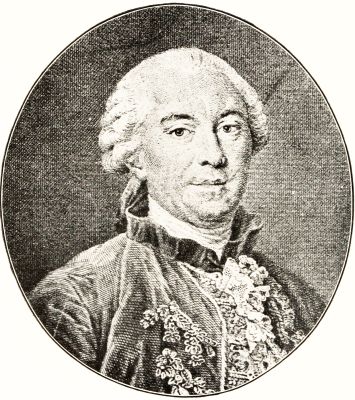
Fig. 116.—Buffon, 1707-1788.
Packard, who has studied his writings with care, says that he was an evolutionist through all periods of his life, not, as is commonly maintained, believing first in the fixity of species, later in their changeability, and lastly returning to his earlier position. "The impression left on the mind after reading Buffon is that even if he threw out these suggestions and then retracted them, from fear of annoyance or even persecution from the bigots of his time, he did not himself always take them seriously, but rather jotted them down as passing thoughts. Certainly he did not present them in the formal, forcible, and scientific way that Erasmus Darwin did. The result is that the tentative views of Buffon, which have to be with much research extracted from the forty-four volumes of his works, would now be regarded as in a degree superficial and valueless. But they appeared thirty-four years before Lamarck's theory, and though not epoch-making, they are such as will render the name of Buffon memorable for all time." (Packard.)
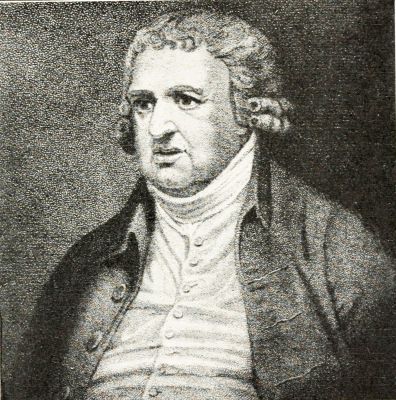
Fig. 117.—Erasmus Darwin, 1731-1802.
Erasmus Darwin (Fig. 117) was the greatest of Lamarck's predecessors. In 1794 he published the Zoönomia. In this work he stated ten principles; among them he vaguely suggested the transmission of acquired characteristics, the law of sexual selection—or the law of battle, as he called it—protective coloration, etc. His work received some notice from scholars. Paley's Natural Theology, for illustration, was written against it, although Paley is careful not to mention Darwin or his work. The success of Paley's book is probably one of the chief causes for the neglect into which the views of Buffon and Erasmus Darwin fell.
Inasmuch as Darwin's conclusions were published before Lamarck's book, it would be interesting to determine whether or not Lamarck was influenced by him. The careful consideration of this matter leads to the conclusion that Lamarck drew his inspiration directly from nature, and that points of similarity between his views and those of Erasmus Darwin are to be looked upon as an example of parallelism in thought. It is altogether likely that Lamarck was wholly unacquainted with Darwin's work, which had been published in England.
Goethe's connection with the rise of evolutionary thought is in a measure incidental. In 1790 he published his Metamorphosis of Plants, showing that flowers are modified leaves. This doctrine of metamorphosis of parts he presently applied to the animal kingdom, and brought forward his famous, but erroneous, vertebrate theory of the skull. As he meditated on the extent of modifications there arose in his mind the conviction that all plants and animals have been evolved from the modification of a few parental types. Accordingly he should be accorded a place in the history of evolutionary thought.
Opposition to Lamarck's Views.—Lamarck's doctrine, which was published in definite form in 1809, has been already outlined. We may well inquire, Why did not his views take hold? In the first place, they were not accepted by Cuvier. Cuvier's opposition was strong and vigorous, and succeeded in causing the theory of Lamarck to be completely neglected by the French people. Again, we must recognize that the time was not ripe for the acceptance of such truths; and, finally, that there was no great principle enunciated by Lamarck which could be readily understood as there was in Darwin's book on the doctrine of natural selection.
The temporary disappearance of the doctrine of organic evolution which occurred after Lamarck expounded his theory was also owing to the reaction against the speculations of the school of Natur-Philosophie. The extravagant speculation of Oken and the other representatives of this school completely disgusted men who were engaged in research by observation and experiment. The reaction against that school was so strong that it was difficult to get a hearing for any theoretical speculation; but Cuvier's influence must be looked upon as the chief one in causing disregard for Lamarck's writings.
The work of Cuvier has been already considered in connection both with comparative anatomy and zoölogy, but a few points must still be held under consideration. Cuvier brought forward the idea of catastrophism in order to explain the disappearance of the groups of fossil animals. He believed in the doctrine of spontaneous generation. He held to the doctrine of pre-delineation, so that it must be admitted that whenever he forsook observation for speculation he was singularly unhappy, and it is undeniable that his position of hostility in reference to the speculation of Lamarck retarded the progress of science for nearly half a century.
Cuvier and Saint-Hilaire.—In 1830 there occurred a memorable controversy between Cuvier and Saint-Hilaire. The latter (Fig. 118) was in early life closely associated with Lamarck, and shared his views in reference to the origin of animals and plants; though in certain points Saint-Hilaire was more a follower of Buffon than of Lamarck. Strangely enough, Saint-Hilaire was regarded as the stronger man of the two. He was more in the public eye, but was not a man of such deep intellectuality as Lamarck. His scientific reputation rests mainly upon his Philosophie Anatomique. The controversy between him and Cuvier was on the subject of unity of type; but it involved the question of the fixity or mutability of species, and therefore it involved the foundation of the question of organic evolution.
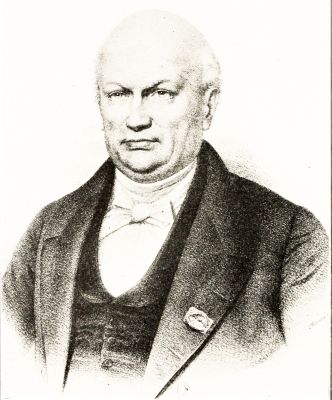
Fig. 118.—Geoffroy Saint-Hilaire, 1772-1844.
This debate stirred all intellectual Europe. Cuvier won as being the better debater and the better manager of his case. He pointed triumphantly to the four branches of the animal kingdom which he had established, maintaining that these four branches represented four distinct types of organization; and, furthermore, that fixity of species and fixity of type were necessary for the existence of a scientific natural history. We can see now that his contention was wrong, but at the time he won the debate. The young men of the period, that is, the rising biologists of France, were nearly all adherents of Cuvier, so that the effect of the debate was, as previously stated, to retard the progress of science. This noteworthy debate occurred in February, 1830. The wide and lively interest with which the debate was followed may be inferred from the excitement manifested by Goethe. Of the great poet-naturalist, who was then in his eighty-first year, the following incident is told by Soret:
"Monday, Aug. 2d, 1830.—The news of the outbreak of the revolution of July arrived in Weimar to-day, and has caused general excitement. In the course of the afternoon I went to Goethe. 'Well,' he exclaimed as I entered, 'what do you think of this great event? The volcano has burst forth, all is in flames, and there are no more negotiations behind closed doors.' 'A dreadful affair,' I answered; 'but what else could be expected under the circumstances, and with such a ministry, except that it would end in the expulsion of the present royal family?' 'We do not seem to understand each other, my dear friend,' replied Goethe. 'I am not speaking of those people at all; I am interested in something very different. I mean the dispute between Cuvier and Geoffroy de Saint-Hilaire, which has broken out in the Academy, and which is of such great importance to science.' This remark of Goethe came upon me so unexpectedly that I did not know what to say, and my thoughts for some minutes seemed to have come to a complete standstill. 'The affair is of the utmost importance,' he continued, 'and you can not form any idea of what I felt on receiving the news of the meeting on the 19th. In Geoffroy de Saint-Hilaire we have now a mighty ally for a long time to come. But I see also how great the sympathy of the French scientific world must be in this affair, for, in spite of the terrible political excitement, the meeting on the 19th was attended by a full house. The best of it is, however, that the synthetic treatment of nature, introduced into France by Geoffroy, can now no longer be stopped. This matter has now become public through the discussions in the Academy, carried on in the presence of a large audience; it can no longer be referred to secret committees, or be settled or suppressed behind closed doors.'"
Influence of Lyell's Principles of Geology.—But just as Cuvier was triumphing over Saint-Hilaire a work was being published in England which was destined to overthrow the position of Cuvier and to bring again a sufficient foundation for the basis of mutability of species. I refer to Lyell's Principles of Geology, the influence of which has already been spoken of in Chapter XV. Lyell laid down the principle that we are to interpret occurrences in the past in the terms of what is occurring in the present. He demonstrated that observations upon the present show that the surface of the earth is undergoing gradually slow changes through the action of various agents, and he pointed out that we must view the occurrences in the past in the light of occurrences in the present. Once this was applied to animal forms it became evident that the observations upon animals and plants in the present must be applied to the life of the fossil series.
These ideas, then, paved the way for the conception of changes in nature as being one continuous series.
H. Spencer.—In 1852 came the publication of Herbert Spencer in the Leader, in which he came very near anticipating the doctrine of natural selection. He advanced the developmental hypothesis, saying that even if its supporters could "merely show that the production of species by the process of modification is conceivable, they would be in a better position than their opponents. But they can do much more than this; they can show that the process of modification has affected and is affecting great changes in all organisms subject to modifying influences.... They can show that any existing species, animal or vegetable, when placed under conditions different from its previous ones, immediately begins to undergo certain changes of structure fitting it for the new conditions. They can show that in successive generations these changes continue, until ultimately the new conditions become the natural ones. They can show that in cultivated plants and domesticated animals, and in the several races of men, these changes have uniformly taken place. They can show that the degrees of difference so produced are often, as in dogs, greater than those on which distinctions of species are in other cases founded. They can show that it is a matter of dispute whether some of these modified forms are varieties or modified species. And thus they can show that throughout all organic nature there is at work a modifying influence of the kind they assign as the cause of these specific differences; an influence which, though slow in its action, does in time, if the circumstances demand it, produce marked changes; an influence which, to all appearance, would produce in the millions of years, and under the great varieties of conditions which geological records imply, any amount of change."
"It is impossible," says Marshall, "to depict better than this the condition prior to Darwin. In this essay there is full recognition of the fact of transition, and of its being due to natural influences or causes, acting now and at all times. Yet it remained comparatively unnoticed, because Spencer, like his contemporaries and predecessors, while advocating evolution, was unable to state explicitly what these causes were."
Darwin and Wallace.—In 1858 we come to the crowning event in the rise of evolutionary thought, when Alfred Russel Wallace sent a communication to Mr. Darwin, begging him to look it over and give him his opinion of it. Darwin, who had been working upon his theory for more than twenty years, patiently gathering facts and testing the same by experiment, was greatly surprised to find that Mr. Wallace had independently hit upon the same principle of explaining the formation of species. In his generosity, he was at first disposed to withdraw from the field and publish the essay of Wallace without saying anything about his own work. He decided, however, to abide by the decision of two of his friends, to whom he had submitted the matter, and the result was that the paper of Wallace, accompanied by earlier communications of Darwin, were laid before the Linnæan Society of London. This was such an important event in the history of science that its consideration is extended by quoting the following letter:
"London, June 30th, 1858.
"My Dear Sir: The accompanying papers, which we have the honor of communicating to the Linnæan Society, and which all relate to the same subject; viz., the laws which affect the production of varieties, races, and species, contain the results of the investigations of two indefatigable naturalists, Mr. Charles Darwin and Mr. Alfred Wallace.
"These gentlemen having, independently and unknown to one another, conceived the same very ingenious theory to account for the appearance and perpetuation of varieties and of specific forms on our planet, may both fairly claim the merit of being original thinkers in this important line of inquiry; but neither of them having published his views, though Mr. Darwin has for many years past been repeatedly urged by us to do so, and both authors having now unreservedly placed their papers in our hands, we think it would best promote the interests of science that a selection from them should be laid before the Linnæan Society.
"Taken in the order of their dates, they consist of:
"1. Extracts from a MS. work on species, by Mr. Darwin, which was sketched in 1839 and copied in 1844, when the copy was read by Dr. Hooker, and its contents afterward communicated to Sir Charles Lyell. The first part is devoted to The Variation of Organic Beings under Domestication and in their Natural State; and the second chapter of that part, from which we propose to read to the Society the extracts referred to, is headed On the Variation of Organic Beings in a State of Nature; on the Natural Means of Selection; on the Comparison of Domestic Races and True Species.
"2. An abstract of a private letter addressed to Professor Asa Gray, of Boston, U.S., in October, 1857, by Mr. Darwin, in which he repeats his views, and which shows that these remained unaltered from 1839 to 1857.
"3. An essay by Mr. Wallace, entitled On the Tendency of Varieties to Depart Indefinitely from the Original Type. This was written at Ternate in February, 1858, for the perusal of his friend and correspondent, Mr. Darwin, and sent to him with the expressed wish that it should be forwarded to Sir Charles Lyell, if Mr. Darwin thought it sufficiently novel and interesting. So highly did Mr. Darwin appreciate the value of the views therein set forth that he proposed, in a letter to Sir Charles Lyell, to obtain Mr. Wallace's consent to allow the essay to be published as soon as possible. Of this step we highly approved, provided Mr. Darwin did not withhold from the public, as he was strongly inclined to do (in favor of Mr. Wallace), the memoir which he had himself written on the same subject, and which, as before stated, one of us had perused in 1844, and the contents of which we had both of us been privy to for many years.
"On representing this to Mr. Darwin, he gave us permission to make what use we thought proper of his memoir, etc.; and in adopting our present course, of presenting it to the Linnæan Society, we have explained to him that we are not solely considering the relative claims to priority of himself and his friend, but the interests of science generally; for we feel it to be desirable that views founded on a wide deduction from facts, and matured by years of reflecting, should constitute at once a goal from which others may start; and that, while the scientific world is waiting for the appearance of Mr. Darwin's complete work, some of the leading results of his labours, as well as those of his able correspondent, should together be laid before the public.
"We have the honour to be yours very obediently,
Charles Lyell, Jos. D. Hooker."
Personality of Darwin.—The personality of Darwin is extremely interesting. Of his numerous portraits, the one shown in Fig. 119 is less commonly known than those showing him with a beard and a much furrowed forehead. This portrait represents him in middle life, about the time of the publication of his Origin of Species. It shows a rather typical British face, of marked individuality. Steadiness, sincerity, and urbanity are all depicted here. His bluish-gray eyes were overshadowed by a projecting ridge and very prominent, bushy eyebrows that make his portrait, once seen, easily recognized thereafter. In the full-length portraits representing him seated, every line in his body shows the quiet, philosophical temper for which he was notable. An intimate account of his life is contained in the Life and Letters of Charles Darwin (1887) and in More Letters of Darwin (1903), both of which are illustrated by portraits and other pictures. The books about Darwin and his work are numerous, but the reader is referred in particular to the two mentioned as giving the best conception of the great naturalist and of his personal characteristics.
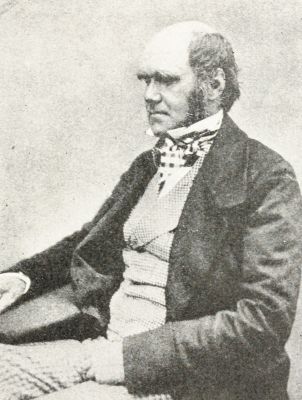
Fig. 119.—Charles Darwin, 1809-1882.
He is described as being about six feet high, but with a stoop of the shoulders which diminished his apparent height; "of active habits, but with no natural grace or neatness of movement." "In manner he was bright, animated, and cheerful; a delightfully considerate host, a man of never-failing courtesy, leading him to reply at length to letters from anybody, and sometimes of a most foolish kind."
His Home Life.—"Darwin was a man greatly loved and respected by all who knew him. There was a peculiar charm about his manner, a constant deference to others, and a faculty for seeing the best side of everything and everybody."
He was most affectionate and considerate at home. The picture of Darwin's life with his children gives a glimpse of the tenderness and deep affection of his nature, and the reverent regard with which he was held in the family circle is very touching. One of his daughters writes: "My first remembrances of my father are of the delights of his playing with us. He was passionately attached to his own children, although he was not an indiscriminate child-lover. To all of us he was the most delightful playfellow, and the most perfect sympathizer. Indeed, it is impossible adequately to describe how delightful a relation his was to his family, whether as children or in their later life.
"It is a proof of the terms on which we were, and also of how much he was valued as a playfellow, that one of his sons, when about four years old, tried to bribe him with a sixpence to come and play in working hours. We all knew the sacredness of working time, but that any one should resist sixpence seemed an impossibility."
Method of Work.—Darwin's life, as might be inferred from the enduring quality of his researches, shows an unswerving purpose. His theory was not the result of a sudden flash of insight, nor was it struck out in the heat of inspiration, but was the product of almost unexampled industry and conscientious endeavor in the face of unfavorable circumstances. Although strikingly original and independent as a thinker, he was slow to arrive at conclusions, examining with the most minute and scrupulous care the ground for every conclusion. "One quality of mind that seemed to be of especial advantage in leading him to make discoveries was the habit of never letting exceptions pass unnoticed." He enjoyed experimenting much more than work which only entailed reasoning. Of course, he was a great reader, but for books as books he had no respect, often cutting large ones in two in order to make them easier to hold while in use.
Darwin's Early Life.—Charles Darwin was born in 1809 at Shrewsbury, England, of distinguished ancestry, his grandfather being the famous Dr. Erasmus Darwin, the founder, as we have seen, of a theory of evolution. In his youth he gave no indication of future greatness. He was sent to Edinburgh to study medicine, but left there after two sessions, at the suggestion of his father, to study for the Church. He then went to the University of Cambridge, where he remained three years, listening to "incredibly dull lectures." After taking his baccalaureate degree, came the event which proved, as Darwin says, "the turning-point of my life." This was his appointment as naturalist on the surveying expedition about to be entered upon by the ship Beagle. In Cambridge he had manifested an interest in scientific study, and had been encouraged by Professor Henslow, to whom he was also indebted for the recommendation to the post on the Beagle. An amusing circumstance connected with his appointment is that he was nearly rejected by Captain Fitz-Roy, who doubted "whether a man with such a shaped nose could possess sufficient energy and determination for the voyage."
Voyage of the Beagle.—The voyage of the Beagle extended over five years (1831-1836), mainly along the west coast of South America. It was on this voyage that Darwin acquired the habit of constant industry. He had also opportunity to take long trips on shore, engaged in observation and in making extensive collections. He observed nature in the field under exceptional circumstances. As he traveled he noted fossil forms in rocks as well as the living forms in field and forest. He observed the correspondence in type between certain extinct forms and recent animals in South America. He noticed in the Galapagos Islands a fauna similar in general characteristics to that of the mainland, five or six hundred miles distant, and yet totally different as to species. Moreover, certain species were found to be confined to particular islands. These observations awakened in his mind, a mind naturally given to inquiring into the causes of things, questions that led to the formulation of his theory. It was not, however, until 1837 that he commenced his first note-book for containing his observations upon the transmutations of animals. He started as a firm believer in the fixity of species, and spent several years collecting and considering data before he changed his views.
At Downs.—On his return to England, after spending some time in London, he purchased a country-place at Downs, and, as his inheritance made it possible, he devoted himself entirely to his researches.
But, as is well known, he found in his illness a great obstacle to steady work. He had been a vigorous youth and young man, fond of outdoor sports, as fishing, shooting, and the like. After returning from his long voyage, he was affected by a form of constant illness, involving a giddiness in the head, and "for nearly forty years he never knew one day of the health of an ordinary man, and thus his life was one long struggle against the weariness and strain of sickness." Gould in his Biographical Clinics attributes his illness to eye-strain.
"Under such conditions absolute regularity of routine was essential, and the day's work was carefully planned out. At his best, he had three periods of work: from 8.00 to 9.30; from 10.30 to 12.15; and from 4.30 to 6.00, each period being under two hours' duration."
The patient thoroughness of his experimental work and of his observation is shown by the fact that he did not publish his book on the Origin of Species until he had worked on his theory twenty-two years. The circumstances that led to his publishing it when he did have already been indicated.
Parallelism in the Thought of Darwin and Wallace.—No one can read the letters of Darwin and Wallace explaining how they arrived at their idea of natural selection without marveling at the remarkable parallelism in the thought of the two. It is a noteworthy circumstance that the idea of natural selection came to both by the reading of the same book, Malthus on Population.
Darwin's statement of how he arrived at the conception of natural selection is as follows: "In October, 1838, that is, fifteen months after I had begun my systematic inquiry, I happened to read for amusement Malthus on Population, and being well prepared to appreciate the struggle for existence which everywhere goes on from long-continued observations of the habits of animals and plants, it at once struck me that under these circumstances favourable variations would tend to be preserved and unfavourable ones to be destroyed. The result of this would be the formation of new species. Here then I had at last got a theory by which to work, but I was so anxious to avoid prejudice that I determined not for some time to write even the briefest sketch of it. In June, 1842, I first allowed myself the satisfaction of writing a very brief abstract of my theory in pencil, in thirty-five pages, and this was enlarged during the summer of 1844 into one of 230 pages."
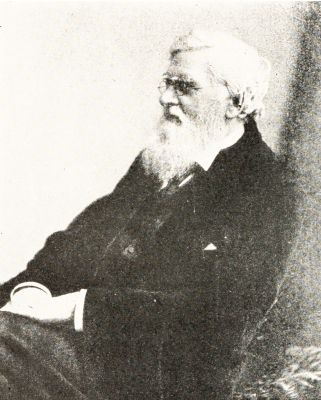
Fig. 120.—Alfred Russel Wallace, Born 1823.
And Wallace gives this account: "In February, 1858, I was suffering from a rather severe attack of intermittent fever at Ternate, in the Moluccas; and one day, while lying on my bed during the cold fit, wrapped in blankets, though the thermometer was at 88° Fahr., the problem again presented itself to me, and something led me to think of the 'positive checks' described by Malthus in his Essay on Population, a work I had read several years before, and which had made a deep and permanent impression on my mind. These checks—war, disease, famine, and the like—must, it occurred to me, act on animals as well as man. Then I thought of the enormously rapid multiplication of animals, causing these checks to be much more effective in them than in the case of man; and while pondering vaguely on this fact, there suddenly flashed upon me the idea of the survival of the fittest—that the individuals removed by these checks must be on the whole inferior to those that survived. In the two hours that elapsed before my ague fit was over, I had thought out almost the whole of the theory; and the same evening I sketched the draught of my paper, and in the two succeeding evenings wrote it out in full, and sent it by the next post to Mr. Darwin."
It thus appears that the announcement of the Darwin-Wallace theory of natural selection was made in 1858, and in the following year was published the book, the famous Origin of Species, upon which Darwin had been working when he received Mr. Wallace's essay. Darwin spoke of this work as an outline, a sort of introduction to other works that were in the course of preparation. His subsequent works upon Animals and Plants under Domestication, The Descent of Man, etc., etc., expanded his theory, but none of them effected so much stir in the intellectual world as the Origin of Species.
This skeleton outline should be filled out by reading Darwin's Life and Letters, by his son, and the complete papers of Darwin and Wallace, as originally published in the Journal of the Linnæan Society. The original papers are reproduced in the Popular Science Monthly for November, 1901.
Wallace was born in 1823, and is still living. He shares with Darwin the credit of propounding the theory of natural selection, and he is notable also for the publication of important books, as the Malay Archipelago, The Geographical Distribution of Animals, The Wonderful Century, etc.
The Spread of the Doctrine of Organic Evolution. Huxley.—Darwin was of a quiet habit, not aggressive in the defense of his views. His theory provoked so much opposition that it needed some defenders of the pugnacious type. In England such a man was found in Thomas Henry Huxley (1825-1895). He was one of the greatest popular exponents of science of the nineteenth century; a man of most thorough and exact scholarship, with a keen, analytical mind that went directly to the center of questions under consideration, and powers as a writer that gave him a wide circle of readers. He was magnificently sincere in his fight for the prevalence of intellectual honesty. Doubtless he will be longer remembered for this service than for anything else.
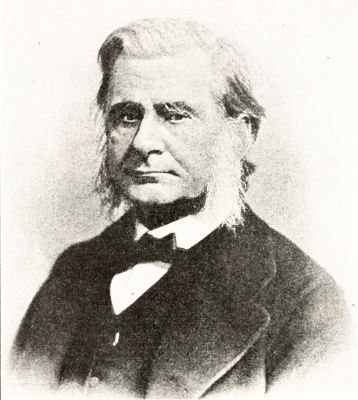
Fig. 121.—Thomas Henry Huxley, 1825-1895.
He defended the doctrine of evolution, not only against oratorical attacks like that of Bishop Wilberforce, but against well-considered arguments and more worthy opponents. He advanced the standing of the theory in a less direct way by urging the pursuit of scientific studies by high-school and university students, and by bringing science closer to the people. He was a pioneer in the laboratory teaching of biology, and his Manual has been, ever since its publication in 1874, the inspiration and the model for writers of directions for practical work in that field.
It is not so generally known that he was also a great investigator, producing a large amount of purely technical researches. After his death a memorial edition of his scientific memoirs was published in four large quarto volumes. The extent of his scientific output when thus assembled was a surprise to many of his co-workers in the field of science. His other writings of a more general character have been collected in fourteen quarto volumes. Some of the essays in this collection are models of clear and vigorous English style. Mr. Huxley did an astonishing amount of scientific work, especially in morphology and palæontology. Those who have been privileged to look over his manuscripts and unpublished drawings in his old room at South Kensington could not fail to have been impressed, not only with the extent, but also with the accuracy of his work. Taking Johannes Müller as his exemplar, he investigated animal organisms with a completeness and an exactness that have rarely been equaled.
An intimate account of his life will be found in The Life and Letters of Thomas Henry Huxley, by his son.
Haeckel.—Ernst Haeckel, of Jena, born in 1834 (Fig. 122), was one of the earliest in Germany to take up the defense of Darwin's hypothesis. As early as 1866 he applied the doctrine of evolution to all organisms in his Generelle Morphologie. This work, which has been long out of print, represents his best contribution to evolutionary thought. He has written widely for general readers, and although his writings are popularly believed to represent the best scientific thought on the matter, those written for the general public are not regarded by most biologists as strictly representative. As a thinker he is more careless than Huxley, and as a result less critical and exact as a writer.
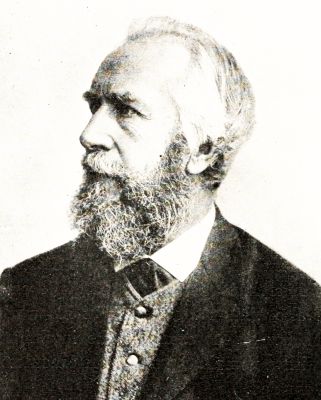
Fig. 122.—Ernst Haeckel, Born 1834.
There can be no doubt that the germs of evolutionary thought existed in Greek philosophy, and that they were retained in a state of low vitality among the mediæval thinkers who reflected upon the problem of creation. It was not, however, until the beginning of the nineteenth century that, under the nurture of Lamarck, they grew into what we may speak of as the modern theory of evolution. After various vicissitudes this doctrine was made fertile by Darwin, who supplied it with a new principle, that of natural selection.
The fruits of this long growth are now being gathered. After Darwin the problem of biology became not merely to describe phenomena, but to explain them. This is the outcome of the rise and progress of biology: first, crude and uncritical observations of the forms of animated nature; then descriptive analysis of their structure and development; and, finally, experimental studies, the effort to explain vital phenomena, an effort in which biologists are at present engaged.
CHAPTER XX
RETROSPECT AND PROSPECT. RECENT TENDENCIES IN BIOLOGY
When one views the progress of biology in retrospect, the broad truth stands out that there has been a continuity of development in biological thought and interpretation. The new proceeds out of the old, but is genetically related to it. A good illustration of this is seen in the modified sense in which the theories of epigenesis and pre-formation have been retained in the biological philosophy of the nineteenth century. The same kind of question that divided the philosophers of the seventeenth and eighteenth centuries has remained to vex those of the nineteenth; and, although both processes have assumed a different aspect in the light of germinal continuity, the theorists of the last part of the nineteenth century were divided in their outlook upon biological processes into those of the epigenetic school and those who are persuaded of a pre-organization in the germinal elements of organisms. Leading biological questions were warmly discussed from these different points of view.
In its general character the progress of natural science has been, and still is, a crusade against superstition; and it may be remarked in passing that "the nature of superstition consists in a gross misunderstanding of the causes of natural phenomena." The struggle has been more marked in biology than in other departments of science because biology involves the consideration of living organisms and undertakes to establish the same basis for thinking about the organization of the human body as about the rest of the animal series.
The first triumph of the scientific method was the overthrow of authority as a means of ascertaining truth and substituting therefor the method of observation and experiment. This carries us back to the days of Vesalius and Harvey, before the framework of biology was reared. But the scientific method, once established, led on gradually to a belief in the constancy of nature and in the prevalence of universal laws in the production of all phenomena. In its progress biology has exhibited three phases which more or less overlap: The first was the descriptive phase, in which the obvious features of animals and plants were merely described; the descriptive was supplemented by the comparative method; this in due course by the experimental method, or the study of the processes that take place in organisms. Thus, description, comparison, and experiment represent the great phases of biological development.
The Notable Books of Biology and their Authors.—The progress of biology has been owing to the efforts of men of very human qualities, yet each with some special distinguishing feature of eminence. Certain of their publications are the mile-stones of the way. It may be worth while, therefore, in a brief recapitulation to name the books of widest general influence in the progress of biology. Only those publications will be mentioned that have formed the starting-point of some new movement, or have laid the foundation of some new theory.
Beginning with the revival of learning, the books of Vesalius, De Corporis Humani Fabrica (1543), and Harvey, De Motu Cordis et Sanguinis (1628), laid the foundations of scientific method in biology.
The pioneer researches of Malpighi on the minute anatomy of plants and animals, and on the development of the chick, best represent the progress of investigation between Harvey and Linnæus. The three contributions referred to are those on the Anatomy of Plants (Anatome Plantarum, 1675-1679); on the Anatomy of the Silkworm (De Bombyce, 1669); and on the Development of the Chick (De Formatione Pulli in Ovo and De Ovo Incubato, both 1672).
We then pass to the Systema Naturæ (twelve editions, 1735-1768) of Linnæus, a work that had such wide influence in stimulating activity in systematic botany and zoölogy.
Wolff's Theoria Generationis, 1759, and his De Formatione Intestinorum, 1764, especially the latter, were pieces of observation marking the highest level of investigation of development prior to that of Pander and Von Baer.
Cuvier, in Le Règne Animal, 1816, applied the principles of comparative anatomy to the entire animal kingdom.
The publication in 1800 of Bichat's Traité des Membranes created a new department of anatomy, called histology.
Lamarck's book, La Philosophie Zoologique, 1809, must have a place among the great works in biology. Its influence was delayed for more than fifty years after its publication.
The monumental work of Von Baer on Development (Ueber Entwicklungsgeschichte der Thiere), 1828, is an almost ideal combination of observation and conclusion in embryology.
The Microscopische Untersuchungen, 1839, of Schwann marks the foundation of the cell-theory.
The Handbook of Johannes Müller (Handbuch der Physiologie des Menschen), 1846, remains unsurpassed as to its plan and its execution.
Max Schultze in his treatise Ueber Muskelkörperchen und das was man eine Zelle zu nennen habe, 1861, established one of the most important conceptions with which biology has been enriched, viz., the protoplasm doctrine.
Darwin's Origin of Species, 1859, is, from our present outlook, the greatest classic in biology.
Pasteur's Studies on Fermentation, 1876, is typical of the quality of his work, though his later investigations on inoculations for the prevention of hydrophobia and other maladies are of greater importance to mankind.
It is somewhat puzzling to select a man to represent the study of fossil life, one is tempted to name E.D. Cope, whose researches were conceived on the highest plane. Zittel, however, covered the entire field of fossil life, and his Handbook of Palæontology is designated as a mile-post in the development of that science.
Before the Renaissance the works of Aristotle and Galen should be included.
From the view-point suggested, the more notable figures in the development of biology are: Aristotle, Galen, Vesalius, Harvey, Malpighi, Linnæus, Wolff, Cuvier, Bichat, Lamarck, Von Baer, J. Müller, Schwann, Schultze, Darwin, Pasteur, and Cope.
Such a list is, as a matter of course, arbitrary, and can serve no useful purpose except that of bringing into combination in a single group the names of the most illustrious founders of biological science. The individuals mentioned are not all of the same relative rank, and the list should be extended rather than contracted. Schwann, when the entire output of the two is considered, would rank lower as a scientific man than Koelliker, who is not mentioned, but the former must stand in the list on account of his connection with the cell-theory. Virchow, the presumptive founder of pathology, is omitted, as are also investigators like Koch, whose line of activity has been chiefly medical.
Recent Tendencies in Biology. Higher Standards.—In attempting to indicate some of the more evident influences that dominate biological investigation at the present time, nothing more than an enumeration of tendencies with a running commentary is possible. One notes first a wholesome influence in the establishment of higher standards, both of research and of scientific publication. Investigations as a whole have become more intensive and more critical. Much of the work that would have passed muster for publication two decades ago is now regarded by the editors of the best biological periodicals as too general and too superficial. The requisites for the recognition of creditable work being higher, tends to elevate the whole level of biological science.
Improvement in Tools and Methods.—This has come about partly through improvement in the tools and in the methods of the investigators. It can hardly be said, however, that thinking and discernment have been advanced at the same rate as the mechanical helps to research. In becoming more intensive, the investigation of biological problems has lost something in comprehensiveness. That which some of the earlier investigators lacked in technique was compensated for in the breadth of their preliminary training and in their splendid appreciation of the relations of the facts at their disposal.
The great improvement in the mechanical adjustments and in the optical powers of microscopes has made it possible to see more regarding the physical structure and the activities of organisms than ever before. Microtomes of the best workmanship have placed in the hands of histologists the means of making serial sections of remarkable thinness and regularity.
The great development of micro-chemical technique also has had the widest influence in promoting exact researches in biology. Special staining methods, as those of Golgi and Bethe, by means of which the wonderful fabric of the nervous system has been revealed, are illustrations.
The separation by maceration and smear preparation of entire histological elements so that they may be viewed as solids has come to supplement the study of sections. Reconstruction, by carving wax plates of known thickness into the form of magnified sections drawn upon their surfaces to a scale, and then fitting the plates together, has been very helpful in picturing complicated anatomical relations. This method has made it possible to produce permanent wax models of minute structures magnified to any desired degree. Minute dissections, although not yet sufficiently practiced, are nevertheless better than the wax models for making accurate drawings of minute structures as seen in relief.
The injection of the blood-vessels of extremely small embryos has made it possible to study advantageously the circulatory system. The softening of bones by acid after the tissues are already embedded in celloidin has offered a means of investigating the structure of the internal ear by sections, and is widely applicable to other tissues.
With the advantage of the new appliances and the new methods, the old problems of anatomy are being worked over on a higher level of requirement. Still, it is doubtful whether even the old problems will be solved in more than a relative way. It is characteristic of the progress of research that as one proceeds the horizon broadens and new questions spring up in the pathway of the investigator. He does not solve the problems he sets out to solve, but opens a lot of new ones. This is one of the features of scientific research that make its votaries characteristically optimistic.
Experimental Work.—Among the recent influences tending to advance biology, none is more important than the application of experiments to biological studies. The experimental method is in reality applicable to diverse fields of biological research, and its extensive use at present indicates a movement in the right direction; that is, a growing interest in the study of processes. One of the earliest problems of the biologist is to investigate the architecture of living beings; then there arise questions as to the processes that occur within the organism, and the study of processes involves the employment of experiments. In the pursuit of physiology experiments have been in use since the time of Harvey, but even in that science, where they are indispensable, experiments did not become comparative until the nineteenth century. It now appears that various forms of experiment give also a better insight into the structure of organisms, and the practice of applying experiments to structural studies has given rise to the new department of experimental morphology.
For the purpose of indicating some of the directions in which biology has been furthered by the experimental method of investigation, we designate the fields of heredity and evolution, changes in the environment of organisms, studies on fertilization and on animal behavior.
The recognition that both heredity and the process of evolution can be subjected to experimental tests was a revelation. Darwin and the early evolutionists thought the evolutionary changes too slow to be appreciated, but now we know that many of the changes can be investigated by experiment. Numerous experiments on heredity in poultry (Davenport), in rats, in rabbits, and in guinea-pigs (Castle) have been carried out—experiments that test the laws of ancestral inheritance and throw great light upon the questions introduced by the investigations of Mendel and De Vries. The investigations of De Vries on the evolution of plant-life occupy a notable position among the experimental studies.
A large number of experiments on the effects produced by changes in the external conditions of life have been made. To this class of investigations belong studies on the regulation of form and function in organisms (Loeb, Child), the effects produced by altering mechanical conditions of growth, by changing the chemical environment, etc. There is some internal mechanism in living matter that is influenced by changes in external conditions, and the study of the regulation of the internal processes that produce form and structure have given rise to a variety of interesting problems. The regeneration of lost parts and regeneration after intentionally-imposed injury has received much attention (Morgan). Marine animals are especially amenable to manipulations of this nature, as well as to alterations in their surroundings, on account of the ease in altering the chemical environment in which they live. The latter may be accomplished by dissolving harmless chemical salts in the sea-water, and observing the changes produced by the alterations of the surrounding conditions. By this means Herbst and others have produced very interesting results.
In the field of artificial fertilization, free swimming larvæ have been raised from eggs artificially fertilized by changes in osmotic pressure, and also by treating them with both organic and inorganic acids; and these studies have greatly altered opinion regarding the nature of fertilization, and of certain other phenomena of development.
Animal Behavior.—The study of animal behavior (Jennings) is a very characteristic activity of the present, in which certain psychological processes are investigated. These investigations have given rise to a distinct line of research participated in by psychologists and biologists. The study of the way in which animals will react toward light of different colors, to variations in the intensity of light, to alterations in temperature, and to various other forms of stimuli are yielding very important results, that enable investigators to look beneath the surface and to make important deductions regarding the nature of psychological processes.
A line closely allied to experimentation is the application of statistics to biological processes, such as those of growth, stature, the law of ancestral inheritance, the statistical study of variations in spines, markings on shells, etc., etc., (Galton, Pearson, Davenport).
Other branches of biology that have been greatly developed by the experimental method are those of bacteriology and physiological chemistry. The advances in the latter have greatly widened the horizon of our view regarding the nature of vital activities, and they compose one of the leading features of current biological investigation.
Some Tendencies in Anatomical Studies. Cell-Lineage.—While experimental work occupies the center of the stage, at the same time great improvements in morphological studies are evident. It will be only possible, however, to indicate in a general way the direction in which investigations are moving. We note, first, as in a previous paragraph, that the improvement in morphology is generic as well as specific. Anatomical analysis is being carried to its limits in a number of directions. The investigations that are connected with the study of cells afford a conspicuous illustration of this fact. Studies in cell-lineage have led to an exact determination of cell-succession in the development of certain animals, and such studies are still in progress. Great progress also has been made in the study of physical structure of living matter. The tracing of cell-lineage is a feat of remarkably accurate and patient work. But, however much this may command our admiration, it has been surpassed (as related in Chapter XI) by investigations regarding the organization of the egg and the analysis of chromosomes. Boveri, Conklin, Wilson, and others have shown that there are recognizable areas within the protoplasm of the egg that have a definite historical relationship to certain structures in process of development. This is the basis upon which rests the doctrine of pre-localization of tissue-forming substances within the protoplasm of the egg.
Anatomy of the Nervous System.—In another direction the progress of anatomical studies is very evident, that is, investigations of the nervous system and the sense-organs. The wonderfully complicated relations of nerve elements have been worked out by Ramon y Cajal. The studies of Hodge and others upon optical changes occurring within the cells of the nervous system owing to their functional activity have opened a great field for investigation. The studies of Strong, Herrick, and others upon the distribution of nerve-components in the nerves of the head and the investigations of Harrison on the growth and the regeneration of nerve-fibers give illustrations of current tendencies in biological investigation. The analysis of the central nervous system into segmental divisions on the basis of functional activity (Johnston) is still another illustration.
The Application of Biological Facts to the Benefit of Mankind.—The practical application of biology to the benefit of mankind is a striking feature of present-day tendencies. The activity set on foot by the researches of Pasteur, Koch, and others has created a department of technical biology of the greatest importance to the human race.
Under the general heading should be included the demonstration of the connection between insects and the propagation of yellow fever, malaria, and other disorders; and as an illustration of activity in 1907, we think of the commission recently appointed to investigate the terrible scourge of the sleeping-sickness which has been prevalent in Africa. Here also we would group studies of a pathological character on blood-immunity, toxin and antitoxin, also studies on the inoculation for the prevention of various diseases that affect animals and mankind. Very much benefit has already accrued from the practical application of biological researches of this nature, which, in reality, are still in their infancy.
We find the application of biological facts to agriculture in the form of soil-inoculation, in the tracing of the sources of nitrates in the soil, and studies of the insects injurious to vegetation; their further application to practical forestry, and in sanitary sciences. This kind of research is also applied to the study of food-supply for fishes, as in the case of Plankton studies.
The Establishment and Maintenance of Biological Laboratories.—The establishment of seaside biological observatories and various other stations for research have had a great influence on the development of biology. The most famous biological station is that founded at Naples (Fig. 123) in 1872 by Anton Dohrn, and it is a gratification to biologists to know that he still remains its director. This international station for research has stimulated, and is at present stimulating, the growth of biology by providing the best conditions for carrying on researches and by the distribution of material which has been put up at the sea-coast by the most skilled preservators. There are many stations modeled after that at Naples. The Marine Biological Laboratory at Woods Holl, Mass., is of especial prominence, and the recently reorganized Wistar Institute of Anatomy at Philadelphia is making a feature of the promotion of anatomical researches, especially those connected with the anatomy of the nervous system.
Laboratories similar to those at the seaside have been established on several fresh-water lakes. The studies carried on in those places of the complete biology of lakes, taking into account the entire surroundings of organisms, are very interesting and important.
Fig. 123.—The Biological Station at Naples.
Under this general head should be mentioned stations under the control of the Carnegie Institution, the various scientific surveys under the Government, and the United States Fish Commission, which carries on investigations in the biology of fishes as well as observations that affect their use as articles of diet. The combined output of the various laboratories and stations of this nature is very considerable, and their influence upon the progress of biology is properly included under the head of present tendencies.
The organization of laboratories in our great universities and their product exercise a wide influence on the progress of biology, that science having within twenty-five years come to occupy a position of great importance among the subjects of general education.
Establishment and Maintenance of Technical Periodicals.—It is manifestly very important to provide means for the publication of results and, as needed, to have technical periodicals established and properly maintained. Their maintenance can not be effected on a purely commercial basis, and the result is that some of our best periodicals require financial assistance in order to exist at all. The subsidizing and support of these periodicals aid materially in the biological advance. A typical technical periodical is Schultze's famous Archiv für Mikroscopische Anatomie, founded in 1864 by Schultze and continued to the present time. Into its pages go the highest grade of investigations, and its continued existence has a salutary influence upon the progress of biology. The list of technical periodicals would be too long to name, but among others the Morphologisches Jahrbuch of Gegenbaur, and Koelliker's Zeitschrift für Wissenschaftliche Zoologie have had wide influence. In England the Quarterly Journal of Microscopical Science is devoted to morphological investigations, while physiology is provided for in other journals, as it is also in Germany and other countries. In the United States the Journal of Morphology, edited by C.O. Whitman, passed through seventeen volumes and was maintained on the highest plane of scholarship. The fine execution of the plates and the high grade of typographical work made this journal conspicuous. It represents in every way an enterprise of which Americans can be justly proud. The American Journal of Anatomy is now filling the field left unoccupied by the cessation of the Journal of Morphology.[9] In the department of experimental work many journals have sprung up, as Biometrica, edited by Carl Pearson, Roux's Archiv für Entwicklungsmechanik, the Journal of Experimental Zoology recently established in the United States, etc., etc.