Chapter IX · THE BATTLE OF LIAO-YANG
Reading edition
The battle of Liao-Yang was the culminating event of the four months’ Manchurian campaign which the Japanese began when they crossed the Yalu. In the point of number of men engaged it was the greatest battle of modern times, and it resulted in a decisive, though hard-won, victory for the Japanese. Between 400,000 and half a million men fought in the two armies, and when the five days’ duel was over the total losses in killed and wounded were estimated at about 30,000. The result of the battle was that the Japanese gained complete control of the Liaotung Peninsula, north of Port Arthur, and that the Russian army was forced to retreat northward toward Mukden and Harbin.
The Russians under General Kuropatkin had collected a large amount of ammunition and supplies at Liao-Yang and the town itself was elaborately fortified. It was generally understood that General Kuropatkin’s plan was to lure the Japanese on to the plain in front of Liao-Yang and there to meet them in decisive battle. When the battle proper began on August 26, the Russian army occupied three groups of positions, extending in a semicircle in front of and to the southward of the fortifications of the town. Kuroki’s army on the east, Nodzu’s on the south, and Oku’s on the west—the whole under the command of Field Marshal Oyama—attacked along the whole front. After five days of the most persistent attack and defence, and a terrific and almost continuous artillery duel, during which the Russians were pushed back into Liao-Yang, General Kuroki succeeded in throwing a considerable force across the Taitse River, which extends eastward and westward just north of the town. With his left flank and rear thus menaced, Kuropatkin was compelled, on September 1, to evacuate Liao-Yang and retreat on Mukden.
With the loss of Liao-Yang crumbled to pieces the plan for the defence of Manchuria which the Russian commanders had adopted when they were preparing for war with Japan. With the exception of the beleaguered garrison at Port Arthur, Russia had lost every foothold on the Liaotung Peninsula. In only one thing were the Japanese unsuccessful. They had failed to get to the rear of the Russian army and to cut off Kuropatkin from his line of retreat, and the manner in which the Russian commander withdrew his army in the face of almost insurmountable difficulties went far to mitigate the humiliation of defeat. The estimates of the number of troops engaged on either side vary from somewhat less than 200,000 to 250,000 men. It was generally believed at the time the battle was fought that the Japanese outnumbered the Russians, but inasmuch as they were attacking an intrenched force this advantage was apparent rather than real. No battle in our Civil War was on as large a scale as that at Liao-Yang. The battle of Leipsic, where Napoleon arrayed 130,000 men against the 300,000 of the Allies, was, in point of number of men engaged, the greatest previous battle of modern times.
178
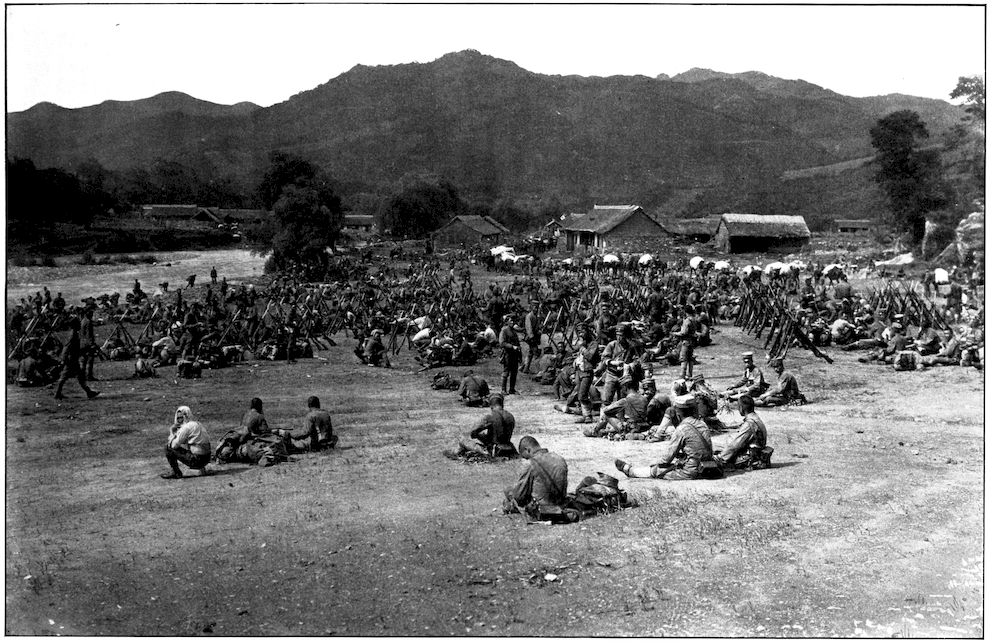
JAPANESE RESTING ON THE BANKS OF THE TANG RIVER A FEW DAYS BEFORE THE TAKING OF LIAO-YANG
179
THE PAGODA AT LIAO-YANG SEEN IN THE DISTANCE
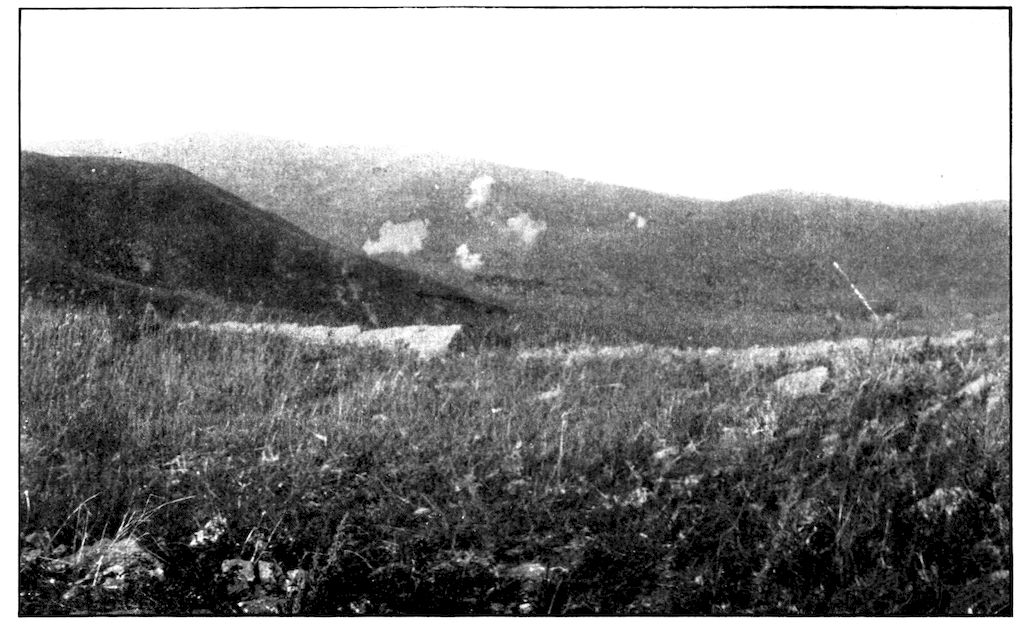
RUSSIANS SEARCHING WITH SHRAPNEL TO UNMASK THE ENEMY’S BATTERIES
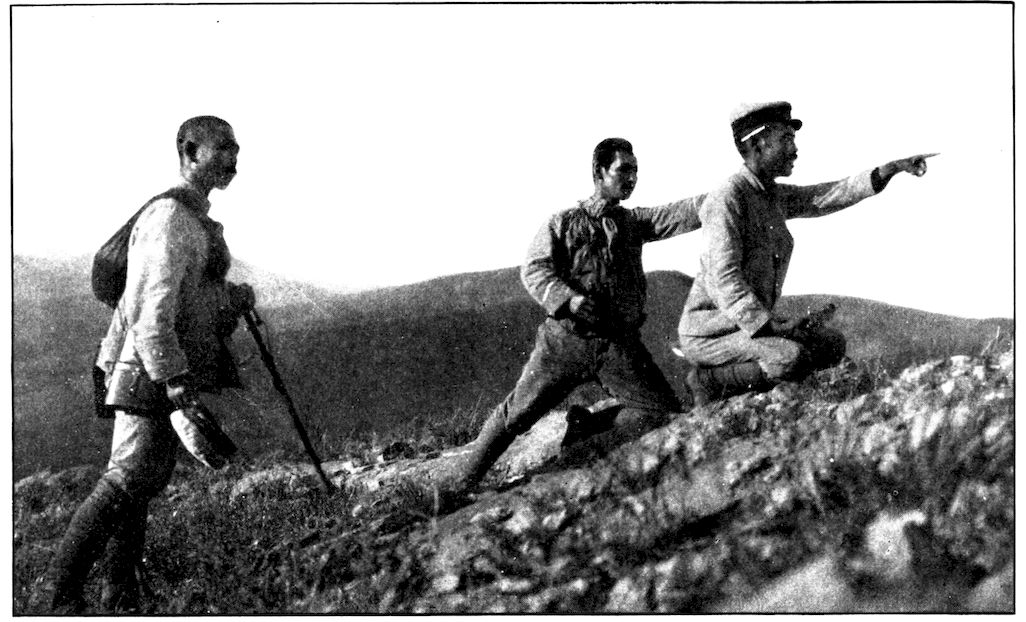
SCOUTING WITH GENERAL WATERNABE IN THE VICINITY OF LIAO-YANG
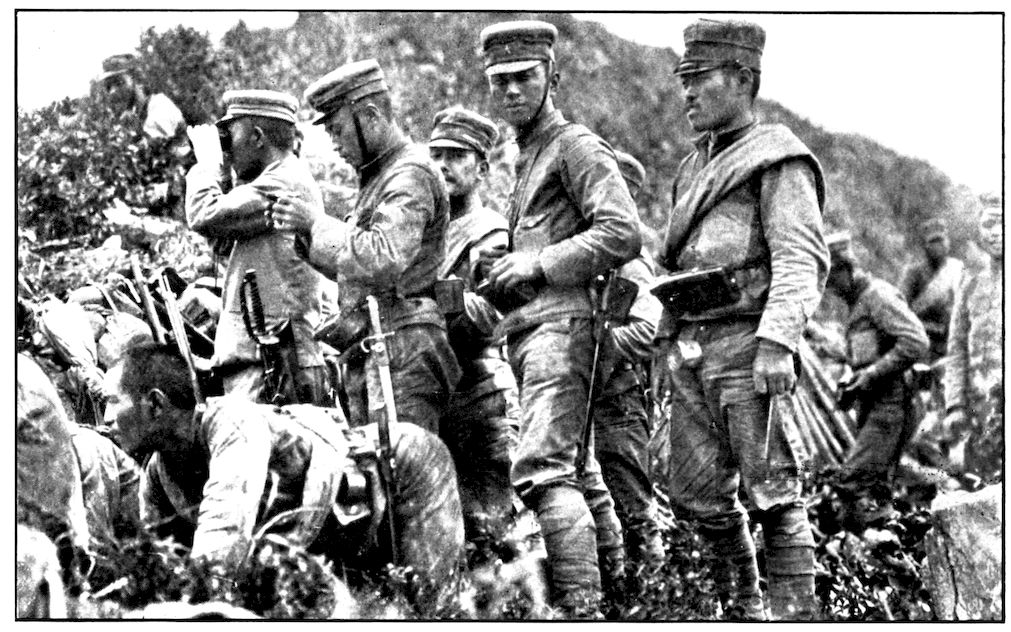
WATCHING THE DISTANT CITY TO SEE IF THE RUSSIANS ARE EVACUATING
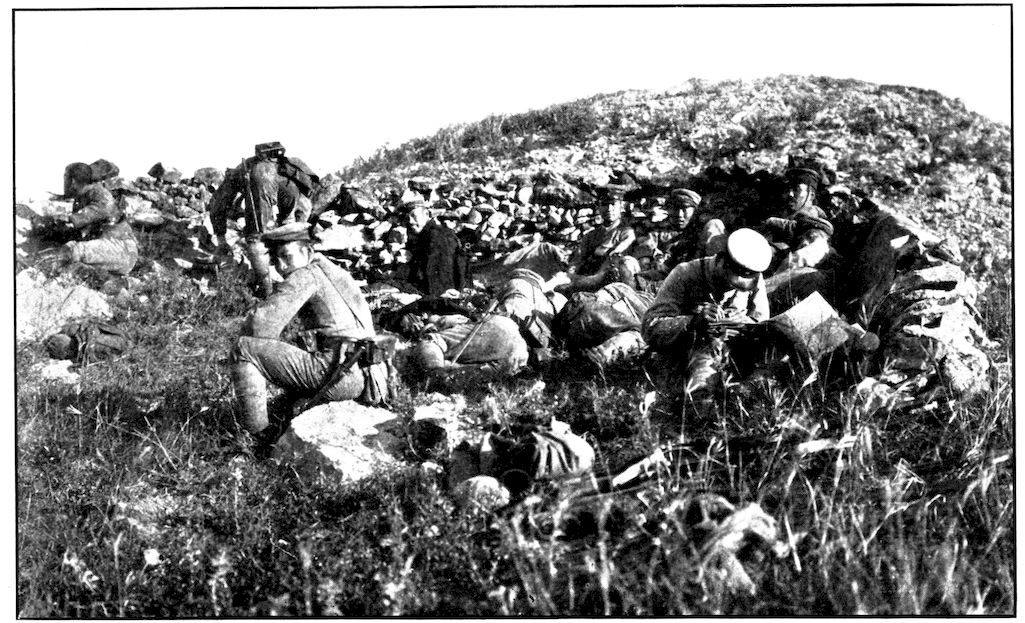
ON THE LAST OF THE HILLS, ON SEPTEMBER THIRD, JUST BEFORE THE JAPANESE ENTERED LIAO-YANG
180
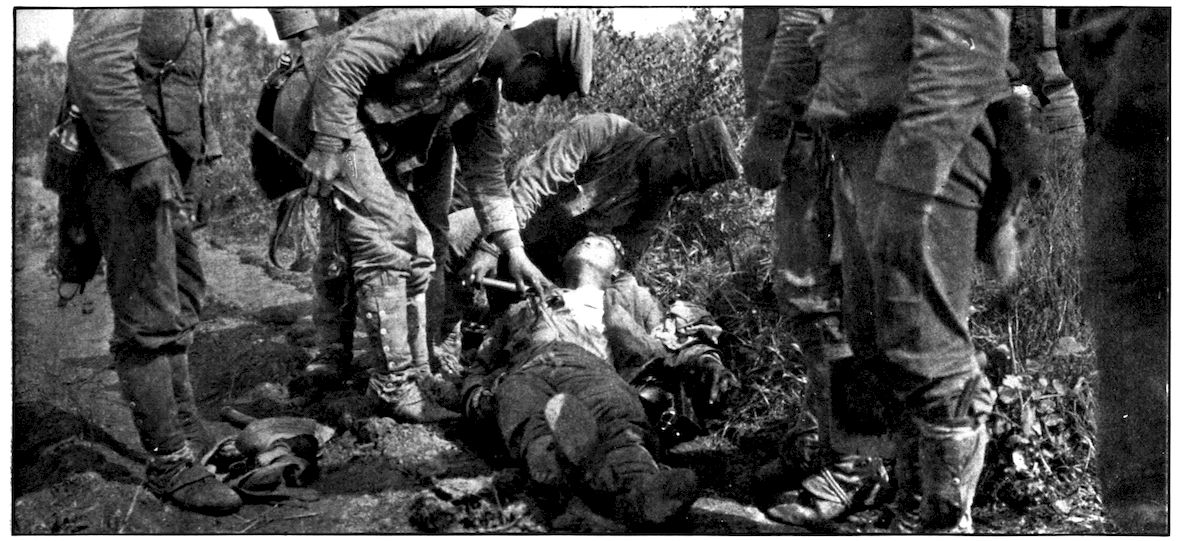
JAPANESE FINDING THE BODY OF A COMRADE IN THE FIELDS NEAR LIAO-YANG
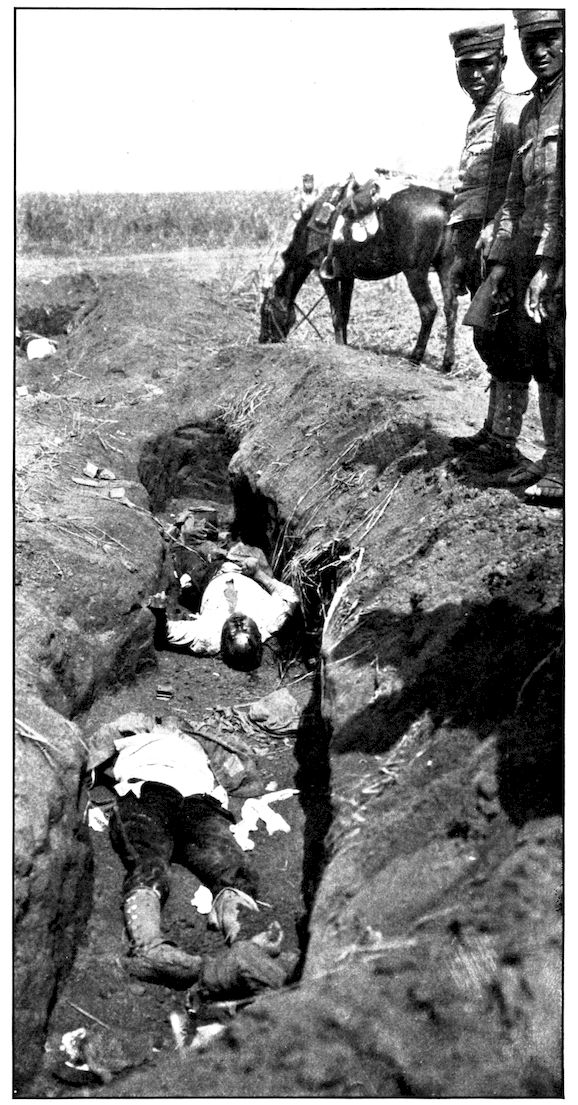
DEAD JAPANESE IN TRENCHES ON SEPTEMBER FOURTH
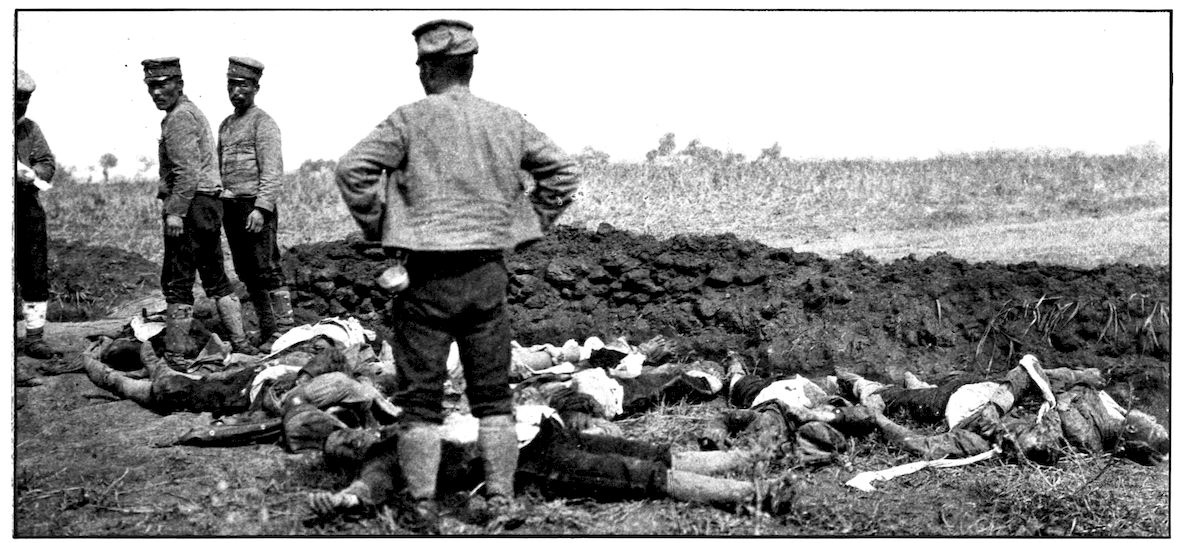
BURYING JAPANESE AND RUSSIAN DEAD TOGETHER OUTSIDE LIAO-YANG
SEARCHING OUT AND BURYING THE DEAD THE DAY THE JAPANESE ENTERED LIAO-YANG
181
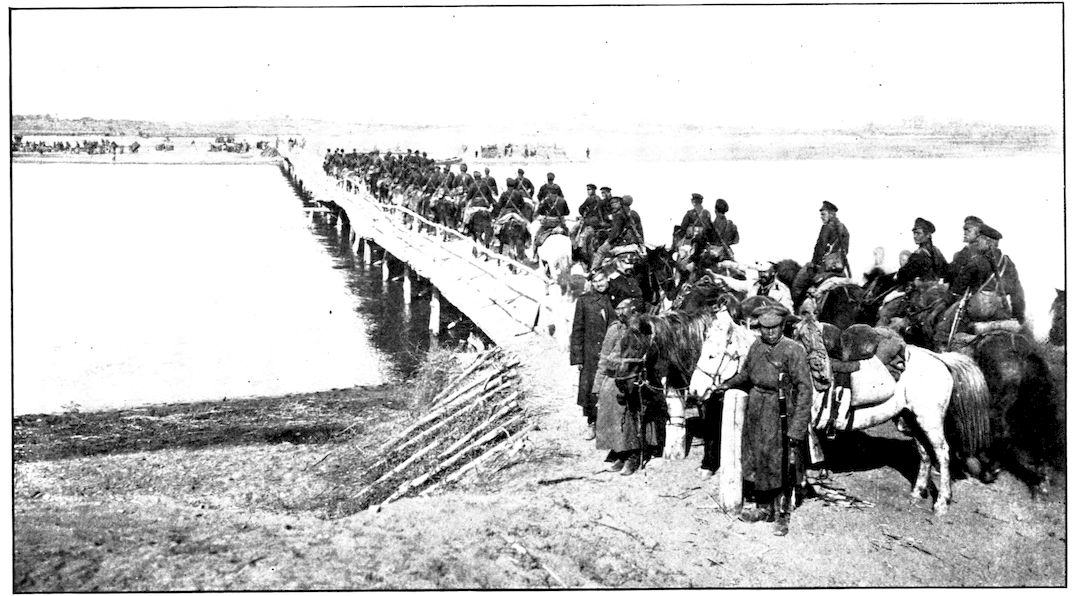
RUSSIANS RETREATING FROM LIAO-YANG ACROSS THE TAITSE RIVER
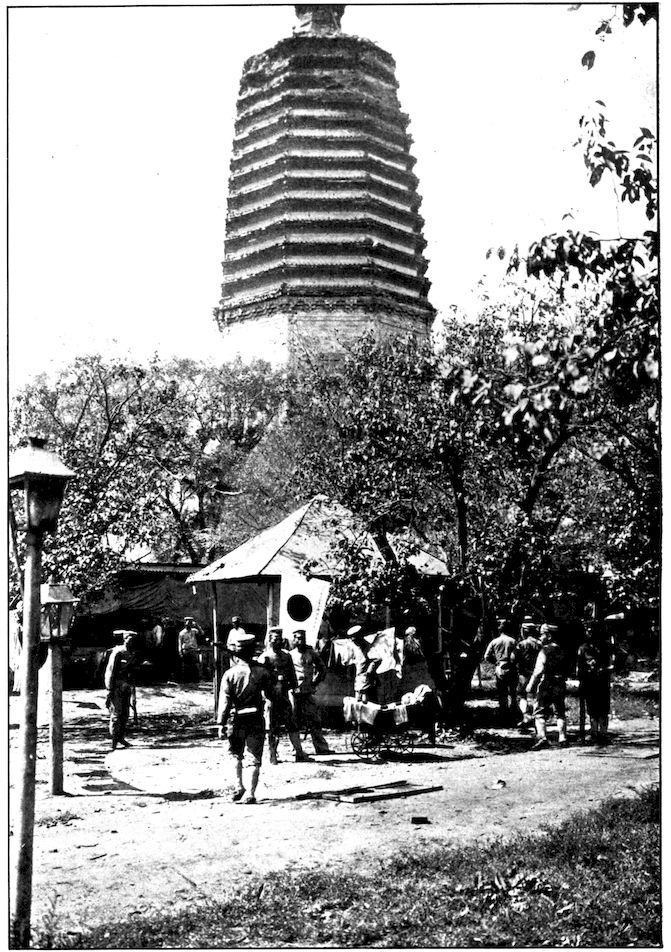
BABY CARRIAGE LEFT BEHIND BY RUSSIANS IN THE PARK
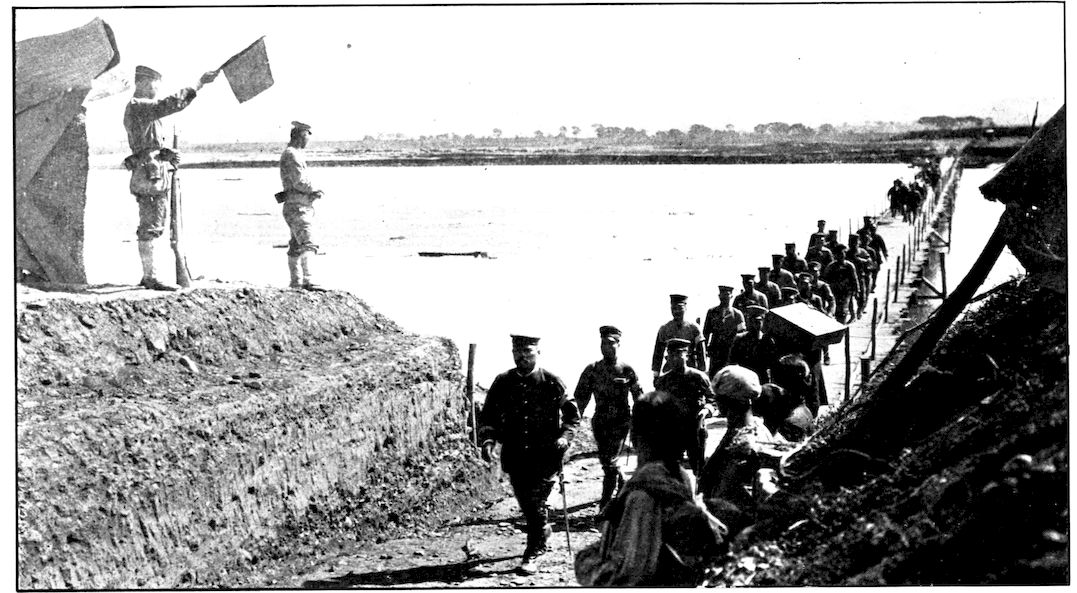
JAPANESE CROSSING THE TAITSE RIVER TO ENTER LIAO-YANG
INCIDENTS OF THE EVACUATION OF LIAO-YANG AND ITS OCCUPATION BY THE JAPANESE
182
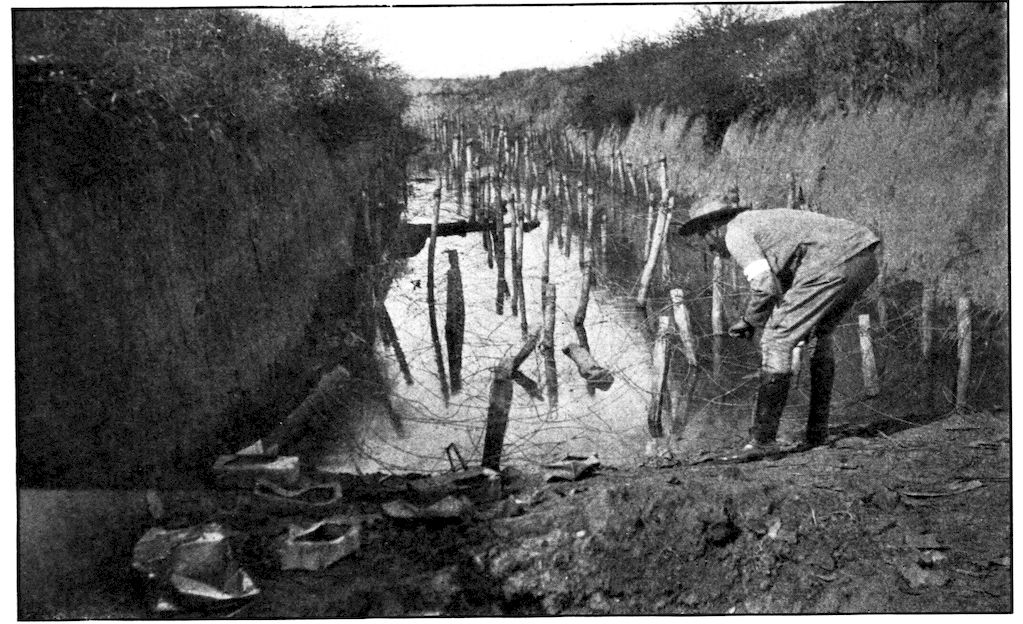
CORRESPONDENT EXAMINING WIRE ENTANGLEMENTS BUILT BY THE RUSSIANS
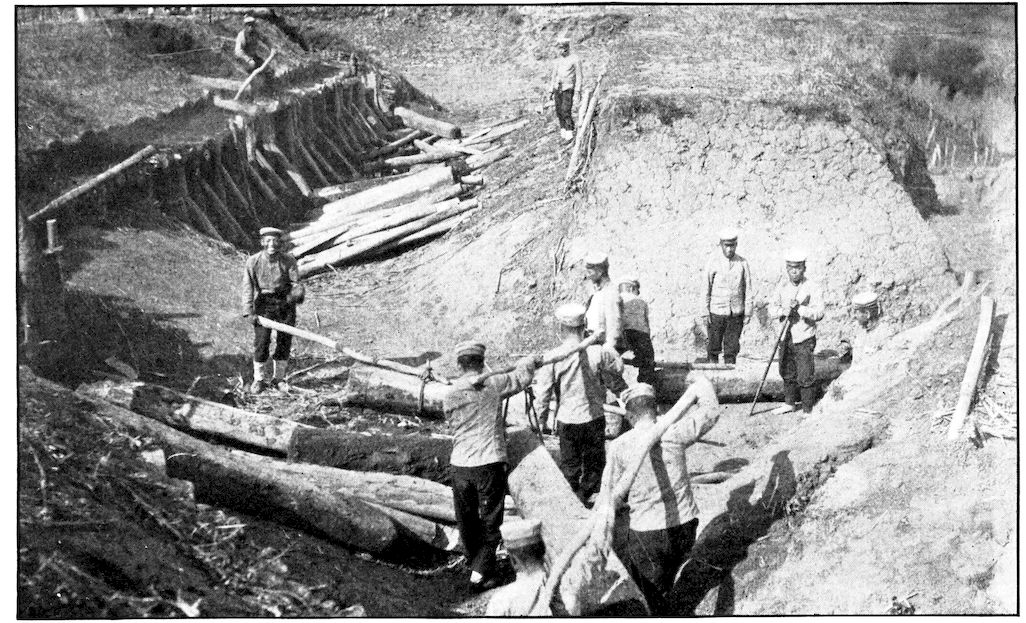
JAPANESE DISMANTLING A RUSSIAN REDOUBT AT LIAO-YANG
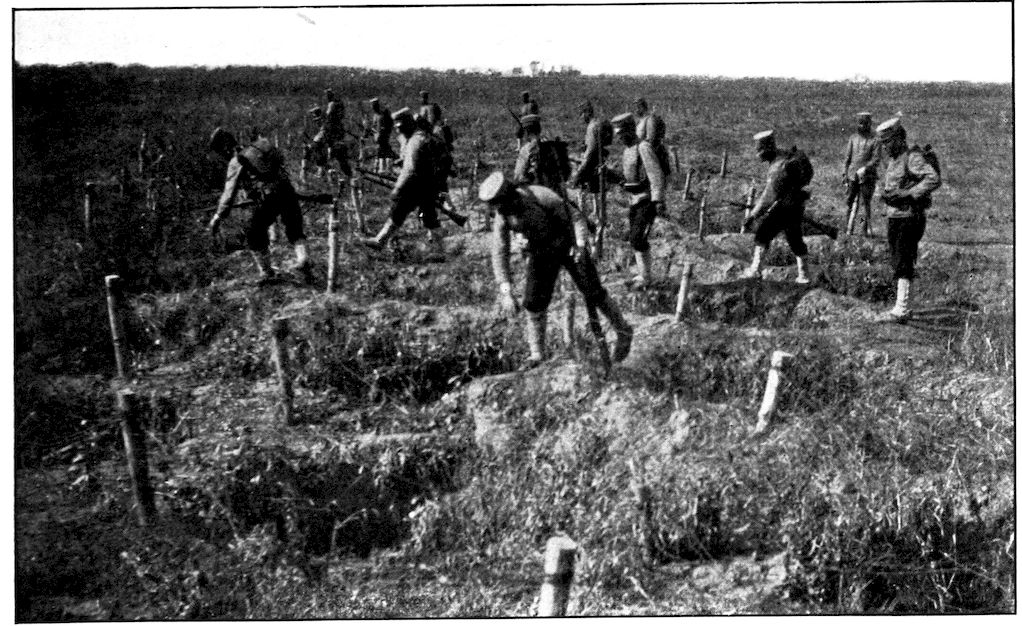
PICKING THEIR WAY THROUGH WIRE ENTANGLEMENTS AND PITS
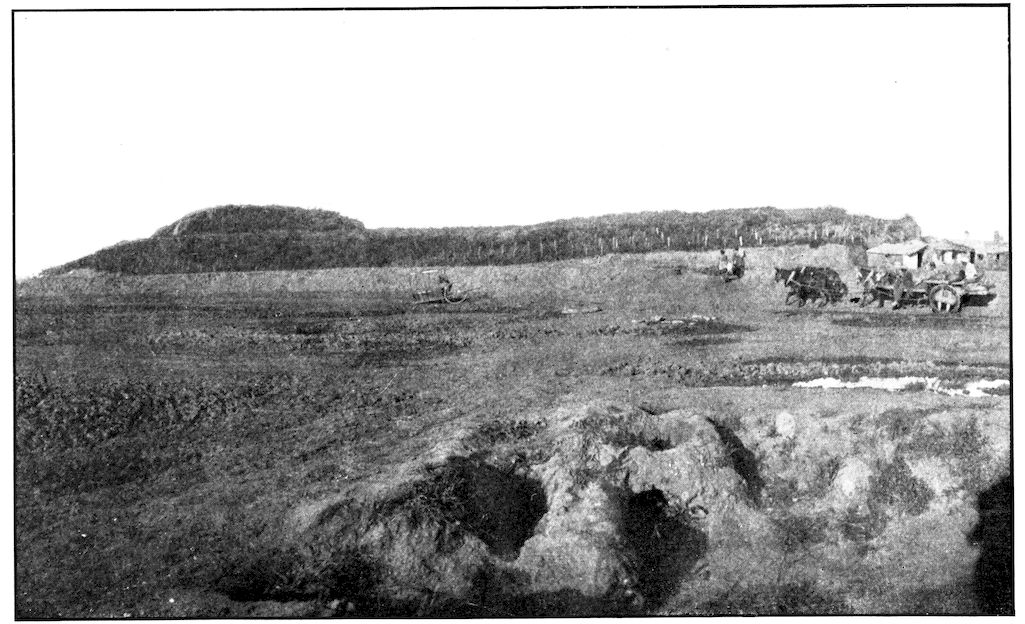
GENERAL VIEW OF A RUSSIAN REDOUBT NORTH OF LIAO-YANG
VIEWS OF FORTIFICATIONS AND ENTANGLEMENTS BUILT BY THE RUSSIANS AT LIAO-YANG
183
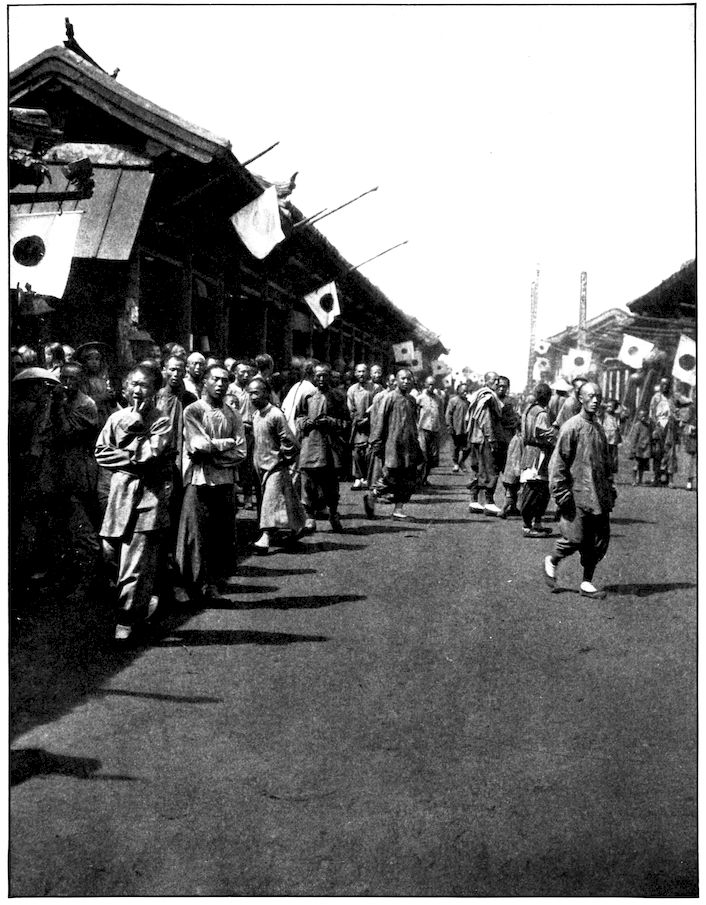
NATIVES, WITH JAPANESE FLAGS FLYING, AWAITING THE CONQUERORS
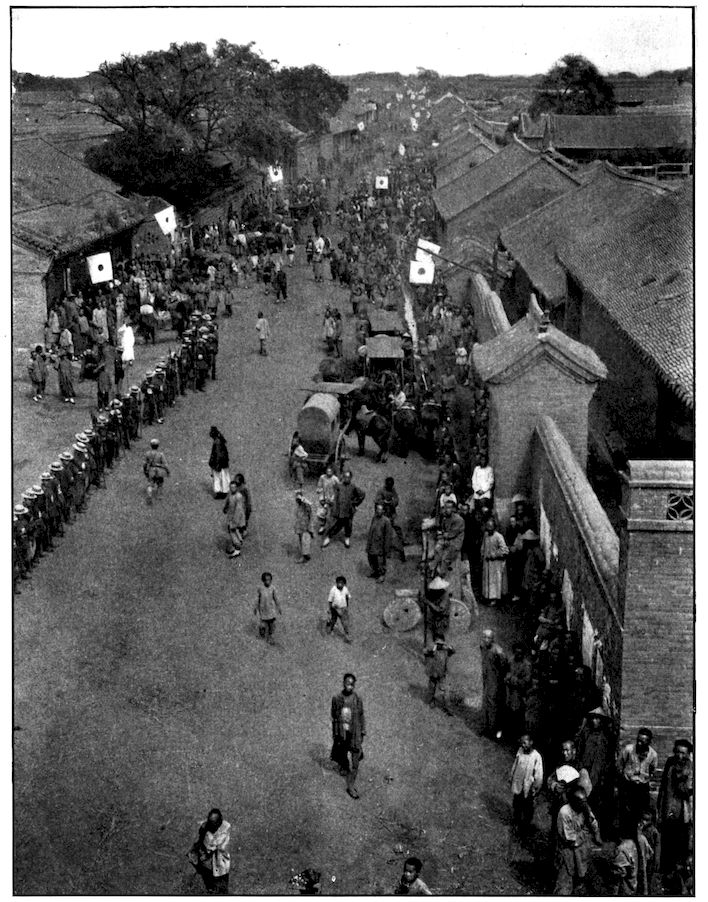
CHINESE MANDARIN AND ESCORT GETTING READY TO RECEIVE THE JAPANESE
SCENES IN LIAO-YANG ON THE MORNING OF ITS OCCUPATION BY THE JAPANESE
184
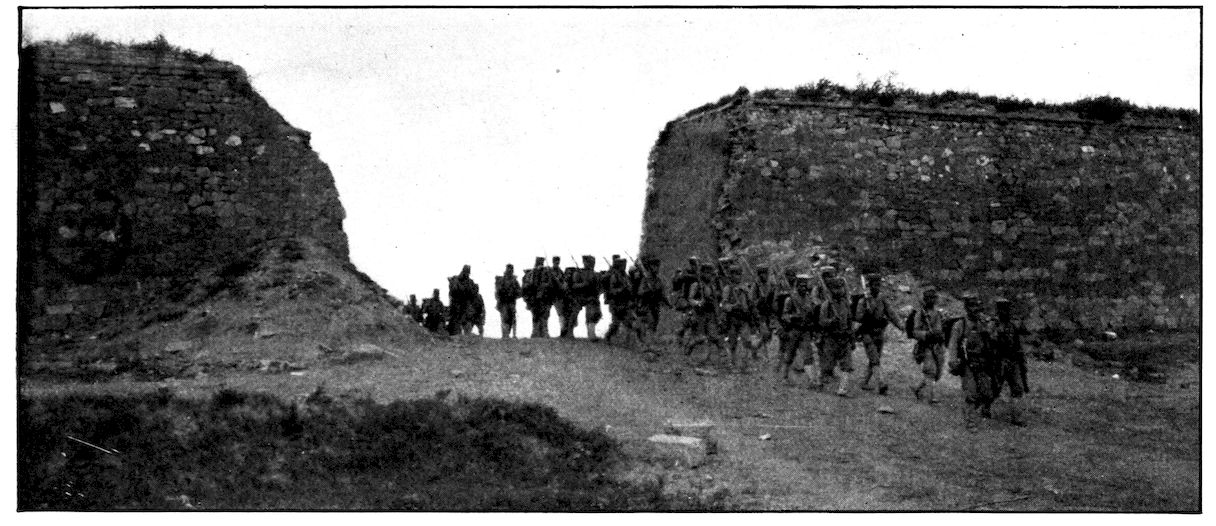
JAPANESE ENTERING LIAO-YANG THROUGH ONE OF THE MANY BREACHES IN THE WALLS
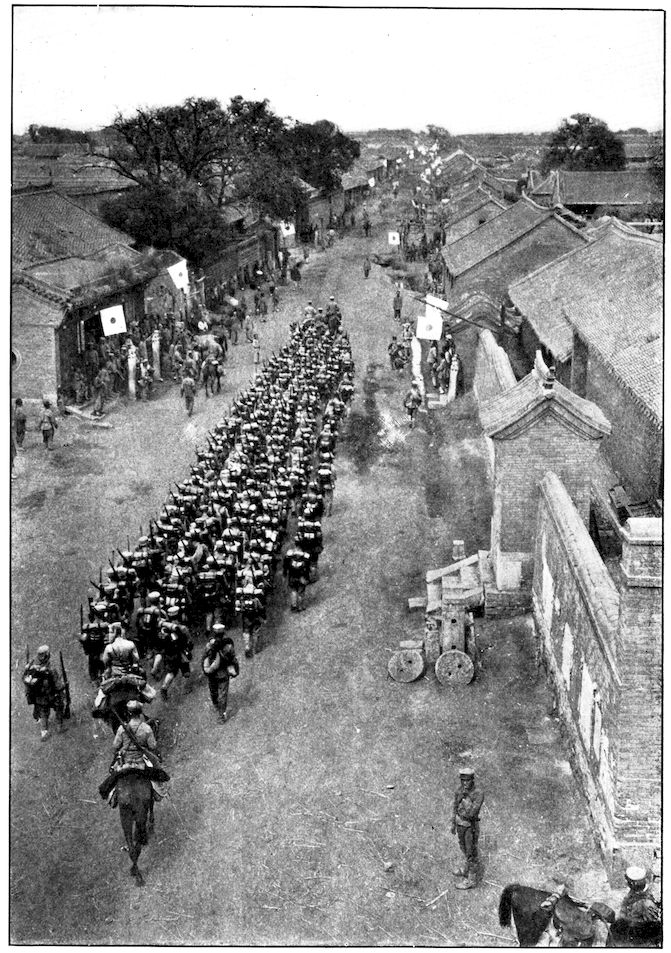
ENGINEERS OF THE FIFTH DIVISION ENTERING LIAO-YANG, SEPTEMBER 4
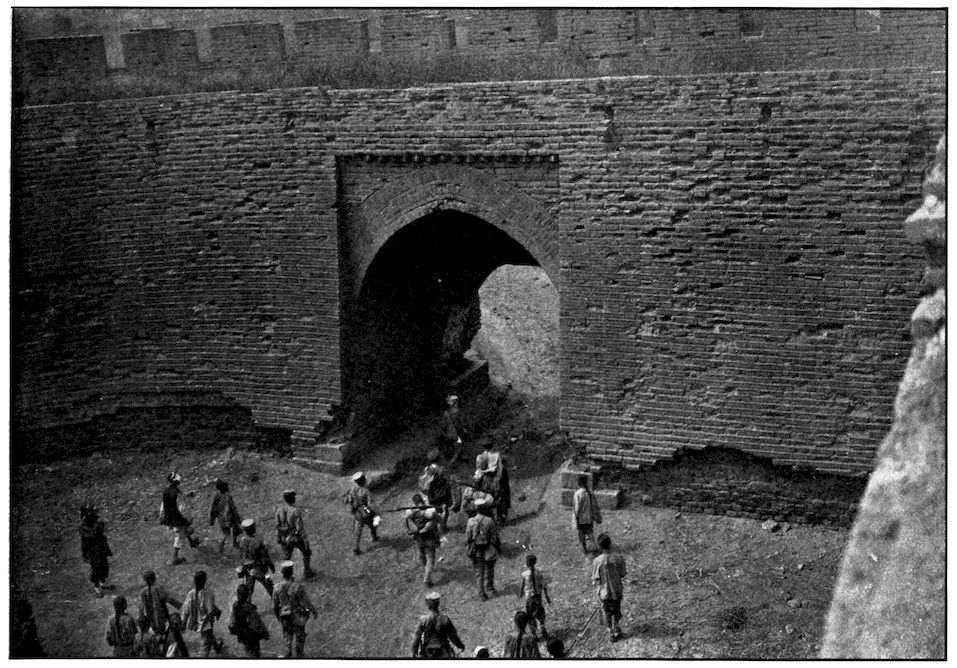
TAKING A RUSSIAN PRISONER OUT OF THE BIG SOUTH GATE
VIEWS OF THE FIRST ENTRY OF THE JAPANESE FORCES INTO LIAO-YANG
185
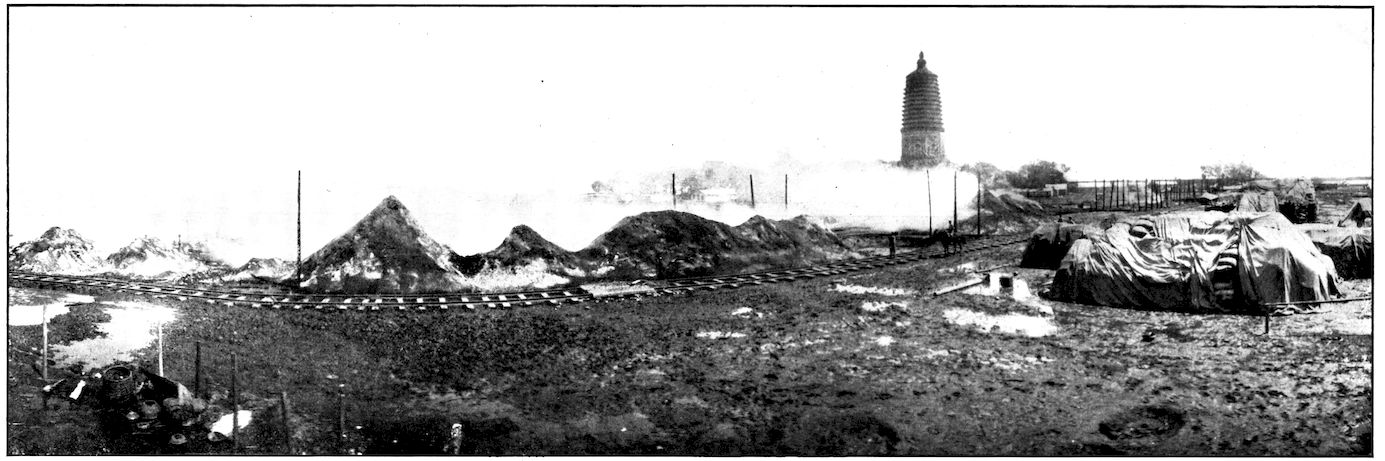
RUSSIAN STORES BURNING AT LIAO-YANG ON SEPTEMBER FOURTH, ON THE ARRIVAL OF THE JAPANESE
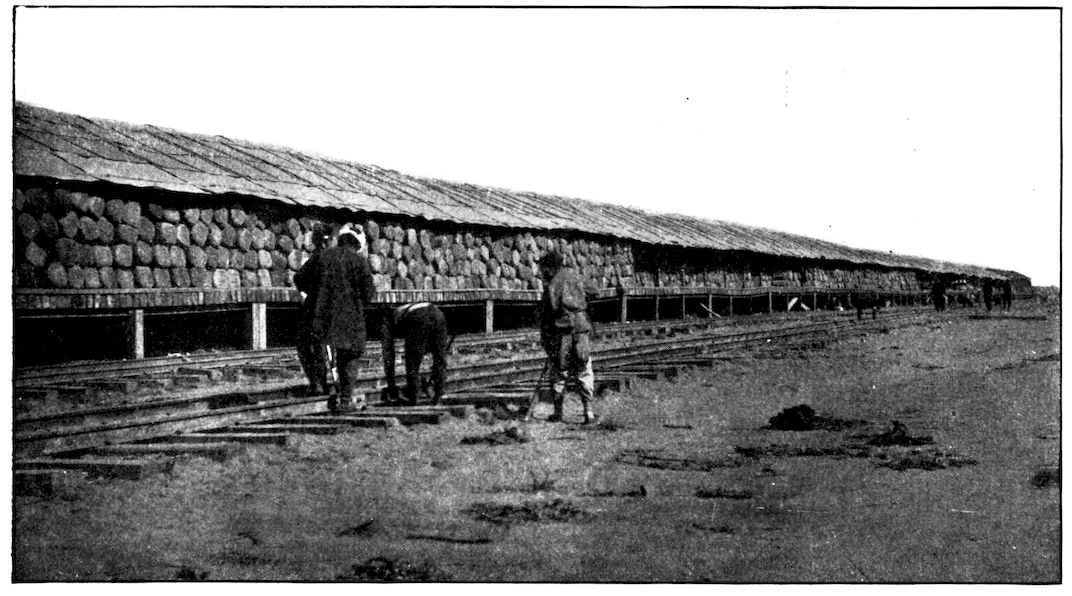
JAPANESE WORKING ON RAILROAD TRACK NEAR THE COMMISSARY SHEDS
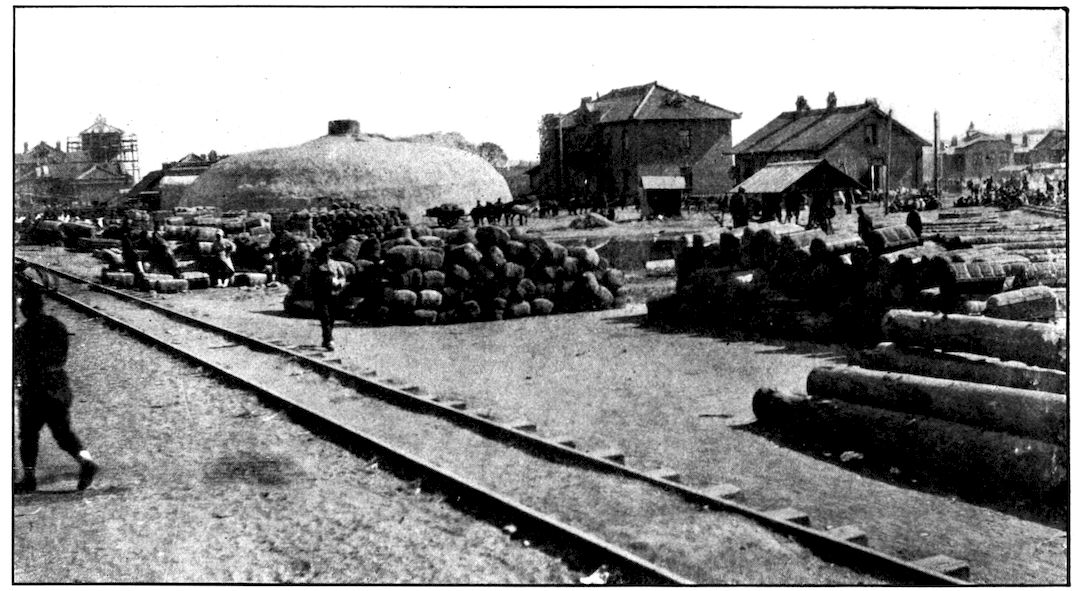
THE DOME-SHAPED ICE HOUSE AND FRESH JAPANESE STORES AT LIAO-YANG
SCENES IN LIAO-YANG IMMEDIATELY FOLLOWING ITS CAPTURE BY THE JAPANESE
186
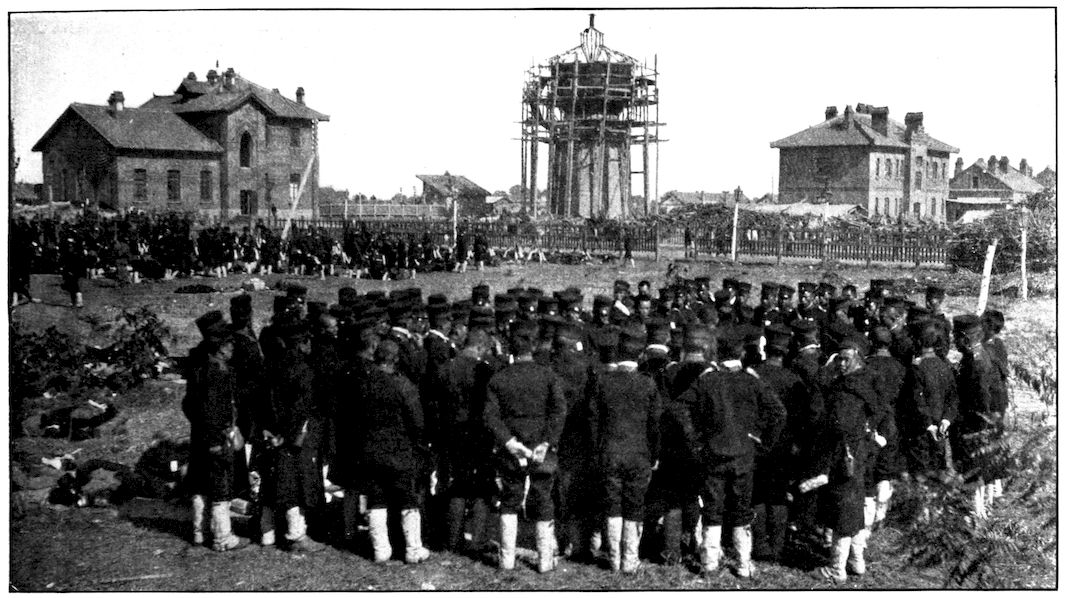
CALLING THE ROLL IN A JAPANESE COMPANY AT LIAO-YANG
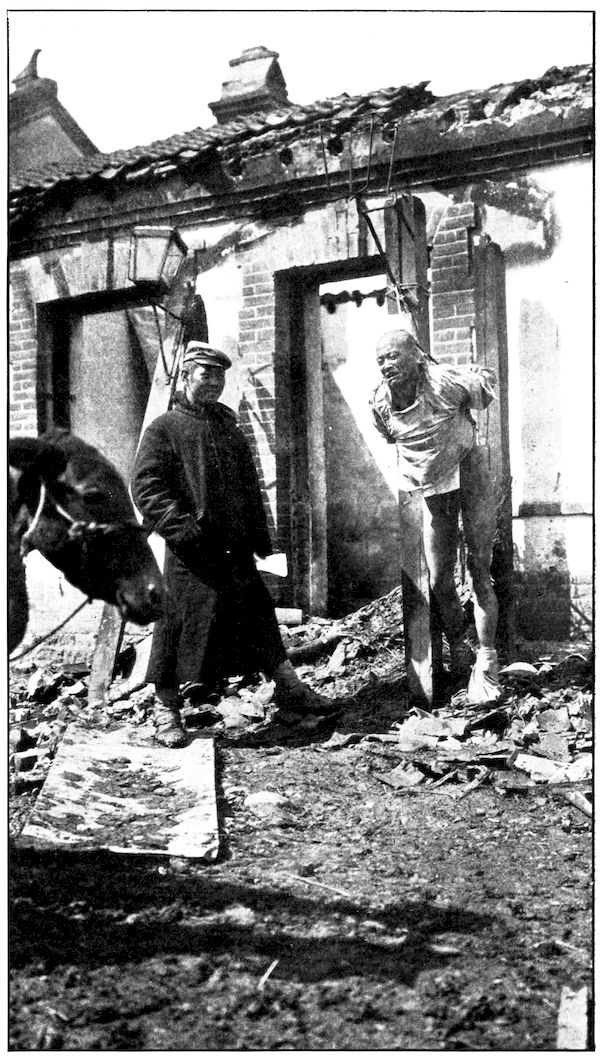
PUNISHMENT OF CHINESE CAUGHT LOOTING IN LIAO-YANG
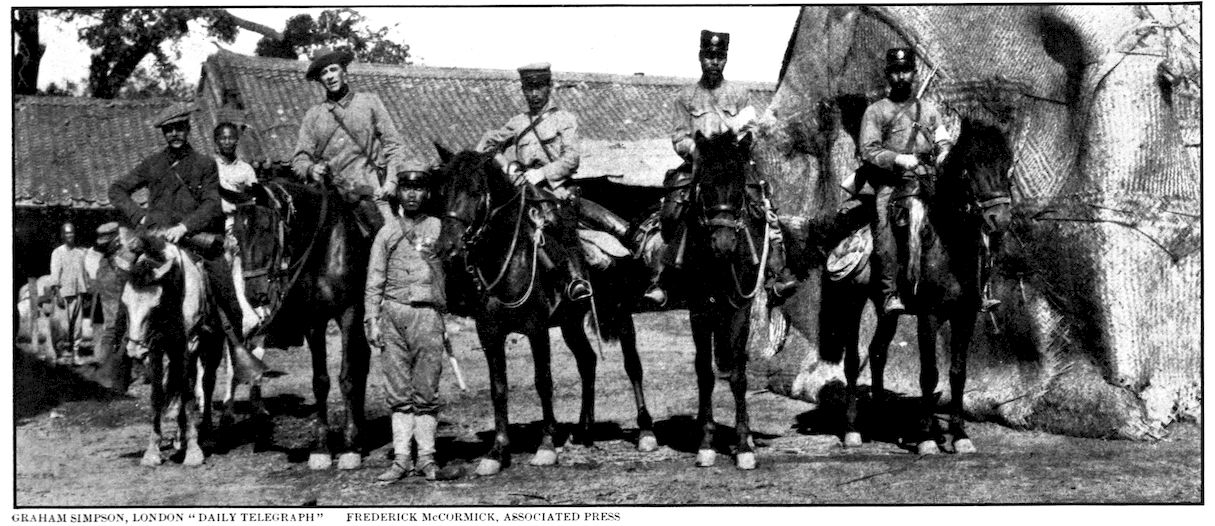
TWO CORRESPONDENTS WITH THE RUSSIAN FORCES CAUGHT BY THE JAPANESE AT LIAO-YANG
SCENES AT LIAO-YANG AFTER ITS OCCUPATION BY THE JAPANESE FORCES
187
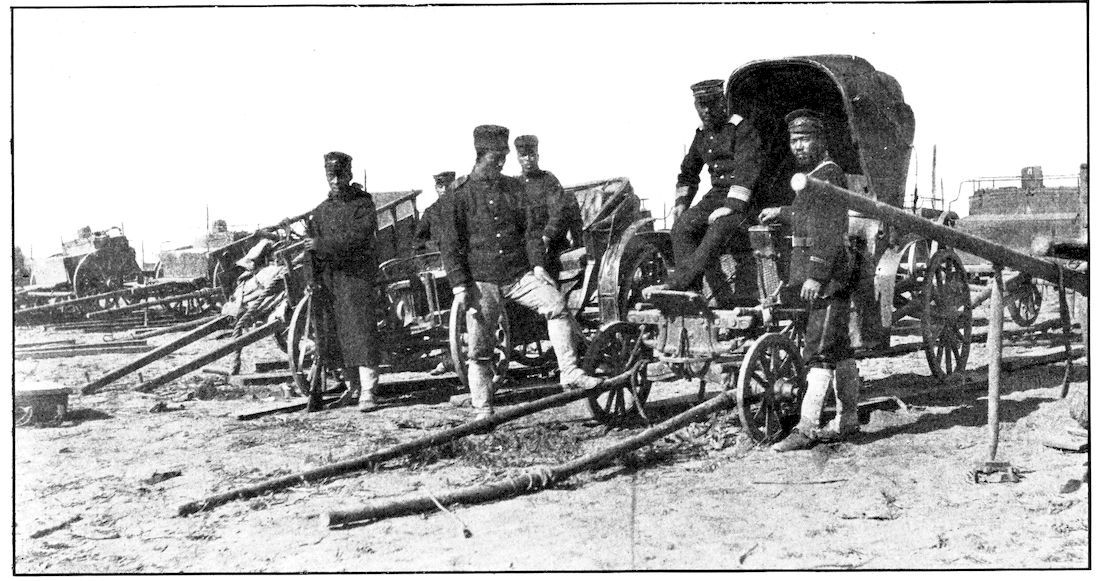
JAPANESE SOLDIERS SITTING IN RUSSIAN DROSKIES CAPTURED AT LIAO-YANG
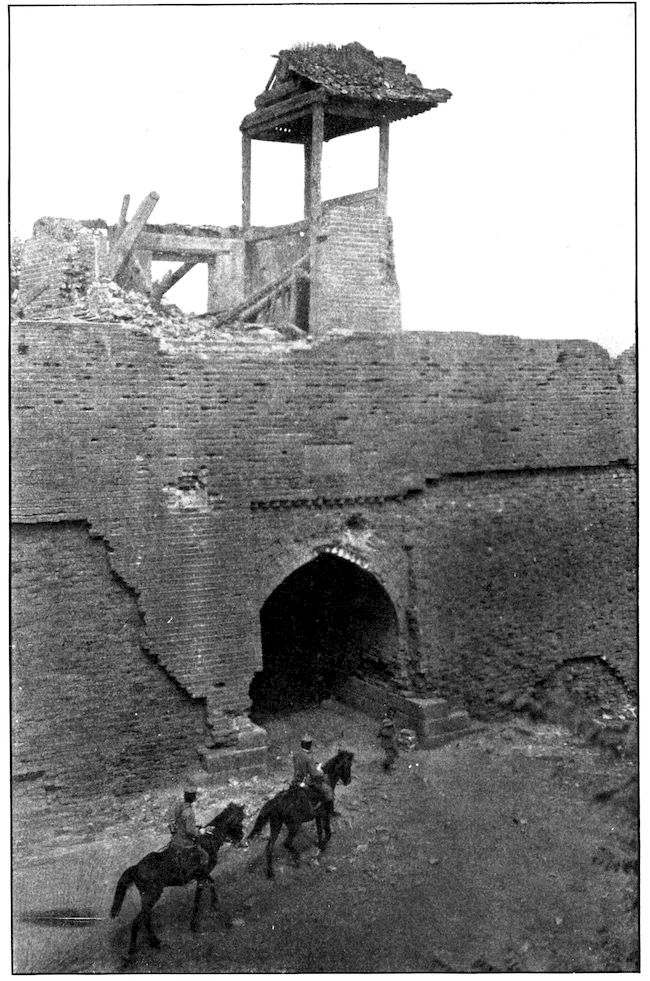
GENERAL NODZU ENTERING THE SOUTH GATE
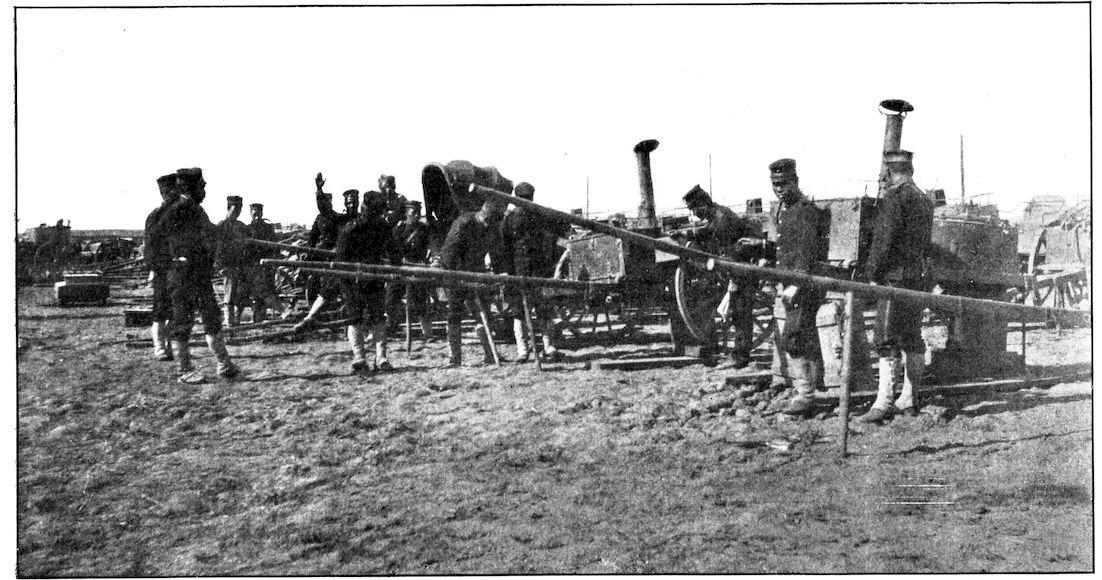
EXAMINING AS CURIOSITIES THE RUSSIAN SOUP KITCHENS CAPTURED AT LIAO-YANG
SCENES AT LIAO-YANG IMMEDIATELY AFTER THE CAPTURE OF THE CITY BY THE JAPANESE
188
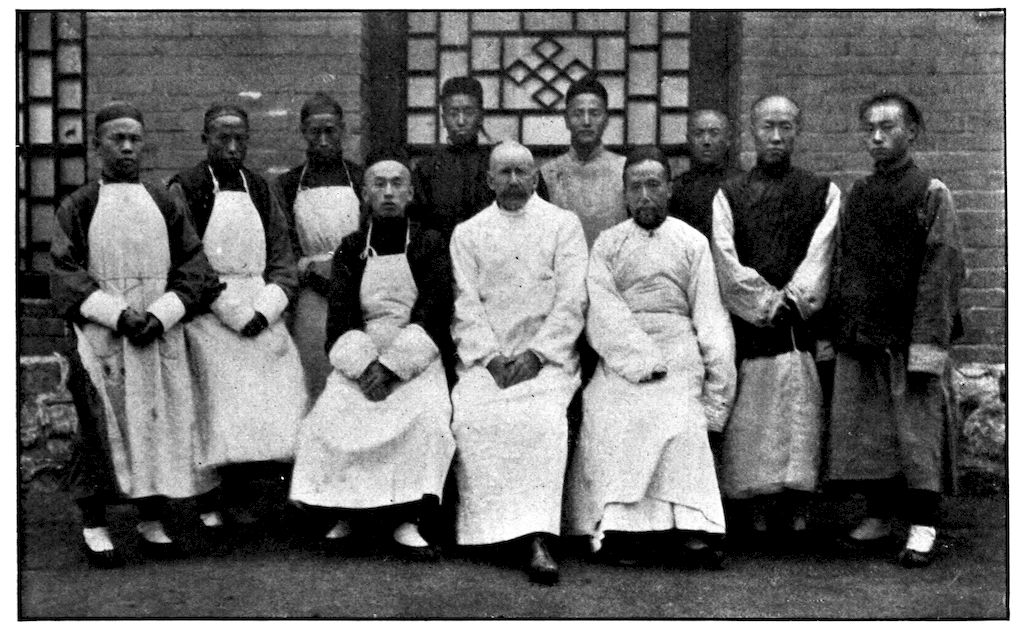
DR. WESTWATER, MEDICAL MISSIONARY, AND HIS MANCHURIAN STAFF
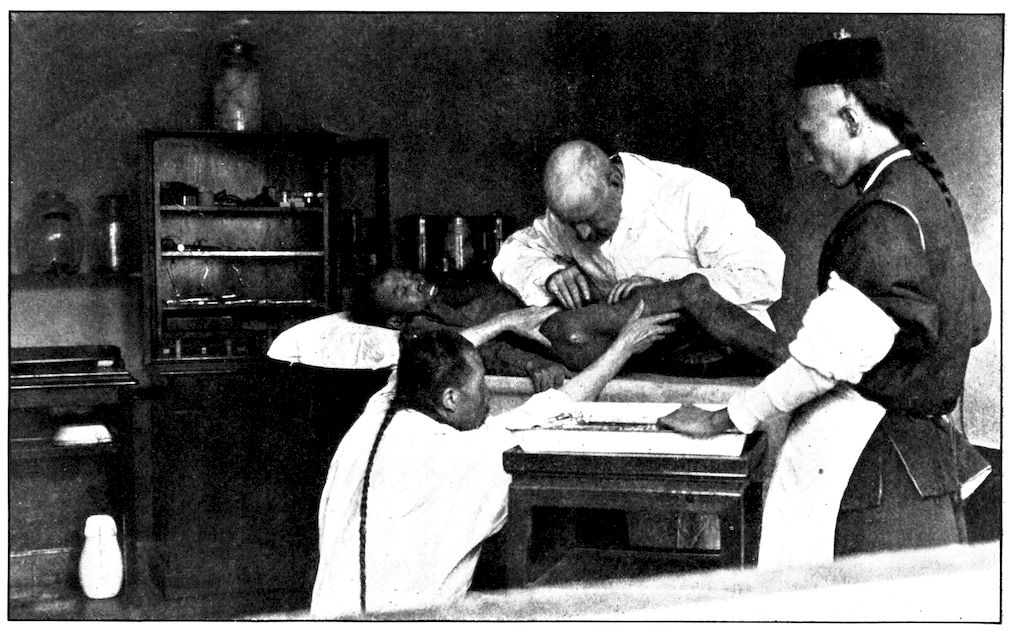
OPERATING ON MANCHURIAN WHO HAD FORTY-SEVEN BAYONET WOUNDS
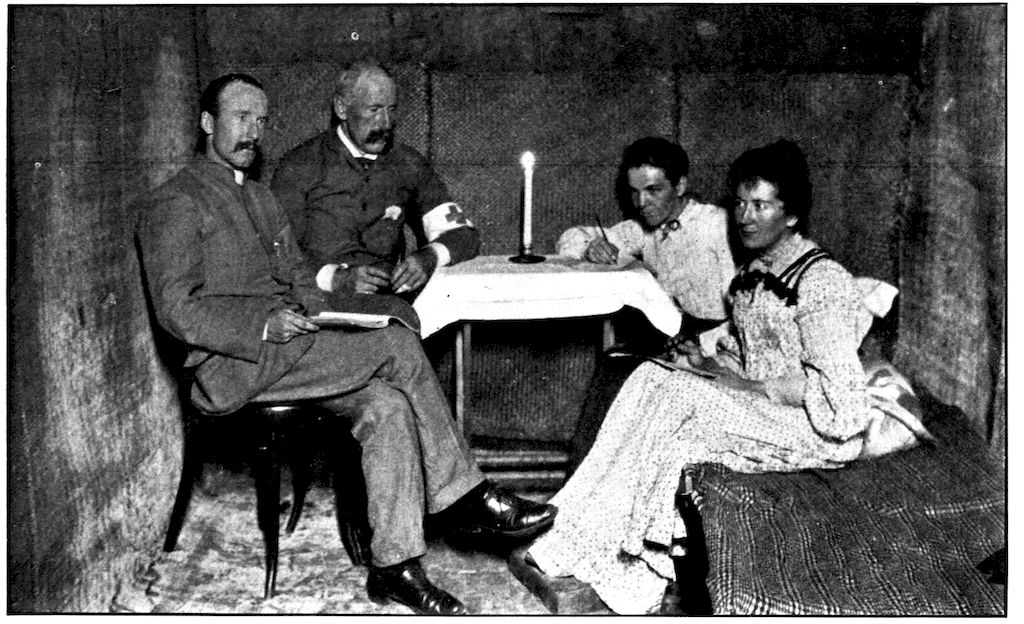
DR. WESTWATER AND REV. T. McNAUGHTON AND THEIR WIVES IN A BOMB-PROOF
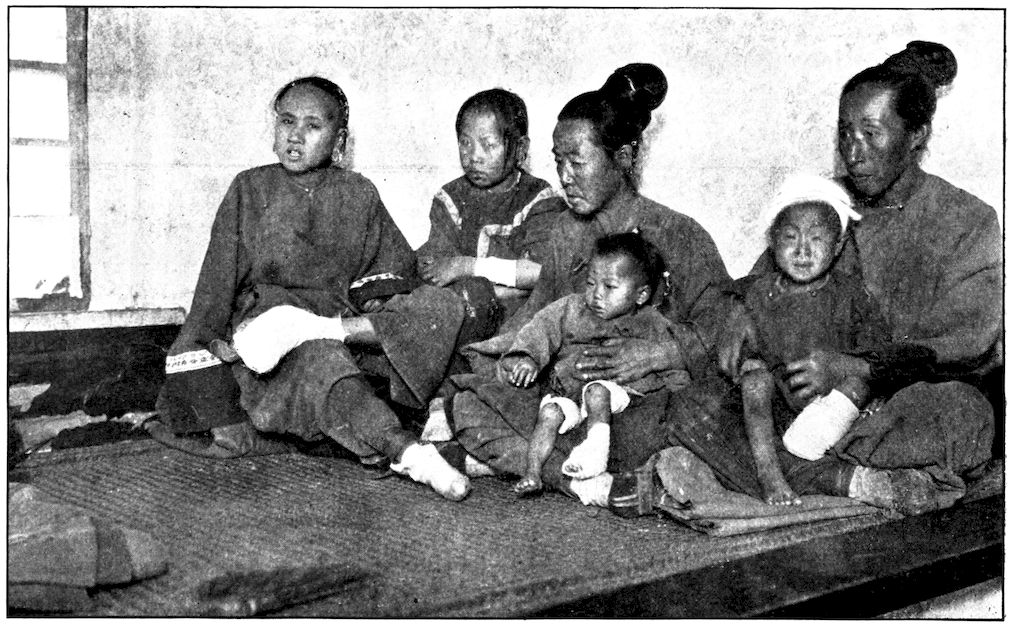
INNOCENT MANCHURIAN VICTIMS OF THE WAR
Dr. Alexander Westwater is a Scotch medical missionary who had worked for twenty-five years in Manchuria. He and his colleague, the Rev. T. McNaughton, and their wives remained in Liao-Yang during the siege and after it, ministering to the defenceless non-combatants. Mrs. Westwater and Mrs. McNaughton were the only European ladies in the city when the Japanese arrived
189
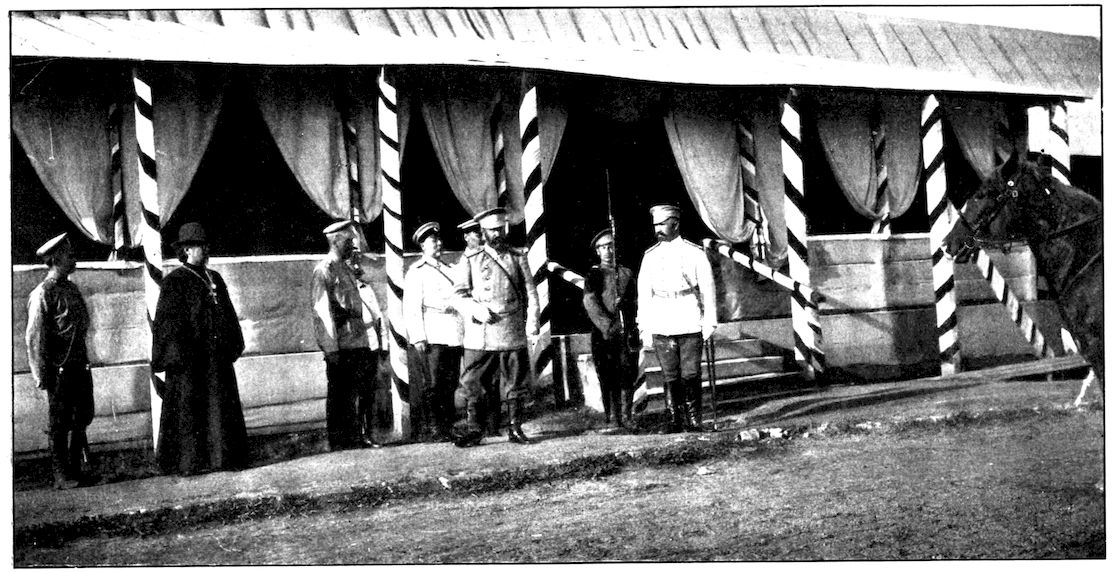
GENERAL KUROPATKIN STANDING IN FRONT OF THE SHED BUILT TO SHELTER HIS TRAIN
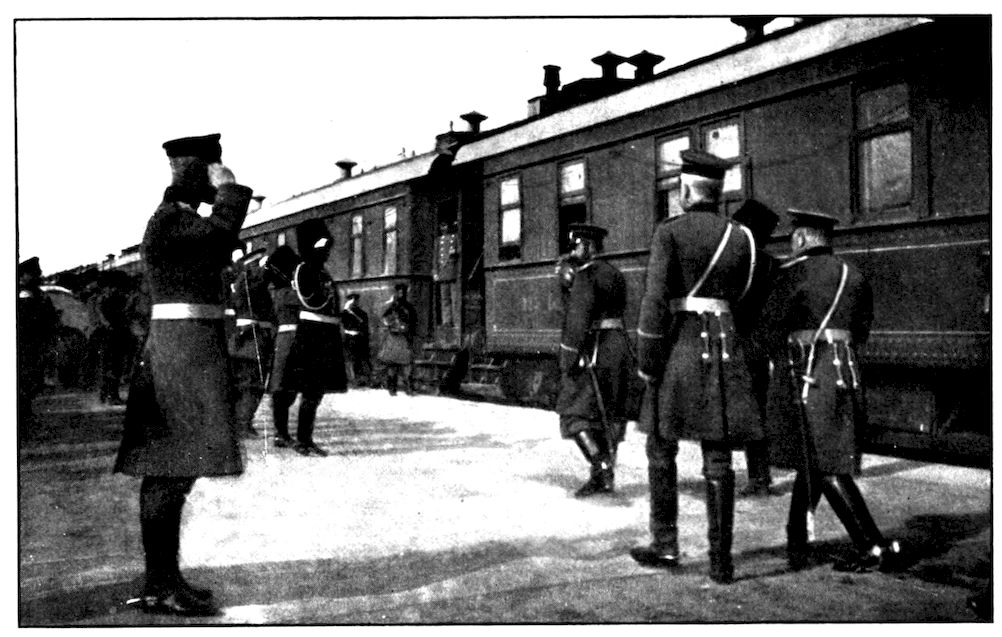
GENERAL KUROPATKIN DEPARTING BY TRAIN
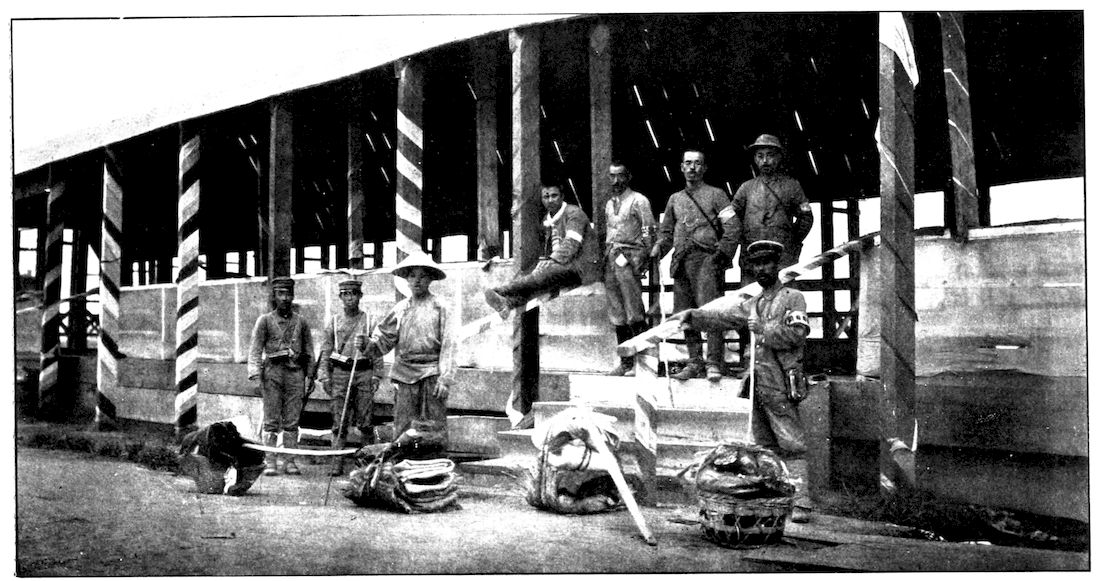
JAPANESE IN THE TRAIN-SHED BUILT TO SHELTER GENERAL KUROPATKIN’S TRAIN
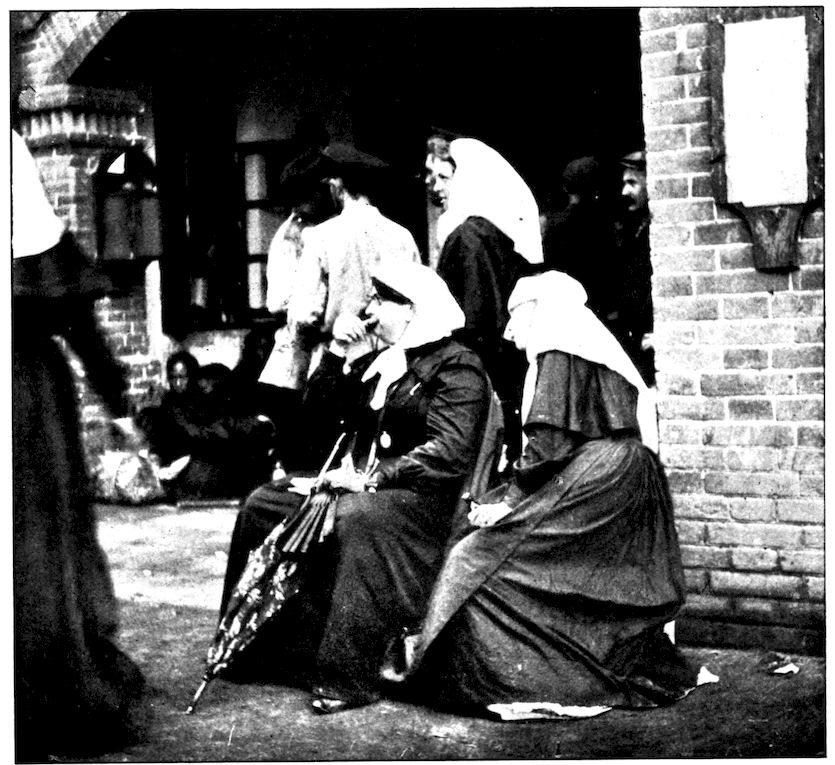
RUSSIAN SISTERS OF MERCY AT LIAO-YANG
SCENES AT LIAO-YANG BEFORE AND AFTER THE ARRIVAL OF THE JAPANESE
190
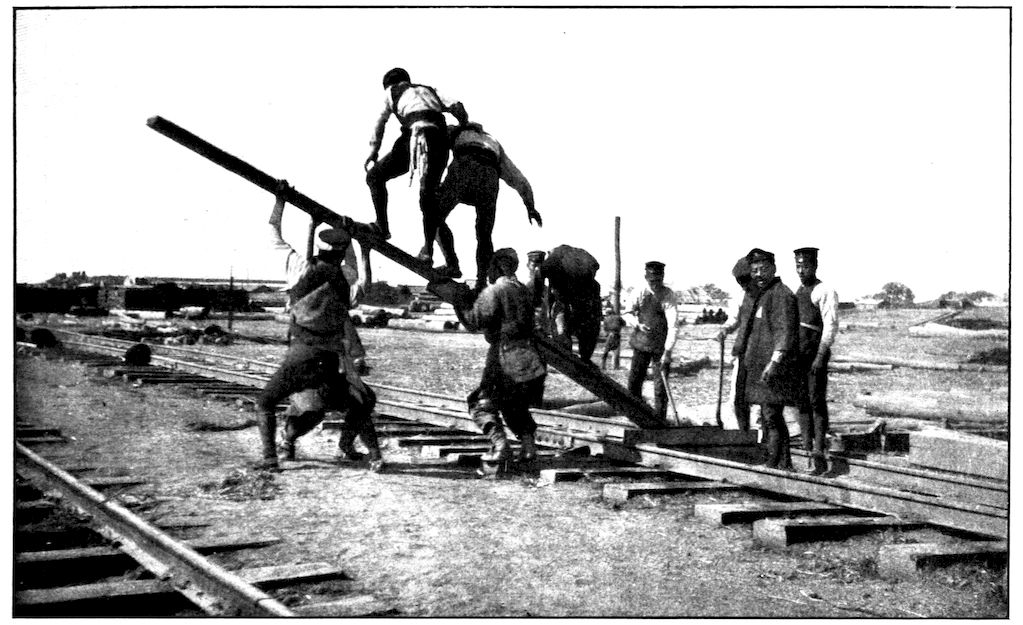
ALTERING THE GAUGE OF THE TRACKS TO FIT THE JAPANESE ROLLING STOCK
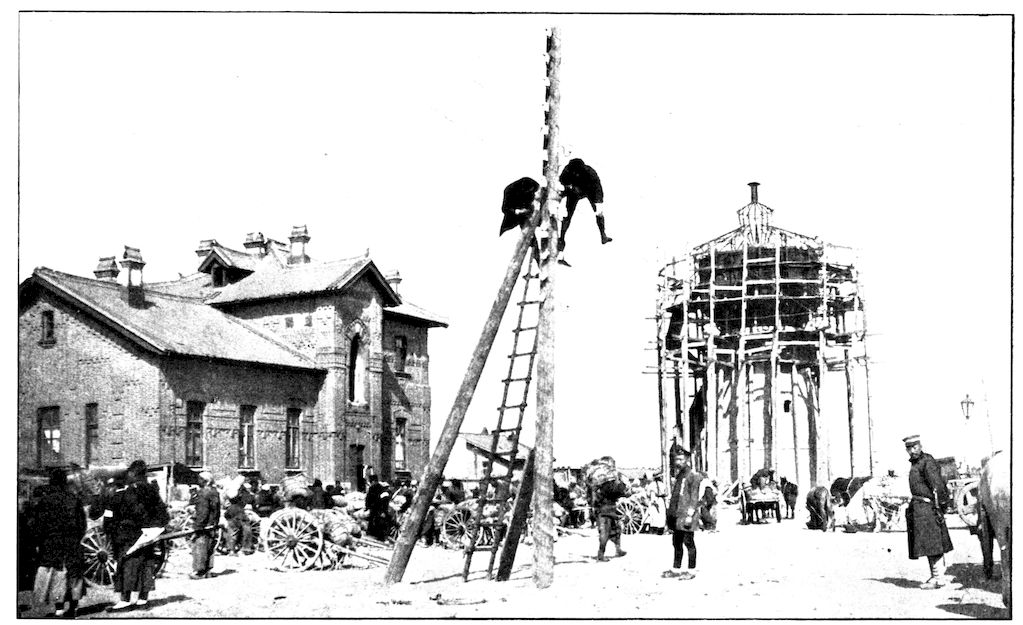
JAPANESE ENGINEERS STRINGING NEW TELEGRAPH WIRES AT LIAO-YANG
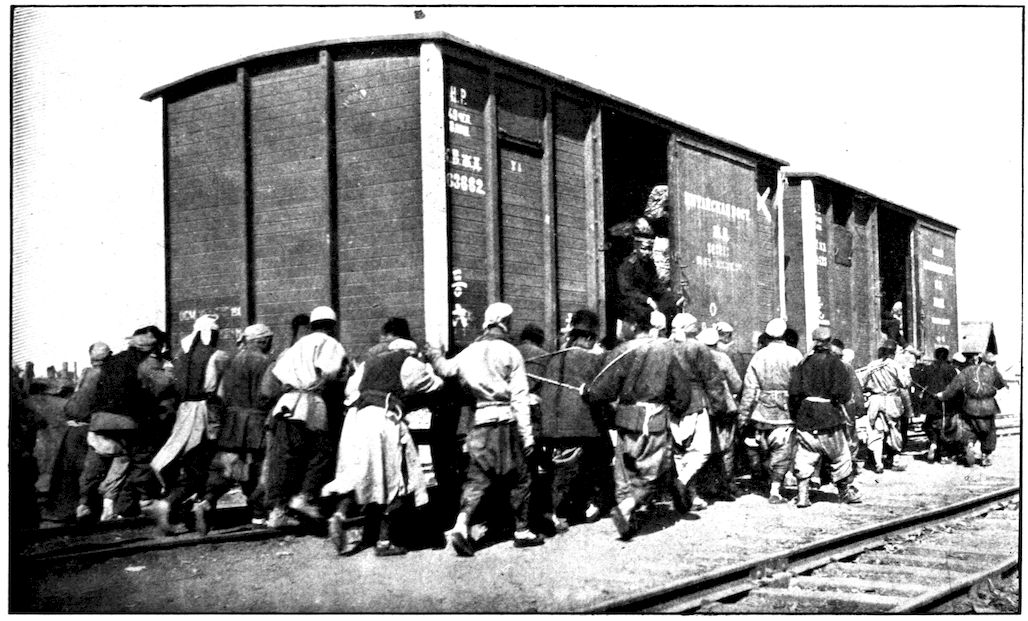
COOLIES PUSHING CARS BEFORE THE JAPANESE ENGINES ARRIVED
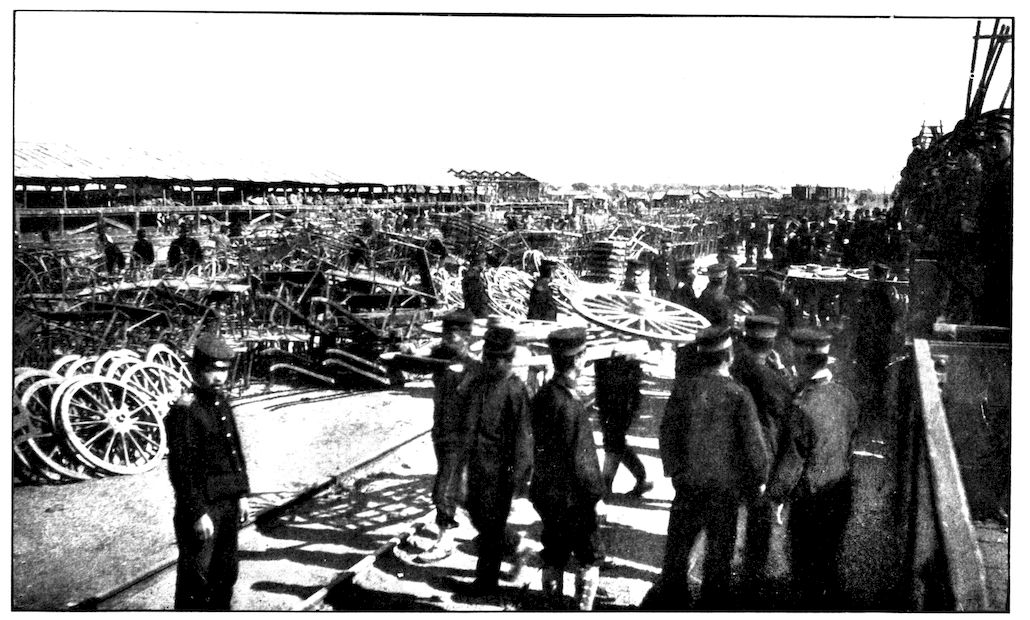
FRESH TRANSPORT CARTS BROUGHT BY RAIL TO LIAO-YANG
BRINGING ORDER OUT OF CHAOS AFTER THE RUSSIANS EVACUATED LIAO-YANG
191
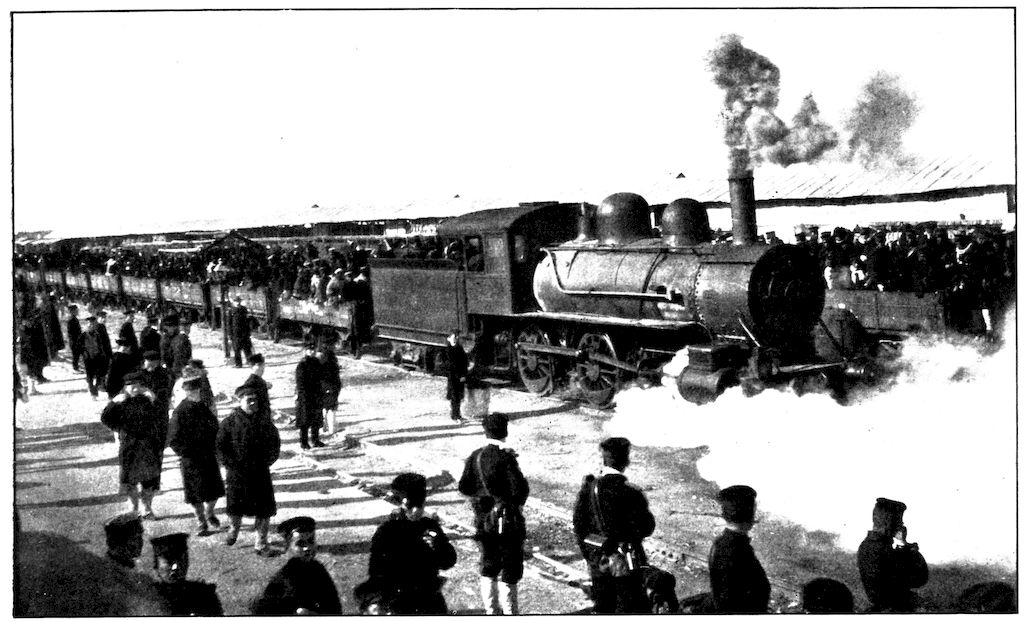
FRESH SOLDIERS ARRIVING TO TAKE THE PLACES OF THOSE LOST AT LIAO-YANG
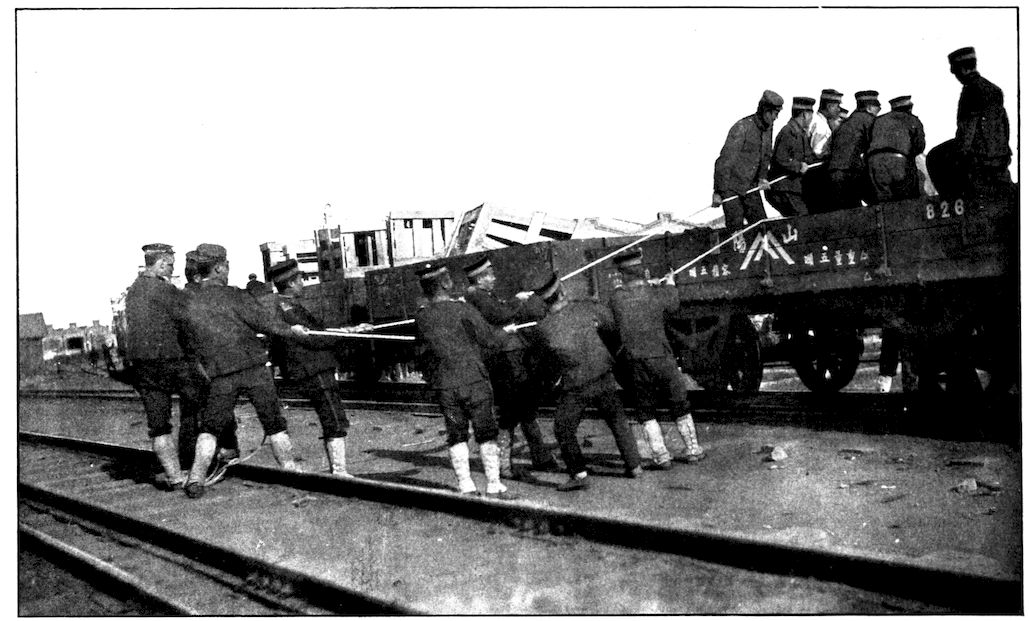
UNLOADING NEW GUNS TO STRENGTHEN THE JAPANESE BATTERIES
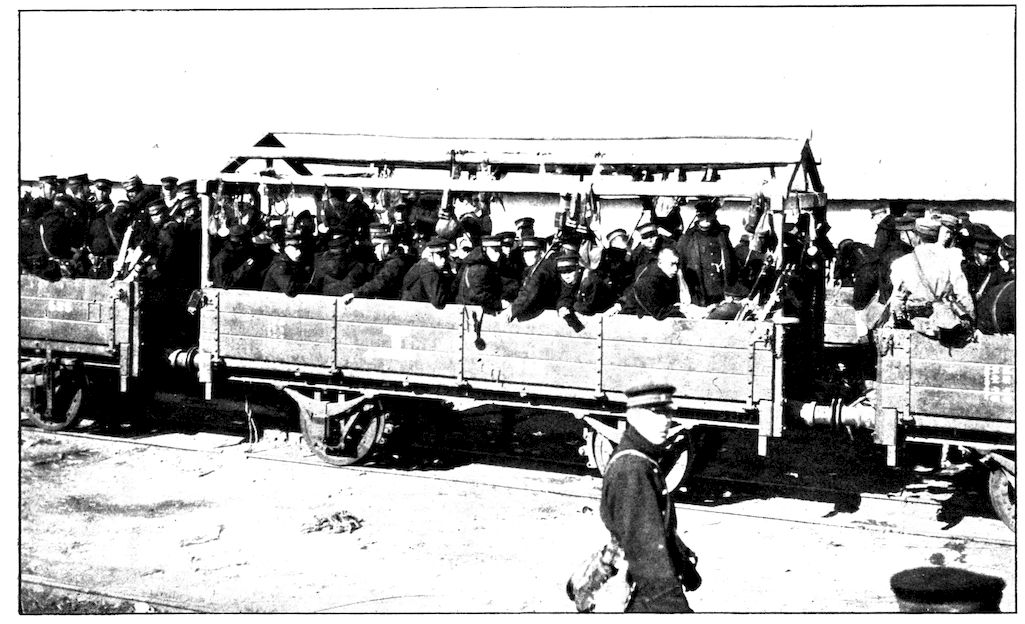
USING RUSSIAN TRAIN SERVICE TO BRING RESERVES TO LIAO-YANG
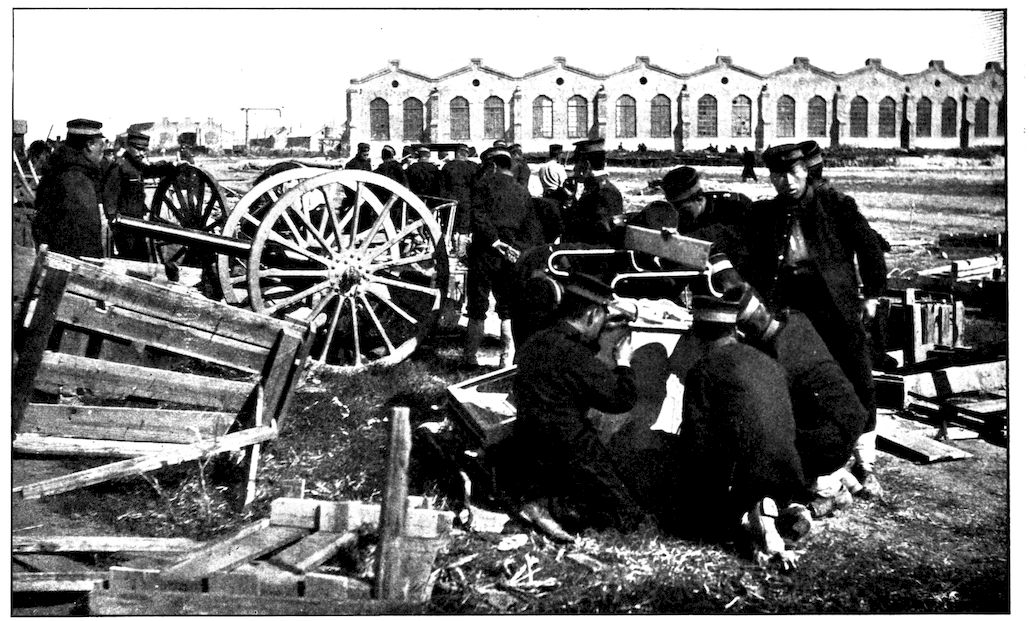
ASSEMBLING THE PARTS OF GUNS AND PUTTING THEM TOGETHER AT LIAO-YANG
JAPANESE ACTIVITY AT LIAO-YANG IMMEDIATELY AFTER THE CAPTURE OF THE CITY
192
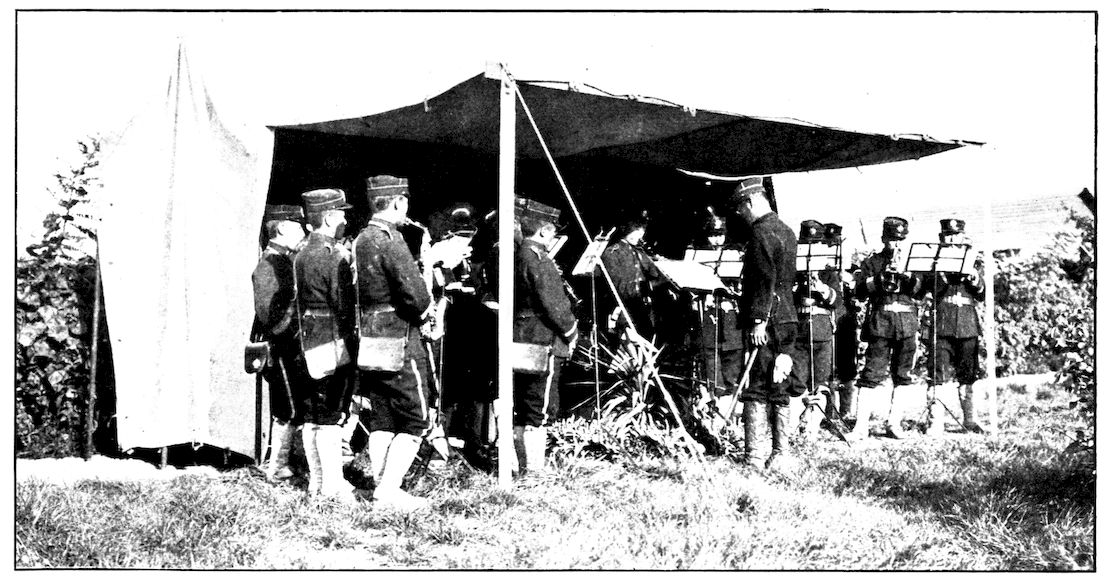
JAPANESE BAND PLAYING AT GENERAL OYAMA’S HEADQUARTERS AT LIAO-YANG
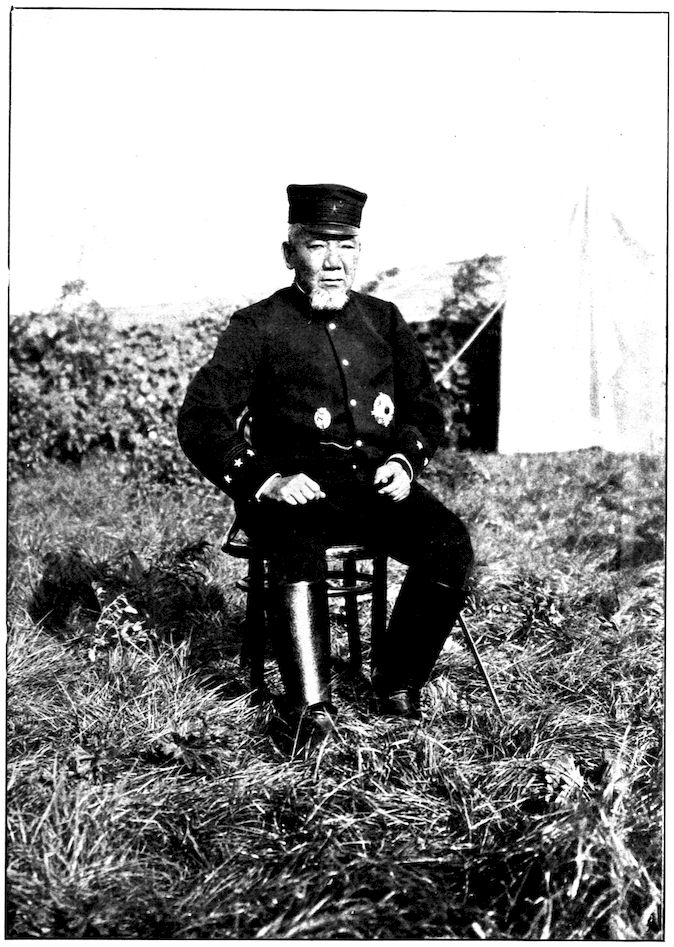
MARQUIS OYAMA, FIELD MARSHAL OF THE JAPANESE ARMIES
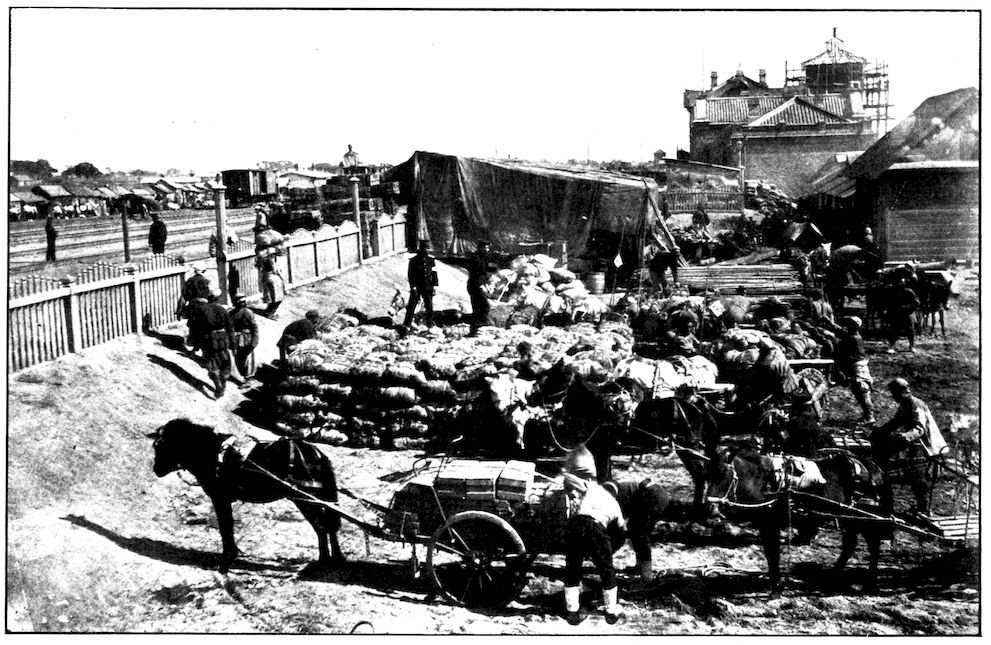
TRANSFERRING SUPPLIES FROM CARS TO COMMISSARY CARTS AT LIAO-YANG
SCENES AT LIAO-YANG AFTER OYAMA’S THREE ARMIES HAD TAKEN POSSESSION OF THE CITY
193