II. THE SEXUAL EPOCH OF THE MENACME.
Eden Paul translation
By the term menacme I designate the culmination of the sexual development of woman, during which the processes of reproduction, copulation, conception, pregnancy, parturition, and lactation occur.
The processes of puberty in woman are fully completed at the age of from eighteen to twenty years, so that from this time forward she is fully equipped for the performance of her sexual duties. The first act in the fulfilment of these duties is copulation, which in civilized countries is in the great majority of women first undertaken at the commencement of married life. The average age at marriage in the women of this part of the world is 22; but marriages at an earlier age are very common, and in many circles of society the average age is as low as 20. The fullest maturity of sexual activity in women occurs, however, in the thirty-second year of life, this being the year in which on the average the maximum fertility is attained.
At the menacme, the beauty and energy of women attain their fullest evolution, her sexual characteristics their strongest development. It is this period of life, however, that entails the greatest dangers to beauty and health in connection with the functions of the genital organs. Copulation, the first act of sexual intercourse with the male, often produces in the female injuries from which she never completely recovers. Gonorrhœal infection has been a source of unspeakable miseries to women. Motherhood itself entails the risk of a great number and variety of illnesses, which, as puerperal sequelæ, affect this phase of woman’s life. The struggle for existence, in which woman at her prime is also involved, and the fulfilment of duties to husband and children, further lead to the production of a series of changes, both physical and mental, in the feminine organism, which influence all the functions.
The great characteristic of this epoch is maternity. In maternity the fully developed woman lives and has her being, but to maternity also she often succumbs as a sacrifice to the fulfilment of her natural functions. Inasmuch as in this sexual phase the functions of the genital organs are of greater importance, to the same degree is enhanced the importance of the mutual relations between these organs and the other organs of the female body.
201Another influence of fundamental importance in the sexually mature woman is that of the sexual impulse, the force of which is at times overwhelming, so that its gratification is sometimes sought without regard for the consequences to married and family life.
The physiology and pathology of the menacme coincides with the normal processes and pathological changes respectively of the female genital organs consequent on their functional activity as organs of sexual sensation and of reproduction. Woman as wife and mother stands at the climax of her existence.
In a quite astonishing manner, however, many of the advocates of the modern movement for the emancipation of women contest the significance of maternity to women.
A modern authoress and supporter of women’s rights, Ellen Key, avows that she was in error when at an earlier date she “regarded maternity as the central point in woman’s existence.” She asserts that it lies within the sphere of a woman’s individual rights, as of a man’s, to reject marriage, or to accept marriage while rejecting maternity. “The grounds for the rejection of maternity may as well be deeply altruistic as deeply egoistic. It lies within the sphere of individual rights to dispense with love or with maternity when either is regarded or both are regarded from this point of view. It is entirely within a woman’s rights to transform herself into a member of the ‘third sex,’ the sex of the worker bee, of the neuter ant, if she finds therein her greatest pleasure. * * * Women exist in whom erotic feeling is totally atrophied; there are yet others who fail to find in intercourse with the modern man that soulful and deep erotic harmony which they rightly desire; and there are others still more numerous who desire love, but not maternity, which indeed they dread.”
A celebrated German authoress of the present day, Gabriele Reuter, refers in similar terms to the justifiable fear with which so many aspiring and hard-working women regard maternity, “the perpetual, watchful, emotional dread of motherhood, a dread which causes them to turn at bay. A dread, a hatred, it is, which has grown so strong, so active, that one might almost regard it as an obscure perverse instinct, awakened and developed and strengthened by bitter necessity. It is as if in the innermost recesses of their nature such women had a belief that should they pay their tribute to sex they would loose all the energy, clearness, and brightness of mind, by means of which they have raised themselves above the level of their sex. And perhaps women of a certain type are justified in this fear.”
Fortunately, however, the woman who does not prize maternity still remains an exception. The great instinct for the preservation 202of the species, which nature has planted deeply in every human being, still as a rule in women remains much more powerful than the instinct of self-preservation at every one else’s expense—more powerful than such self-sufficient egoism. And now as ever it is the duty of humanity to educate women for maternity from her youth upward, so that she is in every way fitted for the supreme duty of her sexual nature, the renewal of life from generation to generation.
Against the significance and importance of maternity to woman, the mountainous waves of the movement for the emancipation of women dash themselves as vainly as against the solid rock. Much justification may be found for the efforts of women in modern civilized communities to engage in departments of activity to which hitherto men only have been admitted; and as regards the intellectual capacity of women we may acknowledge their competence for the higher scientific professions; but while admitting this we must hold firmly to the physiological standpoint and must more especially bear in mind the sexual life of woman. Such professions only are suitable for a woman as do not entail a restriction of the sphere of her reproductive activity, a hindrance to her principal duty, that of maternity, an interference with the discharge of her obligations to husband and children, or a diminution of her domestic value and an evasion of her responsibilities in family life. As L. von Stein so justly remarks, the woman who spends the whole day at a desk, in the law courts, or in a house of assembly, may be a most honorable and most useful individual, but she is no longer a woman, she cannot be a wife, she cannot be a mother. In the condition of our society, the emancipation of woman is in its very nature the negation of marriage.
We may not agree with the great misogynist, Schopenhaur, in his depreciation of the female sex, or in his assertion that woman exists simply and solely for the propagation of the species, and that “her life should therefore flow more quietly, more inconspicuously, and more gently than that of man toward its goal;” nor need we regard as justified the severe sentence of the philosopher, E. von Hartmann, that from the moral standpoint, “the greater number of women pass the whole of their lives in a state of minority, and, therefore, to the end stand in need of supervision and guidance;” but the statement made by Friedr. Nietsche in his book Also sprach Zarathustra deserves acceptation, “Everything in woman is a riddle, and everything in woman has its answer: it is called pregnancy,” and again, “For woman, man is only the means; the end is always the child.”
Unsearchable in its judgments, nature has imposed on woman alone the consequences of the act of generation; man has the pleasure, but not the labor and the pain. We might indeed regard as highly 203unjust the distribution of the rôles in the process of reproduction, were it not that in a mother’s love and a mother’s joys, woman finds a compensatory solace. The man’s part is a much easier one and costs far less than that of woman; with the gratification of his sexual desire, man shakes off any further responsibility, whereas the woman’s body becomes the workshop in the wonderful act of creation of a new human life.
Maternity, says Lombroso, is the characteristic function of the female sex, upon which rests her whole organic and physical variability, and this function is indeed throughout of an altruistic nature. Although there is a certain antagonism between the sexual impulse and maternity—according to Icard, the sexual impulse is extinguished in women during pregnancy,—still, maternity appears to depend upon sexual perceptions. For instance, the act of suckling the infant often arouses voluptuous sensations, and Icard mentions a case in which a woman permitted fertilization to occur solely on account of the pleasure obtained by suckling. The anatomical cause of this fact is to be found in the connections between the nipple and the uterus by way of the sympathetic nervous system. * * * It is likewise probable that in the happy feeling of maternity there intermingle very gentle voluptuous sensations derived from the genital organs. According to Bain also, very delicate sensations of contact form an element in maternal love.
The epoch of the menacme is that in which, independently of maternity, the sexual impulse often becomes so powerful in woman as to be entirely dominant. The problems relating to marriage and to the sexual position of woman, so widely discussed at the present day, are, therefore, of especial importance in regard to women at this period of life. The forcible repression and control of the sexual impulse inculcated by moral and religious ordinances are now, according to the modern leaders, both male and female, of the woman’s movement, to be abandoned; and it is loudly asserted that every woman has the same right as man to physical love and the happiness it produces. Hence, free love is demanded. “Freedom in love, freedom for love—this is what the dignity of the human race demands,” asserts the authoress of a book recently published (Elisabeta von Steinborn, The Sexual Position of Woman). With laws for the regulation of marriage, this section of the women’s rights party will have nothing to do. A truly good and honorable man, they contend, has as little need of laws to regulate his amorous relations as he has of laws against murder and theft. In the first place, love, the sexual relation between man and woman, must be free, and humanity, freed from vexations and needless control, will then seek and find the proper path, even if at the expense of a few 204errors by the way. Only after this unrestrained sexual intercourse has lasted for a long time, will free marriage become the rule. “Out of this phase will develop the monogamic system willed by God, for which, in its most ideal form, we are not yet sufficiently ripe.” It is hardly necessary to discuss in detail the general deleterious influence of such unlimited, unregulated free love upon the community, upon human society as a whole, to describe the results of free love, to attempt to realize the chaos which it would bring about in the social relations of civilized humanity. We must rather indicate it as desirable from the medical standpoint also, that such a change in general domestic economy shall be aimed at as will enable the great majority of women to share in married life and family happiness, and thus making allowance both for human nature and the demands of social life, to effect a true harmony between sexual morality and sexual practice.
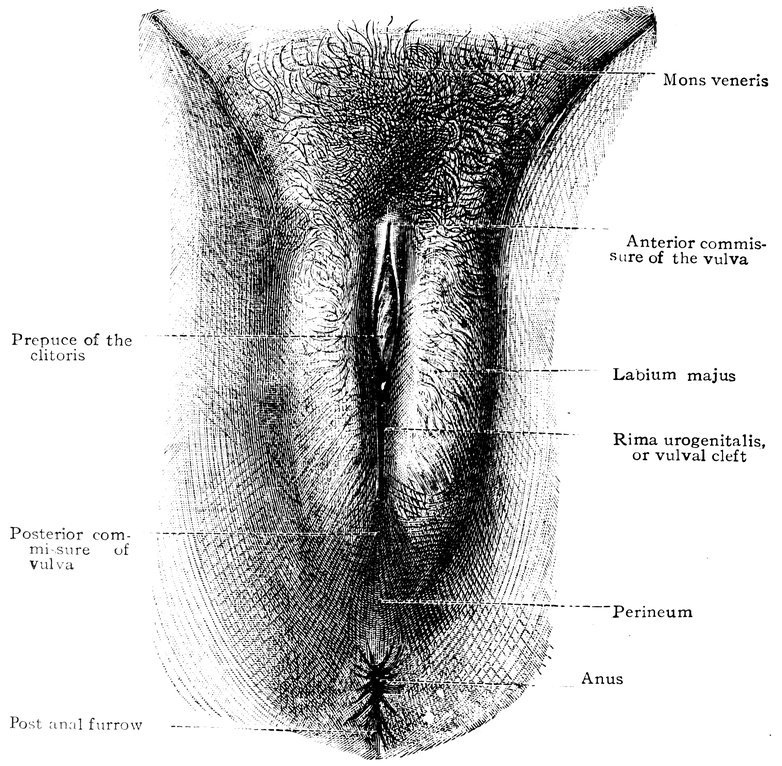
Fig. 48.—The female pudendum, or vulva, with the labia majora. The vulval cleft. Female perineum. Mons veneris, with the pubic hair. (From Toldt: Atlas of Human Anatomy.—Rebman Company, New York.)
205We must point out that in so far as the modern woman’s movement aims at dispensing with man and at basing the entire life of woman upon the independent ego, that movement is in opposition to nature and its eternal laws. A woman who thus seeks the solution of the woman’s question in the direction of freedom and independence is one who endeavors to avoid the burthen of womanhood. She desires to escape, always from guardianship, often from maternity, and usually from the restrictions, the unselfishness of womanhood. But none the less does she remain unable to escape from her femininity.
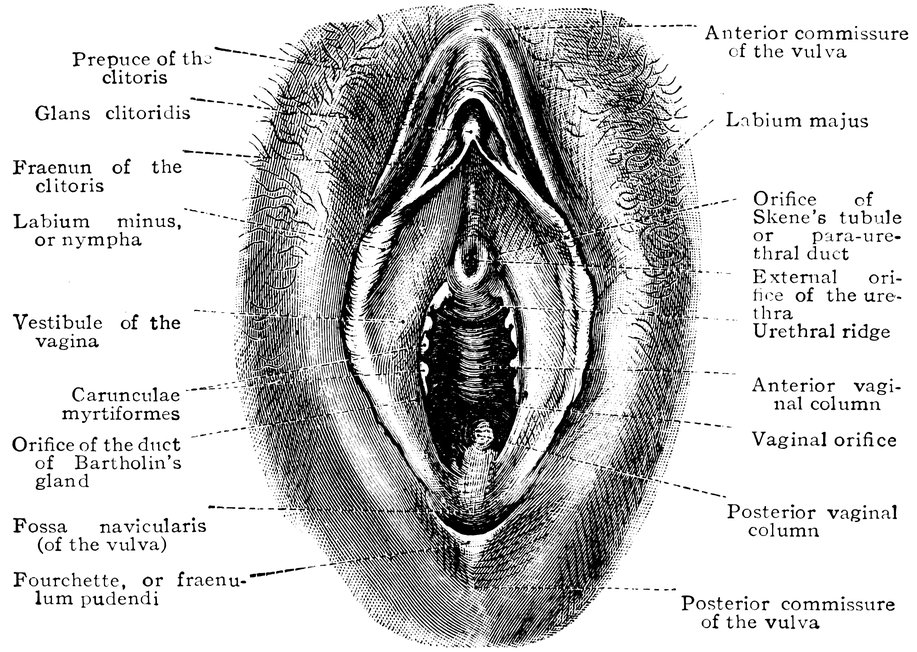
Fig. 49.—Vestibule of the vagina, with the labia minora or nymphæ, the vaginal and urethral orifices, and the glans clitoridis. (From Toldt: Atlas of Human Anatomy.—Rebman Company, New York.)
“The true significance of woman,” insists Laura Marholm in opposition to the modern tendency, “has at all times consisted rather in what she is than in what she performs, and it is precisely in the former point that the women of the present day seem so unusually wanting. Their performances are indeed many and various, they study and they write innumerable books, they are the directors or principals of all possible concerns and collect funds for every possible object, they wear doctors’ gowns, conduct agitations, and found clubs, and they come continually more and more into publicity. And yet their public significance is after all diminished. The greater the influence of woman in the mass and as a numerical 206majority, the less is her influence as an individual, the smaller is the triumph of her sex. She herself has induced man to sound the trumpet note of the abhorrence of women. Tolstoi in The Kreuzer Sonata, Strindberg in numerous dramas, Huysmans in En Ménage, write in this strain; and in the works of many lesser luminaries we encounter this mistrust of love. * * * The modern system of education for girls, with its polyglossia and polymathy, favors a superficial development of the understanding, and produces women who are pretentious without being profound.”
Feminine beauty suffers during the menacme from the stress of the demands made on the sexual activity as well as on the functional capacity of the individual. Repeated, rapidly succeeding pregnancies and confinements impair the beauty of the breasts and the abdomen, the figure and the carriage. In consequence of suckling, the breasts, hitherto firm and elastic, usually become more or less pendent and wrinkled, sometimes also flabby and inelastic, sometimes nodular. Diseases of the genital organs and the disorders of the general health dependent thereon, leave disfiguring wrinkles in the face and other traces in the whole structure of the body. Toil, anxiety, and grief also write their horrible marks deeply on the appearance. The mature working-class woman, through sharing in masculine labors, through long-continued muscular exertion, and through neglect of bodily care, frequently assumes in her features, her carriage, her figure, and her whole appearance, a rather masculine type.
The beauty and the youthful freshness of girls belonging to the labouring classes seldom endure for long after the menarche, and in cases in which the environment is one of poverty, they last through a very short part only of the epoch of the menacme. The early appearance of wrinkles in the face, the stiff, angular character of the movements, the ungraceful carriage of the body, all these combine to make a woman of five-and-twenty who groans under the burthen of toil appear at the first glance an elderly woman, and a closer investigation shows what damage has been wrought to the attributes of beauty, how the breasts are flabby and flattened, the belly prominent, the buttocks pendulous, the arms muscular.
In the well-to-do classes, again, at this period of life, when generous diet combines with insufficient exercise, an abundant deposit of adipose tissue may already have occurred, resulting in a great impairment of beauty, the body and limbs being enlarged, the gait and the carriage correspondingly altered for the worse—changes which seem desirable only to those orientals to whom such obesity, such exaggeration of femininity, is sexually stimulating. If, however, this deposit of fat is not excessive, this it is which endows 207women during these years of fullest development with an imposing appearance and buxom form. In favourable circumstances, beauty of this type may persist to the fortieth year of life and even beyond, and it is of such a character as to justify the proverb that woman’s first sexual epoch is dedicated to love, her second to voluptuousness.
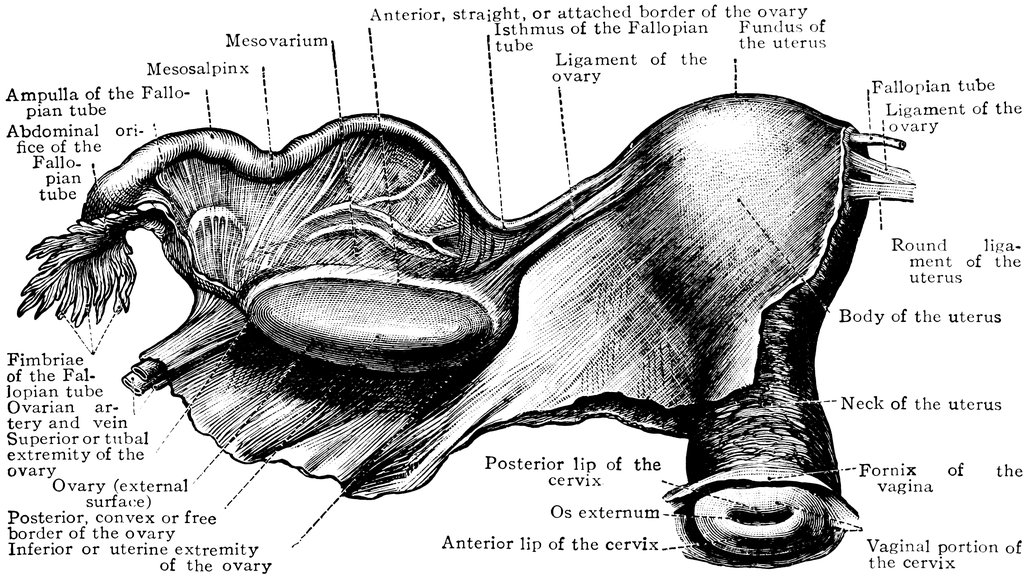
Fig. 50.—The uterus, the left Fallopian tube and the left ovary, in their connection with the broad ligament of the uterus, which has been fully unfolded. Seen from behind. From a virgin, aged nineteen years. (From Toldt: Atlas of Human Anatomy.—Rebman Company, New York.)
“Bountiful nature,” writes Mantegazza, regarding woman at this sexual epoch, “sends to woman an ingenious engineer, who enlarges the hills to mountains and fills up the valleys with a soft alluvium of fat. The commencing wrinkles disappear, being smoothed out under the beneficial influence of this plastic material; the slender, elastic palm-tree stems are converted into majestic columns of Parian marble; quality is replaced by quantity, and if the eye has lost a few provinces, the hand has gained just as many. * * * A certain number of chosen women understand how to preserve for as long as ten years the unstable equilibrium of the period which separates these two ages of life. There are divine beings who with every oscillation of their tresses or rocking of their hips, with every undulation of their bosom, every serpentine movement of their limbs, instil desire. * * * They constitute our most intense 208delight, and our intensest torment, they make our life a blessing or a curse, they are the uttermost goal of human passion, of human voluptuous desire.”
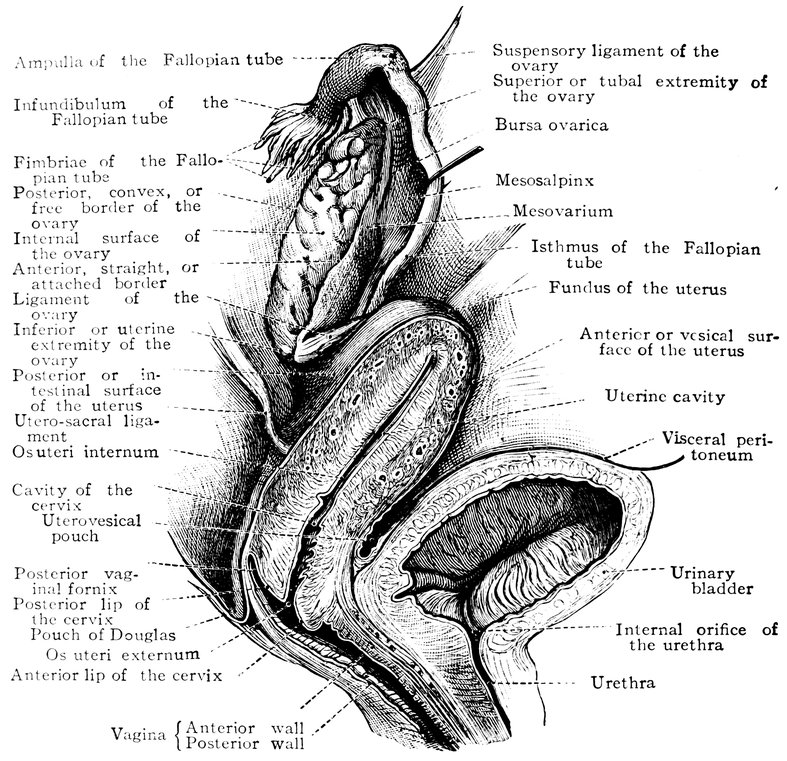
Fig. 51.—Female internal genital organs in the fully developed state. (From Toldt: Atlas of Human Anatomy.—Rebman Company, New York.)
Among the injuries to beauty effected by pregnancy, one above all evident to the eye is the almost invariably ensuing change in the skin, principally taking the form of a change in pigmentation, with the appearance of spots varying in size and tint, on the face and especially on the lips and the forehead; there is greatly increased pigmentation also of the areola mammæ and the linea alba, and in addition of the labia majora and minora and of the anal region. It is not certain whether this chloasma uterinum is dependent, as Jeamin assumes, on the discontinuance of menstruation, or, as Virchow believes, on changes in the blood and the blood-pressure. Sometimes also, in pregnant women, we observe on the face, chiefly on 209the nose and the cheeks, dilatations of the small cutaneous vessels, often associated with acne nodules.
A permanent disfigurement is caused by the lineæ (vel striæ) albicantes, white lines or streaks of varying length and resembling scar tissue in appearance on the skin of the abdomen, the adjoining parts of the buttocks and thighs, the lower part of the front of the thorax, and the mammæ. They are not true scars, not being new formations of connective tissue, being on the contrary dependent on solutions of continuity, on relative diminution, that is to say, of the connective tissue layer of the skin. They are formed in consequence of the fact that the connective tissue bundles are not able to keep pace in their superficial enlargement with the necessarily rapid extension of the cutis, hence great meshes appear in the former, situate in the direction of the greatest tension of the skin. (Spietschka and Grünfeld).
Transiently during pregnancy, but in some cases permanently also, the beauty of the lower extremities is apt to be impaired by enlargements of the veins, the formation of varices, and sometimes also by œdema; these conditions depend upon the hindrance to the venous return caused by the pressure of the pregnant uterus. Thick, vermicular, bluish strings or nodular enlargements appear in the course of the great veins, with consequent eczema and ulceration. In pregnant woman, eczema is common in other regions, on the face, the hands, the forearms, and the genitals; also erythema, urticaria, and the pustular eruption known as impetigo herpetiformis.
Parturition and lactation entail further disfigurement of the skin through the production of various lesions, such as cracks and fissures of the skin of the breast, dermatitis due to venous thrombosis in the lower extremities, scarring of the breast after mastitis, etc.
In the description of the sexual life of woman in the epoch of the menacme, we shall consider at some length copulation and conception, the relations of fertility and sterility, the important topic of the use of measures for the prevention of pregnancy, and the interesting subject of the determination of sex; on the other hand, pregnancy, parturition, and the puerperal state, since these subjects are specially treated in the ordinary textbooks on midwifery, we shall discuss only in so far as certain relations between these reproductive processes and the organism as a whole and its functions, appear to us especially worthy of note.
Anatomical Changes in the Female Genital Organs in the Period of the Menacme.
In the fully-developed woman during the period of the menacme, the mons Veneris forms a rounded elevation which consists of very 210dense connective tissue containing large quantities of fat, while the integument that covers it is usually coated with a thick growth of hair. The form of this hairy covering, which by the Roman poets was designated Hebe, by the Greeks zunaikomustax (translated by Albrecht Dürer as Weybsbart—woman’s beard), by Galen termed ornamentum loci, is various, and, as an external sexual character, it deserves more accurate observation than it has hitherto received from anatomists.
The hairy covering of the female genital organs is in adults, and especially in brunettes, very abundant; above, it is usually sharply limited by a transverse line across the top of the mons Veneris, and it extends outwards only a little beyond the labia majora, whilst below it extends only to about the middle of the sides of the perineum. According to Bergh, however, who made an exact study of this matter in 2,200 women of ages for the most part between fourteen and thirty years, in some cases the shape of the patch of hair (which is in such instances always very thick) resembles that so common in the male, there being a pointed process, usually rather narrow, extending upward toward the navel. This masculine form of the pubic hair is by no means common in women; according to Lombroso it is met with more frequently in Italian women than in those belonging to other European nations. In most women, the thick hairy covering of the mons Veneris is sharply limited above by the curved line that indicates the upper margin of the eminence, whereas in men a strip of hair usually passes up from the mons pubis to the umbilicus. Still, exceptions are met with. Thus, in 100 women, Schultze found five in whom the hairy covering extended up to the navel. Sometimes other variations occur, for instance, the hair may extend laterally into the groin, occasionally as far as the anterior superior spine of the ilium, and across the upper part of the front of the thigh, not infrequently in association with a thick growth of hair along the sides of the perineum as far as the anus. Of women with the hair growing in this fashion, not a few appeared to Bergh to have unusually strong sexual passion.
In contradistinction to these cases in which the development of the pubic hair is thick and even excessive, we meet with others in which it is very scanty, and this not only in quite young individuals (at an age from 15 to 18 years), with but slight development of the labia, but also in older and fully developed women—for the most part blondes.
The growth of the pubic hair is thickest and strongest near the median line, whilst laterally the hairy covering is thinner and weaker. The thickness is extremely variable. “In some women we find a flattened, occasionally frizzled, turf-like covering; in others, 211a dense, elevated, luxuriant bush of hair” (Bergh). The length of the pubic hair is variable, but as a rule it is somewhat shorter in the female than in the male. Still, cases have been known in women in which it reached to the knees.
The colour of the pubic hair commonly resembles that of the hair of the head, but the pubic hair is usually the darker of the two. Blondes with dark or black eyebrows have, according to Bergh, usually dark or black pubic hair. The pubic hair turns grey late in life, later as a rule than the hair of any other part, a fact known already to Aristotle; it is rather late in life also that the pubic hair becomes thin, and in this state it remains almost invariably up to an advanced age, even when the scalp has become almost or quite bald.
The pubic hair, according to the same author, is seldom straight, being almost always curly, frizzled, or more or less rolled up into rings or spirals, generally forming smaller or larger locks. Fairly often, we meet with curled locks, either one pair or two, symmetrically disposed on either side of the depression adjoining the præputium clitoridis; these usually have an outward direction. Much more rarely we find similar locks symmetrically attached further back on the labia.
In the case of 1,000 adult women examined by Eggel with regard to the colour of the pubic hair, the colour of the eyes, and the colour of the hair of the head, there were 239 with dark eyes, 333 with dark hair on the head, and 329 with dark pubic hair; contrariwise, 761 had light eyes, 667 light hair on the head, and 679 light pubic hair. Obviously, then, a considerable number of women with light-coloured eyes must have had dark pubic hair. Roth, in 1,000 North German women examined by him, found the pubic hair blonde, but a rather dark blonde, in a large majority of the cases; in red-haired women, the pubic hair was in all cases bright red, in black-haired women the pubic hair was black in two-thirds only of the cases, in nearly a third it was brown, in two cases dark blonde; in Jewesses, in a large majority of instances, the pubic hair is brown. The arrangement of the pubic hair is described by Roth as very variable. “Sometimes it is short and frizzly, sometimes a luxuriant bushy growth; sometimes the hairs are scanty and thinly set; sometimes they are irregularly distributed; sometimes we see only a narrow strip of long hairs down the middle of the mons Veneris, which is bare at the sides. In some the lateral boundaries of the pubic hair are sharply defined, in others the hairy covering spreads beyond the usual limits.”
Among the ancient Greeks and Romans, it was customary for women to remove the pubic hair, a custom even now observed by all oriental races; for this reason in ancient art the nude female body 212is depicted without pubic hair. According to Stratz, in the Chansons de Bilitis it is said of the priestesses of Astarte: “They never draw their hairs out, in order that the dark triangle of the goddess shall represent on their bodies the form of a temple.”
The physiological purpose of the pubic hair is to prevent irritation of the genital organs by the sweat that would otherwise run down upon them, and to protect the skin from direct friction during the act of copulation.
The labia majora in women during the menacme are usually strongly developed, their outer surface is hairy; in parous women we almost invariably observe small or even large lacerations of the frænulum pudendi or fourchette, in front of the posterior commissure of the vulva. On the inner surface also of the labia majora, the general characters of which are those of mucous membrane rather than of skin, fine hairs are also to be found. In multiparæ, and even in women who have frequently had sexual intercourse, these inner surfaces of the labia majora are not usually any longer in mutual contact, so that the rima urogenitalis or vulval cleft gapes more or less. In well-nourished women who have led the “sheltered life,” the dense and fat-containing connective tissue of the labia majora (continuous with and similar to that of the mons Veneris) gives these structures a certain firmness and elasticity, and the labia minora or nymphæ do not project beyond them. But when the genital organs are not well preserved, projection of the nymphæ occurs. In women whose genital organs are beautifully formed, the nymphæ are of a soft, delicate consistency, and their mucous membrane is of a pink color; but when the reproductive organs have been subjected to excessive stimulation, the nymphæ are dry, hard, brown in color, and they project from the vulval cleft. In women of the Hottentot and Bosjesman races, the nymphæ attain, as is well known, an excessive length, forming the so-called “Hottentot-apron;” and in certain other indigenous races of Africa, the enormous size of these organs renders resection necessary.
During this sexual epoch, in women with strong sexual passion and having frequent sexual intercourse, the clitoris is largely developed, and sometimes the dorsum of the organ protrudes from between the anterior extremities of the labia majora.
The vaginal orifice gapes a little, so that the irregular carunculæ myrtiformes are visible. In parous women, the vaginal orifice is enlarged in such a manner that the wall of the vagina passes directly and without limitation into the wall of the vestibule, and the external orifice (meatus) of the urethra is situate immediately in front of the anterior vaginal column, and thus lies within the vaginal orifice.
213The breasts of a strong, healthy woman who has attained complete sexual maturity are more or less firm in consistency, and considerable in size, exceeding now Ovid’s demand concerning these organs, ut sit quod capiat nostra tegatque manus. The normal hemispherical form and the somewhat soft texture are subject to many variations, these being dependent upon race, climate, and sexual activity and also upon the kind of clothing worn. The nipple and its encircling areola are usually of a brownish colour; but in beautiful women they sometimes retain the pink colour characteristic of these structures in the virgin. In parous women who have suckled their children, the breasts are usually pendent, and often the left breast will be found to be somewhat larger than the other; generally also in such women the nipples are longer and thicker than normal. Not infrequently the nipples are withdrawn into a furrow of the skin, and become prominent only on local stimulation or as a result of sexual excitement. Sometimes in the region of the areola, especially in brunettes, we see a circle of small glands, which produce eminences beneath the skin.
It is easy to understand that the breasts of such women in general no longer have the virginal form of small hemispheres, but have matured to a greater fulness and size. This, however, does not diminish their beauty, for the ideal of beauty must take into account the natural development of the body. Whereas at the present time, under the influence of the modern negation or at any rate undervaluation of maternity as the goal of woman’s life, it is the tendency of a certain school of art to misprize the influence of that state on the form of the breast, and to esteem the “flat bosom,” at an earlier day under the influence of Rousseau’s Emile, a book in which mothers are strongly urged to suckle their own children, the full bosom as a beauty was the fashion in art.
Only a perverted taste can find a woman beautiful without bosom—without “that golden chalice, from which men quaff love, and children life” (Mantegazza),—an angular, flat being, without a rounded form. Nothing but a morbid desire for equality with man can induce woman herself to endeavor to conceal also the external manifestation of her sexual characteristics, and by her clothing to disguise, like a nun, the sexual curves of her figure.
Great deposit of fat, such as occurs from liberal feeding in conjunction with a sedentary mode of life, or as a result of several pregnancies, destroys the beautiful form of the breasts, which attain an immoderate size, thus disturbing the grace and symmetry of the feminine figure, a fact recognized already by the Romans. Hyrtl condemns, from the point of view of anatomical beauty, the nude female figures in the pictures of Rubens, remarking that “the goddesses 214and angels of this painter are as luxuriant in their development as a Flemish dairy-maid;” and the buxom “goat’s-udder breast” prized by the Arabs does not represent any nobler ideal of beauty. Sometimes these excessively large and fat breasts hang down in a conical form, or, as more or less flattened hemispheres, reach right down over the gastric region; moreover, the interspace between the two breasts seems to disappear, and they touch or rub against one another.
According to Ploss and Bartels, the various forms of breast occurring in different races may be classified as follows: A. According to size: 1, very large; 2, large; 3, medium; 4, small. B. According to consistency and firmness: 1, high; 2, semi-pendent; 3, pendent. C. According to shape: 1, shell-shaped (disc-shaped); 2, hemispherical; 3, conical. The nipples also, according to these authors, exhibit variations dependent upon race, being in some cases small and flat, like a little knob, in some cases large and conical in shape, with a broad base and a rounded extremity, and in some cases large and cylindrical, having almost the shape of a finger-joint. The areola, finally, is in some women quite pale in color, in some dark pink, in some brown and even almost black from excess of pigment.
The uterus of a woman who has attained complete sexual maturity, has undergone such alterations in its proportions that the cervix and the body are of almost the same length. The constriction, visible externally, indicating the separation between these two segments of the organ, is depressed somewhat toward the external os. In sexually active women, a widening and an increased curvature of the region of the fundus occur, the uterine extremities of the Fallopian tubes becoming more widely separated; at the same time the posterior wall becomes more and more convex. The more frequently the uterus has functioned as a reproductive organ, the more strongly marked is the convexity of the body of that organ. The relative lengths of the corporal and cervical portions of the uterine cavity are now the reverse of those that obtain in the uterus of the child; the transverse and antero-posterior diameters have greatly increased. Transverse diameter at the fundus; virgin, 4 centimetres (1.575″), multipara, 5.5–6.5 centimetres (2.165–2.559″): sagittal (antero-posterior) diameter; virgin, 2 centimetres (0.787″); multipara, 3–3.5 centimetres (1.181–1.378″). (Chrobak and von Rosthorn.)
During the menacme, in consequence of the act of reproduction, the uterus undergoes important changes in form. In a nulliparous married woman, the uterus differs little from that of a virgin; the cavity is somewhat more extensive, the convexity of the outer surface a little greater, there is some increase in width in the neighborhood 215of the fundus, the plicæ palmatæ (arbor vitæ uterinum) are confined to the cervical canal; further, under the influence of copulation the appearance of the vagina changes, it becomes larger, and its walls become smoother, sometimes quite smooth, from the disappearance of the rugæ of the mucous membrane and especially of those attached to the posterior vaginal column. Much more extensive are the alterations in the uterus of a multipara. According to Toldt, “the parts of the cavity representing the cornua, which are pointed on either side as they pass toward the Fallopian tubes, become completely included in the lower undivided portion of the cavity, this change being effected chiefly by means of the increasing outward curvature of the walls, so that the cavity comes to assume an amygdaloid form; the cervical canal is also enlarged, especially the lower part, where also the plicæ palmatæ (arbor vitæ uterinum) becomes less distinct; the vaginal portion of the cervix is shortened, the os uteri externum gapes, the lips of the cervix are tumid, nearly equal in length, and usually beset with scarred depressions.” In nulliparae, the vaginal portion of the cervix is, as in a virgin, of a rather tough consistency, smooth on the surface, while the external os is small, like a dimple, or transversely oval; the color of the vaginal portion of the cervix is identical with that of the vaginal mucous membrane in general. Through frequent copulation, however, the form of the vaginal portion of the cervix is so far altered inasmuch as it is more freely supplied with blood, and, therefore, changes slightly, in consistency. In multiparæ, in consequence of lacerations of the cervix, the os uteri externum changes to a wide transverse fissure with tumid margins, justifying the old designation of this orifice as os tincæ;, carp’s mouth. A large size of the external and internal os, moderate enlargement of the cavity, rounding of the upper angles adjacent to the uterine orifices of the Fallopian tubes, increased convexity of the walls, and partial or complete effacement of the plicæ palmatæ (arbor vitæ uterinum), are the characteristics of the uterus of a multipara (Chrobak and von Rosthorn). According to Hennig, the vaginal portion of the cervix is longest in women who have undergone defloration, and in nulliparae; widest in prostitutes; narrowest in childless wives; thickest in young widows. This author gives the following measurements of the external os, showing its variations in accordance with age and sexual activity:
In childhood, transversely oval 0.46–0.56 cm. (0.18–0.22″)
In the virgin, rounded 0.20–0.50 cm. (0.08–0.20″)
In prostitutes, transversely, oval 0.60–2.50 cm. (0.24–0.98″)
In sterile married women, round 0.16 cm. (0.06″)
In parous married women, transverse fissure 1.10 cm. (0.43″)
After the menopause 0.81 cm. (0.32″)
216In the fully-developed woman, the ovaries undergo changes in size, shape, and consistency, these changes being dependent upon the age, the sexual functional activity, and the constitutional predispositions of the individual. The average length of the ovary is 3–4 centimetres (1.18–1.58″); the average width, 2–3 centimetres (0.79–1.18″); and the average thickness 1 centimetre (0.39″). The surface of this organ gradually assumes a ragged appearance, from the scarred depressions caused by the great number of successive menstruations (ovulations)—sometimes the appearance produced resembles that of a mulberry.
In the vagina at this sexual epoch, the surface of the anterior and posterior vaginal walls is rendered uneven and rugose by well-developed vaginal columns (columnæ rugarum), which feel almost as hard as cartilage, and project considerably above the general level of the wall; the transverse ridges (rugæ) run horizontally outward from the columns. By frequent copulation, the rugæ are partially effaced, and the columns themselves become flatter and softer; still, except in cases in which the genital functions are exercised to great excess, the vagina remains tense and rugose until after several children have been born, when it becomes soft, flaccid, and smooth. Even in women who have been accustomed to frequent intercourse, the narrowest portion of the vagina is still the orifice and the part of the passage lying immediately within the orifice, which can be constricted by the levator ani muscle; childbirth, however, brings about great and permanent distension of these parts also. The widest and most distensible portion of the vagina is the uppermost segment, the region of the fornices.
A special significance must be attached to the glands of the cervix uteri, which, according to my own observations, have the function of providing a secretion that increases the mobility of the spermatozoa, and this enables them more readily to find their way into the uterus. I have endeavored, by a series of histological observations, to determine the properties of these glands and the changes they undergo in the different phases of sexual life. The most important results of these researches may be stated as follows. These glands, which are lined with columnar ciliated epithelium, are but slightly developed before puberty, being then simple excavations; at the time of the menarche, they become tubular; later, during the menacme, they become long, dendriform, blind-ending glands, which during menstruation and under the influence of sexual excitement, furnish a secretion, variable in quantity, and in quality distinguished especially by its alkaline reaction; further, in connection with a number of pathological disorders of the female genital organs, these glands undergo various changes both in their anatomical structure and in their secretory activity. At the time of the menopause and 217after the climacteric age, these glands, which have hitherto consisted of branched tubules, tend to undergo cystic degeneration, leading to the formation of the vesicles known as ovula Nabothi. After the climacteric, the existence of these cysts may be regarded as a normal occurrence; and, sometimes arranged in grape-like clusters, they often project so as to occupy the greater part of the lumen of the cervical canal.
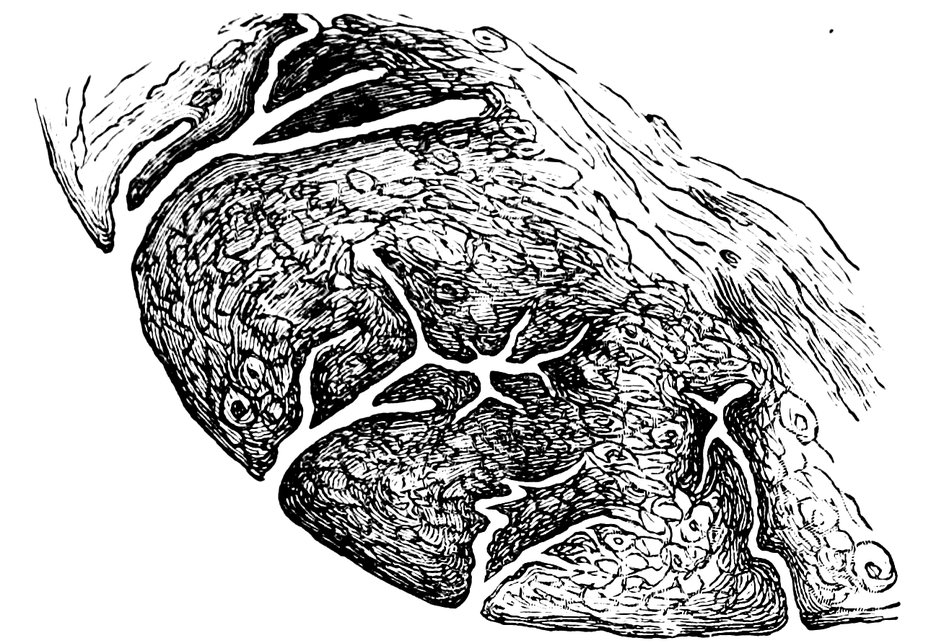
Fig. 52.—Sagittal section through the cervix uteri of a woman 26 years of age, dendriform branched glands.
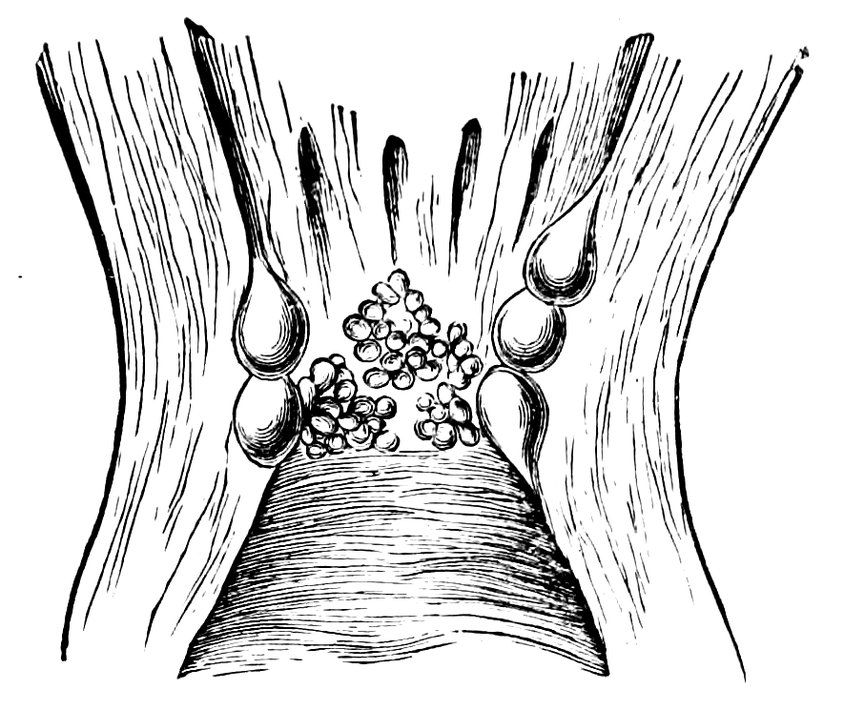
Fig. 53.—Cervix of a woman 72 years of age, with glands that have undergone cystic degeneration.
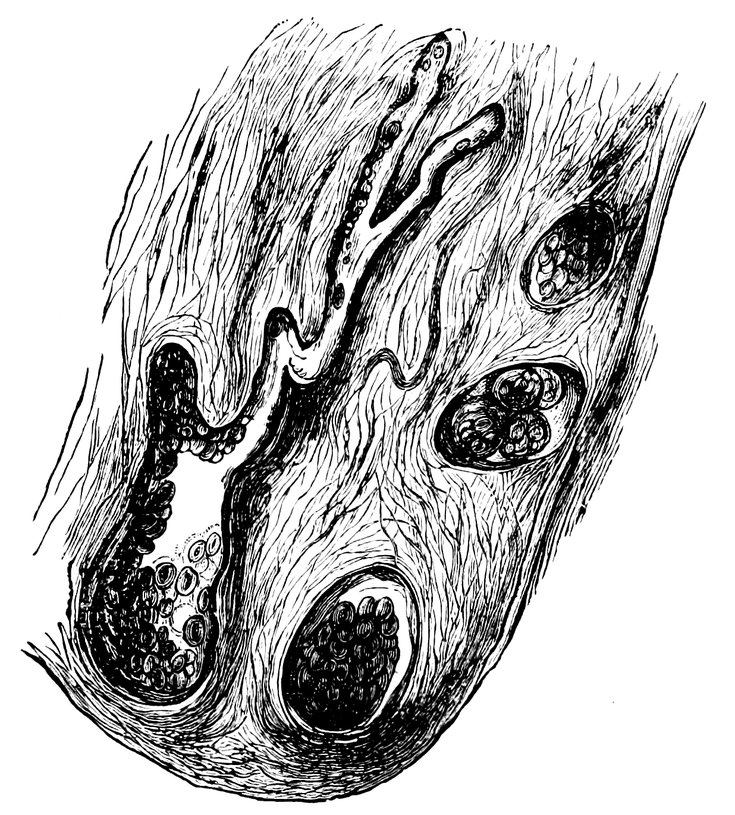
Fig. 54.—Sagittal section through the cervix uteri of a woman 65 years of age. The glands have undergone cystic degeneration.
Diseases of the uterine mucous membrane during the period of sexual maturity often induce various pathological changes in these cervical glands. In consequence of obstruction of their excretory 218ducts, they may undergo cystic degeneration, forming follicles filled with mucus and epithelium, or cavities containing blood, which pass through the substance of the cervix in every direction; or they may give rise to the formation of slowly-growing glandular polypi and other glandular new formations—changes the general result of all of which is to interfere with the secretory function of the glands.
Pathology of the Menacme.
The full evolution of the sexual life brings in its train many dangers to a woman’s life. This appears at first sight from a comparison of the mortality of married women during the period of greatest sexual activity with that of single women of similar age. Between the ages of 20 and 25 years, the mortality of married women is in all races higher than that of unmarried women; and the same is true between the ages of 25 and 30 years, except in France, in which country from artificial causes maternity ceases at a very early age. In Prussia, in the year 1880, of every 10,000 married women, between the ages named, 21 died, of every 10,000 unmarried women, only 2. In Holland, Belgium, and Bavaria, this excess in the mortality of married women continues up to the age of 40 years; whilst in Prussia, from the age of 30 upward, the mortality of married women and unmarried is practically the same. In many countries, the mortality of married women at many ages exceeds even that of unmarried men.
This greater comparative mortality of married women is ascribed by Hegar to the satisfaction of the sexual impulse, and this authority believes that the dangers attendant on this function would be manifested yet more clearly if the contrast were made, not between married women and single, but between those habituated to sexual indulgence and those who are continent. We, however, are of opinion, that the satisfaction of the sexual impulse is only harmful to this extent, that it exposes women to the consequences of venereal infection, and also to the risk of numerous puerperal and other diseases of the genital organs. This is proved also by the statistical results of the investigations concerning mortality during pregnancy, parturition, and the puerperium. According to Hegar, adding deaths resulting from premature delivery to deaths resulting from delivery at full term, we find the mortality of childbirth in Germany to be about 0.6 per cent.
Whilst Bertillon and Simpson believe that the lower mortality of married women above forty years of age as compared with unmarried women at the same period of life is dependent upon the advantage to the former of the fulfilment of sexual functions, Hegar, on the contrary, gives another explanation. He writes: “At the 219age of 40, the less powerful married women have already been weeded out. At first, owing to the selection exercised by marriage, the quality of the unmarried women was inferior to that of the married women; the former, however, have not been exposed to the dangers attendant on the reproductive process, and so have passed through the time during which the body possesses the greatest elasticity; but in the years in which a decline in the vital powers naturally sets in, the originally inferior quality of the unmarried women is manifested by a comparatively higher mortality. Also we have to take into account among the unmarried, the consequences of extra-marital sexual intercourse and of prostitution, and further the lack of a family, of the support furnished by husband and children.”
In addition to the far-reaching disturbances of health dependent on sexual activity at this period of life, there are the minor domestic troubles by which woman is depressed and by which her powers are exhausted. The influence of these latter is admirably described by G. von Amyntor: “How many millions of brave house-wives boil and scrub away their vital energy, their rosy cheeks, their merry dimples, in the performance of their household duties, until they become wrinkled, worn-out, dried-up mummies. The ever-renewed question, ‘what must be cooked for dinner to-day,’ the perpetually recurring necessity for scouring and sweeping and dusting and washing-up—these are the continual dropping which slowly but surely wears away soul and body. * * * On the flaming altar on which the sauce-pan simmers, youth and simplicity, beauty and good temper, are offered up; and who can recognize in the old, hollow-eyed cook whose back is bent with toil and trouble, the once blooming, energetic, chastely coquettish bride adorned with her myrtle crown?”
A great number of the diseases of the female genital organs occurring at the epoch of the menacme need only a passing mention. Even coitus, in cases in which there is great disproportion in size between the penis and the vaginal orifice, or when the organ is very rapidly introduced or the act is very roughly performed, may lead to injury to the vulva or the vagina, a fact to which a very large number of recorded cases bears witness.
During the acme of the sexual life of woman, disturbances of the menstrual function are also frequent. Menstruation may cease in consequence of intercurrent diseases or constitutional anomalies; amenorrhœa may occur during the convalescence from acute diseases, in obese women, in those suffering from tuberculosis, diabetes, alcoholism, or psychoses. On the other hand, severe menorrhagia or atypical metrorrhagia may occur, the bleeding either being due to diseases of the uterus, such as endometritis, retroflexion of the 220uterus, or uterine myomata, or resulting from infectious diseases, disease of the heart or kidney, or from general disturbance of the health by chill or over-exertion. Or, again, dysmenorrhœa may arise, either as a symptom of some local uterine disease or in consequence of external noxious influences or weakness of the nervous system.
During the life-epoch of the menacme, moreover, disturbances of the nutrition of the uterus are of common occurrence, as, for example, hyperplastic processes in the mucous membrane of the cervical canal and of the cavity of the body of the uterus. Common also during the menacme is chronic oöphoritis, which may be due to mal-regulation of marital intercourse (especially to coitus too soon after childbirth), to carelessness during menstruation (dancing, skating, or mountaineering), to incomplete coitus (congressus interruptus), and not infrequently, to gonococcal infection; or, finally, the oöphoritis may occur soon after the puerperium in association with subinvolution of the uterus.
Next we may mention inflammatory diseases of the Fallopian tubes. In the etiology of these diseases in latter-day marriage, a dominant rôle must be assigned to the gonococcus; but they also arise in many cases from nutritive disturbances, infection (other than gonorrhœal), and indiscretions during menstruation. Pelvic peritonitis owns similar causation.
In this phase of women’s life, the commonest new growths of the uterus, myomata, also develop, most commonly between the ages of thirty-six and forty-five, and they occur in strikingly larger proportion in unmarried women; it is between the same ages also that cysto-adenomata of the ovaries are of commonest occurrence.
Sexual intercourse gives frequent opportunities for the introduction of infective germs into the vagina, and for the origination of inflammatory affections of the mucous membrane (colpitis), the intensity of which depends upon the species, the quantity, and the virulence of the germs in question, on the one hand, and upon the local and constitutional predisposition of the infected person, upon the other. Especially grave in its consequences is gonorrhœal infection transmitted by the male, for this virus gives rise to a great variety of pathological processes in the female genital organs. In the act of defloration, considerable injuries are sometimes produced, and these readily supply a breach for the invasion of infective organisms. The condition of passive hyperæmia that occurs in the genital organs during pregnancy also provides a favorable soil for their growth.
Gonorrhœal infection of young married women is so frequent and so serious an occurrence in the sexual life of woman, that it requires special consideration. The cases in which the man entering upon 221marriage is so unscrupulous and so brutal as to deflower his young wife and to continue copulating with her, while suffering himself from a quite recent and active gonorrhœa, are on the whole rare. More common is it for the bridegroom to believe himself completely cured of his previous claps, and he is declared cured by his physician. The disease is, however, latent merely, the gonorrhœa has become chronic, the discharge is so slight that it is overlooked; but by the stimulation of the frequent acts of coition usual in the early days of marriage, the disease is lighted up afresh, the gonococci multiply quickly and intensely, the young wife is infected, and suffers from an acute gonorrhœa, which may often escape observation for a considerable period.
In a gonorrhœal marriage, one in which both husband and wife have gonococci in their genital organs, very diverse phenomena may be observed and very various conditions may result. On this subject M. Runge writes: “If the husband’s gonorrhœa is not cured, fresh, virulent cocci are repeatedly transmitted to the wife, in whom, therefore, the disease often gets worse by distinct stages. If the wife undergoes treatment, the effect in these circumstances will naturally be nil, since the husband is always supplying fresh infection. On the other hand, the wife on her side returns the gonococci to her husband, and in this way his gonorrhœa may undergo aggravation. If the husband is compelled, by illness, for instance, or by absence, to abstain for a long period from intercourse with his wife, the latter’s gonorrhœa may, in favorable circumstances, undergo alleviation and cure. It may happen, however, that in the husband, in consequence of sexual rest, the gonorrhœa becomes latent, and even entirely disappears, whilst the wife still suffers from infection. If now, after long abstinence, the husband has renewed intercourse with his wife, he may be reinfected, and suffer from an acute attack of gonorrhœa, though this is due to the descendants of the very gonococci that he himself sometime before conveyed to the genital organs of his wife—he reinfects himself, as people say. Such cases have given rise to suspicions of unchastity on the part of the wife, when the husband is in actual fact enjoying his own work in a new edition. A further possibility is that both husband and wife have become habituated to their own gonococcal interchange; that is to say, the organisms produce no notable effect in either. But if the wife in such a condition receives the embraces of a lover, the latter may be infected with an acute gonorrhœa—a fact that has long been known.”
The principal rôle in the etiology of the diseases of the female genital organs must be assigned to pregnancy and childbirth. Anæmic women readily suffer during pregnancy from a further decrease 222in the corpuscular richness of the blood; those affected with valvular incompetence find their troubles much aggravated by pregnancy; where the kidneys are in an irritable condition, pregnancy not infrequently results in the onset of nephritis, those with disordered digestion often suffer from increased disturbance of the functions of the stomach and the intestinal tract; those with gall-stones are apt to suffer from exceptionally severe attacks of biliary colic, and acute yellow atrophy of the liver is especially apt to occur during pregnancy. In women in whom dilatations of the veins already exist, very great increase of the enlargement is apt to occur during pregnancy; and in the same circumstances, trifling telangiectases increase to extensive angiomata. Enlargements of the thyroid body undergo rapid increase during pregnancy, so that they may attain threatening proportions. In women in whom the abdominal walls are flaccid, the viscera may protrude during pregnancy through the enlarged lacunæ, giving rise to herniæ. The great relaxation of the peritoneal and other ligamentous attachments of the great abdominal glands, occurring during pregnancy and the puerperium results in displacements of these organs; hepatoptosis (migrating or movable liver), lienoptosis (splenoptosis or wandering spleen), nephroptosis (ren mobile, floating or movable kidney), and other varieties of enteroptosis (splanchnoptosis, visceroptosis, or Glénard’s disease). During pregnancy, previously sound teeth are apt to become carious, and already existing caries rapidly advances. New growths of various kinds originate at this period, those previously present exhibit rapid increase; and relapse after operations for the extirpation of malignant tumors is especially apt to occur. Even the bones are unfavorably influenced. A weakened nervous system is subject to a storm of changing nervous troubles, in some cases so severe as to lead to the outbreak of actual psychoses; while mental disorder already present tends, as a rule, to be seriously aggravated during pregnancy. In the eyes, serious disorders may occur, such as retinitis, and atrophy of the choroid with complete amaurosis. As regards the hearing, tinnitus aurium is not uncommon, and sometimes complete deafness occurs. Numerous diseases of the skin are apt to occur during pregnancy; in addition to the well-known pigmentation of the face, the areola mammæ, and other parts, we may have herpes, eczema, or pruritus.
The serious aggravation which pregnancy is liable to induce in many disorders previously existent, is well known, and this exacerbation provides in some cases an indication for the induction of artificial abortion. This necessity may arise in severe cases of renal, cardiac, pulmonary, or hepatic disease, in progressive anæmia, severe osteomalacia, hæmophilia, and many other acute and chronic pathological states, since, in exceptional cases, as pregnancy advances, the 223symptoms of any one of these diseases may become so threatening, that the patient’s life is either in immediate danger or is almost certain to be in danger within a very short space of time—this may occur, for instance, in diabetes, struma (goitre), or certain nervous diseases, such as chorea, polyneuritis (multiple neuritis), or mental disorders. Undoubtedly, in this connection, as W. A. Freund insists, it is not the actual nature of the disease that is of decisive importance, but rather its intensity, and its influence on the health of the pregnant women; these circumstances, considered in relation to the resisting powers of the patient, must be determinative in the adoption of measures for terminating the pregnancy. An indication for the induction of artificial abortion is generally furnished also by uncontrollable vomiting dependent on pregnancy and endangering the life of the patient; irreducible incarceration of a retroflexed gravid uterus in the pouch of Douglas, or of a gravid uterus in a hernia, or irreducible prolapse of a gravid uterus will also necessitate abortion.
W. A. Freund gives an example of a common pathological state, usually quite free from danger, but now and again, when associated with pregnancy, seriously endangering life and rendering the induction of artificial abortion absolutely necessary—this is acute struma vasculosa—(vascular enlargement of the thyroid body), which may during the first three months of pregnancy exhibit such rapid growth as to lead to severe orthopnœa and cyanosis and so to imperil the patient’s life.
In cases in which laryngeal tuberculosis exists as a complication of pulmonary tuberculosis, the former disease sometimes progresses so rapidly in the course of pregnancy that sudden death from œdema of the glottis is by no means rare. Freund, therefore, sees in this complication an absolute indication for the artificial termination of the pregnancy.
In cases of previously well-compensated valvular lesions of the heart, disturbances of compensation not infrequently occur as a result of pregnancy; whilst in cases in which cyanosis, dyspnœa, albuminuria, and dropsy existed even before pregnancy, the latter condition is likely to result in an aggravation of these symptoms to a degree that imperils life.
Parturition, to an even greater extent than pregnancy, may induce serious injuries to the female organism. Thus, during parturition, lacerations of the vagina are frequent, with consequent scar-formation and stenosis; lacerations of the perineum are also common, causing great inconvenience, and when complete, leading to incontinence of fæces with all its unpleasant consequences. Great is the danger arising from septic puerperal inflammations, such as pelvic peritonitis (perimetritis); serious are the results of puerperal vesico-vaginal and recto-vaginal fistulæ.
224A large part in the local pathology of the female genital organs is played by the various displacements of the uterus, either arising in consequence of inflammatory processes in their ligaments, or dependent upon relaxation of these ligaments from subinvolution of the internal generative organs, either following delivery at full term or following abortion.
The injury which women alike of the well-to-do and of the laboring classes suffer in consequence of numerous and frequently repeated pregnancies, is minutely described by Hegar. “We can,” he writes, “calculate the danger to life to which such an unfortunate woman is exposed by the act of reproduction. If we assume the ordinary mortality of women in childbed to be 6 per mille, then, in a woman who within 15 years has been delivered 16 times (whether prematurely or at full term), the danger will be 16 times as great as that of a single delivery, and the mortality will be 6 × 16 = 96 per mille; that is to say, of 1,000 women who have all been pregnant that number of times, 96 will die—nearly 1 in 10. Moreover, in this calculation the increased danger consequent upon the unusually rapid sequence of the deliveries has not been taken into consideration. And, again, only the immediate results of the deliveries have been taken into the account. Not infrequently women succumb at a later date to illnesses acquired in childbed; whilst others, in consequence of repeated pregnancies, have their powers of resistance so greatly diminished, that they are unequal to the contest with incidental diseases. In any case, a woman who has experienced numerous and rapidly successive pregnancies, has sustained damages which will endure for the rest of her life. Her tissues have lost their elasticity, the abdominal walls are flaccid, the abdomen is prominent, the abdominal viscera are displaced, the vessels dilated, the reproductive organs in a state of subinvolution, and are the seat of structural alterations. The greatest dangers arise in cases in which the pregnancies are consequences that have to be paid for illicit love, since in such cases syphilitic and gonorrhœal infection are exceptionally common. These complications, indeed, are not excluded in the case of married women, since marital infidelities occur, and, again, a premarital but not completely cured venereal illness may bear fruit in marriage, the latter occurrence being almost always attributable to the husband. Syphilitic or gonorrhœal infection may also arise in some other way than by copulation, and to this women are more exposed than men, owing to the greater size of the genital passage in the former.”
Very numerous are the disorders of the nervous system referable to the sexual functional activity of woman during this epoch of her sexual life.
225Freund, in his description of a neurasthenic symptom-complex to which he gives the name of angst-neurosis,[36] maintains that the cause of these attacks of anxiety[36] is very frequently to be found in a number of injurious influences in the sphere of the sexual life. In women, these anxiety-neuroses occur:
a) As virginal anxiety, or anxiety of adolescents. Freund has observed a number of unequivocal instances showing that a first encounter with the sexual problem, a rather sudden unveiling of what has hitherto been concealed, as, for instance, the sight of some sexual act, or something read or heard in conversation, may, in a girl at the time of puberty, give rise to an anxiety-neurosis, which is in a very typical manner combined with hysteria.
b) As anxiety of the newly married. Young wives who have been without sexual feeling in their first experience of intercourse are not infrequently attacked by an anxiety-neurosis, which, however, disappears as soon as the sexual feeling becomes normal. Since, indeed, the majority of young women who lack sexual feeling in their first experience of sexual intercourse remain nevertheless quite healthy, it is evident that some other cause must coöperate in arousing the anxiety-neurosis.
c) As anxiety in married women whose husbands suffer from ejaculatio praecox or from great diminution of sexual potency, or
d) Whose husbands practice coitus interruptus or coitus reservatus. Cases in these two classes are closely associated, since it is easy to ascertain, from the analysis of a sufficiently large number of cases, that the really important question is, whether during coitus the wife obtains or fails to obtain sexual satisfaction. In the latter event, the condition requisite to arouse the anxiety-neurosis is supplied.
e) As anxiety in widows and in voluntary abstinents, not infrequently in typical combination with impulsive ideas.
f) As anxiety in the climacteric period, during the final flare-up of sexual passion.
Numerous anomalies of the genital organs which gave rise in the virgin to no trouble whatever display their influence during the menacme by unfavorably affecting the nervous system. Thus, in cases of malformations of the external organs of generation, slight atresia of the vagina, a rudimentary condition of the vagina, a rigid hymen, or local changes in the vagina, it is only when sexual intercourse begins that neuroses or hysteroneurasthenic troubles ensue. 226So also at times nervous diseases which, though the disposition to them was present, were latent in the girl, such as epilepsy and various mental disorders, first become apparent in consequence of sexual intercourse.
The mechanical irritation of the nerves of the pelvis that occurs in sexual intercourse may, even in women whose reproductive organs are healthy, arouse sensations of weight, pressure, and bearing-down, various painful sensations in the sacral region, over the coccyx, in the buttocks, or in the upper part of the thighs, and also “lumbar enlargement symptoms,”[37] viz., weakness of the lower extremities, abnormal sensations of fatigue in the lower extremities and the back, sometimes also disorders of micturition and defæcation.
Throughout the manifold diseases of women in or connected with the reproductive system during the age of sexual maturity, associated mental processes take place, which powerfully affect the nervous system. Such processes are, melancholy and anxious thoughts concerning the possible influence of the illness on the happiness of married life, concerning childlessness, or concerning loss of a husband’s sexual esteem, or again, fear that the affection will become cancerous, fear of some necessary operative procedure, or vexation in consequence of the limitation of her usefulness as housewife, wife, and mother. Thus in women suffering from sexual affections, a state of general neurasthenia, or some neurasthenic functional disturbance of other organs, very commonly arises.
The knowledge that she is suffering from an affection of the genital organs, makes a deep and lasting impression on the mind of a woman who takes a serious view of her duties as a wife, and whose thoughts and feelings are concentrated in the sexual sphere. The result is, that minor troubles are regarded through the magnifying lens of anxiety, and the general sensibility is increased. This hyperæsthesia is not confined to the affected region, but manifests itself in various other parts of the body by numerous phenomena of a reflex character. In the first place must be mentioned severe headaches, sacrache, sensations of pressure in the abdomen, cardiac troubles, palpitation, stomach-ache, nausea and retching and disorders of appetite and digestion. Capacity for work and the enjoyment of life are destroyed by these disorders.
We have further to take into account the numerous conditions liable to disturb the mind at this period of life. In childless women, we have the subject of their sterility, the continued yearning to be blessed with children, the eager search for a remedy, and not rarely in these cases the conflict between the reproductive impulse and the ethical principle of conjugal fidelity. In fruitful mothers, on the 227other hand, we have the anxiety lest, by too frequent child-bearing their beauty should be impaired and the livelihood of the family endangered; these considerations leading in many cases to the practice of coitus reservatus, with its deleterious physical and moral consequences. In the middle and working classes, we have the strain of the endeavor to be a helpful companion to the husband and at the same time to assist in the support and the education of the children. Last but not least, we have the potent influence of local therapeutic measures, and the fear of operative procedures, both of which have a most agitating effect on a woman’s mind. In truth, the menacme is a period full of stormy excitations and powerful revolutions.
In addition to its influence on the genital organs themselves, the sexual life of woman during the period of the menacme manifests its powers for evil especially in relation to the digestive functions, and to the functions of the heart and the nervous system.
When we compare the various consequences which may be induced in the principal organic systems as a result of functional disturbances and organic diseases of the female genital organs, we find that in respect of the frequency of their occurrence the diseases of the nervous system occupy the first rank; next in frequency come the disorders of the digestive organs that arise in sympathetic association with diseases of the female reproductive organs; whilst the third rank in respect of frequency and importance is occupied by the cardiac disorders that arise in connection with changes in the female organs of generation, and take the form either of disturbances of the heart’s functions or structural changes in the heart’s muscle.
Dyspepsia Uterina.
Although it has long been a familiar observation that pregnant women and women suffering from diseases of the reproductive organs suffered from various dyspeptic troubles, I was myself the first (in the Berliner Klinische Wochenschrift, 1883) to bring together, and to describe under the name of dyspepsia uterina, a peculiar group of dyspeptic conditions which are dependent upon diseases of the female reproductive organs. I dismissed from consideration organic diseases of the stomach and intestine dependent upon anatomical changes in these organs, even though these also might owe a similar etiology, and described only the more frequent dyspepsias occurring without organic change in the digestive apparatus, the origin of which is to be explained by the fact that certain structural changes and displacements of the uterus (to be discussed later) arouse centripetal impulses, and that these exercise a reflex influence on digestive activity.
228This influence, according to my observations, affects the secretory and muscular apparatus and also the nervous elements of the digestive tract, and I regard the following conditions as characteristic of uterine dyspepsia, though they do not necessarily all occur simultaneously: changes in the gastric secretion, excitement of the vomiting centre, an inhibitory influence on intestinal peristalsis, and hyperæsthesia of the stomach.
The symptoms of uterine dyspepsia may vary greatly in intensity, but not infrequently become so severe as to disturb very seriously the general health of the woman so affected. They may be enumerated as follows: The appetite in uterine dyspepsia is variable, but is generally good; the tongue is not usually coated to any great extent, nor does the mucous membrane of the mouth commonly exhibit any notable change; pain in the epigastrium is common after meals, with acid eructations and heartburn (pyrosis);[38] sometimes there is violent vomiting, occurring after every meal, or in the morning on an empty stomach; in addition, constipation is an almost constant symptom, associated with excessive development of gases in the intestinal canal. The pain is usually dull in character, and somewhat relieved by pressure, but it may be severe and lancinating, and may shoot along the intercostal spaces. The accumulation of flatus within the abdomen gives rise to various painful sensations, distension, a sense of fulness; and its expulsion is attended with notable relief.
As regards the composition of the gastric secretion, an increase of acidity is sometimes noticed. Gastric digestion is retarded; experimental evacuation of the stomach, after a simple test meal (beefsteak and roll) showed that small quantities of undigested remnants were to be found in the stomach as long as seven or eight hours afterwards. The frequent eructations evacuate flatus, or else a watery fluid with an acid reaction (pyrosis or water-brash—see note 38). By the act of vomiting, larger or smaller masses of the food that has been taken are evacuated; in the vomit, sarcinæ in large numbers may frequently be detected by the microscope. Constipation is present in nearly all cases of uterine dyspepsia; and even in cases in which attacks of diarrhœa occur from time to time, careful examination will show that these are generally transient, being sequelæ of constipation due to the irritation caused by the accumulated masses. In one case of long-standing uterine dyspepsia, I observed, in the absence of any gastric dilatation, the well-known 229phenomenon of “peristaltic restlessness of the stomach” (tormina ventriculi nervosa), in which the peristaltic activity of the stomach is greatly exalted, and becomes visible to the naked eye in the form of large and powerful undulations in the gastric region, moving from left to right.
With these symptoms affecting the digestive organs are associated variable nervous manifestations in different organs, such as neuralgia of various nerves, palpitation of the heart, vertigo, headache, and nervous asthma. The general nutrition of the body often suffers considerably in cases of long-enduring uterine dyspepsia; excessive emaciation and general marasmus may ensue; we see also mental depression, melancholia, an irritable disposition, and disinclination for every kind of work.
Very important, but very difficult, is the differential diagnosis between uterine dyspepsia, on the one hand, and, on the other, chronic gastric catarrh, chronic ulcer of the stomach, nervous dyspepsia, and sometimes even carcinoma of the stomach.
As regards the distinction from chronic gastric catarrh, in this latter disease loss of appetite and changes in the oral mucous membrane are prominent symptoms; the vomit also usually contains much mucus. More difficult is the differential diagnosis of chronic ulcer of the stomach, in cases in which anæmic subjects complain of anomalies of menstruation, associated with dyspeptic troubles and cardialgia. In severe cases of uterine dyspepsia, the distinction from carcinoma of the stomach may be very difficult—at any rate in cases in which no examination of the genital organs has been made. Obstinate dyspeptic troubles, resisting all curative measures (unless indeed these are directed to the relief of the local disorder of the reproductive organs), progressive anæmia, great emaciation, and pains localized in the stomach, are all conditions common to both of these maladies. The absence of a tumor of the stomach, careful examination of the vomit, and examination of the genital organs, will lead to a correct diagnosis if the case is one of uterine dyspepsia. A superficial investigation is exceedingly likely to result in a case of uterine dyspepsia being regarded as one of nervous dyspepsia (von Leube); none the less, even though a very close resemblance exists between the symptoms of the two diseases, to differentiate them is a matter of importance. In nervous dyspepsia, the act of digestion influences the nervous system in such a manner that, even when the chemical processes are normal, the organism as a whole is sympathetically affected by a reflex from the stimulation of the nerves of the stomach, and in return reacts on the mechanical process of digestion in a more or less violent manner. In uterine dyspepsia, however, the relationship that obtains is exactly the reverse of this, 230inasmuch as the gastric activity is influenced by the nervous system, by reflex impulses originating in the morbid processes in the reproductive organs; moreover, in this form of dyspepsia, in direct contrast with nervous dyspepsia, the chemistry of digestion is often disordered, and, in addition, the process is not completed within the normal period.
Oftentimes, the diagnosis of uterine dyspepsia can be made with certainty only ex juvantibus.[39] For this disorder cannot be cured unless the disease of the reproductive organs on which it depends is first relieved; and, conversely, local measures for the relief of uterine disease, will often at once remove all the dyspeptic troubles from which the patient suffers.
My own experience has led me to conclude that it is certain distinct local mechanical stimuli affecting the female genital organs which, acting for a long period on the sensory nerves of the uterus or its annexa, induce by reflex action the before-mentioned digestive disturbances. Diseases of the vulva and the vagina, catarrhal inflammation, colpitis and leucorrhœa, and prolapse of the vagina, do not by themselves lead to the occurrence of uterine dyspepsia; nor do inflammations of the uterine mucous membrane, such as endometritis (unless associated with parenchymatous changes of the whole uterus), chronic catarrh of the mucous membrane, erosion and ulceration of the cervix to an inconsiderable extent, or moderate perimetritic and parametritic exudations. On the other hand, uterine dyspepsia frequently ensues in cases of uterine displacements, flexions, or versions, or in cases of structural changes of the uterus accompanied by enlargement of the organ, chronic metritis, myomata, especially when intramural (interstitial), displacement of the Fallopian tubes and the ovaries, chronic oöphoritis, extensive inflammatory exudations, resulting from pelvic peritonitis, and leading to dislocation, “compression” or distortion of the uterus and its annexa, deep follicular or carcinomatous ulceration of the cervix, or, finally, ovarian tumors. As the commonest condition giving rise to dyspeptic disturbances of the kind under consideration, retroflexion of an enlarged uterus must be mentioned.
Under the head of uterine dyspepsia, we may also classify dyspeptic disturbances occurring at the time of puberty or of the menopause, and in association with certain amenorrhoeic and dysmenorrhœic conditions, and, in addition, the vomiting of pregnant women.
The vomiting of pregnant women, which must be regarded as a reflex disturbance of the stomach, occurs, with especial severity in first pregnancies, in the early months of pregnancy, with such regularity that it is regarded as one of the most typical signs of pregnancy. 231Thus, in 177 pregnant women, Horwitz observed vomiting in 147 (83 of whom were primiparæ, and 64 multiparæ), and in 29 only was this symptom wanting. In this series of cases, it most commonly made its appearance between the tenth and eleventh week of the pregnancy. The vomiting of pregnant women occurs most commonly early in the morning, immediately after rising (morning sickness), but also at other times of the day; it usually takes place easily, without any great distress, and after it is over the patient feels quite comfortable. It rarely continues later than the fourth month of pregnancy.
Very serious in its effect on the general state of nutrition is the uncontrollable vomiting that sometimes occurs in pregnant women (hyperemesis gravidarum), lasting throughout the whole term of pregnancy. It must be regarded as an exaggeration of the physiological vomiting of pregnant women, in patients whose nervous equilibrium is profoundly disturbed; but equally with the ordinary “morning sickness” is it dependent on the reflex stimulation of the nerves of the stomach exercised by the growing uterus. One source of such stimulation may be found in the stretching of the peritoneal investment of the uterus which results from the enlargement of that organ; another, in certain displacements of the uterus; but in addition to these local anomalies, we must assume the existence of a peculiar predisposition on the part of the nervous system, in virtue of which reflex irritability is increased, while the power of reflex inhibition is diminished.
The prognosis and treatment of uterine dyspepsia depend chiefly upon the nature of the diseases of the female genital organs that have given rise to the disturbances of digestion, and this pathological relationship demands above all a careful investigation. The following instance from my own case-book may be regarded as typical of cases of this class. Mrs. N., aged 25, married 6 years, barren, complains of severe dyspeptic trouble. Appetite fairly good, but after every meal severe gastralgia occurred, with heartburn and acid eructations, and very often the food was rejected; there was also obstinate constipation, and great distress from the accumulation of flatus in the intestinal canal. No blood was ever seen in the vomit. The patient was much emaciated, and was greatly depressed in spirits. Neither in the lungs nor in the digestive organs had any of the physicians under whose care the lady had been for the last four years found any abnormal change to account for the stormy manifestations. Now, at length, the gynecological examination, which had hitherto been neglected, was undertaken. The uterus was found to be strongly retroflexed and enlarged. Rectification of the position of this organ was immediately followed by the disappearance of all the stomach troubles; the vomiting ceased, some months 232later the woman became pregnant, and pregnancy and parturition were quite normal; since then there has been no return of the dyspepsia.
Since the appearance of my work on dyspepsia uterina, numerous observations have in recent years been published, proving even more clearly the causal dependence of disturbances of the gastric function upon diseases of the female genital apparatus.
Lamy, for example, has made an elaborate study of one of the above-mentioned symptoms of uterine dyspepsia, namely, excitement of the vomiting centre. His conclusions are as follows: Among the general symptoms of diseases of the uterus, dyspepsia, in all its forms and in all degrees of intensity, occupies the first rank in respect of frequency of occurrence. Among the accompaniments of these reflex processes, uterine vomiting must be mentioned. It seldom occurs as the sole symptom of disorder of the digestive organs; but when it does occur alone, it is of great importance that the cause of the affection should not be misunderstood. Diseases of the uterus and periuterine affections are the conditions that most commonly give rise to this trouble, but in a certain number of cases it is due to physiological changes in the female genital organs. Such changes are those associated with the functional activity of the reproductive apparatus at the time of puberty, during menstruation, in connection with coitus, during pregnancy, and at the change of life, the menopause. The vomiting of pregnant women is of the same nature, and confirms our belief in the uterine origin and pathogenesis of vomiting at other times than during pregnancy. The diagnosis of the true cause of uterine vomiting cannot be made from the nature of the latter, but only from a knowledge of the conditions in which it occurs, just as with other uterine reflexes, such as neuralgia or cough. The vomit may consist merely of the food last taken, or it may contain bile, without the presence of this latter constituent indicating the existence of any disease of the liver. The treatment of this disorder, which indeed does not threaten life, but does seriously impair the general state of nutrition, must be local, directed against the disease of the genital organs: Thus, in one case of this nature, a cure was effected by oöphorectomy.
The majority of the women in whom Lamy observed this symptom of uterine dyspepsia were chloro-anæmic individuals with an irritable nervous system, town-dwellers, young girls in whom frequent evening parties and dances, ill-chosen diet, and a generally unsuitable mode of life, had led to the development of a “virginal metritis.” The signs of the disturbance of the gastric functions were in the first place a retardation of gastric digestion while the appetite remained good. Moreover, the stomach was 233often distended with flatus, and this caused frequent gaseous eructations; there was also epigastric pain, which made it difficult for the patient to bear the pressure of the clothing, and sometimes great pain was aroused by the slightest contact. The attacks of vomiting, which occurred in a characteristic manner with periodical intervals of freedom, were usually preceded for a longer or shorter period by dyspeptic symptoms. The vomiting itself, if it occurred immediately after a meal, was not accompanied by nausea, a feeling of faintness, or cold sweats, but rather resembled a kind of painless regurgitation; but when the vomiting did not occur till some hours after food had been taken, it was painful, and the vomit was then green-tinted owing to the admixture of bile.
The gastric troubles that occur during menstruation are regarded by P. Müller as a further indication of the intimate connection between the genital organs and the digestive tract. In women who suffer from hysterical manifestations, gastric disturbances, cardialgia, and nervous dyspepsia, are very frequently associated with menstruation. These gastric symptoms generally make their appearance a few days before menstruation is due, and disappear as soon as the flow is established. In other forms, again, the digestive troubles set in with the appearance of the flow, to disappear during the later course of menstruation; and in yet other cases the gastric disturbance begins even later, and ceases only when the flow comes to an end. These symptoms may occur in women in whom the genital organs are perfectly healthy and in whom menstruation runs a regular course. More severe symptoms may, however, appear if menstruation is disturbed for any reason, or if it is suppressed. Not rarely such women, when they become pregnant, suffer, especially during the early months, from dyspeptic symptoms; but similar dyspepsia may occur in pregnant women who have previously been quite healthy.
To the same category belong the cases formerly described by von Leyden under the designation of neuralgia and hyperæsthesia of the stomach, which he observed in young girls as a sequel of menstrual disturbances, and more particularly of suppressio mensium. In these circumstances, the sensibility of the stomach may become so extreme that every time food is taken the patient suffers from such severe pains, or from so distressing a sense of anxiety and oppression, that she comes to eat less and less, and an extreme degree of emaciation and marasmus results. In one such case, congenital atrophy of the uterus was discovered on gynecological examination.
According to R. Arndt, it is especially in chloro-neurotic individuals that the stimuli proceeding from morbid conditions of the reproductive organs frequently induce, by reflex action, all kinds 234of disturbances of the alimentary tract, such as constipation and flatulence, gastric uneasiness and loss of appetite, weakness of digestion, cardialgia, and stricture of the œsophagus. Even simple menstruation suffices to give numerous proofs of this fact, but still more do such consequences arise from serious diseases of the reproductive organs, such as changes in form, displacements, and inflammatory states, and also, on the other hand, more or less pronounced hypoplasia.
G. Braun has published three cases illustrating the connection between neurosis of the stomach and uterine disorders. In the first of these cases, severe digestive disturbances occurred after every meal, with occasionally violent vomiting, in a woman, aged twenty-five years. No changes were found in the stomach or other digestive organs, and the symptoms obstinately resisted all direct treatment. Gynecological examination showed extreme mobility of the uterus, and for the relief of this a suitable pessary was introduced. The vomiting thereupon immediately ceased, all the other digestive troubles passed completely away, and the general state of nutrition, which had before been so much impaired as to necessitate the use of nutrient enemata of meat-solution, now became normal. The second case was that of a woman aged thirty, who, since her last confinement two years before, had continually suffered from disagreeable gastric sensations and from vomiting, which latter had proved quite uncontrollable. Gynecological examination disclosed extensive laceration of the cervix with ectropium of the mucous membrane. An operation was performed for the relief of this condition, and the vomiting of two years standing was also thereby cured. In the third case, that of a woman twenty-eight years old, vomiting began three months after her confinement, and recurred whenever the patient left the recumbent posture, in which latter she felt quite well. On local examination, the uterus was found to be prolapsed, the vaginal portion of the cervix moderately enlarged and just within the vaginal orifice. Amputation of the vaginal portion of the cervix cured the vomiting and completely restored the patient’s health.
The frequency of gastric affections in cases of retroflexion of the uterus is insisted on by Panecki. In eight instances he found neuroses of the stomach consequent upon such retroflexion, and in all cases a cure immediately followed rectification of the position of the uterus. He urges that if after the reposition of the retroflexed uterus the gastric troubles should still persist, a careful local examination of the stomach is indispensable.
Eisenhart, in a woman forty-two years of age, corrected a mobile retroflexion of the uterus, and thereupon very severe gastric symptoms of several months’ duration soon disappeared. Graily-Hewitt, 235in an unmarried woman twenty-seven years of age, cured by reposition of a retroflexed uterus a gastric disorder which had subsisted for nine years; Elder and Henrik report identical results in gastric troubles consequent on retroflexion or retroversion of the uterus. Jaffé, in a virgin, aged twenty-three, who had been brought near to death by gastric disorder with vomiting, found on local examination that there was a profuse, thick, purulent discharge from the interior of the uterus; curetting, and irrigation of the uterine cavity with antiseptic solutions, gave immediate relief to the stomach trouble. Similar experiences are recorded by C. van Tussenbeck and Mendes de Leon in cases of gastric disorder consequent on endometritis fungosa and endometritis interstitialis parenchymatosa; and by Gottschalk, in cases consequent on sarcoma of the chorionic villi. Lewy and Butler-Smythe have observed the relief of pernicious vomiting by Emmet’s operation (trachelorraphy).
As regards the relations of gastro-intestinal affections to the diseases of the reproductive organs, Theilhaber, in the cases observed by himself, distinguishes three groups. In the first group of cases, the gynecological abnormality was a chance accessory, and was not the cause of the gastric trouble. In the second group, he regards the gynecological trouble as dependent upon the affection of the gastro-intestinal tract, believing that, in consequence of atony of the intestine and an accumulation therein of fæces and flatus, a retardation of the circulation occurs in the region of the inferior vena cava, resulting in venous stasis in the uterus, and so giving rise to metrorrhagia, dysmenorrhœa, and fluor albus. In the third group of cases, Theilhaber believes that the uterine trouble is the cause of the disturbances in the stomach and intestine. He, like myself, has found in all these patients an inhibition of the intestinal movements; but he found, on the other hand, that the gastric secretions were more commonly normal, and that only in a small proportion of the cases was the vomiting centre excited. Further, in the majority of these women, the course of the digestive processes was quite normal; and, finally, in his series of cases, endometritis was one of the commonest causes of consecutive gastric disorders. His observations led him to conclude that “in consequence of affections of the uterus a large number of different symptom-complexes of gastric trouble occur:” the pure nervous dyspepsia of Leube, dependent on atony of the large intestine and atony of the stomach, hyperchlorhydria and anacidity, periodic gastralgia without anatomical cause, etc.
Cardiopathia Uterina.
I use the term cardiopathia uterina to denote the manifold cardiac disorders which occur in women as reflex processes excited by the 236physiological functions and the pathological disorders of the genital organs, and take the form of very various disturbances of the cardiac function. Every phase of the sexual life of women—that in which the reproductive organs attain complete development and menstruation first appears (the menarche); the commencement of sexual intercourse; pregnancy, parturition, and the puerperium; finally the retrogressive process at the climacteric age, of which the menopause is the outward manifestation—may give rise to the occurrence of such cardiac troubles. In order to explain these troubles as reflex in their nature, we must on the one hand recur to the anatomical changes in the uterus and its annexa that take place in every one of the above-mentioned phases of the sexual life; and on the other hand we must take into consideration the mental processes that accompany these anatomical changes, in order to estimate their influence upon the motor and sensory nerves of the heart (see the sections on the Menarche and the Menopause).
A certain predisposition to uterine cardiopathy exists in many individuals and in many families. This predisposition may be manifested in this way, that in women who at the time of the menarche have suffered from cardiac disorder, similar cardiac disorder is likely to recur at the time of the menopause, the symptoms of the recurrent attack being in most cases identical with those that occurred during the menarche. In the well-to-do and cultured circles of society, uterine cardiopathy is far more frequently encountered than among the working classes. Both unusually early and unusually late commencement of menstruation tend to favor the occurrence of uterine cardiopathy. The most valuable therapeutic measures that we can employ to combat these disorders are suitable dietetic and hygienic regulations, in association with favorable mental influences.
Diseases of the female reproductive organs, including simple functional disturbances, are very frequently accompanied—far more frequently than has hitherto been supposed—by cardiac disorders. But whereas in some cases these cardiac disorders are directly dependent upon the disease of the genital organs; in other cases no such etiological relationship can be shown to exist, and the association must, therefore, be regarded as fortuitous.
In cases of the former kind, the dependence of the cardiac disorder upon the disease of the genital organs is very variable in its nature.
Reflex manifestations on the part of the nervous system may be aroused by pathological changes in the genital organs, in a manner similar to that discussed in other parts of this work in regard to the cardiac troubles that are liable to occur during the menarche and the menopause; such cardiac disorders are indeed excited especially by changes in the ovaries, by disturbances of menstrual activity, 237by suppression of the menses—as manifestations, that is to say, of the menstrual reflex. The cardiac disorder most commonly takes the form of tachycardiac paroxysms, recurring periodically, either in association with the menstrual flow, or, if this is in abeyance, at the times at which it ought to appear. We must assume in these cases that the local stimuli aroused by the pathological changes in the uterus and the ovaries have a reflex influence upon the cardiac nerves, by means of which the heart’s action is increased in frequency, without inquiring more particularly whether the reflex influence is effective by inhibiting the normal action of the vagus, or by stimulating the sympathetic, or, perhaps, by a combination of these factors. Much more rarely do we notice, in association with disorders of the reproductive system, a reflex decrease in the frequency of the heart’s action, this effect being explicable in the same manner as the well-known experiment of Golz, in which, if the abdomen of a frog be laid bare, and the intestine be struck sharply with the handle of a scalpel, the heart will stand still in diastole with all the phenomena of vagus inhibition.
In another group of diseases of the genital organs, the disturbances of cardiac activity may be brought about by pressure which, in consequence of the morbid processes in the reproductive organs, is exercised upon individual nerves or upon an entire nerve plexus. Tumefied and prolapsed ovaries, an enlarged and misplaced uterus, inflammatory nodules and hyperplasias of the intrapelvic connective tissue, contractile processes in the parametric connective tissue,[40] tumors of the uterus whether intramural or in the interior of that organ, ovarian tumors, prolapse of the uterus, and intrapelvic peritoneal adhesions resulting from inflammatory processes—these are the principal conditions liable to occasion reflex cardiac disorder; but certain tissue changes, such as endometritis, erosions (chronic cervical catarrh), and ulcerations of the genital passages, with or without exposure of nerve-endings, are also competent to produce the same effect. Here the sympathetic nervous system constitutes the channel by means of which the stimuli affecting the nerves of the genital organs are conveyed to the central nervous system, and by means of which also the reflex manifestations of this stimulation are produced, taking the form, partly of disorder of the cardiac action, of palpitation of the heart and paroxysmal tachycardia, and partly of pains in the cardiac region and disturbances along the course of the great vessels.
Further, in cases of long-continued disease of the female genital 238organs associated with severe hæmorrhage and in some cases fluor albus, nutrition in general and hæmotopoiesis may be seriously affected, and disturbances of cardiac activity may result, as, for instance, is frequently witnessed in chloro-anæmic states. In such cases we have palpitation of the heart, both subjective and objective, a weak and compressible pulse, often irregularity of the heart’s action, singularly clear heart sounds, often, however, systolic murmurs at various orifices, increased frequency of heart and respiration to a disproportionate degree on slight exertion, strong pulsation of the carotids, and slight œdema of the ankles.
Often, however, the disturbance of cardiac activity is dependent also upon degenerative processes in the myocardium, upon fatty degeneration and the consequent dilatation of the cavities, this degeneration being a consequence of the growth of a uterine tumor and especially of uterine myomata, or resulting from some constitutional disorder which is itself dependent upon the affection of the genital organs. In such cases the signs of degeneration of the heart are very striking: weakening of the cardiac impulse, notable faintness of the sounds of the heart, occasionally reduplication of the second sound, a galloping rhythm, while percussion shows the existence of considerable dilatation of the left, and still more frequently of the right ventricle; in many cases also we have angina pectoris, passive hyperæmia of the lungs, the mucous membranes, and the extremities; and sudden death sometimes ensues.
No less important are the mental influences exercised by diseases of the genital organs in which operation is proposed or actually performed, also by long-lasting diseases of the reproductive organs and by the disturbances these diseases produce in the reproductive functions, more especially in relation to copulation and the actual process of reproduction. In this way cardiac neuroses of various kinds may be induced.
Finally, cases have come under my notice in which the cardiac trouble was not the direct result of the disease of the genital organs, but was a consequence of the therapeutic measures employed for the relief of the latter; and in this connection I must regard as especially blameworthy, in addition to intra-uterine manipulations, such as sounding and cauterization, the modern practice of gynecological massage.