Front matter (continued 7)
Reading edition
Of course it could not be expected that, during the period of our absence from England, no sad changes should have taken place, and the sorrowful faces of more than one among us testified to the fact that some dear and loved ones would be seen no more in this world.
From Mr. Krarup Smith, the Inspector, we learnt that the “Pandora” had only taken her departure for England four days previously, having been unsuccessful in her endeavours to reach Cape Sabine. The attempt had only been relinquished by her commander when the lateness of the season compelled him to beat a retreat. A supply of beer, sent from England by my cousin, was found awaiting our arrival, and was most acceptable. A cask of beer had also been kindly left for our use by Allen Young, so that we were enabled to supply “all hands” with a glass of beer twice a week during the passage to England. Through the kindness of the Danish authorities, we were able to obtain thirty tons of coal, with a promise of thirty more if we chose to go to Egedesminde, another settlement about sixty miles to the southward. This was an offer too valuable to be disregarded, and was accepted by Captain Nares.
Having shifted our rudder, which, to use an American phrase, was “pretty considerably chawed up,” from its treatment by the ice, and made good a few other defects, we took our departure from Godhavn on the morning of the 28th, Mr. Krarup Smith, the Inspector, coming on board to accompany us round to Egedesminde. As we steamed out of harbour the little three-gun battery fired a farewell salute, the ensigns on shore, and on board, were dipped, and the ladies (two in number), from their verandahs, waved with their pocket handkerchiefs a last adieu. It was a fine clear morning as we left; but a thick fog soon overtook us, in which we remained enveloped for the remainder of the day, and it was not until the following morning that we reached our destination.
Our way took us through a perfect labyrinth of small islands, some of the narrow channels through which we had to pass being almost blocked by large grounded masses of ice, remnants of icebergs. The “Alert” and “Discovery” being the first steamers that had ever visited Egedesminde, the natives turned out in force to witness our arrival. Several kayaks came skimming rapidly along the smooth and unruffled surface of the water as we approached, their occupants gazing with evident astonishment at the large “umiaks,” whose motive power was to them invisible and incomprehensible. The Danish flag was run up on three separate flag-staves on shore, and a salute of seven guns was fired to welcome our arrival.
There is much similarity about the various Danish settlements in Greenland. The houses are of the same size and colour, and generally of about the same number, whilst all possess their little church, their storehouse, and their cooperage. The settlement is very prettily situated on the northern side of the largest of a group of many islands of all sizes. These are of the same metamorphic formation, and possess a more luxuriant vegetation than we had hitherto seen. The island is covered with numerous small lakes and ponds, and is extremely marshy and swampy. The difficulty of walking, without sinking up to the ankles in a bog, is very great.
The population of Egedesminde, which is the most southern settlement in the Inspectorate of North Greenland, is about one hundred and thirty souls, including the Danes, who with the Governor and his family number about twelve. The entire population of North Greenland is about four thousand three hundred.
The boggy substance, like peat, is dug up and stacked during the summer, and when dried is very generally used as fuel. The chief employment of the inhabitants is, as at the other settlements, that of collecting skins and blubber. Reindeer are obtained on the mainland, but they are not plentiful.
The Governor, Mr. Boldroe, was good enough to present us with a fine large haunch of venison; but, curious to relate, when served up, it had an unmistakeable taste and odour of musk! Our scorbutic patients, who were at this time nearly all convalescent, benefited largely from the quantities of fresh fish, principally cod, obtainable at this place.
On the morning of the 2nd of October, having received on board the amount of coal promised, we bade our kind friends farewell, and steamed away amidst the usual firing of guns and dipping of colours. The stoppages at these two civilized places were very pleasant breaks to us, after our long absence from society of any description, except our own, and were not regretted by any one. Indeed, the kindness and true hospitality extended to us by our Danish friends in the different settlements in Northern Greenland will long be remembered with feelings of gratitude and pleasure.
From the date of leaving this our last port until our arrival at Valentia, we experienced very tempestuous weather. Strong head winds were in constant attendance, and the ship’s general state was being “battened down and under close-reefed topsails.” Under these circumstances our daily rate of progress was remarkably slow, and on some days we found that we had actually increased our distance from home instead of having lessened it. Few on board had before experienced a longer continuance of really stormy weather. From the severe buffeting we received, our rudder, already crippled, was reduced to such a state as to be absolutely useless, the rudder-head being almost wrenched off, and we were obliged to steer the ship during the remainder of the voyage by means of the rudder pendants.
On the 16th of October, to the intense surprise of everybody, a vessel was sighted ahead, which proved to be the “Pandora.” How very small is this world we live in! Here were we in the middle of the broad Atlantic, fifteen hundred miles from England, and out of the course of all ships, and yet actually meeting a vessel that had purposely come out to seek us.
The weather was too bad to allow us to communicate, but an interchange of news was effected by signal. The three ships remained in company for a couple of days, when they lost sight of each other in thick and blowy weather, we having previously ordered the “Discovery” to rendezvous at Queenstown in case of parting company.
Our rudder being in such a dilapidated state, Captain Nares determined upon putting in to Valentia for the purpose of shifting it, the spare one having in the mean time been temporarily repaired. With this object we anchored in the snug little harbour of Valentia, on the 27th of October, and here Captain Nares and several of the officers left for the purpose of proceeding at once to London to report our arrival.
“Now, strike your sayles, yee jolly mariners, For we be come unto a quiet rode, Where we must land some of our passengers And light this wearie vessel of her lode. Here she awhile may make her safe abode.”
It is in vain to attempt to describe the pleasure we all felt at beholding trees and green fields once more, with the cattle browsing in them. It is difficult at once to throw off old habits, and there were many on board who expressed their anxiety to land at once with their guns for the purpose of shooting “that herd of musk-oxen.” Had we given way to our inclinations, I fear our reception would not have been so warm or so hospitable as it was.
The people of Valentia were the first to bid us welcome. Their kindness and hospitality will never be effaced from our memory. The rudder having been shifted, and sundry repairs executed, we took our departure on the following morning at daylight, being guided out of the place by a most eccentric and original old pilot. On the 29th we reached Queenstown, where we found the “Discovery” had arrived only a couple of hours before. Here again we received a warm welcome and enjoyed that hearty hospitality for which the Irish people are so justly celebrated. That evening we were the guests of the Port Admiral, he and Mrs. Hillyar hearing of no refusal, although we had to sit down to dinner in—well, clothes very dirty and very much the worse for wear. The next day, having taken in a supply of coals, we started for Portsmouth, the two ships remaining in company and arriving in that harbour together on the 2nd of November.
Our reception there and afterwards is a matter of history. Suffice it to say that our exertions received the approbation of our country and of our brother officers, and that the Lords of the Admiralty were pleased to express their satisfaction at the manner in which the expedition had been conducted by our leader, as well as at the way in which the work had been carried out by his subordinates.
My story has now come to an end. My aim has been to describe our daily life during a very eventful service.
I have quoted largely from my journal, and in some instances I have thought it best to copy from it verbatim.
Nothing is further from my thoughts than to claim for this narrative any literary merit whatever. I simply wish it to be regarded as a plain but accurate statement of facts—an unpretending account of the cruise of one of the ships of the late expedition—by one of its members.
In launching my little book upon the ocean of literature, I venture to quote the words of brave old Master Beste, who, being engaged in compiling a record of another Arctic expedition, humbly apologizes, as I do, for submitting his work to the public:—“And herein I humbly pray pardon, for my rude order of writing, which proceedeth from the barren brayne of a souldier and one professing armes, who desireth rather to be wel thought of with your honour for his well meaning than for anye hys cunning writing at all.”
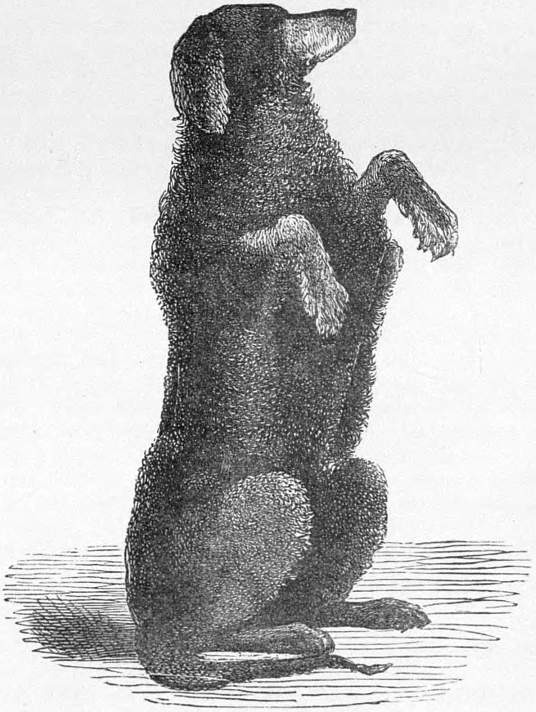
FAREWELL!

INDEX.
Admiralty, Lords of, visit to the Polar ships, 9; satisfaction at the results of the expedition, 368.
Admiralty Inlet, remains of Eskimos on shores of, 68.
Albert Head, 65.
Aldebaran, erratic conduct of, 200.
Aldrich, Lieut. Pelham, R.N., skill in managing a kayak, 30; starts on a reconnoitring expedition in the autumn, 128; second autumn journey with dog-sledge, 133; starts on a third autumn journey, 136, 137; ascends a hill near Cape Joseph Henry, 147; glees by, 169, 216; his lecture on meteorology, 169; orchestra for the Royal Arctic Theatre, 171, 175, 214; plays the harmonium at church, 187; one of his dogs lost, 190; plays at Christmas, 194, 195; commands the extended party to the west, 241; anxiety for his safety, 331; return, 332.
Ale, prepared specially for the expedition, 17. (See Beer.)
“Alert,” H.M.S., 1, 2; special fittings, 3; departure from Portsmouth, 9; leaves Berehaven, 12; commencement of the voyage, 15; a lively ship, 17; arrival at Godhavn, 26; departure from Godhavn, 34; on shore, 43; proceeds to Cary Islands, 48; Port Foulke, 51, 56; perilous position of, 65, 91; at Hannah Island, 100; in Discovery Harbour, 104, 108, 293; on shore near Cape Beechey, 112; in the palæocrystic ice, 117, 118; crosses the threshold of the unknown region, 119; danger at Floe-berg Beach, 125, 134; precarious winter quarters, 125, 135, 136; housed in, 154; internal winter arrangements, 156; printing establishment, 165; departure of sledges from, 257; scurvy breaks out on board, 321; succour from, reaches N. division, 325; freed from winter quarters, 342; forced on shore, 351; afloat again, 347; at Valentia, 367. (See Winter Quarters.)
“Alexandra,” H.M. sledge, 217, 259, 263.
Alexandra Bay, 61, 63.
Amusements in winter quarters, 167; importance of, 163. (See Theatricals.)
Anonyx nugax: crustacea brought up at the extreme northern point, 309 (n.).
Arctic Circle crossed by the expedition, 26.
Arctic Highlanders, 48. (See Eskimo.)
Arctic school, 166, 167, 213.
Arctic theatre. (See Theatricals.)
“Arctic,” whaler, reminiscences of, 360.
Astronomical observatory, 153, 180.
Astronomy, lecture on, by Captain Nares, 169; by Commander Markham, 169.
Atanekerdluk, fossil plants at, 36.
Atlantic, gales of wind in, 17, 18.
Auks, Little. (See Rotges.)
Autumn depôt. (See Depôts.)
Autumn travelling, 128, 129, 133, 137 to 150; discomfort, 141; severe work, 147, 148; return from, 148, 149; results, 149.
Auxiliary sledges, 234.
Ayles, Adam, song by, 216.
Bache Island, of Hayes, not an island, 64.
Baffin, William, gave name to Woman Isles, 41.
Bag (sleeping), 139, 233, 235, 240, 279, 283, 287.
Baird Inlet, 57.
Baird, Cape, stopped by ice off, 103.
Banks Island, heavy pack on west coast, 200.
Bantry Bay. (See Berehaven.)
Bardin Bay, 359.
Barrow, Cape John, 93.
Bears, hunt in Melville Bay, 46; recent tracks, 86.
Beaumont, Lieutenant, H.M.S. “Discovery,” his journey along the north coast of Greenland, 346; return of, 350.
Beechey, Cape, Eskimo remains at, 69; lane of water in direction of, 102, 112, 113; rounded, 114.
Beer at Godhavn, 363.
Bellot, Cape, 103, 112; Island, 112, 351.
Berehaven, expedition at, 12.
Bessels Bay, entrance passed, 100; description of, 101.
Bessels, Dr., observation as to meetings of tides at Cape Fraser, 92; coast-line correctly delineated by, 99.
Beverley, crimson cliffs of, 48.
Bide-a-wee Harbour, 58. (See Payer Harbour.)
Bills of fare, 185, 186, 196, 335. (See Play-bills.)
Birds of the Arctic regions, 24, 35, 50; Brent geese, 345; dovekies, 50, 101; eider duck, 101, 131, 360; falcon, 362; fulmar petrel, 361; glaucous gulls, 50; ivory gulls, 50, 101; kittiwakes, 50; king ducks, 50, 332; knots, 110; looms, 40, 50; ptarmigan, 225; rotges, 46, 50, 360; skuas, 332; terns, 110, 332; turnstones, 360.
Birthdays, celebration of, 184, 185.
Black, Cape, 253.
Blasting the ice, 87, 89, 90, 341, 349.
“Bloodhound,” H.M. sledge, 259, 263.
Boats for the expedition, 4; search for, left by Hayes, 53, 55; on a sledge, 58; jolly-boat of “Valorous” landed in Dobbin Bay, 84; turned in on their davits owing to height of ice, 90; advanced to northward of ship, 133; hauled up during winter quarters, 157; on sledges, 242 (n.); in Parry’s expedition, details of, 243 (n.); painted, 245; care of, on sledge, 279; abandonment of, by Commander Markham, 288, 289, 318.
Boldroe, Mr., governor of Egedesminde, 365.
Botanical collections, 31.
Botany. (See Vegetation.)
Bottle-nose whales, 20.
Brent geese, 345.
Brevoort Island, 57; cairn on, 356.
Brevoort Cape in sight, 103.
“Bruin,” largest dog on board, 210.
Bryant, Geo., H.M.S. “Discovery,” serving in the “Alert,” 169.
Buchanan Strait, Eskimo remains at, 69.
“Bulldog,” H.M. sledge, 217, 259, 263.
Burroughs, Geo., ship’s steward, H.M.S. “Alert,” acts in Chops of the Channel, 173.
Butterflies, 351.
Byam Martin Cape, 360.
Cairns at the Cary Islands, 49; at Life-boat Cove, 53; at Cape Isabella, 56; on Brevoort Island, 356; ancient cairns on Washington Irving Island, 85; on Hannah Island, 101; at Lincoln Bay, 117; at the “Alert’s” winter quarters, 284.
Cairn Hill, 219, 220, 221, 225; cairn built, 341.
Cane, Frederick, armourer, H.M.S. “Alert,” songs by, 169, 215.
Carl Ritter Bay, 99.
Cary Islands, 48; depôt on, 49, 84.
Castletown. (See Berehaven.)
Cave in the snow, 350.
Cetaceans, various kinds, 20, 21.
“Challenger,” H.M. sledge, 217, 259.
Chlorine observations, 180.
Chops of the Channel, play acted by the men, 173.
Chorus, grand palæocrystic, 216.
Christmas in the Arctic regions, 192 to 197; bill of fare, 196; poem on, 196.
Clavering, Captain, Eskimo seen by, on east coast of Greenland, 69.
“Clements Markham,” H.M. sledge, 217; starts for “Discovery,” 248.
Clements Markham Inlet, 288.
Clothing during winter, 159, 160; sledging, 239. (See Foot-gear.)
Coal, discovery of, 350; offer of, at Egedesminde, 363.
Cod-fish, 21, 25, 365.
Colan, Dr., H.M.S. “Alert,” his lecture on food in the Arctic regions, 169; medical instructions to officers of sledges, 238; skilful treatment of Petersen, 255; attention to scurvy patients, 333, 338, 345.
Cold, extreme, 208, 222, 224. (See Temperature.)
Collinson, Cape, 94.
Cook, while sledging, 235, 265.
Cooking apparatus, weight, 233; description, 235.
Copenhagen, letters sent out from, 363.
Coppinger, Dr., H.M.S. “Discovery,” state of lime-juice found by, in Polaris Bay, 305; journey with Lieut. Beaumont, 346.
Cress. (See Mustard and Cress.)
Crimson cliffs of Beverley, 48.
Crinoids dredged up, 73.
Crow’s-nest, description, 3; Captain Nares constantly in, 66; a cold berth, 98.
Crozier Island passed, 98.
Crustaceans dredged up at the extreme northern point, 309.
Cryolite mine in Greenland, 20.
Crystal Palace Glacier, 50.
Dancing at Christmas, 197; old year, 204.
Darkness, approach of, 127; in sledge travelling, 141; in winter, 178, 182; monotony of, 207.
Davis, John, musicians in the expedition of, 8; gave name to Cape Desolation, 22, 23.
Davis Strait, 18, 19, 20.
Daylight. (See Light.)
Deaths. (See Petersen, Porter, “Discovery.”)
Depôts on Cary Isles, 49; Cape Isabella, 56; Dobbin Bay, 85, 353; Cape Collinson, 95; Cape Morton, 102; Lincoln Bay, 117, 248; Floe-berg Beach, 122, 124; near Cape Joseph Henry, 147, 149, 263, 321; to southward of Floe Berg Beach for “Discovery” sledges, 255; for sledge parties, 234.
“Deptford,” snow storehouse so called, 154.
Desolation, Cape, 22.
Diptera, 351.
Disco, 6, 18, 34, 358, 362; tradition of, 33, 34; view from hills of, 31. (See Godhavn.)
Disco Bay, 31.
“Discovery,” H.M.S., 95; departure from Portsmouth, 9; commencement of voyage, 15; sighted off Greenland coast, 25; towed by the “Alert,” 41; following, 45; sent to communicate with natives at Cape York, 48; at Port Foulke, 56; perilous position, 65; grounds off Cape Louis Napoleon, 90; in great danger, 91; blown from her anchors, 95; lands a depôt at Cape Morton, 100; in harbour, 104; winter quarters of, 107; sledge crew from, joins the “Alert,” 108; theatre on board, 174; a health to, 217; depôts laid out for sledges of, 227; work of sledge parties, 242; arrangement for opening communication with, from “Alert,” 246, 255; to return to England, 330; joined by “Alert,” 344, 345; scurvy among crew of, 346; two deaths, 346; rendezvous at Queenstown, 367.
Discovery Harbour, 104, 106, 112; “Alert” arrives at, 347.
Distant, Cape, walk to, 110; “Alert” passes, 112.
Divine service, 187; on Christmas day, 195; before sledges start, 258, 259.
Dobbin Bay, 83, 86; depôt at, 84, 353.
Dock cut in the ice at Dobbin Bay, 86.
Dockyard. (See Portsmouth.)
Dog-driver. (See Petersen.)
Dogs, Eskimo, 29, 38, 78, 79; disease, 79; wailing, 88; habits, 130; sledging, 80, 81, 128; dog “Sallie” lost and found, 190, 191; alarm of during winter, 199; nearly steal musk-ox beef, 207; alarm caused by, 210; regularly fed, 210; team sent with sledge to “Discovery,” 247, 255; trouble with, 253. (See Bruin, Sallie, Flo, Nellie.)
Dovekies, 50, 101, 115.
Draba, 57, 340.
Dredging, 25, 73, 102.
Driftwood, 112.
Drip. (See Snow.)
Drip, inconvenience of, in winter, 182.
Ducks. (See Birds.)
Dumb-bell Bay, 131.
Dundas Harbour, remains of Eskimos at, 68.
D’Urville, Cape, passed, 83.
Edinburgh, H.R.H. the Duke of, visit to Arctic ships, 8.
Egedesminde, offer of coals at, 363; expedition at, 364, 365.
Egerton, Lieut. George Le Clerc, R.N., officer of the watch when the ship touched the first ice, 22; starts on autumn travelling, 133; stage manager of the Royal Arctic Theatre, 171; parts taken by, 174, 214; sails his sledge, 231 (n.); sent to open communication with “Discovery,” 247; his efforts to save Petersen, 249 to 254; second start for the “Discovery,” 255; sent to the “Discovery,” 345.
Eider ducks, 131, 360.
Electricity, observations on, 180.
Ellesmere Land, 50.
Eskimo, Frederic, 29, 128; Hans Hendrick, 39, 48, 354; pilot, 42. (See Dogs.)
Eskimos, 33; at Proven, 38; Cape York, 48; Etah, 52; traces of, in Payer Harbour, 58; in Twin-glacier Bay, 61, 62; wanderings, 67, 69; Admiral Sherard Osborn and Mr. Clements Markham on wanderings of, 68, 69; remains on Capes Sabine, Hilgard, Louis Napoleon, Hayes, Fraser, shores of Buchanan Strait, Radmore Harbour, and Bellot Isle, 69; at Admiralty Inlet and Dundas Harbour, 68; at Cape Beechey, 69, 347; in Whale Sound, 359.
Etah, native village, 52, 69.
Eugénie, H.I.H. the Empress, present of woollen caps from, 7, 236, 239, 287; visits the Arctic ships, 8.
Exercise during winter, 181, 187; for sledging crews, 227, 228.
Falcon, 362.
Farewell banquets, 8; to the expedition at Portsmouth, 9, 10, 11; to the “Valorous,” 35.
Farewell Cape, 19, 23, 69.
Feilden, Captain, naturalist, H.M.S. “Alert,” ascends hill above Bessels Bay, 101; visits Distant Cape, 110; his lecture on geology, 169; picks up skulls in Rawlings Bay, 352. (See Naturalist.)
Ferbrache, Wm., sledge crew, N. division, symptoms of scurvy, 306.
Figure-heads of the Arctic ships, 4.
Finner whale, 20.
Fire, precautions against, fire-hole, 160, 161; alarm of, 226.
Fishing on the Torske bank, 25.
Fiskernaes, expedition off, 24.
Fitting out the expedition, 1 to 8.
“Flo,” Eskimo dog, met with adrift, near Cape Joseph Henry, 323.
Floes. (See Ice.)
Floe-bergs, description of, 114; “Alert” secured inside a fringe of, 122, 125; split by intense cold, 211.
Floe-berg Beach, depôt at, 122, 124; desolate scene at, 126; view from, 127; winter quarters at, 132.
Flowers. (See Vegetation.)
Foot-ball on the ice, 77.
Foot-gear, while sledging, 260, 261, 268, 280.
Foraminifera brought up at the extreme north point, 309.
Fossils, collections in Bessels Bay, 102; in the coal, 350.
Fossil plants, at Atanekerdluk, 37; in the coal near Discovery Harbour, 350.
Foulke Port, 51, 56, 69, 330.
Foxes, traces of, 60, 107; fox shot, 354.
Fox trap, 68.
Francombe, Reuben, H.M.S. “Alert,” parts and songs by, 173.
Franklin Pierce Bay, 72.
Fraser, Cape, 55, 72; Eskimo remains on, 68; passed by the ships, 92; meeting of the tides, 93; rounded, going south, 353.
Frederick VII., Cape, ship in danger off, 114.
Frederic, 29, 128. (See Eskimo.)
Freezing, experiments in, 223.
Fresh meat, 186. (See musk-ox, hares, Brent geese.)
Frost-bites, danger of, 81; Petersen frost-bitten in the autumn, 129; danger of, in autumn travelling, 142; many frost-bites in return autumn journey, 147; Lieut. May’s severe frost-bite, 148; other frost-bites and amputations, 148; sufferers during the winter, 198; precautions against, 199, 208; on the dog sledge, in journey to “Discovery,” 249.
“Frost-bite Range,” 148.
Frozen ocean, 200, 215; depôts cannot be laid out on, 234, 244; difficulty of travelling over, 242; movements of, 242. (See Palæocrystic Sea, Sledgings.)
Fulmar petrels, 361.
Gales of wind in the Atlantic, 17, 18; in Smith Sound, 59; in Robeson Channel, 119; at Floe Berg Beach, 124; furious gale during autumn travelling, 133, 134; in winter quarters, 205, 206; while sledging, 282, 283, 285, 296, 297; on the voyage home, 366, 367.
Geese. (See Brent.)
Geology, lecture on, by Captain Feilden, 169.
Geological collections, 31, 102, 116, 350. (See Fossils.)
Geological formation, 64, 67, 68; physical aspect of the coast lines, 99.
Ger-falcon, 362.
Giffard, Lieut. R.N., H.M.S. “Alert,” magnetic observer, 154; in charge of the printing, 164 (n.), 169, 175, 215, 216; lecture on magnetism by, 169; parts taken by, in theatricals, 214.
Gilbert, Sir Humphrey, musicians on board ship of, 7.
Glaciers: of Jacobshavn, 32; of the Waigat, 36; of Omenak fiord, 38; near Cape York, Petowik, 48; Crystal Palace, 50; my brother John’s (of Kane), 52; twin glaciers, 60, 61; of Grinnell Land, 64, 73, 83; in Bessels Bay, 99; Tyndall, 359.
Glaucous gulls, 50.
Godhavn, arrival at, 26; lovely weather at, 33; hospitality of the people, 33, 363, 364.
Godthaab, expedition off, 24.
Good, Joseph, petty officer, H.M.S. “Alert,” song by, 168.
Gore, Wm., stoker, H.M.S. “Alert,” song by, 216.
Grampus, 21.
Grand palæocrystic chorus, 216.
Greenland, streams of ice, sweep down east coast of, 23; coast of, 25; natives on east coast, 69; insularity of, argument from tides, 92; distant view from Floe-berg Beach, 128; exploration of northern coast, 242, 346.
“Greenwich,” observatory at winter quarters so called, 152.
Grinnell Land, description of, 67, 72; coast line, 94.
Gulls, 50, 101, 332, 360.
Guy Fawkes’ day celebrated, 179.
Hair frozen into solid masses, 209; effect of sledge travelling on colour of, 334.
Hakluyt Island, 50.
Hall Basin, 100, 101.
Haloes, 200.
Hannah Island, ships anchored inside, 100; visit to, 101.
Hans Egede, 24.
Hans Hendrik, Eskimo engaged at Proven, 39; endeavour to engage his brother-in-law, 48; seal shot by, 354.
Hares, traces of, 60, 107; at “Alert’s” winter quarters, 211; traces of, on the Polar Sea, 296, 314; left by Captain Nares for N. division, 321; shot, going south, 345, 351.
Harmonium, obtained from the “Valorous,” at church, 187.
Hartstene Bay, arrival at, 51.
Hawks, Cape, 83.
Hayes, Dr., 51, 52, 53, 72, 73, 85, 99, 360.
Hayes, Cape, Eskimo remains on, 69; ascent of, 90.
Hayes Sound, 60; tides in, 62; intended exploration, 330.
Henry Island of Hayes, not an island, 64.
“Hercules,” H.M. sledge, Lieut. W. H. May, R.N., 137, 217.
Hilgard, Cape, Eskimo remains on, 69.
Hoskins, Commodore A. H., sledging flagstaff presented by, 307.
Housing for winter quarters, 154, 155, 156.
Hudson’s Bay Company’s Taboggans, suitable in soft snow, 281.
Hummocks, difficulty of marching over, on the Polar Sea, 278, 279, 281, 284, 301; discoloured by mud, 301; great barrier of, 303; great size, 304, 305; different colours of, 316.
Hunt, Wm., ward-room cook, H.M.S. “Alert,” songs by, 214.
Hydrostatics, lecture on, by Lieut. May, 169.
Ice, first seen, 22; stream of, near Cape Farewell, 23; the middle pack, 44, 45; dangers, 65, 66; occupations when detained by, 66; ships stopped by, 57, 65, 73, 82, 90, 95, 103, 110, 113, 121, 344; amusements on the, 77; dock cut in the, 86; great height of, 89; increasing thickness, 96; extending across Hall Basin, 100; pressure on Cape Frederick VII., 114; of the Polar Ocean, 127, 147, 200; the dangerous state of the, in autumn travelling, 141; movement of, during winter, 184; character of, in travelling over the Polar Ocean, 284, 291, 300; symptoms of disruption, 315, 320; state of, on the voyage southward, 344. (See Palæocrystic, Blasting, Floe-bergs, Hummocks.)
Ice navigation, most important maxim in, 45; uncertainty of, 57, 64; qualities required for, 82.
Icebergs first sighted, 22; constantly seen, 23; in Disco Bay, 32, 34; danger from, in the Waigat, 38; indicate shoal water, 60; danger from, off Albert Head, 65; ships endangered by, 91; number decreasing, 96; innumerable, 359.
Independence, Cape, of Kane, 98.
Insects collected, 351.
Isabella, Cape, 356, 357; Captain Markham lands at, 56, 57, 95; letters at, 358.
Itivdliarsuk glacier, 36.
Ivory gull, 46, 50, 101.
Jacobshavn, glacier of, 32.
John Barrow, Cape, 93.
Jolliffe, Thos., petty officer, H.M.S. “Alert,” in N. division sledge party, holds out to the end, 326 (n.).
Joseph Henry, Cape, 127; Aldrich starts for, in the autumn, 136; depôt near, 147; dog “Sallie” lost at, 190; arrival of sledges at, 263; floes off, 282; encamped abreast of, 285; description of, 285; northern division of sledges reaches, 321; last seen, 343.
Kane, Dr., his open polar sea, 72, 98, 360.
Kardluk Point, in the Waigat, 36.
Kayak, difficulty of using, 30; adventure of Mr. Wootton, 30; Eskimo pilot in, 43.
Kennedy Channel crossed, 103; musk-oxen on east side of, 103.
“Kew,” magnetic observatory at winter quarters so called, 154.
Kew Observatory, thermometer tested at, 223.
King ducks, 50, 332.
Knapsacks, sledging, contents, 235, 236.
Knots, seen and secured at Distant Cape, 110.
Lady Franklin Inlet, 103, 111.
Lafayette Bay (of Kane), 98, 99.
Lancaster Sound, geology, 67; remains of Eskimo on shores of, 68; “Alert” off mouth of, 360.
Lemmings, traces of, 107; description, 115, 116; eaten by “Nellie,” 212; traces away from the land, 278.
Letters at Cape Isabella, 358; at Godhavn, 363; at Littleton Island, 358, 362.
Lieber, Cape, 102.
Lievely, 26. (See Godhavn.)
Life-boat Cove, visit to, 53.
Light, lecture on, by Lieut. Parr, R.N., 169; return of, 207, 225.
Lime-juice, regular daily issue of, 16; impossibility of using, while in a frozen state, away sledging, 238; taken on the sledges by Commander Markham and Lieut. Parr, 238; served out to sledge crew by Commander Markham, 305; useless unless the whole volume is thawed, 305; its use in the treatment of scurvy, 329; used on all sledge journeys when its use was possible, 330.
Lincoln Bay, 115; coast between, and Cape Union, 121; depôt, 117, 248.
Little Vulgar Boy, play acted by the officers, 214.
Littleton Island, visit of Captain Nares and Commander Markham to, 53, 55; not visited, going south, 358; mail at, 358, 362.
Looms (see Birds), 40, 41.
Loom soup, 40.
Louis Napoleon, Cape, Eskimo remains at, 69; passed by the ships, 90.
Lyngenmarkfjeld, in Disco, ascent of, 31.
M‘Clintock, Admiral Sir Leopold, sledge of, the best, 281; superintends outfit of expedition, 2; his detention in the Melville Bay pack, 44; sledge equipments superintended by, 231; on the absurdity of taking frozen lime-juice on sledges, 238; tea-leaves recommended by, 316.
Magnetic observations, 31; while sledging, 73, 180, 305; snow observatory for, 152, 153, 209.
Magnetism, lecture on, by Lieutenant Giffard, R.N., 169.
“Marco Polo,” H.M. sledge, 137, 217, 259.
Marine shells found above sea-level, 116.
Markham, Commander Albert H., R.N., visit to Littleton Island, 53; to Cape Isabella, 56; to Hannah Island, 101; to Distant Cape, 110; starts on an autumn reconnaissance, 128; starts on second autumn sledge journey, 133; on main autumn sledge journey, 137, 144; in charge of magnetic observations, 154; lecture on astronomy, 169; parts taken by, 174, 214; followed by a wolf, 228; takes lime-juice on his sledge, 238; in command of the northern division of sledges, 242, 311; attains the most northern point ever reached by man, 309, 311; resolves to abandon large boat, 288, 289; serves out lime-juice, 305.
Markham, Clements, on Eskimo wanderings, 68. (See Clements Markham.)
“Markham Hall,” storehouse at winter quarters, 152; demolition of, 210.
Maskell, William, H.M.S. “Alert,” songs by, 169, 216; parts taken by, 174; sledge crew, N. division, holds out to the end, 317, 318 (n.).
May, Lieutenant W. H., R.N., starts on autumn travelling, 137; severely frost-bitten, 147; suffers amputation, 148; astronomical observer, 152; his lecture on hydrostatics, 169; manager of the theatre, 214; glee sung by, 216; sails his sledge, 231 (n.); comes to the rescue of the northern division, 325; goes to succour Aldrich’s party, 331, 332.
Medical staff, their tests of the physical capacity of the officers and men, 15; unremitting care of the sick, 333.
Medical inspections, 187, 204, 258, 326, 337.
Medical stores for sledges, 238 (n.); weight, 233.
Medical instructions to commanders of sledges, 238.
Melville Bay, 18, 44; passage through, 44; bear hunt in, 46.
Melville Island, remains of Eskimo at, 69; musk-oxen at, 106.
Men of the expedition, selection of, 4; tests of physical capacity, 15; regular daily issue of lime-juice to, 16; always reliable in an emergency, 125; sufferings and excellent conduct in autumn travelling, 134, 145; their good humour and wit, 146; frost-bites and amputations, 148; clothing during winter, 159, 160; school for, in winter, 166, 167, 213; theatricals, 171, 173; Christmas cheer, 195; fondness for dancing, 195, 197, 204; excellent health, 204; paleness on return of sun, 211; heroic conduct while sledging, 277, 286, 287, 291, 302, 310, 311, 313, 316, 352.
Meteor, brilliant, seen at winter quarters, 201.
Meteorites at Ovifak, 31.
Meteorological observations, 162, 180, 183, 223.
Middle pack, Captain Nares’s resolve to take the, 44.
Miocene Period, coal of, discovered, 347.
Mollies, 361.
Moon, 181. (See Paraselenæ.)
Moravian missionaries, 24.
Morton, Cape, 100, 102; depôt of, 100.
Morton, Mr., his “open polar sea,” 93; description of Cape Constitution, accurate, 98; unable to ascend cliff, 98.
Mosquitoes, plague in Greenland, 32.
Moss, Dr., surgeon, H.M.S. “Alert,” reading by, 168; lecture on mock moons under the microscope, 169; makes a balloon on Guy Fawkes’ day, 180; paints scenery for theatre, 171; succours the northern division, 326; sketch for bill of fare by, 335; paints the boats, 245.
Murchison Sound, 50.
Musical instruments, 7. (See Harmonium, Piano.)
Musicians in the ships of Sir H. Gilbert and John Davis, 7, 8.
Musk-oxen, traces of, 60, 61; hunting, 104; range of, 106; traces in Discovery Harbour, 107; beef presented by “Alert” to “Discovery,” 108; hunt in Shift-Rudder Bay, 113; quantity of meat from, 186, 204; meat nearly stolen by dogs, 207; in the summer, 338.
Mustard and cress grown in the “Alert,” 205, 211, 345.
Nares, Captain George S., R.N., resolves to take the middle pack, 44; visits Life-boat Cove and Littleton Island, 53; constant vigilance, 66; visits Hannah Isle, 101; ascends hill above Cape Morton, 102; selects winter quarters for “Discovery,” 107; observes opening in the pack, 114; catches a lemming, 115; desirous of finding a more sheltered spot for winter quarters, 128, 135; his account of sledge travelling, 140; lecture on astronomy, 169; gives name to the Palæocrystic Sea, 200; excellent health and spirits of those under his command at the commencement of the New Year, 204; lecture on sledging experiences, 215; arrangement for opening communication with “Discovery,” 246; unjust attack upon, regarding lime-juice, 237; absurdity of the charge against him, 238; his Union Jack taken with northern division, 258; at Cape Joseph Henry Depôt, 321; leaves hares for northern division, 321; comes to the relief of the northern division, 325, 327; decision to return home, 337, 346; anxiety for safety of Beaumont, 349; accepts offer of coal at Egedesminde, 363; lands at Valentia, 367; satisfaction of the Admiralty with his conduct of the Expedition, 368.
Narwhal hunting, 59.
Naturalist, zeal in a gale of wind, 19; visit to Ovifak, 31; finds Eskimo remains at Cape Beechey, 69; ascends hill in Bessels Bay, 101; at distant Cape, 110. (See Feilden, Captain.)
“Nellie,” Commander Markham’s black retriever, coveted by Eskimos at Proven, 39; dislike of Eskimo dogs, 78; surprise at the tabogganing, 188; stood the cold well, 188, 189; adventure with, in the unifilar house, 209, 210; eats the lemmings, 212; followed by a wolf, 228.
Nelson, Lord, an old Arctic officer, 179.
New Year’s day, 202, 203, 204.
Nip, preparations for, 65, 71, 83; off Cape M‘Clintock, 94; south of Cape Beechey, 348. (See Ice.)
Norman-Lockyer Island, Eskimo remains on, 69, 74; visited, 73.
North extreme, camp, 307, 308; farthest point ever reached, 309, 311.
“North Water,” of Baffin Bay, 47; of Smith Sound, 72, 97.
Northumberland Island, 50.
Norton Shaw Cape, passed by the ships, 94.
Observations, scientific, in winter quarters, 180; difficulties, 180; while sledging, 305; at farthest northern point, 307, 310. (See Magnetic, Meteorological, Astronomical.)
Observatories, wooden, for transit instrument, 152; magnetic, 154; dismantling of, 227.
Officers, selection, 4; tests of physical capacity, 15; amusements, 167; lectures by, 169; theatricals, 169, 173; scientific observations, 180; birthdays celebrated, 184; Christmas, bill of fare for, 196; approval of decision of Captain Nares to return, 337. (See under names.)
Omenak fiord, discharging glaciers in, 38.
Orchestra, Royal Arctic Theatre, 171.
Osborn, Rear-Admiral Sherard, C.B., dedication to, v.; on Eskimo wanderings, 68.
Ovifak, visit of naturalist to, 31.
Pack. (See Ice.)
Palæocrystic Sea, name given, 200, 234. (See Frozen Ocean.)
Palæocrystic floes in Robeson Channel, 92, 114, 118.
Palæocrystic grand chorus, 216; sung at the most northern position ever reached by man, 310.
“Pandora” brings letters to Cape Isabella, 358; at Godhavn, 363; sighted in the Atlantic, 366.
Paraselenæ, 181, 200.
Parr, Lieut. A. C. C., R.N., ascends the hill above Bessels Bay, 101; starts on autumn travelling, 133, 137, 144; sledge goes through the ice, 144; in charge of astronomical observatory, 152; lecture on light by, 169; takes lime-juice on his sledge, 238; an indefatigable road-maker, 286; sent to the ship for help, 322, 325.
Parry, Sir Edward, his farthest northern point passed, 150; his sense of the importance of exercising and improving the minds of the men in winter quarters, 163, 166; attempt to reach the pole, 243 (n.).
Parry Islands, Eskimo remains on shores of, 68.
Payer Harbour, 58.
Pearce, Alfred, H.M.S. “Alert,” songs by, 216; severely frost-bitten, 286; attacked by scurvy, 289.
Pemmican, 237, 270.
Pendulum Islands, Eskimos met with near, 69.
Petermann fiord, 100; fine view of, 103.
Petersen, Danish dog-driver, autumn travelling, 128, 129; starts for “Discovery,” 248; frost-bitten, 248; efforts to save his life, 248 to 254; brought back to the ship, 254; death of, 255, 321.
Petowick glacier, 48.
Photographing at Godhavn, 31.
Pinkey and Collins’ patent topsails, 3.
Plants, 31, 57, 60, 74, 107. (See Vegetation.)
Plays. (See Theatricals.)
Play-bills, 173, 175, 176, 214.
Plymouth, visit from Commander-in-Chief, 11.
Polar Ocean, 122, 128, 215, 234, 242; Parry’s attempt to sledge over, 243 (n.); march of the northern division over, 276, 311 (see Hummocks), 285, 301; young ice, 296.
Polaris Bay, 100; state of lime-juice found in, 305; sledge-crew recruiting at, 346, 349.
“Polaris,” visit to her second winter quarters, 53, 54; her cruise, 72; Dr. Bessels of, 92, 99; land seen from, 101; musk-ox shot by crew of, 106; Eskimo kind to crew of, 360.
Polarization of light, observations, 180.
“Poppie,” H.M. sledge, Lieut. Giffard, 217, 259.
Poppies, 57, 74.
Popular entertainments in winter quarters, 168, 169; programmes, 175, 176.
Portsmouth Dockyard, ships fitting out at, 1; harbour, departure of expedition from, 9, 10; return to, 368.
Potentillas, 340.
Prayers, 187. (See Divine service.)
Presents to the expedition, 6, 7, 193, 194.
President Land has no existence, 101.
Prince Patrick Island, heavy pack on west coast of, 200.
Prince Regent Inlet, formation of cliffs, 64, 67.
Printing office in winter quarters, 164, 165; prospectus, 164; bills of fare, 185.
Prologue, Royal Arctic Theatre, 172, 173.
Protococcus nivalis, 48.
Proven, arrival at, 38; survey of, 39.
Provisions for sledging, weight, 233; scale, 237.
Ptarmigan, 225.
Pullen, Rev. W. H., chaplain, H.M.S. “Alert,” glees by, 216; lecture on Arctic plants, 169; author of the prologue, 171, 172, 176; leads the choir, 187; Christmas bill of fare by, 196; lines on the New Year by, 202; a burlesque operetta written by, 214; grand chorus composed by, 216; service on departure of sledges, 258, 259; lines welcoming return of sledges by, 336.
Queenstown, rendezvous at, 367.
Radmore, John, chief carpenter’s mate, H.M.S. “Alert,” sledge crew in northern division, holds out against scurvy, 318; to the last, 326 (n.).
Radmore Harbour, Eskimo’s remains at, 69.
Rainbow, 325.
Rawlings, Thos., petty officer, H.M.S. “Alert,” captain of sledge, northern division, attacked by scurvy, 306.
Rawlings Bay, 352.
Rawson, Lieutenant Wyatt, R.N., joins the “Alert” from the “Discovery,” 108; visits Distant Cape, 110; glees by, 169; parts taken in theatricals by, 174, 214; skill in tabogganing, 187; visit to snow hut built by, 212; accompanies Egerton on journey to “Discovery,” 247; his efforts to save Petersen, 249 to 254; arrives from “Discovery,” 346.
Rawson Cape, 219, 343.
Records left at Cape Isabella, 57; in cairn on Hannah Island, 101; at extreme northern point, 312; at Cairn Point (winter quarters), 341.
Reindeer, Port Foulke, 52; traces, 60; scarce near Egedesminde, 365.
Retrospect on New Year’s day, 197.
Reward for crossing 83rd parallel, 292 (n.).
Richardson Bay, 99.
Right whales, 21.
Rink, Dr., on the Eskimo, 33.
Ritenbenk, expedition at, 34.
Road-making on the ice, 273, 275, 277, 279, 286, 292, 294.
Robeson Channel, 69; view of, 110; position on American chart not to be recognized, 115; palæocrystic floes of, 118; examination of fiords, 242.
Rorqual whale, 21.
Ross, Sir John, Arctic highlanders of, 48; red snow, 48.
Rotges, or little auks, 46, 50, 360.
Royal Arctic Theatre, 169, 170; prologue, 172; plays, 173, 214.
Rudder, arrangement for unshipping, 3; head damaged, 67; unshipped for a nip, 83; seriously injured, 113; shifted, 113; frequent necessity for unshipping, 344; head badly wrenched, 344, 351.
Sabine, Cape, 55, 57, 59; Eskimo remains on, 69; passed, going south, 356.
Sails for sledges, 231 (n.).
“Sallie” suspected of robbing Rawson’s depôt, 213. (See Dogs.)
Salt beef, character of, 154.
“Sanderson, his hope,” shooting looms at, 40.
Sanitary condition of the men in winter quarters, 187.
Saxifrage, 57, 74, 340.
Scenery of Greenland, 24; from Disco, 31; in Disco Bay, 35; in the Waigat, 36; near Cape York, 48, 50; of the glaciers, 60; off Cape Hawks, 83; at winter quarters, 126; at the extreme northern point, 310, 311.
School in winter quarters, 165, 166; last assemblage of, 213.
Scientific observations in winter quarters, 180.
Scoresby on the size of the rorqual, 21.
Scoresby Bay, 94.
Scurvy, 237; premonitory symptoms, 284, 285; dread of, 299; increasing symptoms, 303, 304, 305, 313; decrease of appetite, 314; extreme weakness, 317; outbreak on board the “Alert,” 321; true causes of the outbreak, 329, 330; cure of patients, 333, 339, 345; patients convalescent, 365; outbreak in sledge crews of “Discovery,” 346.
Seals basking on the ice, 24, 45; shot by Hans, 354.
Selection of officers and men for Arctic service, 4.
Self, James, A.B., H.M.S. “Alert,” songs by, 216.
Shells, marine, found above sea-level, 116.
Shift-Rudder Bay, 114.
Shirley, John, stoker, H.M.S. “Alert,” songs by, 168; attacked by scurvy, 282; on the sledge, 284.
Shooting parties in summer, 338 to 340.
Sick. (See Scurvy.)
Simpson, Thos., H.M.S. “Alert,” in sledge crew, northern division, attacked by scurvy, 306.
Skating, 77, 110.
Sky, beauty of, 83. (See Meteor, Sun.)
Sledges, description of, 231 (n.); sails for, 231 (n.); weight, 233; boats on, 242 (n.); required for northern division, 244; dog sledge sent to “Discovery,” 247; departure of sledges in the spring, 257, 258; sledge standards, 258; art of packing, 277; high-runner sledges the best, 281; (See Dogs, Marco Polo, Hercules, Victoria, Bloodhound, Bulldog, Alexandra, Challenger, Poppie, Clements Markham.)
Sledge crews, exercise of, 227.
Sledging, first lessons in 58; with dogs, 79, 80, 81, 128; first experiences, 129; severe work, 133; details of, 137; shore-going notions of, 138; realities, 139; lecture on, by Captain Nares, 215; grand palæocrystic chorus, 216; preparations for, during the winter, 230; equipments superintended by Sir Leopold M‘Clintock, 231; weights, 233; auxiliaries and depôts, 234; tents, 235; cooking apparatus, 235; contents of knapsack and storebag, 237; scale of provisions, 237; medical stores, 238 (n.); clothing, 239, 240; programme of sledding, operations, 241; the first encampment, 260; intense cold, 259, 262; arrival at autumn depôt, 263; daily routine, 264 to 270; road-making, 273, 275, 276; increasing difficulties, 304; method of advancing, 295, 304, 306, 313; most northern encampment, 307; extreme northern point, 309 to 311; return journey of northern division begun, 312; northern division reaches land, 321; return of northern division, 327; western division, 331, 332; eastern division, 350. (See Autumn, Hummocks, Temperature, Foot-gear, Cook.)
Sleeping-bags, 139, 235, 240; weight of, 233; frozen hard, 280, 283, 287.
Smith, Mr. Krarup, Inspector of North Greenland, his hospitality, 26, 29, 363.
Smith Sound, 47, 49, 69.
Snow, crimson, 48; heavy falls in Smith Sound, 71, 73, 95; in Robeson Channel, 111, 119, 121; heavy falls during autumn travelling, 147; buildings with, 152, 153, 154; temperature at different depths, 162; heavy drifts during winter, 205; drifts while sledge travelling, 261, 287, 306.
Snow blindness, precautions against, 240; use of goggles, 286, 303.
Snow bunting seen by sledge crews, 319.
Snow hut built by Rawson, 212.
Sorrel, 345.
Soundings at extreme northern point, 308, 309.
Southsea Common, farewell to the expedition from, 9, 10.
Specific gravity observations, 180.
Spectrum analysis observations, 180.
Standards for sledges, 258.
Stanton, Cape, in sight, 103.
Steam, lecture on by Mr. Wootton, 169.
Stone, Geo., of the “Discovery,” serving on board the “Alert,” songs by, 174.
Store-bag, sledging contents, 237.
Stoves, 158.
Stuckberry, Thos., petty officer, H.M.S. “Alert,” parts and songs by, 173, 216.
Summer, 337, 339.
Sumner, Cape, in sight, 103.
Sun, sets at midnight, 127; final disappearance, 141; last view of, 148, 150; date of final departure, 151, 178; longing for the return of, 207; return of, 219, 220, 221, 222; effect of, on the ice, 207, 313.
Sylvester heating apparatus not supplied, 158.
Symons, Robert, A.B., H.M.S. “Alert,” printer, 164 (n.), 169, 175, 216; songs by, 214.
Tabogganing, 187.
Taboggans, Hudson’s Bay Company’s sledges, suitable for soft snow, 281.
Temperature, observations for, 162; variations during winter, 183; extreme cold, 223, 224; while sledging, 259, 262, 278, 283, 286, 290, 294, 295, 302, 313, 314, 320.
Tents, 139; weight, 233; description of, 235, 260.
Terns, 110, 332.
Tests of physical capacity, 15.
Theatricals, dresses, 171; orchestra, 171; prologue, 172; play-bills, 173, 175, 176, 214; plays, 173, 214.
Thermometers tested, 224.
Thermometrical observations, 162, 223. (See Temperature.)
“Thursday pops,” 168, 169, 175, 176, 215.
Tidal observations at Twin Glacier Bay, 62; in winter quarters, 161, 180.
Tides, meeting of, at Cape Fraser, 92; in Polar Sea, 304, 309.
“Tigress,” at Life-boat Cove, 53.
Torske bank, fishing on, 25.
Trafalgar day celebrated, 179.
Turnstones, 360.
Twin Glacier Bay, 61.
Tyndall Glacier, 359.
“Unies.” (See Narwhals.)
Unifilar House, 209.
Union, Cape, 101, 103, 118; rounded, 121, 122; pressure on, 125, 343.
Union Jack of Captain Nares, taken with the northern division, 258; planted at the most northern point, 309.
Upernivik, 41, 42, 43, 358.
Valentia, “Alert” at, 367.
“Valorous,” H.M.S., to take out stores to Disco, 6; joins the Arctic ships, 11; to make the best of her way to Disco, 14; at Disco, 28; kindness of captain and officers, 33; farewell to, 35; lost sight of, 37; jolly-boat landed at Dobbin Bay, 84; harmonium obtained from, 187.
Vegetation at Godhavn, 31; at Cape Isabella, 57; at Twin Glacier Bay, 60; at Norman Lockyer Island, 74; in Discovery Harbour, 107; lecture on Arctic plants by Mr. Pullen, 169; of the Arctic summer, 340.
Ventilation during winter, 158; drip, 182.
“Victoria,” H.M. sledge, Lieut. Parr, R.N., 137, 217, 259; goes through the ice, 144.
Victoria Head, 67.
Von Buch, Cape, 93.
Waigat, scenery of, 36; danger from fogs and icebergs, 37; steam out of, 38.
Wales, H.R.H. the Prince of, visit to Arctic ships, 8.
Wales, Prince of, Mountains, 50.
Walrus seen on the ice, 45, 74; hunts, 74, 75, 76.
Walter Bathurst Cape, 360.
Warming apparatus not supplied, 157.
Warming arrangements during winter, 157, 158.
Washington Irving Island, ancient cairns on, 85.
Weights for sledging, 232; to be dragged by each man, 233; in Parry’s expedition, 243 (n.).
Welcome of sledge travellers to ship, 335, 336; of the expedition, on return to England, 368.
Whales, 20, 21. (See Cetaceans.)
Whale Sound, 49, 359.
White, Mr., engineer, H.M.S. “Alert,” lecture on history by, 169; part taken by, at the theatricals, 174; improvement of sledge-cooking apparatus by, 236.
Willow, 74.
Wind. (See Gales.)
Winter, approach of, 126.
Winter quarters, precarious nature of at Floe-berg Beach, 126, 132; preparations for, 151 to 254; routine, 160. (See Ventilation, Warming, Housing, Clothing, Fire-hole, Amusements.)
Wolf, appearance of a, 228, 229.
Wolves, traces of, 60, 107, 321; alarm of, 199.
Woman Islands, 41.
Wood, Sergeant, H.M.S., “Alert,” recitation and song by, 216.
Woolley, Wm., H.M.S., “Alert,” parts and songs by, 173.
“Woolwich,” snow powder storehouse at winter quarters so called, 154; dismantling of, 227.
Wootton, Mr., engineer, H.M.S. “Alert,” adventure in a kayak, 30; his lecture on steam, 169, 175; glee sung by, 216.
York, Cape, 47, 49.
Young, Sir Allen, gratitude to, for bringing out letters, 358, 362.
THE END.
PRINTED BY WILLIAM CLOWES AND SONS, LIMITED, LONDON AND BECCLES.