GOMES EANNES DE AZURARA; (continued 6)
C. Raymond (Charles Raymond) Beazley translation
CHAPTER XCVI. Wherein the Author declareth how many souls were brought to this Kingdom from the beginning of this Conquest.
At the commencement of this book I assigned five reasons by which our high-souled Prince was moved to send his ships so often in the toil of this Conquest, and because me seemeth I have given you a plentiful understanding of the first four in the chapters wherein I spake of the different parts into which those Eastern lands may be divided, it remaineth for me to tell of the fifth reason, and to fix the certain number of the souls of infidels who have come from those lands to this, through the virtue and talents of our glorious Prince. And I counted these souls and found they were nine hundred twenty and seven, of whom, as I have said before, the greater part were turned into the true path of salvation.[221] See now how numerous would be the generation that could issue from these, and what taking of a city or of a town could yield greater honour than that of which I have spoken up to now; for leaving out these first and those who have descended, and until the end of the world may descend, from them, many more came afterwards, as in the following book you will learn. For it was needful that we should here make an end at the deeds of this year 1448 from the birth of Christ; because at this time the King Don Affonso of Portugal, 5th of that name and 12th in the number of Kings, had the entire rule of his kingdoms, being then of the age of 17 years, and married to the very virtuous and illustrious princess, the Queen Donna Isabel, who was daughter to the Infant Don Pedro, Duke of Coimbra and Lord of Montemor, the same that in the past years had governed the Kingdom in the King's name, as in some parts of this history we have recorded, and as you will find much more perfectly in the general Chronicle of the Kingdom. So considering how that all other things, as it were, became new with the new ruler, it appeared to us fitting that all books of his acts and histories should here commence. And, moreover, as it seemeth to us that the volume we have already written is of reasonable size, we have here made an end, intending, as hath been said, to make another book that shall reach to the end of the Infant's deeds, although the matters that follow were not accomplished with such toil and bravery as in the past. For after this year, the affairs of these parts were henceforth treated more by trafficking and bargaining of merchants than by bravery and toil in arms.[222]
CHAPTER XCVII. In which the Author putteth a final conclusion to his work.
Every work to be perfect requireth to be placed in the ternary number, that is to say, it must have a beginning, a middle, and an end; and for the more perfect understanding of this, it is well we should know that there are three ternaries in the General Universal of the world, and the first of these we call "super-excellent," and we can find no certain name to signify its perfection to us, for it is unknown of sensuality, and common natures cannot understand it; but an obedient faith, with great humility, rendered more lively by the grace of God, placeth in it a steadfast strength. And therefore that philosopher and theologian, Albert the Great,[223] in the 1st chapter of the Celestial Hierarchy, giveth three degrees of understanding by which God may be known.
And the first he compareth to the birds that fly by night, such as bats, owls, and other such, whose sight can in no way endure the sun's brightness; which also the prince of philosophers affirmeth in his Metaphysics, saying that our understanding is such (compared to the things that in their essence, as far as Nature runneth, are manifest) as the eye of the owl or bat in comparison with the brightness of the Sun. For such a vision have those who involve themselves in the desires of the earth, placing all their affection in what they receive from the images that are felt, and by this obstruct their understanding, so that it knoweth nothing of the Divine Being. And in the second he maketh comparison of the other birds that have a stronger sense and endure the heat of the Sun, but when they regard its splendour their eyes do constantly tremble; and in this manner do some act, who, withdrawing themselves far from external objects follow after Speculation by Understanding, and removing their minds far from Materiality see the Deity from afar with trembling; but as they desire to understand with human reason, it faileth them frequently and they fall into error, even as fell a part of the great philosophers who were not illumined by the light of Faith. The third vision is possessed by the beauteous eagles, which can gaze with the organ of vision upon the resplendent orb of this Planet, and by these we may principally understand those that read in the book of life and know all things as far as their understanding extendeth without other investigation. And so the men, who in the knowledge of God wish to obtain entire strength, subdue themselves to the Holy Gospel, and taking solace from what they understand, adore with humble and great reverence that which by subtlety they cannot embrace, and faithfully confess with the Doctor Saint Thomas in the ninth article of the 10th question of the book called De Potentia Dei, that in God there is one real circle wholly enclosed in a perfect ternary, because He comprehendeth Himself and speaketh and begetteth an Eternal Word in which He vieweth Himself and all things. And from the Father and Son there is breathed forth a tender issue by which the Divine essence is beloved and all that proceedeth from it. And so where was the Commencement of Understanding, there the Loving Will maketh its End. And we have an example of this in ourselves; for, if we consider what we understand, a certain knowledge is generated in the soul, and then the understanding offereth to the will that it may freely take what pleaseth it most; and it, receptive of the tender object, inclineth by affection to that by which the understanding was first moved.
In this manner is finished the circle which is super-spiritual and infinite in height, and in itself cannot proceed beyond the ternary in which it endeth. The second circular ternary is that of nature which includeth in it all the creatures, and it may be imagined in this wise: let us take some fountain that never faileth, from which a certain river taketh its birth, and following its course according to the vigour that it received in the commencement, it returneth to that fount at last from which it originally proceeded. And so all things have their commencement in the Lord God, the general cause and continuing in the Life they receive from Him, they have their last end in that from which they had their first beginning.
And by this ternary (which is in them of beginning, middle, and final end), saith the Philosopher, in the book that he made in which he discoursed of the Heaven and the World, that the ternary is the number in everything, and that it encloseth in itself the like perfection and middle and certain end, and that from it no creature is exempt. And on this account it was anciently established that God should be praised as a ternary.
The third ternary circle we call Moral, and it belongeth to the works that are done by us, the which commence in the credit that the Lord God willeth to give them, for He doeth them chiefly, and we are instruments set in the midst, which He useth at His pleasure, working His will and accomplishing them as He pleaseth; and for the confirming of this it is written in the Gospel of St. Luke that if we do all that is commanded of us, we may know that we are unprofitable servants, for we only perform that to which we are constrained. And of a certainty all that we can do is vanity, since it can be accomplished without us, and we deserve nothing in it except as far as it pleaseth the Creator to grant us of His mercy, by doing us the excellent favour of making use of us in His actions, and willing that we be instruments in some of the things that He doeth. And this pleaseth His goodness, because He findeth in us some work of His by which we may earn a good reward. And therefore wise men perceiving this infinite mercy, that maketh them to be what they are, and understanding that all good works proceed from Him by His imperial pleasure, confess that they deserve nothing for what they may do; and they labour to fulfil this circle, so that their every act may terminate in that beginning where it commenced.
* * * * *
And because you, most high and excellent Prince, among mortals, and according to my thinking, most virtuous lord, chiefly for the sake of thanksgiving didst order me, Gomez Eannes de Azurara, your servant and creature, and through your munificence, Knight and Commander in the Order of Christ, to compose this book, with good reason it seemeth fit that in thanksgiving I should make an end of it. And since the Apostle Saint Paul teacheth us in all things to give thanks to God, as is contained in the Epistle which he sent to the men of Thessalonica; so, making the circle of my work, I put the final term in that Helper who was invoked by my will in the commencement; and I offer to the Infinite Personal Ternary whatsoever thanks I can, for I have not the power to give as many as I owe: firstly, to the Father super-essential, from whom universally proceed all things, to Him I give thanks for the talent he gave me to commence this work; and then to the Son super-spiritual, who had no commencement of being, to Him I give thanks for the help He bestowed on me to continue what I had commenced; and then to the Holy Spirit super-natural, from whom we have all good things by His benevolence, to Him I give thanks for the inspiration by which He moved your Highness to lay this command upon me and not on any other of your countrymen and subjects, of whom you could have had many. And jointly to all the Three Persons who compose the Ineffable Trinity and Super-essential Unity, our one only true Lord God, I offer thanks for the ending, because all things have concluded better than I thought before.
* * * * *
And this work was finished in the Library that this King Don Affonso made in Lisbon, on the 18th day of February, being written in this first volume by John Gonçalvez, Esquire and Scrivener of the books of the said Lord King. And to this lord may the most infinite, benign, and merciful God ever grant increase of good works and virtues better and better all the days and years of his life, and give him the fruit of His blessing that he may ever render Him thanks and praise, because He is his Maker and Creator. In the year of Jesus Christ 1453.
Deo Gracias.


NOTES.
[N.B.—The page references are to the Hakluyt Society's translation].
APPENDIX.
ADDENDA TO INTRODUCTION TO VOL. I.
Dr. Sousa Viterbo, writing on Azurara in the Revista Portugueza Colonial e Maritima (October 20th, 1898), supplies the following fresh facts relating to the life of the Chronicler, gleaned by him from the Chartulary of the Convent of the Order of St. Bernard at Almoster, near Santarem. On December 27th, 1465, Azurara was appointed Procurator of that famous convent by the Abbess, and in this capacity his name appears in various documents, e.g., of January 21st, 1471, and February 22nd, 1472. The post was an important, and doubtless also a lucrative, one. He had a residence in Santarem, and no doubt lived there for a portion of each year during the last eight years of his life. On December 1st, 1473, we find him in Lisbon on convent business, and on April 2nd, 1474, his servant, one Gonçalo Pires, was named Procurator in his stead. It seems, therefore, that the Chronicler died between the last two dates.
Azurara, though he was forbidden to marry owing to his position as a Knight of the Order of Christ, nevertheless had a son and two daughters by one Inez Gonçalves, as appears from certain Royal letters of legitimation. Their names were:—
(1) Caterina da Silveira—of the household of the Countess of Loulé—legitimated by letters of June 22nd, 1482 (v. Torre do Tombo Livo 2 D. João II, f. 138).
(2) Gonçalo Gomez de Azurara—Squire of the household of King John II—legitimated by letters of April 14th, 1483 (v. Torre do Tombo, Livo I, Legitim. de Leitura Nova, f. 243).
(3) Filipa Gomez—legitimated on the same day as her brother, Gonçalo Gomez (same reference as No. 2).
The foregoing information was kindly supplied by General Brito Rebello, who had discovered these letters during his researches in the Torre.
* * * * *
As to the date when the Chronicle of Guinea was written, vide vol. ii of the standard work of Dr. Gama Barros, entitled Historia da Administração Publica em Portugal nos Seculos XII a XV, note 14, pp. 396-9, where the question is fully discussed.
As to the history of the MS. of the same Chronicle, vide the Boletim de Bibliographia Portugueza, vol. i, p. 41, etc. Art. by Senhor Ernesto do Canto.
In support of the reliability of the events recorded in the same Chronicle, it should be remembered that Affonso de Cerveira, from whose notes the book was compiled, was factor at Benim, and was thus enabled to obtain information at first hand.
CORRIGENDA TO VOL. I.
P. xxiii, line 23, instead of "for many years" read "many years ago."
P. 82, line 29, instead of "separating the captives" read "quarrelling."
P. 106, line 16, instead of "course" read "speed."

INDEX.
Abdul-Mumin ben Ali, Intr. ii, lv
Abu Ishak es Sahili, Intr. ii, lvi
Achoreus, "Bishop," 190, 341
Adahu, 48
Affonseannes, 265
Affonso I of Portugal (Affonso Henriques), 327
Affonso IV of Portugal, Intr. ii, lxxix, lxxx; 313
Affonso V of Portugal, Intr. i, i, v, x, xi, xiv, xxii, xxiii, xxvi, xxviii, xxx, xxxviii, xli, xliii. Intr. ii, xi, xvi, xvii, xxviii, xxix, xxx, lxxxix, ci, cii, cxl; 1, 3, 11, 14, 19, 20, 39, 98, 280, 288, 293, 301, 305, 306, 316, 371, 318, 323
Affonso, Diego, Intr. i, xvi, xvii; 95, 101, 102, 103, 118, 194
Affonso, Stevam, 63, 152, 178-182, 262, 264, 266, 320
Agrippa, Intr. ii, xli
Ahmad Gragne, Intr. ii, lii, liii
Ahude Meymam (Meimom), 110, 234, 235, 261
Aires, G., Intr. i, xxiv
Albert the Great, 289, 353
Alcaforado, F., Intr. ii, lxxxiv
Alexander the Great, 187, 192, 226
Algarve, Prov. of, 9, 300, 303
Allemam, Pero, 169
"Almanzor," 298
Almeida, E. d', 254
Alvarez, R., 63
Alvarez, Fr., Intr. ii, lii
Alvellos, L. d', 91
Amallam, 283
Annes, J., Intr. ii, ix
Arguim, Bight and Islands of, Intr. ii, xi; 58, 63, 68, 87, 96, 104, 107, 320, 321
Aristotle, "The Philosopher," Intr. ii, xxxvii; 22, 44, 183, 301, 309, 317
Atayde, A. G. d', Intr. ii, xcvii; 153, 206
Atlas, 13, 301-2
Augustine, St., 44, 92, 93
Augustus, Emperor, Intr. ii, xli, xliii; 297
Avezac, Intr. ii, lxviii, lxxvii, xciii
Avienus, Intr. ii, xxxvii
Avranches, Count of, 19
Ayala, Intr. ii, lxxxiii
Azambuga, Intr. ii, xxxi
Azanegues, 49, 317-8
Azevedo, F. L. d', 52
Azevedo, R. d', Intr. i, ii, iv, xxxii
Azurara, G. E. d', Intr. i, l-lxvii, passim, Intr. ii, i, iii, v, xiii, xvii, xix, xx, lxxxvii, lxxxviii, xcvii, xcviii, cvi, cvii, cxiii; 1-10, 98, 103, 289, 292-3
Azurara, J. E. d', Intr. i, ii
Bakui, Intr. ii, lviii
Balbus, C., Intr. ii, xliii, 297
Baldaya, A. G., Intr. i, xi. Intr. ii, x; 34, 35-8
Balthasar, 55, 319
Banner of Crusade, 164
Barcellos, Count, Duke of Braganza, Intr. ii, xvii, xx, xci; 16
Barreto, D., Intr. ii, lxxxix
Barros, J., Intr. i, ii, xxviii, xlvi. Intr. ii, vii, x, xiv, xxxiii, lviii, lxvi, lxxxix, xcviii, cvii-viii, cxix; 319-20, 325, 328-9
Beatus, Intr. ii, cxix
Becarra, A., Intr. ii, lxix, lxxxiii
Beccario, B., Intr. ii, cxxxi
Behaim, M., Intr. ii, ii, xxxii, xc
Belem, 19, 307
Benedict XII, Pope, Intr. ii, lxxix
Benincasa, G., Intr. ii, cx, cxxxi-ii, cxxxix; 300
Bernaldez, J., 63, 73, 262
Bernard, 144
Bertollemeu, J., 274
Béthencourt, J. de, Intr. ii, lxviii-lxx, lxxxii-iv, lxxxix, xcvi-vii; 237-8
Béthencourt, M. de, Intr. ii, lxxxiii-iv, xcvi-vii; 238, 287, 347
Béthencourt, R. de, Intr. ii, xcvii
Bezeghichi, Intr. ii, xxv
Bianco, A., Intr. ii, lxxxvi, cxviii, cxxiv, cxxx-iv, cxxxviii-cxl
Bicanço, 174
Blaeuw, Intr. ii, xcvi
Boccaccio, G., Intr. i, ix. Intr. ii, lxxx
Boniface, St., Intr. ii, lv
Bontier, P., Intr. ii, lxix
Boor (Bor), 282-4
Braga, T., Intr. i, ix
Braganza, Lord of = D. Fernando, nephew of John I of Portugal, 16
Brandan, St., Intr. ii, cxxiv, cxxvii, 27, 310-12
Braun, Intr. ii, lxvi
Briaticho, C. de, Intr. ii, cxxxi
Brito, S. de, Intr. i, iii
Bruco, Intr. ii, xcvii; 207
Bugia, 17, 304
Buondelmonte, C. (Ensenius), Intr. ii, cxxviii
Cabot, Map, etc., Intr. ii, xcix
Cabral, G. V., Intr. ii, ix, lxxxvi, lxxxviii, xci, cxv; 247-8, 347-8
Cadamosto, A., Intr. ii, iii, xiii-xiv, xxi-vi, xxix-xxx, xcii-vi, xcviii-c, cii, cxii, cxxxv, cxxxviii, cxl; 319, 328
Cadiz, 21, 307
Cæsar, C. J., 24, 93, 192, 309, 321
Caius (Caligula), Emperor, Intr. ii, lxxiii
Caldeira, L., 91
Calixtus III, Pope, Intr. ii, xiv; 318
Camara, R. G. de, Intr. ii, civ
Campos, P. B. de, Intr. ii, xcvi-vii
Cão, D., Intr. ii, xxxi-ii
Carignano, G., Intr. ii, cxvii, cxxi, cxxiii
Carpini, J. de P., Intr. ii, lxxviii, cxxix
Castilha, J. de, Intr. ii, xcvii; 206, 212
Castro, A. de, 214
Castro, F. de, Intr. ii, xcvii
Catalan Atlas of 1375, Intr. ii, cxxvi-vii, cxxxvii-viii, cl
Catalan Atlas of fifteenth century, Intr. ii, cxxvii
Cayado, L. A., 129
Cecco d'Ascoli, Intr. ii, lxi
Cerveira, A., Intr. i, xvii. Intr. ii, cx; 103, 167, 248, 314-5, 325
Cesani, F. de, Intr. ii, cxxxi
Ceuta, Intr. ii, iii, iv, viii, liii-iv, lvii-ix; 15-18, 303, 305-7
Charles V of France, Intr. ii, lxvi, cxxvi
Charles VI of France, Intr. ii, lxvii
Charles V, Emperor, Intr. ii, lv
Chaucer, 298
Chrysostom, St., 26, 310
Cicero, 14, 24, 25, 303, 310, 321
Cid, The = Ruy Diaz de Bivar, 4, 296
Cisfontes, M., 277
Claudian, Intr. ii, cxlv
Clavus, Claudius, Intr. ii, cxxxi
Clement VI, Pope, Intr. ii, lxxix
Cocles, Horatius, 24, 309
Columbus, Christr., Intr. ii, xxxv, ci, cv, cvi
Columbus, F., Intr. ii, xxxv
Combitis, N. de, Intr. ii, lxxxiv, cxxviii
"Conosçimiento, The," Intr. ii, lxix-lxx, cxxv, cxxxvii
Cordeiro, Fr., Intr. ii, lxxxviii-xci, ci, cxiv
Correa, J., 254
Cortereal, J. V. da C., Intr. ii, cvi
Costa, A. da, 254
Costa, S. da, Intr. ii, xxix; 151, 152, 157, 161, 165, 165, 173, 203, 331
Coutinho, G. V., 16
Covilhão, P. de, Intr. ii, xxxii, xxxiv, lii
Cunha, P. C. da, Intr. ii, c
Daedalus, 299
Dapper, Intr. ii, lxvi, xcvi
Delgado, J., Intr. ii, xxvi
Delvas, L., 262
Diaz, A., 254
Diaz, B., Intr. ii, xxxii-iv, cxxv
Diaz, D., Intr. i, xvii. Intr. ii, v, xii, cxxxviii; 98-100, 135, 153, 176, 191, 202, 214-15, 218-20, 244, 323
Diaz, J., 63, 173
Diaz, L., 106, 154-6, 174, 193, 262-3
Diaz, V., Intr. ii, xxii; 173-4, 178, 182, 185, 197
Diniz (Denis, Dionysius), of Portugal, Intr. i, v, xxv. Intr. ii, lxxx, cxv
Diegaffonso, 264
Doelter, C., Intr. ii, xcv
Dollanda, D., 254
Doria, T., Intr. ii, lxi, lxiii, lxxix; 351
Dornellas, A., Intr. ii, xcvii; 213, 249-252
Dornellas, J., 249-252
Duarte (Edward), of Portugal, Intr. i, v, vii, ix, xiv. Intr. ii, xi, xvi, cii; 3, 11, 18, 28, 39, 151, 249, 315-16, 331
Dulcert, A., Intr. ii, cxxiii-iv, cxxxvii-viii
Eannes, Gil, Intr. i, xiv. Intr. ii, iii, x, cxxxviii; 32-4, 63, 69-71, 74-5, 152, 157, 164, 173, 262, 263
Eannes, Gil, 122 [152, 157]
Eannes, M., Intr. i, xxxii-iii
Eannes, R., of Travaços, 152
Edrisi, Intr. ii, xliv, xlviii-ix, lvii, lix, lxx, lxxv-vii, cxxix; 305, 319
Edward III of England, Intr. ii, ii
"Emosaids," Intr. ii, xliii-iv
Eratosthenes, Intr. ii, xxxvi
Erlandsson, H., Intr. ii, cxlviii
Escobar, P. de, Intr. ii, xxix, xxx
Esteves, A., Intr. ii, xxix, xxx
Eudoxus of Cyzicus, Intr. ii, xxxix-xl, lxxii
Eugenius IV, Pope, Intr. ii, xiv, xviii; 53, 318
Falcom, P., 257
Ferreira, A., Intr. ii, ci
Ferreira, G., Intr. ii, xxvi, xxvii
Fernandaffonso, 280-6
Fernandeannes, 265
Fernandez, A., Intr. i, xix. Intr. ii, xii; 225-8, 258-261
Fernandez, D. = Dinis Diaz, Intr. ii, xiii
Fernandez, J., Intr. i, xix. Intr. ii, xii; 95, 101, 107-11, 117, 232, 234-6, 273-4, 278, 324-5, 351
Fernandez, M., Intr. ii, xxix-xxx; (another), 57
Fernandez, V., Intr. ii, lxxxiv
Fernando, Prince, brother of Henry the Navigator, Intr. ii, xviii
Fernando, "O Formoso," King of Portugal, Intr. i, xxix; Intr. ii, lxxxv
Fernando of Aragon, 151, 331
Fernando, nephew and heir of Henry the Navigator, Intr. ii, xix, xx, xci, xcviii, cvi, cxiv
Ferrer, J. = "J. Ferne," Intr. ii, lxiii-lxiv, cxxvi, cxxx
Fez, Intr. ii, lv; 17, 304
Flaccus, S., Intr. ii, xliii; 297
Foscarini, F., Intr. ii, cxxxv, cxl
Freitas, A. de, 152, 157-8, 161, 165-6, 174, 194-5, 197, 334-5
Frode, A., Intr. ii, cxlviii
Fructuoso, G., Intr. ii, lxxxv, xcix, cii, cxiv
Gadifer de la Salle, Intr. ii, lxxix, lxxxiii-iv
Galvano, A., Intr. ii, x, xi, xii, xiii, xiv, lxxxiv-v, cv, cxiv; 296
Gama, V. da, Intr. i, xxvii. Intr. ii, xxxv; 349
Garamantes, 7, 296-8
Genoese, in connection with Spain and Portugal, Intr. ii, lxxx-ii; 21, 308
George, 91
Gibraltar, 17, 305
Gil, A., 117, 145
Gil, D., 121, 131, 277-8
Gil, L., 169
Gil de Roma, Fra, 167, 333
Gioja, F., Intr. ii, cxlix
Giroldis, J., Intr. ii, cxxx-i
Giustiniani, Intr. ii, lxi
Goes, D. de, Intr. i, ii, xxxi, xliv, xlv. Intr. ii, cxii
Gomez, D., Intr. ii, ii, iv, xiv, xxv-vii, xcii-vi, cl
Gomez, F., Intr. ii, xxix, xxx, xxxi
Gonçalvez, A., Intr. i, xiv, xv, xvi. Intr. ii, v, xi, xcvii; 39-51, 52, 54-7, 95, 101-7, 109-13, 117, 118, 169, 194, 232, 278-9, 286-7, 325
Gonçalvez, D., Intr. ii, xcvii; 169, 170, 210, 265, 266
Gonçalvez, Gil, 169
Gonçalvez, George, 279
Gonçalvez, J., 117; (another?) 293
Gonçalvez, L., Intr. ii, xxx
Gondofre (Gondolfo?), 184, 340
Gorizo, J., 267, 271
Goterres, A., 40, 42
Graa, D. E. de, 117, 126, 130, 131, 161, 166, 327
Granada, 17, 304
Gregory I, Pope, St., 7, 296
Gregory II, Pope, Intr. ii, lv
Gregory VII, Pope (Hildebrand), Intr. ii, lv, lvi
Gregory IX, Pope, Intr. ii, lvi
Grynaeus, Intr. ii, xcix
Guarcia, A., Intr. i, xxiv
Guérand, J., Intr. ii, lxviii
Guitanye, 281-5
Haagen, W. Van der = "Da Silveira," Intr. ii, lxxxix, xc-ii
Hakluyt, R., Intr. ii, lxvii, lxxxiv
Hami-ibnu'l Jalil, Intr. ii, l
Hannibal, 94, 322
Hanno, Intr. ii, xxix, xxxvi-ix, lxxv
Henry, "The Navigator," Prince of Portugal, Intr. i, viii, x-xx, xxvii, l, lii, lvii, lxiii. Intr. ii, i-xxviii, xxxv, li, liii, liv, lvi-ix, lx, lxii, lxiii, lxxxvii-cxvi, cxxix-cxxxvi, cxxxviii, cxl, cxliv; 1, 3, 6-35, 38-9, 40, 51-4, 55, 60-62, 79-87, 95, 98, 100, 101, 106-7, 116, 147-151, 174, 206-7, 212-13, 225-6, 229-30, 232, 236-8, 241, 244-8, 253, 257, 258, 261-3, 279-81, 285-8, 300, 302, 303, 305-8, 309-10, 315-16, 318, 323-4, 326, 348, 352
Henry III, of Castille, Intr. ii, lxxxiii; 237
Henry V, of England, Intr. ii, xv; 310
Henry VI, of England, Intr. ii, xv; 299, 310
Henry, Prince of Galilee, Intr. ii, xix, 301
Henry, Master of Santiago, 150
Herculano, Intr. i, ii, xlii
Hermes (Hermas), 224, 334
Herodotus, Intr. ii, xxxvi, xxxix; 296
Heurter, J. Van = Joz de Utra, Intr. ii, xc-ii
Himilco, Intr. ii, xxxvii
Homem, G., Intr. i, xvii; 101-2, 118, 263
Homem, H., 37
Homer, 183
Ibn-al-Wardi, Intr. ii, xlix, lxxv-vi
Ibn-Batuta, Intr. ii, xlix, l, lii, lvi, lix
Ibn-Fatima, Intr. ii, xliv, lviii
Ibn-Khordadbeh, 297
Ibn-Said, Intr. ii, xliv
Icarus, 341
Iffante, J., Intr. ii, xxxiii, xxxiv
Innocent III, Pope, Intr. ii, lvi
Innocent IV, Intr. ii, lvi
Isabel, Duchess of Burgundy, sister of Henry the Navigator, Intr. ii, lxxxix-xci; 11, 301
Isabel, wife of Affonso V, 288
Isidore, St., 183, 298
"Islands of the Ocean," 9, 300
"Italian Wisdom," 8, 299, 300
Jacome, Jacob, James, "Master," Intr. ii, cviii, cxi, cxix
James, St., of Compostella (Santiago), 5, 296, 298, 317
Jerome, St., Intr. ii, cxxix; 22, 309
John I, of Portugal, Intr. i, viii, ix, xxv. Intr. ii, ii, x, xvi, xviii, xcvii, cv; 3, 11, 17, 98, 249, 295
John II, of Portugal, Intr. ii, xxviii, xxx-v, lii
John, Prince of Portugal, Intr. ii, c; 17, 245
John I, of Castille, 237
John II, of Castille, Intr. ii, xv; 150, 310
John, of Gaunt, Intr. ii, ii
John, of Lançon, 4, 295
Josephus, 54, 184, 340
Josua Van der Berge=Jacques de Bruges, Intr. ii, lxxxix
Juba, King of Numidia, Intr. ii, xlii, lxxii-iv; 184
Khoshkhash, Intr. ii, xliv, lxxv
Kunkur Musa, Intr. ii, xlvii
"Labyrinth," 8, 299
La Cosa, Map, Intr. ii, cx
Ladislaus, 152, 331
Lagos, Intr. ii, xii; 61, 70
Lançarote, Intr. i, xv-xviii; 60-80, 83, 86, 147-174, 194-200, 320
Las Casas, Intr. ii, cv
Las Casas, G. de, Intr. ii, xcvii
Latini, B., Intr. ii, cxlvii-viii
"Laurentian Portolano," "Mediceum," Intr. ii, cxxv, cxxxvii, cxlii
Leo Africanus, John, Intr. ii, xlix, lvi; 305, 345-6, 351
Leardo, G., Intr. ii, cxxxii, cxxxiv, cxlii
Leo IX, Pope, Intr. ii, lv
Leonor, of Aragon and Portugal, Intr. ii, xi, xvi; 315-6
Lisbon, 50, 115, 317, 327
Livy, 44, 93
Lopes, Fernam, Intr. i, v, vii, viii, xxi, xxix, xlv
Lopez, F., Intr. ii, lxix, lxxxii
Louis, of Provence, 152, 331
Lourençeannes, 274
Lourenço, H., 265
Lucan, 24, 183, 190
Luis de la Cerda, Intr. ii, lxxix-lxxx
Luna, A. de, 151, 331
Luxoro, Tammar, Intr. ii, cxxi-ii
Machado, D., 254
Macham, Intr. ii, ix, lxx-i, lxxxiv-v; 347-8
Machico, Intr. ii, lxx, lxxxiv-v
Macrobius, Intr. ii, cxxix
Mafaldo, 117-123, 136-8, 145, 328
Maghrurin, Intr. ii, lxxv-vii
Major, H. N., Intr. ii, ii, xix, xxii, xxxvii, lxv, lxix, lxxiii, lxxix, lxxxi
Malocello, L., Intr. ii, lxi, lxiii, lxxviii, lxxix
Manuel, Intr. ii, xx
Marinus, of Tyre, Intr. ii, xlii-iii, cxxxiv; 297
Marocco, Intr. ii, lv; 17, 304
Marta, A., Intr. ii, xcvii, 249
Martin V., Pope, Intr. ii, xv; 310
Martins, O., Intr. ii, viii-xii
Masudi, Intr. ii, xliv, lxxv; 296
Maternus, J., Intr. ii, xliii; 297
Mauro, Fra, Intr. ii, lxx, cxi, cxxii, cxxviii, cxxxii, cxxxv, cxl-iv
Mela, Pomponius, Intr. ii, xxxvii, xxxix, xl
Mello, F. M. de, Intr. ii, lxxxiv
Menezes, P. de, Intr. i, xxv, xxvi, xxxv, xl
Menezes, D. de, Intr. i, xxxviii
Menezes, H. de, Intr. i, xxxix-xl
Meyrelles, V. de, Intr. i, iv
Minef, 282
Mohammed, 10, 300, 301
Morales, Intr. ii, lxxxv
Moses, 184
Necho, Pharoah, Intr. ii, xxxvi; 298-9
Neckam, A., Intr. ii, cxlv-vi
Nepos, C., Intr. ii, xxxix
Nicholas V., Pope, Intr. ii, xiv, lviii; 318-9
Niebla, Intr. ii, xcvii
Nile, 174, 176-191, 193, 195, 214, 225, 341-2
Noli, A., Intr. ii, xxvii; 351
Nordenskjöld, Intr. ii, xxiv, xxviii, xxx, lxii, lxiv, lxix, lxx, lxxxvi, lxxxvii, cix, cx, cxviii, cxix, cxxviii, cxxxvi, cxxxvii, cxxxix, cxl
Nuñes, P., Intr. ii, cviii
Ogané, Intr. ii, xxxii
Oldham, Intr. ii, xcii-vi
Order of Christ, 19, 306-7
Orosius, P., 183, 339
Osorio, Intr. ii, cxii
Ovid, 299
Pacheco, G., Intr. i, xviii. Intr. ii, xii; 116, 145, 327-8
Paleologus, M., Intr. ii, xv
Pallenço, 152, 153, 214, 215, 218
Pareto, B., Intr. ii, cxxxii, cxxxiv-v
Paul, St., 292
Payva, A. de, Intr. ii, xxxii, lii
Pedro, D., Regent of Portugal, brother of Henry Navigator, Intr. i, viii, xiv, xv. Intr. ii, xi, xii, xiv, xvi-xviii, liv, xc-xci, xcviii, cxiv; 19, 53, 95, 150-1, 247, 248, 261, 288, 303
Pedro, D., nephew of Henry Navigator, Intr. i, i; 150, 330-1
Pedro, D., of Aragon, Intr. i, xxxvi
Peraza, F., Intr. ii, xcvii
Pereira, Nun'Alvares, Intr. i, vii, xi, liii-iv; 4, 296
Pereira, M., 221
Pereira, D. P. (author of "Esmeraldo"), Intr. ii, cxii; 309, 317, 325
Perez, F., Intr. ii, xcvii
Perestrello, B., Intr. ii, x, c, ci; 245-6
Perestrello, B., the younger, Intr. ii, c, ci
Perestrello, F. M. de, Intr. ii, ci
Pessanha (Pezagno), E., Intr. ii, lxxx; 300, 308
Peter Lombard, 295
"Peter Master," Intr. ii, cviii; (another), 184, 340
Petrarch, Intr. ii, lxxix
Pharaoh, 184
Phidias, 22, 309
Philippa, mother of Henry Navigator, Intr. i, xlvi. Intr. ii, ii; 11
Picanço, 174, 206; cf. Bicanço
Pietro d'Abano, Intr. ii, lxii
Pillito, A. G., 91
Pina, R. de, Intr. i, vi, viii
Pinelli-Walckenaer (Atlas), Intr. ii, cxxvii, cl
Pirez, G., Intr. i, xvi, xx; 152, 157, 173, 192, 194, 267-277, 350
Pisano, M. de, Intr. i, i, iv, xxxv
Piste, Intr. ii, xcvii; 207
Pizigani, F. and M., Intr. ii, cxxv-vi, cxxxvii
Plato, Intr. ii, lxxii, cxlv; 317
Pliny, Intr. ii, xxxvii, xxxix-xli, lxxii-iii, cxlv; 297
Plutarch, Intr. ii, lxxii
Po, Fernando, Intr. ii, xxx
Polo, Marco, Intr. ii, lx, cxiv, cxxix; 146, 297, 330
Polybius, Intr. ii, xl, xli
Portocarreiro, D. V., 250
Pory, J., Intr. ii, xlvii
Posidonius, Intr. ii, xxxix
Prado, de, Intr. ii, xxvii
Prester John, Intr. ii, iv, xxxii, li-liii, liv, lxii; 55, 319
Provins, G. de, Intr. ii, cxlvi, cxlvii
Prunaut, J., Intr. ii, lxv-vii
Ptolemy, C., Intr. ii, xli, xlii, lxxii-v, lxxxvii, cxxi, cxxii, cxlv; 183, 297
Ptolemy Euergetes II, Intr. ii, xxxix, xl
Purbach, G., Intr. ii, cxiv
Rabanus, J., 184
Ramiro, D., 5, 296
Raymond Lulli, Intr. ii, lx, cxviii
Recco, N. de, Intr. ii, lxxxi
Regiomontanus, Intr. ii, cxiv
Ribeiro, J. P., Intr. i, xxviii, xxx-i, xliv
Richard, 144
Robert of Haldingham (? Hereford Map), Intr. ii, cxix
Roderic of Toledo, 54, 319
Rodrigueannes, see Travaços
Romulus, 24, 309
Rubruquis, Intr. ii, lxxviii, cxxix
Sacrobosco = John of Holywood, Intr. ii, lxi
Sa-ka-ssi, Intr. ii, xlix
Sagres, Intr. ii, viii, xii, cvi-x; 21, 307-8
Sallam, 297
Sallust, Intr. ii, cxxix; 22, 309
Santarem, Viscount, Intr. i, xi. Intr. ii, lxvii, cx, cxxiii, cxxxv, cxl, notes passim
Santarem, J. de, Intr. ii, xxix, xxx
Sanudo, M., Intr. ii, cxxii, cxxiii
Satam, 282
Sataspes, Intr. ii, xxxix
Scipio, Æ., Intr. ii, xl
Sebosus, S., Intr. ii, xlii, lxxii-iv
Seneca, 25, 26, 94, 310
Serra, C. de, Intr. i, iii
Sertorius, Intr. ii, lxxii
Sevill, D. de, Intr. ii, ix, lxxxvi, lxxxviii, cxiv; 348
Sidi Yahia, Intr. ii, xlvi
Sigismund (Siegmund), Intr. ii, xv; 24, 310
Sigurd of Norway, Intr. ii, lxxvii-viii
Simon of St. Quentin, Intr. ii, lxxviii
Sintra, G. de, Intr. i, xvi, xviii. Intr. ii, xii; 87-91, 94, 146, 148, 321
Sintra, P. de, Intr. ii, xxviii, xxix, cxxxix, cxl
Socrates, 45, 317
Sodré, V. G., Intr. ii, lxxxix
Soleri, G., Intr. ii, cxxvii
Solinus, Intr. ii, xxxvii, lxxiii
"Spanish, Friar, The," Intr. ii, lxix-lxx
Strabo, Intr. ii, xxxix, lxxii
Tacfarinas, 297
Tacitus, 297
Tangier, Intr. ii, xi; 14, 302
Tavarez, F. de S., Intr. ii, cxiv
Tavilla, 206
Teive, D. de, Intr. ii, cii
Teixeira, Tristam Vaz, Intr. ii, ix, x, xcix; 153, 213, 246, 247
Temporal, Intr. ii, lxvii, xciii
Thomas Aquinas, St., 2, 7, 290, 295, 296
Tiberius, Emperor, 297
Tinoco, A., 255, 257
Torquatus, M., 24, 93, 309
Trajan, Emperor, Intr. ii, xliii; 297
Trasto, J. de, Intr. ii, ii
Travaços, R. A. de, 174, 191 [202, 218, 219, 220, 224, 278, under "Rodrigueannes"]
Trevigiano, S., Intr. ii, cxl
Tristam, N., Intr. i, xiv-xvii, xix. Intr. ii, v, xi, xii; 44-51, 58-9, 63, 96-8, 252-7, 262, 320, 321, 348-9
Tunis, 17, 304
Uso di Mare, A., Intr. ii, xxii, xxiii, lxii, lxiii; 351
"Vadinus," Intr. ii, lxii
Valerius Maximus, 23, 44, 309, 317
Valladores, D. A. de, 47
Vallarinho, F., 262
Vallarte, Intr. i, xx. Intr. ii, xiii; 280-5, 351, 352
Valsecca, G., Intr. ii, lxxxvi, cxiv, cxxxi, cxxxiv, cxxxviii-ix; 347-8
Vasconcellos, C. M. de, Intr. i, vii
Vasquez, A., 122, 124-5, 130-3, 329
Vasquez, G., 63
Vegetius, 93, 262
Vergerio, P., 116, 327
Verrier, J. le, Intr. ii, lxix
Vesconte, P., Intr. ii, cxviii, cxxiii, cxxxii
Vespasian, 297
Vicente, M., 63, 64, 173
Viladestes, M. de, Intr. ii, cxxx
Vilhena, M. de, Intr. ii, xci-ii
Villes, J., 264
Vinagre, G., 48
Virgil, 297
Vitry, J. de, Intr. ii, cxlvii
Vivaldo, U. de, Intr. ii, lxi, lxxix; 351, 352
Walter, 54, 319
Zarco, J. G., Intr. i, xviii. Intr. ii, ix, x, lxxxv, xcix, cii; 153, 192, 225, 229, 246, 247, 258, 263
Zeno, M., Intr. ii, xxii
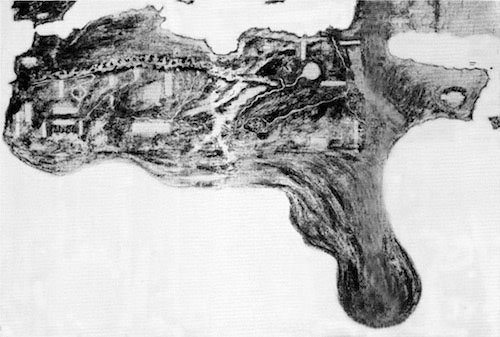
africa, etc., in the laurentian portolano of 1351. hakluyt. s. i. v. c
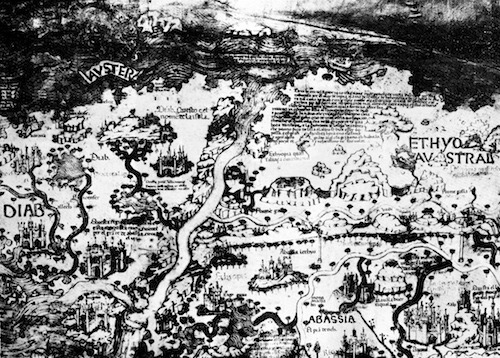
s. africa, according to fra mauro (1457-9). hakluyt.