THE FIRST MINSTREL PERFORMANCE. (continued 2)
Reading edition
He was with Matt. Peel’s Minstrels in 1858; with Sanford’s Minstrels in Philadelphia, and later with Carncross and Dixey’s Co. in the same city. Mr. Berger was business manager for Fox’s Theatre in Philadelphia, in 1876.
Paul Berger died in Philadelphia, October 8, 1894; age 67 years.
John Mulligan was an altitudinous comedian, and in the old nigger acts with performers of immature stature, in the ludicrous make-up he invariably affected, he was screamingly funny. His first professional appearance was with Raymond and Waring’s Circus; his first minstrel engagement was with the Perham Company more than fifty years ago. Mr. Mulligan appeared for several seasons in the various variety houses controlled by George Lea.
In June, 1866, he commenced an engagement at Hooley’s Minstrels in Brooklyn, remaining fifteen months; subsequently he was with the San Franciscos in New York.
January 2, 1871, when Hooley invaded Chicago, Mr. Mulligan was with his company.
Mr. Mulligan was most happily married, and his domestic life was an ideal one.
John Mulligan was born in New York City, 1827, where he died July 28, 1873.
Charles Christie, who had various companies bearing his name, notably one in England about 1866, died in Kansas City, Mo., February 12, 1897; age 69 years.
Fred Wilson. The distinction of being the oldest living minstrel undoubtedly belongs to the subject of this sketch, who made his first appearance about 1843, and for four or five years allied himself with many of the various minstrel companies that sprang up after the success of the parent organization.
In 1848 he joined “Bije” Thayer’s Minstrels, a prominent Boston Company.
While Mr. Wilson was not the first to do clog dancing in this country, he was undoubtedly the first to do so in a minstrel company.
In the Fall of 1858 he joined Bryant’s Minstrels in New York, and about December 1, that year, made his first appearance in Boston with the Morris Bros., Pell and Trowbridge’s Minstrels, where he made a lengthy stay.
April 29, 1861, he opened with Lloyd’s Minstrels in New York, closing May 25, following. Later he went to China in a government capacity, but not liking the cooking in the Celestial Empire, returned to the United States, arriving January 25, 1864.
(Charley) Morris and Wilson’s Minstrels opened at their permanent home in St. Louis, April 10, 1865; the partnership was dissolved in February, 1867.
Fred Wilson’s Minstrels toured for two or three years, and then Mr. Wilson made another foreign trip; but returned in the Summer of 1871.
In 1872 he was with Cal. Wagner’s Minstrels, and in 1875 made another foreign invasion, remaining abroad five years, returning in 1880 and joining Haverly’s Minstrels. Subsequently Mr. Wilson, whose specialty for many years had been clog dancing, except in 1852 when he was a clown in a circus, took up executive duties with many minstrel and other organizations. He also promoted several attractions of his own.
Fred Wilson was born in Boston, Mass., November 9, 1827.
Sam Hague, the famous English minstrel manager, began his career as a clog dancer.
He visited the United States in 1850 with his brothers Thomas and William; later he was a partner of Dick Sands, also Tim Hayes.
He toured the United States for several seasons with Hague’s Concert Company, and in 1865, with Cal. Wagner, formed Wagner and Hague’s Minstrels.
He also organized Hague’s Georgia Minstrels, a company of negro performers, and gave the first performance at Macon, Ga.
Later they sailed for England, and opened at Liverpool, July 9, 1866, and scored a failure. Subsequently Mr. Hague engaged white performers for the principal parts, and retaining some of the colored men, gave a performance that achieved success.
He organized a permanent minstrel company in Liverpool, and opened there in St. James Hall, October 31, 1870, and remained eighteen years, after which they made brief tours, up to the time of Mr. Hague’s death.
He visited the United States with Hague’s British Operatic Minstrels, opening in Philadelphia, September 12, 1881.
Sam Hague was born in Sheffield, England, in 1828; he died in Liverpool, England, January 7, 1901.
George L. Hall has the distinction of being the oldest living minstrel balladist. His first appearance was at Georgetown, D. C., October 14, 1848, with the Beck Family.
Mr. Hall has long since retired from active theatricals, but during his long career as a vocalist he was associated with some of the most famous organizations in minstrelsy.
Among the most prominent ones that may be mentioned are: Sanderson’s, in Baltimore; Sanford’s, in Philadelphia; George Christy’s, and Bryant’s, in New York; Skiff and Gaylord’s, Johnny Booker’s, Sam Price’s and Boyce and Mudge’s.
Wm. D. Hall, the well-known minstrel and author, in Philadelphia, is a son of Mr. Hall.
Geo. L. Hall was born in Baltimore, Md., May 5, 1828.
Charley Fox was one of the most popular comedians and banjoists of his day.
His first appearance was in 1848. About 1854 he came to New York, and for many years was identified with the best permanent organizations. He was of the original company of Bryant’s Minstrels, New York, February 23, 1857.
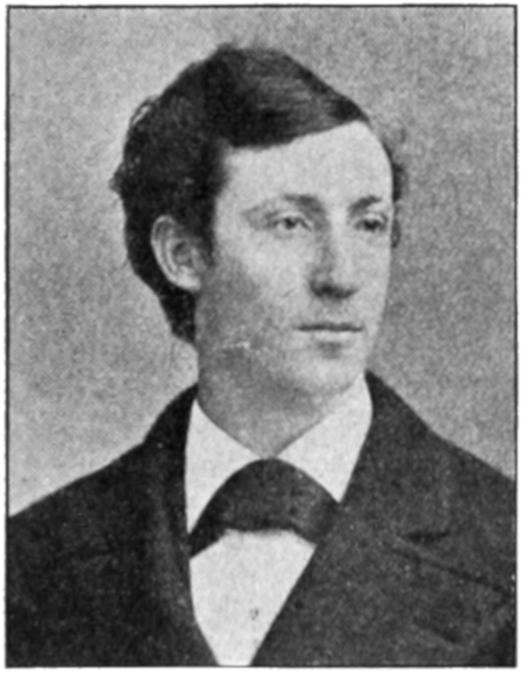
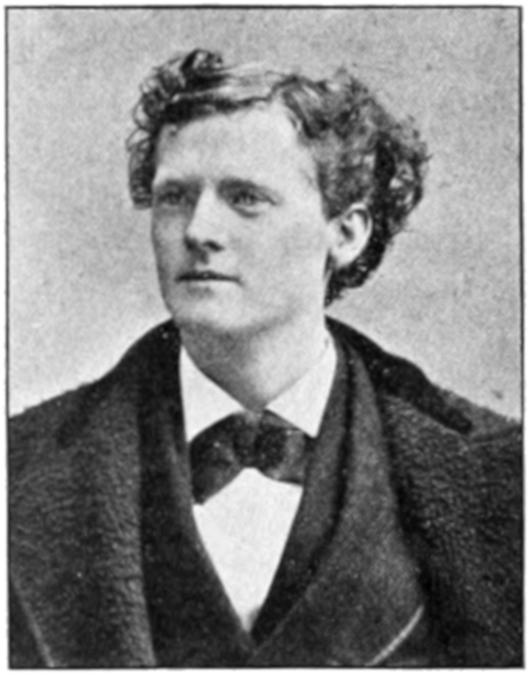
BILLY WELCH JOHNNY RICE
(WELCH & RICE.)
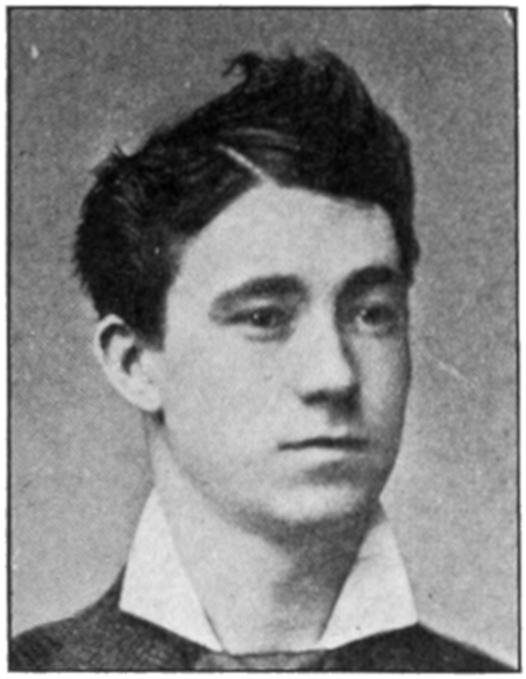
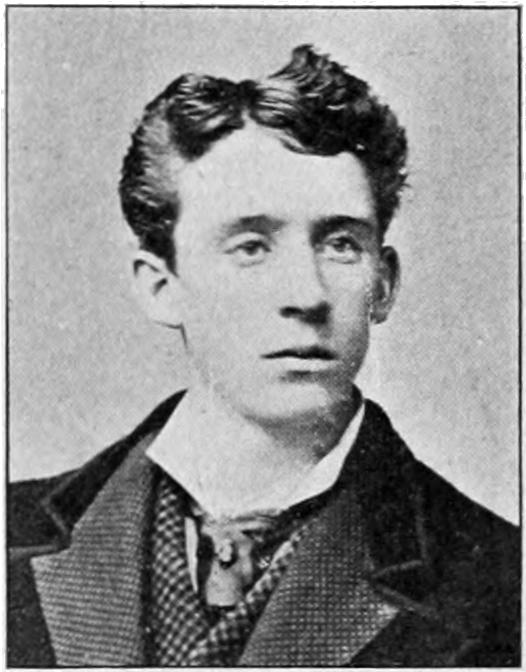
EDDIE GIRARD WILLIE GIRARD
(GIRARD BROS.)
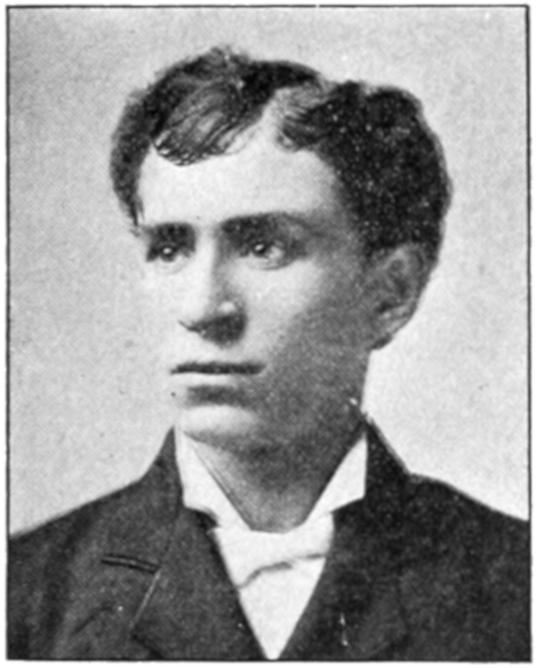
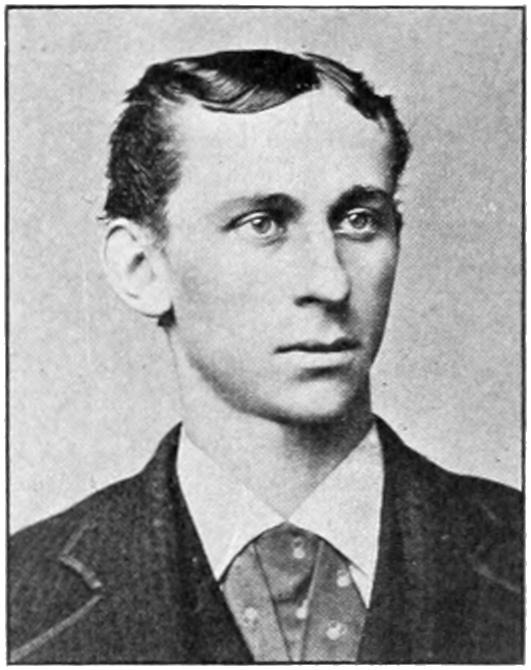
J. MELVILLE JANSEN GUS. BRUNO
(KNOWN AS JOHNSON & BRUNO.)
He was with Lloyd’s Minstrels in 1861, and several seasons with Wood’s Minstrels; all in the metropolis. His last appearance was December 22, 1864.
Charley Fox was born in Brooklyn, N. Y., November 15, 1828; he died in New York City December 26, 1864.
George H. Coes was a splendid “straight man”, possessed a fine voice, and was an excellent banjoist.
He went to California about 1852 from the east, and identified himself with several minstrel companies there. He remained a few years, and then returned to New York, where he opened with Wood and Christy’s Minstrels, October 15, 1857. In the Spring of the following year he again went to California, where he appeared with George Christy’s Minstrels. In 1859, with Sam Wells, he organized Coes and Wells’ Minstrels in California.
A few years later he again came East, subsequently joining the Morris Brothers’ Minstrels in Boston. He left them February 13, 1866, and on the following March 5, he was at the opening of Seaver’s Minstrels in Brooklyn, N. Y., in the theatre that is now known as the Novelty. A year later, with S. S. Purdy and Frank Converse, Purdy, Coes and Converse’s Minstrels were organized.
Mr. Coes flayed stock engagements at Pastor’s, Bob Butler’s and John Hart’s theatres in New York City for many years. He formed a partnership with Luke Schoolcraft in 1874, which terminated in 1889.
George H. Coes was born in Providence, R. I., about 1828; he died in Cambridge, Mass., March 16, 1897.
Arthur Moreland, Bobby Newcomb and Luke Schoolcraft were born on three successive days, respectively, in 1847.
Jerry Bryant (O’Brien) was the oldest of the famous Bryant Brothers; he was an excellent comedian, and was especially good on the “bone end” of the minstrel first part.
He made his initial appearance as a ballad singer in 1842. Billy Whitlock, the “father of minstrelsy,” first brought him before the public.
In 1844 he became a member of the Ethiopian Serenaders, subsequently appearing with the Operatic Brothers and Sisters. In June, 1847, he formed one of the original Campbell’s Minstrels, organized in New York City.
The following year he played in London, England, with Major Dumbleton’s Ethiopian Serenaders. In 1849 he returned to America and made a tour of the country, and on April 8, 1850, he opened with Earl Pierce’s Minstrels at No. 442 Broadway, New York City; subsequently he went to Boston, where he met with much success with Ordway’s Aeolians.
When George Christy seceded from the E. P. Christy Minstrels, in New York, October 1854, Jerry Bryant took his (Christy’s) place, and remained with the company until it disbanded, on July 15, 1854; in September, the same year, he went with E. P. Christy’s Minstrels to California, and continued until the final dissolution of that company took place, a short time after their arrival. In San Francisco he next managed the San Francisco Minstrels, in conjunction with Eph. Horn and Sher. Campbell. In 1855 they went to Australia, subsequently returning to the United States, and on Monday, February 23, 1857, in conjunction with his brothers, Dan and Neil, and about ten others, the first performance of Bryant’s Minstrels was given in New York City, at Mechanics’ Hall, No. 472 Broadway.
Mr. Bryant was married in the Spring of 1859; his widow subsequently became the wife of Thomas Donaldson, proprietor of the London Theatre, New York.
Of Jerry Bryant it may be truthfully said that he was one of the most capable and popular performers that ever blacked up.
His last appearance was with his own company, April 2, 1861.
Jerry Bryant was born in Chesterfield, N. Y., June 11, 1828; he died in New York City April 8, 1861.
Mickey Warren was one of the most famous of the early jig dancers. He appeared with Charley White’s Minstrels in New York City in 1849, and was for a long time with Bryant’s Minstrels in the same city.
He died in New York City May 14, 1875; age 47 years.
Hy. Rumsey was one of the greatest banjoists of his day. In the middle 50’s he joined Campbell’s Minstrels, and continued with them until 1857, when, with W. W. Newcomb, he organized a company bearing their names, which traveled in the United States and Europe until 1862.
Mr. Rumsey subsequently organized Rumsey’s Minstrels, and traveled with it for several seasons.
He was one of the earliest performers to give imitations of the bell chimes on the banjo, and unlike most of his contemporaries, Mr. Rumsey invariably played while in a standing position.
Hy. Rumsey was born July 12, 1828; he died in Newburgh, N. Y., September 9, 1871.
Thomas L. Moxley was known as “Master Floyd” in his earlier career, which began with Kunkel’s Nightingales in the 50’s; he remained with them several seasons, chiefly as a female impersonator. He was the last survivor of that famous company.
He was born in Baltimore, Md., and died there July 7, 1890; age 62 years.
James Carroll was a capable and efficient “middle man” and vocalist of Bryant’s Minstrels in New York City at the time of his death there, April 11, 1861; age 32 years.
G. W. H. Griffin was one of the prominent men of minstrelsy; he excelled as an interlocutor, had a fine voice, was an actor of merit and was intellectual to a degree.
His first appearance was in 1850 with the Boston Harmonists in Palmyra, N. Y. In 1853 he joined Wood’s Minstrels in New York, and continued with them when the organization, a few months later, was known as Wood and Christy’s Minstrels. With the latter company he remained until May, 1854, when he went to California with George Christy’s Minstrels. A year later he returned East, and on February 6, 1860, in conjunction with Sher. Campbell and R. M. Hooley, he organized Hooley and Campbell’s Minstrels. This company continued until July 13, 1861.
October 28, following, Mr. Griffin and Mr. Hooley organized the famous Hooley Minstrels, giving the first performance in New York on that date.
Mr. Griffin severed connection with this company in August, 1862.
Season of 1862-63 he was with Bryant’s Minstrels in New York, and the following one with Hooley in Brooklyn, N. Y., and continued with him until 1866.
Early in 1867 Mr. Griffin and George Christy’s Minstrels were established in New York, where their final appearance was made September 23, same year.
Later Mr. Griffin was identified with the following well-known minstrel organizations: Kelly and Leon’s; Hooley, in Chicago, and Unsworth’s.
His last minstrel appearance was in Brooklyn, N. Y., January 8, 1875, with a venture of his own.
Subsequently he appeared in the variety theatres. His last engagement was with Harrigan and Hart Company, in Boston, Mass., June 7, 1879.
G. W. H. Griffin was born in Gloucester, Mass., March 21, 1829; he died in Brooklyn, N. Y., July 11, 1879.
Joseph Jefferson.—This famous American comedian, whose long association in the character of Rip Van Winkle endeared him to the hearts of thousands, at the age of four years, in Washington, D. C., was brought on the stage by the immortal “Daddy” Rice, and danced Jim Crow before an admiring audience.
Joseph Jefferson was born in Philadelphia, February 20, 1829; he died at Palm Beach, Fla., May 23, 1905.
Billy Coleman, a good general black-face performer and banjoist, a favorite of Charley White’s Melodeon in New York City in the 50’s, at one time associated with George W. Charles, the wench dancer, died in New York City June 4, 1867; age 38 years. He had retired from the profession about five years prior to this.
Sher. Campbell (Sherwood Coan) was conceded to be the greatest baritone singer that minstrelsy ever knew, although in his earlier days he had a fine alto voice. His first appearance was with Campbell’s Minstrels in 1849, in New York City, where he remained several years, subsequently joining Murphy, West and Peel’s Minstrels, with whom he continued a few seasons; later he was with E. P. Christy’s Minstrels in New York, and went to California with them in 1854, afterwards joining Backus’ Minstrels there, going to Australia with that company.
Returning to San Francisco in 1856, he remained there with different companies until 1858, when he joined George Christy’s Minstrels, returning to New York in May, 1859. The following year, with G. W. H. Griffin and R. M. Hooley, they organized Hooley and Campbell’s Minstrels.
August 5, 1861, he opened with Bryant’s Minstrels in New York; he remained two years; this was his last minstrel engagement. Later the Castle-Campbell Opera Company was organized, and Mr. Campbell’s success in that form of entertainment was in every respect equal to his minstrel triumphs.
Sher. Campbell was born in New Haven, Conn., May 16, 1829; he died in Chicago, November 26, 1874.
George W. Bailey, one of the early minstrel performers, who was with Sharpley’s and other first-class organizations, and who was a clever “straight” man and interlocutor, died at Milford, Mass., July 2, 1891; age 62 years.
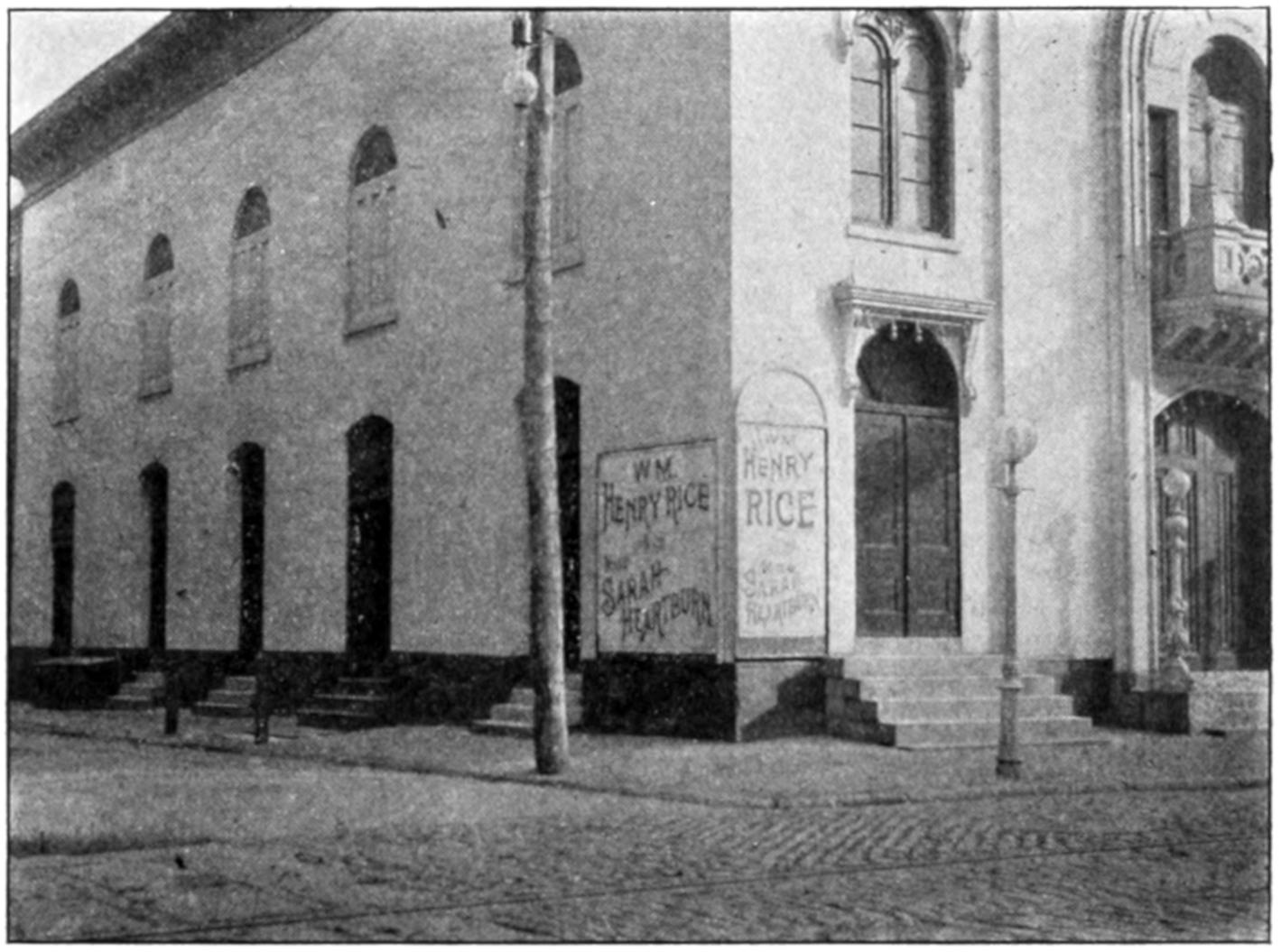
The 11TH ST. OPERA HOUSE, PHILADELPHIA. Now and for nearly sixty years a home of permanent minstrelsy.
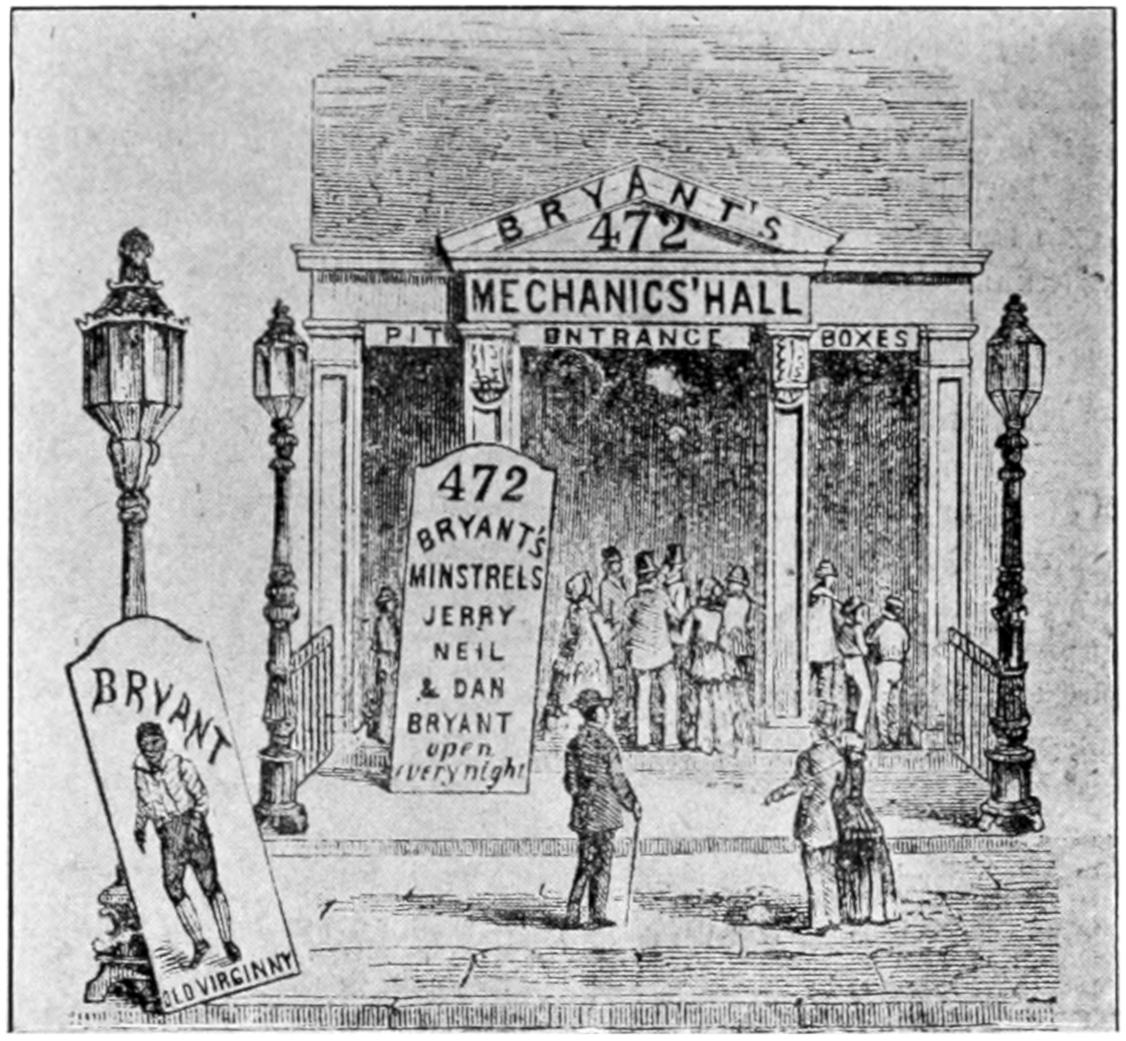
MECHANICS HALL; 1857. 472 Broadway, New York City; for many years the home of Bryant’s Minstrels. Only a memory now.
TWO FAMOUS MINSTREL EDIFICES; PAST AND PRESENT.
P. S. Gilmore, who organized and led for many years the famous band bearing his name, was a member of Ordway’s Aeolians in Boston, 1851, where he sat on the end and played the tambourine. June 24, 1851, he began an engagement in Hartford, Con., with the above company.
P. S. Gilmore was born near Dublin, Ireland, December 25, 1829; he died at St. Louis, Mo., September 24, 1892.
“Dad” Sarrissey (William H. Blackledge), an old-time banjoist and comedian, played several engagements at Charley White’s in New York, also Bryant’s Minstrels in the same city. His last appearance was about 1869.
He was born in New York City in 1829; he died there December 15, 1889.
Ben Mallory was especially well known as a dancer. He was with E. P. Christy’s Minstrels in New York, and in the same city was one of the original members of Bryant’s Minstrels in 1857.
He was born in New York in 1829; he died in Savannah, Ga., November 2, 1859.
Ben Cotton. One of the truly great names in minstrelsy was Ben Cotton—not so great in 1845, when running away from home, yet early in his teens, he joined the Amburgh Circus, as in 1906 he made his final appearance at Tony Pastor’s, New York City, doing, not the aged darky act, by which character he was most familiarly known, but the dandy of the present; the beard he had been wont to wear for many years was shorn for this occasion. It was no longer “old Ben Cotton,” but “young Ben Cotton” that the audience received and applauded. Only the initiated could have known that the “darkey” before them was 76 years of age, and it is the writer’s proud boast that he was at Pastor’s to give Ben Cotton a “hand” on his entrance, and remaining until the evening performance, again led with the veteran’s reception; and Ben Cotton “made good.”
When Julian’s Serenaders opened the famous Eleventh Street Opera House (then known as Cartee’s Lyceum), in Philadelphia, December 4, 1854, he was a member of the company. His next prominent engagement was with Matt Peel’s Minstrels. Here he made a big success as “Old Bob Ridley”, a character portraying the aged negro, which he did with remarkable fidelity. Afterwards he was on the steamer “Banjo”, which plied the Mississippi River, giving entertainments on board, stopping at the various towns on its course. This engagement gave him an opportunity to study the negro at close range, which he was quick to take advantage of, and it served him in good stead during his entire career.
Returning to New York, Birch and Cotton’s Minstrels played a successful engagement at No. 444 Broadway; and in 1862 they went to San Francisco, this being Cotton’s first appearance there. He remained under Tom Maguire’s management for three years.
With Joe Murphy, Cotton and Murphy’s Minstrels were organized about March 1, 1865; the organization continued two years, when, Murphy retiring, it became Cotton’s Minstrels.
In 1870 he joined Manning’s Minstrels in Chicago, playing an extended engagement there. Later Arlington, Cotton and Kemble’s Minstrels were launched in the same city, and met with such success that a theatre was built especially for them. Accordingly, Myers Opera House, Chicago, was opened with this company September 23, 1872.
Early in 1875 he was with Billy Emerson’s Minstrels at Hooley’s Theatre, Chicago, and that same year, with Dave Reed, opened the Twenty-third Street Opera House, New York, which had lately been vacated, owing to the death of Dan Bryant. The company was known as Cotton and Reed’s Minstrels.
A short season of management at Wood’s Museum, Chicago, not proving successful, with his wife and daughter he produced and played for many years “Faithful Bob”; later this play was known as “True Devotion”.
In 1878 he returned to minstrelsy for a few months, forming an alliance with Cal Wagner, known as Cotton and Wagner’s Minstrels.
In 1886 Birch and Cotton’s Minstrels again took the road; following this, he played a few seasons in California with a repertoire company.
Engagements of late years were character parts in “The War of Wealth”, “The New South” and “As Ye Sow”.
Ben Cotton was thrice married.
Ben Cotton, Jr., who is dead, and Idalene Cotton, who is the wife of Nick Long, are his children.
Ben Cotton was born in Pawtucket, R. I., July 27, 1829; he died in New York City, February 14, 1908.
Anthony Nish was well known for many years as a minstrel “leader.”
His first theatrical appearance was in the 50’s, with Parham’s Minstrels. July 11, 1857, he sailed for England with Raynor and Pierce’s “Christy” Minstrels, opening in London, August 3, following.
He continued with this company for a lengthy period, later organizing a troupe of his own. He finally returned to London, and was with Moore and Burgess’ Minstrels for many years.
He was born in New Castle, England; he died in London, England, October 3, 1874; age 39 years.
J. B. Murphy was a well-known composer, vocalist and manager. He had been with Beler’s Campbell Minstrels in 1861, and with Lloyd and Bidaux’s, where he commenced an engagement January 21, 1867.
He died in Jersey City, N. J., July 13, 1871.
George W. Herman (Simonson), well and favorably known as a black-face comedian and banjoist, and a brother of J. A. Herman, died in Brooklyn, N. Y., about August, 1882.
Joseph Mortimer (Mocherman) began his professional career in the variety theatres as a black-face banjo player; later he was with Gardner and Forepaugh’s Circus.
His first managerial experience was with the Canterbury in Philadelphia in 1864.
Subsequently he assumed control of what is now known as the National and Casino Theatres in the same city, the former on February 6, 1871; the latter August 23, 1873.
He retired from the management of the Grand Central Theatre, June 24, 1876, and took the management of Matt Morgan’s Variety Company. This was his last theatrical enterprise.
Mr. Mortimer was twice married—first to Effie Walters, who was later known as Florence Stover, and later to Ida Morris; both were professional ladies.
Wm. A. Mortimer, the well-known actor of Corse Payton’s Stock Company, is his son.
Joseph Mortimer was born in Harrisburg, Pa.; he died there January 6, 1880.
THE MORRIS BROTHERS.
The careers of Lon and Billy Morris were practically contemporaneous.
Their first professional appearance was made at Charlotte, N. Y., in 1845, at a very early age.
About 1852 they joined Ordway’s Aeolians in Boston, where they remained five years, and met with such success that, in conjunction with Johnny Pell and J. T. Huntley, they organized a company bearing their names, and opened at the Howard Athenaeum in Boston, December 25, 1857.
Early in 1859 Mr. Huntley withdrew from the organization, and Jos. Trowbridge was taken as a partner.
Subsequently, through the death of Pell and the retirement of Trowbridge, the company was known as the Morris Minstrels, and as such they opened in St. Louis, Mo., November 6, 1867.
About two years later the organization disbanded, and Lon and Billy Morris took up other pursuits.
Both were comedians of ability; Lon was the tambourinist and Billy the bones of the troupe.
Charley Morris, who was at various times agent, performer and manager, began his theatrical career simultaneously with his brothers in 1845, and was associated with them practically until July 27, 1861, when, in conjunction with W. H. Brockway and John E. Taylor, he organized a company, opening at Gloucester, Mass.
In 1863 Mr. Morris was associated in the management of the Morris Minstrels with Add Weaver; April 10, 1865, with Fred Wilson, he opened in St. Louis, Mo., a permanent minstrel company that was successfully run until the dissolution of the partnership, February, 1867.
Mr. Morris subsequently conducted his own minstrel companies until about 1878, and about a year or so later retired from active management.
Mr. Morris excelled as a banjoist.
Lon Morris was born in Fort Erie, N. Y., May 15, 1830; he died in New York, May 6, 1882.
Billy Morris was born in Rochester, N. Y., April 11, 1831; he died in Boston, Mass., October 11, 1878.
Charles A. Morris was born in Rochester, N. Y., March 27, 1834; he is now a guest of the Actors Home in Staten Island, N. Y.
Sam Sharpley, Nelse Seymour, James Unsworth, James Budworth and Dan Bryant—all died within a hundred days in 1875.
“Pop” Reece (Lewis M. Reece) was an old-time performer. As early as June 18, 1856, he was a member of Dave Reed’s Minstrels on the steamer “James Raymond.”
He died in Brooklyn, N. Y., December 18, 1890; age about 60 years.
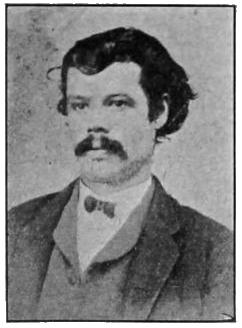
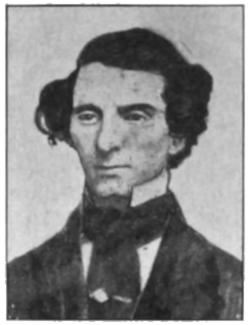
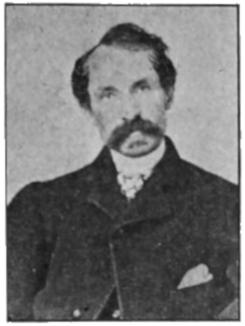
HANK. GOODMAN MATT. PEEL W. W. NEWCOMB
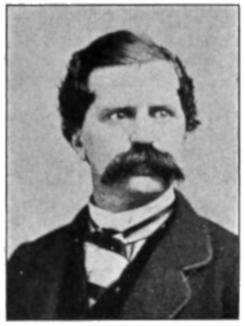
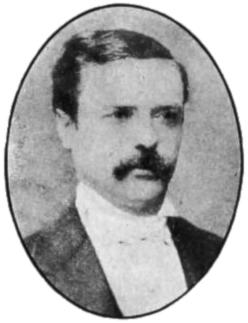
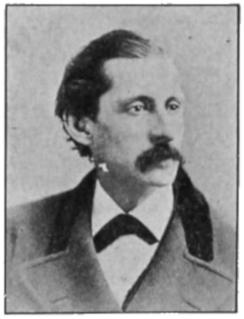
JOHNNY BOOKER FAYETTE WELCH NELSE. SEYMOUR
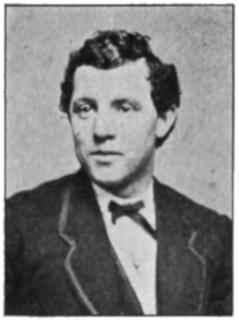
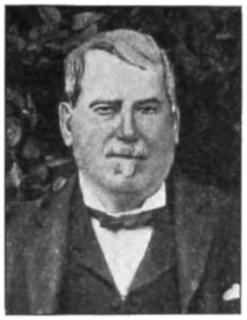
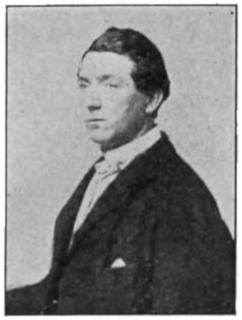
JOHN A. MACK “PONY” MOORE NEIL. BRYANT
THE OLD GUARD.
Dave Braham, whose catchy melodies did so much to make Harrigan and Hart’s series of plays so successful, was long in the minstrel business, and as early as May 13, 1862, played at the Academy of Music, New York.
He was born in England, and died in New York City, April 11, 1905; age 65 years.
“Young Dan Emmett” (Harry Huntington), a comedian who was with several minstrel companies, died in Elmira, N. Y., July 15, 1861.
Denny Gallagher, one of the best known of black-face performers about fifty years ago, entered the profession about 1848, doing Irish songs and dances in white face.
In conjunction with Andy Leavitt and John Mulligan, they formed a trio which for genuine black-face comedy has never been excelled. They played three years at the Melodeon in New York.
Denny Gallagher was born in New York in 1830; he died in Philadelphia, November 23, 1868.
Mike Mitchell was one of minstrelsy’s greatest dancers.
He had his own minstrel company on the road in the 50’s, and had been associated with many first-class organizations.
He died in Victoria, B. C., January 13, 1862; age 32 years.
Charles Koppitz, a famous musician, who achieved prominence in other lines, was with George Christy’s Minstrels in California in 1858 in the capacity of musical director.
He was born in Holstein, Germany; he died in St. Johns, N. B., June 22, 1873; age 43 years.
Dave Carson was another performer and manager who was best known abroad. He sailed for Australia in 1853, and for many years played in every section of that country.
He returned to New York about 1869, and after appearing here for a while he again went abroad.
He was born in New York about 1830; he was living as late as 1875.
Dan Holt, a well-known black-face performer in the South many years ago, died in New Orleans, La., October 10, 1867.
Tom Prendergast was a prominent tenor vocalist.
He was one of the original members of Bryant’s Minstrels in New York, opening February 23, 1857. In 1864 he was with Hooley in Brooklyn, and had been associated in minstrel ventures with Cool. Burgess, Archie Hughes and D. C. La Rue.
He retired about a year previous to his death, which occurred in Utica, N. Y., March 6, 1869; age 39 years.
Albert Jones (Silcox) was a good comedian and general performer; in Boston and Chicago, he was especially well known, having been connected with prominent companies in those cities.
He died in Boston, Mass., November 25, 1866; age 36 years.
William N. Smith at the time of his death was considered one of the greatest bone players in minstrelsy.
He had played many engagements with various companies. He was the first to give imitations of the snare drums with the bones.
Owing to an accident, he was compelled to retire from the profession, which he did April 18, 1867. He died in New York, February 4, 1869.
Mike O’Brien, an old-time banjoist and ballad singer, who had been with Sanford’s and other minstrel companies, died at Algiers, La., April 28, 1869.
Edwin Holmes, a popular minstrel tenor, who was with Duprez and Green’s and later Duprez and Benedict’s Minstrels for about six years, commencing in 1862, died in Boston, Mass., July 11, 1879.
Ned Greenland was one of the best beloved characters in theatredom. Though many years dead, his praises are yet sung to-day. He was treasurer and business agent for Hooley’s Minstrels in Brooklyn, N. Y., for several seasons.
He died in Brooklyn, N. Y., August 4, 1883.
Mike Kanane, a famous dancer in the good old minstrel days, died in San Francisco, Cal., December 7, 1886.
Stephen B. Ball was a famous vocalist of Ordway’s Aeolians in Boston as early as 1851; he retired about 1856, and became director of the choir of the Old School Street Church in that city. He was a fine singer and vocal teacher.
He died in Boston, Mass., September 27, 1881.
Harry Lehr. Of this famous minstrel’s talents and abilities there was no divergence of opinion; manager, critic and performers were unanimous in their verdict that he never had a superior as a comedian. One manager, John L. Carncross, went further and declared that he never had an equal.
His first professional appearance was with a small minstrel company in Camden, N. J., February 22, 1846.
At the age of 16 he organized a troupe of his own.
In 1852 he was with Kunkel’s Nightingales, and subsequently with Rumsey and Newcomb’s Minstrels, with whom he remained until the Spring of 1861. Subsequently he became a member of Hooley’s Minstrels in Brooklyn, N. Y., and in 1864 joined Carncross and Dixey’s Minstrels in Philadelphia and remained there for seven seasons.
In 1871-72 he was with Simmons and Slocum’s Minstrels, also in Philadelphia. In 1872 he re-joined Carncross and Dixey, and continued with them until November, 1875, when he made his final stage appearance.
Mr. Lehr was thoroughly legitimate in each character he portrayed; he was the “darky” in life as well as color.
Harry Lehr was born in Philadelphia, October 7, 1830; he died there September 10, 1881.
Dave Reed. The career of this famous old-timer practically began with minstrelsy itself.
He it was, with Dan Bryant, who did so much to popularize “Shoo Fly” more than forty years ago; and “Sally Come Up” will always be identified with his memory.
But as a bone player, Dave Reed is probably best remembered; his imitations of drums, horses running and the like were wonderful; the art practically died with him. Mr. Reed’s career began about 1844 with a small traveling company. He played in and around New York for several seasons and later went West.
June 18, 1856, Dave Reed’s Minstrels were the feature performance on board the steamer “James Raymond”, plying the Mississippi.
Mr. Reed was with Hooley’s Minstrels in New York in 1861; subsequently with the latter in Brooklyn. He joined Bryant’s Minstrels in New York in 1863; he was there when Dan Bryant died, April 10, 1875. In between, about 1868, he was with Kelly and Leon, also in New York.
About twenty-five years ago Dave Reed, his wife and four clever children made their appearance in vaudeville as the Reed Family; later they were known as the Reed Birds. He retired in 1903.
Dave Reed, Jr., the popular song composer, is his son.
Dave Reed was born in New York, November 18, 1830; he died there December 5, 1906.
Billy Birch was a name to conjure with for many years, especially in the Metropolis. He made his first appearance in New Hartford, N. Y., in 1844 with a minstrel show, as an amateur.
His initial professional appearance was with the Raymond Minstrels at Stamford, Conn., in 1846.
Subsequently he was identified with many prominent organizations until 1850, when he appeared first in New York with Fellowe’s Minstrels.
When Wood and Christy were running two houses on Broadway, 444 and 472, Birch and Geo. Christy would simultaneously appear at their respective theatres in the first part, and would then proceed to the other theatre and finish their performance for the evening; this was about 1855. In 1851, with Sam Wells and Dick Sliter, he opened in San Francisco with Birch, Wells and Sliter’s Minstrels, and remained six years; under the management of Tom Maguire.
August 20, 1857, Mr. Birch sailed for New York, and a few days later was wrecked off the coast of Charleston, S. C.; he finally made his way to New York, where he played a brief engagement with Bryant’s Minstrels, commencing September 28.
In February, 1858, Birch’s Minstrels opened in Chicago; subsequently he was one of the performers on the steamer “Banjo,” which plyed the Mississippi River. Afterwards Mr. Birch was associated in several minstrel ventures with J. B. Donniker, Joe Murphy, Sam Sharpley and Ben Cotton. With the latter he formed Birch and Cotton’s Minstrels in San Francisco in 1862; likewise nearly a quarter of a century later (July, 1886) did these old minstrels reunite, and the great California metropolis again saw Birch and Cotton’s Minstrels.
September 15, 1864, Birch, Dave Wambold and Charley Backus opened in San Francisco as the San Francisco Minstrels, and in January, 1865, Wm. H. Bernard joined the organization. In March following they sailed for New York, and on May 8th, 1865, gave their first performance at 585 Broadway; four days previous they appeared in Newark, N. J.
The company continued at 585 until April 27, 1872; on August 28, 1872, as Birch, Wambold and Backus’ Minstrels, they opened at St. James Hall, the present site of the 5th Avenue Theatre; season of 1873-74 the company traveled, and on September 3, 1874, they opened at their own new theatre on Broadway, until when recently demolished, known as the Princess Theatre.
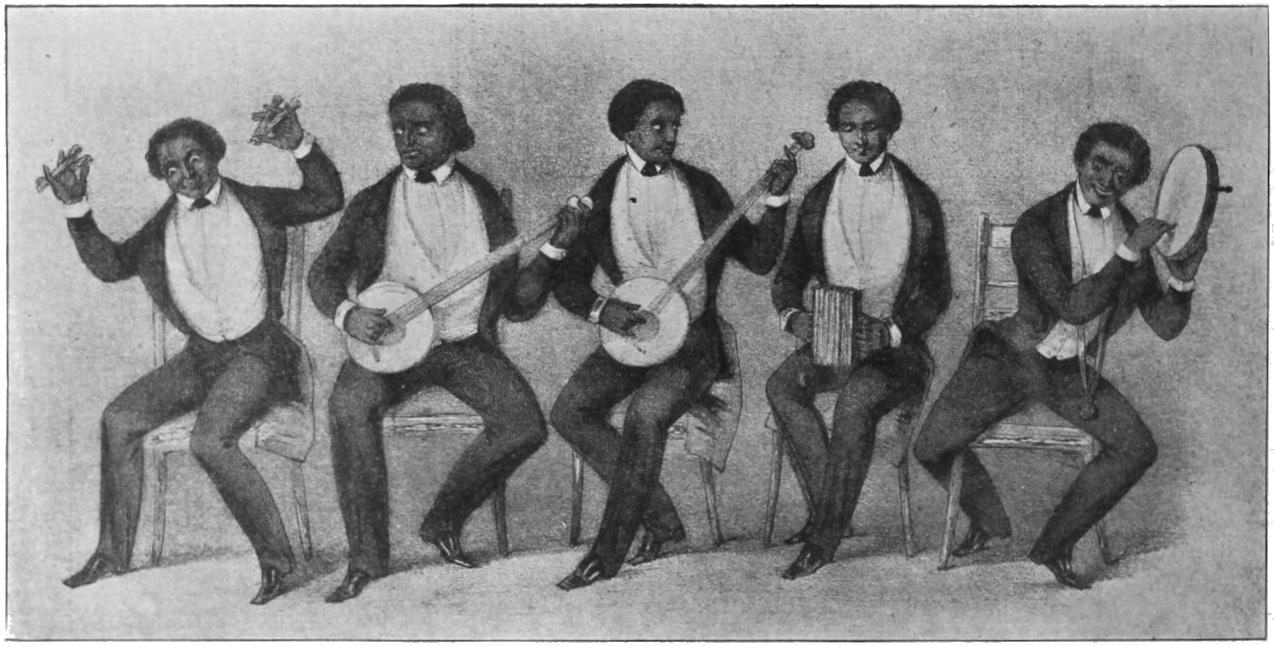
ETHIOPIAN SERENADERS; 1847.
Their full names were, respectively, Gilbert W. Pell, Geo. A. Harrington (not Geo. Christy), Wm. White, Moody Stanwood, Francis Germon.
They continued until 1880, when the company was known as Birch and Backus’ Minstrels, and remained as such until late in 1882, when it became Birch, Hamilton, and Backus’ Minstrels; this alliance was short lived, and the season of 1882-83 finished as Birch and Backus’ Minstrels.
August 27, 1883, Birch’s San Francisco Minstrels opened; December 3, “Jack” Haverly became a partner, but on December 29, 1883, the last performance of the famous San Francisco Minstrels was given in New York.
In the fall of 1884 with Harry Kennedy he again launched Birch’s San Francisco Minstrels, but lasted only a few weeks; in November, 1886, he returned to his “old home” as a member of Lew Dockstader’s Minstrels, for a short sojourn. In 1889 with Frank Moran he organized Birch and Moran’s Minstrels, and on July 17, 1890, he began his last minstrel engagement with Wm. Henry Rice’s World’s Fair Minstrels.
Birch was a typical comedian of the old school of minstrelsy.
Billy Birch was born in Utica, N. Y., February 26, 1831; he died in New York City, April 20, 1897.
Charles Backus, of the famous San Francisco Minstrels “quartette,” and one of the principal comedians of the organization, achieved wide fame for his impersonations of prominent actors, in which he was an adept.
He went to California in 1852, and two years later organized Backus’ Minstrels there; in 1855 he took the company to Australia, and a few years later organized Horn and Backus’ Minstrels; in 1859 he again went to Australia, and appeared as a negro clown in Burton’s Circus.
He returned to San Francisco in 1861, and after playing several engagements there, on September 15, 1864, was one of the organizers of Birch, Wambold and Backus’ Minstrels; his career from that time until his death was linked with that of Billy Birch.
Mr. Backus was married to Leo Hudson, the famous equestrienne; he was divorced in March, 1866; subsequently he married Miss Kate Newton, the well-known actress.
On October 17, 1876, in Philadelphia, he married Miss Tizzie Mason.
Charles Backus was born in Rochester, N. Y., in 1831; he died in New York City, June 21, 1883.
Dave Wambold, universally conceded as minstrelsy’s greatest balladist, made his first appearance with a small minstrel company in 1849; his New York debut was made with Donaldson’s Minstrels four years later; he subsequently appeared with Charley White’s Minstrels in the same city for two years.
In August, 1857, he opened with Raynor and Pierce’s Minstrels in London, England, and remained in Europe with various organizations for several years.
In addition to being a remarkable singer, it is not generally known, but nevertheless a fact, that Mr. Wambold was the first performer to do a Dutch part in black-face; his dialect was one of the best.
September 15, 1864, he organized with Birch and Backus the San Francisco Minstrels, opening in New York in May, 1865; he continued with the organization until May 1, 1880, when owing to ill health, he retired from minstrelsy, at Holyoke, Mass.
Mr. Wambold married Miss Isabella Young in Philadelphia, April 25, 1859.
Dave Wambold was born in Elizabethtown, N. J., April, 1836; he died in New York City, November 10, 1889.
Tom Lewis says that when making the parade in Lynchburg, Va., about ten or twelve years ago, a “rube” asked him (Lewis) what “society” it was. “Sons of Poor Parents,” replied Lewis.
Billy West, who happened to overhear the retort, also said something.
Wm. H. Bernard (White) was the greatest interlocutor, or middle-man, that minstrelsy has ever known.
He is credited with having organized the first minstrel company in San Francisco; this was in August, 1849; performances were in the Parker House, and patrons gladly paid $5.00 per ticket for the privilege of seeing the minstrels. “Those were the happy days.”
In the winter of 1849 he made a trip to the Sandwich Islands as one of the “New York Serenaders,” and in 1850 he went to Sydney, Australia, and gave the first minstrel performance that the big island ever saw; subsequently he went to India, and was the first to introduce minstrelsy there.
In January, 1865, he joined Birch, Wambold and Backus with their company in San Francisco, and until the Spring of 1872, when he retired permanently from the profession he so long and ably graced, he was associated in partnership with those gentlemen.
William H. Bernard was born in New York City, in 1830; he died there January 5, 1890.
Charles A. Morningstar, a well-known agent and manager of the 60’s, and proprietor of Morningstar’s Minstrels in 1863, was murdered near Mobile, Ala., December 27, 1871.
Frank Kent was one of the early female impersonators, or wench dancers, as these performers were originally known.
In December, 1842, at the Franklin Theatre in New York, Master Kent appeared in a variety entertainment.
For many years he appeared with the various minstrel companies, notably Howard Burlesque Opera Troupe; San Franciscos in New York; Duprez and Benedict, in Philadelphia; Duprez and Green’s; Arlington, Cotton and Kemble’s in Chicago, and Morris Brothers, Pell and Trowbridge, in Boston. In all probability his last appearance in minstrelsy was with Wm. Henry Rice’s Company, commencing July 17, 1890.
Frank Kent was born in Salem, Mass.; he died in Cooperstown, N. Y., August 15, 1906; age about 75 years.
Thomas P. Brower, a brother of Frank Brower, one of the organizers of the first minstrel show, and himself a performer of ability, died in Philadelphia, March 15, 1867; age 37 years.
Duke Morgan, an old-time violinist and musician of the real early days of minstrelsy, died in New York City in October, 1881.
Otto Burbank was one of the best jig dancers in the early minstrel days, likewise a good comedian. He was prominently identified with some of the best minstrel organizations, notably Collins’ “Christy” Minstrels, in London, England, in 1862.
He died at Peoria, Ill., February 13, 1882.
Harry Pell, an old-time black-face comedian, who was an excellent stump orator, played several minstrel engagements, notably with the Morris company in 1863.
He died in New York City, June 1, 1866.
John Cluskey, at one time rated as one of the best dancers of his day, died at Albany, N. Y., September 17, 1864.
Alexander Zanfretta, the famous pantomimist, played important minstrel engagements, notably with Simmons and Slocum’s, in Philadelphia, and with Haverly.
He died in Brooklyn, N. Y., May 14, 1899.
Charles H. Duprez was one of the great managers of early minstrelsy.
In 1852 he made his entre into the profession at New Orleans, La., with the company that was afterwards known as Carle, Duprez and Green’s Minstrels. In 1858 the organization was known as Duprez and Green’s, and it remained as such until 1865 at Green Bay, Wis., when Mr. Green retiring, Lew Benedict purchased his interest, and Duprez and Benedict’s Minstrels were organized; Mr. Benedict retired from the company in 1876; Mr. Duprez continued on with the same trade-mark until about 1885, when retiring from minstrelsy he went into the hotel business in Lowell, Mass.
Charles H. Duprez was born in Paris, France, March 13, 1830; he died in Providence, R. I., August 31, 1902.
J. A. Basquin, a well-known minstrel singer, who was also known at various times as J. J. Roberts and J. Waterman, was a prominent member of Buckley’s Serenaders in the 60’s and early 70’s, also with Unsworth and Eugene in England in 1868.
J. A. Basquin was born in France; he died in Brooklyn, N. Y., January 27, 1872; age 42 years.
John Simpson, prominent for many years as business manager of Bryant’s Minstrels, in New York City, died November 15, 1881.
Wm. T. Bryant (O’Brien), a brother of Dan, Neil and Jerry, a mediocre performer, was with Bryant’s Minstrels in New York at the time of his death, September 23, 1865.
Joe Brown, one of the world’s greatest jig dancers, made his first appearance at Albany, N. Y., in 1844. His first New York engagement was in the fall of 1852; August 3, 1857, he opened with “Christy’s” Minstrels in London, England, remaining with, them until about 1860, when he joined Nish’s “Christy” Minstrels, opening in Cape Town, South Africa, August 20, 1862. Prior to the opening he and the company were shipwrecked, losing everything except his clothes; a handsome silver belt he won from Dick. Sliter in 1856 was amongst the things lost.
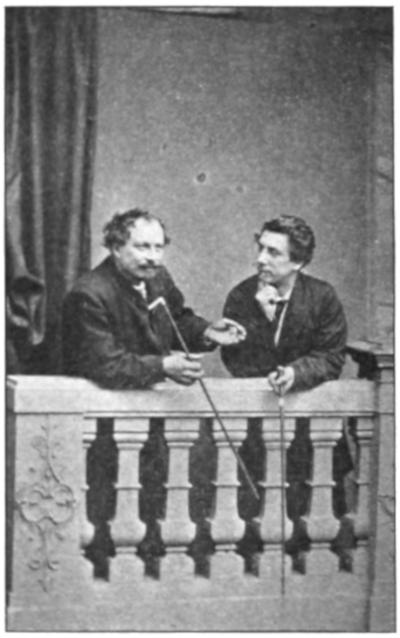
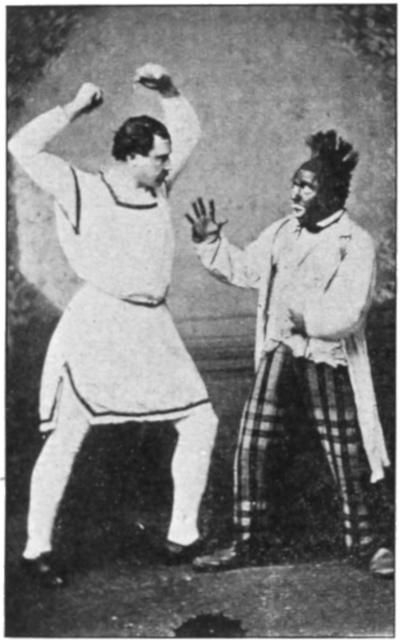
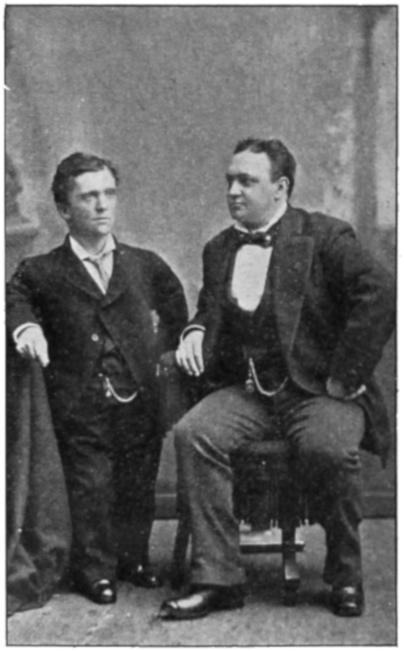
J. A. BASQUIN A. BAMFORD FRANK GIRARD BILLY BARRY “LITTLE MAC” BILLY RICE
“MERRY MINSTREL MEN.”
Returning to England in 1863, he organized Joe Brown’s “Christy” Minstrels, visiting Egypt and India; returning to London, opened at St. James Hall, June 11, 1866. In 1868 he paid a brief visit to the United States, then returned to England.
Joe Brown was born in Buffalo, N. Y., January 2, 1830; he died in Glasgow, Scotland, October 25, 1883.
C. D. Abbott was a prominent musician of the early days of minstrelsy, when those performers were artists in their respective lines, and each one was a soloist.
He died at La Salle, Ill., May 20, 1864.
Wm. Henry Rice made his first minstrel appearance September 19, 1859; “Daddy” Rice died exactly one year later.
Billy Blair, the old-time general minstrel performer who was with Christy’s Minstrels as early as May, 1856, also many other organizations, was a good “Bob Ridley” and end man. He died in Brooklyn, N. Y., January 19, 1888.
Johnny Booker (Sam. Roberts), was one of the early minstrel comedians and managers.
In the middle 50’s he toured with Booker and Evart’s Minstrels; subsequently Booker and Sliter’s and intermittently with Johnny Booker’s Minstrels. In the early days he made famous a song that had great vogue called “Meet Johnny Booker at the Bowling Green.” He was a member of Dave Reed’s Minstrels on board the Steamer “James Raymond,” June 18, 1856. Among the notable minstrel organizations he was with were Hooley’s, in Brooklyn, N. Y., 1862; Lloyd and Bidaux’s, 1867, and Arlington’s, in 1870.
Johnny Booker was born in Bowling Green, Ky., October, 1830; he died at Dayton, Ohio, October 25, 1898.
Henry Wood was one of the most famous of New York City minstrel managers. He entered the theatrical field at 444 Broadway, in 1851, with Jerome B. Fellowe, and conducted Wood and Fellowe’s Minstrels until February, 1852, when he had the show to himself.
Wood’s Minstrels continued there until October 31, 1853, when he formed an alliance with George Christy, and as Wood and Christy’s Minstrels they flourished until May, 1858.
“444” burned down December 2, 1854, the company then going shortly after to “472” Broadway.
Later, for a brief period, both houses were run simultaneously.
October 1, 1855, “444” reopened, and on October 31, 1857, they moved to their new Marble Palace, 561-63 Broadway; this house was closed September 3, 1859. Nine days later Mr. Wood returned to “444,” where he remained practically until July 7, 1862, when he moved his company to 514 Broadway.
Wood’s Minstrels ceased as an institution about 1866.
Mr. Wood was a brother of Fernando Wood, once Mayor of New York.
Henry Wood is said to have died about twenty-eight years ago; he is also said to be living.
Pete Lane was a great jig and a good general dancer. He was with Sanford’s Minstrels in Philadelphia in 1856; he died there June 27, 1858.
Charles Noble, the well-known minstrel bass singer who was with Thatcher, Primrose and West’s, and other well known minstrel organizations, died in New York City, June 8, 1892; age 62 years.
Bob Smith, the old-time minstrel performer, was associated with many of the best performers of his day.
As a tambourine manipulator he achieved particular prominence, and ranked with the best.
He died at St. Johnland, Staten Island, N. Y., April 20, 1900; age about 70 years.
Billy Wright, an old-time comedian, had some prominence as a “knife thrower.” His chief claim to fame lies in the fact that he was instrumental in obtaining an opportunity for the embryonic talents of Francis Wilson to be given recognition, which he did about 1865.
He died in Philadelphia, March 10, 1879.
Matt. Peel (Flannery). There are few who are alive to-day who remember the performances of this sterling young versatile performer, whose first professional appearance was made in New York in 1840. A few years later he joined Campbell’s Minstrels, the only organization at that time bearing that name.
He continued with this company several years, and on July 17, 1850, in company with James Norris, Jos. D. Murphy, and Luke West, organized another company; with the exception of the first named, all were performers. Subsequently and for a few years the organization was known as Murphy, West and Peel’s Minstrels, and later Matt. Peel’s Minstrels, by which it was known until the death of Mr. Peel.
Mr. Peel was one of the first minstrel performers to sing an Irish song on the end.
Matt. Peel was born in New York, January 15, 1830; he died in Buffalo, N. Y., May 4, 1859.
Charley O’Neill, a well-known comedian who was with Unsworth’s Minstrels in 1861, and subsequently with Hooley in Brooklyn, N. Y., committed suicide by drowning, in St. Louis, Mo., July 21, 1863.
John Hooley, a brother of the famous manager, R. M. Hooley, ran a minstrel company in Brooklyn, N. Y., in 1873.
He died there April 12, 1891.
Mert. Sexton was prominent as a comedian and dancer; his chief fame rested in his ability to dance the “Essence of Old Virginia.” He played with many famous organizations, notably Matt. Peel’s in 1858; Fox and Worden’s in 1859, and Collins’ “Christy” Minstrels in 1862; the two latter companies were in England.
Mert. Sexton is said to have died in Long Island City, N. Y., in May, 1866.
Seth Howard, one of the old-time interlocutors and straight men, who was one of the original Bryant’s Minstrels at Mechanics Hall in New York City in 1857, died at Hornellsville, N. Y., February 11, 1860.
George Langdon, an aged darky impersonator and singer, and who sang duets with John L. Carncross in Philadelphia before Carncross joined Sanford’s Minstrels in that city, died at Pawtucket, Mass., May 12, 1859.
Harry Evarts, who was associated with Johnny Booker with Booker and Evarts’ Minstrels in the 50’s, and was considered a good general performer, was in later years prominently identified with several companies in an executive capacity.
He was killed in a wreck near Hamilton, Canada, April 28, 1889.
Dick (Richard) Silver, was an early member of the famous Morris Bros., Pell and Trowbridge’s Minstrels in the 60’s.
At the time of his death he had been in the theatrical profession about seventy years.
Mr. Silver was born in Groton, Vt., he died in Traverse City, Mich., October 10, 1909.
Lew Rattler, long associated in the early days of minstrelsy in California, and a member of an organization of the same name in 1859, was a comedian of merit.
He died in San Francisco, Cal., March 27, 1905.
Theodore Gustave Bidaux who ranked with the great baritone singers of minstrelsy, came to America in 1858, and appeared with much success with the following well-known burnt cork organizations—Sanford’s, in Philadelphia; Lloyd and Bidaux’; Duprez and Green’s; George Christy’s; Manning’s; Haverly’s, and Wm. Henry Rice’s in Cincinnati.
Mr. Bidaux married a Mrs. Ayleen in 1867.
Theodore Gustave Bidaux was born near Paris, France, March 12, 1830; he died at Hatboro, Pa., March 5, 1886.
Sam Sharpley (Sharpe) was one of the most famous minstrel comedians and banjoists of his day. He first appeared professionally at the age of 16.
In 1858 he went to Sanford’s Minstrels in Philadelphia, where he became a great favorite. In 1860 he associated himself with John L. Carncross in Carncross and Sharpley’s Minstrels; that same year he also was partner with Birch and Sharpley’s Minstrels.
In the Fall of 1862 he launched his famous “Iron Clads” Minstrels. From 1865 to 1867 he was associated with Tony Pastor in the management of what is now known as the People’s Theatre in New York. In 1872 he formed an alliance with Swaine Buckley, and subsequently with Sheridan and Mack in minstrel organization bearing their names. He was a natural wit and a great entertainer.
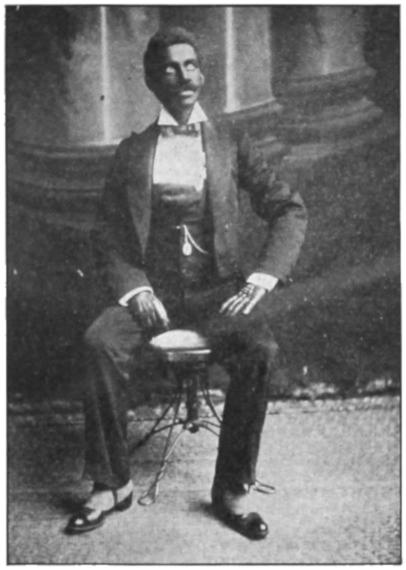
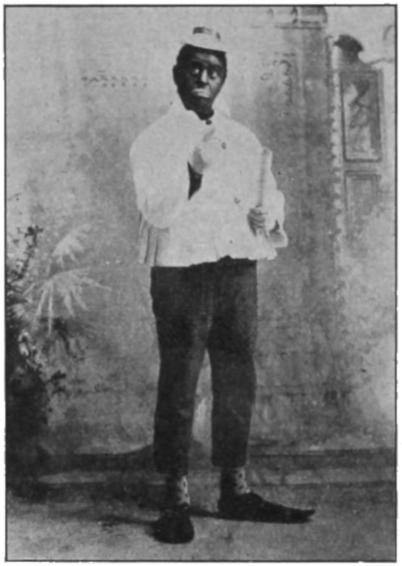
FRANK CUSHMAN HARRY C. SHUNK
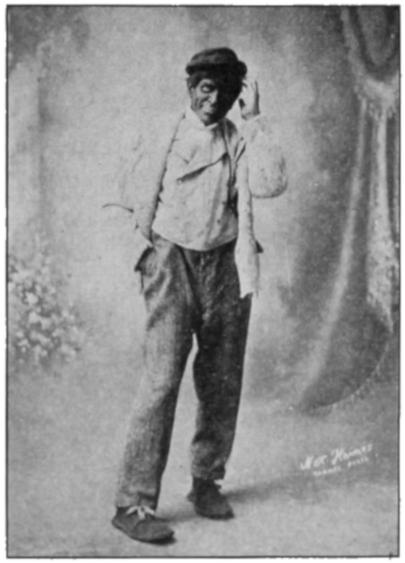
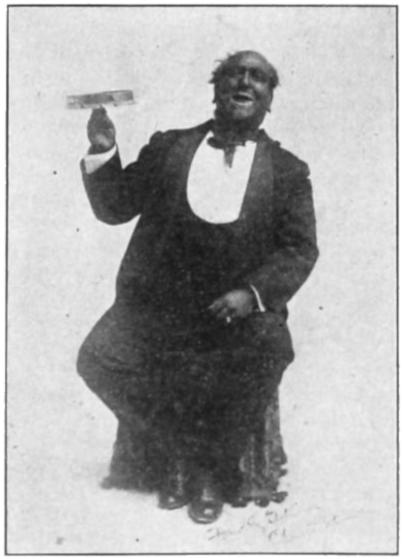
NAT. HAINES CHAS. J. STINE
A QUARTETTE OF CORKERS.
Sam Sharpley was born in Philadelphia, June 13, 1831; he died in Providence, R. I., January 1, 1875.
Harry Leighton, long and favorably known as a vocalist, did an end with Vogel’s Minstrels, April 16, 1908.
Archie Hughes (Arthur Hughes), was one of the biggest favorites of Hooley’s great minstrel company in Brooklyn, N. Y., many years ago.
There is a difference of opinion as to when and where he made his first appearance, but it is certain he was with Sam Sanford’s Minstrels, traveling in 1859; and equally certain that one evening during a performance with that company, a man in the audience became so enthused with Hughes’ dancing, that he took his watch from his pocket and gave it to him (Hughes); he finished the season at Sanford’s Theatre in Philadelphia in the Spring of 1860. About June following he joined Mrs. Matt Peel’s Minstrels; subsequently returning to Sanford’s in Philadelphia.
September 29, 1862, he opened with Hooley’s Minstrels in Brooklyn, at the initial performance of the organization.
In November, 1864, he began an engagement with Wood’s Minstrels in New York, and the following year was one of the proprietors of (Cool.) Burgess, (Tom) Prendergast, Hughes and (D. C.) La Rue’s Minstrels.
May 28, 1866, he returned to Hooley’s, and at the ending of the season of 1868-69, he went to England with Smith and Taylor’s Minstrels.
September 12, 1870, with Fayette Welch, and Cool. White, he opened Welch, Hughes and White’s Minstrels in Brooklyn, on the site now occupied by a large carpet store; the organization continued there for several months. In 1873 Mr. Hughes was with Sharpley, Sheridan and Mack’s Company, and two years later he rejoined Hooley in Brooklyn.
In December, 1880, he was a member of Kyle’s “Christy” Minstrels in Boston, and in September, 1881, he began his last engagement with Leavitt’s Gigantean Minstrels.
Mr. Hughes was a splendid comedian and a fine dancer; he specialized singing Irish songs on the end.
Archie Hughes was born in Albany, N. Y., about 1830; he died in Buffalo, N. Y., October 18, 1881.
P. B. Isaacs was one of the early minstrel leaders, and a fine musician. He was one of the original members of Bryant’s Minstrels in New York at their opening, February 23, 1857.
He was born in London, England, 1831; he died in San Francisco, September 6, 1865.
William Blakeney. The distinction of being the oldest minstrel leader in all probability belongs to William Blakeney, who made his first appearance with the Western Minstrels, an amateur organization in Pittsburg, Pa., in 1847.
He was five years with the Yankee Robinson Circus.
Late in 1860 he joined William Christy’s Minstrels, and in the Spring of 1861, went to Europe with Rumsey and Newcomb’s Minstrels.
Subsequently he was with Morris and Wilson’s Minstrels in St. Louis, and continued with them four years. In Philadelphia he was with Simmons and Slocum’s Minstrels two years. February 2, 1878, he sailed with Kelly and Leon and their minstrel company for Australia; he continued with them until their dissolution, after which he was associated with the Victoria Loftus Troupe.
Mr. Blakeney’s most important engagement was with the San Francisco Minstrels in New York, with whom he remained five years.
William Blakeney was born in Elfin, Ireland, October 30, 1831.
Billy Lawrence, an old-timer who had his own minstrel show in Chicago as early as 1858, and for many years after appeared with other companies, died in Chicago, Ill., August 21, 1900; age 69 years.
J. W. McAndrews (Walter James McAndrews), famous for many years as the “Watermelon Man,” the latter appellation being the title of the sketch he performed for about three decades with astonishing success.
His first professional appearance was made in his native city at the Richmond Theatre, at the age of 13, in black-face and singing that early favorite, “Jim Along Josie.”
Subsequently and for many years he did “nigger” acts in circuses and small minstrel companies.
About 1857 he joined Buckley’s Serenaders, remained with them for a considerable period, and went to England with them in 1860. Mr. McAndrews played sundry engagements until he joined Kelly and Leon’s Minstrels. About 1866, while with that company in Cincinnati, “Pastimes on the Levee” was first put on; it was not until three or four years later that the skit got the title that made it so popular; Dan Bryant did the christening, and McAndrews played three years with Bryant’s Minstrels in New York.
He went to England with Haverly’s Mastodons, and opened at Her Majesty’s Theatre, London, July 31, 1880; subsequently, July 17, 1882, he played at the Pavillion in the English Metropolis, opening with great success.
The succeeding years of his career were spent with the many prominent minstrel and variety organizations, as well as playing innumerable engagements in the variety theatres.
J. W. McAndrews was born in Richmond, Va., November, 1831; he died at Elgin, Ill., December 29, 1899.
James Budworth, in addition to being a great minstrel, was a good actor. His debut was made at the Park Theatre, in New York City, in 1848, as vocalist and mimic.
May 26, 1860, James Budworth, Frank Budworth (his son, who afterwards developed into one of the best Chinese impersonators) and his brother, W. S. Budworth, appeared with Wood’s Minstrels, at the same time.
One year prior to this, he was the principal comedian with George Christy’s Minstrels in New York, Christy had been enjoined from appearing.
In 1862 he was with Mrs. Matt. Peel’s Minstrels; September, 1864, found him with Hooley’s, in Brooklyn, N. Y.
Monday, August 27, 1866, with his brother William, he opened the 5th Avenue Theatre (until recently, when it was demolished, known as the Madison Square Theatre), New York City; they remained several months.
Mr. Budworth was with Sam Sharpley’s Minstrels in the Summer of 1869, and in September, 1872, he became a member of Frank Moran’s Minstrels in Philadelphia; he was likewise with several of the other prominent companies of his time. He also played the title role in “Pomp” and star roles in other plays.
Mr. Budworth was best known for his imitations of actors, in which he had no peer.
As a banjoist he gained renown, and played with equal proficiency the Japanese and Chinese fiddle.
As a Dutch comedian he was great; his John Schmidt in “The Persecuted Dutchman” at the Park Theatre, Brooklyn, N. Y., in 1865, received lavish praise from press and public.
James Budworth was born in Philadelphia, December 24, 1831; he died in New York City, March 15, 1875.
Dick Berthelon, an old-time black-face performer, appeared mostly in variety houses for many years; he was good in the old-time “nigger” acts, and was proficient as a manipulator of the bones and tambourine.
He died in Brooklyn, N. Y., September 25, 1891; age 60 years.
Billy Boyd was a capable minstrel performer of the old school; he was with Hunt and Company’s Minstrels in 1855, and was very well-known in Philadelphia, where he was born in 1831; he died in New York, April 21, 1869.
R. M. Carroll, or “Dick” as he is better known, or “Master Marks” as he was originally known to the profession, probably has the greatest number of years of theatrical service of any one in minstrelsy.
Mr. Carroll is best remembered as a dancer, and he was one of the world’s greatest; but in his early career he was a splendid wench performer; he was the third one to do “Lucy Long”; a great feature of old-time minstrelsy.
Mr. Carroll’s first public appearance was at Tinkham Hall on Grand Street, New York City; the occasion was the benefit of an elderly Irish lady, long since departed—this was in 1837. For many years he danced at balls and parties. About 1845 he first appeared professionally at the Bowery Amphitheatre, New York City, in a circus, and shortly after this at the Bowery Theatre he blacked up for the first time with “Daddy” Rice, playing in “Bone Squash.”
The year following he played his initial minstrel engagement with Charley White’s Company, also in New York; he remained with White several seasons.
In 1854 he was with Buckley’s Serenaders in New York; in 1858 with Sniffen’s Campbell’s Minstrels, likewise in the metropolis.
February 14, 1859, he made his first appearance as a member of Morris Bros., Pell and Trowbridge’s Minstrels in Boston, where he became a great favorite, remaining about three years.
In his long career Mr. Carroll played with many prominent minstrel organizations, notably Kelly and Leon’s; at Hooley’s, at the latter’s theatre in Brooklyn, N. Y., with little Dick, his son, he began an engagement there March 14, 1870.
Subsequently with Dick, Jr., and Dick’s brothers, Edwin and Bennie, they played for several years in the principal variety theatres of the country.
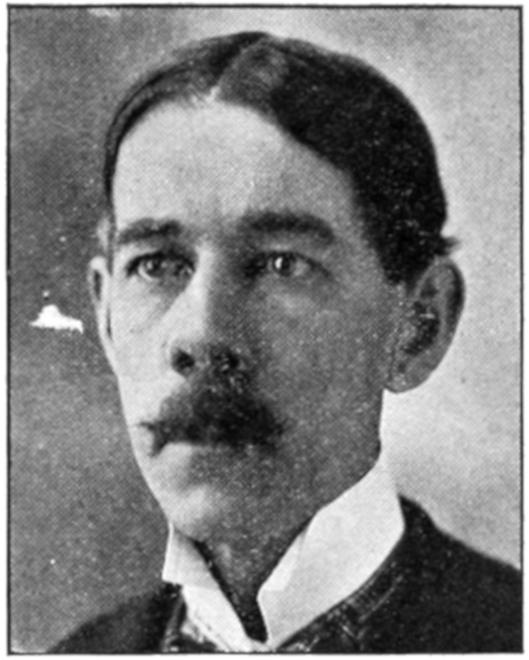
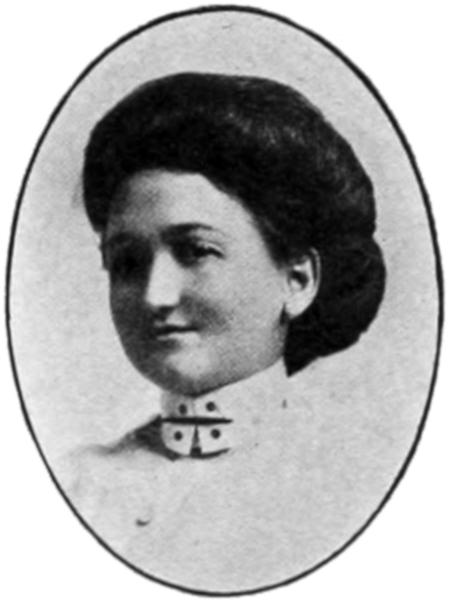
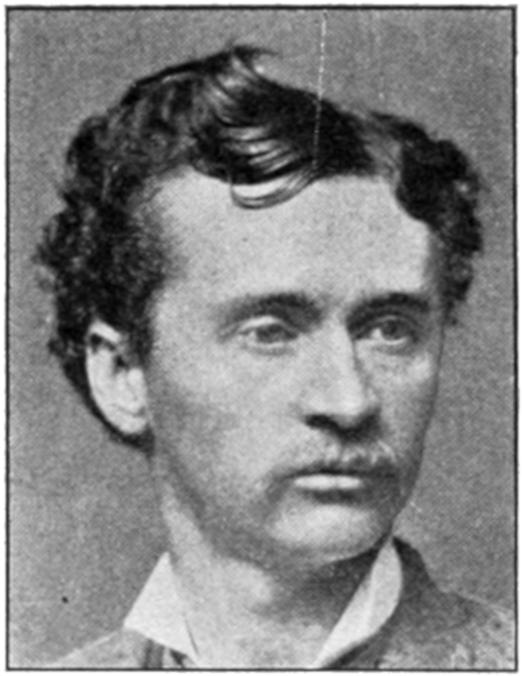
JOHN QUEEN MRS. ARTHUR L. GUY In Select Company JAS. CUMMINGS
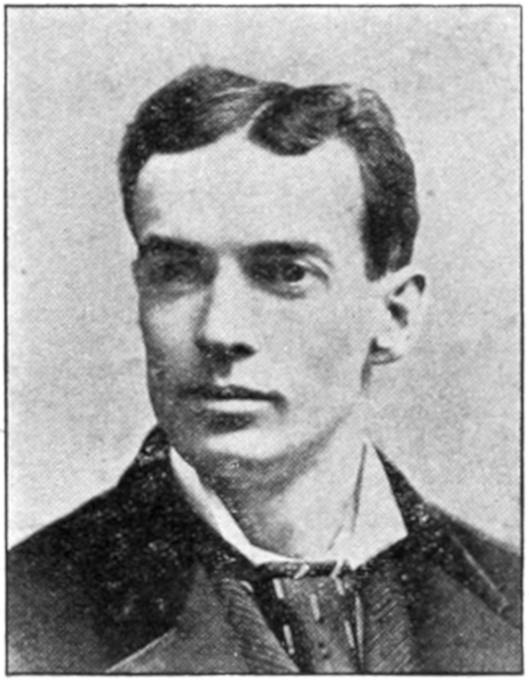
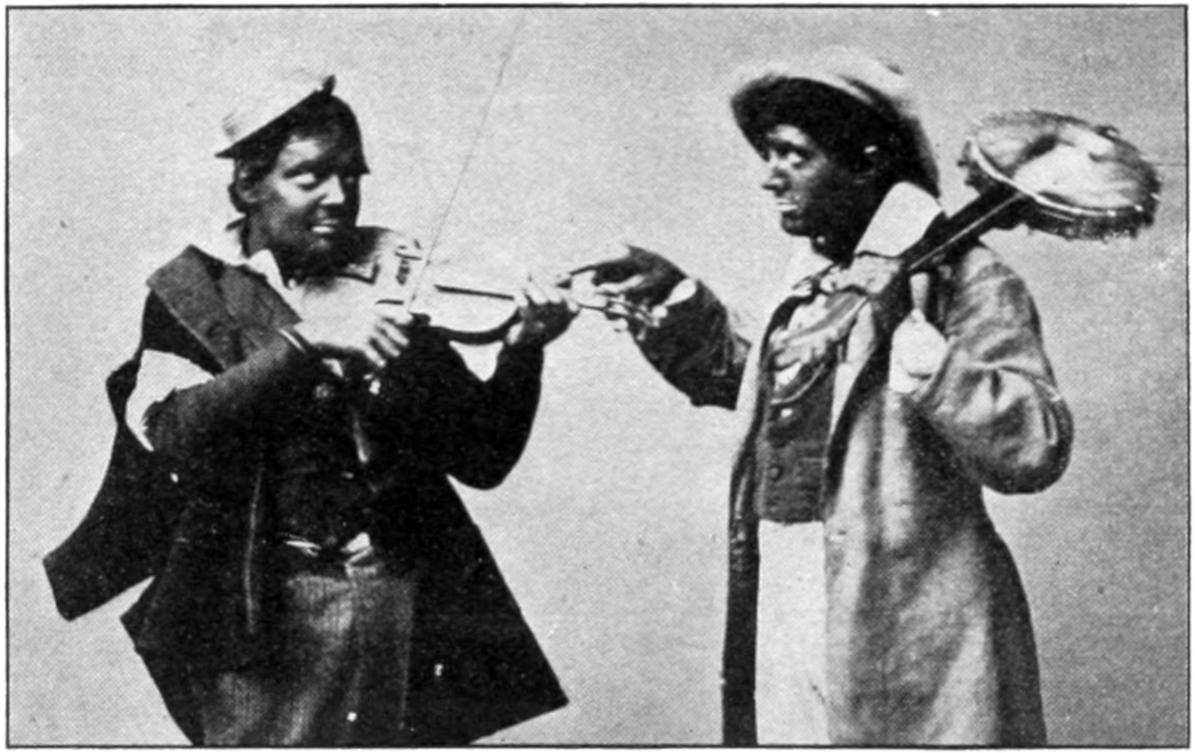
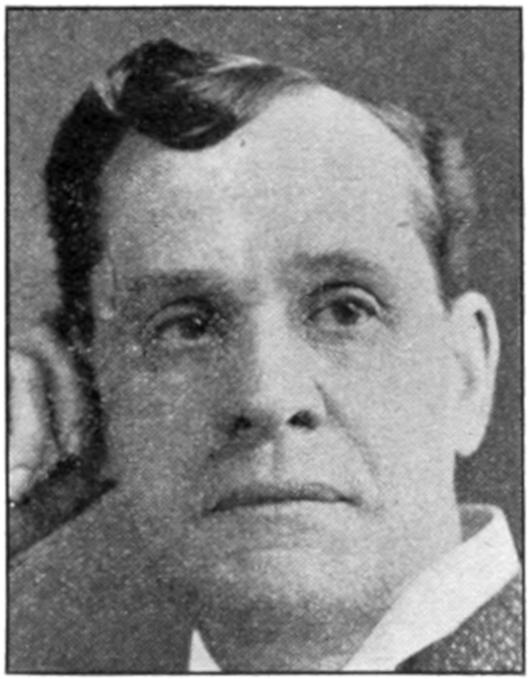
JOHN PEASLEY JAS.—SANFORD AND WILSON—CHAS. (Portraits Reversed.) WM. HENRY RICE
In September, 1878, he opened Carroll’s Comique, in Brooklyn, N. Y., and several weeks later, with his sons, began an engagement with Cotton and Wagner’s Minstrels. It may be interesting to know that Mr. Carroll, and the late J. K. (Fritz) Emmett, had a minstrel show once; Carroll and Emmett’s Minstrels opened at De Bar’s Opera House, St. Louis, Mo., June 1, 1868.
R. M. Carroll and John Queen (afterwards Queen and West), were the first to do a double clog dance, about 1862. Mr. Carroll likewise originated the famous song “Me Father Sold Charcoal.”
His sons, Bennie and Edwin, died in New York City, September 18, 1877, and at Denver, Colo., March 5, 1905, respectively.
Mr. Carroll played the variety houses for several years with his well known dancing specialty “Mortar and Bricks.”
R. M. Carroll was born in New York City April 10, 1832.
W. L. Hobbs, the well known minstrel “leader” was associated with Frank Moran’s Minstrels in Philadelphia in 1872; he was also with Carncross and Dixey’s Company in the same city, and for several seasons was connected with Bryant’s Minstrels in New York.
W. L. Hobbs died in Philadelphia, July 12, 1874; age 45 years.
Bob Hall, who had been connected with many minstrel companies during his long career, and who had also been with Harrigan and Hart, died in Baltimore, Md., June 29, 1882; age 50 years.
Andrew Wyatt, an old-time minstrel leader, who was with Sanford’s Minstrels in Philadelphia as early as 1856, and for eight years prior to his death with Whitmore and Clark’s Minstrels, died in Salem, Mass., August 5, 1874; age 41 years.
A. M. Hernandez was famous as a pantomimist and acrobat; but it was as a guitarist and vocalist he was best known; he was capable of playing practically every known instrument.
In 1852 he was with Hayworth and Horton’s variety show doing a knife throwing act. The following year he was with Parrow’s Minstrels and subsequently with Matt. Peel’s and Sniffen’s Campbell’s Minstrels.
Mr. Hernandez was born in Havana, Cuba; he died in Montevideo, Uruguay, S. A., October 25, 1874.
J. B. Studley, the famous old legitimate actor, played, “Pomp, or Cudijos Cave” in New York, April 11, 1864, and in the same city played Uncle Tom, in Uncle Tom’s Cabin, October 20, 1879.
Mr. Studley was born in Boston, Mass., October 8, 1832; he died in New York, August 6, 1910.
John S. Cox, the old-time minstrel leader of Simmons and Slocum’s in Philadelphia, and other well known companies, died in August, 1902; age 70 years.
John P. Smith, familiarly known as “Cully” Smith, began his professional career as a member of old Joe Sweeney’s Company in 1845; he was then Master Smith.
In 1850 he was with the “Old Dominion” Minstrels, playing the bones, under the name of “John P. Weston”; subsequently he was with Parrow’s Minstrels, and Smith and Hernandez Minstrels. Later he was identified with the Buckley’s, and George Christy’s Minstrels in an executive capacity, and of recent years was associated in a like manner with several prominent legitimate attractions.
John P. Smith was born in Richmond, Va., August 3, 1832; he died in New York City, November 12, 1897.
Swayne Buckley, Rolin Howard, Edwin Holmes, Billy Hart and G. W. H. Griffin, all died within thirty days in 1879.
Mrs. J. T. Huntley was the grand-daughter of the late Colonel Jacob Deems, a prominent figure of old Baltimore.
She became the wife of the famous Matt. Peel just one year before the latter’s death; subsequently she married J. T. Huntley, another old-time minstrel.
After Matt. Peel’s demise, Mrs. Peel, a few months later re-organized the company, and as Mrs. Matt. Peel’s Minstrels, she conducted its affairs successfully for several seasons.
As Mrs. Peel she also had the additional distinction of being the first woman that ever sold tickets for a minstrel show; this was more than fifty years ago, when the companies played in halls, and carried their own treasurers.
Mrs. Huntley is living, active, and is happy in the thought that she is earning her own livelihood.
Mrs. J. T. Huntley was born in Baltimore, Md., August 4, 1832.
Bob Hart (James M. Sutherland) famous as a stump speaker, made his professional debut at “444” Broadway, New York, in 1859; prior to this he had been a Methodist minister.
In 1863 with Lew Simmons he was proprietor of Hart and Simmons’ Minstrels; he was also prominently identified with the San Francisco Minstrels in New York; Bryant’s, in the same city; Emerson and Manning’s in Chicago, and subsequently, in 1871, with Manning’s Minstrels, also in Chicago.
His last appearance in minstrelsy was with Dan Bryant’s company in 1875. In 1878 he again took up evangelical work and continued at it until his death.
Bob Hart was born in New York State, February 9, 1832; he died (suicide) in New York City, April 6, 1888.
John Sivori (Wheeler) who was one of the original Bryant’s Minstrels of February 23, 1857, in New York City, and was for several years associated with them; gave up the profession many years ago, and is said to have become a doctor or dentist.
He was reported dead about ten years back.
John B. Donniker was one of the oldest as well as the best “leaders” in minstrelsy.
He was associated with many of the famous organizations, including some of his own. In 1854 he was “leader” with Ordway’s Aeolians in Boston; subsequently he went to California, and while there was one of the proprietors of Birch (Billy) and Donniker’s Minstrels, 1859.
In 1861 he was with “Eugene” and Unsworth, proprietor of Unsworth’s Minstrels. In 1862 he had a half interest in Arlington (Billy) and Donniker’s Minstrels; and in 1865 he was associated with Burgess (“Cool”), Prendergast (Tom), Hughes (Archie) and Donniker’s Minstrels.
He was with Morris Bros., Pell and Trowbridge, in Boston, and with Bryant’s, and Wood and Christy’s in New York; likewise for several seasons was he intermittently with the famous San Francisco Minstrels, also in New York.
In the late 70’s he was engaged as leader at the London Theatre, New York City, remaining a few seasons.
Of late years, having lost the use of his arm, he took pupils, giving lessons on the violin.
John B. Donniker died at Penn Yan, N. Y., July 17, 1902; age 69 years.
Tony Pastor (Antonio Pastorius), during his long career as manager in New York City, occupied three different theatres, each of which had previously been used by a permanent minstrel company.
Mr. Pastor’s early days, about 1846-47, were spent as a minstrel.
Tony Pastor was born in New York, May 28, 1832; he died at Elmhurst, L. I., N. Y., August 26, 1908.
“Hank” (Azro) White, a famous old-time minstrel, had been in the profession about forty years; twenty-five of which were spent with Whitmore and Clark’s Minstrels.
He died in Windsor, Vt., February 14, 1900; age 68 years.
Walter Birch (Smith), was a well-known tenor vocalist with Christy’s Minstrels in 1862 and 1865; in 1863 he was with Horn and Newcomb’s Minstrels. He was likewise associated with several operatic companies.
He died in Jersey City, N. J., January 29, 1880; age 47 years.
Johnny Pell (Gavin), a prominent young comedian, spent the best part of his professional career in Boston. His first appearance was with Charley White’s company in New York in the early 50’s.
In 1854 he went to Boston, and became a member of Ordway’s Aeolians, remaining until 1857, when in conjunction with Lon and Billy Morris and J. T. Huntley, they organized a company bearing their names; about two years later it was known as Morris Bros., Pell and Trowbridge’s Minstrels, and as such continued until the demise of Mr. Pell.
Two days prior to his death, he married Miss Moore, of Boston.
Johnny Pell died in Boston, Mass., January 24, 1866; age 33 years. He was born in New York.
Geo. M. Clark entered the field of minstrelsy about 1860; subsequently with his partner he organized Whitmore and Clark’s Minstrels, and traveled successfully for many years.
He was born in 1833, and died in Felchville, Vt., June 6, 1885.
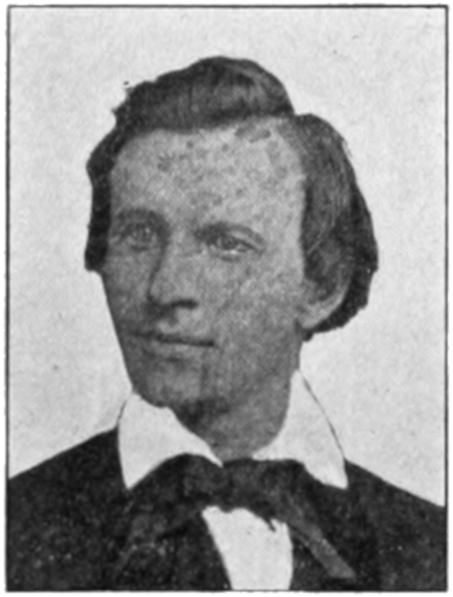
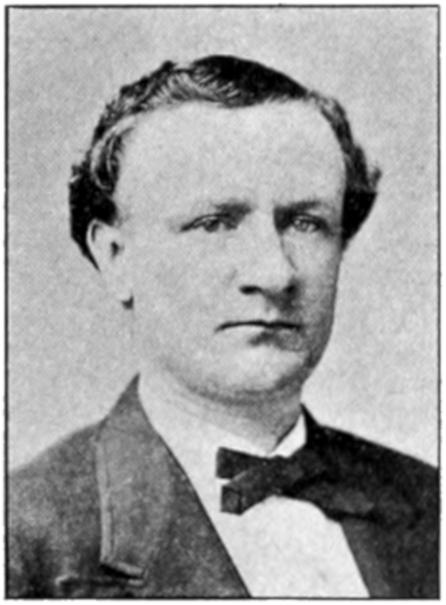
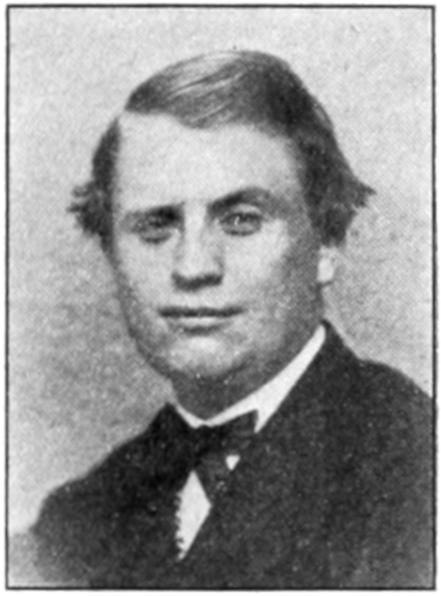
BYRON CHRISTY HUGHEY DOUGHERTY JAMES UNSWORTH
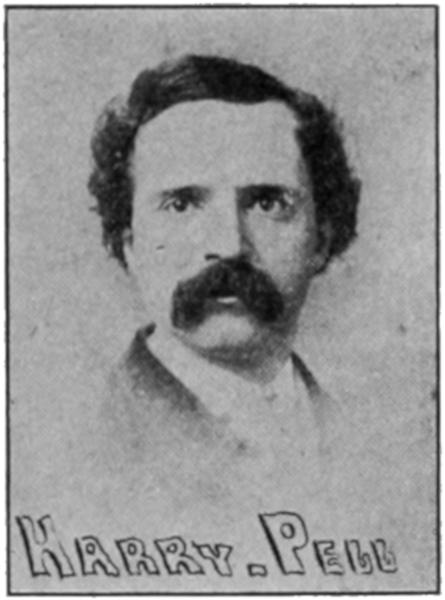
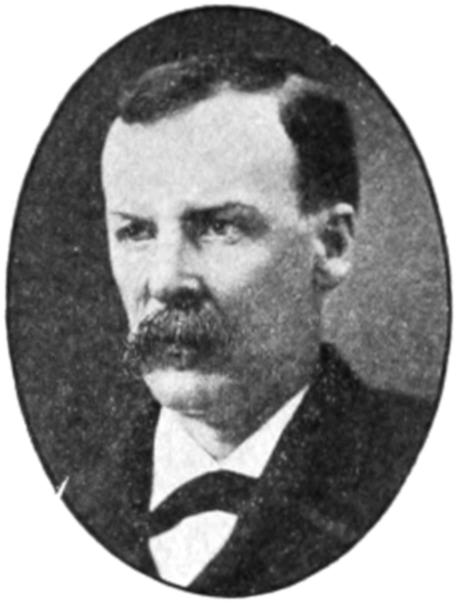
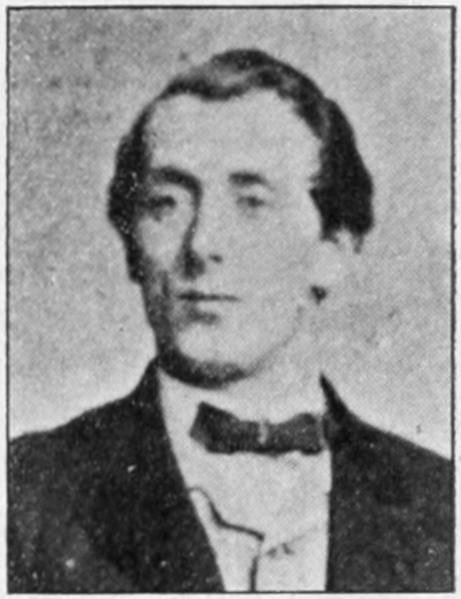
HARRY PELL FRANK MORAN BOB. HART
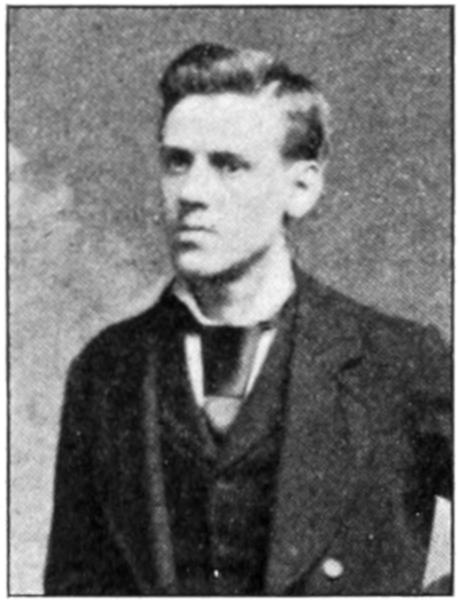
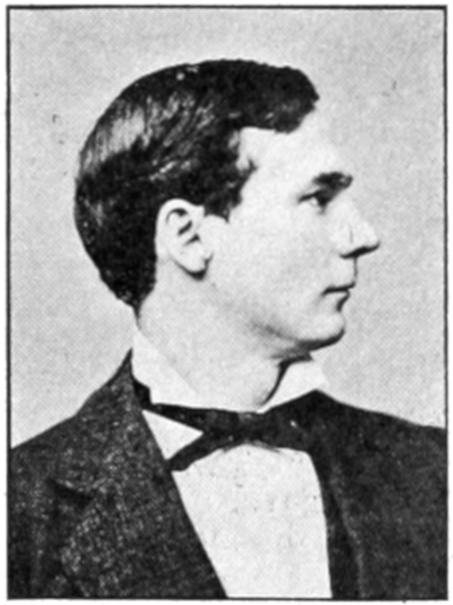
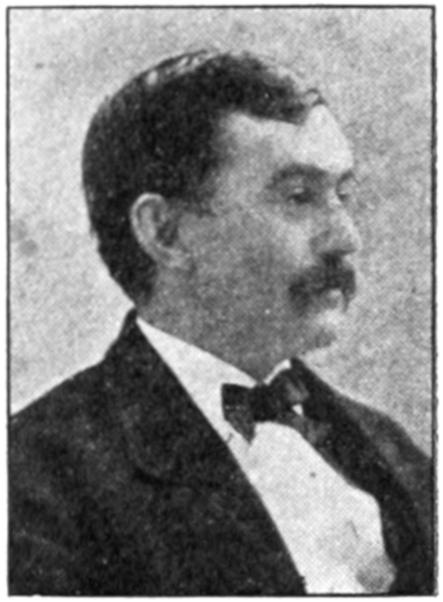
BILLY RICHARDSON FRANK BELL LEW BENEDICT
ORATORS OF THE OLD DAYS.
Charles Petrie was one of the old time banjoists, and one of the first to open a variety theatre in Chicago.
He was associated with the minstrel companies of Arlington, Kelly, Leon and Donniker, Lew Benedict’s and others.
He was born in Lockport, N. Y., in 1833; he died in Dallas, Texas, November 12, 1881.
J. E. Green was known as “Mocking Bird Green,” from the fact that he was so long identified with singing of the song of that name, and whistling imitations of same. He entered the profession about 1856, as a member of the minstrel firm of Shorey, Carle, Duprez and Green; subsequently it became Duprez and Green’s Minstrels, and continued until 1865 under that trade-mark, when he sold his interest to Lew Benedict. He subsequently had several companies of his own and was associated in another with “Hop Light Loo” Charley Gardner.
At the time of his death he was musical director with Archie White’s “Duprez and Benedict’s” Minstrels.
J. E. Green was born in Portsmouth, N. H., April 9, 1833; he died in New York, November 30, 1886.
Billy Wray, the father of Mrs. John Wild, was one of the most versatile of performers; as an end man and stump speaker he excelled; he was likewise a clever magician.
With his wife (Louise Payne) and daughter, Ada, already referred to, he traveled in 1862, giving an entire performance by themselves.
Billy Wray was born in New York, July 25, 1833; he was lost in the wreck of the Steamer “Evening Star” between New York and New Orleans, October 3, 1866.
E. Freeman Dixey—his was a household word in Philadelphia, where practically his whole professional career, and the major portion of his life was spent.
His first engagement was in Boston, at the age of eighteen; subsequently he went to Philadelphia, and opened there at Cartee’s Lyceum, the present site of the 11th Street Opera House, with the Julien Serenaders, December 4, 1854.
On April 23, 1855, the house was opened as Sanford’s Opera House, by Sam Sanford, and Mr. Dixey was a member of the company, and continued with Sanford until the latter drew away from its management, April 14, 1862, when Mr. Dixey and Mr. Carncross opened it under the name of Carncross and Dixey’s Minstrels; Robert Simpson was the financial man. The firm of Carncross and Dixey continued until June 17, 1871; Mr. Carncross retiring on that date.
October 2, 1871, Mr. Dixey in conjunction with Frank Moran opened the house as Moran and Dixey’s Minstrels. The second season commenced August 26, 1872, and on September 24, Mr. Dixey retired from the firm. September 1, 1873, again saw Carncross and Dixey’s Minstrels installed; they continued until March 16, 1878; after a supplemental tour that terminated May 11, 1878, Mr. Dixey retired to private life.
Mr. Dixey was one of minstrelsy’s greatest bone players, and in his earlier days he excelled in the delineation of wench characters.
He was a student of the negro, as well as a student in private life; a gifted, intellectual, cultured gentleman was Edward Freeman Dixey.
E. Freeman Dixey was born in Marblehead, Mass., July 29, 1833; he died in Philadelphia, March 2, 1904.
Max Irwin was a well-known comedian, stump orator and general performer.
In 1858 and 1859 he was a member of Matt. Peel’s Minstrels.
In the latter year he also played variety engagements with “Young America” (E. Richardson). May 16, 1859, he married Gussie Lamoreux, the well-known dancer, in Philadelphia.
Mr. Irwin who was at one time known as P. Maxey, was born in Cincinnati, O.; he died in Adelaide, Aus., August 9, 1864; age 33 years.
Add. Weaver (Addison Weaver), was one of the real old-time minstrel comedians.
It is said he entered the profession in 1845. In 1858 he was with the Metropolitan Minstrels; in 1861 with Mrs. Matt. Peel’s Minstrels, and in 1863, in conjunction with Charley Morris, was proprietor of the Morris Minstrels. In the 60’s, and for several years, he did sketches with Master Barney; subsequently he had many pupils who were known as Master Add. Weaver; one of these was Fred Hallen.
In the fall of 1876 he succeeded Lew Dockstader in the management of the Adelphi, formerly Newton’s Varieties, in Hartford, Conn.
Add. Weaver was a good end man, and was noted for his stump speeches. The writer’s last recollection of the veteran minstrel was with “The House With Green Blinds,” at the Walnut Street Theatre, Philadelphia, about September, 1893; he appeared in the initial production in a black-face part, but only played one or two performances, when he was succeeded by the author, Scott Marble.
On July 22, 1887, he was married to Mrs. Abigail F. Harris, in New York City.
Add. Weaver was born in Cattaraugus County, New York, about 1833; he died in Staten Island, N. Y., February 2, 1903.
Johnny De Angelis was one of the early black-face performers in California. He was well-known as a good general comedian in San Francisco, where he played many years.
He was the father of Jeff DeAngelis, the present light opera star.
Johnny De Angelis was born in Philadelphia, about 1833; he died in San Francisco, Cal., December 25, 1877.
Dan Bryant (Daniel Webster O’Brien). The profound esteem in which this black-face comedian was held can be told in no better way than in citing the fact that within three weeks of the date of his death, the entire theatrical profession in New York City gave no less than eleven testimonial benefits in as many different theatres in the Metropolis on the afternoon of April 29, 1875; for Dan Bryant’s hand was ever in his pocket for those less fortunate than himself, and no one ever appealed to him in vain; he was a lovely character, was Dan Bryant—and yet his grave remains unmarked; so it is said.
His first appearance was in New York City in 1845 at Vauxhall Garden, at his brother Jerry’s benefit; he was with various companies until 1848, when he joined Losee’s Minstrels; subsequently he was with the Sable Harmonists, and in 1850 he joined Charley White’s company in New York, remaining a year.
Next he appeared with Wood and Fellowe’s Minstrels in New York, and when Mr. Fellowe withdrew, he continued with Henry Wood’s Minstrels, same city; he was with them as late as July, 1852.
Later he joined Campbell’s Minstrels, and in the Summer of 1856, he managed Bryant’s “Campbell’s” Minstrels; in September, same year, he made a pronounced hit in Philadelphia, and on February 23, 1857, Bryant’s Minstrels gave their first performance in New York City, at Mechanic’s Hall; their last appearance there was June 2, 1866.
August 10, 1867, Dan Bryant and his Minstrels sailed for California; they played in San Francisco under the management of Tom Maguire; they remained away until May 18, 1868, when they opened at the Tammany Building (present Olympic Theatre), New York City; Bryant’s Minstrels next home was on 23rd Street, above 6th Avenue; they opened there November 23, 1870, and continued until Dan Bryant’s death.
While Dan Bryant’s name and fame will go down to posterity as a minstrel, yet he was recognized as a fine Irish comedian. At a benefit performance for William R. Floyd in New York, July 2, 1863, Mr. Bryant gave a performance of Handy Andy in the play of that name, the equal of which had not been seen in some time, and during the Summer seasons for several years played in various Irish dramas with success; in May, 1865, he sailed for Europe, and in Dublin, Ireland, and Liverpool, England, he gave several performances of Celtic characters.
Although a good general performer, Dan Bryant’s chief fame rests in his “Essence of Old Virginny” dance; it is not claimed that he originated it, but it is universally conceded that he excelled all others in it’s execution; he likewise gained prominence in the famous “Shoo Fly” song and dance with Dave Reed.
It has been shown that Dan Bryant was an actor in white-face, but that he equally was an actor behind his mask of cork, I submit the following from Harper’s Magazine, written a few years before the lamented minstrel’s death. * * *
“Edwin Forrest was never weary of seeing Dan Bryant play the part of the hungry negro in “Old Times, Rocks,” and the verdict of the great player was that there was not a finer bit of tragic acting to be seen in America at that time than Dan in this broadly funny bit. Who that remembers the performance need be told how tears were constantly checking laughter in this little scene of the black man’s suffering through hunger, and how one’s sympathies were irresistibly wrung by the pathos of the minstrel’s voice when, on being questioned as to when he had eaten a square meal, he answered, humbly ‘I had a peanut last week.’ It was side-splitting—it was heartbreaking.”
Mr. Bryant married Miss Ellen Fitzgibbons of St. Louis, Mo., in that city, July 29, 1860.
Dan Bryant was born in Troy, N. Y., May 9, 1833; he died in New York City, April 10, 1875.
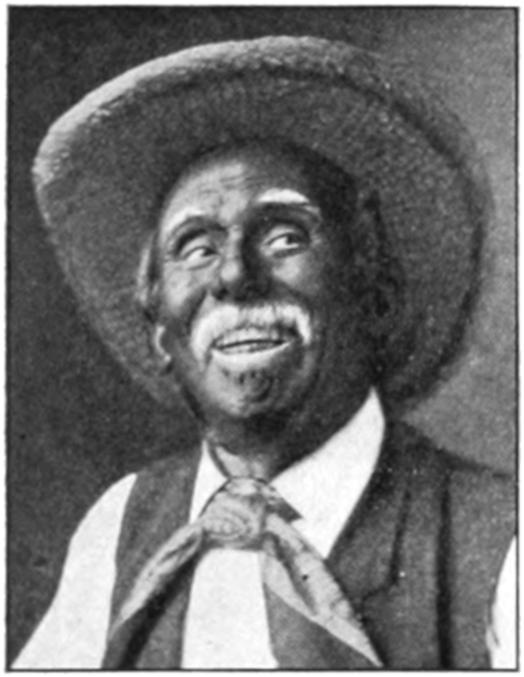
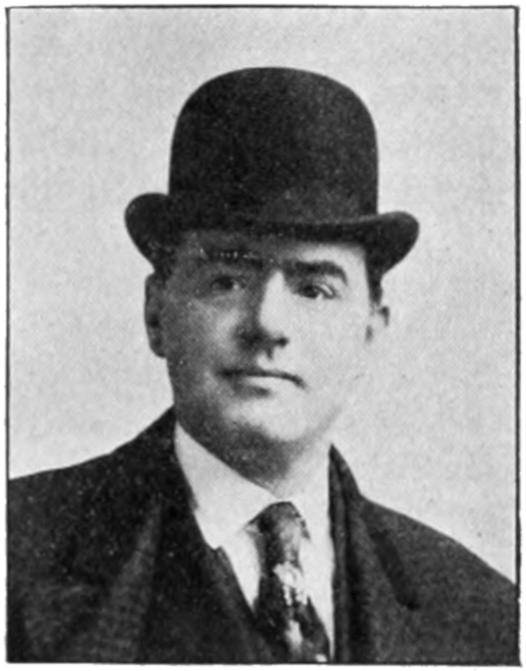
BEN. COTTON TOM. WATERS
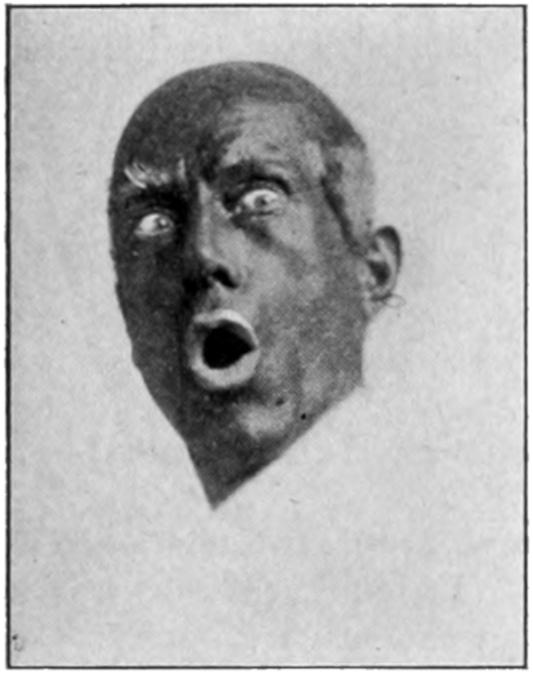
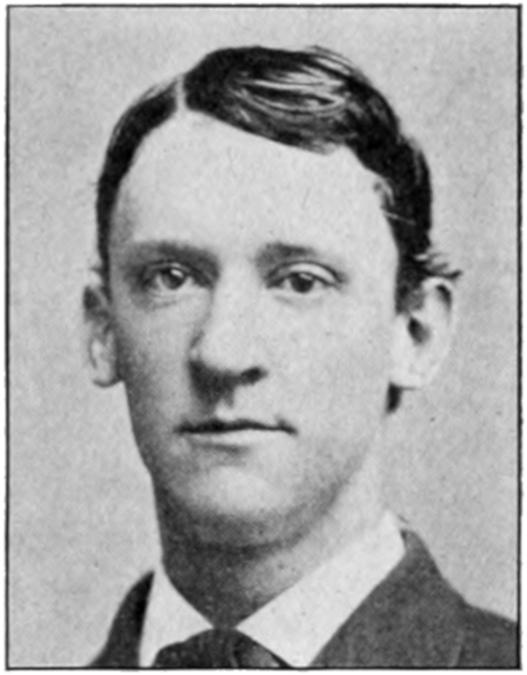
BARRY MAXWELL HARRY G. RICHMOND
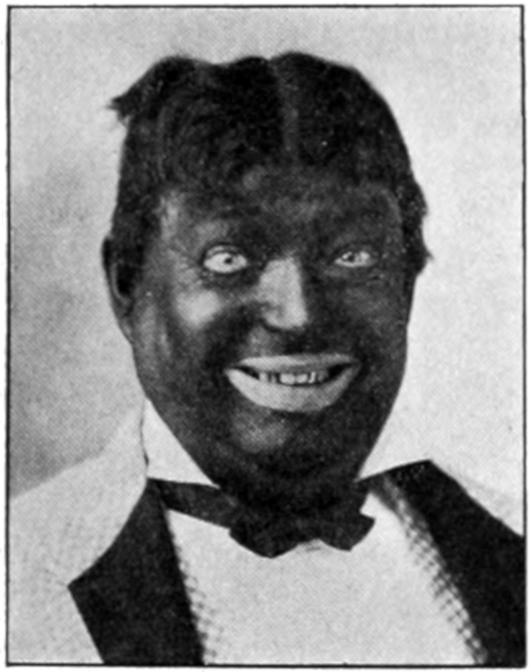
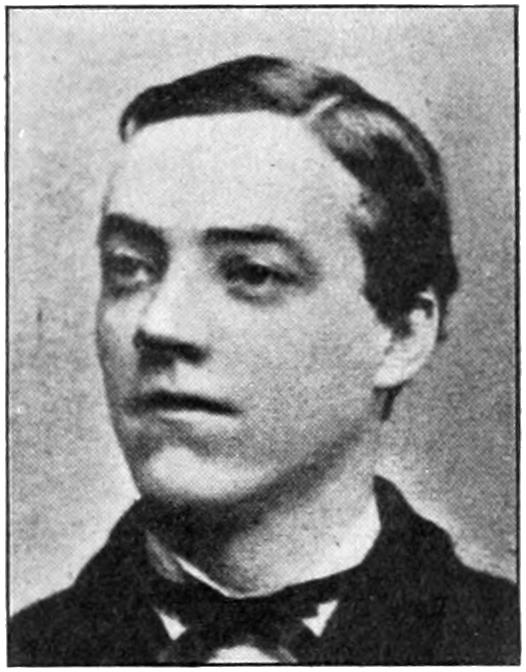
CHAS. M. ERNEST NEIL. ROGERS
STUDIES IN BLACK AND WHITE.
John Hart, jolly “fat” John Hart, as he was universally known, first appeared professionally in 1854 as a member of Eisenbeice’s Minstrels; the company stranded in Syracuse, N. Y., and that was the end of Eisenbeice.
Some time later he was stock comedian at Trimble’s Varieties in Pittsburg, Pa.
His first New York appearance was at Josh Hart’s Comique in 1869. In 1871, Hart, Ryman and Barney’s Minstrels were organized.
Mr. Hart also was with Haverly; Kelly and Leon; Morris Bros., and other first-class minstrel companies.
In 1888 he was the original Hiram Pepper in the “Two Sisters” Company.
In September, 1887, he was one of the organizers of (Wm. Henry) Rice, Hart and (Add) Ryman’s Minstrels.
He toured with the “Two Johns” for three years.
John Hart was screamingly funny in the old-time nigger acts he used to do with Arthur Moreland at various times.
He also played an engagement with Augustin Daly in the play of the “Royal Middy.”
John Hart was born in Monongahela City, Pa., July 10, 1833; he died in New York City, June 4, 1904.
J. G. H. Shorey was one of the early minstrel proprietors and comedians.
The first record of Mr. Shorey’s career as a black-face performer was in his father’s barn at the age of nine years; pins were the admission fee, and it is said that no one ever complained of being stuck. A few years later he joined a dramatic company, and later a circus; after that came Shorey’s Southern Minstrels.
In the middle 50’s he formed an alliance with Duprez, Carle and Green, playing for a few seasons under the firm name. In later years he was identified with several prominent organizations in an executive capacity, as well as playing the variety theatres.
Mr. Shorey is reputed to have been the proprietor of the first Dime Museum ever opened in Boston.
J. G. H. Shorey was born in Great Falls, N. H., April 10, 1833; he died in Lynn, Mass., May 23, 1886.
Charles F. Shattuck was one of the oldest and most noted of minstrel bassos. He was the author of the song, “One Hundred Fathoms Deep,” and had made many beautiful minstrel arrangements.
He had been associated with such well-known minstrel organizations as Newcomb’s; Buckley’s; Simmons and Slocum’s; Geo. Wilson’s and numerous others. Mr. Shattuck died in New York, November 29, 1905; age 69 years.
Ned Davis was an old-time comedian; it was his company, known as the Olio Minstrels, that were the first to perform on the steamer “Banjo,” giving their first performance at Lawrenceburg, Miss., October, 1855. Mr. Davis traveled with his minstrel company for many years, also appearing with other companies at times, notably Campbell’s Minstrels in New York, with whom he opened July 6, 1863.
He died at Mott Haven (New York City) June 29, 1872; age 48 years.
Edwin Booth, the great American tragedian, in 1850, at the court-house in his native town, gave an entertainment in which he blackened his face and sang negro songs, accompanied by the banjo and bones. This was one year after his dramatic debut in Boston.
Edwin Booth was born in Belair, Md., November 13, 1833; he died in New York City, June 7, 1893.
Tom Leslie, once prominent as a bass singer with Morris Bros., Pell and Trowbridge’s Minstrels in Boston, was the father of Eddie and Joe Leslie; the former, well known as a mimetic comedian, and the latter long associated with Cohan and Harris’ attractions.
Mr. Leslie was born in Halifax, Nova Scotia, December 29, 1833; he died in Boston, Mass., June 6, 1899.
Charley Lewis, an old-time comedian who was with William Christy’s Minstrels in 1860, and who married Miss O’Keefe, of Portage City, Wis., at Milwaukee, July 20, 1861; died at Portage Lake, Wis., November 28, 1864; age 31 years.
John H. Duley was a well-known comedian half a century ago; his “Old Bob Ridley” is said to have compared favorably with the best performances of that favorite old-time act.
He had been with Hooley and Campbell’s Minstrels in New York in 1861, and went to England with Rumsey and Newcomb’s Company that same year.
July 10, 1859, he married Mrs. Mattie Robinson, an actress.
John H. Duley was born in Philadelphia, Pa., 1834; he died in London, England, May 31, 1864.
Frank Hussey was a well-known comedian and versatile performer.
His operations were chiefly confined to California and foreign countries.
His first appearance was with a minstrel company known as the “Sable Brothers,” in 1848. There is practically no country on the globe that Hussey has not appeared in.
He was born in Nantucket, Mass., October 26, 1834; he was last heard of as a member of Leslie’s Anglo-American Minstrels in Africa, July 30, 1883.
Billy Chambers, an old-time banjoist and comedian, was with Sam Sharpley’s Minstrels, in 1865, and played his last engagement, about 1870, with Sam Sanford; he died in Philadelphia, September 7, 1879; age 45 years.
Harry Robinson (Bishop), famous in minstrelsy as the “Man With the Silver Horns,” came to the United States about 1861, and subsequently appeared with George Wood’s Minstrels as a cornetist; later he was with Cal. Wagner’s Company.
About 1870 he organized Harry Robinson’s Minstrels, and toured for several seasons. He was an excellent musician, and was married three times.
Mr. Robinson was born in England; he died (suicide) at Bloomington, Ill., May 5, 1889; age 55 years.
Charles L. Church was a prominent balladist of the 60’s and 70’s.
For many years he was actively associated with Sharpley’s, and Morris Bros. Minstrels.
A son of the same name is also a well-known vocalist.
He was born in England, and died in Cambridge, Mass., June 4, 1910; age 76 years.
James Wambold was a brother of Dave Wambold, and achieved prominence as a banjoist. His first appearance was in his native city with a local minstrel troupe in the early 50’s.
Subsequently he played on the “Floating Palace”; Backus’ Minstrels, and Mrs. Matt. Peel’s Minstrels, in 1861.
Mr. Wambold was an expert whistler and gave imitations of birds and animals, accompanied by the banjo. He played many engagements with circuses, and it was while with one of these in the Spring of 1875 that he received injuries that compelled his retirement from the profession.
James F. Wambold was born in Newark, N. J., March 4, 1834; he died there June 15, 1901.
John L. Carncross, famous for his long association at the old Eleventh Street Opera House in Philadelphia, was one of the greatest singers in minstrelsy; his voice, a pure tenor, is yet recalled by many of the old residents of the Quaker City. Originally he appeared at the various concert halls in his native city as “Billy” Warren.
On January 4, 1858, he made his first appearance with Sanford’s Minstrels at the latter’s theatre in Philadelphia. Mr. Carncross continued there until the Spring of 1860, when the season having closed, with Sam Sharpley he organized Carncross and Sharpley’s Minstrels in the same city at the Continental Theatre, which was on the present site of the Casino Theatre, and gave their first performance August 22, 1860; after playing a few weeks they left there and reappeared October 1.
April 14, 1862, Mr. Carncross and E. F. Dixey opened there under the firm name of Carncross and Dixey’s Minstrels, and continued as such until April 18, 1871, when the regular season closed; this was followed by a supplemental tour, which terminated on June 17, on which date Mr. Carncross retired from the firm, and entered the mercantile business.
Mr. Dixey subsequently also retired from the company, but on September 1, 1873, Carncross and Dixey’s Minstrels again opened.
Dixey retired permanently in 1878, and Mr. Carncross continued there until January 25, 1896, as Carncross’ Minstrels, on which date he finally retired to private life at his residence in the city of his birth.
John L. Carncross was born in Philadelphia, about 1834.
R. Jean Buckley (Alexander W. Moody), one of the good old-timers, made his first appearance at the old Marshall Theatre, Richmond, Va., in October, 1847, as a ballad singer. The following year he joined Joe Sweeney’s Minstrels, and at that time he was not only the youngest living banjo player, but one of the very few living players.
Mr. Buckley was many years stage manager at the Odeon Theatre, Baltimore, Md., and for twenty-two years he was associated with Tim Morris, though he also worked with some of the best comedians in the country.
J. W. RAYNOR JERRY BRYANT
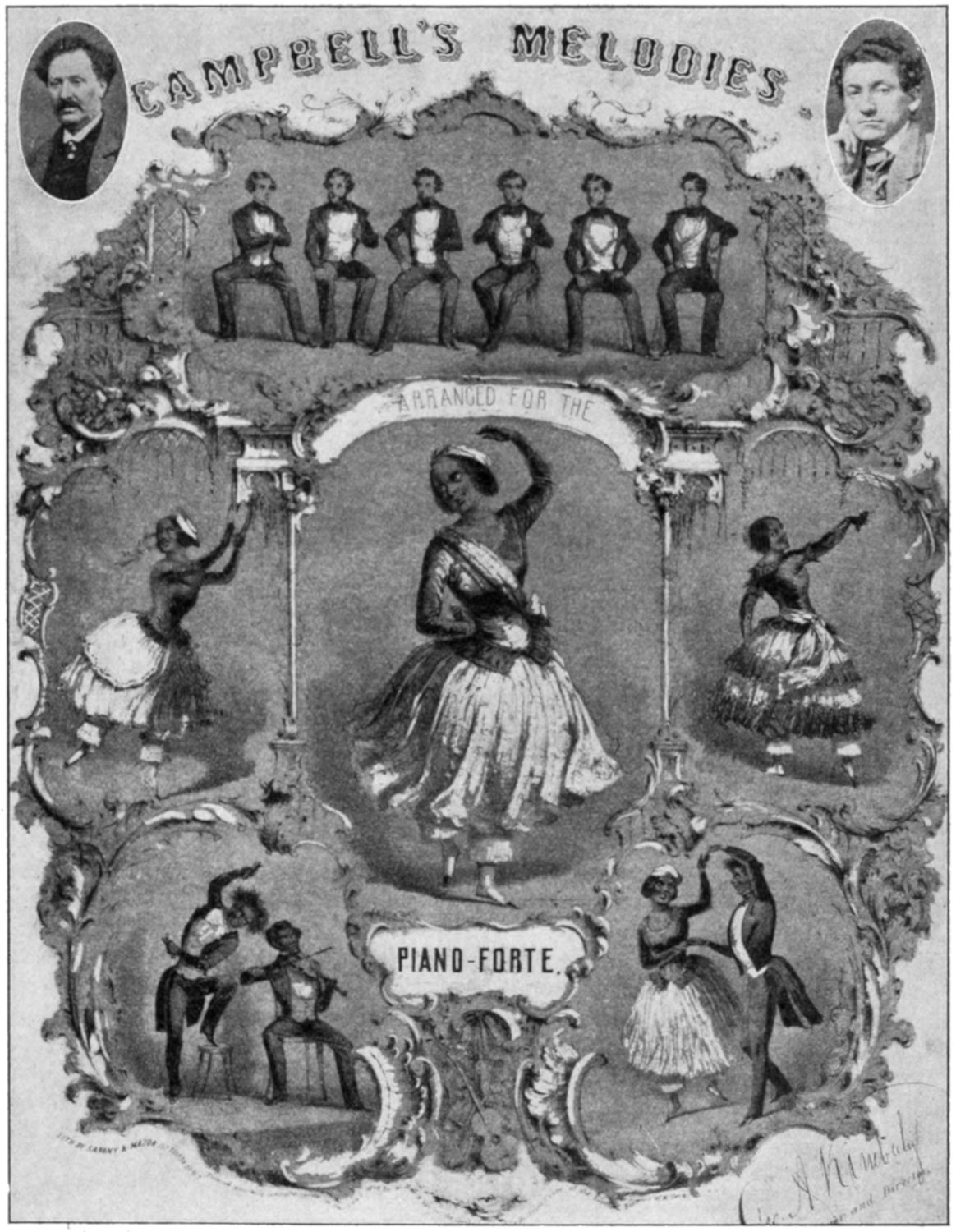
CAMPBELL’S MINSTRELS (1848)
The original company was organized in June, 1847. Jerry Bryant and J. W. Raynor were two of the original company. The other photos represent minstrel scenes of that day.
While Mr. Buckley was probably best known in minstrelsy, he also traveled extensively with several prominent dramatic and circus organizations. He is a skilled general musician, but was well known for his performances on the banjo and guitar; as an interlocutor and “straight” man, he ranked high.
Mr. Buckley retired from active theatricals in 1907, after sixty years of active theatrical life; truly a remarkable record.
R. Jean Buckley was born in Williamsburg, Va., November 24, 1834.
Billy Carter was not the father of the banjo, but he adopted it at an early age, and has had it in his possession ever since.
Mr. Carter first appeared in New Orleans as a performer, in the early 60’s; he did black and white-face business at three dollars per evening, which wasn’t bad for a raw amateur. In 1865 your Uncle Bill sat in the middle and played the banjo with the Louisiana Serenaders; this was his first minstrel troupe, and “Codfish Aristocracy” was the soul-inspiring ballad that stirred his auditors.
After the affair in which he sang about the “Finny 400,” he joined the Great Western Opera Bouffe Company; this sounded good enough for a four years engagement, but the truth of the matter is, it flopped in Lynchburg, Va., in nearly four years less than that time; subsequently Mr. Carter and dear departed Luke Schoolcraft (who was a member of the company) arrived in Philadelphia in somewhat distressed financial circumstances; fortunately our banjo comique had a relative in the Quaker City; an uncle, I believe, and hunting him up, he took a violin and showed it to him. * * * With this 85 cents they arrived in New York (Mr. Great Western had considerately purchased transportation to the metropolis), and shortly after, he secured an engagement at Hooley’s Minstrels in Brooklyn, where he met with instant success.
His next important minstrel engagement was with Simmons and Slocum in Philadelphia, where he opened February 16, 1874. In 1878 he joined Haverly’s Minstrels in Chicago; two years later he engaged with the latter’s Mastodons for the London invasion, but William was a bad sailor, and at the last minute renigged. Subsequently he appeared with Thatcher, Primrose and West’s and with Barlow, Wilson & Company’s Minstrels.
Mr. Carter was several years with Harrigan and Hart’s Company in New York; with this company he originated the famous “Skidmore Guards,” that had such a vogue for a long time. He has played all the principal variety houses, and most of the prominent vaudeville theatres. Will somebody please notice this nice distinction?
Billy Carter was born at Parish St. Bernard, La., December 16, 1834.
Fred Abbott, a well-known and clever female impersonator, associated for several seasons with Hooley’s Minstrels in Brooklyn, Chicago, and the road tours; died in Boston, Mass., May 28, 1871; age 37 years.
Tim. Morris, an old-time performer who achieved recognition for his delineation of the plantation “darky,” was with many minstrel troupes prior to his death in Providence, R. I., March 6, 1880. He was about 46 years of age.
“Fatty” Stewart (J. S. Crossy), famed for many years as one of the original “Two Johns,” made his first professional appearance in New York in 1848 as a comic singer.
About two years later he was a member of the Sable Harmonists. In 1854 he launched Stewart’s Minstrels; and in 1873 he played an engagement with Sam Hague’s Minstrels in Liverpool, England. Mr. Stewart was the author of many black face sketches, all of which have had considerable vogue. He also built or managed several theatres, notably in St. Louis, Providence and Philadelphia. Mr. Stewart died in St. Louis, Mo., May 23, 1905; age 71 years.
John Paul Crocker was one of the proprietors of Moore, Crocker, Ritter and Hamilton’s Minstrels, who gave their first performance at Chester, England, November 14, 1864.
Mr. Crocker was a good comedian and well liked personally; he continued as a partner of the organization up to the time of his death.
John Paul Crocker was born in the United States; he died in London, England, December 17, 1869; age 35 years.
Aynsley Cooke, who was well and favorably known in operatic circles, was a prominent singer with Bryant’s Minstrels in New York City in 1861.
He was born in London, England; he died in Liverpool, England, February 16, 1894; age 60 years.
Frank Wells (Bernard Mundy) was a well-known and capable female impersonator.
He was for a long time with Morris and Wilson’s Minstrels in St. Louis, also with Charley Morris and Add Weaver’s Company, in 1863; later he was with LaRue’s Minstrels.
He died in Brooklyn, N. Y., April 25, 1874; age 39 years.
D. C. LaRue, a well-known minstrel manager, who had his own companies in the 60’s, and during the same period was associated in minstrel ventures with J. B. Donniker, Tom Prendergast, Archie Hughes and Cool Burgess, died in Charleston, S. C., March 15, 1875; age about 40 years.
“Hank” Goodman, the old-time comedian, was a member of Gorton’s New Orleans Minstrels for many years.
In 1887 he retired, and later assumed the management of Goodman’s Opera House in Friendship, N. Y., continuing there until his death, which occurred in that city May 14, 1908.
Nelse Seymour (Thos. Nelson Sanderson), made his first appearance in his native city as a clown in a circus. His initial black-face appearance was in the same city in 1861 as a member of Kunkel’s “Nightingales,” a prominent minstrel organization, with whom he remained the season.
The following year he joined Bryant’s Minstrels in New York; January 26 following he opened with Wood’s Minstrels, same city. He rejoined Bryant’s in 1863, and continued with them until the Fall of 1866, when he became a member of Kelly and Leon’s Minstrels, also in New York; he remained until May, 1868.
That same month he again joined Bryant’s, and a few weeks later went to England, where he opened with Moore and Crocker’s Minstrels. November 23, 1870, found him back to Bryant’s, where he continued until his death.
Mr. Seymour was exceedingly tall, and correspondingly slender, and in the various acts in which he worked with Dan Bryant he was very funny. He was equally at home, sitting on the end or in the middle on the first part.
Nelse Seymour was born in Baltimore, Md., June 5, 1835; he died in New York, February 2, 1875.
Matt Thompson, a good general performer and “Essence” dancer, who was with Mrs. Matt. Peel’s Minstrels in 1861; died in New Orleans, La., August 21, 1867; age 32 years.
M. T. Skiff was a well-known and prominent manager of minstrel companies. He organized a company bearing his name September 26, 1863, at Alexandria, Va. In November the following year, with Low Gaylord, he formed Skiff and Gaylord’s Minstrels, and as such traveled for several seasons.
Mr. Skiff formed a partnership with Eph. Horn and Walter Bray in August, 1869, and gave minstrel performances for a brief period. In 1871 Mr. Skiff called his company the “Albinos.” He later deserted the minstrel field, and for several years traveled in an executive capacity with legitimate attractions.
M. T. Skiff was born in New Bedford, Mass.; he died in Baltimore, Md., June 13, 1890; age 55 years.
The Famously Funny Lee Dinner, as told by the late W. J. Florence to Seen and Heard; Philadelphia:
“Philip Lee,” said he, “was the husband of the beautiful and gifted Adelaide Neilson, since whose death we have never seen a Juliet upon the stage to equal her. Lee was the son of an English clergyman, and in demeanor and apparel was a gentleman. He accompanied his wife to this country, not as her business manager, but simply as her husband. He was a harmless, pleasant, gentlemanly fellow, with but little knowledge of American ways. It is not true, as has frequently been stated, that he knew so little of this country that he expected to see buffaloes plunging down Broadway and Indians tomahawking people in Central Park, New York, nor was his astonishment at the absence of such surprising adventures the inspiring cause of the joke of which he was made the victim. Its inception was in this way: At the time Lee was in New York City, in the Fall of 1877, he was a patron of the Fifth Avenue Hotel, where I was also staying, as I had been for years, and Mr. Sothern was quartered at the Gramercy Park Hotel. One night the three of us met at the Lotos Club, which was then far down town, and, as we were about leaving there, Sothern and myself, desiring to pay the Englishman some attention, invited him to accompany us to the old chop house kept by George Brown, and there have a bite and sup before going to bed. We walked up Fifth Avenue together, and, as we were opposite the Glenham Hotel, our attention was attracted by a disturbance across the way, evidently caused by a brawl between a policeman and some jovial young blades. Lee, who was very curious about everything he saw, exclaimed, ‘Bless me! what’s that?’ Mr. Sothern replied in the most nonchalant manner, as he continued walking on, ‘Oh, only another dead man.’
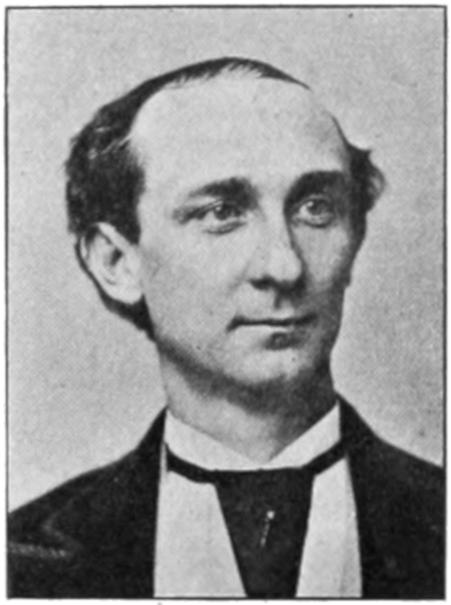
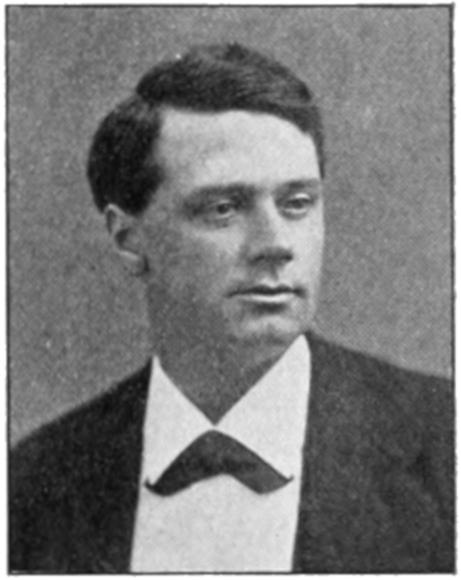
BOB. SLAVIN ED. H. BANKER “HAPPY” CAL WAGNER
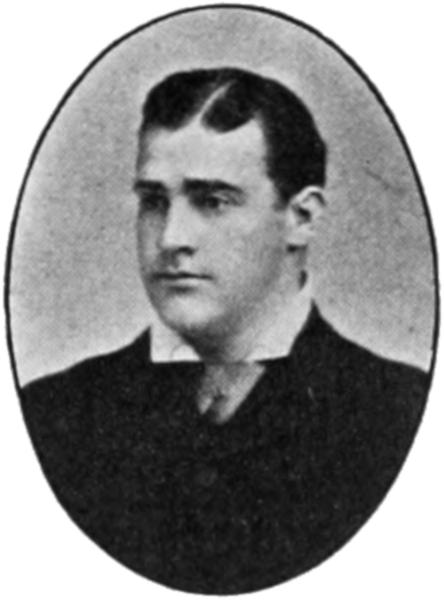
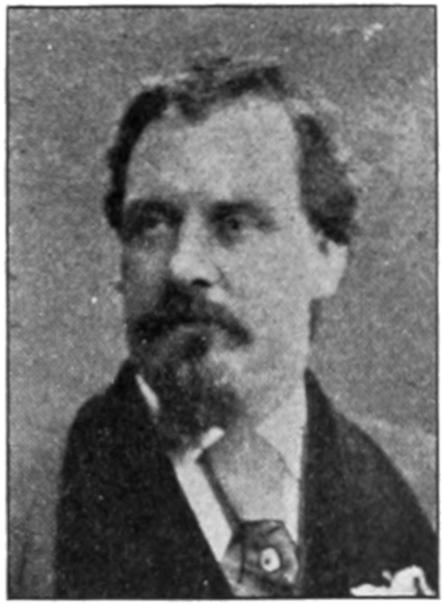
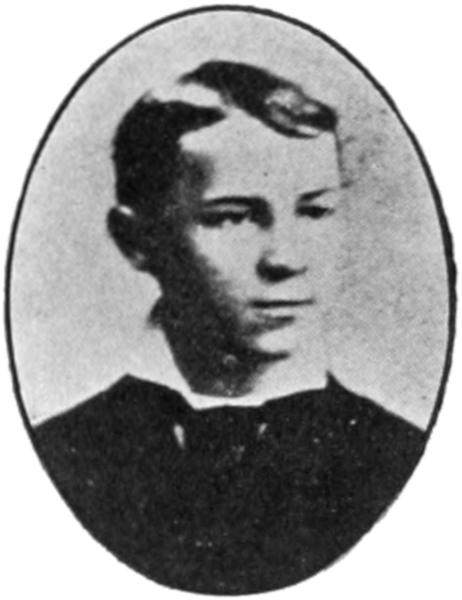
BURT. HAVERLY SAM. HAGUE EUGENE STRATTON (1878)
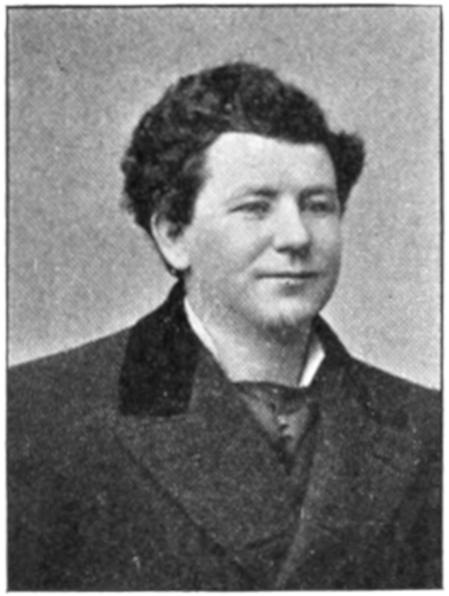
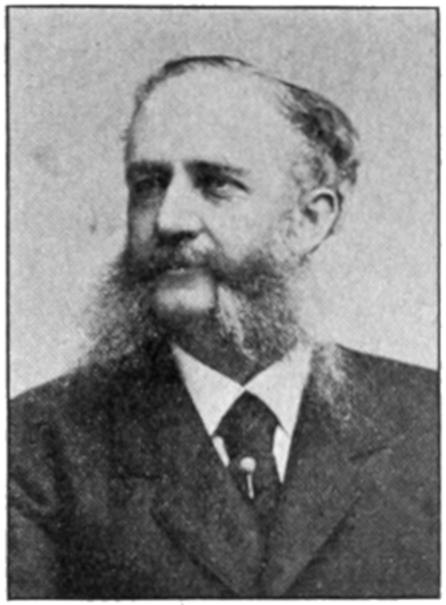
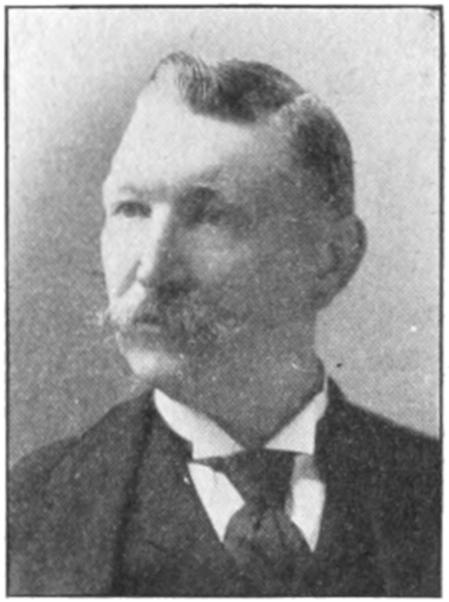
JOHNNY SHAY M. T. SKIFF JOHN W. THOMPSON
A GROUP OF GENUINES.
“‘Another dead man!’ gasped Lee; ‘Lord bless me, what do you mean?’
“‘Oh, that’s nothing,’ exclaimed Sothern, with a wave of his hand; ‘I stumble across them every night on my way home. They are killing men around here all the time. I trip over them, but pay no attention to them, but keep right on my way home. I don’t care to be summoned as a witness before the Coroner every day of my life.’ ‘Bless me!’ exclaimed Lee; ‘what a remarkable country!’
*****
“We finally reached Brown’s, and, having secured a table, we ordered chops and ale. Sothern and myself had not prearranged any joke upon our guest, but he had given me a wink, which I knew meant mischief, and I was ready to play second to any part he proposed performing. While we were eating, Sothern suddenly reached over and placed his fork in one of my chops, attempting to remove it to his plate. I prevented this by the insertion of my own fork, and then said, in calm but determined tones, ‘Ned, I don’t like that,’ to which Lord Dundreary responded, but not in the feeble tones of that stuttering stage nobleman, ‘Mr. Florence, I don’t care whether you like it or not; I want that chop!’
“With that I sprang upon him with uplifted knife and grabbed my dearly beloved friend by the throat, and he seized me in a similar way, while he apparently made desperate efforts to cut my jugular vein. In the melee which ensued the table was upset, and chops, ale, dishes, knives, forks and all the other appurtenances descended upon poor Lee in a shower. Brown, the proprietor of the establishment, who knew us both intimately, rushed forward and separated us, and at his solicitation, he thinking we were entirely in earnest, we finally shook hands and renewed our vows of eternal friendship upon one another’s bosoms.
*****
“That was the inception of the famous Lee dinner hoax. Sothern came to me afterward and said he desired to give the Englishman a dinner at the Gramercy Park Hotel, in order to introduce him to the customs of the great American people, and said that the only part he desired me to take in it was to be sure that Lee should be on hand at the appointed hour, which was noon of the following Sunday. To this I agreed. I knew, of course, that some sort of a joke was to be perpetrated upon Miss Neilson’s husband, but I pledge my word that I was not fully let into the secret, and was not advised of the programme. At the designated time I escorted Lee to the banquet room, which was on the first floor in the rear of the hotel office. I found out afterward that by special arrangement with Mr. Judson, the proprietor, the doors and windows had been well padded and covered so that no noise within could reach beyond them. The apartment was lighted with wax candles. Those assembled were John McCullough, Harry Montague, J. S. Polk, Charles Gaylor, all of whom had achieved fame upon the stage; Dan Bryant and Nelson Seymour, the most famous negro minstrels of their day; Commodore Dickinson, of the New York Yacht Club; George Brown, of the chop house, which bore his name; a gentleman named Cooper and, of course, Sothern, Lee and myself. None other than these was present.