Volume 1 / Part 3 — PART III.—Prose.
Henri Van Laun translation
PART III.—Prose.
SECTION I.—The Decay of Poetry237 SECTION II.—The Intellectual Level of the Renaissance243 SECTION III.—Robert Burton248 SECTION IV.—Sir Thomas Browne252 SECTION V.—Francis Bacon255
CHAPTER SECOND The Theatre
SECTION I.—The Public and the Stage264 SECTION II.—Manners of the Sixteenth Century267 SECTION III.—Some Aspects of the English Mind274 SECTION IV.—The Poets of the Period279 SECTION V.—Formation of the Drama291 SECTION VI.—Furious Passions—Exaggerated Characters296 SECTION VII.—Female Characters305
CHAPTER THIRD Ben Jonson
SECTION I.—The Man—His Life318 SECTION II.—His Freedom and Precision of Style321 SECTION III.—The Dramas Catiline and Sejanus327 SECTION IV.—Comedies333 SECTION V.—Limits of Jonson's Talent—His Smaller Poems—His Masques345 SECTION VI.—General Idea of Shakespeare350
CHAPTER FOURTH Shakespeare
SECTION I.—Life and Character of Shakespeare354 SECTION II.—Shakespeare's Style—Copiousness—Excesses366 SECTION III.—Shakespeare's Language And Manners371 SECTION IV.—Dramatis Personæ377 SECTION V.—Men of Wit382 SECTION VI.—Shakespeare's Women386 SECTION VII.—Types of Villains391 SECTION VIII.—Principal Characters393 SECTION IX.—Characteristics of Shakespeare's Genius407
INDEX
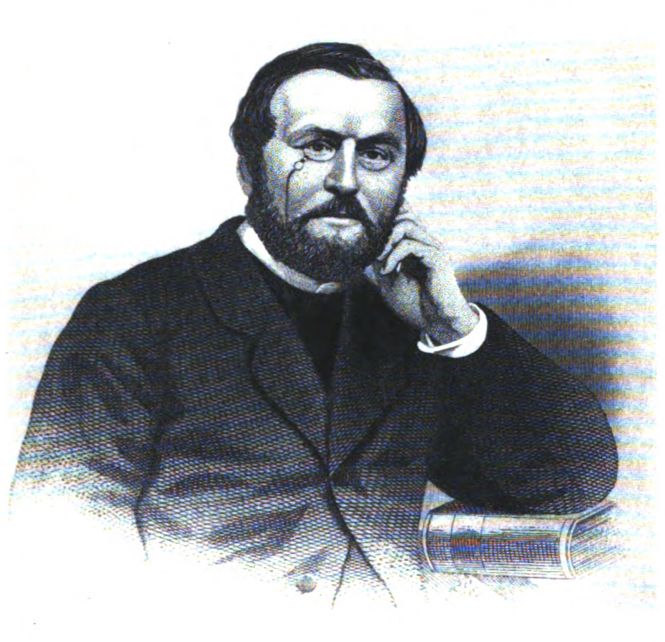
HIPPOLYTE ADOLPHE PAINE Photogravure from an engraving.
This picture shows the eminent French critic as he appeared thirty years ago. At that period his fame as a literary savant was spreading to the four quarters of the world, and he was lecturing daily to the crowds of students who had flocked to Paris to study literature under his guidance. In personal appearance he was unlike the traditional scholar, but resembled, in his quick, nervous energy and plain business-like ways, a keen-witted man of affairs. He was simple in dress, as the picture shows, and it is a noteworthy fact that the honors he received never caused him to lose his self-poise, or to cease his severe studies, which he carried on with diligence to the very day of his death. His face denotes the cool, critical, and well-balanced scholar, with the initiative to enter new fields of thought, and the will-power to impress his opinions upon others.