CORRESPONDENCE AND FILING (continued 2)
Reading edition
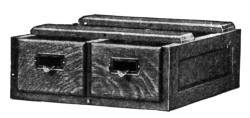
Fig. 34. Card Sectionet Shaw-Walker Co.]
At first, manufacturers of vertical filing equipment supplied nothing more substantial than boxes made of binder's board. Boxes the size of a vertical file drawer were used. These were usually stored on shelves, and to refer to the contents it was necessary to take down the box and remove the cover. To keep pace with improvements in filing cabinets, new styles of transfer files have been perfected. One of the most satisfactory of the more modern styles is the drawer transfer file, which is practically a single drawer section. It is made of light wood with a drawer as shown in Fig. 36. These files can be stacked, one on top of another, and locked together, making a solid filing cabinet. The drawers hold the contents of a vertical file drawer, but are not equipped with follower blocks, and are not recommended for current filing. These transfer files cost more than the old style, but when durability and accessibility are considered, they probably are more economical in the long run.
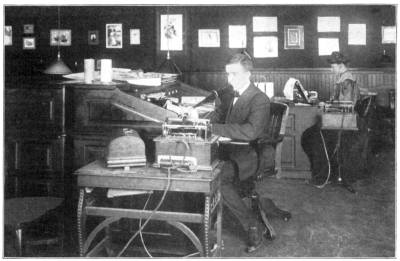
DICTATING TO THE BUSINESS PHONOGRAPH, MANUFACTURED BY THE NATIONAL PHONOGRAPH COMPANY, ORANGE, N.J.
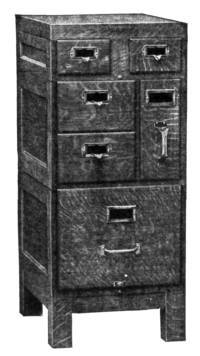
Fig. 35. A Stack of Sectionets Shaw-Walker Co.
Metal Files. Metal furniture is rapidly gaining in popularity for office use. All sorts of office furniture is now made of sheet steel—desks, tables, chairs, counters, and filing devices for all purposes. Metal cabinets are made in upright sections and equipped with the same filing devices found in wooden cabinets. Fig. 37 shows a row of metal sections, combining a variety of filing devices. At either end are roller book shelves and a cupboard, while in the center are six styles of files.
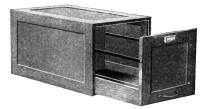
Fig. 36. Transfer Drawer. Browne-Morse Co.
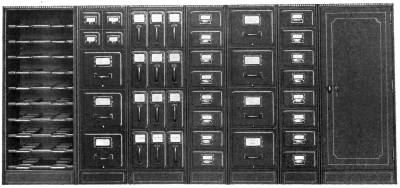
Fig. 37. A Row of Metal Files. The Berger Co.
The most apparent advantage of metal files is the safety afforded, as it has been amply demonstrated that they will go through a very severe fire without damage to contents. Few offices have sufficient vault space for the papers that must be kept. Metal files not only take care of the valuable papers, but by keeping all papers away from combustible material, act as a fire preventive.
Another reason for the increasing popularity of metal files is the scarcity of suitable timber and its advancing cost. The supply of oak and mahogany is decreasing so rapidly that the necessity for a substitute seems inevitable in the near future. For office furniture steel seems to offer the most practical substitute.
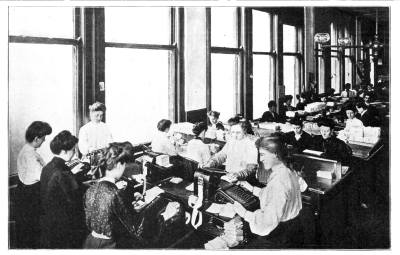
BURROUGHS ADDING MACHINES IN THE OFFICE OF THE FAIR, DEPARTMENT STORE, CHICAGO, ILL.