Chapter IV · Favors to a fishing corporation
Reading edition
Art. 88. The Minister of Agriculture shall contract with some person, syndicate or company, offering guarantees of sufficient ability, for the establishment of a fishing enterprise, which with headquarters in Belém (Pará) or Manáos, that can be conveniently equipped as quickly as possible, to begin this and its allied industries, on a large scale in the Amazon rivers.
Art. 89. The following favors shall be given the enterprise:
(a) Exemption from all import duties, including fees, for the vessels, instruments and other maritime material; for all the material necessary for the installation, complete equipping and establishment of the enterprise on conditions which would enable it to be a going industry in all its phases, as well as the drugs, ingredients, cans and boxes, or materials to make them, and in general for all that it may be necessary to import from abroad, indispensable to the maintenance of its vessels and factories, during a term of 15 years, to count from the date of its operations;
(b) Premium of animation in money to the amount of 10,000 mibreis during 5 consecutive years, when the production of preserved and salted fish shall be annually more than 100 tons;
(c) The right of condemnation for public use, of the lands and improvements belonging to individuals, judged appropriate and indispensable for the installation of any of the establishments that it is necessary to build on land;
(d) Exemption from all state and municipal imports because the object of the contract is for the federal public service.
Art. 90. All the property of the enterprise shall revert to the Union, at the end of the term for which the contract was granted.
Art. 91. The exemptions from duties shall be given by the custom houses in Belém and Manáos, by a requisition from the Minister of Agriculture, from whom it shall be requested, attaching to the request a memorandum of the objects with specification of the qualities, quantities and ends for which they are needed, and what are imported for the services of the first establishment, and after this what must be imported for its maintenance.
Art. 92. The enterprise shall be subject to inspection by the Government as to the safety of the steamers, and processes employed in fishing, the faithful use of the objects imported, the manufacture of preserving, in which substances hurtful to the public health shall not be employed, nor in the annual production of preserved or salted fish for the purpose of obtaining the premiums in money.
Art. 93. Specimens of fish not well known, the party shall send one properly preserved to the Minister of Agriculture, accompanied by a small relatorio describing the place and conditions under which it was caught and noting anything particular that might be interesting in studying it.
Art. 94. Every commander or master of the vessels of the enterprise, shall make a written communication to the directors for them to bring to the knowledge of the Government, the places where there is the existence of any obstacle to navigation, indicating the position in a good sketch of that stretch of the river, describing its nature and the route to be followed to avoid it. These communications shall be transmitted to the Minister of Transportation in order that he may place a signal on the obstacle, and as soon as possible remove it.
TITLE VI The Triennial Expositions Embracing All That Relates to the National Rubber Industry
Art. 95. The Rubber Expositions shall be held in Rio de Janeiro every three years, the first being on May 13, 1913; its object shall be to give the sum of the triennial movement of the national rubber industry in its various modifications, compared with the industry in other countries.
Art. 96. The triennial expositions shall include the rubber industry in all its branches and shall include the following classifications:
1. The Culture.
2. The Extraction.
3. The Improvement.
4. The Manufacture of Articles.
The classes shall be subdivided into groups including native and cultivated plants, machinery, utensils, processes, commercial type, studies and statistics.
Art. 97. Premiums of encouragement shall be given for the best processes of culture, extraction and treatment, and to the best manufactured products, whether as raw material, constituting commercial types for exportation, or as to manufacture.
Art. 98. The Government shall opportunely request the National Congress for the necessary enactments to make these premiums effective.
Art. 99. The rubber expositions shall be true expositions held in relation to the machinery and utensils and products of rubber of all kinds, but the sale sought to be registered in a special book, by the payment of a fixed percentage to the organizing commission which shall apply this income to the interests of these same expositions.
Art. 100. Foreign products can be admitted to these rubber expositions, for the purpose of permitting comparison and perfecting the national industry but shall receive no premium.
Section 1. Foreign products destined for the rubber expositions shall be free of all custom house duties, as established in Law No. 2,544, January 4, 1912, Article 89, No. 6, but if they are sold, shall pay their respective import duties when given to the buyers.
Sec. 2. Foreign products not sold shall be re-exported for the account of the respective expositors.
Art. 101. The transportation of the national products destined for the rubber expositions shall be gratuitous.
Art. 102. For these expositions there shall be prepared bound statistics and relatorios especially relative to the former period and as regards the rubber industry in Brazil, compared with the world movement.
Art. 103. During the expositions there shall be held:
1. National congresses specializing upon the rubber industry.
2. Lectures upon subjects previously chosen and illustrated with stereopticon slides.
For the carrying out of what is ordered in this article, the organizing commission shall provide for the respective programs and other measures for its entire success.
Art. 104. From all the principle products exhibited some specimens shall be selected to constitute a permanent exhibit, which shall remain exhibited in the Commercial Museum of Rio de Janeiro, and in whose care shall also remain some reserves to be sent to similar Museums in Brazil and in foreign lands.
TITLE VII The Direction and Inspection of the Service
Art. 105. The direction and inspection of all the service for the economic defense of rubber, shall be in charge of a provisory department of the Minister of Agriculture, Industry and Commerce, entitled “Superintendency of the Protection of Rubber.”
Art. 106. The superintendency is charged with:
1. To receive, to record, to prepare, and to inform the manuscripts which depend upon the despatch of the Minister.
2. To see to the effective and integral execution of measures of an administrative character foreseen in the Regulation.
3. The study, planning, calculating and execution of the work that must be done by the administration.
4. The study, planning, calculating, and execution of the work that must be done by contract.
5. The closing, with the approval of the Minister, of the contracts and the decrees relative to the concurrence of the States and Municipalities for the works and measures which they resolved to aid.
Section 1. Each service that has been definitely installed and is in normal working condition, shall be given over to a section of the Ministry of Agriculture with which it harmonizes and incorporated or subordinated.
Sec. 2. For the measure that is being executed as ordered in Sec. 1, the Government shall provide that the proper lawful budgets shall be apportioned of the means necessary for the maintenance, conservation and development of new settlements.
Art. 107. The Superintendency of the “Protection of Rubber” shall be constituted of:
A central section working in the Federal Capital.
A district section with headquarters in the national plantations of Rio Branco.
Partial commissions for services that may be indispensable.
Districts of inspection embracing one or more States, in conformity with the number and importance of the services under way.
Art. 108. The central section shall be composed of a superintendent, a secretary, a constructing engineer, an agricultural engineer, an engineer of the second class, two draughtsmen, two typewriters, a bookkeeper, two clerks, a messenger and two servants.
The district section shall be composed of a chief engineer, an engineer of the first class, engineers of the second class, agricultural engineers, conductors of the first and second class, a draughtsman, a bookkeeper, a paymaster, a customs officer, technical assistants, journalists and a physician.
The partial commissions shall be composed of a chief engineer, the technical and administrative personnel necessary, in conformity with the work to be done, and a physician.
The districts for inspection shall consist of a chief engineer, an engineer of the second class, an agriculturist and assistants to the number necessary and sufficient.
The staff of the employes shall not be fixed, but vary according to the development of the work, and will correspond well with the distribution of the respective work and the special instructions opportunely executed.
Art. 109. The services relative to the triennial rubber expositions, shall be directed by a special commission presided over by the minister and composed of the superintendent, who shall take the place of the minister in his absence, and of the members of the Permanent Commission of Expositions, created by Article 89 of Law No. 2,544, January 4, 1912.
Art. 110. All the personnel of the superintendency shall be considered in commission and dismissed when the work is finished for which it was formed.
Art. 111. There shall be appointed: by decree of the President of the Republic, the superintendent; by preferment of the Minister, the chief engineers, the secretary of the central section, the engineer of the first class and the paymaster of the district section; by the Superintendent, the engineers of the second class, the agriculturists, the physicians, the draughtsmen, the typewriters, the clerks and the customs officials; by the chief engineers, the personnel who work under their direction.
Art. 112. The salaries of the employes shall be those fixed in the annexed table.
For the employes in the services which were incident to the order in the first section of Article 106, the salaries are fixed in accord with tables for similar service already existing in the Minister’s department, increased from fifty to eighty per cent for those who shall be situated in the valley of the Amazon, while the high cost of living shall continue in that respective place.
Art. 113. For services which shall be thought advantageous, and when they have good reputations, the Government may employ professional specialists, natives or foreigners, paying them annual salaries not greater than those in the table or a lump sum for the service rendered, as may be advisable in each case.
Art. 114. To provide for the increase in the work of the Director General of Accounts, in consequence of the services mentioned in this regulation, there shall be added to the same Directorship, employees of the Treasury and other departments of recognized ability and the typewriters in commission accepted, under the proposal of the Director General; working overtime, whenever necessary, in accordance with Articles 68 and 71 of the Decree, No. 8,889, of August 11, 1911, the work of counting, examining, inspecting and recording the expenses, distribution of credits, advances, and other things of an urgent nature.
The expenses resulting from the order in this article shall be met by the credits which were opened in accordance with Article 14 of Law No. 2,543A, of January 5, 1912. It pertains to the Minister to fix the gratuities of the typewriters and the employes of the Department of Finance to which this same article refers.
TABLE OF THE SALARIES OF THE PERSONNEL OF THE SUPERINTENDENCY “PROTECTION OF RUBBER”
Classes Monthly Salaries
Superintendent 5,000$000
Chief Engineer of the Section Rio Branco 2,700$000
Physician 2,500$000
Constructing Engineer 1,500$000
Chief Engineer of the Partial Commission 1,250$000
Chief Engineer of the District of Inspection 1,250$000
Engineer of the first class of the Section Rio Branco 1,250$000
Agricultural Engineer 1,000$000
Engineer of the second class 1,000$000
Secretary to the Superintendent 1,000$000
Paymaster of the Section Rio Branco 1,000$000
Conductor of the first class 750$000
Customs Official of the Section Rio Branco 750$000
Conductor of the second class 600$000
Draughtsman 600$000
Bookkeeper 500$000
Technical Aid 450$000
Clerk 350$000
Typewriter 350$000
Messenger 200$000
Servant 150$000
The personnel in service in the Valley of the Amazon, with perhaps the exception of the Chief Engineer of the Rio Branco section, shall receive an increase over the salaries mentioned in the table, varying from fifty to eighty per cent according to the judgment of the Superintendent because of the high cost of living in their respective places.
A third part of the annual salary shall be considered the gratuity of the office.
To the technical personnel, to the paymaster, and to the physicians shall be adjudicated by the Superintendent a daily allowance of from 5$000 to 30$000.
Rio de Janeiro, April 17, 1912.
PEDRO DE TOLEDO.
List of utensils and materials exempt from importation duties, to which Article 2 of Decree No. 9,521 of April 17, 1912, refers:
FIRST GROUP Implements and Utensils for the Rubber Gatherer
Axes.
Hatchets.
Knives and special apparatus for the incision of trees.
Buckets, pails, basins of tin, zinc or other material.
Pitchers for smoking.
Machines destined for the coagulation of the milk.
Cylinders for pressing.
Colanders and their appurtenances.
SECOND GROUP Implements and Material for Cultivation
Electric detoners and their accessories.
Dynamite.
Mining powder and other explosives.
Caps and fuses.
Decauville lines.
Mono rails.
Aerial transporters and their accessories.
Locomotives and stationary engines.
Chemical drugs, disinfectants and insecticides.
THIRD GROUP Materials and Utensils Intended for the Culture of Trees and Treatment of Rubber, including:
Materials for the necessary installations for the mounting of factories, construction of buildings, huts and houses of workmen, box factory and factory for rubber articles.
FOURTH GROUP Chemical Substances, Raw Material, Thin Cloth and Other Objects Used in the Treatment of and Manufacture of Rubber Articles
a. Coagulants:
Acetic Acid.
Fluoric Acid.
Formic Acid.
Sulphuric Acid.
Hydrochloric Acid.
b. Dissolvents:
Aceton.
Ethylic Alcohol.
Methylic Alcohol (C. H. 4 O).
Benzine.
Benzol.
Borax or
Borate of Sodium. (Na² B. ⁴O⁷ 10 H² O).
Chloruret of Carbon.
Chloroform.
Ether.
Essence of Therebentine.
Methylbenzol or Tolnol (C⁷ H⁸).
Solvent Naphtha.
Oil of Camphor (essence).
Oil of Dippel.
Parafin Oil.
Sulphuret of Carbon.
Tetrachloruret of Carbon.
c. Deodorizers and Disinfectants:
Camphin or Camphene.
Animal Charcoal.
Porcupine Grape Yellow.
Anilines and their derivatives.
Arsenites and their derivatives.
Aureoline.
Cobalt Blue.
Methylen Blue.
Bistre.
Fixed White (Salts of Baryum, etc.).
Creosote.
Cresolin.
Essence of Lavender.
Essence of Lemon.
Essence of Peppermint.
Essence of Menthol (C¹⁰ H² O).
Essence of Eucalyptus.
Essence of Florence Lily.
Essence of Mustard.
Essence of Moss.
Essence of Rosemary.
Essence of Tomilho.
Essence of Thymol.
Farmol, Formaldehyde or Formalin.
Nitrobenzol.
d. Coloring Materials:
Cassel’s Yellow.
Van Dyck and Bismarck Brown.
Yellow Brilliantine.
Bronze and its derivates.
Orange Bleu.
Brooksite (Mixture of rosin and oils).
Bukaramuguiana.
Pattison White.
Paris White.
Wax for cables (wax, asphalt and rosin).
Cachou.
Rosin Colors.
Massicot.
Minio.
Murexide (purple).
Paris Black.
Lamp Black.
Ivory Black.
Uranium Black.
Vine Black.
Nigramine.
Ochre of all colors.
Orange Neutral.
Salts of Mercury.
Sulfapone.
Terre d’Ombre.
Falladium Red.
Vermillion (sulphuret of mercury).
e. Hydrocarburets, Heavy Bodies and Oils:
Stearic Acid.
Fish Oil.
Fichetelito (C¹⁸ H²²).
Vegetable Fibre.
Glycerin.
Heptana.
Idrialine (C³⁰ H⁵⁴ O²).
Lanoline.
Linoxine.
Marito Lard.
Naphthaline.
Arachyde Oil (Amendoim).
Cole Seed Oil.
Wood Oil, Chinese and Japanese.
Cotton Seed Oil.
Layos Oil.
Banba Oil.
Oil of Wool (fat of wool from sheep).
Linseed Oil.
Corn Oil.
Cod Liver Oil.
Nut Oil.
Olive Oil.
Palm Oil (Attalea Excelsis, Bertholetin Excelsis, Maximiliana regia).
Pine Oil.
Ricine Oil.
Soja Oil.
Calves’ Foot Oil.
Tung Oil.
Vulcanized Oils.
Nitrated Oils.
Parafin.
Pentan.
Petroleum and all its derivatives.
Stearine.
Vaseline.
f. Resin, Resinous Gums and Lacs:
Yellow Amber.
Ambroid.
Natural Balsam.
Canada Balsam.
Chypre Balsam.
Sulphur Balsam.
Perú Balsam.
Therebentin Balsam.
Talu Balsam.
Benjoim.
Colophane.
Copal.
Banana Gum.
Lac Gum.
Kauri Gum.
Lacs separate.
Enamel Lacs and all their derivatives.
Rhus Lacs.
Mastick.
Rosin Oil.
Ammonia Rosin.
Bourgogue Rosin.
Damar Rosin.
Elemi Rosin.
Hymenea Courbaril.
Rosin (Copal).
Jalap Rosin.
Myrrh Rosin.
Xanthorea Rosin.
Sandarac.
Storax.
Therebentine.
Venice Therebentine and its derivatives.
g. Agents of Vulcanization:
Metallic Antimony and its derivatives.
Bromurets and all their derivatives.
Calcium and its derivatives.
Caustic Lime.
Chlorine (Cl.) and all its derivatives.
Lead and all its derivatives.
Sulphur and all its derivatives.
Iodine and all its derivatives.
Sodium and its derivatives.
Zinc and its derivatives.
h. Fibres and Cloth:
Cotton.
Brass.
Cabo Asbestos.
Maselig Asbestos.
Hemp.
Banana Hemp.
India Hemp.
Sisel Hemp.
Madrasta Hemp.
Manila Hemp.
Fibres of all kinds of vegetable or animal origin.
Vulcanized Fibres.
Raphia Fabrics.
Lace.
Flax Thread.
Jute.
Wool.
Flax.
Luffa.
Japan Lacs.
Nanking.
Cotton Cloth.
Asbestos Cloth.
Linen Cloth.
Paper Maché.
Parameta.
Rami.
Silk Cloth, animal and vegetable.
Taffetas.
Zaputtine and its derivatives.
i. Isolated Materials:
Asbestos and all its derivatives.
Alexite.
Algina.
Amiante.
Asphalt.
Astrictum.
Russian.
Birch.
Animal and Vegetable Tar of lignite, hulha and all their derivatives.
Bitite.
Bitumen.
Colorifugos and all its derivatives.
Cerasine.
Cork.
Cellulose and all its derivatives.
Esbetine.
Eshalite.
Fermantine.
Fassilite.
Fucasine.
Gasoline.
Gelatine.
Gilsonite.
Hermetine.
Karphite.
Lava.
Ledererite.
Lithine.
Lithocarbon.
Manjak.
Marloid.
Mica.
Mecanite.
Oil of Tar.
Okonite.
Ouralite.
Ozocerite.
Ozotere.
Vegetable.
j. Divers Materials:
Citric acid (C⁶ H⁸ O⁷).
Azotic acid (H. N. O³).
Salicylic acid.
Sehacic acid.
Oxalic acid (C² H² O⁴).
Oleic acid (C¹⁶ H³⁴ O²).
Tartaric acid.
Agalmatolite.
Areometers.
Alkalies.
Ammonia.
Salts of Ammonia.
Aluminum and its derivatives.
Alum.
Starch.
Auhydrite.
Autibenzine Pirine.
Astraline.
Atmold.
Whale Oil.
Balenite.
Balons.
Salts of Baryum.
Materials for bleaching.
Bolus.
Camptulikon.
Afridi Wax.
Japan Wax.
Caruabuba Wax.
Carbarundum.
Materials for
Beech Creosote.
Chlorhydrate of Quinine.
Cyanuret of Potassium.
Caseina.
Ceramyl.
Vegetable Coal.
Coal Dust.
Horn.
Mineral and Vegetable Waxes.
Fish Glue.
Coralline.
Caokaline.
Leather.
Copper and its derivatives.
Dextrina (C¹² A²⁰ O¹⁰).
Dextrose.
Diamond.
Dichlorohydrine.
Dielectrics.
Dielectrine.
Eburine.
Sponges.
Tin and its derivatives.
Eternite.
Flour.
Potato Sediment.
Felds Pathe.
Fibroleum.
Metallic Wires.
Sheets of Tin.
Lasts.
Fuller.
Fustian.
Galalithe.
Gas.
Gaze.
Fish Glue.
Glucose.
Glutin.
Graphite.
Mineral Oils.
Gypsum.
Hemalite.
Hatschetine.
Hydrofugine.
Koalin.
Kisselguhr.
Compound Kirrage.
Lactoleum.
Lederine.
Limeite.
Lactoite.
Lactites.
Material for Polishing.
Magnalium.
Magnesium and its compounds.
Magnesia.
Magnesia Calcinated.
Marble Dust.
Morocoline.
Nickel.
Salt of Nipa.
Nitronaphtaline.
Organdim.
Bones.
Pagodite.
Pantasote.
Petrifite.
Earth of Pipe.
Pumice Stone.
Phosphorus.
Plombago.
Pluviosine.
Salts of Potassium.
Poudre Rouge.
Anti-ronille.
Sand.
Salitre (Nitrate of Potash K. N. O³).
Soap.
Sawdust.
Silicates of Aluminum.
Bronze Silicium.
Hides.
Luberine.
Luberite.
Metallic Sulphuret.
Isinglass.
Tannico.
Metallic Cloth.
Turfa.
Tripoli.
Trichopiese.
Hulha Varnish.
Wood Vinegar.
Vulcoleina.
Wallasine.
Waterproof Varnish.
Whaleboline.
Xylolithe.
Rio de Janeiro, April 17, 1912.
PEDRO DE TOLEDO, Minister of Agriculture.
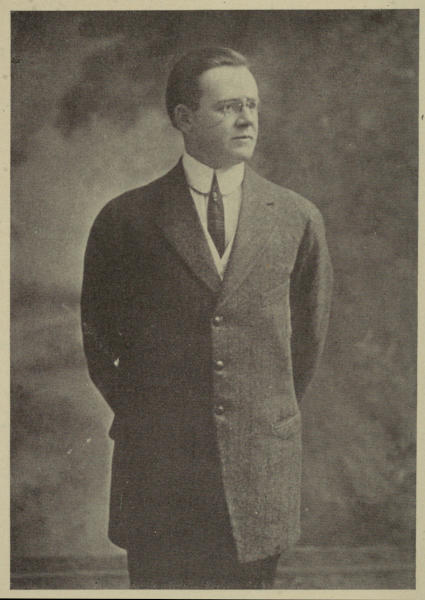
GEORGE E. PELL, ESQ. Commissioner for the Commercial Association of Pará