← Table of contents
A New System; or, an Analysis of Antient Mythology. Volume 2 (of 6)

TAR, TOR, TARIT.

Reading edition

Κολχοι ναιεταουσιν επηλυδες Αιγυπτοιο.

Colchis was styled Cutaia, and had been early occupied by the sons of Chus. The chief city, whence the country has been in general denominated, was from its situation called Cal-Chus, and Col-Chus, the hill, or place of Chus. This by the Greeks was rendered Colchis: but as travellers are not uniform in expressing foreign terms, some have rendered what was Colchian, Chalcian, and from Colchus they have formed Χαλκος, brass. The Chalcian towers being moreover interpreted ταυροι, bulls, a story took its rise about the brazen bulls of Colchis. Besides this, there was in these towers a constant fire kept up for the direction of ships by night: whence the bulls were said to breath fire.

Τρινακιῃ νησῳ.

And the name, originally, did not relate to the island in general, but to a part only, and that a small district near Ætna. This spot had been occupied by the first inhabitants, the Cyclopians, Lestrygons, and Sicani: and it had this name from some sacred tower which they built. Callimachus calls it, mistakenly, Trinacria, but says that it was near Ætna, and a portion of the antient Sicani.

Αυε δε Τρινακριη Σικανων ἑδος.
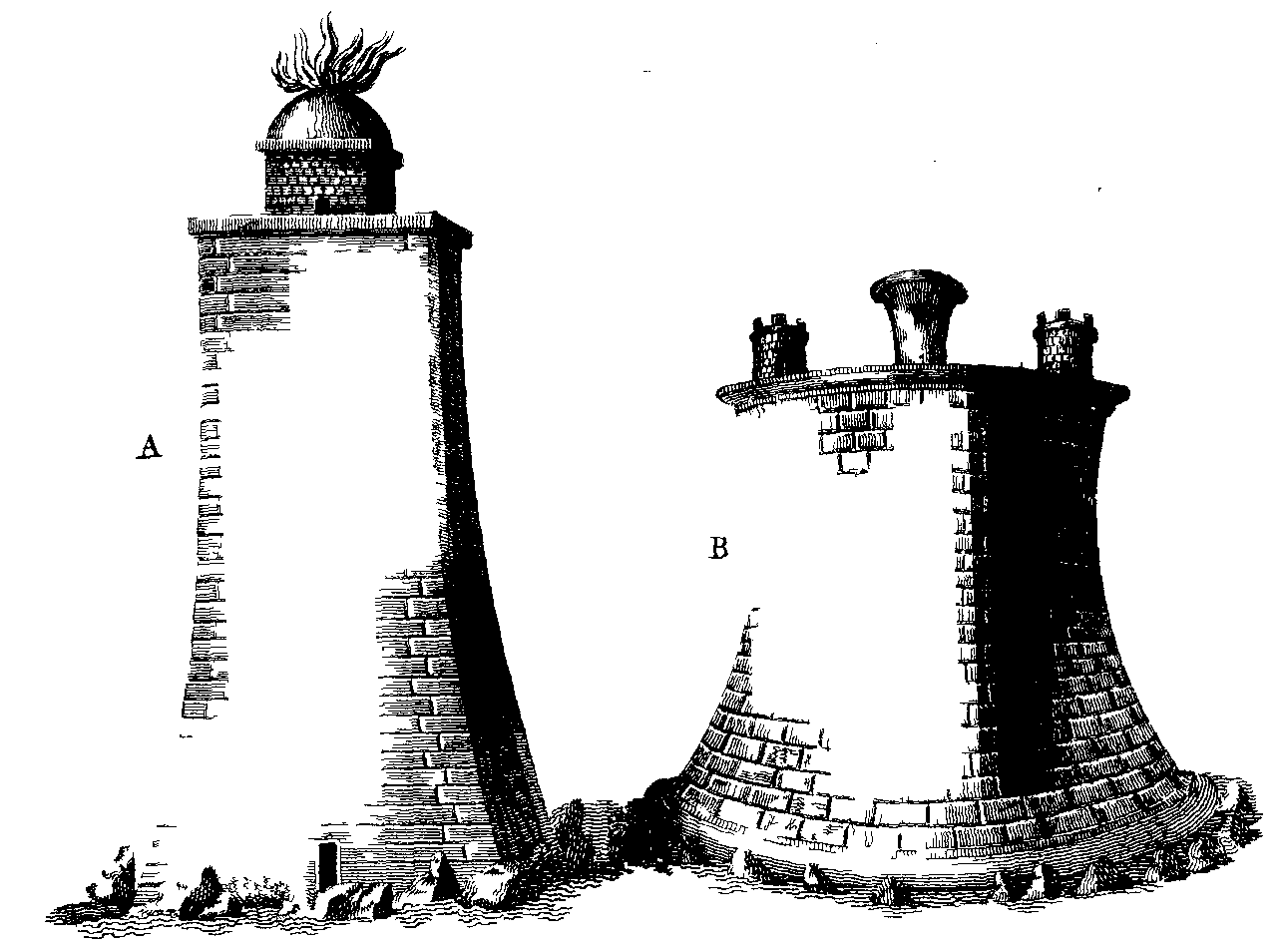
Plate VI
Plate VI

A The ancient Tower at Torone B Tower of Cronus in Sicily
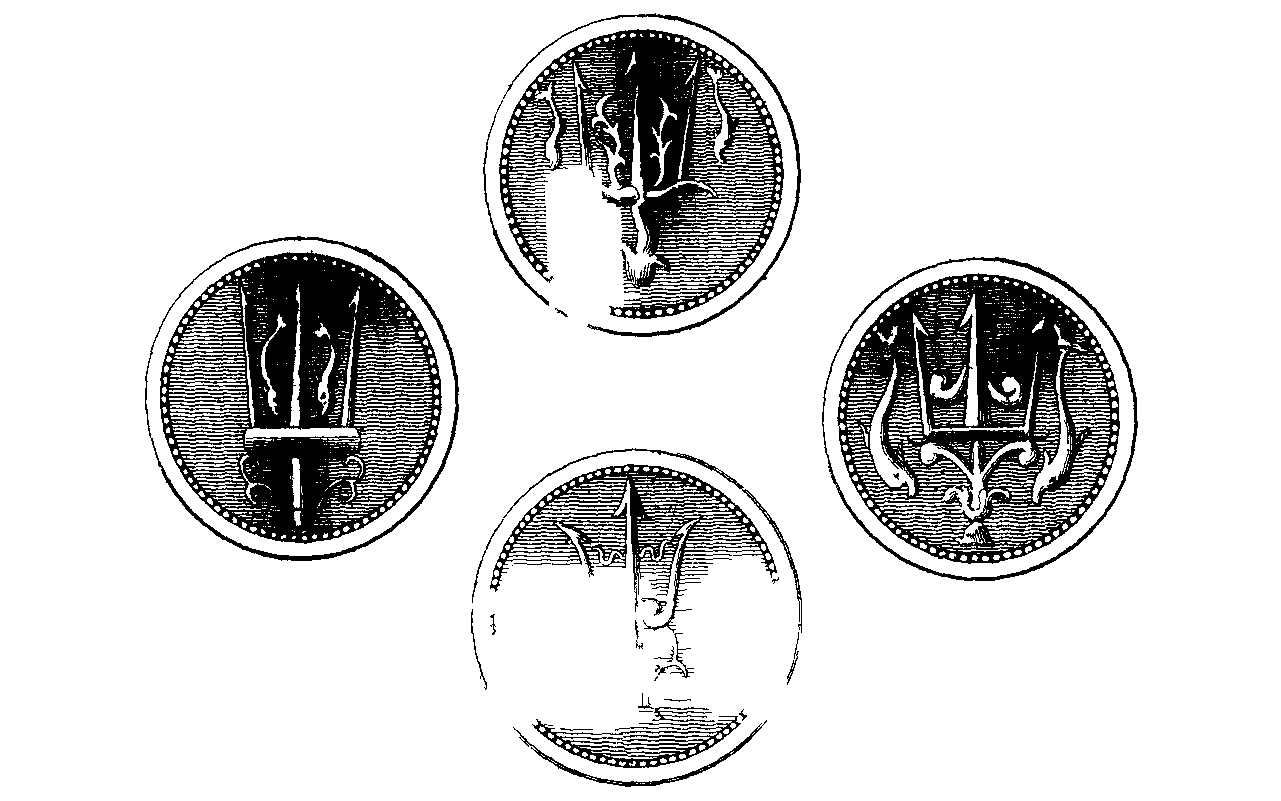
Plate VI
Plate VI

Ancient Triainæ

Homer, who has constructed the noblest poem that was ever framed, from the strangest materials, abounds with allegory and mysterious description. He often introduces ideal personages, his notions of which he borrowed from the edifices, hills, and fountains; and from whatever savoured of wonder and antiquity. He seems sometimes to blend together two different characters of the same thing, a borrowed one, and a real; so as to make the true history, if there should be any truth at bottom, the more extraordinary and entertaining.

Φαντι θανειν λιπαρᾳ Ιφιμεδειας παιδας

Ωτον, και σε, τολμαεις Εφιαλτα αναξ.

They are also mentioned by Homer, who styles them γηγενεις, or earthborn: and his description is equally fine.

Ωτον τ' αντιθεον, τηλεκλειτον τ' Εφιαλτην·

Ὁυς δη μηκιστους θρεψε ζειδωρος αρουρα,

Και πολυ καλλιστους μετα γε κλυτον Ωριωνα.

Εννεωροι γαρ τοι γε, και εννεαπηχεες ησαν

Ευρος, αταρ μηκος γε γενεσθην εννεοργυιοι.

Θηρας ὁμου ειλευντα κατ' ασφοδελον λειμωνα.

Notes in this chapter

Note 1 · We however sometimes meet with sacred towers, which were really denominated Tauri from the worship of the mystic bull, the same as the Apis,Note 2 · Among the [240]Hetrurians this term seems to have been taken in a more enlarged sense; and to have signified a city, or town fortified. WhenNote 3 · Τυρσηνης Βαρυδουπον εχων σαλπιγγα θαλασσης·Note 4 · as possessing the deep toned trumpet of the Hetrurian main. However in early times these brazen instruments were but little known: and peoplNote 5 · The term Tor, in different parts of the world, occurs sometimes a little varied. Whether this happened through mistake, or was introduced foNote 6 · Ὁπποτε δη πρωτον πελασῃς ευεργεα νηαNote 7 · Αυε δ' αρ' Αιτνα,Note 8 · The island Rhodes was called [254]Trinacia, which was not triangular: so that the name had certainly suffered a variation, and had no relatiNote 9 · I imagine that the trident of Poseidon was a mistaken implement; as it does not appear to have any relation to the Deity to whom it has beenNote 10 · Cerberus was the name of a place, as well as Triton and Torone, though esteemed the dog of hell. We are told by [259]Eusebius, from PlutarchNote 11 · As I often quote from Palæphatus, it may be proper to say something concerning him. He wrote early: and seems to have been a serious and senNote 12 · I cannot help thinking, that Otus and Ephiâltes, those gigantic youths, so celebrated by the Poets, were two lofty towers. They were buildinNote 13 · Εν δε ΝαξῳNote 14 · Και ῥ' ετεκεν δυο παιδε, μινυνθαδιω δε γενεσθην,Note 15 · Homer includes Orion in this description, whom he mentions elsewhere; and seems to borrow his ideas from a similar object, some tower, or teNote 16 · Τον δε μετ' Ωριωνα Πελωριον εισενοησα,Note 17 · The Poet styles him Pelorian; which betokens something vast, and is applicable to any towering personage, but particularly to Orion. For theNote 18 · Ωριων τριπατωρ απο μητερος ανθορε γαιης.Note 19 · These towers, near the sea, were made use of to form a judgment of the weather, and to observe the heavens: and those which belonged to citiNote 20 · When towers were situated upon eminences fashioned very round, they were by the Amonians called Tith; which answers to תד in Hebrew, and to Note 21 · These mounts, λοφοι μαστοειδεις, were not only in Greece; but in Egypt, Syria, and most parts of the world. They were generally formed by arNote 22 · Πυργους εισοψεσθε Κυταεος Αιηταο,
Explore with AITake your curiosity a little further.

Reading settings