Volume 1 — CHAPTER XII. NORTHERN RELICS—BOG FINDS.
Reading edition
Numerous Greek and Roman objects—Intentional destruction of weapons—Thorsberg find—Coats of mail—Garments and harness—Weapons and ornaments—The Vimose find—The sax—Bronze and iron spurs—Carpenter’s plane—The Kragehul find—The Nydam find—Discovery of a large oak boat—Its construction—Various weapons, tools, and ornaments—Damascened swords.
Before passing on to other parts of our wide subject, let us examine somewhat more minutely and in detail the various classes of remarkable objects which have been found in the lands of the old Norsemen, belonging to the earlier iron age.
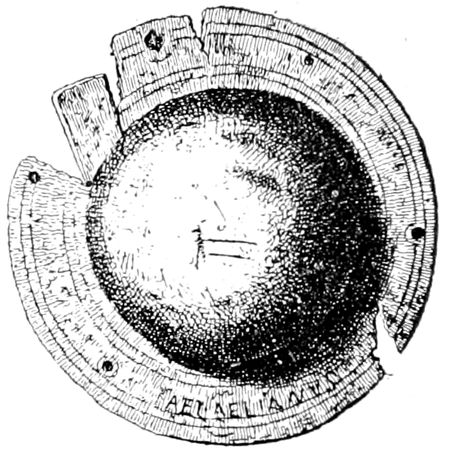
Fig. 339.—Shield boss of bronze with Latin inscription AELAELIANVS. ⅕ real size.—Thorsbjerg find.
The bog finds[157] are very important, and throw additional light on the earlier history of the people. From them we are able to see how people were dressed, and to learn about their riding equipment, agricultural implements, cooking utensils, household vessels, waggons, tools, and offensive and defensive weapons; from one of these also we were first made acquainted with their sea-vessels. Many of the objects appear to be of Greek or Roman origin, and Roman coins are found, so that we can approximate closely the date when the objects were in use, and consequently the taste and manner of living of the period.
194We can dress a warrior from head to foot, and wonder at his costly and magnificent equipment, and his superb and well-finished weapons, and can realise how magnificent must have been some of his riding and driving vehicles.
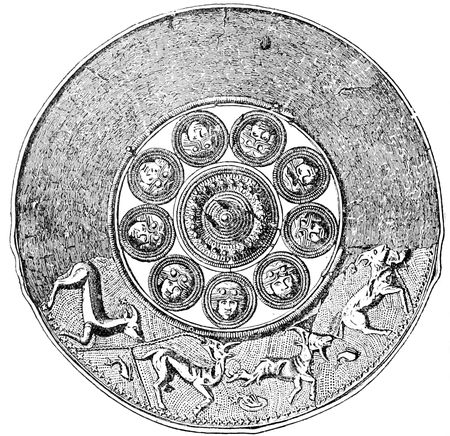
Fig. 340.—Bronze breast-plate, covered with gold and silver.—Thorsbjerg find.
All these antiquarian bog-finds are within very easy access of the sea, varying in depth beneath the surface of the earth—in the Thorsbjerg bog, 10–14 feet; in the Nydam, 5–7 feet; the Vimose, 4–5 feet. Those of Denmark have proved far richer than those of the present Sweden, Norway, and the countries situated on the eastern and southern shores of the Baltic. In numerous instances the objects are unique, and many present a great similarity to those found in the skeleton graves, such as swords with Roman characters upon them, fragments of wooden buckets, checkers, dice, &c.
195Here also, as in the graves where the bodies were burnt, we find objects intentionally damaged. This bending, twisting, and hacking of weapons seems to have been a religious custom. The spear-handles, scabbards, bows, arrow-shafts, and shields are often broken into fragments, or rolled together in inextricable knots. Ringed coats of mail and garments are torn to pieces, which afterwards were wrapped carefully together; and the skulls and skeletons of horses are cleft in many places.
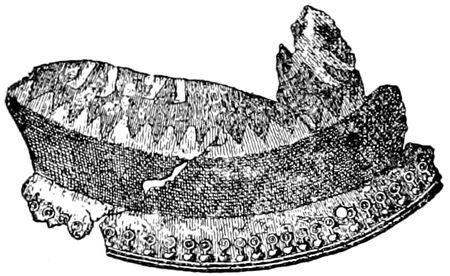
Fig. 341.—Fragments of silver shield boss, with gilt ornaments.—Thorsbjerg find.
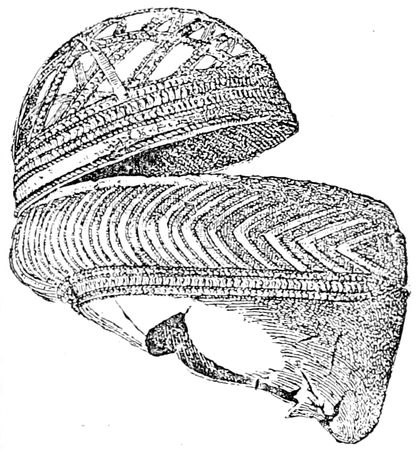
Fig. 342.—Silver helmet.—Thorsbjerg find.
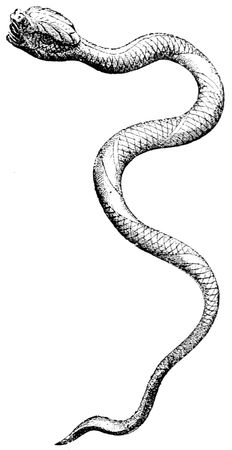
Fig. 343.—Bronze serpent: probably ornament to helmet.—Thorsbjerg find.
These masses of objects seem to imply that they were either the spoils and remains of great fights between different chieftains, or offers to the gods thrown into sacred springs. In this latter case the finds must be the produce of a long series of years, and have been given to the gods at different times, 196the destruction, instead of taking place on the pyre, having taken place on the water.
This destruction was not apparently peculiar to the inhabitants of the North, for Cæsar relates of the Gauls, that when they went into battle they made a vow to consecrate the booty to the god of war. After the victory the captured animals were sacrificed, and the rest of the booty was brought together into one spot.
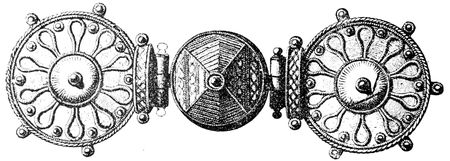
Fig. 344.—Bronze buckle inlaid with gold and silver, for ring armour; the back shows how the rings were attached. ⅔ real size.—Thorsbjerg Bog-find.
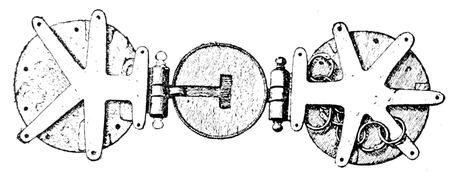
Reverse.
The narrative of Crosius offers the most striking similarity between this custom and that of the Cimbrians and Teutons, who, when coming from the North after their victory over the Romans at Arausia (near the river Rhone), in the year 105 before Christ, sacrificed the whole of the booty. He relates:—
“When the enemies had taken possession of two camps and an immense booty, they destroyed under new and strange imprecations all that had fallen into their hands. The clothes were torn and thrown away, gold and silver thrown into the river, the ring armour of the men cut to pieces, the accoutrements of the horses destroyed, the horses themselves thrown into the water, and the men with ropes around their necks suspended to the trees, so that there was no more booty for the victors than there was mercy for the conquered.”
197
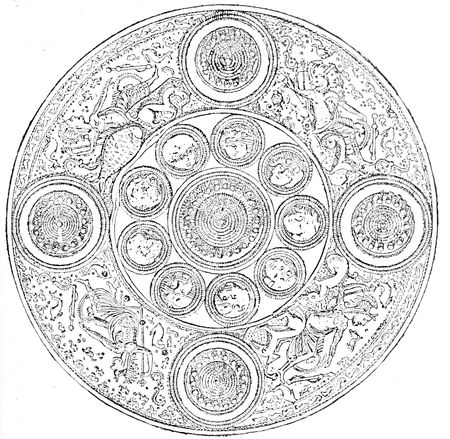
Fig. 345.—Bronze plate, covered with gold and silver, belonging to ring armour.—Thorsbjerg find.
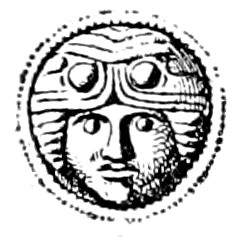
Fig. 346.
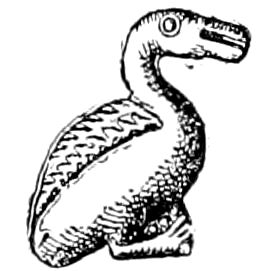
Fig. 347.
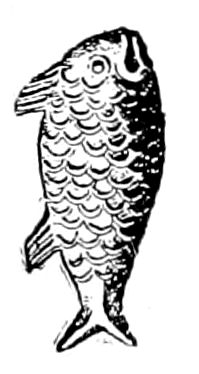
Fig. 348.
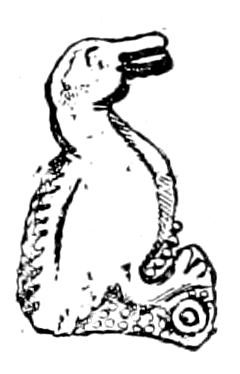
Fig. 349. Figures, made of thin silver plates, belonging to bronze plate.
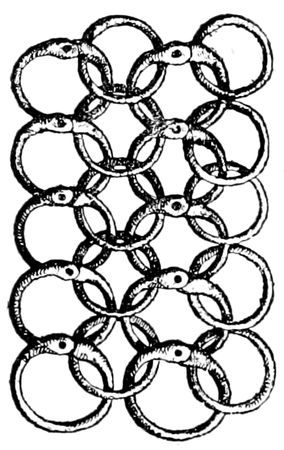
Fig. 350.—Fragment of ring armour. Real size.
198One might suppose that Orosius has here described the feast of victory at Nydam or Thorsbjerg.
If any proofs were needed to show that the objects were intentionally placed in the water, we have them in the fact that several clay vessels have been sunk by heavy stones being put in them, and that other objects were fastened to the bottom by means of large wooden hooks. Finally, we ought to add, the space within which the antiquities were found was in several places marked off by fence-like wicker hurdles of twigs, or by poles, spears or swords, stuck into the mud.
The Thorsbjerg[158] Bog-find.—The researches in this find cover a period of six years, from 1856 to 1862, and is one of the most remarkable, for here were brought to light objects unknown in other similar finds. From the coins[159] enumerated below, we 199must come to the conclusion that many of the objects found belong to the second century of our era. Among the most remarkable antiquities of warfare are the superb coats of mail found in the North, and the skill displayed in making war accoutrements at such an early period shows an advanced state of civilisation. These coats of mail (which are also found in graves) are a network of rings each of which is run through four others. In their workmanship they vary:—in some the rings are clinched; in others only every other ring is riveted, the alternate ones being welded together, so that each clinched ring grasps four welded ones, and each welded ring grasps four riveted.
THORSBJERG FIND.
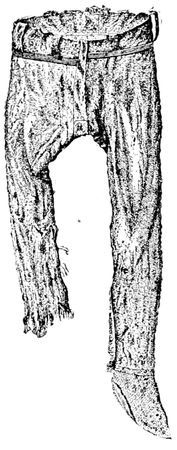
Fig. 351.—Trousers of woven woollen cloth.[160] Length 45 inches. Width round waist 38½ inches. On the waistband were several small loops which probably held the waistbelt. The socks which are sewn to the trousers are of the same pattern as that of the sleeves of the shirt, but the squares are smaller. 1 18 real size.
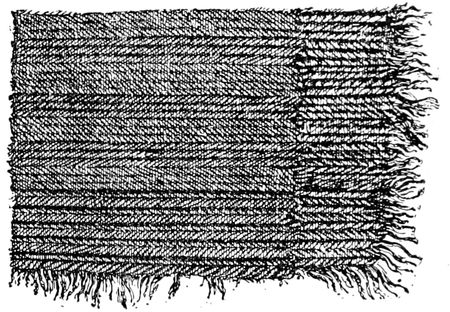
Fig. 352.
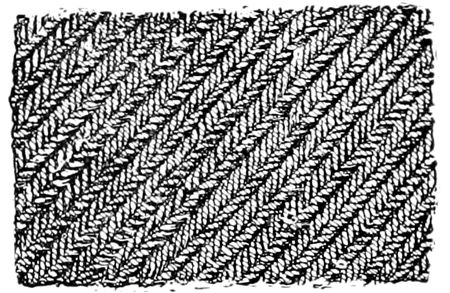
Fig. 353.
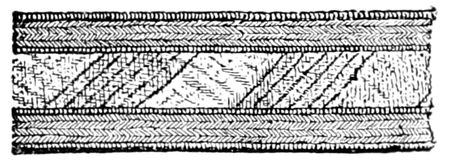
Fig. 354. Fragments of woollen cloak, with border.
200
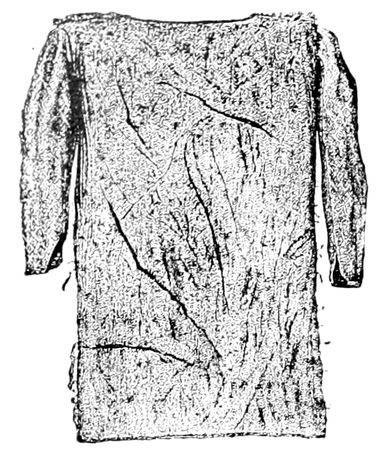
Fig. 355.—Woollen shirt or blouse 33½ inches long, 20 inches wide, with wristbands of a stronger cloth and a lighter colour than the shirt, which is brownish red. Both sleeves are of a stronger cloth than that of the body of the shirt. 1 20 real size.
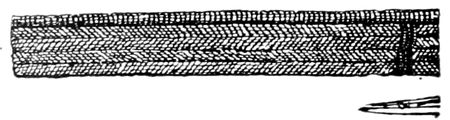
Fig. 356.—Woven border at bottom of the shirt.
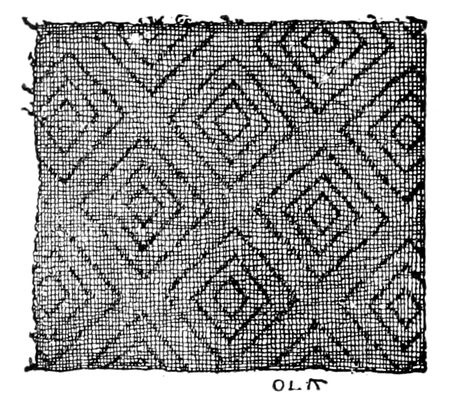
Fig. 357.—Pattern of the body of the shirt.
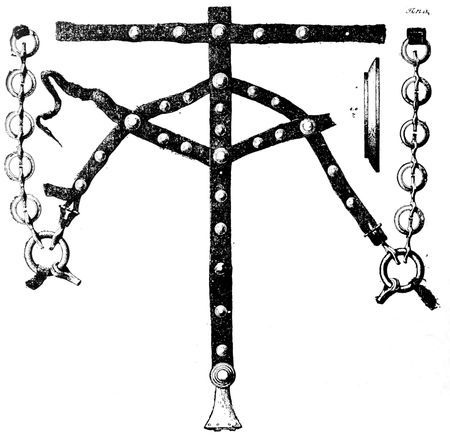
Fig. 358.—Horse head-gear of leather. The heads of the bronze rivets resembling rosettes are covered with ornamented silver plates: the bridle and other mountings are of bronze.
201
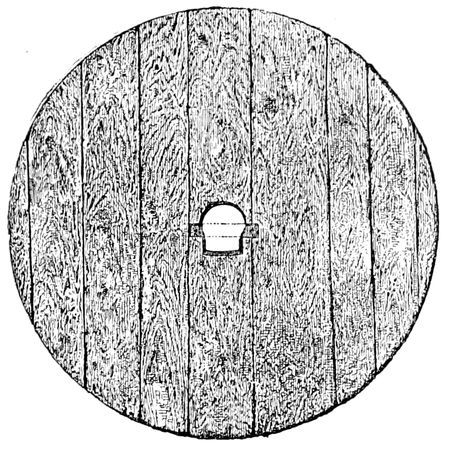
Fig. 359.—Flat round wooden shield, made of planed boards of different widths.
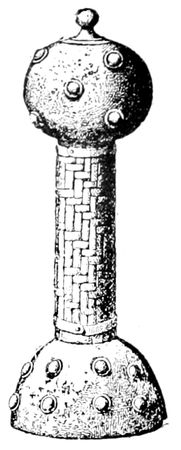
Fig. 360.—Wooden sword-hilt with bronze nails, the middle surrounded with braided bronze thread.
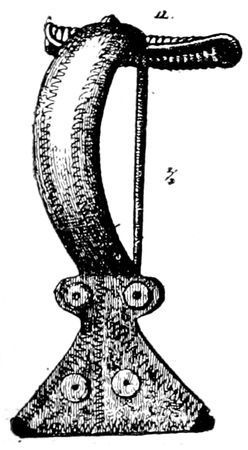
Fig. 361.—Fibula of bronze with engraved ornament.
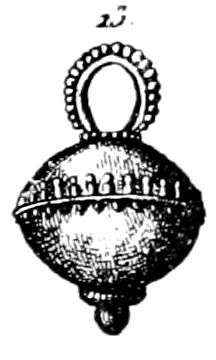
Fig. 362.—A pendant of gold. Real size.
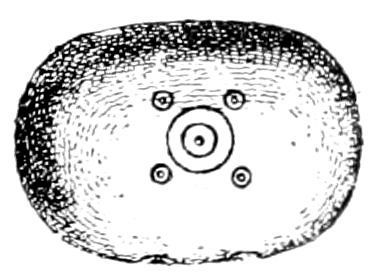
Fig. 363.—Amber die, rounded so as not to stand on the number. Real size.
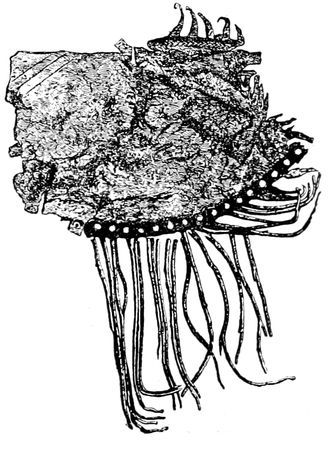
Fig. 364.—Remains of leather shoe. ⅓ real size.
202
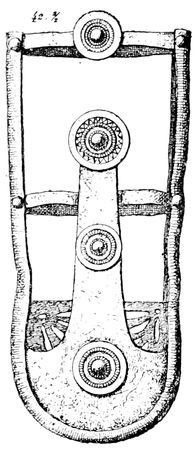
Fig. 365.—Rake of wood with teeth, about nine inches long.
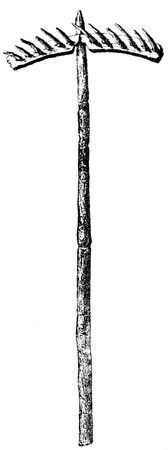
Fig. 366.—Ornament of bronze for scabbard. Heads of rivets plated with silver. ½ real size.
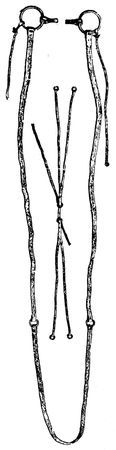
Fig. 367.—Rein, made of three pieces of leather, with bronze ring.
203
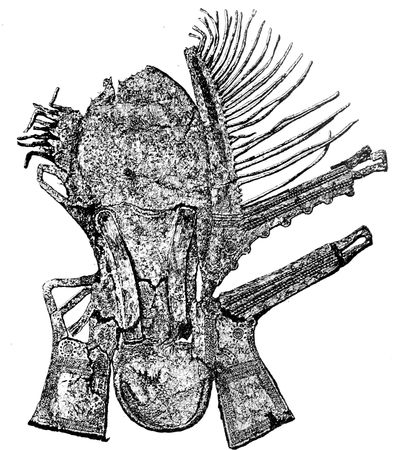
Fig. 368.—Leather sandal in one piece, for left foot. ⅓ real size. Fastened over the foot with narrow straps and buttons.
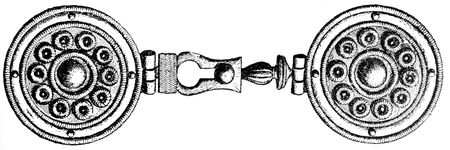
Fig. 369.—Shoulder clasp of bronze for ring armour, inlaid with gold and silver.
204
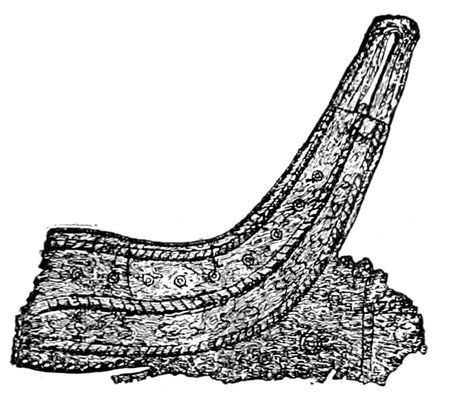
Fig. 370.—Fragment of a sandal with silver-plated rivets. ⅓ real size.
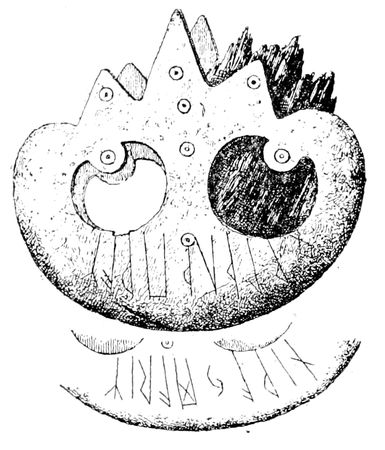
Fig. 371.—Ornament of bronze for wooden scabbard, with inscription in earlier runes. Real size.

Fig. 372.—Bronze ornamentation for scabbard, plated with silver and gold. ½ real size.
205

Fig. 373.—Scabbard of wood, with bronze mounting.
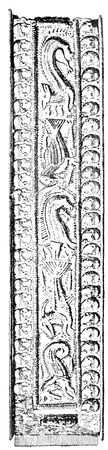
Fig. 374.—Embossed mounting of a scabbard strap, silver-plated, the whole centre inlaid with a thin gold plate.

Fig. 375.—A bridle of bronze, the end-piece plated with silver and gold. ½ real size.
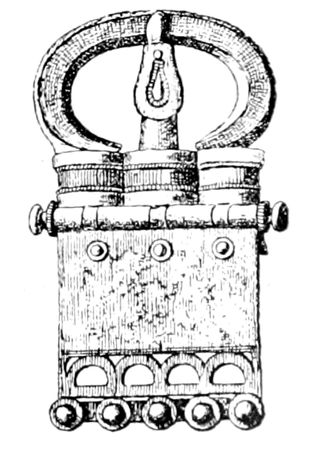
Fig. 376.—Silver-plated bronze buckle.
206
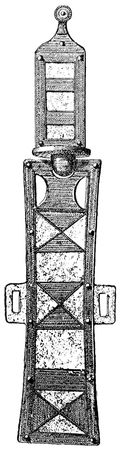
Fig. 377.—Bronze mounting on horses’ head-gear, apparently plated.
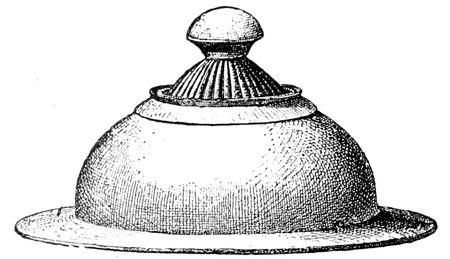
Fig. 378.—Shield boss with silver top.
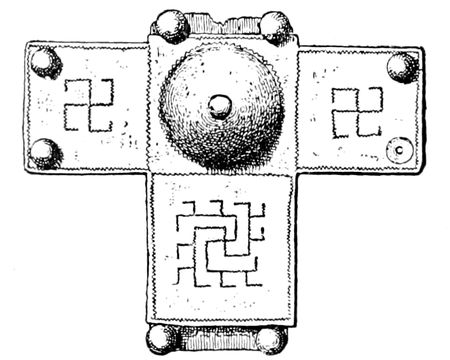
Fig. 379.—Mountings to leather straps with svastica and gilt knobs.
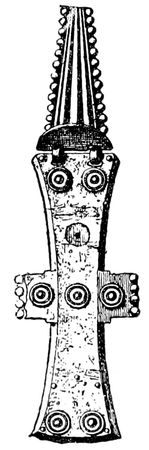
Fig. 380.—Bronze and silver-plated mounting for leather used on horses’ head-gear.
207
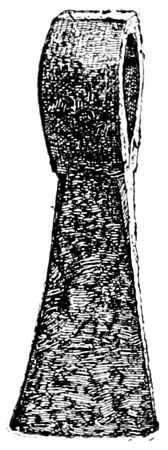
Fig. 381.
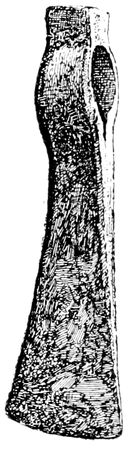
Fig. 382.
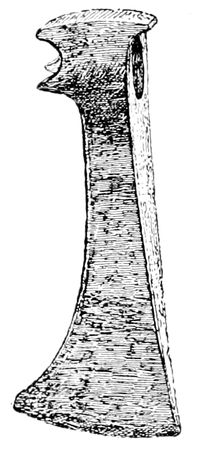
Fig. 383.
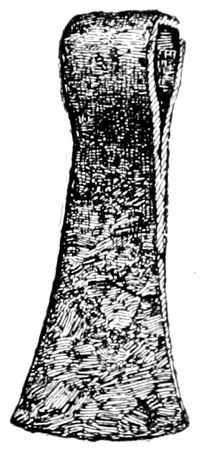
Fig. 384. Iron axe-heads. ⅓ real size.
Vimose Bog Find.—The explorations in the Vimose bog,[161] situated about five miles from Odense, Fyen, commenced in 1848, and since that time 3,600 objects have been gathered together, all of which were found in a space of 9,000 square feet. Sometimes there seemed to be a certain order in the way in which the articles had been sunk, for all the ring armour was together, and a number of small articles had been placed inside a shield-boss, while other articles were surrounded with broad bands of cloth. Many of the objects here were also badly damaged. Only one coin has been found, i.e. a silver denarius of the time of the Empress Faustina Junior (d. 175), with “Pudicitia” on its reverse. The number of single and double-edged swords, many of which are in tolerably good preservation, is 67. The single-edged swords, between 15¾ and 24 inches long, are simply welded, sometimes having ornaments traced on the blade, and several of these were still in their wooden scabbards when found. The double-edged swords vary in size from about 19 or 20 inches, to 35 or 36 inches. On several are factory stamps—a star-shaped sign on one side of the blade near the tongue or hilt point, and a ring-shaped figure on the sides of the hilt points, a mark which looks rather like a scorpion; in one stamp are Latin letters, which are somewhat difficult to decipher. Many are welded or forged from two united blades, while others are made of a single blade and have no factory mark. Fourteen are damascened in different patterns.
208VIMOSE FIND.
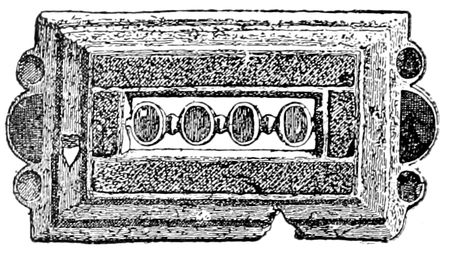
Fig. 385.—One of four bronze buckles, enamelled in red, green, and blue, the inside borders of black mosaic enamel. ⅔ real size.

Fig. 386.—Sax, or single-edged sword. ¼ real size.

Fig. 387.—Damascened sax. ¼ real size.
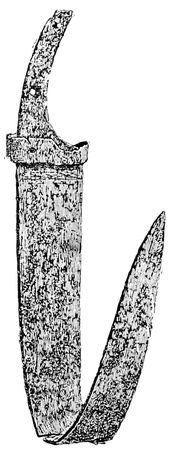
Fig. 388.—Bent sax, or single-edged sword. ¼ real size.

Fig. 389.—Single-edged sax or iron sword. ¼ real size.
209

Fig. 390.

Fig. 391. Sax, or single-edged swords, one in wooden scabbard. ¼ real size.
In this remarkable find several enamelled objects have been discovered. This art appears to have been unknown to the nations of classical antiquity. There is no word for it in Greek or Latin. Philostratus,[162] when describing a wild boar hunt, mentions the beauty and fine colour of the harness of the horses, and, when stating how these colours were produced, mentions that they were made by the barbarians living on the shores of the ocean.
210
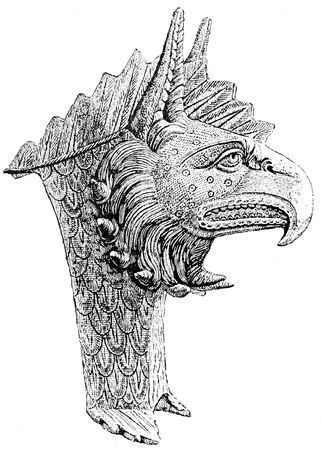
Fig. 392.—Griffon’s head, ornament belonging to helmet of bronze. Real size.
This description may very well refer to the people of the North, the great splendour of whose riding gear and chariots we see from the finds and sagas.
211
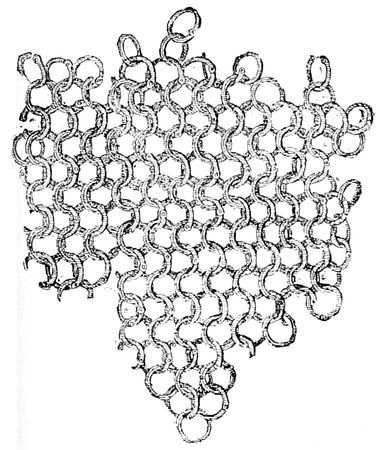
Fig. 393.—Fragments of ring-armour of hammered iron. Real size.
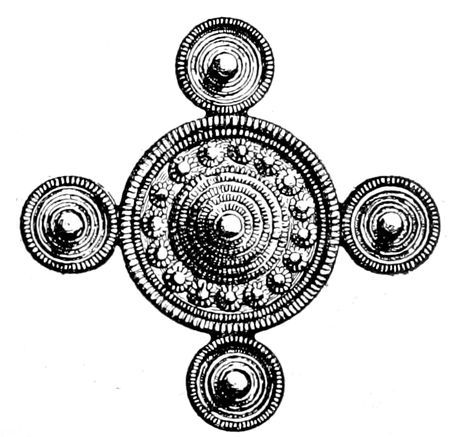
Fig. 394.—Bronze mounting, plated with gold silver, and belonging to ring-armour. Real size.
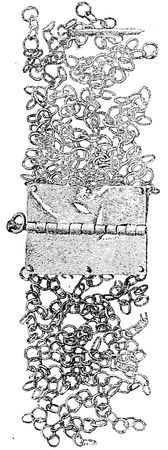
Fig. 395.—Remains of ring-armour of iron, with traces of gold plating. ½ real size.
212
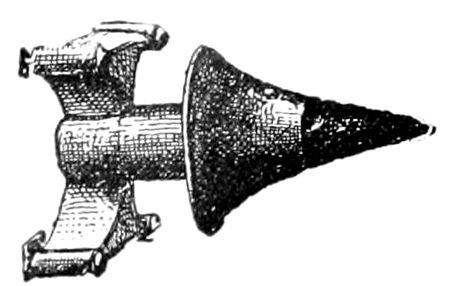
Fig. 396.
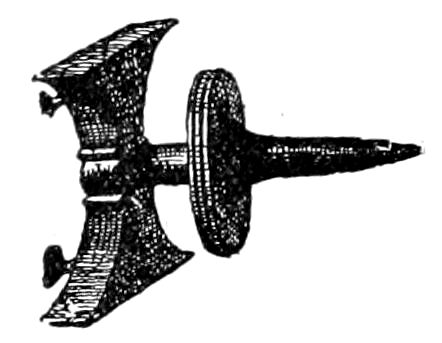
Fig. 397.
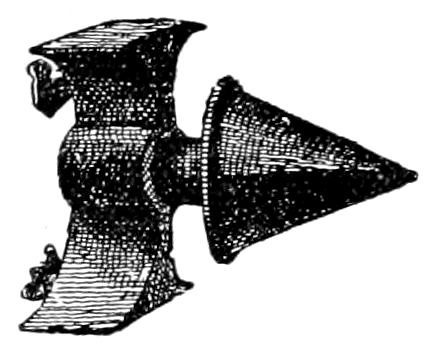
Fig. 398. Spurs, one of bronze, with iron point; the others of iron.
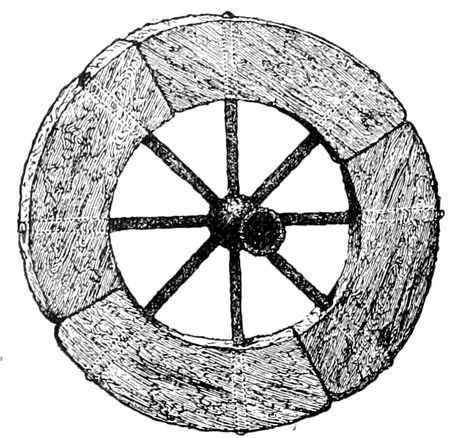
Fig. 399.—Wheel. 1 20 real size.
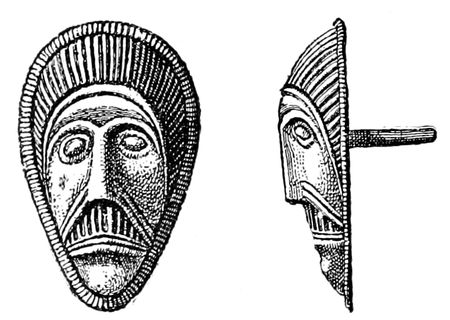
Fig. 400.—Man’s head on a piece of bronze covered with a thin gold plate. Real size.
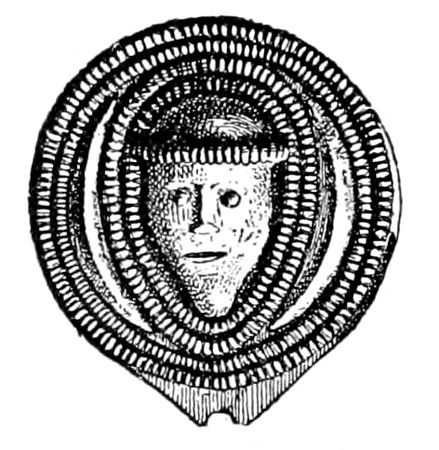
Fig. 401.—Ferrule of silver for hilt plated with gold. Real size.
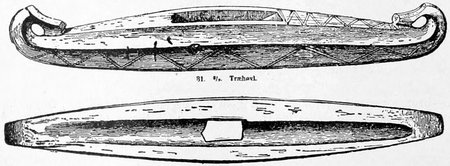
Fig. 402.—Parts of a wooden plane. ⅓ real size.
213
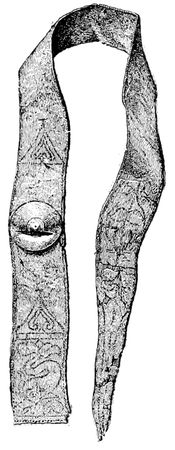
Fig. 403.—Shoulder-strap of leather, with bronze button and design of dolphin. About ⅐ real size.
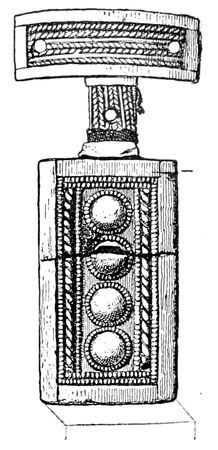
Fig. 404.—Silver ornament plated with gold. Real size.
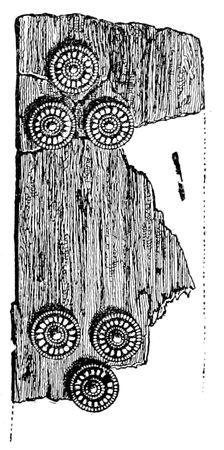
Fig. 405.—Fragment of wooden shield with gilt-headed nails.
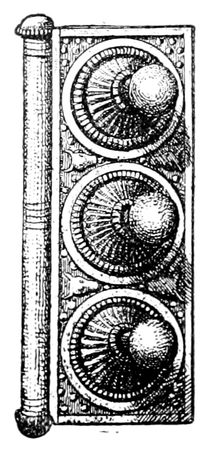
Fig. 406.—Silver-plated bronze ornament.
214

Fig. 407.—Silver mounting to scabbard. Real size.
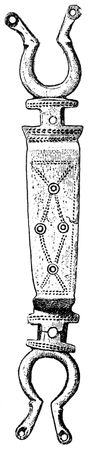
Fig. 408.—Silver mounting for scabbard. ½ real size.

Fig. 409.—One of 1,000 spears, inlaid with concentric circles. ⅓ real size.

Fig. 410.—One of 1,000 spears. ⅓ real size.
Over 1,000 spears were found; the handles of most of them were broken off, but five have been preserved complete; these are 8 feet 7⅔ inches long, 9 feet 2 inches long 9 feet long, 11 feet long, and 6½ feet long. The handles are made of ash, and some spears are ornamented with threads of gold, silver or bronze inlaid in concentric circles; sometimes 215ornaments are traced up the middle of the blade, and originally these also were filled with some kind of metal.
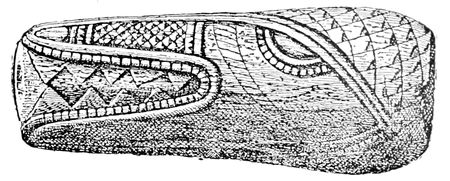
Fig. 411.—Crocodile’s head carved in wood. Real size.
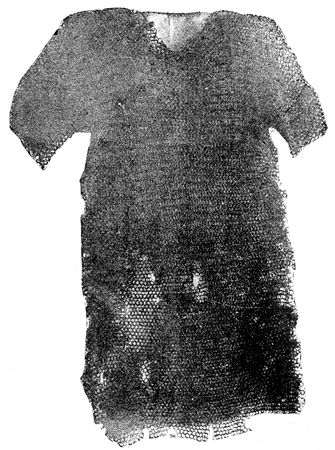
Fig. 412.—Brynja, or coat of mail, 3 feet long.
216
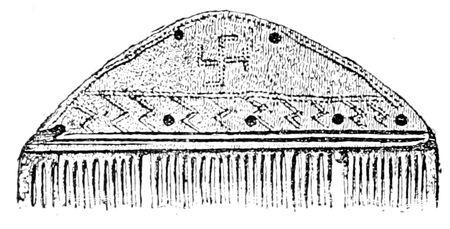
Fig. 413.—Bone comb with svastica. ½ real size.
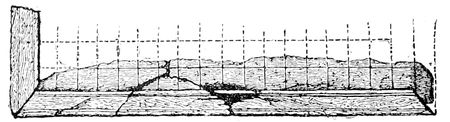
Fig. 414.—Fragments of checker-board. ⅙ real size. VIMOSE FIND.
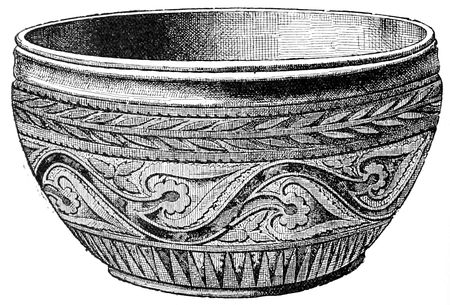
Fig. 415.—Bronze enamelled bowl (1867), 2¾ in. high, 4¾ in. wide, in bog at Maltbœk, Jutland. The enamel in the serpentine line is red.
Kragehul Find.—In a small bog called Kragehul, situated near the city of Assens on Fyen, objects have been found which seem to belong to the 4th or 5th century. The first mention of the Kragehul bog is in 1751, when some articles 217with rune inscriptions were found, which, unfortunately, have been lost, but it was not until 1864 that a regular exploration took place.[163]
KRAGEHUL FIND.
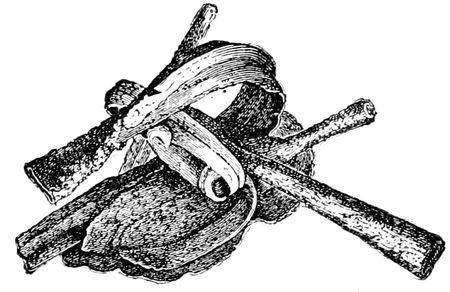
Fig. 416.—Bundle of bent weapons.
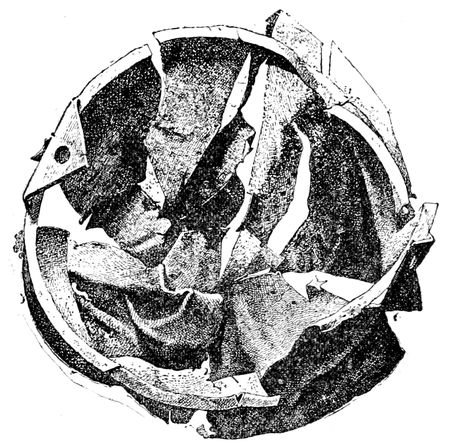
Fig. 417.—Bronze vessel destroyed by sword cuts. ⅕ real size.
218

Fig. 418.

Fig. 419. Iron spears with ornaments carved on the wooden handles. ½ real size.

Fig. 420.—Spear, ½ real size.

Fig. 421.—Spear, ⅓ real size.
219The antiquities, none of which are of Roman origin, seem to have been thrown in without any order, but spears with thin iron points on the end formed the boundary of the find.
In this as in the other bog finds, weapons are twisted together in extraordinary knots and many objects destroyed.
The Nydam Bog Find.—The remarkable bog find at Nydam[164] is extremely valuable on account of the boat, and the discovery of Roman coins enables us to approximate the date of the objects,[165] which is probably about the years 250 and 300 of our era.
The Nydam oak boat was discovered in 1863 near Slesvig, in Southern Jutland. Its length is about 75 feet; its widest part, about 10½ feet. It held 14 benches, and was rowed with 28 oars, the average length of which was 12 feet. By its side was the rudder, about 10 feet long.
The bottom plank, which is not a keel proper, is 45 feet 3 inches long, and of a single piece. The oar-tholes are fastened to the gunwales with bast ropes, and, though they have all one general shape, there are no two alike.
220
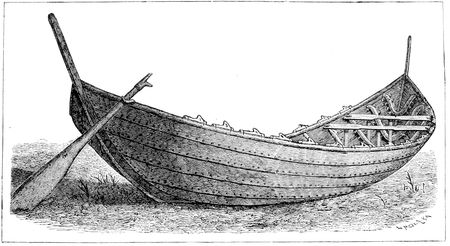
Fig. 422.
The boat is clinch-built; that is, the planks are held together by large iron bolts with round heads outside, and clinch plates on the inside, at a distance of 5½ inches from each other. The space between the planks is filled with woollen stuff and a pitchy sticky mass. The boards are joined in a very common 221manner to the frame with bast ropes. In the frame are holes, which correspond to elevated pieces on the boards which are also bored through; these pieces had not been nailed to the planks, but were hewn out of the latter, which thereby had lost more than half their thickness. Vessels by this peculiar manner of joining frame and boards acquired great elasticity, which must have been of good service in the surf and in a heavy sea.
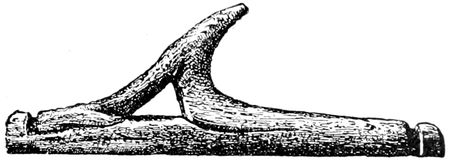
Fig. 423.—Oar-thole of red pine. ⅒ real size.
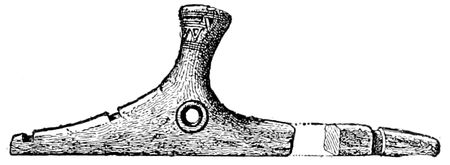
Fig. 424.—Oar-thole of the Nydam Boat. ⅐ real size.
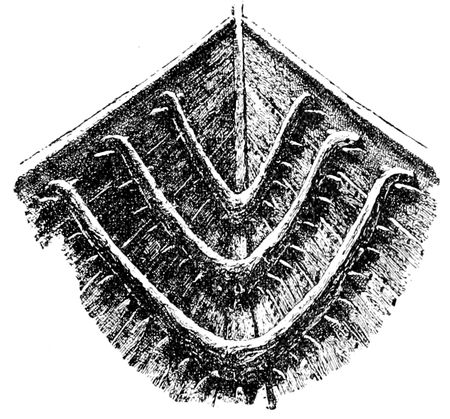
Fig. 425.—Inside view of one of the stems of the Nydam boat.
222
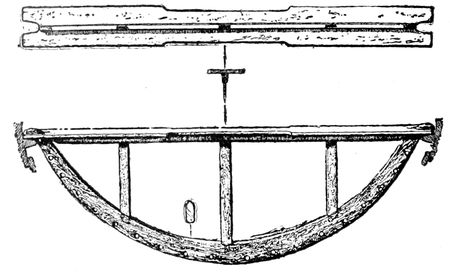
Fig. 426.—Rib of boat, showing seat attached.
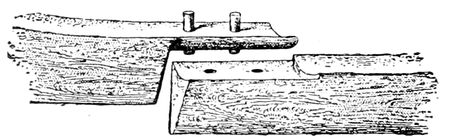
Fig. 427.—Wooden pegs fastening stem to bottom plank. 1 17 real size.
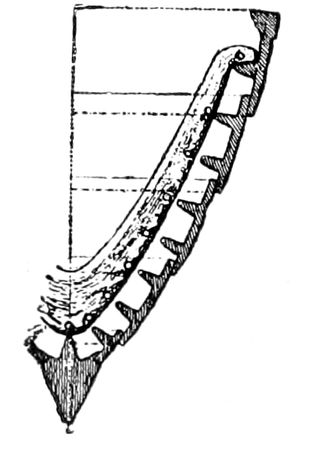
Fig. 428.—Showing how the boards joined the ribs.

Fig. 429.—End face view of oar-thole. ⅒ real size.

Fig. 430.—Rudder, 10 feet long, found alongside Nydam boat.
223The boat was shaped alike both fore and aft, so that it could be rowed in either direction; and in both stems, which are fastened to the bottom plank, are two holes through which, judging from the manner in which they are worn, ropes were probably drawn, by which to drag the boat ashore at the beginning of winter. In the bottom there is a hole, which probably after the ship had been drawn up served to give outlet to the water collected in the boat.
The boat had undoubtedly been intentionally sunk, for in the planks under the water-line had been cut large holes to let in the water. Rust had destroyed the ends of the iron bolts which had held the planks together, and also the ropes with which the boards and the frame had been held together. The planks fell apart, therefore, and took their original straight shape; the oar-tholes were loosened from the gunwale; the frame fell on different sides, and the two high stems fell down. As the joints loosened, the separate pieces sank to the bottom, and remained lying at about an equal depth, while the turf grew up above them and preserved them from destruction. After all the parts of the boat had been carefully collected and dried, it was possible to restore it to its original shape.
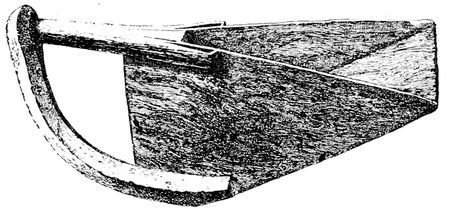
Fig. 431.—Wooden scoop for baling water. ⅑ real size.
Another boat of red pine wood was discovered alongside it. This one was laid on the field and covered with bog mould, until the work connected with the other boat was finished. Unfortunately the war of 1864 put an end to the examination of the Nydam bog, so that the boat was left lying on the field, and strangers have carried off many pieces of it. The bottom plank was about 50 feet long, 13 inches broad, and ends in two spurs 224or rams. How high the prows were raised above the plank cannot be stated. Since this date the diggings have been done by inexperienced men, and consequently have given but little results. This sacred part of the land of the Danes had passed into the hands of its German conquerors, for the Nornir[166] are fickle, and what is fated to one generation to accomplish is often, in the course of time, undone by another.
NYDAM BOG FIND.
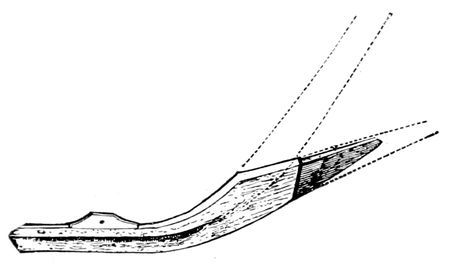
Fig. 432.—The end of the bottom plank of a vessel of red pine, with a ram at each end, from Nydam Bog-find. The pointed lines show how the spurs protruded from the stem.
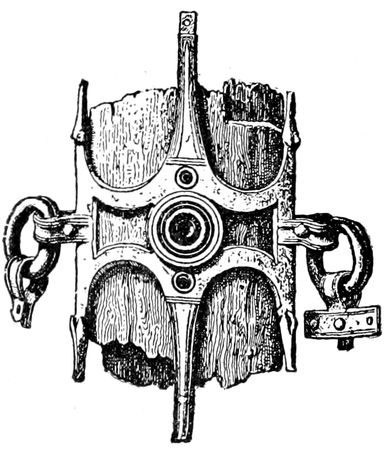
Fig. 433.
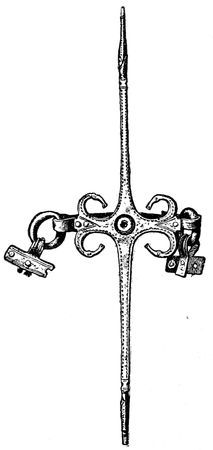
Fig. 434. Fragments wooden scabbard with bronze mountings. ½ real size.
225

Fig. 435.—A throwing spear with line attached, length of spear 10 feet. ⅓ real size.

Fig. 436.—Spear-head. ⅓ real size.

Fig. 437.—Leaf-shaped spear-point ornamented with engraved lines. ⅓ real size.
226
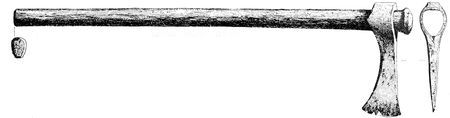
Fig. 438.—Iron axes. ¼ real size.
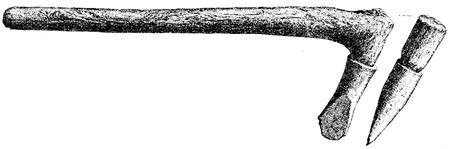
Fig. 439.—Iron celt. ¼ real size.
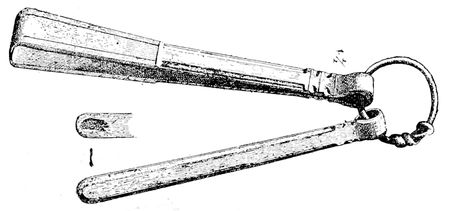
Fig. 440.—Tweezer and earpick of bronze hanging on a bronze ring. Real size.
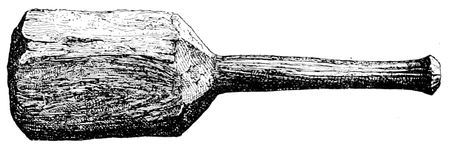
Fig. 441.—Wooden club. ⅛ real size.
227
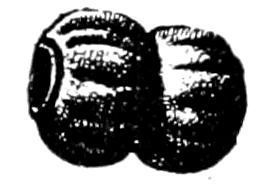
Fig. 442.—Black glass bead. Real size.
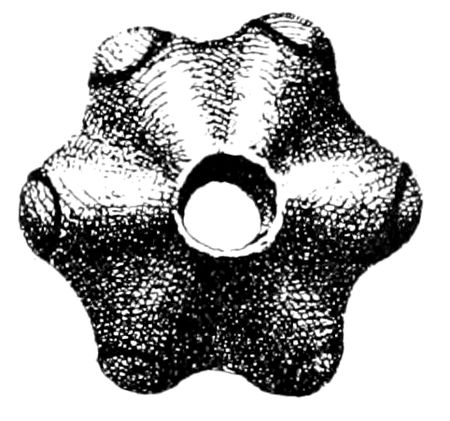
Fig. 443.—Light-green glass bead, with yellow points on a dark-red ground. Real size.
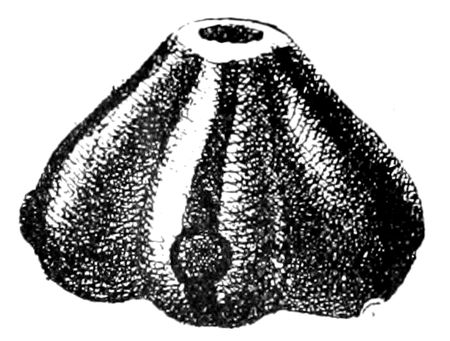
Fig. 444.—Green glass bead with red stripes. Real size.
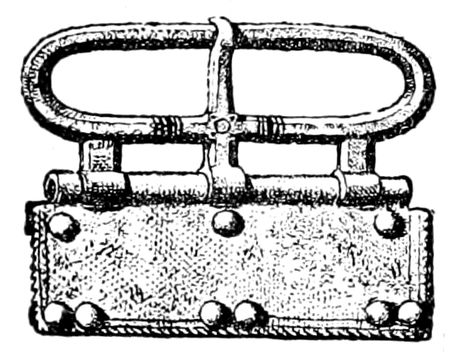
Fig. 445.—½ real size.
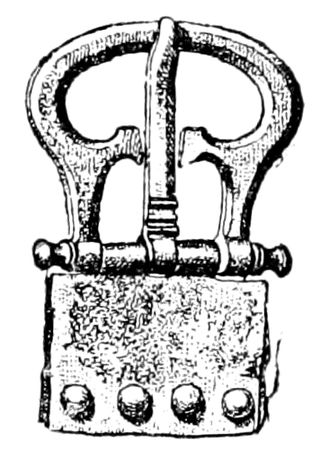
Fig. 446.—½ real size. Buckles.
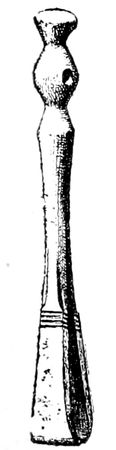
Fig. 447.—Silver tweezers. Real size.
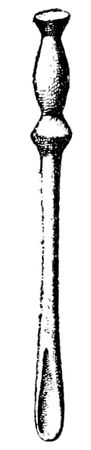
Fig. 448.—Silver ear spoon. ½ real size.
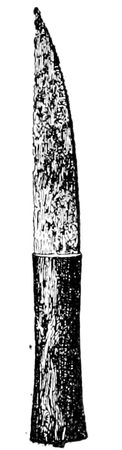
Fig. 449.—Iron knife with wooden handle. ¼ real size.
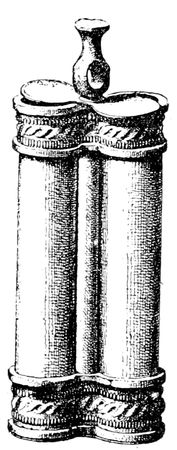
Fig. 450.—Double-barrelled tube of silver found with ear pick. Real size.
228

Fig. 451.

Fig. 452. Wooden bows, with notches at the end for fastening the string. 1 11 real size.
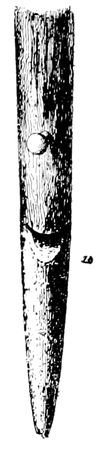
Fig. 453.—Part of a wooden bow. ½ real size.
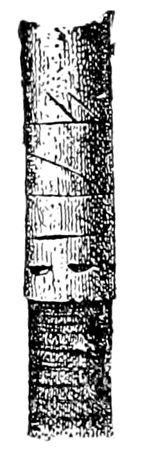
Fig. 454.—Part of arrow-shaft bearing runic stave. Real size.

Fig. 455.—Arrow-shaft. ⅓ real size.

Fig. 456.—Arrow-shaft with owner’s mark. Real size.
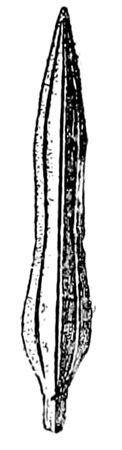
Fig. 457.—Arrow-point of iron. ⅓ real size.
229
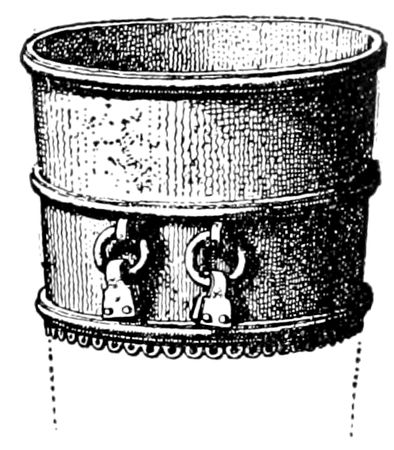
Fig. 458.
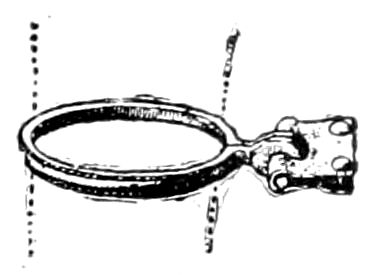
Fig. 459.
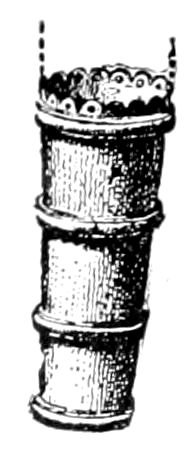
Fig. 460. Bronze mountings for a quiver. ¼ real size.

Fig. 461.—¼ real size.
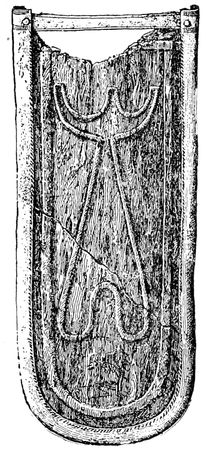
Fig. 462.—½ real size. Fragments of wooden scabbards with bronze mountings.
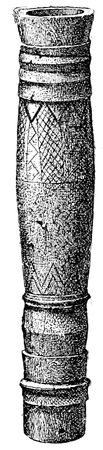
Fig. 463.—Wooden quiver. ¼ real size.
230
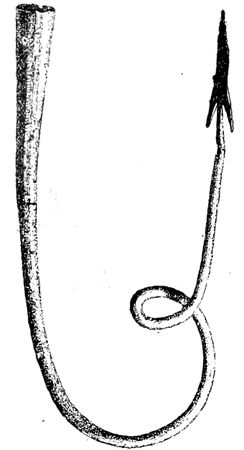
Fig. 464.—Bearded spear-head, bent and twisted. ⅓ real size.
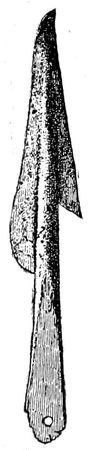
Fig. 465.

Fig. 466. Bearded spear-points of iron. ⅓ real size.

Fig. 467.—Iron spear-point, bayonet shaped. ⅓ real size.

Fig. 468.

Fig. 469. Iron spear-points. ⅓ real size.
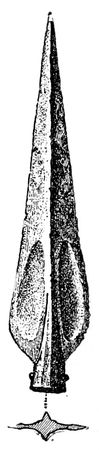
Fig. 470.—Leaf shaped iron spear-point. Real size.
231
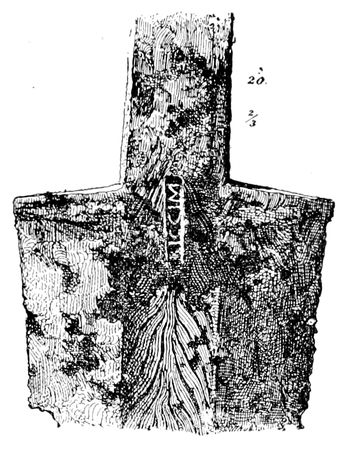
Fig. 471.—Iron sword, damascened, bearing Latin inscription. ⅔ real size.
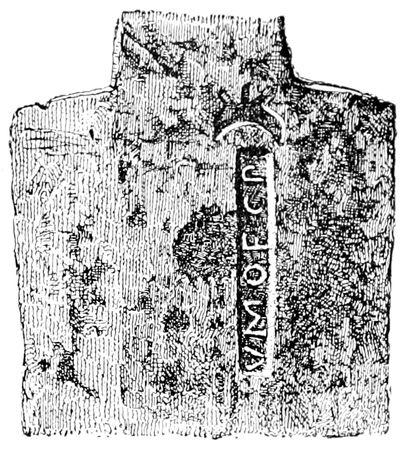
Fig. 472.—Iron sword bearing Latin inscription. ⅔ real size.
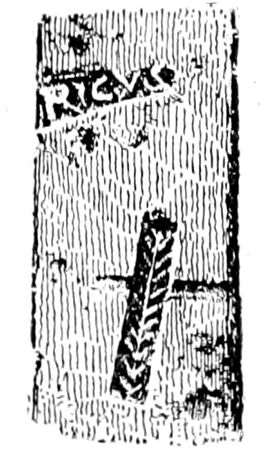
Fig. 473.—Iron sword bearing Latin inscription.
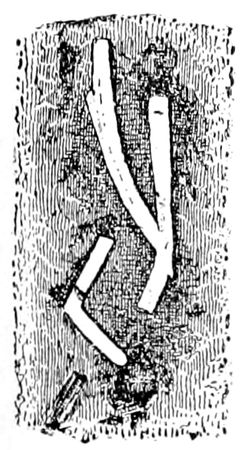
Fig. 474.—Part of sword blade with runes inlaid with gold.
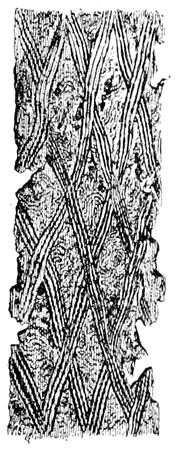
Fig. 475.
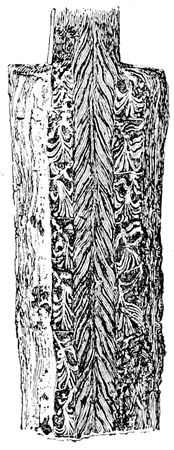
Fig. 476. Damascened blades. ⅔ real size.
232
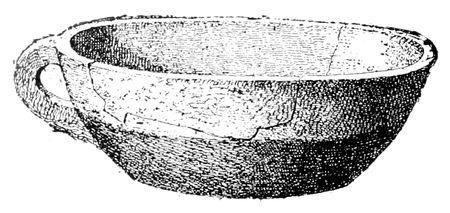
Fig. 477.—Wooden bowl. ⅙ real size.
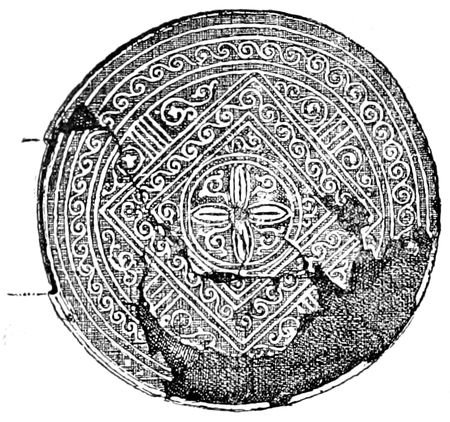
Fig. 478.
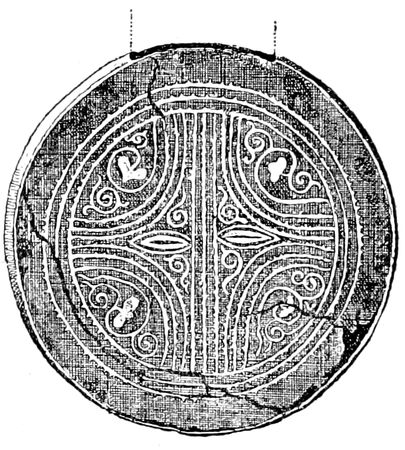
Fig. 479. Iron ferrules to scabbard, inlaid with flat hammered gold wire. ½ real size.
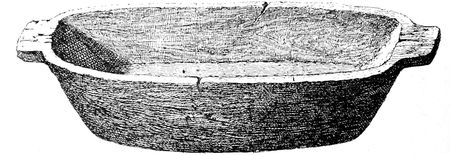
Fig. 480.—Wooden trough. ⅙ real size.
233
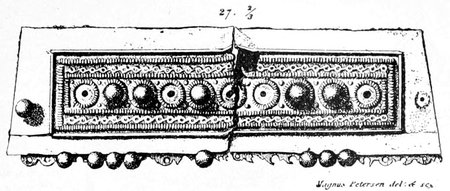
Fig. 481.
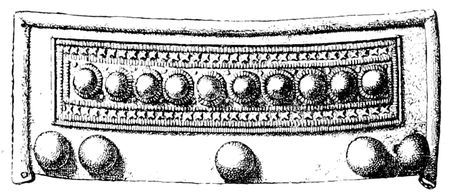
Fig. 482.—Ornaments of bronze plated with thin silver and gold. Real size.
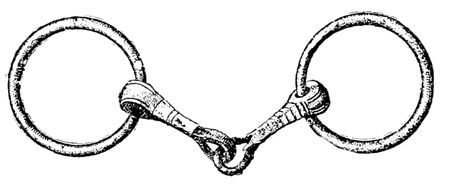
Fig. 483.—Bit of bronze. ¼ real size.
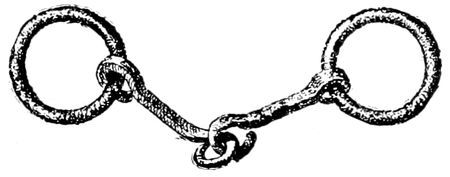
Fig. 484.—Bit of iron. ¼ real size.

Fig. 485.—Double-edged damascened sword with silver handle. ⅕ real size.

Fig. 486.—Double-edged damascened sword. ⅕ real size.
234
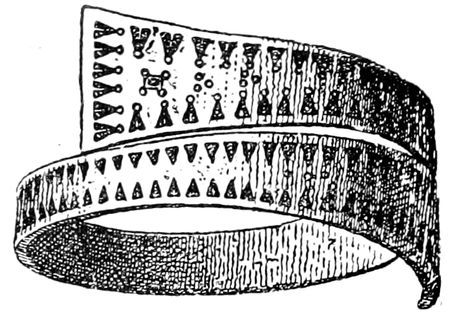
Fig. 487.—Spiral bracelet of gold with triangular ornaments, ½ real size, found in a bog near Horsens, Denmark.
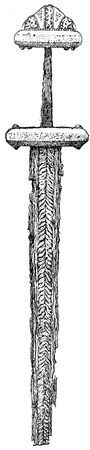
Fig. 488.

Fig. 489. Damascened iron sword, ¼ real size, of the later iron age, with mounting for scabbard, made of silver, in relief work and gilt. Found in a bog near Slagelse on Zealand, Denmark.

Fig. 490.—Iron sword, with bronze handle, ⅙ real size, found in a bog at Fremlöse, not far from the town of Odense, on Fyen, with fragments of two other iron swords, &c. Earlier iron age.
235