LA FONTAINE. (continued 6)
Walter Thornbury translation
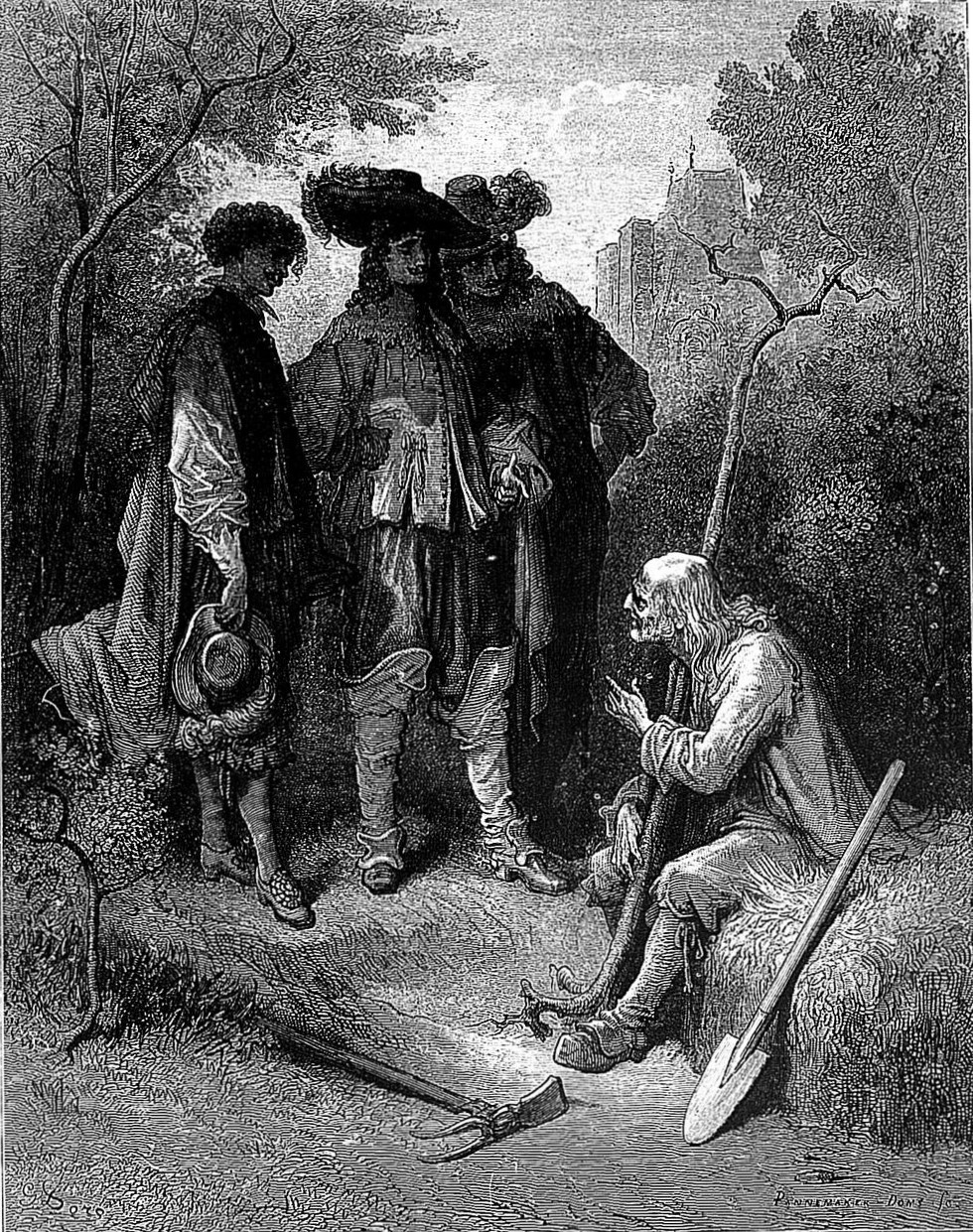
THE OLD MAN AND THE THREE YOUNG MEN.
"All slowly grows, but quickly dies. It matters not if then or now You die or I; we all must bow, Soon, soon, before the destinies. And tell me which of you, I pray, Is sure to see another day? Or whether e'en the youngest shall Survive this moment's interval? My great grandchildren, ages hence, Shall bless this tree's benevolence. And if you seek to make it plain That pleasing others is no gain, I, for my part, truly say I taste this tree's ripe fruit to-day, And hope to do so often yet. Nor should I be surprised to see— Though, truly, with sincere regret— The sunrise gild your tombstones three." These words were stern but bitter truths: For one of these adventurous youths, Intent to seek a distant land, Was drowned, just as he left the strand; The second, filled with martial zeal, Bore weapons for the common weal, And in a battle met the lot Of falling by a random shot. The third one from a tree-top fell, And broke his neck.—The Old Sage, then, Weeping for the three Young Men, Upon their tomb wrote what I tell.
FABLE CCVIII.
THE GODS AS INSTRUCTORS OF JUPITER'S SON.
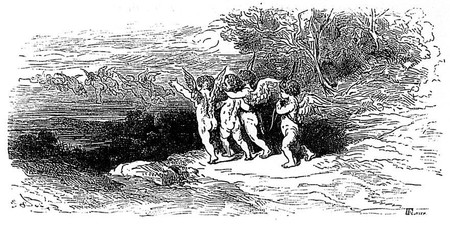
Jupiter youthful, once on a time, Thought it no crime To bring up his son as the mortal ones do; And straightway this godlike one, given to jollity, Love's sweet frivolity, Thought it no harm maiden's favour to sue, For in him love and reason, Skipping over a season, Long ere the usual time, taught him to woo. Flora was first to set His poor young heart in fret; And with sighs and tears tender, Forgetting no lovers trick, This roguish young hero quick Made her surrender. And shortly it was evident That, thanks to his supreme descent, All other god-born children were Surpassed by Jupiter's young heir; But Jupiter, rather dissatisfied (In his pride), Assembling his council, one thunderous day, Said, "I've hitherto ruled all this universe wide Alone; but I feel, now, the weight of my sway, And would fain to my child give some power away. He's blood of my blood, and already, afar, His altars are worshipped in many a star; But before I entrust him with sovereign place, I should like him to grow, both in knowledge and grace." Thus the God of Thunder spoke, And then, with one acclaim sonorous, A shout of praise, in tuneful chorus, The echoes deep of heaven awoke. When silence was at length restored, Mars, God of War, took up the word, And said, "I will myself impart To this young prodigy the art Through which this realm so vast has grown, And those who mortal were are now as godlike known." Then Apollo, tunefully, Murmured, "He shall learn from me All that sweet and mystic lies In music's deepest harmonies." Next Hercules, with eyes of flame, Exclaimed, "I'll teach him how to tame The monsters that invade the breast, The vain temptations that infest The heart's recesses; yes, I'll teach Your offspring how with toil to reach Heights and honours that alone Are to steadfast virtue known." When all had spoken, with an air of scorn Smiled, in reply, the child of Venus born: "Leave," he said, "the boy alone to me, And all that he can be he'll be." And, speaking thus, well spoke god Cupid; For there's nought on earth more plain That he is not wholly stupid Who, loving well, does all things gain.
FABLE CCIX.
THE OWL AND THE MICE.
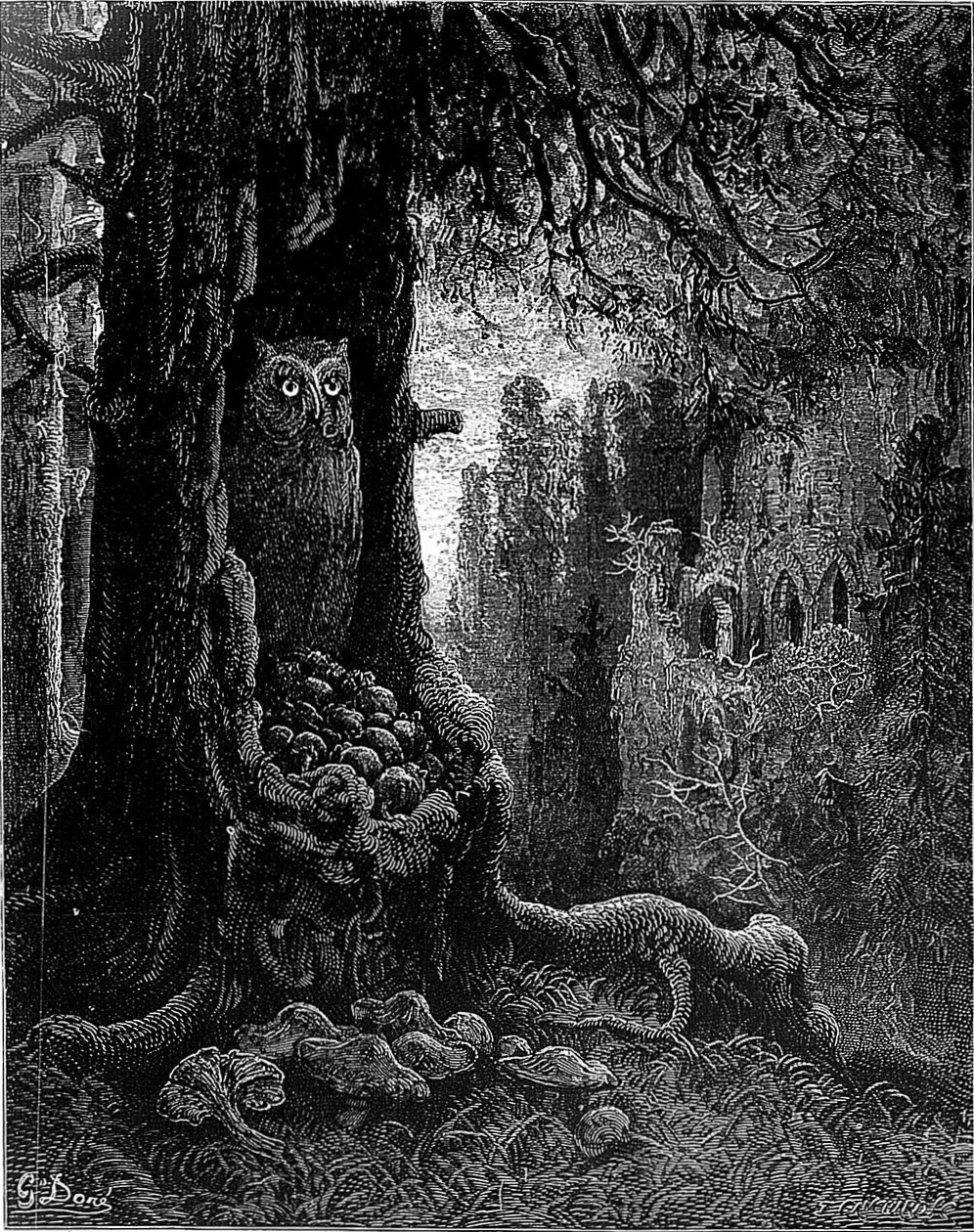
Whene'er you have a tale to tell, Ne'er call it marvellous yourself, If you would have it go down well, For, if you do, some spiteful elf Will scorn it; but for once I'll vow The tale that I shall tell you now Is marvellous, and though like fable, May be received as veritable. So old a forest pine had grown, At last 'twas marked to be cut down. Within its branches' dark retreat
THE OWL AND THE MICE.
An Owl had made its gloomy seat— The bird that Atropos thought meet Its cry of vengeance to repeat. Deep in this pine-tree's stem, time-worn, With other living things forlorn, Lived swarms of Mice, who had no toes; But never Mice were fat as those, For Master Owl, who'd snipped and torn, Day after day fed them on corn. The wise bird reasoned thus: "I've oft Caught and stored Mice within my croft, Which ran away, and 'scaped my claws; One remedy is, I'll cut their paws, And eat them slowly at my ease— Now one of those, now one of these. To eat them all at once were blameful, And my digestion is so shameful." You see the Owl was, in his way, As wise as we; so, day by day, His Mice had fit and due provision. Yet, after this, some rash Cartesian Is obstinate enough to swear That Owls but mechanism are. But how, then, could this night-bird find This craftily-contrived device, The nibbling of the paws of mice, Were he not furnished with a mind? See how he argued craftily: "Whene'er I catch these Mice, they flee; And so the only way to save them Is at one huge meal to brave them. But that I cannot do; besides, The wise man for bad days provides. But how to keep them within reach? Why, neatly bite the paws from each." Now, could there, gentle reader mine, Be human reasoning more fine? Could Aristotle's self have wrought A closer chain of argued thought?
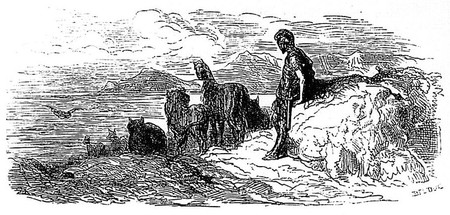
FABLE CCX.
THE COMPANIONS OF ULYSSES.
TO THE DUKE OF BURGUNDY.
O Prince! to whom the immortals give Their care, and power, and grace, permit: My verse may on your shrine still live, By burning there, though void of wit. I know 'tis late; but let my muse Plead years and duns for her excuse. My soul is faint, and not like yours, Which as an eagle proudly soars. The hero from whose veins you drew This brilliant soul, is e'en like you, In martial fields; 'tis not his fault His steps at victory's archway halt: Some god retains him; the same king Who once the Rhine with victory's wing Swept over in one month, they say. Then speed was right; but now, delay. But I must pause. The Loves and Smiles Detest the verse that runs to miles: And of the Loves and Smiles your court Is, all men know, the chief resort. But other gods its precincts grace: Good Sense and Reason there have place; And I must beg that you will seek Of these a story from the Greek, Of certain men who, yielding up Their souls to Folly's poisoned cup, From men to beasts were quickly changed, And in brute forms the forest ranged. After ten years of war and pain, Ulysses' comrades tempt the main; Long tost about by every wind, At length an island shore they find, Where Circe, great Apollo's child, Held sway, and on the strangers smiled. She gave them cups of drink delicious, With poison sweet, with drugs pernicious. Their reason first gave way; and then They lost the forms and souls of men, Ranging about in shapes of beast, Some like the largest, some the least:— The lion, elephant, and bear, The wolf, and e'en the mole, were there. Ulysses, he alone escaped, Refusing Circe's cups to drain; And, as his form was finely shaped, And god-like wisdom graced his mind, The goddess sought his soul to gain, By poisoned draughts of varied kind: In fact, like any turtle-dove, The goddess cooed, and told her love. Ulysses was too circumspect, Such coign of vantage to neglect, And begged that all his comrades should Resume their manhood's natural mould. "Yes," said the nymph, "it shall be so, If they desire. You ask them, go." Ulysses ran, and, calling round His former comrades, said, "I've found A method sure, by which again You may resume the forms of men; And, as a token that 'tis true, This instant speech returns to you." Then roared the Lion, "I'm no fool, Your offer really is too cool. What! throw away my claws and teeth, With which I tear my foes to death? No! Now I'm King.—In Grecian land I should a private soldier stand. You're very kind, but let me rest; I choose to be a regal beast." Much with this rough-roared speech distressed, Ulysses next the Bear addressed, And said, "My brother, what a sight Are you, who once were trim and slight!" The Bear replied, in accents gruff, "I'm like a bear—that's quite enough; Who shall decide, I'd like to know, sir, That one form's fine, another grosser? Who made of man the judge of bears? With fair dames now I've love affairs. You do not like my shape? 'Tis well;
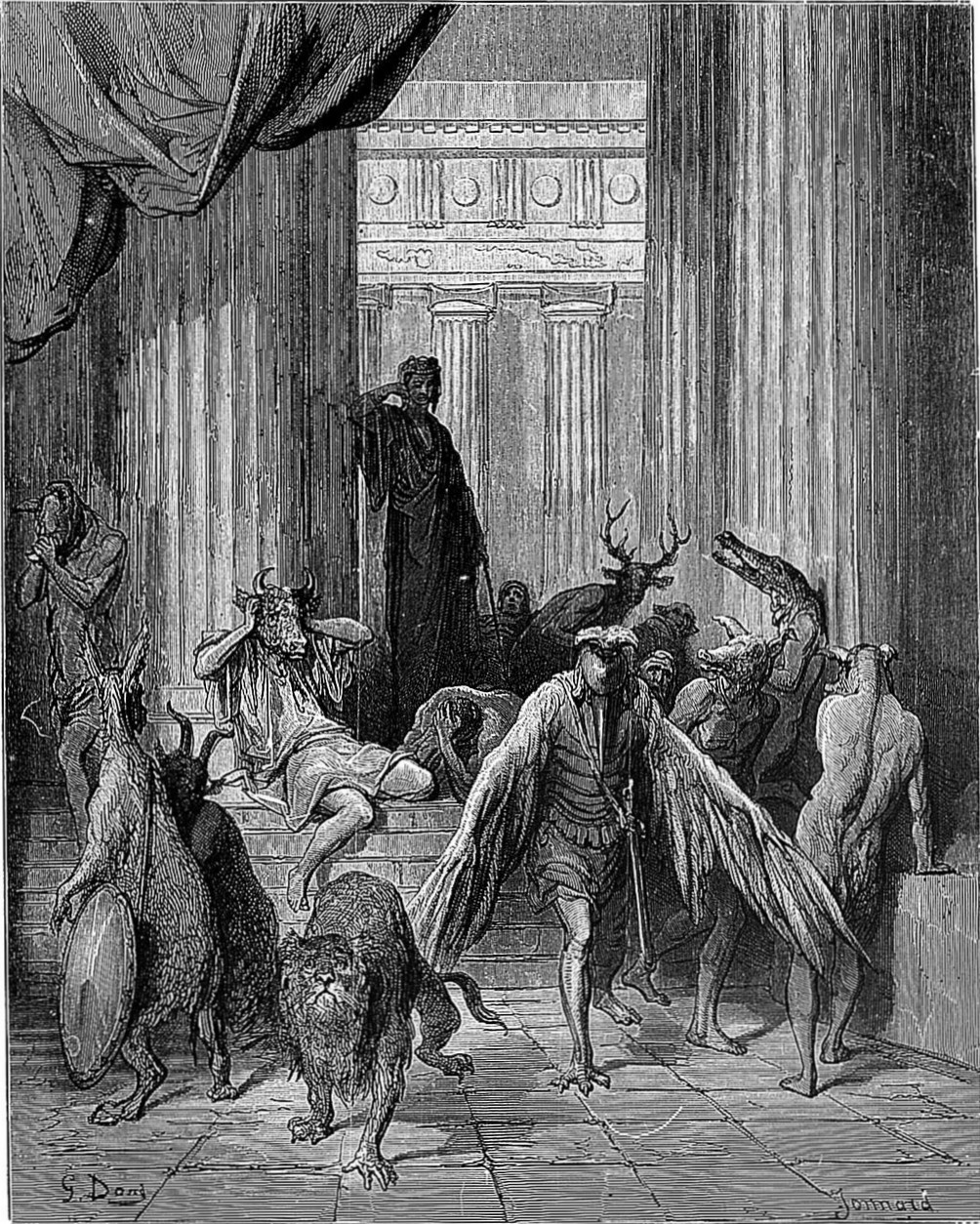
THE COMPANIONS OF ULYSSES.
Pass on. Content and free I dwell Within these woods, and flatly say, I scorn mankind, and here shall stay." The Prince the Wolf accosted then, And, lest refusal came again, Said, "Comrade, I'm in deep distress, For there's a lovely shepherdess Who echo wearies out with cries Against your wolfish gluttonies. In former days your task had been Her sheep from every wolf to screen: You led an honest life. Oh, come, And once more manhood's form resume." "No, no," replied the Wolf; "I'll stay: A ravenous wolf you call me. Pray, If I the sheep had eaten not, Would they have 'scaped your spit and pot? If I were man, should I be less A foe unto the shepherdess? For just a word, or slight mistake, You men each other's heads will break; And are you not, then, wolfish, too? I've weighed the case, and hold it true That wolves are better far than man: I'll be a Wolf, then, whilst I can." To all, in turn, Ulysses went, And used this selfsame argument. But all, both great and small, refused To be of beast-life disabused. To range the woods, to feed and love, To them seemed all things else above. "Let others reap the praise," they cried, "Of noble deeds: we're satisfied." And so, fast bound in Pleasure's chains, They thought that free they roamed the plains. O Prince! I much had wished to choose A tale which might teach and amuse. The scheme itself was not so bad; But where could such a tale be had? I pondered long: at length the fate Of Circe's victims struck my pate. Such victims in this world below Were always, and are even now: To punish them I will not strike, But hold them up to your dislike.
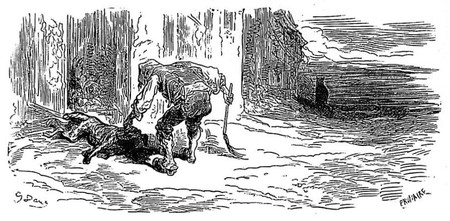
FABLE CCXI.
THE FARMER, THE DOG, AND THE FOX.
The Wolf and the Fox are neighbours strange, And within their reach I'd not build my grange. One of the latter had long espied The fowls of a Farmer; but though he tried Each art of his cunning, the hens were still Safe from the jaws of the midnight ranger. Perplex'd as he was 'twixt his hungry will And the wholesome dread of impending danger, "Alas!" he cried, "it is fine, forsooth, That wretches like these should mock me. I come and I go, and I whet my tooth, And with brilliant schemes I stock me; And all this time that horrible lout, The Farmer, makes money, week in, week out, Of chicken and capon, or roasts or boils; Whilst I, who surpass him in wit and sense, Would be glad if I could but carry from hence The toughest old hen, as reward for my toils. By the gods above and the gods below, Omnipotent Jove! I should like to know, And I will know, too, why you made me a Fox To suffer such troubles and impudent mocks." So breathing his vengeance, Sir Sly Fox chose A night when the world was bathed in repose; When the Farmer, his servants, and even his dogs, Cocks, chickens, and hens slept as sound as logs. Now the Farmer himself, with a folly extreme, Had left the door open ere he went to dream; And the consequence was, that the Fox entered in it, And its feathered inhabitants slew in a minute. With the morrow's new-born sun, All the slaughter that was done Struck the eye with huge dismay, And almost made the sun avert his rising ray. 'Twas a parallel, in fact, With Apollo's direful act, When, with Atreus' son enraged, With the Greeks such war he waged, That great hillocks of the slain Lay heaped high upon the plain. Not unlike the ghastly scene When great Ajax, filled with spleen, Flocks of sheep and herds of oxen madly slew, Dreaming that he smote the crew Who, with famed Ulysses wise, Had deprived him of his prize. Then the Fox, whom none could parry, Having seized on what he might, Thought it quite unwise to tarry, And discreetly took to flight. Now when the Master rose, be sure Against his men and dogs he swore, For 'tis a common trick of masters Others to blame for their disasters. "Oh, wretched Dog!" he shouted forth; "O Dog! for drowning only worth, Why barked you not to let us know?" "Master," the Dog replied, "I trow, Master and Farmer, 'tis not fair That I your anger now should share. The fowls are yours, and yours the gain; Then why should I, sir, suffer pain, Because you leave your fowls exposed To any thief that way disposed?" Such reasoning, we must all admit, For a mere Dog, was fraught with wit; But, on the other hand, 'tis sure That masters can't such wit endure, As Carlo found, when soundly whipped For words of sense unwisely slipped. Now, fathers all, whoe'er you be (I aim not at that high degree), When you would sleep, trust none of those Around you, but your own doors close. He who would have a thing well done Should trust unto himself alone.
FABLE CCXII.
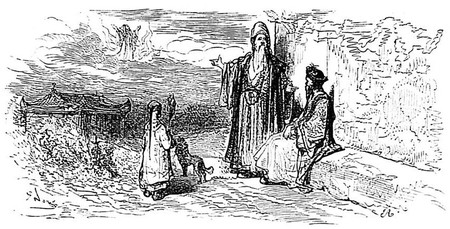
THE DREAM OF AN INHABITANT OF MOGUL.
Once on a time, in slumber wrapt, A certain peasant had a vision Of a great Vizier, calmly lapt In endless joys of fields Elysian; Then straightway in a moment's space The dreamer sees another place, Wherein a Hermit bathed in fire Endures such torments as inspire Even those who share his fate With sympathy compassionate. Unusual this; indeed, so curious, It seemed as though the dreams were spurious, And to the dreamer so surprising, That straight he woke, and fell surmising His dreams were ill, as some aver. But soon a wise Interpreter, Consulted, said, "Be not perplexed, For if to me some skill is given To understand a secret text, These dreams are messages from heaven, And mean, On earth, whene'er he could, The Vizier sought sweet solitude; Whereas the Hermit, day by day, To courts of viziers made his way." Now, if to this I dare to add, I'd praise the pleasures to be had Deep in the bosom of retreat; Pleasures heavenly, pure, and sweet. O Solitude! I know your charms! O Night! I ever in your breast, Far, far from all the world's alarms, By balmy air would still be blest; Oh, who will bear me to your shades? When shall the Nine, the heavenly maids, Far from cities, far from towns, Far from human smiles and frowns, Wholly employ my tranquil hours, And teach me how the mystic powers Aloft, unseen by human eyes, Mysterious, hold their mighty sway? And how the planets, night and day, Fashion and rule our destinies? But if for such pursuits as these I am not born, at least among The groves I'll wander, and in song Describe the woods, the streams, the trees. No golden threads shall weave my fate; 'Neath no rich silk I'll lie in state; And surely yet my eyes shall close In no less deep and sweet repose. To Solitude fresh vows I'll pay; And when, at length, the fatal day Shall place me in the arms of death, As calm I've lived, so calm I'll yield my breath.
FABLE CCXIII.
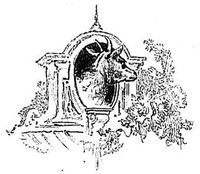
THE TWO GOATS.
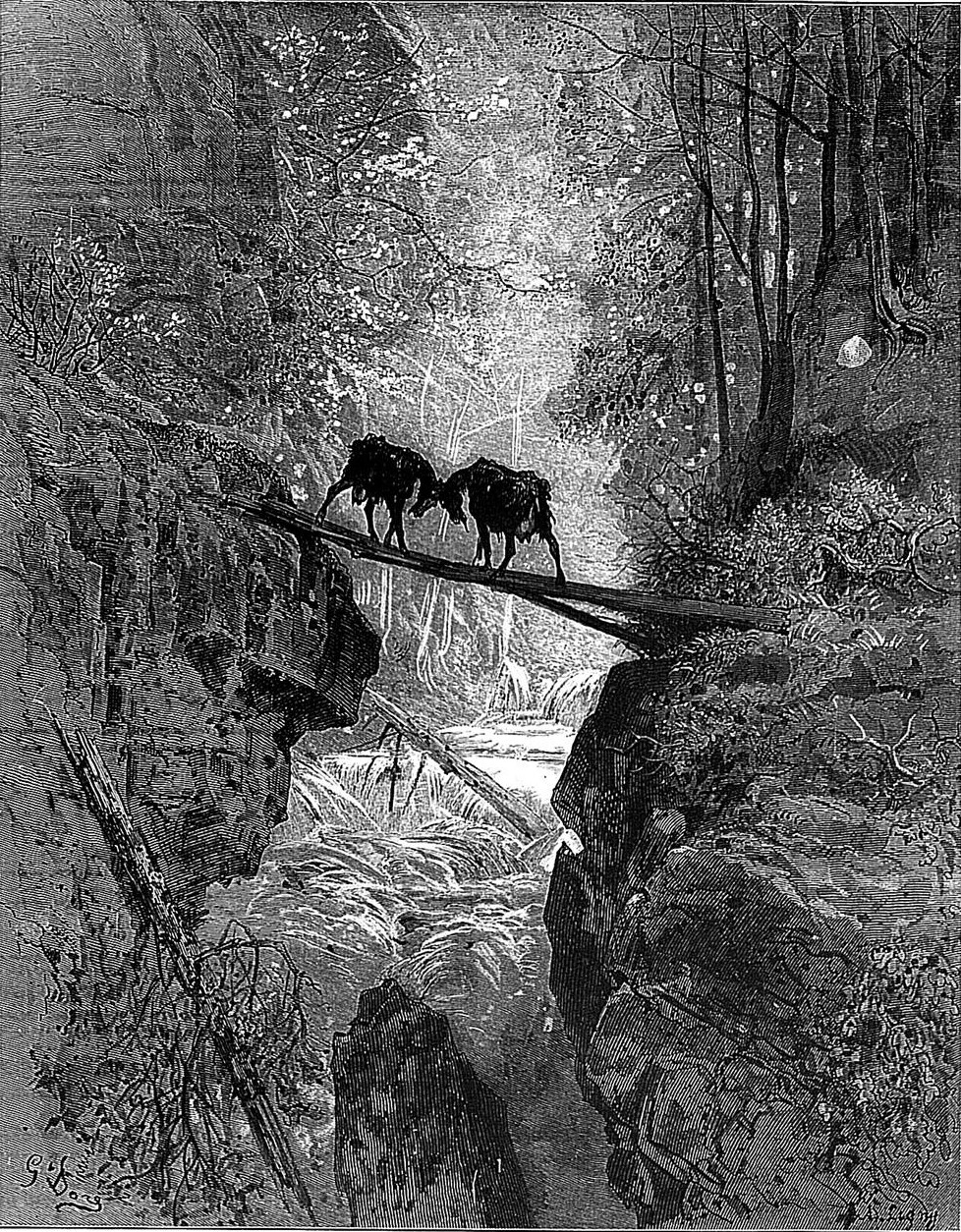
Since goats have ever clambering browsed, By Nature's gentle force aroused, They've wandered far and wandered free, Enjoying sweets of liberty. Their greatest pleasure is to find Paths all unknown to human kind: A rock, or hanging precipice, Suits these wild animals' caprice: No wall can make their gambols cease. Two white-foot Goats, then, thus inspired,
THE TWO GOATS.
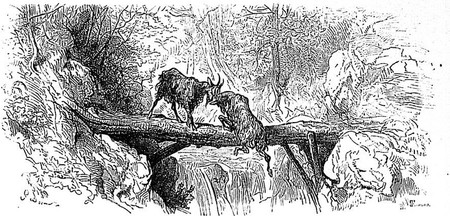
And with adventurous spirit fired, Deserted pastures too well known, And chose their routes, each one his own. But though each separate pathways took, It chanced they reached the self-same brook, O'er which, for bridge, a plank was thrown, That scarce would have sufficed for one. The stream was deep, the flood was wide, And should these dames have terrified; But, spite of danger, each young lady Advanced upon the plank unsteady. And now, by aid of history, Louis le Grand I seem to see Philip the Fourth advance to meet Upon the isle of conference. Well, step by step, with agile feet, Our ramblers, with a proper sense Of what was due to ancestry, Refused to yield; for one Goat, she Could claim that Polyphemus laid Her sire at Galatea's feet; The other, just as boldly, said Her dam was Amalthæa sweet— The goat who gave her milk to Jove, Who rules below, and reigns above. Neither would yield, so both fell down, And there we leave our Goats to drown. Of moral I've not much to say: But such things happen every day.
FABLE CCXIV.
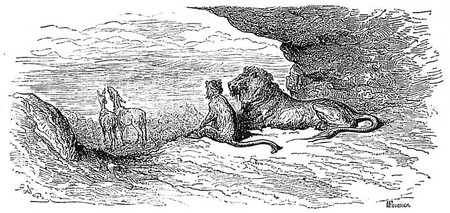
THE LION, THE APE, AND THE TWO ASSES.
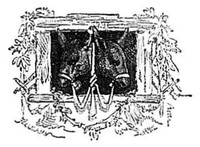
A young King Lion, desirous to shape By morality's laws his government, On one fine morning, prudently sent For that clever old master of arts, the Ape; And the statesman, consulted, sagely replied, "O King, hold this maxim as your very best guide— Let your own self-will to the good of the state Be in all cases subordinate; For 'tis simply neglect of this wholesome rule That so oft makes us animals play the fool. It is not in one day, or even in two, That this evil self-love you'll contrive to subdue; But should you succeed, oh, my monarch august, You will never be foolish, and seldom unjust." "Give me examples," replied the King, "Of both the one and the other thing." "Each species has its vanity," The Ape said very seriously; "As, for instance, my own; for the lawyers call All but themselves, mean, base, and small. But, on the other hand, self-esteem Leads us to laud our deeds to the sky, As, by doing this, we fondly deem That our own position is raised as high. And now I deduce, from what I have said, That much so-called talent is mere grimace— A trick which, as wise men know, has led Many an idiot to power and place. "Whilst following close, but the other day, The steps of two Asses, who foolishly Fed each other with flattery, I heard the one to the other say, Is it not, sir, a shame and disgrace That the tribe of mankind, that perfect race, Should profane our dignified name, by denoting As asses all those that are stupid or doting? And even has ventured such lengths as to say, That, when mortals speak nonsense, they utter a bray! 'Tis pleasant, forsooth, to perceive how mankind Dream they're above us, and yet are so blind. No, no, let their orators silent remain, For they are the brayers, and fools in grain; But with man let us cease one another to bother: 'Tis enough that we quite comprehend one another. I will only here add that you have but to speak, To make larks seem hoarse, and the blackbird to squeak.' 'These qualities, sir,' then the other replied, 'In yourself, in the fullest perfection, reside.' And, having thus spattered each other with praise, They trot far and wide to repeat the same craze; Each fondly in hope, like a couple of crows, That a caw shall come back for the caw he bestows. But this trait is not asinine only, I own, For I myself many great people have known Who would gladly, instead of my-lording each other, Have said, each to each, 'My Imperial Brother!' But I've spoken too long, and will only request That this secret be hid in your Majesty's breast: Since your Majesty wished me some trait to divulge, Which would show him how those who in self-love indulge Become objects of scorn; it would take me too long To show also, now, how it leads to worse wrong." Thus spoke the Monkey false by nature; But it has still in doubt remained If he the other point explained; Your Monkey is a knowing creature, And knows it is not fortunate To be too truthful with the great.
FABLE CCXV.
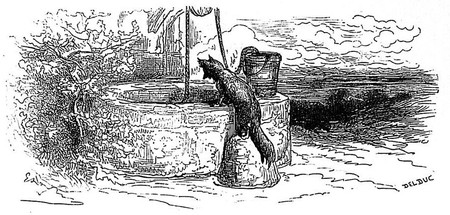
THE WOLF AND THE FOX.
Why to the Fox does Æsop ever Give the palm of being clever? I the reason oft have sought, Without of reason finding aught. When the Wolf's engaged in strife, To save his own or take a life, The Fox can do no more than he, Or half as much, and so I might With Master Æsop disagree. But there's a case has come to light, In which 'tis fair I should admit The Fox displayed the greater wit. On one fine night it so befell That Reynard, looking down a well, The moons full silver circle sees, And takes it for a lordly cheese. Two pails, above the well suspended, To draw the water were intended; And into that which higher hung, Good Master Reynard, famished, sprung. Down swift he went, and, to his woe, Found out his sad mistake below. He saw his death before his eyes; For he could never hope to rise, Unless some other famished thing, Enticed by Dian's silver face, Into the other pail should spring, And then, by sinking, take his place. Two days passed on without a visit From any creature; and, meanwhile, Old Time had made a huge deficit In Mistress Moon's well-rounded smile. But, just as all seemed lost, at last A hungry Wolf the well's mouth past; To whom the Fox, with joyous hail, Cried, "Mister Wolf, with me regale; This glorious cheese you here behold, From Fauna's hands received its mould, Of milk which heifer Io gave. If Jupiter were lying ill, I think the god himself would crave Of this delicious cheese to have his fill. I've eaten my share, as you plainly may see, But enough still remains both for you and for me; So, enter that pail, placed expressly for you." Now, whether this story was told well, or not, The Wolf, like a fool, took it all in as true, And into the bucket with eagerness got; When, outweighed, of course, Master Reynard got up, And the other remained, on the moonshine to sup. And yet, why blame the luckless beast? For, tempted by some phantom feast, As easily deceived, That which he hopes, or that he fears, In either of the hemispheres. Is by each man believed.
FABLE CCXVI.
THE SICK STAG.
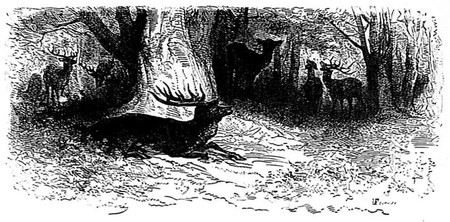
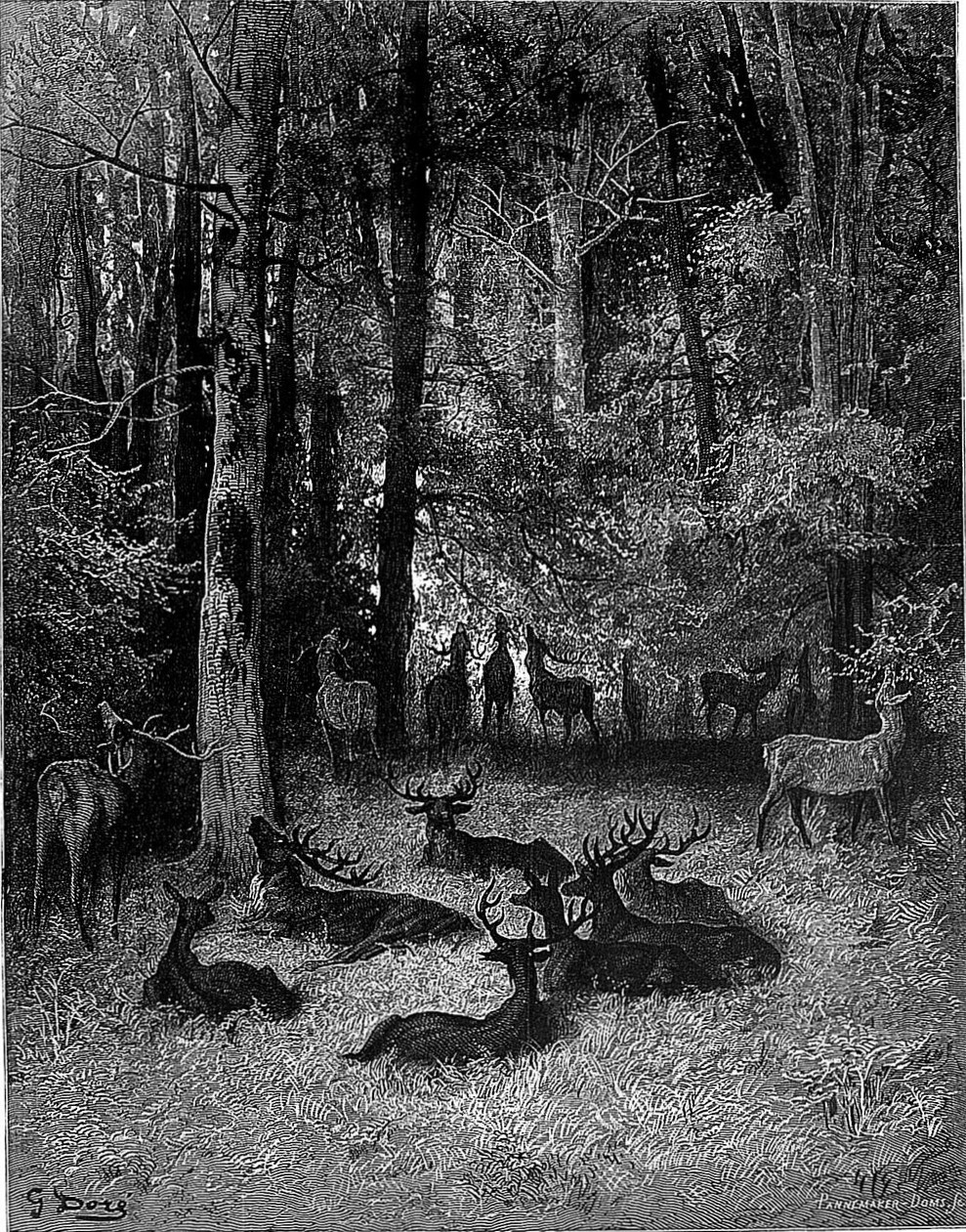
In a land where stags abounded, One fell very sick indeed; And he saw his bed surrounded By a dozen "friends in need." "Gentlemen!" he muttered, "leave me, Leave me, I implore, to fate: Since your tears can only grieve me, And your solace comes too late." Not a bit;—their lamentations Lasted for a week, or more;
THE SICK STAG.
While they took their daily rations From his very scanty store. Bit by bit his food diminished, Under such attacks as these; Till the sufferer's course was finished By starvation—not disease. For comforters of every kind Some fee is necessary, mind; And nobody will give advice, Or shed a tear, without his price.
FABLE CCXVII.
THE CAT AND THE TWO SPARROWS.
TO THE DUKE OF BURGUNDY.
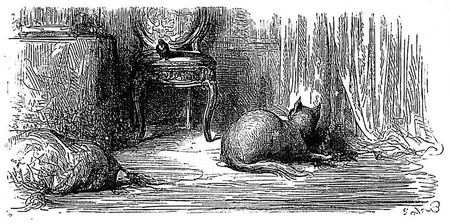
Of equal age, lived closed together A Sparrow and a Cat; And he of fur and he of feather Grew so familiar, that The bird could fearlessly provoke His formidable friend in joke. To peck out eyes the one with beak pretended, The other with protruded claws defended. The Cat, however, truth to say, Was always gentle in his play; And though he showed his claws, took care His little chirping friend to spare. The fretful Sparrow, much less meek, His tiny fury tried to wreak On Master Cat, who only purred, And thence this truth may be inferred, That friends should never, in dissension, Let quarrel grow to strife's dimension. Still old acquaintance ne'er forgot Kept their strifes from growing hot, And battle never sprang from play. But yet it chanced, one luckless day, A neighbouring Sparrow heedless flew To where Miss Chirp and Master Mew Had lived so long in amity. At first 'twas well; but, by-and-by, The birds grew jealous, and in rage Gave vent to wrath none could assuage. The Cat, aroused from hearth-rug sleep, Endeavoured first the peace to keep, But finding that in vain, declared, "What! let this stranger Sparrow come To eat my friend in his own home? It shall not be." His claws he bared, And soon, without a spoon or fork, Of Master Chirp made but short work. The Sparrow eaten, said the Cat, "A most delicious morsel, that!" And as no other bird was near, Next swallowed his companion dear. From this what moral shall I learn? Without a moral, fables are But empty phantoms—deserts bare. Some glimpse of moral I discern, But I'll not trace it; I've no fear But that your Grace will see it clear. For you 'tis only simple play; But for my muse in any way 'Twere toil. In fact, I'll not the truth let fall For you, who need it not at all.
FABLE CCXVIII.
THE MISER AND THE APE.
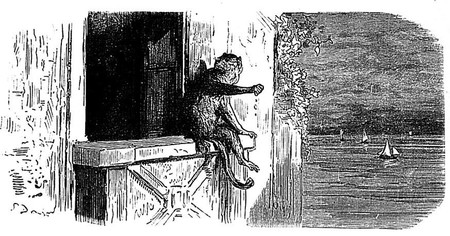
A Man was a Miser; every one knows That his was a vice which grows and grows: This was a man that filled jars and buckets, Old stockings and coffers, with pistoles and ducats. 'Tis a maxim of mine that such things left unused, I mean pistoles and ducats, are simply abused. To secure all his wealth from the lovers of stealth, My Miser had built him a home, Surrounded by waves with their foam, And there with a pleasure the which To some seems but poor, to some rich, He heaped up his wealth with delight, And every day, and each night, He counted the sum, and re-counted, And gloated to see how it mounted; But, somehow, count well as he might, The gold pieces never came right. And the source of this grievous disaster Was this, that an Ape, than his master More wise, to my mind, took a pleasure In flinging to seaward his treasure. The Miser secure, With his double-locked door, Was wont to leave silver and gold All loose on his table, untold. "Ah! ah!" said the Monkey, one day; "I'll fling this in the sea; 'twill be gay." Now for me it were hard to decide If the Master or Ape were the wiser, 'Twould be half for the Ape, half for Miser. Well, as I've said, the Ape, one day, Laying hands on Master's gold, Many a ducat flung away, With sovereigns new and angels old. With huge delight he tried his skill, And ducks and drakes made with a will, Of golden coins which mortals seem To think of mortal goods the cream. In fact, had not the Monkey heard The key within the key-hole stirred, And feared its Master, every coin Had gone its comrades to rejoin, And 'neath the waves with golden flecks Had lit the gloomy floor of wrecks. Now, blessings on each Miser's head, Both whilst he lives and when he's dead.
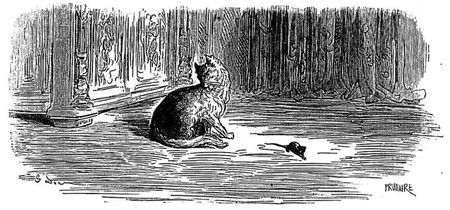
TO THE DUKE OF BURGUNDY,
In Answer to a Request for a Fable on "The Cat and the Mouse."
To please the youthful Prince whom courtly fame Destines entempled in my works to be, How shall I write a fable with this name— Le Chat et la Souris? ("The Cat and the Mouse.") How can I represent in verse a maid Who, sweet in aspect, yet still ruthless played With hearts her charms snared, as you see Le petit Chat does la Souris? Shall I sketch Fortune, and show her deceit?— Tell how she gulls the world with the old cheat? Treating poor self-complacent friends you see Comme le Chat does la Souris? Shall I depict of all earth's royalty The only one her restless wheel that stays? The one who wars with Europe's chivalry; And with the strongest of his foemen plays, Comme le Chat with la Souris? But as I write, there comes, insensibly, The plan that suits me, if I don't mistake; I should spoil all if lazy I should be: Mockery the Prince of my poor muse would make, Comme le Chat of la Souris.
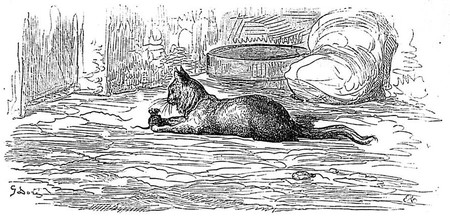
FABLE CCXIX.
THE OLD CAT AND THE YOUNG MOUSE.
A young Mouse, small and innocent, Implored an Old Cat's clemency:— "Raminagrobis, let me live! Your royal mercy, monarch, give! A Mouse so little, sir, as I A tiny meal can well supply. How could I starve a family? Host, hostess, only look at me; I fatten on a grain of wheat: A mite my dinner makes complete. I'm thin, too, now;—just wait a bit, And for your children I'll be fit." Thus to the Cat the Mouse, aggrieved; The other answered. "You're deceived. Is it to me you talk like that? Go, tell the deaf and dumb—not me: Old Cats don't pardon, so you'll see. The law condemns, and you must die: Descend, and tell the Fates that I Have stopped your preaching, and be sure My children's meals will not be fewer." He kept his word; and to my fable I add a moral, as I'm able: Youth hopes to win all by address; But age is ever pitiless.
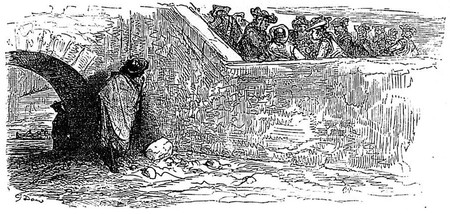
FABLE CCXX.
THE BAT, THE BUSH, AND THE DUCK.
A Bat, a Bush, and Duck, one day, Finding home business would not pay, Resolved their purses to unite, And risks of foreign trade invite. Soon with factors, counters, agents, And all the merchants' usual pageants, Ledgers, day-books, and all that, Surrounded, they grew rich and fat. All went on well, till, lucklessly, A cargo, trusted to the sea, And traversing a rock-bound strait, Ill-piloted, endured the fate Of all the other treasures which King Neptune's sea-roofed vaults enrich. Great cries of grief the trio uttered,— That is to say, they only muttered: For every little merchant knows That credit loves not traders' woes. But, spite of every cautious plan, The tale through all the city ran; And now Duck, Bush, and Bat were seen Ready to wear the bonnet green,[1] Without or credit or resources, For none would ope for them their purses. All sorts of creditors daily arrived, With bailiffs and writs; and the door scarce survived The continual thrum Of their creditors' glum; And, of course, the Bush, Bat, and the Duck were intent To find means this importunate crowd to content. The Bush, with his thorns, caught the men that went by, And said, with a sort of a pitiful cry, "Pray, sirs, can you tell in what part of the sea The wealth of myself and my partners may be?" Whilst that diver, the Duck, plunging down out of sight, Went to find them, he said, if he possibly might. But the Bat, followed daily by bailiffs and duns, At noon all the haunts of the human race shuns; And, stricken with shame, to keep quite out of sight, Hides in ruins all day, and flies only by night. Many a debtor have I known— Neither Bush, nor Bat, nor Duck— Who even had not such ill luck As was upon this trio thrown, But simple lords, who, shunning snares, Sneaked always down by the back stairs.
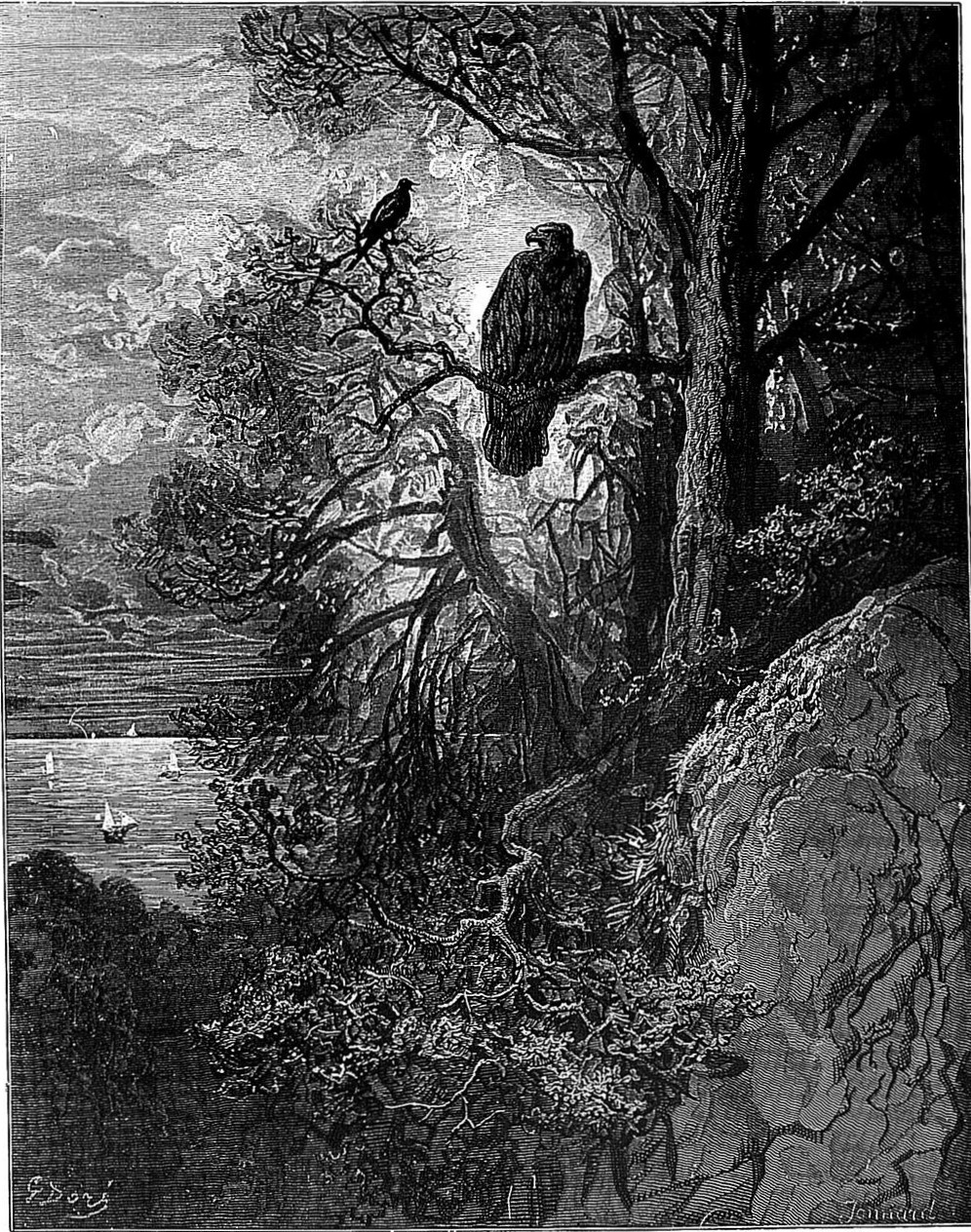
THE EAGLE AND THE MAGPIE.
FABLE CCXXI.
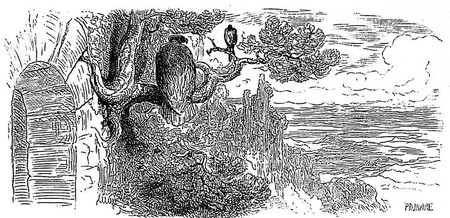
THE EAGLE AND THE MAGPIE.
The Eagle, queen of the broad sky, Met, one day, in a field, the Pie— In mind and language different, In plumage, and in every bent. Chance brought them into a by way: The Magpie was afraid to stay. The Eagle, having dined but lately, Assured her calmly and sedately. "Come, let's be social," said the Eagle, then; "And if the lord of gods and men Sometimes is weary of the king Who rules the universe, the thing Is clear, that ennui may e'en vex One who serves Jove. Amuse me!—come, And chatter as you do at home; It is not me you will perplex." The Pie began at once to gabble On this and that, on lords and rabble; Just like the man in Horace—just, Good, bad, indifferent, all on trust; Talking incessant, and still worse Than the poor fool in the famed verse. She offers, if it please his grace, To skip about, and watch each place He wishes. Jove knows that the Pie Was well constructed for a spy. The eagle answers, angrily, "Don't leave your home, my tattling friend. Adieu! I have no wish to send A gossip to corrupt my court, And spread each lying, false report: I hate a gossip." Quite content, Maggy cared little where she went. To dwell among the gods or kings Is not the pleasantest of things; That honour has its pangs also. Detractors, spies, and many a foe, Gracious and bland enough in face, But false in heart, infest each place, And make you odious. In courts wear Coats of two colours, or take care.
FABLE CCXXII.
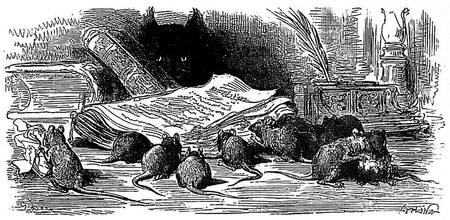
THE QUARREL OF THE DOGS AND THE CATS; AND, ALSO, THAT OF THE CATS AND THE MICE.
Discord has always ruled this universe; Our world of this could many facts rehearse. This goddess over countless subjects reigns; The elements not Jupiter himself restrains; Nor these four potentates alone wage war: In many races there's a ceaseless jar. A house once, full of Dogs and Cats, grew free Of strife, at last, by many a grave decree. The master fixed their hours, and every meal, And let the quarrelsome his horsewhip feel. They live, at last, like cousins, almost brothers, And furnish quite examples to all others. At length peace ended;—some stray tempting bone, Some broth, or little preference to one shown, Made both belligerents half crazy run. To plead the grievous injury that's done, I've heard that learned writers of old law Attribute this to some small legal flaw. Be what it might, they both made angry claims, And set the kitchen and the hall in flames. Some loud for Dog and some for Cat cried out: The Cats went mewing, the Dogs whined about. They deafened every one. Cats' advocate Referred to the decree; and the debate Ceased at that word; but still they searched in vain Where it was hid, and sought and sought again. The Mice had eaten it; then, lo, once more The Mice were sufferers—many, many a score The old Cats swallowed—some, with cruel claws, Expounded to the Mice their code of laws; Laid ambuscades; caught them in many ways, And from their master obtained food and praise. Mais à nos moutons. Not beneath the skies Lives there a creature without enemies. 'Tis Nature's law; and how is purblind man The secret of Gods mysteries to scan? It is God's will; further I do not go: We waste our time in trying but to know. Man is, at sixty years, a wondering fool, Fit to be whipped, and sent again to school.
LOVE AND FOLLY.
FABLE CCXXIII.
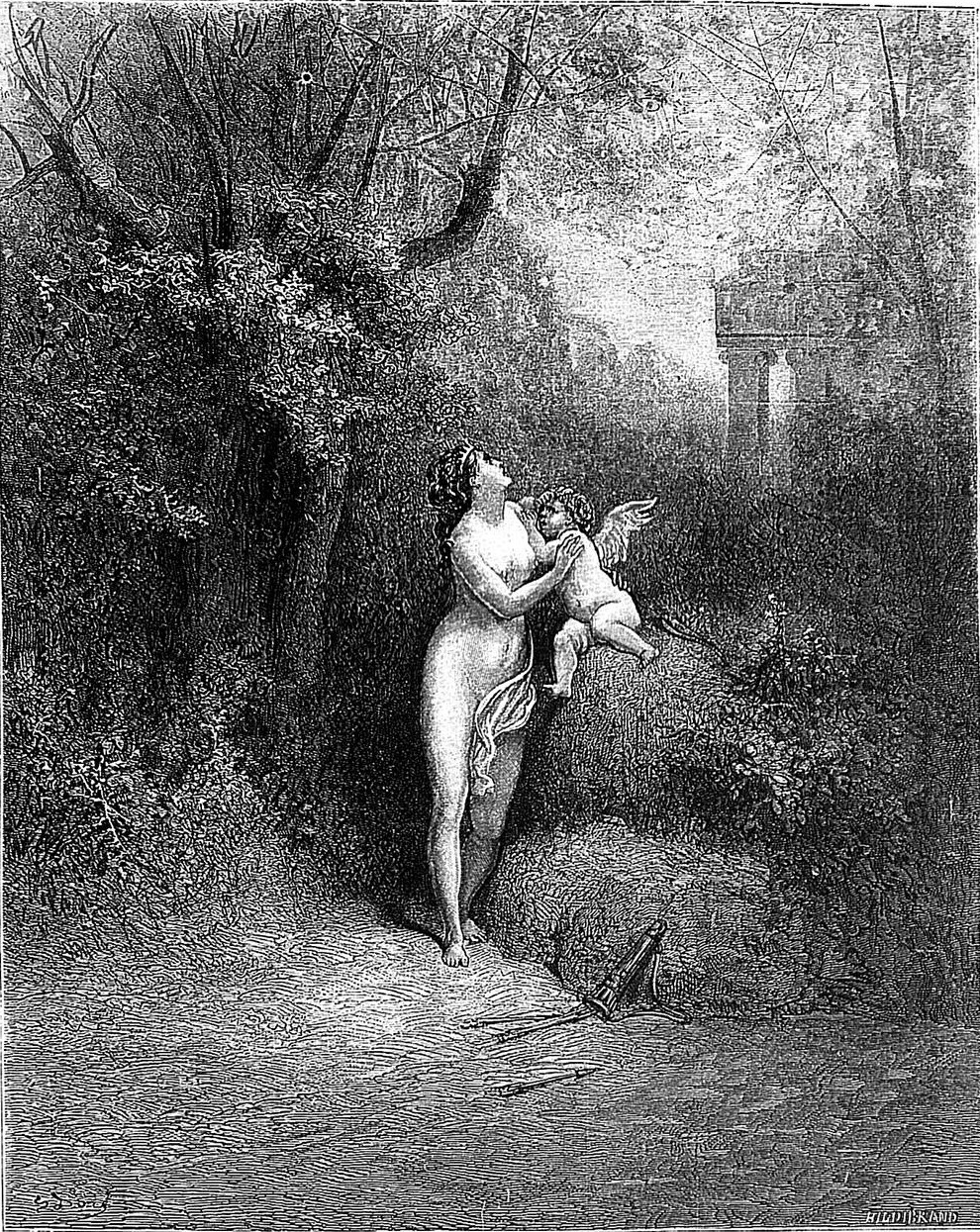
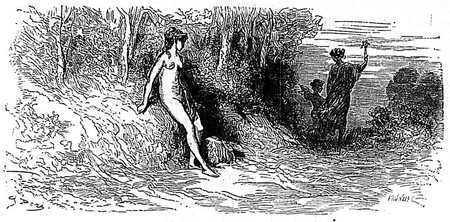
LOVE AND FOLLY.
All is mysterious with Love,— His bow and arrow, torch, and wings. 'Tis not a day's work in a grove. To master these momentous things. Explain them my poor muse can not; My object is but, in my way, To tell of Cupid's wretched lot, And how he lost the light of day. Whether that fate be ill or well For those whom Cupid since has met, Lovers alone can rightly tell: I cannot, though I've felt his net. Folly and Love together played, One day, before he lost his sight; But yet, as people will, they strayed From friendship, and got stung by spite. Disputes are really melancholy! Love wanted all the gods and men As umpires; but impatient Folly Preferred it settled there and then; And gave poor Cupid such a blow, That both his pretty eyes were seared. For blessed sight gave blindness—lo! Their heaven's blue brightness disappeared. His mother, Venus, heard his grief, And cried for vengeance, like one mad, On Jove and Nemesis,—in brief, On gods of all kinds, good and bad. The case, she said, was very strong: Her blind son would require a stick And dog, to help him walk along. Alas! for cruel Folly's trick. The gods poor Cupid's case discussed,— And boys and girls in love decide, Decreeing that it's only just, Folly should Love in future guide.
FABLE CCXXIV.
THE WOLF AND THE FOX.
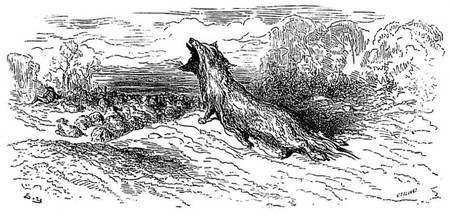
How comes this general discontent? Here is a man, for lack of wit, Longing to live beneath the tent The soldier's longing so to quit. A certain Fox aspired to be A Wolf: and who's prepared to say The Wolf may not think luxury Consists in the lamb's peaceful play? It much surprises me to find A poet prince, but eight years old, Who writes prose of a better kind Than I can verse—aye, twenty fold— Though long experience makes me bold. The thoughts throughout his fable spread Are not a poet's work, I know. They're numerous and better said; Unto a prince the praise we owe. I play upon a simple pipe: That is my talent—just to please; But soon my hero, growing ripe, The clarion will make me seize. I am no prophet, yet I read The starry signs that promise give. His glorious acts will Homer need; Homer, alas! he does not live. The Fox said to the Wolf, one day, "My dear, I have but old tough hens for my poor cheer! One wearies of the food; but you feed well, And with less hazard. I, where people dwell, Slink round, while you keep prudently away. Teach me your trade, my noble comrade, pray! Make me the first of all my race who slew A good fat sheep, and took him for a stew!" "I shall not be ungrateful," the Wolf said; "'Tis well, I have a brother newly dead; Put on his skin." Fox took it, and obeyed. The Wolf then bid him not to be afraid Of all the mastiffs of the shepherds flock: The Fox learnt of his maxims the whole stock, First blundered much, then studied all he could, And, lastly, well the precepts understood. Just as he finished, there came passing by A drove of sheep. He runs at them—they fly. The new-made Wolf spreads terror everywhere; And frightened bleatings fill the troubled air. So in Achilles arms Patroclus came:— Mothers and old men shudder at his name. The sheep see fifty wolves; and, in full cry, Dogs, sheep, and shepherds to the village fly. One only, as a hostage, left behind, Is by the villain seized. Upon the wind, Just then, came crow of lusty chanticleer: The pupil snapped the fowl, and without fear, Threw by his school-dress, all his task forgot, And ran off, heedless of his future lot. How useless was this counterfeiting then! The changed suit hindered not the watchful men. They follow in his track the self-same day, And when they find him, they are quick to slay. From your unequalled mind my poor muse drew The story and its moral, plain but true.
FABLE CCXXV.
THE CRAB AND ITS DAUGHTER.
Sages are often, like the crabs, inclined To backward step, and leave their goal behind. This is the sailor's art, and, now and then, The artifice of deep, designing men, Who feign the opposite of their intent, To put their adversaries off the scent. My subject is a trifle; but how wide The field on which its morals may be tried! Some general may conquer, should he heed it, An army with a hundred chiefs to lead it. His plans of march and counter-march may be At first a secret, then a victory. No use in prying, when he would conceal; From Fate's decrees one cannot make appeal. The tide grows insurmountable, at length; Against a Jove the gods may waste their strength. Louis and Fate seem partners now, in glory, And draw the world along. But to my story. Said Mother Crab to Daughter Crab, one day, "How can you step in such an ugly way? Do try to go a little straighter, dear!" The little Crab made answer, with a sneer, "Look at yourself! It's very well to talk, But it was you who taught me how to walk: From you, and from your friends, I took my gait; If they go crooked, how can I go straight?" She told the truth—for lessons that we learn From family examples last the longest. They teach us good and evil, in its turn; And oft the latter lessons are the strongest. As to the way of walking, let me add, That turning backs has often merit in it In war, for instance, it is far from bad, If people do it at the proper minute.
FABLE CCXXVI.
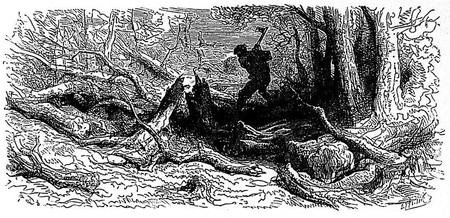
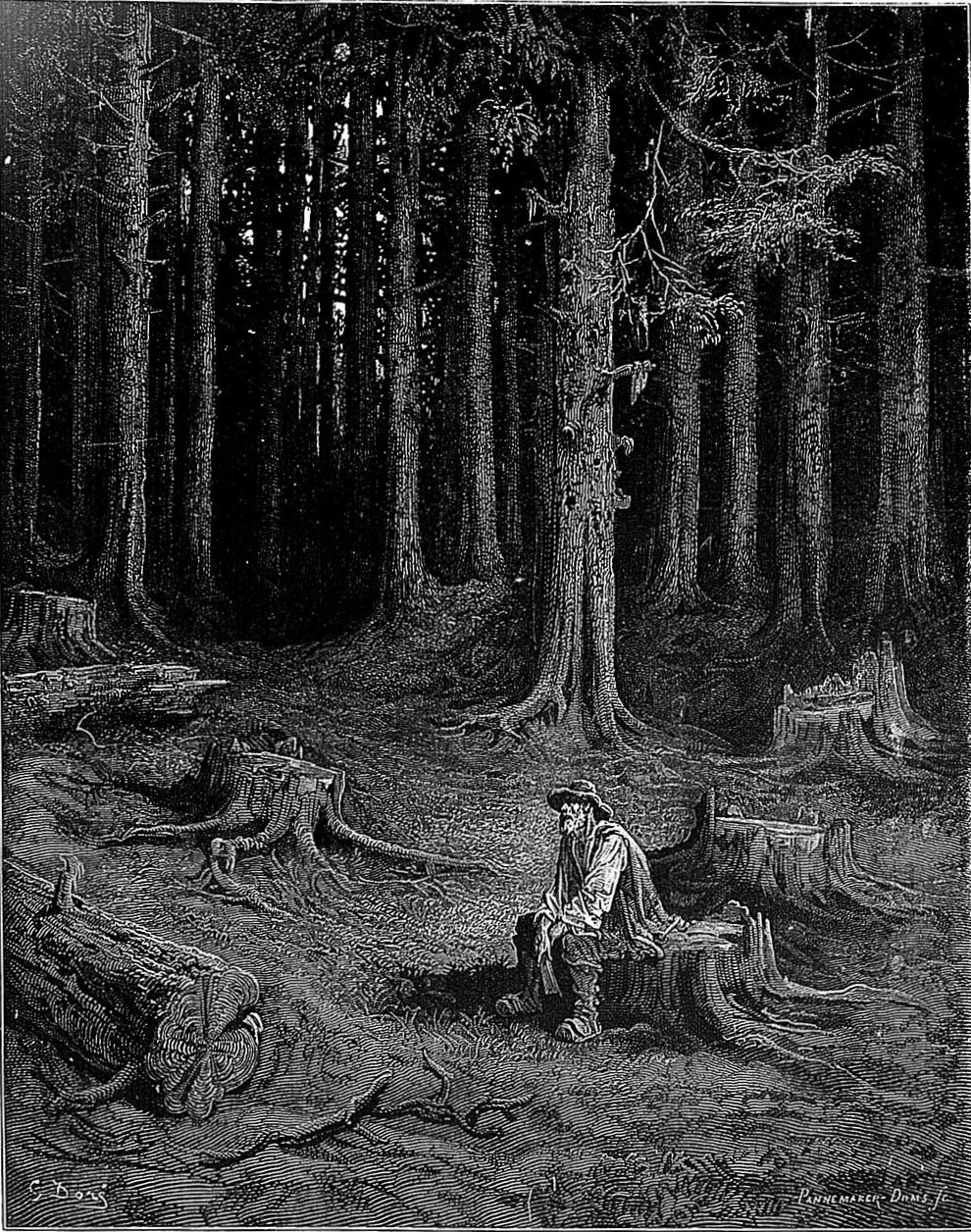
THE FOREST AND THE WOODMAN.
A Woodman, with too strong a stroke, The handle of his brave axe broke, Broke it beyond repair; For, though he ranged the Forest-side, Of proper trees both far and wide The scanty wood seemed bare. Then to the sylvan gods he prayed. That they his steps would sweetly guide Unto the spot where they had made That branch for which he sighed. To gain his bread himself he'd take Far, far away; and, for their sake.
THE FOREST AND THE WOODMAN.
Would spare both fir and oak. "Respected are their charms and age, And graceful in the poet's page"— 'Twas thus the Woodman spoke. The innocent Forest gave the bough. The Woodman hacked both oak and fir! The groaning Forest soon found how Her gift brought death to her. Behold the way the world doth spin. Some men—say, politicians—win A place: then bite their friend! Of them I tire. But should dear trees Bear such rude outrages as these, And I not mourn their end? In vain I sing: it is no use; Although my dart stings where 'tis hurled. Ingratitude and gross abuse Are no less in the world.
FABLE CCXXVII.
THE FOX, THE FLIES, AND THE HEDGEHOG.
Wounded and weak, and dripping fast with blood, A Fox crept wearily through mire and mud. Quickly attracted by the hopeful sight, A Fly—a restless, winged parasite— Came to show sympathy—and bite. The Fox accused the gods on high, Thought Fate had vexed him cruelly. "Why attack me?—am I a treat? When were the Foxes thought good meat? I, the most nimble, clever beast, Am I to be for flies a feast? Now Heaven confound the paltry thing So small, yet with so sharp a sting!" A Hedgehog, hearing all his curses (His first appearance in my verses), Wished to set the poor beast free Of the Flies' importunity. "My neighbour," said the worthy soul, "I'll use my darts, and slay the whole." "For Heaven's sake!" poor Reynard says, "Don't do it! Let them go their ways. These animals are full, you see: New ones will bite more greedily." Such torments in this land are seen,— Courtiers and magistrates, I mean. Great Aristotle likens flies To certain men; and he was wise. But when such folk get full of gold, They're less importunate, I'm told.
FABLE CCXXVIII.
THE HAWK, THE KING, AND THE FALCON.
TO MONSEIGNEUR THE PRINCE DE CONTI.
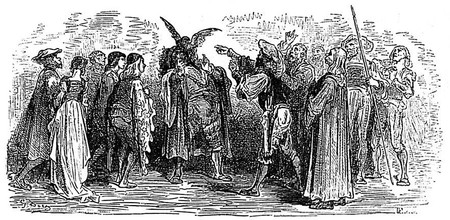
As the gods are forgiving, they wish that the lords Whom they send to rule over us creatures below, Should control the proud use of their conquering swords, And to subjects the mercies of charity show. O Prince! 'tis well known that you think in this way That you conquer your foes, but still pause ere you slay; And in this, for you're one who no passions subdue, Achilles, as hero, was far beneath you. This title of hero, in fact, should belong But to those who do good. This was always the case In the ages of gold; but now absence from wrong Of a very grave character gives men the place. So far are you, Prince, from deserving this stain, That for half your good actions you merit a fane. Apollo, the poet, who dwells in the skies, Sings already the praise of your name, 'tis believed; Fast in heaven the walls of your mansion arise, For of glory enough on the earth you've received. May the sweetest of charms that god Hymen can give, For you and the Princess, eternally live: For you fully deserve it; in token of this I will point to your gifts, both of riches and bliss. To those qualities wondrous, which, owned but by few, To grace your young years, Jove has lavished on you. Your spirit, O Prince! with such grace is combined, That which most to prize a sweet puzzle we find; For, sometimes, esteem takes our homage by force, And then love leaps in with impetuous course. But to sing all your praises and merits were long; So changing my key, in a far humbler song I'll tell you a tale, how a fierce bird of prey Assaulted a king, and got safely away. 'Tis seldom falconers contrive To take a new-fledged Hawk alive; But one so taken, to a King Was made a humble offering. The bird, if true the story be, No sooner saw his Majesty, Than straight the Royal nose he clawed, And then the Royal forehead gnawed. "What! clutch a mighty monarch's nose? He wore no crown, then, I suppose?" Had he wore crown and sceptre, too, 'Twere all the same, the creature flew, And King's nose clawed, like common nose. Of course, an uproar loud arose, Such as my verse could scarce describe, From all the startled courtier tribe. The King alone was calm and cool: For calmness is with kings a rule. The bird kept his place, and could not be persuaded To vacate the strange throne he'd so roughly invaded. His master, in vain, with threats and with cries, Showed him his fist, but he would not rise. And it seemed, at length, as though the bird— Insolent creature!—would cling to that feature Until the next morning's chimes were heard. The greater the efforts to make him let go, The deeper he dug in each keen-pointed toe. At length he relaxed, of his own fickle will; Then the King said to those round about, "Do not kill The poor bird, nor the falconer trouble, for each, in His several way, has obeyed Nature's teaching:— The one has just proved himself falconer good, And the other a real savage thing of the wood. And I, knowing well that kings clement should be, Grant both full pardon: so let them go free." Of course, the courtiers all declared That such great mercy ne'er was shown; And had the trouble been their own, Nor man nor bird would have been spared. Few kings indeed had acted so, And let the woodman freely go. They 'scaped right well; but boor and bird In nothing in this matter erred, But only this, that, woodland-bred, They had not learnt enough to dread The neighbourhood of courts; but this small lapse May be excused in such poor folk, perhaps. The following story Pilpay places Where Ganges nourishes dusk races; Where man ne'er dares to spill the blood Of any living thing for food; "For how can we tell," they say, "that This creature was not present at The siege of Troy—a hero, then— And that he'll not be so again? For we Pythagoreans are, And think that different forms we bear At different seasons—pigeon now, And then a hawk, and next a cow. At present we are men; and so Through every change of form we go." The tale of that bold bird who clutched the King Is told two ways. The second now I'll sing. A woodman that, by luck or wit, A Hawk had seized, went off with it, To lay it at his monarch's feet. Such captures we but seldom meet— Once in a hundred years; indeed, 'Tis written in the falconer's creed That woodman who a Hawk can catch In nest, is any woodman's match. Through all the crowd of courtiers, then, Our huntsman, happiest of men, Thrust with his prize, at last secure His fortune now was firm and sure. But, just as he had reached the throne, Seized with a rage before unknown, The savage bird, untamed as yet, In spite of chained foot, turned and set His claws deep in his master's nose. All laughed, as you may well suppose— The courtiers and the monarch, too; Such very comic sight to view, I'd give a crown, though it were new. If Popes may laugh, I'm not quite sure But kings could not their lives endure, If they might laugh not—'tis divine; And Jove, though mostly saturnine, With all his comrades, laughs, at times, Enough to shake these earthly climes. And Jove laughed loudest when, I think, Poor hobbling Vulcan gave him drink. Whether or no, 'tis well arranged That gods should laugh, my subject's changed, With reason; for 'tis time to ask What moral lies beneath the mask Of falconer unfortunate? This simple lesson I will state:— To every land each cycle brings More foolish woodmen than good kings.
THE FOX AND THE TURKEYS.
FABLE CCXXIX.
THE FOX AND THE TURKEYS.
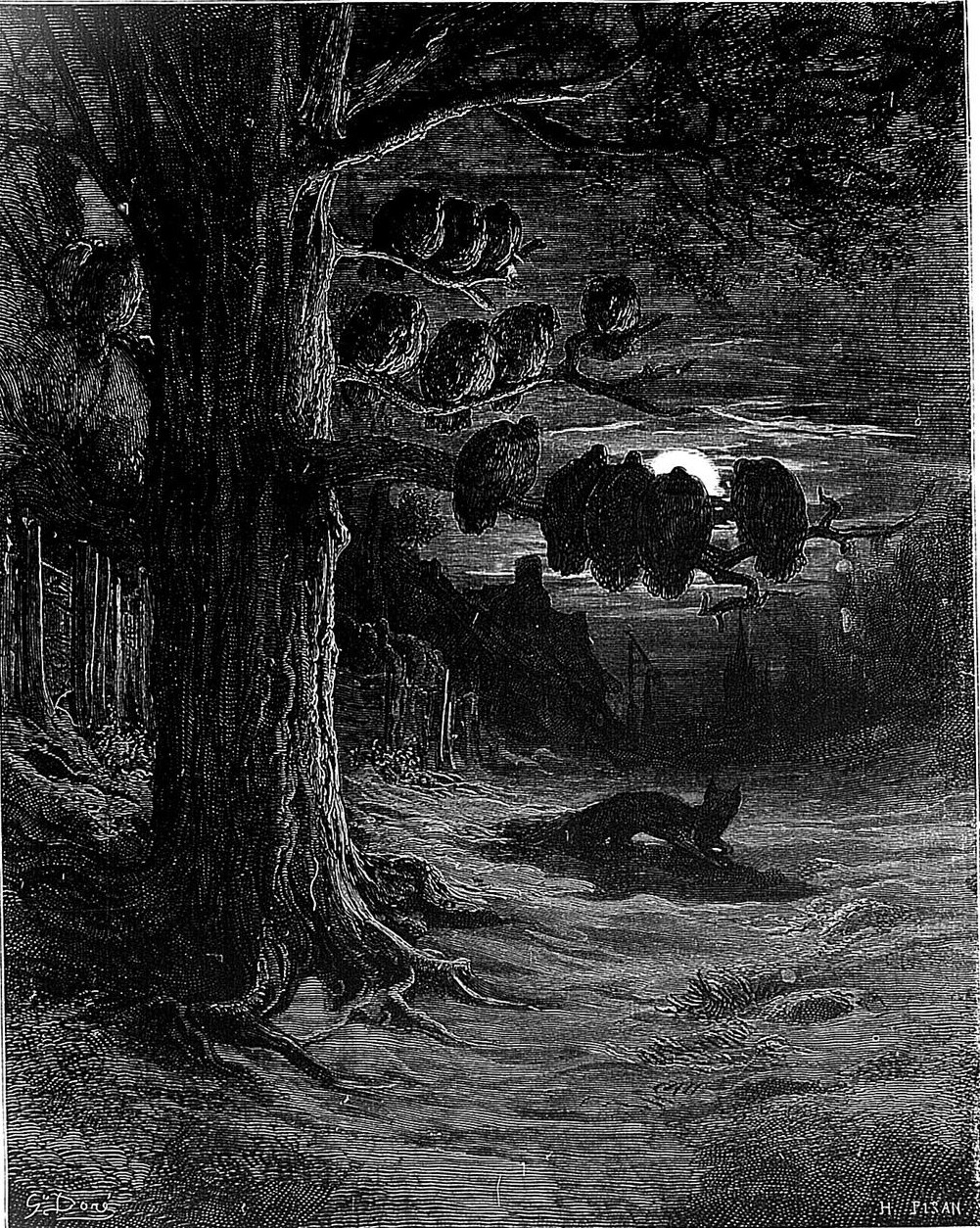
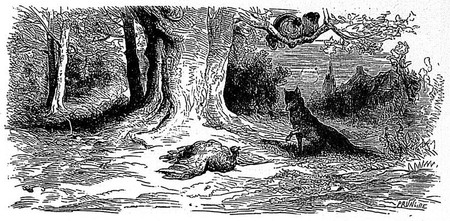
Against a Fox, a tree served well The Turkeys for a citadel. The cunning rascal made the round, And sentries at each opening found. "What! these fools mock me, then?" he cried, "And at the common lot deride? Forbid it, gods! forbid it, pride!" And this vow of his chivalry He soon performed, as you will see. The moon came just then shining out, As if the Turkeys' foes to rout; But he, no novice in assault Like this, was not, of course, at fault; And from his bag of schemes so sly Drew one, to trap the weak and shy. He feigns to climb, with rampant paws, And next apes death, with close-fixed jaws. He then revives, resuscitated: No harlequin so much elated: Raises his tail, and makes it shine, And in the moonlight glitter fine. No single Turkey dares to sleep, But ceaseless, tiring watch they keep. Worn out, they try their eyes to fix Upon their foeman's wicked tricks; At last, half giddy, one by one Fall headlong, and his game is done. He puts them carefully aside, Till nearly half of them have died; Then the bold rascal quickly bore Away the heap, to fill his store. If dangers we too closely heed, 'Tis ten to one they come indeed.
FABLE CCXXX.
THE CROW, THE GAZELLE, THE TORTOISE, AND THE RAT.
TO MADAME DE LA SABLIÈRE.
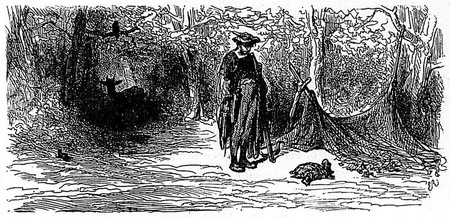
I, by means of verse, would raise A temple to your lasting praise. Already its foundations lie Based on that art which comes from high, And on the name of her whose fame Adoring clouds shall there proclaim. I'd write above its portal-stones, "This fane the goddess Iris owns;" But not the Iris who for Juno Goes out with messages, as you know; A different Iris, whom the lord Of gods, and Juno, too, were glad To serve, if they her summons had, When she such honour would accord. Th' Apotheosis placed on high Should show the people of the sky My Iris to a throne conducting,— A throne of sunlight's sole constructing. In frescoes, on the panels placed, Should all her life's sweet tale be traced; A charming story, and one far Remote from all the tales of war. Deep in the Temple's chief recess A painting should in part express Her form, her features, her bright smiles, And all the thousand artless wiles By which she gods and men beguiles. Low at her feet should there be shown All the great men the world may own, Great demi-gods besides, and even The natural habitants of heaven; For certain 'tis that they to whom Men pray, to Iris burn perfume. The artist's care should chiefly be To make her eyes her soul express. But, ah! to paint her tenderness 'Twere all in vain to try; may be No art upon the earth resides Which for a task like this provides, To paint a soul in which combine Man's strength with graces feminine. O Iris! you who charm us all, Before whose heavenly grace we fall, You whom before ourselves we prize (But, mind, I am not making love, For love's a word you don't approve), Yet even from this rough sketch may A better likeness rise, some day. The project of your sacred building I've just for artist-purpose filled in The foreground of a story which Is so with rare-found friendship rich, That, haply, it may favour find With one that is so good and kind. Of friendship monarchs seldom dream But he who gains your heart's esteem Is not a king devoid of love; No, he your gentle thoughts approve Is a brave mortal, who would give His life, that some dear friend might live. A Rat, a Gazelle, and a Tortoise and Crow Lived together as friends, in a desolate place; And, as they took care to indulge in no show, Man failed for some time the companions to trace. But, alas! for poor beasts there's no safety from man, Whatever concealment their instincts may plan; To the heart of the desert, the depths of the sea, Or to heaven's own vault, 'tis in vain that they flee. The Gazelle, one sad day, was at innocent play, When a dog—cruel dogs! whom the men treat as brothers, Though beasts, to assist them to capture the others— Unluckily snuffed at her scent, and, pursuing, Led on his fierce master, to cause her undoing. When dinner came that day, the Rat Said, "What can Miss Gazelle be at? She surely dreads some new attacks, Or else our friendship's bonds relax!" "Ah!" then the Tortoise, sighing, cried, "If Heaven wings would but provide, Such as our Crow has, I would fly, And all around the country spy, To find what accidents withhold Our friend. Her heart's as good as gold." The Crow, without a word, took flight, And soon had poor Gazelle in sight, Tied up with cords against a tree, A hapless piece of misery. At once the Crow, without a pause, Flies back, nor seeks to probe the cause, The whys, the wherefores, or the when Which make Gazelles the prey of men. Nor loses time, for action meant, In a pedantic argument. The Crow's report was duly heard, And then the Crow a vote preferred That two should speed, without delay, To where their friend in bondage lay, But that the Tortoise, lying still, Should serve the counter,—guard the till; For, whilst the Tortoise' step is slow, Gazelles die quickly, as we know. The words were scarcely said, when forth The angry Crow and Rat went north, To where their dark-eyed, dear Gazelle Lay, victim of man's purpose fell. The Tortoise, also, not behind-hand To lend to any one a kind hand, Toiled thither, also, grimly swearing That he his house must still be bearing. Arrived at the place where the Deer was confined, Sir Gnaw-net (the Rat is so properly named) At once set his teeth the hard cordage to grind, And in less than two minutes the friend was reclaimed The hunter coming up just then, Cursed like a thousand sporting men; And Master Rat, with prudence fraught, A cozy hole directly sought, Whilst Crow swam safely up to tree, And dear Gazelle in woods ran free. Just then the hunter, in a state Of hunger most disconsolate, Perceived the Tortoise on his path, And, thereupon, subdued his wrath. "Why should I," said he, "vex myself? This beast will grace my supper-shelf." And thus the hapless Tortoise soon Had been condemned to knife and spoon, Had not the Crow the dear Gazelle Taught how to act the lame man well. The timid deer, with halting feet, Went forth, the hunter's eyes to meet. The man threw off, without delay, All that his eager steps might stay— The Tortoise, with some other things. Of course the Rat undid the strings That held the bag where Tortoise lay, And all four friends got safe away! 'Tis Pilpay that has told this tale; And if upon the god of song I chose to call, I might prolong This quadrupedal history, And write another Odyssey. And if, to please you, I should take This work upon me, I should make The Rat the hero; yet, 'tis true That each had work, and did it, too. The Tortoise, though with mansion weighted, The case in point so clearly stated, That Master Crow at once took wing, To spy the land, and message bring; Whilst dear Gazelle, with female cunning, Before the hunter lamely running, Gave to Sir Gnaw-cord time to bite The strings which held the Tortoise tight. So each one, in his several way, Fought a good fight, and won the day. On whom shall we the prize bestow? On the good heart, as you'll allow. What will not friendship dare for those On whom its gentle tendrils close? That other feeling, love, is not, Compared with friendship, worth a jot; Although, to tell the truth, its pains Distract my heart, and fill my strains. It is Love's gentle sister you Protect, and I'll adore her, too; And, blending Friendship with your name, Throughout the world her joys proclaim.
THE ENGLISH FOX.
FABLE CCXXXI.
THE ENGLISH FOX.
TO MADAME HARVEY.
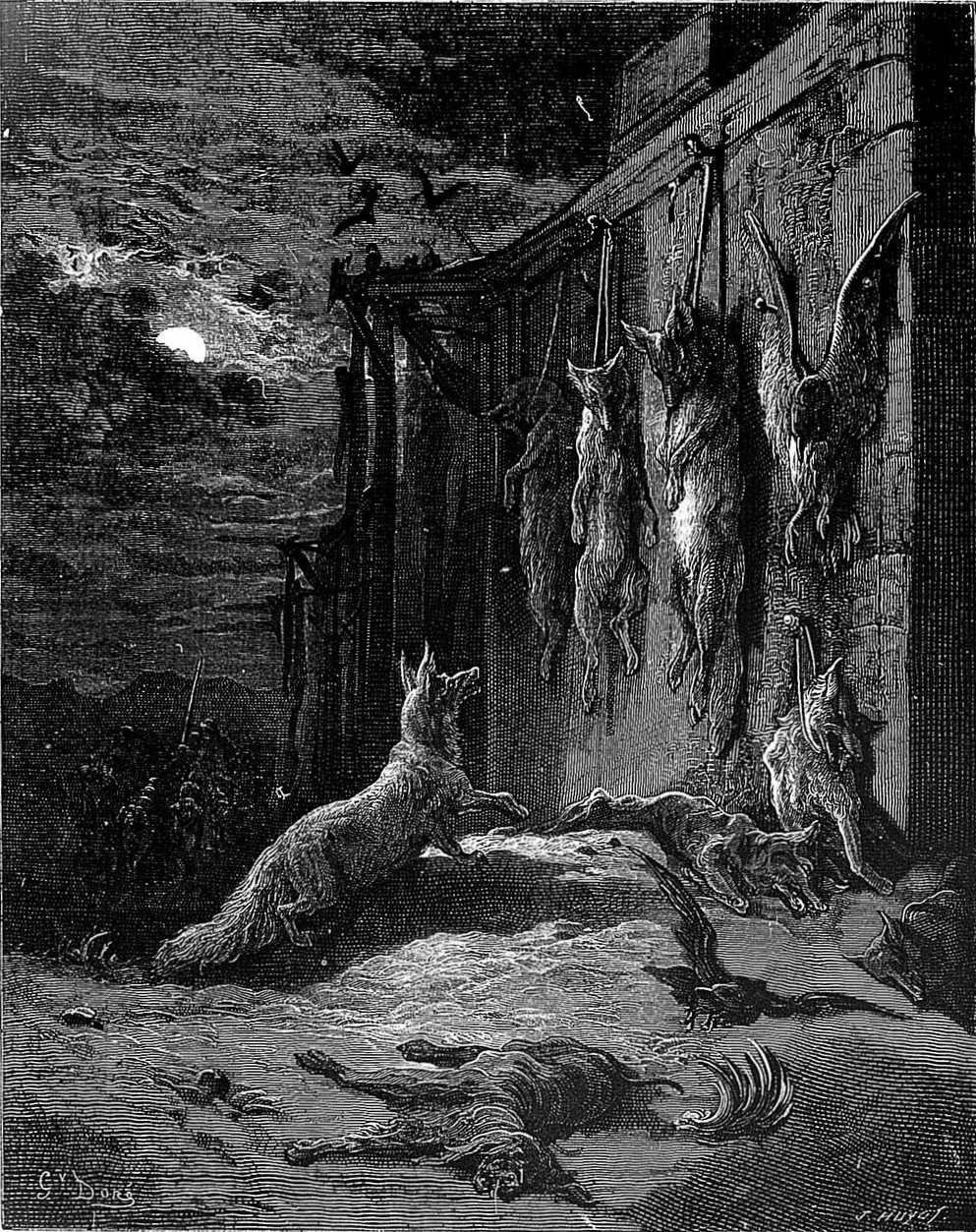
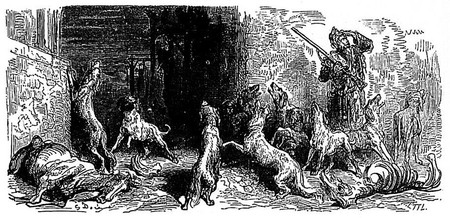
A good heart is in you with sense allied, And scores of other qualities, well tried; A nobleness of soul and mind, to guide Both men and things; a temper frank and free. In friendship firm, though tempests there may be. All this deserves, we know, a pompous praise: But pomp displeases you; so I'll not raise My voice, but simple be, and brief. I would Insert a word of flattery, if I could, About the country that you love so dear. The English are profound: in this their mind Follows their temperament, as oft we find. Deep, deep they dig for truth, and without end The empire of the sciences extend. I write not this to win good will from you; Your nation are deep searchers, it is true. Even your dogs, they say, have keener scent than ours; Your foxes are of craftier mental powers: I'll prove it, by an artful stratagem, The most ingenious ever planned by them. A wicked Reynard, chased quite out of breath By the untiring dogs, and dreading death, Saw a tall gallows, where dead badgers hung, And owls and foxes were together strung— Cruel examples for the passer-by! Reynard in ambuscade prepared to lie, Like Hannibal, who, when the Romans chased, Baffled their armies, and their spies disgraced. Old Fox this was! his enemies soon ran To where he lay for dead. The barking clan Filled all the air with clamour long and loud. The master whipped away the noisy crowd: The trick deceived him. "Come, you dogs!" he cried, "Some puppy's saved the rascal, who ne'er tried To climb the gibbet where such honest folk Repose. Some day, he'll find the gallows a rough joke, Much to his loss." And, while the dogs give tongue, Back to his larder goes the Fox just hung. Another day he'll try the self-same plan, And leave his brush and four paws with the man. Tricks won't do twice. The hunter ne'er had thought Of such a scheme, had he been nearly caught, Not from the want of wit, at all, you see, For who can say the English want esprit? But their contempt for life has often led To evil in such dangers, it is said. And now I once more turn to you,— Not for more flattery. 'Tis true All long eulogium does but tire: I, a poor player on the lyre, With flattering songs, and little verse, Amuse the mighty universe, Or win a distant nation's praise. Your Prince once said, in former days, He valued very far above All studied praise one word of love. Accept the humble gift I bring, Last efforts that I mean to sing: But poor indeed, and all unformed, Yet were they by new fervour warmed, Could you but make this homage known To her who fills your country's zone With sprites from Cytherea's isle; I speak (you know it by your smile) Of Mazarin, Jove dear to thee, And Cupid's sovereign deity.
FABLE CCXXXII.
THE APE.
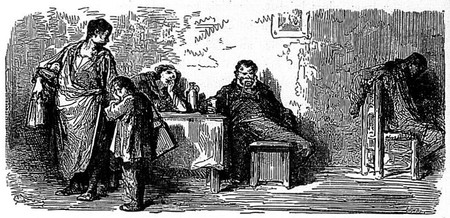
There was a certain Ape in Paris: Like many another Ape, he marries. He chose a wife; and then, like some Bad husbands, beat her deaf and dumb— Aping their ways. The poor soul sighed, And, after that, at last she died. Their infant cries, but cries in vain, And sorrows, o'er and o'er again. The father laughs: his wife is dead, And he has other loves instead, Whom he will also beat, I trow; He's often drunk, that well I know. From one who's aping others look For nothing good; whether a book He makes, or work performs. Yes, all, Upon whichever one you fall, Are bad—the author ape the worst, And of all monkey creatures first.
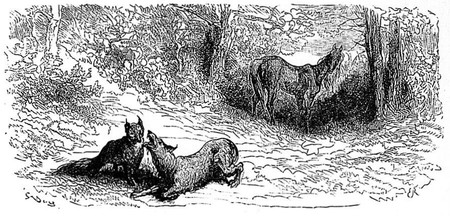
FABLE CCXXXIII.
THE FOX, THE WOLF, AND THE HORSE.
A Fox, still young, though rather sly, Saw, first time in his life, a Horse. Just then a stupid Wolf passed by, And Reynard saw a game, of course. "Come, see this thing that's feeding near; He's grand. I view him with delight! Is he more strong than us, my dear? Think you with both of us he'd fight?" Replied the Wolf, with laughter—"Now Draw me his portrait: then I'll tell." The Fox said, "Could I write, or show On canvas all his beauties well, "Your pleasure would be great indeed. But, come—what say you? He may be Some easy prey, on whom we'll feed, By Fortune sent to you and me." The Horse, still feeding on the plain, Scarce curious to see the pair, Planned flying with his might and main, For wolves have tricks that are unfair. The sly Fox said, "Your servants, sir; We wish to know your name." The Horse Had brains; so said, "My shoemaker Has put it round my shoe, of course. "Read, if you can. There is my name." The Fox had store of craft in need: He cried, "My parents were to blame; They taught me not to write or read. 'Tis only mighty wolves who learn To read: they read things in a breath!" Our flattered Wolf here made a turn; But vanity cost him his teeth! The clever Horse, as he drew near, Held high his hoof: his plan he saw. It cost the reading Wolf most dear,— Down came the hoof upon his jaw. With broken bones, and bloody coat, Upon the ground the poor Wolf lay. "Brother," the Fox said, "only note The truth that we've heard people say. "With wisdom, what had been your case? No pain would need to be discussed. This Horse has stamped upon your face That 'unknown things wise men mistrust.'"

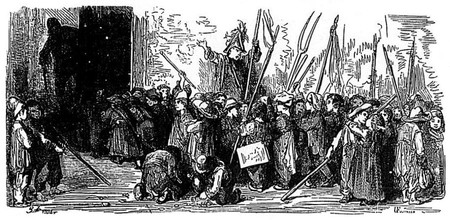
FABLE CCXXXIV.
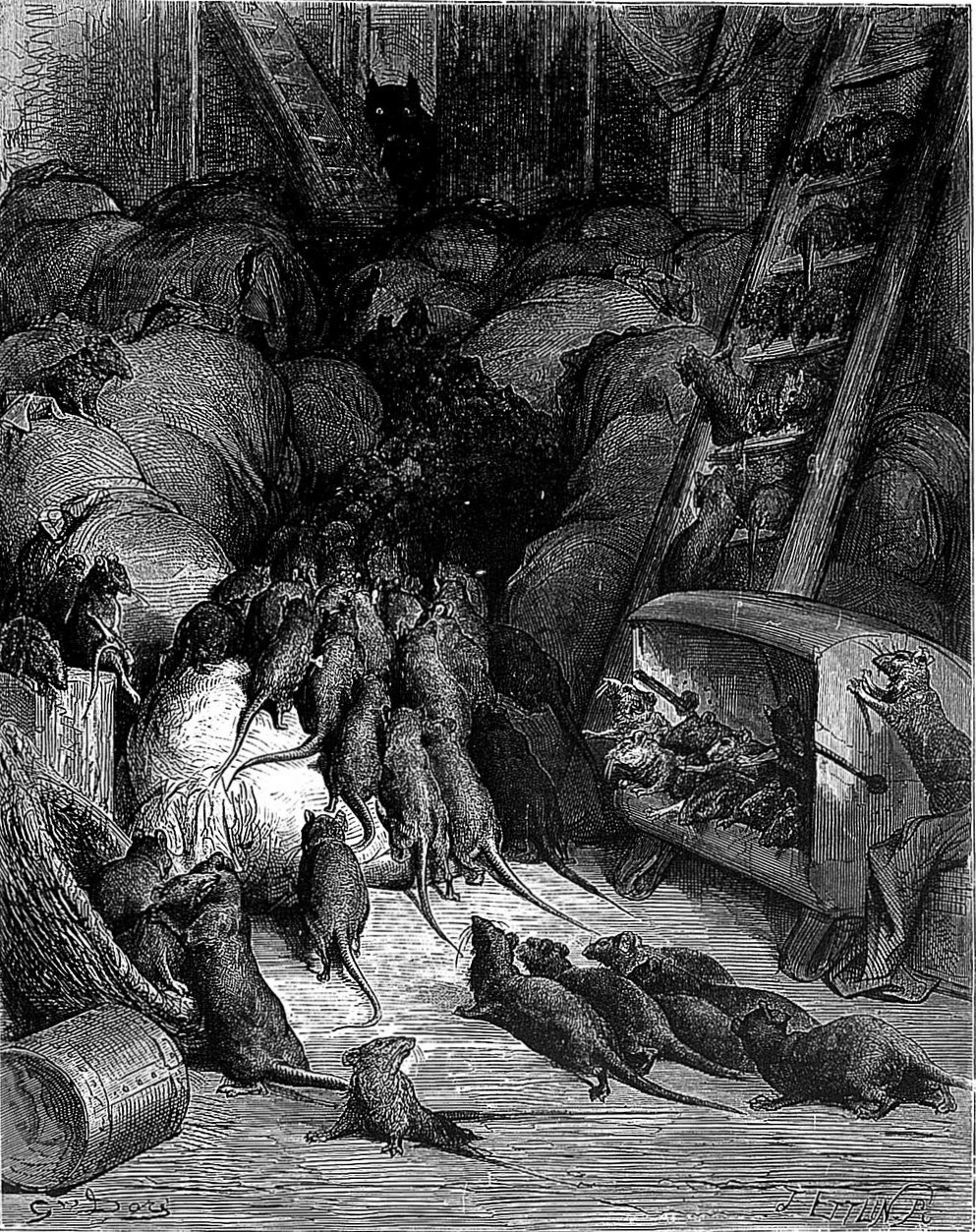
THE LEAGUE OF THE RATS.
A Mouse, in very deadly fear Of an old Cat, that kept too near A certain passage, being wise And shrewd, went straight, without disguise, To ask a neighbour Rat, whose house Was close to that of Mister Mouse. The Rat's domains, so fair and snug, Were under a large mansion dug. This Rat a hundred times had sworn He feared no Cat that yet was born; Both tooth and paw he held in scorn.
THE LEAGUE OF THE RATS.
"Dame Mouse," the lying boaster cried, "Ma foi! how can I, ma'am, decide Alone? I cannot chase the Cat, But call and gather every Rat That's living near. I have a trick;— In fact, at nothing I will stick." The Mouse, she curtsied humbly; then The Rat ran off to call his men, Unto the office, pantry named, Where many rats (not to be blamed) Were feasting at their host's expense, With very great magnificence. He enters, troubled—out of breath. "What have you done?—you're pale as death," Says one. "Pray, speak." Says he, "Alas! Friend Mouse is in a pretty pass, And needs immediate help from you. Raminagrobis, in my view, Spreads dreadful carnage everywhere. This Cat, this hideous monstrous Cat, If Mice are wanting, calls for Rat." They all cry out, "'Tis true! to arms!" And some, they say, 'mid war's alarms, Shed tears; but no one stops behind: They all are of the self-same mind. They pack up cheese in scrip and bag; No single nibbler dares to lag. With mind content, and spirit gay, It is to them a holiday. The Cat, meanwhile, quite free from dread, Has gripped the Mouse by its wee head. At charging pace the Rats, at last, Come; but the Cat still holds it fast, And, growling, faces the whole band. At this grim sound the Rats, off hand, With prudence, make a swift retreat, Fearing their destiny to meet. Each hurries to his humble hole, Nor seeks again the warrior's goal.
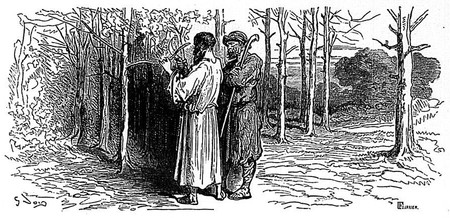
FABLE CCXXXV.
A SCYTHIAN PHILOSOPHER.
A Philosopher once, who, in Scythia born, Had somewhat, with study, his brain-pan outworn, Made his mind up, for pleasure and profit, to seek Repose for a time in the land of the Greek; And there he made friends with a man of the kind Whom Virgil so well in the Georgics defined: A man who's a king, for himself he controls, And a god, for he blends his own will with men's souls. He found him with pruning-knife grasped in his hand, Pruning here, snipping there, in all parts of his land, As tranquil as Jove; here he cut off a twig, There lopped off a branch to make others more big; For Nature, experience had taught him, is prone To waste in rash gifts all the wealth of her throne. The Scythian, brought up in town, was downcast, And looked at the ruinous waste quite aghast, And exclaimed, "My dear friend, lay your pruning hook down, And let Nature, judicious, take care of her own; For, at best, you are taking much pains to deflower The fruits which Time's tooth will but too soon devour." The old man replied, with a rustical grace, "I cut useless ones off to give useful ones space." Struck by wisdom like this, with no moments delay, The Scythian homewards at once took his way; And no sooner had got there but took up a bill, And at cutting and hewing showed wonderful skill: Hewed branches, snipped twigs, and persuaded his neighbours To share in his rude horticultural labours. The result is soon told: hacking trees without reason, In summer or spring—taking no thought of season— Must lead to results which no words can belie; For the trees thus instructed instinctively die. Now, the Scythian stands for a symbol of those Who wish all the pathways of pleasure to close; Who'd hoot at ambition, forbid a new dress, And from lexicons banish the sweet word, caress. For myself, though by custom not given to swearing, I'll say that, by Jove, such old dolts there's no bearing; They wish us to choke whilst we've plenty of breath, And whilst full of life's vigour to simulate death.
FABLE CCXXXVI.
DAPHNIS AND ALCIMADURA.
(An Imitation of Theocritus.)
TO MADAME DE LA MESANGERE.
Amiable daughter of a mother fair, For whom a thousand hearts are torn with care; Yours are the hearts whom friendship holds in fee, And those that Love keeps firm in fealty. This preface I divide 'tween her and you, The brightest essence of Parnassus dew. I have the secret to perfume for you More exquisitely sweet. I'll tell thee, then; But I must choose, or I shall fail again:
DAPHNIS AND ALCIMADURA.
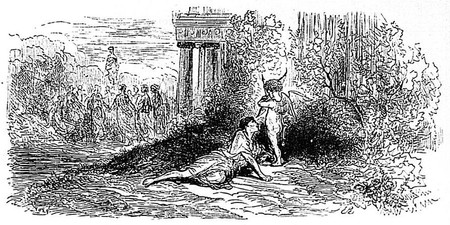
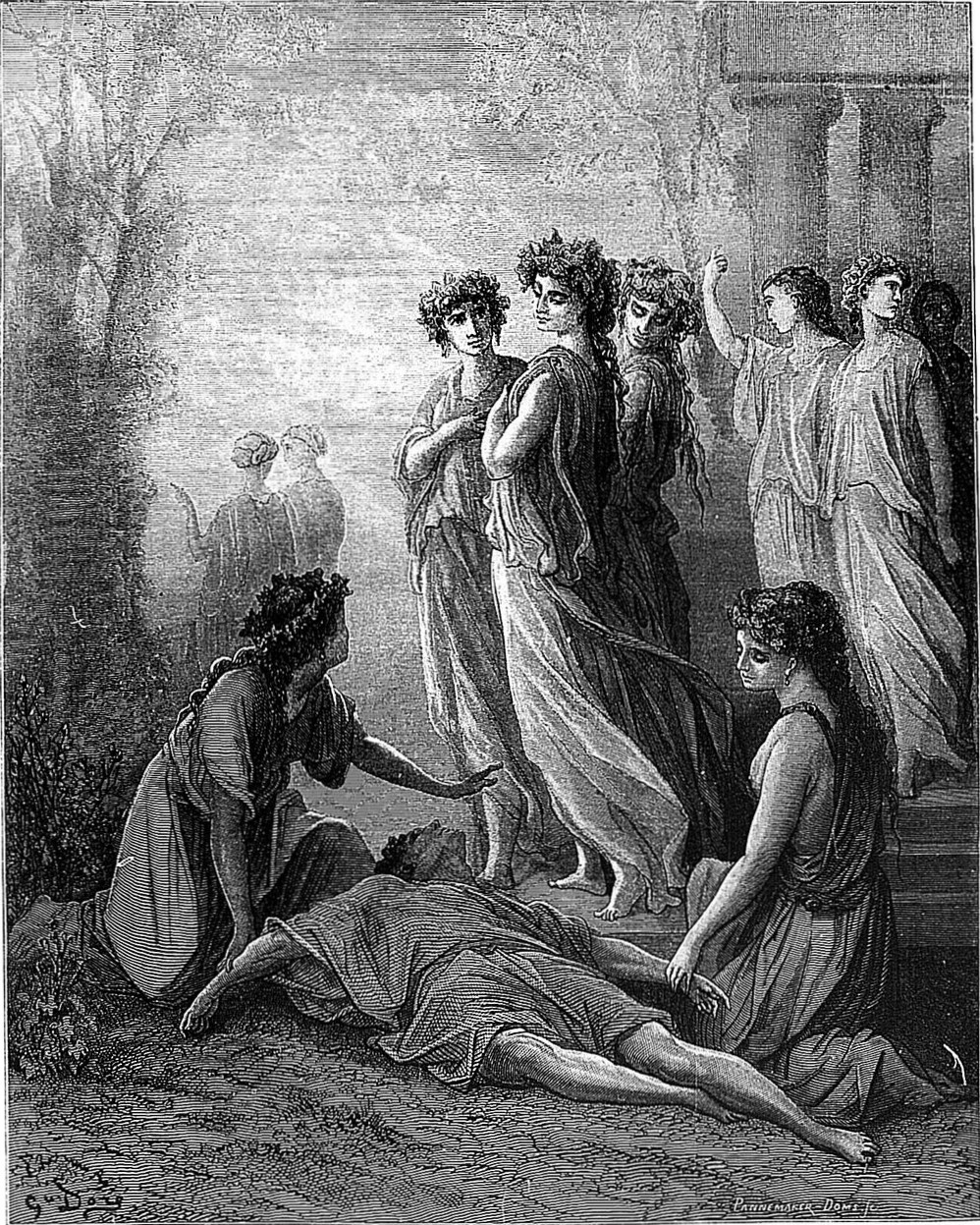
My lyre and voice will need more power and skill; Let me, then, praise alone a heart that's still Full of all noble sentiments,—the grace, the mind, Which need no master but the one we find Blooming above you. Guard those roses well, And do not let the thorns o'ergrow, ma belle. Love will the same thing say, and better, too; Those who neglect him, Cupid makes to rue: As you shall see. Alcimadure the fair Despised the god who rules the earth and air. Fierce and defiant, she roam'd through the wood, Ran o'er the meadows, danced as none else could, Obeyed caprice alone,—of beauty queen, Most cruel of the cruel; she had been For long beloved by Daphnis: of good race Was the poor lad, who doated on her face,— Loved for her very scorn—nay, more, I vow, Than had she loved him with an equal glow; Yet not a look she gave, nor word to cheer, Nor his complaints would ever even hear. Weary of the pursuit, prepared to die, Down at her door despair had made him lie. Alack! he wooed the winds;—she, blithe and gay, Still kept her door shut,—'twas her natal day; And to her beauty's throne she spread fair flowers, The treasures of the garden, and spring hours. "I hoped before your very eyes," he cried, "Had I not been so hateful, to have died. How can I wonder that you do deny This last sad pleasure of fidelity? My father I have charged my heritage To offer at your feet: the pasturage, And all my flocks,—my dog, of dogs the best; And my companions will, then, with the rest, Found a small temple, where continually Your image, crowned with flowers, shall ever be. My simple monument shall be near it, And this inscription on the stone I've writ— 'Of love poor Daphnis died. Stop, passer by! Weep, and say he was slain by cruelty Of fair Alcimadura.'" The Fates at last Cut the thin thread, and his vexed spirit passed. The cruel maiden came forth, proud and gay: In vain her friends beseech her but to stay A moment, on the course to shed one tear; She still insulted Cupid, without fear: Bringing that very evening o'er the plain, To dance around the statue, all her train. The image fell, and crushed her with its weight. Then from the cloud thus spoke the voice of Fate: "Love, and delay not: the hard heart is dead." The shade of Daphnis raised its pallid head, And on the banks of Styx stood shuddering; While all vast Erebus, with wondering, Heard to the shepherd the fair homicide Excuse her cruelty and foolish pride. But as to phantom Ajax Ulysses sued, And Dido's death the guilty lover rued, So from the maiden's shadow turned the swain, And did not words of mercy to her deign.
FABLE CCXXXVII.
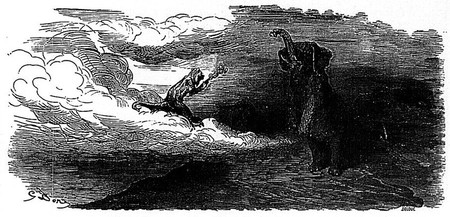
THE ELEPHANT AND JUPITER'S MONKEY.
An Elephant had words, one day, With a Rhinoceros, they say. They settled they would fight it out. But, while the matter was about, Jove's Monkey, like a Mercury, came: Giles was, historians say, his name. The Elephant, a brute ambitious, Was pleased to find the heaven propitious. Eager for fame, he smiled to see So dignified an embassy. But Giles, though wise in all essentials, Is slow presenting his credentials. At length he comes to pay respect, Yet still shows somewhat of neglect; Speaks not a word: no single mention Of the great deities' attention. What care those living in the skies If perish Elephants or flies? The potentate's compelled to speak: "My cousin, Jupiter, this week Will see, from his Olympic throne, A pretty combat, as he'll own; And his Court, too, will see it partly." "What combat?" said the Monkey, tartly. "Pooh!" said the Elephant; "you know 'Bout the Rhinoceros, and the blow; 'Tis property that we dispute. In a long, tedious Chancery suit Elephantor and Rhinocere Are warring, as you've heard up there." "I'm pleased to learn their names, good sir," Said Master Giles; "but, King, you err If you think we of such things heed." The Elephant, surprised indeed, Said, "Who, then, come you now to aid?" "I come to part a blade of grass Between some ants. To every class Our cares of sovereignty extend. As for your wars, my noble friend, The gods have not heard of them yet; Or, if they have, they do forget. The small and great are, in Jove's eye, Guarded with like equality."
FABLE CCXXXVIII.
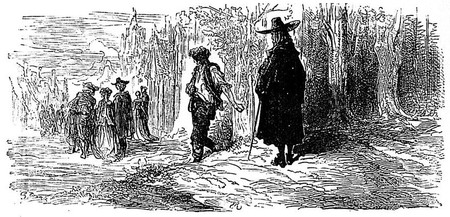
THE MADMAN AND THE PHILOSOPHER.
A Certain Madman, as the story goes, Threw stones at a Philosopher, one day. The latter said, "My friend, I don't suppose You care to work so hard, without your pay. Here, take this crown; how deeply I regret I cannot better recompense your trouble! Go, pelt yon gentleman, and you may get A larger sum—perhaps as much as double." Pleased at the chance, our fool begins to throw Big stones at a patrician; but, instead Of giving gold, the lackeys mauled him so, That they departed leaving him half dead. Such fools there are in kingly courts, Who raise the laugh at your expense; But can you check their silly sports, Or stop their loud impertinence? If any words or any blows Of yours are powerless to hush them, Just get them to be rude to those Who have sufficient force to crush them.
FABLE CCXXXIX.
THE FROGS AND THE SUN.
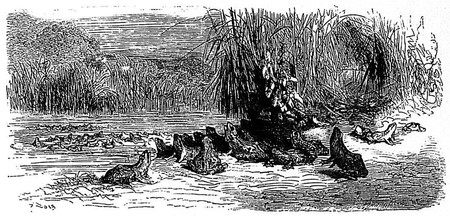
The daughters of the mud obtained Help from the star-king, while he reigned. Nor war, nor any like disaster, Could harm them under such a master. His empire was the most serene! The pond-queens (Frogs, I really mean: For why not give their honourable name?) Against their benefactors plotted; shame, Imprudence, pride, and base ingratitude, Good Fortunes children, roused the restless brood. They could not sleep a wink (to trust their cry): They would have stirred the world to mutiny Against the eye of nature—the great sun. It had begun to burn them: he must run To arms, and gather all his powerful band, Or he'd be driven from his own fair land. The croaking embassies would go Through all the regions, to and fro, To make the whole world hear their case, And gather pity from each place. All the world seemed bent on this, That four marshes took amiss. Still this rash complaint went on: Still this grumbling at the sun. Yet in vain the noise and riot,— Frogs must, after all, be quiet; For, if the sun is once inflamed, They will very soon be tamed, And the Frog Republic will Find they've calculated ill.
FABLE CCXL.
THE ARBITRATOR, ALMONER, AND HERMIT.
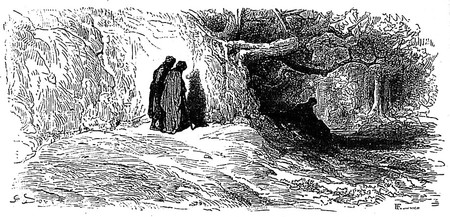
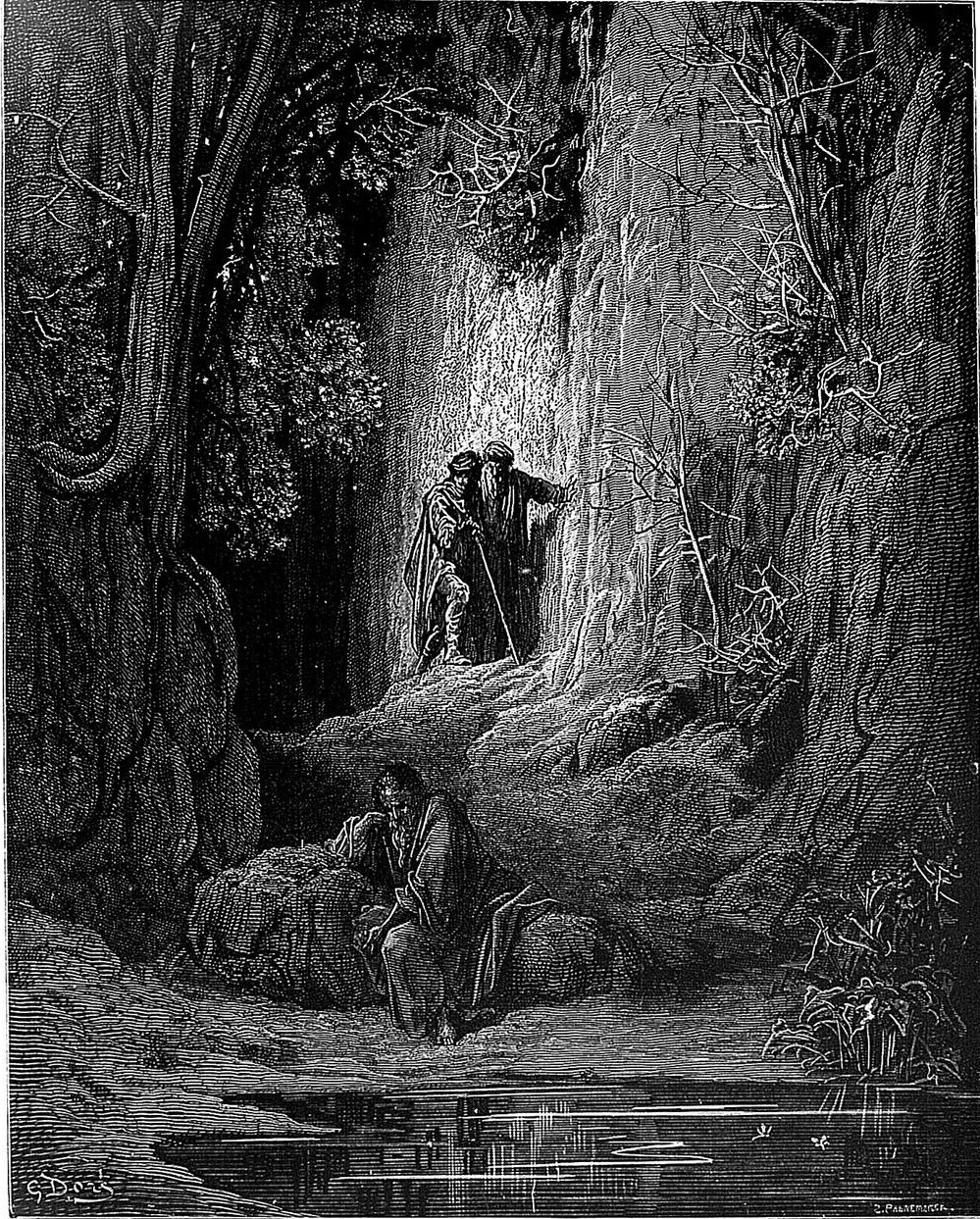
Three saints, by holy fervour fired, To gain the heights of heaven aspired; But, as the well-known proverb says, Rome can be reached by various ways, So these by different methods planned To gain the shores of Canaan's land. One, touched by the expense and care Which luckless suitors have to bear, Offered cases to determine Without a fee, or wig, or ermine. Since human laws were first began, Lawsuits have been the curse of man; Absorbing half, three-fourths, or all Of days which, at the best, are small. To cure a state of things so vicious, Our Umpire thought his plan judicious. The second of our saints declares The sick sole object of his cares; And I praise him: in truth, to me This seems the truest charity. But sick men, troublous then, as now, Our good man vexed enough, I vow. Capricious, restless, petulant, Each moment brings a separate want; And, if no other fault they find, They cry, "To such and such he's kind: Spends all his days and nights in caring For them, and leaves us here despairing." But these complaints were small to those Which harassed, every day, the heart Of him who, well-intentioned, chose To act the Arbitrator's part. The plaintiff and defendant, both, T' adopt his sentences were loth; And swore, with all their might and main, His partiality was plain. By such abuse as this disgusted, The Umpire and the Almoner Each unto each his woes entrusted; And each agreed he could not bear To be so shamefully mistrusted. This being so, they sought a glade Which neither suns nor winds invade, And there, beneath a rugged mountain, Beside a clear and babbling fountain, They found their friend the Hermit saint; So each one having made his plaint, Asked his advice. "Your own pursue," Replied their friend; "for who but you Can know your several wants? To know One's self makes gods of man below. And let me ask you, have you found This knowledge where vast crowds abound? No; trust me, it can only be The fruit of sweet tranquillity. Shake but the water in your vase, And you no longer see your face; But let it once more still remain, And straight your likeness comes again. 'Midst worldly scenes you'll never learn The love for which we all should yearn. Believe me, friends, the desert's best For him who'd study his own breast." To each the Hermit's words seemed good, And, henceforth, each one sought the wood. Of course, there's always work to do, Whilst men still sicken, and still sue, For lawyers and for doctors; and They'll never perish from the land, Thank mighty Jove, as long as fees And honours greet their services. But in such common toils the mind Can seldom its true likeness find. Oh, you, who give your lives away, And serve the public every day,— You, princes, judges, magistrates, Exposed to all the angry fates,
THE ARBITRATOR, ALMONER AND HERMIT.
Who, when no other ill oppresses, Are slain by Judas-like caresses,— To you yourselves are all unknown; And if some moment is your own, For self-reflection, ere it flies 'Tis spoilt by hateful flattery's lies. This lesson shall conclude these pages; May it be blessed to future ages! To Kings I give it, to the wise commend: How could my volume better end?