HISTORY OF DEVELOPMENT AND SUPPORTING EVIDENCE (continued 3)
Reading edition
I have said that the pre-agricultural infant was unable to secure starch in any quantity by means of his incisors. These teeth enabled him, however, to obtain some soluble nutriment from fruits, and Dr. Sim Wallace has suggested that the early eruption of the lower incisors is for the purpose of enabling the infant to pierce the outer covering of fruits so as to permit him to extract the soluble contents by suction; and, accordingly, when these teeth are cut we may allow the child to bite at such vegetable substances as apples, oranges, and sugar-cane. The latter is a useful article of diet for children, for it provides soluble saccharide in a diluted form, and it is advisable that the child should receive his cane sugar well diluted, for it must be remembered that before the agricultural period man’s supply of pure sugar was limited to wild honey which, consisting as it does almost entirely of mono-saccharide (grape sugar and fruit sugar), is very easily disposed of by the digestive organs. Nowadays, the less digestible cane sugar (which is a di-saccharide) is very largely consumed in the undiluted state, in which it is apt to set up disturbance. When, however, it is obtained by chewing the sugar-cane, it is diluted both by the water in the cane and by the saliva, and I should like to see children obtain most of their cane sugar in this way.
The consideration of the conditions obtaining for pre-agricultural man not only strongly suggests that the young human of to-day should be given starch in very moderate quantities up to the twelfth month, but it points an even more important lesson—viz., that this substance should be given not, as is the custom, as liquid or pap, but in a form compelling vigorous mastication, for it is certain that early man, from the time he emerged from the ape till he discovered how to cook his vegetable food, obtained practically all his starch in such a form; it cannot too often be repeated that uncooked starch in the natural state, locked up as it is in chambers of indigestible cellulose, has no nutritive value; these chambers need first to be broken up by prolonged and energetic chewing, and in this way much or most of the starch is converted in the mouth into dextrines and maltose, very little passing into the stomach in the crude state to set up disturbance in that organ and later in the bowel. If it is given as liquid or pap it will pass down as starch into the stomach, while if it is administered in a form which obliges the child to chew it properly, not only will the jaws, the teeth, and the gums obtain the exercise which they crave, and without which they cannot develop normally, but the starch will be so thoroughly insalivated that much of it will be converted within the mouth into maltose. How foolish to upset the child’s digestive system by deluging it with liquid starch, and then to endeavour to correct matters by giving the malt extract which the child can and should himself manufacture within the laboratory of his buccal cavity.
Clearly, then, the child should make his first acquaintance with starch, not in the form of a liquid or pappy patent food, but in a solid and somewhat tough form. The best means of achieving this end is occupying my attention, and I hope soon to publish the results of my investigation. Meanwhile, I would point out that hard, well-baked crusts constitute a convenient form in which to administer starch to children. A piece of crust may be put in the oven and re-baked; this not only hardens it but helps to convert the starch into dextrine, which is a stage on the road to maltose. If the crust be then cut into a suitable shape and spread with bacon fat or fresh butter, it constitutes a most agreeable morsel. Later, we may give hard plain biscuits. The same principle should be acted upon during later childhood and youth: we should always give, as far as possible, the starch in a form compelling abundant mastication. Loaves should be shaped so as to give a maximum of crust and a minimum of crumb, and should be baked hard. Such loaves are quite as nutritious as the ordinary ones, and much more digestible, containing as they do an abundance of dextrine and not a little maltose, and compelling efficient mastication, especially if eaten, as they should be, without any fluid. A lady who has the catering for a large number of girls gives the bread in this way, and she tells me that there is keen competition for the most crusty portions.
I do not say that starch in the liquid and pappy form should find no place whatever in man’s dietary at the present day, for this would imply the prohibition of porridge, boiled potatoes, milk puddings, and the like. We cannot put back the hand of time and return to the food of our primitive ancestors, nor is it desirable that we should; but we can, at least, arrange matters so that a large proportion of the starch we consume shall be in a form inviting mastication, such as crusts, stale bread, stale cake, biscuits, and so forth. The less children eat of pastry, or, indeed, of any luxurious foods, the better; if brought up on a healthy dietary and under healthy conditions generally, they will relish their simple fare more than the choicest dishes of the epicure. I do not, I say, object to the child consuming a certain proportion of starch in the liquid or pultaceous form, for if, by bringing him up on a rational dietary, his instinct to masticate be afforded due opportunity to develop he will be likely to subject even soft vegetable food to something like adequate mastication; this will tend to mitigate the evils associated with such food, not only by facilitating the digestion of starch, but by flushing the mouth and promoting the health of the teeth and buccal mucous membrane.
The question how far children should be allowed to crack nuts may here be considered. If the child has been brought up on pappy food, and has in consequence brittle and ill-developed teeth, the cracking of hard nuts will be likely to injure them, and this is a fortiori true if any of the teeth are carious or “filled.” And not only nuts but hard food of any kind, such as ship’s biscuits, may in these circumstances injure the teeth, as many of those who went through the recent South African campaign can testify. But if, on the other hand, the child has from the beginning been fed on coarse, hard foods, so that the teeth have been allowed to grow dense and strong, no harm is likely to ensue from cracking such nuts as filberts and Spanish nuts. If a squirrel or a monkey weighing a few pounds can do so with impunity, surely the young human should be able to also. The cracking should, however, be done by the molars, while such hard nuts as Brazils had best not be tackled at all.
Animal food does not need the same amount of mastication as vegetable food, since it is not digested in the mouth, though some contend that the mixture of proteid with alkaline saliva facilitates its subsequent peptonisation. Cooked animal food is, however, all the better for some mastication, owing to the coagulation of the proteids, and, in order to insure the efficient mastication of meat, fish, and poultry, Dr. Sim Wallace recommends that they should be given in large pieces cut thin. “Flat pieces about one inch square generally necessitate a certain amount of mastication. It is difficult to swallow large flat pieces of meat without mastication, but when finely minced little or no mastication is called forth.” The younger the child the more underdone should the meat be.
Examination of the Mouth and Adjacent Parts
If a child be brought up on the lines indicated and under healthy conditions generally, it is tolerably certain that the maxillary apparatus will develop normally, that the teeth will be strong and well opposed, and show little tendency to disease; but, inasmuch as the methods advocated are but seldom put into practice, disorders of the teeth, more especially caries and irregularities, are common, and hence with a view to promote more efficient mastication it is always advisable to examine our patient’s teeth.
Each individual tooth should be inspected in a good light for the presence of caries, and careful note should be taken of the “bite,” a normal bite implying not only a proper opposition of the two rows of teeth but the capacity of the lower ones to move freely across the upper; mere vertical movement of the mandible does not constitute efficient mastication. In this connection it must not be forgotten that an unopposed molar is useless for purposes of mastication, and it is by no means rare to find in a mouth several sound unopposed molars which are for this reason absolutely functionless. Nay, more than this, it may happen that teeth, perfectly sound ones, too, far from helping, may actually interfere with mastication; thus, among the poor, we sometimes find all the teeth gone save the upper canines and the lower incisors, and the teeth and gums being alike unable to come into contact, nothing worthy of the name of mastication is possible; it would be far better to be without any teeth whatever, for the toothless gums would then be permitted to come into contact along their entire extent, under which condition they gradually harden and come to be quite efficient grinding agents.
Next the gums, the alveoli, and the roots of the teeth must be examined, especially for the presence of erosion, tartar, and pyorrhœa alveolaris, this latter condition being evidenced by the welling-up of pus upon pressing the gums against the sides of the teeth.
If our examination of the mouth discloses anything likely to interfere with mastication the aid of the dentist should at once be sought, but every physician should be so far acquainted with disorders of the teeth as to be able to say, in the majority of cases, at all events, when this is necessary. I am convinced that far more illness than is generally supposed is attributable to dental defects, and this even among the more leisured classes. With regard to pyorrhœa alveolaris, it has to be remembered that it not only does harm by causing loosening, lengthening, and shedding of the teeth, and thus interfering with mastication, but also by contaminating the stomach and the blood and thus upsetting the digestion and causing constitutional diseases, such as anæmia and arthritis; and inasmuch as poisonous discharges from the nose, the naso-pharynx, the pharynx, and the tonsils may act in a similar way, these parts also should be inspected in connection with the examination of the teeth. In the dust-laden atmosphere of towns they are very liable to disease, and even when healthy are necessarily dirtied; some go so far as to advise all town dwellers daily to wash out the nasal passages and to gargle the throat; but, whatever may be thought of this, it is certain that under existing dietetic conditions special means are needed in order to keep the mouth and teeth clean. When man fed on raw food this was not necessary, the food itself and the copious flow of saliva, induced by prolonged mastication, effectually cleansing these parts; but, under present conditions, food tends to remain within the mouth, especially between the teeth and in their crevices, and therefore special means are needed to remove it. This is done by “cleaning the teeth” and by rinsing the mouth.
The tooth-brush.—Probably the ideal method of cleaning the teeth is that adopted by many primitive and not a few semi-civilised peoples—viz., rubbing them with a twig of wood which has been teased out at one end so as to form a sort of brush by means of which the teeth can be burnished and food dislodged from them. The modern tooth-brush requires to be used with great caution, as it is capable of doing much harm, not only by removing the mucoid film, which, according to Dr. Wallace, protects the teeth from corroding agencies,[28] but probably also by injuring the edge of the gum and the neck of the teeth, and thus setting up the condition known as “erosion.” Certain it is that some of the best sets of teeth I have encountered have been wholly unacquainted with the tooth-brush. In any case the brush should be employed with great care; it should be soft, and should always be drawn away from the gums both on the inner and outer aspect of the teeth towards the biting surface, as well as across the latter, never transversely across the outer surfaces, as so frequently is done. The object of these procedures is to dislodge any particles of food that may have collected between the teeth or in their crevices. For this purpose the toothpick may also be employed judiciously. In order to render the enamel of the teeth white it is better to rub each tooth carefully with some soft material, such as chamois leather, rather than to scrub them with a brush. Tooth-powders should not be used as a matter of routine, but only occasionally and for appearance rather than for cleanliness, and should consist of some simple non-irritant material. Antiseptic powders and washes are to be scrupulously avoided, for it is neither desirable nor possible to render the buccal cavity aseptic; myriads of bacteria flourish within it, many of which play a useful part as scavengers. The time of all others for cleaning the teeth is just before going to bed, so that the food shall not be allowed to decompose in the mouth during the night. There will then be no need to use the tooth-brush in the morning.
Rinsing the mouth.—The mouth should be rinsed out as a matter of routine after each meal and on rising, and care should be taken to do this before the early cup of tea, so as not to contaminate the stomach with the buccal secretions which have accumulated during the night. Inasmuch as raw vegetable food has a cleansing effect on the teeth, it is often a wise plan, especially in the case of children, to finish a meal with some kind of fruit, such as an apple or an orange. It hardly seems necessary to insist upon the necessity for keeping all artificial dentures thoroughly clean.
PROFESSOR PAWLOW’S DEMONSTRATIONS OF PSYCHIC INFLUENCE IN DIGESTION
[In presenting a theory of human alimentation involving mental or nervous as well as mechanical and chemical factors which influence it for good, it is not often that an author is able to enlist the assistance of a complete battery of scientific confirmation to fortify his own crude observations taken direct from personal experience in the study of natural requirements.
Professor Pawlow, with his marvellously skilful investigation of the workings of the digestive secretions, and Dr. Cannon of the Harvard Medical School, by aid of persistent and patient X-ray studies, explain how it is that earned appetite and thorough mouth-treatment of food are preliminary necessities of easy digestion, and that disturbance or shock of any sort during the process stop digestive proceedings and endanger health. They show also that when the mouth is used to do all that it can do in the work of digestion all the rest is easily accomplished by the Natural Automatic Processes within the body.
They both show that we have, each of us, a certain responsibility in the matter of right digestion and healthy nutrition, and that all this personal responsibility is located in the head, in the mind, and in the mouth, and that while the alimentation is proceeding it is a sacred duty to do our part right, according to the intelligence that these most valuable demonstrations teach.
Professor Pawlow has allowed publication of his lectures in Russian and German, and recently Professor W. H. Thompson of the Physiological Department of Trinity College, Dublin, has made an English translation which is issued by Charles Griffin & Company of London and J. B. Lippincott of Philadelphia.
The author has to express special gratitude to Professor Pawlow, Professor Thompson, Messrs Griffin and Lippincott for permission to reprint herein some entire lectures and extracts that bear especially on the practical understanding of our subject.
Professor Pawlow is one of the Board of Scientific Assessors mentioned in the REPORT of a PLAN for an International Inquiry into the subject of Human Nutrition.
In one of the lectures, not here reprinted, Professor Pawlow gives merited recognition of the early statements of the French physiologist Blondlot relative to psychic influence on the digestive secretions made some half century ago, but discredited by physiologists since that time, owing to insufficiency of evidence brought forward in support of the statements.
Professor Pawlow’s acknowledgment is so gracefully rendered that it is here given as a model of scientific courtesy.
“I have depicted the work of the gastric glands as we have seen it in our experiments, and as it has developed under our hands. Is the picture a new one? In its details, yes; but not in its fundamental features. However singular it may appear, the sketch of this picture was more than fifty years ago outlined by physiology. May this constitute another reason for our science relinquishing its characteristic shyness of new things and for its conversion to our interpretation of the phenomena under consideration!
“The talented author of the Traité Analytique de la Digestion—Blondlot—spoke in plain words of the importance of taking food, and of the specific excitability of the gastric mucous membrane. The facts adduced in the working up of his theory were naturally insufficient, but we must not forget that the first experiments on dogs with artificial gastric fistulæ had only just been performed. It is truly incomprehensible that the researches of Blondlot and his views upon the secretion of gastric juice have experienced during the past fifty years no completion, no additions, but, on the contrary, have passed out of sight, thanks to the faulty experiments and erroneous representations of later authors. Only in the works of a few writers—and those mostly French—has Blondlot’s theory survived. Of other investigators we must give mention to Heidenhain, who has enriched the physiology of absorption in general, but more especially, in connection with the secretory work of the stomach, has discovered many important facts and has given birth to many fruitful ideas. From him proceed the subdivision of the secretory process according to periods and exciting agencies, as well as the suggestion that it would be important to investigate the individual food-stuffs in relation to the work of the stomach. Heidenhain’s results are contained in his well-known article on the secretion of the cardiac glands of the stomach, published in the year 1879 in Pflüger’s Archives. The work of Blondlot and the additions of Heidenhain comprise almost everything of importance which was accomplished by physiology in fifty years concerning the conditions and mechanism of the secretory work of the stomach during digestion. Full of moment, however, for our subject was the obvious error that mechanical stimulation constituted an effective excitant of the gastric glands, and this error was in its turn a result of faulty methods.”—Horace Fletcher.]
LECTURE IV
GENERAL SCHEME OF AN INNERVATION MECHANISM—THE WORK OF THE NERVOUS APPARATUS OF THE SALIVARY GLANDS—APPETITE, THE FIRST AND MOST POTENT EXCITER OF THE GASTRIC SECRETION
Constituent parts of a complete innervation mechanism—The special duty of the peripheral terminations of afferent nerves—The specific qualities of nerve cells—Analogy between the innervation mechanism of the salivary glands and that of the deeper-lying glands of digestion—The exciting agencies of the nervous mechanism of the salivary glands; their particular properties—Differences between the exciting agencies of the different salivary glands—Discussion of the sham feeding experiment—Mechanical and chemical stimulation of the cavity of the mouth has no effect on the gastric glands—The experiment of Bidder and Schmidt relative to psychic excitation of the gastric secretion—Conditions for success in this experiment—The passionate longing for food—the appetite—alone brings on the secretory effect in the sham feeding experiment.
Gentlemen,—As you have learned in the last lecture, and also in part have seen by direct experiment, the nervous system can influence the work of our glands in the most diverse ways. The vagus nerve, already burdened with many duties, has, in addition, proved itself to be an undoubted exciter of the gastric glands and of the pancreas. But we must also assign to the sympathetic nerve a similar rôle. This is a matter which cannot be doubted, so far as the pancreas is concerned, and is highly probable as regards the stomach. We also saw good reason for believing that these two nerves contained two different classes of fibres, secretory and trophic, a condition which had already been proved to exist by Heidenhain for the nerves of the salivary glands. As a hypothesis we might even have proceeded a step farther and have divided Heidenhain’s trophic nerves into separate classes of secretory fibres. Lastly, we advanced important experimental evidence to show the existence of special inhibitory fibres to the glands, and these fibres also run in the vagus, the list of whose functions seems almost interminable.
We obtained these results by division and artificial excitation of the nerves which run to the glands. But when, how, and by what means these nerves are thrown into activity during the normal course of physiological events remains a question.
In order to avoid repetition, and at the same time impart the utmost clearness to our representation, it may be useful to bring before your minds at once the plan of innervation of a given organ, all the more since this scheme is seldom completely followed out or adequately described in physiological text-books. Consequently, it is not borne in mind with sufficient precision by the majority of medical men.
A complete innervation mechanism consists of the peripheral endings of the centripetal (afferent) nerves, the centripetal nerves themselves, the nerve cells (a group of nerve cells connected with each other is termed a “nerve centre”), the centrifugal (efferent) nerves, and, lastly, their peripheral terminations. Physiology now accepts it as a settled fact, that nerve fibres serve only as conductors of nervous impulses, which come in from contiguous links of the nervous chain. Only the peripheral endings of nerves and the nerve cells themselves have the power of transforming the external stimulus[29] into a nervous impulse. In other words, in the intact organism these alone constitute the normal receiving apparatus of the nervous system. Whether the peripheral ends of centrifugal (efferent) nerves are likewise able to function as normal sites for the application of external stimuli has still to be answered. Consequently, when any external agency excites the peripheral terminations—the receiving stations—of centripetal nerves in this or that organ, the effect of the stimulus will be conveyed through the centripetal nerves, as through a receiving wire, to the central station—the nerve cells. Here it becomes changed into a definite impulse and now comes back along the centrifugal nerves—the outgoing wires.
The utmost importance is to be attached to the fact that only the peripheral endings of centripetal (afferent) nerves, in contrast to nerve fibres themselves, respond to specific stimuli; that is to say, are able to transform definite kinds of external stimuli into nervous impulses. The function of the end organs with which they are connected is therefore of a purposive nature; in other words, these organs are only called into play by certain definite conditions, and impart the idea of being aware of their purpose, of being conscious of their duty. We have long known that the peripheral endings of sensory nerves are possessed of a high degree of speciality, and cannot therefore have any doubt regarding the specific nature of the end organs of other centripetal nerves. This is a sore point in present-day physiology. But, notwithstanding our knowledge of the separate parts of the animal body, we shall only be able to form a true conception of the motive agencies of the whole complicated machine, when we have established the specific excitability of the end apparatus of every centripetal nerve, and have discovered all the mechanical, chemical, and other factors which throw this or that end apparatus into an active condition. I always look upon it as a period of scientific inadequacy so long as the effects of the most diverse external agencies upon any normal physiological process are admitted to be indistinguishable. As the work of the digestive canal is now represented in the majority of text-books, and consequently presented to the mind of the physician, it bears the impress of this period. To impart to the physician a more correct conception of this matter was my chief object in giving these lectures. I hope, indeed, to furnish you with evidence sufficiently convincing, that the alimentary canal is endowed not with mere general excitability; that is to say, does not respond to every conceivable form of agency, but only to special conditions which are different for the different portions of its length. Just as men and animals in the world are only able to maintain their existence and constantly adapt themselves to changing circumstances by aid of the peripheral endings of their sensory nerves, so every organ, indeed every cell of every organ, can only maintain its place in the animal microcosm, and adapt itself to the activity of innumerable associates, as well as to the general life of the whole, by virtue of the fact that the peripheral end apparatus of its centripetal nerves possesses a specific excitability.
The same applies to the nerve cells: obviously they are endowed with specific sensibility. Irrespective of the excitations which are communicated to them from centripetal nerves, they respond, as originators of nervous impulses, only or at least mainly to definite forms of mechanical, chemical, or other stimuli arising in the organism. This follows not alone from a number of physiological facts but also from various pharmacological data. Thus we learn that various drugs excite or annul the activity of definite portions of the nervous system, at least in the earlier phases of their effects. This specific excitability of nerve cells, just as much as the same property of peripheral end organs, lies at the bottom of the purposive action of these organs.
Hence, our next duty is to endeavour to discover the normal exciting conditions of the centripetal nerves belonging to the glands which we had under consideration in our last lecture, or, more correctly, to find out the conditions which excite the centres, as well as the peripheral endings of the different nerves, which form parts of the nervous apparatus of these glands. We have, therefore, for each phase of the work of secretion, to find out that portion of the nervous mechanism which is for the time being under excitation, and to discover the primary agency by which this condition is elicited. This would include an exact analysis of the stimulating influence which mastication and food exert upon the nervous mechanism of these glands. We shall also be able more fully to comprehend the inner mechanism underlying the facts which formed the subject of the second lecture. This, of course, is an ideal programme which we can only follow out as far as the present state of physiology permits. It may now be instructive, and, for our further conclusions, advantageous, to glance shortly at the nervous control of the salivary glands.
The salivary glands, whose innervation has long ago been investigated, have generally been accepted as types of the deeper-lying digestive glands, and when it became necessary to form a conception of the mode of activity of the latter, medical science resorted to a bold analogy and thought of the nervous apparatus of the salivary glands. But the attempts of investigators to apply rigidly to others the scheme of innervation which holds good for the salivary glands, have done considerable harm to the usefulness of the analogy and have prevented our arriving at a correct idea of the plan of innervation of the abdominal glands. We have already had an example of this nature before us. In the salivary glands we have no clearly marked indications of nervous inhibition, and this circumstance has decidedly retarded the due development of our knowledge of the nervous control of the abdominal glands. Authors naturally expected to see a simple and prompt stimulation-effect from the same conditions of experiment which sufficed for the salivary glands, and the failure of this gave them, as they thought, the right to deny the existence of any extrinsic nervous influence upon the abdominal glands. The error is now obvious; the abdominal glands behave in some ways different from the salivary glands, and for their successful investigation, other conditions of experiment are necessary than those which held good for the former. In the working of the abdominal glands nervous inhibitory processes play a large part, but they are almost wholly absent in the case of the salivary glands. This is an additional warning that one must never push the conclusions drawn from analogy too far, but must constantly bear in mind that the life-functions of all organs are extremely complicated, and that the work of even the most apparently similar organs should be submitted to separate and careful observation. To me it appears that the unjustified analogy drawn between the abdominal and salivary glands has to be credited with another important misapprehension. And precisely for this reason I think it desirable to bring under consideration, if only in brief fashion, the conditions of work of the salivary glands, especially since Dr. Glinski has instituted in the laboratory some easily performed experiments which bear upon the matter.
The experiences of daily life teach us from the outset, that the activity of the salivary glands begins even before the introduction of food into the mouth. With an empty stomach, the sight of food or even the thought of it is sufficient to set the salivary glands at once into activity; indeed, the well-known expression, “to make one’s mouth water,” is based upon this fact. Hence a psychic event, the eager longing for food, must be accepted as an undoubted excitant of the nervous centre for the salivary glands. On the other hand, the same every-day experience, as well as numerous experiments upon animals, teach us that a number of substances, when brought into contact with the mucous membrane of the mouth, are likewise able to call forth a secretion of saliva. One even acquires the impression that everything brought into the mouth may reflexly influence these glands, the only difference being a gradual shading off in the effect, dependent upon the strength of the stimulation which the substance introduced is able to exert, and it appears to me that it is precisely this impression which has driven the idea into the background, that the peripheral end apparatus of the centripetal nerves of the digestive canal are specifically excitable. The facts were here correctly observed, but their indications erroneously interpreted.
The great multiplicity of excitants of salivary secretion, has without doubt, some connection with the complicated physiological functions of the saliva. This is the first fluid encountered by everything which enters the alimentary canal. It must, therefore, in a sense play the part of host to every substance taken in—moisten the dry, dissolve the soluble, envelop the hard and bulky with mucus in order to facilitate its passage down the narrow œsophagus; and submit certain forms of food material, such as starch, to a process of chemical elaboration. Nor is its duty by any means ended here. The saliva is secreted in the first compartment of the alimentary canal, which is at the same time the sorting-room of the organism. Much of what enters the mouth may prove in the testing process to be useless, or even noxious, and must either have its deleterious properties neutralised or be completely rejected. The saliva is secreted in the first instance to obviate injurious effects in some way; thus, for example, a strong acid is to a certain degree neutralised, while other corroding substances may be simply diluted, and by mere reduction of concentration have their harmfulness diminished.
In the second place, when the injurious substances have to be wholly removed, the saliva plays the rôle of a washing-out fluid; otherwise the material, by clinging to the mucous membrane of the mouth, might in longer or shorter time gain entry into the blood and there develop its noxious influence. This last function of the fluid is hardly taken into account at all in physiology, and yet it is evident that the saliva, as a cleansing fluid, must have a wide importance. If you only think of how often we are impelled to expectorate, that is, to wash out the mouth with saliva after something unpleasant, this will be clear. Such a view finds additional support when we reflect that a feeling of disgust produces almost as strong a flow of saliva as the sight of a tasty meal. In both cases the secretion performs the office of forerunner: in the first it prepares for the washing out of the mouth, in the second for the requisite elaboration of the food. Think how often, when something disagreeable enters the mouth, with what rapidity the saliva is poured out, even after the unpleasant substance has been for a considerable time removed, and not a trace more is apparent to the sense of taste. Indeed, long afterwards one has only to recall the circumstances to mind in order to bring on anew the secretion of saliva. Apparently the psychic excitation of the nerves of salivary secretion also ushers in the act of vomiting, which, as is well known, can be called forth by mental influence. Further, the function of the saliva just mentioned is probably the true physiological explanation of the feeling of disgust which many persons experience at the sight of the secretion itself.
Hence I hold that substances which obtain entry to the mouth set up a secretion of saliva only because we have here the seat of a definite physiological sense, and not because the peripheral terminations of the buccal nerves are devoid of specific excitability, and capable of being thrown into action by every desired form of stimulus. In other words, the specific excitability of the peripheral endings of the salivary nerves is very comprehensive and widely extended. This is no picture of the imagination, for it can be supported by facts. To say nothing of the testimony of earlier authors, that the salivary glands have each particular exciting agencies to which they specially respond, we can demonstrate the following facts from the material collected in our laboratory.
Dr. Glinski isolated the orifices of the salivary glands in dogs with portions of the adjoining mucous membrane, brought them out of the oral cavity, and caused them to heal into the edges of the skin wounds. In his first animal the ducts of the submaxillary gland were thus led outwards. By means of a Mendeljeff’s clip, the wide end of a conical funnel of waterproof material was attached to the skin surrounding the orifice. To the narrow end a small test-tube, which served to collect the saliva, was attached by a wire. I now offer such an animal a piece of flesh, and, as you see, the tube fills up at once with saliva. I stop tempting the dog, hang on a new test-tube, and give it a few pieces of flesh to eat; once more a strong secretion of saliva results. A new tube is now attached to the funnel, the dog’s mouth is opened, and a pinch of fine sand thrown in; again there is a flow of saliva. Once more a new test-tube; and now I apply to the buccal mucous membrane, the plume of a feather dipped in acid solution, with the result that I obtain a strong flow of saliva. One may employ a number of substances in this way, when a similar effect is always produced. You see, in this, such a comprehensive excitability of the innervation apparatus of the salivary glands that you might readily interpret it as meaning the power of response to all and sundry forms of stimulation. We now proceed, however, to another dog, whose parotid duct has in a similar manner been diverted outwards. The saliva is collected in the same way. We tempt the dog with a piece of flesh, but to our astonishment no saliva flows, and yet the animal is most eager for the savoury meal offered. Now we give it some raw flesh to eat; again the secretion of saliva is as good as absent; only when I come near can I detect one or two drops of saliva running down the sides of the tube. Probably you will say there is something wrong, either with the method or with the glands of the animal. But wait a little. I now give the dog finely powdered dry flesh, and obtain at once an abundant secretion. Should any one happen to think that the variation in the result is dependent, not on a different specific activity of the glands, but on individual differences in the dogs, I respond that Dr. Glinski has had an animal with double parotid and submaxillary fistulæ, and was able to observe on one and the same dog, a like behaviour on the part of the glands to that which we have just seen in two different individuals. An analogous experiment with bread was also carried out by Dr. Glinski. The eating of fresh moist bread produced no secretion worth mentioning, while dry bread, on the other hand, caused the saliva to flow in large quantities. The results of this experiment permit us to draw extremely instructive conclusions. In the first place, the several salivary glands are, as a matter of fact, very sharply differentiated in the conditions necessary for their activity—that is to say, in respect to the agencies which excite their nervous mechanisms. Secondly, the innervation apparatus of the parotid manifests a very sharp selective power in the choice, so to speak, of an adequate stimulus. The mechanical effect of large pieces of flesh is naturally much greater than that of the finely powdered material, and yet it was precisely to the latter that the glands responded. The stimulus is, therefore, not due to the mechanical, but to some other property of the food. This other property is obviously the dryness of the material. Our example illustrates how that which we may term “purposiveness” comes into play in the working of our glands and also how erroneous is the opinion that the mechanical stimulus is all potent. Indeed, previous authors have already pointed out that dry substances cause a specially free secretion of saliva, and yet physiological opinion throughout the length and breadth of the land, as expressed in text-books, has chosen to recognise a universal instead of a specific excitability. Dr. Wulfson, who is at present carrying on the investigation of salivary secretion in our laboratory, has added a very interesting observation to the results of Dr. Glinski already related. The parotid gland, which is hardly, if at all, excited when one offers fresh meat to the animal, responds with a very active secretion, when dry food (bread or powdered meat) is offered. This phenomenon is all the more surprising since the desire of the animal for eating is much more strongly excited by flesh than by dry bread. I am quite convinced that an exact study of the exciting agencies of the three salivary glands will furnish a number of new data bearing upon the question in hand.
The second reagent which is poured out on the raw material in the digestive canal is the gastric juice. How, in the normal course of events, is the work of the gastric glands, which prepare this juice, called into play? With the first, and manifestly important factor, which has a relation thereto, you are already acquainted, and, indeed, have already seen. I refer to the production of gastric juice in the empty stomach, as a result merely of the swallowing of food in the so-called sham feeding of an œsophagotomised dog. When one takes into consideration the absolute independence of this factor, and the intensity of the effect, which makes itself evident in the secretion of a large quantity of juice of high digestive power, the exciting agency which brings about such secretion must be recognised as one of the most important and effective processes in gastric digestion. But in what does it consist? At first sight it appears—and when I previously drew your attention to the fact I expressed the opinion—that there is here a simple reflex effect from the cavity of the mouth upon the secretory nerves of the stomach, similar to the reflex excitation, e.g., of the parotid gland, by finely powdered flesh thrown into the mouth. Now, however, I assert quite emphatically that this is not the case. We have, it is true, in the activity of the salivary glands an analogous phenomenon to indicate—not, however, that of which we have just spoken. We might apply every conceivable form of stimulus which could possibly come into play in the act of eating, and yet would not obtain the slightest indication of secretory activity in the stomach. In this dog with a gastric fistula, and with also a divided œsophagus, I will try such an experiment, using the most effective chemical stimulus to the buccal mucous membrane, viz., acid solution.
The secretion of saliva begins at once, as you see; the acid is, therefore, effective. From the stomach, however, in spite of continued excitation, no secretion results, although the acid, mixed with the saliva, is swallowed and flows out again from the upper segment of the œsophagus—that is to say, passes along precisely the same path that the food takes in sham feeding.
We could experiment in the same way with a number of other substances: saline, bitters, pepper (strong local excitation), mustard, and so on, and always with the same results; a free secretion of saliva, but perfect quiescence of the gastric glands. We may even, with the same object, employ the soluble constituents of flesh in the form of a decoction, and likewise observe, in most cases at least, no sign of activity on the part of the gastric glands.
With the chemical we may also combine a mechanical stimulus. We can, for example, wipe out the mouth with a sponge soaked in the solution to be experimented with, but always with the same negative result. We may finally give such pieces of sponge, or even smooth stones of considerable size, to the dog to swallow, passing them back behind the anterior pillars of the fauces and allowing them to fall out again, from the upper portion of œsophagus. It may be added that a well-taught dog puts up with all these procedures without the slightest protest. You see that all the manipulations in this case are carried out with bare hands and without instrumental aid. One can easily train a dog to swallow stones which are placed in the anterior part of the buccal cavity. It simply makes a few chewing movements and swallows them down. The dog on which the acid experiment has just been made serves also for the swallowing of the stones. The attendant now places some pebbles in the front part of the mouth, when the animal rolls them round, as if chewing and gnawing them, and then swallows them. The stones fall out, as you see, from the œsophagus, and drop with an audible sound upon the table. This play with the stones has now lasted fifteen or twenty minutes (in the laboratory we have often kept it up for hours), and yet not a drop of gastric juice is to be seen.
In order to prove that the dog is perfectly healthy and normal, we lay aside the stones and proceed to our old experiment of sham feeding. As you see, the first drop of gastric juice makes its appearance precisely at the end of five minutes, and after a further five minutes we have collected more than 15 c.c. of the fluid; consequently there can be no doubt that in this dog both gastric glands and nerves are uninjured and function in normal manner. At one time we even had a dog which voluntarily took the stones out of one’s hand and swallowed them; the sagacious creature had seen our object in previous experiments and learned to perform it of its own accord! But in this case also the result was negative.
Clearly, therefore, neither chemical nor mechanical stimulation of the buccal mucous membrane is capable of reflexly exciting the nerves of the stomach. Further, it is obvious that the excitation of these nerves in sham feeding is not the result of a stimulation coincidently produced; that is to say, the excitement of the chewing and swallowing centres does not imply simultaneous action of the secretory centre of the gastric glands. In what, then, does this influence consist which is intrinsic to the sham feeding, but which we have not been able to reproduce in our analytical investigation? There is only one thing to think of, namely, the eager desire for food, and the feeling of satisfaction and contentment derived from its enjoyment.
It has, indeed, been known for forty years, thanks to the experiments of Bidder and Schmidt, that at times, the offering of food to a hungry dog, in other words, the excitement of a keen desire for it, is sufficient to cause a flow of gastric juice from the empty stomach. We shall presently have occasion to observe the force of this physiological factor. Here I bring before you another dog, likewise having a gastric fistula with divided œsophagus. The stomach has been washed out half an hour ago, and since then not a drop of gastric juice has escaped. We begin to get ready a meal of flesh and sausage before the animal as if we meant to feed it. We take the pieces of flesh from one place, chop them up, and lay them in another, passing them in front of the dog’s nose, and so on. The animal, as you see, manifests the liveliest interest in our proceedings, stretches and distends itself, endeavours to get out of its cage and come to the food, chatters its teeth together, swallows saliva, and so on. Precisely five minutes after we began to tease the animal in this way the first drops of gastric juice appear in the fistula The secretion grows ever stronger and stronger, till it flows in a considerable stream. After the lapse of a few minutes we can count the number of cubic centimetres by tens. The meaning of this experiment is so clear as to require no explanation; the passionate longing for food, and this alone, has called forth under our eyes a most intense activity of the gastric glands. If the experiment be frequently repeated, one can easily observe that the keener and more eager the desire on the part of the dog for the food, the more certain and intense is the secretory effect. In extreme cases there is even a quantitative relationship between this effect and that of the sham feeding.
Here is an experiment of Professor Ssanozki, in which the secretory effect of the mere tempting of the animal with the sight of food is compared with that of sham feeding. A few threads of alkaline mucus had just escaped from the stomach, and then the excitation of the dog with flesh was begun. After six minutes the secretion commenced and continued as follows:
Duration of the flow. Quantity of the juice.
minutes c.c.
8 10
4 10
4 10
10 10
10 10
8 10
8 10
19 10
19 3
Then followed a sham feeding for six minutes.
Duration of the flow. Quantity of the juice.
minutes c.c.
17 10
9 10
8 10
It is clear that in this case the tempting, instead of being less effective than the sham feeding, on the contrary excelled it.
Consequently, the observation of Bidder and Schmidt was perfectly correct. It cannot, however, be said that it received general recognition in physiology, or that it was sufficiently appreciated. There are authors who could never convince themselves of its reality, and in many physiological text-books it is not once mentioned. By way of explanation, we shall now consider how this matter must be dealt with by those who wish to observe the effect. It is only under certain conditions that it can be seen. Firstly, the animal must be healthy and vigorous; it must have a perfectly uninjured gastric mucous membrane; and this, from the description in the case of many authors who obtained a negative result, was not the case. Secondly, the success of the experiment, as stated above, is dependent upon the intensity of the desire for eating, and this, again, is dependent upon how freely and how long beforehand the dog had eaten, and also upon what it is tempted with, whether with a dish that excites its desire or leaves its interest unawakened. It is known that dogs have very different tastes, just as men have. Thirdly, one may find among the dogs positively careless, indifferent creatures, incapable of being perturbed in this way by anything which has not actually reached their mouths, and patiently waiting till the food is given them. Hence for success in the experiment, eager, impressionable, and excitable animals are necessary. Fourthly, one has to reckon with the sense and cunning of the dog, a factor which is not lightly to be disregarded. Often the animals perceive at once that they are only being teased with the food, become annoyed thereat, and turn away offended at what is being done before them. We must, therefore, so arrange matters as if the animals were not going to be disappointed but fed in reality. If attention be paid to these conditions the experiment of “psychic excitation of the gastric secretion,” as we usually term it, will be found to be as reliable as the experiment of sham feeding. When one is occupied for a length of time with the study of the gastric secretion under different conditions, one becomes convinced of what a dangerous source of error this psychic excitability may become in the different experiments. We must constantly fight, so to speak, against this factor, keep it ever in view, and guard against it. If the dog has not eaten for a long time, every movement,—the going out of the room, the appearance of the attendant who ordinarily feeds the animal—in word, every little triviality may give rise to excitation of the gastric glands. The minutest attention is necessary in order to avoid such sources of error, and we should not be far wrong if we said that much which has been ascribed in former investigations to the effect of this or that agency was in reality a result of unobserved psychic influence. Consequently, in order to verify our own conclusions concerning the effects of this or that condition, we have performed many of our experiments on sleeping animals, having beforehand convinced ourselves by frequent repetition that sleep exercises no restraining influence on the working of the gastric glands.
When we recall to mind the failure of our attempts to obtain a secretion of gastric juice by any stimulation whatever of the buccal mucous membrane, and at the same time see how constant and intense the action of this psychic impression is, we are forced to the inevitable conclusion that in our sham feeding experiment the whole secretory effect is due to the psychic stimulus, that is to say, to the keen desire on the part of the animal for food and the satisfaction of enjoying it.
In view of the importance of the act of eating, which even now is apparent, but which will become still more obvious when the succeeding periods of secretion are investigated, we have spared neither time nor trouble to arrive at a correct explanation of the mechanism of this factor. We have, therefore, taken in hand a number of modifications of the sham feeding experiment, and these investigations have confirmed the opinion at which we had arrived. If, for instance, the dog has been prepared by a long fast of two to three days, a very intense secretion of gastric juice will always be obtained by the sham feeding experiment, no matter what may be given it to eat, whether boiled or raw flesh, bread or coagulated egg-white, etc. The dog, however, which has not fasted, that is to say has been fed fifteen to twenty hours before, will pick and choose amongst the different foods, eating one with great greed, tolerating another, and refusing altogether a third, and, corresponding therewith, the amount and quality of the gastric juice will manifest wide variations. The more eagerly the dog eats the more juice will be secreted and the greater the digestive power which it possesses. The majority of dogs prefer flesh to bread, and correspondingly less juice will be produced by sham feeding with bread than with flesh. Sometimes, however, we find dogs which will devour bread with greater appetite than flesh. In these cases one obtains more and stronger juice in sham feeding with bread than with flesh. Here is a case in point: a dog is given boiled meat which has been cut into pieces of definite size, and the pieces follow each other at regular intervals of time. The animal eats, but soon, from its behaviour, you see that it develops no particular greed for the meal, and this observation is confirmed by the fact that after fifteen to twenty minutes it ceases taking the flesh. The secretion of juice has meanwhile either not begun at all, or only after a longer interval than five minutes, and remains scanty to the end. Now wait till the secretion has stopped and give the same dog raw flesh, either forthwith or next day, in pieces of the same size and at the same rate as before. The raw meat tastes excellently to the dog; it eats for hours at a time; the secretion of gastric juice begins precisely after five minutes and is very active. With another dog which prefers boiled to raw meat exactly the reverse occurs. Broth, soup, milk—towards which dogs are usually more indifferent than towards solid food—often produce in sham feeding either no secretion at all or only very little, although broth, for instance has essentially the same taste as flesh.
It is therefore clear that in sham feeding the psychic effect may readily become an absolute and independent factor. All the conditions which we enumerated above, and which are necessary for the successful production of the psychic effect, hold good in combined form for the sham feeding experiment. The dog eats with greed before one’s eyes; the food which it receives is pleasant; it not only imagines food but actually eats it, and has therefore no reason to feel offended, for naturally the idea does not occur to any of the dogs that all their trouble is in vain.
Consequently, in the sham feeding experiment, by the act of eating, the excitation of the nerves of the gastric glands depends upon a psychical factor which has here grown into a physiological one, that is to say, is just as much a matter of course, and appears quite as regularly under given conditions as any other physiological result. Regarded from the purely physiological side, the process may be said to be a complicated reflex act. Its complexity arises from this, that the ultimate object is attained by the joint working of many separate organic functions. The material to be digested—the food—is only found outside the organism in the surrounding world. It is acquired not alone by the exercise of muscular force, but also by the intervention of higher functions, such as judgment, will, desire. Hence the simultaneous excitation of the different sense organs, of sight, of hearing, of smell and taste, is the first and strongest impulse towards the activity of the gastric glands. This especially applies to the two latter senses, since they are only excited when the food has already entered the organism, or at least has arrived very near it. It is by the establishment of this passionate desire for eating that unerring and untiring nature has linked the seeking and finding of food with the commencement of the work of digestion. That this factor, which we have now carefully analysed, stands in closest connection with an every-day phenomenon of human life, namely, appetite, may easily be predicated. This agency, which is so important to life and so full of mystery to science, becomes here at length incorporated into flesh and blood, transformed from a subjective sensation into a concrete factor of the physiological laboratory.
We are therefore justified in saying that the appetite is the first and mightiest exciter of the secretory nerves of the stomach, a factor which embodies in itself a something capable of impelling the empty stomach of the dog in the sham feeding experiment to secrete large quantities of the strongest juice. A good appetite in eating is equivalent from the outset to a vigorous secretion of the strongest juice; where there is no appetite this juice is also absent. To restore appetite to a man means to secure him a large stock of gastric juice wherewith to begin the digestion of the meal.
LECTURE V
PERIOD OF OCCURRENCE AND IMPORTANCE OF THE PSYCHIC OR APPETITE JUICE IN THE SECRETORY WORK OF THE STOMACH—THE INEFFICIENCY OF MECHANICAL STIMULATION OF THE NERVOUS APPARATUS OF THE GASTRIC GLANDS
The psychic secretion is the normal commencement, in the majority of cases, of secretory activity on the part of the gastric glands. If the meal be subdivided and administered at intervals, the psychic juice appears each time—Demonstration of “appetite juice” in a dog with an isolated gastric cul-de-sac. The work of the gastric glands if appetite juice be avoided by introducing food through a gastric fistula unperceived by the animal—Digestion of flesh by the stomach with and without sham feeding—Duration of the secretory influence of sham feeding—After the cessation of the psychic effect, how is the secretory work of the stomach maintained?—Experiments to prove the ineffectiveness of mechanical stimulation: excitation of the mucous membrane by means of a glass rod, a feather, a puff of sand, and by rhythmic dilatation of an india-rubber ball—Contact between the food and the stomach-wall may indirectly call the activity of the glands into play by awakening or increasing the desire for food.
Gentlemen,—On the last occasion we made ourselves acquainted with the first normal impulse which, in the natural course of events, calls into activity the innervation apparatus of the gastric glands. This impulse is a mental one, and consists in a passionate longing for food, that which in every-day life, and in the practice of the physician, is called “appetite,” and which everybody, both medical and lay, endeavours carefully to promote. We may now venture to say explicitly, APPETITE IS JUICE, a fact which at once displays the pre-eminent importance of the sensation. Medical science endeavours to assist the debilitated stomach by introducing the active constituent of gastric juice—pepsin—from without, or by prescribing other remedies believed to promote its secretion. It is, however, of interest to follow our experimental investigation still farther. What position is to be assigned to the “psychic” or “appetite-juice”[30] in the course of normal gastric digestion? Is any definite rôle to be attributed to it? What course does gastric digestion take when it is absent? Fortunately to all these important questions satisfactory answers are forthcoming by experiment. We have only to regret that these answers come so late.
Let us recall to memory how the secretion of gastric juice proceeded after feeding with flesh or bread in the case of our dog with the isolated miniature stomach. The following are the quantities and digestive capabilities of the first two hourly portions of juice after the administration of 200 grams of flesh or bread (experiments by Dr. Chigin):
Hour. Flesh. Bread.
Quantity of juice. Digestive power. Quantity of juice. Digestive of juice.
c.c. mm. c.c. mm.
1st 12.4 c.c. 5.43 mm. 13.4 c.c. 5.37 mm.
2nd 13.5 3.63 >7.4” 6.50
You see at once that the secretion of the first hour is identical in the two cases both as regards quantity and digestive power, and only in the second is the secretory work differentiated according to the nature of the food. How are we to explain the secretion which takes place at the commencement? Is it not the same which we have already seen in the sham feeding experiments? Is not this first onrush of the stream of secretion the preliminary psychic juice? Unquestionably, gentlemen, this is the case, and we may convince ourselves of the fact in the most diverse ways. Above all, the following is clear: whatever occurs in the so-called sham feeding cannot wholly be absent in the case of normal feeding, since the former is nothing else than the isolated commencement of normal digestion. This justifiable inference is fully confirmed, if the secretion of the first hours after the administration of flesh and bread be compared with that after simple sham feeding. In the case of feeding with flesh and bread, the identically similar and high digestive power of the first hourly portions is striking, and this power coincides with what we have met in sham feeding. Further, if the quantity of juice from the miniature stomach during the first hour be compared with that produced by the non-resected part of the organ,—to do which we must multiply it by ten, since the resected cul-de-sac is approximately one-tenth of the whole organ,—it is here again found that the quantity approximately corresponds to the mean values obtained by sham feeding. Finally, the depression in digestive power or quantity of juice (with flesh, decrease of digestive power; with bread, decline in the quantity of juice), which sets in soon after the taking of food, indicates that the two conditions are connected with the ingestion of food—i. e., with a transitory factor which soon passes away and gives place to other conditions. Our explanation becomes still more convincing when we take into consideration the effects of other foods. If you give the dog, for example, something else to eat which does not interest it to the same degree as flesh or bread, you will find the initial increase in quantity and strength of juice does not appear. Offer the animal milk, for example, which in sham feeding, especially if it does not last long, calls forth, as a rule, no secretion, or at all events only very little, and the rapid flow of the commencement—the already-mentioned initial rise—absolutely fails to appear. You have already seen the figures which deal with this matter; I think it necessary, however, to bring them forward again in order that you may be better able to compare them with the secretion after flesh and bread.
The dog was given 600 c.c. of milk (experiment by Dr. Chigin).
Hour. Quantity of juice. c.c. Digestive power. mm.
1st 4.2 3.57
2nd 12.4 2.63
We have now begun the analytical examination of the variations of our secretory curve. But owing to the importance of the matter we did not confine ourselves to conclusions which might be drawn from earlier investigations. We turned to new forms of experiment for further proof.
Thus we divided the ordinary ration of flesh given to our dogs—400 grams—into four equal parts, which were administered at intervals of an hour and a half. (Experiments by Privat docent Kotljar and Dr. Lobassoff.) Each time after the dog received its 100 grams of flesh we were able to detect a rise both in the quantity and in the digestive power of the juice. The following table shows the figures in question:
Half-hour periods. Quantity of juice. Digestive power. Remarks.
c.c. mm. grms. flesh given.
1st 3.1 5.13 100
2nd 5.0 4.63
3rd 4.7 4.50
4th 5.4 4.88 100
5th 5.5 3.38
6th 4.7 2.75
7th 6.0 3.75 100
8th 5.4 2.50
9th 5.9 2.50
10th 5.4 3.88 100
11th 5.3 3.0
12th 4.2 2.5
In the curve which follows, only the variations of digestive power are represented.
It is clear that the increase, both of digestive power and of juice volume, is connected with the act of taking in food.
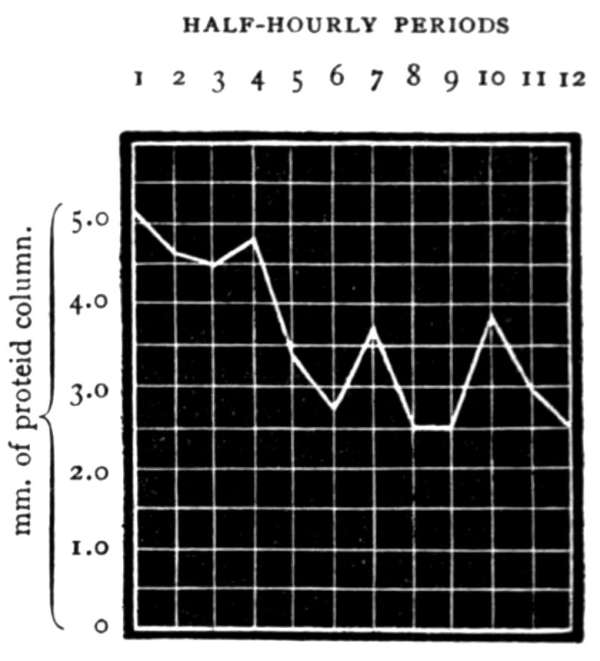
Figure 1.—Curve of digestive power constructed from the foregoing table.
It appeared of interest definitely to determine the volume and properties of the secretion called forth by the act of eating in the dog with the isolated stomach. We endeavoured, therefore, at the beginning, to imitate the conditions of sham feeding as they occurred in the case of the dog with divided œsophagus. In addition to the fistular orifice leading into the isolated miniature stomach, another was opened into the main portion of the organ. If we now fed the dog in the ordinary way with small pieces of flesh, these were received back again at the orifice of the latter fistula, covered with saliva. Precisely as in sham feeding, after five minutes the juice began to flow simultaneously, from both the large and small stomachs. The secretion ran a corresponding course in the two cavities and ceased at the same length of time in both after the administration of food was stopped. Here is an instance taken from such an experiment performed by Dr. Lobassoff.
In five minutes the dog had eaten eighty pieces of flesh (weighing 172 grams), all of which soon afterwards dropped out at the fistula. The secretion began in both stomachs after the lapse of seven minutes from the commencement of the feeding, and proceeded as follows:
Hour. Miniature stomach. Main stomach.
Quantity of juice. Digestive power. Quantity of juice. Digestive power.
c.c. mm. c.c. mm.
1 7.7 83.2 5.35 mm.
In consequence of a mixture with bile (10-15 c.c.) the digestive power was greatly reduced.
2 4.5 6.25 mm 58.1
2½ 0.6 8.5
The secretion from both cavities also came to an end at the same time.
This experiment proves to us, first, that the main and miniature stomachs work in perfectly parallel manner with each other. The beginning, the end, and the intermediate variations of the secretion correspond in both cases. Secondly, the digestive power of the secretion coincides in both, and is the same which was observed in the so-called sham feeding. It has here remained at the same height till the cessation of the secretion, without falling to the lower value which we observed from the beginning of the second hour onwards, after normal flesh feeding.
This was also confirmed later, when we performed an œsophagotomy on the dog, and carried out sham feeding in typical form. Here follows one of these experiments taken from Dr. Lobassoff’s article.
The first drop of juice appeared from both cavities during the sixth minute after commencing the feeding, which was kept up for half an hour. The further course of the secretion was as follows:
Hour. Miniature stomach. Main stomach.
Quantity of juice. Digestive power. Quantity of juice. Digestive power.
c.c. mm. c.c. mm.
1st 7.6 5.88 68.25 5.5
2nd 4.7 5.75 41.5 5.5
3rd 1.1 5.5 14.0 5.38
—— —— ——— ——
13.5 (total) 5.75 (mean) 123.75 (total) 5.5 (mean)
The secretion came to an end in both stomachs at the same time.
The above is represented in curves in Figs. 2 and 3, the scale on which that for the main stomach is drawn being ten times less than that for the small. As you see, the progress of secretion is identical in both.
The existence of a fistula leading into the large stomach affords us also the possibility of performing an experiment upon our dog which is exactly the converse of the sham feeding experiment, and which constitutes a real experimentum crucis. While in sham feeding, we had only, so to speak, the beginning of digestion before us, we are now able in our cross experiment to start at the continuation of this beginning. For this purpose it is only necessary to bring the food into the stomach through the fistula, without attracting the dog’s attention. Since in this experiment it is above all necessary not to excite the dog’s appetite, it is best to carry out the procedure on the sleeping animal. I may add at once, however, that the same result can be obtained on the waking animal, only the process must be performed unnoticed, and the animal’s attention must be diverted from thoughts of food.
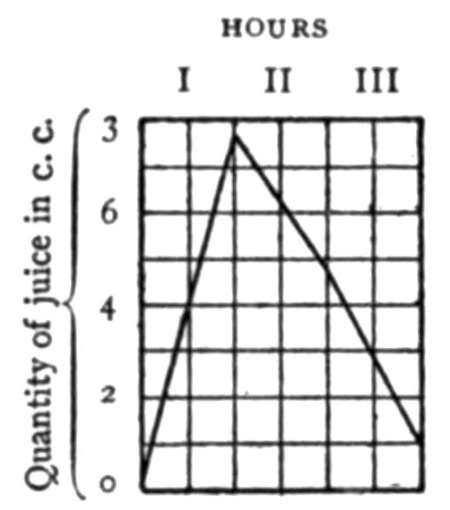
Figure 2.—Curve of secretion from the miniature stomach.
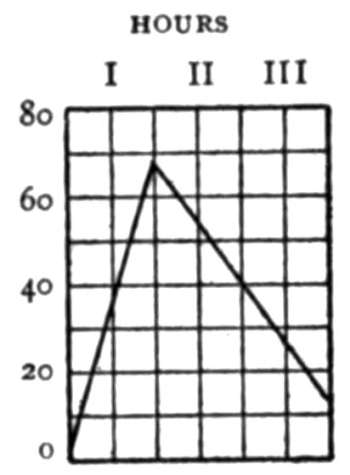
Figure 3.—The same from the main stomach reduced ten times.
The results of this experiment are striking, and do not in any way resemble the secretion after normal feeding. Some kinds of food, for instance bread and coagulated white of the hen’s egg, when directly introduced into the stomach, do not yield a single drop of juice during the first hour or more afterwards. This holds good both for the small and large stomachs. When a glass rod is introduced into the food contained in the organ it remains dry. Flesh, if introduced at this stage, is able to excite a secretion, but the appearance of the juice is considerably retarded. It begins from fifteen to forty-five minutes after the feeding, instead of from six to ten, is under normal circumstances extremely scanty during the first hour (3 c.c. to 5 c.c. instead of 12 c.c. to 15 c.c.), and possesses a very low digestive power.
Here is an experiment by Dr. Lobassoff:
400 grms. of flesh were brought into the stomach.
Hour. Quantity of juice. c.c. Digestive power. mm.
1st 3.7 2.0
2nd 10.6 1.63
3rd 9.2 1.5
4th 7.0 1.88
5th 5.6 2.25
6th 6.6 2.63
7th 7.5 1.88
8th 5.3 2.0
9th 3.0 5.0
10th 0.2 —
The secretion began twenty-five minutes after introducing the food. I now ask you to compare the following tables:
Hour. Fed with 200 grms. of flesh (Chigin). Flesh (150 grms.) brought into stomach (Lobassoff). Sham feeding (Lobassoff). Total quantity of juice in two experiments
Quantity of juice. Digestive power. Quantity of juice. Digestive power. Quantity of juice. Digestive power.
c.c. mm. cc. mm. cc. mm. cc.
1st 12.4 5.43 5.0 2.5 7.7 6.4 12.7
2nd 13.5 3.63 7.8 2.75 4.5 5.3 12.3
3rd 7.5 3.5 6.4 3.75 0.6 5.75 7.0
4th 4.2 3.12 5.0 3.75 — — 5.0
The progress of juice secretion in the above is also represented in the following curves:
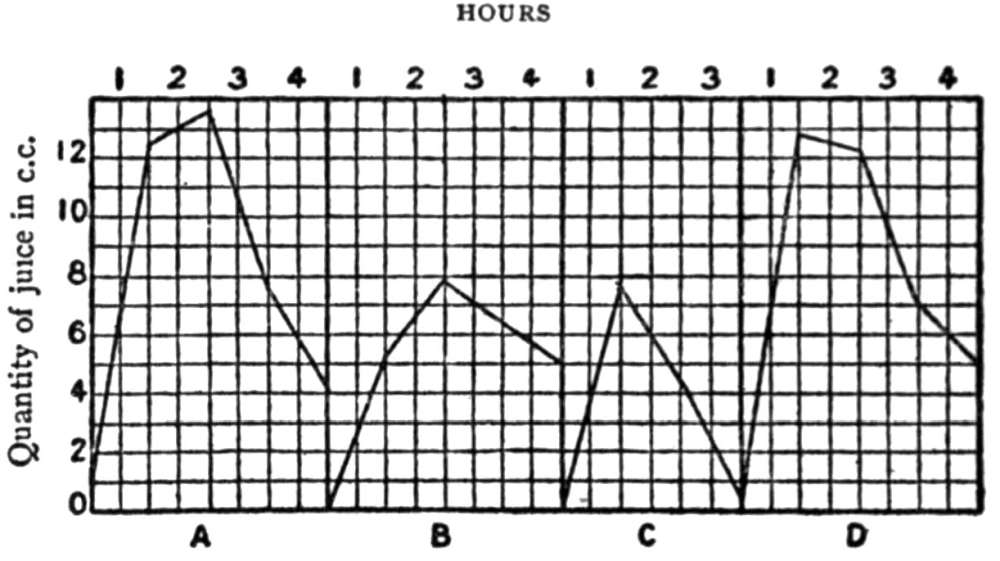
Figures 4-7.—A. Ordinary curve of gastric secretion (200 grms. flesh). B. Curve from direct introduction of food (150 grms. flesh). C. Sham feeding with same. D. Summation of B and C.
As you see, the curve which represents the results of the direct introduction of flesh ascends much more slowly and does not attain anything like the height of that caused by normal feeding with the same food. But if the quantities obtained by direct introduction of the flesh be added to those of sham feeding, the resulting curve is almost identical with the normal.
In like manner the digestive power of the secretion in the foregoing experiments can be dealt with, and with the same result. It is a good instance of how a secretion curve can be synthetically constructed from its constituent factors.
Finally, I am able to demonstrate to you the following instructive experiment. In the presence of some of my listeners, whom I had invited to attend an hour before the lecture, I carried out the following procedures on two dogs, both of which had ordinary gastric fistulæ and were, besides, œsophagotomised. Into the stomach of one, while its attention was distracted by patting and speaking kindly to it in order to avoid arousing any thoughts of feeding, a definite number of pieces of flesh were introduced through the fistula. The morsels were threaded on a string, the free end of which was fastened to the fistular cannula by inserting a cork. The dog was then brought into a separate room and left to itself. A like number of pieces was introduced into the stomach of the other dog in the same way, but during the process a vigorous sham feeding was kept up, the animal being afterwards left alone. Each dog received 100 grams of flesh. Since then an hour and a half have elapsed, and now we may draw the pieces of flesh out by means of the thread and weigh them. The loss of weight, and consequently the amount of flesh digested, is very different in the two cases. In that of the dog without sham feeding the loss of weight amounts to merely 6 grams, while the flesh withdrawn from the stomach of the other dog weighs only 70 grams, that is to say, was reduced by 30 grams. This, therefore, represents the digestive value of the passage of food through the mouth, the value of an eager desire for food, the value of an appetite.
I give also a series of figures obtained by Dr. Lobassoff in analogous experiments. Into the dog’s stomach 25 pieces of flesh (100 grams) were brought. The flesh remained two hours in the cavity. Without sham feeding 6.5 per cent, with eight minutes’ sham feeding 31.6 per cent, of the quantity was digested.
Again: the flesh remained an hour and a half in the stomach; without sham feeding 5.6 per cent, with five minutes’ sham feeding 15 per cent, was digested.
Once more: the flesh remained five hours in the stomach; without sham feeding 58 per cent, with sham feeding 85 per cent, was digested, the balance of undigested food being 42 per cent in the one case and 15 per cent in the other.
I must, however, add that from the nature of this experiment it is not well adapted for class demonstration, and may often fail. On the one hand, it is not at all easy to conceal the introduction of the flesh from the dog; on the other, the unusual and distracting surroundings of the animal often causes a short period of sham feeding to have less effect than would otherwise pertain. In order to avoid such failures it is better before an audience to carry out this experiment only on dogs accustomed to appear in the lecture theatre, and of whose temperament the experimenter is well assured.
I hope you have now been convinced of the great importance which is to be attached to the passage of food through the mouth and œsophagus, or, in other words—and this, according to our former experiences, means the same thing—to the eager desire for food. Without this longing, without the assistance of appetite, many forms of food-stuffs which gain entry to the stomach remain wholly devoid of gastric juice. Others, it is true, excite a secretion, but the juice poured out is scanty and weak.
It is only later, when we have still more fully recognised the conditions upon which the secretory work of the gastric glands depends, that we shall be able to grasp the meaning of these facts in a more comprehensive manner. For instance, why does bread brought unnoticed into the stomach of the dog cause no secretion for hours, while flesh tolerably soon (after twenty to forty minutes) provokes this act? This will be explained in the next lecture; now, however, we must consider other questions.
How long does the after-effect, the echo of the first impulse to the secretory nerves of the stomach, continue to last? How long does appetite juice continue to flow after the normal act of eating, which, especially in the case of animals, is not of long duration? We have already determined many times, not only on our dog with the isolated stomach, but also on other animals, how long the after-effect of sham feeding is continued.
Here, for example, is an experiment from the article of Professor Ssanozki which deals with the point. The dog had a gastric fistula and also an opening leading into the œsophagus. After a sham feeding of five minutes the secretion began, and was continued as follows:
Time in minutes. Quantity. Digestive power.
c.c. mm.
10 25.5 8.1
10 20.0 8.0
10 13.5 6.8
10 11.0 7.5
10 8.5 8.1
10 6.5 9.0
20 13.5 7.4
20 11.0 7.2
20 7.0 7.2
20 11.5 6.8
20 11.0 6.5
30 6.5 7.6
20 5.5 7.2
The effect, therefore, even after a short period of sham feeding, stretches over a length of time. Naturally the same holds good for the taking of food in the normal way. One must, however, bear in mind that in sham feeding, with all the force and reality of a hunger sensation not satisfied, the eager desire for food, the effective agency, becomes more and more accentuated, and therefore the secretory influence is prolonged and more powerful. In normal feeding, however, the quelling of the longing, the feeling of satisfaction which, as is well known, sets in long before the termination of the digestive period from the mere filling and distension of the stomach, must diminish the desire for food, and, consequently, bring the secretory effect to an end.
It is, therefore, improbable that the whole secretory process in the stomach, which, in the case of certain kinds and quantities of food, lasts from ten to twelve hours, is dependent on the factors which we have up to the present investigated. This is all the more obvious since a sham feeding of five minutes, even under the most favourable circumstances, does not call forth a secretion for longer than three to four hours. We must, therefore, seek for other exciting agencies of the innervation apparatus of the gastric glands.
Why and wherefore is the secretion instituted by psychic influence maintained? What would first occur to all your minds is naturally the immediate influence which the food exerts upon the walls of the stomach. And this is true, but it does not happen in the simple, direct fashion current in the minds of many physiologists and physicians. When I said that bread or boiled white of egg, introduced directly into the stomach, may not for hours produce a trace of secretion, probably many of my hearers may have asked themselves with natural astonishment, “How, then, is the effect of the forced feeding of phthisical and insane patients, and the artificial feeding of those with gastric fistulæ (performed on account of stricture of the œsophagus) to be explained?” I will introduce my answer by a very unexpected pronouncement relative to the assertion that mechanical stimulation of the stomach wall by food constitutes a reliable and effective means of calling forth the secretory work of the glands. This assertion, which is so categorically set forth in many text-books of physiology, and which consequently has gained hold of the mind of the physician, is nothing else than a sad misconception degenerated into a stubborn prejudice. My own statement, repeated in many published articles, and at the meetings of various medical societies, that this dictum is only a picture of the imagination, has met, for the most part, either with an unbelieving shake of the head or else with a direct avowal that “it cannot be so.” I regret exceedingly that these steadfast unbelievers are not here, so that we might together bring the matter before the tribunal of fact, to the demonstration of which we will now proceed. To this matter I attribute very great importance. It is on this ground, according to my opinion, that the whole battle must be fought out between the generally accepted view that every agency is capable of exciting the gastric mucous membrane and the theory that it is only excitable by specific and selected stimuli. If once the defenders of the old opinion are driven from their position and obliged to admit the inefficiency of mechanical stimulation, there would be nothing further left for them than to build up new theories and search out old facts concerning gland work which have hitherto been rigidly kept in the shade. We may take it that it is mainly because people were so seized with the belief in the direct and simple mechanical explanation that Bidder and Schmidt’s experiment of the excitation of gastric secretion by mental effect has been so little taken into consideration, notwithstanding that it appeared so thoroughly reliable and convincing.
I will now repeat the experiment of mechanical stimulation of the gastric mucous membrane before you in the well-known, traditional, and classic manner. Here is a dog with a gastric fistula on which a cervical œsophagotomy has in addition been performed. I open the fistula; as you see, nothing flows out of the stomach; it was washed out clean with water an hour ago. We take the celebrated feather and also a tolerably strong glass rod. Folds of blotting-paper saturated with red and blue tincture of litmus are placed at hand. I now ask my assistant to continuously move the feather and glass rod, alternately, in all possible directions in the stomach, changing from one to the other every five minutes. On removal from the stomach each is carefully dried with red and blue blotting-paper. You have all seen, gentlemen, that this procedure has now been kept up for half an hour. From the fistular orifice not even a single drop has escaped, and, moreover, the drops of moisture on all the pieces of red blotting-paper I have been able to hand to you have assumed a distinct blue tinge, caused by the moisture of the alkaline mucous membrane. The blue pieces, however, have merely been made wet without altering their colour. Consequently, with the most thorough mechanical stimulation of the whole cavity of the stomach, we have not been able to find a single spot possessing a noticeable acid reaction. Where, then, are the streams of pure gastric juice of which we read in text-books! What objection can be raised against the conclusiveness of this experiment? In my opinion only one: that we are dealing with a dog out of health, whose gastric glands from some possible cause are unable to react normally. This single objection can be set aside before your eyes. After failing with the mechanical stimulation, we proceed forthwith to the sham feeding of the same animal. The dog takes the food offered it with keen appetite, and you see that, exactly five minutes after beginning the feeding, the first drops of juice appear from the stomach, followed by others faster and faster. I catch a couple of drops on the blue litmus paper, and you see that they produce bright red specks on the blue sheet. After thirty minutes’ sham feeding we have collected 150 c.c. of juice, which, without filtering, looks as clear and transparent as water.
We cannot, therefore, possibly doubt that, when the proper stimulus is used, the gastric glands react to it in a perfectly normal fashion, furnishing a healthy gastric juice. From this it irrefutably follows that only one explanation is to be found for the negative result in the first half of our experiment, viz., that the mucous membrane of the stomach, so far as secretory activity goes, is perfectly indifferent to mechanical excitation. And yet this mechanical stimulus is demonstrated as an exciting agency in the physiological lecture theatre. I venture to think that this lecture experiment from now onwards will quit the field, and give place to the one I have just shown you. This apparently simple experiment of mechanical stimulation can, however, only be successfully performed when certain very obvious rules are followed. These, however, physiologists have not observed, probably on account of a preconceived belief in the effectiveness of the mechanical stimulus. These rules are two. First, it is necessary that the stomach should be clean, and that nothing shall gain entry to it from without. Such conditions were not formerly fulfilled. It is true the stomach was emptied by removing the stopper from the fistular cannula, but it was not washed out till an acid reaction was no longer given, and consequently preformed gastric juice was left behind between the folds of the mucous membrane. At the same time saliva from the cavity of the mouth could gain entry, which quickly became acidified in the incompletely emptied and imperfectly washed-out organ. It is, therefore, not surprising that the glass tube, by setting up contractions of the stomach, was the means of expressing small quantities of acid fluid from the fistula-tube. (The relationship between mechanical stimulation and the motor functions of the stomach is not to be confounded with what we are here speaking of.) That matters are as I state, and that the facts correspond to the explanation is proved by this; namely, that nobody till now has obtained genuinely pure gastric juice of an acidity amounting to 0.5 or 0.6 per cent. It is only necessary to call to mind that Heidenhain, when determining the acidity of the juice first obtained from the resected stomach, was placed in no little doubt as to whether his results (0.5 to 0.6) were correct, and his assistant at the time (Gscheidlen) was set to verify the correctness of his standard solutions. The acidity of the “purest” juice known at that time was scarcely 0.3 per cent. As a further proof that none of the older observers ever really obtained a secretion from mechanical stimulation pure and simple, we may adduce the fact that none of them made mention of the constant and precise period of five minutes’ latency. To overlook this was not possible if a genuine excitation of the glands had been obtained.
Of no less importance is the second condition when we wish to perform the experiment of mechanical stimulation in the correct way. It is very necessary that the gastric glands be not already in activity at the beginning of the experiment, and also that during the experiment no impulse comes into play, which of itself, apart from mechanical excitation, could excite the glands to secretion. Nor have we any proof that observers formerly waited for hours before commencing the experiment and convinced themselves that the gastric glands had ceased working. On the contrary, we have not the slightest evidence to indicate that the authors had attempted to guard against accidental psychical stimulation of the glands—a matter which we have seen is of considerable difficulty. And some dogs are so easily excited in this way that it is almost impossible to bring their glands to rest, or at least it is necessary to wait for hours. The experimenter must strain his whole attention to preserve such an experiment free from objection. It is only necessary that some food be near the dog, or that the hands of the attendant who has prepared the food should smell of it, or that some other similar circumstance should come into play, and the glass tube, quite undeservedly, will be made answerable for the excitation of the gastric glands. As you have just seen, both of our conditions have been fulfilled on the dog before you, and the result of the experiment stands in irreconcilable contradiction to those of the laboratory and lecture experiment of former times.
The importance of the experiment, which I have already dwelt upon, justifies me in making still further demands upon your attention in order to show you two modifications of it. Nobody has as yet said, with regard to mechanical stimulation, that in order to obtain results the mechanical agency must simultaneously come into contact with numerous points of the inner surface of the stomach. But in order to meet this possible objection I will now show you two new modifications. Again a similar dog is used, that is to say, one on which both gastrotomy and œsophagotomy have been performed. The stomach has been washed out clean and is at present in a state of complete rest. Into the fistula I bring a thick glass tube containing a number of small openings (2 to 3 mm. diameter) at its rounded end. The other end of the tube is connected with a glass ball containing tolerably coarse sand. Leading into the ball is a second tube, with which an india-rubber pump can be connected and a blast of sand blown through. By rhythmic compression of the india-rubber ball I inject sand with considerable force into the stomach, and this play is kept up for ten to fifteen minutes; nevertheless, we see no trace of gastric juice. The sand falls out again between the side of the cannula and the glass tube, and it is either dry or scarcely moistened, but in no case is it able to turn blue litmus red. And yet we are here dealing with a strong and widely diffused stimulus. Look for a moment at the performance of the bellows outside the stomach. From every opening of the tube—numbering considerably more than ten—a strong stream of sand is ejected. If you hold your hand against it, you feel quite distinctly that the grains of sand strike with considerable force. And now, when our experiment is ended, we may convince ourselves by sham feeding, in easy and unquestionable fashion, that the innervation of the dog’s stomach is perfectly normal.
Yet another experiment on a similar dog. Into its empty and resting stomach an india-rubber ball is introduced. This is distended with air by means of a syringe till it is as large as a child’s head and maintained in this condition for a time, afterwards being allowed to collapse. The procedure is kept up for ten to fifteen minutes. During this time not a single drop of juice has appeared from the stomach. The surface of the ball taken out of the organ is everywhere alkaline. And here also subsequent sham feeding shows that the dog is in a suitable condition for the experiment. I must add that in making this observation the dog must not be too hungry, that is to say, must have been fed within ten to twelve hours before, otherwise a psychic excitation of the secretion can readily be induced.
If one dispassionately regards this question, and if any of our methods for the study of gastric secretion are reliable, one must be convinced step by step in the laboratory of the uselessness of mechanical stimulation. In the case of dogs with an ordinary gastric fistula, and failing some special reason, not a drop of gastric juice ever escapes from the stomach other than during the digestive period. How could this be the case if the mechanical stimulus were effective, since the inner rim of the fistula-tube is continuously in contact with the gastric mucous membrane? The same holds good for the dog with resected stomach. During the experiment a glass or india-rubber tube is brought sufficiently far into the cul-de-sac to catch the juice, and yet not a drop flows through the tube, nor does its inner surface ever become acid, so long as true secretory conditions are absent. Moreover, the tube has tolerably often to be taken out and set right.
In the ordinary gastric fistula in dogs, when the operation has lasted a long time—over a year—folds of mucous membrane are often formed in the neighbourhood of its inner orifice which completely close the tube. In these cases a long, thick, perforated metal tube has to be passed in deeply, and yet the manipulation of itself never calls forth a secretion. Further, it is a daily occurrence to find in the stomach of the dog thick rolls of hair, and yet their presence in no way hinders the arrest of the secretion, which occurs when digestion has ceased. Such an occurrence would have been specially obvious in our dog with the isolated stomach, since it was bedded with sawdust in order to guard against maceration of the wound by juice trickling out. Very often we found enormous quantities of sawdust in the stomach, as much as half a pound weight; obviously the dog had licked the wound from adherent sawdust, which it then swallowed, together with that sticking to its nose. And yet these particles of sawdust of themselves, which certainly acted as mechanical stimuli, never caused a secretion. It appears to me that this long series of facts ought to suffice to carry the supposition to its grave that by direct mechanical stimulation one is able to set the neuro-secretory apparatus of the stomach into activity.
And yet the feather and the glass tube continue the even tenor of their ways to this moment and function in some text-books, yea, even in articles which specially treat of gastric secretion as exciters of the gastric glands. There are, it is true, a few physiologists who hold mechanical stimulation, in relation to gastric secretion, not to be very effective, and give it a subordinate position in the series of exciting agencies, but as yet I know of no other physiologist who has wholly denied its influence, and who has not held it possible to obtain at least some juice by it.
To conclude this lecture, we will take into consideration a question connected with the matter we have just discussed. Since the contact of food with the gastric mucous membrane has no direct influence on the secretion, is its entry into the stomach devoid of all connection with the secretory process?
It can hardly be doubted that, under normal conditions, the stomach is the seat of certain definite sensations, that is to say, its surface has a certain degree of tactile sensibility. This sensation is, as a rule, very weak, and the majority of people become accustomed to pay no heed to it in the normal course of digestion. They obtain their sensations of general well-being, and especially of satisfaction from the enjoyment of food, without taking cognisance of the factors contributing to them. The feeling of general hunger, however, is referred solely to the stomach.
On the other hand, all of us have met with men who could describe exactly, and with gusto, how they were able to follow a special tit-bit, or a mouthful of a favourite wine, the whole way through the œsophagus down to the stomach, especially when the latter happened to be empty. Naturally the gourmand, who directs his attention continuously to the act of eating, can in the end distinctly perceive sensations, and even call them up to the consciousness, which in other people are normally masked by other sensations and impressions. We may therefore take it that the satisfaction derived from eating is caused not only by stimulation of the mouth and throat, but also by impulses awakened by the passage of the food along the deeper portions of the œsophagus and by its entry into the stomach. In other words, food which merely passes through the mouth and throat produces less enjoyment and excites, therefore, a less feeling of appetite than the food which passes the whole way into the stomach. The appetite, the eager craving after food, is, indeed, a very complex sensation, and often not merely the need of the organism for food material is necessary for its excitement, but also a condition of thorough well-being, together with a normal healthy feeling in all parts of the digestive tract. For this reason it is easy to understand how patients who have diseased sensations in these organs, and who have no feeling of appetite, no desire for food, remember the sensations, whether consciously or unconsciously, even when they are no longer present. Cases are known to neuro-pathologists where people with gastric anæsthesia suffered from this loss of appetite. Such patients are no longer conscious of having stomachs, and dislike the idea of eating because the food, as they express it, appears to fall into a strange empty sack. In this way one can also conceive how the appetite becomes lost in cases of long-continued obstruction of the alimentary tube. The patients forget their stomachs, and in such instances direct introduction of food into the organ, after an operation, may suddenly bring back the appetite.