SYMBOLISM
Reading edition
We have seen that in the art of primitive people two elements may be distinguished; a purely formal one in which enjoyment is based on form alone, and another one in which the form is filled with meaning. In the latter case the significance creates an enhanced esthetic value, on account of the associative connections of the art product or of the artistic act. Since these forms are significant they must be representative, not necessarily representative of tangible objects, but sometimes of more or less abstract ideas.
In our previous discussion we have also shown that representative art may be, and generally is, strongly influenced by technical form, so much so, that in many cases the natural prototype is not readily recognized.
It is remarkable that in the art of many tribes the world over, ornament that appears to us as purely formal, is associated with meanings, that it is interpreted. Karl von den Steinen found that the geometrical patterns of the Brazilian Indians represented fish, bats, bees, and other animals, although the triangles and diamonds of which they consist bear no apparent relation to these animal forms. The design on top in figure 79 represents bats, indicated by the black triangles. The figure below it represents the uluri, a small object of clay used by women in place of a breech clout. The third figure represents a fish, the large scales of which are indicated by diamonds. The fourth and fifth figures also represent fish, while the last one is called young bees.
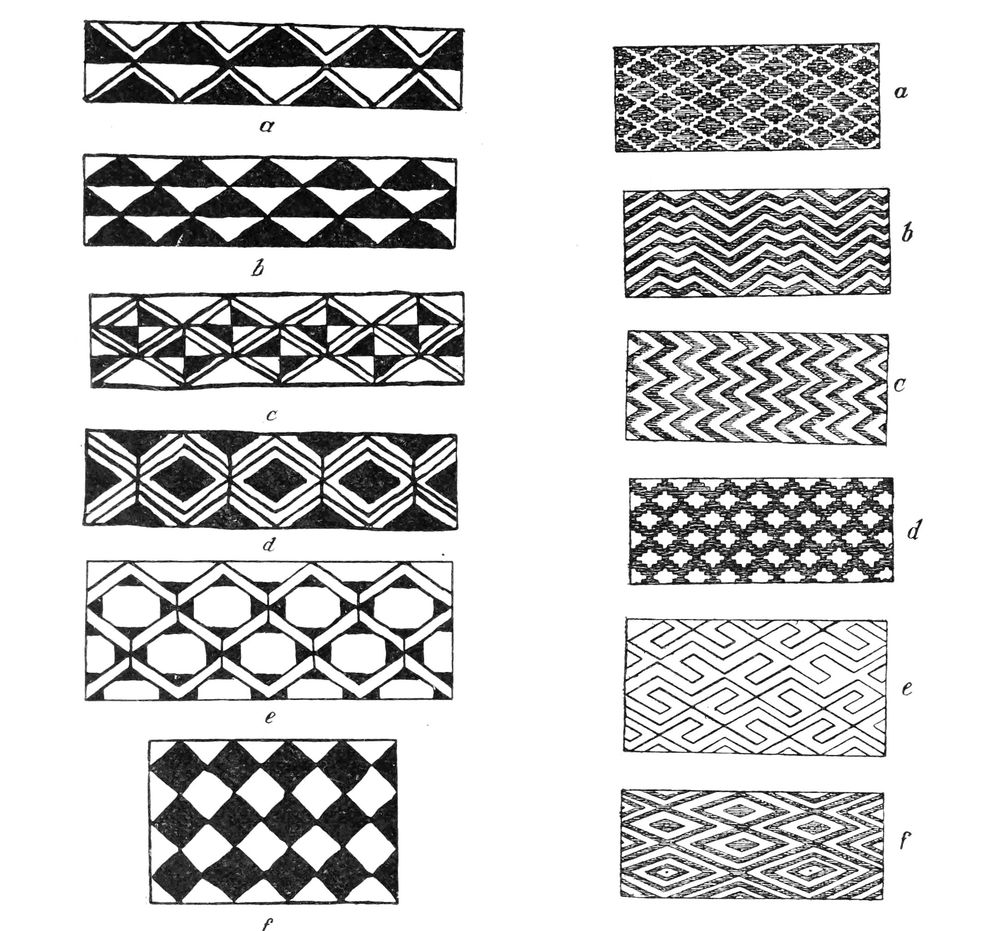
Fig. 79. Ornaments of the Auetö Brazil. Fig. 80. Ornaments of the Karayá.
A number of clay dishes that were said to represent animals were in part characterized by distinct heads, limbs, and tails, while others bore no resemblance to the forms that they were claimed by the natives to represent. A general similarity of form, however, exists between the purely conventional and the realistic forms, which suggested to Von den Steinen the conclusion that the former developed from the latter. Later on Ehrenreich corroborated these observations both in South and North America. A small number of designs with names are shown in fig. 80. The diamonds in the first figure on top, represents wasps nests and may be compared to the young bees in fig. 79. The zig-zag band in the second figure, which is symmetrically arranged and has rhythmically repeated elements of unequal lengths, represents bats. In form these are identical with the frigate bird of New Ireland (see fig. 101, p. 107). The third figure from the top represents the marking on the skin of the rattlesnake, and the remaining figures also are marks on the skin of various snakes.
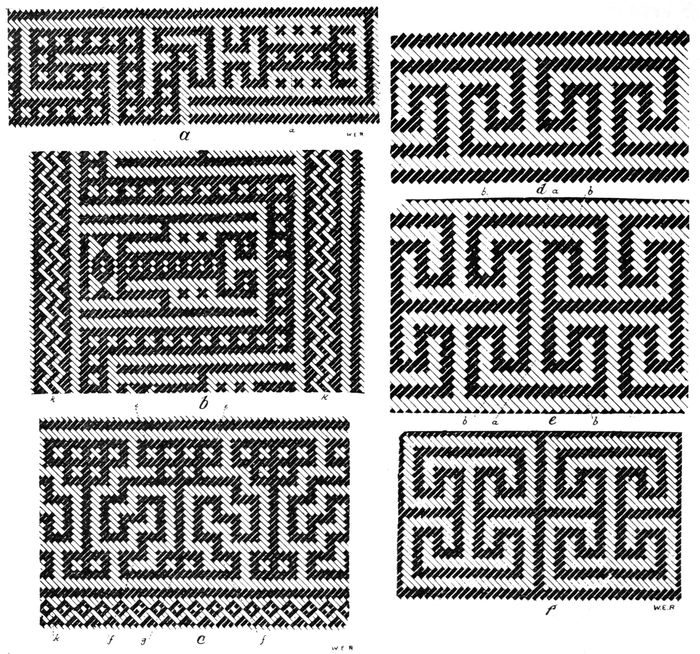
Fig. 81. Basketry patterns from British Guyana;
a
, snake pursuing frog;
b
, man;
c
, dog;
d-f
, wild nutmeg
.
W. E. Roth has recorded the significance of basketry designs of the Indians of British Guiana.[43] Some of these designs contain realistic figures, but many of them are geometrical derivatives of zig-zag bands and meandric forms such as occur on coarse twined basketry in many parts of the world. Most of these forms are explained as animals; some identified by their form, others imitating the pattern of the skin or being suggestive of parts of the body. There are also a number of plant representations (figs. 81, 82). In some of these the meaning of the form is readily recognized as in the snake pursuing a frog (fig. 81 a) or in the human form (fig. 81 b). The body of the snake is represented by a broad meander, its head by a triangle. To the right of the head is the frog. Less evident is the dog shown in fig. 81 c. The interpretation of the designs in figs. 81 d, e and f and 82 seems quite arbitrary. The meanders fig. 81 d-f represent the wild nutmeg. In e the vertical connecting bar of the double T represents the main branches, the horizontal one the secondary branches. Fig. 82 a is called the centipede, b savanna grass, c-f periwinkles, g butterflies, and the three designs h-j represent snakes. The square in the pattern in the left hand lower corner of j is the head of the snake.
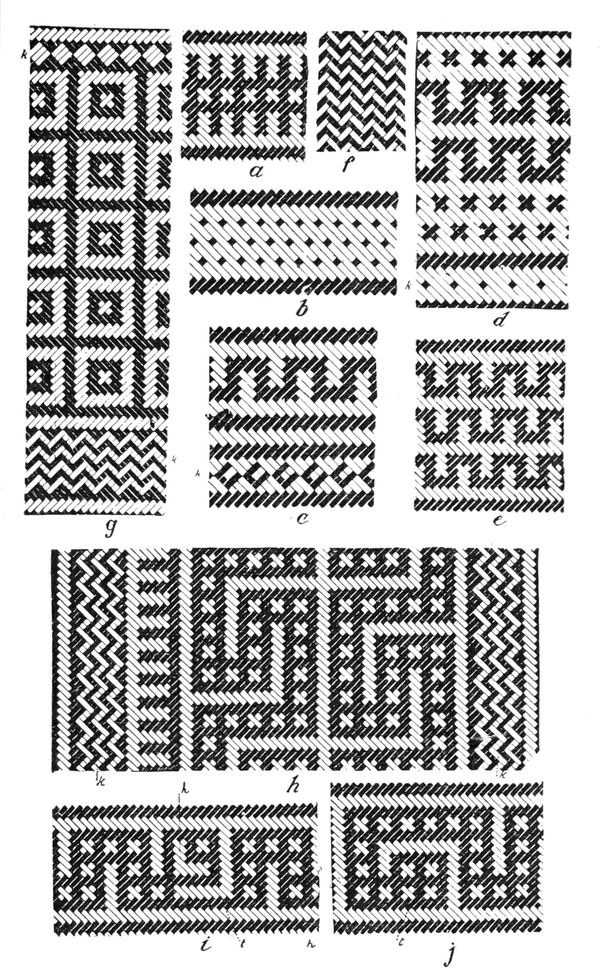
Fig. 82. Basketry patterns from British Guyana;
a
, Centiped;
b
, Savannah grass;
c-f
, Periwinkles;
g
, Butterflies;
h-j
, Snakes.
Ehrenreich was the first to observe the highly developed symbolism of the North American Indians and his observation gave the impetus to the studies of North American art which were largely instituted by the American Museum of Natural History in New York. His observations were made among the Cheyenne, and on account of their importance, they may be quoted here;[44] “Representations of heavenly phenomena are found in their highest development among the agricultural Pueblo tribes, whose whole cult consists essentially in magic performances intended to secure rain. Besides this, geographical motives are used, such as mountains, rivers, trails, camping sites, which are important to the Indians who inhabit the endless prairies. A typical example is found on the ornament taken from a moccasin (fig. 83 a) in which a dark blue series of triangles represent mountains, a light blue stripe a river, a red one a trail. A second ornament, also taken, from a moccasin (Fig. 83 b) shows a series of tents. Red dots in the triangular tents represent fire.
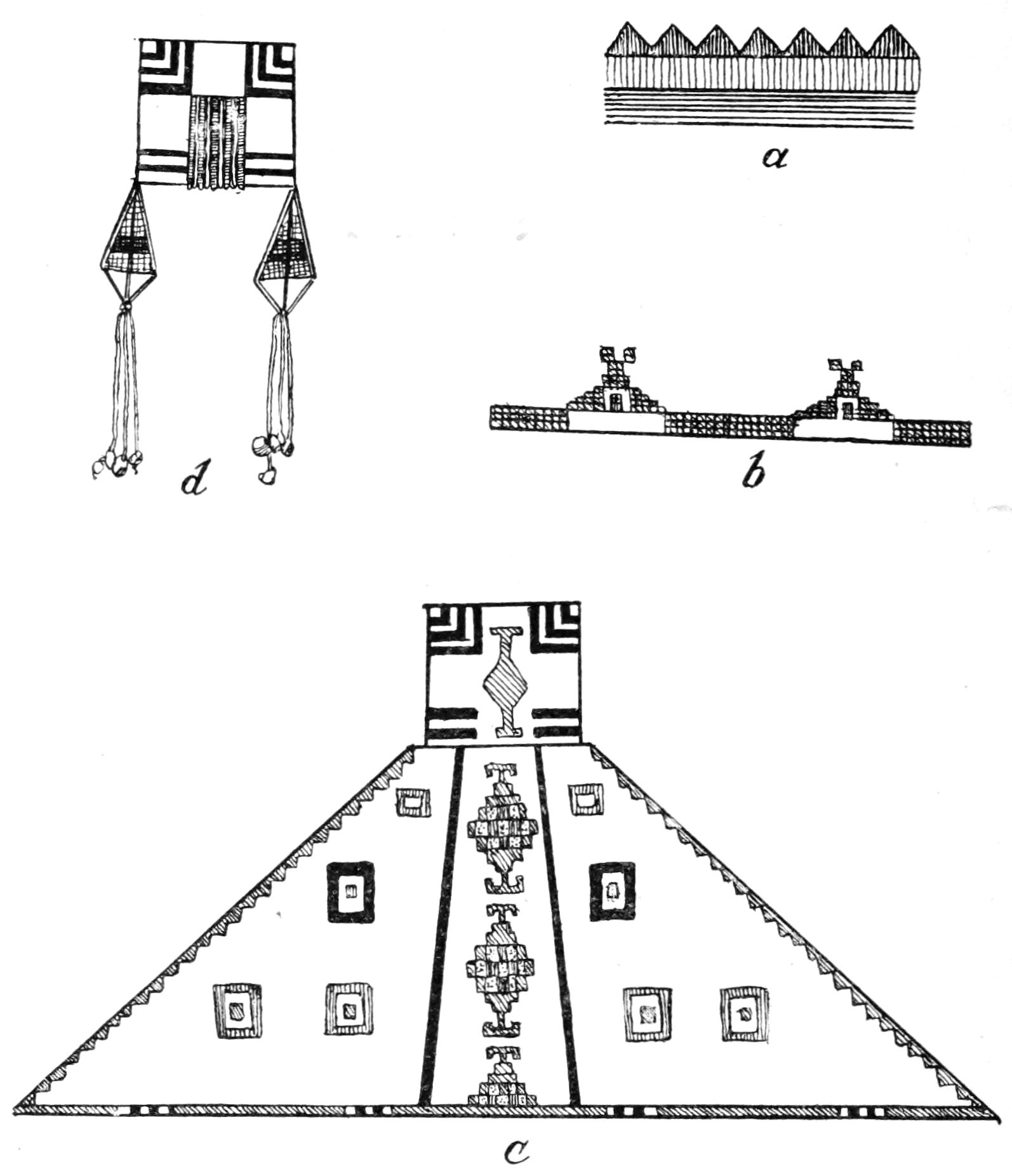
Fig. 83. Designs of the Cheyenne Indians.
“The hoods of cradle boards are generally richly ornamented. The design of a specimen purchased by me is of peculiar interest on account of the representation of abstract ideas (Fig. 83 c, d). As usual, the upper surface of the hood is white, which color, in the symbolism of the Indians designates the sky and life. The margin is formed by a green line and the whole surface is divided into three fields by two convergent blue lines. The large lateral fields are strictly symmetrical. They contain three groups of stars represented by rectangles. The lowest line,—four red rectangles with enclosed green centers,—represent large, bright stars; and the top row, red without centers, are the children of the stars. It is uncertain whether by this term the smallest stars or falling stars are meant.
“The middle field, bounded by blue lines, represents the path of life of the child. In this field are found peculiar green figures which terminate above and below in T shaped ends. They are diamond-shaped and enclose a red and yellow checkerwork. They designate the child’s good luck or the success that he will have in life. In this case green symbolizes growth and development; yellow, maturity and perfection; red, blood, life and good-fortune; all of which are related to the deities. The lower rim of the hood is interrupted on both sides by small white and blue squares. These are said to represent the child’s age. I did not learn what was meant by this expression. Probably the change of seasons was meant, since the alternation of blue and white signifies the change of winter and summer.
“The hood ends in a square flap which bears in its center a green diamond terminating in cross bars, but smaller and simpler than the corresponding figures of the central field. It represents the heart. The blue lines and angles in the corners of the flap are continued in the same way on the opposite side. They represent the unexpected events of life. Attachments on each side are the child’s ears; the short lines of beads embroidered on the back of the flap represents the hair of the child.”
Based on these results a somewhat extended study of the symbolism of American Indian art was undertaken, in the course of which A. L. Kroeber investigated the art of the Arapaho; Roland B. Dixon, that of the Californian tribes; Clark Wissler, that of the Sioux and Blackfeet, and H. H. St. Clair that of the Shoshone. Later on the study was extended over other adjacent areas.
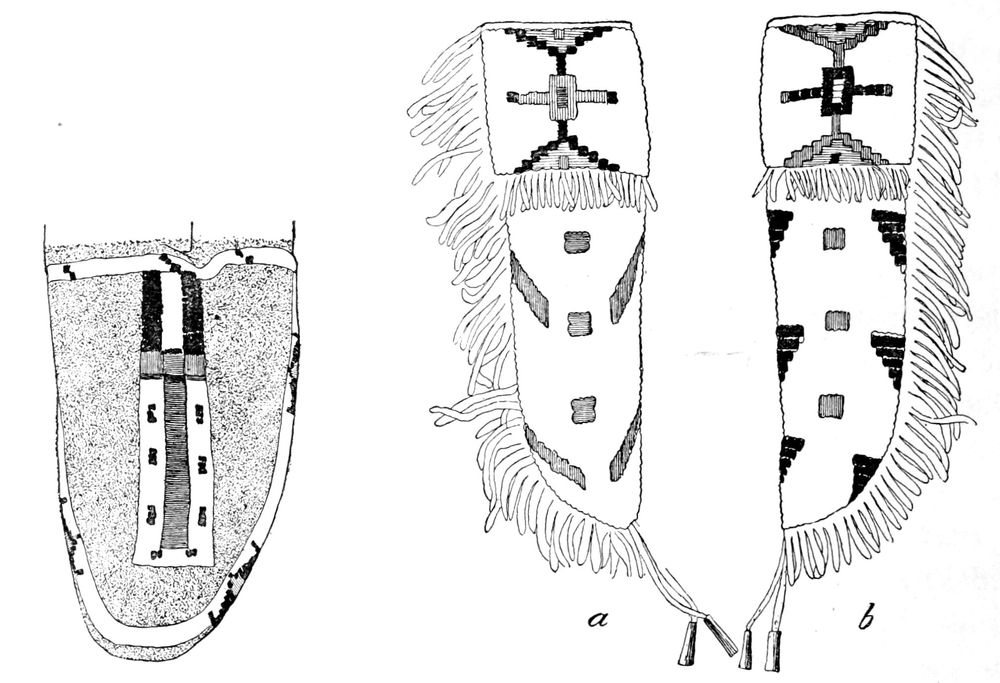
Fig. 84. Moccasin, Arapaho. Fig. 85. Knife case, Arapaho.
The results obtained by Kroeber indicate a close similarity between the symbolism of the Arapaho and that of the Cheyenne. Here also abstract ideas appear in considerable number. It will suffice here to give a few examples. On a moccasin[45] (fig. 84) “the longitudinal stripe signifies the path to destination. A small stripe at the heel of the moccasin (not shown in the figure) signifies the opposite idea, the place whence one has come. The variety of color in the larger stripe represents a variety of things (which naturally are of many different colors) that one desires to possess. The small dark blue rectangles are symbols that are called ‘hiiteni’[46]. The white border of this moccasin, on account of its color, represents snow. The figures in it represent hills with upright trees. The stripe over the instep signifies ‘up hill and down again’ (its middle portion being elevated above the ends by the instep of the foot). The dots in this stripe represent places left bare by the melting snow.” The knife scabbard[47] represented in fig. 85 “has at the top a cross signifying a person. The triangles above and below it are mountains. On the lower part, on the middle line, are three green squares, symbols of life or abundance. Red slanting lines pointing towards the squares are thoughts or wishes directed towards the desired objects, represented by the life symbols.”
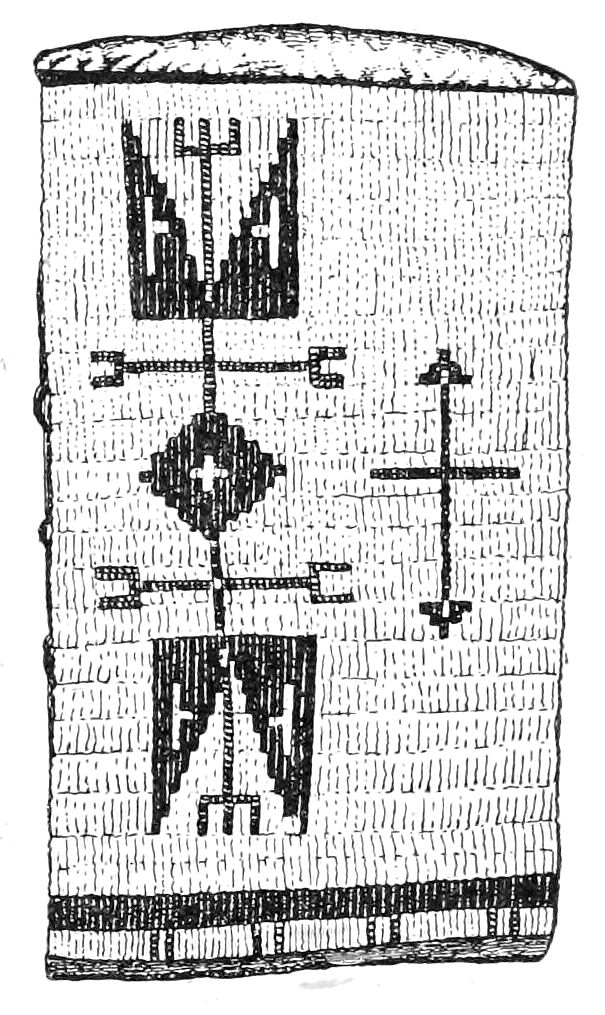
Fig. 86. Legging, Sioux Indians.
Observations among the Sioux Indians made by Clark Wissler have given similar results. The design on a legging (fig. 86) may serve as an example. It represents a battle.[48] The diamond-shaped center is here the body of a man. The large triangles are the tents of the village in which the battle took place. The pronged figures represent wounds and blood; the straight lines supporting them, the flight of arrows. The crossed lines are said to represent arrows and lances.
The Assiniboine, a closely related branch of the Sioux, did not yield much information in regard to the meaning of designs, but the few fragments collected by Robert H. Lowie[49] show that the principles found among other tribes are or were not unknown to them. The designs found on a drum illustrate this (fig. 87).
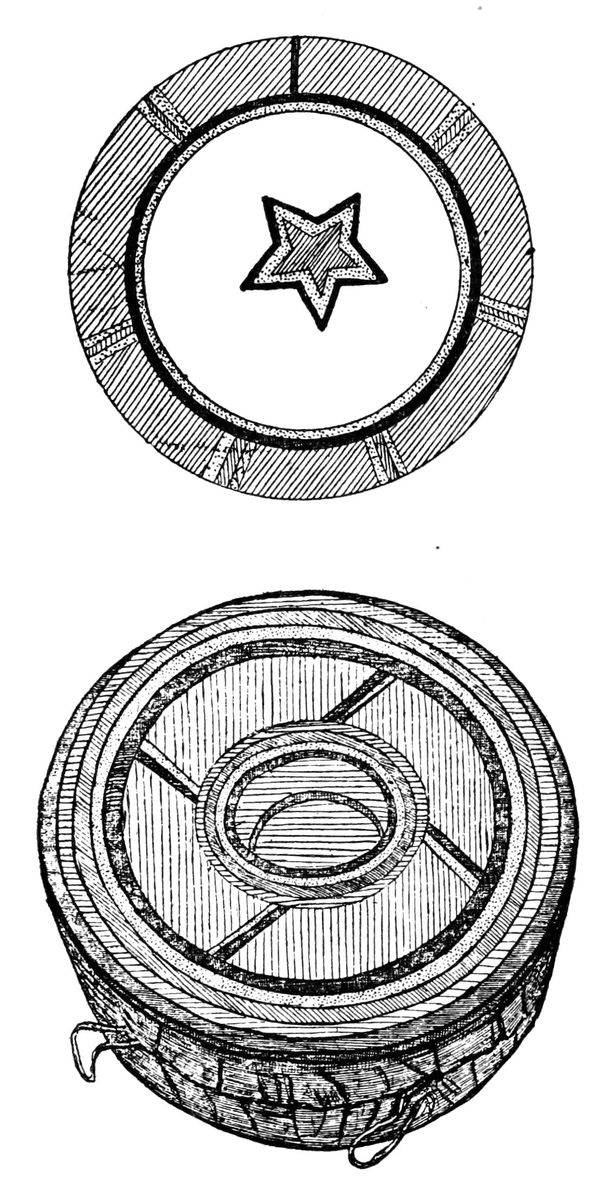
Fig. 87. Drum of the Assiniboine.
“The gray central field is itself a drum; the concentric rings around it are rainbow symbols, and the four sets of slanting lines (yellow, black and whitish) represent the sunshine. The green color between these lines denotes clouds; the four following rings the rainbow, and the external ring has no ascertainable meaning. On the other side there is a star in the center; the black circle stands for night, the blue color at the circumference for twilight, and the oblique red, yellow and white lines for the sunshine.”
Some Arapaho designs are interpreted as representing geographical features or a village in its geographical environment. In the specimen shown in (fig. 88) “the two large triangles at the end represent tents; the center diamond two tents; between them a white stripe with black dots in it represents a buffalo path with buffalo tracks in it. The four red obtuse triangles along the sides are mountains; small yellow triangles enclosed by them are tents; the double blue lines surrounding the entire pattern represent mountain ranges. Small rectangles in this border, colored red and yellow, represent lakes.”
Geographical interpretations are quite common among most of the Indian tribes of the Great Plains. Mountains, caves, trees, streams, lakes, trails, and tents are commonly symbolized in the angular forms of their paintings and embroideries. As compared to these the association between abstract ideas and geometric form is rather rare.
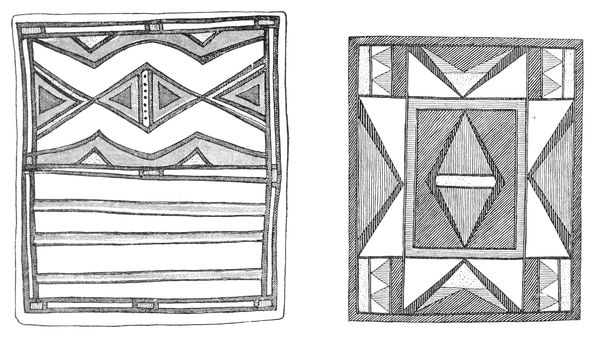
Fig. 88. Rawhide bag, Arapaho. Fig. 89. Design from parfleche, Shoshone.
A few examples may also illustrate the explanations given by Shoshone Indians.[50] The interpretations are largely geographic. In fig. 89 the red central rectangle represents the ground, the green background trees. On this green ground is a lake, indicated by the blue area in the center, the yellow line dividing the central field, is an inlet of the lake. The obtuse blue triangle on the sides of the central rectangle represents mountains with timber. The triangles on the short sides are also mountains. The yellow apex is the sun shining on the mountains, the red middle part of the triangle the ground, the green area at the base, grass at the foot of the mountains. In the corners we find small triangles representing sand and over them the yellow sun light.
On a second Shoshone parfleche obtuse triangles in the central rectangle and smaller triangles in the longitudinal borderstrips represent mountains, a red line in the center stands for a river, and right angle triangles are tipis.
Another Shoshone parfleche of similar pattern, was explained as follows: a blue line enclosing an inner rectangle is a fort or enclosure surrounded by the enemy, represented by red and green squares of the border. A yellow and red line passing through the center is the pass by which the people escape.
A consistent geographically explained ornament has also been described by Stephan (fig. 90). The upper zig-zag line (a) represents a snake; the rectangular fields under it (b), the sea moved by the wind. The dark corners of the rectangle (c) indicate calm on deep water. The central field with cross hachure (d), rain on the sea or ripples on the water. The lowest bands (e, f) and the top band (a) do not belong to the sea picture. (e) is explained as the veins of the coconut leaf, (f) as a kind of grass.
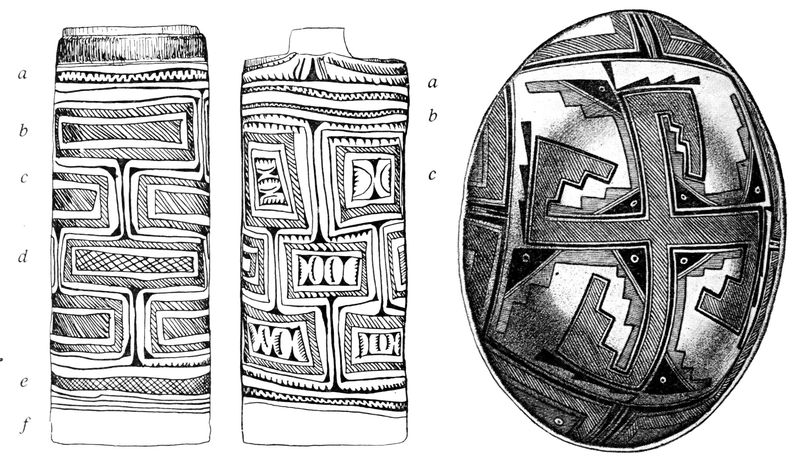
Fig. 90. Bamboo case, Melanesia. Fig. 91. Zuni bowl, broken and edges ground down.
In the opposite end (a) is not explained, (b) is a snake. The rest of the design fits in with the geographical pattern, (c) being rocks beaten by breakers.
I am indebted to Miss Ruth L. Bunzel for the following consistent interpretation of a Zuni bowl,—part of a deep bowl the upper part of which has been broken off. Her informant explained it as follows (fig. 91): “We call the whole design ‘cloud all alone’. When a person does not go to the dances when they dance for rain, after her death she goes to the Sacred Lake and when all the spirits of the other dead people come back to Zuni to make rain, she cannot go, but must wait there all alone, like a single little cloud left in the sky after the storm clouds have blown over. She just sits and waits all alone, always looking and looking in all directions, waiting for somebody to come. That is why we put eyes looking out in all directions.”
Consistent symbolic interpretations have also been given for ceremonial objects of the Huichol Indians.[51]
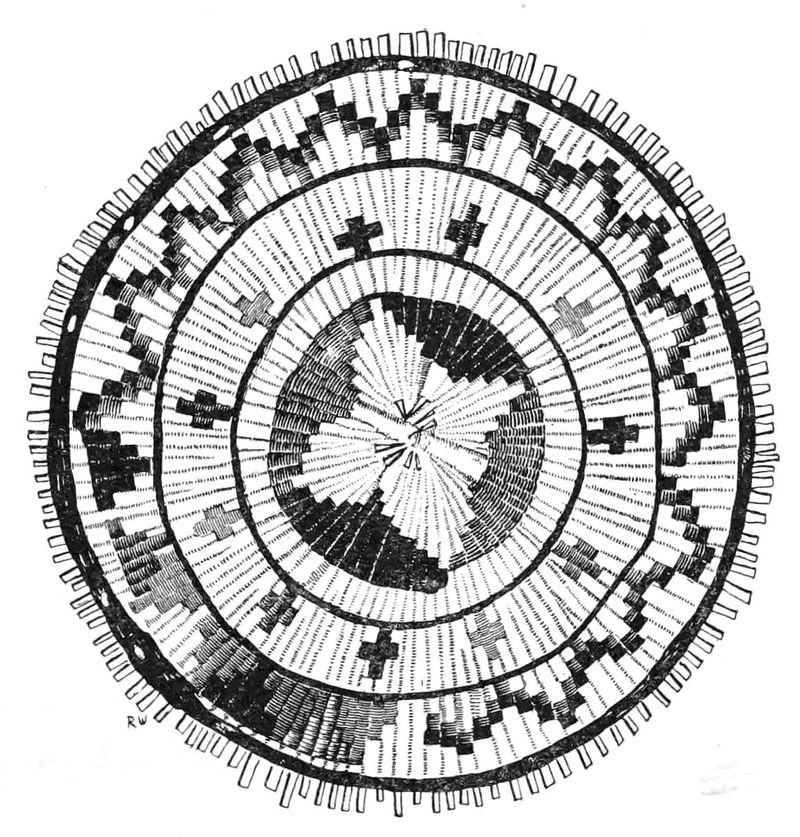
Fig. 92. Ceremonial object, Huichol Indians, Mexico.
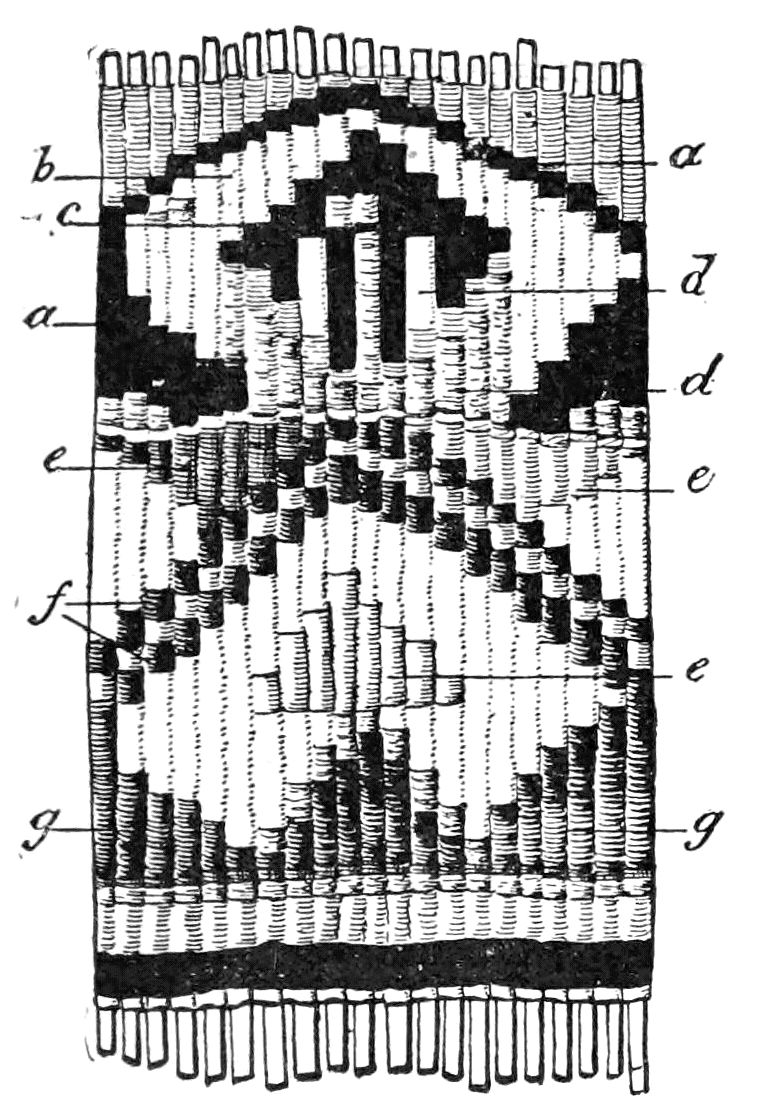
Fig. 93. Woven ceremonial object, Huichol Indians, Mexico.
On a “front shield”, a sacred object (fig. 92) fertility symbols are represented by geometrical figures: “The cross in the center represents four clouds on the horizon, the colored segments completing the inner circle represent red and blue birds (swifts) soaring above the clouds. In the second circle are shown crosses representing red, yellow and blue corn. In the outer zone is a zig-zag line in red and blue representing Mother East-water, a Deity. Nine triangles between head and tail of the serpent, crowded together, represent mescal (a narcotic cactus) which is considered related to corn and is held as a prayer for rain and for health.”
Another example is a sacrificial back shield (fig. 93),[52] in which the symbol (a) represents a serpent, (b) white clouds, (c) black clouds, (d) rain, (yellow and white stripes); (e) three flowers, (f) a squash vine, these two representing vegetation, springing up after rain; and (g) the earth with its hills.
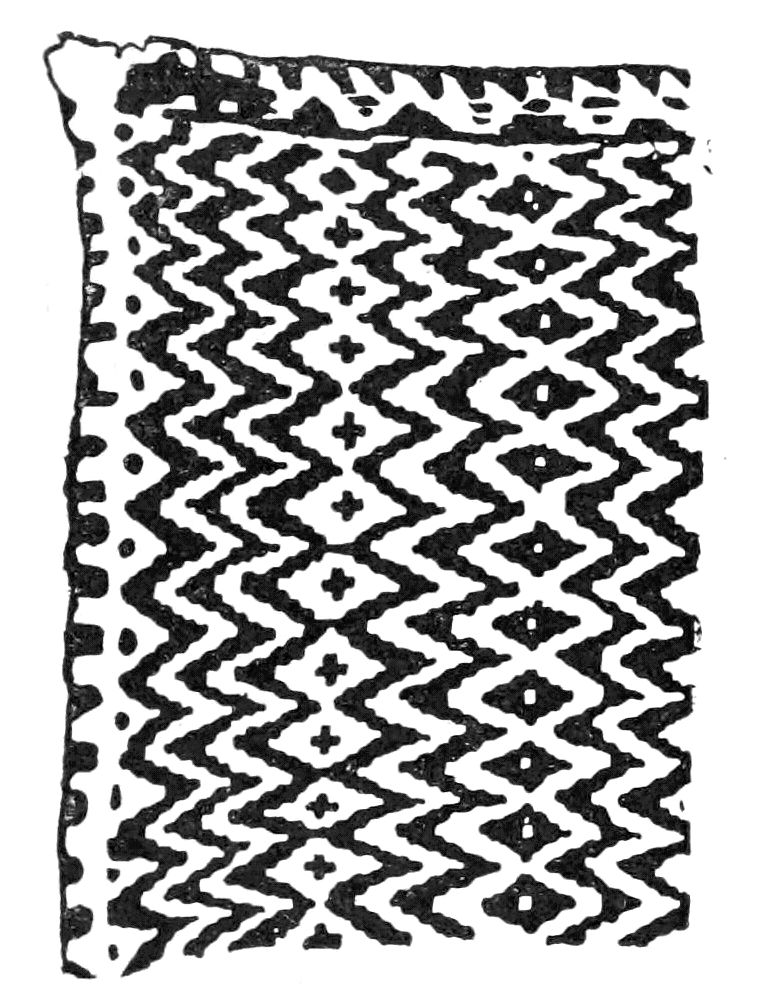
Fig. 94. Design from a pouch, Huichol Indians.
Similar representations are found in embroideries in woven garments, thus a zig-zag line on a pouch[53] (fig. 94) represents lightning, the crosses the Pleiades.
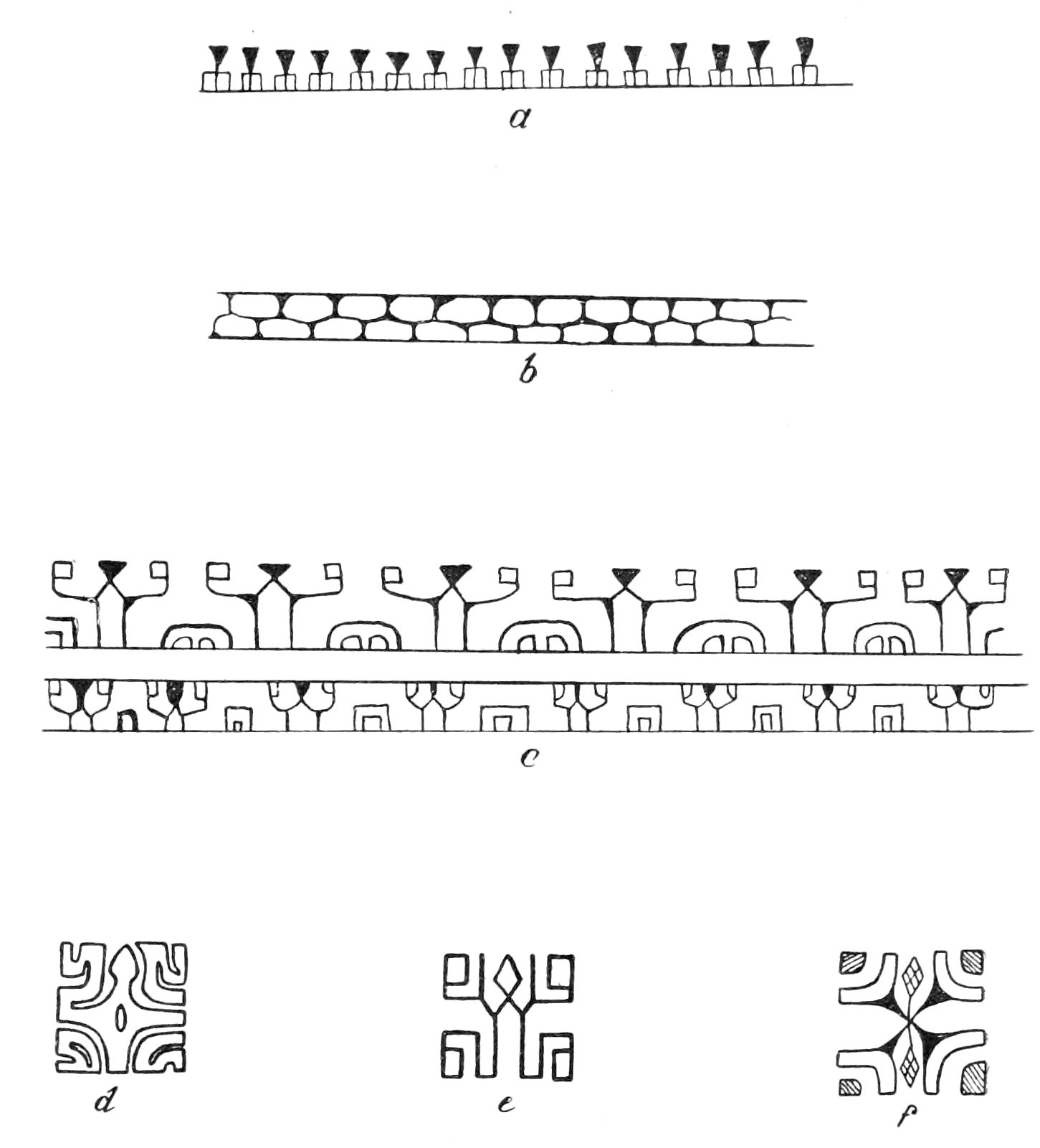
Fig. 95. Tattooing designs, Marquesans.
Turning to Polynesia, von den Steinen[54] has given us a full description of tattooing of the Marquesans, from which it appears that in the minds of the natives the designs have definite significance. I mention a series of black triangles on rectangular bases, called the Fanaua, women who died in child birth (fig. 95 a); the cumulus clouds of the northwind (fig. 95 b). In fig. 95 c the upper row was called by one informant, “the fellow with the step of the rooster”, the lower one “the hero Pohu and his house”. Another informant from another village, designated the figures with raised arms as legendary miscarriages consisting of a chest, the low semicircular and rectangular figures as others consisting of ribs only. Of the two analogous figures, 95 d and e, the former is called a crab, the latter a turtle, while 95 f is called the bath of the hero Kena.
We find in our civilization cases in which form or color composition possess symbolic significance entirely apart of their form values. The most obvious case is that of the national flags. They are not only ornamental, but possess a strong emotional appeal. They call forth the feeling of national allegiance and their values cannot be understood on a purely formal basis, but are founded upon the association of the form with definite fields of our emotional life. The same is true of certain symbols. In Germany, at the present time, the swastika as the symbol of antisemitism, and the David’s star as the Jewish symbol have very definite political significance and are apt to excite the most violent passions when used for decorative purposes,—not on account of their form, but because of the emotional reaction to the ideas they represent. Military insignia, emblems of secret societies, students’ emblems and other regalia exert the same influence through their associations. Owing to the strong emotional value of these patterns and the specific character of the associations, the use of the ornament may be restricted to special classes of objects, or reserved for privileged classes or individuals. Thus, among ourselves, the cross, or the flag, cannot appropriately be used at all places and at all times, and insignia of rank are confined to those who have the right to wear them. Just so, totemic devices may be used only by the privileged, not by those who belong to another totem. Strong emotional values are commonly associated with all forms that are used in important rituals. The simple ornaments of cedarbark dyed red which are used by the Indians of British Columbia have such an appeal, because the ornamental attachments symbolize the gifts that the wearer has received from his supernatural protector.
It is readily recognized that these conditions can prevail only when the interpretation of the ornament, and with it its emotional significance are firmly established in the minds of the people; if all react without fail, without hesitation to the same pattern. This is not by any means the case everywhere. On the contrary, many cases are known in which there is considerable wavering in regard to the meaning of the symbol. One person may interpret it one way, another, another way. For instance, in the designs of the Californian Indians, the same form will be called by different people, or even by the same person at different times, now a lizard’s foot, then a mountain covered with trees, then again an owl’s claw. It is conceivable that an individual may feel a strong emotional value of a design, but in a case of variable associations the symbol has no binding emotional value for the whole tribe. It will be the less relevant the more variable the individual and tribal associations. I believe this is also the reason why among ourselves an expressionistic art is impossible, or why at least it cannot appeal to the people as a whole. It is possible for an artist to train a group of followers and admirers in the symbolism that he cultivates, but it is exceedingly unlikely that such symbolism should develop in such a way that it would be felt automatically by all of us. In music a few associations of this type exist. We feel, for instance, the difference of mood in the major and minor keys; the former mood joyful and energetic; the latter gentle, moody or even sad. It is well to remember that these emotional tones are not by any means everywhere connected with these two forms, but that in the music of other people that have something comparable to our major or minor, the relations may be quite different. We also feel a certain energy connected with the major key of E flat, but undoubtedly this is due to very specific associations that are not valid in other cultural areas.
Expressionistic art requires a very firm and uniform cultural background, such as is possessed by many peoples of simple social structure, but that cannot exist in our complex society with its manifold, intercrossing interests and its great variety of situations that create different emotional centers for each of its numerous strata.
It is, therefore, important to know whether there exist firm associations between form and significance, and whether these associations are accompanied by strong emotional reactions.
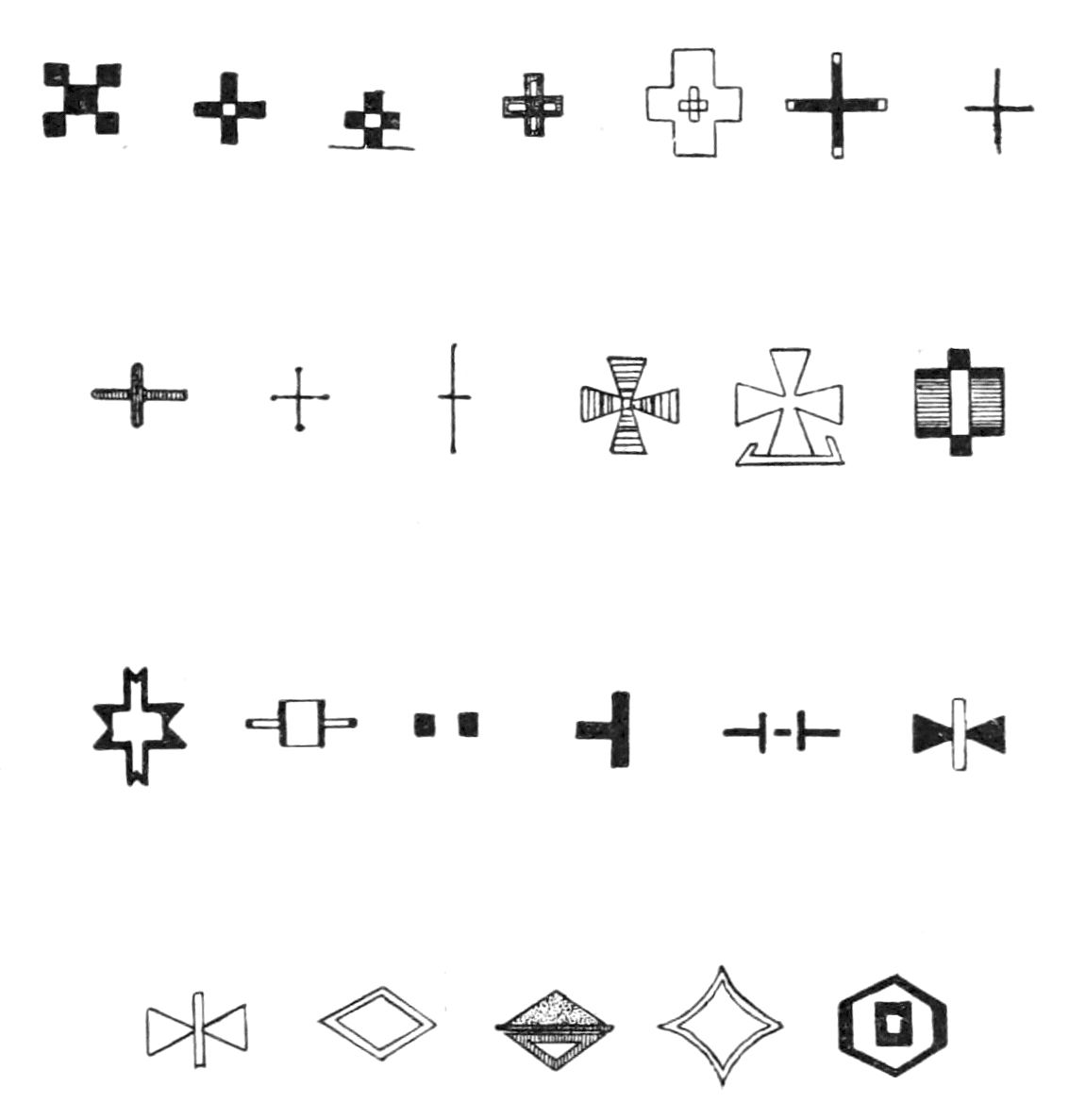
Fig. 96. Patterns representing the star, Arapaho.
The former question may be investigated in two ways: By studying the variety of forms which are used to represent the same objects, and conversely by illustrating the variety of explanations given to the same form. Arapaho designs collected by Kroeber offer a favourable field for this study. The range of forms interpreted as the star (fig. 96) is based on the tendency in the art of the Plains Indians to use triangular and quadrangular figures and narrow lines, and on the scarcity of polygons. We find, therefore, as representations of stars, crosses, groups of squares, diamonds and a cross with triangular wings. In the last quite exceptional figure of this series the star is represented by a hexagon. In some cases the association between the form and its meaning becomes more intelligible through the general setting in which the design element is found, as for instance, through the color contrast between design and background.[55]
The variety of forms which are used to represent a person may serve as another example (fig. 97). Some of these are similar to the forms used to represent the star.
Still another example is the representation of the butterfly (fig. 98). In this series one of the designs representing the star will be found.
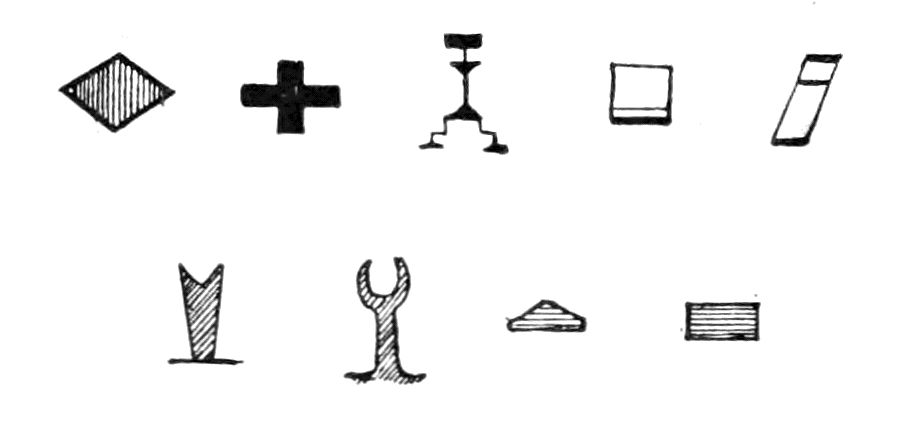
Fig. 97. Patterns representing persons, Arapaho.
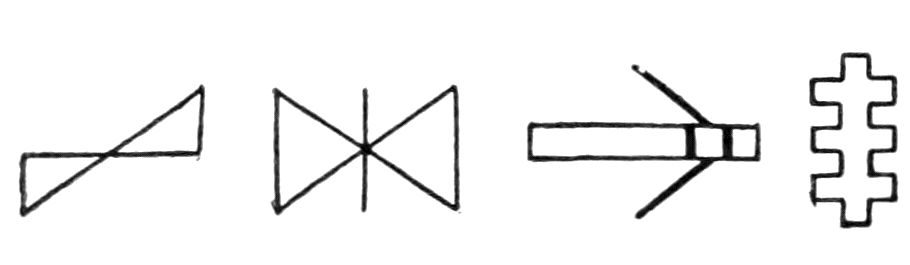
Fig. 98. Patterns representing butterfly, Arapaho.
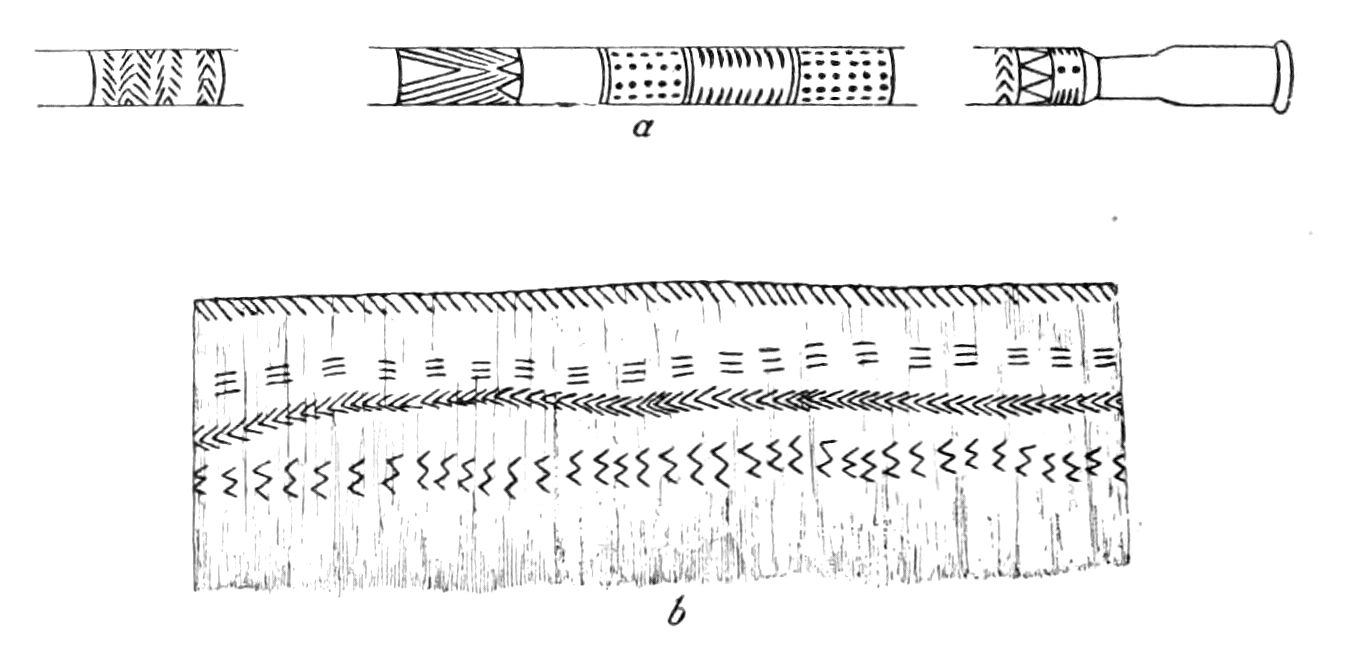
Fig. 99. Examples of chevrons from Neu-Mecklenburg;
a
, Carved bamboo;
b
, Embroidered mat. The chevron to the left on the bamboo represents a palm leaf, an armring or a worm; the same design on the mat, tracks of a crustacean.
Conversely a diamond is explained as a person, a turtle, the navel, a mountain, a lake, a star, an eye. The setting of the design does not by any means explain sufficiently why these varying interpretations should be used.
A rectangle represents a camp circle, brush hut, a mountain, the earth, a buffalo or life; a triangle with an enclosed rectangular or pentagonal figure (see fig. 117, p. 120) is explained as a mountain with trees, a cave in the mountain, a brush hut or a tent.
The second form in fig. 98 is explained as a butterfly or the morning-star.
In bead embroidery we find frequently a central design in the form of a diamond, from the acute angles of which, extend straight lines. To the ends of these triangular designs or other small forms are attached. In fig. 152 (p. 178) some of these designs are shown. The first one is taken from a pouch (j); the central diamond represents a person, the triangular designs at the ends of the lines, buffalo hoofs. A similar design (k) from a moccasin represents the navel and arrows; the background is snow. In a third example (q) the central diamond represents a turtle, the lines its claws and the small patterns at the ends of these lines, eggs.
Another example of the variation of explanation of the same design is found in designs from New Ireland[56] (fig. 99). The chevron represents the leaf of a palm, an armring, a worm, the foot of a bird, tracks of a crustacean, or fish bones.
The great variety of these interpretations of the same figure and of the many forms by means of which the same ideas find expression, show clearly that the terms by which designs are described must not be conceived simply as names, but that rather a certain association exists between the general artistic pattern and a number of ideas which are selected according to tribal usage, and also in accordance with the momentary interest of the person who gives the explanation.
Often the range of ideas associated with forms follows a fairly definite pattern in each tribe. We may compare this condition with attitudes which we assume in regard to forms that may have varying types of symbolic connotation. To a Canadian, a British flag surmounted by maple leaves would be closely associated with patriotic feeling, and in this connection the maple leaf has a definite significance; in other combinations it may appear with quite a different meaning. A red maple leaf may be symbolic of the fall of the year.
During the World War the bloody hand was used on posters to excite the populace to hatred, because it was symbolic of the imaginary cruelty of the German soldier and this association was assiduously cultivated by word and letter. In another setting a bloody hand may be a symbol of suffering or of sacrifice, as the red hand impressed on church walls or sanctuaries.
A white rose may be a symbol of death or innocence. A crescent may bring up a thought of Turkey, a beautiful summer night, or it may be conceived purely as form.
Not only is the significance of designs variable, the explanations of forms found on the same object seem often quite incoherent. The cases are not very numerous in which we find a clearly defined, consistent symbolism extending over the whole pattern.
Judging from information given by Stephan in regard to paintings and carvings from Melanesia,[57] the explanations, varied and incoherent as they may be, are given without hesitation and although the same pattern elements are not given every time the same interpretation, the whole grouping, expressed at any given time, seems to be clear in the mind of the person who gives the explanation.
In by far the majority of cases the interpretation appears to us as entirely incoherent. The terms by which the same forms are designated by different individuals and at different times are so varied that it is difficult to assume that we are merely dealing with names of design elements.
As a typical example of lack of relation between the symbols composing the ornament may be mentioned an Arapaho knife scabbard[58] (fig. 100). “The green lines forming a square at the top represent rivers. The figure within is an eagle. The two larger dark portions of this figure are also cattle-tracks. The two rows of triangles on the body of the scabbard represent arrow-points. The squares in the middle are boxes, and the lines between them are the conventional morning-star cross. The small squares on the pendant attached to the point of the scabbard are cattle-tracks.”
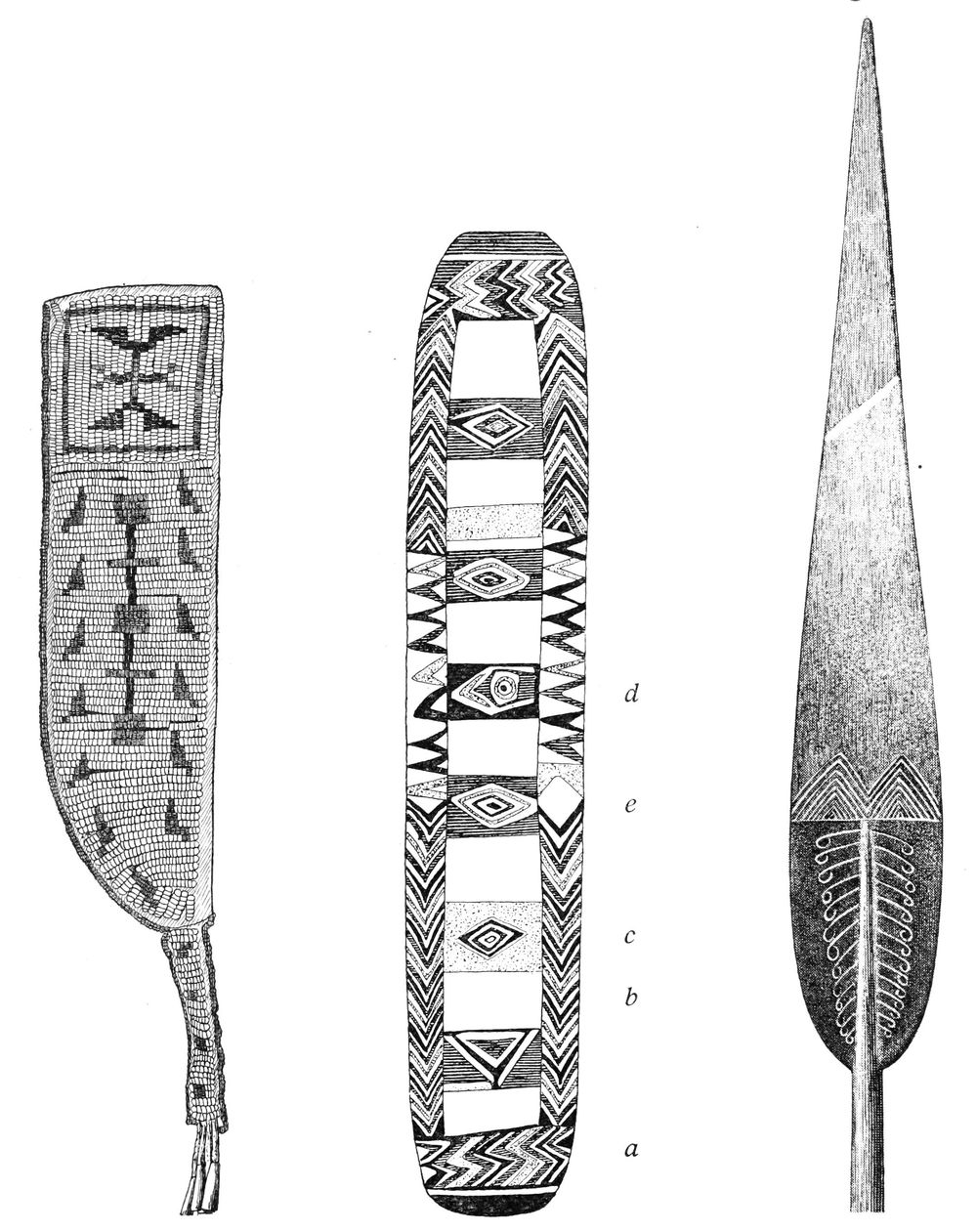
Fig. 100. Embroidered knife sheath, Arapaho. Fig. 101. Painted board, Neu-Mecklenburg. Fig. 102. Decorated paddle, Neu-Mecklenburg.
As another example I select a decorated object from New Ireland described by Stephan. In fig. 101 (a) represents a frigate bird, (b) fish bones, (c) buttons for strings of shell money, (d) men’s arms, and (e) a fish head. On a paddle (fig. 102) the spirals represent the opercula of a snail; the connected triangles, the wings of the frigate bird. On other specimens the spirals represent young fern fronds.
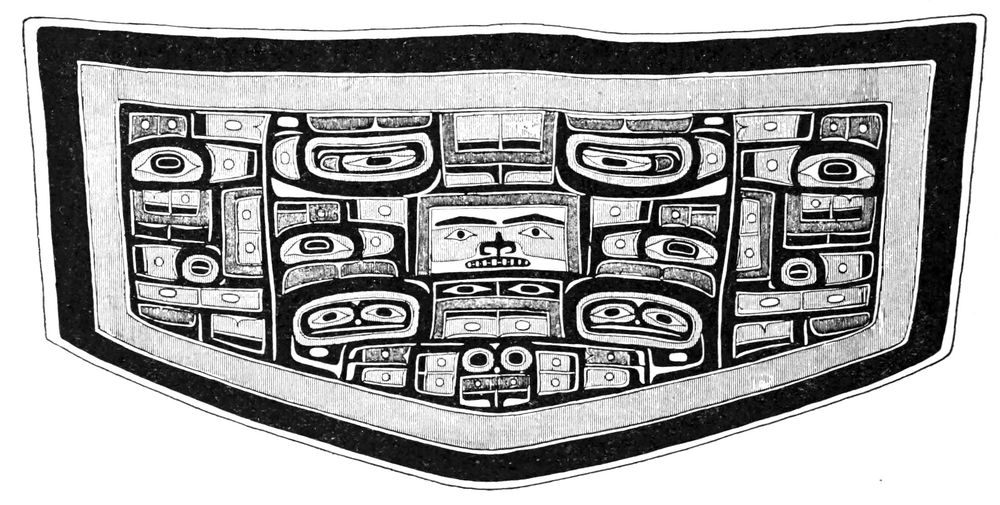
Fig. 103. Blanket of mountain-goat wool, Tlingit. Alaska.
In the art of the North Pacific coast a definite totemic meaning is given to conventional figures. There is no general agreement as to their significance, but to many forms is assigned a meaning according to the totemic affiliation of the owner for whom it thus attains a value based on its meaning. Explanations of a blanket design (fig. 103) obtained by G. T. Emmons and John R. Swanton, may serve as an example. According to Emmons the design represents a whale diving, in the lateral fields are ravens sitting. The head with nostrils and mouth is shown below. The central face represents the body, the inverted eyes along the upper border, the tail. According to Swanton the design represents a wolf with young. The head is shown below. The hind legs and hip joints are represented by the two large inverted eyes and the adjoining ornament along the upper border. The two dark segments just above the eyes are explained as the feet. The face in the middle of the design represents, as usual, the body of the animal. The small eye designs, with adjoining ear and wing feathers, in the middle on each side of the body, are interpreted as forelegs and feet. The designs in the lateral panels are explained as young wolves sitting.
It seems likely that wherever varied interpretations of the same form, or of closely allied forms occur within the same social unit, conditions of this kind prevail.
We have no information whatever that would enable us to decide whether the ideas expressed are entirely incoherent. It is conceivable that there may be associations that are unknown to us and that create a greater unity than appears on the surface. I am under the impression that connected with the interpretation there exists a certain emotional tone that may be weak, but that is, nevertheless, not negligible in the esthetic effect of the whole object.
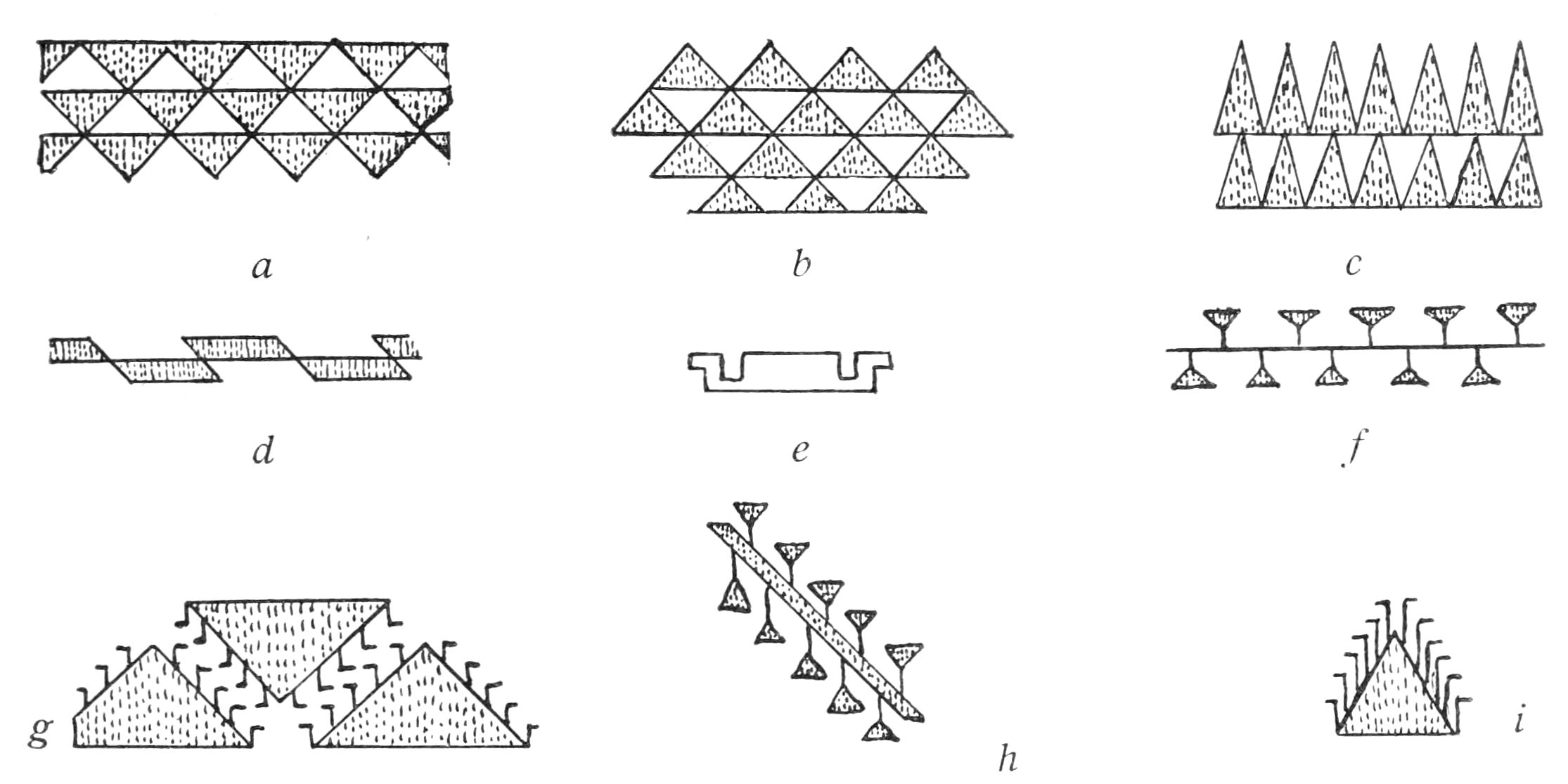
Fig. 104. Basketry patterns of the Pomo Indians, California.
It would seem that in a considerable number of cases ornamental patterns have definite names that are always applied, no matter in what combination the design may occur. Many Californian basketry patterns are of this kind. Barrett[59] gives the names of decorative patterns used by the Pomo Indians, from which I select a few as an illustration (fig. 104). The northern and eastern Pomo call fig. 104 a, b butterflies; the central Pomo call them arrow-heads; the designation for c is sharp arrow-heads. The northern Pomo call d, pointed broad band, deer back, or darts for a game; the central Pomo call them crow-foot or crow-track; the eastern Pomo, zig-zag or marks of the east. The design e is called quail plumes; f and h, by the northern Pomo, “sharp points and in the middle striped water snake”; the central Pomo call them “similar to slender arrow-heads”, and the single triangles, turtle-neck. The eastern Pomo call the designs butterfly and “in the middle (gaya) striped water snake”. The design g is called by the northern Pomo, empty spaces and quail tip patterns; by the eastern Pomo, butterfly and quail plumes; i by the central Pomo quail plumes arrowhead.
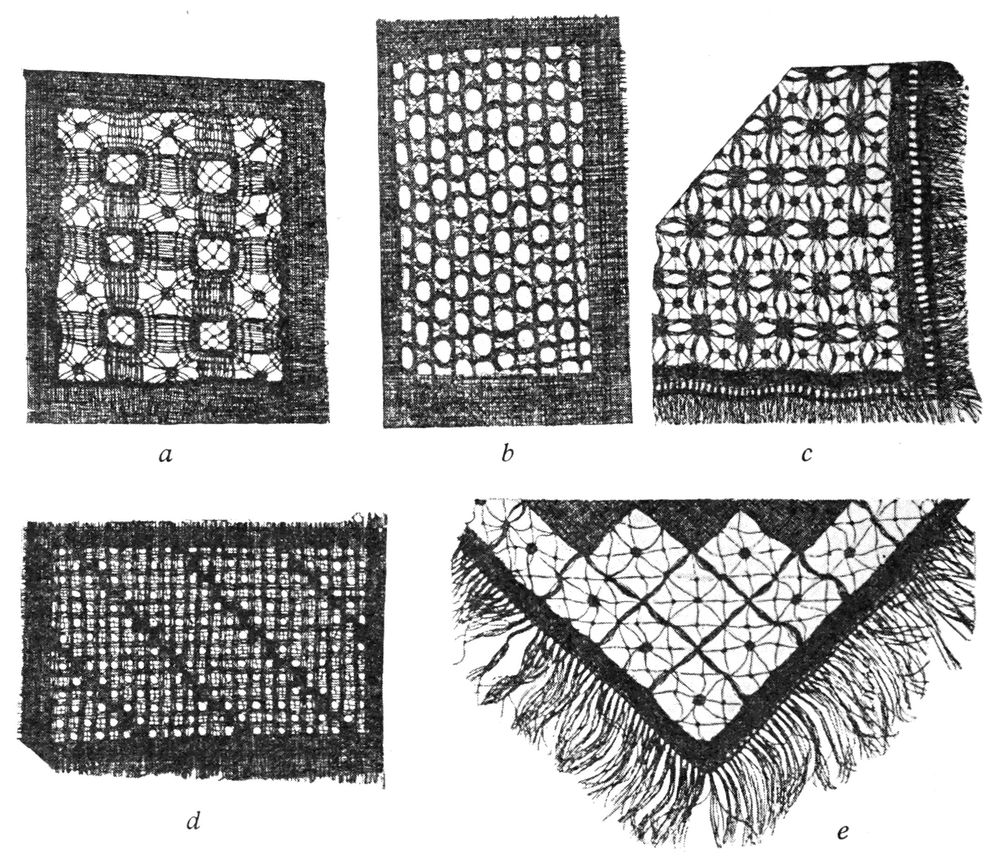
Fig. 105. Drawn work, Mexico.
This usage corresponds to our terms when we speak, for instance, of the “egg and dart” design. Among the Shetland Islanders patterns on knit stockings are called “flowers”, flowers serving as a synonym for pattern. The drawn work of Mexico bears also names.[60] Here we find names as for instance, “Little Jesus”, “Beehive” (a) (fig. 105), “Partridge’s Eye” (b), “Tomato Seed and Peel” (c), liana (d), “Spider Net” (e). The same is true of the embroidery of Paraguay.[61]
Named designs among more primitive people are particularly common in Africa, where, according to all investigators, the complex designs are conceived as compounds of single elements which bear names.
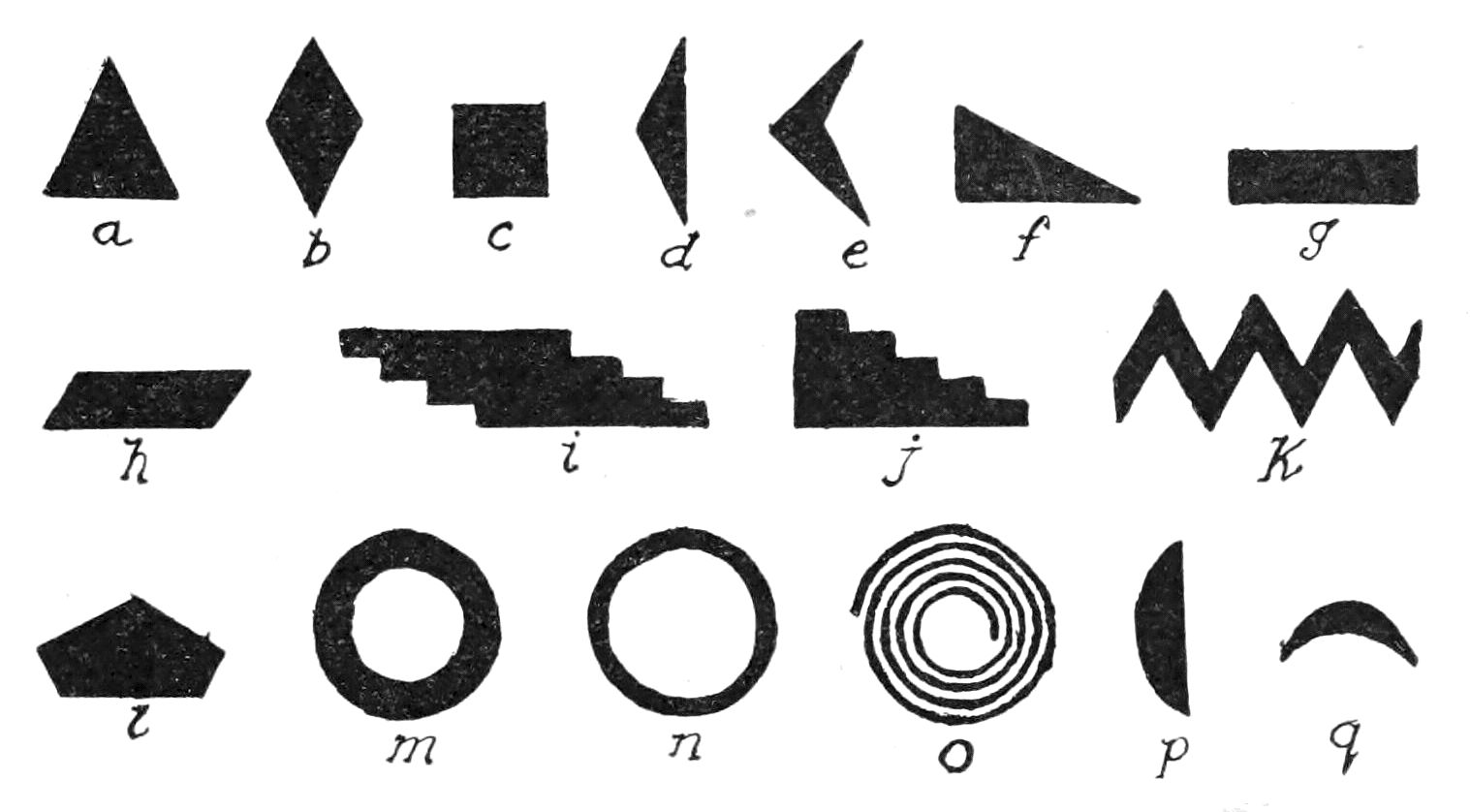
Fig. 106. Designs of the Ruanda.
Czekanowski[62] says in discussing the ornaments found in Ruanda (fig. 106): “On account of the simplicity of the Ruanda ornament its elements are easily determined. We shall enumerate them here according to their names: quiver (a); shield (b); millet (c); knife (d); arrowhead (e); kindly person (f); ferrule of a spear (g); wings of a swallow (h); large tail (i, j); arrows (k). The three last patterns may be considered as compound forms. The pentagon occupies an exceptional position. All these elements consist of straight lines. Curves occur as segments, crescents, spirals and circles. Wide-lined circles are called arm rings (m); narrow ones, bracelets (n).” The general ornamentation consists of horizontal rows of black triangles or diamonds on a plain background or a white triangle on a black background. The arrowhead design (e) appears in long rows, the point of one head touching the notch of the other. Zig-zag bands in diagonal or vertical rows of the pattern i and j occur also. The characteristic point seems to be that only the elements of the whole pattern bear names.
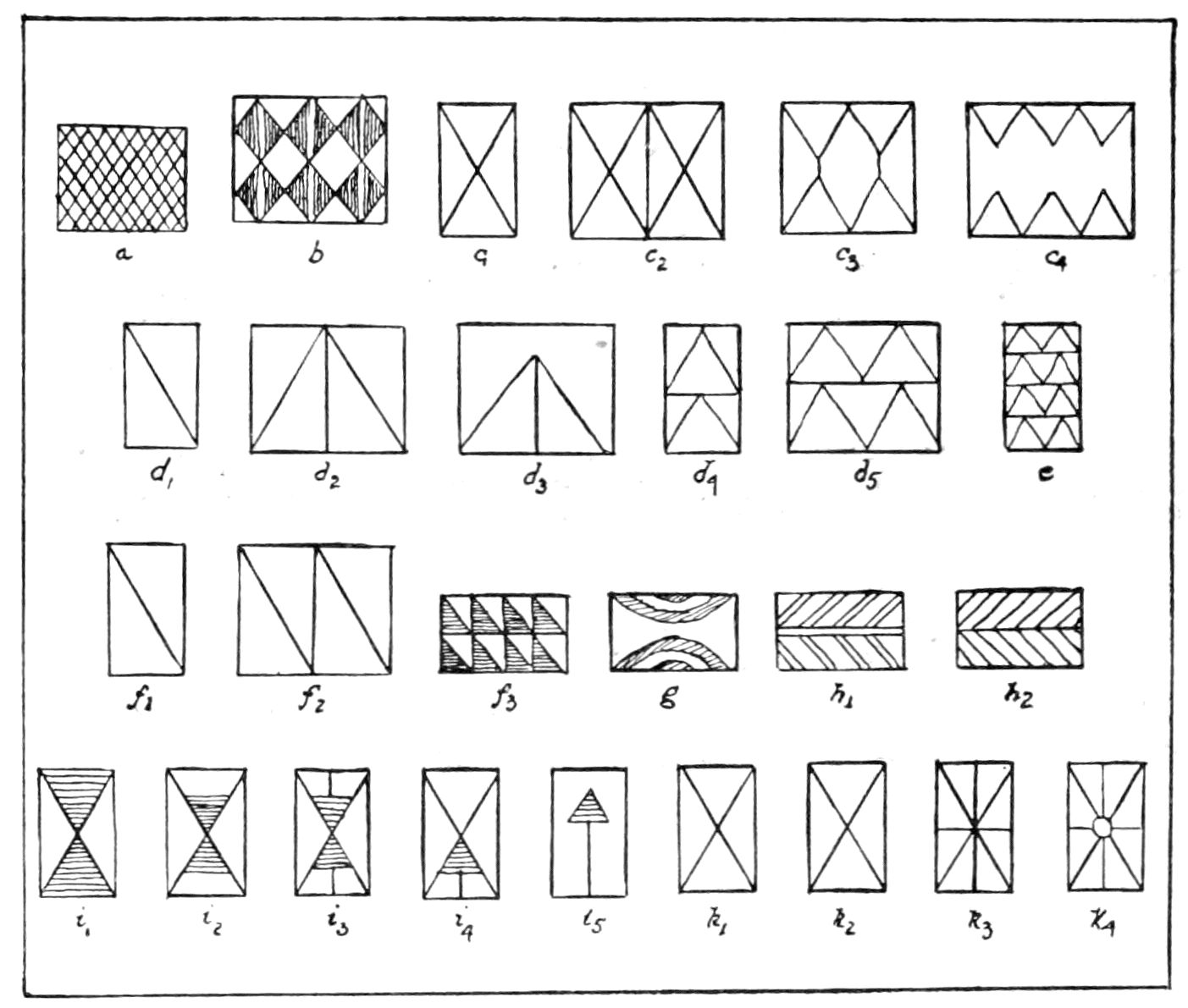
Fig. 107. Designs of the Pangwe.
I infer from Tessmann’s[63] description that among the Pangwe of West Africa also the single pattern elements bear names while the multifarious combinations lack explanations such as we find in America or in Melanesia. In fig. 107 patterns in woodcarving are represented which are named as follows: (a) file; (b) string of cowrie shells; (c, d) triangular leaf used for feathering arrows for the cross bow (triangle with wide base); point of iron money, spear point (triangle with narrow base); (e) tail of armadillo; (f) kerf; (g) rainbow; (h) fish bone; (i) triangular spear; (k) spider net.
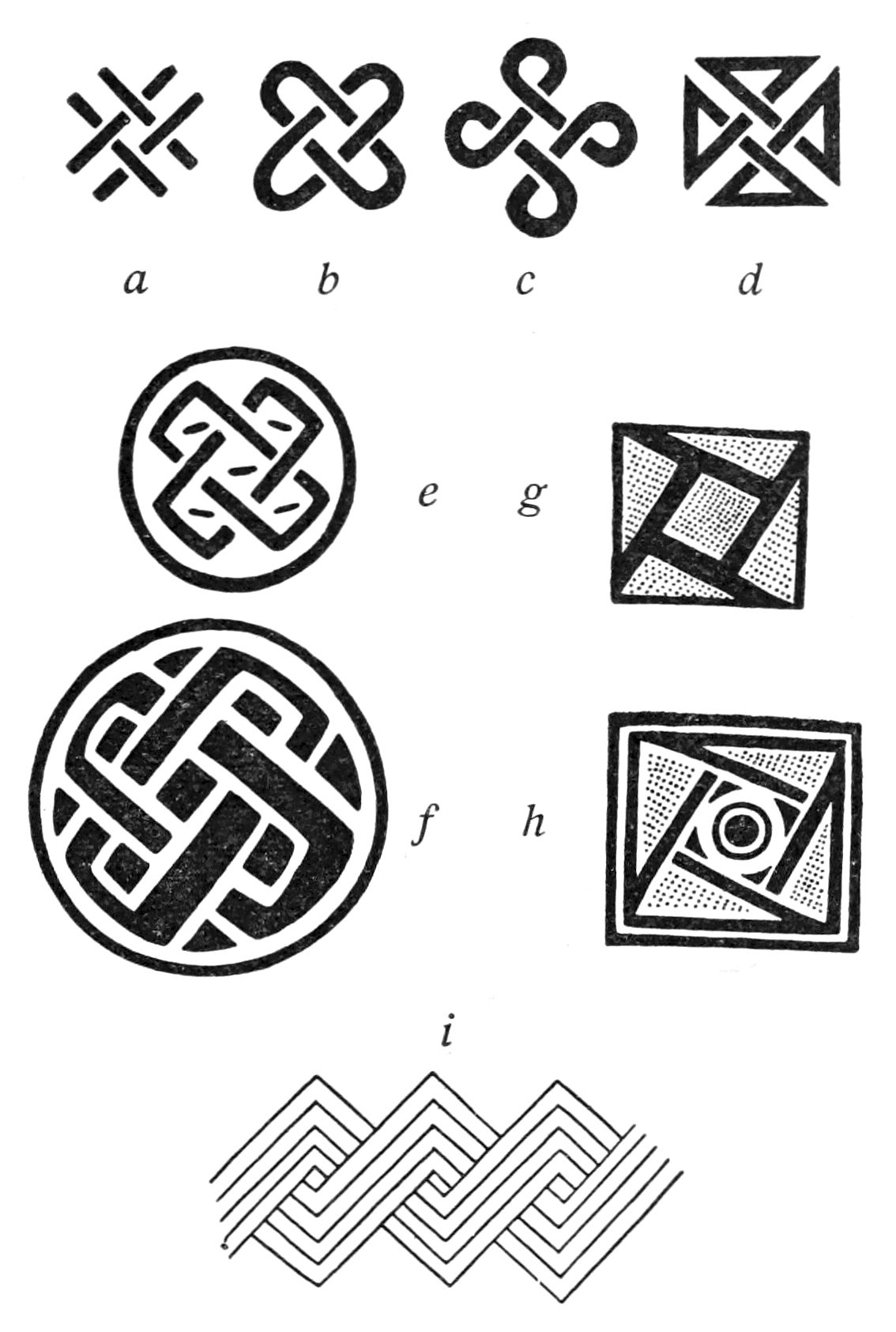
Fig. 108. Designs of the Bushongo.
Of the Bushongo Torday[64] says that the nomenclature is not certain (p. 216). “The Bushongo do not consider the design as a whole, but they divide it into various elementary patterns. They take one of these elements as characteristic of the whole figure and call the whole design by this term. The motives obtained by interrupting woven patterns[65] at regular intervals are built up of small details which are found variously combined in other motives. Therefore, owing to the analytical mind of the natives, the curious phenomenon results that the same name may be given to two designs, apparently quite dissimilar, at least so far as the general impression is concerned, and that the natives of opposite sex will give to the same design different names because either considers a particular element as the principal part.” The closely related patterns fig. 108 b and d are derived from interwoven strands (fig. 108 a). The form b is called imbolo (interwoven?); c is called the xylophone and d the foot of Matarma. The Bangayo call the same pattern in carving (e, f) back and head of the python. The patterns 108 g, h are called the knee and i the knot.
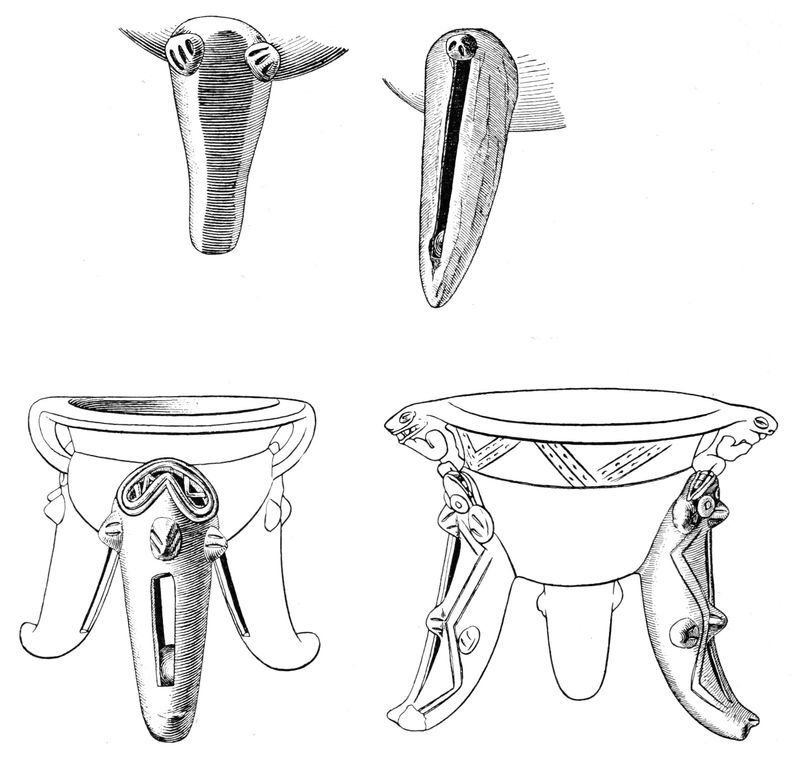
Fig. 109. Feet of pottery dishes, Chiriqui, Costa Rica.
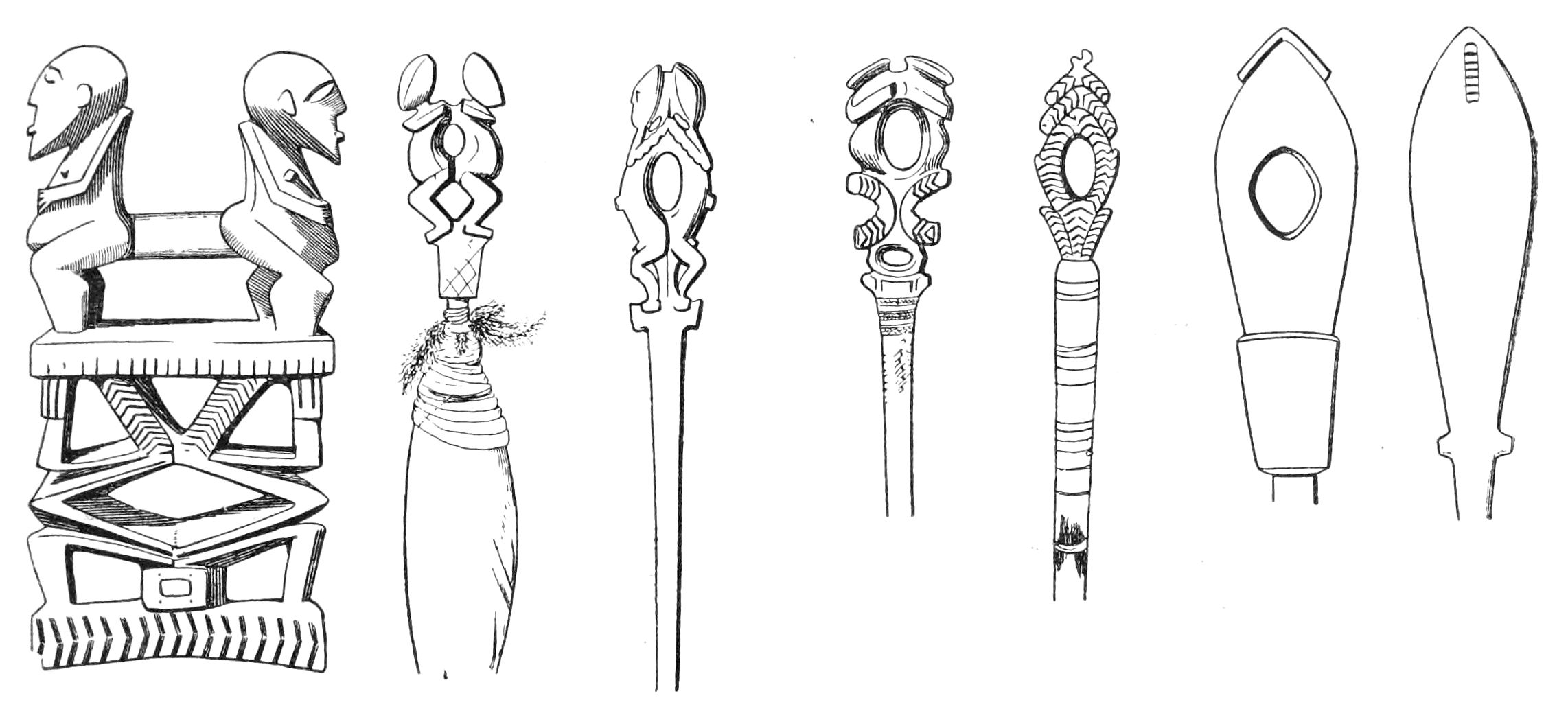
Fig. 110. Polynesian ornaments.
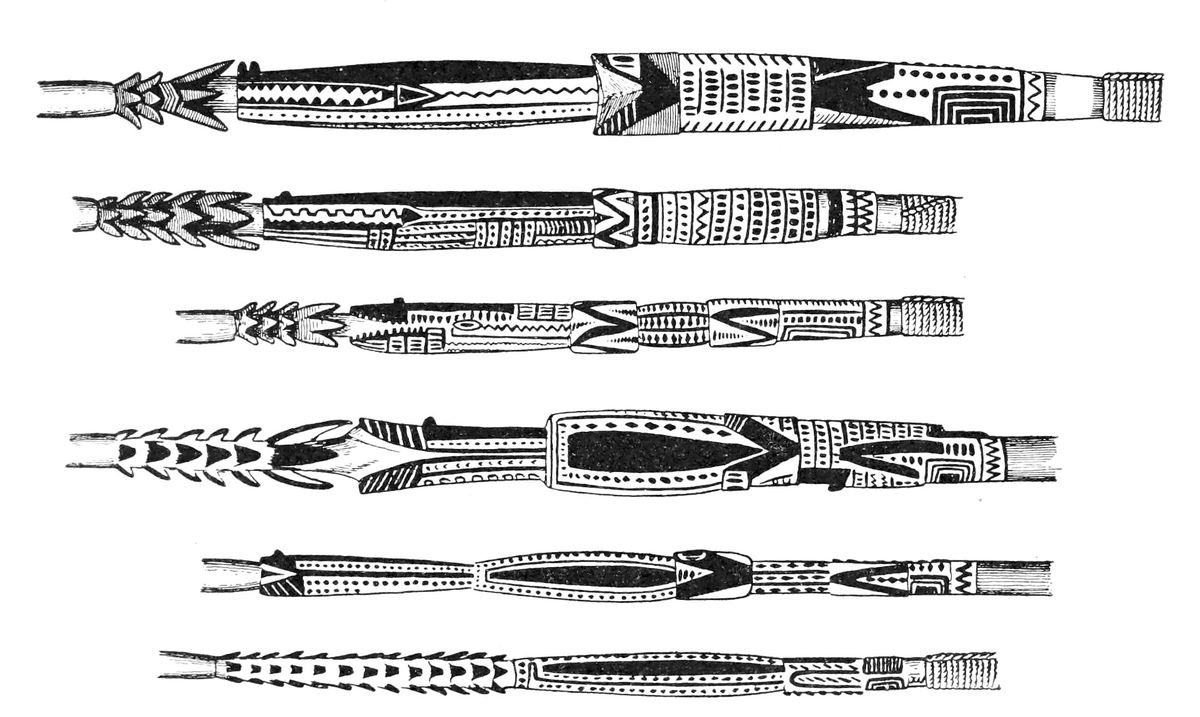
Fig. 111. Crocodile arrows, New Guinea.
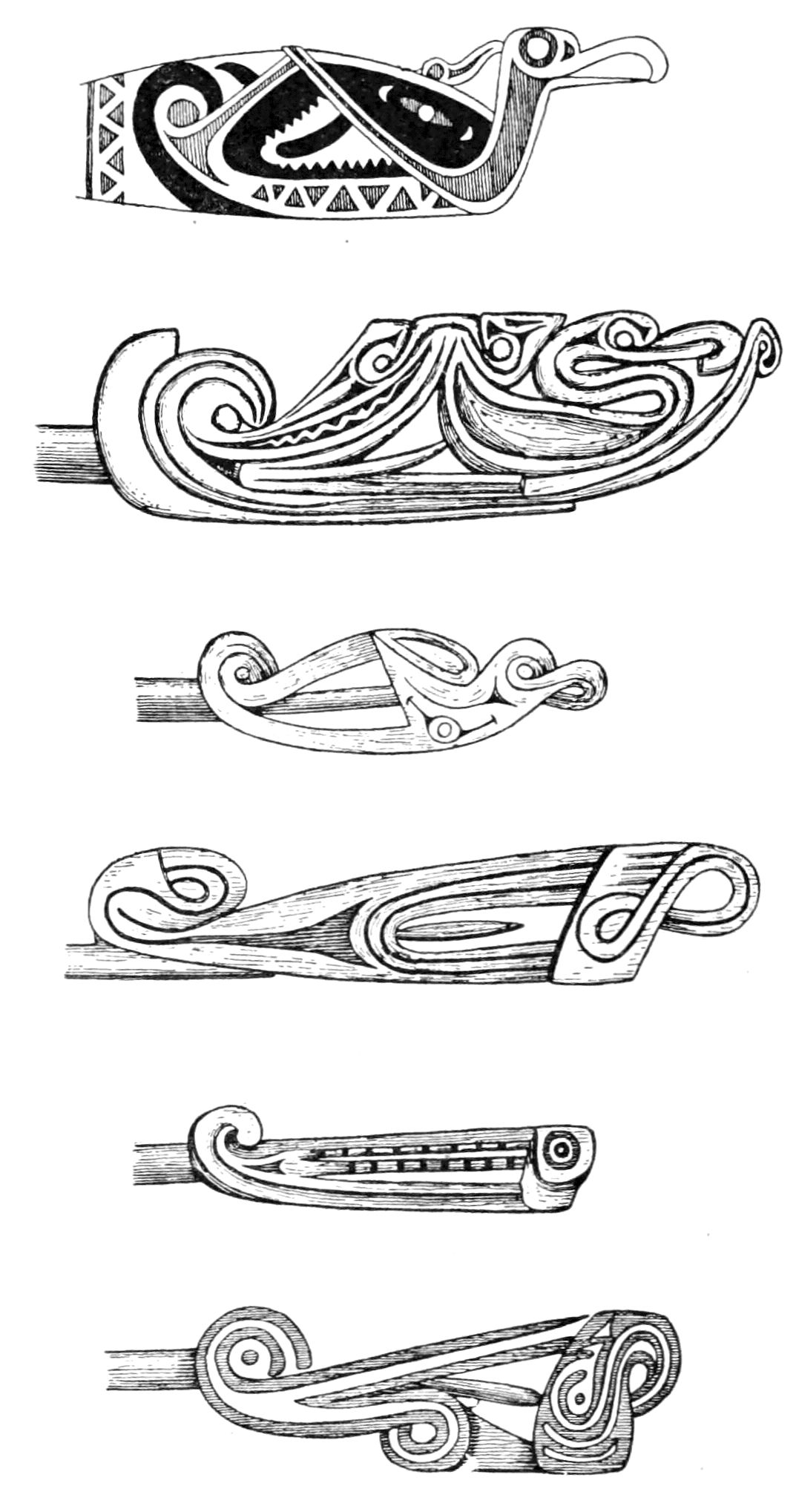
Fig. 112. Designs representing frigate bird and crocodile.
The significance of primitive ornament has also been studied in another way. In a number of cases it has been shown that series can be arranged in which we may place at one end a realistic representation of an object. By degrees we may pass to more and more conventional forms that show each a distinct similarity to the preceding one, but end in a purely conventional, geometric design in which the initial stage can hardly, if at all, be recognized. I believe the first to discover this phenomenon was Frederic Ward Putnam, who described the development, as he called it, of the hollow, slit feet of Chiriquian (Costa Rican) pottery from a fish form to a purely conventional design (fig. 109). He was followed by others who made studies of similar transitions in other parts of the world. William H. Holmes described the so-called alligator vases of Chiriqui, showing the relations between the alligator design and curious irregular painted forms (see fig. 129, p. 137). Hjalmar Stolpe, and about the same time, Charles H. Read (fig. 110) discussed the relations of human figures and geometrical designs in Polynesian ornaments; Haddon studied the so-called crocodile arrows (fig. 111) and the frigate bird (fig. 112) designs of New Guinea in their gradual transition from fairly realistic forms in which the crocodile and the bird are easily recognized, to geometrical types in which the prototype is entirely obscured. Similar relations are found in the facial urns of prehistoric times, (fig. 113) in some of which we find a perfectly plain and distinct face, while in others there are only a few knobs that, on account of their position, recall the face. George Grant MacCurdy takes us back to Chiriqui where he collected from museum collections series of types beginning with the form of the armadillo and ending with small decorative points (fig. 114). Von den Steinen forms out similar phenomena in the tattooings of the Marquesans.
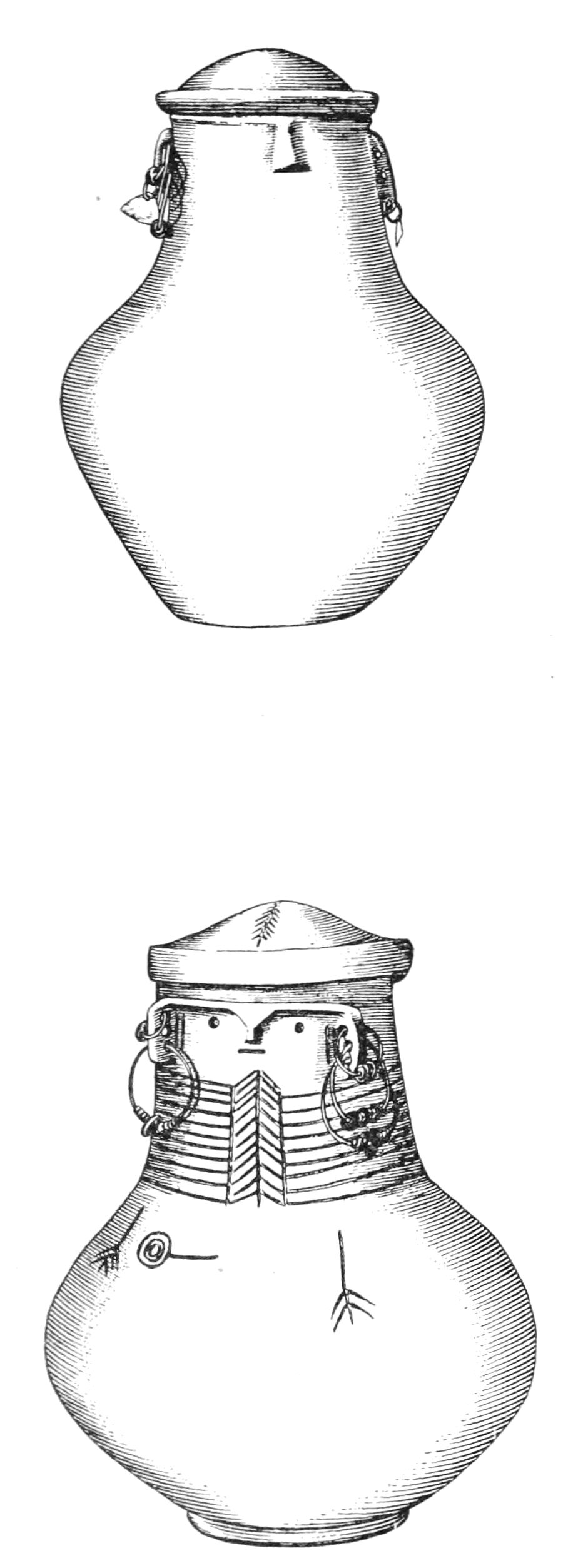
Fig. 113. Facial urns.
In a few cases the striking similarity of the patterns which contradicts the diversity of names suggests an historical relation between the forms. This is the case, for instance, with the Bushongo antelope and beetle patterns (fig. 115). The resemblance between the realistic antelope head (a) and beetle design (d) is evident. It is, however, not necessary to assume a transition from the antelope to the beetle design, but the question has to be answered in how far the stylistic form may have moulded the two representations in the same form or, on the other hand, why an ornamental form may have outlines that, on the one hand, express an antelope’s head and, on the other hand, the body of a beetle.[66]
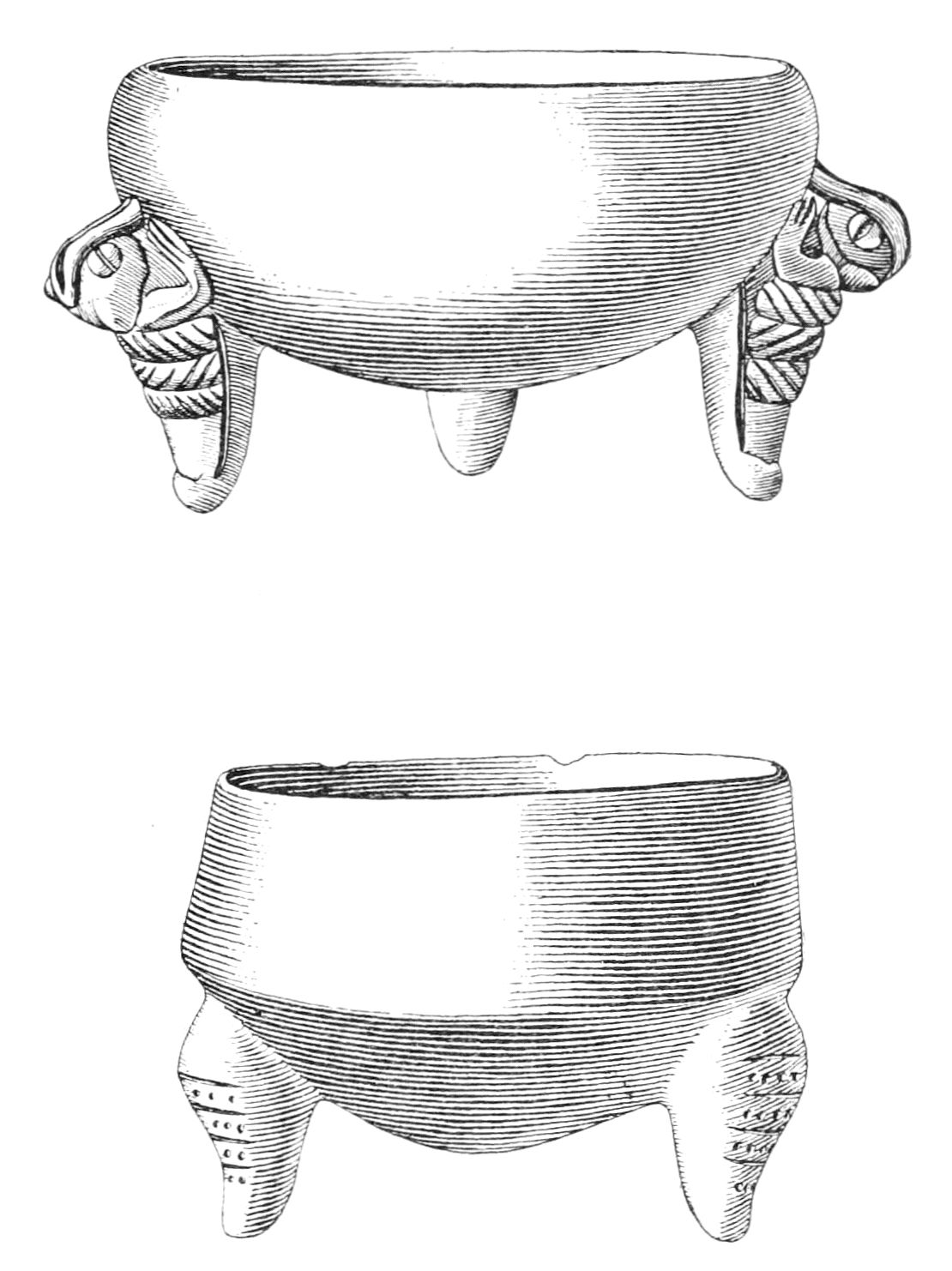
Fig. 114. Armadillo designs, Chiriqui.
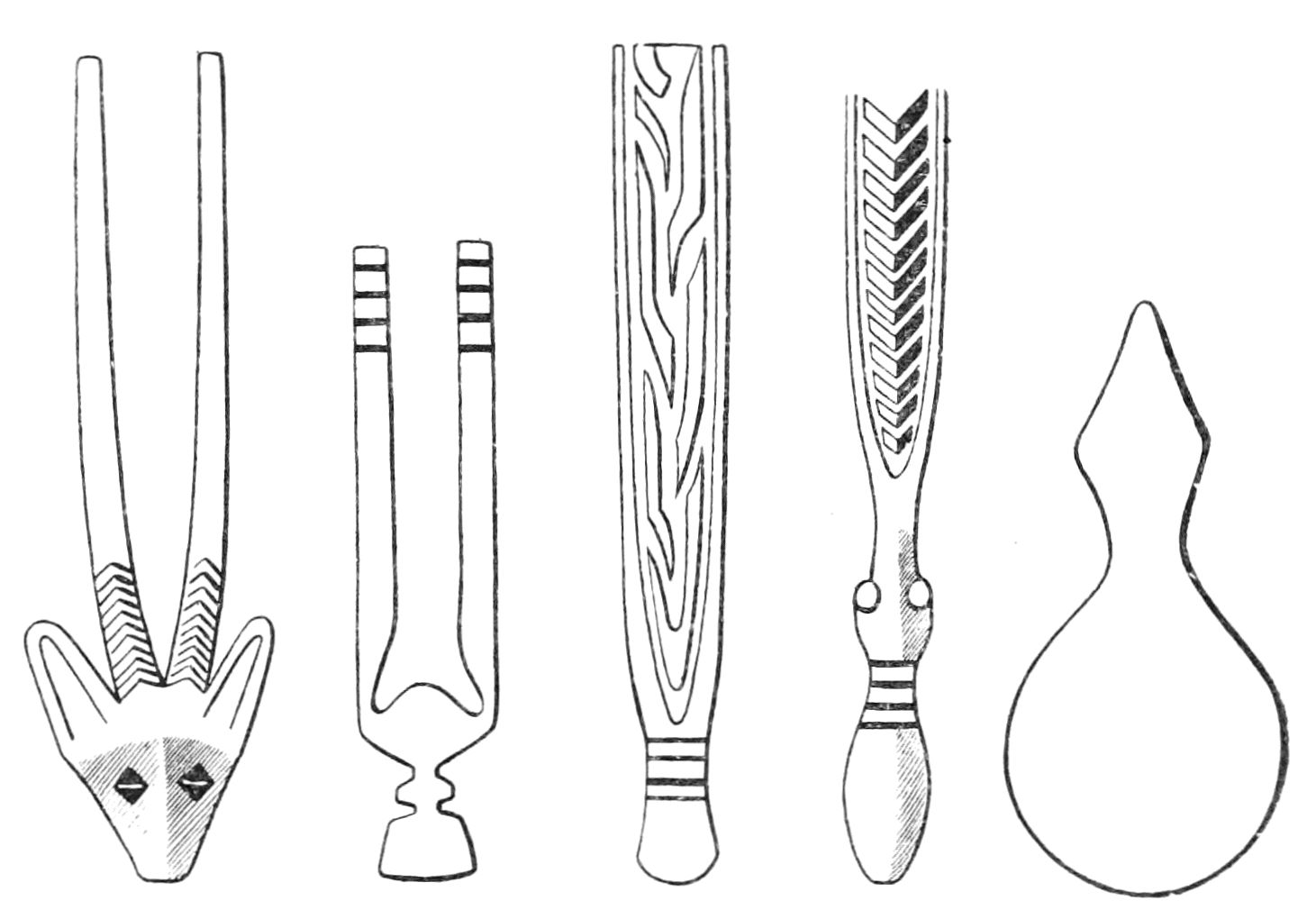
Fig. 115. Designs of the Bushongo representing the head of the antelope and the beetle.
Here arises the important problem whether we are to assume that all these forms are developments from realism to conventionalism, as has often been assumed, or whether the converse process may not also have occurred, namely that a geometrical design existed and that a gradual development towards a realistic form took place, that a meaning was read into the geometric pattern and that in this way the significant forms originated. Unfortunately historical evidence is hardly ever available and we are compelled to rely upon indirect evidence. We cannot follow the excellent example set by Riegl in his detailed study of the history of the introduction of curved lines in Mediterranean art.
However, we can apply the geographical method, the only one that has made it possible to unravel part of the historical development of people that do not possess written records, and for cultures the development of which cannot be traced by archaeological evidence. It is possible to establish with a high degree of probability the relationship of cultural forms and their gradual spread by means of a study of the distribution of ethnic phenomena and their variations in the sections of the area in which they are found. This method is strictly analogous to the one applied by biologists in their studies of the gradual distribution of plants and animals.
In our case we must try to trace the distribution of designs together with the interpretations given to them by different tribes. If we should find consistent interpretations of the same form over large areas, perhaps even more realistic forms in a central district, more conventional ones in outlying parts of the country, but in all of them the same interpretation, we should have to consider this as plausible evidence of an origin of the conventional types from a realistic representation. If, on the other hand, it should be found that in the whole area realistic forms and conventional forms were irregularly distributed and that furthermore the meanings of identical or similar forms did not agree, then the origin of conventional forms from realistic ones would seem to be quite unlikely. Then we should have to assume one of two possibilities; either the form must have spread gradually over the whole area and must have been given a meaning independently by each people,—in other words the meaning must have been read into the pattern,—or it may have been that a dominating style has forced a diversity of realistic representations into the same geometric patterns.
In the latter case we should have to consider the processes by which realistic forms should gradually change into unrecognizable conventional ones; in the former the processes by which from a conventional form a representative one develops.
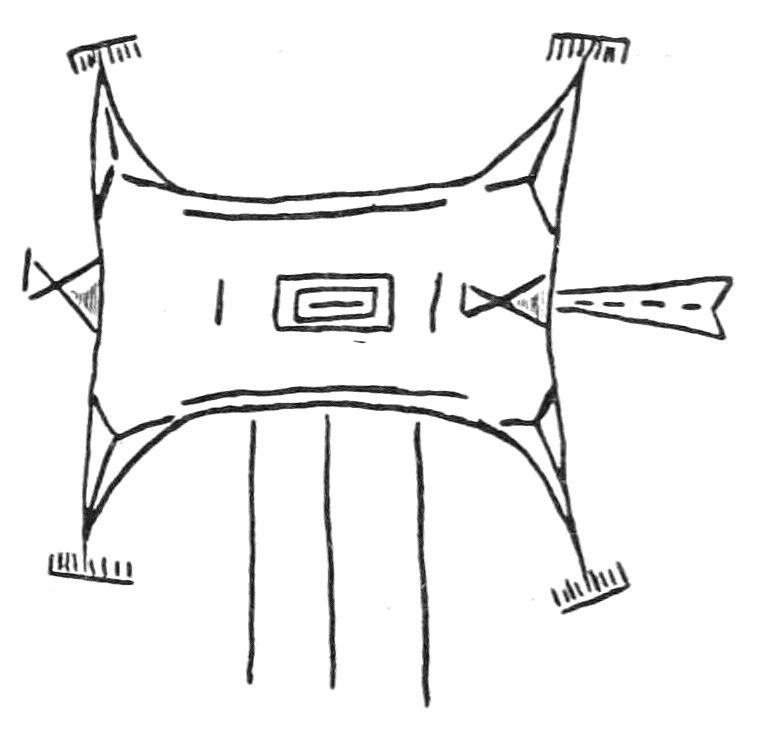
Fig. 116. Design representing the buffalo, Arapaho.
That both ways are possible is easily shown. When the Plains Indians represent a buffalo in a stiff angular form, like a hide spread out provided with legs, head and tail (fig. 116); and if also a rectangle without these attachments is called a buffalo, it may be as well the buffalo hide that has been abbreviated, so to speak, as that the hide has been read into the rectangle. The process of reading in is not at all unfamiliar to us. We see realistic forms in the shapes of mountains and clouds and in marks on rocks, and we enjoy the play of fancy that endows natural forms with new meanings. There is no reason to doubt that the same tendency prevails among primitive peoples. Koch-Grünberg’s[67] observations among the natives of South America prove this point. He tells us that the Indians, when camping at a portage and waiting for the rivers to become navigable, take up accidental marks on the rocks and by pecking develop them into forms suggested by the natural outlines, or that they take up the lines left by a preceding party who amused themselves in the same way and whose play was interrupted when they were able to resume their journey. We have also ample evidence to show that curiously formed rocks are not only compared with animate beings, but that they are actually considered as men or beasts transformed into stone. Thus the Pueblo Indians tell in their migration legend that a person or an animal became tired on account of the fatigue of the long travel, sat down and was transformed into stone. The forms of a hawk, man, bear, and of a woman carrying a basket are still pointed out. On Vancouver Island are shown the tracks of the culture hero, where he stepped on a rock. In the interior of British Columbia a large boulder is said to be Coyote’s basket.[68]
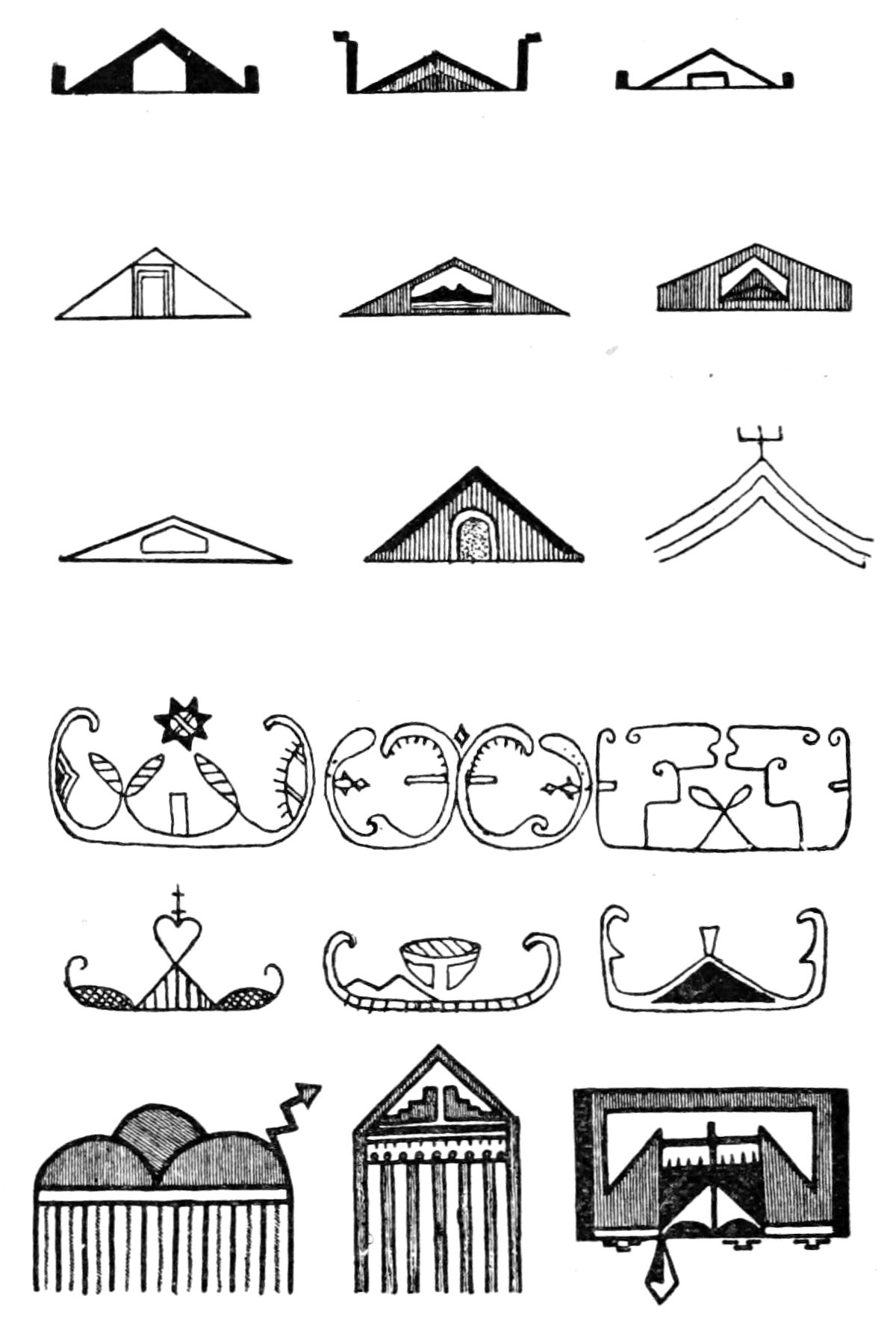
Fig. 117. Designs of North American Indians; the first nine Arapaho, the next six Eastern Algonquin; the last line; first Hopi; then archaeological specimens, Pueblo region.
I shall illustrate this point by the discussion of a design found widely spread among the Indians of North America. Their decorative art is characterized by the use of straight lines, triangles and rectangles that appear in manifold combinations. One of the most typical forms is that of an isosceles triangle with enclosed rectangle, sometimes provided with spurs at the base (fig. 117). This design is found in an extended area. It occurs most frequently on the great plains but also on part of the western plateaus and among the Pueblo Indians (fig. 118). To the west it is found among the tribes of the woodlands and certain peculiar patterns of New England and the interior of Labrador are strongly reminiscent of it. The stylistic similarity, or better, identity of the pattern on the plains is so great that it cannot possibly have developed from several independent sources. It is part and parcel of the general art style of the area that has developed either in one spot, or what seems more probable, by the conflux of artistic activities of a number of tribes. Thirty or forty years ago, under the strong influence of the evolutionary theory, the psychologising ethnologist might have interpreted this similarity as due to the sameness of the reaction of the human mind to the same or similar environmental causes,—as Daniel G. Brinton explained the similarity of Algonquin and Iroquois mythologies. However, the development of our science since that time has so firmly established the fact that even the most primitive cultures must be considered as having had a historical development no less complex than that of civilization, that the theory of independent origin of almost identical phenomena in contiguous areas can no longer be maintained and has been given up by all serious students.
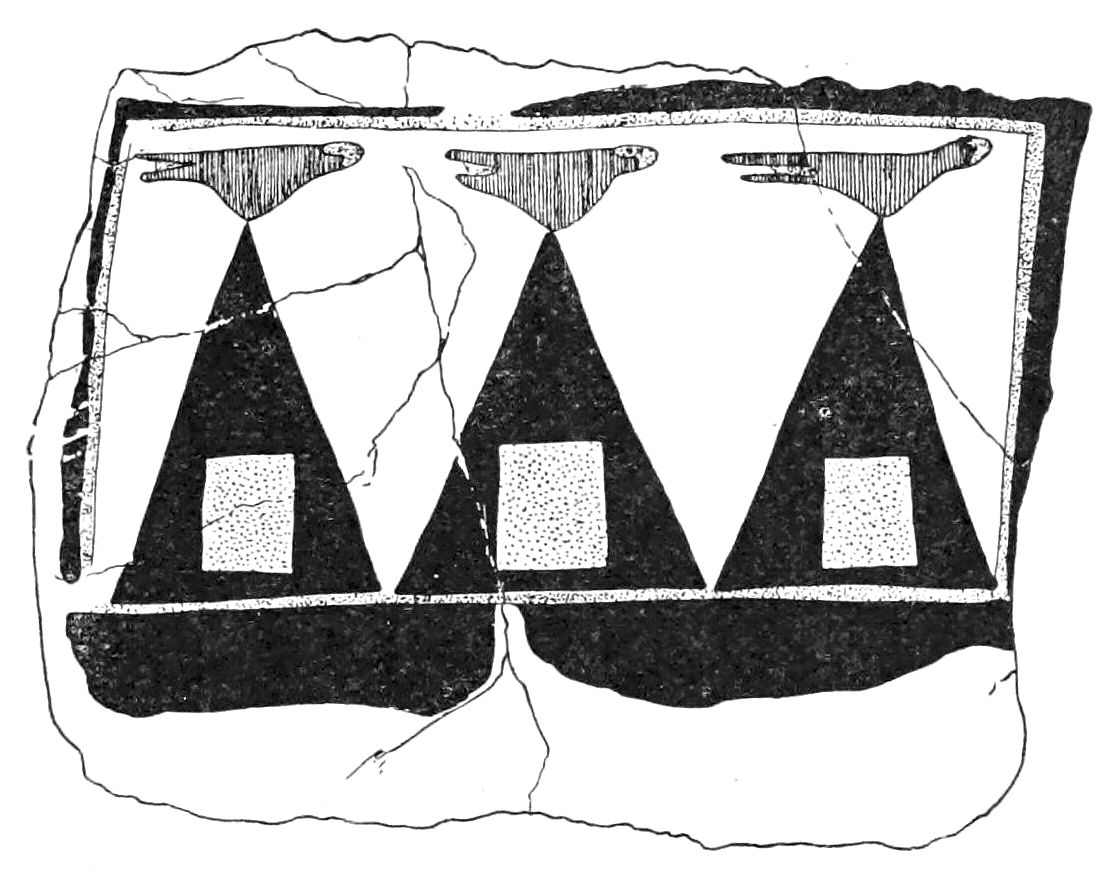
Fig. 118. Triangular design, prehistoric Pueblo.
When we study the significance of the pattern we find the greatest possible divergence of meaning. As pointed out before, different individuals in one tribe, do not all assign to it the same meaning, but more or less decided tendencies to certain interpretations are found in each tribe. The design is sometimes drawn steeply and the sides of the triangle extend slightly beyond the apex. Thus the form of a tent with tent poles, doorway and pegs for pinning down the tent cover is expressed. At other times the triangle is more obtuse and represents a hill. It may be placed on a white background which signifies snow or sand; blue lines extending downward from the base indicate springs of water and small triangles may be placed in the inner triangle. Thus it becomes the mythical mountain in which, at the beginning of time, the buffaloes were kept and which is located on a snowcovered plain. On the slopes of the mountain grow trees. Again, quite different, is the interpretation given by the Pueblo Indians. In their arid country the greatest need is rain without which their crops wither and starvation stares at the people. The communal life centers around the idea of fertility to be attained by an abundance of rain. Accordingly they interpret the symbol as a cloud from which the rain falls. Since their art is far less angular in style than that of the Plains Indians, they often substitute a semicircle for the triangle and attain a greater realistic resemblance to clouds by superimposing three of these semicircles, from which flow down the rain lines. When we turn to the western plateaus, we find among the Shoshone the regular design of the obtuse triangle applied and explained on the basis of geographical features; it suggests to them mountain-passes and a fort protected by palisades. Further to the north we do not find the enclosed rectangle, but the triangle and the spurs at the base persist. These are explained as paws of a bear, the triangle being the sole of the foot, the spurs the claws. In the eastern woodlands new developments occur. The triangle now is exceedingly narrow, so that there is no room for the enclosed rectangle which is reduced to a triangle. The sides of the triangle are produced beyond the apex, even more so than among the Sioux Indians, and a considerable number of almost straight vertical lines are added to the sides. The form bears now a certain resemblance to a fish tail and is so interpreted. Still more curious are the developments in New England. The triangle and the enclosed rectangle are still unmistakably present, although curved lines, characteristic of eastern American art, are added on. The interpretation has changed again. The pattern is a symbol of the town or of the tribe and its chief.
Among none of these tribes do we find any indication of the existence of more realistic forms from which the conventional triangle might have been derived. The realistic forms of the western tribes are almost exclusively crudely pictographic and no transition from the pictograph to ornamental, geometric patterns can be traced. The realistic forms of the eastern tribes are found particularly in mattings and weaving. These also show no relation to the triangular forms that we are discussing. The theory that the pattern has developed under the stress of a compelling style that cast a variety of realistic forms into the same mould does not find support in the facts, because transitional forms are lacking. We conclude, therefore, that the sameness of form and the difference of meaning are not due to a geometrisation of realistic forms but to a reading in of significance into old conventional patterns. This view is corroborated by the prevailing uncertainty in regard to many of the meanings. The Blackfeet, according to Clark Wissler,[69] have practically no feeling whatever for the significance of these designs. The Arapaho behave somewhat differently on different occasions. Ceremonial paraphernalia may have fairly definite meaning, while clothing, bags and other objects are given interpretations that are quite subjective and which show therefore great individual differences.
The importance of the social position, or perhaps better, of the social interests of the owner of an object, in determining the meaning of ornaments has been demonstrated most clearly among the Sioux Indians. In former times their ornamentation was made in porcupine quill embroidery, but at present beads have taken place of the quills. Men and women use to a considerable extent the same ornamental designs, but with distinctive meaning. A diamond-shaped pattern with attached double triangular appendages, when found on a cradle, or a woman’s legging, is interpreted as a turtle, the turtle being a symbol closely associated with birth and maturity of the woman. When found on a man’s legging it represents a slain enemy.[70]
I will mention one more case in which the actual process of reading in has been observed. At one time, when I visited British Columbia, I purchased a woven bag from an elderly woman. It was decorated with a series of diamonds and small embroidered cross-like figures. Upon inquiry I learned that the bag had been purchased from a neighboring tribe and that the new owner did not know anything about the original significance of the pattern,—if such a significance existed which is doubtful, because the tribe in question is not given to interpretations. It appeared to the new owner that the diamonds looked like a series of lakes connected by a river. The different colors of the diamonds appeared to her to suggest the colors of the lakes;—a green border, the vegetation of the shore, a yellow area inside the shallow water, and a blue center the deep water. The interpretation did not seem to her sufficiently clear, and in order to emphasize it she added, in embroidery, figures of birds flying towards the lakes. Thus she gave greater realism to her conception and made it more intelligible to her friends (Plate VII).
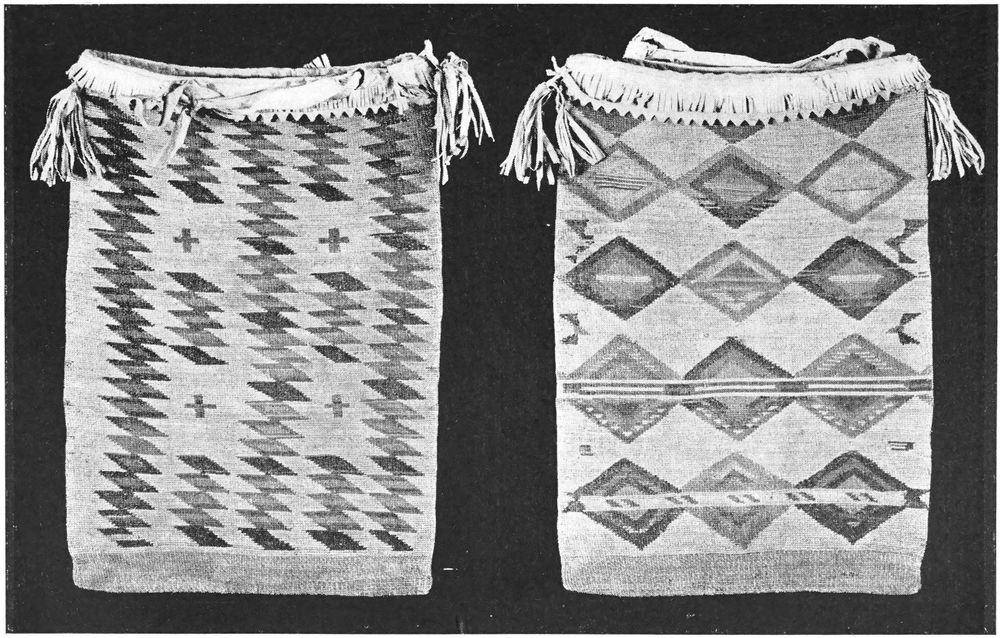
Plate VII.
Woven Pouch, British Columbia.
The needle cases of the Alaskan Eskimo offer an excellent example of an elaboration of geometrical into realistic forms. It must be remembered that all the Eskimo tribes, east and west, are very fond of carving and that they produce many small animal figures that serve no practical purpose but which are made for the pleasure of artistic creation, and that many of their small implements are given animal forms. The mind of the worker in ivory is imbued with the idea of animal representation. The Alaskan needle cases have a stereotyped form to which the bulk of the specimens conform (fig. 119). The type consists of a tube slightly bulging in the middle, with flanges at the upper end, with lateral knobs under the flanges on opposite sides. On the body of the tubing, between the flanges, is a long narrow concave face, set off from the flanges and the body of the tube by parallel lines with small forks at the lower ends. Lines border the sides and ends of the flanges and the upper end of the concave face, and an alternate-spur band is found at the lower end of the tube. This type is presumably related to the ancient type of needle case from Hudson Bay, which is characterized by a tubular form, flanges at the upper end and a pair of large wings in the middle part of the tube. These, I believe are the prototypes of the small knobs at the sides of the Alaskan type. These are sometimes so small that they can hardly be seen, although they may be felt when the fingers glide lightly over the surface of the tube. However this may be, the majority of Alaskan specimens are of the type here described. The variations in geometrical form are very slight.[71]
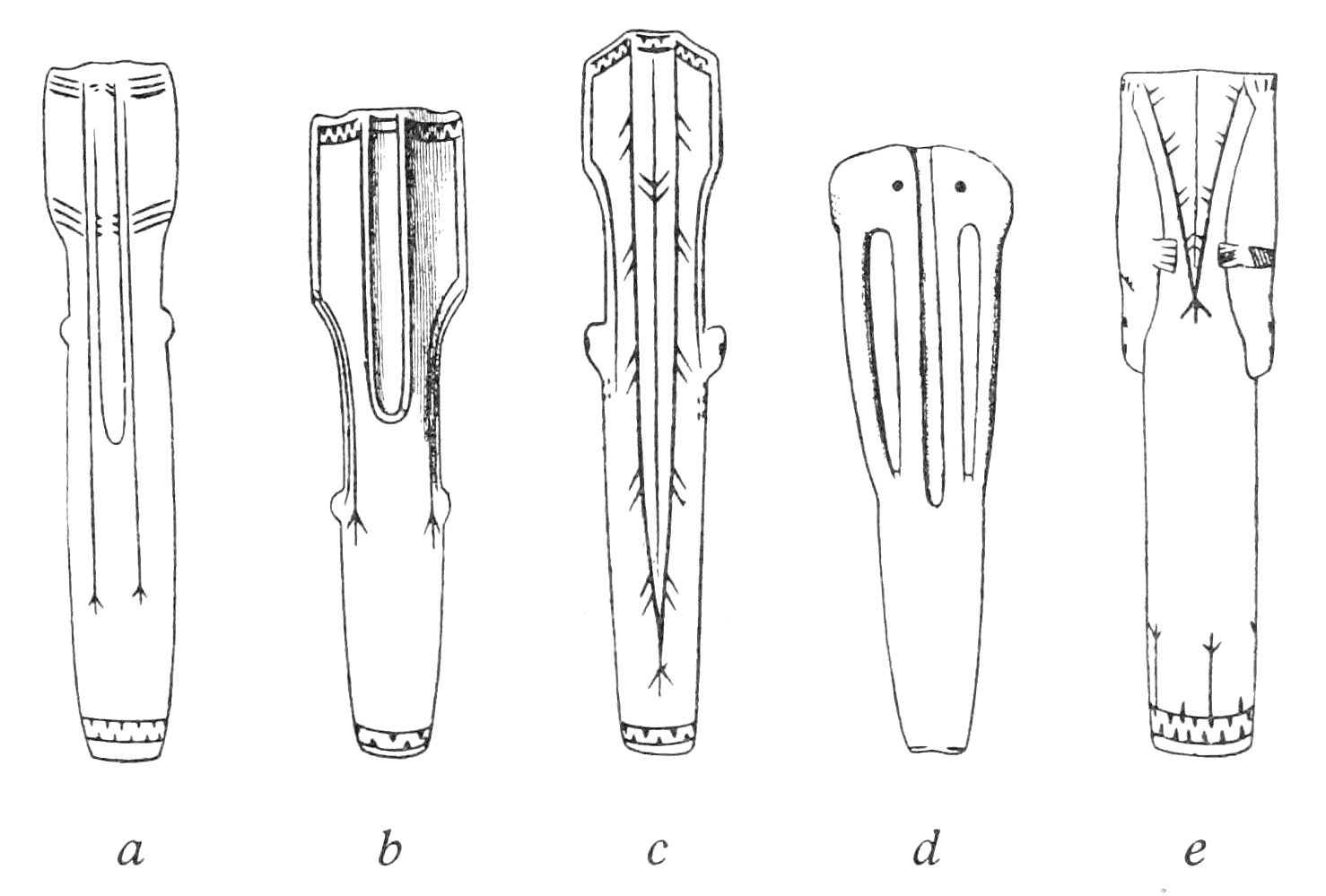
Fig. 119. Alaskan needle cases.
In a number of cases part of the needle case or the whole object is elaborated in representative forms. In a few specimens the knobs have been given the form of seal heads. A slight enlargement and the addition of eyes and mouth are sufficient to bring about this effect (fig. 119 c). In other cases the flanges have been developed into walrus heads (fig. 119 d) or into other animal forms that fit the form of the flange (fig. 119 e). By adding a point for the eye and by cutting out the inner part of the flange the outer form is essentially preserved and the form of the bulky walrus head with its large tusks is successfully attained; or the walrus motive may be repeated so that the original form of the needle case is considerably obscured. By adding a seal’s head at the lower end the lower part of the object receives more or less the form of a seal.
It is important to note that in all specimens of this type the double spur ornament persists, although it interferes with the seal’s head that is often added at the lower end. It seems very unlikely that the many animal forms attached to the needlecases were the primary forms from which the geometrical form developed. On the contrary, the wide distribution and the great frequency of the geometrical forms, their agreement with Eskimo geometrical style and the occurrence of this geometric style on specimens that do not imitate animal forms are entirely in favor of the assumption that the earlier form is geometrical, whatever the origin of the flanges and knobs may have been. Presumably the habit of carving animal forms has induced the artist to produce the variants described here.
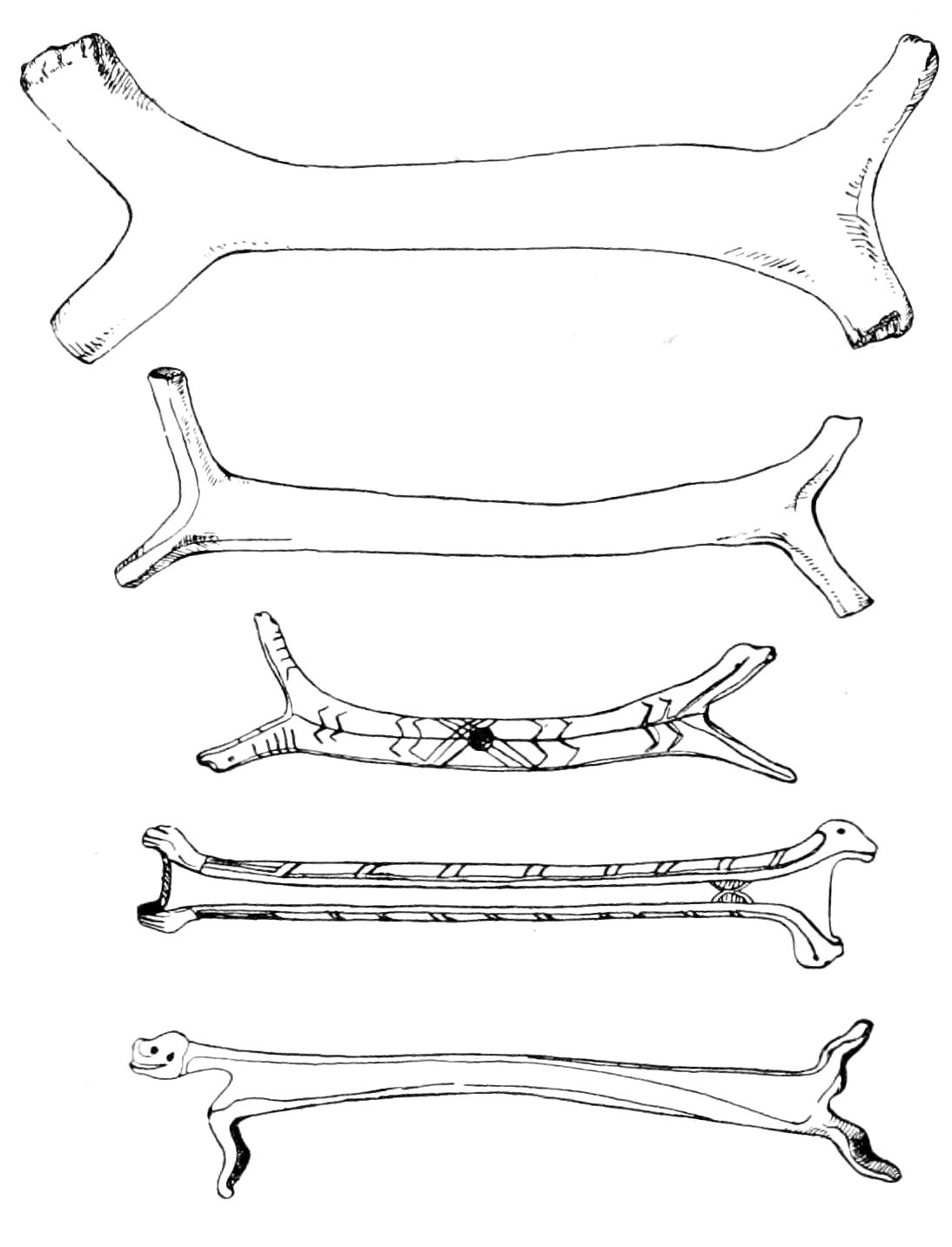
Fig. 120. Reels of Alaskan Eskimo.
Equally interesting are the reels used by the Alaskan Eskimo. Their prototype is a piece of caribou antler cut as shown in fig. 120. This, however has been developed into animal forms. One specimen has a geometrical decoration on the body, while three of the ends are elaborated as animal heads. In another one the two prongs on one side are given the form of seal heads which are connected by a long line with the flippers which are shown on the opposite side. Still another specimen has been treated like a much distorted form of a wolf. The head is at the prong of one end, the forelegs at the other prong of the same end; the two hind legs are carved on the two prongs at the opposite end.
Similar observations may be made on arrow shaft straighteners and snow knives of the Alaskan Eskimo.[72]
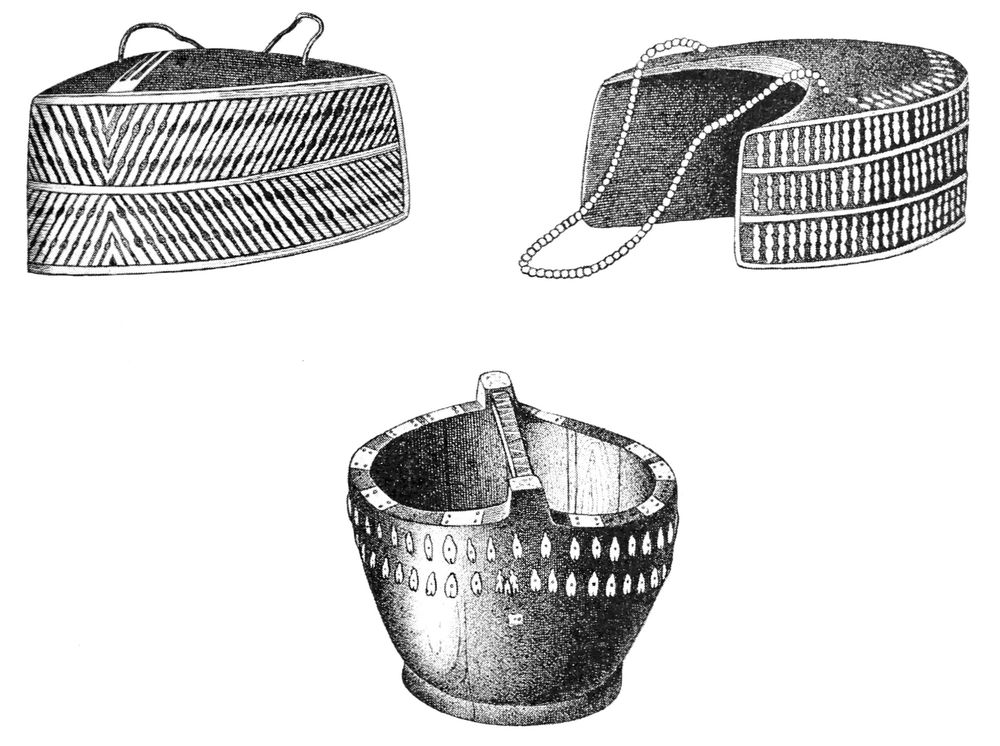
Fig. 121. Eye shades and vessel, Ammassalik.
The examples which I have given demonstrate beyond cavil that the process of reading in exists and accounts for the significance of many geometrical forms; that it is not necessary to assume in each and every case that geometrical ornament is derived from realistic representations. Hjalmar Stolpe to whose researches on primitive art we owe so much had an exaggerated opinion of the importance of realistic designs, for he believed that every geometric form must have been derived from a representation. Stephan expresses the same opinion. I may perhaps illustrate Stolpe’s point of view by one example. Among the Eskimo of East Greenland is found an eye-shade decoration consisting of notched pieces of ivory placed side by side. Stolpe explained this form as a derivation from carvings representing seals, abbreviated due to the rhythmic repetition of the seal design (fig. 121). However, we know that the Eskimo when making small blocks of ivory, such as are used for the manufacture of toggles or other similar objects, cut the walrus tusk just in this manner, so that through a technical process they have become familiar with the ornamental form. Therefore it is not indispensable to assume a realistic origin for the design.
It is interesting to compare the process with which we are dealing with other ethnic phenomena of similar import. The essential conclusion drawn from our observations is that the same form may be given different meanings, that the form is constant, the interpretation variable, not only tribally but also individually. It can be shown that this tendency is not by any means confined to art, but that it is present also in mythology and in ceremonialism, that in these also the outer form remains, while the accompanying interpretations are widely different. In the case of mythology we may observe that in the same way as patterns have a wide distribution, so also motives of myths, or even whole plots are found over extended areas. For example, the well known tale of the magic flight, which is one of the most widely distributed fairy tales, occurs in a number of North American localities. Among the Eskimo it is given as accounting for the origin of fog; in British Columbia it is made to account for the origin of certain cannibalistic ceremonials. Another example is the so-called star husband story, a tale of two girls who were taken up to the sky by the stars. The story is widely spread and is told as the explanation of a great variety of phenomena. The child of one of the women becomes the culture hero and destroys the monsters infesting the world. Customs, ceremonials, and prerogatives of clans are explained by this tale, in accordance with the chief interests of the tribes concerned. The nature myths collected from all parts of the world by Dähnhardt[73] are full of examples of this kind: the most diverse features are explained by the same tales. This shows that it is quite untenable to assume that the tales developed through the immediate effect of viewing natural phenomena, that much rather the tales preexisted and the explanatory part was tacked on at a later time, precisely as the art forms preexisted and their meaning was tacked on according to the peculiar mental disposition of the individual or the tribe.
The same observation has been made in regard to ceremonials. The so-called sun dance is performed by almost all the tribes of the great plains. The general run of the ceremonial is essentially the same everywhere, although different tribes have added on special characteristic details. The meaning, on the other hand, presents far greater variations. In one case the performance is made in fulfilment of a vow made when supernatural aid is invoked in time of distress; in another case it is undertaken to purchase the right of ownership in a sacred bundle, and then again it is a tribal, seasonal ceremonial.[74]
These three examples illustrate that the psychological explanation of a custom and its historical development are not by any means the same; on the contrary, owing to secondary interpretations that in course of time set in and the general character of which depends upon the cultural interest of the people, the psychological explanation is much more likely to be quite independent of the actual historical happenings. The mere fact that a tribe explains forms according to a certain pattern does not prove, that they have developed from actual representations of the objects they now represent.
It might perhaps be admitted that in the special case of the North American triangle which we have discussed the argument is convincing because no transitional forms exist, that, however, when an almost continuous series of forms is found, beginning with the most realistic and ending with a purely geometrical one, the conclusion cannot be avoided that the development has been in the direction from realism to conventionalism. I have already indicated that as long as there is no historic proof, the sequence might as well be reversed. In all the cases that have been described and that are based on direct inquiry among primitive people regarding the meaning of designs, realistic and conventional forms have been found to occur at the same time. It would therefore be necessary to give a reason why some excellent artists should use the one style, others, equally good ones the other; or why even the same artist should combine the two styles.
It is generally claimed that slovenly execution brings about deterioration of pattern and through this, causes misunderstandings. I do not consider this explanation as tenable under the conditions of life prevailing among primitive people, because there is no slovenly execution among natives who make utensils for their own use. The pottery and paintings of the South American Indians, observed by Von den Steinen, the crocodile arrows of New Guinea, the frigate bird carvings, are all carefully made. We find often that people will use inferior wares for exchange with neighboring tribes, while they keep the good material for themselves. The natives of Vancouver Island for instance, adulterate with elderberries berry cakes that are made for trade, while those made for home consumption are made of the more valuable berries, such as blueberries or salmonberries without the addition of other material of inferior value. This tendency, particularly when combined with the desire to manufacture quickly large masses of material, leads to poor work. The question then arises, what happens in cases of this kind. Does slovenly work lead to misunderstandings and to conventionalism? Balfour has tried to make the process clear. He let an individual copy a design and used the first reproduction as original for a second copy. By continuing in this way he received the most astonishing transformations. Such results may occur when work executed in a highly developed technique is imitated by people of lesser accomplishments. The standard example is that of the degeneration of Greek coins when copied by Keltic imitators[75] which led to a complete disruption of the original design. However, this example is not to the point, because we are ordinarily not dealing with copies of designs borrowed from people of higher technical development, but with those belonging to a single tribe.
I have had occasion to observe the effect of factory production and of slovenly execution in some Mexican material. In western Mexico dishes are made of tree calabashes which are covered with an orange laquer. By the lost-color process these are overlaid with designs in green laquer. The industry is probably of Spanish origin. Old specimens made of wood are of excellent workmanship. These are decorated mostly with animal forms, deer, fish, and so on. At present the work is of much poorer execution and the ware is sold in market places, as in Oaxaca (fig. 122). On some specimens the fish designs of ancient type are still used, but we find also, even more frequently, leaf patterns and we may here apparently observe just that kind of misunderstanding described by Balfour. The gill region becomes the base of the leaf. The head of the fish corresponds to the base of the leaf; the fins to the marginal indentations, and the ribs of the fish to the veins of the leaf. Since both the fish and the leaf occur in modern types it may be doubted whether we are dealing with an actual transformation, with a real misunderstanding. It might be as well that the psychological process involved has been rather the substitution of new subject matter for the old, in which process the new subject was rigidly controlled by the old, stereotyped form. We shall see that conditions of this kind are often very potent.
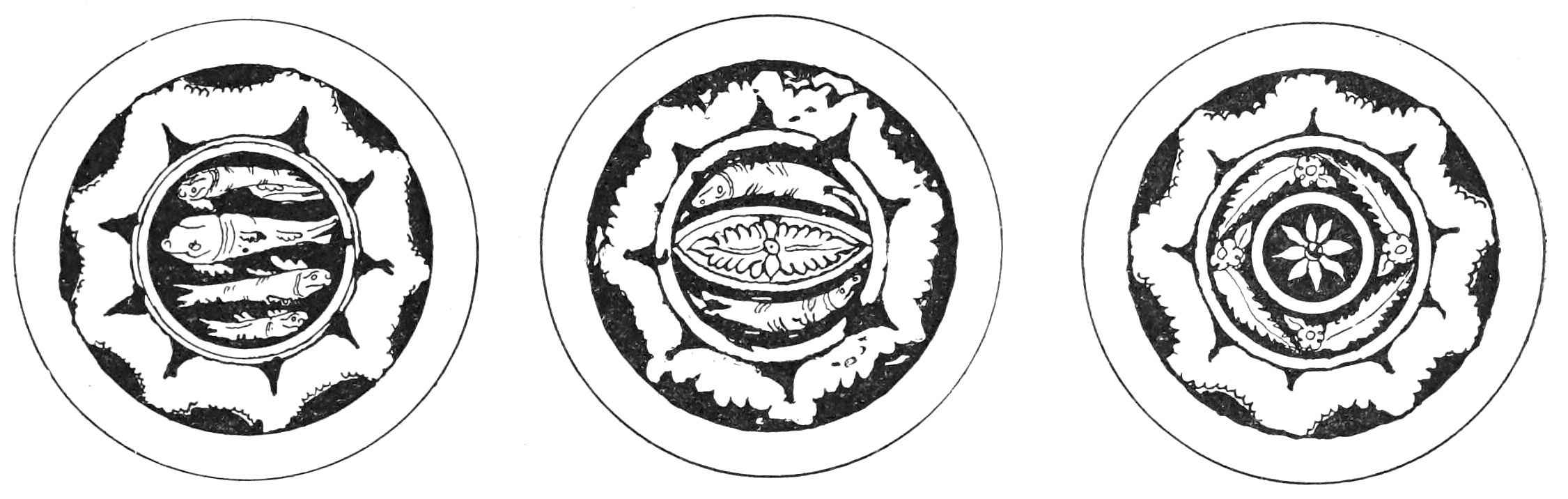
Fig. 122. Designs from vessels made of tree calabashes,
Oaxaca
.
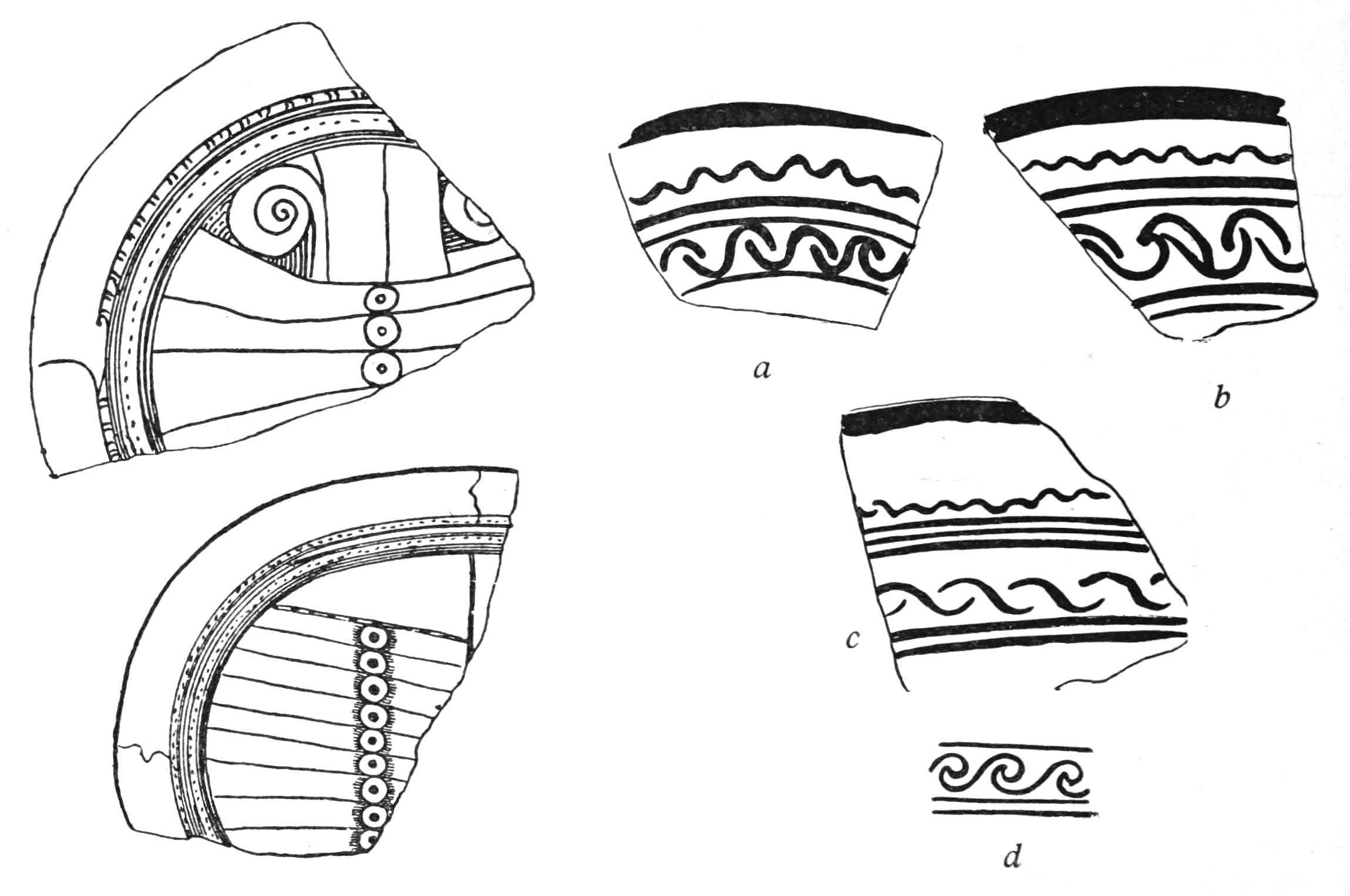
Fig. 123. Fragments of pottery vessels, Texcoco. Fig. 124. Designs from pottery vessels, Culhuacan.
Another good example is the pottery made for sale by the ancient inhabitants of the Valley of Mexico. Pottery was made here in great masses and, as described by Sahagun,[76] sold in the market places. The vessels show plainly the effect of factory production and of the resultant slurring. The Aztec pottery is fundamentally of uniform type. In Culhuacan, a small village at the foot of the Sierra de la Estrella, a coarse kind of this ware was made. Great masses of potsherds are found in the swampy soil which was used in early times as garden beds. The pottery is thick, dark orange, painted black. It is a pronounced local form, darker than the light ware of Texcoco (fig. 123); the painted lines are broad and coarse, while those of Texcoco are very delicate. The patterns are fixed, but the rapidity of manufacture has developed a definite style, analogous to the styles of handwriting. Each painter had his own method of handling the brush, with the result that his individuality may easily be recognized.[77] I select a few examples here in order to show the effect of slurring upon design. It is essential to note that on the same specimen the lines are always drawn in the same way; that is, that the hand of the painter followed very definite motor habits.
One of the simplest designs is instructive in regard to the effect of slurring and the development of individual style. One of the decorative elements consists of a series of S shaped, interlocking figures (fig. 124). It will be noticed that, in fig. 124 b the lines which seem to have developed from the S shaped forms, are degenerating into simple curves, while in c the lines are drawn more carefully. Fig. 124 d represents the decoration from the outer side of a vessel and here the S shaped curves have been carefully connected and are developing into a new pattern.
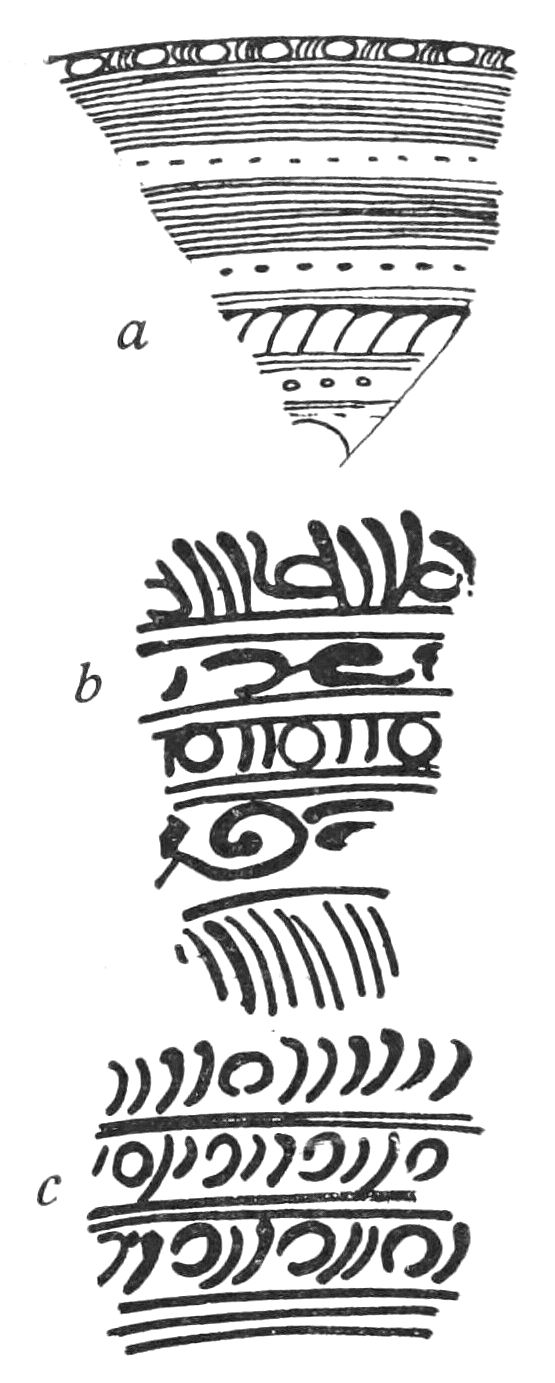
Fig. 125. Designs from pottery vessels, Culhuacan.
Another simple pattern which illustrates the effect of rapid production consists of a regular repetition of a curve and two vertical strokes. It seems likely that the form is derived from a circle followed by vertical strokes such as are also found in the finely painted pottery of Texcoco (Fig. 125 a). The corresponding Culhuacan specimens are shown in fig. 125 b, c. While in a few cases the curve is a more or less carefully drawn circle (b, c), it has generally the shape of a spiral. One of the most striking characteristics of the development of this pattern is the tendency to change the direction of the vertical strokes to an inclined position (fig. 126). According to the tendency of the painter the strokes incline either strongly from right above to left below (a, b inside, c, d outside), while in e and f the strokes run from the left to the right. In the rapid creation of these forms the vertical lines are transformed into hooks. They are so characteristic that it seems perfectly feasible to recognize the same hand in these specimens.
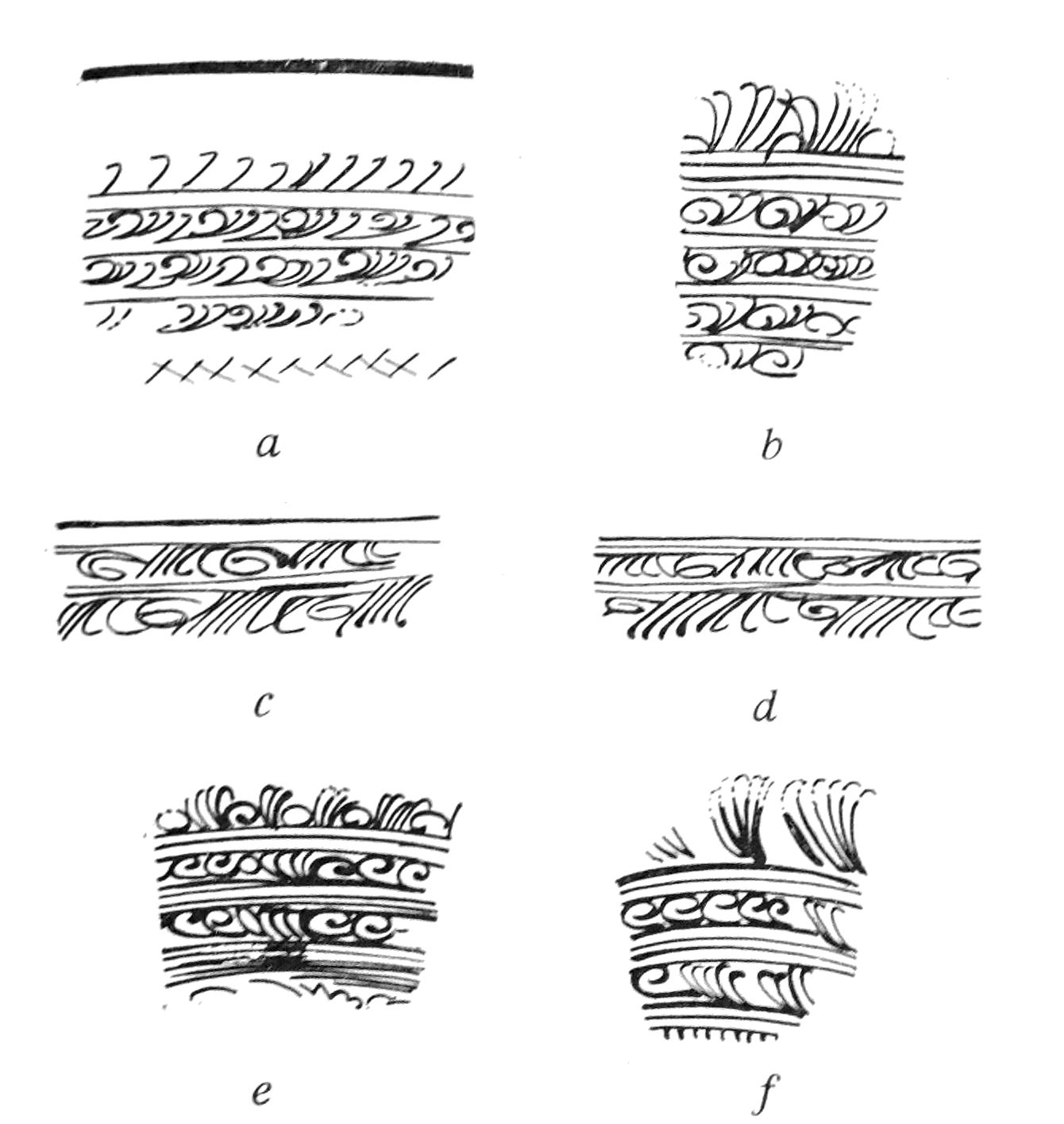
Fig. 126.
There is still another way the design is treated. In fig. 127 a the spiral lies in the direction opposite to the one usually given to it and a single dividing vertical line is placed between the two spirals; the end of the first spiral taking the place of the second vertical line. Here again the method of treatment is consistent. In a few cases the spiral line instead of terminating abruptly is continued under the vertical strokes (b). In still another case, a separate single or double horizontal line is placed under the spiral (c).
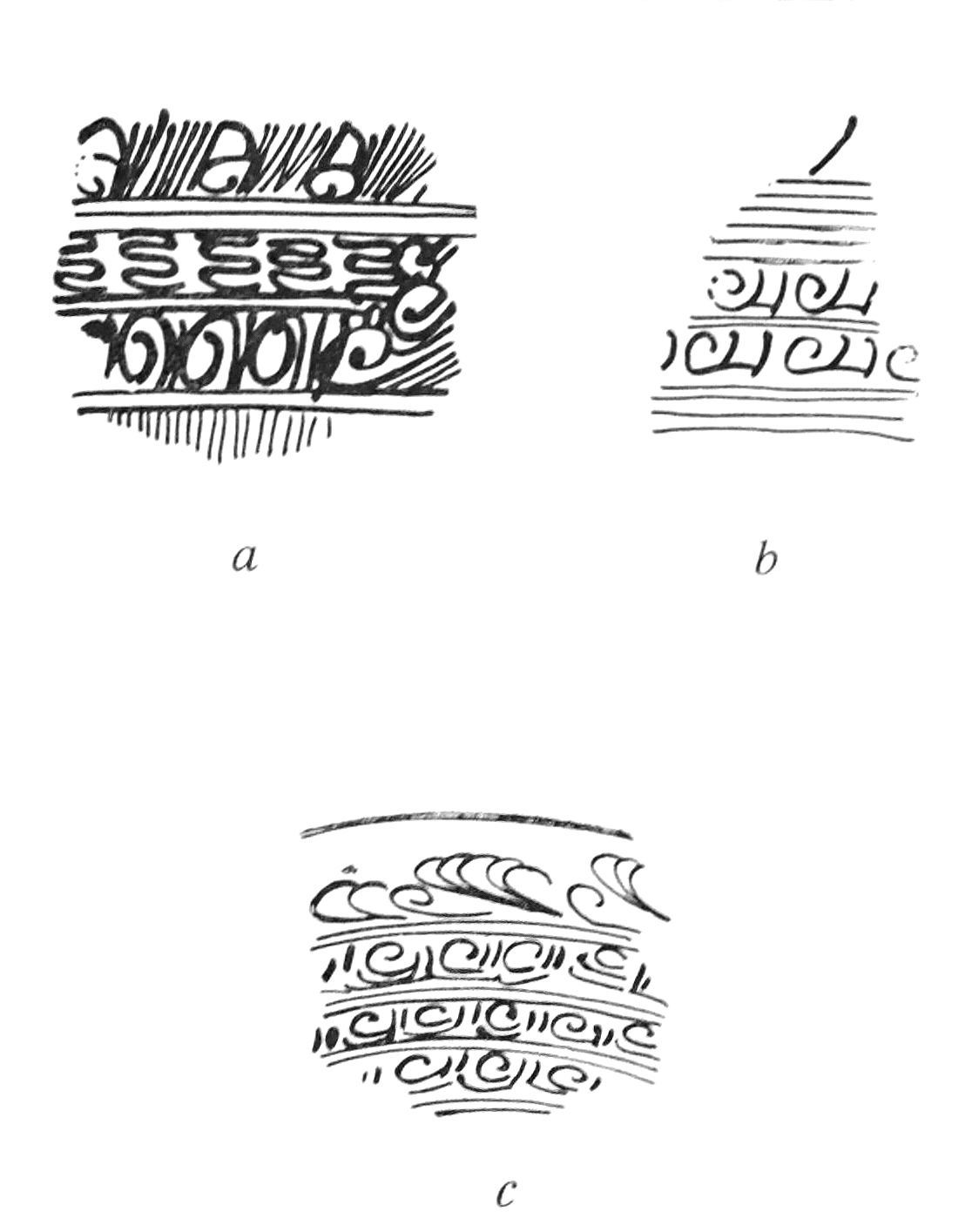
Fig. 127.
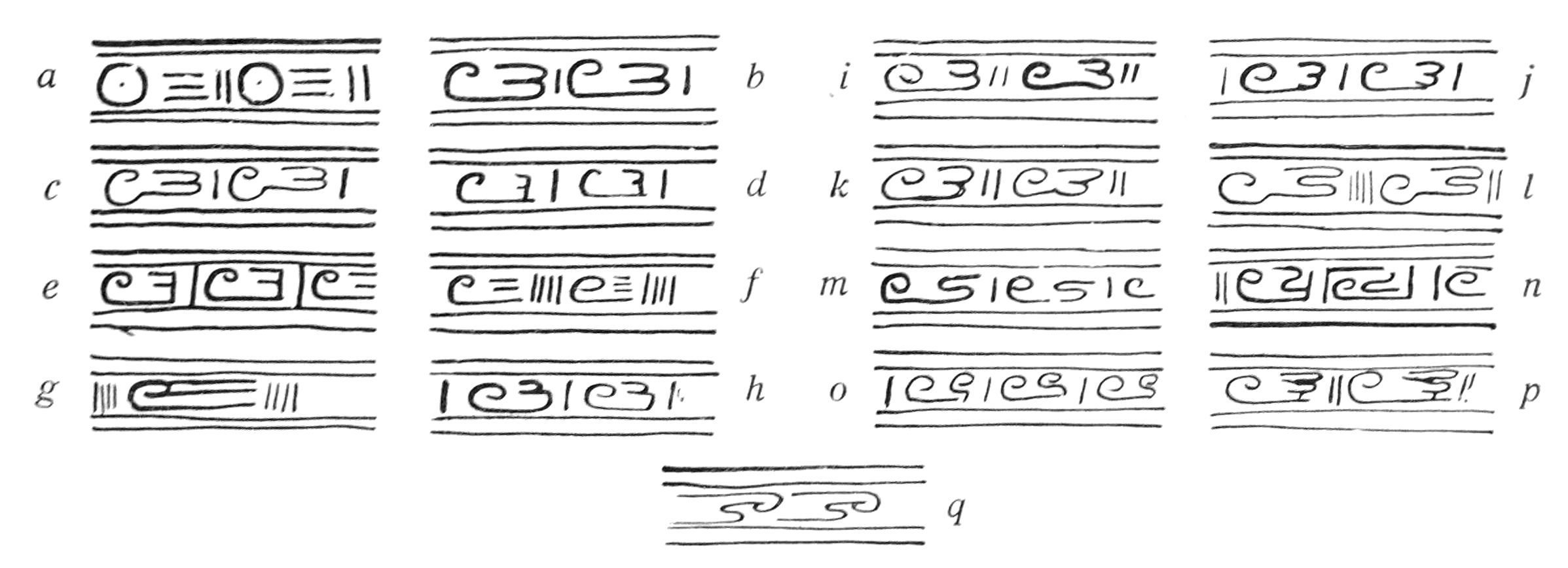
Fig. 128. Designs from pottery vessels, Culhuacan.
A frequent design of which many specimens have been collected consists of a spiral with attached curves. Presumably it is derived from a circle and straight lines (fig. 128 a). In rapid execution, the center of the circle is connected with the circumference so that the whole line is transformed into a spiral. Sometimes the spirals develop into a simple hook (b), and the lowest point of the circumference of the circle is continued into the adjoining horizontal line. In by far the majority of specimens the distinction between the circle and the adjoining line may be recognized by a sudden turn, or at least an indention in the lowest horizontal line (c). The form developing from the original pattern depends entirely upon the peculiar turn of the brush used by the artist. In many cases (b, c) the spiral, continuing into the lowest horizontal line and turning back into the central horizontal line, is made in one stroke and the upper horizontal line is added on by a separate movement, adjoining the middle and forming a hook. In other cases (d, e), the spiral and lowest horizontal are drawn in the same way. The horizontal lines, however, are made separately by drawing a right angle, probably from the top downward and adding a central line. In these cases, the horizontal ends at the far side in a sharp angle. In fig. 128 f, the two horizontal lines are separated from the curve; in g, they are made very long and apparently the middle one is made in one stroke with the spiral. The method of producing h is the same as that applied in b and c but the upper horizontal line is very much reduced in size. The same method is applied in i with the difference that the lower horizontal is turned up and ends rather abruptly, and that the upper and middle horizontals are made in the form of a single horseshoe curve. In j and k quite a different method is applied, the spiral remains as before but the horizontal lines are made separately in the form of a 3. In l and m the whole curve is made in one continuous line which has led to the doubling of the middle horizontal in the form of a loop. In n the three horizontals are treated quite differently; the long S shaped figure starting above on the left being substituted for the lines attached to the lowest horizontal. A similar principle, but beginning on the opposite side, is applied in o, in which specimen the three horizontals have taken the form of a spiral ending below in an almost vertical spur. In p we recognize a form in which the S shaped curve is made separately; in the middle an additional horizontal line is added and furthermore, the lowest part of the S shaped curve is connected with the lower horizontal. The form q is reversed and by attaching the S shaped curve to the center of the spiral, a divergent form is developed.
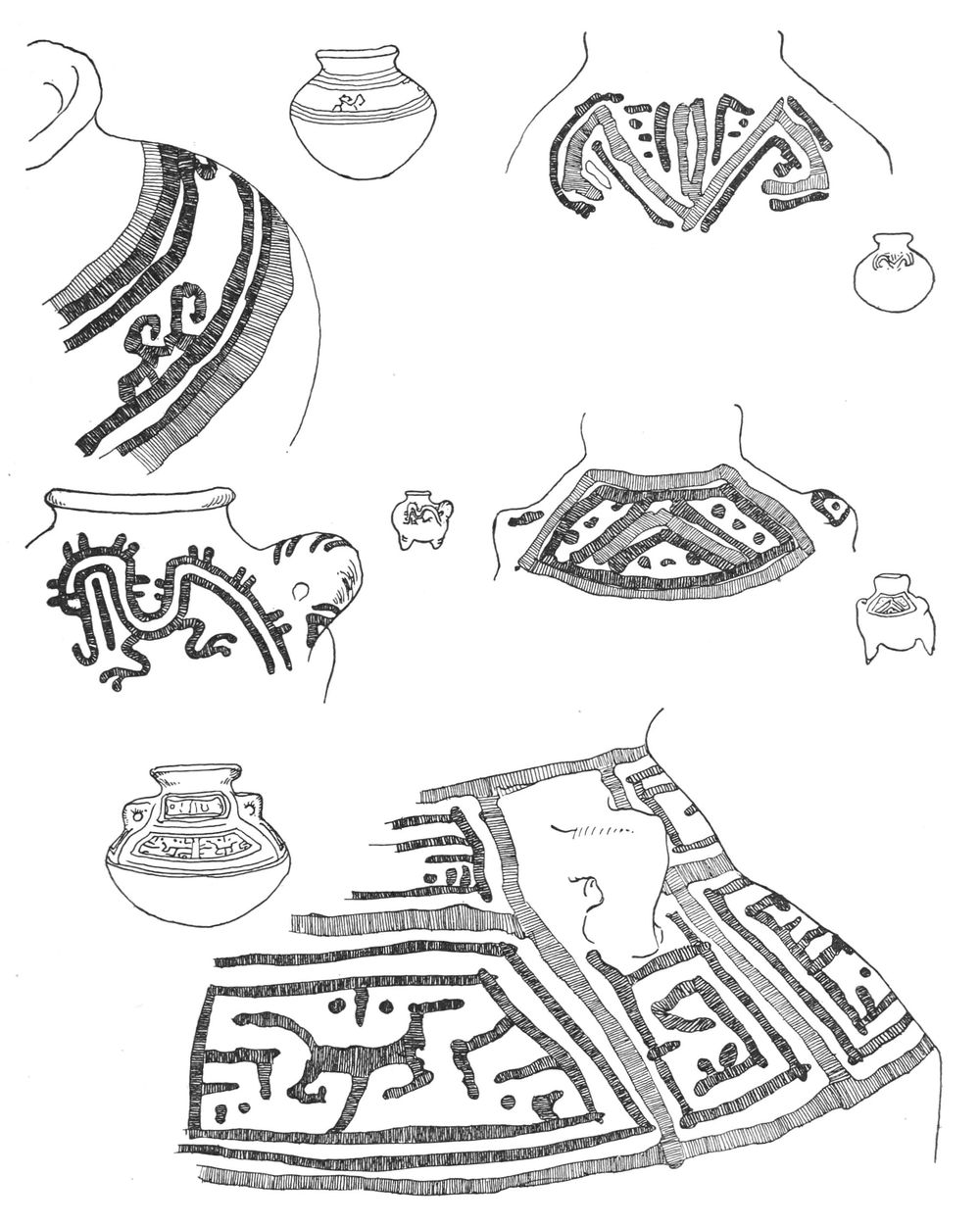
Fig. 129. Alligator designs from Chiriqui pottery.
I believe that many of the highly irregular forms that occur in painted pottery must be explained in the same way. Another instance of this kind is represented by the so-called alligator ware of the Chiriqui (fig. 129) on which W. H. Holmes based his arguments of gradual degeneration of realistic forms into conventional forms. Although the pot itself is well made, the painting is almost always slovenly; evidently the result of mass production. The most characteristic trait of decoration of this ware is line and dot work. All the designs are characterized by the use of black and red lines interspersed with dots. The geometrical designs, as well as the animal forms are crudely executed. Professor Holmes has called attention to the fact that the dots are used to indicate the scales of the alligators, but this fact does not prove that all the dots are derived from alligator scales. Forms like those shown in fig. 129 to the right above may well be understood as attempts in general decoration in black and red lines and dots, badly executed. This seems more probable since the dotted triangle has a much wider distribution than the alligator motives. A representation of the alligator might then be explained as executed in accordance with the technique applied to geometrical motives. Owing to slovenly execution the animal form may degenerate according to the motor habits of the individual artist. However, this would not prove that the alligator, as such, is older than the line and dot decoration. It must be borne in mind also, that the upturned snout of the alligator, of which much is made as a means of identification, is a character of much wider distribution than the alligator motive itself. Representations of monkeys have it and we find it also in representations from the interior of Costa Rica and from some parts of South America. All this is also true of the curious nuchal appendage which occurs in Costa Rica as well as in South America.
Equally instructive is the application of small nodes and fillets to pottery which has been explained by Dr. G. G. MacCurdy as resulting from degeneration of armadillo figures.[78] The essential characteristic of all this ware is the use of small nodes and fillets applied to the surface of the vessel or to some of its parts, like feet, neck, shoulder or handle. These attachments are decorated by a series of short parallel impressions. An oval node with single medial line or lines is often used to indicate an eye; a similar nodule with several parallel lines indicates the foot; a series of parallel, short fillets with short parallel crosslines, are applied to forms that represent animals, but they are also found on the bodies of vases. Dr. C. V. Hartman[79] and S. K. Lothrop[80] describe the same technical motives from other parts of Costa Rica. In technical character these are so much like the Chiriqui specimens that we can hardly doubt that they are derived from the same device. This method of decoration is widely spread. Its use extends over Central America and the West Indies. It is most characteristic of archaic ware, particularly figurines of this early period are always modelled by means of attaching nodules and fillets. During this period the eye is regularly represented by a nodule with one or several incisions. This technique is also found in Ecuador[81] up to more recent times. In the Toltec period the adornment of vessels by attached nodule decoration reached its highest development. In North America it is not common. Incised fillets occur in remains from the middle Mississippi region but even here they are not one of the pronounced features. In contrast with its frequency in the highly developed pottery of early Central America its rarity may be noted in Africa, where highly developed forms are by no means absent, and where lids with animal figures might seem to suggest readily the application of the device.[82] This is true also of the prehistoric pottery of Europe. The nodule appears in the pottery of Michelsberg, in Jaispitz (Moravia) and in a few other late localities. Only in the slip (barbotine) decorations of the terra sigillata do we find anything resembling the American appliqué ornamentation, but since the material is applied in a semifluid state, it does not attain the same freedom of treatment. Nodes that do occur in European prehistoric pottery were apparently made rather in imitation of punched bronze decorations and belong to a late period. Attached animal figures, made in clay, like those found at Gemeinlebarn, also seem to be imitations of metal work and have never reached that development which is so characteristic of Central American ceramic art.
The characteristic slit rattle feet of Chiriqui pottery prove even more conclusively than the application of fillets and nodes, that the art forms of this province must be considered as a special development of forms characteristic of a much wider area. This type of foot is widely spread beyond the territory in which the fish forms prevailed.[83]
We are thus led to the conclusion that the use of the nodes and fillets for building up armadillo motives, are historically related to the method of decorating vessels by means of the attachment of separate pieces. The armadillo motive can then be only a specialized application of building up animal motives from the elements in question. The elements themselves must not be considered primarily as symbols of the armadillo, nor can all the animals built up of these elements be interpreted as armadillos.
The essential point of this consideration lies in the wide distribution of technical and formal motives over large areas, although differing in details in various localities. These technical and formal motives are the materials with which the artist operates and they determine the particular form which a geometrical motive or a life motive takes. If the notched fillet and node are the material with which the hand and the mind of the artist operate, they will occur in all his representations.
The investigators who have tried to prove that conventionalized forms originate through a process of degeneration from representations, have generally overlooked the strong influence of motor habits and of formal arrangements upon the resultant style. In those cases in which there is a tendency to organize decorative motives in rectangular panels, in circular areas, or in fields defined in other ways, the result must be quite different from others in which the artist habitually arranges his material in large fields or in continuous bands. The habit of decorating pottery by moulding and by adding on relief forms, must lead to results different from those which are obtained by painting or engraving. The use of lines and the habit of using dots or circles will also effect the resultant style. I think there can be very little doubt that if an artist is in the habit of using dot designs combined with lines and if, later on, he tries to represent an animal, this particular method will be applied in the representation. The origin of the motor habits must probably be looked for in technical processes, that of arrangement in the same processes and in the forms of familiar utensils.
Our examination of the factory-made material shows that the process of slurring, or slovenly execution leads first of all to the development of individual characteristics that can best be compared with handwriting. Pronounced mannerisms permit us to recognize the hand of the artisan. It is only when an unusually careful and ingenious person operates with this traditional material that new forms develop, analogous to those described by Balfour. It will readily be seen that these conditions are not often realized in primitive society.

Fig. 130. Chinese embroidery representing bats.
I believe another cause is more potent in bringing about a modification of design. Ornamental patterns must be adjusted to the decorative field to which they are applied. It is not often that the artist is satisfied with representing part of his subject and cutting it off where the decorative field ends. He will much rather distort and adjust the parts in such a way that they all fit in the field that he has at his disposal. When a bird is represented with outspread wings, which would occupy approximately a square field, and the space to be decorated is long and narrow, the artist may twist body and tail about, and draw out the wings and thus squeeze the design into the available space. Henry Balfour[84] gives as an instance the adjustment of Chinese figures of bats to an ornamental band (fig. 130).
The northwest coast Indians, who always take the greatest liberties with the outer forms of animals, do not hesitate to distort them in a way that allows the artist to adjust the animal to the decorative field. Their method will be discussed in greater detail at another place (see pp. 183 et seq.).
On shell discs from the mounds of Tennessee the rattlesnake is so represented (fig. 131). The head of the rattlesnake with upturned upper jaw is readily recognized in fig. 131 a. Behind the mouth, the eye represented by a number of circles, will be seen. The body continues along the lower rim towards the right and terminates on the left, in a rattle. The analogy between fig. b and a is easily recognized; the essential difference consists in the fact that the body in b is undecorated; the rattle lies just over and behind the eye. Figure c still preserves the same form, but added to the decorations found in the preceding specimens, is the long loop with small circles surrounding the eye. The position in d is slightly changed; the eye will be easily recognized and just to the right of it, more upright than in the preceding specimens, is the mouth with a fang. The body is in the same position as before, following the rim of the disk and ending in a rattle. In e the mouth is very much shortened and the eye is reduced to a single small circle, while the body and tail retain their characteristic features.
Fig. 131. Shell with representation of rattle snake.
The formal elements which were discussed in the beginning of this book exert a far-reaching influence upon decorative forms. The exigencies of symmetry within a decorative field require adjustments which may modify the representative form considerably. A peculiar effect of inverted symmetry may be seen in those Borneo shields in which the whole shield represents the face of a demon; one half to the left of the vertical middle line right side up, the other half upside down.[85]
Much more potent than the necessities of formal adjustment is the symbolic tendency which is liable to lead to abbreviations in which the representation is reduced to the slightest indications. In our former discussions we have seen that symbolic representations are very common and that it happens in many cases that the symbol itself is represented in a more or less perspective way. Wherever the art of the people wavers between the symbolic and representative modes of delineation, opportunity arises for the occurrence of realistic and abbreviated forms, side by side. To this class belong the face urns, the prehistoric representations of human figures in stone, and even our busts and portraits may be considered as continuing this practice, for they are fragmentary in so far as they show only that part of the body in which we find the character of the individual most clearly expressed; in part, because the rest of the body is always covered by inexpressive clothing which hides whatever individuality may exist. The principal character of forms of this type will be the tendency to suggest an object by the indication of a few of the most characteristic traits. It would probably be erroneous to speak in these cases of a gradual breaking up of the realistic form and the development from it of a conventional form, for this is not what actually happens. The two types occur side by side.