GRAPHIC AND PLASTIC ARTS THE FORMAL ELEMENT IN ART
Reading edition
An examination of the material on which our studies of the artistic value of objects of primitive manufacture are founded shows that in most cases we are dealing with products of an industry in which a high degree of mechanical skill has been attained. Ivory carvings of the Eskimo; fur clothing of the Chukchee; wood carving of the northwest coast of America, of New Zealand, the Marquesas, or central Africa; metal work of Africa; appliqué work and embroidery of the Amur River; pottery of the North American Pueblos; bronze work of ancient Scandinavia are examples of this kind.
The close relation between technical virtuosity and the fullness of artistic development may easily be demonstrated by an examination of the art of tribes with one-sided industries. While people like the African negroes or the Malay are in possession of many industries, such as basketry, carving, weaving, metal work and pottery, we find others among whom the range of industrial activities is so narrow that almost all the utensils for their manifold needs are made by the same process.
The Californian Indians present an excellent example of this kind. Their chief industry is basketry. Almost all their household goods, receptacles for storage, cooking vessels, mortars for preparing food, children’s cradles, receptacles for carrying loads, are made of basketry. As compared to this industry others employed for the manufacture of weapons and tools are insignificant. The building of houses, of canoes, woodcarving, and painting are only slightly developed. The only other occupation in which an unusual degree of skill has been attained is featherwork. A great deal of time is therefore given to the manufacture of baskets and an unusual degree of virtuosity is found among the basketmakers. The beauty of form, the evenness of texture of the Californian baskets are well known and highly prized by collectors. At the same time the baskets are elaborately decorated with a variety of geometrical designs or by the addition of shells and feathers. (Plate I.) Basketmaking is an occupation of women and thus it happens that among the Californian Indians only women are creative artists. They are virtuosos in their technique and on account of their virtuosity productive. The works of art made by the men are, as compared to theirs, insignificant.
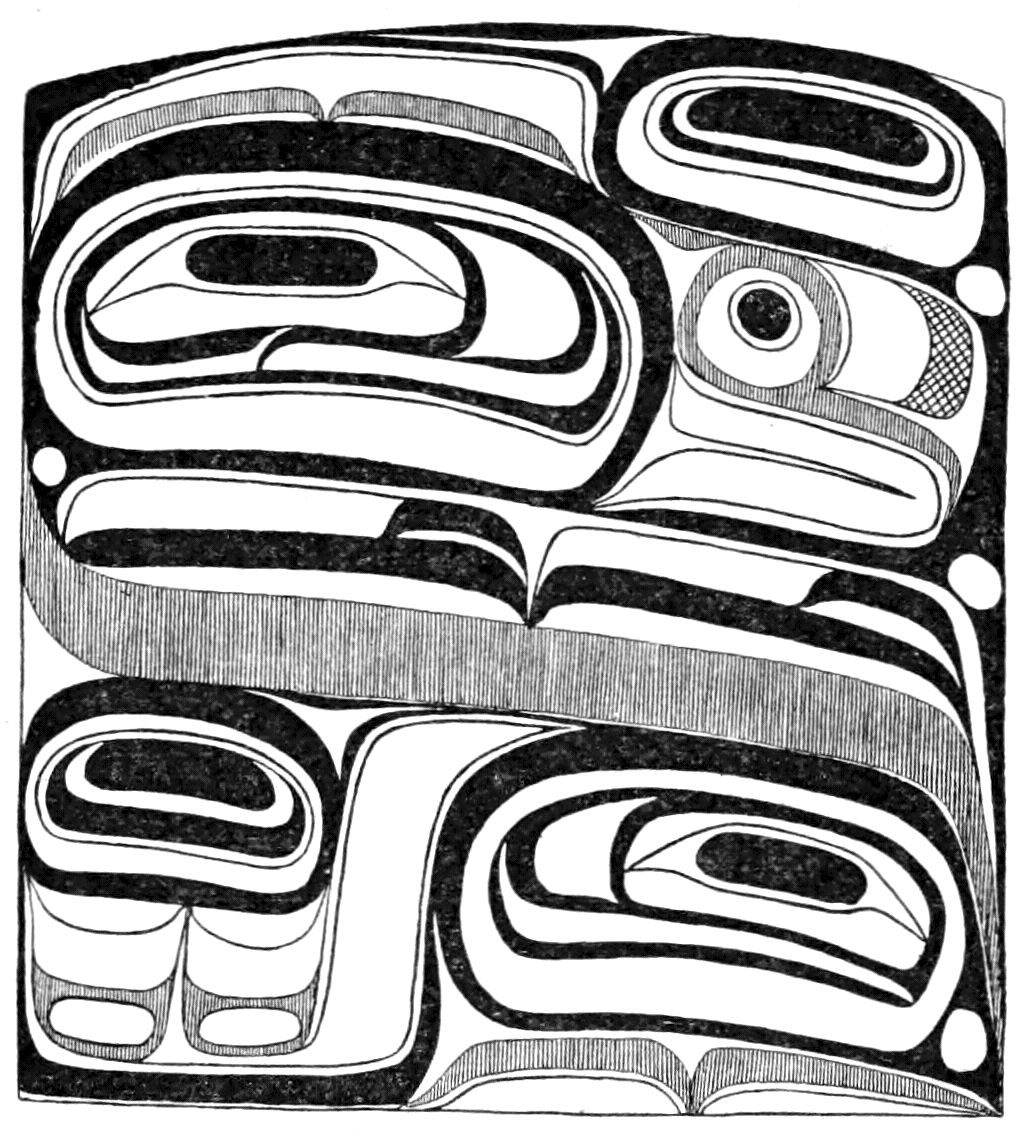
Fig. 1. Front of painted box, Tlingit, Alaska.
It so happens that conditions among the northern neighbors of the Californians are reversed. From Puget Sound northward the household goods and implements of the Indians are made of wood, and much of the time of the men is spent in woodworking. They are skilled joiners and carvers who through constant practice have acquired virtuosity in the handling of wood. The exactness of their work rivals that of our very best craftsmen. Their boxes, buckets, kettles, cradles, and dishes are all made of wood, as those of the Californians are made of basketry. In their lives basketry plays a relatively unimportant part. The industry in which they have attained greatest proficiency, is, at the same time, the one in which their decorative art is most fully developed. It finds expression, not only in the beauty of form of the woodwork, but also in elaborate decoration. Among these people all other aspects of decorative art are weak as compared to their artistic expression in woodwork or in art forms derived from woodwork (fig. 1). All this work is done by men and hence it follows that the men are the creative artists while the women seem to be lacking in inventiveness and artistic sense. Here also virtuosity in technique and artistic productivity go hand in hand.
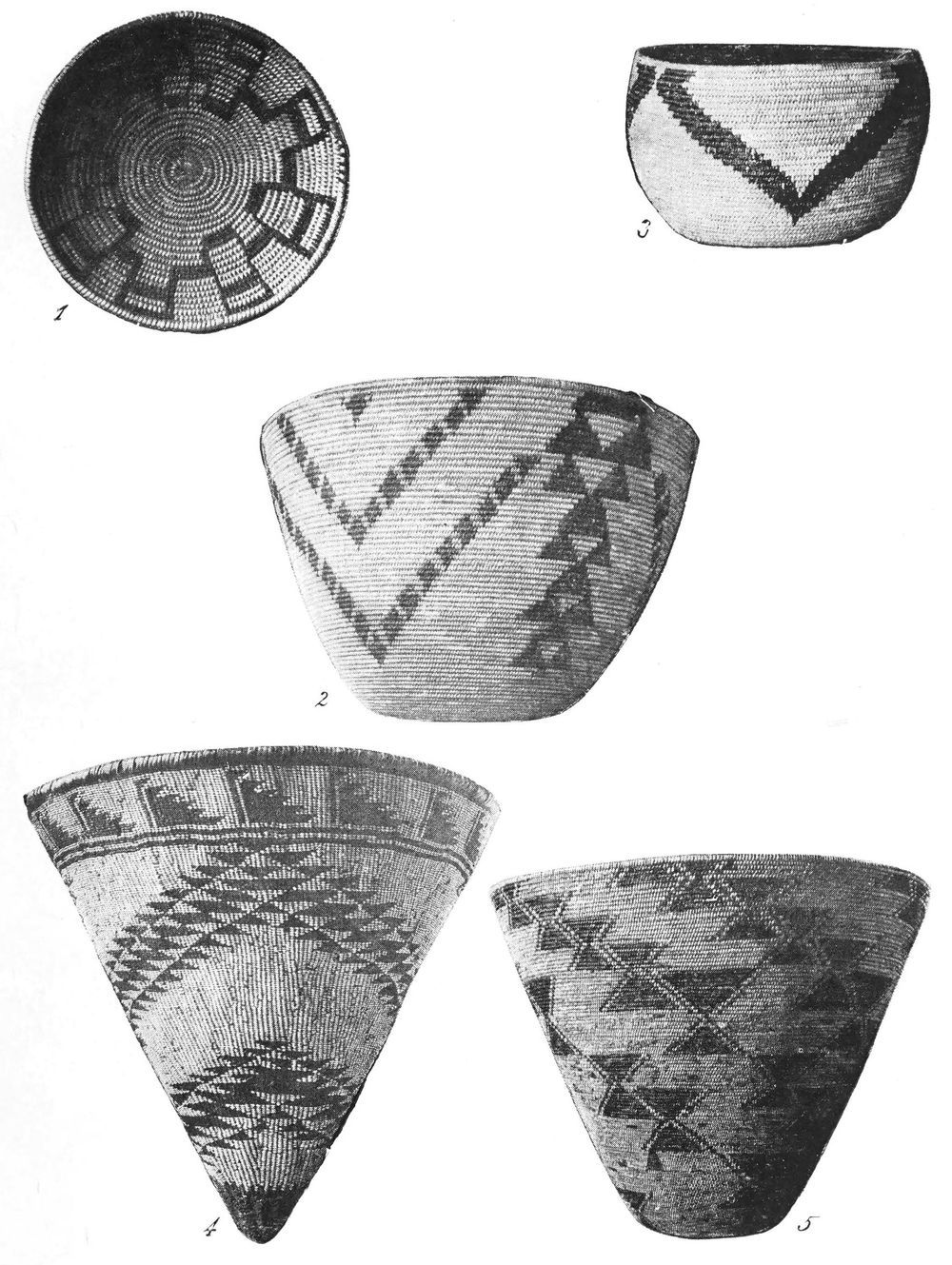
Plate I.
Maidu Baskets. 1-2. Butterfly design. 3. Raccoon design. 4. Rim: mountains; body: flying geese. 5. Moth-miller.
As a third example we might mention the Pueblo Indians of the Southern United States. In many villages of this region pottery is the dominant industry and in pottery is found the highest expression of art. The form of the clay vessel is characterized by great regularity and it becomes the substratum for decoration. Since pottery is a woman’s art, women are the most productive artists among the Pueblos (fig. 2). However, the industrial activities of the Pueblos are not quite so one-sided as those of California and British Columbia. Therefore the men who are experienced in industrial work devoted to ceremonial purposes are not lacking in the ability of artistic expression.
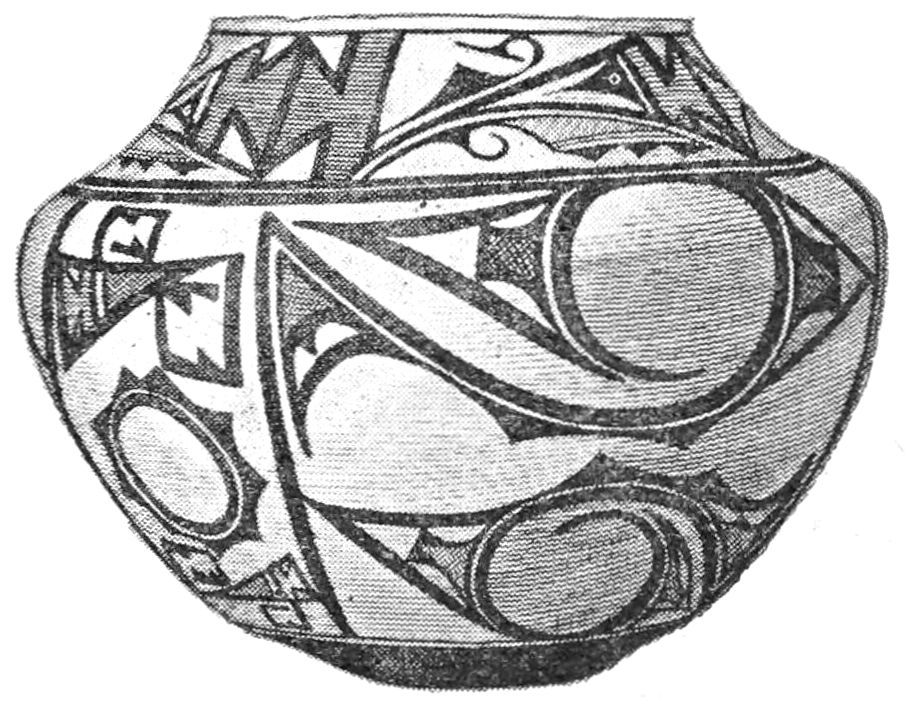
Fig. 2. Jar from Zuni.
I believe these examples demonstrate that there is a close connection between the development of skill in an industry and artistic activity. Ornamental art has developed in those industries in which the greatest skill is attained. Artistic productivity and skill are closely correlated. Productive artists are found among those who have mastered a technique, among men when the industries are in their hands, among women when they are devoted to industrial activities.
It will be admitted that aside from all adventitious form elements, the product of an experienced worker in any handicraft has an artistic value. A child learning to make a basket or a pot cannot attain the regularity of outline that is achieved by the master.
The appreciation of the esthetic value of technical perfection is not confined to civilized man. It is manifested in the forms of manufactured objects of all primitive people that are not contaminated by the pernicious effects of our civilization and its machine-made wares. In the household of the natives we do not find slovenly work, except when a rapid makeshift has to be made. Patience and careful execution characterize most of their products. Direct questioning of natives and their criticism of their own work shows also their appreciation of technical perfection. Virtuosity, complete control of technical processes, however, means an automatic regularity of movement. The basketmaker who manufactures a coiled basket, handles the fibres composing the coil in such a way that the greatest evenness of coil diameter results (fig. 3). In making her stitches the automatic control of the left hand that lays down the coil, and of the right that pulls the binding stitches over the coil brings it about that the distances between the stitches and the strength of the pull are absolutely even so that the surface will be smooth and evenly rounded and that the stitches show a perfectly regular pattern,—in the same way as an experienced seamstress will make her stitches at regular intervals and with even pull, so that they lie like beads on a string. The same observation may be made in twined basketry (fig. 4). In the handiwork of an expert the pull of the woof string will be so even that there is no distortion of the warp strings and the twisted woof will lie in regularly arranged loops. Any lack of automatic control will bring about irregularities of surface pattern.
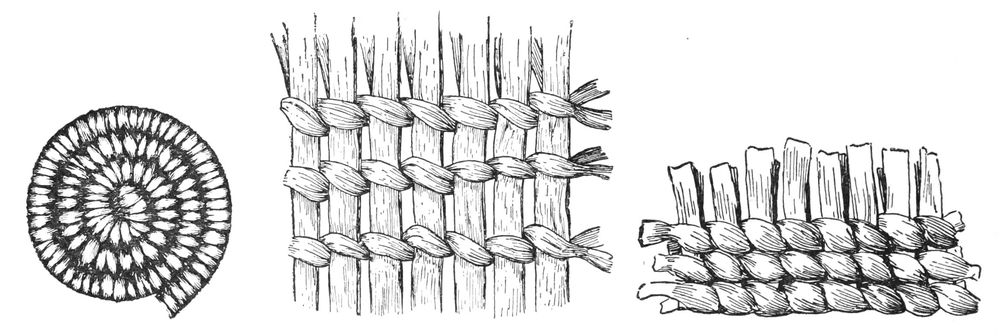
Fig. 3. Coiled basketry. Fig. 4. Twined basketry.
A pot of well-rounded form results also from complete control of a technique. Primitive tribes make their pottery without the aid of the potter’s wheel, and in most cases the potter builds up his vessel by the process of coiling, analogous to the coiling of a basket. Long round strips of clay are laid down spirally beginning at the bottom. By continued turning and gradual laying on of more and more strips in a continued spiral the pot is built up. Complete control of the technique will result in a perfectly round cross section and in smooth curvatures of the sides. Lack of skill will bring about lack of symmetry and of smoothness of curvature. Virtuosity and regularity of surface and form are here also intimately related.
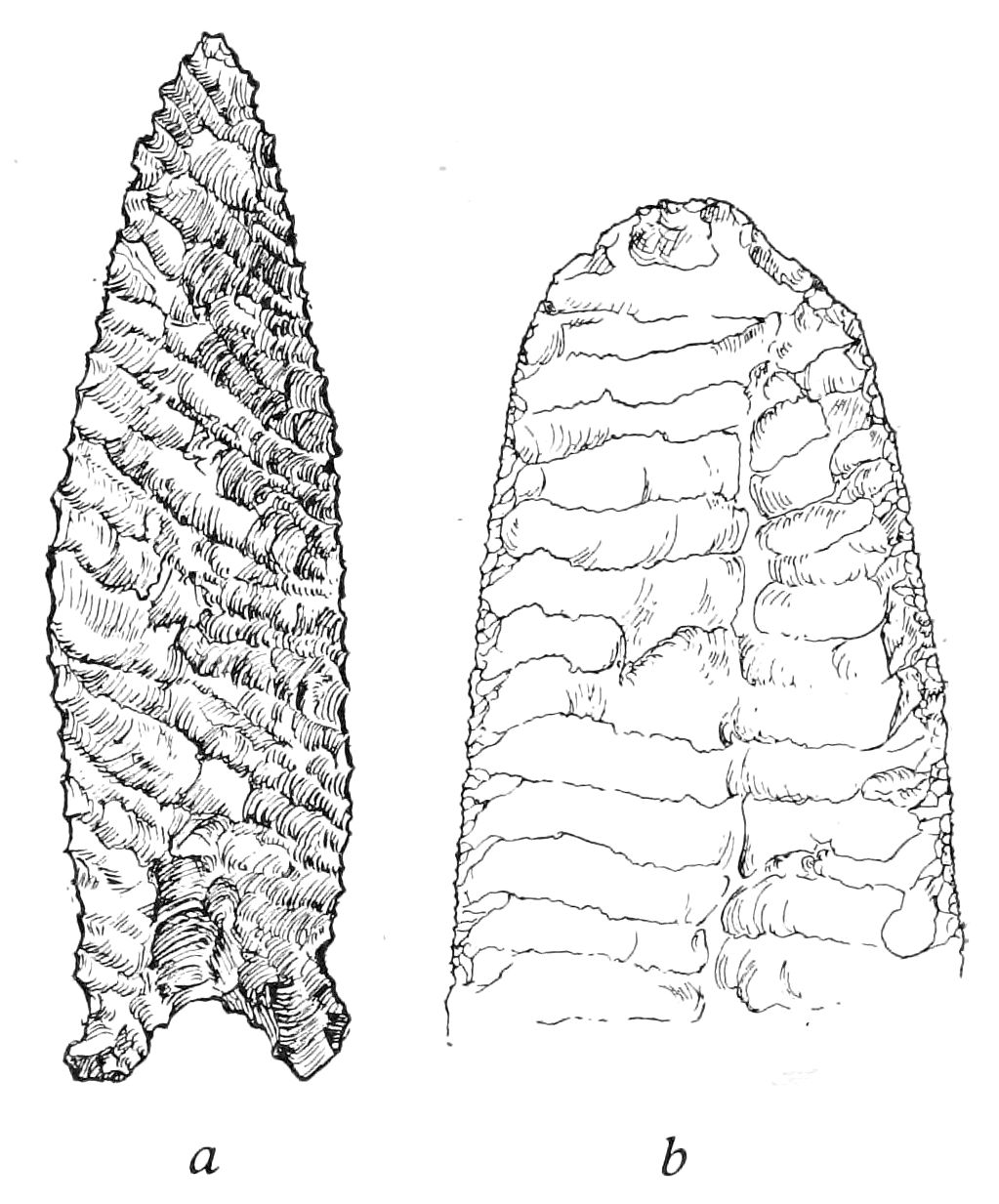
Fig. 5. Chipped flint implements:
a
North America;
b
Egypt.
A similar correlation is found in the manufacture of chipped stone implements. After the brittle stone has been roughly shaped it is given its final form either by pressure with an implement that squeezes off long, thin flakes or by indirect chipping. In the former case the flaking implement is held in the right hand and by sudden pressure with the point of the flaker long flakes or small bits are removed from the surface. When the worker has attained complete control of this technique his pressure will be even and executed with equal rapidity; the distances between the points of attack will be the same and he will move his flaker in regular lines. The result is a chipped implement of regular form and surface pattern in which the long, conchoidal depressions caused by the flaking off of thin chips are of equal size and regularly arranged (fig. 5).
When indirect chipping is applied the thin part of the object which is to be worked is placed on a hard, sharp edge and by a smart blow on the body of the flint a strong vibration is produced which results in a break just over the sharp edge. In this way, place and size of the flake are perfectly controlled by the expert craftsman.
Quite similar are the conditions in woodwork. The smoothing of large surfaces is generally done with the adze. A skilled worker handles his adze automatically. The strength of the stroke and the depth to which it enters the surface of the wood are always the same and the chips removed have always the same size and form. The workman will also move the adze in even lines and strike the surface at even distances. The result of automatic action is here, also, evenness of surface and regularity of surface pattern (fig. 6).
These conditions are well-described by Sophus Müller, who says,[19] “A great part of the work on flint must be designated as luxury, and was done with the sole intent of producing a masterpiece of handiwork. When making an adze blade all that is needed for practical purposes is a good cutting edge. Smoothness of face, back and sides is not necessary, particularly since a large portion of these were covered by the attachment to the handle. With coarse and conchoidal chipping the blade would be equally serviceable. However, the maker wanted to produce excellent stone work, to the making of which he devoted all the care, taste and skill at his command and by this the manufactured objects undoubtedly increased in value. These objects might be called therefore, in the strict sense of the term, works of artistic industry.”
All these examples show that complete automatic control of a technique, and regularity of form and surface pattern are intimately correlated.
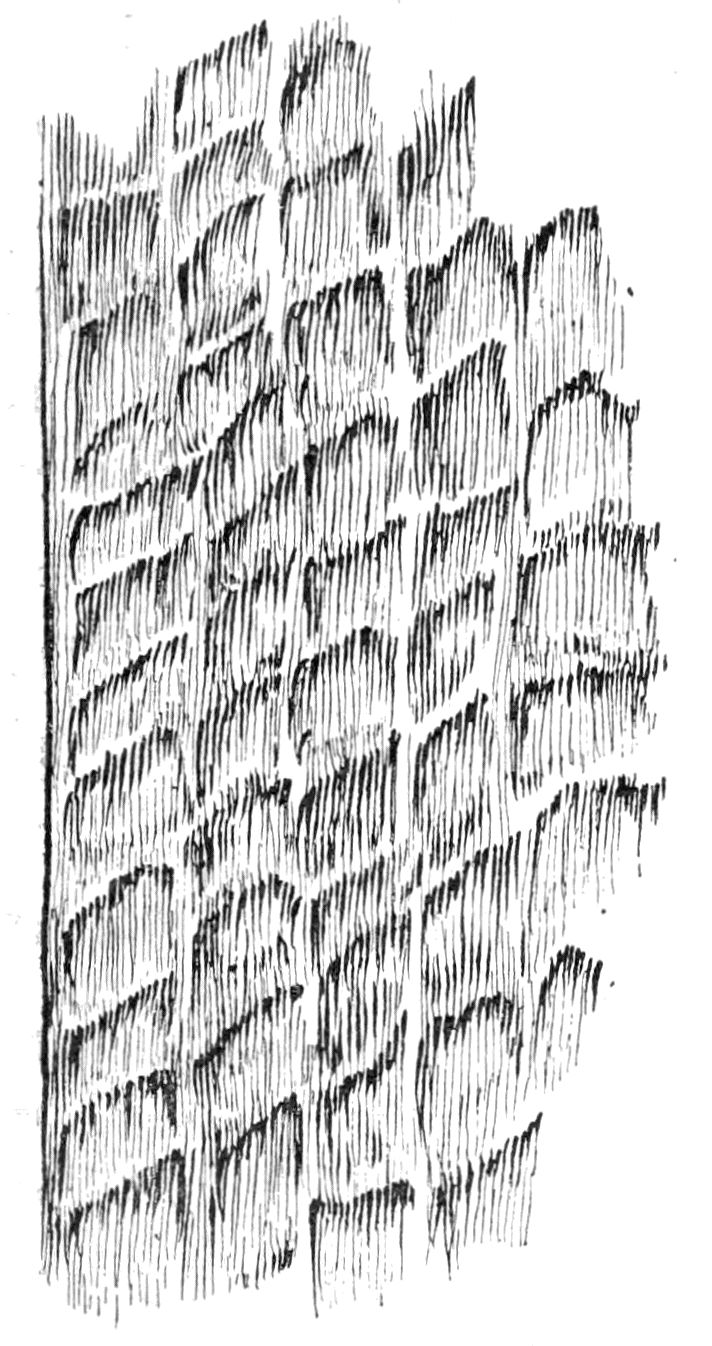
Fig. 6. Part of surface of wooden sail, Vancouver Island.
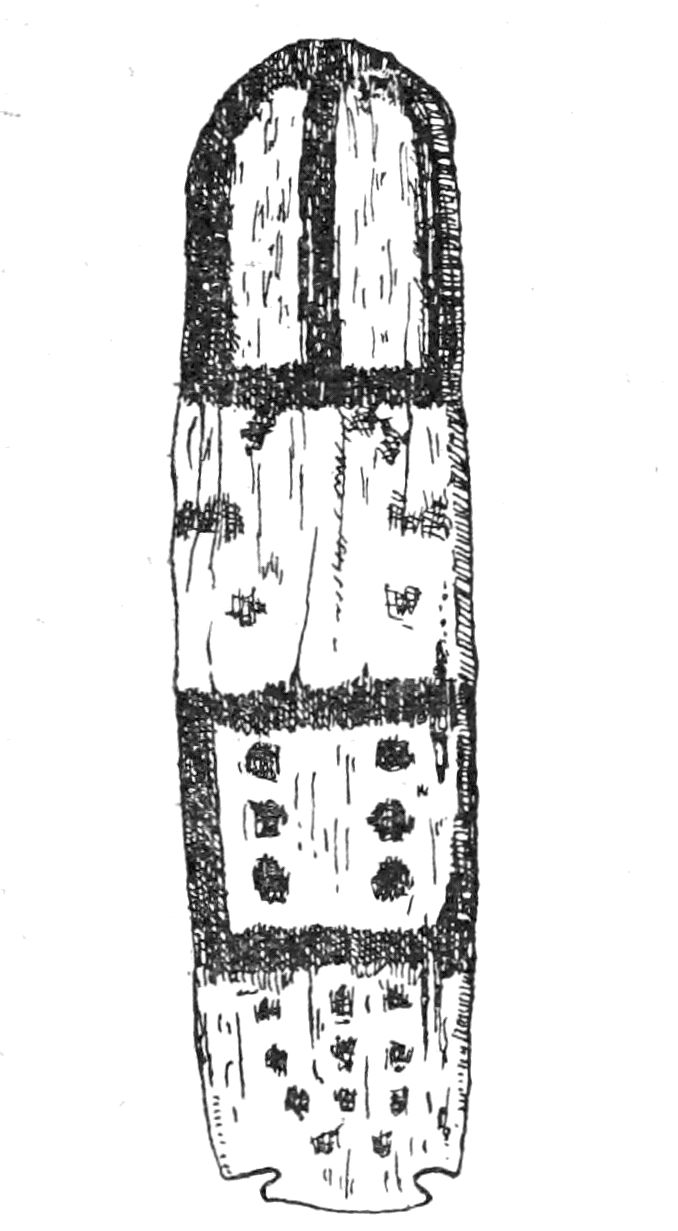
Fig. 7. Painted board, Tierra del Fuego.
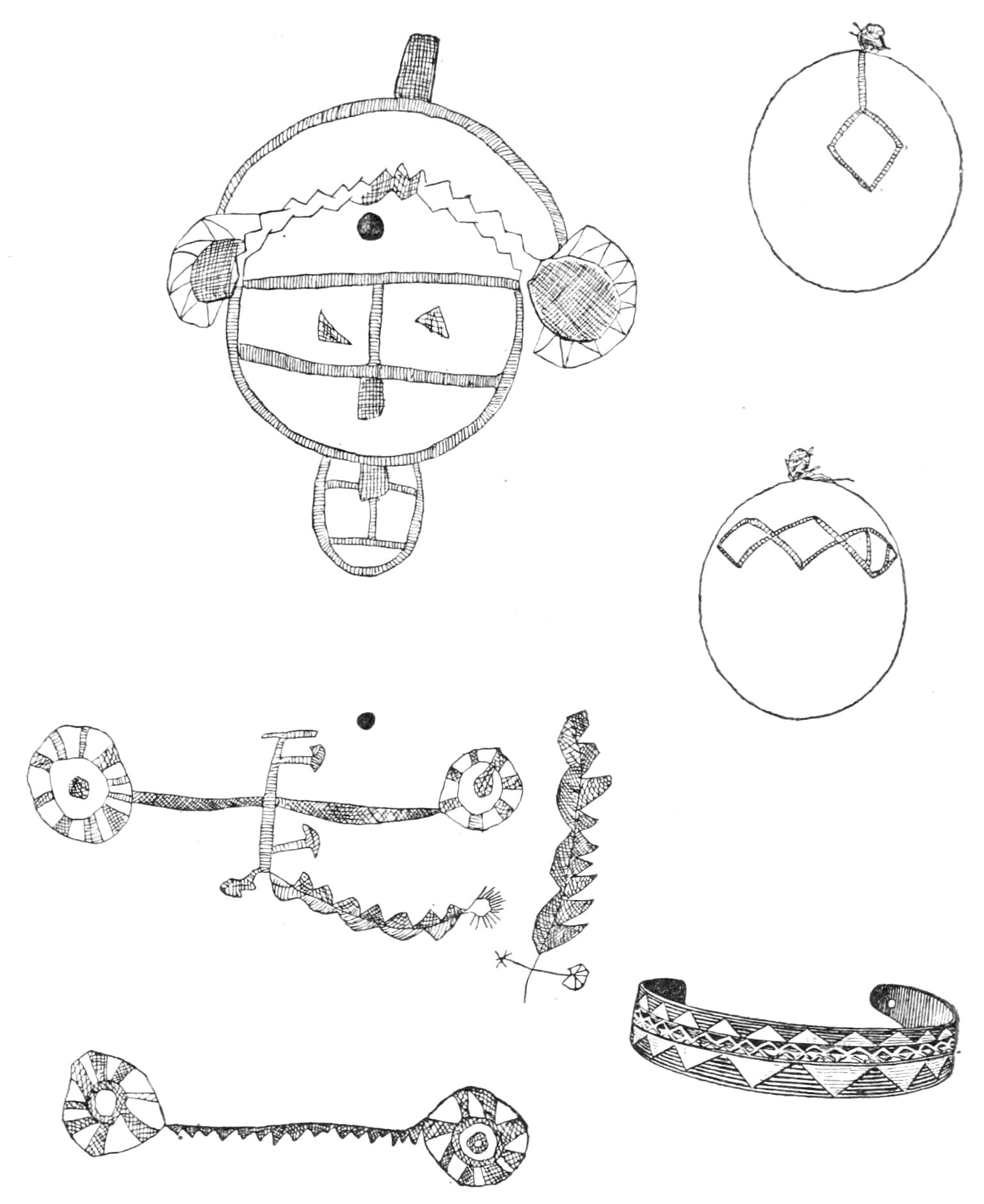
Fig. 8. Bushman designs from ostrich eggs and from horn bracelet.
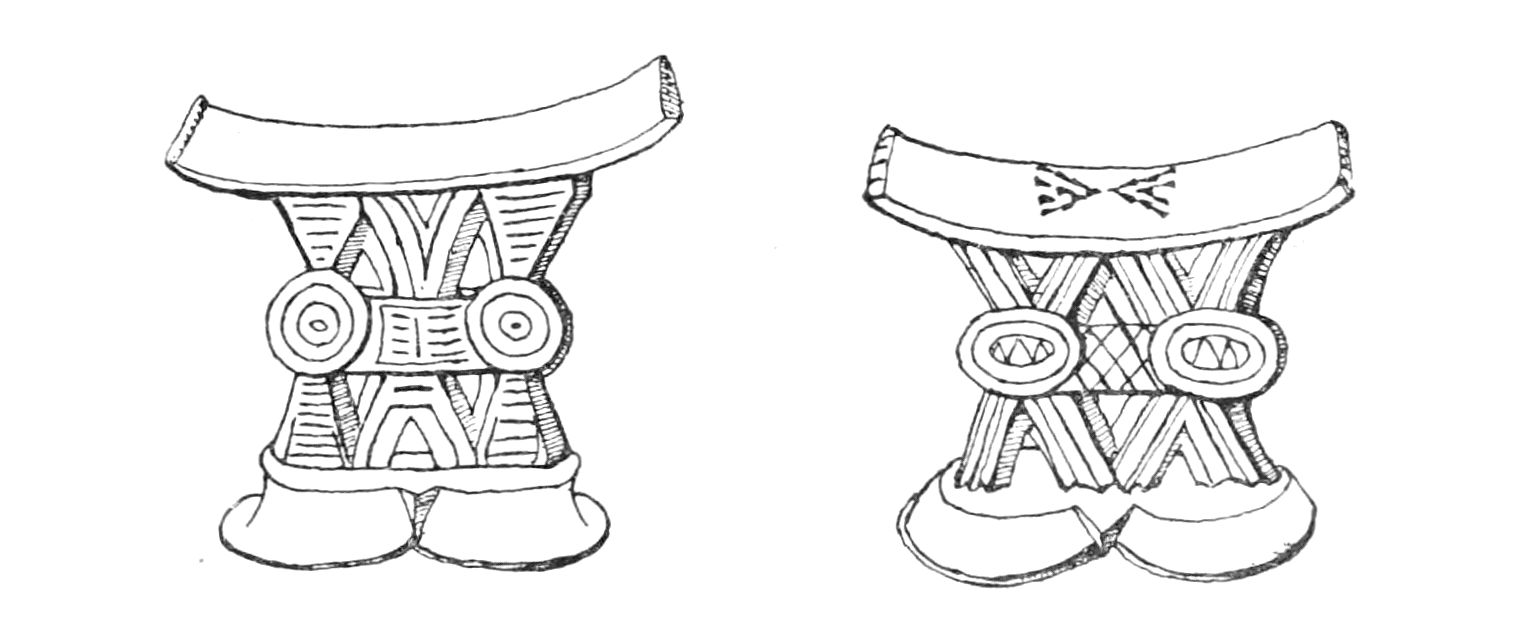
Fig. 9. Kaffer headrests.
However, besides these, attempts at decoration occur in which a mastery of technique has not been attained. Among a few tribes almost all artistic work is of this character. Among the inhabitants of Tierra del Fuego are found only meagre examples of painting, lacking in skill (fig. 7). The patterns are simply dots and coarse lines in which the arrangement is the essential artistic element. It is intelligible that a feeling for symmetry may exist without the ability of perfect execution. The modern Bushmen scratch patterns on ostrich eggs which serve as receptacles for water (fig. 8). Here we find the intent to give expression to form but with inadequate means. It is important to note that the same motive, two circles connected by a narrow band, occurs several times in these etchings. The circle might be suggested to the workman by the perforation of the shell of the ostrich egg through which the water is poured out, but the combination can hardly be derived on the basis of Bushman industries. Shall we consider the pattern as the result of the play of their imagination or as an attempt at representation? It seems to me important to note that the neighbors of the Bushmen, the negroes of the Zambezi, use the same pattern and that rows of triangles and diamonds, such as are used by the Bushmen, are found on their implements also (fig. 9). The pattern may therefore have come from an outside source.[20] Perhaps the decoration on ostrich eggs is poor only on account of the difficulties of handling the material. At least the zig-zag patterns (fig. 8), found on a bracelet, show a much greater technical perfection than those found on the ostrich eggs.
Here may also be mentioned the painting and carving of the Melanesians. We see among them a wealth of forms in carvings of excellent technique. In some specimens, particularly from western New Guinea, we find complete mastery of the art. In the majority of cases, however, there is an imperfect control of technique, while there is an astounding multiplicity of forms. The lines generally lack regularity and evenness (fig. 10 a, b). There is no clear proof of a general degeneration of the art and we may perhaps assume that in this case the development of a keen sense for form among all the carvers and painters of the tribe did not go hand in hand with a corresponding mastery of technique. It is not unlikely that foreign influence has led here to an exuberant form perception.
Setting aside any esthetic consideration, we recognize that in cases in which a perfect technique has developed, the consciousness of the artist of having mastered great difficulties, in other words the satisfaction of the virtuoso is a source of genuine pleasure.
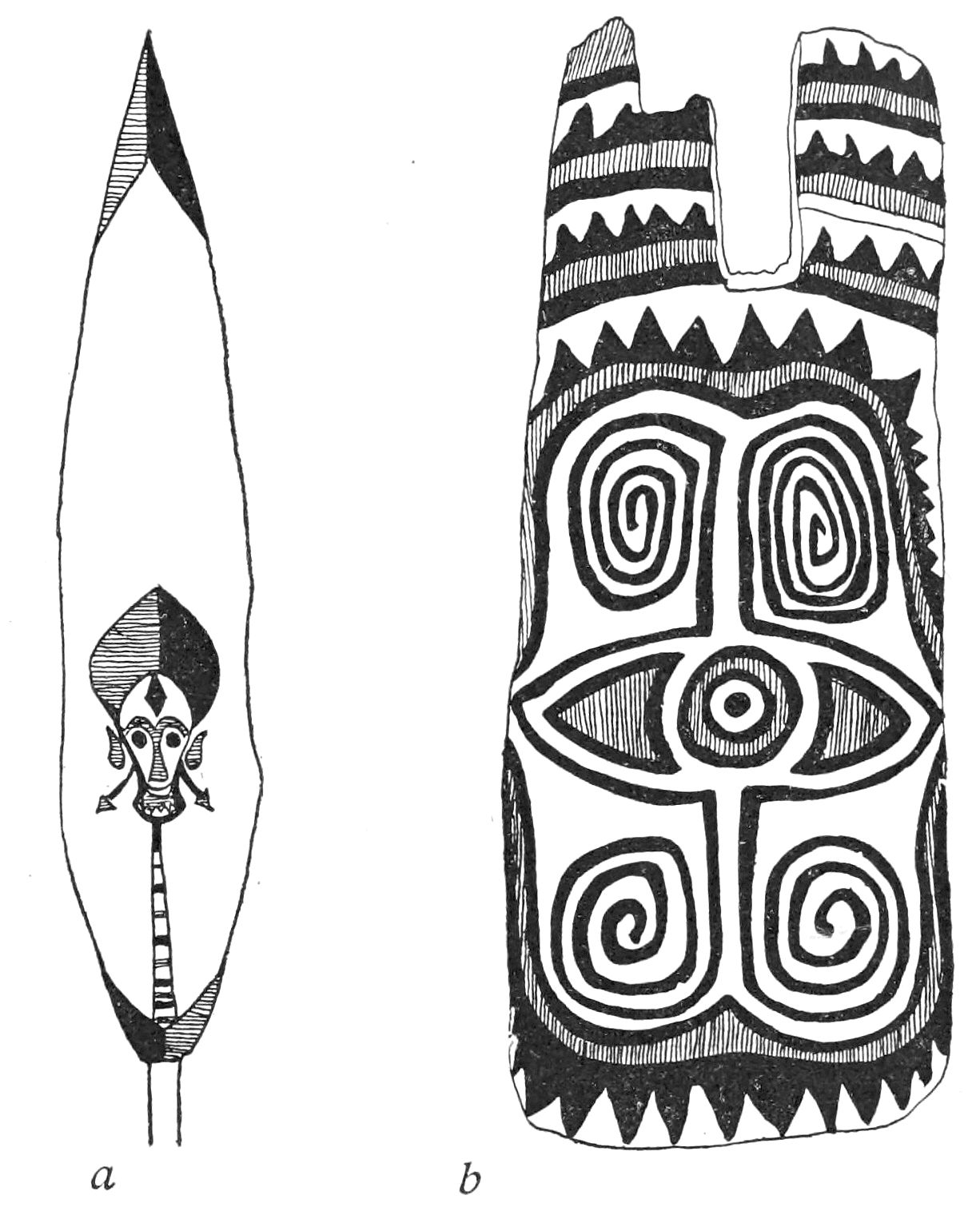
Fig. 10. Paddle and shield, New Ireland.
I do not propose to enter into a discussion of the ultimate sources of all esthetic judgments. It is sufficient for an inductive study of the forms of primitive art to recognize that regularity of form and evenness of surface are essential elements of decorative effect, and that these are intimately associated with the feeling of mastery over difficulties; with the pleasure felt by the virtuoso on account of his own powers.
I can give at least a few examples which illustrate that the artist has not in mind the visual effect of his work, but that he is stimulated by the pleasure of making a complex form.
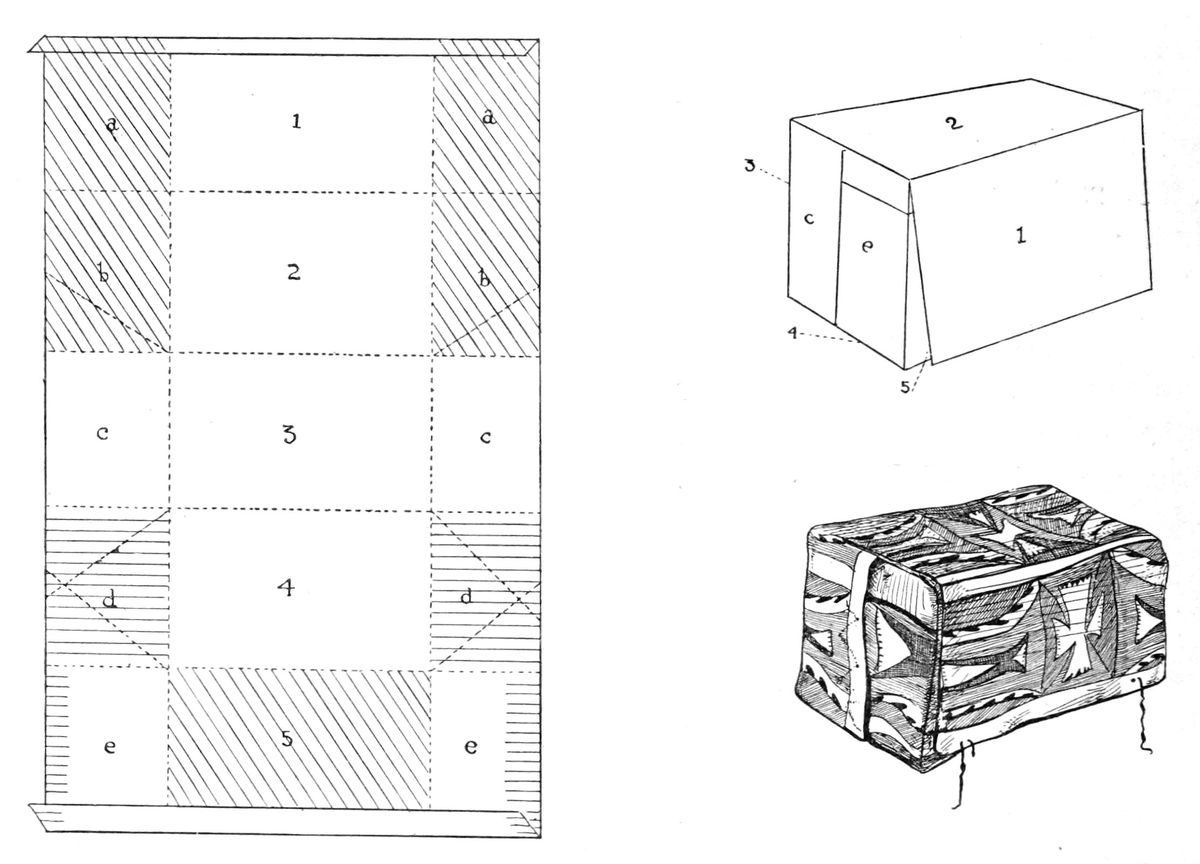
Fig. 11. Plan of rawhide box, Sauk and Fox Indians. Fig. 12. Rawhide box, Sauk and Fox Indians.
The raw hide boxes of the Sauk and Fox Indians are made of a large piece of hide which is carefully ornamented according to a definite plan (fig. 11). The boxes are made by folding the hide. There are five sides of approximately equal width (1-5). These are the four sides of the box: front (5), bottom (4), back (3), top (2), and a flap (1) covering the front. A strip on each side (a-e) is folded over and the marginal piece (d) belonging to the bottom segment is folded in along diagonal lines as we fold in the ends of a paper wrapper, so that the marginal strips, e and c, form the sides of the box. Another similar fold is made in b when the top is folded over the top opening of the box. The folds at the bottom are sewed in firmly, while the fold on top remains open. The resulting form is shown in fig. 12. Those parts of the surface that are entirely invisible are indicated by horizontal shading (fig. 11). These are folded in and sewed in on the inside of the box. Those parts that may be seen when the box is opened are indicated by diagonal shading; while the white area is that part of the surface that is visible when the box is closed and tied up. It will be noticed that the fields c and e overlap on the short sides of the finished box.
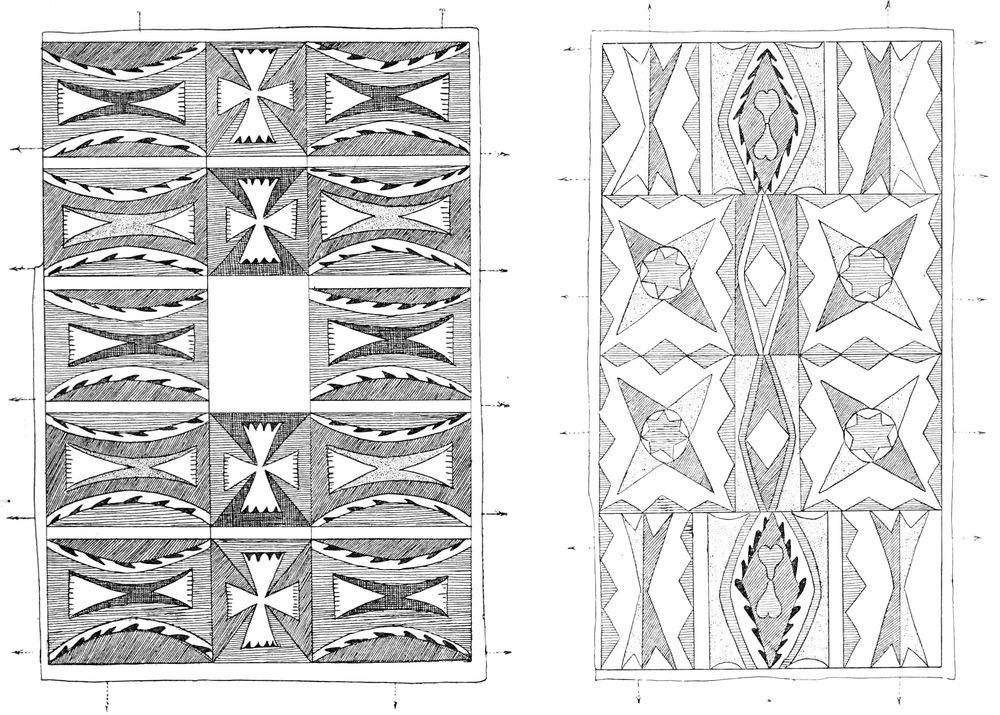
Fig. 13. Design on rawhide for a box, Sauk and Fox Indians. Fig. 14. Design on rawhide for a box, Sauk and Fox Indians.
The decoration of these boxes is carefully laid out on a flat piece of rawhide. Corresponding to the five faces of the box most of the designs are divided into five equal fields and corresponding to the folded margins two marginal fields are set off from the central field. This, however, is so narrow that in folding part of the lateral design is turned over so that it becomes invisible. When the boxes are folded the cohesion of the pattern is completely lost. Not only do the folds fail to agree with the divisions, but owing to the method of folding and the complete covering of the field d and of part of e, the whole pattern is broken up and on the short sides we find only fragments adjoining in the most irregular way (fig. 12). When the box is closed field e adjoins field 1, and the overlapping section c adjoins it in the middle of the narrow side. On top it adjoins field 2 and at the bottom field 4. The whole formal idea of the carefully planned pattern is lost in the completed box. We find even patterns laid out in four strips instead of five, so that the fundamental pattern and the sides do not coincide (fig. 14). It will be seen, therefore, that the artist spends his ingenuity in decorating the rawhide but that in the box the fundamental ideas of his carefully planned decoration are lost.
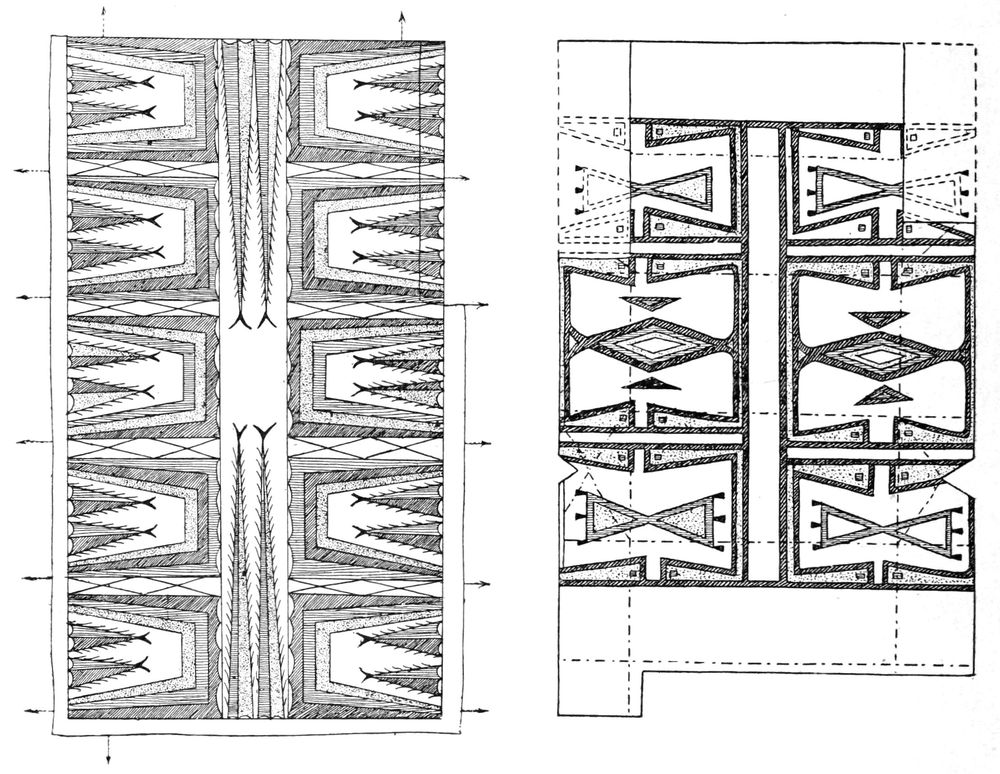
Fig. 15. Designs on rawhide boxes, Sauk and Fox Indians.
The disregard of the original pattern is such that in some specimens (fig. 15) part of the design has been cut off in order to make the sides fit together. In our illustration the parts cut off,—the right upper corners,—have been reconstructed.
It might be said that similar conditions prevail in modern, patterned fabrics that are made into garments. In this case the manufacturer tries to attain a pleasing effect for the fabric as a whole. If economy of material did not interfere, the tailor would fit the pattern together, but we always feel the conflict between the pattern and the requirements of the finished garment.
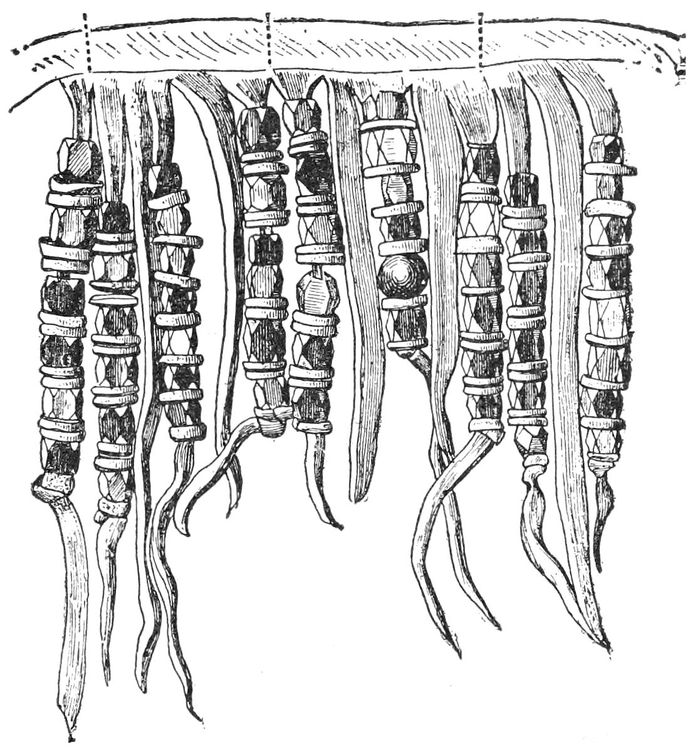
Fig. 16. Fringe from legging, Thompson Indians.
As another example I mention a legging made by an Indian woman from the interior of British Columbia. It bears the usual decoration,—a long fringe along the outer seam. The fringe consists of a long piece of curried skin cut in narrow strips. These strips are decorated in rhythmic order (fig. 16), a string decorated by one glass bead and two bone beads in alternating order is followed by a plain string, next by one decorated with single alternating glass and bone beads, then a plain one and finally one like the first. When we indicate the plain and decorated strips by letters, we find the arrangement
. . . | A B C B A | A B C B A | . . .
repeated over and over again.[21] The important point to be noted is, that when in use, the fringe hangs down without order along the outer side of the leg so that the elaborate rhythmic pattern cannot be seen. The only way in which the maker can get any satisfaction from her work is while making it or when exhibiting it to her friends. When it is in use there is no esthetic effect.
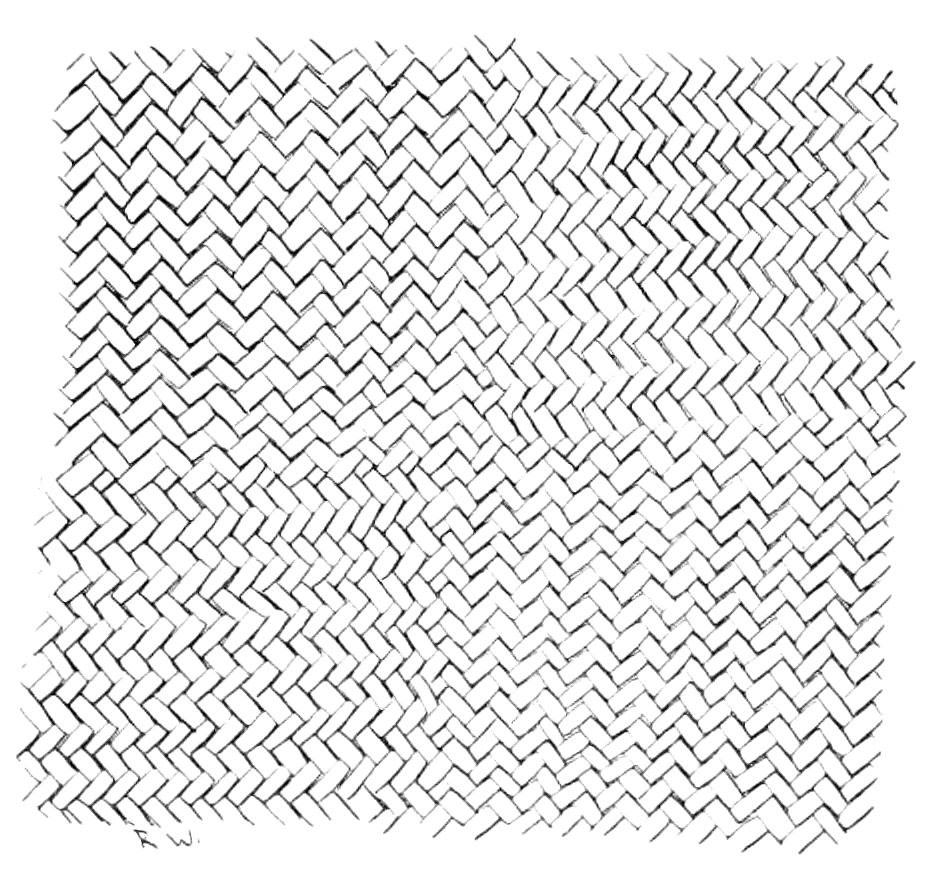
Fig. 17. Twilled weaving showing alternation of patterns.
Other cases occur in which motives are applied that are practically invisible. Thus in mattings from Vancouver Island, the weaver will alternate the direction of the strands in squares without any attempt to set off the surface in colors (fig. 17). When the matting is new these patterns may be seen in reflected light, but after a very short time they disappear almost completely.
Similarly the woven patterns on arm rings from the Ucayali are practically invisible.[22]
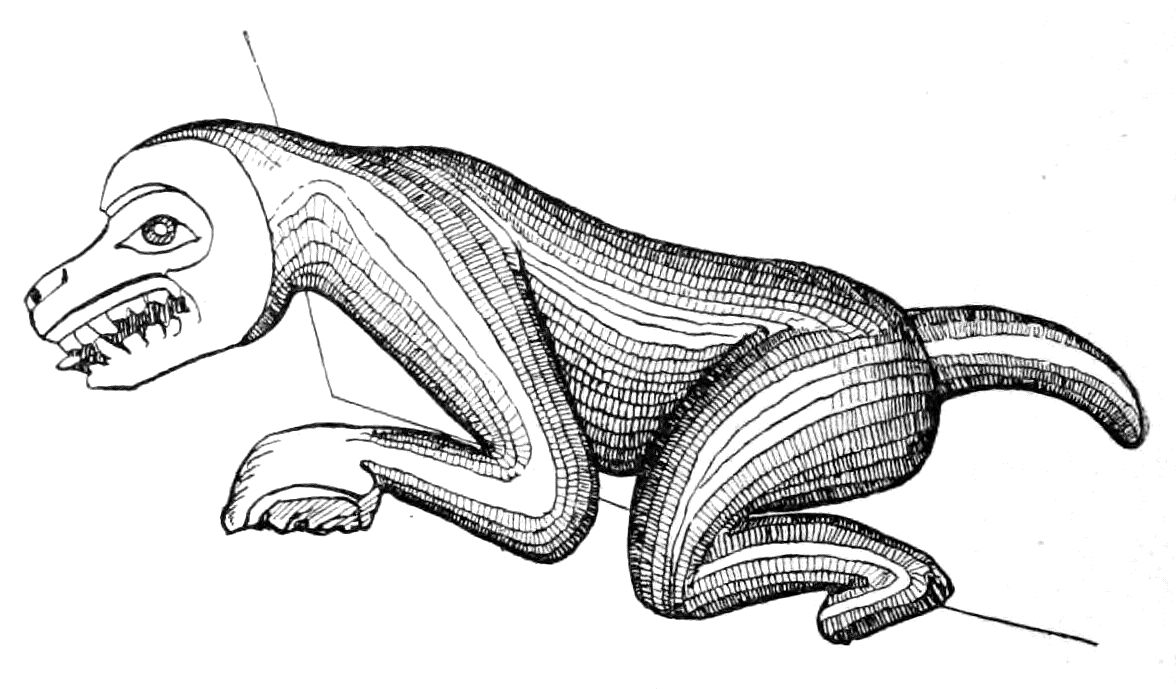
Fig. 18. Carving on bow of Bella Bella canoe, British Columbia.
To sum up: Objectively the excellence of workmanship results in regularity of form and evenness of surface which are characteristic of most uncontaminated primitive manufactures, so much so that most objects of every day use must be considered as works of art. The handles of implements, stone blades, receptacles, clothing, permanent houses, canoes are finished off in such a way that their forms have artistic value.
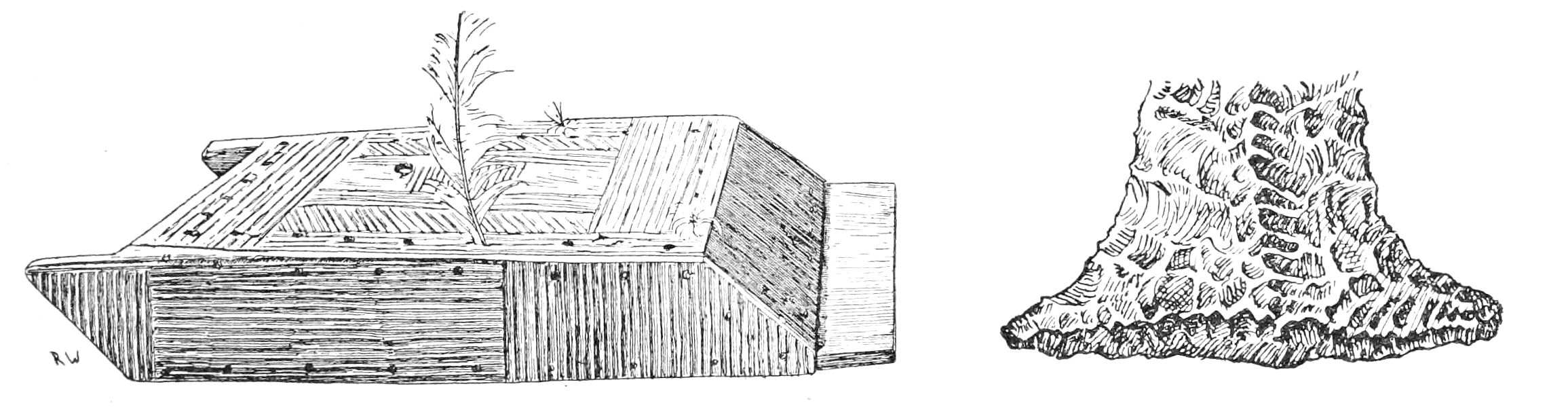
Fig. 19. Rattle, Kwakiutl Indians, British Columbia. Fig. 20. Base of flint knife,
Expert workmanship in the treatment of the surface may lead not only to evenness but also to the development of patterns. In adzing the form of the object to be smoothed will determine the most advantageous direction of the lines in which the adze has to be carried. In a large Bella Bella canoe, the body of the canoe is adzed in horizontal lines, while prow and stern show vertical lines. The wolf carved on the bow of the same canoe shows surface patterns on its body and limbs (fig. 18). Decorative use of adzed lines, is also found on a rattle (fig. 19). In this specimen there is no technical need for the alternation in the direction of the groves, and the fields on the top of the rattle can the explained only as determined by the pleasure felt by the variation of the simple activity in novel and more complicated ways.[23]
In chipping of flint zig-zag lines are produced by the meeting of two lines on a ridge (fig. 20).
Technical experience and the acquisition of virtuosity have probably led to the general prevalence of the plane, the straight line and regular curves such as the circle and the spiral, for all of these are of rare occurrence in nature, so rare indeed, that they had hardly ever a chance to impress themselves upon the mind.
Plain surfaces are represented by crystals, by the cleavage of some kinds of rock, or by the surface of water during a calm. Straight lines by the shoots and stems of plants or by the sharp edges of crystals; regular curved lines by the shells of snails, by vines, bubbles on water or by smooth pebbles, but there is no obvious motive that would induce man to imitate these particular abstract forms, except perhaps in those cases in which regularly curved shells are worn as ornaments or employed as utensils.
On the other hand, the straight line develops constantly in technical work. It is a characteristic form of the stretched thong or cord and its importance cannot be ignored by the hunter who hurls a lance or flies an arrow. The technical use of the straight shoot may well have been important in its derivation. Plants like the bamboo or the reed may thus have helped man to discover the value of the straight line.
More essential than this seems to be the possession of a perfect technique, which involves great accuracy and steadiness of movement. These in themselves must lead necessarily to regular lines. When the uncertain wobbling of the cutting tool is eliminated, smooth curves will result. When the potter turns the pot he is making and his movements are quite regular the pot will be circular. Perfectly controlled coiling of basketry or of wire will lead to the formation of equidistant spirals.
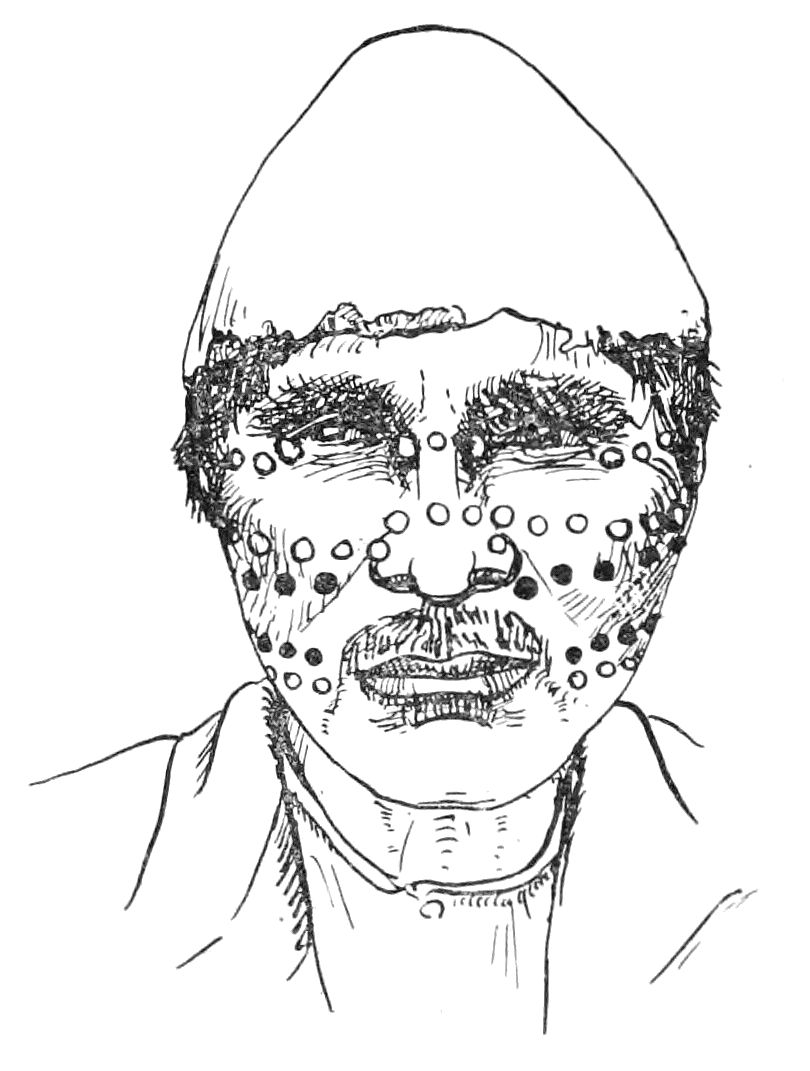
Fig. 21. Face painting, Tierra del Fuego.
A number of other characteristic features may be observed in the art of all times and all peoples. One of these is symmetry. Symmetrical forms are found even in the simplest forms of decorative art. The tribes of Tierra del Fuego[24] decorate their faces and bodies with designs, many of which are symmetrical. Vertical lines on both sides of the body or a series of symmetrically arranged dots running from ear to ear across the nose are of this kind (fig. 21). They also use symmetrically decorated boards with which they adorn their huts (see fig. 7, page 23). The Andaman Islanders like to decorate their bodies with symmetrical patterns (Plate II). Many of the designs of the Australians are symmetrical (fig. 22) and in paleolithic painting geometrical forms occur that exhibit bilateral symmetry (fig. 23). In a few cases the elements arranged symmetrically are so complex that the symmetry can have been attained only by careful planning. Examples of this kind are necklaces of Indians in British Columbia in which we find as many as eighteen beads of different colors irregularly arranged, but repeated in equal order right and left.[25]
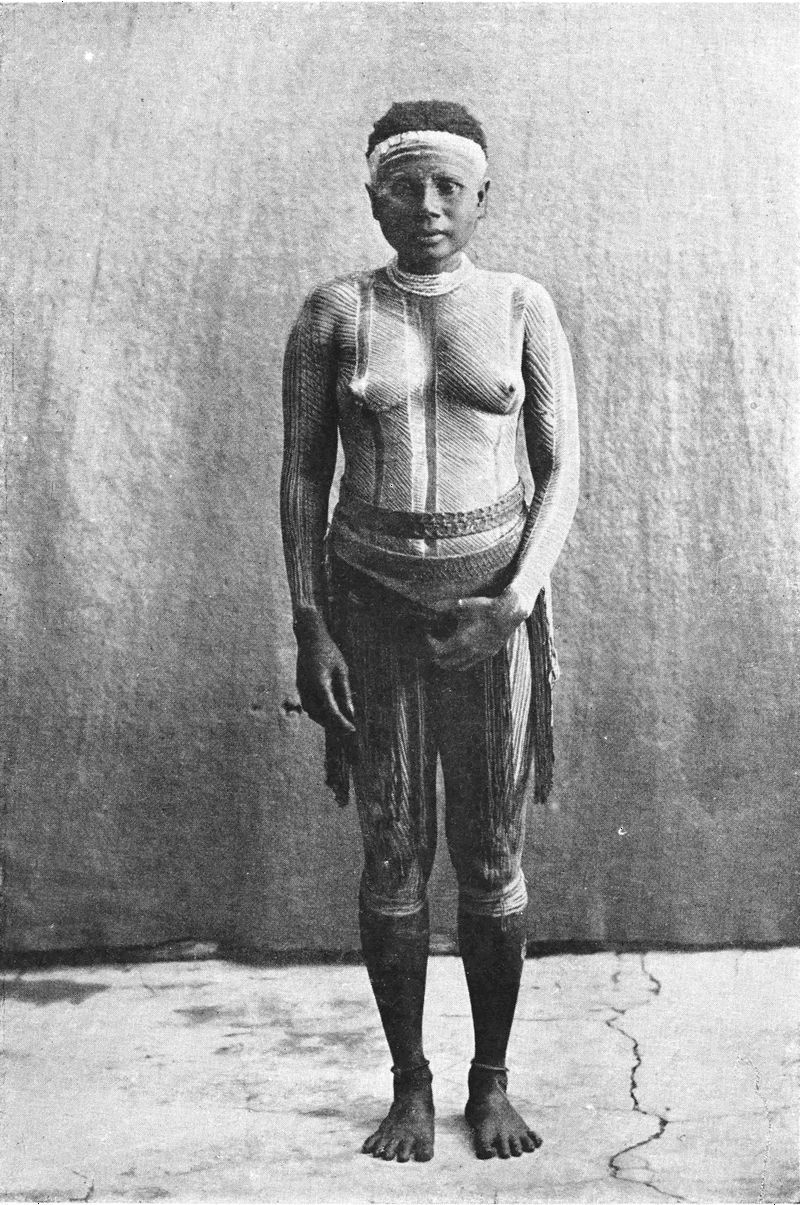
Plate II.
Andaman Islander.
The causes that have led to the widespread use of symmetrical forms are difficult to understand. Symmetrical motions of the arms and hands are physiologically determined. The right and left are apt to move symmetrically and the motions of the same arm or of both arms are often performed rhythmically and symmetrically from right to left and from left to right. I am inclined to consider this condition as one of the fundamental determinants, in importance equal to the view of the symmetry of the human body and of that of animals; not that the designs are made by right and left hand, rather that the sensation of the motions of right and left lead to the feeling of symmetry.
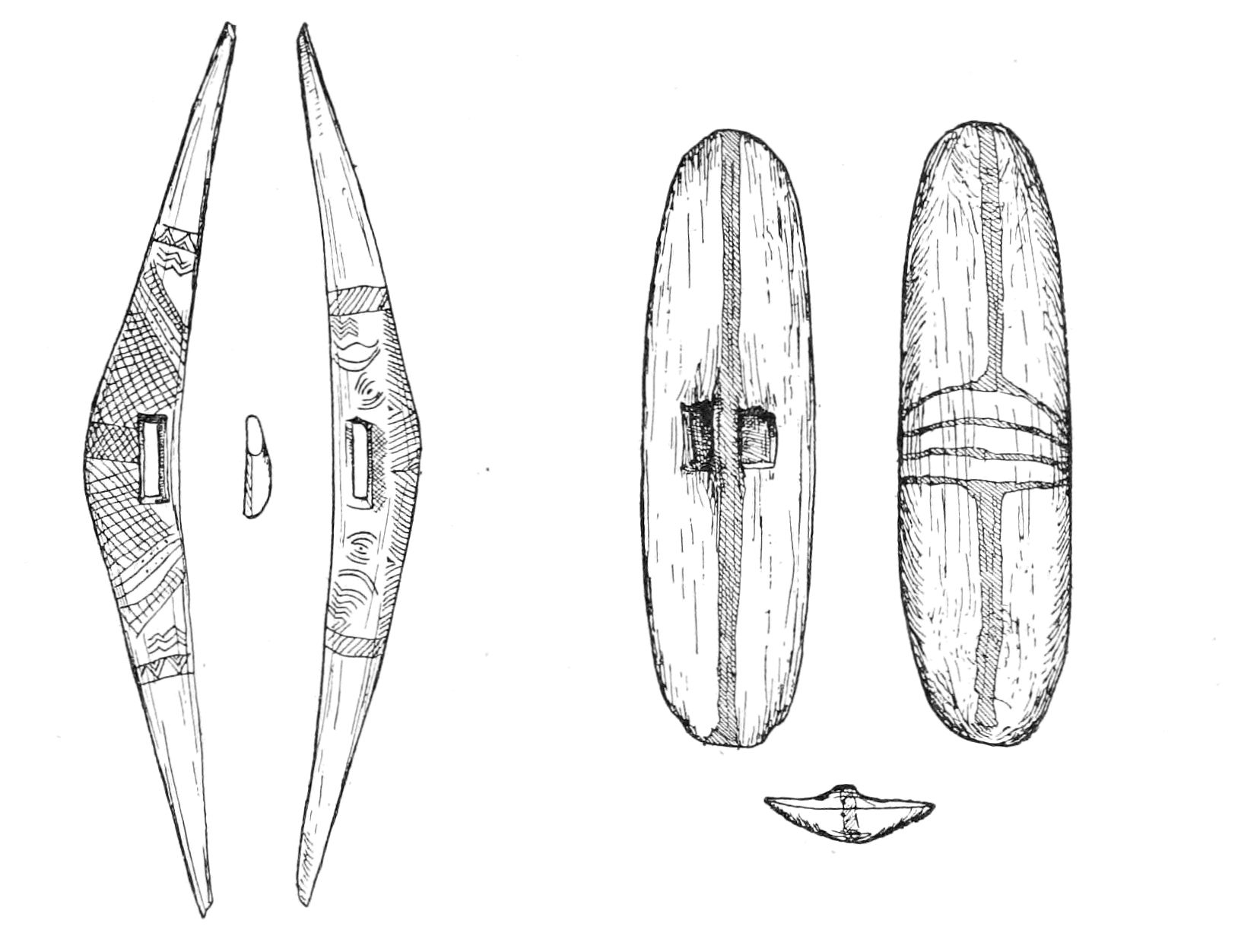
Fig. 22. Australian shields.
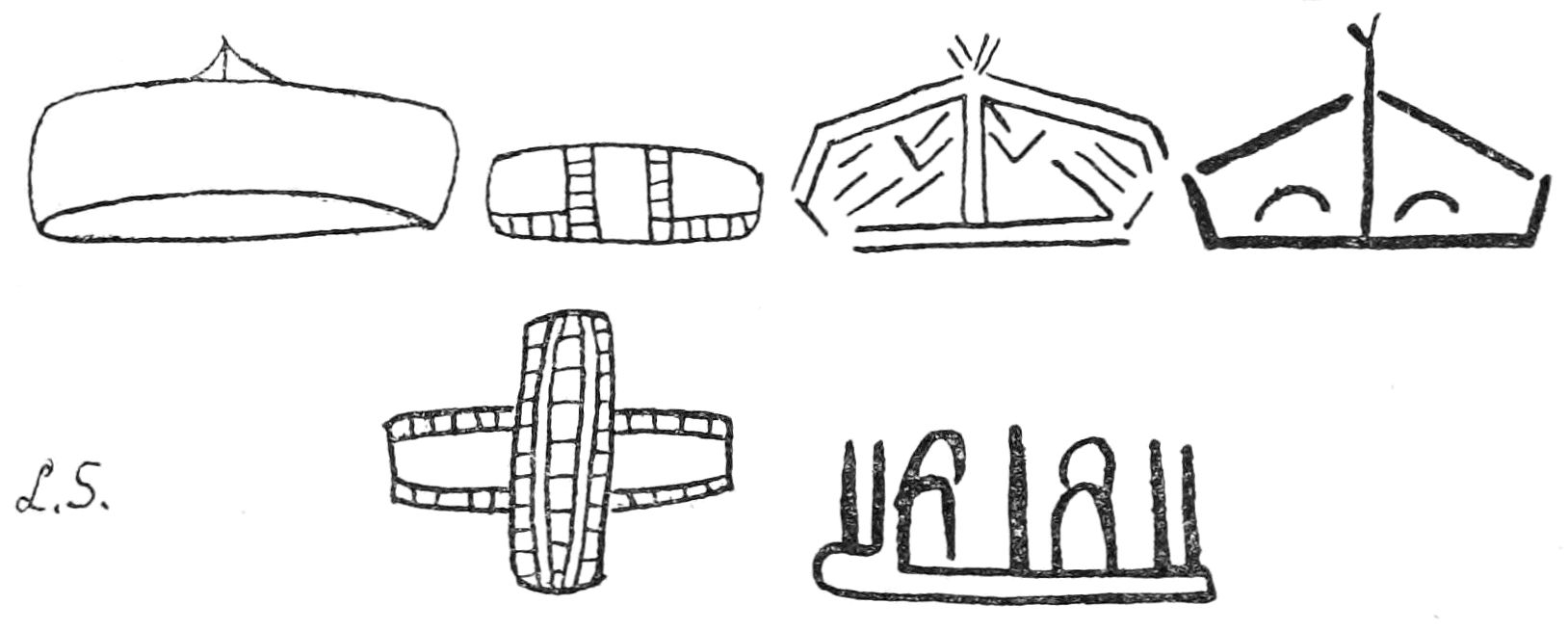
Fig. 23. Paleolithic paintings.
In by far the greatest number of cases symmetrical arrangements are to the right and left of a vertical axis, much more rarely above and below a horizontal one.
The prevalence of horizontal and the rarity of vertical symmetry is presumably due to the absence of vertically symmetrical movements,—except in those rhythmic movements in which the arms are alternately raised and lowered,—and in the rarity of natural forms that are vertically symmetrical.
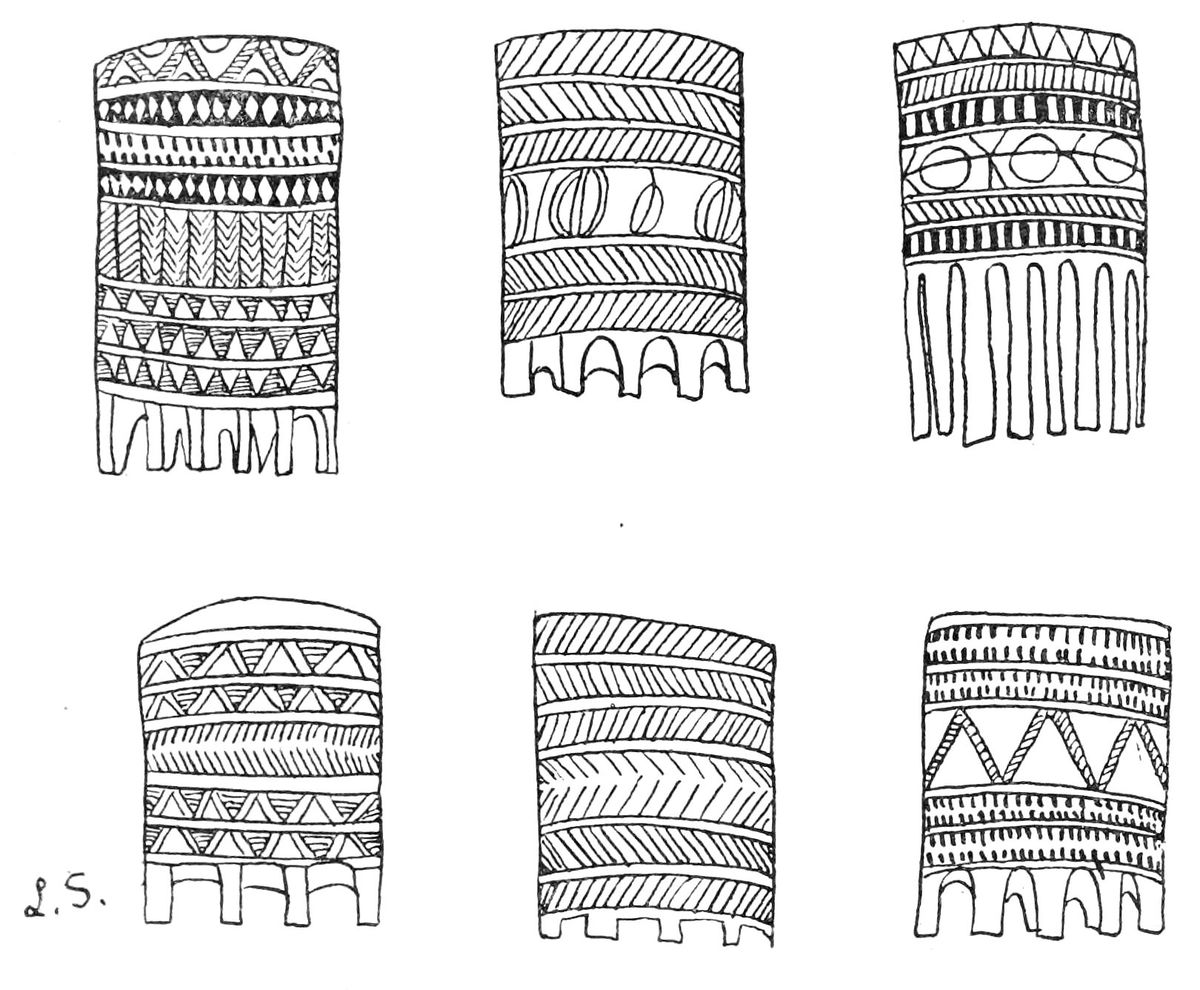
Fig. 24. Patterns from bamboo combs, Malay Peninsula.
In nature we see generally more fundamental differences in vertical direction than in horizontal layers. In animals, legs, body and head are on different levels. In landscapes, earth, trees, mountains and sky follow one another in vertical succession. On the other hand, we are liable to find in horizontal sequence sameness or variations of analogous form. This may be one of the reasons why there are found in ornamental art frequent arrangements in a series of horizontal bands that differ fundamentally in pattern, while in each horizontal band we find either symmetry, rhythmic repetition, or variations of similar forms (figs. 24, 25, 26). Exceptions however, occur, for instance in the decorations of Melanesian houses (Plate III).
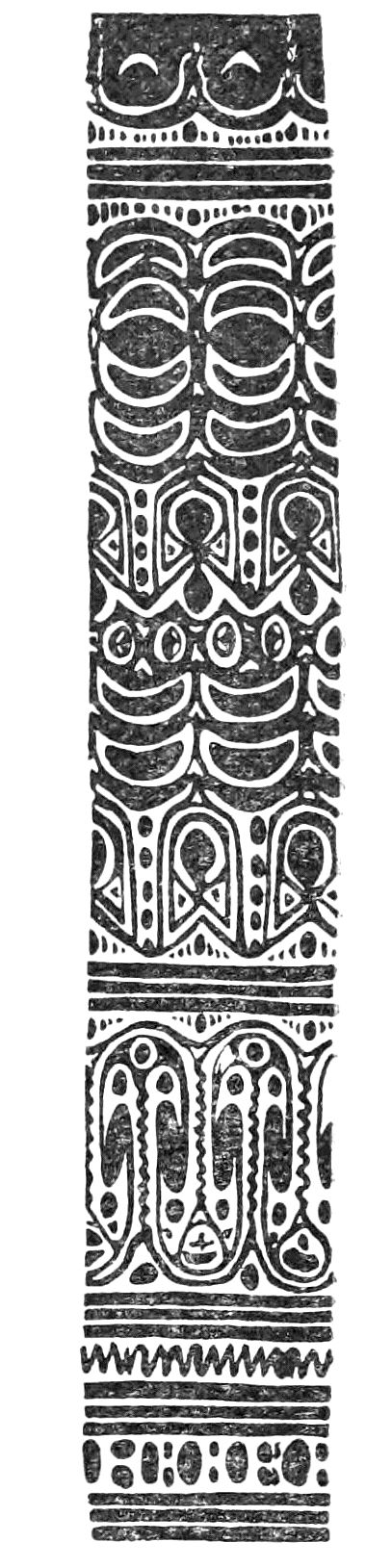
Fig. 25. Design from bamboo spear, New Guinea.
Other causes may contribute to the development of symmetrical patterns. In the making of coiled pottery or coiled basketry symmetry results from the process of manufacture. By regular turning of the pot or basket a circular form is produced. The process of winding twine around a holder may have the same effect. In two-handed implements, such as the bow of the bowdrill, symmetrical forms also develop, but implements of this type are not by any means numerous and their occurrence is no adequate explanation of the general occurrence of symmetry.
We must leave it undecided whether the circumstances here referred to are adequate to account for the symmetry of form of such implements as lance heads, arrow-heads, baskets and boxes. We must be satisfied with the establishment of their general occurrence and the knowledge that they have an esthetic value wherever they are found. Examples of symmetrical arrangements are very numerous. The boxes from British Columbia (fig. 274, p. 263), neckrests of the Kaffers (fig. 9, p. 23), Melanesian shields and paddles (fig. 10, p. 25), and the painted rawhides of the Sauk and Fox (figs. 13-15, pp. 27, 28) may serve as exemples. A special type of symmetrical design is found in our heraldic style with its animals rampant on each side of a central field. It is interesting to note that the same arrangement is very ancient. It occurs on the Lions’ Gate of Mycenae. It has also developed independently in prehistoric Peru (fig. 27).
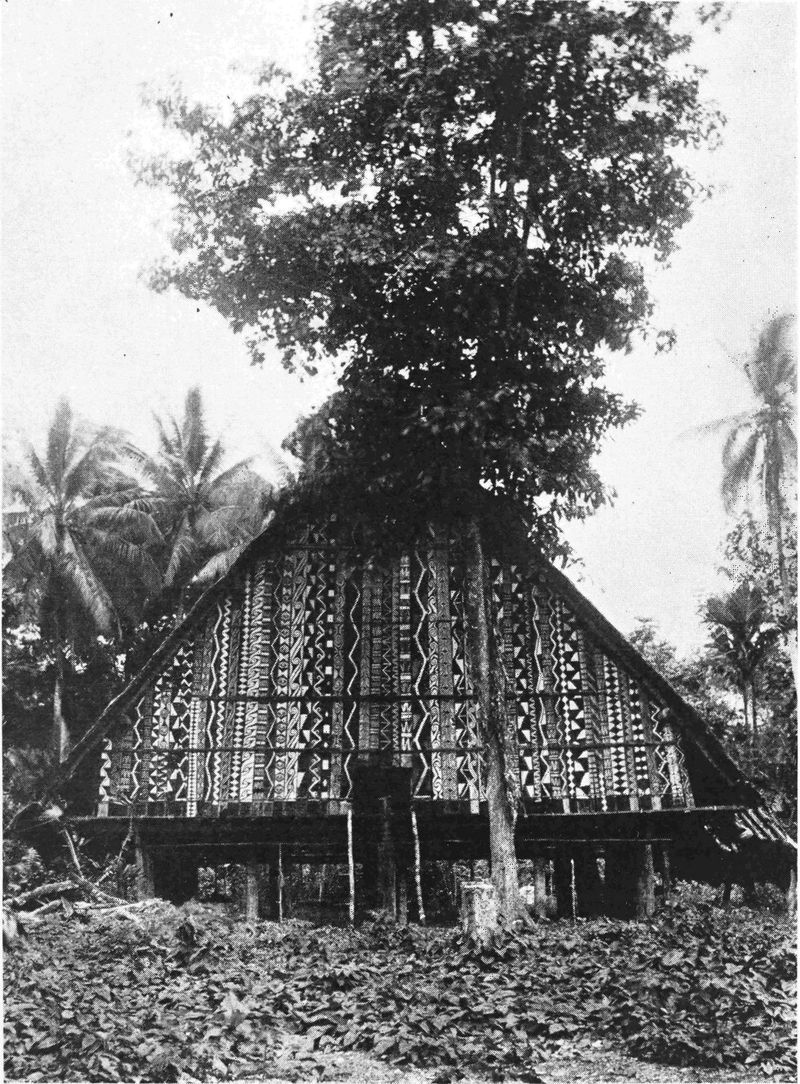
Plate III.
Decorated House, Northern New Guinea.
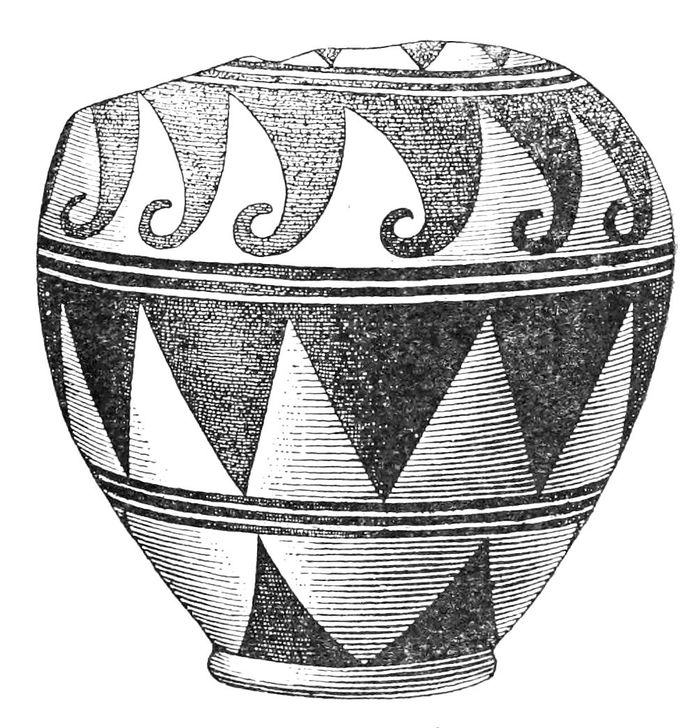
Fig. 26. Etruscan vase.
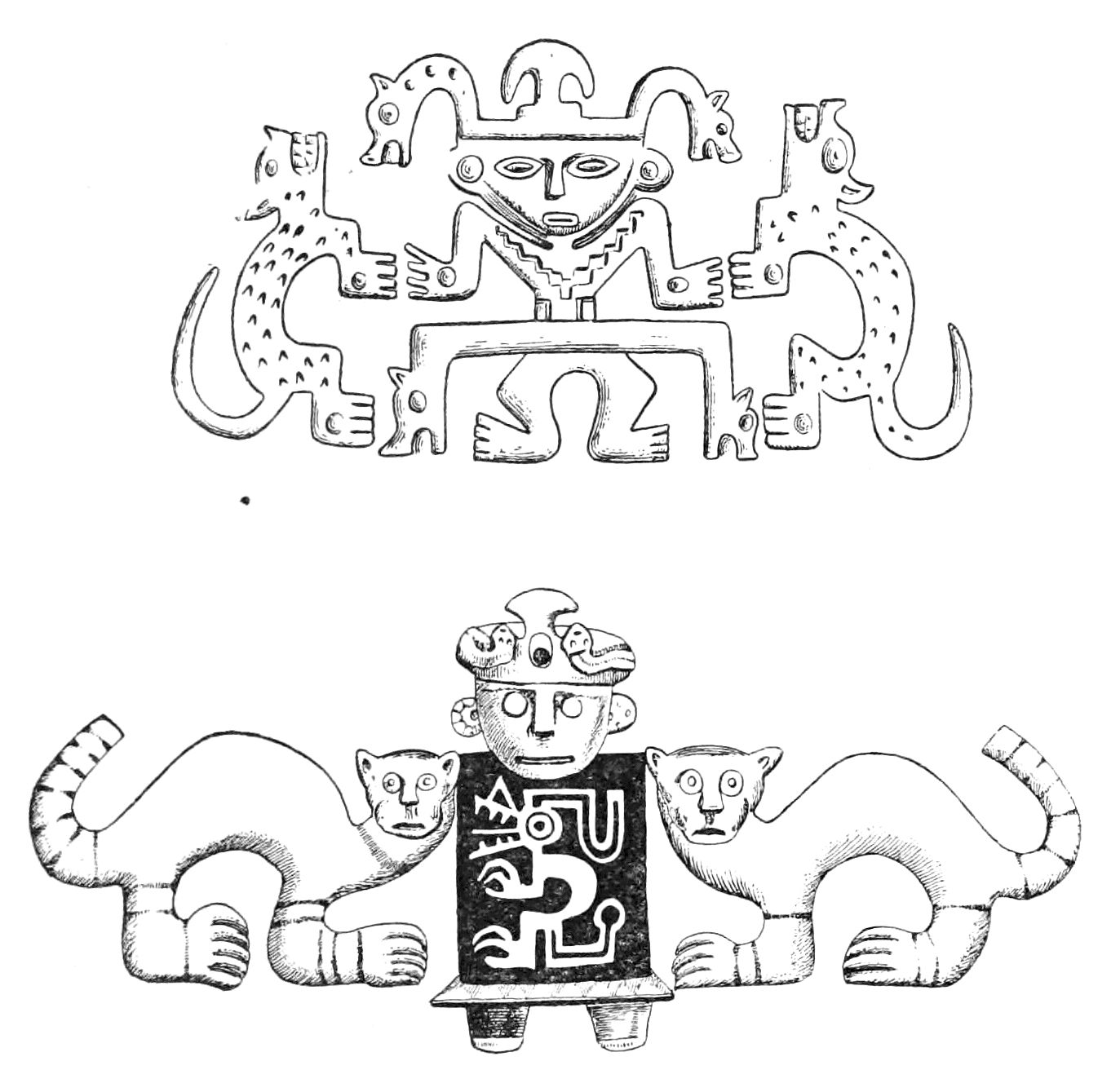
Fig. 27. Peruvian designs.
On objects that are frequently seen from different sides are found forms that are symmetrical both ways, when seen right and left and when seen up and down. Examples of this are the Australian shield fig. 22 (p. 33), and the parfleches of the North American Indians (fig. 89, p. 97). On objects of similar character made by the same technical processes and by the same tribe, such as rawhide bags (fig. 28) double symmetry may also occur.
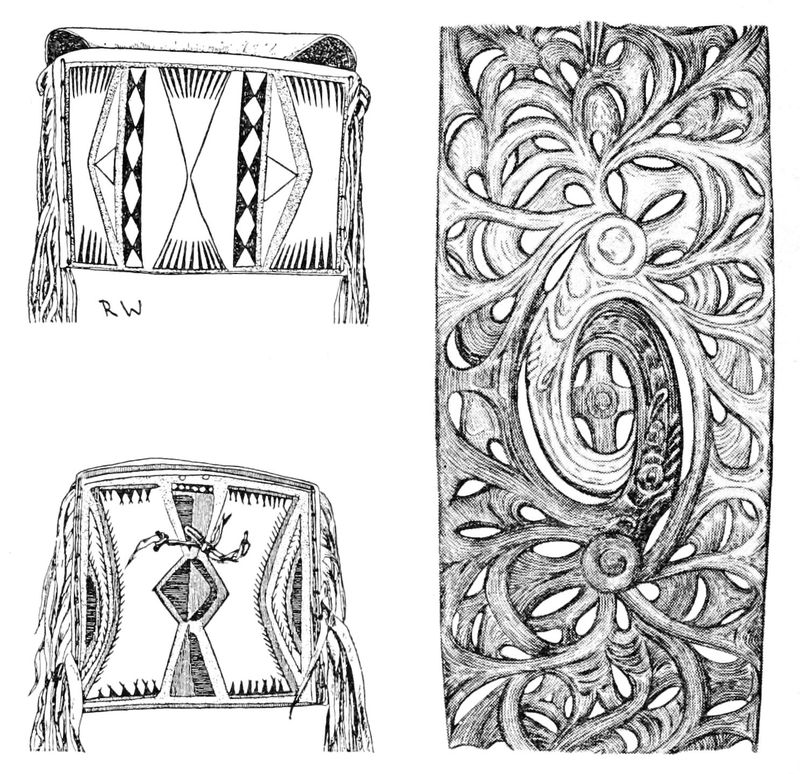
Fig. 28. Painted rawhide bags, Shuswap, British Columbia. Fig. 30. Carved board Kaiserin Augusta Fluss, New Guinea.
In circular forms the diameter is often the axis of symmetry. In other cases symmetrical fields are radially arranged and there may be a number of repetitions. The circumference takes the place of the horizontal, the radius that of the vertical (fig. 29).
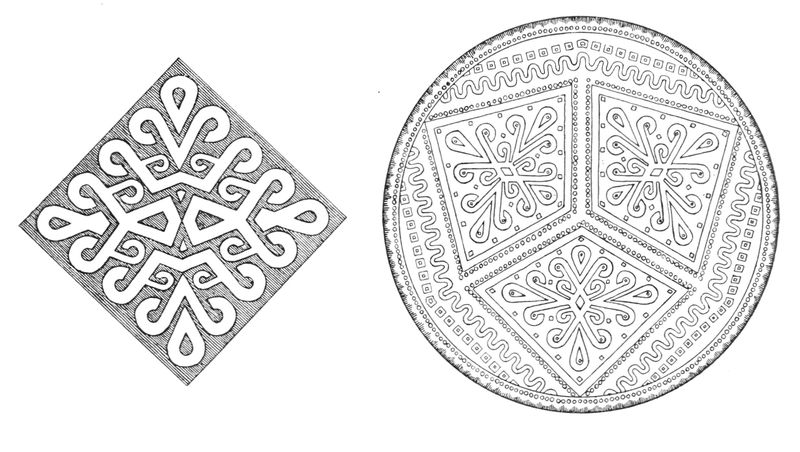
Fig. 29. Designs of the Dayak.
In a number of cases we find instead of normal symmetry an inversion of the two symmetrical halves so that what is above to the right, is below to the left. Arrangements of this type are, however, less numerous than true symmetry. Such forms occur in New Guinea. They are due to the decorative development of the two branches of a double spiral (fig. 30). This form results sometimes from circular rhythmic repetitions in which the whole circle is filled by two or more units. This is found for instance, in pottery from the southwestern Pueblos (fig. 31) and also quite commonly in Central America.[26]
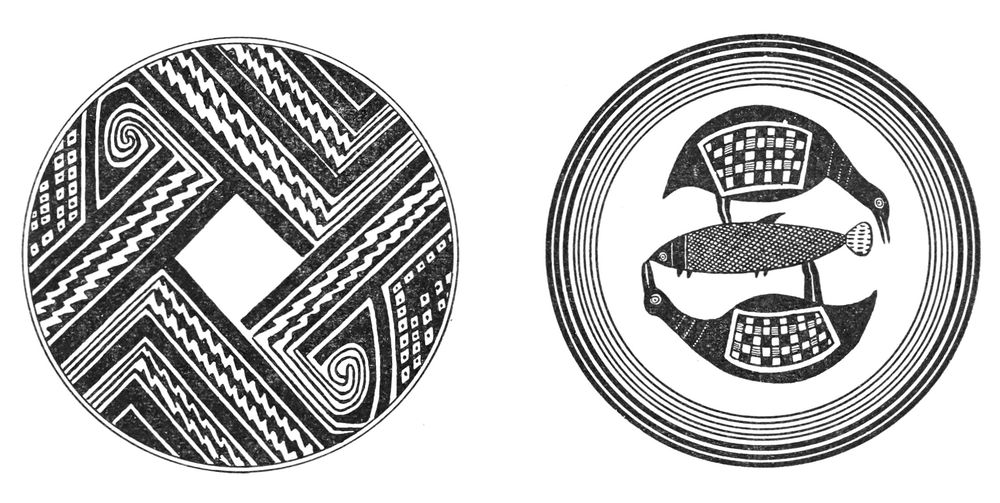
Fig. 31. Designs from pottery of the ancient Pueblos.
Other figures resulting from rotation, that is from a decorative pattern applied rhythmically in the same direction, as for instance the swastika and S shaped figures occupying the center of a decorative field, present the same type of inverted symmetry. The same treatment is found in the art of ancient Scandinavia (fig. 32).
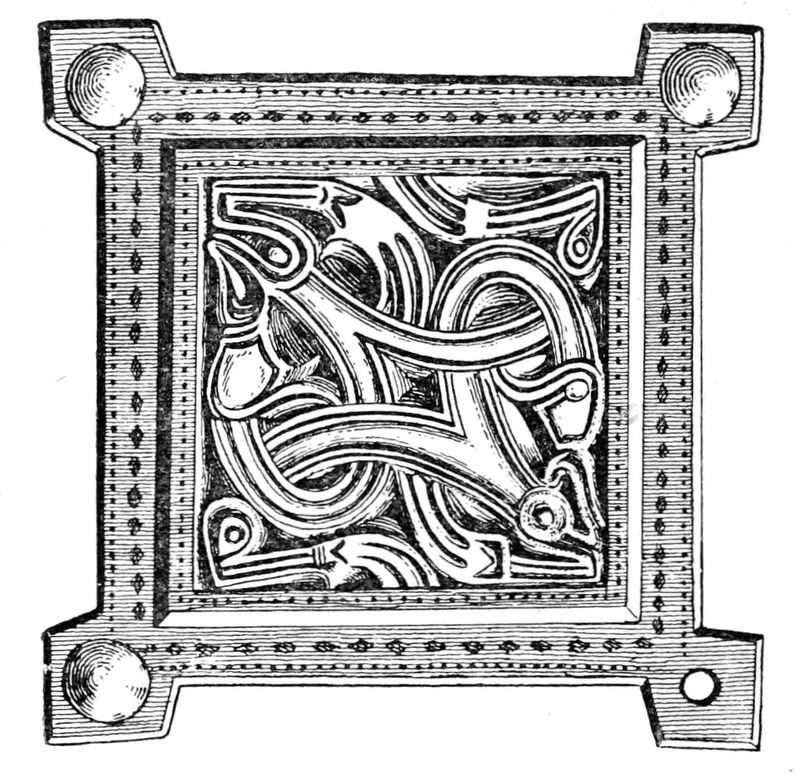
Fig. 32. Bronze ornament, Sweden, 7th Century A. D.
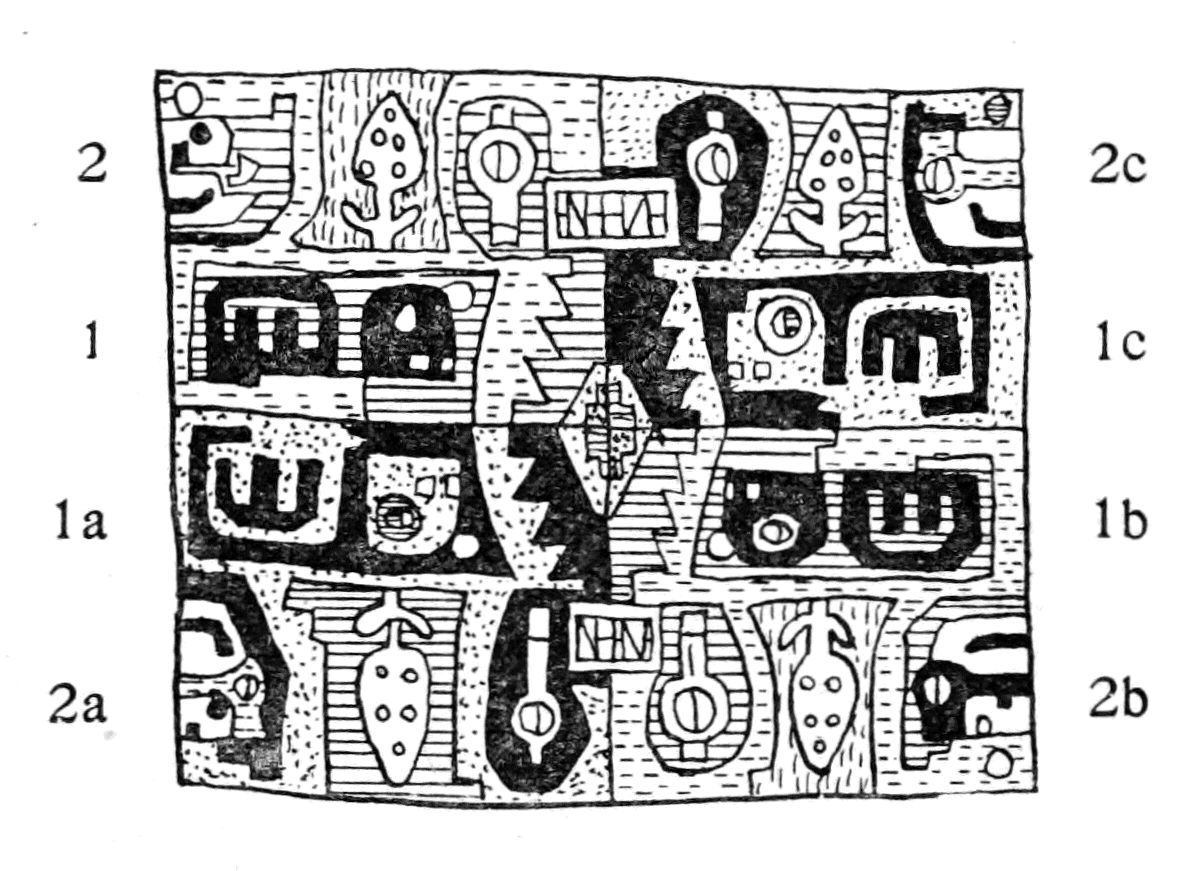
Fig. 33. Design from Peruvian textile.
A curious development of this decorative device is applied in the art of ancient Peru. On many fabrics we find patterns consisting of a diagonal arrangement of squares or rectangles. In each diagonal the same design is repeated, while the next diagonal has another type. In each diagonal line the design is shown in varying positions. If the one faces the right, the next faces the left. At the same time there is an alternation of colors, so that even when the form is the same, the tints and the color values will not be the same. A characteristic specimen of this type will be described later on (p. 47).
The plan of one of these designs is illustrated in fig. 33.[27] There are eight rectangular fields with two designs (1 and 2); those right and left of the middle line and those above and below the horizontal middle line are symmetrical in regard to form. In color, 1 corresponds to 1b and 1a to 1c; also 2 corresponds in color to 2b and 2a to 2c. The colors being in all these cases, on the whole, reversed. 1, 2, and 1b, 2b have a yellowish background and a red field surrounding the tree shaped design; 1a, 2a and 1c, 2c have a light red background and a greenish field surrounding the tree shaped figure. The whole field, consisting of four sections, is followed in the whole decorated stripe by another set of four sections in form like the preceding one. In this the background of 1 and 2, 1b and 2b is blue, of 1a, 2a and 1c, 2c yellowish. The field surrounding the tree shaped figure is yellowish in 1 and 1b, greenish in 1a, and 1c. Taken as a whole, the right side is practically the same as the left, turned upside down. The order of fields on the left from the top downward and for the right side from below upward, is according to the color of the background, abbreviating, r red, y yellow, b blue:
r r y y / y y b b / r r y y / y y b b / r r y y / y y b b / r r y y /.
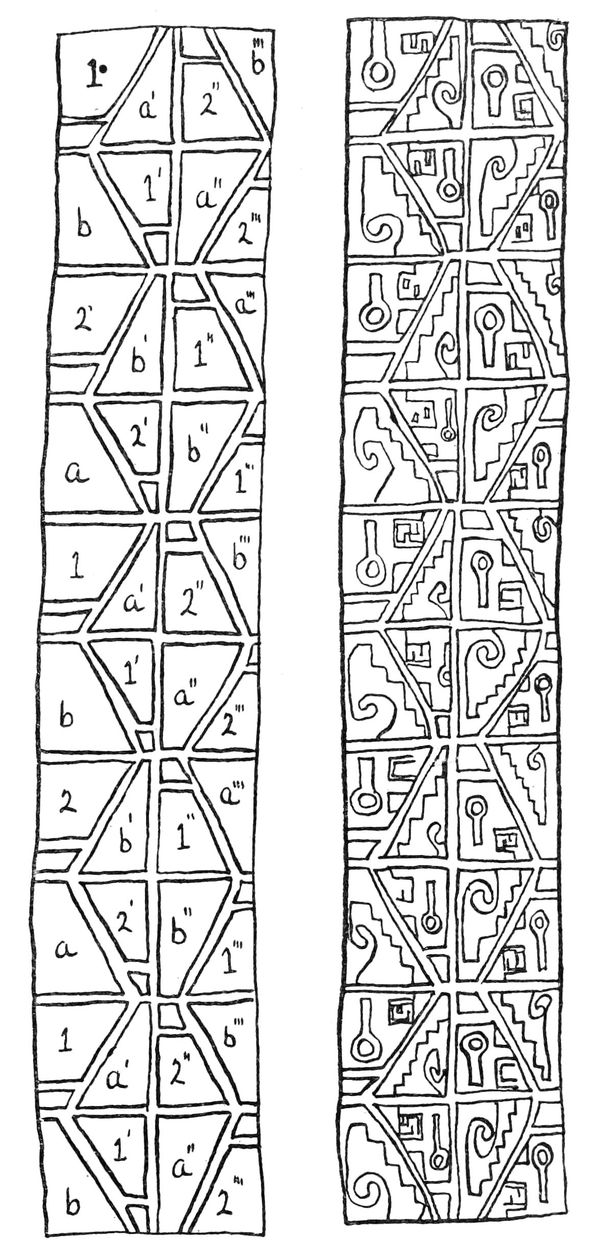
Fig. 34. Designs from Peruvian textile.
A second example is shown in fig. 34. In this specimen the diagonally arranged fields marked 1, a, 2, b[28] have the same color scheme.
The larger fields in 1 are yellow, the lesser black. The larger fields in 2 are pink, the lesser grey. The background in b is grey, the scroll purple. The background in a is dark grey, the scroll light purple.
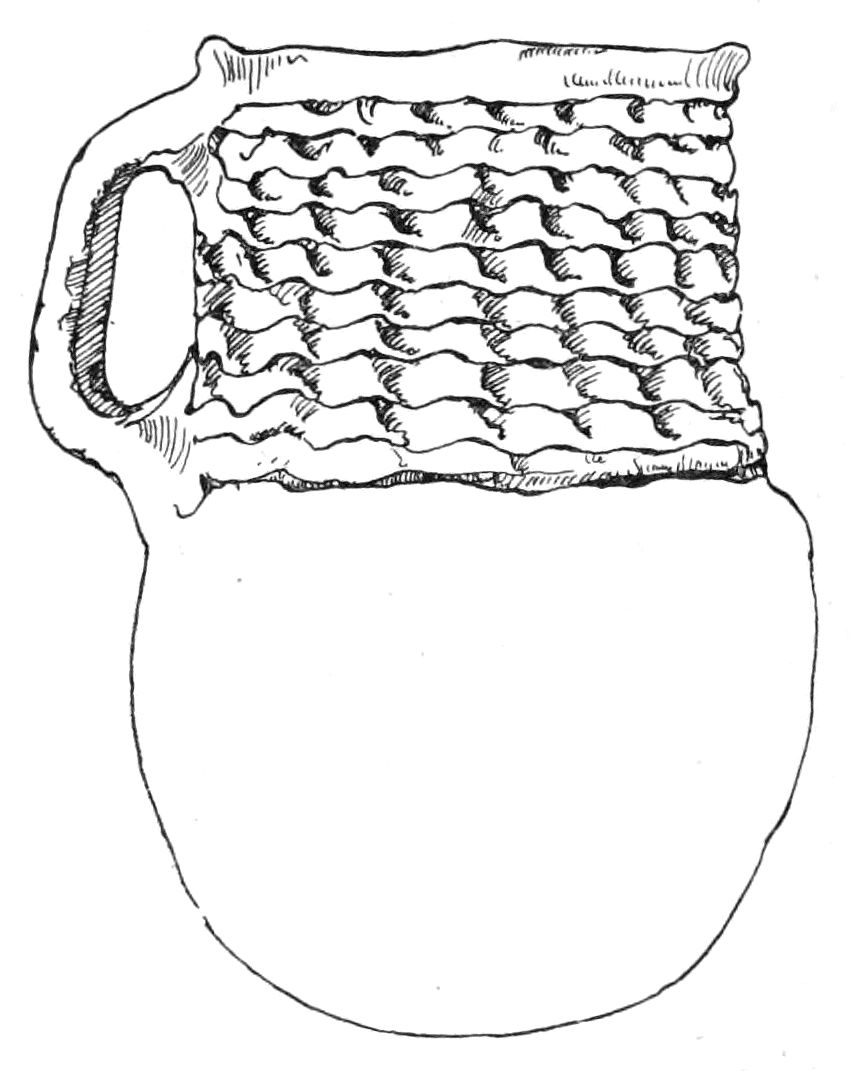
Fig. 35. Pot of coiled pottery, Prehistoric Pueblo Indians.
Another fundamental element of decorative form is rhythmic repetition. Technical activities in which regularly repeated movements are employed lead to rhythmic repetition in the direction in which the movement proceeds. The rhythm of time appears here translated into space. In flaking, adzing, hammering, in the regular turning and pressing required in the making of coiled pottery, in weaving, regularity of form and rhythmic repetition of the same movement are necessarily connected. These rhythmic movements always produce the same series of forms. Examples of rhythmic surface forms determined by perfect control of a technique are found in many industries and in all parts of the world. Exquisite regularity of flaking is found in the Egyptian flint knives (see fig. 5, p. 21). It is not so frequent in the flaking of American Indians. The adzed boards of the Indians of the North Pacific Coast bear chipping marks of great regularity that give the appearance of a pattern (figs. 6, p. 23 and 18, p. 30). On surfaces that are to be painted these marks are often polished off with grit-stone or shark skin, while on unpainted parts they are kept, presumably on account of their artistic effect. In Oriental metal work the strokes of the hammer are so regular that patterns consisting of flat surfaces originate. Other examples of the artistic effect of the regularity of movement are found in the prehistoric corrugated pottery of the North American South West. The coils are indented by pressure of the fingers and a series of indentations form a regular pattern on the surface (fig. 35). The effect of automatic control is seen nowhere more clearly than in basketry, matting and weaving. It has been pointed out before (p. 20) that evenness of surface results from regularity of movement. The rhythmic repetition of the movement leads also to rhythmic repetition of pattern. This is most beautifully illustrated by the best examples of California basketry.
The virtuoso who varies the monotony of his movements and enjoys his ability to perform a more complex action, produces at the same time a more complex rhythm. This happens particularly in weaving and related industries such as braiding and wrapping with twine. Skipping of strands,—that is twilling (see fig. 17, p. 30) is the source of many rhythmic forms and twilling is undertaken by the virtuoso who plays with his technique and enjoys the overcoming of increased difficulties.
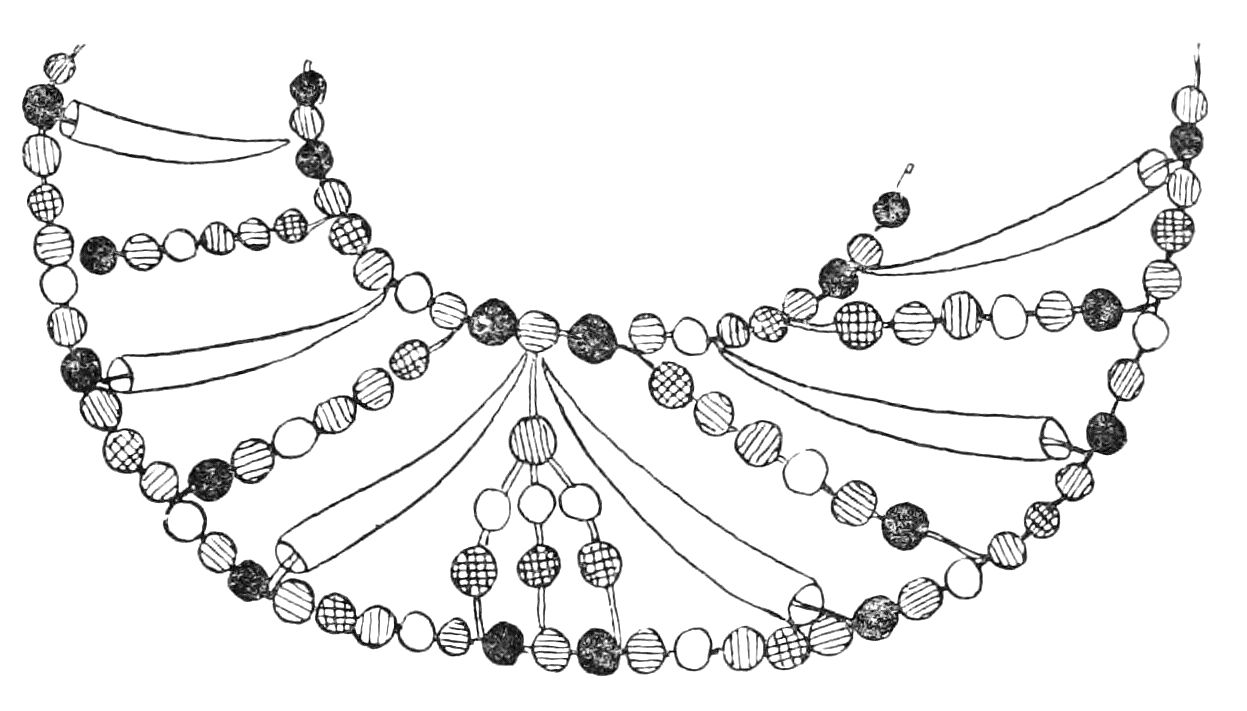
Fig. 36. Necklace of Thompson Indians.
In many cases rhythmic complexity is clearly the result of careful planning. I have referred before to the rhythmical arrangement on fringes of the Thompson Indians of British Columbia, (p. 29).
Another good example (fig. 36) is a double necklace in which the rhythmic series is—
black, red, yellow, green, blue, green,
both in the inner and outer lines while the connecting links have the order
black, red, yellow, green, red, blue.[29]
Dr. Reichard[30] has discussed a number of other examples from the same region which have similar characteristics. In one example the arrangement of the fringe elements is more complex than in the one previously described. Designating different colors by numbers and dentalia shells by D, we find the order
1 2 3 D 2 1 2 3 2 1 2 D 3 2 1[31]
Other examples of complex rhythms from this region have been given by Dr. Reichard in the essay previously referred to.
In some instances the rhythms are not so distinct, but nevertheless discernible. As an example may serve a neckband consisting of a double string in which beads of various colors are interspersed among red beads in the following order
—r— r——r———r ——— r————r———r——r— / / / / | \ \ \ \ —r——r——r ——r———rrr———r————r———r——r—
In Eastern Siberia similar conditions occur.[32]
A fairly simple sequence is shown on an embroidered strip (fig. 37 a) consisting in regular sequence of squares followed by three narrow strips; the middle strip is a little wider than the two lateral strips.
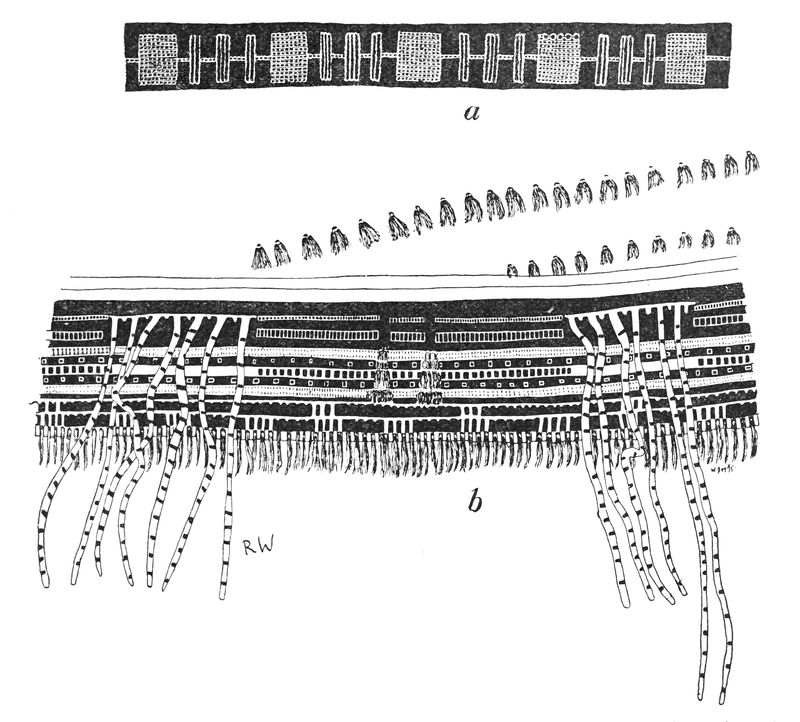
Fig. 37. Koryak embroideries.
A more complex rhythm is shown in figure 37 b. The long fringe which is caught in the seam near the upper border of the embroidery is repeated at regular intervals. An embroidered strip near the upper part of the design is interrupted and the black bars on the central white strip are omitted at these places. A division of the upper row of embroidery, between the sets of fringes, into three parts of unequal length will be noticed. Just under the breaks in this row are two groups of tufts of seal fur, a little wider below than on top, and these are set off more definitely by the arrangement of groups of white lines on the lower two rows.
Still more complex are a number of borders embroidered in colored yarn. In these we may distinguish between the rhythm of form and of color (fig. 38). The arrangement is one combining symmetry with rhythmic complexity. On one of these strips (fig. 38 a) some of the rectangles with rhombic checkerwork have a white background; in these there are two rows of blue or purple diamonds at each end and two rows of red diamonds in the centre (design 1). Other rectangles have a yellow background with red diamonds at the sides and blue ones in the middle (design 2). Besides these there is one with red background and black diamonds (design 3). The colors of the crosses are irregularly arranged. There are four with predominating red and white (design 4) and others with predominating yellow and blue (design 5). The most symmetrical arrangement of this strip requires a yellow rectangle in the middle of the front. One end of the stripe, as shown in the illustration, has three short blue bars on a red background (design 6). The peculiar cut at this end fits into a corresponding cut at the other end and shows that the stripe as it is has been taken from a garment. The general impression of the design is that the rhythm and symmetry of the crosses is subordinated to the symmetry of the rectangles. For this reason I have placed the crosses in the following arrangement in the upper line, the rectangles in the lower line.
Crosses 4 5 5 5 4 5 4 4 5 4 6 Rectangles 2 1 1 2 1 1 2 1 3 1 Front Back
The embroidery on figure 38 b consists of four distinct elements; a flower with leaves on each side (design 1); one branch with curved leaves (design 2); one branch with terminal flowers (design 3). Besides these there is one other element which occurs only once on the back of the coat. It is marked design 4. The embroidered stripe is not sewed symmetrically to the coat but has evidently been placed in such a way that the arrangement in the front of the coat corresponds to the sequence:—
2 3 2 1 3 1 2 3 2
while the back is occupied by three designs (3). The small design (4) is found on the back. The whole arrangement of the small designs on the back being
2 2 4 2
Another specimen (fig. 38 c) consists of a double leaf design on a plain background alternating with another design consisting of three crosses. This pair of designs occurs in regular succession five times, but under the left arm it is interrupted by the two patterns shown on the right hand side of the figure.
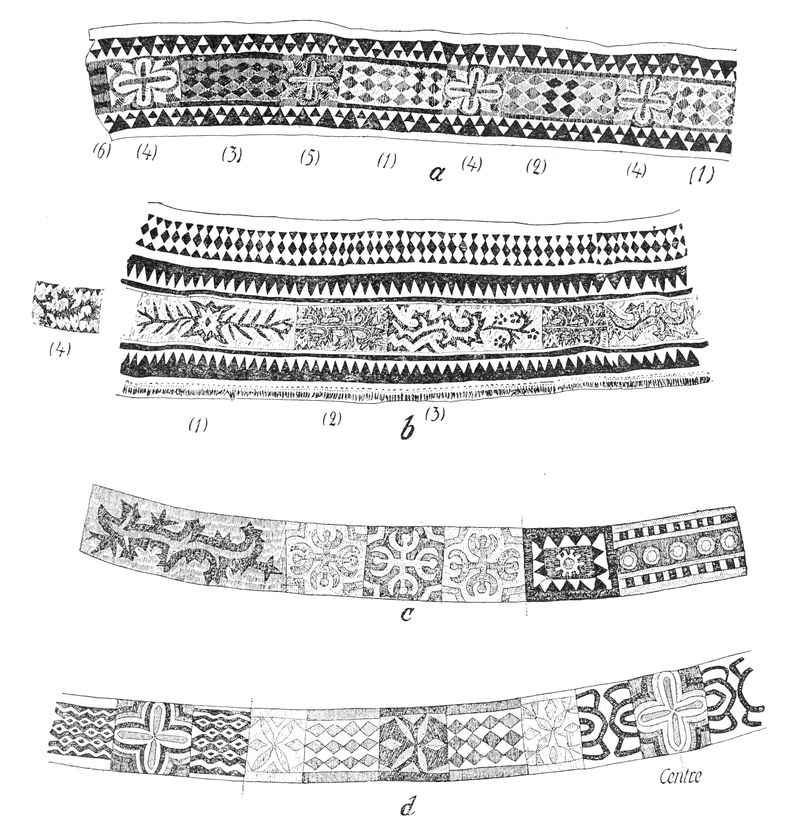
Fig. 38. Koryak embroideries.
In still another coat (fig. 38 d) we find the same series of designs in symmetrical arrangement on the front and back. The middle is occupied by a cross and the other designs follow as indicated. Under the right arm appears an additional design, consisting of a central cross and rhomboidal fields with central dots; while under the left arm a single field is added differing in color from all the others but related to them in form.
An interesting feature in this series is the overlapping of form and color. This condition appears even more clearly in designs from ancient Peru. I observed the occurrence of this rhythmical form a number of years ago and called the attention of Mr. Charles Mead to the phenomenon.
He described[33] a number of designs of this type which show a rhythmic arrangement of six units, sometimes the same in form but different in color. Sometimes with a double rhythm, one of form and one of color.
Plate IV, fig. 1 represents a border of vicuna wool, consisting of a series of diagonal bars all of the same pattern. The sequence of color is:
1. Bright red (1) with brown (7) dots.
2. Blue (2) with pink (1*) dots.
3. Dull yellow (3) with brown (7) dots.
4. White (4) with pink (1*) & brown (7) dots.
5. Dark green (5) with red (1) dots.
6. Red (1) with green (2) dots.
The triangular patterns (Plate IV, fig. 2) have the following sequence:
1. Background white figures red spots dark blue.
2. — dark blue — red — dark yellow.
3. — yellow — red — dark blue.
4. — brown — red — yellow.
5. — light blue — red — dark yellow.
6. — dark yellow — red — light blue.
The quadruple bird head pattern (Plate IV, fig. 3) has the following colors for the background, bird, and bird’s eye:
1. Background pink 1 bird: yellow eye: pink.
2. — yellow 2 — red — yellow.
3. — dark yellow 3 — light yellow — yellow.
4. — dark red 1a — yellow — pink.
5. — yellow 2a — dark red — yellow.
6. — dark yellow 3a — light yellow — light yellow.
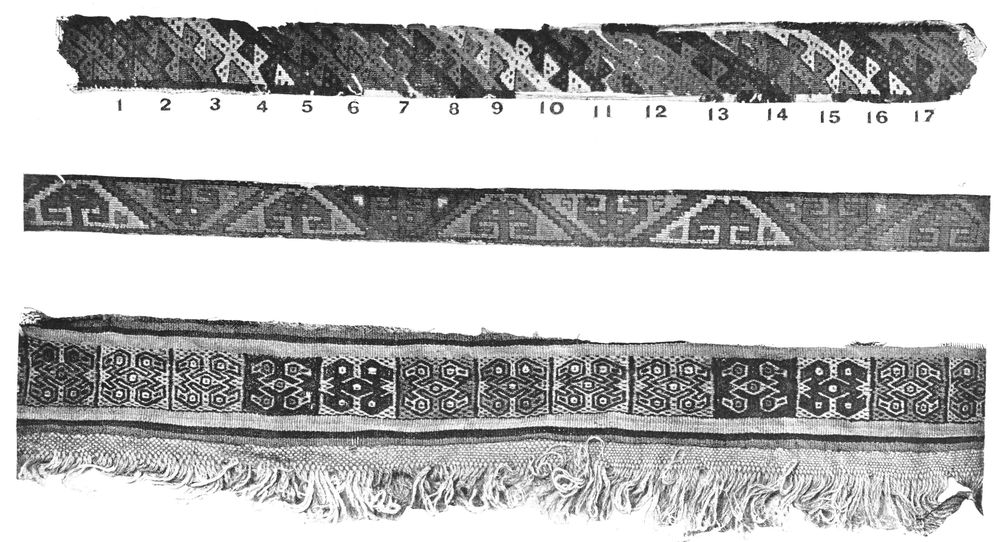
Plate IV.
Peruvian Textiles.
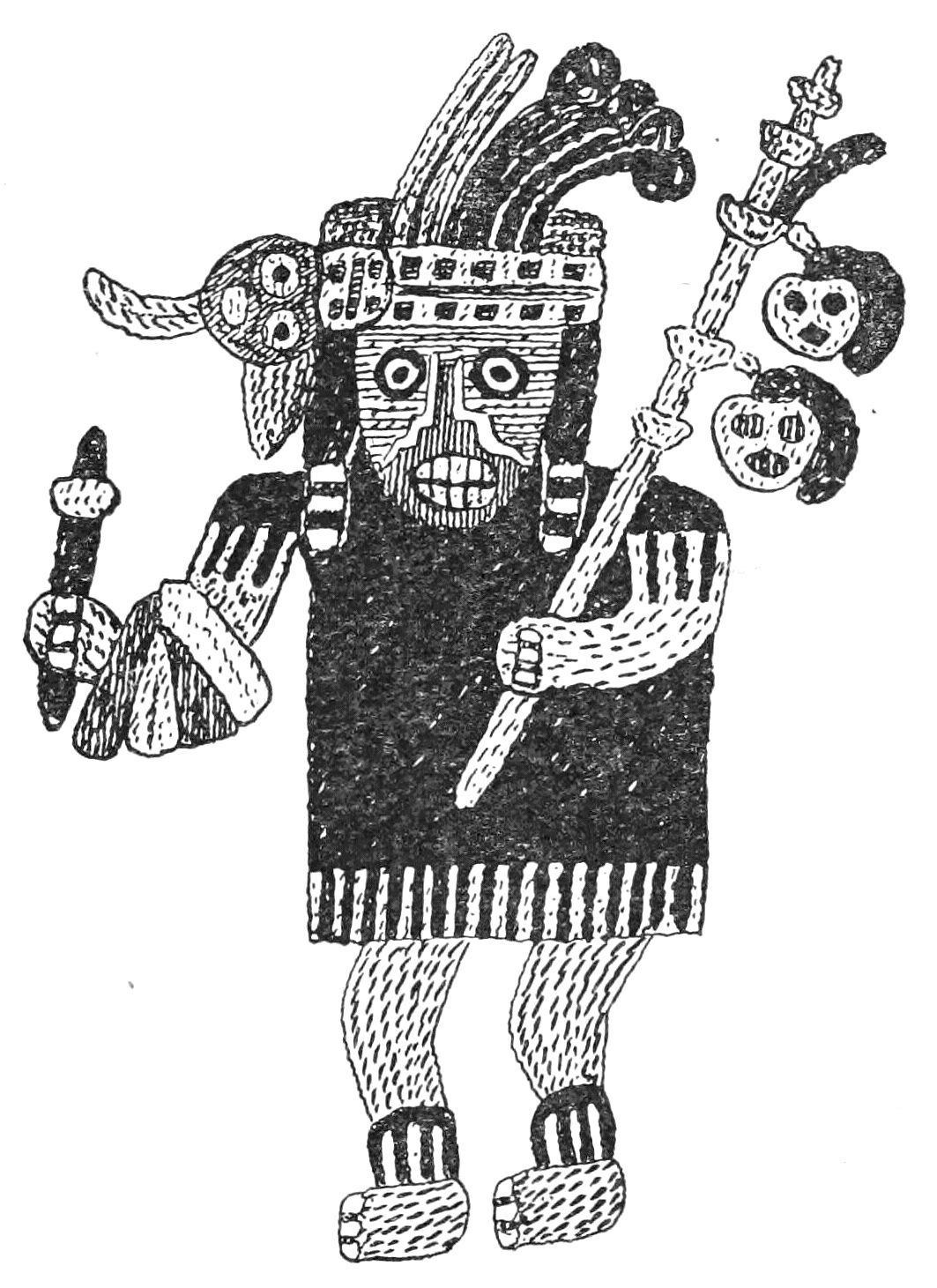
Fig. 39. Peruvian embroidery from Ica.
A large cloak from Ica is embroidered with designs representing a man with a bow and headdress (fig. 39). The figures are the same all over, except that the position and the objects they hold alternate right and left. The color scheme, however, varies: there are six distinctive types. Considering only the colors of coat, legs and face we may arrange them in the following order:
Coat. Legs.
1. Yellow dark blue
2. purple red
3. red dark blue
4. blue dark yellow
5. black dark blue
6. dark blue black
Face, above. Face, below.
1. dark yellow black
2. yellow white
3. brown dark yellow
4. blue red
5. brown dark yellow
6. dark yellow light yellow
The fifth and sixth type correspond in the rest of their color schemes to the third and second types.
The general arrangement of these types is as follows:
1 2 3 4 1 2 3a 4 1 6 5a 4 1 3 4 1 2 3 4 1 6 5 4 1 2 3 4 2 3 4 1 2 3 4 1 6 5 4 1 2 3 4 1 2 3 4 1 6 5 4 1 2 3 4 1 3 4 1 2 3 4 1 6 5 4 1 2 3 4 1 2 3 4 1 6b 5 4 1 2 3 4 1 2 4 1 2 3 4 1 6 5 4 1 2 3 4 1 2 3 4 1 6 5c 4 1 2b 3c 4 1 2 3 1 2 3 4 1 6 5 4 1 2 3 4 1
In the actual arrangement there are apparently three mistakes. In the first horizontal line, the two figures marked with the note a have been exchanged. In line six and line eight the two figures marked with the note b have been transposed and in line eight the two figures with the note c have been exchanged. It will be seen that when these transpositions have been effected the diagonal lines running from the first row down to the left, follow a regular alternation of types. Type 6 is clearly related to 2, and type 5 to 3. Since in quite a number of woven garments regular diagonal sequences may be observed, it seems likely that these were particular determinants of the style. There are in all, six different types, but if we imagine the lines continued, it would be found that the same order will occur after twelve lines. The embroidery does not represent a regular six-unit design but is rather a four unit design of two distinct types—1 2 3 4 and 1 6 5 4,—in which the former type is repeated twice and the latter once.
Similar observations may be made on the fabrics illustrated in Reiss and Stübel’s “Necropolis of Ancon”. I have selected a few specimens that illustrate the rhythmic repetition of color. Figure 40[34] represents a band with red background on which are animal figures in the following sequence:
purple, yellow, green, yellow, white, yellow, green, yellow
in other words a sequence of eight units consisting of one purple and one white design interrupted by the symmetrical color sequence yellow, green, yellow. The yellow designs are surrounded by a heavy black border.

Fig. 40. Peruvian fabric.
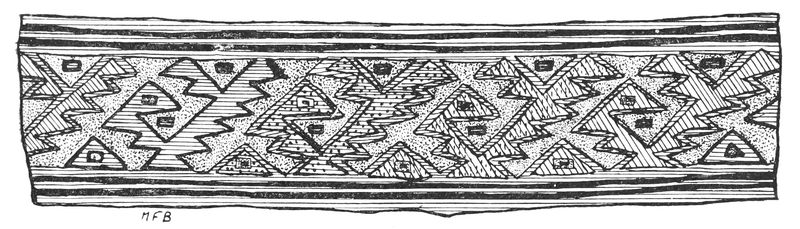
Fig. 41. Peruvian fabric.
In figure 41[35] we have another band which consists of diagonal patterns framed by red lines except in one place where a black frame is found. As on the preceding specimen the black serves to separate the red and yellow. The design is the same all through, and the order of the elements as follows:
yellow red yellow brown yellow black frame black zig-zag red frame red zig-zag red frame blue-green yellow purple red zig-zag red frame red zig-zag
In other words the essential sequence is yellow, red, yellow, brown, yellow, blue-green, yellow, purple; a series of eight elements.

Fig. 42. Peruvian fabric.
In figure 42 we find a border of simple interlocking S shaped designs in the order, white, dark blue, light blue, yellow, brown; a series of five elements which are repeated regularly.
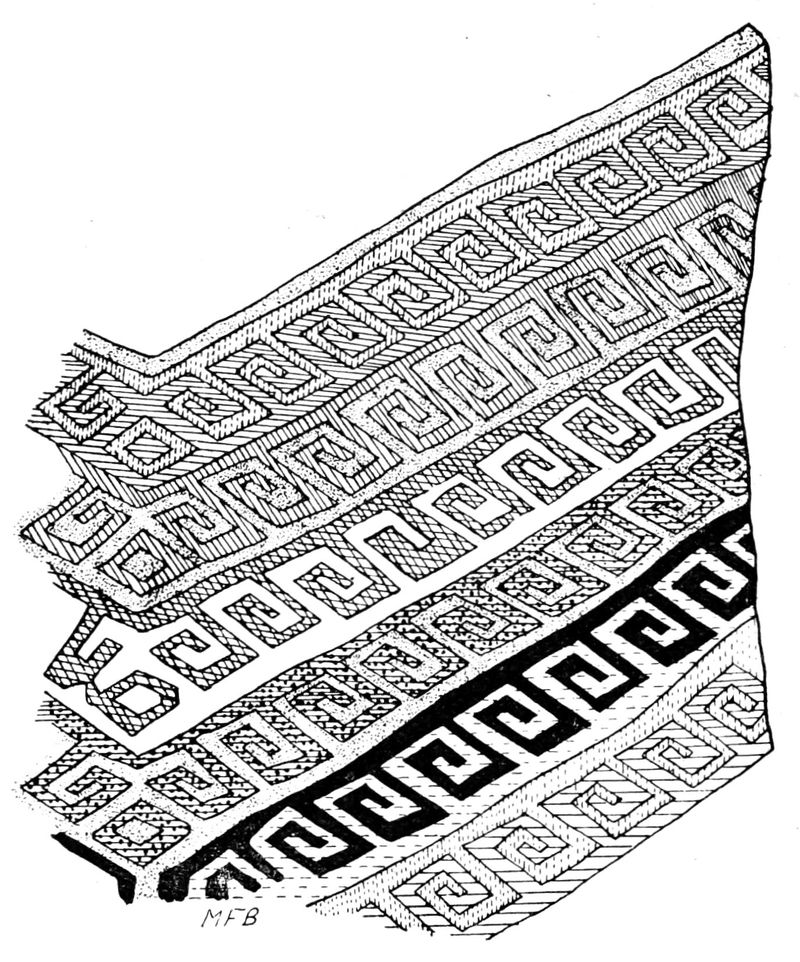
Fig. 43. Peruvian fabric.
Figure 43 represents a part of a design on a poncho in which, from above downward we have a series of six pairs of a fret design in the following arrangement:
green, red
yellow, blue
white, purple
yellow, brown
light red, black
the sixth line repeats the color sequence of the first.
Figure 44 is a somewhat complicated design which is not completely shown in the section here represented. The principle of the pattern is illustrated in figure 44b. The sequence of color of the S shaped head design is purple, yellow, green, on a red background.
In figure 45 we have a decorative band with the color sequence yellow, green, yellow, green, light yellow, white, yellow, green, yellow; obviously a series of six units. The designs on the background of these colors are all in red.
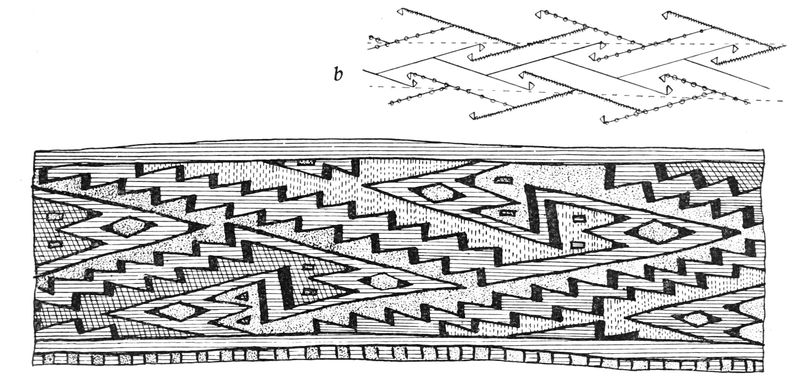
Fig. 44. Peruvian fabric.
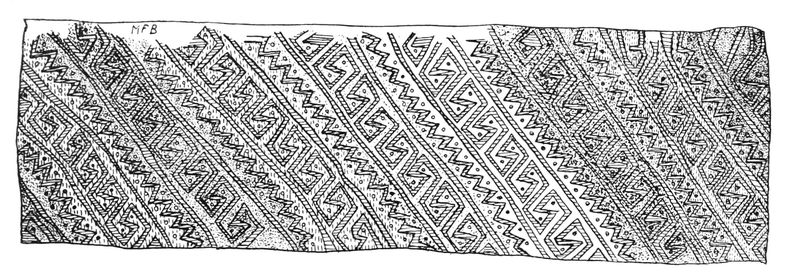
Fig. 45. Peruvian fabric.
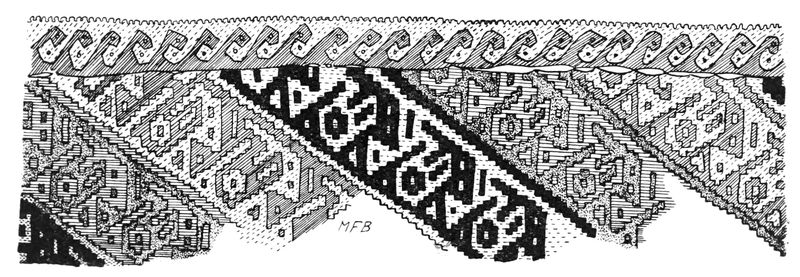
Fig. 46. Peruvian fabric.
In figure 46 a border is shown which has the color arrangement, from left to right:
pink—black,
red—yellow,
light gray—dark gray,
black—pink,
yellow—red,
dark gray—light gray.
In this specimen there is a systematic inversion of color values; what is light in the first set of three is dark in the second three. This tendency is quite marked in a considerable number of cases. We have for instance, a series of
white, red, yellow;—gray, pink, yellow,
where the white corresponds to the dark gray and the red to the light pink.
The tendency to this repetition of colors is shown very clearly in Mexican codices. For example in the Codex Nuttall, p. 82 (fig. 47), we find in the figure in the left hand lower corner a base in which stepped triangles are used with the sequence: yellow, red, black, yellow, purple, reddish brown. On the same page, the feather fringes on the coats of the figures represented are in the same order. Quite a number of feather dresses may be found in which the same order is preserved, as for instance on page 81 of the same Codex. The order in which these colors are given runs sometimes from left to right; sometimes from right to left, as for instance in the feather dress of the lowest left hand figure, page 81. Sometimes a different set of colors is used. On the feather headdress of a figure, page 75, we find the order:
white, red, yellow, blue, purple, brown,
white, purple, yellow, blue, red, brown (twice),
and the latter order is repeated in figures found on page 67 in the left hand lower corner on a base; in reverse order on page 67 on a feather coat and also on page 62 in stripes on the figures in the lower right hand corner. It seems that in this codex the order of colors is quite definitely fixed.
Remarkable rhythmic repetitions are found also on bead work from the Zambesi. On quite a number of specimens the following order of colors is regularly repeated:
Black white red yellow green yellow red white. Or written in another way: Green yellow red white black white red yellow.
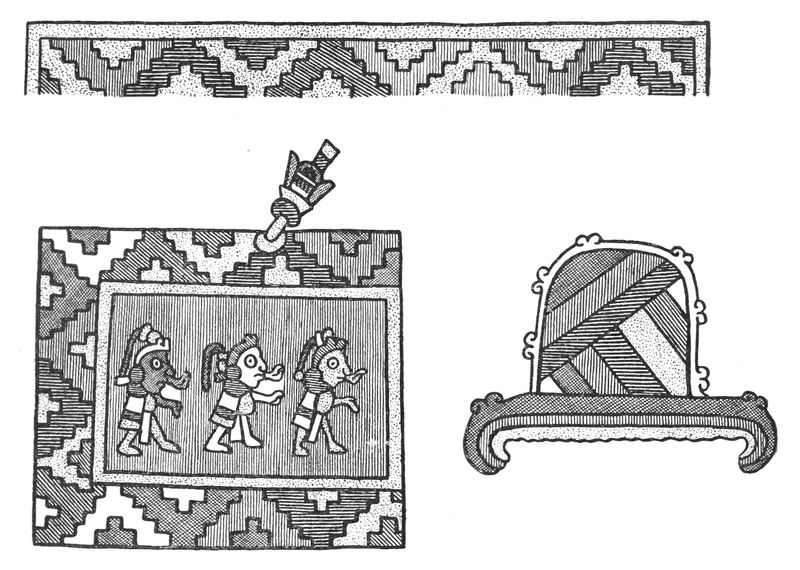
Fig. 47. Patterns from Mexican Codex.
These occur on a belt, a woman’s apron, a necklace, and on two mats[36]. In a number of places blue is substituted for green, and brown for red.
The rhythmic repetition and symmetry appears most clearly when we substitute numbers for colors. I designate
White 1, Red 2, Yellow 3, Brown 3′, Blue 4, Green 4′, Black 5.
According to the description of the belt first mentioned, as given by the authors, there is a regular repetition in the following order:
1 2 3 | 4 | 3´ 2 1 | 5 | 1 2 3 | 4´| 3 2 1 | 5 | 1 2 3 | 4´|
The same order is found on the handle of an axe which is decorated with colored zig-zag lines[37].
On a pouch[38] there is a lower field arranged in rows of diamonds, followed by a middle field consisting of zig-zag bands, and an upper field consisting again of diamonds.
In this the order is from below upward
2 1 5 1 2 3 4 3 2 | 4 3 5 1 5 3 5 1 | diamonds zig-zags 2 3 4 3 2 diamonds.
Like symmetry, rhythmic repetition runs generally on horizontal levels, right and left, although not quite as preponderantly as symmetry.
Piling up of identical or similar forms occurs in nature as often as lateral symmetry. Plants with their vertical succession of leaves, branches of trees, piles of stones, ranges of mountains rising behind one another, may suggest vertical arrangements of similar elements. However, much more common are repetitions in horizontal bands; of simple arrangements of single strokes in rows; and of complicated successions of series of varied figures that recur in regular order (fig. 48, Plate V).
It follows from what has been said before that the forms here discussed are not expressive of specific emotional states and in this sense significant.
This conclusion may be corroborated by a further examination of decorative forms.
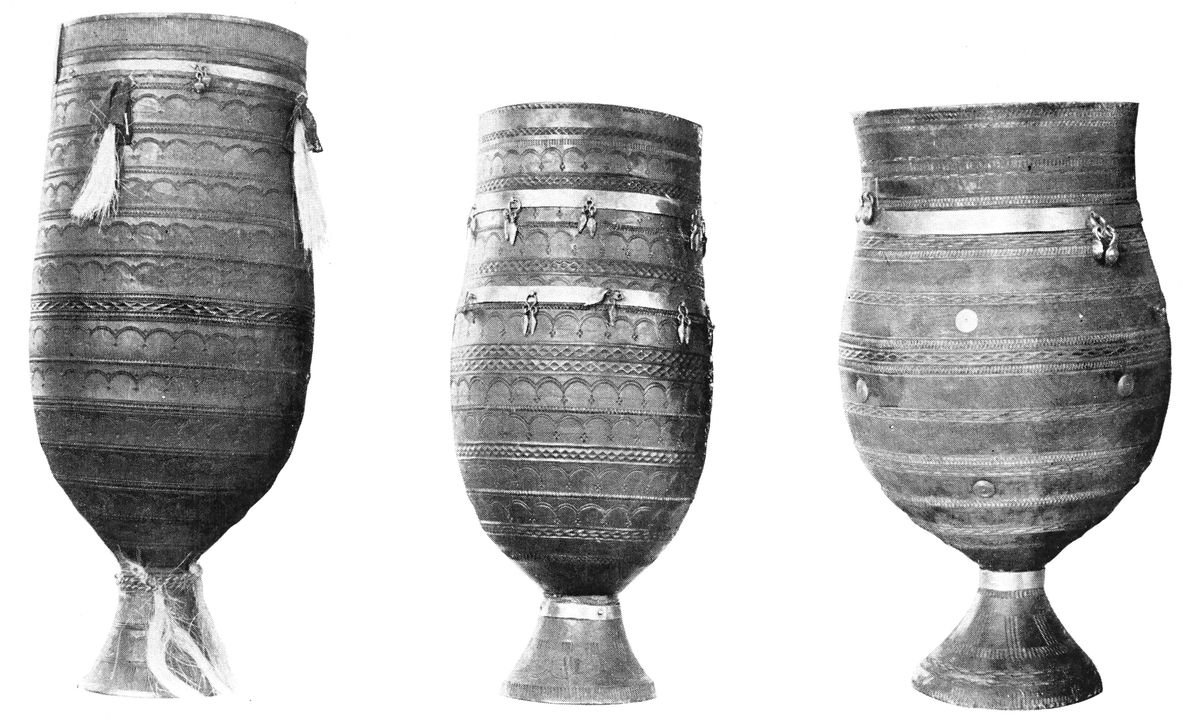
Plate V.
Kumiss Goblets of the Yakut.
We have already indicated that the artistic value of an object is not due to the form alone, but that the method of manufacture gives to the surface an artistic quality, either through its smoothness or through a patterning that results from the technical processes employed. However, the treatment of the surface is not controlled solely by technical processes. We may observe that in the art products of people the world over other elements occur that are due to the attempt to emphasize the form.
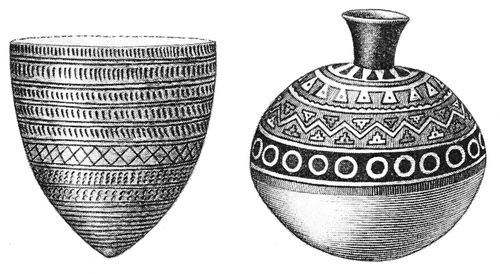
Fig. 48. Pottery vessels:
a
Finland;
b
Ica, Peru.
The application of marginal patterns is one of the most common methods employed for this purpose. In many cases these are technically determined. When, for instance, a woven basket is finished off, it is necessary to fasten the loose strands and this leads generally to a change of form and surface pattern in the rim. The strands may be turned down, wrapped and sewed together, they may be braided, or woven together and left standing as a fringe. In a bark basket the rim must be strengthened by a band, to prevent splitting of the bark, and the band and the sewing set off the rim from the body. A thin metal disk may have to be strengthened by rolling in the outer rim.
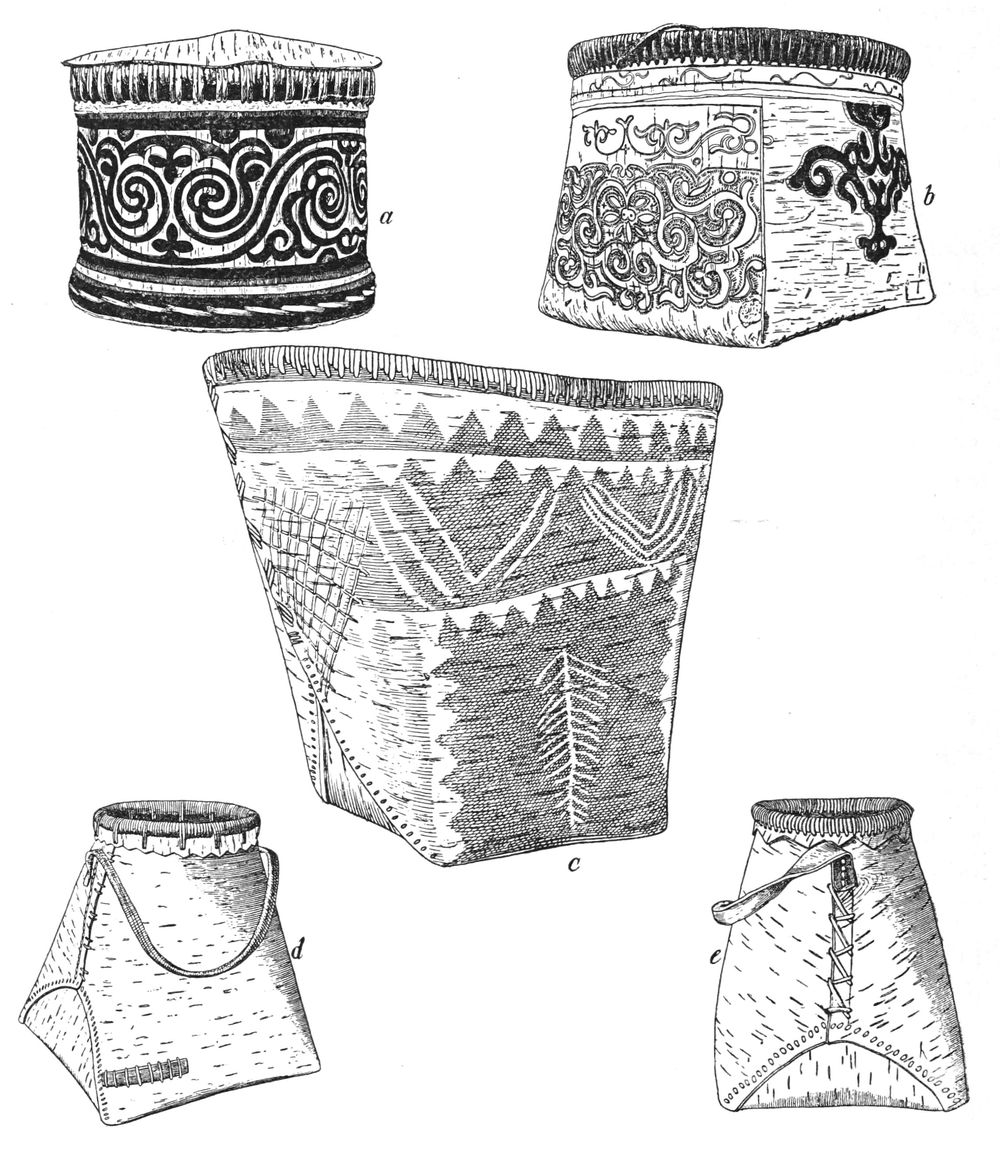
Fig. 49. Birchbark vessels;
a
,
b
, Amur River;
c
, Shuswap;
d
,
e
, Alaska.
The birchbark basketry of western North America and of Siberia presents an excellent example of a marginal pattern originating through technical necessity and regularity of motor habits. Necessary protection of the rim is obtained by sewing on a hoop. The grain of the bark runs parallel to the rim and if the stitches were all passing through the same grain the whole rim of the basket would tear off. It is therefore necessary to make the holding stitches of different lengths. This is done in the most effective way by beginning with a short stitch which passes through the bark immediately under the strengthening hoop, by making the next stitch a little longer and the following still longer. In this way the distance from the first short stitch has become long enough to permit a repetition of the new short stitch and by continuing in this way a marginal pattern of right triangles develops. The same result may be attained by alternating a few short stitches with a few long ones. From this results a different type of pattern. The same method is used by the Golds of southeastern Siberia (fig. 49[39]).
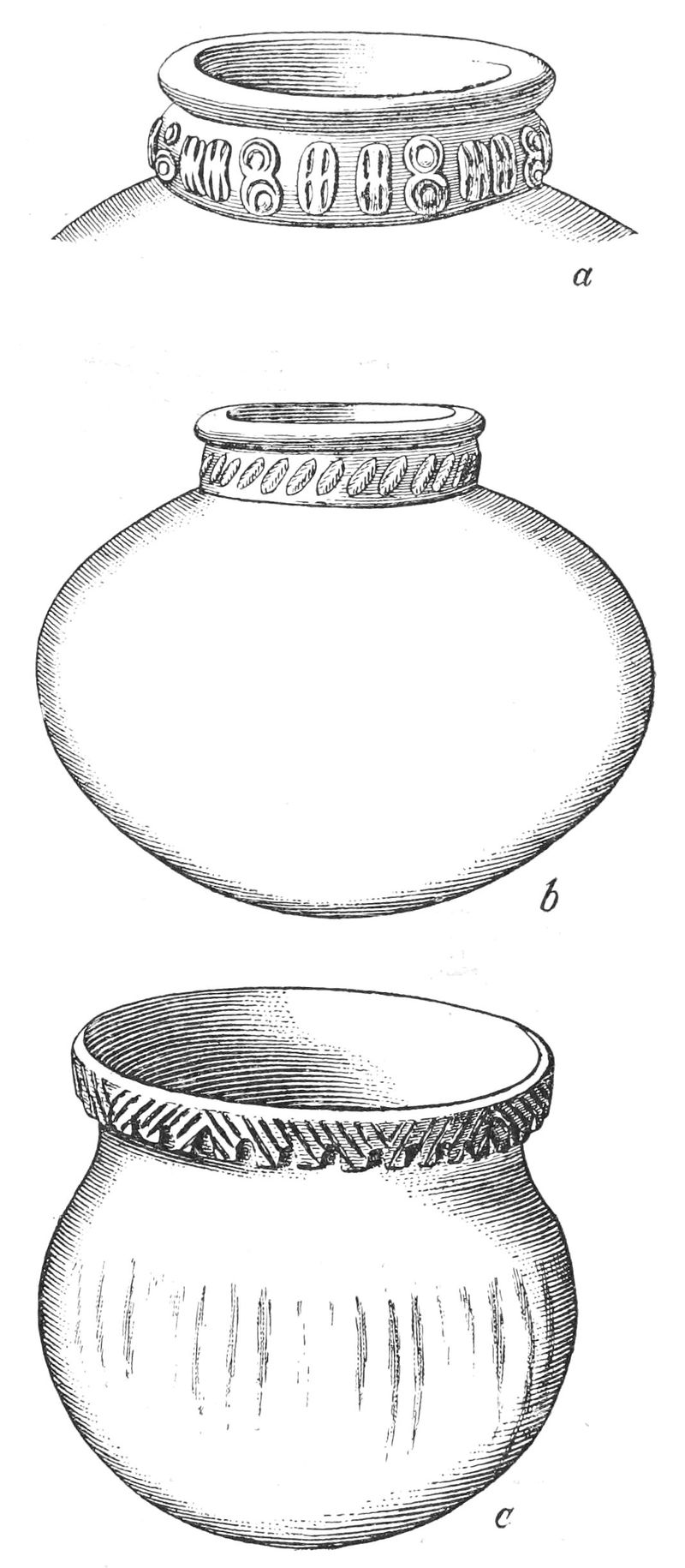
Fig. 50. Pottery vessels;
a
,
b
, Chiriqui, Costa Rica;
c
Ontario.
In woodwork, pottery and in most kinds of metal work these technical motives are not present. Nevertheless marginal patterns are widely distributed, although they cannot be explained on the basis of technical considerations. It would be quite arbitrary to claim that all these marginal patterns were primarily suggested in those types of technique in which a distinctive treatment of the margin is a necessity, for these are relatively few in number and of highly specialized character, while rim patterns are well nigh universal. It is instructive to observe that in coiled pottery the whole body of the vessel is generally polished off and that sometimes the impressions of the modelling fingers are left on the rim. There is no technical, compelling reason that requires this mode of treatment, but it is intelligible as an attempt to emphasize the form. Examples of this mode of treatment are very numerous. Rows of small pellets, moulded rims or incised lines along the rim of pots (fig. 50), small marginal curves along the rim of bronze disks, lines accompanying the rims of flat dishes and spoons such as are used by the Alaskan Eskimo, incised lines on the rim of a soapstone pot of the Hudson Bay Eskimo, and on their ivory combs (fig. 51), the spur line decoration of all the Eskimo tribes (see fig. 78, p. 86), the jutting out of the rims of dishes from Oceania, or on pots from ancient Europe are of this kind. As F. Adama van Scheltema has justly pointed out, we cannot reduce this world-wide tendency to any other ultimate cause than to a feeling for form, in other words, to an esthetic impulse that prompts man to emphasize the form of the object that he has made.
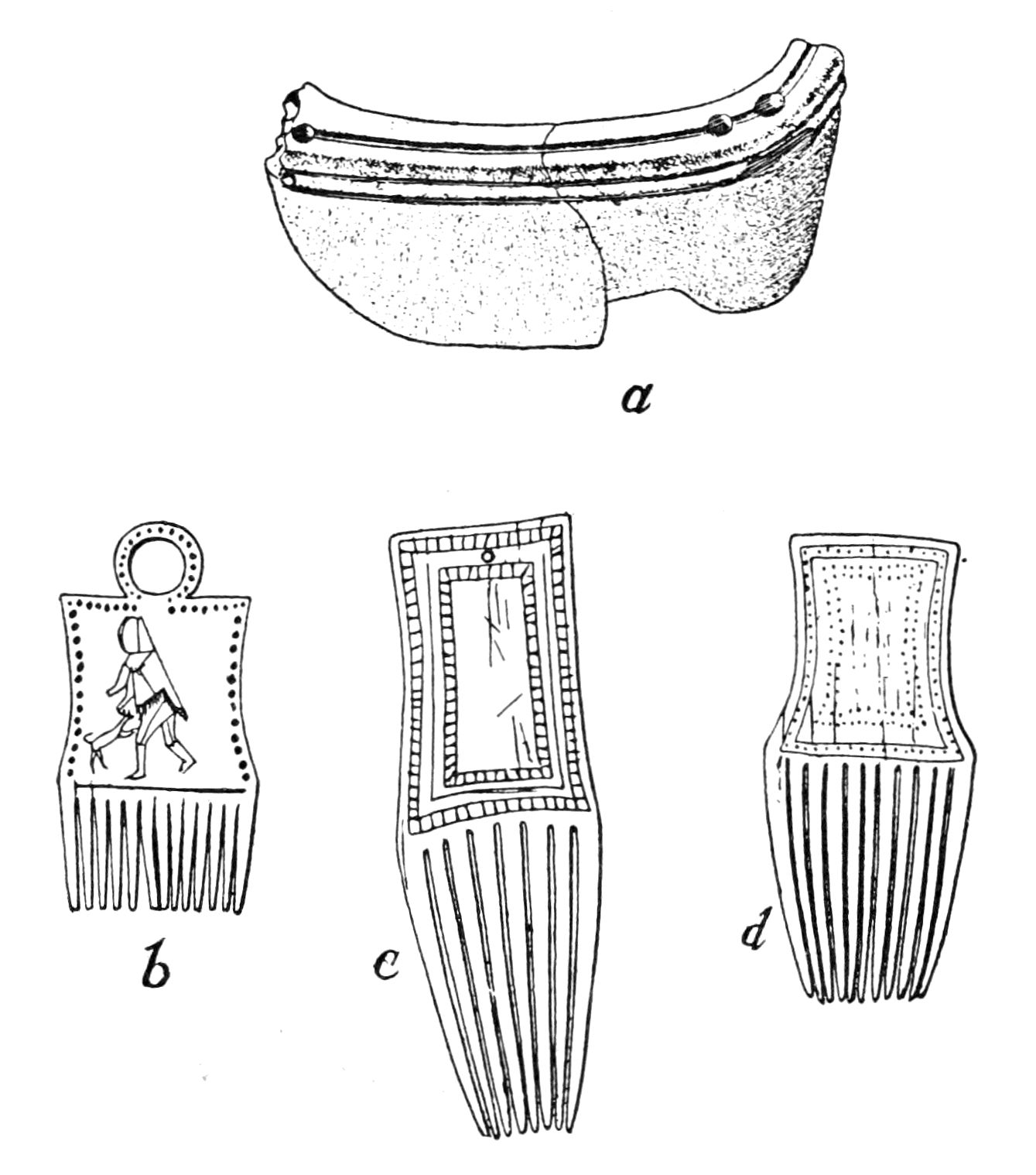
Fig. 51.
a
, Part of soapstone kettle;
b
,
c
,
d
, Ivory combs, Eskimo.
In a number of cases the form is not so much accentuated as rather set off, closed in and separated from the surrounding space by a formal limitation, a marginal line, thickening of the rim or a sharp crest, by which means the individualization of the object is attained. Quite often these limiting bands develop into decorative fields and serve the double purpose of limitation and of decoration. They may attain an individuality of their own.
When the surface itself is decorated, these lines or ornamental bands serve the additional purpose of limiting and closing the decorative field. Examples of this kind are very numerous. We find them in borders of our rugs, in architectural decoration, when the corners and roof lines of a building are formed by ornamental stone work, in book binding,—in short in practically all forms of modern decorative art, but no less in primitive art. Blankets of the Alaskan Indians (see figs. 269 et seq., pp. 259 et seq.), bronze work of ancient Scandinavia, prehistoric pottery of Europe and of Central America, gable boards of New Zealand houses, belts from New Guinea, baskets from British Guinea (fig. 81, p. 90) and wooden cups from the Congo region illustrate this tendency (fig. 52).
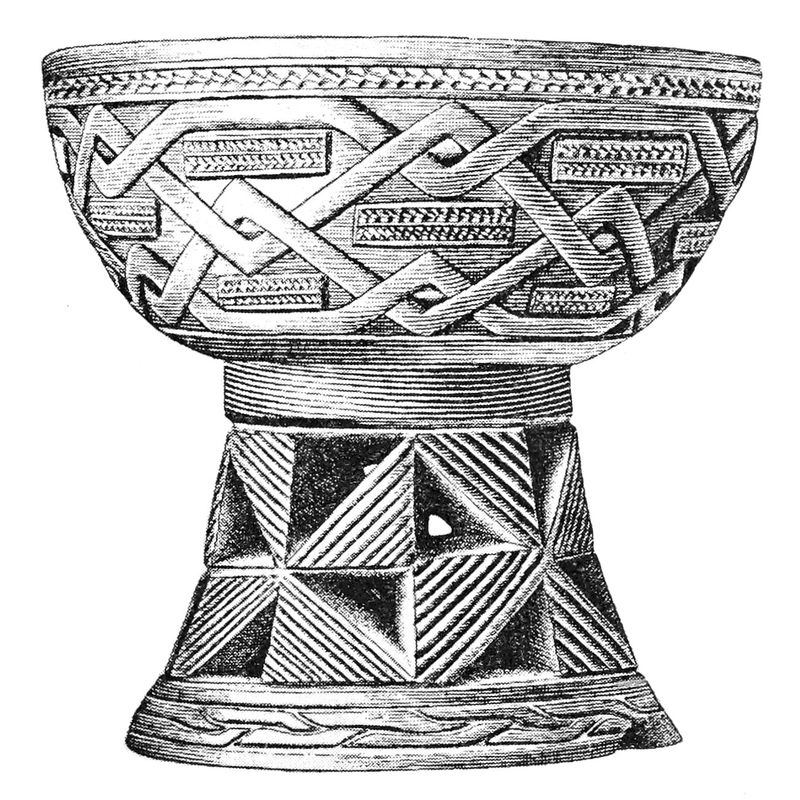
Fig. 52. Wood carving, Bambala, Congo.
There are, however, many cases in which the decoration is so closely adapted to the form of the object that the stimulus for developing a closing outline is not felt. The decoration of the field appears as a picture fitted into the object. In still other cases the smooth, undecorated marginal field serves as a border setting off the central ornamented area. In basketry with radial decoration, we find often a lack of border designs and a tendency to let the ornament run right up to the rim where it seems cut off.
Another characteristic trait of decorative art must be mentioned. Not only is the general form emphasized and limited, but its natural divisions are determining elements in the application of decorative patterns and bring it about that the decoration is arranged in distinct fields. This is very apparent in pottery in which a neck is set off from a body or in which the body is divided by a sharp angle into an upper and a lower part. Such types are found in prehistoric European art as well as in America (fig. 53).
On pouches of American Indians (fig. 54) body and flap are treated as separate units. In moccasins, the uppers form a field separate from the rim (fig. 55). In clothing, the patterns on collars, pockets or sleeves are often considered as separate units. Wissler has called attention to the influence of the structure of garments upon their decoration[40].
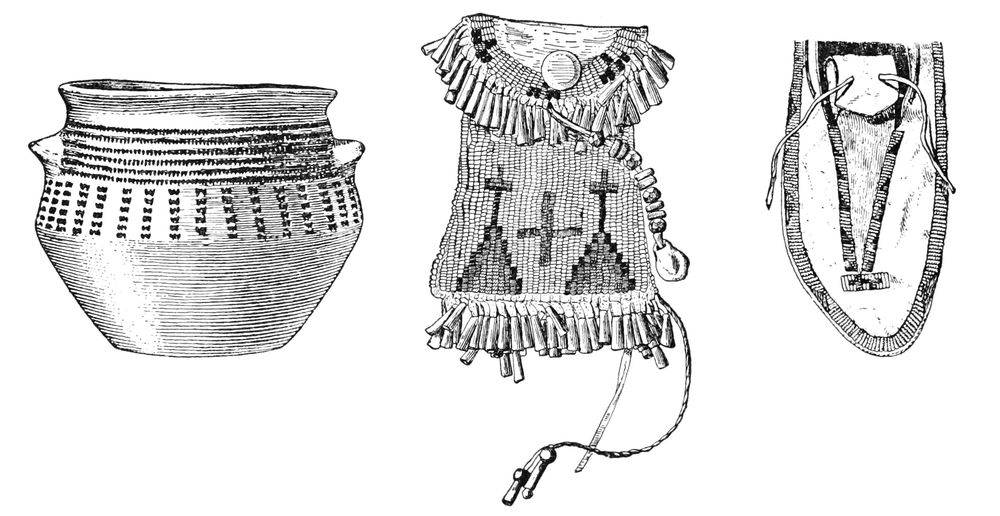
Fig. 53. Pottery vessel, Molkenberg type, Megalithic period. Fig. 54. Pouch, Arapaho. Fig. 55. Embroidered moccasin, Apache.
The tripartite division of the decorative field of Alaskan woven blankets is determined by the position of the blanket. The wider middle field is on the back of the wearer, the narrower, lateral fields are in front of the body (see figs. 269 et seq., pp. 259 et seq.).
In garments made of single pieces of fabric, or in sewed basketry (fig. 56) we find the seams sometimes decorated so that the seam becomes a decorative element. In other cases seams are accompanied by decorative bands. In leggings and shirts of American Indians the seams are often emphasized by the attachment of fringes.
In other objects prominent places are elaborated by the addition of decorative elements.
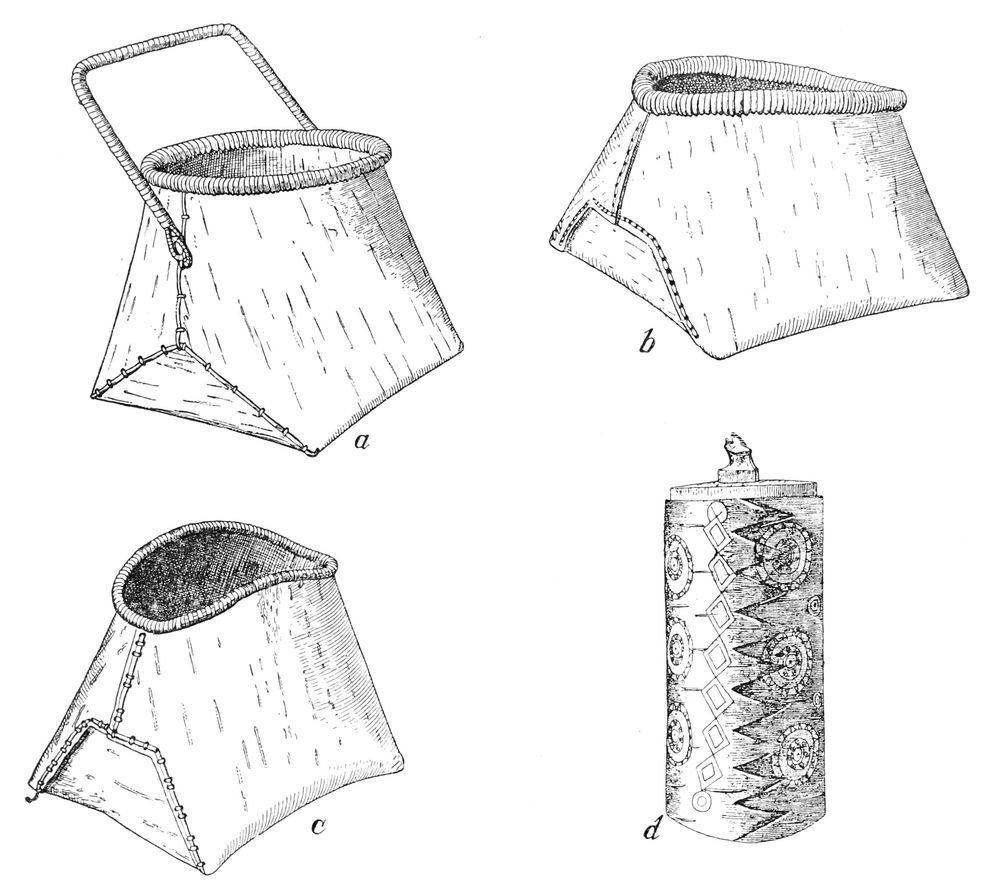
Fig. 56. Birchbark vessels;
a
,
b
,
c
, Eastern Indians;
d
, Koryak.
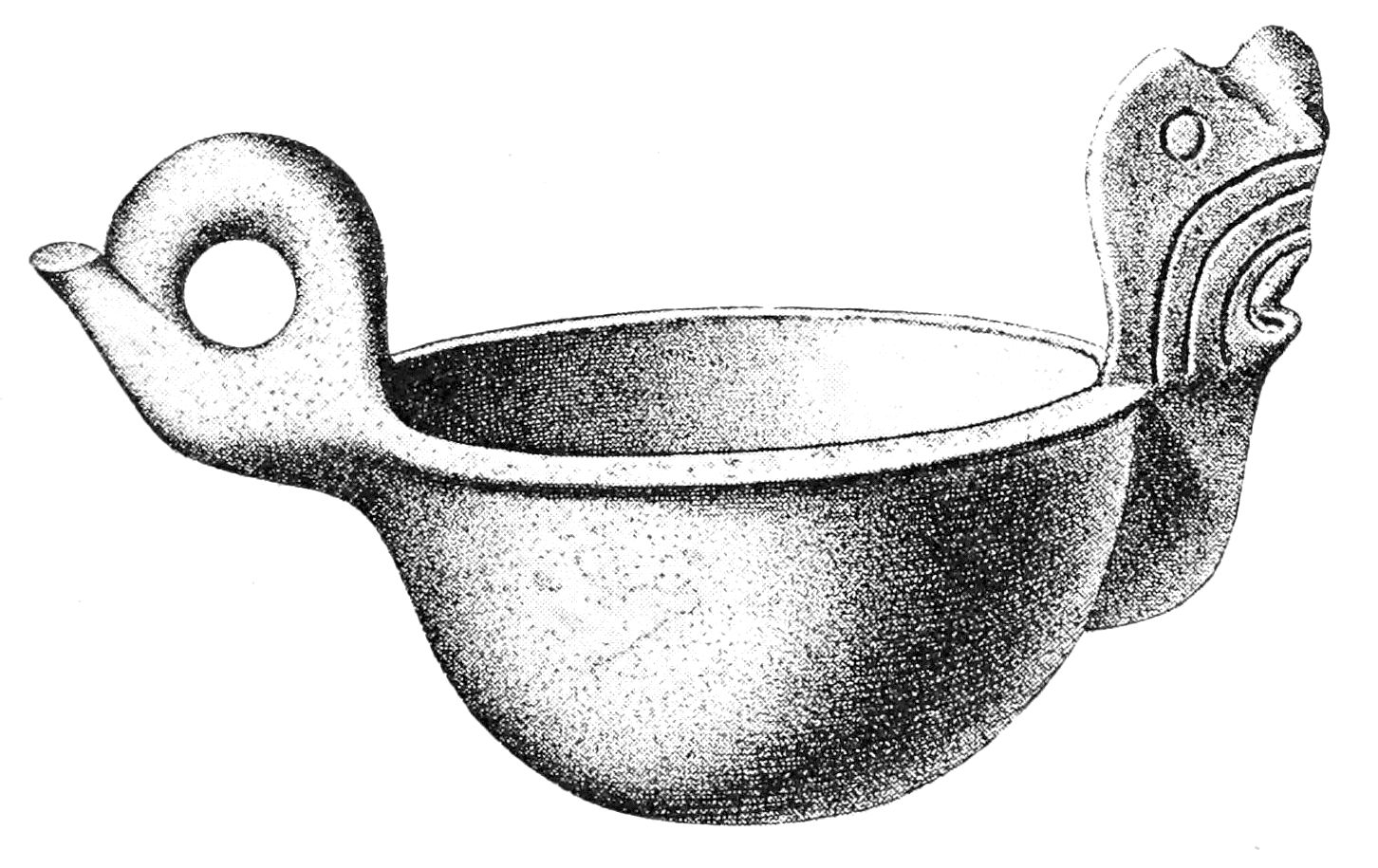
Fig. 57. Pottery vessel, Arkansas.
In clay pots, the handles are so treated (fig. 57). On shields the central knob becomes an object of decoration. The handles of canes or other knob-like terminations are often elaborated as decorative elements.
Sometimes fields without natural breaks, such as wall surfaces, are treated as units. Examples of this kind are our modern wall papers, or the painted walls of ancient Egyptian buildings. Often the tendency to break up the decorative field is so strong, that even where a natural division is not given it may be broken up into smaller parts. We may notice particularly that the marginal lines which emphasize or limit the form, develop exuberantly and thus encroach more and more upon the body of the object. In baskets from the interior of British Columbia the marginal pattern has grown to such an extent that it occupies the whole upper half or even more of the basket and is itself subdivided into a number of fields that follow the outline of the margin (fig. 58). Similar conditions are found on the margins of blankets of the New Zealanders (see Plate VIII, p. 182) and on the bronze work of ancient Scandinavia.
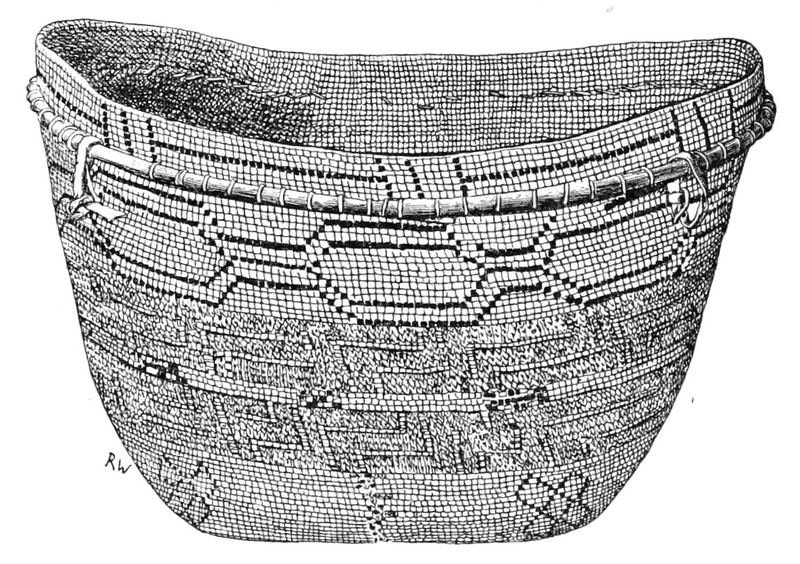
Fig. 58. Imbricated basket, Chilcotin, British Columbia.
Thus we reach the conclusion that a number of purely formal elements, some of which are more or less closely connected with technical motives, others with physiological conditions of the body and still others with the general character of sense experience are determinants of ornamental art. From this we conclude that a fundamental, esthetic, formal interest is essential; and also that art, in its simple forms, is not necessarily expressive of purposive action, but is rather based upon our reactions to forms that develop through mastery of technique. The same elements play also an important role in highly developed art forms. If it is true that these elements are in part not purposive, then it must be admitted that our relation to them is not essentially different from those we have towards esthetically valuable phenomena of nature. The formal interest is directly due to the impression derived from the form. It is not expressive in the sense that it conveys a definite meaning or expresses an esthetic emotion.
It might be thought that this condition prevails only in the domain of decorative art, and that representative art, dance, music, and poetry must always be expressive. This is to a great extent true so far as representative art is concerned, for the term itself implies that the art product represents a thought or an idea. It is also necessarily true in poetry, in so far as its materials are words that convey ideas. Nevertheless a formal element may be recognized in these also, a form element quite analogous to the one we found in decorative art. It determines certain aspects of the characteristic style. So far as representative art is ornamental, the formal principles of decorative art enter into the composition and influence the representative form. In dance, music and poetry, rhythm and thematic forms follow stylistic principles that are not necessarily expressive but that have objectively an esthetic value. We shall discuss these questions more fully at another place[41].