Chapter XII
Reading edition
NORTH DAKOTA PAINT TESTS
An inspection of the original test fence, erected and painted by the North Dakota Agricultural College, on the grounds of the agricultural Experiment Station at Fargo, was made by the inspection committee[25] representing the Paint Manufacturers’ Association of the United States, on the 19th and 20th of November, 1909. The fence was erected in 1906 and painted with commercial paints, procured in the open market. The east side of the fence was built of soft pine and cedar weather-boarding, such as is almost universally used on houses in that locality, presenting a very good surface for test purposes, while the west side was built largely of flat trimmed boards of hard pitch pine which, unfortunately, contained knots, pitch pockets, and uneven surfaces, causing to a greater or lesser extent cracking, scaling, and bad general results on all paints applied thereto.
The fences built in 1907 and 1908 at the suggestion of the Paint Manufacturers’ Association, were inspected on the 20th, 21st, and 22nd of November, 1909, and the detailed results of the inspection of all these fences follow in this report. The same general conclusions as to the woods represented in the 1906 fence also apply to the 1907 and 1908 fences, and because of the general bad quality of wood used on the western exposure of all fences, the detailed reports were made only from an examination of the eastern side of the fences, both on cedar and soft pine.
The following general summary of the inspection and its results applies to all the test fences on the grounds of the college and is the unanimous conclusion drawn by the inspectors from this work:
“Non-absorbent woods, difficult to penetrate, such as those on the west side of the fences, would undoubtedly have given much better results had they been painted with paints properly reduced to suit the nature of the wood. This treatment seems to have been overlooked in the North Dakota tests, and the painting of the hard pine boards was done with the same consistency of mixtures and the same reductions as upon soft pine. Scaling of course resulted. One of the chief purposes of the fences, however, was to study the different types of wood, and compliance with this desire resulted in the bad conditions herein noted. It has been shown in many other field tests that adherence of paints to hard wood surfaces can be obtained only by causing the priming coat to become amalgamated with the woody fibre, by the use of a large percentage of volatile diluent turpentine, benzole, asphaltum spirits, etc., to secure penetration. If such treatment is omitted, failure soon results, as was evidenced by the uniformly bad conditions presented by the paints on the hard pine panels.
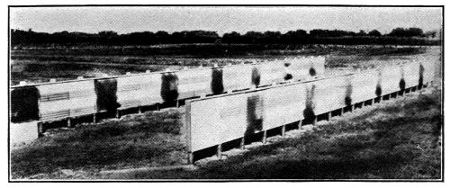
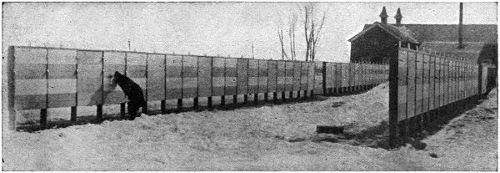
North Dakota Test Fences
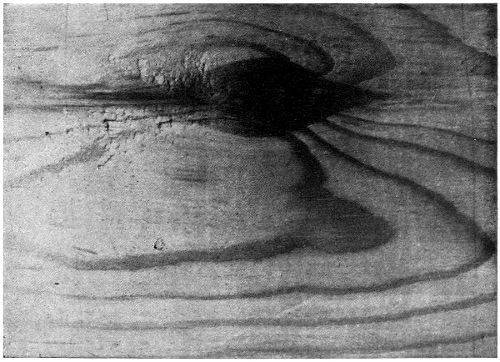
Typical Sample of Hard Pine Trim Board Showing Knot and Sappy Grain
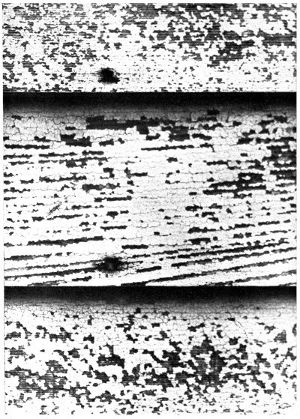
Test No. 13—1906 Fence Complete Disintegration and Failure of Cheap Paint
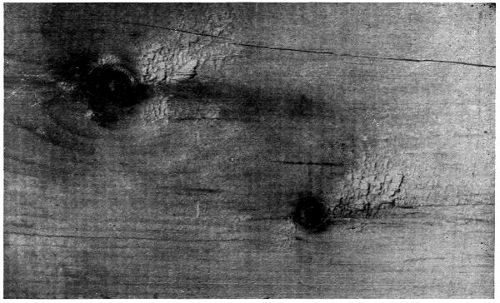
Pine Weatherboarding Showing Knots and Grain
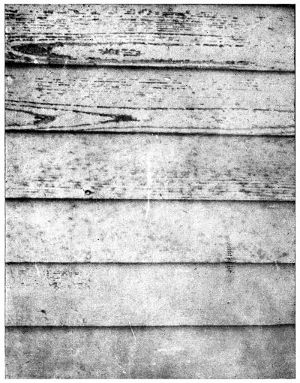
Condition of Lumber Affecting Paint, West Side 1906 Fence
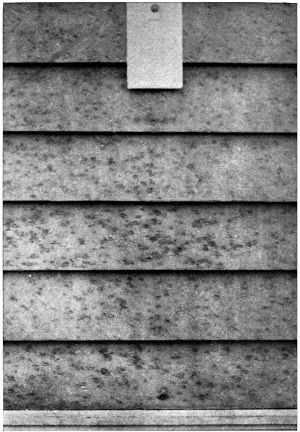
Hail-stone Abrasions on House Repainting Tests
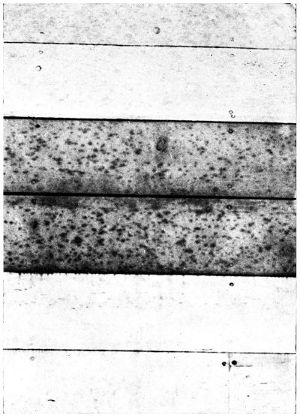
Hail-stone Effect, West Side of 1907 Test Fence
“During July, 1908, a violent hailstorm occurred in Fargo, and left its impression on nearly every wooden structure; in many cases deep dents being made into the wood. The west side of the test fences, which received the most injury from this storm, was covered with these dents over almost its entire surface, causing cracks in the form of concentric rings to appear on the abraded paint coatings. The bad condition of the wood, improper method of applying priming coat, combined with the hailstorm effect on the painted surfaces on the west side of the fences, were undoubtedly responsible for the universal failure of the paints thereon, and, for these reasons, the west side was eliminated from the detailed inspection, only general observations of these tests being made. These general observations, however, showed that paints Nos. 6 and 8 on the 1906 fence, and paints Nos. 8, 10, and 13 on the 1907 fence, proved the most satisfactory on the western exposure.[26]
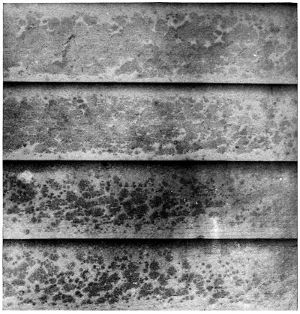
Peculiar Crystallization Effect on Section 41. New Special Fence Paint Applied During Cold Weather
“Ochre was tried out as a priming coat on several formulas, but it was found to be most unsatisfactory, affecting the subsequent coats of paint and causing early failure, as evidenced by broad checking, discoloration, and general bad condition. These conditions also apply to those panels on the 1908 fence coated with shellac as a primer.
“The colored formulas in every case showed a great superiority over the same paints in white untinted, and demonstrated that a percentage of color has a wonderful influence on the preservation of the paint coating, reducing chalking, checking, and general disintegration. This condition is probably due to the reinforcing value of the color pigments used.
“It is safe to state that the combination formulas tinted yellow were of better appearance than the corroded white leads tinted yellow, the latter appearing quite dark in many cases.
“The wearing of the paints made solely from white lead and zinc oxide seemed to indicate that a percentage of a third pigment, of an inert nature, would have been beneficial.
“The high-type mixtures of pigments containing lead and zinc, with moderate percentages of inert pigments, on good wood, were in most excellent general condition; in fact, much superior to the single pigment paints. Their surface exhibited only minor checking and moderate chalking with good maintenance of color, and presenting surfaces well adapted to repainting.
“The sublimed white lead was in fair condition, with very little checking, and offering a fair repainting surface. The corroded white lead was somewhat whiter than the sublimed white lead, but a careful observation of the surface of the corroded lead revealed deep checking.
“It was clearly demonstrated, however, that in climates of the North Dakota type, white lead alone is not entirely satisfactory. The addition of zinc oxide to white lead forms paint that has proved much superior to the white lead alone.
“It was conclusively demonstrated that mixtures of white lead and zinc oxide, properly blended with moderate percentages of reinforcing pigments, such as asbestine, barytes, silica and calcium carbonate, are most satisfactory from every standpoint, and are superior to mixtures of prime white pigments not reinforced with inert pigments.
“The white leads painted out on the 1908 fence exhibited different degrees of checking, the mild-process lead and sublimed white lead which presented the best surfaces, being free from checking, while the old-process leads seemed to show very deep and marked checking, even after one year’s wear.
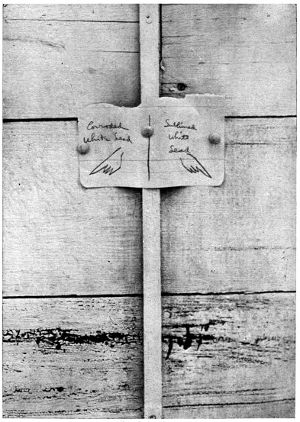
Corroded White Lead Sublimed White Lead
Condition of Two White Leads on Two Grades of Wood
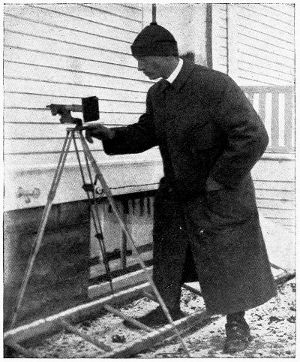
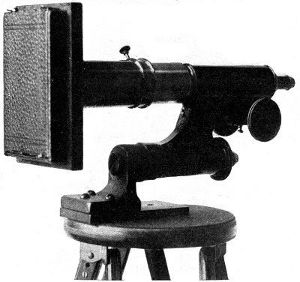
Photomicrographic Apparatus and Method of Use
CONDENSED REPORT OF INSPECTION OF “1906” TEST FENCE
Fargo, N. D., Nov. 19-23, 1909 No gloss shown by any of the paints. Formulas in white on white pine only included here, on east side of fence
Test No. FORMULAS REPORT OF CONDITION
Pigment Vehicle
Cor- roded White Lead Sub- limed White Lead Zinc Oxide Cal- cium Car- bonate Silica and Sili- cates Barium Sul- phate Magne- sium Sili- cate Clay and Silica Bary- tes and Sili- cate Lin- seed Oil Turp. and Drier Japan Drier Water Ben- zine Drier Vola- tile Oil Chalking checking hiding power color condition for repainting
% % % % % % % % % % % % % % %
1 100 — — — — — — — — — — — — — — Very bad Extremely deep Good Good Only fair
2 — 100 — — — — — — — — — — — — — Bad Very slight Good Light yellowish tint Fair
3 50 — 50 — — — — — — 90 10 — — — — Medium Fine matt—deep in places Good Fair Fair to good
4 — 60 40 — — — — — — 90 — 10 — — — Medium Surface checking, very slight Good Good Fair
5 28 .7 — 71 .3 — — — — — — 93 7 — — — — Slight Quite deep Medium Good Poor. Coating wrin- kled and hard
6 40 .2 — 50 .3 4 .1 5 .4 — — — — 90 .7 9 .3 — — — — Medium Slight surface checking Good Good Good
7 21 .9 21 .9 45 .8 10 .4 — — — — — 89 .6 9 .7 — 0 .7 — — Medium Surface checking with slight cracking Fair Good Slight shelling from wood
8 44 .1 — 46 .0 4 .6 — — 5 .3 — — 86 .0 12 .6 — 1 .4 — — Medium Very slight Good Good Good
9 In gray only No report.
10 13 .9 — 34 .9 26 .8 — — — — 24 .4 72 .2 — — 24 .0 3 .8 — Slight Very bad Bad condition throughout.
11 55 .0 — 15 .2 — — — — — 29 .8 Test not finished
12 — 5 .1 25 .0 — — — — — 69 .9 — — — — — — Medium Medium Deficient Good Shelling from wood
13 — — 31 .3 45 .4 — 22 .8 — 0 .5 — 57 .2 — — 16 .1 26 .7 — Worst looking surface in North Dakota tests.
14 34 .8 5 .4 59 .2 — — — — — — 86 .0 13 .7 — 0 .3 — — Medium Slight surface checking and peeling Fair Good Good
15 — — 64 — — 36 — — — 98 — — — — 2 Slight Lateral cracking quite deep Good Good Hard film
CONDENSED REPORT OF INSPECTION OF “1907” TEST FENCE
Fargo, North Dakota, Nov. 19-23, 1909
Test No. FORMULAS REPORT OF CONDITION
pigment vehicle
Cor- roded White Lead Sub- limed White Lead Zinc Oxide Cal- cium Car- bonate Alu- minum and Magne- sium Sili cate Barytes Silica Inert Magne- sium Sili- cate Cal- cium Sul- phate Zinc Lead Lin- seed Oil Tur- pen- tine Drier Tur- pen- tine and Japan Water Turpen- tine and Ben- zine Japan Drier Drier Vola- tile Oil Ben- zine Chalking Checking Hiding Power Color Condition for Repainting
1 30 — 70 — — — — — — — — 93 7 — — — — — — Medium Considerable with lateral cracking Fair Fair Poor surface; too hard
2 50 — 50 — — — — — — — — 86 — 10 4 — — — — Medium Considerable with lateral cracking Good Fair Rather poor
3 20 20 50 10 — — — — — — — 90 — — — 10 — — — Bad Medium—scaling some Good Good Fair
4 48 .5 — 48 .5 3 — — — — — — — 83 — — — 17 — — — Medium Considerable with lateral cracking Good Good Medium
5 22 — 50 2 26 — — — — — — 90 — — — — 10 — — Slight Slight Good Good Good
6 — — 64 — — 36 — — — — — 98 — — — — — 2 — Medium Considerable Medium Medium Fair
7 37 — 63 — — — — — — — — 85 13 — 2 — — — — Considerable Present; long cracks Fair Fair Poor
8 38 — 48 — — — 14 — — — — 91 9 — — — — — — Slight Surface checking Good Good Fair
9 — — 73 2 — — 25 — — — — 66 — — 12 22 — — — Not evident Considerable with lateral cracking Medium Good Medium
10 44 — 46 5 — — — — — — — 86 .0 12 .5 — 1 .5 — — — — Medium Very slight Good Good Good
11 50 — 50 — — — — — 5 — — 78 22 — — — — — — Slight Lateral cracking Fair Fair Fair
12 60 — 34 — — — — 6 — — — 91 7 — 2 — — — — Considerable Present with slight cracking and scaling Fair Fair Not very good
13 — 60 27 3 — — — — 10 — — 90 — — — — 10 — — Medium Surface checking only Good Good Good
14 25 20 25 5 — — — — — 25 — 90 — 6 — — — — 4 Considerable Considerable with lateral cracking Medium Fair Medium; some washing shown
15 — 20 40 10 — — — — — — 30 90 — 8 2 — — — — Medium Medium Good Good Medium
16 33 — 33 — — 34 — — — — — 90 — 10 — — — — — Medium Slight; some shelling Fair Good Medium
17 100 (Type A) — — — — — — — — — — — — — — — — Bad Alligatoring; deep checking Good Fair Poor
18 100 ( „ B) — — — — — — — — — — — — — — — — Bad Alligatoring; deep checking Fair Fair Poor
19 100 ( „ C) — — — — — — — — 10 gal. oil reduction — — — — Bad Deep Good Fair Poor
20 — 100 — — — — — — — — — — — — — — — — — Considerable Slight Good Fair Fair
21 — — 100 — — — — — — — — — — — — — — — — Not evident Considerable; slight cracking; scaling Fair Good Poor
22 — — — — — — — — — — 100 — — — — — — — — Medium Lateral cracking; split Good Good Fair
23 100 (Type C) — — — — — — — — 51⁄2 gal. oil reduction for priming Bad Medium deep Good Good Fair
24 37 .51 7 .84 25 .87 20 .36 — — 8 .42 (Michigan Seal White Lead) — — — — — — — Considerable Slight; lateral cracking Fair Good Good
25 38 .95 4 .81 33 .58 19 .48 — — 3 .18 (Railway White Lead) — — — — — — — — Considerable Some; lateral cracking Fair Good Excellent
200 15 .625 — — 1 .875 — — — — 1 .250 — 43 .750 32 .250 4 .000 — 1 .250 — — — — Medium Bad cracking Good Good Fair
“As before stated, the committee believes that a serious mistake was made on the test fence in painting out the leads and other formulas on the various woods without any special attention to reduction to suit the nature of the wood, thus accounting largely for the difference of the wearing of the paints on the different woods.
“The reduction of the white leads especially was to be criticised in these tests, in many cases too much oil and not sufficient turpentine being present to cause penetration.
“The application of paint to cedar was satisfactory in most all cases, and this wood showed much better results than the other woods upon the fences. The exudation of resinous pitch on the hard pine was extremely serious, in some cases coming through the paint in large streaks, causing bad results.
“It is to be regretted that the house repainting tests which were conducted are of no special value, inasmuch as no information is on file as to the composition of the old paints originally on the houses before the application of the test paints. Imperfections in the old coating, such as excessive chalking, deep checking, scaling, rosin exudations, etc., affected the subsequent coats in such a manner as to prevent any knowledge of where the new and old paint troubles began. The committee, therefore, omitted a detailed inspection of such tests.
“Examination of the three houses which were painted over new wood showed results which correspond with the results obtained from the fence tests. That is, they showed the ultimate value of high type mixtures of several pigments over one pigment alone. These tests seem to indicate that very good results can be secured from most of the paints sold in North Dakota. If the consumer or householder would exercise more care in the selection of wood and preparation of surfaces, with due regard to the proper reduction for various coats, more satisfactory results would be obtained.
“From an examination of certain paints on the 1908 fence containing petroleum spirits, it would appear that this paint thinner is of value, and in the face of conditions such as are presented by the present scarcity of turpentine, the use of petroleum spirits in moderate quantity would be justified.”
NORTH DAKOTA TESTS
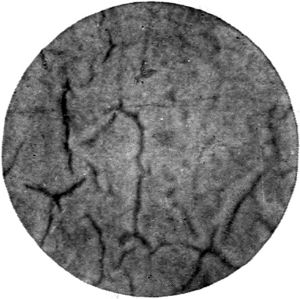
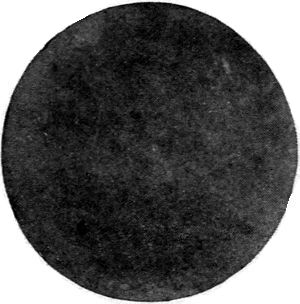
1. Formula No. 21, Section 31, on 1907 Fence 2. Section 80, on 1908 Fence
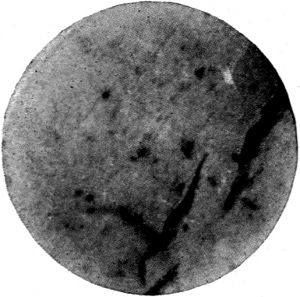
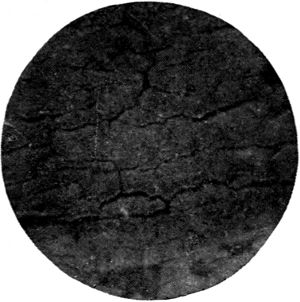
3. Formula No. 6, Section 9, on 1907 Fence 4. Formula No. 2, Section 3, on 1907 Fence
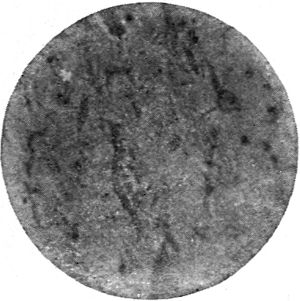
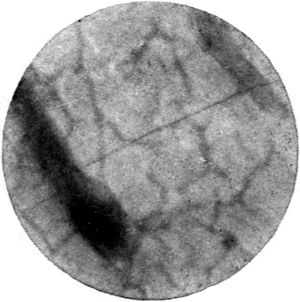
5. Formula No. 1, Section 1, on 1907 Fence 6. Formula No. 14, Section 21, on 1907 Fence
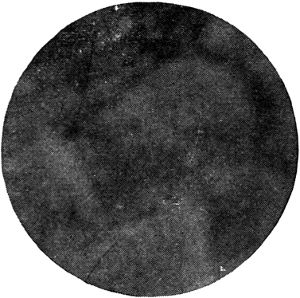
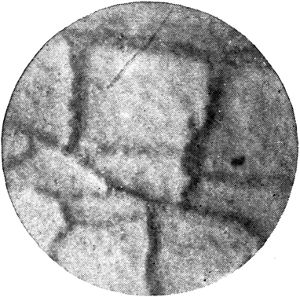
7. Formula No. 13, Panel 19, on 1907 Fence 8. Formula No. 19, Panel 28. Broad, Deep Checking on Corroded White Lead on 1907 Fence
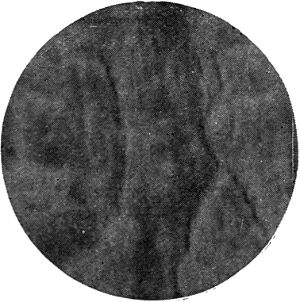
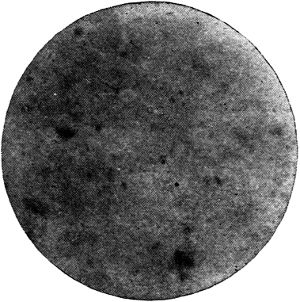
9. Formula No. 24, Panel 36, on 1907 Fence. Good Condition. Surface Checking Only 10. Formula No. 25, Section 37, on 1907 Fence. Good Condition. Surface Checking Only
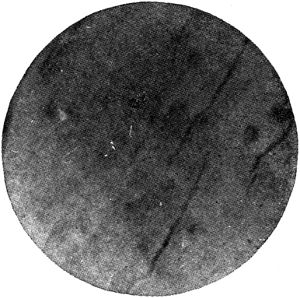
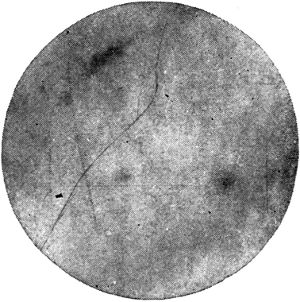
11. Formula No. 8, Panel 12, on 1907 Fence 12. Formula No. 10, Panel 15, on 1907 Fence
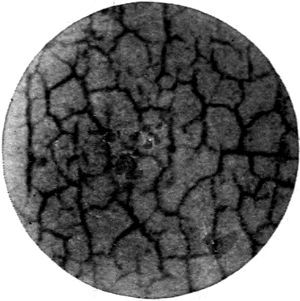
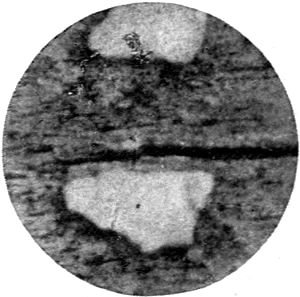
13. Panel No. 34, Formula 23, on 1907 Fence. Deep Checking on Corroded White Lead 14. Test No. 13 on 1906 Fence. White Spots Show Paint Left on Wood. Balance of Paint Split and Disintegrated from Surface
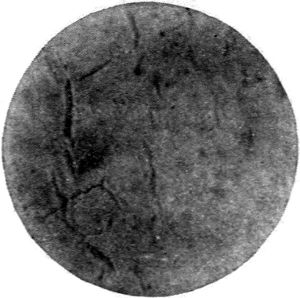
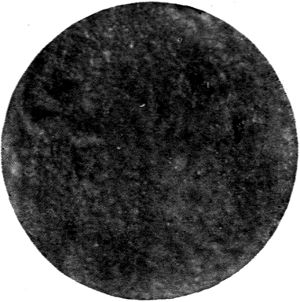
15. Test No. 6 on 1906 Fence. Surface Checking Only 16. Test No. 2, 1906 Fence. Sublimed White Lead
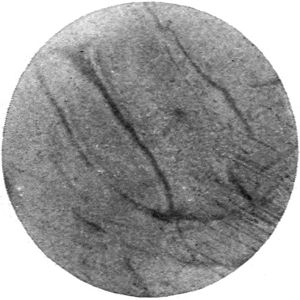
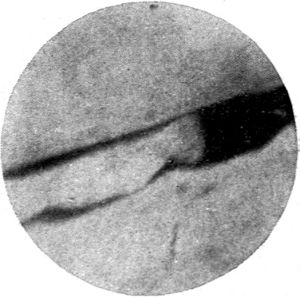
17. Cracks in Test No. 15 on 1906 Fence 18. Effect of Cracking on Hard Pine, Causing Splitting of Painting Coating
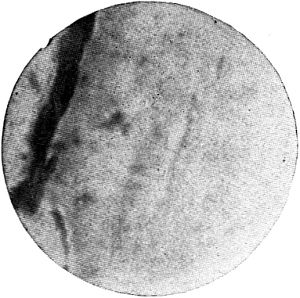
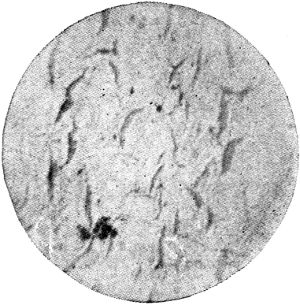
19. Formula No. 22, Section 23, 1907 Fence. Cracks in Paint Coating, Caused by Cracks in Wood; Coating Otherwise in Good Condition 20. Test No. 8, on 1906 Fence. Surface Checking Only
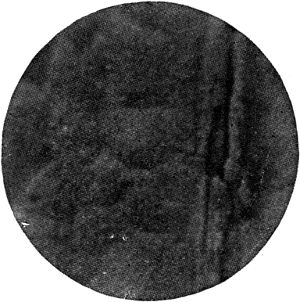
21. Combination Cracking and Checking on Section 69, on 1908 Fence
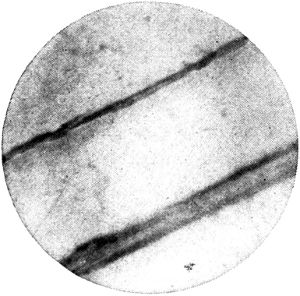
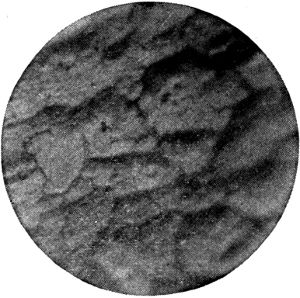
22. Cracks in Paint Coating, Caused by Cracking of Hard Pine Wood 23. Section 65 on 1908 Fence. Showing Early Breakdown of Corroded White Lead