Order V.—COLEOPTERA. Beetles. (continued 2)
Reading edition
Family 32. Feather Horns. RHIPIDOCERIDAE.
This is not a big family; the species are confined to the warmer parts of the world, and are chiefly distinguished by the peculiar structure between the tarsal claws, and the beautiful feathery antennae of the males. Rhipidocera mystacina, our typical form, is ¾ of an inch in length, elongate in form, with narrow sloping thorax and large feather-like antennae; the general colour is black, with the sides of the thorax and whole of the wing covers thickly spotted with white downy dots. I have often taken this insect in numbers in the North-West of Victoria.
Family 33. Fire-Fly Beetles. MALACODERMIDAE.
The members of this family have a softer integument than most beetles. They do not all emit light; the true “fire-flies” and “glow-worms” belong to the sub-family Lampyrides.
The Genus Metriorrhynchus contains about 50 small, elongate, flattened beetles of a dull red colour marked with black; the wing covers are deeply ribbed but soft and flabby. The larvae are curious, smoky black creatures with blunt spines along the sides of the body, and live under stones or logs. M. rufipennis, one of the largest, is ¾ of an inch in length; the head and thorax are black and roughened; the wing covers are light red, deeply ribbed and reticulated: Waterhouse figured and described many of these (Trans. Entom. Soc. 1877). Our true fire-flies belong to the Genera Luciola and Atyphella. On these Olliff has written an interesting paper entitled “New Species of Lampyridae with notes on the Mount Wilson Fire-fly” (Pro. Linn. Soc. N.S.W. 1889). Our fire-flies are small, light brown beetles, which during the day cling to the foliage, flying about at night, emitting a bright flash of phosphorescent light from the tip of the abdomen as they move their wings. Several species are found on the Blue Mountains and in the tropical scrubs of North Queensland; they are very brilliant after night-fall: Luciola flavicollis, ¾ of an inch, is our common species. The Soldier Beetles, chiefly belonging to the Genera Telephorus and Selenurus, are common upon low bushes and flowering shrubs. Telephorus pulchellus, ½ an inch in length, is a slender, dull orange coloured beetle; the dorsal surface is shining blue black except the apical half of the thorax, which is bright yellow. This beetle sometimes appears in great numbers; I have seen the Melaleuca scrub on the Blue Mountains black with them.
Family 34. Hunting Beetles. CLERIDAE.
There are many handsome little beetles in this family which spend their time hunting over logs, tree trunks, or in flowers to catch smaller insects which they devour; most of them lay their eggs in the bodies of the pupae of wood moths and other insects. A freshly fallen tree is a good locality to look for Clerids, as they find many small beetles attracted by the withering bark: in Europe the larvae of several groups infest the nests of wild bees.
Natalis porcata, 1 inch in length, is black covered with a whitish down, and is found under the dead bark on tree trunks; it is probably parasitic upon the grubs of longicorn beetles (Phoracantha). Cleromorpha novemguttatus measures only ⅕ of an inch; it is rich metallic blue, lightly clothed with black hairs, and the elytra spotted on either side with white dots: it is common in the flowers of the Angophora in early summer. The Genus Aulicus contains a number of bright metallic green or blue beetles which live on flowering shrubs; about 20 species are described, chiefly by Cheverolet (Memoirs of the Cleridae 1878). Aulicus instabilis, one of the smallest, is only ¼ of an inch in length; it has a wide range over Australia. Trogodendron fasciculatum is another widely distributed species, and may be often seen flying about in the height of summer; if captured it bites most viciously. I have on several occasions pulled its body off, leaving the head with the jaws buried in my finger: it is parasitic on the pupae of our large wood moths. It is variable in size, about 1 inch in length, thickset and broad in proportion; is dark brown, with bright yellow antennae, and broad black fasciae at the base and apical half of the elytra. Zenithicola obesus, ⅓ of an inch in length, is like the last in general form, but with dull yellow thorax and shining black elytra marked with white: Z. australis, a slightly larger species, has a black thorax. The members of the Genus Eleale are elongate, dark metallic green or blue beetles clothed with fine hairs and deeply punctured wing covers; they also live among flowers. Tarsostenus zonatus is typical of the small, slender, cylindrical clerids that infest the gall-making coccids, and are often bred from these galls. It has a bright reddish brown head and thorax, and green wing covers barred across the centre with white. Lemidia hilaris, ⅙ of an inch long, is a short broad beetle of a shining black tint, with the basal half of the elytra red. The Red-legged Ham Beetle, Necrobia rufipes, an introduced species, is found all over the world. In the interior it swarms under dead animals, feeding upon fresh bones; and is also often found about cheese and other preserved foods in the pantry.
Family 35. Anobiums. PTINIDAE.
These beetles are small insects, with the head hidden under the thorax; they have filiform, pectinate or slightly clubbed antennae; and several species are world wide in their range, for as they live in all kinds of dried food stuffs they are easily introduced into new countries. Gibbium scotius is a curious little beetle hardly over ¹⁄₁₂ of an inch in length, with a bright shining brown body, and the legs and antennae covered with yellow scales; it feeds upon feathers, and is often found in birds’ nests. Anobium paniceum is known as the “Biscuit Weevil,” but feeds upon all kinds of things; I have found it in boots, seeds, drugs, botanical specimens, and it is said to have been found burrowing through sheet lead. The Cigarette Beetle, Lasioderma serricorne, is another little brown beetle common in Sydney in waste tobacco. Olliff has described a number of Australian species (Proc. Linn. Soc. N.S.W. 1886); and Westwood others (Ent. Soc. 1869), among which are several members of the Genus Ectrephes, which live in ants’ nests.
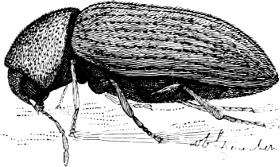
Fig. 75.—Sitodrepa (Anobium) panicea (Fabr.).
The omniverous drug-store beetle (Introduced).
(“Agricultural Gazette,” N.S.W.)
Family 36. Powderpost Beetles. CIOIDAE.
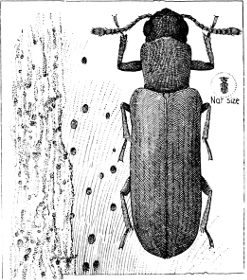
Fig. 76.—Lyctus brunneus (Douglas).
The Beetle so destructive to Rattan furniture.
(“Agricultural Gazette,” N.S.W.)
Though small in size and number of species, these are very important beetles on account of the damage they do to rattan furniture and sapwood in unseasoned timber. Lyctus brunneus, a small elongated, reddish brown beetle about ⅙ of an inch in length, lives and breeds in wood, and is only too common about Sydney. A second species has been described from South Australia by Blackburn.
Family 37. Auger Beetles. BOSTRYCHIDAE.
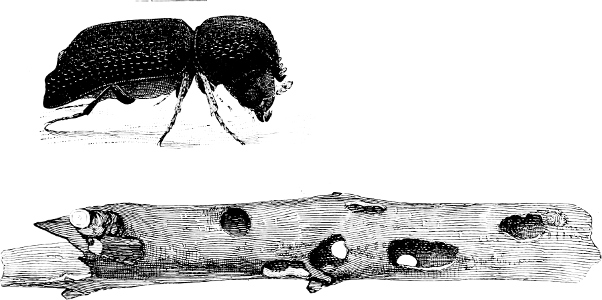
Fig. 77.—Bostrychopsis jesuita (Fabr.).
The Auger Beetle which attacks dead or dying trees. Orange tree stem in which a number have been feeding.
(“Agricultural Gazette,” N.S.W.)
These beetles are easily recognised by their curious cowled thorax, with the head turned down beneath, and the last 3 joints of the antennae forming a well-defined club; the body is long and cylindrical, adapted for burrowing in dead wood. Specimens of these beetles can generally be found upon fallen trees or freshly-cut timber. Bostrychopsis jesuita, one of the largest of the group, about ½ an inch in length, is black, cylindrical, with the rounded thorax rugose in front, and the tip of the wing covers truncate. Bostrychus gibbicollis, about ⅓ of an inch, is dark reddish brown, with a spined thorax and the tips of the wing covers produced into blunt teeth. B. cylindricus, about the same size and similar colour, has elytra furnished with three curled spines on each side. It has been found damaging wine casks. In the Genera Apate and Rhizopertha, also found in dead timber, we have a typical form in Apate collaris, measuring ¼ of an inch in length, with a dull yellow thorax, dark brown wing covers spined at the tips.
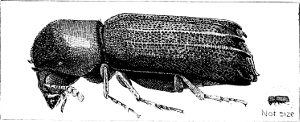
Fig. 78.—Bostrychus cylindricus (Macleay).
The Wine-cask borer.
(“Agricultural Gazette.” N.S.W.)
Family 38. Mealworm Beetles. TENEBRIONIDAE.
This is a very large family of beetles, generally dull brown or black in colour, but varying much in shape; many of the more typical forms are found under logs and stones, and might easily be mistaken at first sight for carnivorous carab beetles until the mouth parts and head are noticed. They have somewhat thickened antennae placed on the sides of the head; some have wings, others are wingless; most of them are slow, heavy beetles, very easily captured. The larvae are usually slender shining cylindrical brown worm-like creatures living in rotten wood, of which the introduced Mealworm is a typical example. Our species have been described by a great many English and foreign writers, chief among which are Pascoe, in the Journal of Entomology 1869, and Annals of Natural History 1869–80; Hope in the Transactions of the Entomological Society of London 1842–48; Bates in the same journal 1873; and later on in the Proceedings of the Australian Societies by Macleay and Blackburn. Carter has within this last year described a number of new species (Pro. Linn. Soc. N.S.W. 1905–6).
The Ironbark Beetle, Zopherosis georgii, is found in the northern scrubs of N.S. Wales, generally climbing on tree trunks; it is an elongated, flattened, dull brown beetle, slightly over 1 inch in length; the antennae thickened, and the whole of the upper surface covered with rounded irregular knobs; it is not unlike a caricature of a large click beetle.
The members of the Genus Pterohelaeus are smooth, shining, tortoise-shaped black beetles, found under dead bark on the trunks of trees. P. piceus, common in S. Australia and N.S. Wales, is just under 1 inch in length, but broad in proportion.
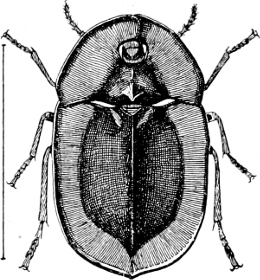
Fig. 79.—Helaeus subserratus (Blackburn).
The Tortoise Beetle.
(“Agricultural Gazette,” N.S.W.)
Helaeus subserratus, from Western Australia, is typical of a very curious group not only wingless, but having the elytra and abdominal segments soldered together into a broad flattened box with a wide thin flange running right round, continued round the thorax, and overlapping in front of the head, which latter is turned down and is thus situated in a regular frame; this one is dark brown, with the outer flange lighter coloured; it measures 1⅓ inches in length, and is broad and rounded in form. These beetles are usually found in the driest parts of the interior, where they live under stones or logs among the dust, and in spite of their size, remain so motionless that they can be very easily overlooked.
Saragus floccosus, found on tree trunks in the north of N.S.W., is a smaller tortoise-shaped insect, under ¾ of an inch; is convex and keeled down the centre of the thorax; and the elytra have a more narrow flange running right round but curving in and rounded on either side of the head. When alive, it has the whole of the upper surface covered with loose flocculent matter like soft sawdust, evidently as a protective covering, but this is easily brushed off when dead. Hypaulax tenuistriata is one of the common large black beetles found under dead bark; it measures about 1 inch in length; the head is small, projecting; the thorax broad, rounded, shining; and the broad wing covers are distinctly ribbed with punctured striae.
Chartopteryx childreni is one of our most remarkable and rare species; it is 1 inch long; the only specimen I have seen alive, I caught alighting on a tree trunk at Mosman, near Sydney; it is elongate, broad, oval in form, with the head and thorax turned down, and the convex, shining, black elytra deeply punctured and clothed with dull yellow moss-like material; the head and thorax are ornamented with fine white hairs, forming an elongated mark on either side of the latter and two parallel lines down the centre of the head and thorax.
Blepegenes aruspex is a shining coppery black coloured beetle measuring ¾ of an inch; it is slender in form, remarkably like a carab, with a small thorax that is produced into a spine on either side; the elytra are deeply ribbed; it is found under logs in the Illawarra district, N.S.W.
Cardiothorax howitti is also found under logs; it is an elongate beetle, black with a dull purple tint on the thorax, which is flattened and almost round, a regular rim running round the margin; it is arcuate behind the head, and produced into a spine on the hind margins; the wing covers are elongated to the apex, and ribbed. The members of the extensive Genus Adelium are found under logs; some species are quite common, clustering together in considerable numbers; they are all black or coppery tinted. These beetles are about ¾ of an inch in length; the thorax is roughened, and the wing covers more or less striated.
The Genus Chalcopterus, which now includes most of those described as Amarygmus, are black or brightly metallic coloured beetles; the head and thorax are small and curve downward; the wing covers are large, convex, and pointed at the tips. They are found crawling about on tree trunks, or hidden under dead bark, and give out a very pungent offensive odour when handled. Chalcopterus variabilis measures ½ an inch in length; its head and thorax are black, the elytra rich coppery red, and it is common about the Sydney scrubs.
The common Mealworm, Tenebrio molitor, has a world-wide range; it was introduced into Australia at a very early date, and not long ago a packet of seeds imported from England was found on examination by one of the inspectors of the Agricultural Department N.S.W. to be full of the shining wireworm-like larvae of these beetles. It is a common beetle in stables and produce stores.
Family 39. CISTELIDAE.
These are delicate, elongate, long-legged beetles, with weak integument, and are closely allied to the Tenebrionidae, only differing from them in having comb-like or pectinate claws on the tarsi; and their larvae are like wireworms. The Genus Atractus comprises a number of slender beetles of bright metallic tints common upon the flowering shrubs in summer; Atractus viridis, ½ an inch in length, is bright metallic green, with the thorax and shoulders tinted with coppery red, the wing covers deeply marked with punctured striae. A. virescens is a smaller species with a more dull metallic coppery tint. The members of the Genus Allecula are larger beetles, with long slender legs and antennae, shining brown or black in colour, with finely striated elytra; the larvae are slender, dark, shining brown wireworms living in decaying wood. Allecula subsulcata is slightly over ½ an inch in length, of a uniform black colour, with the last three joints of the antennae and the last two of the tarsi pale ferruginous. The larvae breed in the rotten stems of dead grass trees, and the beetles are generally found hiding among the foliage.
Family 40. LAGRIIDAE.
This is another small group containing few species, but Lagria grandis is one of our very common beetles, and can be collected on low scrub anywhere about Sydney. The larvae are to be found under logs or among damp leaves on the ground, and are thickset, black, shining creatures. covered with short reddish hair on the upper surface; short antennae standing out in front; and the tip of the abdomen is produced into a pair of pointed spines. The beetle is light reddish brown, closely covered with fine confluent punctures and short scattered brown hairs. It is slightly over ½ an inch in length, with a small head, slender, narrow thorax, and with the front of the wing covers forming a broad shoulder in front.
Family 41. ANTHICIDAE.
These are small ant-like beetles, with the head having a regular neck and the thorax narrow and elongate; most of them are found among rubbish upon the ground, or along the edges of creeks and watercourses. It is chiefly owing to the researches of King, who collected and described a great number of the species found about Sydney (Trans. Ent. Soc. N.S.W. 1869), that we know much about this family.
Family 42. PYROCHROIDAE.
This is a small group containing some beetles with the head attached to the thorax by a neck, and with the wing covers much broader than the thorax: Lemodes coccinea is a pretty little bright red beetle with black legs and antennae, the latter tipped with white; it measures slightly over ¼ of an inch in length; is common under logs in the Illawarra district. Another species, L. splendens, has recently been described by Lea (Pro. Linn. Soc. N.S.W. 1906) from specimens obtained by me at Noundoc, N.S. Wales.
Family 43. Pintails. MORDELLIDAE.
This group, in which the Rhipidophoridae are now included, are very distinctive beetles; they have the head tucked down in front; the thorax large, broad, and rounded at the base, with the hind margins angular and fitting closely into the wing covers, which taper down to the apex; the end of the abdomen forms a stout spine-shaped tip extending beyond the wings.
They are very active little beetles; several species are very numerous and swarm over the flowers of the low scrub. Mordella leucosticta, ½ an inch in length, is black; the whole of the upper surface is thickly spotted and marked with dull white, and the legs and under surface are also mottled. M. limbata is a much smaller black beetle ⅙ of an inch in length, and has a pale silvery sheen: Tomoxia flavicans, from the northern rivers, is a shorter broader insect. Pelectomoides conicollis is 1¼ inches in length; is of a uniform dull brown colour, with pectinate antennae; the head is small, turned down, and the thorax is broad and rounded. This fine beetle is found about Sydney. Lea has described and listed the members of this family (Trans. Ent. Soc. London 1902).
Family 44. Oil and Blister Beetles. CANTHARIDAE.
The true Blister Beetle is a slender insect with soft integument, and a small head produced into a neck behind; the thorax is small in proportion to the slender rounded abdomen and wing covers. A number of species have been described from this country by different writers, among whom Fairmaire has been chief (Stett. Ent. Zeit. 1880). Most of them belong to the Genus Zonitis, of which about 40 species have been described. Zonitis bipartita, under ½ an inch in length, has the head, thorax, base of the wing covers, and under surface of abdomen orange yellow, with the abdomen and rest of the elytra dark shining blue: Z. brevicornis is a very similar insect, but has the whole of the wing covers deep metallic blue.
The true Oil Beetles are more rare; unable to fly, they are found crawling about on the ground with the body distended and the wing covers overlapping each other at the base. Nothing is recorded about the larvae of our species of this family, but in other countries they are known to feed upon the eggs of locusts; others attach themselves to bees, and are thus carried into their nests, where they devour the eggs and afterwards the honey.
The Oedemeridae are somewhat similar looking insects to the Blister Beetle; Ananca puncta is found in the northern parts of N.S. Wales; it is a very slender long-legged beetle over ½ an inch in length, of a general dull yellow colour, with the head, thorax, and legs mottled with dull blue, and the whole of the elongated wing covers dull blue except a dorsal stripe of the prevailing yellow which widens out towards the apex.
Family 45. Woodborers. SCOLYTIDAE.
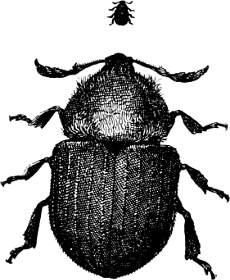
Fig. 80.—Hylesinus fici (Lea).
The Fig-branch Beetle, better known under the name of H. porcatus (Chap.).
(“Agricultural Gazette,” N.S.W.)
This is a group the members of which are allied to the Weevils, but differ in having a short broad snout with clubbed antennae, and the tibiae toothed on the outer edge. Only a few species have been described from this country, but several of them are well-known pests, and like the smaller species of the Auger Beetles are usually attracted to dying trees. In the Genus Hylesinus we have one, H. porcatus, which attacks the terminal buds of both the wild and cultivated figs. It is a short thickset black beetle, about 2 lines in length, with the head turned down to the fore-legs, and the clubbed antennae 5 jointed; the head and thorax are rugose, and the wing covers finely striated; the whole insect is lightly clothed with fine hairs. The Ambrosia Beetle, Xyleborus solidus, is a common beetle in the bush, and has lately turned its attention to fruit trees; boring into the branch and then gnawing a chamber right round under the bark, she deposits her eggs at the end of the burrow, at the same time killing the branch and causing it to snap off. This beetle is about ⅛ of an inch in length, of a uniform black colour, with the legs and antennae reddish brown. It is stout and cylindrical in form; the head is turned down in front and hidden from above; the rounded thorax is nearly as large as the body, covered with short rasp-like points in front; the wing covers are flattened and squared off at the tips.
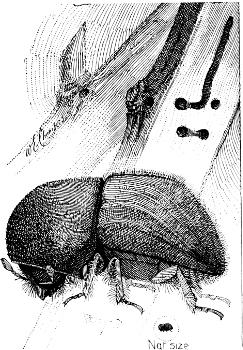
Fig. 81.—Xyleborus solidus (Eichhoff).
The Scolytid Beetle that damages the Apple tree Branches.
(“Agricultural Gazette,” N.S.W.)
Family 46. Slender Weevils. BRENTHIDAE.
These are remarkable looking beetles, very long and slender in form, with the snout never turned down but standing out straight in front of the head; the antennae not elbowed, but composed of a number of bead-like joints attached near the tip on either side; and the jaws situated at the extremity of the snout. In many of the larger forms the males are much bigger than the females, and have the snout much longer; they are chiefly found in the tropical scrubs, two small species however coming from the south. Trachelizus howetti, a shining reddish brown beetle about ¼ of an inch in length, has the antennae thickened to the tips; and Cordus hospes, a larger beetle of a somewhat darker colour, is found under dead bark on the tree trunks, and also sometimes in ants’ nests. Ectocemus pterygorrhinus comes from North Queensland, and is common on the low scrub about Cairns where timber has been felled; it is somewhat short and thickset; the male is about 1¼ inches in length, with the tip of the rostrum produced into an angulate process, and very long cylindrical antennae. The general colour is dark reddish brown, with the wing covers ornamented with four parallel rows of shining dull yellow bars. Ithystenus hollandiae, also from Cairns, is found in similar situations; it is very long and slender, 1½ inches long, blackish brown, with two parallel light reddish brown lines down the centre of the wing covers, and the extremities produced into a tooth at either side. Homocerus fossulatus, found under rotten bark, is of a general dull brown colour; is thickened and flattened, with the wing covers much roughened. The male measures about 1¾ inches in length, but the female is much smaller. Mesetia amoena is a very pretty, slender, bright reddish yellow beetle, with the head, legs, and sides of the thorax black, and a dark medium stripe down the thorax and elytron. It is about 1 inch in length, and is common in the scrubs about the Richmond River N.S.W.
Family 47. Carnivorous Weevils. ANTHRIBIDAE.
These beetles are allied to, but very distinct from, the true weevils, and are usually found on the trunks of dead trees, where they hunt for and devour the small wood-boring beetles that are attracted to the dead twigs, or which breed out of fungus. They have a short blunt snout, and many have long slender antennae which are not elbowed; they are most plentiful in the northern scrubs and forests.
Ecelonerus albopictus is typical of those with short antennae clubbed at the tips; it is a stout thickset dark brown beetle, thickly covered with pubescence, and the whole of the under surface, front of thorax and middle and tip of the body blotched with white pubescence. It measures over ½ an inch in length, and is found in the northern parts of N.S. Wales.
Ancylotropis waterhousei is a good example of the long-horned forms; it measures over ½ an inch in length, but looks shorter as its head and thorax are curved downwards. It is a very slender beetle of a uniform brown tint, but thickly clothed with buff and grey down; the thorax tapers to the front, and the head is elongated but swells out again in front, and is furnished with long slender antennae. Doticus pestilans is known as the “Dried Apple Beetle,” from the habit that the beetle has of laying its eggs in any dried immature apples that are left over the season upon the trees; in its native state the larvae breed in the large wattle galls. It measures only about ⅓ of an inch, and is a short, thickset beetle, with the head turned downward, furnished with slender clubbed antennae. The general colour is reddish brown; it has a raised ridge on either side of the wing covers; the fore-legs are curiously prolonged with large tarsi, and it has a peculiar jumping habit. Pascoe has described most of our beetles belonging to this group (Journal of Entomology 1860, and Annals and Magazine of Natural History 1859).
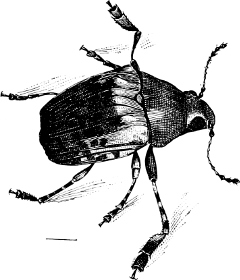
Fig. 82.—Doticus pestilans (Olliff).
The Jumping Anthribid or “Dried-apple Beetle.”
(“Agricultural Gazette,” N.S.W.)
Family 48. Weevils. CURCULIONIDAE.
The Weevils or Snout Beetles are one of the largest and best defined groups of the Coleoptera, and though they comprise a great number of very different looking beetles in shape, they all have the front of the head produced into a more or less elongated snout with the jaws placed at the tip, and with the distinctly elbowed antennae standing out on either side of the snout, forming a regular angle. Most of them are provided with well developed wings, the elytra being usually very solid; and the whole insect is encased in thick armour plate integument. The majority are slow, sluggish beetles, that trust as a rule more to their shape and protective colouration harmonising with their surroundings, than to their activity. They feed chiefly upon foliage and bark, and when at rest cling to the twigs or stalks of their food plants, falling at the least alarm to the ground, where they remain perfectly motionless, with their legs and antennae tightly closed until the danger has passed.
Those living in the dry western country are represented by curious wingless forms with very short stout snouts, and are usually found under logs and stones in open grass lands; while in the tropical scrubs they are chiefly arboreal, and frequently richly coloured. They are all vegetarian in their habits both in the larval and perfect states; some infest seeds, others destroy the buds, foliage or roots of plants and do a great deal of damage to farms and gardeners’ crops. About 1200 described species are listed in Masters’ Catalogue, and a great number of new species have been added during the last few years by Messrs. Blackburn and Lea in the Proceedings of the Linnean Society of N.S. Wales, and Transactions of the Royal Society of S. Australia. Pascoe, one of the most prolific writers on this family, described a great many between the years 1869–1883 (Journ. Linn. Soc. & Ann. Nat. Hist.). They have been divided into a number of sub-families, among which only the most important can be noticed here.
The remarkable Long-necked Weevil, Rhadinosomus lacordairei, measures under ½ an inch in length; is of a uniform dull reddish brown tint with a silvery white spot on either side of the rounded elytra, which are produced into a spine on each side. It breeds in the cavity in the large Brachyscelid galls, feeding on the woody tissue; Lea says that in Tasmania it is a pest to strawberry growers.
The members of the Genus Myllocerus are dainty little oval weevils found resting upon grass stalks or among the foliage of small shrubs peculiar to North Queensland and North West Australia. Myllocerus carinatus is about ⅓ of an inch in length, and is finely striated and densely clothed with metallic green scales. Catasarcus spinipennis is another West Australian insect of a brownish buff tint, with the abdomen broadly rounded; and the hind portions of the elytra covered with sharp spines. About 40 species of this genus are described, all of which with one exception are confined to West Australia. Cherrus ebeninus is one of the large stout black weevils common in the bush around Sydney, where it is usually found clinging to the twigs of the blood-wood, Eucalyptus corymbosa. It is black, with broad rugose thorax and ribbed wing covers.
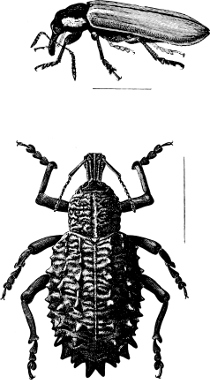
Figs. 83 and84.—Wattle Weevils.
83. Rhinotia hœmoptera (Kirby). The Red Weevil.
84. Leptops tribulus (Fabr.). The Wattle “Pig-beetle.”
(“Agricultural Gazette,” N.S.W.)
The Genus Leptops contains a large number of very characteristic beetles feeding upon the foliage of wattles and other scrub trees. They are usually grey, buff, or dark brown insects with thickened snouts and broad bodies. The Apple-root Borer, Leptops hopei, is sometimes a pest to the orchardist, damaging the roots of his apple trees; the beetle emerging from the soil crawls up the tree trunk, and laying her eggs upon the leaf, turns the edges over and gums them together with a sticky secretion; the young grubs hatch and crawl down to the roots. L. tribulus, often called by the Sydney boys the “Wattle Pig,” feeds upon the foliage of the black wattle; it is a much larger species, about 1 inch in length; dark brown to black in colour; the broad rounded body covered with short blunt spines, thickest towards the apex. The Grey-banded Leaf Weevil, Ethemaia sellata, described from S. Australia, has a wide range over the interior. The larvae are pale green legless creatures about ⅓ of an inch in length, lightly clothed with short hairs; they remain buried in the soil, coming out at night to feed upon plants, but if disturbed by a light they will drop to the ground and bury themselves very quickly. The beetle is ⅓ of an inch in length, dark brown, shaded with grey, which forms an irregular pattern on the thorax, legs, and elytra; rugose, deeply pitted; and the whole surface is clothed with white and brown scales.
The Amycterinae are a large group of weevils with such short thick snouts that they are quite unlike the typical forms generally found in open forest country among grass or hiding under logs or stones; they are wingless, the elytra soldered together forming a very thick solid integument. Macleay described a great number (Trans. Ent. Soc. N.S.W. 1865). Psalidura elongata, common in the interior, measures slightly over 1 inch in length; is of a uniform black colour with a reddish brown tint; the short head and flattened thorax are finely granulated, with the elytron closely ribbed and punctured. Talaurinus tuberculatus, about ⅔ of an inch in length, is black, very coarsely granulated on the thorax, with the whole of the flattened elytron thickly covered with blunt tubercules. Nearly 90 species or this genus have been described, chiefly by Macleay, ranging all over Australia. Amycterus draco is one of the most remarkable armour plated species in the interior; it is black, with a small deeply ribbed head and angulated thorax; and the broad, somewhat elongated elytron is turned down at the extremity and covered with rows of raised bosses. Acantholophus echinatus, as the generic name implies, represents a group containing a number of species covered with spines that extend even over the upper surface of the head and thorax. The Genus Cubicorrhynchus contains the smaller ground beetles, almost cylindrical, with short rounded head and thorax: they dwell under stones, and when exposed lie quite motionless as if dead, their dull brown tints matching the ground. C. morosus, about ⅓ of an inch in length, is of the usual form and colour, with a very wide range, and often very numerous in grass lands.
The Gonipterinae comprise a number of diverse forms found upon foliage clinging to the twigs. The Genus Oxyops contains a number of stout moderate-sized beetles which are remarkable for the curious habits of their legless slug-like larvae, which, covering themselves with a slimy secretion, crawl about over the surface of the eucalyptus leaves, feeding upon the epidermis and covering their backs with their excrement; when full grown they pupate on the ground among the rubbish beneath their food plant. Oxyops concreta has a narrow short head with the thorax broadest behind; the elytra broadly swollen, rounded, deeply striated, and clothed with fine scales. Bryachus squamicollis has a wide range over Australia, and is usually found clinging to the twigs of stunted gum trees; it measures about ½ an inch in length; is of a uniform dark chocolate brown, but thickly mottled all over with fine grey and black scales. This beetle forms rounded cells of a brown gummy substance (very much like large Lecanium scales) which are attached to the twigs, in each of which she places three eggs; from these emerge pale yellow oval larvae; when full grown the larva is an oval smooth rounded grub of a purplish tint, legless, flattened on the ventral surface, and with the head hidden from above, like a “pear-slug” larva; when adult it falls or crawls to the ground, and pupates among the rubbish. Mr. Gurney first discovered the curious egg-capsules on trees in the Bogan River district N.S.W. Gonipterus gibberus is a small reddish-brown beetle with a white blotch on either side of the elytra; it has an elongated head and thorax, and is usually found clinging tightly to the tip of a eucalyptus twig. Aterpus cultratus, typical of the next group, measures ⅓ of an inch in length; the dorsal surface is flattened; is of a general dull brown tint, with the head, front of the thorax and tip of the abdomen buff. Usually found under dead bark on tree trunks, its larva forms a loose cocoon of bits of bark on the stems of Melaleuca bushes. Lixus mastersi, the weed weevil, is very common in neglected gardens, as its larvae feed in the roots of Amaranthus and Chenopodium, causing them to swell out into cylindrical galls; the beetle is ⅓ of an inch in length, slender and cylindrical in form, of a light brown tint, but when freshly emerged is covered with a yellow mealy pubescence which soon rubs off.
The “Botany Bay Diamond Beetle,” as Donovan described it, Chrysolophus spectabilis, is one of our commonest and at the same time one of the most beautiful of our weevils. It has a very wide range all over Australia, and is found wherever the black wattle thrives, but also feeds upon many other species. It is very variable in size, measuring to 1 inch in length; is of a uniform black tint, but so thickly covered with patches of bright metallic green scales, that in freshly emerged specimens it seems more green than black. It deposits its eggs about the butt of the wattle tree buried in the bark; the stout fleshy grubs form irregular tunnels in the wood.
The Elephant Beetle, Orthorrhinus cylindrirostris, whose stout fleshy grubs do a good deal of damage to citrus trees, has a very wide range over Australia: it is a dark brown weevil, covered on the dorsal surface with fine buff and grey scales; the thorax is covered with irregular bosses which form ridges on the elytra. It measures about ½ an inch in length, and has a long slender snout turned down in front, and very long fore-legs terminating in large feathered tarsi; in its native state it feeds upon gum trees. O. klugi is a much smaller species that feeds and breeds in wattles, but is also known as an orchard pest, infesting the canes of vines, and also eating the leaf buds.
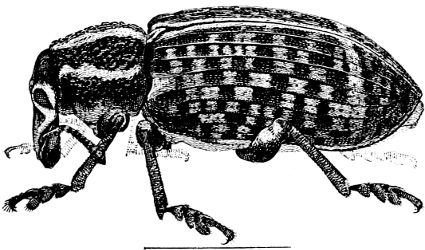
Fig. 85.—Chrysolophus spectabilis (Fabr.).
The Botany Bay Diamond Beetle.
(“Agricultural Gazette,” N.S.W.)
Eurhamphus fasciculatus is one of our largest and most remarkable looking weevils; it measures 2½ inches in length, and is of a general black tint, but the greater portion is finely clothed with grey and rusty red scales, which give it a uniform buff tint; it is further clothed with tufts of long soft reddish brown hairs forming a raised ridge down either side of the thorax, and are scattered in rows on the elytra intermixed with small tufts of long grey hairs, giving it a very remarkable spiny appearance. It is a rare insect as a rule, ranging from Pine Mountain, Queensland, to the Clarence River, N.S. Wales; but many years ago Masters when collecting in the north came upon a large dead pine tree in the scrub literally covered with hundreds of these great weevils boring into the dead timber with their long slender snouts, making a distinct scratching sound. It is therefore probable that they are confined to the strip of country where the Hoop or Maryborough Pine grows, and breed on it.
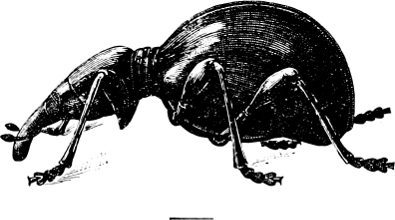
Fig. 86.—Myrmacicelus formicarius (Chev.).
The Ant-like Weevil.
(“Agricultural Gazette,” N.S.W.)
Tranes sparsus, ⅓ of an inch in length, is common among the coarse palm-like foliage of the Currawong; it is of a uniform reddish brown tint with a slender snout, rounded flattened thorax, and oval, flattened, finely striated elytra. A smaller black species, T. xanthorrhoeae, is found in the foliage of the grass trees. The Genus Belus contains a number of very slender weevils with the snout standing out in front of the head, long antennae, thickened thighs, and the slender elytra coming to a point at the apex. They feed upon wattles, and are very active, flying about in the heat of the day. Belus semipunctatus is about ¾ of an inch in length; of a uniform dark reddish brown tint, with a broad white stripe down each side of the thorax and down the centre of the back, with small spots on each side. B. bidentatus is a stouter thickset beetle; and is of a darker brown colour, with a rounded buff spot on either side of the wing covers. B. plagiatus is a smaller almost black species, richly variegated with reddish yellow spots and blotches; it comes from the more tropical scrubs of N.S. Wales and Southern Queensland. Rhinotia hoemoptera, a very handsome slender cylindrical weevil, is about ¾ of an inch in length, with the snout furnished with thickened antennae turned down below the head; it is rich black with bright brick red wing covers which have a fine dorsal black stripe down the centre. The curious large-headed larvae feed in the stems of the Sweet-scented Wattle, Acacia suaveolens. Eurhynchus acanthopterus is the type of another group, which has a shorter snout, and the head broad and rounded, fitting closely into the somewhat attenuated thorax; the body is broadly oval, and the wing covers furnished with short conical spines in the centre of the back. It measures about ½ an inch, and is of a uniform reddish brown tint. The Ant Weevil, Myrmacicelus formicarius, usually found crawling about on the trunks of wattle trees, is a shining black weevil about ⅙ of an inch in length, and is as ant-looking as its names suggest. The Genus Balaninus represents the tiny little rounded weevils with very long slender snouts adapted for feeding upon seeds. B. amoenus is black spotted with white; is almost oval in form, and about ⅙ of an inch in length. It feeds upon the ripe fruit of the little yellow fig, Ficus rubiginosa.
The Genus Laemosaccus contains a number of short flattened weevils of a general black or dark brown colour ornamented with white or buff down; they are generally found feasting upon the bark of freshly fallen tree-trunks, particularly wattle and eucalypts, in which they also bore holes and deposit their eggs. Laemosaccus electilis measures ¼ of an inch in length; is black with white pubescence on the under surface, and white markings on the tips of the wing covers, which are finely striated. My specimens come from Condobolin, N.S. Wales.
The members of the Genus Haplonyx contain a number of curious, short, broadly rounded beetles generally found clinging to the twigs of eucalypts, but their larvae breed in the fleshy galls of the Brachyscelid coccids, where they destroy the gall makers and pupate in the cavity. Haplonyx centralis is a typical dark brown species with a large white circle occupying the centre of the back. Perissops ocellatus, about ½ an inch in length, comes from the Tweed River N.S. Wales and Southern Queensland: it is of a general light brown tint; is oval and rounded in form, with the wing covers marked with buff, so that when viewed from behind it resembles a pair of eyes and nose on a man’s face.
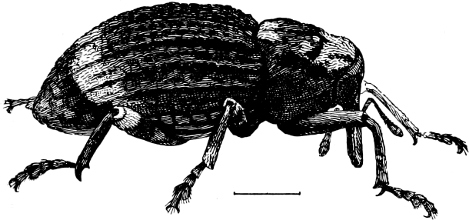
Figs. 87 and 88.—Kurrajong Weevils.
87.—Axionicus insignis (Pascoe).
The Mimic Bark-weevil.
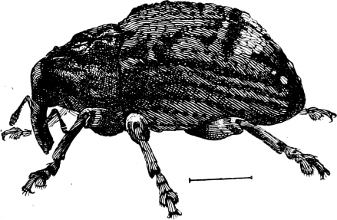
88.—Tepperia sterculiae, (Lea).
The Seed-pod Weevil.
(“Agricultural Gazette,” N.S.W.)
Axionicus insignis is always found upon the trunk of the Kurrajong tree hidden in the crevices of the bark, where in spite of its size (¾ of an inch in length) it is very difficult to detect, owing to the exact blending of its white grey and brown markings with the tints of the bark. It lays its eggs in the injured bark; the larvae are typical obese legless white grubs; they feed between the bark and the wood often in such numbers as to kill large branches. They pupate in regular oval cocoons formed of gnawed wood and bark. Tepperia sterculiae breeds in the seed pods of the Kurrajong, and is a smaller but somewhat similar tinted beetle clothed with brown and grey scales, the latter forming a well defined patch toward the apex of the wing covers. The two species of the Genus Enteles are smaller, smooth, shining, black beetles, with the head and legs curving underneath the body; they are both found in the semi-tropical scrubs of the north. Enteles vigorsi is marked with two white transverse lines crossing the elytra; while E. ocellatus has more parallel lines crossing the transverse ones, making an eye-like pattern upon the back. The Grass-tree Weevil, Trigonotarsus rugosus, is 1½ inches in length; is of a uniform black colour; and of the typical Calandra or palm weevil shape, with a slender curved snout, and small head sunk into the thorax, with the dorsal surface of the thorax and elytra flattened. The obese white larva feeds in the roots of the grass-trees. Allied to this are the two tiny cosmopolitan grain weevils, Calandra orizae and C. granaria, which are destructive pests to all kinds of grain and other food stuffs.
Family 49. Longicorns. CERAMBYCIDAE.
The longicorn beetles from their number, variety, size, and the damage they do to timber and plants, are well known beetles, and have always been a favourite group with collectors. They are usually elongate in form, with powerful gnawing jaws, and long slender many-jointed antennae standing out in front of the head, the basal joint often half encircled by the large compound eye; the elytron is always divided down the centre, and the large hind wings well adapted for flight are folded beneath them; the legs are strongly developed, well adapted either for running about or clinging to their food plant.
They deposit their eggs in bark or timber; the larvae burrow into the tissue beneath, upon which they feed; they often remain, long cylindrical or flattened naked grubs, for several years before they pupate in the end of their last gallery.
They are divided into three large sub-families by modern entomologists; our species have been chiefly described by Newman in “The Entomologist” 1842; “Annals of Natural History” 1840; and a number of other Journals. Pascoe contributed a great many papers to over half a dozen of the leading entomological societies in England between 1857 and 1875. Hope, in the Proceedings of the Entomological Society of London 1841, and other Transactions, added largely to our list, while Messrs. Boisduval, Germer, White, Saunders, and others described odd specimens. In our own Journals, Macleay and Blackburn have also dealt with these beetles.
The Prioninae comprise a number of large broad thickset beetles with the front coxae large and transverse, and the prothorax having well developed side margins. The determination of several of our commonest species was a matter of some doubt, so I submitted most of our common forms to Professor Lamare of Brussels, who has identified them and enabled me to speak with some authority.
Sceleocantha glabricollis is one of the shortest thickset forms; about 1¼ inches in length; of the usual uniform reddish brown tint; the small shining thorax furnished with a fine spine on either side; and the broad rounded elytron finely granulated. It is found along the southern coast of N.S. Wales. The common large white grub which bores in the trunks of the honeysuckle (Banksia serrata) growing along the coast of the south-east of N.S. Wales, Victoria and Tasmania, is the larva of Paroplites australis described in 1842 by Erichson; in most of our Museum collections it is known as Macrotoma servilis. It is variable in size, measuring to 2 inches in length, and is of a dull dark brown tint, with a flattened rugose thorax with serrate edges. Eurynassa australis is a large somewhat slender species 2¼ inches in length; the broad flattened dull coloured thorax is marked in the centre with two shining triangular patches pointing toward the head; the reddish brown elytra are finely granulated. E. odewahni is a smaller species, with the thorax more constricted, shining, rugose, and serrate on the margins; it is found in the interior, and has an extended range westward from N.S. Wales to W. Australia. Agrianome spinicollis comes from the north-east of N.S. Wales; it is a broader more flattened form, about 2 inches in length; the thorax is rounded and serrate on the sides; and the general colour is light reddish brown. Iotherium metallicum hardly measures over ½ an inch; is of a rich metallic purple tint; the thorax is produced into a broad spine on the sides; and the wing covers are broadly round at the apex. The male is a much smaller coppery tinted beetle, and was described under the name of Phaolus macleayi; it is usually taken on grass stalks in open forest country.
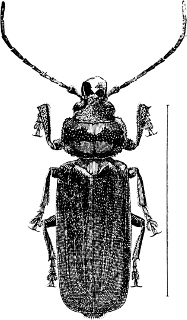
Fig. 89.—Eurynassa odewahni (Pascoe).
The great brown Longicorn.
(“Agricultural Gazette,” N.S.W.)
The Cerambycinae comprise a much larger division of the longicorn beetles, differing from the last group in having the first coxae not greatly extended transversely; the thorax not margined, and the last joint of the maxillary palpus usually broad. Pachydissus sericus is a slender silvery dark brown beetle about 1¼ inches in length, with the tip of the wing covers spined and the basal joint of the antennae thickened. It is generally found clinging to the rough bark of tree trunks. They deposit their eggs in the bark of Acacia longifolia; the larvae bore all through the trunk and larger branches; they have a wide range over the southern half of Australia.
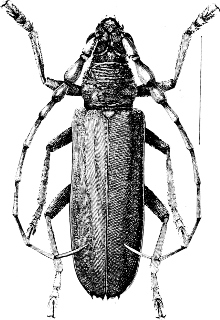
Fig. 90.—Pachydissus sericus (Newman).
The Silvery Longicorn, breeding in the stems of Acacia longifolia.
(“Agricultural Gazette,” N.S.W.)
The Genus Phoracantha contains a number of typical dark yellow or mottled brown beetles which in the larval state feed between the bark and sapwood of different gum trees when the trees are dead or dying; several species are common in firewood blocks about Sydney. The beetles are remarkable for long antennae fringed on the inner edge with fine hairs and short spines at the joints, and a single large spine on the sides of the thorax. Phoracantha recurva has a very wide range from the North-west coast to Victoria; it measures under 1 inch in length; is of a general dull yellow tint, with the apical half of the wing covers crossed with a broad band of reddish brown. P. tricuspis is a much larger, darker reddish brown beetle with mottled wing covers that lives in the timber of the ironbark gums. P. semipunctata, smaller than the last, has a regular pattern of dark brown on its back; it is common about Sydney N.S.W., and has a wide range over Australia. Epithora dorsalis is remarkable for its very long fringed antennae, and is easily distinguished by its uniform reddish tint marked across the centre of the wing covers with a broad patch of dull yellow. It also has a wide range over the continent, and is often taken about Sydney in summer on flowering shrubs. Aphanasium australe is a slender, light reddish brown beetle, under ¾ of an inch in length, the larvae of which feed in the stems of the prickly Hakea bushes. Piesarthruis marginellus is a very distinctive dull reddish brown insect with the centre of the wing covers pale brown; the smaller more slender male is furnished with remarkable feathered antennae. The larva breeds and pupates in the centre of the branches of Acacia longifolia, and can be easily reared from infested wood, though it is very rarely found on the food plant, for as soon as it emerges it crawls up to the top of the tree and clings to the branchlets.
Strongylurus thoracicus is a handsome brown longicorn brightly marked with white on the sides of the thorax. Its larva is very destructive in gardens, cutting off large branches of white cedar and pittosporum bushes.
In the Genus Uracanthus the beetles are long and slender, with almost cylindrical bodies, and the thorax contracted slightly behind the head. Uracanthus triangularis in Victoria confines its attention almost exclusively to the branches of the black wattle; but in N.S. Wales I have bred it from a number of different shrubs. It measures about 1 inch in length; is of a general uniform reddish brown colour, but so thickly clothed with fawn-coloured pubescence that there is only an angular bare reddish patch on the sides of the wing covers. U. cryptophagus, the largest known species, is nearly twice the length, more cylindrical in form, and of a uniform buff tint. In its native state it fed in the northern scrubs of N.S. Wales upon the wild lemon, from which it migrated to the cultivated orange, and the larvae burrowing through the branches did a great deal of mischief to the trees. Syllitus grammicus is a slender reddish brown beetle with six parallel grey lines running down the elytra, and is under ½ an inch in length. Lygesis mendica breeds on the twigs of the black wattle in the neighbourhood of Sydney. It measures under ½ an inch in length; is of a uniform reddish brown colour, and has a slender head and long cylindrical thorax. The wing covers are rounded at the tips, and the whole insect is clothed with stout white hairs. Macrones rufus is a long, slender, bright reddish brown beetle about 1¼ inches in length; the thorax is roughened into rounded bosses; the body is narrow in the centre, but swells out into a rounded apex; the wing covers narrow, and not reaching to the tip of the abdomen give it a very wasp-like appearance. It is usually taken upon flowers in the summer months.
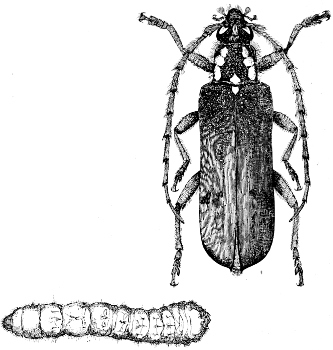
Fig. 91.—Strongylurus thoracicus (Pascoe).
The Pittosporum tree borer, and larva.
(“Agricultural Gazette,” N.S.W.)
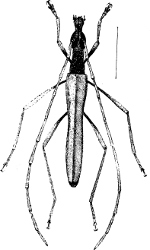
Fig. 92.—Lygesis mendica (Pascoe).
The slender grey-haired Longicorn.
(“Agricultural Gazette,” N.S.W.)
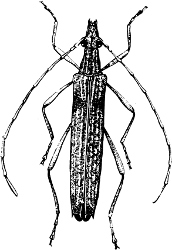
Fig. 93.—Uracanthus cryptophaga (Olliff).
The great Orange-tree Borer.
(“Agricultural Gazette,” N.S.W.)
The Genus Hesthesis contains a number of brightly marked yellow and brown beetles that mimic flower-wasps both in colour and shape, and are found in similar situations upon flowering shrubs. The wing covers are shortened into rounded pads only covering the shoulders, while the wings are exposed. Hesthesis vigilans, under ¾ of an inch in length, is black, mottled on the thorax, and barred with two bands of bright yellow on the abdomen, and one on the front of the thorax. H. ferruginea, slightly larger, is bright yellow banded with black; and H. cingulata, about the same size, is black, blotched upon the thorax, and marked with three white bands on the abdomen. Distichocera macleayi has the smaller male black with feathered antennae, and deeply ribbed wing covers tapering to the apex. The female, nearly 1½ inches in length, and broader and thickset in proportion, has the dorsal surface clothed with rusty red pubescence. D. maculicollis is a much smaller species, hardly over ½ an inch in length in the male, which is of a dull black faintly marked with white; the larger female is rusty red except a parallel stripe of black down the centre of the thorax. This species breeds in the stems of Kunzea corifolia; commencing under the bark the larva gnaws irregular passages backwards and forwards, finally hollowing out several large parallel chambers toward the centre of the stem, in one of which it pupates. Among the most beautiful of our flower haunting longicorns are the members of the Genus Tragocerus, with stout angular thorax and broad deeply ribbed wing covers almost truncated at the extremities. T. lepidopterus is variable in size and colouration in the sexes, the smaller male being darker coloured than the large reddish brown female, which measures nearly 1¾ inches in length; both have the wing covers mottled with little patches of grey hairs. T. spencei is a smaller species without the white patches, but having dark wavy bands crossing the centre of the back.
The members of the Genus Clytus are active little ant-like beetles, common in the more tropical parts of Australia, running up and down on freshly fallen tree trunks in the bright sunlight, or hunting over flowering shrubs; some are richly marked with golden yellow or red on the rounded thorax. Clytus curtisi, measuring under 1 inch in length, is black spotted and mottled with white. One of our commonest and most widely distributed flower haunting longicorns is Aridaeus thoracicus, a reddish yellow beetle with short rounded thorax, and the wing covers crossed in the centre with two black V-shaped bands. It is very variable in size, the largest measuring nearly 1 inch in length. Purpuricenus quadrinotatus is a very handsome black and bright red beetle about ¾ of an inch in length, with a short broad almost globular thorax, and a short body round at the apex. It is common along the Flinders River N. Queensland upon low scrub, and I have taken them in all variations of red and black; usually the head and thorax are black, with the wing covers red blotched with black; a variety with the thorax red is described as a distinct species.
The Lamiinae comprise the third division which, usually stout and broad in proportion, are found chiefly upon branches or twigs feeding upon bark; and are frequently very numerous upon fallen timber in forest clearings. They differ from the former group in having the front coxae round and deeply embedded; the maxillary palpi pointed at the tips; and the fore tibiae with a more or less distinct groove on the inner side.
Microtragus mormon is typical of several closely allied genera of short, thickly coated longicorns, with the rounded slightly spined thorax and the tapering body ridged or coarsely punctured; they are found upon logs or tree trunks on the ground, and somewhat resemble the ground weevils. This species comes from Kalgoorlie, W. Australia, but has a wide range over the western country; it is of a dull reddish brown tint, and measures about 1 inch in length. Ceraegidion horrens, not uncommon in the Illawarra district N.S.W., is a smaller darker coloured beetle covered with stout spines upon the dorsal surface of the thorax and elytra. The Genus Monohammus contains a number of very fine brown or mottled beetles with long stout antennae; the small rounded thorax produced into a blunt spine on either side; and the broad wing covers arcuate at the tips and sometimes spined on the sides. M. holotephrus is of a uniform dull buff tint and measures over 1 inch in length; it comes from S. Australia and Queensland. M. ovinus is a much smaller species with the thorax spined on the summit and sides; it is of a pale brown tint finely mottled with grey. It has a wide range, being recorded from Kalgoorlie W.A., N.S. Wales, Queensland, and S. Australia.
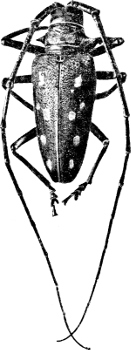
Fig. 94.—Batocera frenchi (Blackburn).
The great Fig-tree Longicorn.
(Original Photo. Burton.)
The tropical Genus Batocera, containing many of the largest and most handsome of our longicorns, is well represented in our semi-tropical scrubs. Batocera frenchi has a very wide range from the Northern Coast of N.S. Wales to Cape York. The great white grubs burrow in the trunks of native figs and other forest trees, and the collectors in Cairns, N. Queensland, capture the beetles by cutting down fig trees and waiting for them at twilight when they come to feed upon the bark. This species measures over 2 inches in length, has a spined rugose thorax, broad wing covers, and immense stout spined curved antennae; its general colour is slate grey to dark brown, with the elytra marked with irregular oval white spots. B. sapho is a more reddish brown beetle, somewhat more slender, and with fewer spots on the wing covers: it is found in the forests of Cape York, N. Queensland. Rosenbergia megacephala is larger still, and is of a beautiful creamy white tint, with the basal portions of the elytra finely spotted with black; the thorax is deeply ridged and spined: it is found at Port Darwin N.A., and Cairns, Queensland. Horace Brown informs me that this large beetle frequents fig trees in the forests of N. Queensland, where they can often be detected by the number of small branches scattered beneath, which have been cut off by their powerful jaws. Thyada barbicornis is a very handsome greyish brown mottled beetle with an oval blackish spot on each side of the elytra, and the antennae are so thickly fringed with fine hairs that it forms a regular brush toward the extremities; it measures under ¾ of an inch in length, and is common on the foliage of native figs on the Tweed River N.S.W.
The Genus Hebecerus contains a number of moderate-sized, grey or brownish mottled beetles, many of which lay their eggs in the bark of the wattle trees; the larvae feed and pupate in the tips of the dead twigs. Hebecerus australis, a thickset greyish brown species about ½ an inch in length, has a wide distribution over Australia, and has been described under half a dozen synonyms: H. marginicollis is a smaller beetle, with the sides of the thorax marked with buff. H. crocogaster is smaller still, of a similar general tint, with the antennae barred with grey and brown.
The Genus Symphyletes contains a number of large and handsome longicorns that are found clinging to twigs and branchlets; many of them in the larval state burrow in the stems of wattles, gum trees and other smaller shrubs. Symphyletes neglectus is an elongate dull brown beetle about 1 inch in length; it girdles the branches of Acacia longifolia, laying its eggs under the bark of the dying portion in which the little grub feeds in the early part of its life. S. nigrovirens is a much smaller beetle, with the head, thorax, and base of the elytra clothed with dull yellow hairs; the rest of the wing covers is deep green striped with white on the sides. It feeds upon a number of small shrubs, but its commonest food plant is the stunted prickly wattle (Acacia juniperina). S. solandri, a larger beetle clothed with a dense coat of fine buff hairs, breeds in the flower stalk of the grass tree, often cutting it right through and causing the upper half, beneath which it pupates, to fall off. S. vestigialis measures ¾ of an inch; it is brown, richly mottled with buff and grey. It feeds upon wattles; it has a wide range over Southern Australia.
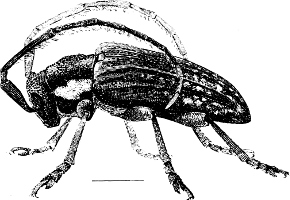
Fig. 95.—Hebecerus marginicollis (Boisd.).
The White-cheeked Longicorn.
(“Agricultural Gazette,” N.S.W.)
The Genus Penthea comprises a number of more thickset beetles with similar habits, and which have the upper surface of the thorax and wing covers granulated or ribbed and these are either covered with a dense pubescence or mottled all over in a very characteristic manner. Penthea vermicularia, one of the commonest and with a very wide range, is black with the antennae banded, and the elytra covered with irregular wavy white markings. It is very variable in size, 1¼ inches to under ¾ of an inch in length. P. saundersi, found in W. Australia, is much larger, of a more shining dark chocolate brown tint, and more deeply impressed with well defined spots, blotches and irregular buff coloured markings. P. sannio, smaller than the last and with a more constricted thorax, has the whole of the upper surface clothed with a creamy grey pubescence overlaid with deep orange red, and irregular dark lines crossing the wing covers; this beautiful beetle is a native of Queensland. Rhytiphora argus takes its name from the dark brown eye-like spots all over its back showing through the rich buff pubescence; it also ranges over a large part of Queensland. Depsages granulosa resembles a Penthea in its robust form; it measures over 1½ inches in length; is of a uniform dark dull brown tint, with the elytra covered with fine granules or bosses. It is common about Sydney, found clinging in summer time to the stems of gum saplings. Zygrita diva is a handsome little dark orange yellow coloured beetle irregularly marked and mottled with black. It is very common upon grass stalks in the open forest country of North Australia.
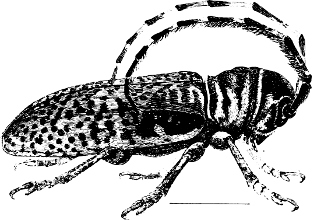
Fig. 96.—Symphyletes vestigialis (Pascoe).
The Buff-painted Longicorn.
(“Agricultural Gazette,” N.S.W.)
Family 50. Plant-eating Beetles. CHRYSOMELIDAE.
These foliage-destroying beetles have a regular, thickened, more or less oval or rounded form, with the thorax sometimes forming a neck; but in other groups are rounded and fit closely into the head and abdomen. The head, buried up to the eyes in the front of the thorax, is furnished with short stout biting jaws, and slender filiform antennae composed of many short segments; the tarsi are generally four jointed. They are as a rule small insects, rarely measuring over ½ an inch in length; their prevailing colours are red, yellow, or brown, marked with black or bright metallic tints. They lay their eggs on the foliage or twigs of their food plants, upon which the larvae feed when they emerge, and when full grown crawl down and pupate in the soil beneath.
This is a very large family; about 18,000 species are described from all parts of the world, and most of the typical groups are represented in this country. We have had a number of workers on the Chrysomelids: Baly (Ann. Nat. History 1862), (Jour. Linn. Soc. 1864), and (Trans. Ent. Soc. of London 1877): Clark in the “Journal of Entomology” 1864: Marsham (Trans. Linn. Society 1808): Chapius has described a number (Soc. Entom. Belgium Vol. xvii.), and (Journal, Museum Godeffroy xiv.): while Lea (Trans. Ent. Soc. London 1904) has monographed the Cryptocephalides; and Blackburn revised the Genus Paropsis (Pro. Linn. Soc. N.S.W. 1896 and 1901), adding many new species.
The Sagrides are very distinctive beetles, with the thorax elongated in front and broad behind; some of the more tropical forms are of rich metallic tints, with the thighs of the hind legs greatly enlarged; and our beautiful representative species, Sagra papuana, is known to collectors in the North Queensland scrubs as the “Kangaroo Beetle.” It measures 1 inch in length, and the swollen hind legs fringed with reddish hairs and a large angular spine are fully another inch in length. It is a uniform deep metallic blue. Carpophagus banksiae measures ½ an inch in length; is of a uniform dark reddish brown, with the elytra irregularly striped and banded with dark yellow; the thighs of the hind legs are thickened, and the under surface is clothed with fine grey hairs. It has a wide range, and is found about Sydney clinging to the low scrub. Mecynodera coxalgica is a larger, broader, dull reddish brown insect, clothed with a lighter tinted pubescence, and is found in similar localities.
The Cryptocephalides are a group of short, oval or truncate beetles, with long slender antennae: the sexes often differ in size and markings; they are usually found feeding upon the tender tips of the branches of wattle, young gum, and other low shrubs. Elaphodes tiqrinus is a small, oval, reddish brown beetle, thickly clothed with golden yellow pubescence forming a mottled pattern over the elytra; it feeds upon the foliage of the black wattle. The members of the Genus Ditropidus are small oval beetles, similar in shape and habits, black and shining; over 100 species have been described from Australia. The Genus Cadmus contains some very handsome ovate insects, with long slender antennae; they chiefly frequent the young eucalypts: the larvae have the curious habit of living in jug-shaped cocoons fitting closely to the body, with the horny flat forehead closing the opening at the apex; when moving along the fore-legs are extended like those of a bag-moth. Cadmus rubiginosus, our largest common species, is under ½ an inch in length; it is of a general reddish brown colour, with darker markings. C. litigiosus is a smaller yellow beetle; the head and thorax are black above, and the elytra yellow, finely punctured and spotted with black. The Genus Cryptocephalus comprises a number of similar shaped beetles with smaller wrinkled head and thorax, and the tip of the abdomen truncate. Cryptocephalus scabrosus is black, very rugose on the upper surface, with the tip of the elytra tinged with reddish brown: it measures about ¼ of an inch, and is common about Sydney. C. viridinitens is slightly larger, of a uniform dark metallic green on the upper surface.
The Eumolpides are represented by one of our most beautiful species, Spilopyra sumptuosa, common on low scrub on the northern rivers of N.S. Wales: it is about ½ an inch in length, and is of a fiery coppery red and deep metallic tint, giving out beautiful shades of colour in a bright light.
The Genus Edusa contains a number of bright metallic coloured beetles of oval form, which are chiefly found among the foliage of eucalypts. Edusa distincta is of the usual bright coppery red tint, with greenish head and thorax; it measures nearly ⅓ of an inch in length. Rhyparida didyma is a dull yellow beetle, with a narrow parallel stripe of black down each side of the elytra; it is of the usual elongate oval form with the head turned down in front. They are found clinging to grass stalks; this and several other species are common on the North West coast of Australia.
The Chrysomelides are one of the typical groups; many of them are rich in bright metallic tints; are either rounded or oval in form; and their larvae are active six legged grubs that crawl about the foliage. Aesernoides nigrofasciatus is a handsome, broad, convex, black beetle, with the elytra crossed with three broad irregular bands of dark orange yellow; it measures nearly ½ an inch in length, and is common on several shrubs in the Northern River scrubs. The Genus Phyllocharis contains a number of more elongated beetles with thicker antennae; they are chiefly found upon grass. Phyllocharis cyanicornis measures slightly over ⅓ of an inch in length; the general colour is dark orange, with the antennae and legs black; and the dorsal surface of the thorax and elytra are irregularly blotched with shining blue-black. It has a wide range over Australia and Tasmania. P. cyanipes, a larger species from N. Australia, has the head, thorax, blotch on each side of base, and tips of elytra light yellow, with the rest of the wing covers shining black. Lamprolina perplexa is a smaller, elongate, metallic, dull bronze coloured beetle, with yellow head and thorax; it is common upon the foliage of the native blackthorn, Busaria spiniferous.
The larvae of several species of the Genus Calomela feed upon the foliage of the black wattles: they are short, squat grubs, with black heads and small green oval bodies. Calomela paralis measures 2½ lines in length; its general colour is dark orange yellow, with a broad parallel band of rich metallic green occupying the centre of each wing cover and tapering down to the tips; the elytra are deeply and finely punctured. Twenty-five species are described from various parts of Australia, chiefly by Baly (Trans. Ent. Soc. 1856–1863: and Ann. and Mag. N.H. 1862).
The Genus Paropsis is the most extensive and characteristic of all our plant-eating beetles, and some of our common species are very plentiful about Sydney. Marsham wrote a monograph of the species (Trans. Linn. Soc. 1808), placing them in the Genus Notoclea; in Masters’ Catalogue 269 species are listed; since then, Blackburn has revised the Genus (Pro. Linn. Soc. N.S.W. 1896–1901), and added a number of new species.
The beetles are found chiefly upon the foliage of young eucalypts, and lay their yellow spindle-shaped eggs in a ring round the small twigs: the young larvae when first hatched cluster together, but as they increase in size they scatter all over the foliage upon which they feed. They are very active, short, stout grubs, with three pairs of well developed legs; when full grown they crawl down and pupate in the soil. The beetles are very convex and broadly rounded; most of them are more or less yellow, brown, or black in tint; some are very richly and delicately shaded with metallic tints, which however unfortunately fade after death. Paropsis variolosa, one of our largest species, measures ¾ of an inch in length, and is nearly as broad in proportion; it is of a general yellowish brown tint mottled with lighter yellow and closely punctured; the under surface except the legs is black. P. alternata is a smaller, dark brown beetle, the elytra banded with parallel lines of black and reddish brown: P. immaculata is about the same size; dull reddish brown, with the outer half of the elytra darkest; it is usually found feeding upon the foliage of the black wattle. P. liturata is slightly smaller than the last, with the wing covers irregularly spotted with pale yellow. It is common on the eucalypts about Sydney, and has a wide range over the State. The small green larvae of P. pictipennis feed upon the foliage of Leptospermum; the beetle is a small form, dull yellow marked with bright spots, but fades into a dull brown when dead.
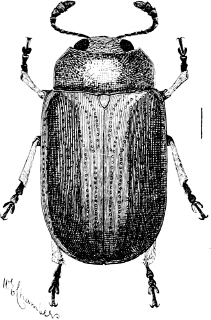
Fig. 97.—Calomela paralis (Lea).
The Green Striped Wattle Beetle.
(“Agricultural Gazette,” N.S.W.)
The Halticides are popularly known as “flea beetles,” as they have the thighs of the hind legs swollen out into rounded lumps which enable them to jump to a considerable distance: specimens are often found feeding upon sedges about watercourses. Nisotra submetallica is a tiny, shining green beetle, with a light reddish brown head and thorax; it is often a pest in the herb bed, where it feeds upon mint. Arsipoda macleayi is a much larger, deep metallic blue beetle with very large thighs; it has been found eating the surface of vine leaves in the Gosford district N.S.W., and covering them all over with brown blotches.
The Gallerucides comprise several very destructive garden pests, among which is the well known Pumpkin Beetle, Aulacophora olivieri, a reddish yellow and black beetle often called a “lady-bird,” and which in many parts of Australia swarms over the young melons and cucumbers and devours the flowers and foliage. Monolepta rosae is a delicate pale yellow beetle, with the front half of the elytra shaded with rose red; it has a wide range, and on the northern rivers congregates in great numbers at times, eating up the young foliage of the citrus trees. The Fig-leaf Beetle, Galleruca semipullata, lays its spindle-shaped eggs in patches on the leaves of both the wild and cultivated figs, upon the surface of which the dirty yellow coloured larvae feed, finally crawling down the trunks and pupating in the ground. The beetle measures about ⅓ of an inch in length; is of a dull ochreous yellow, with the outer margins of the broad elytra striped with dull bluish black. Hoplostinus viridipennis is a much smaller, dull brownish yellow beetle, with shorter, rounded, deep metallic green elytra. It feeds upon the foliage of the nettle trees growing in the scrubs of the Northern Rivers, N.S.W.
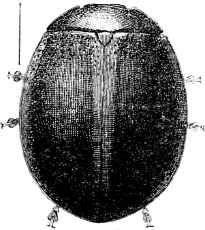
Fig. 98.—Paropsis immaculata (Marsham).
A typical Leaf-eating Beetle.
(“Agricultural Gazette,” N.S.W.)
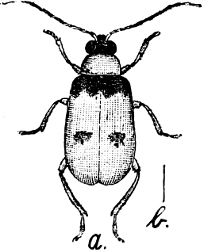
Fig. 99.—Monolepta rosae (Blackburn).
The Painted Leaf Beetle.
(“Agricultural Gazette,” N.S.W.)
The Hispides are a very distinct group of the plant-eating beetles, whose larvae are sometimes very destructive; they bore into the foliage or stalks of plants, feeding in, and not upon the plant tissue. The beetles might be divided into two sections; those that are short and broad shouldered like Monochirus multispinosus, which measures ⅙ of an inch in length, is black in colour, with the whole of the dorsal surface covered with short fine spines, and is common upon grass blades on the South coast of N.S. Wales; and the elongate almost cylindrical forms found on sedges belonging to the Genus Euryspa. These beetles are remarkable for the situation of their antennae, which are very close together at the base, and stand straight out in front of the head. Brontispa froggatti, belonging to the latter section, is a very serious pest on the cocoa nut palms in New Britain and Solomon Islands.
The Cassidides are curious ladybird-like beetles of a general yellow or light brown colour spotted or marked with black, with the outer margins of the elytra spreading out into an encircling flange or rim. They are confined to the more tropical forests of Queensland, but one species, Aspidomorpha deusta, comes into the northern scrubs of N.S. Wales; it is of the usual shape and mottled tints, measuring about ¼ of an inch in length.
Family 51. Fungus Beetles. EROTYLIDAE.
The larvae of these beetles can be often found in numbers feeding in the different kinds of woody fungi that grow upon tree trunks, old fences, and fallen logs. If these infested fungi are collected and kept in a box the beetles can be very easily bred out. They can be readily recognised by their elongate, boat-shaped form, and clubbed antennae.
Episcaphula pictipennis, one of our commonest species, is black, but thickly mottled with deep orange red forming three interrupted bands across the elytra. It measures about ¼ of an inch. Thallis janthina is a smaller, shining, blue black beetle, slightly roughened on the elytra; it breeds in the large, spongy, white fungus growing on the tree trunks known as “punks.”
Family 52. Lady-bird Beetles. COCCINELLIDAE.
These well-known beetles differ from the last family (which many of them resemble in outward appearance) in having 3 jointed tarsi, and the short usually 11 jointed antennae (occasionally 8–10) being slightly clubbed at the tips. In their habits however they differ in being carnivorous both in the larval and adult state, with the exception of the members of the Genus Epilachna, which are phytophagus. They are all small rounded beetles; the short head fits close into the thorax, which in turn rests against the front of the elytra: most of them are yellow, spotted or marked with darker yellow, metallic blue or black, and are slightly pubescent. These insects are well known in our gardens to the children as “lady-birds,” and the quaint rhyme of “Fly away lady-bird” is said to have originated in the hop fields of Kent: after the hop picking, the dead plants, where the common English lady-bird was abundant feeding upon the hop aphis, were burnt off, and this was a warning by the children to them to fly away before the fires were started. They have been closely studied by economic entomologists because they are the natural enemies of so many aphis and scale insects.
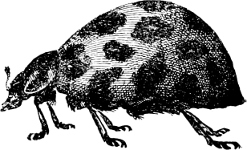
Fig. 100.—Epilachna 28-punctata (Fabr.).
The Spotted Leaf-eating Lady-bird.
(“Agricultural Gazette,” N.S.W.)
Over 2,000 species have been described from all parts of the world, and in the latest list given by Lea (Pro. Linn. Soc. N.S.W. 1901), 110 are recorded from Australia. Mulsant published his great work (Species Coleopteris Trimeres Securipalpes) in 1850: Crotch published his “Revision of the Coccinellidae” in 1874; in both of these will be found descriptions of Australian species. Blackburn (Trans. Royal Soc. S.A. 1892) and Lea previously quoted, added a number of new species to our fauna.
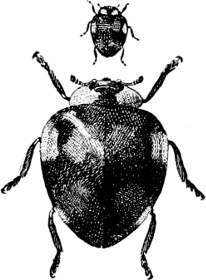
Fig. 101.—Epilachna guttatopustulata (Fabr.).
The Potato-leaf Lady-bird.
(“Agricultural Gazette,” N.S.W.)
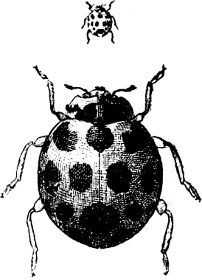
Fig. 102.—Leis conformis (Boisd.)
The Common Spotted Lady-bird.
(“Agricultural Gazette,” N.S.W.)
The Genus Epilachna contains all our plant-feeding lady-bird beetles, two of which are common. The 28-spot lady-bird, Epilachna 28-punctata, has a wide range extending from China and India to all parts of Australia; it measures about ⅓ of an inch in length, is of a dull yellowish brown tint marked with rounded black spots, and clothed with a fine pubescence. Crotch says: “This species varies almost to infinity, and gradually runs into the common 6-spotted type, so that I cannot give any structural differences.” Its curious gregarious larvae are dull yellow covered with black spined tubercles; about Sydney they are often found upon the foliage of the trumpet flower (Datura stramonium), but in the north of N.S. Wales often damage the foliage of potatoes. E. guttatopustulata ranges from Tasmania to North Australia, and is a common insect in the Richmond River scrubs, N.S.W.; it is a large beetle, easily recognised by the large, rounded, yellowish red blotch on the sides of the elytra.
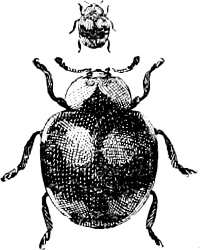
Fig. 103.—Thea galbula (Mulsant).
The Yellow-shouldered Lady-bird.
(“Agricultural Gazette,” N.S.W.)
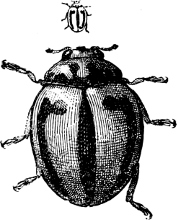
Fig. 104.—Verania frenata (Erichson).
The Striped Lady-bird.
(“Agricultural Gazette,” N.S.W.)
The typical Coccinella repanda measures ⅕ of an inch in length; it is a little, rounded, bright yellow beetle, with the head and thorax blackish, the elytra striped down the centre, and marked on either side with two irregular black V-shaped blotches. It has a wide range over Australia, and feeds upon all kinds of aphids, sometimes appearing in great numbers all over the country. Leis conformis is a larger species, of a uniform bright orange yellow, thickly spotted with black. It is a common garden insect, where the clusters of its slender yellow eggs may be often noticed attached to the bark of aphis infested trees; and its elongated, smoky tinted larvae, blotched on the sides with orange, may be often watched feeding upon rose or peach aphis. Thea galbula is a dainty little lady-bird, with the dorsal surface bright pale yellow, marked with black in the centre of the thorax; the dorsal stripe down the centre of the elytra connects two pairs of black blotches crossing the centre and base. It measures about ⅙ of an inch in length, and is at times common in our gardens. Verania frenata is ⅙ of an inch; it is yellow, with the thorax black behind, and with three stripes of the same colour down the elytra. It has a wide range from Tasmania to New Caledonia and the Malayan Islands.
The Genus Orcus contains a number of metallic blue-black lady-birds which feed chiefly upon scale insects; their larvae are grey and black creatures with the dorsal surface covered with fine spines; several species are common on scale infested citrus trees. Orcus chalybeus, measuring about ⅛ of an inch in length, is of a uniform deep metallic steel blue. O. australasiae is a larger species with two rounded yellow spots on each side of the elytra. O. bilunulatus is a still larger insect, with only one yellow blotch on either side of the front of the thorax.
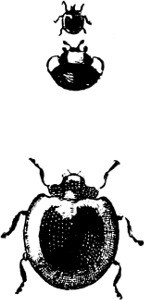
Fig. 105.—Orcus chalybeus (Boisd.).
The Steel-blue Lady-bird.
(“Agricultural Gazette,” N.S.W.)
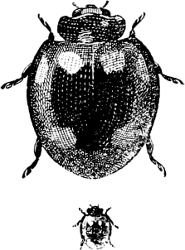
Fig. 106.—Orcus australasiae (Boisd.).
The Six-spot Blue Lady-bird.
(“Agricultural Gazette,” N.S.W.)
Novius cardinalis is a tiny red and black lady-bird, very variable in its black colouration; it was better known as Vedalia cardinalis, when it was collected in great numbers and forwarded to America to destroy the Fluted or Cottony-cushion Scale (Icerya purchasi), which had been introduced from this country into California and damaged the orange trees. It has since been introduced into other parts of the world, and is now cosmopolitan. The Genus Rhizobius contains a number of small black beetles finely punctured and clothed with pubescence, that gives them a rusty tint. Rhizobius ventralis is very common in the bush upon young eucalypts that are infested with Eriococcus coriaceous; it measures about ⅙ of an inch in length and is very pubescent. Cryptolæmus montrouzieri, a great foe to all kinds of mealy bugs, has been introduced into Hawaii with good results. The larvae are flattened brown insects that cover themselves with short white overlapping filaments, so that their identity is quite lost; they frequently swarm in thousands upon the trunks of scale infested Auracaria pines, pupating in such numbers that they form large white patches over the tree stems. The beetle is ¼ of an inch in length; is of a uniform black tint, with the head, thorax and tip of the elytra light yellow. The Genus Scymnus contains many of our smallest species: Scymnus vagans is a minute black beetle only ¹⁄₂₄ of an inch in length, which can be found on mite infested foliage. S. notiscens, more than twice the size, is common both on wattles and orange trees; it can be easily identified by the distinct reddish blotch in the centre of each wing cover.