PLAGUE ERADICATION IN CITIES BY SECTIONAL EXTERMINATION OF RATS AND GENERAL RAT PROOFING.
Reading edition
By Victor G. Heiser,
Passed assistant surgeon, U. S. Public Health and Marine-Hospital Service, chief quarantine officer and director of health for the Philippine Islands.
The health officials of the city of Manila, P. I., for the five-year period from 1900 to 1905 made most valiant efforts to destroy the rats of the city; approximately $15,000 were paid in rat bounties and $325,000 in salaries and wages and other expenses for rat catching, but at the end of that time the rats were apparently as plentiful as before and the plague was still present. The experience in Tokio and Osaka had been practically the same. Professor Kitasato expressed the opinion that a given city could only have up to a certain number anyhow, because further increase was limited by the amount of available food, and when the limit had been reached the rats commenced to eat one another, which prevented more than a certain number ever being present, and that the increase by breeding was about as rapid as any method of destruction which had yet been tried.
The following plan was then tried, and the plague among human beings soon disappeared, there being no cases since April, 1906; and it has been eradicated among rats each time that it has made its appearance.
A list of the places at which plague-infected rats were found was made. Each was regarded as a center of infection. Radiating lines, usually five in number, were prolonged from this center, evenly spaced like the spokes of a wheel. Rats were caught along these lines and examined. Plague rats were seldom found more than a few blocks away. The furthermost points at which infected rats were found were then connected with a line, as is roughly shown in the diagram on page 206 (Fig. 59.)
The space inclosed by the dotted line was regarded as the section of infection. The entire rat-catching force, which had heretofore been employed throughout the city, was then concentrated along the border of the infected section; that is, along the dotted line. They then commenced to move toward the center, catching the rats as 206they closed in. Behind them thorough rat proofing was carried out. One section after another was treated in this way until they had all been wiped out. Once weekly thereafter rats were caught in the previously infected sections and at other places which were insanitary and which had been infected in years gone by. This was continued for one year.
The city was then divided as is shown in the diagram facing this page, and rats are caught once weekly at each point at which the lines intersect and sent to the laboratory for examination.
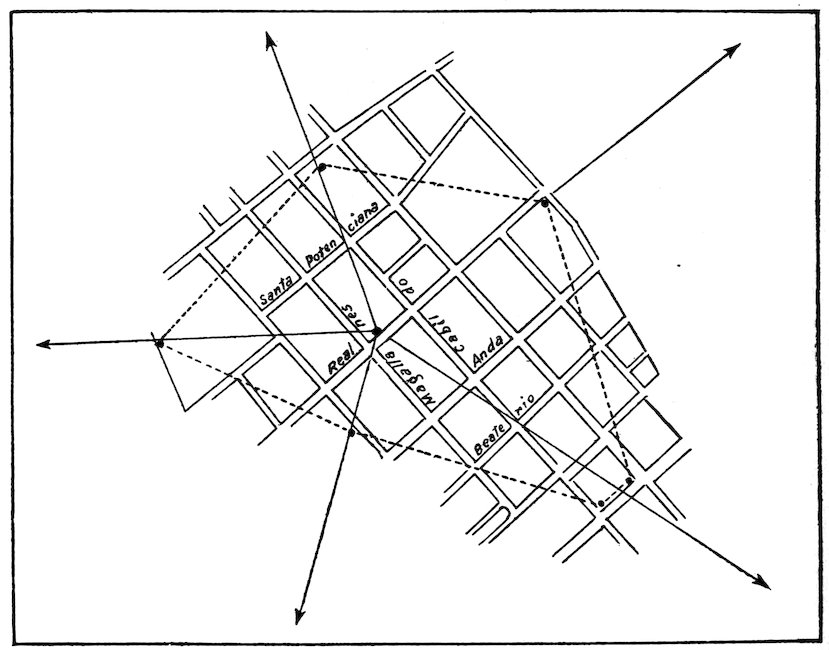
Fig. 59.—Isolated plague-infested center, Manila, P. I.
In addition, sanitary inspectors are instructed to bring in dead rats which have evidently died of disease, and more detailed rat catchings are made along the water front.
It is understood of course that rat proofing of the entire city should be thoroughly carried out and constantly maintained.
CONCLUSIONS.
1. Since the above system was adopted plague has disappeared in the city of Manila; among human beings in 1906; among rats in 1907, and it has not reappeared since.
2. That the cost is only a small fraction of that of general rat extermination.
3. That the plan is thoroughly practical for any kind of a city.
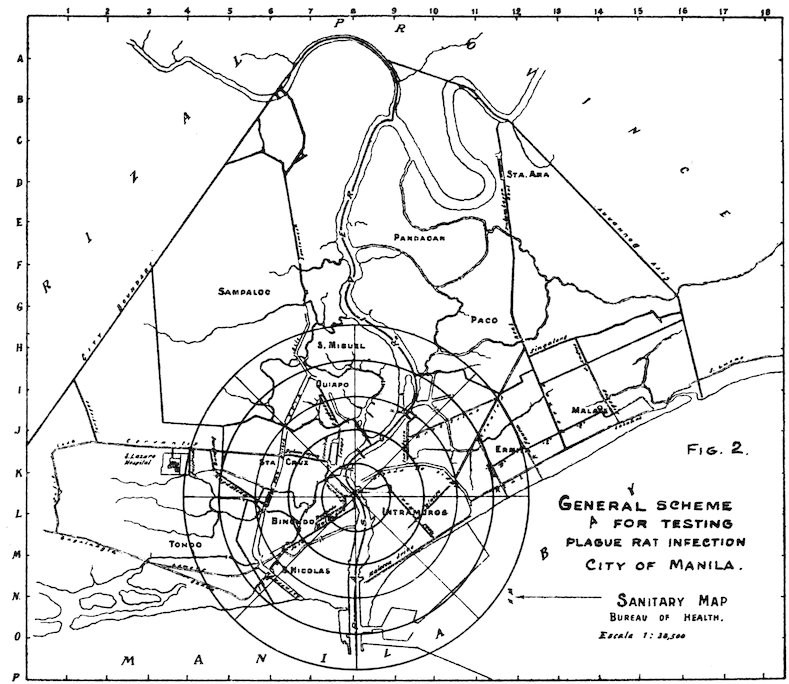
Fig. 60.—General Scheme for testing plague rat infection, City of Manila. Sanitary Map Bureau of Health. Escala 1:38,500
207