Chapter VII
Reading edition
THE BUCCANEERS TURN PIRATE
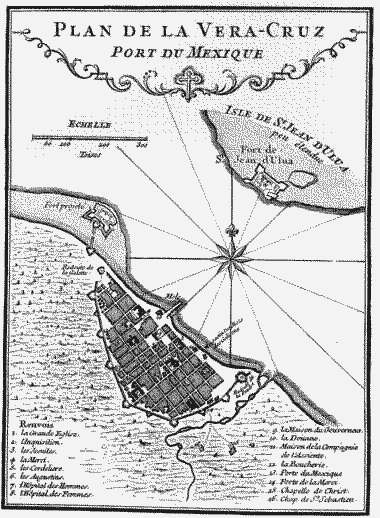
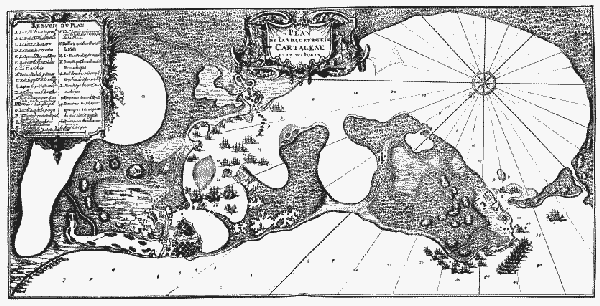
The privateers, moreover, really injured English trade as much as they injured Spanish navigation; and if the English in the second half of the seventeenth century had given the Spaniards as little cause for enmity in the West Indies as the Dutch had done, they perhaps rather than the Dutch would have been the convoys and sharers in the rich Flotas. The Spaniards, moreover, if not in the court at home, at least in the colonies, would have readily lent themselves to a trade, illicit though it be, with the English islands, a trade, moreover, which it was the constant aim of English diplomacy to encourage and maintain, had they been able to assure themselves that their English neighbours were their friends. But when outrage succeeded upon outrage, and the English Governors seemed, in spite of their protestations of innocence, to make no progress toward stopping them, the Spaniards naturally concluded that the English government was the best of liars and the worst of friends. From another point of view, too, the activity of the buccaneers was directly opposed to the commercial interests of Great Britain. Of all the nations of Europe the Spaniards were those who profited least from their American possessions. It was the English, the French and the Dutch who carried their merchandize to Cadiz and freighted the Spanish-American fleets, and who at the return of these fleets from Porto Bello and Vera Cruz appropriated the greater part of the gold, silver and precious stuffs which composed their cargoes. And when the buccaneers cut off a Spanish galleon, or wrecked the Spanish cities on the Main, it was not so much the Spaniards who suffered as the foreign merchants interested in the trade between Spain and her colonies. If the policy of the English and French Governments toward the buccaneers gradually changed from one of connivance or encouragement to one of hostility and suppression, it was because they came to realise that it was easier and more profitable to absorb the trade and riches of Spanish America through the peaceful agencies of treaty and concession, than by endeavouring to enforce a trade in the old-fashioned way inaugurated by Drake and his Elizabethan contemporaries.
In the North American colonies these new pirates still continued to find encouragement and protection. Carolina had long had an evil reputation as a hot-bed of piracy, and deservedly so. The proprietors had removed one governor after another for harbouring the freebooters, but with little result. In the Bahamas, which belonged to the same proprietors, the evil was even more flagrant. Governor Markham of the Quaker colony of Pennsylvania allowed the pirates to dispose of their goods and to refit upon the banks of the Delaware, and William Penn, the proprietor, showed little disposition to reprimand or remove him. Governor Fletcher of New York was in open alliance with the outlaws, accepted their gifts and allowed them to parade the streets in broad daylight. The merchants of New York, as well as those of Rhode Island and Massachusetts, who were prevented by the Navigation Laws from engaging in legitimate trade with other nations, welcomed the appearance of the pirate ships laden with goods from the East, provided a ready market for their cargoes, and encouraged them to repeat their voyages.