← Table of contents
Man, Past and Present

INDEX

Reading edition

Thanks are due to Hilary and Patrick Quiggin for help in the preparation, and to Miss L. Whitehouse for help in the revision, of the index.

Ababdeh, the, 483 Abaka, the, 78 Abbadie, A. d', 123 Abbot, W. J. L., 7 Abipone, the, 420 Abkhasian language, the, 541 Abnaki, the, 354, 375, and map, pp. 334-5 Abo, the, 117 Abor, the, 170 n. Abud, H. M., 484 sq. Abydos, excavations at, 481 Abyssinians, the, 468 sq. Achaeans, the, 463, 466, 533 sq. Acheulean culture, 11, 14 Achinese, the, 223, 238 sq. Acolhuas, the, 342, 394 Acoma, the, 382 n. Adam, L., 283, 415 n. Adelung, J. C., 127 n. Aderbaijani, the, 312 Aegean, the, culture of, 25 sq., 463 sqq., 467 sq., 501 sq.; prehistoric chronology of, 27; race, 466 Aeneolithic period, 21, 460 Aeta, the, 138, 149, 156 sqq., and Pl. II fig. 3 Afars, the, 468 sq., 484 sqq. Afghans, the, 542 sq., 546 Ahoms, the, 192 Ahtena, the, 361, and map, pp. 334-5 Aimaks, the, 312 Aimores. See Botocudos Ainu, the, 289, 294 sq., and Pl. VII figs. 1, 2 Akkadians, the, 261 sqq., 264 Akua. See Cherentes Alakalufs, the, 411; language of, 413 Alans, the, 312, 540 Albanians, the, 532, 538 sq. Algonquian linguistic stock, the, 342, 347, 354 sq., 370 sqq., 381 Algonquin, the, 347 n. and map, pp. 334-5 Alldridge, T. J., 56 n. Alpine race, the, 449, 452 sq., Pl. XI figs. 3, 4, 6, and Pl. XIV figs. 3-6; in the Morea, 465; in Western Asia, 498, 504; in Scandinavia, 509; in Germany, 509 sq.; in France, 510, 525 sqq.; in the Tyrol, 512; and the Celts, 514 sq.; in Britain, 516 sqq.; in Italy, 529; in Russia, 539 sq.; in Irania, 541 sqq.; in Central Asia, 544 sq.; in India, 547 sq. Altamira cave art, 13 Alur, the, 79 Ama-Fingu, the, 102 Ama-Tembu, the, 104 Ama-Xosa, the, 101 Ama-Zulu, the, 101 Amias, the, 250 Ammon, O., 511 Ammonites, the, 490 Amorites, the, 489 sq., 493, 545 Anau, exploration of, 257 sq. Andaman Islanders, the, 138, 149 sqq., 155, 158, and Pl. II fig. 1 Anderson, J. D., 546 n. Anderson, John, 186 n. Andi language, the, 541 Andrae, W., 264 n. Angami Naga, the, 178; language, 177 A-Ngoni, the, 102 Annamese, the, 180, 202 sqq. Annandale, N., 153, 222 n. Anorohoro, the, 242 Ansariyeh, the, 497 Antankarana, the, 241 Antimerina. See Hova Anu, the, 197 Anuchin, A., 289 Apaches, the, 342, 354, 383 Aquitani, the, 525 Arabs, the, 468, 470 sqq., 480, 488, 495, 498 sqq. Arakanese, the, 180 Aramaeans, the, 489 sq. Aramka, the, 73 Arapaho, the, 354, 370, 372, 374, and map, pp. 334-5 Araucanians, the, 409 sqq.; language, 412 Arawakan linguistic stock, 415 sq. Arawaks, the, 348, 399, 416 Arbois de Jubainville, M. H. d', 459, 514 n. Arcadians, the, 466 Argentina, fossil man in, 338 Arikara, the, 355, 371, and map, pp. 334-5 Aristov, N. A., 316 n. Arldt, T., 93 Armenians, the, 449, 498, 545, and Pl. XIV figs. 3, 4 Armenoids, the, 449, 450 sq., 479, 481, 497 sq. Aruan, the, 416 Arunta, the, 429, 435 sqq. Arvernians. See Alpine race Aryan languages. See Indo-European languages "Aryans," the, 441 sq., 449, 501 sqq.; "cradle" of, 503 sq. Aryans, the, in India, 505 sq., 545 sq., 550 and Pl. XV figs. 1-3 Aryo-Dravidian type, Risley's, 546 Asha, the, 485 Ashango, the, 115 Ashanti, the, 58 sq. Ashe, R. P., 95 n. Ashluslays, the, 421 Aspelin, J. R., 309 n., 319 Assami, the, 193, 550 Assiniboin, the, 355, 370, 372, and map, pp. 334-5 Assyrians, the, 488 sq., 492 Atacameños, the, 408 Atarais, the, 416 Athapascan linguistic stock, the, 342, 347, 354, 363, 383 Atharaka, the, 97 n. Aucaes. See Araucanians Auetö, the, 348, 419 Aurignacian man, 2, 9, 10; culture, 12, 14 Australians, the, 422, 426-437, and Pl. X figs. 5, 6; languages of, 428 sqq. Austronesian languages, 221, 223, 240 Autenrieth, H. von, 237 n. Avars, the, 310, 326, 329 sq., 531 Ayamats, the, 52 Aymara, the, 407, 419 Aysa, the, 485 Azandeh, the, 44 Azilian culture, 12 sqq. Aztecs, the, 384, 389-395, 397 Babine, the, 361, and map, pp. 334-5 Babir, the, 70 Babylonia, Copper Age in, 22; Bronze Age in, 24; chronology, 27, 264 sq.; writing, 32 sqq.; influence of, on China, 207 sq.; inhabitants, 261 sqq., 488 sq., 491 sqq.; religion, 268; social system, 269; culture, 270 sq., 491; connection with Egypt, 481 Badakhshi, the, 544 Baele, the, 73 Baelz, E., 294, 296 n. Ba-Fiot. See Eshi-Kongo Ba-Ganda, the, 44, 94 sqq., 248 Ba-Gesu, the, 91 n. Baggara, the, 74, 471 n. Baghirmi, the, 69, 72 Bagobo, the, 247 Bahau, the, 231 Ba-Hima, the, 91, 93, 468, 484, 486 Ba-Huana, the, 115 Baining, the, 142 Bajau, the, 228 Ba-Kalai, the, 115 Bakaïri, the, 348, 415 Ba-Kene, the, 91 Ba-Kish, the, 117 Ba-Kundu, the, 117 Ba-Kwiri, the, 117 Balagnini, the, 228 Balbi, A., 420 n. Balinese, the, 224 Balkashin, M., 316 n. Ball, C. J., 208 n. Ball, J., Dyer, 212 n., 216 n. Baloch, the, 546 Ba-Lolo, the, 110, 114 Ba-Long, the, 117 Balti, the, 167 Balto-Slavs, the, 506 Ba-Luba, the, 113 Ba-Mangwato, the, 109 Ba-Mba, the, 112 Bambara, the, 49, 50 Bancroft, H. H., 353 Bandelier, A. F., 383 n. Bandziri, the, 87 Banjars, the, 52 Bantu, the, compared with Sudanese Negro, 44 sqq.; Chap. IV. passim; in Madagascar, 239 sq. Ba-Nyai, the, 105 Ba-Nyoro, the, 92 Banyuns, the, 52 Ba-Puti, the, 109 Bara, the, 244 sq. Barabra, the, 75 sqq., 484 Barawan, the, 231 Barea, the, 42 Bari, the, 78, 79 Ba-Rolong, the, 106 Ba-Rotse, the, 106 sqq. Barrett, W. E. H., 100 n. Barth, H., 51, 64 n., 65 sq., 70 sq., 72 n. Bary, E. von, 446 n. Ba-Sa, the, 117 Ba-Sange, the, 113 Basé, the, 42 Ba-Senga, the, 105 Ba-Shilange, the, 110, 113 Bashkirs, the, 303, 318 sq., 328 n. Ba-Soga, the, 91 n. Ba-Songe, the, 113 Basques, the, 454 sqq., 526 sq. Bastarnae, the, 326, 507 Ba-Suto, the, 104, 106 Batak, the, 247 Ba-Tanga, the, 117 Ba-Tau, the, 109 Batchelor, J., 295 n. Ba-Teke, the, 115 Bateman, C. S. L., 113 Bates, O., 468 Ba-Teso, the, 91 n. Ba-Thonga, the, 102 Ba-Tlapin, the, 106 Batta, the, 237 sq. Ba-Twa, the, 125, 130 Bavaria, blond type in, 510; Mongoloid traits in, 512 n. Baya, the, 88 Ba-Yanzi, the, 120 Ba-Yong, the, 117 Bayots, the, 52 Bean, R. B., 248 Beaver, the, 361, and map, pp. 334-5 Beccari, O., 231 n. Be-Chuana, the, 44, 49, 104, 106, 108 sq. Beddoe, J., 449, 462, 522 Bede, the, 70 Bedouin, the, 499 sq., 545, and Pl. XII fig. 5 Beech, M. W. H., 486 n. Behr, V. D. v., 450 n. Beja, the, 76 sq., 443, 468 sq., 483 sq. Bektash, the, 497 Belck, W., 26 n. Belgae, the, 526 sq. Belgium, neolithic inhabitants of, 451 Bellacoola, the, 363, and map, pp. 334-5 Bengali, the, 547, 550 Beni Amer, the, 483 sq. Bent, J. T., 44, 89, 105, 466 n., 493 Bentley, W. H., 111, 119 Berbers, the, 448, 449 n., 450 sqq., 453, 468-472, 476; language of, 453 sqq., 472 sq. Bernard, A., 137 Berrakis, the, 544 Bertholon, L., 448 Bertin, G., 129 Bertrand, A., 457 Bertrand-Bocandé, M., 53 n. Betoya, linguistic stock, 415 Betsileo, the, 242 sqq. Betsimisaraka, the, 242 sq. Beuchat, H., 389 n., 392, 394 n., 397 n., 399, 406 n., 421 n. Bhotiya, the, 169 sq. Bicol, the, 221 n., 247 Biddulph, J., 542 n., 543 sq. Bigandet, P., 186, 190 Bigger, F. J., 520 Billet, A., 197 sq. Binger, L. G., 50 n., 52, 62 Bingham, H., 405 n. Bini, the, 58 sq. Bird, G. W., 188 n. Bisayas, the, 221 Bisharin, the, 483 sq., and Pl. XIII figs. 1, 2 Bishop, I. (Bird), 197 n., 218 n., 293 n. Blackfoot. See Siksika Blagden, C. O., 153 n., 154 n., 222 n., 426 n. Bleek, E. D., 128 n. Bleek, W. H. I., 118, 128 sq. Blood Indians. See Kainah Blumentritt, F., 156 n. Blundell, H. Weld, 487 n. Boas, F., 343, 347 n., 358 sq., 364 sqq., 367 n. Bock, Carl, 192 n., 194 Bodo, the, 547 Bod-pa, the, 168 sq., 171 Bogoras, W., 288, 341 Boghaz Keui, 496, 502 n. Bollaert, W., 403 n. Bongo, the, 78 sq. Bonjo, the, 87 Bonvalot, P. G., 544 Booth, A. J., 34 n. Borgu, the, 62 Bori, the, 170 n. Borlase, W. C., 520 Borneo, natives of, 230 sqq. Boro, the, 414 Bororo, the, 411 sq., 415 Borreby type, the, 509 n. Botocudo, the, 416 sqq. Bòttego, V., 81 n. Boule, M., 8 sq. Bove, G., 413 Bowditch, C. P., 393 n. Brahui, the, 546, 550 Braknas, the, 469 Bretons, the, 449 n., 529 sq. Brett, E. A. de, 548 n. Breuil, H., 13 n. Bridges, T., 401 n., 413 Brinton, D. G., 337 Britain, neolithic inhabitants of, 451 sqq.; and prehistoric trade routes, 501; races of, 516 sqq., 524 Broca, P., 456, 512 Brocklehurst, T. U., 393 n., 397 n. Brøgger, W. C., 14 Brooks, W. K., 399 Brown, A. R., 151, 431 n., 432 sqq. Brown, G., 146 n., 555 n. Brown, J. M., 353, 552 n., 555 n. Brown, R., 181 n. Brown, R. Grant, 190 Brückner, E., 13 sqq. Brünn, skeleton, the, 9 Brüx skull, the, 9 Brythons, the, 515 Budini, the, 536 Buduma, the, 69 Bugis, the, 224, 226 sqq., 236 Bukidnon, the, 247 Bulala, the, 73 Bulams, the, 53 Bulgarians, the, 532 Bulgars, the, 318, 326 sqq., 329 Burduna, the, 435 Burish dialect, 542 n. Burmese, the, 180, 188 sqq., 547; language, 177 n. Burton, Sir R., 116 Bury, J. B., 303 n. Buryats, the, 272, 277 Buschmann, K. E., 393 Bushmen, the, 12, 30, 226 sqq., and Pl. I figs. 5, 6; traces of, in Egypt, 476 Bwais, the, 187 Byrne, J., 283, 346 n. Byron-Gordon G., 397 Caddo, the, 355 Caddoan linguistic stock, the, 355, 381 Cagayans, the, 247 California, Indians of, 368 sqq. See map, pp. 334-5 Callilehet, the, 411 Cambeba, the, 419 n. Cambojans, the, 180 Canaanites, the, 489 sq., 493, 503 Canary Islands, natives of the, 448, 450, 480 Capitan, L., 9 n. Carabuyanas, the, 348 Carapaches, the, 414 Carey, S., 183 Cariban linguistic stock, 415 Caribs, the, 399, 415 sq., and Pl. IX fig. 1 Carpin, J. du P., 328 n. Carrier, the, 361 sq., and map, pp. 334-5 Carruthers, D., 257 Cartailhac, E., 13 n. Cashibos, the, 414 Castrèn, M. A., 278, 317 Catios, the, 400 sq. "Caucasic," definition of, 440 sq.; peoples, Chaps. XIII, XIV, XV; type in Central Asia, 291 sq.; in Finno-Turki Mongols, 300 sqq. Caucasus, racial elements in the, 540 sq. Cayuga, the, 354, 377 Cebunys, the, 342 Celts, the, 442, 457, 459, 462 n., 506, 513 sqq., 525; language of, 453, 512, 515 Cesnola, L. P. di, 463 Chadwick, H. M., 465 n., 466 n., 507 n., 508 n., 513 n. Chaldeans, the, 490 Chalmers, J., 146 n. Chamberlain, A. F., 344, 375 n. Chamberlain, B. H., 296 sq. Champas, the, 166, 180, 203 Champion, A. M., 97 n. Chanda, Ramaprasad, 547 Chandra Das, S., 169 n., 175 n. Chanler, W. A., 124 Chantre, E., 540 Chao, the, 411 Chatelperron industry, the, 12 Chavanne, J., 446 Chavero, A., 393 n. Chechenz language, 541 Chekhs, the, 331, 532, 537 Chellean culture, 7, 11, 14 sq. Cheremisses, the, 325 Cherentes, the, 417 Cherokee, the, 32 n., 342, 354, 378, and map, pp. 334-5 Chervin, A., 407 Cheyenne, the, 354, 357, 370, 372, 374, and map, pp. 334-5 Chibcha, the, 402 sqq., 421 n. Chichimecs, the, 342, 388 n., 394 Chickasaw, the, 355, 378, and map, pp. 334-5 Chilási, the, 544 Chiliks, the, 316 Chimakuan, the, 363 Chimmesayan, the, 355 Chimu, the, 407 sq. China, prehistoric age in, 30 sq. Chinese, the, 193 sqq., 206 sqq. Chingpaws. See Singpho Chinhwans, the, 250 Chinook, the, 363, 366, and map, pp. 334-5 Chins, the, 182 sqq. Chipewyan, the, 361, and map, pp. 334-5 Chiquito, the, 348, 420 Chiriqui, the, 400, 421 n. Chiru, the, 178 Chitimachan, the, 381 Chocos, the, 400 sq. Choctaw, the, 355, 378, and map, pp. 334-5 Choglengs, the, 417 Chontals, the, 400 Choroti, the, 421 Christian, F. W., 555 n. Chudes, the, 258, 301, 317, 319 sq. Chukchi, the, 274 sq., 277, 285 sqq., 344 Church, G. E., 348 Churchill, W., 552 n. Cimbri, the, 507 Circassians, the, 541 Clark, C. U., 317 n. Clifford, H., 153 sqq., 227 n., 229 Clozel, F. J., 88, 90 Coahuila, the, 342 Cochiti, the, 382 n. Cockburn, J., 166 n. Cocks, A. H., 323 Cocoma, the, 401 Cocopa, the, 383, and Pl. VIII fig. 3 Coconuco, the, 404 Codrington, R., 102 n. Codrington, R. H., 146 n., 241 n. Coffey, G., 23 n., 26, 520 n. Cole, Fay-Cooper, 248 n. Collas, the, 406 sq. Collignon, R., 448, 455 sq., 469 Colquhoun, A. R., 193 n., 202 Colvile, Z., 243 n., 244 Comanche, the, 355, 370, 372, and map, pp. 334-5 Combe Capelle skeleton, the, 9, 10 Conestoga, the, 354 Conibos, the, 414 Conway, R. S., 453 n., 457 n., 467 n., 513 n., 529 Congo pygmies, the, 122, 125; in Egypt, 122, 124, 476 Cook, S. A., 494 n. Cool, W., 225 Cooper, J. M., 413 n. Coorgs, the, 546 sq. Corequajes, the, 415 n. Coroados. See Kamés Corsicans, the, 461 Cowan, W. D., 242 n. Coyaima, the, 402 Crawfurd, J., 146 sq. Cree, the, 354; Plains-Cree, 371; Wood-Cree, 375, and map, pp. 334-5 Creek, the, 355, 378 sq., and map, pp. 334-5 Crete, bronze in, 25; iron in, 26; exploration in, 463, 467; Pelasgians in, 464, 466; language, 454; and prehistoric trade routes, 502 Crevaux, J., 415 n. Croatians, the, 532, 537 sq. Cro-Magnon skeletons, the, 9, 448, 450 Crook, Dr W., 189 n., 306 n., 308 n., 445 n., 548 Crossland, C., 484 n. Crow, the, 355, 370, 372, and map, pp. 334-5 Cummins, S. L., 79 n. Cunas, the, 400 Cunningham, A., 176 Cunningham, J. F., 94 n. Curzon, G. N., Lord, 204 Cushing, F. H., 381, 385 n., 387 n. Cyprus, 463; Pelasgians in, 464, 467; and prehistoric trade routes, 502 Czaplicka, M. A., 275, 277 n., 325 Dadikes. See Tajiks Daflas, the, 170 Dahae, the, 306 sq. Dahle, L., 241, 245 Dahomi, the, 58 sq. Dakota, the, 355, 370 sqq., and Pl. VIII figs. 5, 6 Dalton, E. T., 170 n., 186 n., 192 n., 548 Dalton, O. M., 62 Damant, G. H., 178 n. Damara. See Ova-Herero Dames, M. Longworth, 548 n. Danákil. See Afars Danes, the, 449, and Pl. XI figs. 1-3 Dards, the, 167 Dáród, the, 485 Darwazi, the, 544 Darwin, C., 401 n., 413 Dauri, the, 281 Dawson, C., 3 n., 6 n. Daza, the, 473 Déchelette, J., on the prehistoric period, 11 n., 13 n., 21 n., 22 n., 25 n., 26, 27 n., 28 n., 35; Iberians, 455 n.; Ligurians, 456 sqq.; Siculi, 460 n.; Ægean chronology, 467 n.; trade routes, 502 n. Dècle, L., 91 Deggaras, the, 68 Dehiya. See Dahae Dehwar. See Tajik Delaware (Leni Lenapé), language, 349 Déné (Tinneh), the, 354, 361 sqq., and map, pp. 334-5 Deniker, J., 38 n., 240 n., 295, 340, 413 n., 469, 483 n., 511, 539 Denmark, Alpine type in, 509 Dennett, R. E., 45 n., 58 n. Deodhaings, the, 192 Desgodins, P., 167 n., 170 n., 171, 196, 197 n. Dewey, H., 10 n. Dhé. See Dahae Diaramocks, the, 250 Diasu, the, 197 Dieseldorff, E. P., 342, 389 Dinka, the, 46, 78 sqq., 484 Dittmar, C. von, 286 Diula, the, 51 n. Dixon, R. B., 347, 355 sq. Dog Rib, the, 361, and map, pp. 334-5 Doko, the, 123 Dongolawi, the, 75 Dorians, the, 466, 468, 505, 534 Dörpfeld, W., 466 Dorsey, G. A., 372 n. sqq., 385 n. Dottin, G., 514 n. Dravidians, the, 428, 546 sq., 549 sqq., and Pl. XV figs. 4, 5; language, 550 Dris, Rajah, 230 Drouin, M., 307 Dru-pa, the, 168 Druses, the, 498, 545 Du Bois, C. G., 370 Dubois, E., 3 n. Dubois, F., 65 Duckworth, W. L. H., 2 n., 3 n., 4 n., 8, 243, 343 n. Dume, the, 123 sq. Dumont, A., 447 Dundas, C., 486 n. Dungan, the, 311 Duodez language, 541 Durani, the, 543 Durkheim, E., 430 Dusun, the, 230 sq. Dwaïsh, the, 469 Dwala (Duala), the, 47 n., 117 Dybowski, M., 86 sq. Dzo, the, 178 Ebisu, the, 261 Edkins, J., 211 n. Edomites, the, 490 Efiks, the, 117 Egypt, Copper Age in, 21 sq.; Bronze Age in, 24 sq.; Iron Age in, 26; prehistoric chronology, 27; writing, 32 sq.; Pelasgian influence in, 464; racial elements in, 474-481; and Babylonia, 481, 501; and Palestine, 493 Egyptians, the, 450, 453, 455, 468, 474-483 Ehrenreich, P., 38, 331, 347 sq., 410 sq., 415, 417, 420, 441, 443 Elam, Copper Age in, 22; Bronze Age in, 25 Elamites, the, 266 Eliot, C., 97 n. Eliri, the, 75 Ellis, A. B., 47 n., 55 n., 58 sqq., 119 Ellis, Havelock, 528 Elphinstone, Mountstuart, 544 Emerillons, the, 419 Emmons, G. T., 363 n. Endle, S., 548 n. Enoch, C. R., 353 Eoanthropus Dawsoni. See Piltdown Eolithic period, 10 Ephthalites. See Yé-tha Ercilla, A. de, 409 n. Erie, the, 375, and map, pp. 334-5 Eshi-Kongo, the, 110, 112, 248 Eskimauan linguistic stock, the, 354 Eskimo, the, Alaskan, 343, 357 sq., 401; Labrador, 343, 357 sq.; Asiatic, 344; "blonde," 360; see also map, pp. 334-5, and Pl. VIII fig. 1 Esthonians, the, 320 Ethiopians. See Eastern Hamites Etruscan language, 453 Etruscans, the, 512 sq. Euahlayi, the, 436 Europaeus, D. E. D., 319 n. Evans, Sir A. J., 454 n., 463 Evans, Sir J., 7 Ewe, the, 46, 58 Faidherbe, L. L. C., 450 Falghars, the, 543 Fallmerayer, J. P., 535 Fans, the (West Africa), 81 n., 115 Fans, the (Zerafshan), 543 Fanti, the, 58 sq. Farrand, L., 354, 386 n. Featherman, A., 62 n. Feist, S., 452, 454, 457 n., 503 n., 504 sq., 507 n., 513, 527 n. Felups, the, 52 sq. Fenner, C. N., 339 Fermuli. See Purmuli Fewkes, J. W., 350, 384 sqq., 387 n. Finlay, G., 535 n. Finno-Turki Mongols, the, Chap. IX. passim Finno-Ugrians, the, 319 sq.; language, 454 Finns, the, 317 sqq., 504, 508, 531, 536 n.; Danubian, 318; Volga, 318, 320; Baltic, 320 sq.; Tavastian, 320, 322; Karelian, ib. Finsch, O., 146 n. Fishberg, M., 496 n. Fitzgerald, W. W. A., 98 Fitz-Roy, R., 413 Five Nations, the, 354, 375, 377 Flat-heads (Columbia River). See Chinook Flat-heads (Inland Salish), the, 343, 366 Fleischer, H. L., 241 Fletcher, A. C., 372 n. sq. Fleure, H. J., 522 Flower, Sir W., 123 Förstemann, E., 342, 389 sq., 394, 396 Folkmar, D., 156 n. Foote, R. B., 545 n. Forbes, C. J. F. S., 147, 188 n. Foreman, J., 156, 246 n., 247 sq. Formosa, aborigines of, 248 sqq. Fouillée, A., 510 n. Foy, W., 236 n. Fraipont, J., 8 n. France, neolithic inhabitants of, 451 sq.; racial elements in, 510 sq., 525 sqq. Frazer, Sir J. G., 364, 430 Freeman, E. A., 460 n. Friederici, G., 138 sq. Friis, J. A., 323 Fritsch, G., 126 Frobenius, L., 62 n. Fuegians, the, 401, 411, 413 Fulah, the, 46, 53, 59, 66 sq., 73, 75, 90, 468, 476, 482 sq. Fulani. See Fulah Fulbe. See Fulah Fuluns, the, 52 Funj, the, 78 Fur, the, 75 Furfooz brachycephals, the, 451 Furlong, C. W., 413 n. Furness, W. H., 234 n. Furtwängler, A., 507 Ga, the, 58 sq. Gabelenz, G. v. d., 454 Gadabursi, the, 485 Gaddanes, the, 157 Gadow, H., 395 n. Gagelin, Abbé, 204 Gaillard, R., 69 n. Gait, E. A., 192 n., 551 n. Galatians, the, 545 Galcha, the, 541, 543 sq. Galchic language, 541 sqq. Galibi, the, 416 Galla, the, 90 sqq., 98, 468, 485 sq. Galley Hill skeleton, the, 8 sq. Gallinas, the, 53 Gamergu, the, 70 Gannett, H., 248 n. Garamantes, the, 473 Garhwali, the, 170 Garner, R. L., 557 Gatschet, A. S., 379 n. Gauchos, the, 410 Gautier, J. E., 258 Geer, Baron G. de, 14 sq. Geikie, J., 14, 16 n., 123 n. Gentil, E., 69 Georgians, the, 541 Gepidae, the, 329 Germanic race. See Nordic race Germans, the, 318, 321 Germany, racial elements in, 509 sq. Gesan linguistic stock, 415 sq. Getae, the, 326 Ghegs, the, 538 Ghuz. See Oghuz Giao-shi, the, 203 Gibbons, A. St H., 107 n. Gibraltar skull, the, 8 Gidley, J. W., 339 Giles, H. A., 215 n., 218 n., 280 n. Giles, P., 34 n., 453 n., 467, 503 n., 504 Gill, W., 197 n. Gillen, F. J., 430, 436 n. Gilyaks, the, 274 sq., 277, 285, 288 sq., 344, and Pl. VI fig. 6 Gladstone, J. H., 21, 24 Gleichen, A. E. W., 487 n. Goddard, P. E., 383 n. Godden, G. M., 177 n. Goez, B., 543 Goidels, the, 515 Gola, the, 53 Golds, the, 274 sq., 277, 289, and Pl. VI fig. 5 Goliki, the, 172 Golo, the, 78 sq. Gomes, E. H., 234 n. Gonaqua, the, 128 Gorjanovič-Kramberger, 8 n. Górs, the, 544 Goths, the, 449, 508, 540 Gowland, W., 260 Graebner, F., 139, 350, 429 sqq. Grasserie, R. de la, 345 n. Gravette industry, the, 12 Gray, J., 522 Greece, prehistoric chronology of, 27 Greeks, the, 463 sqq., 466, 532 sqq. Gregory, W. K., 556, 559 sqq. Grenard, F., 169 n. Grey, Sir G., 237 Grierson, G. A., 176 n., 177 n., 178 n., 546 n. Grimaldi skeletons, the, 447 Grinnell, G. B., 372 n., 375 n. Griqua, the, 128 Gros Ventre, the, 370, and map, pp. 334-5 Guacanabibes, the, 399 Guanches, the, 450, 468, 480 Guarani, the, 419. See also Tupi-Guarani Guatusos, the, 400, and Pl. IX fig. 2 Guillemard, F. H. H., 147 n., 247, 296 sq. Guinness, H. G. (Mrs), 114 Gujarati, the, 547, 550 Guppy, H. B., 137 Gura'an, the, 73 Gurdon, P. R. T., 548 n. Gurkhas, the, 170 Gurungs, the, 170 n., 547 Habiru. See Khabiri Hackman, A., 261, 319 n. Hacquard, Père, 65 n. Haddon, A. C., on Negrilloes, 126 n., 149 n., 154 n., 156 n.; Melanesia, 135 n., 138 n., 146 n.; Indonesians, 221 n.; Borneo, 230 sqq., 426 n.; America, 336 n., 341 n., 415 n., 416 n.; Australia, 432 n.; racial migrations, 292 n., 453 n., 483 n., 490 n., 493 n., 547 n. Hadendoa, the, 483 sq. Haebler, K., 337 n. Hagar, S., 351 Hagen, B., 224 Hahne, H., 507 n. Haida, the, 363, and map, pp. 334-5 Hakas (Ki-li-Kissé), the, 310 Hakas, (Burma), the, 183, 185 Hakkas, the, 211, 249 Hale, H., 412 Halévy, J., 262 Hall, H. Fielding, 191 n. Hall, H. R. H., on prehistoric periods, 21 n., 26 n., 27 n., 43 n.; Greece, 466 n., 533, 534 n. Hall, R. N., 89 n., 106 n. Hallett, H. S., 190 sq., 192 n., 201 n., 202 n. Hallstatt, Iron Age, culture of, 28 sq. Hamada, K., 260 Hamilton, A., 170 n. Hamites, the, 441, 447, 468-487, 488, and Pl. XIII; Abyssinian, 486 sq.; Eastern, 468 sqq., 474 sqq., 483-7; Egyptian, 468, 474 sqq.; Northern, 468 sqq. Hammer, G., 543 Hampel, J., 23, 24 n. Hamy, E. T., 50 n., 126, 221 n., 276, 290, 303 Hano, the, 382 n. Hans (San-San), the, 291 Harding, Sir A., 97 Hares, the, 361, and map, pp. 334-5 Harri, the, 545 Harrison, H. S., 49 n. Harrison Lake. See Lillooet Hartland, E. S., 100 n., 120 n., 430, 436 Hausa, the, 44, 66 sqq., and Pl. I fig. I Havasupai, the, 383 Hawes, C. H., 27 n., 534 n. Hawes, H. B., 27 n. Háwíya, the, 485 Hazaras, the, 312 Hebrews. See Khabiri Hedin, Sven, 257, 310 Heikel, A. O., 309 Hellenes, the, 463 sq., 466, 532 Helm, O., 24 n. Hermann, K. A., 262 Hervé, G., 454 Hewitt, J. N. B., 375 n. Hickson, S. J., 119 n., 148 n. Hidatsa, the, 371, and map, pp. 334-5 Hill-Tout, C., 363 n., 367 Hilprecht, H. V., 265 n. Hilton-Simpson, M. W., 113 n. Himyarites, the, 487 sq., 499 Hirt, H., 503 n. Hirth, F., 210 n. Hittites, the, 449, 467, 490, 493, 496 sqq. Hiung-nu, the, 291 sq., 305 Hobley, C. W., 97 n. Hodge, H., 385 n. Hodgson, B. H., 177 Hodson, T. C., 178, 181, 182 n., 548 n. Hoeï, the, 211 Hoernle, A. F. R., 546 n. Hoffman, W. J., 375 n. Hogarth, D. G., 268 n., 496 n., 497 n. Hok-los, the, 211, 249 Hollis, A. C., 486 n. Holmes, T. Rice, 25 n., 174 n., 451 n.; on the Mediterranean Race, 452-456, 459; Indo-Europeans, 505 n., 507 n.; Celts, 514; Picts, 516; British round-heads, 517 n., 518, 525 n. Holmes, W. H., 339, 351, 357, 381 n., 387 n. Hommel, F., 210 n., 270 Homo Alpinus, 449 sq. See also Alpine race —— Europaeus, 449. See also Nordic race —— heidelbergensis, 8, 9. See also Mauer jaw —— primigenius, 8, 9. See also Neandertal man —— recens, 8 sqq. Hooper, W. H., 286 Hoops, J., 507 n. Hopi, the, 355, 357, 382, 385, and map, pp. 334-5 Hor-pa, the, 172 Horsoks, the, 172 Hose, C., 231 Hottentots, the, 126 sqq., and Pl. I figs. 3, 4 Hough, W., 351, 385 n., 387 n. Houghton, B., 183 Hova, the, 224, 240, 242 sqq., 244 sq. Howitt, A. W., 430, 435 n., 436 Howorth, Sir H. H., 172 n., 281, 302 Hrasso, the, 170 Hrdlička, A., 338 sqq. Huaxtecans, the, 388, 393 sqq., 396 Huaxtecs (Totonacs), the, 342, 388 sq., 395 Huc, E. R. (Abbé), 280 Huichols, the, 395 n. Huilli-che, the, 410 Hungarians, the, 317 n., 328 sqq. Hungary, Copper Age in, 23 Huns, the, 307, 326 sqq., 531 Huntington, E., 165 n., 257, 263 n., 384 n. Hurgronje, C. S., 239 n. Huron, the, 354, 375, 378, and map, pp. 334-5 Hyades, P. D. J., 401 n., 413 Hyksos, the, 476, 490 "Hyperboreans," the, 285 Iban, the, 230, 232 sqq. Ibara, the, 242 Ibea, the, 117 Iberians, the, 449, 452, 455 sq., 459, 525; language of, 454 Ibis, P., 249 Idoesh. See Dwaïsh Igorots (Igorrotes), the, 157, 247 Ihring, H. V., 270 Illanuns, the, 228 n. Illinois, the, 375, and map, pp. 334-5 Illinois dialect, the, 354 Illyrians, the, 460 n., 529 n., 538 Ilocano, the, 247 Imeritian language, 541 Inca, the, 404-407, 421 n. Indo-Aryan type, Risley's, 546 Indo-European languages, 441 sq., 453, 456 sq., 502 sqq.; type, 504 sq.; migrations, 505 sqq. Indo-Germanic. See Indo-European Indonesians, the, 221, 230, 235, 248 sq., 551 sq. Ingham, E. G., 56 n., 57 Ingrians, the, 322 Iowa, the, 371, and map, pp. 334-5 Ipurina, the, 348, 416 Iranians, the, 506, 541 sqq., and Pl. XII fig. 6 Ireland, Copper Age in, 23; Bronze Age in, 25 sq., 502; racial elements in, 519 sqq. Ireland, A., 191 n. Iroquoian linguistic stock, the, 354 sq., 375 sqq., 381 Iroquois, the, 342, 354 sq., 375 sqq., and map, pp. 334-5 Irula, the, 423, and Pl. X fig. 2 Ishák, the, 485 Ishogo, the, 115 Isleta, the, 382 n. Israelites, the, 490, 494 Italic language, 461 n. "Italici" of Sergi, 461 n. Italy, racial elements in, 528 sqq. Itaves, the, 157 Itelmes. See Kamchadales Iungs (Njungs), the, 196 Ivanovski, A., 316 n. Iyer, L. K. A. K., 548 n. Jaalin, the, 74 Jackson, F. G., 324 Jackson, J. Wilfred, 353, 520 n. Jallonké the, 49, 51 Jaluo, the, 80 James, A. W., 386 n. James, G. C., 522 Jansens, the, 178 Japan, Stone Age in, 260 sq. Japanese, the, 274, 294 sqq.; language, 297; religion, 297 sqq., and Pl. VII figs. 3, 4 Jastrow, M., 493 n., 500 Játs, the, 306 sqq., 546 Java, fossil man in, 3 Javanese, the, 224, 240 Jazyges, the, 326 Jemez, the, 382 n. Jenks, A. E., 247 sq., 375 n. Jéquier, G., 475 n. Jette, J., 363 Jews, the, 494 sqq. Jicarilla, the, 383, and map, pp. 334-5 Jigúshes, the, 52 Joats, the, 52 Jochelson, W. I., 286 n. Johns, C. H. W., 265 n., 268 n., 491 n., 492 n., 493 n. Johnston, Sir H. H., on the Sudanese, 43 n., 45, 57 n., 65, 67 n., 86; Bantu, 92 sq., 94 n., 96 n., 106 n., 113 n., 116, 117 n.; Bushman, 121 n., 126, 129 n., 229 n.; Berbers, 452 n., 473 n.; Egypt, 476 sq., 481 n.; Fulah, 483 Johnson, J. P., 43 n., 161 Jola, the, 52 Jolof, the, 47 Jones, W., 377 n. Joyce, T. A., on Africa, 41 n., 43 n., 44 n., 113 n., 115 n., 468 n.; Madagascar, 240, 244 sq.; Central Asia, 311, 545 n.; Mexico, 342, 393 n., 395 n.; Central America, 399; South America, 400 n., 403 n., 404 n., 407 n., 409 n., 410 n., 412 n. Jullian, C., 455, 457, 459 Junker, W., 79 sq., 82 sq., 122, 124 Junod, H. A., 102 n., 104 n. Juris, the, 348 Kababish, the, 74, 471 n., 484, and Pl. XII figs. 3, 4 Kabard language, the, 541 Kabinda, the, 110, 112 sq. Kabuis, the, 178 Kabyles, the, 452 Kachins. See Kakhyens Kadayans, the, 232 Kadir, the, 423 Kai-Colo, the, 137 n., 343 Kainah, the, 374, and map, pp. 334-5 Kaingangs. See Kamés Kaitish, the, 436, and, Pl. X fig. 5 Kajuna dialect, the, 542 n. Kakhyens, the, 182, 186, 193 Kalabit, the, 230 sq. Kalapooian, the, 363, and map, pp. 334-5 Kalina, the, 416 Kalmuks, the, 272, 274 sq., 311, and Pl. VI fig. 4 Kamassintzi, the, 317 Kamayura, the, 348, 419 Kamchadales, the, 274 sq., 285 sqq., 344 Kamés, the, 417 Kamjangs, the, 192 "Kanakas," the, 137 Kanarese, the, 549, and Pl. XV fig. 6 Kanembu, the, 69, 72 sq. Kanet, the, 547 Kansa, the, 371 Kanuri, the, 69, 72 Kara, the, 75 Karagasses, the, 317 Kara-Kalpaks, the, 312 Kara-Kirghiz, the, 314, 316 Kara-Tangutans, the, 169 Karaya, the, 415 Karenni, the, 187 Karens, the, 182, 186 sq., 199 Kargo, the, 75 Karian inscriptions, 453 Karigina, the, 415 n. Karipuna, the, 414 Karons, the, 52 Karsten, R., 421 n. Kartweli, the, 541 Kasak, the, 316 Kashgarians, the, 311, 313 n. Kashmiri, the, 550 Kassonké, the, 49 Kattea. See Vaalpens Kauffmann, F., 504 Kavirondo, the, 91 n. Kawahla, the, 484 Kayan, the, 159 n., 231 sqq. Kayapos, the, 417 Keith, A., 2 n., 3 n., 5 n., 6, 8 n., 9, 447, 511 n., 517 n., 557 n. Keller, C., 485 Kelt (Celt), use of term, 449, 512, 514 "Keltiberians," the, 527 Kelto-Slavs, the, 449 Kennan, G., 288 n. Kennan, R., 314 Kennelly, M., 212 n., 216 n. Kenyah, the, 231 sqq. Keresans, the, 382 n. Keribina, the, 70 Kerrikerri, the, 70 Khabiri (Hebrews), the, 490, 493 sq.; religion of the, 500 Khamti, the, 180 Khanikoff, N. V., 542 sq. Khanungs. See Kiu-tse Khas (Gurkha), the, 170 Khas (of Siam), the, 170 n. Khatri, the, 546 Khatti, the, 496 Khazars, the, 326, 494 Khemis, the, 188 Kheongs, the, 187 Kheta, the, 496 Khitans, the, 279 Khmers, the, 199 Khorvats. See Croatians Khos, the, 544 Khotana, the, 361, and map, pp. 334-5 Khyengs, the, 188 Khyungthas, the, 188 Kiao-shi. See Giao-shi Kichai, the, 355 Kickapoo, the, 375, and map, pp. 334-5 Kidd, D., 104 n. Kimmerians, the, 267 n. Kimos, the, 239 King, L. W., 23 n., 27 n., 262 n. sqq., 481 n., 491 n., 493 n., 497 n. King, P. P., 413 Kingsley, M. H., 58, 116 Kiowa, the, 370, 372, and map, pp. 334-5 Kiowa-Apache, the, 370 Kipchaks, the, 312, 315 Kirghiz, the, 274, 301, 303, 310 sq., 314 sqq. Kitars, the, 316 Kiu-tse, the, 197 Klaatsch, H., 2, 9 n., 10 n. Klangklangs, the, 183 Klaproth, H. J., 306, 309 n. Kleinschmidt, S., 346 n. Klemantan, the, 231 sqq. Klements, D. A., 310 Kloss, C. B., 252 n. Kobito, the, 260 Knowles, W. J., 520 Koch-Grünberg, T., 415 Koeze, C. A., 248 n. Koganei, Y., 295 n. Kohistani, the, 544 Kohlbrugge, J. H., 230 n. Koibals, the, 317 Kolaji, the, 75 Koldewey, K., 264 n. Kollmann, J., 123 Kols, the, 548 sq. Kolya, the, 178 Komans, the, 312 Kono, the, 53 Konow-Sten, 176 n., 177 n., 178 n. Koraqua, the, 128 Koreans, the, 274, 289 sqq., and Pl. VII fig. 5; Korean script, 294 Korinchi, the, 236 Koro-pok-guru, the, 260, 295 Koryak, the, 274 sq., 277, 285 sqq., 344 Kossacks. See Kasak Kossinna, G., 503 n. Kowalewsky, M., 540 Krämer, A., 552 n., 555 n. Krapina skeletons, the, 8, 12 Krause, F., 415 n., 417 Kreitner, G., 194 Krej, the, 78 Kretschmer, P., 529 n. Kroeber, A. L., 347, 368 sqq., 374 n. Kropotkin, P. A., prince, 165 n. Kru, the, 53, 57 sq. Kshtuts, the, 543 Kubachi language, the, 541 Kuki, the, 178 sq., 182, 186 Kuki-Lushai, the, 178 n., sqq., 183; language, 177 Kulfan, the, 75 Kumi, the, 188 Kumuks, the, 312 Kunbi, the, 546 Kurankos, the, 53 Kurds, the, 267 n., 505, 545, and Pl. XIV figs. 1, 2 Kuri, the, 69 Kurlanders, the, 320 Kurnai, the, 437 Kurugli, the, 303 Kurumba, the, 424, 547 n., 549 Kussas, the, 53 Kustenaus, the, 416 Kutchin, the, 361 Kutigurs, the, 329 Kwæns, the, 323 Kwakiutl, the, 343, 363 sqq., see map, pp. 334-5, and Pl. VIII fig. 2 Kwana, the, 416 Kymric race. See Nordic race Kyzylbash, the, 497 La Chapelle-aux-Saints skull, the, 8, 9, 12 Lacouperie, T. de, 168 n., 176 n., 193, 195 sq., 207 sqq., 294 n., 249 n., 251 n. Ladakhi, the, 166 sq. La Ferassie skeleton, the, 9, 12 Lafofa, the, 75 Lagden, G., 109 n. Lagoa Santa race, the, 339 sq., 417 Laguna, the, 382 n. Lai, the, 183 Laï, the, 211 Laing, S., 267 n. Lake, P., 446 n. Laloy, L., 16, 511 La Micoque industry, the, 11 Lampongs, the, 235 sq. Lampre, G., 258 Lamut, the, 274 sq. Land Dayak, the, 230 sq., 426 Lang, Andrew, 151, 430, 437 n. Lansdell, H., 280, 281 n., 285 n., 289 Laos, the, 180, 191 sq., 201 Lapicque, L., 149 sq., 422 Lapouge, G. V. de, 449, 510, 512, 540 Lapps, the, 321 sqq., 324, and Pl. VII fig. 6; physical characters of, 324 Lartet, L., 9 n. Last, J. T., 241 La Tène, Later Iron Age culture of, 28 Latham, R. E., 409 n. Lawas, the, 199 Layana, the, 416 Layard, N. F., 520 Laz language, 541 Leder, H., 258 sqq. Lefèvre, A., 536 Legendre, A. F., 196 n. Leitner, G. W., 167, 542 n. Le Moustier, culture, 8, 11, 14; skeleton, 9, 12 Lenormant, F., 535 Lenz, O., 116 n. Lenz, R., 410 Léon, N., 345 n. Leonard, A. G., 45 n., 58 n. Leonhardi, M. F. v., 437 n. Lepcha, the, 547; language, 177 Lepsius, K. R., 76 sq., 473 Lesghians, the, 541; language of, 483 Letourneau, C., 36, 448 Letto-Slavs, the, 506 Letts, the, 321 Levallois industry, the, 11 Levchine, A. de, 316 n. Lewis, A. B., 367 n. Leyden, J., 222 n. Lho-pa, the, 170 Liberians, the, 53, 56 sq. Libyan Race. See Northern Hamites Libyans, the, 448 sq., 453, 476 Lichtenstein, M. H. K., 127 Ligurians, the, 449, 455-9, 461 sq., 504, 513, 529; language of, 453 Lillooet, the, 343, 367, and map, pp. 334-5 Limba, the, 53 Limbu, the, 547 Lindsay, W. M., 529 n. Lin-tin-yu. See Yayo Lippert, J., 67 n. Lithuanians, the, 318 Littmann, E., 453 n., 487 n. Liu-Kiu (Lu-Chu), the, 274, 296 sq. Livi, R., 460, 462, 511, 528 Livingstone, D., 107 Livonians, the, 320 Logon, the, 70 Lohest, M., 8 n. Lokko, the, 53 Lolos, the, 173, 195 sq., 211 Lombards, the, 449 Loucheux, the, 361, and map, pp. 334-5 Low, Brook, 231 Lowie, R. H., 367 n. Luard, C. E., 548 n. Lubbers, A., 239 Lucayans, the, 399 sq. Luchuans. See Liu-Kiu Lugard, F. D., 62 Lugard, F. S. (Lady), 73 n. Luiseño, the, 355, 370 Lukach, H. C., 56 n. Lumholtz, C, 395 n., 397 n. Lupacas, the, 407 Luschan, F. v., 268 n., 450, 465, 492 n., 495 n., 497 sqq., 542 n., 545 Lushai, the, 178 Lu-tse, the, 197 Lyall, C. J., 548 n. Lycia, inhabitants of, 497; language, 454 Lydian dialect, the, 453 Lythgoe, A. M., 478 Maba, the, 73 sq. Macalister, A., 511 Macalister, R. A. S., 492 MacCurdy, G. G., 5 n., 35 Macdonald, J., 104 n., 108 Mace, A. C., 478 Machas, the, 543 Mackintosh, C. W., 107 n. MacMichael, H. A., 74, 75 n. Macusi, the, 416 Madagascar, 239 sqq. Madi, the, 78 Madurese, the, 224 Mafflian industry, the, 10, 14 Mafulu, the, 158 Magars, the, 170 n. Magdalenian culture, 12 sqq. Mager, H., 555 n. Maghians, the, 543 Magyars, the, 301, 318, 326, 328 sqq., 531; language of, 282 Mahaffy, J. P., 493 n. Mahai, the, 75 Mahamid, the, 73 Mahrati, the, 550 Mainwaring, G. B., 177 n. Ma-Kalaka, the, 104 sq. Makaraka, the, 78 sq. Makari, the, 69 sq. Makirifares, the, 415 Ma-Kololo, the, 106 sqq. Makowsky, A., 9 n. Maku, linguistic stock, 415 Malagasy, the, 239 sqq.; language, 241; mental qualities, 244 Mala-Vadan, the, 423 Malayalim, the, 549 Malayans, the, 221 sqq., 227; folklore of, 229 sq. Malayo-Polynesian. See Austronesian Malays, the, 221 sqq., 226; in Borneo, 230, 232 sqq.; in Madagascar, 240; in Australia, 428, 551 Malbot, H., 450, 472 Malinowski, B., 432, 434 Malliesors, the, 538 Malta, inhabitants of, 499 Man, E. H., 150 n., 152, 251 sqq. Man, the, 197 sq., 211 Manaos, the, 416 Manchu, the, 274 sq., 279 sqq. Manda, the, 267 n. Mandan, the, 355, 371 sq., and map, pp. 334-5 Mandara, the, 69 sq. Mandaya, the, 247 Mandingans, the, 44, 46, 49 sqq., 66 Mangbattu, the, 44, 46, 78, 80 sqq. Mangkassaras, the, 224, 226, 236 Manguianes, the, 237 Manipuri, the, 178 sqq., 181 Manobo, the, 247 Máns-Coc, the, 198 Máns-Meo, the, 198, 211 Máns-Tien, the, 198 Mansuy, M., 186 n. Man-tse. See Man Mao Nagas, the, 178 sq. Maori, the, 552, and Pl. XVI figs. 3, 4 Mapoches, the, 410 Maram Nagas, the, 178 sq. Maratha Brahmans, the, 546 sq. Margi, the, 70 Maricopa, the, 383 Markham, Sir C. R., 347 sq., 401 n., 405, 409, 414 n., 420 n. Maronites, the, 498 Marre, A., 241 n. Marrings, the, 178 sq. Marstrander, C. J. S., 497 n. Martin, H., 449 n. Martin, R., 153 n., 154, 412, 426 n. Martius, V., 402 n., 411, 416 sq. Masai, the, 97, 468, 484, 486 Mas-d'Azil, 12; pebbles, 34 sqq. Ma-Shona, the, 104 Maspero, G., 270, 493 n., 533 Massagetae, the, 305 sq. Ma-Tabili, the, 105 Mataco, the, 420 sq. Mathew, J., 237 n., 428 Matlaltzincas, the, 395 Matokki, the, 75 Matores, the, 317 Matthew, W. D., 557 n. Mauer jaw, the, 3 sqq., 11, 14 Ma-Vambu, the, 113 Maya, the, 389-398 Mayang Khong, the, 178 Maya-Quiché the, 342, 393, 397 sq. Mayorunas, the, 402 Maypures, the, 416 Mbenga, the, 115 McCabe, R. B., 177 McDougall, W., 231 n. McGee, W. J., 396 Means, P. A., 406 n. Mecklenberg, A. F., Duke of, 113 n. Medes, the, 267 n. Mediterranean race, the, 448 sq., 452; in Europe, 455-468; in Africa, 468-478; language of, 453 sq. Mehinaku, the, 348, 416 Mehlis, C., 457 Meinhof, C., 473 n. Meithis, the, 181; language of, 177 n. Melam, the, 197 Melanesians, the, 135 sqq.; analysis of, 138 sq.; culture of, 139-146 Mendi, the, 53 Menominee, the, 354, 375, and map, pp. 334-5 Mentawi, the, natives of, 235 Mentone, Grottes de Grimaldi, the, 9 Mercer, H., 396 Merker, M., 486 n. Mescalero, the, 383, and map, pp. 334-5 Messapians, the, 452, 529 n. Messerschmidt, L., 496 Mesvinian industry, the, 10, 14 Meyer, A. B., 230 Meyer, E., 27 n., 262 sqq.; on Indo-Europeans, 441 n., 456, 504, 506 n., 460 n.; Pelasgians, 466 sqq.; Egyptians, 479, 482; Semites, 489 n., 491 n., 492 n., 493 n. Meyer, H., 450 Meyer, Kuno, 515 n. Miami, the, 354, 375, and map, pp. 334-5 Miao-tse. See Máns-Meo Michelis, E. de, 505 Micmac, the, 375, and map, pp. 334-5 Micronesians, the, 551, and Pl. XVI figs. 5, 6 Mikhailovskii, V. M., 277 n., 278 n. Miklukho-Maclay, N. v., 137 n. Milanau, the, 231, 233 Miller, Gerrit S., 560 n., 561 Milliet. See Saint Adolphe Milligan, J., 160 Milne, J., 260 Minaeans, the, 499 Minahasans, the, 224 Mindeleff, C., 383 n. Mingrelian language, the, 541 Minnetari, the, 342 Minns, E. H., 537 Minoan culture, 463 sqq., 467, 502 Minyong, the, 170 Mirdites, the, 538 n., 539 Miri, the, 170 Mishmi, the, 170 Mishongnovi, the, 382 n. Missouri, the, 371, and map, pp. 334-5 Mittu, the, 78 Miwok, the, pp. 334-5 Miztecs, the, 390, 395 Mizzi, M., 499 n. Moabites, the, 489 sq. Mochicas, the, 408 Moeso-Goths, the, 508 Mohave, the, 383, and map, pp. 334-5 Mohawk, the, 354, 377 Moi, the, 197 Molu-che. See Araucanians Mongolia, prehistoric remains in, 259 sq. Mongoloid type, Risley's, 547 Mongolo-Dravidian type, Risley's, 547 Mongolo-Tatar. See Mongolo-Turki Mongolo-Turki, the, 164 sq., 256, 274 sqq. Mongols, Northern, Chap. VIII Mongols, Oceanic, Chap. VII —— Southern, Chap. VI Mono, the, 355 Mons, the, 180 Montagnais, the, 354, 375, and map, pp. 334-5 Montano, J., 157 Montelius, O., 27, 210 n., 319 n., 512 Mooney, J., 374 n. Moorehead, W. K., 343 "Moors," the, 469 Moravians, the, 331 Mordvinians, the, 325 Morel, E. D., 58 n. Morgan, J. de, 22, 25 n., 258, 267 n., 447 Morgan, E. Delmar, 173 n. Morfill, W. R., 530 Morice, A. G., 362 sq. Morley, S. G., 391 n., 392 n., 397 n. Mosgu, the, 69, 71 Mossi, the, 62 Mossos, the, 173, 195 sq. Mostitz, A. P., 259 Moszkowski, Max, 149 Mousterian man. See Le Moustier Moxos, the, 348, 414, 416 Mpangwe. See Fans Mpongwe, the, 115 Mros, the, 187 sq. Mrungs, the, 188 Much, M., 23 Much, R., 507 n. Müller, F., 236 n. Mugs, the, 187 sq. Mundu, the, 78 Mundurucu, the, 419 Munro, N. G., 295 n. Munro, R., 529 n. Muong, the, 197 Murmi, the, 547 Murut, the, 230 sq. Muskhogean linguistic stock, the, 355, 381 Musquakie. See Sauk and Fox Mussian, explorations at, 258 Muyscans, the, 400, 402 Myers, C. S., 75 n., 79 n., 482 Mycenaean (Mykenaean). See Minoan Myong, the, 197 Myres, J. L., 465, 466 n., 477 n., 489 n., 490 n., 502, 533 n. Mysians, the, 506; language of, 453 Nachtigal, G., 70 sqq., 74 n. Nadaillac, Marquis de, J. F. A., 381, 394 n., 395 n., 408 n. Naga, the, 178 sq.; language, 177 Naga-ed-Dêr, excavations at, 478, 481 Nahane the, 361, and map, pp. 334-5 Nahua, the, 342 sq., 388 n., 392 sqq., 397, 400, 421 n. Nahuatlans, the, 342, 388, 393 sqq., 402 Nahuqua, the, 348, 415 Nairs, the, 547 Najera, 396 Nambe, the, 382 n. Narrinyeri, the, 437 Nashi (Nashri). See Mossos Naskapi, the, 375, and map, pp. 334-5 Nassau, R. H., 61 n. Natagaima, the, 402 Natchez, the, 355, and map, pp. 334-5 Navaho, the, 354, 383, see map, pp. 334-5, and Pl. VIII fig. 4. Naville, E., 475 n., 477 n., 481 Neandertal man, 2, 8 sqq., 12, 448 Negrilloes, the, 122 sqq., and Pl. II fig. 4 Negritoes, the, 149 sqq., and Pl. II figs. 1, 2, 3, 5-7; culture of, 158-9, 230 Neumann, O., 127 Nez-percés. See Shahapts Ngao, the, 198 Ngiou. See Burmese Ngisem, the, 70 Nias, the, 235 Niblack, A. P., 366 n. Niceforo, A., 461 Nickas, the, 250 Nicobarese, the, 251 sqq. Niederle, L., 540 n. Nieuwenhuis, A. W., 234 n. Nilotes, the, 486, and Pl. XIII Niquirans, the, 388 Niu-chi (Yu-chi, Nu-chin), the, 279 Njungs. See Iungs Nogai, the, 303 Nong, the, 197 sq. Nootka, the, 363, 393 n., and map, pp. 334-5 Nordenskiöld, A. E. von, 287 Nordenskiöld, E., 421 Nordenskiöld, G., 383 n. Nordic race, the, 449, 452 sq., 504, 506 sqq., Pl. XI figs. 1, 2, 5, and Pl. XIV figs. 1, 2; in Scandinavia, 509 Norsemen, the, 449, 526 sq. Northcote, G. A. S., 79 n. Norway, racial elements in, 509 Nossu (Nesu). See Lolos Nu-Aruak, the, 416 Nuba, the, 74 sqq. Nubians, the, 75 sqq., 468 Nuer, the, 78 sq., 484 Nüesch, J., 16, 123 Nutria, the, 382 n. Nuttall, Z., 353, 393 n. Nwengals, the, 183 Obermaier, H., 4 n., 8, 9 n., 14 n. Oghuz, the, 311 sqq. Ojibway, the, 354, 371, 375 sqq., and map, pp. 334-5 Ojo Caliente, the, 382 n. Okanda, the, 115 Oldoway skeleton, the, 43 n., 447 Omagua (Flat-heads), the, 419 Omaha, the, 355, 371, and map, pp. 334-5 Onas, the, 411; language of, 413 Oneida, the, 354, 377 Onnis, E. A., 461 Onondaga, the, 354, 377 Ons, the, 316 Oraibi, the, 382 n. Orang-Baruh, the, 238 —— -Benua, the, 223 —— -Maláyu. See Malays —— -Selat, the, 228 —— -Tunong, the, 238 Oraons, the, 550 Orbigny, A. D. d', 412 Oriyas, the, 547 Orléans, H., Prince d', 186 n., 191 n., 192 sq., 195 sqq. Oroch, the, 275 Orochon, the, 274 sq., 277 Oroke, the, 275 Orsi, P., 460 Osage, the, 342, 355, 371, and map, pp. 334-5 Oshyeba. See Fans Ossets, the, 505, 540 O'Sullivan, H., 79 n. Ostrogoths, the, 449 Ostyaks, the, 275, 277, 303, 325, and Pl. VI fig. 3 Otomi, the, 395 Ottawa, the, 375, and map, pp. 334-5; language, 354 Oto, the, 371, and map, pp. 334-5 Ova-Herero, the, 44, 109 sqq., 119 sq. —— -Mpo, the, 109 —— -Zorotu, the, 110 Oyampi, the, 419 Padam, the, 170 n., 193 Padao, the, 193 Paes, the, 404 Pahuins. See Fans (West Africa) Paiwans, the, 250 Paï, the, (Laos) of Assam, 192 Pa-ï, the, of S.W. China, 211 Pakhpu, the, 543 Pakpaks, the, 237 n. Palaeasiatics, Deniker's, 295 Palaeo-Siberians, the, 275, 344 Palawans, the, 237 Palembang, the, 235 sq. Paleo-Asiatics. See Palaeo-Siberians Palmer, H. R., 68 n. Pames, the, 394 n. Pampangan, the, 247 Pampeans, the, 410; language of, 412 Panches, the, 402 Pangasinan, the, 247 Paniyan, the, 423, and Pl. X fig. 4 Pano, the, 414, 419 Pan-y, the, 198 Pan-yao, the, 198 Papuans, the, 135 sq., 188, 146 sqq., 551, and Pl. III figs. 3, 4 Papuasians, the, chap. V. passim Papuo-Melanesians, the, 135 sq., and Pl. III figs. 5, 6 Parker, A. C., 375 n. Parker, E. H., 216 n., 292 n., 294 n., 304 Parker, H., 425 n. Parker, K. Langloh, 436, 437 n. Parkinson, J., 58 n. Parkinson, R., 146 Parthians, the, 305 sq. Partridge, C., 58 n. Passumahs, the, 223 Patagonians, the, 411 sq., and Pl. IX figs. 5, 6; language of, 412 sq. Paton, L. B., 492 n., 493 n. Patroni, G., 459 sq. Patterson, A. J., 531 n. Paulitschke, P., 485 Paumari, the, 348, 416 Pawnee, the, 355, 371 sqq., 375, and map, pp. 334-5 Peal, S. E., 192 n. Pears, E., 530 n. Pease, A. E., 446 n. Pechenegs, the, 312 Pecos, the, 382 n. Peet, T. E., 528 n. Peisker, T., 257, 260 n., 303 sq., 330, 506 n., 507 n., 512 n., 531, 536 n., 537 n. Peixoto, J. R., 417 Pelasgians, the, 449, 452, 458, 462-7, 512 sq.; in Italy, 528; in Greece, 532 sq.; language of, 453, 465 Penck, A., 13 sqq. Penek, the, 410 Penka, C., 460 n., 529, 532 Peoria, the, 375, and map, pp. 334-5 Pepohwans, the, 249 Peringuey, L., 121 Permians, (Beormas, Permian Finns), the, 318 n., 322, 324, 330 Persians, the, 542, 545 Pescado, the, 382 n. Perry, W. J., 352 Peschel, O., 286 n., 302 n., 315 n., 317 n. Pĕsĕgĕm, the, 158 Petersen, E., 465 n. Petrie, W. M. Flinders, 27 n., 37, 467, 476, 479, 495 n. Peyrony, M., 9 n. Philippines, the, 246 sqq. Philistines, the, 490, 494 Phoenicians, the, 352, 488 sq., 493, 527 Phrygians, the, 490, 506 Piankashaw, the, 375 Pickett, A. J., 379 n. Pictones, the, 525 Picts, the, 515 sq. Picun-che, the, 410 Picuris, the, 382 n. Piegan, the, 374, and map, pp. 334-5 Piette, E., 13, 34, 36 Pilma, the, 411 Piltdown skull, the, 3 sqq., 11, 560 sq. Pima, the, 382 sq., and map, pp. 334-5 Pinches, T. G., 34, 208, 266 Pintos, the, 394 n. Pipils, the, 388 sqq. Pithecanthropus erectus, 2 sqq., 9 Plains Indians, the, 342, 370-5, and map, pp. 334-5 Planert, W., 129 n. Playfair, A., 548 n. Pojoaque, the, 382 n. Polabs, the, 537 Polak, J. E. R., 345 n. Poles, the, 532, 537 Polynesians, the, 341, 552 sqq., and Pl. XVI figs. 1-4 Pomo, the, pp. 334-5 Ponca, the, 342, 371 sq., and map, pp. 334-5 Portugal, racial elements in, 527 sq. Potanin, G. N., 169, 311 n. Potawatomi, the, 375, and map, pp. 334-5 Poutrin, L., 69 n. Powell, J. W., 16, 347, 349, 354, 391 n. Powhatan, the, 378, and map, pp. 334-5 Praeger, R. Lloyd, 520 n. Pre-Dravidians, the, 149, 230, Chap. XII, 428, and Pl. X figs. 1-4 Prichard, J. C., 300, 303, 306, 447 Prince, J. D., 262 Prjevalsky, N. M., 168, 172 Procksch, O., 489 n., 491 n., 493 n., 494 n. Proto-Malays, the, 230 Proto-Polynesians, the, 138 Pryer, W. B., 228 n. Pueblo Indians, the, 356, 382-7, 392; and map, pp. 334-5 Puelche, the, 410, 412 Puenche, the, 410 Pumpelly, R., 257 Punan, the, 230 sq., 233 Punjabi, the, 550 Pun-ti, the, 212 Purasati, the, 494 Purmuli, the, 544 Pwos, the, 187 Pycraft, W. P., 561 Quapaw, the, 378 Quatrefages, A. de, 230 Quoirengs, the, 178 Quichuas, the, 404 sq., 407 Radloff, W., 315 Raffles, Sir T. S., 238 Rahanwín, the, 485 Rájputs, the, 306 sqq., 546 Rakhaingtha, the, 188 Randall-MacIver, D., 89 n., 106 n. Rangkhols, the, 177 Ranqualches, the, 410 Rat, J. Numa, 345 n. Rattray, R. S., 69 n. Rawling, C. G., 157 n. Rawlinson, G., 262 n., 307 Ray, S. H., 135 n., 139 n., 428 Read, C. H., 62 Reade, W. Winwood, 116 Reck, Hans, 43 n., 447 Reclus, E., 276 n., 398 n. Reed, W. A., 156 n. Regnault, M. F., 48 Rein, J. J., 298 n. Reinach, L. de, 192 n. Reinach, S., 13 n., 465 n. Reinecke, P., 27 Reinisch, L., 80 Reisner, G. A., 22, 75, 478, 481 Rejang, the, 223, 235 sq. Retu, the, 475 n. Retzius, G., 505 n. Reutelian culture, 10 Rhaetians (Rasenes), the, 512 Rhoxolani, the, 326 Rhys, Sir J., 516 n. Rialle, G. de, 249 n. Richthofen, F. von, 302, 311 Ridgeway, Sir W., 2 n., 28; on Pelasgians, 453, 462 n., 464 sq., 466 n., 467 n.; Ligurians, 457; Romans, 529 n.; Achaeans, 533 n. Rink, H. J., 346, 358 Rink, S., 287 Ripley, W. Z., 17 n., 441 n., 449; on the Mediterranean race, 452, 461 n.; Basques, 454 n., 455 n.; Greeks, 462 n., 465, 483 n.; Phoenicians, 493 n.; Jews and Semites, 495 n., 504; Scandinavia, 509; Central Europe, 510 n., 511 n.; Celts, 514 n.; Britain, 524, 527; Italy, 529 n. Risley, H. H., 167 n., 308, 546 sqq. Rivers, W. H. R., 139 sqq., 432 n., 548 n., 549, 553 Rivet, P., 339 sq. Robinson, C. H., 67 n. Robinson, H. C., 153, 222 n. Rockhill, W. W., 168 sqq., 171, 174 Roesler, R., 531, 535 Roeys, the, 178 Rol, the, 78 Rolleston, J., 517 Romans in North Africa, the, 470 Romilly, H. H., 146 n. Rong, the, 170, 177 Roscoe, J., 91 sq., 97 n. Rose, H. A., 548 n. Rosenberg, H. von, 234 n., 235 n., 237 n. Rostafínski, J., 506 Roth, H. Ling, 62 n., 160 n., 231 n. Routledge, W. S. and K., 97 n. Roy, S. C., 548 n. Ruadites, the, 470 Rumanians, the, 318, 331, 530 sqq. Rumaníya, the, 470 Russell, F., 383 n. Russell, R. V., 548 n. Russians, the, 318, 539 sq. Ruthenians, the, 532, 537 Rutot, M., 10, 14 Sabaeans, the, 498 Sacæ, the, 167 sq. Saint-Adolphe, Milliet de, 417, 419 n. Saint-Denys, d'H. de, 198 Saint-Martin, V. de, 290 n., 327 n., 328 n. Sakai, the, 149, 154, 422 sq., 425 sq., and Pl. X fig. 2 Sakalava, the, 241 sq., 245 Sakhersi, the, 51 n. Salaman, R. N., 495 n. Salars, the, 169 Salish, the Coast, 363, 366 sq., and map, pp. 334-5 Salish, the Inland, 343, 366 sqq., and map, pp. 334-5 Salmon, P., 451 Sambaqui (shell-mound) race, the, 417 Samoyeds, the, 275, 301, 303, 317, 323 sq., and Pl. VI fig. 1; religion of, 277 sq., 325 Sandberg, G., 169 n. Sande, G. A. J. van der, 146 Sandia, the, 382 n. San Felipe (Indians), the, 382 n. San Ildefonso (Indians), the, 382 n. San Juan (Indians), the, 382 n. Santa Ana (Indians), the, 382 n. Santa Barbara (Indians), the, 369 sq. Santa Clara (Indians), the, 382 Santo Domingo (Indians), the, 382 n. Santal, the, 547 Santee-Dakota, the, 371, and map, pp. 334-5 Sapper, K., 390 Sarasin, F., 224 n., 425 n., 426 Sarasin, P., 224 n., 425 n., 426 Sards, the, 460 sq. Sarmatians (Sarmatae), the, 326, 535 sq. Sarsi, the, 354, 370, and map, pp. 334-335 "Sartes," the, 312 Sassaks, the, 224 sq. Sauk and Fox, the, 354, 375, 377, and map, pp. 334-5 Saulteaux, the, 375, and map, pp. 334-5 Saxons, the, 449 Sayce, A. H., 236 n., 267 n., 300, 447, 495 sq. Scandinavia and amber trade, 502; "Aryan cradle" in, 504; population of, 509 Schafarik, P. J., 327 n. Scharff, R. F., 337 Schetelig, A., 251 Schiefner, A., 286 Schleicher, A., 283, 442 Schliemann, H., 463 Schlenker, C. F., 54 n. Schmid, T. P., 412 Schmidt, H., 258 Schmidt, W., 135 n., 151 n., 221 n., 350, 428 sqq. Schoetensack, O., 3 n. Schoolcraft, H. R., 377 Schott, H., 311 n. Schrader, O., 503 n. Schultz, J. W., 374 n. Schumacher, G., 492 Schwalbe, G., 9 n. Schweinfurth, G., 79 n. Scotland, racial elements in, 521 sqq. Scott, J. G., 189 n., 191 n., 204 Scythians, the, 168 n., 304, 507, 535 sqq.; in India, 547 Scytho-Dravidian type, Risley's, 546 Sea Dayak. See Iban Sebop, the, 231 Seger, H., 29 n. Seguas, the, 388 n. Sekani, the, 361 sq., and map, pp. 334-5 Sekhwans, the, 249 Seki-Manzi, the, 261 Seler, E., 389 Seligman, B. Z., 76 n., 425 n. Seligman, C. G., 74 n., 75, 76 n., 77 n., 79, 135, 425 n., 484, 499, 548 n. Seljuks, the, 314 Sellin, E., 492 Semang, the, 138, 149, 153 sqq., 158, 425, and Pl. II fig. 2 Seminole, the, 355, 378, 381, and map, pp. 334-5 Semites, the, in Babylonia, 262 sqq., 266, 441, 468; Arabs, 470 sqq., 477 sqq.; in Africa, 481, 485; Chap, XIV Semple, E. C., 490 n. Seneca, the, 354, 377 Senoi. See Sakai Serbians, the, 532, 538 Serer, the, 47 sqq. Sergi, G., 36, 442, 447; on the Mediterranean race, 451 sq., 456 sqq., 461 sqq., 478; in Italy, 512 n., 513, 528 sq.; in Greece, 532; in Russia, 539; Hamites, 468 sq., 483 Seri Indians, the, 396, 401 Setebos, the, 414 Sgaws, the, 187 Shahapts, the, 366 sq., and map, pp. 334-5 Shakespear, J., 178 n., 548 n. Shakshu, the, 543 Shans, the, 166, 180, 191 sqq.; alphabets of, 195, 198 sq. Shargorodsky, S., 284 Sharra, the, 272 Shaw, G. A., 242 Shawías, the, 470 Shawnee, the, 354, 375, 378, and map, pp. 334-5 Shendu, the, 183 Sheyanté, the, 183 Shilluk, the, 78 sqq., 484 Shinomura, M., 261 Shíns, the, 544 Shipaulovi, the, 382 n. Shipibos. See Sipivios Shluhs, the, 468 Shom Pen, the, 251 sqq. Shoshoni, the, 355, 367, 371 sq., and map, pp, 334-5 Shoshonian linguistic stock, the, 347, 369 Shrubsall, F. C., 121, 126, 450 n. Shu, the, 183 Shunopovi, the, 382 n. Shushwap, the, 343, 367, and map, pp. 334-5 Sia, the, 382 n. Siah Posh, the, 544 Siamese, the, 180, 199 sq.; writing system, 195 Sibree, J., 242 n. Sicani, the, 460 Sichumovi, the, 382 n. Siculi, the, 452, 460, 529 Sidonians. See Phoenicians Siebold, H. v., 289 Sien-pi, the, 290 sqq. Sierochevsky, V. A., 314 Sierra-Leonese, the, 53 sqq. Sifans, the, 211 Sihanakas, the, 242 Sikemeier, W., 549 Sikhs, the, 550 Siksika, the, 354, 370, 372 sqq., and map, pp. 334-5 Singpho, the, 186 Siouan linguistic stock, the, 342, 347, 355, 371 sqq., 381; Eastern, 378 Sioux. See Dakota Sipivios, the, 414 Sirdehi, the, 544 Sistani, the, 544 Siyirs, the, 183 Skeat, W. W., 153 n., 154 n., 222 n., 426 n. Skidi, the, 373 Skinner, A., 375 n. Slavey, the, 361, and map, pp. 334-5 Slavo-Kelt, use of term, 512 Slavs, the, 318, 321, 327 sqq., 442, 444, 529, 535, 537 sqq. Slovaks, the, 331, 532, 537 Slovenes, the, 532, 536 n. Smeaton, D. M., 187 Smith, A. H., 215 n. Smith, Donaldson, 122 Smith, G. Elliot, 21 sq., 25, 78, 81 n., 351 sqq., 451 n., 452 n., 477 sqq., 480, 491 n. Smith, R., 10 n. Smith, S. Percy, 552 n. Smith, V. A., 551 n. Smyth, R. Brough, 160 n. Smyth-Warington, H., 165, 201 n. Snellman, A. H., 309 n., 320 So, the, 70 Sok-pa, the, 168 n., 172 Sokté, the, 183 Sollas, W. J., 8, 10 n., 12 sqq., 128 n., 131, 159, 161 Sols, the, 316 Solutrian culture, 12, 14 Somali, the, 443, 468 sq., 484 sqq. Songhai, the, 64 sqq. Soninké the, 49, 51 Sonorans, the, 342 Soppitt, C. A., 178 Soyotes, the, 317 Spain, racial elements in, 527 sq. Spartman, P. S., 370 n. Speck, F. G., 380 Speiser, F., 146 n. Speke, J. H., 91 Spence, L., 393 n. Spencer, H., 402 n. Spencer, Sir W. Baldwin, 427 sq., 430 sq., 433, 434 n., 436 Spinden, H. J., 367 n., 390 n. Spy skeletons, the, 8 Squier, E. G., 408 Stack, E., 548 n. Stanley, H. E. J., 101 n. Stanley, H. M., 95 n. Starr, F., 112 n. Steensby, H. P., 359 Stefánsson, V., 360 Stein, Sir M. A., 257 sq., 310 sq., 544, 547 Steinen, K. v. D., 347 n., 411, 415 sqq. Steinmetz, R. S., 81 n., 401 n. Sternberg, L., 288 n. Stevenson, M. C., 385 n. Stow, G. W., 104 n., 106 n. Strandloopers, the, 121 Strepyan culture, 10 Stuhlmann, F., 27 n., 45 n., 93, 470, 476 Sturge, Allen, 15 Subano, the, 247 Sudanese Negro, chap. III Sumerians, the, 261 sqq., 480 sq., 491; see also Babylonia Sumu, the, 197 Sundanese, the, 224 Susa, explorations at, 258, 267 Susquehanna, the, 354, 375, and map, pp. 334-5 Suti, the, 490 Suyas. See Kayapos Swahili. See Wa-Swaheli Swanton, J. R., 355, 363 n. Swazi, the, 104 Sweden, Alpine type in, 505 n., 509; Nordic type in, 509 Swettenham, Sir F. A., 222 n., 227 Swiss pile-dwellers, the, 529 Sykes, Sir M., 268 n. Syrians, the, 489 sq. Szinnyei, J., 317 Tagalogs, the, 156, 224, 237, 246 sq. Tagbanua, the, 247 Ta-Hia, the, 306 Tahltan Indians, the, 363 n. Tahtadji, the, 497 Tai (T'hai). See Shans Tai-Shan language, the, 194 sq. Tajiks, the, 307, 505, 542 sqq., and Pl. XIV figs. 5, 6 Talaings, the, 180 Talamanca, the, 421 n. Talbot, P. A., 69 n. Talko-Hryncewicz, J. D., 259 Talodi, the, 75 Tamai, K., 250 Tamehu, the, 545 Tamils, the, 549 Tanala, the, 242 Tangkhuls, the, 178 Tanguts, the, 168, 172 Tanoans, the, 382 n. Taos, the, 382 n. Tapiro, the, 157, and Pl. II figs. 5-7 Tappeiner, F., 512 Tapuya, the, 417 Tarahumare, the, 395 n. Taranchi, the, 311 Tarascan language, the, 345 Tarascos, the, 395 Tardenoisian industry, the, 13 "Tartars," the, 292 n., 303; Kazan, 312; Nogai, ib.; Siberian, 318; Volga, 320 Tarté industry, the, 12 Tashons, the, 183 sq. Tasmanians, the, 159 sqq., 427 sqq., and Pl. III figs. 1, 2 Taubach tooth, the, 6 Tauté the, 183 Tavoyers, the, 188 Tawangs, the, 170 Tawyans, the, 184 Taylor, E. J., 225 Taylor, G., 249 n. Taylor, W. E., 98, 100 Teda, the, 473 Tehuelche. See Patagonians Teilhard, P., 6 Teit, J., 367 n. Tekestas, the, 399 Telinga (Telugu, Tling), the, 180, 549 Temple, Sir R. C., 152 sq., 182, 185 n., 187 n. Ten Kate, H. F. C., 147 Tepanecs, the, 342, 394 Terrage, M. de V. du, 23 Tesuque, the, 382 n. Teton-Dakota, the, 370, and map, pp. 334-5 Teutoni, the, 507 Teutonic race. See Nordic race Teutons, the, historic and prehistoric, 506, 525 sq., 530 Theal, G. M., 104 n., 105 n., 108 n., 126 n. Thessalians, the, 466 Tho, the, 197 sq., 211 Thomas, Cyrus, 391, 392 n. Thomas, N. W., 58 n., 59 n., 431 n., 436 Thompson, Basil, 146 n. Thompson, E. H., 397 Thompson, J. P., 146 n. Thompson, M. S., 530 n. Thompson, P. A., 201 n. Thompson, the, 367, and map, pp. 334-5 Thomsen, Wilhelm, 259, 261, 309, 319 n., 320 Thomson, A., 511 n. Thomson, B. H., 555 Thracians, the, 505 sq., 531 Thurn, Sir E. F. im, 416 n. Thurnam, J., 517 Thurston, E., 423, 548 n., 549 Tibetans, the, 165 sqq.; language of, 281 Tibeto-Indo-Chinese branch, 165 Tibu, the, 468, 473 sq. Ticuna, the, 419 Tilho, M., 69 n., 72 n. Timni, the, 53 sq. Timotes, the, 400 Timuquanans, the, 415 Tipperahs, the, 188 Tipuns, the, 250 Tling. See Telinga Tlingit, the, 343, 355, 363 sq., and map, pp. 334-5 Toala, the, 426 Toba, the, 420 sq. Tocaima, the, 402 Tocharish, 441 n., 504 Tocher, J. F., 522 Toda, the, 549 Toghuz, the, 310 sq. Toltecs, the, 342, 388 sq., 393, 394 n. Tongue, M. H., 128 n. Tooke, W. H., 119 Topinard, P., 38 Torday, E., 113 n., 115 n. Toshks, the, 538 sq. Tosti, G., 37 Totonacs. See Huaxtecs Toung-gnu, the, 188 Toxides, the, 539 Trarsas, the, 469 Tremearne, A. J. N., 58 n., 69 n. Tremlett, C. F., 203 n. Tshi, the, 46, 58 Tsiampa. See Champa Tsimshian, the, 343, 363, 393 n. Tsintsars, the, 530 Tsoneca. See Tehuelche Tuaregs, the, 468 sq., 473 Tuck, H. N., 183 Tucker, A. W., 75 n., 79 n. Tumali, the, 75 Tungthas, the, 188 Tungus, the, 274 sqq., and Pl. VI figs. 2, 5 Tunican, the, 378, 381, and map, pp. 334-5 Tunisia, natives of, 448 sq. Tupi, the, 417, 419; language, 419 Tupi-Guarani, the, 348; language, 404; linguistic stock, 415, 417, 419 Turki, the, 169, 172, 302 sqq.; physical features, 303; in India, 308; in Central Asia, 308 sqq.; in Asia Minor, 313 sq.; in Siberia, 314 sqq. Turko-Iranian type, Risley's, 546 Turkomans, the, 305, 312 sq. Turks, Osmanli, 301, 303, 313 sq. Turner, S., 171 Turner, Sir William, 15, 159 n. Tusayans, the, 385 sq. Tuscarora, the, 354, 377 sq., and map, pp. 334-5 Tylor, Sir E. B., 353, 437 n. Tynjur, the, 74 Tyrol, the, brachycephaly in, 512 Uaupés, the, 348 Ude language, 541 Ugrian Finns, the, 317 sqq., 326 sq. Uigurs, the, 301, 308 sqq., 329 n. Uinta, the, 371 Ujfalvy, C. de, 166 sq., 271 sq., 291, 302 n., 307, 311 n., 512, 544 Ukit, the, 230 sq. Uled-Bella, the, 469 Uled-Embark, the, 469 Uled-en-Nasúr, the, 469 Ulu Ayar, the, 230, 426 Umbrians, the, 513, 529 Ural-Altaic peoples. See Northern Mongols —— languages, 281 sqq. Usuns (Wusun), the, 291, 301, 306 Ute, the, 355, 371 sq. Utigurs, the, 329 Uzbegs, the, 303, 312, 315 Vaalpens, the, 120 sq. Vacas, the, 52 Valentini, P. J. J., 342, 389 Vambéry, A., 314, 330 n. Vandals, the, 449, 470 Vandeleur, S., 68 n. Vansittart, E., 170 n. Vapisianas, the, 416 Vascones, the, 525 Vasilofsky, N. E., 314 n. Vater, J. S., 127 Vauru, the, 348 Vazimba, the, 239, 244 sq. Vedda, the, 149, 422, 424, and Pl. X fig. 1 Vei, the, 32 n., 46 n., 49 Venedi, the, 537 Veneti, the, 529 n., 537 n. Vepses, the, 320, 322 Verneau, R., 9 n., 123, 186 n., 198, 451 Vierkandt, A., 37 n. Vinson, J., 454 n., 456 n. Virchow, R., 29, 38, 127, 442, 447, 540 n. Visayas, the, 224, 246 Visigoths, the, 449 Vlachs, the, 530 Voguls, the, 303, 325 Volkov, T., 259 n., 305 n. Volz, W., 237 n. Votes, the, 320, 322 Voth, H. R., 385 n. Votyaks, the, 325 Vouchereau, A., 243 Wa-Boni, the, 97 Wace, A. J. B., 530 n. Wa-Chaga, the, 97 Wachsmuth, W., 463 n. Waddell, L. A., 169 n. Wa-Duruma, the, 97 Wa-Giryama, the, 97 sqq. Wa-Gweno, the, 97 Wa-Hha, the, 91 Wahuma. See Ba-Hima Waiilatpuan, the, 363 Wainwright, G. A., 26 n. Wa-Kamba, the, 97 Wa-Kedi, the, 62 n., 96 Wakhi, the, 544 Wa-Kikuyu, the, 97 n. Wakoré, the, 51 n. Walapai, the, 383 Wales, racial elements in, 522 sqq. Walkhoff, E., 4 n. Wallace, A. R., 223, 224 n., 226 sqq. Wallack, H., 450 Walpi, the, 382 n. Walter, H., 542 n. Wandorobbo, the, 124 Wangara, the, 51 n. Wa-Nyika, the, 97 Wa-Pokomo, the, 97 Wa-Ruanda, the, 91, 486 Wa-Sandawi, the, 127, 129 Wa-Swahili, the, 44, 100 Wa-Taveita, the, 97 Wa-Teita, the, 97 Watt, G., 181, 182 n. Wa-Tusi, the, 91, 486 Webster, W., 454 n., 521 n. Weeks, J. H., 113 n. Weigland, G., 530 n. Weiss, M., 97 n. Wends, the, 537 Werner, A., 97 n., 98 n., 102 n. Weule, K., 97 n. Wheeler, G. C., 432 n. Whenohs, the, 184 Whiffen, T., 414 n. Wibling, Carl, 16 Wichita, the, 355, 371, and map, pp. 334-5 Williamson, R. W., 158 Willis, B., 339 Wilson, Thomas, 175 Winchell, N. H., 344 Winckler, H., 490, 496 Windisch, E., 516 Windt, H. de, 287 Winnebago, the, 355, 375 Wintun, the, pp. 334-5 Wissler, C., 357-383 passim Wissmann, H. von, 125 Witoto, the, 414, 415 n. Wochua, the, 124 Wolf, L., 125 Wollaston, A. F. R., 149 n., 154 n., 157 n. Wolof, the, 44, 47 sqq. Woodford, C. M., 137 n., 146 n. Woodthorpe, R. G., 195 n. Woodward, A. Smith, 3 n., 5 n., 6 n. Worcester, D. C., 156 n. Wray, L., 155 n. Wright, F. E., 339 Wright, W., 4 n., 452 n. Wuri, the, 117 Wyandot, the, 375, and map, pp. 334-5 Wylde, A. B., 487 n. Xenopol, A. D., 531 Yacana, the, 411 Yadrintseff, N. M., 309 n. Yagi, S., 261 Yagnobi, the, 542 n. Yahgans, the, 411, 413; language of, 413 Yakut, the, 172, 274 sq.; language, 283 n., 303, 314 sq. Yamamadi, the, 348 Yankton-Dakota, the, 371, and map, pp. 334-5 Yavapai, the, 383 Yavorsky, J. L., 305 Yayo (Yao), the, 197 Yedina, the, 69 Yegrai, the, 172 Yegurs, the, 311 n. Yellow Knives, the, 361, and map, pp. 334-5 Yemanieh, the, 74 Yé-tha, the, 307 sq. Yezidi, the, 497 Yidoks, the, 543 Y-jen, the, 211 Yo, the, 183 Yokut, the, pp. 334-5 Yoma, the, 188 Yoruba, the, 46, 58 sq. Yotkan, explorations at, 258 Younghusband, Sir F., 301 sq. Yuan-yuans, the, 292, 307 Yuchi, the, 378 sqq., and map, pp. 334-5 Yué-chi, the, 291, 305 sqq., 542 n. Yugo-Slavs, the, 331, 537 Yuin, the, 437 Yukaghir, the, 274 sq.; writing system, 284 sq., 344 Yuma, the, 383 Yuman linguistic stock, the, 355, 369 Yumanas, the, 416 Yungas, the, 408 Zaborowski, S., 448, 456, 536 n., 539 sq. Zandeh, the, 44, 78 sq., 81 sq. Zapotecs, the, 390, 395 Zimbabwe monuments, the, 44, 89 sq., 105, 241 n. Zimmer, H., 521 n. Zimmern, H., 269 n. Ziryanians, the, 324 Zoghawa, the, 73 Zulu-Xosa, the, 44, 101 sqq., 129, and Pl. I fig. 2 Zuñi, the, 382, and map, pp. 334-5

CAMBRIDGE: PRINTED BY J. B. PEACE, M.A., AT THE UNIVERSITY PRESS

PLATE I
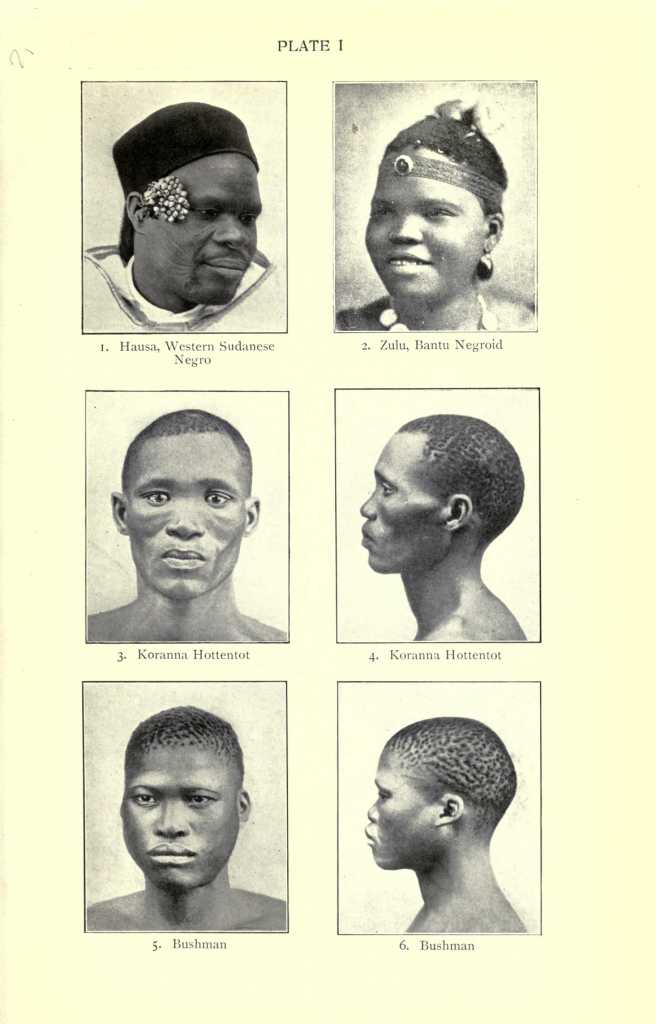
1. Hausa, Western Sudanese Negro

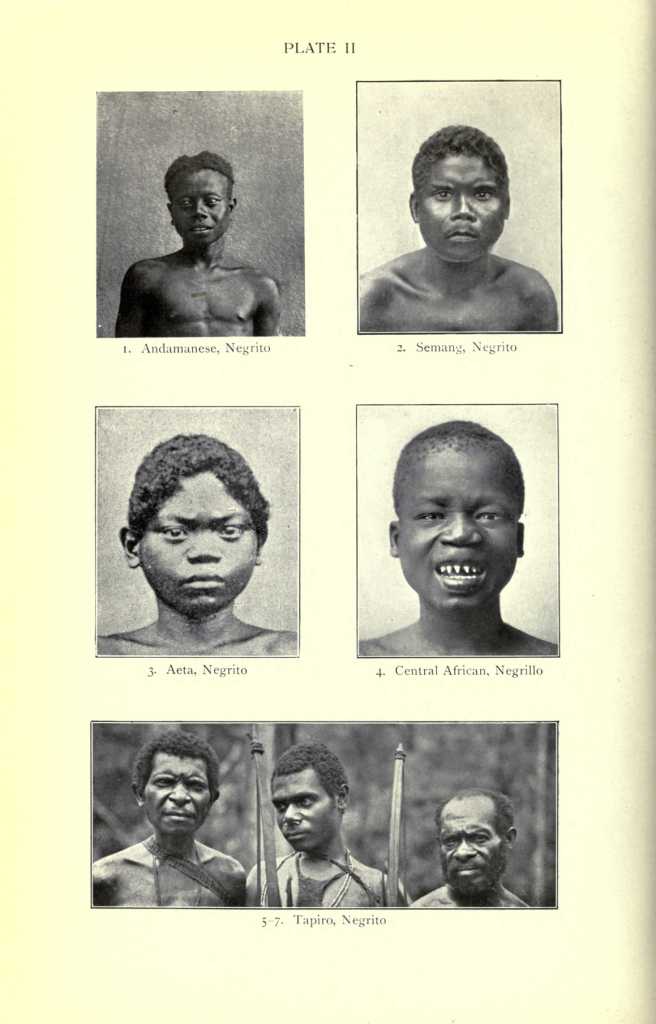
PLATE II

PLATE II
PLATE II

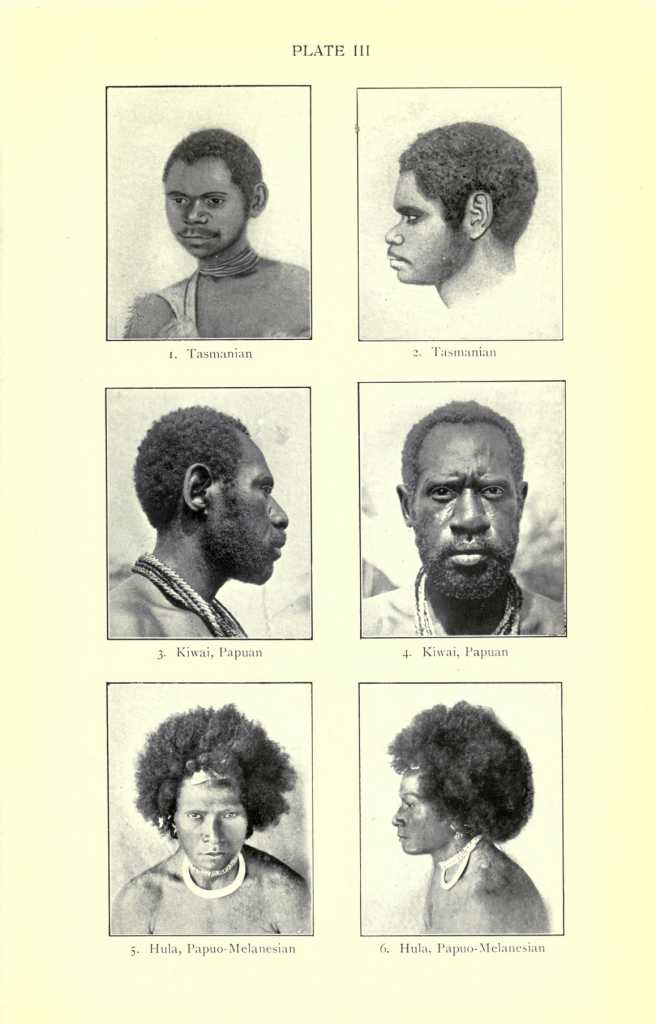
PLATE III

PLATE III
PLATE III

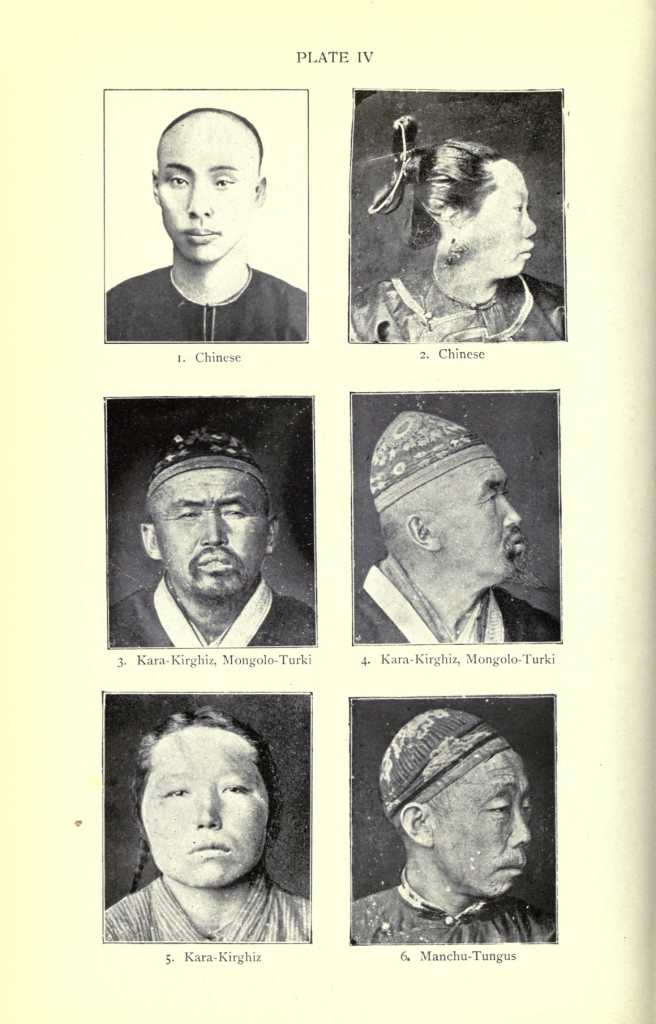
PLATE IV

PLATE IV
PLATE IV

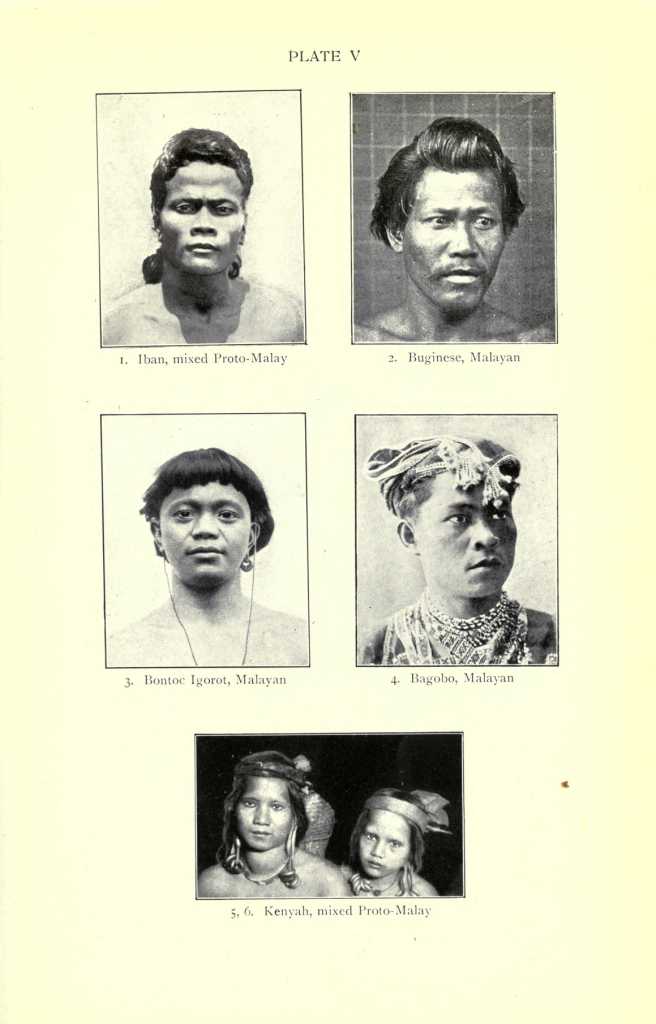
PLATE V

PLATE V
PLATE V

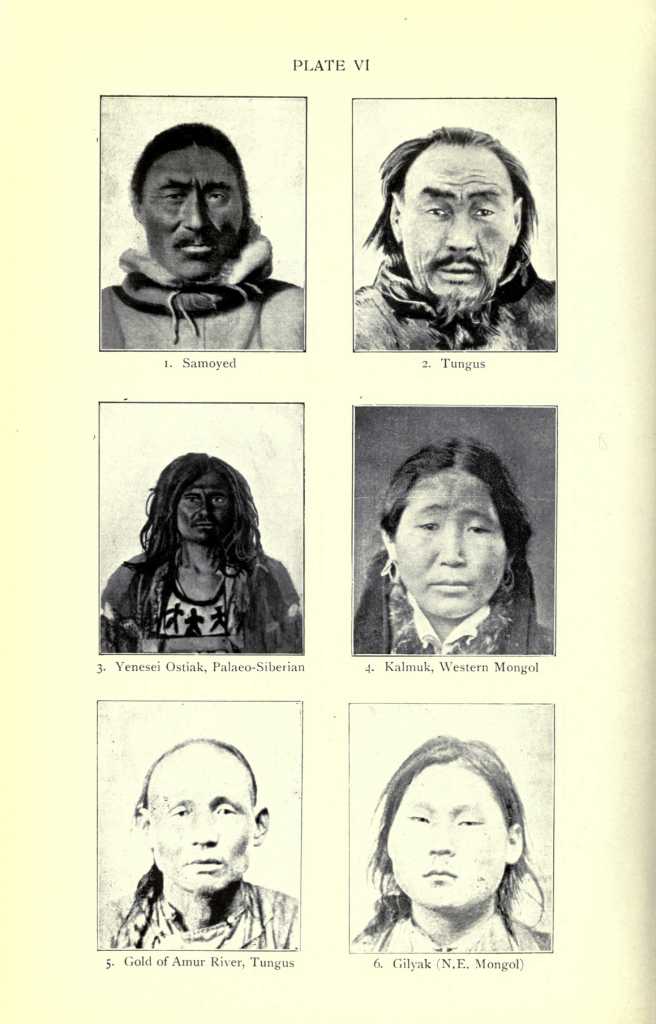
PLATE VI

PLATE VI
PLATE VI

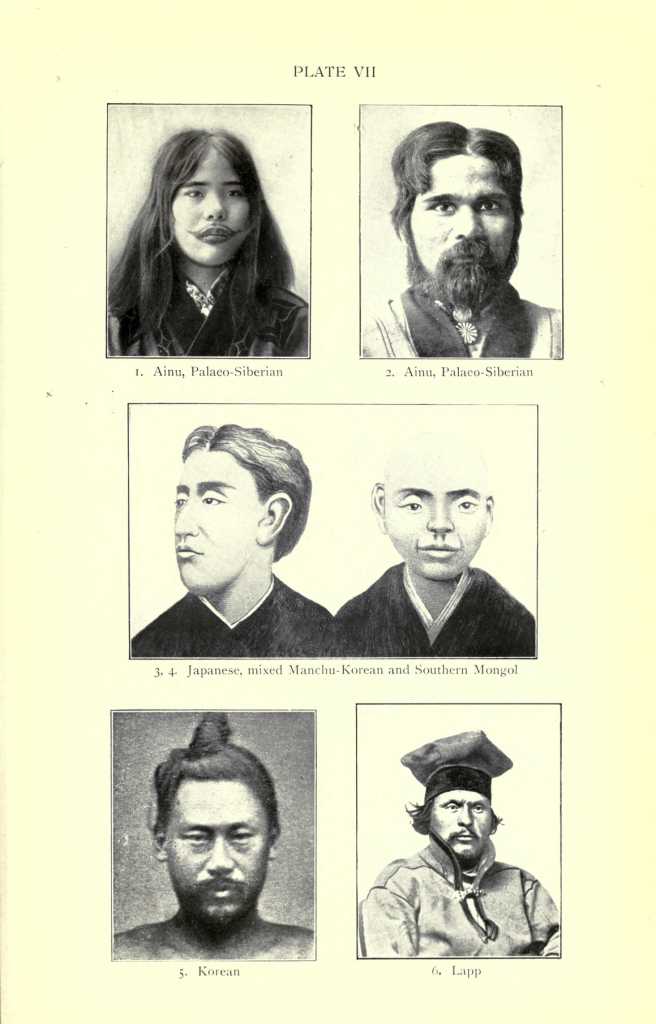
PLATE VII

PLATE VII
PLATE VII

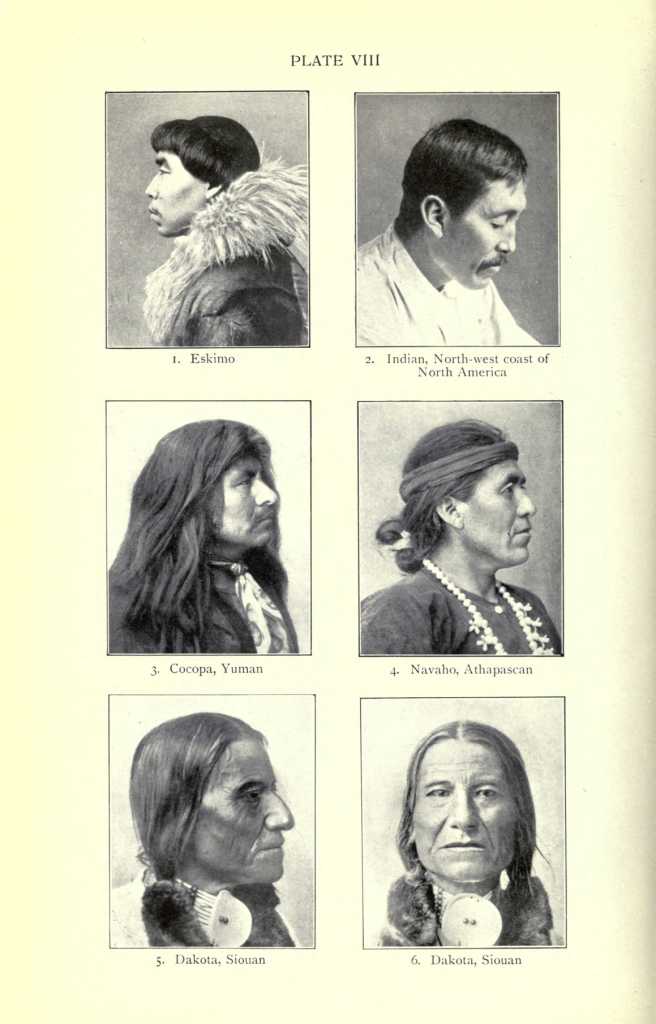
PLATE VIII

PLATE VIII
PLATE VIII

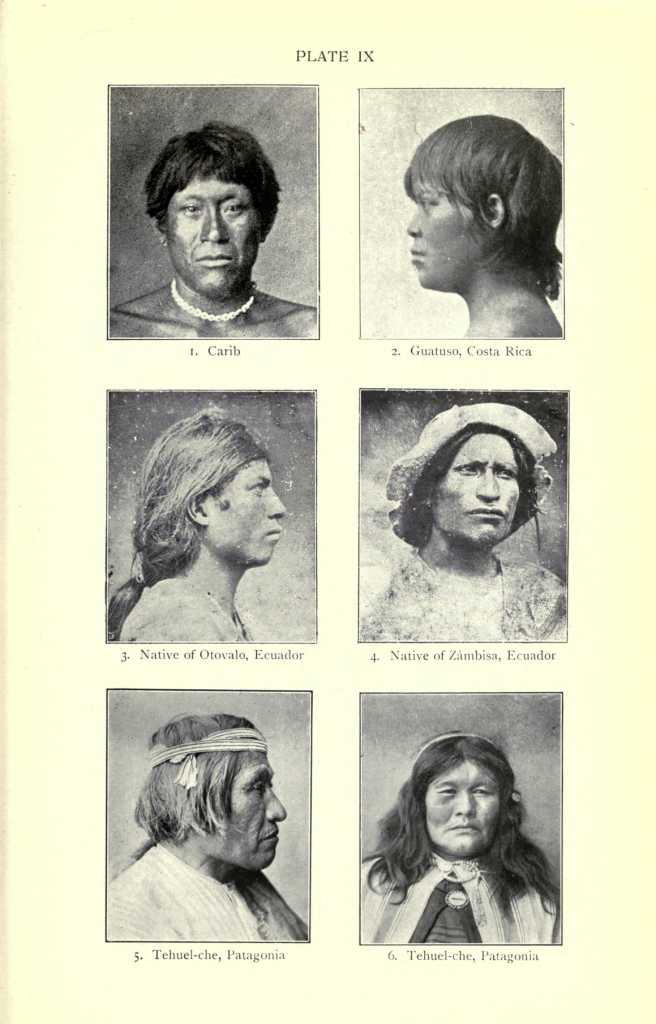
PLATE IX

PLATE IX
PLATE IX

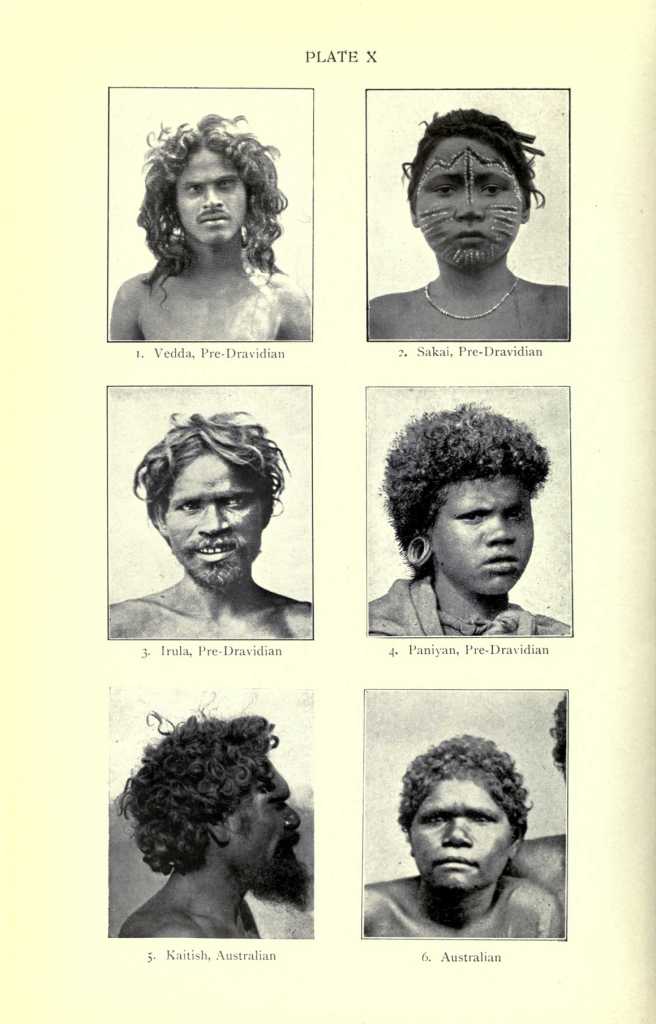
PLATE X

PLATE X
PLATE X

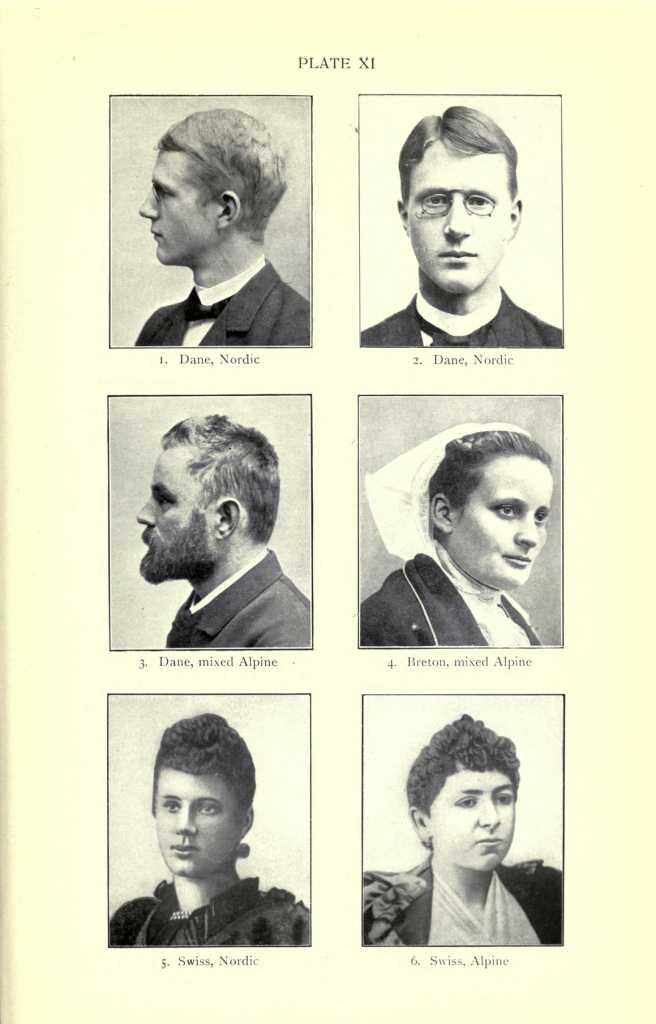
PLATE XI

PLATE XI
PLATE XI

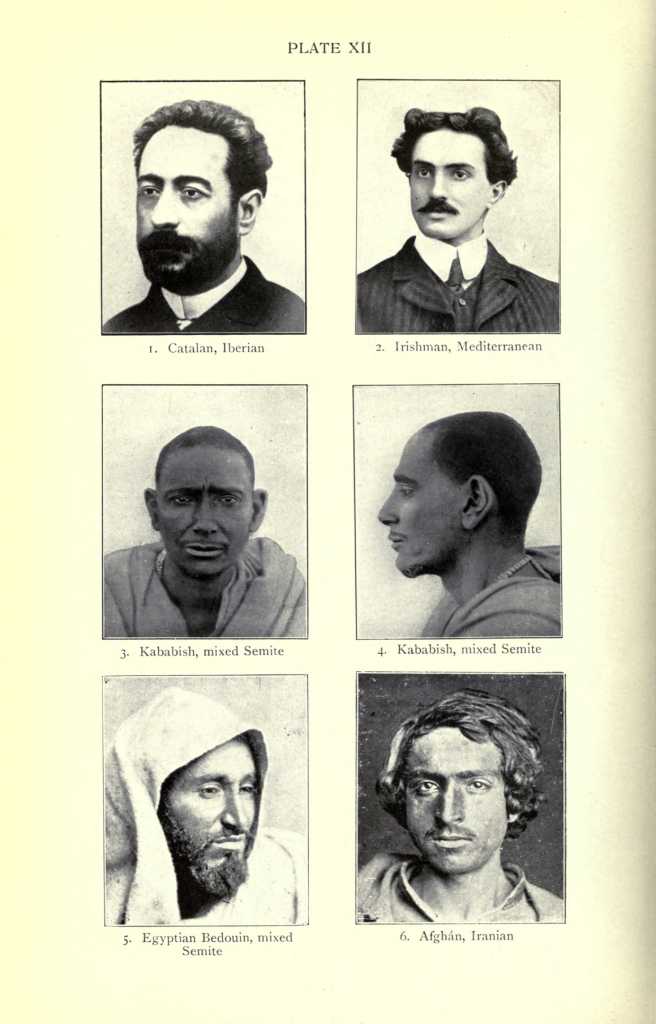
PLATE XII

PLATE XII
PLATE XII

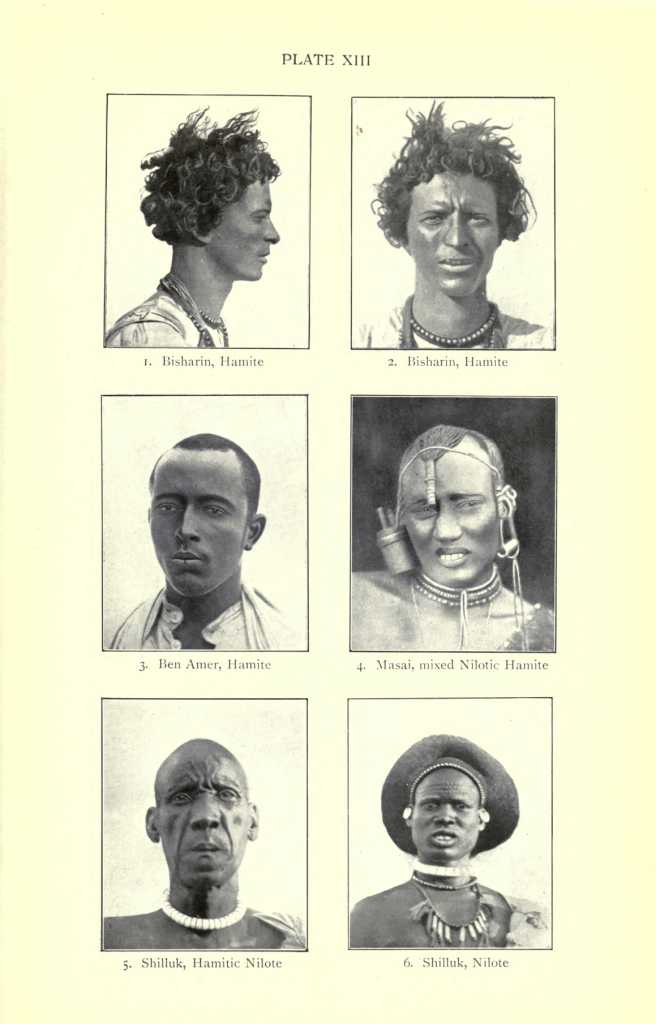
PLATE XIII

PLATE XIII
PLATE XIII

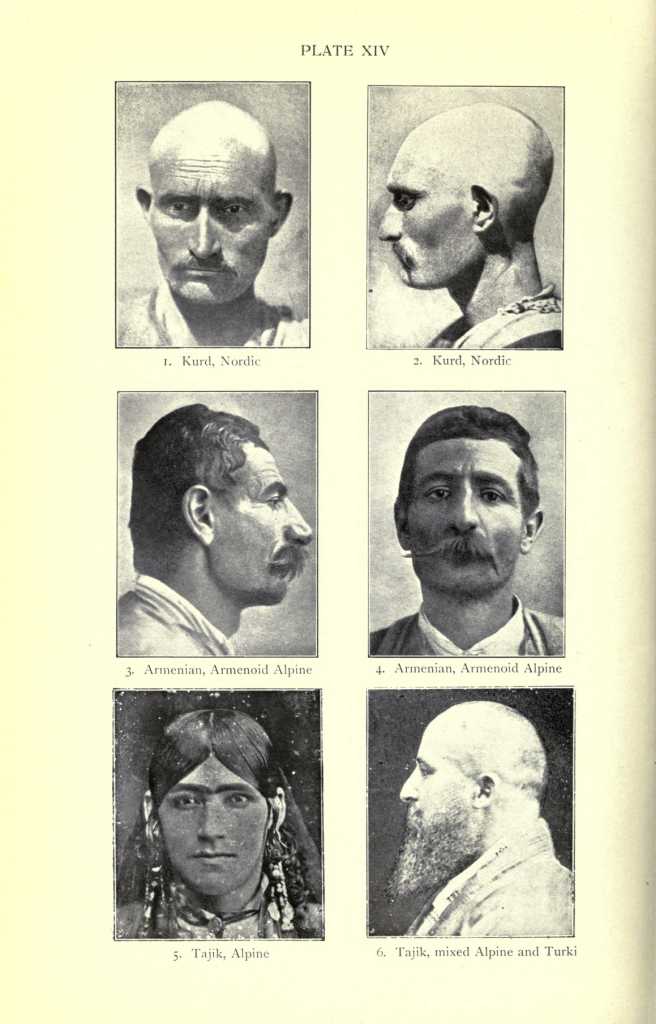
PLATE XIV

PLATE XIV
PLATE XIV

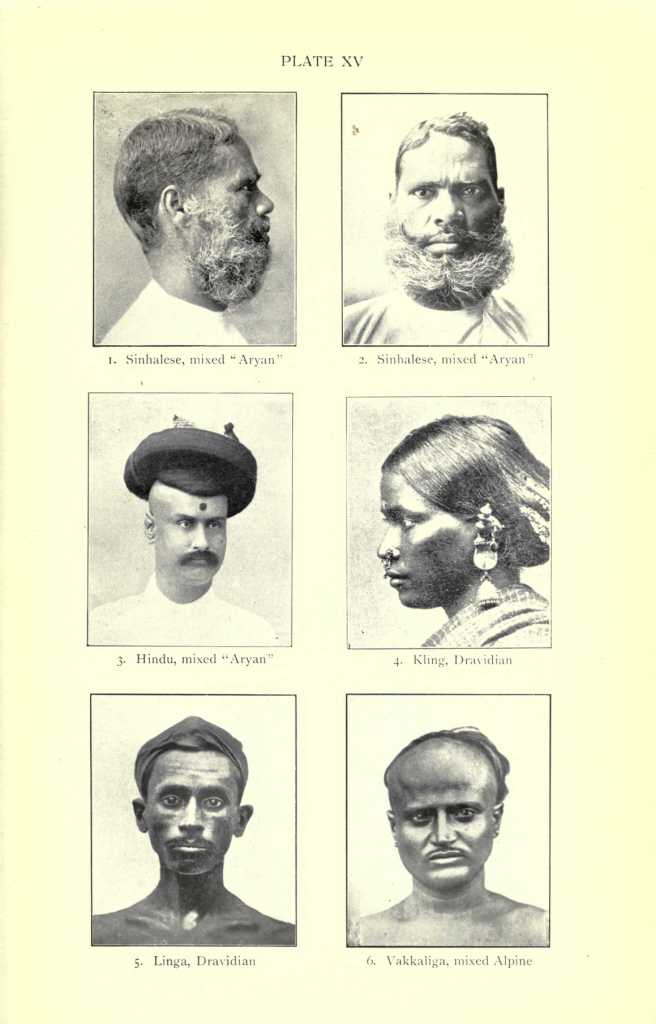
PLATE XV

PLATE XV
PLATE XV

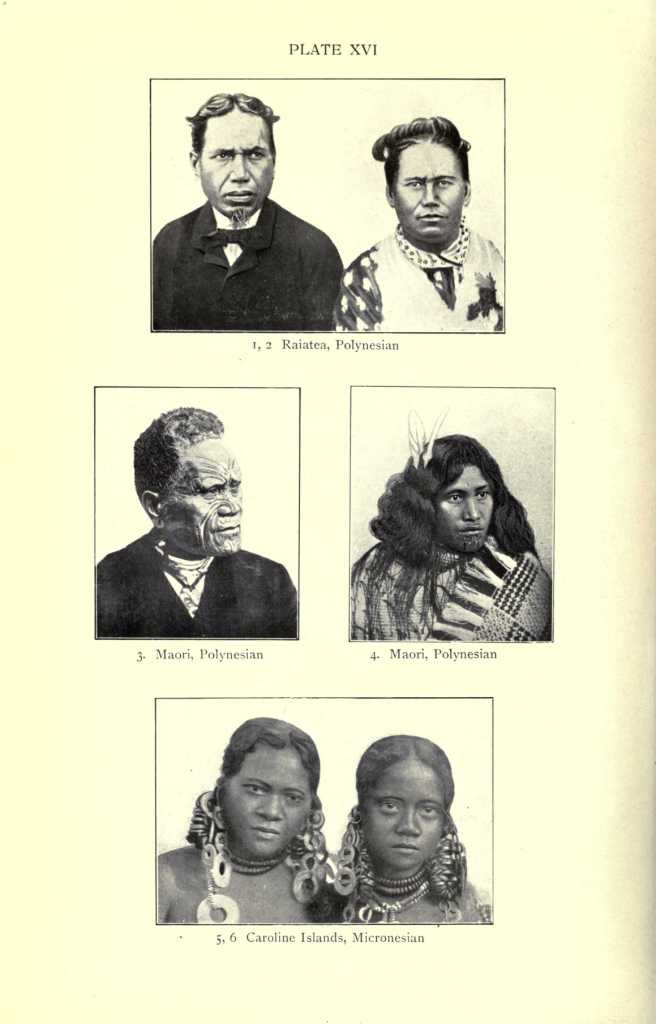
PLATE XVI

PLATE XVI
PLATE XVI

TRANSCRIBER’S NOTES:

1. Images have been moved from the middle of a paragraph to the closest paragraph break.

2. Footnotes have been renumbered and moved to the end of the chapter in which they are referenced.

3. Obvious punctuation errors have been corrected.

4. This text contains a few phrases in Greek with transliterations marked with mouse-hover popups:

σκόπελος

5. The following typographical errors have been corrected:

"identity" corrected to "identify" (page 82) "archeological" corrected to "archaeological" (page 351) "momenclature" corrected to "nomenclature" (page 514)

6. Other than the corrections listed above, printer's inconsistencies in spelling, hyphenation, and ligature usage have been retained.

Notes in this chapter

Note 4 · Cf. A. Keith's criticisms in Nature, Vol. LXXXV. 1911, p. 508.Note 5 · W. L. H. Duckworth, Prehistoric Man, 1912, p. 146.Note 6 · W. Ridgeway, "The Influence of Environment on Man," Journ. Roy. Anthr. Inst., Vol. XL. 1910, p. 10.Note 7 · E. Dubois, "Pithecanthropus erectus, transitional form between Man and the Apes," Sci. Trans. R. Dublin Soc. 1898.Note 8 · O. Schoetensack, Der Unterkiefer des Homo Heidelbergensis, etc., 1908.Note 9 · C. Dawson and A. Smith Woodward, "On the Discovery of a Palaeolithic Skull and Mandible," etc., Quart. Journ. Geol. Soc. 1913.Note 10 · This was the view of A. Smith Woodward when the skull was first exhibited (loc. cit.), but in his paper, "Missing Links among Extinct AnimalNote 11 · W. L. H. Duckworth, Prehistoric Man, 1912, p. 8.Note 12 · For the relation between chin formation and power of speech, see E. Walkhoff, "Der Unterkiefer der Anthropomorphen und des Menschen in seineNote 13 · Cf. W. L. H. Duckworth, Prehistoric Man, 1912, p. 10, and A. Keith, The Antiquity of Man, 1915, p. 237.Note 14 · A. Smith Woodward, 1070 c.c.; A. Keith, 1400 c.c.Note 15 · G. G. MacCurdy, following G. S. Miller, Smithsonian Misc. Colls. Vol. 65, No. 12 (1915), is convinced that "in place of Eoanthropus dawsoni Note 17 · C. Dawson and A. Smith Woodward, "Supplementary Note on the Discovery of a Palaeolithic Human Skull and Mandible at Piltdown (Sussex)," QuarNote 25 · This is not generally accepted. See A. Keith's diagram, p. 5 and pp. 9-10.Note 27 · J. Fraipont and M. Lohest, "Recherches Ethnographiques sur les Ossements Humains," etc., Arch. de Biologie, 1887.Note 28 · Gorjanovič-Kramberger, Der diluviale Mensch von Krapina in Kroatia, 1906.Note 30 · H. Klaatsch, Prähistorische Zeitschrift, Vol. I. 1909.Note 31 · Peyrony and Capitan, Rev. de l'Ecole d'Anthrop. 1909; Bull. Soc. d'Anthr. de Paris, 1910.Note 32 · G. Schwalbe, "Der Schädel von Brüx," Zeitschr. f. Morph. u. Anthr. 1906.Note 33 · Makowsky, "Der diluviale Mensch in Löss von Brünn," Mitt. Anthrop. Gesell. in Wien, 1892.Note 36 · L. Lartet, "Une sépulture des troglodytes du Périgord," and Broca, "Sur les crânes et ossements des Eyzies," Bull. Soc. d'Anthr. de Paris, 1Note 37 · R. Verneau, Les Grottes de Grimaldi, 1906-11.Note 38 · For a complete list with bibliographical references, see H. Obermaier, "Les restes humains Quaternaires dans l'Europe centrale," Anthr. 1905Note 40 · H. Klaatsch, "Die Aurignac-Rasse," Zeitschr. f. Eth. 1910, LII. p. 513.Note 41 · The Mesvinian implements are now accepted as artefacts and placed by H. Obermaier immediately below the Chellean, though M. Commont interpreNote 42 · R. Smith and H. Dewey, "Stratification at Swanscombe," Archaeologia, LXIV. 1912.Note 44 · Cf. J. Déchelette, Manuel d'Archéologie préhistorique, I. 1908, p. 89.Note 49 · H. Breuil and E. Cartailhac, La Caverne d'Altamira, 1906. For a list of decorated caves, with the names of their discoverers, see J. DécheleNote 54 · H. Obermaier, Der Mensch der Vorzeit, 1911-2, p. 332.Note 61 · "Das Schweizersbild, eine Niederlassung aus palaeolithischer und neolithischer Zeit," in Nouveaux Mémoires Soc. Helvétique des Sciences NatuNote 65 · W. Z. Ripley, The Races of Europe, 1900, p. 586.Note 2 · J. Déchelette points out that the term Copper "Age" is not justified for the greater part of Europe, as it suggests a demarcation which doesNote 6 · Loc. cit. p. 3. But cf. H. R. Hall, The Ancient History of the Near East, 1912, pp. 33 and 90 n. 2.Note 9 · Cf. J. Déchelette, Manuel d'Archéologie préhistorique, II. 1, Age du Bronze, 1910, pp. 53-4.Note 10 · Cf. L. W. King, A History of Sumer and Akkad, 1910, p. 26.Note 11 · G. Coffey, The Bronze Age in Ireland, 1913, p. 6.Note 16 · Otto Helm, "Chemische Untersuchungen vorgeschichtlicher Bronzen," in Zeitschr. f. Eth. 1897, No. 2. This authority agrees with Hampel's viewNote 20 · T. Rice Holmes, Ancient Britain, 1907, pp. 483-498.Note 22 · J. de Morgan, Les Premières Civilisations, 1909, pp. 169, 337 ff.Note 23 · J. Déchelette, Manuel d'Archéologie préhistorique, II. 1, Age du Bronze, 1910, pp. 98 and 397 ff.Note 28 · Wainwright, "Pre-dynastic iron beads in Egypt," Man, 1911, p. 177. See also H. R. Hall, "Note on the early use of iron in Egypt," Man, 1903,Note 29 · W. Belck attributes the introduction of iron into Crete in 1500 B.C. to the Phoenicians, whom he derives from the neighbourhood of the PersiNote 30 · E. Meyer, "Aegyptische Chronologie," Abh. Berl. Akad. 1904, and "Nachträge," ib. 1907. This chronology has been adopted by the Berlin schoolNote 31 · L. W. King, The History of Sumer and Akkad, 1910, and "Babylonia," Hutchinson's History of the Nations, 1914.Note 32 · C. H. Hawes and H. Boyd Hawes, Crete the Forerunner of Greece, 1909.Note 33 · J. Déchelette, Manuel d'Archéologie préhistorique, II. 1, Age du Bronze, 1910, p. 61.Note 37 · Cf. J. Déchelette, Manuel d'Archéologie préhistorique, II. 2, Premier Age du Fer, 1913, pp. 546, 562-3.Note 42 · Hans Seger, "Figürliche Darstellungen auf schlesischen Gräbgefässen der Hallstattzeit," Globus, Nov. 20, 1897.Note 47 · Such instances as George Guest's Cherokee system, and the crude attempt of a Vei (West Sudanese) Negro, if genuine, are not here in questionNote 51 · See P. Giles, Art. "Alphabet," Ency. Brit. 1910.Note 52 · See A. J. Booth, The Discovery and Decipherment of the Trilingual Cuneiform Inscriptions, 1902.Note 60 · A. Vierkandt, Globus, 72, p. 134.Note 63 · From Gk. λεῖος, smooth, κῦμα, wave, οὐλος, fleecy, and θρίξ, τρῐχός, hair. J. Deniker (The Races of Man, 1900, p. 38) distinguishes four claNote 1 · For a tentative classification of African tribes see T. A. Joyce, Art. "Africa: Ethnology," Ency. Brit. 1910, p. 329.Note 3 · See H. R. Hall, papers and references in Man, 19, 1905.Note 4 · T. A. Joyce, "Africa: Ethnology," Ency. Brit. 1910, I. 327.Note 5 · J. P. Johnson, The Prehistoric Period in South Africa, 1912.Note 6 · See H. H. Johnston, "A Survey of the Ethnography of Africa," Journ. Roy. Anthr. Inst. XLIII. 1913.Note 7 · The skeleton found by Hans Reck at Oldoway in 1914 and claimed by him to be of Pleistocene age exhibits all the typical Negro features, inclNote 9 · Zandeh is the name usually given to the groups of tribes akin to Nilotics, but probably with Fulah element, which includes the Azandeh or NiNote 10 · British Central Africa, p. 472. But see R. E. Dennett, At the Back of the Black Man's Mind, 1906, and A. G. Leonard, The Lower Niger and itsNote 11 · For theories of Bantu migrations see H. H. Johnston, George Grenfell and the Congo, 1908, and "A Survey of the Ethnography of Africa," JournNote 12 · Even a tendency to polysynthesis occurs, as in Vei, and in Yoruba, where the small-pox god Shakpanna is made up of the three elements shan tNote 14 · A. B. Ellis, The Tshi-speaking Peoples, etc., 1887, pp. 327-8. Only one European, Herr R. Betz, long resident amongst the Dualas of the CameNote 15 · Cf. H. S. Harrison, Handbook to the cases illustrating stages in the evolution of the Domestic Arts. Part II. Horniman Museum and Library. FNote 16 · E. T. Hamy, "Les Races Nègres," in L'Anthropologie, 1897, p. 257 sq.Note 17 · "Chaque fois que j'ai demandé avec intention à un Mandé, 'Es-tu Peul, Mossi, Dafina?' il me répondait invariablement, 'Je suis Mandé.' C'estNote 20 · Bertrand-Bocandé, "Sur les Floups ou Féloups," in Bul. Soc. de Géogr. 1849.Note 21 · A full account of this literature will be found in the Rev. C. F. Schlenker's valuable work, A Collection of Temne Traditions, Fables and PrNote 24 · "Da Njoe Testament, translated into the Negro-English Language by the Missionaries of the Unitas Fratrum," Brit. and For. Bible Soc., LondonNote 25 · Right Rev. E. G. Ingham (Bishop of Sierra Leone), Sierra Leone after a Hundred Years, London, 1894, p. 294. Cf. H. C. Lukach, A BibliographyNote 27 · H. H. Johnston, Liberia, 1906.Note 31 · Since the establishment of British authority in Nigeria (1900 to 1907) much light has been thrown on ethnological problems. See among other Note 33 · N. W. Thomas classifies Yoruba, Edo, Ibo and Efik as four main stocks in the Western Sudanic language group. "In the Edo and Ibo stocks peopNote 37 · The Tshi-speaking Peoples, Ch. XII. p. 194 and passim. See also R. H. Nassau, Fetichism in West Africa, 1904.Note 39 · "Works of Art from Benin City," Journ. Anthr. Inst. February, 1898, p. 362 sq. See H. Ling Roth, Great Benin, its Customs, etc., 1903.Note 40 · A. Featherman, Social History of Mankind, The Nigritians, p. 281. See also Reclus, French ed., Vol. XII. p. 718: "Les cavaliers portent encoNote 45 · Barth's account of Wulu (IV. p. 299), "inhabited by Tawárek slaves, who are trilingues, speaking Temáshight as well as Songhay and Fulfulde,Note 47 · Hacquard et Dupuis, Manuel de la langue Soñgay, parlée de Tombouctou à Say, dans la boucle du Niger, 1897, passim.Note 55 · "One of their towns, Kano, has probably the largest market-place in the world, with a daily attendance of from 25,000 to 30,000 people. ThisNote 56 · See C. H. Robinson, Hausaland, or Fifteen Hundred Miles through the Central Soudan, 1896; Specimens of Hausa Literature, 1896; Hausa GrammarNote 57 · Campaigning on the Upper Nile and Niger, by Lt Seymour Vandeleur, with an Introduction by Sir George Goldie, 1898. "In camp," writes Lt VandNote 58 · The Kano Chronicle, translated by H. R. Palmer, Journ. Roy. Anthr. Inst. XXXVIII. 1908, gives a list of Hausa kings (Sarkis) from 999 A.D.Note 59 · For references to recent literature see note on p. 58. Also R. S. Rattray, Hausa Folk-lore, 1913; A. J. N. Tremearne, Hausa Superstitions anNote 62 · The Buduma, who derive their legendary origin from the Fulahs whom they resemble in physique, worship the Karraka tree (a kind of acacia). PNote 66 · That is "Kanem-men," the postfix bu, be, as in Ti-bu, Ful-be, answering to the Bantu prefix ba, wa, as in Ba-Suto, Wa-Swahili, etc. Here mayNote 67 · Barth draws a vivid picture of the contrasts, physical and mental, between the Kanuri and the Hausa peoples; "Here we took leave of Hausa wiNote 69 · For recent literature see Lady Lugard's A Tropical Dependency, 1905, and the references, note 3, p. 58.Note 70 · These are the same people as the Tunjurs (Tunzers) of Darfur, regarding whose ethnical position so much doubt still prevails. Strange to sayNote 73 · See the Kababish types, Pl. XXXVII in C. G. Seligman's "Some Aspects of the Hamitic Problem in the Anglo-Egyptian Sudan," Journ. Roy. Anthr.Note 75 · See H. A. MacMichael, The Tribes of Northern and Central Kordofán, 1912.Note 76 · Cf. A. W. Tucker and C. S. Myers, "A Contribution to the Anthropology of the Sudan," Journ. Roy. Anthr. Inst. XL. 1910, p. 149.Note 80 · B. Z. Seligman, "Note on the Languages of the Nubas of S. Kordofan," Zeitschr. f. Kol.-spr. I. 1910-11; C. G. Seligman, "Some Aspects of theNote 82 · C. G. Seligman, "The Physical Characters of the Nuba of Kordofan," Journ. Roy. Anthr. Inst. XL. 1910, p. 512, and "Some Aspects of the HamitNote 88 · C. G. Seligman, Art. "Dinka," Encyclopaedia of Religion and Ethics. See also the same author's "Cult of Nyakangano the Divine Kings of the SNote 90 · Schweinfurth, op. cit. II. p. 93.Note 91 · G. Elliot Smith denies that cannibalism occurred in Ancient Egypt, The Ancient Egyptians, 1911, p. 48.Note 92 · Africa, 1895, Vol. II. p. 58. In a carefully prepared monograph on "Endocannibalismus," Vienna, 1896, Dr Rudolf S. Steinmetz brings togetherNote 6 · D. Randall-MacIver, Mediaeval Rhodesia, 1906. But R. N. Hall, Prehistoric Rhodesia, 1909, strongly opposes this view. See below, p. 105.Note 11 · J. Roscoe, The Northern Bantu, 1915, p. 103. Herein are also described the Bakene, lake dwellers, the Bagesu, a cannibal tribe, the Basoga aNote 17 · Uganda is the name now applied to the whole Protectorate, Buganda is the small kingdom, Baganda, the people, Muganda, one person, Luganda, tNote 18 · The legend is given with much detail by H. M. Stanley in Through the Dark Continent, Vol. I. p. 344 sq. Another and less mythical account ofNote 19 · Sir H. H. Johnston, op. cit. p. 514.Note 21 · J. Roscoe, The Baganda, 1911.Note 22 · For the Wa-Kikuyu see W. S. and K. Routledge, With a Prehistoric People, 1910, and C. W. Hobley's papers in the Journ. Roy. Anthr. Inst. XL.Note 26 · A. Werner, "Girijama Texts," Zeitschr. f. Kol.-spr. Oct. 1914.Note 28 · W. E. H. Barrett, "Notes on the Customs and Beliefs of the Wa-Giriama," etc., Journ. Roy. Anthr. Inst. XLI. 1911, gives further details. ForNote 30 · Viage por Malabar y Costas de Africa, 1512, translated by the Hon. Henry E. J. Stanley, Hakluyt Society, 1868.Note 33 · See the admirable monograph on the Ba-Thonga, by H. A. Junod, The Life of a South African Tribe, 1912.Note 34 · Robert Codrington tells us that these A-Ngoni (Aba-Ngoni) spring from a Zulu tribe which crossed the Zambesi about 1825, and established theNote 35 · Rev. J. Macdonald, Light in Africa, p. 194. Among recent works on the Zulu-Xosa tribes may be mentioned Dudley Kidd, The Essential Kafir, 19Note 37 · The point was that Portugal had made treaties with this mythical State, in virtue of which she claimed in the "scramble for Africa" all the Note 39 · D. Randall-MacIver, Mediaeval Rhodesia, 1906. But R. N. Hall strongly combats his views, Great Zimbabwe, 1905, Prehistoric Rhodesia, 1909, aNote 40 · G. W. Stow, The Native Races of South Africa, 1905.Note 42 · Cf. A. St H. Gibbons, Africa South to North through Marotseland, 1904, and C. W. Mackintosh, Coillard of the Zambesi, 1907, with a bibliograNote 45 · Cf. G. M. Theal, The History of South Africa 1908-9, and The Beginning of South African History, 1902.Note 47 · G. Lagden, The Basutos, 1909.Note 50 · Dictionary and Grammar of the Kongo Language, 1887, p. xxiii. F. Starr has published a Bibliography of the Congo Languages, Bull. V., Dept. Note 53 · Under Belgian administration much ethnological work has been undertaken, and published in the Annales du Musée du Congo, notably the magnifiNote 59 · The scanty information about the Ba-Teke is given, with references, by E. Torday and T. A. Joyce, "Notes on the Ethnography of the Ba-Huana,Note 60 · My Africa, II. p. 58. Oscar Lenz, who perhaps knew them best, says: "Gut gebaut, schlank und kräftig gewachsen, Hautfarbe viel lichter, mancNote 63 · H. H. Johnston, George Grenfell and the Congo ... and Notes on the Cameroons, 1908.Note 65 · So also in Minahassa, Celebes, Empung, "Grandfather," is the generic name of the gods. "The fundamental ideas of primitive man are the same Note 69 · Cf. E. S. Hartland, Art. "Bantu and S. Africa," Ency. of Religion and Ethics, 1909.Note 71 · This summary of our information about the Strandloopers, with quotations from F. C. Shrubsall and L. Peringuey, is taken from H. H. JohnstonNote 73 · James Geikie, Scottish Geogr. Mag. Sept. 1897.Note 81 · See A. C. Haddon, Art. "Negrillos and Negritos," Ency. of Religion and Ethics, 1917.Note 83 · G. Fritsch, Die Ein-geborenen Sud-Afrikas, 1872, "Schilderungen der Hottentotten," Globus, 1875, p. 374 ff.; E. T. Hamy, "Les Races nègres,"Note 88 · Adelung und Vater, Berlin, 1812, III. p. 290.Note 91 · M. H. Tongue and E. D. Bleek, Bushman Paintings, 1909. Cf. W. J. Sollas, Ancient Hunters, 1915, p. 399, with bibliography.Note 93 · See W. Planert, "Über die Sprache der Hottentotten und Buschmänner," Mitt. d. Seminars f. Oriental. Sprachen z. Berlin, VIII. (1905), Abt. INote 94 · "In the Pygmies of the north-eastern corner of the Congo basin and amongst the Bantu tribes of the Equatorial East African coast there is a Note 1 · Cf. S. H. Ray, Reports Camb. Anthrop. Exp. Torres Sts. Vol. III. 1907, pp. 287, 528. For Melanesian linguistic affinities see also W. SchmidNote 2 · C. G. Seligman limits the use of the term Papuasian to the inhabitants of New Guinea and its islands, and following a suggestion of A. C. HaNote 8 · Lifu, Mare, Uvea, and Isle of Pines. These Polynesians appear to have all come originally from Tonga, first to Uvea Island (Wallis), and theNote 9 · This low index is characteristic of most Papuasians, and reaches the extreme of dolichocephaly in the extinct Kai-Colos of Fiji (65°), and aNote 12 · A. C. Haddon, The Wanderings of Peoples, 1911, p. 33.Note 14 · Wissenschaftliche Ergebnisse einer amtlichen Forschungsreise nach dem Bismarck-Archipel im Jahre 1908; Untersuchungen über eine MelanesischeNote 18 · Besides the earlier works of H. H. Romilly, The Western Pacific and New Guinea, 1886, From My Verandah in New Guinea, 1889; J. Chalmers, WorNote 21 · For details see F. H. H. Guillemard, Australasia, Vol. II. and Reclus, Vol. XIV.Note 22 · S. J. Hickson, A Naturalist in North Celebes, 1889, p. 203.Note 23 · A. C. Haddon, "The Pygmy Question," Appendix B to A. F. R. Wollaston's Pygmies and Papuans, 1912, p. 304.Note 25 · E. H. Man, Journ. Anthr. Inst. Vol. XI. 1881, p. 271, and XII. 1883, p. 71.Note 28 · Folk-Lore, 1909, p. 257. See also the criticisms of W. Schmidt, "Puluga, the Supreme Being of the Andamanese," Man, 2, 1910, and A. Lang, "PNote 31 · W. W. Skeat and C. D. Blagden, Pagan Races of the Malay Peninsula, 1906.Note 32 · R. Martin, Die Inlandstämme der Malayischen Halbinsel, 1905.Note 34 · W. W. Skeat and C. D. Blagden, loc. cit.Note 36 · Cf. A. C. Haddon, "The Pygmy Question," Appendix B to A. F. R. Wollaston's Pygmies and Papuans, 1912, p. 306.Note 39 · See L. Wray's paper "On the Cave Dwellers of Perak," in Jour. Anthrop. Inst. 1897, p. 36 sq. This observer thinks "the earliest cave dwellerNote 40 · See on this point Prof. Blumentritt's paper on the Manguians of Mindoro in Globus, LX. No. 14.Note 41 · One Aeta woman of Zambales had a nasal index of 140.7. W. Allen Reed, "Negritoes of Zambales," Department of the Interior: Ethnological SurvNote 45 · A. F. R. Wollaston, Pygmies and Papuans, 1912; C. G. Rawling, The Land of the New Guinea Pygmies, 1913.Note 49 · It is not certain however that this method is known to the Semang, and it occurs among peoples who are not Negrito, such as the Kayan of SarNote 51 · W. J. Sollas, Ancient Hunters, 1915, and W. Turner, "The Aborigines of Australia," Trans. R. Soc. Edin. 1908, XLVI. 2, and 1910, XLVII. 3.Note 52 · Paper in Brough Smyth's work, II. p. 413.Note 53 · H. Ling Roth, The Aborigines of Australia (2nd ed.), 1899, Appendix LXXXVIII., and "Tasmanian Firesticks," Nature, LIX. 1899, p. 606.Note 3 · For the desiccation of Asia see P. Kropotkin, Geogr. Journ. XXIII. 1904; E. Huntington, The Pulse of Asia, 1907.Note 4 · See J. Cockburn's paper "On Palæolithic Implements," etc., in Journ. Anthr. Inst. 1887, p. 57 sq.Note 6 · Thus Risley's Tibetan measurements were all of subjects from Sikkim and Nepal (Tribes and Castes of Bengal, Calcutta, 1896, passim). In the Note 8 · Op. cit. p. 327. Here we are reminded that, though the Sacae are called "Scythians" by Herodotus and other ancient writers, under this vagueNote 9 · W. W. Rockhill, our best living authority, accepts none of the current explanations of the widely diffused term bod (bhót, bhot), which appeNote 11 · The Mongols apply the name Tangut to Tibet and call all Tibetans Tangutu, "which should be discarded as useless and misleading, as the peoplNote 12 · Notes on the Ethnology of Tibet, 1895, p. 675; see also S. Chandra Das, Journey to Lhasa and Central Tibet, 1904; F. Grenard, Tibet: the CouNote 15 · Abor, i.e. "independent," is the name applied by the Assamese to the East Himalayan hill tribes, the Minyong, Padam and Hrasso, who are the Note 16 · Not to be confused with the Khas, as the wild tribes of the Lao country (Siam) are collectively called. Capt. Eden Vansittart thinks in NepaNote 22 · "Buddhist Turks," says Sir H. H. Howorth (Geogr. Journ. 1887, p. 230).Note 23 · E. Delmar Morgan, Geogr. Journ. 1887, p. 226.Note 25 · T. Rice Holmes, Ancient Britain, 1907, pp. 110 and 465-6.Note 27 · Sarat Chandra Das, Journ. As. Soc. Bengal, 1881-2.Note 28 · This point, so important in the history of linguistic evolution, has I think been fairly established by T. de Lacouperie in a series of papeNote 30 · G. B. Mainwaring, A Grammar of the Rong (Lepcha) Language, etc., Calcutta, 1876, pp. 128-9.Note 31 · Outline Grammar of the Angámi-Naga Language, Calcutta, 1887, pp. 4, 5. For an indication of the astonishing number of distinct languages in Note 32 · Almost hopeless confusion continues to prevail in the tribal nomenclature of these multitudinous hill peoples. The official sanction given tNote 34 · See G. A. Grierson and Sten Konow in Grierson's Linguistic Survey of India, Vol. III. Part II. Bodo, Nāgā and Kachin, 1903, Part III. Kuki-CNote 35 · The Nāga Tribes of Manipur, 1911, p. 2. Cf. J. Shakespear, "The Kuki-Lushai Clans," Journ. Roy. Anthr. Inst. XXXIX. 1909.Note 40 · R. Brown, Statistical Account of Manipur, 1874.Note 41 · T. C. Hodson, The Meitheis, 1908, p. 96.Note 43 · G. Watt, loc. cit. p. 362.Note 46 · R. C. Temple, Art. "Burma," Hastings, Ency. Religion and Ethics, 1910.Note 47 · Dalton, Ethnology of Bengal, p. 9.Note 48 · Prince Henri d'Orléans writes "que les Singphos et les Katchins [Kakhyens] ne font qu'un, que le premier mot est thai et le second birman." Note 49 · John Anderson, Mandalay to Momein, 1876, p. 131.Note 50 · Three skulls discovered by M. Mansuy in a cave at Pho-Binh-Gia (Indo-China) associated with Neolithic culture were markedly dolichocephalic,Note 52 · R. C. Temple, Academy, Jan. 29, 1887, p. 72.Note 53 · Forbes, Languages of Further India, p. 61.Note 55 · G. W. Bird, Wanderings in Burma, 1897, p. 335.Note 56 · The Burmese is the most mixed race in the province. "Originally Dravidians of some sort, they seem to have received blood from various sourcNote 57 · J. G. Scott, Burma, etc., 1886, p. 115.Note 61 · Cf. the Shans of Yunnan, who are nearly all "tatoués, depuis la ceinture jusqu'au genou, de dessins bleus si serrés qu'ils paraissent formerNote 62 · For recent literature on Burma and the Burmese consult besides the Ethnographic Survey of India, 1906, and the Census Report of 1911, J. G. Note 64 · For the Laos see L. de Reinach, Le Laos, 1902, with bibliography.Note 65 · Carl Bock, MS. note. This observer notes that many of the Ngiou have been largely assimilated in type to the Burmese and in one place goes sNote 67 · One Shan group, the Deodhaings, still persist, and occupy a few villages near Sibsagar (S. E. Peal, Nature, June 19, 1884, p. 169). Dalton aNote 68 · Much unexpected light has been thrown upon the early history of these Ahoms by E. Gait, who has discovered and described in the Journ. As. SNote 70 · A. R. Colquhoun, Amongst the Shans, 1885, Introduction, p. lv.Note 75 · R. G. Woodthorpe, "The Shans and Hill Tribes of the Mekong," in Journ. Anthr. Inst. 1897, p. 16.Note 79 · Beginnings of Writing in Central and Eastern Asia, passim. For the Lolos see A. F. Legendre, "Les Lolos. Étude ethnologique et anthropologiqNote 82 · With regard to Man (Man-tse) it should be explained that in Chinese it means "untameable worms," that is, wild or barbarous, and we are warnNote 87 · How very dark some of these corners can be may be seen from the sad picture of maladministration, vice, and corruption still prevalent so laNote 89 · "In conversation with the monks M'Gilvary was told that it would most likely be countless ages before they would attain the much wished for Note 90 · "Le gros orteil est très développé et écarté des autres doigts du pied. A ce caractère distinctif, que l'on retrouve encore aujourd'hui chezNote 101 · C. J. Ball, Chinese and Sumerian, 1913.Note 104 · Amongst the metals reference is made to iron so early as the time of the Emperor Ta Yü (2200 B.C.), when it is mentioned as an article of trNote 2 · See J. Edkins, China's Place in Philology, p. 117. The Hok-los were originally from Fo-kien, whence their alternative name, Fo-lo. The lo apNote 4 · Numerous in the western parts of Kwang-tung and in the Canton district. J. Dyer Ball, Cantonese Made Easy, Hongkong, 1884.Note 6 · For the aboriginal peoples, with bibliography, see M. Kennelly's translation of L. Richard's Comprehensive Geography of the Chinese Empire aNote 9 · Arthur H. Smith, Chinese Characteristics, New York, 1895. The good, or at least the useful, qualities of the Chinese are stated by this shreNote 12 · Miss Bird (Mrs Bishop), The Golden Chersonese, 1883, p. 37.Note 13 · H. A. Giles, The Civilisation of China, 1911, p. 237. See especially Chap. XI., "Chinese and Foreigners," for the etiquette of street regulaNote 1 · Here E. T. Hamy finds connecting links between the true Malays and the Indonesians in the Bicols of Albay and the Bisayas of Panay ("Les RacNote 2 · Ethnically Malayo-Polynesian is an impossible expression, because it links together the Malays, who belong to the Mongol, and the PolynesianNote 3 · Indonesian type: undulating black hair, often tinged with red; tawny skin, often rather light; low stature, 1.54 m.-1.57 m. (5 ft. 0½ in.-5 Note 4 · Recent literature on this area includes F. A. Swettenham, The Real Malay, 1900, British Malaya, 1906; W. W. Skeat, Malay Magic, 1900; N. AnnNote 5 · J. Leyden, Malay Annals, 1821, p. 44.Note 8 · For Celebes see Von Paul und Fritz Sarasin, Reisen in Celebes ausgeführt in den Jahren 1893-6 und 1902-3, 1905, and Versuch einer AnthropoloNote 9 · In 1898 a troop of Javanese minstrels visited London, and one of them, whom I addressed in a few broken Malay sentences, resented in his sleNote 15 · Cf. M. A. Czaplicka on Arctic Hysteria in Aboriginal Siberia, 1914, p. 307.Note 16 · On these national pastimes see Sir Hugh Clifford, In Court and Kampong, 1897, p. 46 sq.Note 19 · These are the noted Illanuns, who occupy the south side of the large Philippine island of Mindanao, but many of whom, like the Bajaus of CelNote 21 · In Central Africa "the belief in 'were' animals, that is to say in human beings who have changed themselves into lions or leopards or some sNote 27 · J. H. Kohlbrugge, L'Anthropologie, IX. 1898.Note 28 · A. C. Haddon, "A Sketch of the Ethnography of Sarawak," Archivio per l'Antropologia e l'Etnologia, XXXI. 1901; C. Hose and W. McDougall, TheNote 29 · H. Ling Roth, The Natives of Sarawak and British North Borneo, 1896.Note 30 · O. Beccari, Wanderings in the Great Forests of Borneo, 1904, p. 54.Note 34 · For further literature on Borneo see W. H. Furness, The Home-life of the Borneo Head-Hunters, 1902; A. W. Nieuwenhuis, Quer durch Borneo, 19Note 35 · Not only in the southern districts for centuries subject to Javanese influences, but also in Battaland, where they were first discovered by Note 36 · Von Rosenberg, op. cit. Vol. I. p. 189. Amongst the points of close resemblance may be mentioned the outriggers, for which Mentawi has the sNote 37 · See Fr. Müller, Ueber den Ursprung der Schrift der Malaiischen Völker, Vienna, 1865; and my Appendix to Stanford's Australasia, First SeriesNote 38 · Die Mangianenschrift von Mindoro, herausgegeben von A. B. Meyer u. A. Schadenberg, speciell bearbeitet von W. Foy, Dresden, 1895; see also mNote 39 · The Rejang, which certainly belongs to the same Indo-Javanese system as all the other Malaysian alphabets, has been regarded by Sayce and ReNote 41 · Again confirmed by Volz and H. von Autenrieth, who explored Battaland early in 1898, and penetrated to the territory of the "Cannibal PakpakNote 42 · It is interesting to note that by the aid of the Lampong alphabet, South Sumatra, John Mathew reads the word Daibattah in the legend on the Note 45 · See C. Snouck Hurgronje, The Achenese, 1906.Note 49 · Loc. cit. p. 77. Thus, to take the days of the week, we have:—Malagasy alahady, alatsinainy; old Arab. (Himyar.) al-áhadu, al-itsnáni; moderNote 50 · Those who may still doubt should consult M. Aristide Marre, Les Affinités de la Langue Malgache, Leyden, 1884; Last's above quoted Paper in Note 52 · J. Sibree, Antananarivo Annual, 1877, p. 62.Note 53 · W. D. Cowan, The Bara Land, Antananarivo, 1881, p. 67.Note 56 · The contrast between the two elements is drawn in a few bold strokes by Mrs Z. Colvile, who found that in the east coast districts the nativNote 57 · Journ. Anthr. Inst. 1897, p. 285 sq.Note 62 · J. Foreman, The Philippine Islands, 1899, p. 181.Note 64 · The Bontoc Igorot, Eth. Survey Pub. Vol. I. 1904. Further information concerning the Philippines is published in the Census Report in 1903, Note 67 · Girard de Rialle, Rev. d'Anthrop., Jan. and April, 1885. These studies are based largely on the data supplied by M. Paul Ibis and earlier trNote 69 · See facsimiles of bilingual and other MSS. from Formosa in T. de Lacouperie's Formosa Notes on MSS., Languages, and Races, Hertford, 1887. TNote 74 · De Lacouperie, op. cit. p. 73.Note 76 · "The Nicobar Islanders," in Journ. Anthr. Inst. 1889, p. 354 sq. Cf. C. B. Kloss, In the Andamans and Nicobars, 1903.Note 11 · Th. Volkov, in L'Anthropologie, 1896, p. 82.Note 12 · Too much stress must not, however, be laid upon the theory of gradual desiccation as a factor in depopulation. There are many causes such asNote 18 · "Akkadian," first applied by Rawlinson to the non-Semitic texts found at Nineveh, is still often used by English writers in place of the morNote 19 · Cf. L. W. King, History of Sumer and Akkad, 1910, pp. 5, 6.Note 24 · Ellsworth Huntington, The Pulse of Asia, 1910, p. 382.Note 28 · The cylinder-seals and tablets of Fara, excavated by Koldewey, Andrae and Noeldeke in 1902-3 may go back to 3400 B.C. Cf. L. W. King, loc. cNote 29 · C. H. W. Johns, Ancient Babylonia, 1913, regards Sharrukin as "Sargon of Akkad," p. 39.Note 31 · H. V. Hilprecht, The Babylonian Expedition of the University of Pennsylvania, Series D, Vol. v. 1. 1910.Note 35 · J. de Morgan, Mémoires de la Délégation en Perse, 1899-1906.Note 36 · S. Laing, Human Origins, p. 74.Note 37 · And it has remained so ever since, the present Lur and Bakhtiari inhabitants of Susiana speaking, not the standard Neo-Persian, but dialectsNote 38 · C. H. W. Johns, Ancient Babylonia, 1913, p. 27.Note 39 · Cf. H. Zimmern, article "Babylonians and Assyrians," Ency. Religion and Ethics, 1909.Note 51 · Reclus, VI.; Eng. ed. p. 360.Note 52 · V. M. Mikhailovskii, Shamanism in Siberia and European Russia, translated by Oliver Wardrop, Journ. Anthr. Inst. 1895, p. 91.Note 55 · Quoted by Mikhailovskii, p. 144.Note 56 · Cf. H. A. Giles, China and the Manchus, 1912.Note 60 · H. Lansdell, Through Siberia, 1882, II. p. 172.Note 62 · General Principles of the Structure of Language, 1885, Vol. I. p. 357. The evidence here chiefly relied upon is that afforded by the YakuticNote 64 · H. Lansdell, Through Siberia, 1882, I. p. 299.Note 66 · W. I. Jochelson recently discovered two independent Yukaghir dialects. "Essay on the Grammar of the Yukaghir Language," Annals N. Y. Ac. Sc.Note 69 · Peschel, Races of Man, p. 391, who says the Chukchi are "as closely related to the Itelmes in speech as are Spaniards to Portuguese."Note 74 · This, however, applies only to the fishing Koryaks, for G. Kennan speaks highly of the domestic virtues, hospitality, and other good qualitiNote 75 · See L. Sternberg, The Tribes of the Amur River, Memoirs of the Jesup North Pacific Expedition, Vol. IV. 1900.Note 83 · On this juxtaposition of the yellow and blond types in Korea V. de Saint-Martin's language is highly significative: "Cette dualité de type, Note 87 · I have not thought it desirable to touch on the interminable controversy respecting the ethnical relations of the Hiung-nu, regarding them, Note 88 · On the authority of the Wei-Shu documents contained in the Wei-Chī, E. H. Parker gives (in the China Review and A Thousand Years of the TartNote 89 · Mrs Bishop, Korea and Her Neighbours, 1898.Note 90 · T. de Lacouperie says on "a Tibeto-Indian base" (Beginnings of Writing in Central and Eastern Asia, 1894, p. 148); and E. H. Parker: "It is Note 91 · See p. 261. Also Koganei, "Ueber die Urbewohner von Japan," Mitt. d. Deutsch. Gesell. f. Natur- u. Völkerkunde Ostasiens, IX. 3, 1903, contaNote 92 · J. Deniker, Races of Man, 1900, pp. 371-2. See also J. Batchelor, The Ainu of Japan, 1892, and the article "Ainus" in Ency. of Religion and Note 94 · See especially E. Baelz, "Die körperlichen Eigenschaften der Japaner," in Mitt. der Deutsch. Gesell. f. Natur- u. Völkerkunde Ostasiens, 28 Note 101 · Shogun from Sho = general, and gún = army, hence Commander-in-chief; Mikado from mi = sublime, and kado = gate, with which cf. the "Sublime Note 4 · O. Peschel, Races of Man, 1894, p. 380.Note 5 · See Ch. de Ujfalvy, Les Aryens, etc., 1896, p. 25. Reference should perhaps be also made to E. H. Parker's theory (Academy, Dec. 21, 1895) tNote 6 · J. B. Bury, English Historical Rev., July, 1897.Note 13 · Of 59 Turkomans the hair was generally a dark brown; the eyes brown (45) and light grey (14); face orthognathous (52) and prognathous (7); eNote 14 · Quoted by W. Crooke, who points out that "the opinion of the best Indian authorities seems to be gradually turning to the belief that the coNote 20 · Crooke, op. cit. IV. p. 221.Note 22 · Discovered in 1889 by N. M. Yadrintseff in the Orkhon valley, which drains to the Selenga affluent of Lake Baikal. The inscriptions, one in Note 24 · See Klaproth, Tableau Historique de l'Asie, p. 116 sq.Note 26 · It still persists, however, as a tribal designation both amongst the Kirghiz and Uzbegs, and in 1885 Potanin visited the Yegurs of the EdzinNote 27 · Ch. de Ujfalvy, Les Aryens au Nord et au Sud de l'Hindou-Kouch, p. 28.Note 32 · Gibbon, Chap. LVII. By the "Turkish nation" is here to be understood the western section only. The Turks of Máwar-en-Nahar and Kashgaria (EaNote 34 · "Ethnographic Researches," edited by N. E. Vasilofsky for the Imperial Geogr. Soc. 1896, quoted in Nature, Dec. 3, 1896, p. 97.Note 36 · Quoted by Peschel, Races of Man, p. 383.Note 37 · M. Balkashin in Izvestia Russ. Geogr. Soc., April, 1883.Note 39 · On the obscure relations of these Hordes to the Kara-Kirghiz and prehistoric Usuns some light has been thrown by the investigations of N. A.Note 40 · Although officially returned as Muhammadans of the Sunni sect, Levchine tells as that it is hard to say whether they are Moslem, Pagan (ShamNote 42 · Peschel, Races of Man, p. 386.Note 43 · In a suggestive paper on this collection of Finnish songs C. U. Clark (Forum, April, 1898, p. 238 sq.) shows from the primitive character ofNote 44 · When Ohthere made his famous voyage round North Cape to the Cwen Sea (White Sea) all this Arctic seaboard was inhabited, not by Samoyeds, asNote 45 · See A. Hackman, Die Bronzezeit Finnlands, Helsingfors, 1897; also M. Aspelin, O. Montelius, V. Thomsen and others, who have all, on various Note 58 · See especially Schafarik's classical work Slavische Alterthümer, II. p. 159 sq. and V. de Saint-Martin, Études de Géographie Ancienne et d'ENote 60 · Rubruquis (thirteenth century): "We came to the Etil, a very large and deep river four times wider than the Seine, flowing from 'Great BulgaNote 61 · Evidently much nearer to the Ural Mountains, for Jean du Plan Carpin says this "Great Hungary was the land of Bascart," that is, Bashkir, a Note 62 · With them were associated many of the surviving fugitive On-Uigurs (Gibbon's "Ogors or Varchonites"), whence the report that they were not tNote 64 · Vambéry, perhaps the best authority on this point, holds that in its structure Magyar leans more to the Finno-Ugric, and in its vocabulary tNote 1 · A. C. Haddon, The Wanderings of Peoples, 1911, p. 72.Note 4 · K. Haebler, The World's History (ed. Helmolt), I. 1901, p. 181.Note 15 · A. C. Haddon, The Wanderings of Peoples, 1911, pp. 78-9.Note 21 · W. L. H. Duckworth, Journ. Anthr. Inst., August, 1895.Note 25 · Such disintegration is clearly seen in the Carib still surviving in Dominica, of which J. Numa Rat contributed a somewhat full account to thNote 26 · R. de la Grasserie and N. Léon, Langue Tarasque, Paris, 1896.Note 27 · J. E. R. Polak, Ipurina Grammar, etc., London, 1894.Note 29 · In fact this very word was first given "as an ordinary example" by Kleinschmidt, Gram. d. Grönlandischen Sprache, Sect. 99, and is also quotNote 30 · "Indian Linguistic Families of America north of Mexico," Seventh Ann. Rept. Bureau of Ethnology, 1885-6 (1891). See also the "Handbook of AmNote 31 · Following this ethnologist's convenient precedent, I use both in Ethnology and here the final syllable an to indicate stock races and languaNote 36 · Karl v. d. Steinen, Unter den Naturvölkern Zentral-Brasiliens, 1894, p. 215.Note 80 · From the Nootka word potlatsh, "giving" or "a gift," so called because these great winter ceremonials were especially marked by the giving aNote 81 · Besides C. Wissler, loc. cit. p. 457 and A. G. Morice, loc. cit., cf. J. Jette, Journ. Roy. Anthr. Inst. XXXVII. 1907, p. 157; C. Hill-Tout,Note 86 · F. Boas, Brit. Ass. Reports, 1885-98; Social Organisation of the Kwakiutl Indians, 1897; A. P. Niblack, "The Coast Indians," U.S. Nat. Mus. Note 87 · For this area consult J. Teit, "The Thompson Indians of British Columbia," "The Lillooet Indians," and "The Shushwap," in Memoirs, Am. Mus. Note 93 · P. S. Spartman, University of California Publications, Am. Arch. and Eth. VIII. 1908, p. 221 ff.; A. L. Kroeber, "Types of Indian Culture inNote 98 · Wakonda is the term employed "when the power believed to animate all natural forms is spoken to or spoken of in supplications or rituals" byNote 99 · See G. A. Dorsey, "Handbook of American Indians" (ed. F. W. Hodge), Bur. Am. Eth. Bull. 30, 1907.Note 100 · G. B. Grinnell points out that the personal torture often associated with the ceremonies has no connection with them, but represents the fulNote 104 · J. Mooney, "Handbook of American Indians" (ed. F. W. Hodge), Bur. Am. Eth., Bull. 30, 1907; C. Wissler, "Material culture of the Blackfoot INote 105 · A. L. Kroeber. "The Arapaho," Bull. Am. Mus. Nat. Hist. XVIII. 1900; G. A. Dorsey and A. L. Kroeber, "Traditions of the Arapaho," Pub. FieldNote 107 · G. A. Dorsey, "The Cheyenne," Pub. Field Col. Mus. Anth. IX. 1905; G. B. Grinnell, "Social organisation of the Cheyennes," Rep. Int. Cong. ANote 108 · Consult the following: A. C. Parker, "Iroquois uses of Maize and other Food Plants," Bull. 144, University of California Pub., Arch. and EthNote 112 · W. Jones, Ann. Arch. Rep. 1905 (Toronto), 1906, p. 144. Cf. note on p. 372.Note 1 · A. J. Pickett, Hist. of Alabama, 1851 (ed. 1896), p. 87.Note 2 · Cf. A. S. Gatschet, "A migration legend of the Creek Indians," Trans. Acad. Sci. St Louis, V. 1888.Note 4 · W. H. Holmes, "Areas of American Culture," etc., Am. Anth. XVI. 1914, p. 424.Note 7 · Walpi, Sichumovi, Hano (Tewa), Shipaulovi, Mishongnovi, Shunopovi and Oraibi.Note 8 · Zuñi proper, Pescado, Nutria and Ojo Caliente.Note 9 · Taos, Picuris, San Juan, Santa Clara, San Ildefonso, Tesuque, Pojoaque, Nambe, Jemez, Pecos, Sandia, Isleta, all of Tanoan stock; San FelipeNote 10 · For this area see A. F. Bandelier, "Final Report of Investigations among the Indians of the S. W. United States," Arch. Inst. of Am. Papers,Note 11 · 16th Ann. Report, p. xciv. Cf. E. Huntington, "Desiccation in Arizona," Geog. Journ., Sept. and Oct. 1912.Note 12 · For the religion consult F. H. Cushing, "Zuñi Creation Myths," 13th Ann. Rep. Bur. Am. Eth. 1891-2 (1896); Zuñi Folk Tales, 1901; Matilda C.Note 16 · G. W. James, Indians of the Painted Desert Region, 1903, p. 90.Note 17 · L. Farrand, Basis of American History, 1904, p. 184.Note 18 · W. H. Holmes, "Pottery of the ancient Pueblos," 4th Ann. Rep. Bur. Am. Eth. 1882-3 (1886); F. H. Cushing, "A study of Pueblo Pottery," etc.,Note 1 · Some Nahuas, whom the Spaniards called "Mexicans" or "Chichimecs," were met by Vasquez de Coronado even as far south as the Chiriqui lagoon,Note 5 · H. Beuchat however considers that "the Toltec question remains insoluble"; though the hypothesis that the Toltecs formed part of the north tNote 8 · Herbert J. Spinden, "A Study of Maya Art," Mem. Peabody Mus. VI., Cambridge, Mass. 1913, p. 3 ff., and Proc. Nineteenth Internat. Congress ANote 9 · J. W. Powell, 16th Ann. Rep. Bur. Am. Eth. 1894, p. xcv.Note 10 · Sylvanus Griswold Morley ("An Introduction to the Study of the Maya hieroglyphs," Bur. Am. Eth. Bull. 57, 1915), briefly summarises the theoNote 14 · 16th Ann. Rep. Bur. Am. Eth. 1894, p. xcvi. In "The Maya Year" (1894) Cyrus Thomas shows that "the year recorded in the Dresden codex consisNote 16 · Linguistic and mythological affinities also exist according to Spence between the Nahuan people and the Tsimshian-Nootka group of Columbia. Note 17 · "Chiefly of the Nahuatl race" (De Nadaillac, p. 279). It should, however be noted that this general name of Chichimec (meaning little more tNote 18 · H. Beuchat, Manuel d'Archéologie américaine, pp. 262-6.Note 20 · "The gods of the Mayas appear to have been less sanguinary than those of the Nahuas. The immolation of a dog was with them enough for an occNote 21 · A popular and well-illustrated account of Huichols and Tarascos, as also of the Tarahumare farther north, is given by Carl Lumholtz, UnknownNote 22 · Cf. Hans Gadow, Through Southern Mexico, 1908, map p. 296, also p. 314.Note 27 · H. Beuchat, Manuel d'Achéologie américaine, 1912, p. 407.Note 28 · "In the city of Mexico everything has a Spanish look" (Brocklehurst, Mexico To-day, p. 15). The Aztec language however is still current in tNote 29 · C. Lumholtz, Unknown Mexico, II. p. 480; cf. pp. 477-80.Note 30 · Sylvanus Griswold Morley, "An Introduction to the Study of the Maya Hieroglyphs," Bur. Am. Eth. Bull. 57, 1915, pp. 2-5.Note 31 · E. Reclus, Universal Geography, XVII. p. 156.Note 37 · T. A. Joyce, South American Archaeology, 1912, p. 7.Note 39 · Sir C. R. Markham, "List of Tribes," etc., Journ. Roy. Anth. Inst. XI. 1910, p. 95. "This idea was widespread, and many Amazonian peoples deNote 40 · Quoted by Steinmetz, Endokannibalismus, p. 19.Note 41 · C. Darwin, Journal of Researches, 1889, p. 155. Thanks to their frequent contact with Europeans since the expeditions of Fitzroy and Darwin,Note 42 · V. Martius, Zur Ethnographie Brasiliens, 1867, p. 430.Note 43 · Herbert Spencer, The Principles of Ethics, 1892, I. p. 330.Note 45 · W. Bollaert, Antiquarian, Ethnological, and other Researches in New Granada, etc. 1860, passim.Note 46 · T. A. Joyce, South American Archaeology, 1912, p. 28.Note 48 · T. A. Joyce, loc. cit. pp. 18-22.Note 49 · Markham locates it in the province of Paruro, department of Cuzco; Hiram Bingham, director of the Peruvian Expeditions of the Nat. Geog. SocNote 50 · H. Beuchat, pp. 573-5. For culture sequences in the Andean area see P. A. Means, Proc. Nineteenth Internat. Congress of Americanists, 1917, Note 52 · An admirable account of the material culture of Peru is given by T. A. Joyce, South American Archaeology, 1912, cap. VI.Note 54 · De Nadaillac, Pre-Historic America, 1885, p. 438.Note 55 · Alonzo de Ercilla's Araucana.Note 56 · T. A. Joyce, South American Archaeology, 1912, p. 243; R. E. Latham, "Ethnology of the Araucanos," Journ. Roy. Anth. Inst. XXXIX. 1909, p. 3Note 60 · T. A. Joyce, p. 240.Note 64 · Quarterly Journal of Swiss Naturalists, Zurich, 1896, p. 496 ff.; cf. T. A. Joyce, South American Archaeology, 1912, pp. 241-2.Note 67 · Mission Scientifique de Cap Horn, VII., par P. Hyades et J. Deniker, 1891, pp. 238, 243, 378.Note 68 · For the latest information and full bibliography see J. M. Cooper, Bureau Am. Eth. Bull. 63, 1917, and Proc. Nineteenth Internat. Congress ANote 69 · Markham, "List of Tribes," etc., Journ. Roy. Anth. Inst. XI. 1910, pp. 89-90.Note 71 · T. Whiffen, The North-West Amazons, 1915, pp. 48, 78, 91, etc.Note 72 · For the material culture of the Araguayan tribes, cf. Fritz Krause, In den Wildnissen Brasiliens, 1911.Note 75 · It should be stated that a like conclusion was reached by Lucien Adam from the vocabularies brought by Crevaux from the Upper Japura tribes—Note 76 · A. C. Haddon, The Wanderings of Peoples, Cambridge, 1911, p. 109.Note 77 · Described by E. F. im Thurn, Among the Indians of Guiana, London, 1883.Note 78 · A. C. Haddon, The Wanderings of Peoples, pp. 110-11.Note 82 · They are the Cambebas of the Tupi, a term also meaning Flatheads, and they are so called because "apertão aos recemnacidos as cabeças entre Note 84 · A. Balbi, Atlas Ethnographique du Globe, XXVII. With regard to the numerals this authority tells us that "il a emprunté à l'espagnol ses nomNote 85 · Markham, List of the Tribes, p. 92.Note 87 · "La vie des Indiens dans le Chaco," trans. by H. Beuchat, Rev. de Géog. annuelle, t. VI. Paris, 1912. Cf. also the forthcoming book by R. KaNote 88 · While this account of Central and South America was in the Press Clark Wissler's valuable book was published, The American Indian, New York,Note 2 · P. and F. Sarasin, Ergebnisse Naturwissenschaftlicher Forschungen auf Ceylon. Die Steinzeit auf Ceylon, 1908; H. Parker, Ancient Ceylon, 190Note 3 · W. W. Skeat and C. O. Blagden, Pagan Races of the Malay Peninsula, 1906; R. Martin, Die Inlandstämme der Malayischen Halbinseln, 1905.Note 5 · A. C. Haddon, Appendix to C. Hose and W. McDougall, The Pagan Tribes of Borneo, II. 1912.Note 18 · N. W. Thomas, "The Disposal of the Dead in Australia," Folklore, XIX. 1908.Note 19 · A. R. Brown, MS.Note 21 · A. C. Haddon, "The Outrigger Canoes of Torres Straits and North Queensland," Essays and Studies Presented to W. Ridgeway, 1913, p. 621, and Note 24 · G. C. Wheeler, The Tribe, and intertribal relations in Australia, 1910, p. 163.Note 27 · W. Baldwin Spencer, loc. cit. p. 44.Note 31 · A. W. Howitt, The Native Tribes of South-east Australia, 1904, p. 311.Note 32 · W. Baldwin Spencer and F. J. Gillen, The Native Tribes of Central Australia, 1899, Chap. VI., and The Northern Tribes of Central Australia, Note 38 · E. B. Tylor, Journ. Anthr. Inst. XXI. p. 292; A. Lang, Magic and Religion, p. 25; Myth, Ritual and Religion, Chap. XII.; K. Langloh Parker, Note 1 · The Races of Europe: A Sociological Study, W. Z. Ripley, 1900, p. 437.Note 3 · E. Meyer, Geschichte des Altertums, 1909, l. 2, discussing the original home of the Indo-Europeans (§ 561, Das Problem der Heimat und AusbreNote 6 · Sir W. Crooke's anticipation of a possible future failure of the wheat supply as affecting the destinies of the Caucasic peoples (PresidentiNote 7 · Ph. Lake, "The Geology of the Sahara," in Science Progress, July, 1895.Note 8 · This name, meaning in Berber "running water," has been handed down from a time when the Igharghar was still a mighty stream with a northerlyNote 17 · He shows ("Exploration Anthropologique de l'Ile de Gerba," in L'Anthropologie, 1897, p. 424 sq.) that the North African brown brachycephalicNote 20 · Ueber eine Schädelsammlung von den Kanarischen Inseln, with F. von Luschan's appendix; also "Ueber die Urbewohner der Kanarischen Inseln," iNote 21 · For an interpretation of the significance of Armenoid skulls in the Canary Is. see G. Elliot Smith, The Ancient Egyptians, 1911, pp. 156-7.Note 23 · T. Rice Holmes, Ancient Britain, 1907, p. 424.Note 26 · Cf. G. Elliot Smith, The Ancient Egyptians, 1911, p. 58 ff.Note 27 · T. Rice Holmes, Caesar's Conquest of Gaul, 1911, p. 266, with list of authorities. See also Sigmund Feist, Kultur, Ausbreitung und Herkunft Note 29 · W. Wright, Middlesex Hospital Journal, XII. 1908, p. 44.Note 30 · See A. C. Haddon, The Wanderings of Peoples, 1911, pp. 16, 17, 55.Note 31 · R. S. Conway, The Italic Dialects, 1897, and Art. "Etruria: Language," Ency. Brit. 1911.Note 35 · For Lydian see E. Littmann, Sardis, "Lydian Inscriptions," 1916, briefly summarised by P. Giles, "Some Notes on the New Lydian Inscriptions,Note 38 · A. J. Evans, Scripta Minoa, 1909.Note 42 · J. Vinson (Rev. de linguistique, XXXVIII. 1905, p. 111) says, "no more absurd book on Basque has appeared of late years." See T. Rice HolmesNote 43 · "In the general series of organised linguistic families it [Basque] would take an intermediate place between the American on the one side anNote 44 · See W. Z. Ripley, The Races of Europe, 1900, Chap. VIII. "The Basques," pp. 180-204.Note 49 · W. Z. Ripley, loc. cit. p. 200.Note 50 · Caesar's Conquest of Gaul, 1911, p. 287. Cf. J. Déchelette (Manuel d'Archéologie préhistorique, II. 1910, p. 27), "As a rule it is wise to aNote 51 · J. Vinson (Rev. de linguistique, XL. 1907, pp. 5, 211) divides the Iberian inscriptions into three groups, each of which, he believes, repreNote 60 · See R. S. Conway, Art. "Liguria," Ency. Brit. 1911. It may be noted, however, as Feist points out (Ausbreitung und Herkunft des IndogermanenNote 70 · It may be mentioned that while Penka makes the Siculi Illyrians from Upper Italy ("Zur Paläoethnologie Mittel- u. Südeuropas," in Wiener AntNote 76 · Cf. W. Z. Ripley, "Racial Geography of Europe," Pop. Sci. Monthly, New York, 1897-9, and The Races of Europe, 1900, pp. 54, 175.Note 77 · Arii e Italici, p. 188. Hence for these Italian Ligurians he claims the name of "Italici," which he refuses to extend to the Aryan intrudersNote 78 · Science Progress, July, 1894. It will be noticed that the facts, accepted by all, are differently interpreted by Beddoe and Sergi, the latteNote 79 · For the identification of the Mediterranean race in Greece with the Pelasgians, see W. Ridgeway, Early Age of Greece, I. 1901, though RipleyNote 83 · "We recognize in the Pelasgi an ancient and honourable race, ante-Hellenic, it is true, but distinguished from the Hellenes only in the poliNote 89 · This idea of an independent evolution of western (European) culture is steadily gaining ground, and is strenuously advocated, amongst othersNote 91 · G. Sergi, The Mediterranean Race, 1901. In the main he is supported by philologists. "The languages of the indigenous peoples throughout AsiNote 94 · E. Petersen and F. von Luschan, Reisen in Lykien, 1889.Note 96 · The Mykenaean skull found by Bent at Antiparos is described as "abnormally dolichocephalic." W. Ridgeway, Early Age of Greece, I. 1901, p. 7Note 97 · But in Ridgeway's view the "classical Hellenes" were descendants of tall fair-haired invaders from the North, and in this he has the concurrNote 98 · Mitt. d. K. d. Inst. Athen. XXX. See H. R. Hall, Ancient History of the Near East, 1913, pp. 61-4.Note 100 · For a discussion of the meaning of "Pelasgic Argos" see H. M. Chadwick, The Heroic Age, 1912, pp. 274 ff. and 278-9, and for his criticism oNote 101 · But see W. Ridgeway, Early Age of Greece, I. 1901, p. 138 ff.Note 103 · R. S. Conway, Art. "Aegean Civilisation," in Ency. Brit. 1911, whence this summary is derived, including the chronology, which is not in allNote 104 · In his valuable and comprehensive work, Africa: Antropologia della Stirpe Camitica, Turin, 1897. It must not be supposed that this classificNote 109 · The Kababish and Baggara tribes, chief mainstays of former Sudanese revolts, claim to be of unsullied Arab descent with long fictitious pediNote 112 · The words collected by Sir H. H. Johnston at Dwirat in Tunis show a great resemblance with the language of the Saharan Tuaregs, and the sheiNote 113 · Cf. Meinhof, Die Moderne Sprachforschung in Africa, 1910.Note 119 · See Histoire de la Civilisation Égyptienne, G. Jéquier, 1913, p. 53 ff. Also, concerning pottery, E. Naville, "The Origin of Egyptian CiviliNote 120 · The Egyptians themselves had a tradition that when Menes moved north he found the delta still under water. The sea reached almost as far as Note 126 · For an alternative route see E. Naville, "The Origin of Egyptian Civilisation," Journ. Roy. Anthr. Inst. XXXVII. 1907, p. 209; J. L. Myres, Note 135 · Cf. H. H. Johnston, "A Survey of the Ethnography of Africa," Journ. Roy. Anthr. Soc. XLIII. 1913, p. 383, and also E. Naville, "The Origin oNote 136 · G. A. Reisner, "The Early Dynastic Cemeteries of Naga-ed-Dêr," Part 1. Vol. II. of University of California Publications, 1908, summarised bNote 140 · No physical affinity is suggested. The Lesghian tribes "betray an accentuated brachycephaly, equal to that of the pure Mongols about the CasNote 141 · J. Deniker, The Races of Man, 1900, p. 439, places the Fulahs in a separate group, the Fulah-Zandeh group. Cf. also A. C. Haddon, The WanderNote 144 · "Some Aspects of the Hamitic Problem in the Anglo-Egyptian Sudan," Journ. Roy. Anthr. Inst. XLIII. 1913, p. 604. See also C. Crossland, DeseNote 148 · M. Merker, Die Masai, 1904; A. C. Hollis, The Masai, their Language and Folklore, 1905. C. Dundas, "The Organization and Laws of some Bantu Note 1 · A. E. W. Gleichen, Rennell Rodd's Mission to Menelik, 1897.Note 2 · Among recent works on Abyssinia may be mentioned A. B. Wylde, Modern Abyssinia, 1901; H. Weld Blundell, "A Journey through Abyssinia," Geog.Note 2 · E. Meyer, Geschichte des Altertums, I. 2, 1909, § 336. O. Procksch, however, while regarding the origin of the Semites as an unsolved probleNote 5 · Cf. A. C. Haddon, Wanderings of Peoples, 1911, p. 21.Note 6 · J. L. Myres, The Dawn of History, 1911, pp. 118-9. For an admirable description of the Semitic migrations see pp. 104-5, and for the geograpNote 7 · G. Elliot Smith, The Ancient Egyptians, 1911, p. 133.Note 8 · C. H. W. Johns, Ancient Babylonia, 1913, pp. 18-19. For culture see pp. 16-17.Note 9 · O. Procksch, "Die Völker Altpalästinas," Das Land der Bibel, I. 2, 1914.Note 10 · Cf. E. Meyer, "Sumerier und Semiten in Babylonien," Abh. der Königl. Preuss. Akad. der Wissenschaft. 1906; L. W. King, History of Sumer and Note 11 · In the Assyrians von Luschan detects traces of the hyperbrachycephalic people of Asia Minor and Armenia, for they appear to differ from the Note 12 · C. H. W. Johns, Ancient Assyria, 1912, p. 8.Note 13 · Palestine Exploration Fund Quarterly Statements, 1902 onwards. See also L. B. Paton, Art. "Canaanites," in Hastings' Encyclopaedia of ReligiNote 17 · L. W. King, History of Sumer and Akkad, 1910, p. 55; C. H. W. Johns, Ancient Babylonia, 1913, pp. 61-2; L. B. Paton, Art. "Canaanites," HastNote 18 · Φοίνικες, probably meaning red, either on account of their sun-burnt skin, or from the dye for which they were famous. For the Phoenician phNote 20 · A. C. Haddon, Wanderings of Peoples, 1911, p. 22. For a general account of Phoenician history see J. P. Mahaffy, in Hutchinson's History of Note 21 · Cf. Morris Jastrow, Hebrew and Babylonian Traditions (Haskell Lectures), 1913.Note 22 · See S. A. Cook, Art. "Jews," Ency. Brit. 1911; O. Procksch, "Die Völker Altpalästinas," Das Land der Bibel, I. 2, 1914, p. 28 ff.Note 24 · W. M. Flinders Petrie attributes the variation to environment, not miscegenation. "History and common observation lead us to the equally legNote 25 · F. von Luschan, "The Early Inhabitants of Western Asia," Journ. Roy. Anthr. Inst. XLI. 1911, p. 226.Note 26 · M. Fishberg, The Jews, 1911, p. 10.Note 32 · Orient. Literaturzeitung, 1907, and Orient-Gesellsch. 1907. See D. G. Hogarth, "Recent Hittite Research," Journ. Roy. Anthr. Inst. XXXVI. 19Note 33 · L. W. King, "The Hittites," Hutchinson's History of the Nations, 1914, p. 263. For this type see the illustration of Hittite divinities, Pl.Note 34 · "The Early Inhabitants of Western Asia," Journ. Roy. Anthr. Inst. XLI. 1911, p. 230. For this region see D. G. Hogarth, The Nearer East, 190Note 43 · The rude Semitic dialect still current in this island appears to be fundamentally Phoenician (Carthaginian), later affected by Arabic and ItNote 1 · Cf. J. Déchelette, Manuel d'archéologie préhistorique, Vol. II. 1910, p. 2, and for neolithic trade routes, ib. Vol. I. p. 626.Note 2 · The Tell-el-Amarna correspondence contains names of chieftains in Syria and Palestine about 1400 B.C., including the name of Tushratta, kingNote 4 · Cf. P. Giles, Art. "Indo-European Languages" in Ency. Brit. 1911.Note 5 · S. Feist, Kultur, Ausbreitung und Herkunft der Indogermanen, 1913, pp. 40 and 486-528.Note 6 · O. Schrader, Sprachvergleichung und Urgeschichte, 3rd ed. 1906-7.Note 7 · G. Kossinna, Die Herkunft der Germanen, 1911.Note 8 · H. Hirt, Die Indogermanen, ihre Verbreitung, ihre Urheimat und ihre Kultur, 1905-7.Note 16 · Cf. T. Rice Holmes, Caesar's Conquest of Gaul, 1911, p. 273.Note 18 · Even Sweden, regarded as the home of the purest Nordic type, already had a brachycephalic mixture in the Stone Age. See G. Retzius, "The So-Note 19 · Cf. E. Meyer, Geschichte des Altertums, 1909, l. 2, § 551.Note 20 · For the working out of this hypothesis see T. Peisker, "The Expansion of the Slavs," Cambridge Medieval History, Vol. II. 1913.Note 21 · H. M. Chadwick, Art. "Teutonic Peoples" in Ency. Brit. 1911. Cf. S. Feist, Kultur, Ausbreitung und Herkunft der Indogermanen, 1913, p. 480.Note 22 · See R. Much, Art. "Germanen," J. Hoops' Reallexikon d. Germ. Altertumskunde, 1914.Note 23 · H. M. Chadwick, The Origin of the English Nation, 1907, pp. 210-215. For a full account of the affinities of the Cimbri and Teutoni see T. RNote 24 · Paper read at the Meeting of the Ger. Anthrop. Soc., Spiers, 1896. Figures of Bastarnae from the Adamklissi monument and elsewhere are reproNote 25 · Cf. H. M. Chadwick, The Origin of the English Nation, 1907, pp. 174 and 219.Note 29 · Commonly called the Borreby type from skulls found at Borreby in the island of Falster, which resemble Round Barrow skulls in Britain.Note 32 · See Ripley's Craniological chart in "Une carte de l'Indice Céphalique en Europe," L'Anthropologie, VII. 1896, p. 513.Note 33 · The case is stated in uncompromising language by Alfred Fouillée: "Une autre loi, plus généralement admise, c'est que depuis les temps préhiNote 35 · Nature, 1897, p. 487. Cf. also A. Thomson, "Consideration of ... factors concerned in production of Man's Cranial Form," Journ. Anthr. Inst.Note 39 · W. Z. Ripley's The Races of Europe, 1900, p. 544 ff.Note 40 · This specialist insists "dass von einer mongolischen Einwanderung in Europa keine Rede mehr sein könne" (Der europäische Mensch. u. die TiroNote 42 · "The Tyrrhenians in Greece and Italy," in Journ. Anthrop. Inst. 1897, p. 258. In this splendidly illustrated paper the date of the immigratiNote 43 · See R. S. Conway, Art. Etruria: Language, Ency. Brit. 1911.Note 46 · S. Feist, loc. cit. p. 65. For cultural and linguistic influence of Celts on Germans see pp. 480 ff. Evidence of Celtic names in Germany is Note 47 · H. d'Arbois de Jubainville, Les Celtes depuis les Temps les plus anciens jusqu'en l'an 100 avant notre ère, 1904, p. 1.Note 48 · G. Dottin, Manuel pour servir à l'étude de l'Antiquité Celtique, 1915, p. 1.Note 49 · T. Rice Holmes, Caesar's Conquest of Gaul, 1911, p. 321. W. Z. Ripley, The Races of Europe, 1900, reviewing the "Celtic Question, than whichNote 51 · "No Gael [i.e. Q Celt] ever set his foot on British soil save on a vessel that had put out from Ireland." Kuno Meyer, Trans. Hon. Soc. CymmrNote 54 · J. Rhys, The Welsh People, 1902, pp. 13-14.Note 57 · T. Rice Holmes, Ancient Britain, 1907, p. 408. Cf. A. Keith, "The Bronze Age Invaders of Britain," Journ. Roy. Anthr. Inst. XLV. 1915.Note 61 · G. Coffey and R. Lloyd Praeger, "The Antrim Raised Beach: a Contribution to the Neolithic History of the North of Ireland," Proc. Roy. IrishNote 64 · Cf. also J. Wilfred Jackson, "The Geographical Distribution of the Shell-Purple Industry," Mem. and Proc. Manchester Lit. and Phil. Soc. LX.Note 67 · They need not, however, have come from Britain, and the allusions in Irish literature to direct immigration from Spain, probable enough in iNote 68 · H. Zimmer, "Auf welchen Wege kamen die Goidelen vom Kontinent nach Irland?" Abh. d. K. preuss. Akad. d. Wiss. 1912.Note 75 · See above p. 455. T. Rice Holmes points out that the Aquitani were already mixed in type. Caesar's Conquest of Gaul, 1911, p. 12.Note 78 · S. Feist points out that two physical types were recognised in antiquity, one dark and one fair, and reference to red hair and fair skin sugNote 82 · T. E. Peet, Stone and Bronze Ages in Italy and Sicily, 1909, gives a full account of the archaeology.Note 83 · "Zur Paläoethnologie Mittel- u. Südeuropas" in Mitt. Wiener Anthrop. Ges. 1897, p. 18. It should here be noted that in his History of the GrNote 84 · R. Munro, Bosnia, Herzegovina and Dalmatia, 1900. See also W. Ridgeway, The Early Age of Greece, 1901, ch. V., showing that remains of the INote 87 · Ripley's chart shows a range of from 87 in Piedmont to 76 and 77 in Calabria, Puglia, and Sardinia, and 75 and under in Corsica. The Races oNote 88 · But cf. W. Ridgeway, Who were the Romans? 1908.Note 89 · The true name of these southern or Macedo-Rumanians, as pointed out by Gustav Weigland (Globus, LXXI. p. 54), is Aramáni or Armáni, i.e. "RoNote 91 · Les Roumains au Moyen Age, passim. Hunfalvy, quoted by A. J. Patterson (Academy, Sept. 7, 1895), also shows that "for a thousand years thereNote 97 · Hall notes (p. 73) that "it is to the Thesprotian invasion, which displaced the Achaians, that, in all probability, the general introductionNote 98 · H. R. Hall, loc. cit. p. 68; cf. H. Peake, Journ. Roy. Anth. Inst. 1916, p. 154.Note 99 · C. H. Hawes, "Some Dorian Descendants," Ann. Brit. School Ath. No. XVI. 1909-10, proves that the Dorian or Illyrian (Alpine) type still persNote 100 · Geschichte der Halbinsel Morea, Stuttgart, 1830. See also G. Finlay's Mediaeval Greece, and the Anthrop. Rev. 1868, VI. p. 154.Note 103 · By a sort of grim irony the word has come to mean "slave" in the West, owing to the multitudes of Slavs captured and enslaved during the medNote 105 · These Budini are described as a large nation with "remarkably blue eyes and red hair," on which account Zaborowski thinks they may have beenNote 108 · The meaning of Wend is uncertain. It has led to confusion with the Armorican Veneti, the Paphlagonian Enetae, and the Adriatic Enetae-VenetaNote 113 · There are about twenty of these phis or phar (phratries) amongst the Ghegs, and the practice of exogamous marriage still survives amongst thNote 116 · Hence Virchow (Meeting Ger. Anthrop. Soc. 1897) declared that the extent and duration of the Slav encroachments in German territory could noNote 117 · Especially Lubor Niederle, for whom the proto-Slavs are unquestionably long-headed blonds like the Teutons, although he admits that round skNote 123 · The Yagnobi of the river of like name, an affluent of the Zerafshan; yet even this shows lexical affinities with Iranic, while its structureNote 124 · F. v. Luschan points out that very little is known of the anthropology of Persia. "In a land inhabited by about ten millions not more than tNote 126 · H. Walter, From Indus to Tigris, p. 16. Of course this traveller refers only to the Tajiks of the plateau (Persia, Afghanistan). Of the GalcNote 132 · The anthropological data are dealt with by T. A. Joyce, "Notes on the Physical Anthropology of Chinese Turkestan and the Pamirs," Journ. RoyNote 135 · R. B. Foote, Madras Government Museum. The Foote Collection of Indian Prehistoric and Protohistoric Antiquities. Notes on their ages and disNote 136 · A. F. R. Hoernle, A Grammar of Eastern Hindi compared with the other Gaudian Languages, 1880, first suggested (p. xxxi. ff.) the distinctionNote 137 · H. H. Risley, The People of India, 1908, p. 54. See also J. D. Anderson, The Peoples of India, 1913, p. 27.Note 139 · The jungle tribes of this group, such as the Paniyan, Kurumba and Irula are classed as Pre-Dravidian. See chap. XII.Note 140 · A. C. Haddon, Wanderings of Peoples, 1911, p. 27.Note 145 · A vast amount of material has been collected in recent years besides Ethnographical Surveys of the various provinces, the Imperial GazetteerNote 1 · For the discussion of Caste see E. A. Gait's article in Ency. of Religion and Ethics, 1910, with bibliography; also V. A. Smith, Caste in InNote 3 · See A. Krämer, Hawaii, Ostmikronesien und Samoa, 1906.Note 4 · For Polynesian wanderings see S. Percy Smith, Hawaiki: the original home of the Maori, 1904; J. M. Brown, Maori and Polynesian; their originNote 8 · Among recent works on Polynesia see H. Mager, Le Monde polynésien, 1902; B. H. Thomson, Savage Island, 1902; A. Krämer, Die Samoa-Inseln, 19Note 1 · A. Keith, "On the Chimpanzees and their Relationship to the Gorilla," Proc. Zool. Soc. London, 1899, I. p. 296.Note 4 · W. D. Matthew, "Climate and Evolution," Ann. New York Acad. Sci. XXIV. 1915, pp. 210, 214.Note 5 · Gerrit S. Miller, "The Jaw of Piltdown Man," Smithsonian Misc. Coll. Vol. 65, No. 12, 1915.
Explore with AITake your curiosity a little further.

Reading settings