ILLUSTRATED CATALOGUE OF THE COLLECTIONS OBTAINED FROM THE INDIANS OF NEW MEXICO AND ARIZONA IN 1879. (continued 2)
Reading edition
541. (40497). Flat, finger-bowl shaped, single scalloped band externally; scrolls and circular figures internally.
542. (40502). Double band of triangles externally; internally zigzag lines precisely like those in Fig. 371.
543. (40538). Inner serrate marginal band and radiating scrolls; no external decorations.
544. (40540). Central flower internally; a single serrate band externally.
545. (40980). Pan-shaped; inner surface marked with geometrical figures; outer without decorations.
546, 547. 546, (40988); 547, (40993). Without external ornamentation, marked with zigzag inner marginal line, central scroll, and triangular devices.
548. (40991). Oblique serrate lines externally; zigzag inner marginal line.
549. (40992). No external decorations; inner marginal line crenate; central flower.
Brown, red, or yellow ware. Usually without ornamentation.
550. (39907). Small rosettes or flowers on inner surface.
The following numbers are without ornamentation of any kind:
551-572. 551, (39968); 552, (40003); 553, (40207); 554, (40214); 555, (40226); 556, (40235); 557, (40244); 558, (40257); 559, (40276); 560, (40277); 561, (40278); 562, (40280); 563, (40281); 564, (40494); 565, (40526); 566, (40528); 567, (40534); 568, (40543); 569, (40544); 570, (40982); 571, (40984); 572, (40989).
The following have slight decorations; wherever the band is mentioned it is to be understood as marginal unless otherwise specified:
573. (39974). Narrow external band.
574. (39981). Floral figure on inner surface.
575. (39995). Triangles externally; narrow sub-marginal band internally.
576. (40206). Outline leaf-like figures on inner face.
577. (40222). Inner crenate band and cross lines.
578. (40229). Slender bands and scrolls.
579. (40288). Inner band of geometrical figures.
580. (40550). With slender outer band.
581. (40980). Inner zigzag band and triangular figures.
582. (40983). Inner central white flower.
583. (40990). Inner band of scrolls.
The larger forms, following, are called Ī´-tŏn-ä-ka-sah-le.
584. (40041). Represented in Fig. 413. The broad checkered band on the inner margin forms the distinguishing characteristic. The following are similarly decorated:
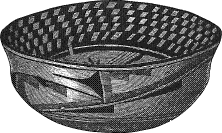
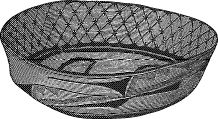
Fig. 413 (40041) (¼) Fig. 414 (40033)
585, 586. 585, (40010); 586, (40167).
587. (40033). As closely resembling the preceding, I introduce here a variety with a latticed marginal band shown in Fig. 414.
The following specimens belong to the same variety, the chief differences, being the inner central figures:
588. (40164). Fig. 415.
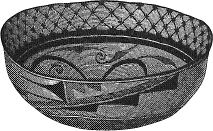
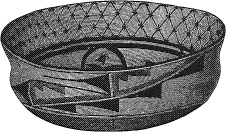
Fig. 415 (40164) (¼) Fig. 416 (40296) (¼)
589. (40177). Do.
590. (40181). This specimen has no ornamentation except the band.
591. (40296). Fig. 416. This varies in having the figures of birds with wings spread and of elks on the inner surface below the marginal line. These are but partially shown in the figure.
592, 593. 592, (40965) and 593 (40955) belong to the same variety, but their inner decorations resemble more closely those represented in Fig. 415.
594. (40493). Fig. 417. The decorations on this piece belong to the very common variety shown in Figs. 356, 411, and 412.
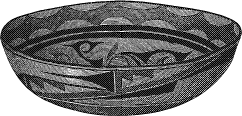
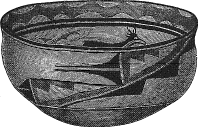
Fig. 417 (40493) (¼) Fig. 418 (40176) (¼)
595-600. To this type belong the following numbers: 595, (40008); 596, (40009); 597, (40012); 598, (40013); 599, (40020); 600, (40021), this varies in having no ornamentation on the outer surface.
601-608. 601, (40176), shown in Fig. 418; 602, (40031); 603, (40038); 604, (40043); 605, (40046); 606, (40047); 607, (40050); 608, (40052)
609-628. 609, (40151); 610, (40152); 611, (40163); 612, (40168); 613, (40170); 614, (40171); 615, (40175); 616, (40185); 617, (40186); 618, (40188); 619, (40189), Fig. 419; 620, (40191); 621, (40193); 622, (40194); 623, (40195); 624, (40196); 625, (40197); 626, (40199); 627, (40200); 628, (40293), this piece is properly a bread bowl, Mō´-tsin-i-kā-sä-le.
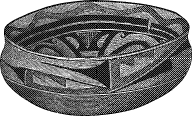
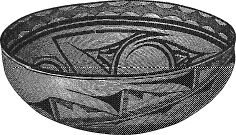
Fig. 419 (40189) (¼) Fig. 420 (40931) (⅕)
629-638. 629, (40295); 630, (40297); 631, (40298); 632, (40310); 633, (40305); 634, (40306); 635, (40308); 636, (40309); 637, (40930); 638, (40931), shown in Fig. 420. I would call attention here to the strong similarity of the inner decorations of this bowl with those on the body of the vase represented in Fig. 359. This is properly a bread bowl.
639-646. 639, (40938); 640, (40957); 641, (40958); 642, (40967); 643, (40971); 644, (40974); 645, (40975); 646, (41171), Fig. 421.
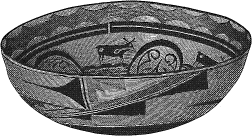
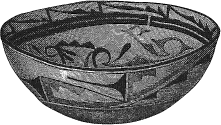
Fig. 421 (41171) (⅕) Fig. 422 (40014) (¼)
The following specimens have the same external decorations as those represented in Figs. 413-421, but differ in regard to the figures on the inner surface.
647. (40014). Fig. 422. The cut fails to show the figures of the elk placed among the scroll ornaments.
648, 649. 648, (40023); 649, (40026).
650-658. 650, (40028), shown in Fig. 423; 651, (40035); 652, (40042); 653, (40045); 654, (40049); 655, (40051), these two are bread bowls; 656, (40153); 657, (40156); 658, (40178).
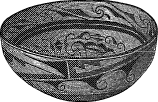
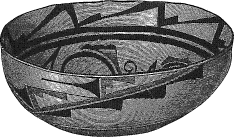
Fig. 423 (40028) (¼) Fig. 424 (40927) (⅕)
659-663. 659, (40183); 660, (40198); 661, (40202); 662, (40927), Fig. 424; and 663, (40932), Fig. 425.
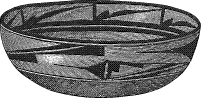
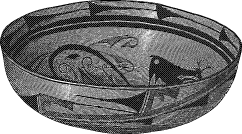
Fig. 425 (40932) (¼) Fig. 426 (40179) (¼)
664-669. 664, (40951); 665, (40952); 666, (40960); 667, (40976); 668, (40977); and 669, (40016), may be grouped together, as strongly resembling each other in regard to their inner decorations.
670. (40027). Inner marginal band with diamond spaces and colored triangles, scrolls, and small rosettes or flowers below.
671. (40030). No inner band; geometrical figures.
672. (40035). Narrow simple marginal band; elk and scrolls.
673. (40179), Fig. 426. Each of the following specimens has a similar marginal band, but the inner central figures differ.
674-682. 674, (40037); 675, (40044); 676, (40187); 677, (40300); 678, (40937); 679, (40966); 680, (40969); 681, (40973); 682, (40040). Patch-work figures, resembling pieces of broken pottery.
683. (40157). Somewhat like Fig. 424, the perpendicular lines of the band being doubly scalloped.
684. (40169). Marginal band a vine with leaves and flowers; central figures similar to those on vase shown in Fig. 371.
685. (40182). No inner band; scroll figures.
686. (40190). No inner band; elks and geometrical figures.
687. (40201). Marginal band with triple lines similar to those in Fig. 424.
688. (40290). Shown in Fig. 427.
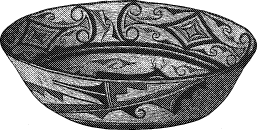
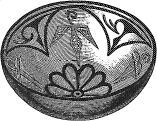
Fig. 427 (40290) (¼) Fig. 428 (39954) (⅓)
689. (40292). Marginal band similar to that on Fig. 427; scroll figures in central portion.
690. (40294). Fig. 430. In this the outer decoration varies in having the elongate triangle or lance point double, and the inner in having the figure of a mule or donkey.
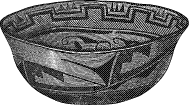
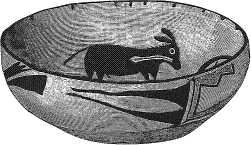
Fig. 429 (40302) (¼) Fig. 430 (40294) (⅕)
691. (40304). No marginal band; scroll figures.
692. (40302). Fig. 429.
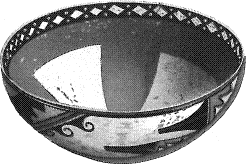
Fig. 401 (40486)
693. (40486). A broad bowl; inner marginal band, the upper portion of which has a line of diamond spaces. The under side of the oblique line on the outer surface is bordered with scrolls as in Fig. 375. This is a very large specimen, being eighteen inches in diameter. See Fig. 401.
694. (40928). Inner surface marked with geometrical figures.
695. (40970). No figures on the inner surface.
696. (40972). Inner decorations as in Fig. 419.
697. (40017). No outer decorations; inner surface with marginal band and large white cross; remainder brown.
698. (40015). Outer and inner faces marked with triangles and slender leaves.
699. (40024). Outer scalloped band, scroll figures internally.
700. (40022). Outer surface with scalloped band and large oblique diamonds; inner with double scalloped band and scrolls.
701, 702. 701, (40158); 702, (40159). Outer face without decorations; inner with large vermiform figures.
703. (40166). Both faces with oblique lines of scrolls.
704. (40192). Stems and leaves externally and internally.
705. (40195), Interior decorations profuse; scrolls, and diamond-shaped figures.
706. (40934). Four scalloped bands on outer face; scroll figures on inner surface.
707. (40935). No outer decorations; inside marked with a marginal band of dots and lines; central scrolls.
708. (40939). Both surfaces with geometrical figures.
709. (40950). Marked externally with double lance points; internally with scrolls.
710. (39954). Shown in Fig. 428. Here we see the head of the grotesque bird reduced to a simple scroll.
Brown or yellow ware. Decorations in black or red, without external ornamentation unless otherwise stated.
711-713. 711, (40011); 712. (40936); 713, (40962). Four large leaves forming a cross.
714. (40018). Broad external band of horizontal and oblique dotted lines. No figures on the inner surface.
715. (40032). External scalloped band; reversed pyramids or pueblos internally.
716. (40039). Broad marginal band of half pyramids, alternately reversed.
717. (40048). White vermiform figures.
718, 719. 718, (40154); 719, (40184). These are similarly marked, the margin in both being also white.
The following specimens are without decorations of any kind:
720-733. 720, (40019); 721, (40036); 722, (40160); 723, (40162); 724, (40165); 725, (40180); 726, (40307); 727, (40929); 728, (40953); 729, (40954); 730, (40959); 731, (40962); 732, (40963); 733, (40968).
734. (40155). Patch-work.
735. (40172). Four serrate or scalloped bands on outer face. Similar inner marginal band in outline; and outline pyramidal figures.
736. (40174). Outline pyramidal figures.
737-739. 737, (40173); 738, (40289); 739, (40964). Marginal band of double outline scrolls.
740. (39618). Brown ware with decorations in black. Colored Fig. 380.
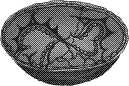
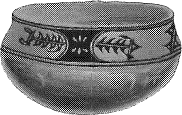
Fig. 380 (39618) Fig. 382 (39592)
741. (39592). Brown ware with decorations in black. Colored Fig. 382.
COOKING VESSELS.
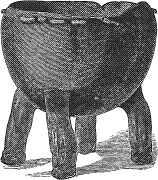
Fig. 432 (41053) (¼)
These vessels are generally of medium size, though in some instances the dimensions vary exceedingly. Those used in cooking for feasts are quite large, sometimes with a capacity of about ten gallons; the smallest, designed only for family use, are less than four inches in diameter and not quite three inches high. They are of two general forms, one similar to the ordinary pots used on cooking stoves, the other bowl-shaped. Two specimens in the collection are provided with legs; to these the Zuñians apply the name sä-mū yĕn-sä-qui-pä. See Fig. 432. As a general rule, the rims of these vessels are flared, and on some of them, close to the rim on the outside, are ear-like projections, which are probably intended as catches by which, with pokers or sticks, they can be removed from or arranged in position on the fire. They are never ornamented, and have no coloring other than that which is acquired in baking. These vessels are used in cooking such foods as contain liquids. Three names are applied to cooking pots, having reference to size, viz.: päh-tēh-le is the large cylindrical pot; the smaller pot of the same form is päh-tēhl-tsān-nā; and wāh-li-äh-kä-tēhl-le is the common cooking pot. The Olla or bowl-shaped pot, Fig. 433, is called sä-mū-yēn.
The following numbers belong to the päh-tēhl-tsān-nā group and present no variations worthy of special notice.
742, 743. 742, (41113). Fig. 436; 743, (41114), Fig. 433. These illustrations represent a form and have the appearance of the so-called ancient ware; the latter specimen bears the impress of the grass which was produced in the baking process.
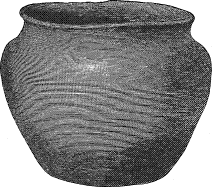
Fig. 435 (40865) (⅓)
744. (40865). Fig. 435. Cooking pot.
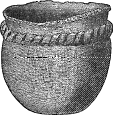
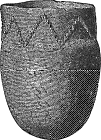
Fig. 433 (41114) (⅙) Fig. 436 (41113) (1/7)
The following numbers represent specimens of cooking pots of varying sizes, though generally small and of the form of No. 744, though some few present the appearance of bowls:
745-766. 745, (41115); 746, (41116); 747, (41117); 748, (41118); 749, (41119); 750, (41120); 751, (41121); 752, (41122); 753, (41123); 754, (41124); 755, (41125); 756, (41126); 757, (41127); 758, (41128); 759, (41129); 760, (41130); 761, (41131); 762, (41132); 763, (41137); 764, (41138); 765, (41140); 766, (41141).
The following belong to the sä-mū-yĕn bowls:
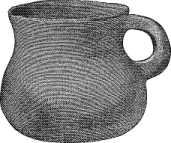
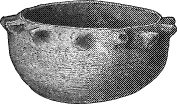
Fig. 431 (41135) (⅓) Fig. 434 (41092) (⅓)
767-804. 767, (41055); 768, (41056); 769, (41057); 770, (41058); 771, (41059); 772, (41060); 773, (41061); 774, (41062); 775, (41063); 776, (41064); 777, (41065); 778, (41066); 779, (41067); 780, (41068); 781, (41069); 782, (41070); 783, (41071); 784, (41072); 785, (41073); 786, (41074); 787, (41075); 788, (41076); 789, (41077); 790, (41078); 791, (41079); 792, (41080); 793, (41081); 794, (41082); 795, (41083); 796, (41084); 797, (41085); 798, (41086); 799, (41087); 800, (41088); 801, (41089); 802, (41090); 803, (41091); 804, (41092), shown in Fig. 434.
805-826. 805, (41093); 806, (41094); 807, (41095); 808, (41096); 809, (41097); 810, (41098); 811, (41099); 812, (41100); 813, (41101); 814, (41102); 815, (41103); 816, (41104); 817, (41106); 818, (41107); 819, (41108); 820, (41109); 821, (41110); 822, (41111); 823, (41112); 824, (41133); 825, (41139); 826, (41143). This is an unburnt specimen of unusual form, resembling in this respect a sugar bowl, its margin and sides undulated.
827, 828. 827, (40853), bowl-shaped with conical bottom; 828, (41053), Fig. 432, pot-shaped, but with four legs.
829, 830. 829, (41134); 830, (41135), are really pitchers, as will be seen by reference to Fig. 431, which represents the latter, but they appear to be made for cooking purposes, as they are designated by the name sä-mū-yĕn.
LADLES.
Called by the Zuñians sa-sho-kŏn-ne. These are of two forms, one resembling somewhat an oyster-shell, the other with a handle resembling a spoon. The forms and decorations are shown in the figures. They are of white ware usually with figures on the inner surface, and of red ware without ornamentation. They vary in size from eight inches in length and five inches across the bowl to four and a half and two and a half inches.
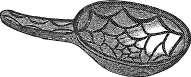
Fig. 438 (39894) (⅓)
831-839. 831, (39884); 832, (39894), Fig. 438; 833, (40430); 834, (40431); 835, (40432), flower in the bowl; 836, (40433); 837, (40460); 838, (40461); 839, (41254). With handles.
840-841. 840, (39895); 841, (39896), figures of elks in the bowl. Without handles.
842. (39929).
843, 844. 843, (40408) scrolls; 844, (40417), Fig. 440.
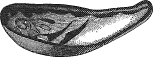
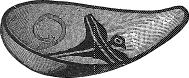
Fig. 439 (40422) (⅓) Fig. 440 (40417) (⅓)
845, 846. 845, (40418); 846, (40419), this has a pretty marginal band, and the figure of a slender bird in the bowl.
847-851. 847, (40420); 848, (40421); 849, (40422), Fig. 439; 450, (40423); 451, (40424), resembles Fig. 440.
852-868. 852, (40425); 853, (40427); 854, (40428); 855, (40429); 856, (40434); 857, (40435); 858, (40437); 859, (40438); 860, (40439); 861, (40441); 862, (40442); 863, (40459); 864, (40462); 865, (40463); 866, (40675); 867, (40677); 868, (40678), Fig. 441.
869, 870. 869, (40679); 870, (40875), Fig. 437.
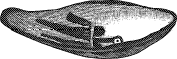
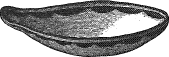
Fig. 437 (40875) (½) Fig. 441 (40678) (⅓)
BASKETS.
Called by the Zuñians, āh-wēhl-wi-āh-pä-sāhl. These vessels, which vary in size from four to eight inches in diameter and from two to five in depth, are in the form of bowls, sometimes with a handle over the top like a basket handle, sometimes without. The margin is either scalloped, as in Fig. 452, or terraced so as to resemble the section of a pyramid or pueblo, being cut in this form with a horse-hair while soft. They are always of white ware decorated with black. The margin is uniformly black, and there is often an inner and outer submarginal narrow band following the undulations or terraces. The figures most common, and in fact almost exclusively used, are those resembling tadpoles, but which, as I learned, are intended to represent a small crustacean or the larva of an insect common in the water-pools and streams of the Zuñi country; and the somewhat grotesque figures of the horned toad (Phrynosoma). These figures are placed both on the outer and inner surfaces, though the figure of the reptile is generally found on the outer.
These singular vessels are used by the Indians only in their sacred and ceremonial dances. In them is placed a small quantity of meal; they are then borne in the hands of the women, who, during the dance, take a small quantity of the meal, just as much as they can hold between the tips of the fingers, and sprinkle it on the sacred objects and on the heads of the persons leading in the ceremonies.
As the forms and decorations are correctly shown in the figures, I shall only notice those which are unusual.
Without handles; margin scalloped:
871-873. 871, (40074); 872, (40075), Fig. 443; 873, (40400), Fig. 444.
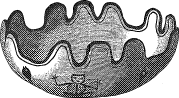
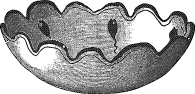
Fig. 443 (40075) (⅓) Fig. 444 (40400) (⅓)
Without handles; margin terraced:
874. (40337). Figures of insects on outer surface.
875-881. 875, (40344); 876, (40364); 877, (40367); 878, (40368); 879, (40369); 880, (40370); 881, (40371), Fig. 445.
882-899. 882, (40372), Fig. 447; 883, (40373); 884, (40374); 885, (40375); 886, (40376); 887, (40377), Fig. 446; 888, (40378); 889, (40380); 890, (40381); 891, (40382); 892, (40383); 893, (40384); 894, (40385); 895, (40392); 896, (40393); 897, (40394); 898, (40396); 899, (40803), this specimen, which is but slightly burnt, is more globular in form than usual, and has mounted on each pyramid a small image, one human, one of a dog or fox, one of a chicken, and the other probably intended for a bird. This is really not a meal basket, but is carried in the dance for rain, and bears the name tkhä-pō-kā-tēhl-le.
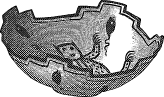
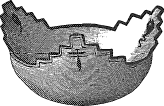
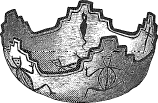
Fig. 445 (40371) (⅓) Fig. 446 (40377) (⅓) Fig. 447 (40372) (⅓)
900-902. 900, (41014); 901, (41015), this has in the place of the reptile the figure of a bird; 902, (41018).
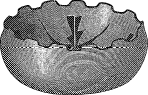
Fig. 442 (39971) (¼)
903. (39971). Fig. 442. A Zuñi clay basket without handles; the form of the margin and inner decorations are unusual, and on this account and the fact that the little water animal does not appear on it, it is probably from some other tribe, though obtained at Zuñi.
904. (40354). Fig. 452. With handles; margin scalloped. The decorations on this basket are unusual. The chief figure and the most interesting one on this entire group of pottery is that of a snake encircling the body of the basket; on the head of which is a feather crest.
905. (41019). Fig. 449. A Zuñi dance basket, one of the most complete in form and decoration in the collection.
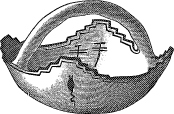
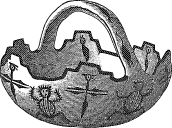
Fig. 448 (40359) (⅓) Fig. 449 (41019) (⅓)
906-909. 906, (40356), Fig. 450; 907, (40390); 908, (40391); 909, (40806). This is more cup shaped than usual, and is ornamented with the geometrical figures common on bowls. It belongs to a distinct class of sacred vessels to which the name tkhä-pō-kā-tēhl-le is applied.
910-913. 910, (40336); 911, (40353); 912, (40355), Fig. 451; 913, (40357), varies in having the head of a bird. With handles; margins terraced.
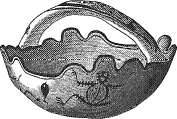
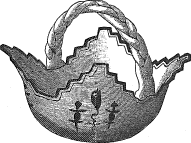
Fig. 450 (40356) (¼) Fig. 451 (40355) (⅓)
914-922. 914, (40358); 915, (40360); 916, (40361); 917, (40362); 918, (40365); 919, (40366); 920, (40359), Fig. 448; 921, (40379), Fig. 453; 922, (40386). This and the three following specimens are small baskets called by the Zuñians āh´-wēhl-wi-āh-pä-sāhl-tsān-nā.
923-928. 923, (40387); 924, (40388); 925, (40389); 926, (40395). This and the two following bear the same figures as observed on Fig. 452. 927, (40397); 928, (40398).
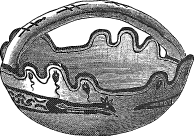
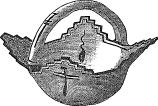
Fig. 452 (40354) (⅓) Fig. 453 (40379) (⅓)
929. (40399). This basket is ornamented with the conventional little water animal, inside and out; it also presents the head and tail of a snake, the body of which encircles the base of the basket. The head of the snake is decorated with a crest and a horn-like projection immediately before the eyes. The tongue and teeth are also represented in colors on the specimen. The rim is serrated and painted black with a small line conforming to the black band immediately under it.
930. (41016). Is without a handle, but noticeable for the representation of a bird, on each side of which are two of the little water animals.
931. (41017). Basket without handle and four pyramids with serrated edges, and representation of horned toad on sides.
932. (41019). Basket with handle, large toad on each side, and a dragonfly on each side of the toad.
PAINT CUPS.
These are always small, but vary in size from one and a half to three inches in height. They are usually in the form of water vases or globular jars, though sometimes of a true cup shape, and occasionally cubical. They are generally single, but quite often double, and occasionally triple and quadruple. To the large-sized single ones the Zuñians apply the name of hĕl-i-pō-kā-tēhl-le; and to those of smaller sizes, hĕl-i-pō-kā-tēhl-tsān-nā. They are usually without handles, but sometimes these are present. The double ones are connected only by a bar extending from the body of one to that of the other; and the triple and quadruple ones in a similar manner. They are of red and white ware like the other pottery; the decorations on the white are similar to those already described, so far as they can be adapted to these small articles.
We shall give the numbers without remarks, except to note unusual forms and figures.
Single cups:
933-938. 933, (39881); 934, (39888); 935, (39938); 936, (39939); 937, (39944); 938, (39945); with figures of the little aquatic animal so frequently represented on the earthenware baskets used in rain dances.
939-942. 939, (39949); 940, (40036); 941, (40111); 942, (40112); square, box-shaped, of brown ware and very rude.
943-946. 943, (40323); 944, (40324); 945, (40325); 946, (40326); with terraced margin like that so common in baskets used in the sacred dances.
947-952. 947, (40327); 948, (40328); 949, (40329); 950, (40330); 951, (40331); 952, (40332). With meander band of simplest form.
953-961. 953, (40333), terraced margin; 954, (40334); 955, (40335); 956, (40338); 957, (40339); 958, (40340); 959, (40341), true cup with looped handles; 960, (40342); 961, (40343), with straight cylindrical handle.
962-968. 962, (40345); 863, (40346); 964, (40347); 965, (40348), form of the ordinary glass tumbler; 966, (40349); 967, (40352); 968, (40587). Mug-shaped, with broad, horizontal rim.
969-974. 969, (40588); 970, (40589); 971, (40590); 972, (40591); 973, (40592); 974, (40593). With simple meander band.
975. (40594). The artist has evidently attempted to figure on this the true meander (Greek fret), but has failed.
976. (40595). Marked with the grotesque horned toad so common on the earthenware baskets.
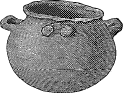
Fig. 455 (40828) (⅓)
977-979. 977, (40596); 978, (40597); 979, (40598). Spherical in form, decorated with figures of the grotesque bird heretofore mentioned.
980-983. 980, (40599), bowl-shaped; 981, (40645); 982, (40647); 983, (40648). Bird with a scroll arising out of its back.
984-994. 984, (40649); 985, (40650); 986, (40651); 987, (40684); 988, (40826); 989, (40828), Fig. 455; 990, (40829); 991, (40830); 992, (39768); 993, (39982); 994, (39983).
Double cups (hĕl-i-pō-kā-tēhl-i-pä-chin). The little water animal is a common figure on these.
995-998. 995, (39931); 996, (39932), Fig. 454; 997, (39948); 998, (40350). This has the connecting bar arched so as to form a handle.
999-1004. 999, (40351); 1000, (40433); 1001, (40444); 1002, (40445); 1003, (40447); 1004, (40349). The last five are plain.
1005-1007. 1005, (40448); 1006, (40449); 1007, (40450). With scalloped margin, double bars, the upper one arched; grotesque figures of horned toad.
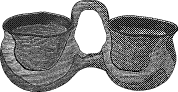
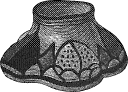
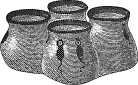
Fig. 454 (39932) (⅓) Fig. 456 (40681) (½) Fig. 457 (40612) (½)
1008-1017. 1008, (40451); 1009, (40452); 1010, (40454); 1011, (40455); 1012, (40456); 1013, (40457); 1014, (40610), double bar or bar and handle; 1015, (40681), Fig. 456; 1016, (40682); 1017, (40854), square, without bar.
Triple cups:
1018-1023. 1018, (40605); 1019, (40606); 1020, (40609); 1021, (40680); 1022, (40693); 1023, (40856).
Quadruple cups, to which is applied the same Zuñi name as that given to those provided with triple and quadruple cups.
1024, 1025. 1024, (40612), Fig. 457; 1025, (40613). Brown, square, united directly at the sides without bars.
1026-1029. 1026, (40652); 1027, (40855); 1028, (40856), square; 1029, (40859), square.
CONDIMENT CUPS.
These are similar in form and decorations to the paint cups, and are also round and square, single, double, and quadruple. They are usually small, holding from less than half a pint to a pint. The different names applied to them will be given as they are reached in the list. The double and quadruple ones are connected together in the same manner as the multiple paint-pots,
Single cups:
1030. (39878). Square with figures of chickens on the sides.
Mā-pō-kā-tēhl-le is the name by which the round or vase-shaped vessels are designated. They are numbered as follows:
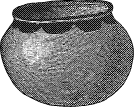
Fig. 458 (41008) (⅓)
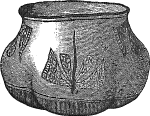
Fig. 459 (39905) (⅓)
1031. (39905). Fig. 459. The figures on this specimen appear to be intended as representations of some neuropterous insect, but possibly they represent birds.
1032-1037. 1032, (40653); 1033, (40654); 1034, (40655); 1035, (40656); 1036, (40657); 1037, (40658). Some of these appear, from the fragments of bars attached to them, to have belonged to double specimens.
1038, 1039. 1038, (40633); 1039, (40832). These two are red ware.
1040-1049. 1040, (40833); 1041, (40834); 1042, (40835); 1043, (41006); 1044, (41007); 1045, (41008), Fig. 458; 1046, (41170); 1047, (40603); 1048, (40606); and 1049, (40664), are square.
Double cups:
The round form has the same name as the single salt cup, but the square pattern is named Mā´-pō-kā-thlē-lō-ne. The following specimens belong to the latter class:
1050-1057. 1050, (39900); 1051, (39901); 1052, (40416); 1053, (40604); 1054, (40662); brown 1055, (40683); 1056, (40831); 1057, (40661).
1058-1068. The following are round: 1058, (40410); 1059, (40411); 1060, (40412); 1061, (40413); 1062, (40414); 1063, (40415); 1064, (40440); 1065, (40659); 1066, (40660); 1067, (40666); 1068, (40667).
1069. (40836). Quadruple. This and the last three preceding specimens are ornamented like Fig. 458.
EFFIGIES.
These figures, which are of small size, the largest not exceeding one foot in length, are quite rude, rendering it difficult in some cases to tell what animal is intended, the only exceptions to this rule being some figures of owls, in which the Zuñians appear to have made the nearest approach to the true form. They are generally of white ware, decorated with colors. Often these decorations are arbitrary, but as a general rule there has been an evident attempt to imitate nature so far as it could be done with the various shades of brown and black.
Some of the larger pieces, especially the owls, have an opening at the top or on the back, as though designed for water vessels.
The objects most commonly represented are owls (which largely predominate), antelope, elk, ducks, and chickens. The human form, the pig, sheep, horse, &c., are occasionally represented.
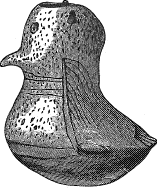
Fig. 460 (40059) (⅓)
Owls, mū-hū-que and mū-hū-que-tsān-nā. These are nearly always represented with feet, and in most cases with legs. The body is usually disproportionately large, as are also the legs; the bill is small, and the wings are represented by small lateral projections; the tail is short. The eyes are generally well represented. The feathers, as will be seen, by reference to the figures, are quite well shown. The figures nave an opening on the top of the head.
As there is a strong similarity in form, and the mode of decorating them is shown in the figures, no special remarks on the different specimens are necessary.
1070-1077. 1070, (39875); 1071, (39876); 1072, (39877); 1073, (39921); 1074, (39942); 1075, (39957); 1076, (40054); 1077, (40059), shown in Fig. 460; this is one of the very few without feet.
1078-1096. 1078, (40064); 1079, (40065); 1080, (40068); 1081, (40138); 1082, (40140), Fig. 461; 1083, (40261); 1084, (40142), small; 1085, (40262); 1086, (40141); 1087, (40142); 1088, (40409); 1089, (40734); 1090, (40735), without feet; 1091, (40736); 1092, (40737); 1093, (40738), Fig. 463, very large; 1094, (40740), Fig. 462; 1095, (40741); 1096, (40742).
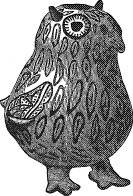
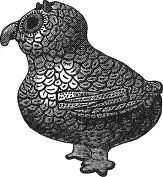
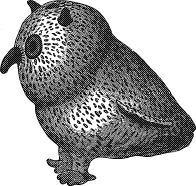
Fig. 461 (40140) (⅓) Fig. 462 (40740) (¼) Fig. 463 (40738) (¼)
1097-1112. 1097, (40743), Fig. 466; 1098, (40744); 1099, (40745); 1100, (40746), without feet; 1101, (40747); 1102, (40748), Fig. 468; 1103, (40749); 1104, (40750); 1105, (40751); 1106, (40752); 1107, (40753); 1108, (40754), Fig. 467; 1109, (40755); 1110, (40756); 1111, (40757); 1112, (40758), without decorations.
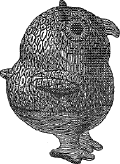
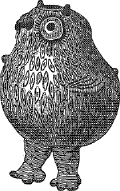
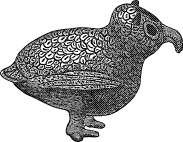
Fig. 466 (40743) (⅓) Fig. 467 (40754) (¼) Fig. 468 (40748) (¼)
1113-1120. 1113, (40759); 1114, (40760); 1115, (40761); 1116, (40762); 1117, (40763); 1118, (40764); 1119, (40765); 1120, (40766), bearing a single young owl on its back.
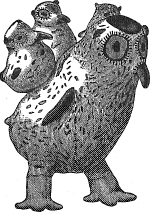
Fig. 469 (40767) (½)
1121. (40767). Shown in Fig. 469, bearing three young owls on its back.
1122. (41043).
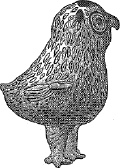
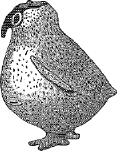
Fig. 464 (40739) (¼) Fig. 465 (40066) (⅓)
1123, 1124. 1123, (40066), Fig. 465, and 1124, (40739), Fig. 464. Two owl-shaped water vessels from Zuñi.
Duck-shaped canteens, ē-yāh-mē-hē-to, are usually represented in a swimming posture, without feet, though occasionally the standing posture is adopted. The feather decorations are not so generally used as on the owls; several specimens bear on the back or sides the figure of the grotesque bird with spread wings. These specimens, like the owl images, have an orifice on the top of the head as though intended for water vessels, but are seldom used as such at the present time.
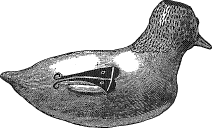
Fig. 471 (39910) (⅓)
1125. (39910). Shown in Fig. 471.
The following are similar:
1126, 1127. 1126, (39879); 1127, (39889).
1128. (36911). With feet, in standing posture.
1129. (40063). With wings, without feet.
1130. (41023). This and the three following specimens have feather decorations and are small. Ē-yāh-mē-hē-tō-tsān-nā of the Zuñians.
1131-1133. 1131, (41024); 1132, (41025); 1133, (41027).
1134. (41026), Fig. 470. Chickens. The cock, tō-kōk-ke; the hen, tō-kōk-kā. The general term applied to the young, without reference to sex, is sä-pi-pe.
1135. (39919). Represented in Fig. 472.
1136, 1137. 1136, (41028); 1137, (41029).
1138. (41030). Shown in Fig. 476.
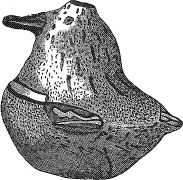
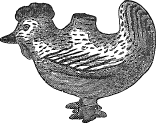
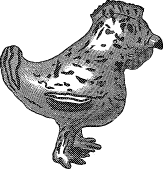
Fig. 470 (41026) (⅓) Fig. 472 (39919) (⅓) Fig. 476 (41030) (⅓)
1139, 1140. 1139, (41031); 1140. (41032).
1141, 1142. 1141, (41033); 1142, (41034).
1148-1147. 1143, (41035); 1144, (41036); 1145, (41037), Fig. 475; 1146, (41038); 1147, (41039).
1148-1151. 1148, (41040); 1149, (41041), Fig. 474; 1150, (41042); 1151, (41216), this piece represents a hen with three young chickens on her back, as in Fig. 473.
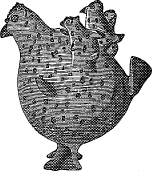
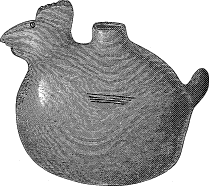
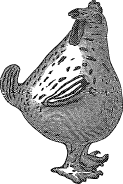
Fig. 473 (41216) (⅕) Fig. 474 (41041) (⅓) Fig. 475 (41037) (¼)
1152-1155. 1152, (39897); 1153, (41044); 1154, (41045); 1155, (41046), Fig. 477. Antelope. (māh-ā-wi.) The form and decorations are shown in Figs. 477 and 478.
1156-1161. 1156, (41047); 1157, (41048); 1158, (41050), Fig. 478; 1159, (41219); 1160, (41210); 1161, (41211).
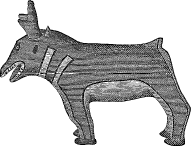
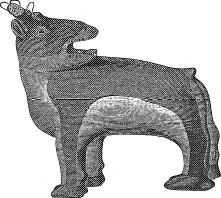
Fig. 477 (41046) (⅕) Fig. 478 (41050) (⅓)
1162. (41049). Elk, shō-hi-ta.
1163-1166. 1163, (41212), Fig. 480; 1164, (41213); 1165, (41214); 1166, (41217). Pigs, pits-ō-te. The figures show the forms and decorations with sufficient accuracy to make further description unnecessary.
1167. (41218). Ox, wē-ä-si. But a single example in the collection. Shown in Fig. 479.
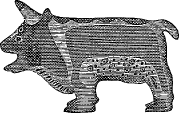
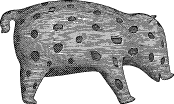
Fig. 479 (41218) (⅕) Fig. 480 (41212) (⅕)
1168-1170. 1168, (41219); 1169, (41220); 1170, (41221). Sheep, Kān-ē-lū. These, like the pigs, are usually marked with spots. One specimen has these spots in the form of an S, or sigmoid figure.
1171. (41222). The Big Horn (Ovis montana), Hä-li-tkū. This is the only specimen obtained and is a very rude figure, not easily recognizable.
1172. (41224). The Lynx, Tē-pi. Orifice in the top of the head. Decorated with spots.
1173. (41225). The Horse, Tūsch. Decorations, spots, and lines representing hair. A very poor figure; without the name would be unrecognizable.
1174. (41226). Man on horseback, I-mäl-tō-yi. The figure of the man is evidently intended to represent a Mexican, as shown by the ordinary hat and clothing. The saddle is represented, but there is no bridle or other trappings.
STATUETTES.
1175. (40071). Indian boy without clothing and wearing moccasins.
1176. (40076). Wi-hā. Baby.
1177. (40860). Klem-chi-ka. Man with hat and clothing.
1178. (40861). Nude female figure.
1179. (40862). Man with hat and clothing.
1180. (40863). Nude female figure.
1181. (41223). Human hand, ah-sin-ne. Represents the hand and wrist. Rather good figure. The wrist is surrounded by a colored scalloped band, as a bracelet.
Moccasins. Mō-quā-we. These are usually very correct in form, the differences between the right and left being always properly represented. Sometimes they are made singly, but usually in pairs, united directly or by a little straight bar or curved handle at the posterior end. White with color decorations, or brown or lead-colored without decorations, diminutive in size. The following specimens are without decorations:
1182-1190. 1182, (39924); 1183, (39925); 1184, (39946); 1185, (39947); 1186, (40055); 1187, (40626); 1188, (40629); 1189, (40634); 1190, (40635). The last two have loops at the heel and were used as paint cups.
Decorated with colors:
1191. (40637). Pair still united.
1192. (39927). Shown in Fig. 481.
1193. (40060). With lines; handle at the heel.
1194, 1195. 1194, (40061), Fig. 482; 1195, (40628), decorated with grotesque bird.
1196. (40630). With same figure.
1197. (40631). Represented in Fig. 483.
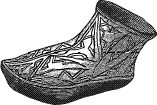
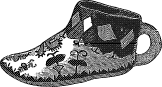
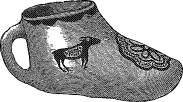
Fig. 481 (39927) (⅓) Fig. 482 (40061) (⅓) Fig. 483 (40631) (⅓)
1198. (40633). This pretty pair is profusely ornamented with serrate lines from the tip to the ankles.
1199, 1200. 1199, (40634) and 1200, (40636). Single, decorations, same as in the preceding; probably belong to one pair, as part of the connecting band remains on them.
1201. (40804). Anomalous. Tkhä-pō-kā-tēhl-le. In the form of a low or depressed vase, with two handles, decorated with scroll figures; margin straight.
1202. (40805). Vase-shaped, with single handle; a scalloped and an undulate band around the body. Margin straight.
1203. (42375). Toy house. Composed of clay and willow sticks. Made by children.
CLAYS AND PIGMENTS.
The following specimens are employed in the manufacture of pottery and for decorative purposes:
1204, 1205. 1204, (41230) and 1205, (41231). Are specimens of a whitish clay or kaolin, of which a solution is made and applied to the outer surfaces of earthenware. This whiting in a coarser state is used for white-washing their chimneys and rooms.
1206. (41265). Is a dark carbonaceous clay which the Zuñi Indians obtain from near the summit of a mesa on which stand the ruins of their ancient village—or, at least, where they claim to have resided during the Spanish invasion of their country. As this clay is one of the principal elements in the manufacture of Zuñi pottery, a quantity of it was procured and numbered as one of the specimens of the collection.
1207. (41901). Small nodules of azurite used by the Indians in decorating their altars, &c.
1208. (41902). White clay or kaolin, same as Nos. 1204 and 1205.
1209. (41903). Finer quality of white clay.
1210, 1211. 1210, (41904) and 1211, (41905). Are specimens of the above of a coarser quality.
1212. (41906). Tierra amarilla, or yellow micaceous clay, of which the Rio Grande Indians make many varieties of vessels.
1213. (42342). A yellowish sandy clay, which is used as one of the coloring pigments in decorating pottery. This clay burns to a reddish hue and gives to the pottery those lines of a brick-red color.
1214. (42343). Very dark colored ore, resembling magnetic iron ore; this stone is reduced in a small mortar, and a paint made of it for decorating their ware black, which result is obtained by baking.
VEGETAL SUBSTANCES.
BASKETRY.
1215. (40108). A globular-shaped water basket, with a small neck, about two inches long and three in diameter.
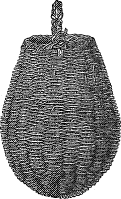
Fig. 484 (40133) (¼)
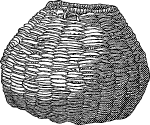
Fig. 488 (40126) (⅓)
1216. (40109). Double-lobed, canteen-shaped water basket, with both outer and inner surfaces coated with gum. The neck is about the size of that of the preceding basket. The centre is compressed to about the size of the neck; the bottom flat.
1217. (40110). Similar to the preceding.
1218. (40115). This specimen is a good representation of the basketry manufactured by the Zuñians, used for carrying peaches. It is well shown in Fig. 484.
1219-1235. 1219, (40116); 1220, (40117); 1221, (40118); 1222, (40119); 1223, (40120); 1224, (40121); 1225, (40122); 1226, (40123); 1227, (40124); 1228, (40125); 1229, (40126), Fig. 488; 1230, (40127); 1231, (40128); 1232, (40129); 1233, (40130); 1234, (40131); 1235, (40132), are Zuñi baskets of the same character, of coarse willow ware. Sizes and shapes somewhat similar.
1236. (40133). This specimen is an illustration of one form quite common. We found them in general use for bringing ripe peaches from the field. Fig. 484 shows very clearly the manner of weaving them.
1237-1240. 1237, (40134); 1238, (41135); 1239, (41136); 1240, (41137), are all samples of the same basketry. These baskets are called by the Zuñians hu-chi-pŏn-nē.
1241. (40143). A small platter-shaped corn, basket of the same coarse structure. They are called tsi-i-lē.
1242-1247. 1242, (40144); 1243, (40145); 1244, (40146); 1245, (40147); 1246, (40148); and 1247, (40149) are similar examples of corn baskets.
1248-1257. 1248, (40401); 1249, (40402); 1250, (40403); 1251, (40404); 1252, (40405); 1253, (40406); 1254, (40407); 1255, (40478); 1256, (40479); and 1257, (40480) are a variety of examples of the corn basket or hu-chi-pŏn-ne.
1258. (40881). Toy basket of Navajo manufacture, of closely-woven fibre, about three inches in diameter. A string is attached to it for wearing it on the breast as an ornament, called hō-in-hlän-tsān-nā.
1259, 1260. 1259, (40882), and 1260, (40883). Small cup or rather saucer-shaped baskets similar in construction to the preceding two numbers.
1261. (40884). Is a corn basket of the same manufacture as the preceding, of much larger size, and called hō-in-hlän-nā.
1262-1264. 1262, (40917); 1263, (40918); 1264, (40919) Tsi´-i-lē; large-sized, coarsely woven, tray-like baskets.
1265. (40920). Toy basket; coarse, tsi-i-lā-tsān-nā.
1266-1268. 1266, (40921); 1267, (40922); 1268, (40923). Navajo water baskets, jug-shaped, kō-sē-tŏm-mē.
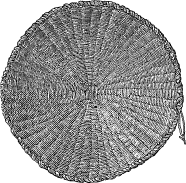
Fig. 485 (41228) (¼)
1269. (41208). Large flaring or bowl-shaped basket of Apache manufacture; water-tight; used for holding flour and meal; very compactly woven; called by the Zuñis hō-in.
1270. (41209). Very large specimen of the same ware woven with different colored fibres, so as to present a decorated inner surface.
1271. (41227). Tklā-lim-ne or basket with abrupt sides. Navajo manufacture.
1272-1275. 1272, (41228), Fig. 485; 1273, (41229); 1274, (41230); and 1275, (41231) are examples of the coarsely-woven flat basketry used frequently for winnowing small grain. The illustration shows the details sufficiently without further description.
1276. (41248). Basket tray for bread, of the closely-woven class, called mi-tū-li-hō-in.
1277. (41256). Toy basket, tsi-li-tsān-nā.
PADS.
The following are ring-shaped pads made of yucca leaves interwoven in such a manner as to leave the centre open sufficiently to fit the top of the head. These pads are used in carrying water, by placing the pad on the head into which the base of the vase fits. They are used also to hold water jars and vases on the ground, thus protecting the bottom of the vessels from wearing away. They are called in Zuñi hā-kin-ne.
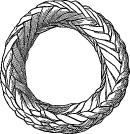
Fig. 486 (40473) (⅓)
1278-1287. 1278, (40464); 1279, (40465); 1280, (40466); 1281, (40467); 1282, (40468); 1283, (40469); 1284, (40470); 1285, (40471); 1286, (40472) are examples of this pad, of which Fig. 486, 1287r. (40473), is an illustration.
The following are objects of the same kind:
1288-1292. 1288, (40474); 1289, (40475); 1290, (40924); 1291, (40925); 1292, (40926).
DOMESTIC IMPLEMENTS, TOYS, &c.
In the collection are a number of wooden spoons or ladles of various, sizes. These utensils were not frequently met with. The readiness with which the Indians can make pottery or earthern ladles, a large number of which are in the collection, has caused these to supersede the former. The wooden spoons are always chiseled from a single piece of wood. See Fig. 490.
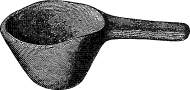
Fig. 490 (40876) (¼)
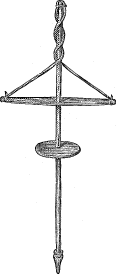
Fig. 494 (40827) (⅕)
1293-1297. 1293, (40876); 1294, (40877); 1295, (40878); 1296, (41020); 1297, (41022) are specimens of spoons and ladles of wood. The large ones are called täm-shŏ-kŏn-nā-tsān, the smaller, täm-shŏ-kŏn tsān nā.
1298. (41276). A wooden chair, made entirely of wood and in imitation, of a common chair, ornamented with carvings.
1299. (42292). Meat-block in the form of a stool, one side of which is used for chopping, the other to sit upon.
1300. (40827). Rotary drill, with stone disk and flint point, usually employed in perforating turquoise and other hard substances for ornaments. See Figure 494. Called by the Zuñis klā-tŏ-ne.
1301. (40809). A small rectangular wooden box with a lid, used as a treasure-box, for holding choice trinkets and ornaments such as feathers, &c., called la-pŏ-ka kle-tŏn-tsān-nā.
1302. (41279). Wooden gun rack, made of pieces of flat wood, of a rectangular form, with notches in the upright sides for holding guns and bows. It is common in Zuñi.
1303. (41192). A wooden comb used in connection with the loom. It is provided with teeth about one inch long; these teeth are placed between the perpendicular threads and with the hand brought down firmly on the cross-threads or yarn until it is perfectly compact. The blankets woven in this manner are water-tight. This comb is called o-hā-nā-pā-ne.
1304-1307. 1304, (42043); 1305, (42044); 1306, (42045); and 1307, (42046); are combs above described, used with looms.
1308. (40810). A wooden comb of the same character.
1309. (41700). Bundle of fine grass stems for a comb.
1310. (41282). Comb and brush, combined, made from dried grass stems; one end is used as a comb, the other as a brush.
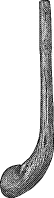


Fig. 491 (41275) (1/7) Fig. 495 (41277) (1/10) Fig. 496 (40879) (1/10)
1311. (41277). Wooden spade or shovel quite like an ordinary spade, used by the Indians for shoveling snow from the roofs of their houses, and for taking bread from their bakeovens. See Fig. 495.
1312. (40879). Wooden digger and corn-planter, called tā-sā-quin-ne. This is the only specimen of the kind in the collection. The foot is used in digging as we use a spade. In making holes in the ground for planting grain, one foot is placed on the short projection, and the individual using it walks along, each alternate step making a hole in the ground into which to drop the grain. See Fig. 496.
1313. (41262). Medicine sticks to influence rain. These little sticks are found hidden beneath the rafters of nearly every house in Zuñi.
1314. (41275). Wooden war-club, which the Zuñis claim was one of their original weapons of war. See Fig. 491.
1315. (41856). A peculiar warty squash or gourd hollowed out and filled with pebbles to make a rattling sound, used in most of the dances. See Fig. 497.
1316. (41281). Gourd dance rattle.
1317. (41196). Squash or gourd for making rattles.
1318. (41197). Smooth-surfaced squash for rattle.
1319. (41189). Gourd painted red, yellow, and black, which is suspended to a pole held in the dance called by the Zuñis tŏm-tschūl-tŏn-ne.

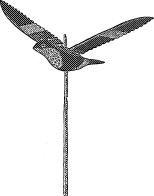
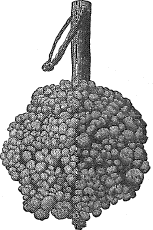
Fig. 492 (41190) (⅛) Fig. 493 (41235) (⅙) Fig. 497 (41856) (⅓)
1320. (41190). Yellow gourd, with black band, and having alternate squares of white and black around the centre, through which a stick is passed for holding it in the hand during a dance. The gourd is placed on the stick in an inverted position. On the top of the stick a bunch of feathers is attached. This ornament is generally used in their social dances, in which the young men and women mingle. See Fig. 492.
1321. (41193). Water gourds.
1322. (41194). Gourd with opening in the end of the handle.
1323-1334. 1323, (41198); 1324, (41199); 1325, (41200); 1326, (41201); 1327, (41202); 1328, (41203); 1329, (41204); 1330, (41205); 1331, (41206); 1332, (41207); 1333, (41234); 1334, (41235), are wooden birds carved and painted to represent such as they are accustomed to seeing daily. Those represented are the magpie, prairie lark, oriole, humming bird, and swallow. The latter is shown in Fig. 493. The object is attached to a stick in such a manner that the wings can be made to move up and down by pulling a string, in imitation of the bird in flight.
1335. (41184). Toy or baby cradle, called wi-hā-klem-tsān-nā, (see Fig. 489), with a wooden doll arranged to show the manner of securing children in cradles.
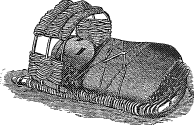
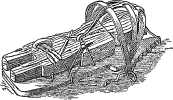
Fig. 487 (41725) (¼) Fig. 489 (41184) (¼)
1336. (41725). Cradle with wooden doll, Fig. 487, composed of woven willows.
1337. (41724). Toy drum, tō´-sō-än-än-tōm-me.
1338. (41285). Spinning top.
FOODS.
1339. (40905). Wia-vi, or wafer bread.
1340. (41261). Meal from Indian maize.
1341. (41263). Chili, or ground-red pepper.
1342. (41264). Dried peaches; Indian style.
1343. (41266). Dried squash; Indian style.
1344. (41267). Indian beans.
1345. (41271). Corn parched by the Indians.
1346. (41272). Native salt of Zuñi.
1347. (41273). Zuñi bread.
1348. (41274). Zuñi bread used in the dance.
1349. (41280). Zuñi bread.
1350. (41283). Zuñi sprouted wheat, from which a juice or wine is obtained.
1351. (42050). Horse beans cultivated by the Indians.
MEDICINES AND DYES.
1352. (41172). Root used as medicine.
1353. (41173). Root used as medicine.
1354. (41175). Root used as medicine, called by the Zuñians āh-quā-ā-we.
1355. (41174). Bark for coloring buckskin red.
1356. (41907). Plant for coloring black.
1357. (41908). Plant used for decorating pottery black, the oil or juice of which is used.
ANIMAL SUBSTANCES.
HORN AND BONE.
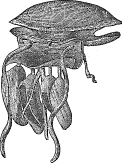
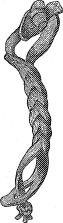
Fig. 498 (41853) (⅓) Fig. 499 (41219) (⅕)
1358. (41284). Bone awl, with iron shaft.
1359-1361. 1359, (41851); 1360, (41852); and 1361, (41853), Fig. 498, are specimens of a rattle or musical instrument made from the shell of a turtle which is highly esteemed by the Pueblo tribes. The flesh of the turtle is carefully removed from the shell, leaving it hollow. To the edges of the breast plate are attached the toes of goats or sheep. These toes coming in contact with the hollow shell produce a peculiar sound, in keeping with the sound caused by the gourd rattles used in the same ceremony. The rattle is fastened to the rear of the right leg near the knee when employed in the dances.
SKIN.
1362. (41287). Lasso or lariat of plaited leather.
1363. (41219). Hopple strap; ends locked by small blocks of wood. See Fig. 499.
WOVEN FABRICS.
1364. (41251). Moki scarf, from Zuñi.
1365. (41552). Child’s shirt of calico, ō-chū-ōtsn-nā.
1366. (41253). Squaw’s knit leggings.
1367, 1368. 1367, (41801) and 1368, (41807). Are sashes of Moki manufacture, handsomely embroidered at each end in colors.
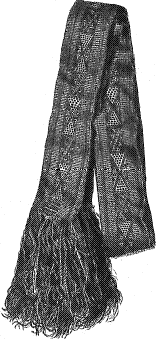
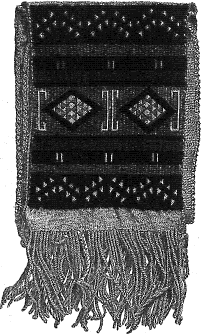
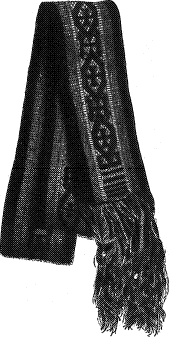
Fig. 500 (41713) Fig. 501 (41808) Fig. 502 (41838)
1369, 1370. 1369, (41712) and 1370, (41713). Are worsted woven belts for the waist, called eh-ni-ne. See Fig. 500.
1371. (41714). Worsted garter, called eh-ni-ne tsān-nā.
1372. (41801). Finely-woven white cotton with embroidered edge, of which the following are examples:
1373-1375. 1373, (41802); 1374, (41803), and 1375, (41804).
1376. (41805). Blue woolen scarf.
1377. (41806). Scarf.
1378. (41807). Sash. See Fig. 501.
1379. (41808). Sash. See Fig. 502.
1380. (41809). Navajo blanket, used as a squaw’s dress, with red border.
1381. (41810). Similar blanket.
1382. (41811). Navajo blanket with blue border. The following are similar to the preceding:
1383-1388. 1383, (41812); 1384, (41813); 1385, (41814); 1386, (41815); 1387, (41816); and 1388, (41817).
1389. (41818). Saddle-blanket, in colors.
1390-1395. 1390, (41819); 1391, (41820); 1392, (41821); 1393, (41822); 1394, (41823); and 1395, (41824), are also saddle-blankets.
1396. (41825). Imperfect large robe of wool.
1397. (42223). Sample of green yarn used by the Zuñians in making belts and blankets.
1398. (42201). War trophy, worn as shoulder belt; the band which passes over the shoulder is ornamented with arrow-points which are fastened in the plaiting. The plaited portion is made of the skin dress of a slain Navajo. So highly did the Zuñians prize this trophy that I was obliged to promise its return before I was allowed to take it away. A sketch was made of it, after which it was returned to the Indians.
1399. (42268). A Zuñi charm, made from a piece of shell rounded and pierced near one end to-receive a string.
1400. (41726). Head-dress worn by maidens in dances. Fig. 503 shows the form. The flower is sometimes red and yellow; this is attached to one side of the band which goes over the head; to the other side is attached a horn-shaped ornament. The flower is called ātē än-ne. The horn on the left is called sai´änne. The band that encircles the head is called gĕm-me. The following are articles of the same kind, differing only in ornamentation:
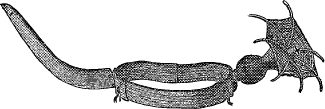
Fig. 503 (41726) (⅙)
1401-1408. 1401, (41727); 1402, (41728); 1403, (41729); 1404, (41730); 1405, (41731); 1406, (41732); 1407, (41733); and 1408, (41734).
1409. (41698). Wool rosette; part of head-dress.
1410. (41699). Cotton rosette; part of head-dress.
1411. (41697). Charm of wild turkey feathers.
1412. (42206). Grooved axe of black fine-grained sandstone, about eight inches long; water-worn to its present shape, afterward grooved to render it suitable for use.
1413. (42207). Fig. 504. Grooved axe, of basalt. The only specimen of this particular form in the collection.
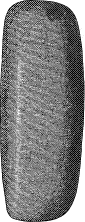
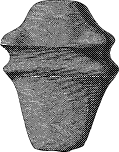
Fig. 504 (42207) (⅓)
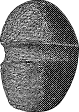
Fig. 505 (42208) (⅓) Fig. 507 (42213) (⅓)
1414. (42208). Fig. 505. Large stone celt of coarse sandstone, light gray color. It is shaped more like a wedge than the cut indicates. It is difficult to conjecture what this implement could have been used for. The sandstone of which it is made is too soft for either splitting or hammering. As it is about ten inches long and has four flat sides it may have been a grinder, as many of those implements are not unlike it in length and appearance. Its surface is quite rough and pitted.
1415. (42209). Sandstone maul, grooved, surface rough.
1416. (42210). Triangular-shaped maul, grooved in the middle; of coarse basalt. This and similar mauls evidently at one time had handles fixed to them, but at the present day it is not uncommon to see the modern Pueblo Indians holding them in the hand to crush their grain, chili or red-pepper pods in round mortars.
1417. (42211). Grooved axe of basalt.
1418. (42212). Small grooved axe of metamorphic rock.
1419. (42213). Fig. 507. Water-worn boulder of quartzite, grooved around the centre.
1420. (42214). Basaltic maul, grooved in the middle like the preceding. Used by the Indians at the present day for pounding chili or red pepper.
1421. (42216). Grooved axe of greenstone, quite long, well shaped, and nicely polished.
1422. (42217). Grooved axe of greenstone, similar to the preceding.
1423. (42218). Grooved axe of sandstone; top square.
1424. (42219). Axe of basalt, grooved on three sides.
1425. (42220). Grooved axe of greenstone.
1426. (42221). Grooved axe of quartz.
1427. (42222). Grooved axe of sandstone. Groove very near the top.
1428. (42223). Grooved axe of greenstone, well polished.
1429. (42224). Grooved axe of schistose rock, much flattened, with a small second groove below the larger one.
1430. (42225). Small grooved axe of greenstone, body rather square, top quite small, with the groove very near it.
1431. (42226). Axe of basalt, grooved on three sides near its top, which is flat.
1432. (42227). Grooved on three sides.
1433. (42228). Grooved axe.
1434. (42319). Grooved axe made from a fragment of a grinder.
1435. (42320). Same as preceding.
1436. (42321). Rough chipping or stone hammer.
1437. (42322). Large grooved maul of a ferruginous substance.
1438. (42323). Large egg-shaped grooved maul of coarse sandstone.
1439. (42326). Large grooved maul of irregular shape and surface; finegrained sandstone.
1440-1447. 1440, (42327); 1441, (42328); 1442, (42329); 1443, (42330); 1444, (42331); 1445, (42332); 1446, (42333); 1447, (42334), are all quite similar to the two preceding mauls, and are all of sandstone.
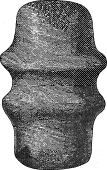
Fig. 506 (42337) (⅓)
1448. (42335). A very large grooved maul, almost square, and weighing about fifteen pounds.
1449. (42336). Grooved maul of very coarse-grained sandstone; short and thick.
1450. (42337). Fig. 506. Grooved maul of compact sandstone. The body of the maul is almost round, though the cut makes it appear flat. Several such specimens were collected, and in all instances they show that they have been better preserved than the axes. This is probably due to the fact that their shape adapts them to grinding foods and grain, and hence they are not used for splitting or cutting.
1451. (42339). Rough stone maul of sandstone, grooved in the middle.
1452. (42350). Small grooved axe of sandstone from the ruins of Pecos.
1453. (42246). Celt of a very black slate stone.
1454. (42247). Celt. This is a very fine specimen, of yellow polished slate of about the same texture as the preceding one. It is about twelve inches long, and tapers gradually from the broad edge to the top.
METATES, OR GRAIN-GRINDERS, AND PESTLES.
1455-1460. 1455, (42279); 1456, (42287); 1457, (42289); 1458, (42309); 1459, (42310); 1460, (42311), are ordinary specimens of the metate placed together in the shape of a mill. See Fig. 508.
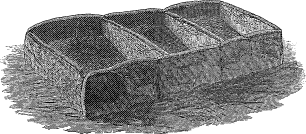
Fig. 508 (42311)
1461, 1462. 1461, (42313), and 1462, (42314), are rubbing stones.
1463. (42338). Broken metate rubber.
1464. (42249). Rubbing stone.
1465. (40139). Rude rubber of silicified wood.
1466. (42274). Small quartz rubber.
1467. (42275). Small greenstone rubber.
1468-1473. 1468, (42276); 1469, (42277); 1470, (42278); 1471, (42316); 1472, (42317); 1473, (42318), are all fragrants of rubbers.
1474. (42290). Bound sandstone pestle, each end ovate.
1475. (42294). Square sandstone pestle.
1476. (42295). Small round pestle, with rounded ends.
MORTARS, PESTLES, ETC.
Nearly all the pestles and mortars from Wolpi present evidences of age. They are nearly all of coarse sandstone, and were used for bruising food and grain. They are usually quite large, heavy, and round. As they are generally of soft yielding rocks, the cavities are worn very deep in most of them.
1477. (42281). Large flat food mortar.
1478. (42282). Paint mortar, made from a round sandstone boulder about five inches in diameter.
1479. (42283). Grain mortar.
1480. (42284). Mortar made from a round somewhat flattened sandstone boulder.
1481. (42285). Food mortar of indurated sandstone, about four inches thick and eight inches in diameter, irregularly round, the depression being about three inches deep.
1482. (42286). Mortar for crushing grain; this is an unusually fine specimen. It is about seven inches high, and an almost round body, about an inch and a half thick at the top of the rim; the cavity is quite a perfect oval in shape, about five inches deep; bottom flat.
1483. (42288). Mortar similar to the above, but having a projection on one side like the ear of a kettle.
1484. (42291). Mortar and pestle. The mortar is nearly square; cavity about five inches deep and seven in diameter. The pestle has a groove round the middle.
1485. (42292). Paint mortar about one inch thick and nearly square.
1486. (42293). Round quartzitic boulder; one side flat, the other with a small cavity.
1487. (42307). Bowl-shaped food mortar, about ten inches in diameter and five inches high.
MISCELLANEOUS OBJECTS.
1488. (42270). Stone knife with two notches or grooves near the large end.
1489. (42271). Forty specimens of arrow-heads and small perforators, flint and agate; most of them very well shaped.
1490. (42253). Sandstone gaming ball, painted.
1491-1493. 1491, (42254); 1492, (42255); and 1493, (42256), are all sandstone gaming balls.
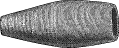
Fig. 509 (42257) (½)
1494. (42257). Fig. 509. Hollow tube. The figure represents one made from potters’ clay, the other is of siliceous material. These pipes are not in use at the present time, but are frequently found around the ruins and in possession of the Indians.
1495. (42261). Stone image, probably intended to represent a rabbit. It is of fine-grained stone. Shown in Fig. 513. There are quite a number of these little images from Wolpi and Zuñi; as they appear to represent rabbits, it is presumed that they are quite old, and possibly antedate the introduction of domestic animals among the tribes.
1496. (42296). Small paint muller of jasper.
1497. (42297). Square quartzitic paint muller.
1498. (42298). Triangular paint rubber of quartz.
1499-1503. 1499, (42299), quartz; 1500, (42300); 1501, (42301); 1502, (42303); and 1503, (42304), are all quartz paint pestles made from half sections of small semi spherical boulders; the large end, which is flat, being used for the grinding part.
1504. (42305). Part of a grooved axe.
1505. (42306). Rubbing stone with four rubbing surfaces.
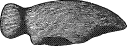
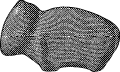
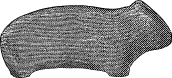
Fig. 510 (42263) (½) Fig. 512 (42262) (⅓) Fig. 513 (42261) (⅓)
1506. (42262). Fig. 512. This undoubtedly represents some animal.
1507. (42263). Fig. 510. This evidently represents some animal other than the rabbit. The body is long and slender, and is provided with a tail.
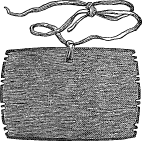
Fig. 511 (40114) (½)
1508. (42264). Small sandstone image, which is a good representation of a bear; grooved around the neck, with mouth and eyes and short tail. None of these little images are provided with anything more than short stubs for limbs.
1509. (42265). Very small sandstone image, quite similar to No. 1507.
1510. (40114). Wolpi neck ornament, Fig. 511, hu-wat-he-qua-ve, of red slate stone notched at each end, as shown in the cut, and perforated at the upper edge to receive a cord, with which it is suspended to the neck. Though a rare ornament, it possesses no particular known significance.
ARTICLES OF CLAY.
WATER VASES.
These are of the usual form, and for the most part of the usual size found at Zuñi; but there are also a number of very large specimens of the white ornamented, black, and red ware, having a capacity of ten or twelve gallons.
White decorated ware:
1511. (41356). Decorations exactly the same type as that shown in Fig. 359, except that there is a regular meander around the shoulder. The type is shown in Fig. 514.
The following belong to the same type as the above, the variations being but slight, the large circular space with scroll being the chief characteristic:
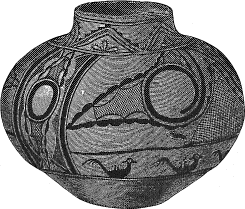
Fig. 514 (41602) (¼)
1512. (41601). Figure on the neck as on the body of Fig. 372.
1513. (41602). Shown in Fig. 514.
1514. (41603). The block containing the smaller circle is here solid and square; there is a zig-zag band around the neck as on the margins of some Zuñi bowls.
1515. (41604). This varies in having in place of the block with the small circle, a regularly checkered block.
1516. (41606). This has only the large diamond figures on the body, and a band of s’s round the shoulder.
1517. (41607). Like No. 1514.
1518. (41454). With handles on sides; fringe-like band around the shoulder.
1519. (41455). Simple linear band around the body.
1520. (41456). Figures of a trident or three-pronged fork; and ladle on the body.
The following are plain brown and red ware, some of them very large. The neck is but slight, and they are often more pot-shaped than olla form. Without ornamentation.
Brown or red.
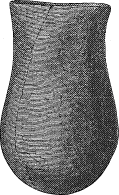
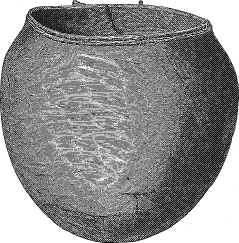
Fig. 515 (40646) (1/7) Fig. 516 (42374) (1/7)
1521-1533. 1521, (41632); 1522, (41633); 1523, (41635); 1524, (41636); 1525, (41637); 1526, (41638); 1527, (41639); 1528, (41640); 1529, (41641); 1530, (41642); 1531, (41643); 1532, (41649); 1533, (41650).
1534. (41644).
1535. (40646). Fig. 515.
1536. (41647).
1537. (41648).
1538. (42374). Very large pot, used for cooking. Name, nu-a-mash-pe. Represented in Fig. 516.
WATER JUGS AND JARS.
These are similar to those obtained at Zuñi; sub-globular in form, one side more distinctly flattened on which to lie, the other very convex. Usually with two handles, sometimes loops, and sometimes studs or knobs. Occasionally ornamented white ware, but most generally unadorned brown or red ware. The latter showing, on some pieces, at least, a slight, perhaps accidental, glazing. They vary in size from six or seven gallons down to less than a pint.
As the various figures used in decorations have been described, only those which are unusual will be noticed here.
White decorated ware:
1539. (41320). Underside as usual, blown. Scalloped band in direction of mouth and handle, transverse double scalloped band across the upper half.
1540. (41362). Similar to the last.
1541. (41342). Simple bands and scrolls.
1542, 1543. 1542, (41401) and 1543, (41447). Similar.
Brown ware without ornamentation:
1544-1567. 1544, (41321); 1545, (41322); 1546, (41323); 1547, (41324); 1548, (41325); 1549, (41326); 1550, (41327); 1551, (41328); 1552 (41329); 1553, (41330); 1554, (41331); 1555, (41332); 1556, (41333); 1557, (41334); 1558, (41335); 1559, (41336); 1560, (41337); 1561, (41338); 1562, (41339); 1563, (41340); 1564, (41341); 1565, (41343); 1566, (41344); 1567, (41345).
1568-1569. 1568, (41609) and 1569, (41611). These have only the large diamond figures on the body, and a zig-zag line around the neck.
1570. (41610). The large diamonds serrate on the outer margin; neck with doubly oblique serrate lines.
1571. (41613). As in Fig. 514, except that the neck, instead of the zigzag, has oblique diamonds.
1572. (41614). This varies from the preceding in having only a narrow scalloped band around the neck.
1573. (41620). Only the large scrolls, nothing on the neck.
1574. (41622). Similar to the preceding, except that each alternate scroll is replaced by a rosette in a circle.
1575. (41615). Like No. 1515, except that the neck has a scalloped band with birds’ heads.
1576. (41618). Large diamonds on the body alternately with rosettes, by the side of which is a bird.
1577. (41621). Similar to Fig. 514, except that the black has no circle in it.
1578. (41358). Small with a broad checkered band around the body.
1579. (41605). With narrow scalloped band around the neck; triangular figures pointing to right and left on the body with cross lines between the bases.
1580. (41608). Outline figures of terraced hills with cactus growing from them, and curved scalloped lines above.
1581. (41612). Scalloped band around the neck; oblique, heavy, double diamond figures with scrolls on the body.
1582. (41617). No decorations on the neck; body with the spear points or long triangles, and serrate oblique lines as on Zuñi bowls.
1583. (41616). Line of little circles on the neck; triangles of lines, pointing to the left on the body.
1584. (41619). Similar in form and decorations to Fig. 371 (Zuñi), except that the upper side of the band is formed of triangles instead of scrolls.
1585. (41629). This is really a double-handled jar.
1586. (41630). Scalloped band around bottom, serrated squares near rim.
1587. (41631). Scrolls on the neck; birds with crest feathers, and flowers on the body.
1588. (41634). Very small, with numerous scalloped lines arranged in diamond form.
1589. (41644). Series of double perpendicular scallops.
1590. (41468). Similar to No. 1586.
TOY-LIKE WATER VESSELS.
The following are very small water vessels, probably intended for children:
1591. (41449). Figures of birds on body.
1592. (41450). The usual diamond and scroll on body.
1593-1603. 1593, (41346); 1594, (41347); 1595, (41348); 1596, (41349); 1597, (41350); 1598, (41351); 1599, (41352); 1600, (41353); 1601, (41354); 1602, (41355); 1603, (41448).
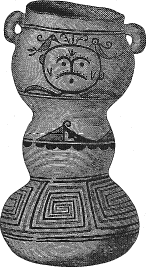
Fig. 518 (41363) (⅓)
Small toy canteens:
1604-1607. 1604, (41439); 1605, (41440); 1606, (41442); 1607, (41443).
The following three are cup-shaped, with an ear on each side to which to attach a string, the top is closed, with a round orifice in the middle, and they are either medicine or little paint vessels and not canteens, as given in the original field catalogue:
1608-1610. 1608, (41444); 1609, (41445); 1610, (41446).
Water jugs and bottles are of various forms, which will be described under their respective numbers. They are usually of the white decorated ware. The brown ware is always undecorated.
1611. (41363). See Fig. 518.
1612. (41364). Brown ware shown in Fig. 517.
1613. (41365). Brown ware, cylindrical, constricted in the middle and with small orifice.
1614. (41393). Without handle.
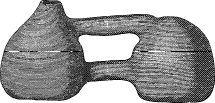
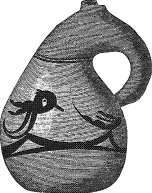
Fig. 517 (41364) (¼) Fig. 519 (41366) (⅓)
1615. (41366). Fig. 519. A water jar made in imitation of a common gourd cultivated by many of the Pueblo tribes. The body is ornamented on both sides with a curved line and birds, as seen in the figure. A small circular orifice is left at the base of the handle.
1616. (41367). As in Fig. 520.
1617. (41368). Shown in Fig. 522.
1618-1619. 1618, (41369), and 1619, (41370). Similar to the preceding.
1620. (41407). Regularly shaped jug with handle decorated with geometrical figures.
1621. (41433). Brown ware, regular jug with two handles.
1622. (41434). Similar to preceding, but without handles.
1623. (41469). Bottle shaped. Brown ware. Represented in Fig. 521.
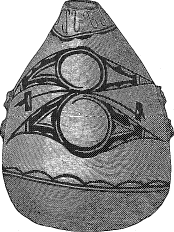
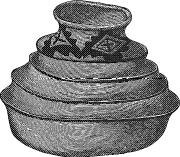
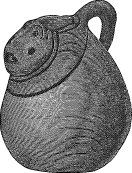
Fig. 520 (41367) (⅓) Fig. 521 (41469) (⅓) Fig. 522 (41368) (⅓)
The following are similar:
1624-1628. 1624, (41373); 1625, (41374); 1626, (41375); 1627, (41376); 1630, (41377).
1629. (41393). Brown ware, with single constriction, without handle.
1630. (41394). Similar.
CUPS.
Those obtained were chiefly very small. As will be seen, the ladle to a very large extent supplies with this people the place of the cup.
1631. (41409). Regular handled cup; white ware, with a broad band in which are white crescents.
1632. (41461). Shaped as preceding. White ware, all except a marginal uncolored band marked with cross or checkered lines.
1633. (41526). Small white ware, outside without decorations; scalloped marginal band inside; with handle.
1634. (41527). Sides straight; with handle, decorated on the outside with triangular figures so common on bowls.
1635. (41430). With similar decorations.
Toy cups. Usually brown ware without ornamentation:
1636. (41415). White ware with a band of scrolls.
1637-1641. 1637, (41417); 1638, (41426); 1639, (41427); 1640, (41428); 1641, (41429). These five are brown ware.
1642. (41435). A pretty pitcher-shaped vessel ornamented with interlaced or cross lines forming a regular net-work.
EATING-BOWLS.
The bowls vary in size, as do those from Zuñi, but as a general rule they are small, or of but medium size; quite a number of those obtained are very small. In form they are generally like those from Zuñi, but some are biscuit-shaped, as those from Tesuke; others are true basins; and a few are square, and perhaps should not be classed as bowls, though we have included them under that general term. The decorations on the larger ones of regular form are very similar to those seen on Zuñi bowls. The colors black and red or brown are usually lighter and brighter than on the Zuñi pottery:
1643. (41357). Regular Form. Decorations on the inner face only; marginal zigzag line, with diamond and scroll below.
1644. (41359). Outer and inner surface decorations as in Fig. 412.
1645. (41361). Decorations only a double-scalloped inner marginal band.
1646. (41400). Very small; a simple inner band.
1647. (41463). Small. This and the following small specimens are decorated on the inside with what appears to be intended for an Indian head, with a tuft of hair.
1648-1653. 1648, (41464); 1649, (41465); 1650, (41467); 1651, (41529); 1652, (41530); 1653, (41534).
1654-1657. 1654, (41538); 1655, (41539); 1656, (41589); 1657, (41565).
1658. (41466). No outer decorations; inner surface with the usual diamond and scroll figure.
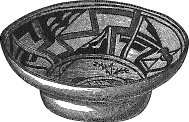
Fig. 523 (41540) (⅓)
1659-1660. 1659, (41528); 1660, (41531).
1661. (41540). Shown in Fig. 523.
1662-1663. 1662, (41541), and 1663, (41599), are marked only with a broad inner marginal band of geometrical figures.
1664. (41532). No outer decorations; inner with diamond and scroll and triangular figures.
The following have the outer surface decorated as in the Zuñi pattern, shown in Figs. 416 and 417. The inner decorations vary slightly.
With crenate or zigzag line on inner margin, and scroll diamond, or scrolls only:
1665-1671. 1665, (41544); 1666, (41547); 1667, (41562); 1668, (41568); 1669, (41576); 1670, (41590); 1671, (41577).
With similar marginal band and pentagonal scrolls and bird:
1672-1673. 1672, (41548), and 1673, (41549).
1674. (41550). With inner marginal band of geometrical figures; no other inner decorations.
1675. (41561). Broad marginal band only.
1676. (41574). Inside with crenate marginal band; geometrical figures below.
1677. (41584). Heavy, scalloped inner band with T-shaped spaces in the scallops. Scrolls below.
1678. (41581). Broad checkered inner band only.
1679. (41592). Similar checkered band with scroll figures below.
1680. (41596). With terraced marginal band, and terraced or pyramidal figures below.
1681. (41627). Marginal band of geometrical figures only.
1682. (41543). Biscuit-shaped. Outside with three rows or bands of large serratures.
1683. (41545). No outer decorations; inner crenate marginal line; scrolls and diamond below. The following are similar:
1684-1697. 1684, (41554); 1685, (41558), marginal band of lance points; 1686, (41564); 1687, (41567); 1688, (41569); 1689, (41573); 1690, (41575); 1691, (41578); 1692, (41579); 1693, (41582); 1694, (41585); 1695, (41588); 1696, (41591), this has also the triangular bird; 1697, (41623).
1698. (41551). No outer decorations; zigzag marginal line; flowers and lines below.
1699. (41552). This has a very pretty design on the outside, a band of diamonds, a little cross in each, and a dotted line above and below. The inner decorations of this and the following consist of a broad band only, of geometrical or architectural figures. Outer decorations various, which alone are mentioned.
1700-1701. 1700, (41553), bird in a wreath; 1701, (51555), lines of crescent.
1702-1703. 1702, (41556), and 1703, (41563). Same as the preceding.
1704. (41570). Similar to the preceding, with scroll band below.
1705. (41572). Triangular figures.
1706. (41597). Scalloped lines arranged in large diamonds, with a flower in the center of the diamond.
1707. (41626). Scrolls and crescents.
1708. (41628). Same as No. 1706.
1709. (41559). Checkered band and scrolls inside, band of crescents outside.
1710. (41566). Inner marginal band as in outer decorations found on Zuñi bowls.
1711. (41571). No outer decorations; inner geometrical figures but no band.
1712. (41593). Checkered band, and scrolls inside; broad marginal band with lower side scalloped.
1713. (41594). With no outer figures; radiating simple and serrate lines inside.
1714. (41595). No outer decorations; scalloped or crenate band, and geometrical figures on inner surface.
1715. (41600). No outer decorations; birds and flowers or rosettes.
1716. (41625). No outer decorations; inside with successive scallops, and the conventional bird form between squares, one above the other.
1717-1718. 1717, (41560), and 1718, (41624). Brown ware without ornamentation.
Minute bowls, usually without decoration, but sometimes figured, especially on the outside, with simple outline figures.
1719-1727. 1719, (41418); 1720, (41419); 1721, (41421); 1722, (41422); 1723, (41423); 1724, (41424); 1725, (41457); 1726, (41458); 1727, (41459), with short handle; the decoration in this is true herring-bone pattern.
1728. (41460). Square basins. These are comparatively small and resemble in shape a common knife-basket or tray, but without handle or division.
1729. (41533). Outside with figures of birds, flowers and diamonds.
1730. (41535). Outer band with scrolls along the under edge or margin; diamond with scroll on inside.
1731. (41537). Inside similar to No. 1730; outside usual triangular figures.
1732. (41536). Outside similar, inside with four faces in outline.
1733. (41542). Plain brown.
1734. (41546). Outside the usual triangular figures; inside bird figures and slender leaf-stalks.
1735. (41557). Outside triangular figures; inside double scroll.
1736. (41586). Outside oblique, double serrate bands; inside broad marginal checkered band; bottom four faces.
COOKING VESSELS.
These are usually unadorned and of brown or black ware. The number obtained was not large, and they vary greatly in character. They are generally of medium size or small, and some which appear to be used as cooking vessels have a handle on the side and resemble pitchers and cups. Some have two handles and are shaped like an urn or olla; others appear to be true pots. The want of uniformity among this tribe in the use of vessels of this kind renders its difficult to class them according to use. I will, therefore, group them according to form. Except one or two of the little pots none of them are ornamented.
Pot-shaped vessels:
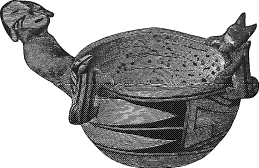
Fig. 524 (41385) (½)
1737-1739. 1737, (41360); 1738, (41379); 1739, (41385); two handles as in Fig. 524.
1740-1741. 1740, (41380), and 1741, (41405). Without handle, the latter possibly used as a drinking vessel.
1742-1746. 1742, (41381); 1743, (41382); 1744, (41383); 1745, (41384); 1746, (41386); each with a handle on one side; they resemble pitchers or cups.
TOY-LIKE VESSELS.
1747. (41416). Like a small water-vessel.
1748. (41442). Olla-shaped, with handles; decorated with a band of loops around the middle.
1749. (41451). Olla.
1750-1751. 1750, (41452), and 1751, (41453). Cylindrical jars without handles.
1752-1753. 1752, (41293), and 1753, (41294). Large black Cooking pots of the usual shape.
1754. (42367). Flat jar-shaped vessel, red ware, with regular ears on the sides with holes through them. Cooking vessel; new.
1755. (42369). Small globular red bowl, half burned.
1756. (42370). Part of a corrugated vessel. It is yellow, but partly burned; it looks fresh and new, but is really old, having been out of the ground of old ruins near Wolpi.
LADLES.
Of these vessels, which are extensively used by the Shinumos, there are various forms with an almost endless variation in decoration, being generally of ornamented white ware. Some of them bear a strong resemblance to the skillets used on cooking stoves, the handle being looped, but the bowl is more saucer-shaped. Others, as shown in Figs. 527 and 529, are evidently fashioned after gourds. Some are somewhat of the form shown in Figs. 439 and 440, but the handle is more distinct. Others are true cup-shaped vessels, with the handles projecting from the middle of the side. A few are double with a single handle.
Skillet-shaped vessels. Usually decorated in the bowl. As these figures are generally similar to those already described, special notice will be taken only of such forms as vary from the normal shape and figures.
1757-1758. 1757, (41396), and 1758, (41395). Gourd shaped; similar to those shown in Figs. 527 and 529.
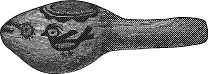
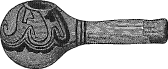
Fig. 527 (41396) (½) Fig. 529 (41395) (⅓)
1759-1760. 1759, (41378), and 1760, (41397). Outside covered with checkers.
1761. (41398). Outside covered with scrolls.
1762. (40408). Outside decorated with oblique serrate lines.
1763. (41411). Ladles with two bowls. Handle with the head of an animal, probably a wild-cat, at the tip; figures of birds in the bowls.
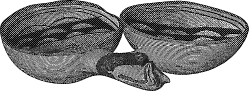
Fig. 528 (41412) (⅓)
1764. (41412). Shown in Fig. 528.
1765. (41413). Handle broken; bowls with only a scalloped marginal band.
1766-1767. 1706, (41470); 1767, (41476). Cup-shaped, with short handles; shaped like a small olla.
1768. (41477). Handle with animal head on the tip; outside covered with checkered figures.
1769. (41479). Handle as in the preceding; oblique, doubly serrate lines on outside of bowl.
1770-1772. 1770, (41480); 1771, (41481); 1772, (41482); face in the bowl of the last.
1773-1774. 1773, (41483), and 1774, (41484); the handle of the latter represents an animal’s head, with face turned toward the bowl.
1775-1777. 1775, (41388); 1776, (41389); 1777, (41425). The handle of this represents, in shape, the head of a woman and child, and the bowl contains the figures of two faces.
1778-1783. 1778, (41462); 1779, (41471); 1780, (41472); 1781, (41473); 1782, (41474); 1783, (41475). The last of these has a minute head of a woman on the end of the handle, which is solid.
1784-1785. 1784, (41485), and 1785, (41486). Bowls elaborately ornamented with geometrical figures and a circle of serratures, in which is a figure resembling a duck with spread wings seen from above.
1786-1788. 1786, (41487); 1787, (41488); 1788, (41489); the last with a woman’s head on the tip of the solid handle.
1789-1793. 1789, (41498); 1790, (41499); 1791, (41508); 1792, (41514); 1793, (41490). The last of these as also the following seven pieces have bent, gourd-like handles, slightly curved or hooked at the end, solid and somewhat rounded.
1794-1800. 1794, (41491); 1795, (41492); 1796, (41493); 1797, (41494); 1798, (41496); 1799, (41497); 1800, (41500).
1801. (41495). Like No. 1788, as are also the following ten specimens:
1802-1811. 1802, (41502); 1803, (41504); 1804, (41505); 1805, (41507); 1806, (41515) 1807, (41518), Fig. 525; 1808, (41519); 1809, (41522); 1810, (41523); 1811, (41525).
1812. (41506). This is square; an unusual form.
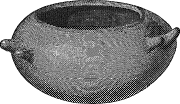
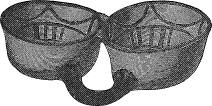
Fig. 525 (41518) (½) Fig. 526 (41410) (½)
1813-1822. 1813, (41509); 1814, (41510); 1815, (41511); 1816, (41512); 1817, (41513); 1818, (41516); 1819, (41517); 1820, (41520); 1821, (41521); 1822, (41503).
1823-1824. 1823, (41524), and 1824, (41501). Shaped somewhat like an oyster-shell.
1825. (41399). Water vessel in the shape of a bird, with tail and wings represented.
1826. (41406). Cup with bird’s head on one side, tail opposite, and slight projections to represent wings on the side. Brown ware.
1827. (41410). A double cup or ladle shown in Fig. 526.
1828. (41414). Like Fig. 531, ornamented with oblique scalloped stripes on outside; geometrical figures inside.
1829-1830. 1829, (41431), and 1830, (41432). Square salt-boxes; the former of white ware, with square figures on the outside; the latter brown, unornamented.
1831. (41436). Cup-shaped basket, brown ware; woman’s head on top of handle.
1832. (41437). Similar basket, white ornamented ware, handle plain.
1833. (41437). Similar small, brown, cup-shaped basket.
1834. (41478). Biscuit-shaped bowl, with ornamental diamonds on outside.
MISCELLANEOUS.
1835. (41371). Basket similar to those used by the Zuñians in sacred dances, with terraced margin, plain band inside, and comb-like figures outside.
1836. (41372). Similar basket, bottom flat, and sides straighter than the preceding, decorated on the outside with oblique double serrate stripes.
1837-1838. 1837, (41387), and 1838, (41392). Baskets with straight margins, both with geometrical figures on the outside. The latter is shown in Fig. 530.
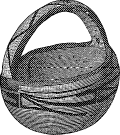
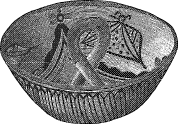
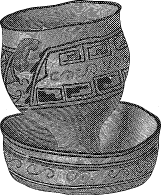
Fig. 530 (41392) (⅓) Fig. 531 (41391) (⅓) Fig. 532 (41390) (⅓)
1839. (41390). Fig. 532, water-vase with bowl-shaped base.
1840. (41391). Fig. 531 Basin with looped handle arising from the center of the inside; ornamented white ware.
STATUETTES.
The clay images or statuettes obtained from the Shinumo pueblos are not objects of worship as supposed by many persons, but appear to be used to adorn their dwellings just as similar articles are used by civilized races. This is evident from their form and ornamentation which rudely represent the ordinary clothing worn by these Indians, and in the female figures the usual mode of wearing the hair either in a bunch at the back of the head or in two wheel-shaped knots at the sides. In a few instances ear ornaments, made of pieces of shells or beads, are found attached to the ears.
I am not aware that these images are used in their dances or religious ceremonies. If they are objects of worship it must be in the family only, or a secret worship of which I obtained no information.
Images are introduced, however, in their dances and religious rites, but these are made of wood and highly ornamented, some of which were obtained and are hereafter described.
1841. (42026). Composed of the same clays of which the general pottery is made, with small lines of a brick-red color up and down the body; black lines over the shoulder and around the body, terminating so as to represent hands; small earlets, made of blue beads, suspended from the ears; face in white, with black spots to represent month and eyes; horn-shaped cap, extending obliquely back from the head. Represents a male figure.
1842. (42027). Same as above, except the head, which has a square bunch at its back, representing the one method of wearing the hair by the Shinumos. Male figure.
1843. (42028). Same as No. 1841, especially in regard to the horn-shaped protrusion from the back of the head.
1844. (42029). Plain flat image, probably intended to represent a female.
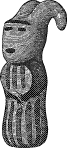
Fig. 533 (42030) (½)
1845. (42030). This image is quite characteristic of this class of objects. The cut shows all but the colors, which are the same as described above, the form only differing from No. 1841 in having two horns curving back from the head. Seen in Fig. 533.
1846. (42031). Differs only from the rest in having a small hat on the head.
1847. (42032). Female figure, but with a black band around under the chin, apparently representing whiskers; dark brown body.
1848. (42033). Female figure with wheel-shaped knot on each side of the head representing the manner of wearing the hair by the Shinumo women, the body of the figure cream colored, face red, eyes and mouth black; black necklace. Special parts of the body represented in red.
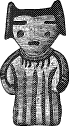
Fig. 534 (42035) (½)
1849. (42034). Male figure ornamented with red vertical lines.
1850. (42035). Fig. 534. The cut presents all the lines on the image as well as the form. The small wheels on each side of the head referred to under No. 1848 show the style of wearing the hair; the black markings shown on the cut are red on the figure. Female.
1851. (42036). Body red, marked with black and dark red lines; red and black spots on back of head to represent the hair.
1852-1853. 1852, (42037); 1853, (42038); dark red bodies with black and red lines.
1854-1856. 1854, (42039); 1855, (42040); 1856, (42041); similar to the preceding; the last with the wheel-shaped knots representing the hair.
VEGETAL SUBSTANCES.
BASKETRY.
The following specimens are examples of the tray-like baskets made from round willows:
1857. (42085). Fig. 535 shows the mode of its construction.
1858-1871. 1858, (42076); 1859, (42077); 1860, (42078); 1861, (42079); 1862, (42080); 1863, (42081); 1864, (42082); 1865, (42083); 1866, (42084); 1867, (42086); 1868, (42087); 1869, (42088); 1870, (42089); 1871, (42090).
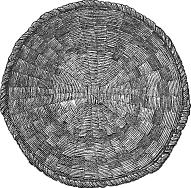
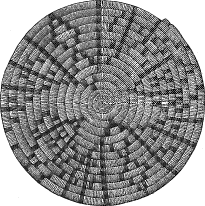
Fig. 535 (42085) (¼) Fig. 536 (42058) (⅕)
The following numbers refer to specimens of the spiral or coiled basketry, all the features of which are shown in Fig. 536, except the color decoration:
1872-1907. 1872, (42058); 1873, (42051); 1874, (42052); 1875, (42053); 1876, (42054); 1877, (42055); 1878, (42056); 1879, (42057); 1880, (42059); 1881, (42060); 1882, (42061); 1883, (42062); 1884, (42063); 1885, (42064); 1886, (42065); 1887, (42066); 1888, (42067); 1889, (42068); 1890, (42069); 1891, (42070); 1892, (42071); 1893, (42072); 1894, (42090); 1895, (42073); 1896, (42074); 1897, (42075); 1898, (42091); 1899, (42092); 1900, (42093); 1901, (42094); 1902, (42095); 1903, (42096); 1904, (42097); 1905, (42098); 1906, (42099); 1907, (42100).
The following are canteen or water baskets, previously described, as to method of making and using them:
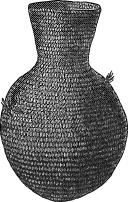
Fig. 537 (42105) (¼)
1908-1912. 1908, (42101); 1909, (42102); 1910, (42103); 1911, (42104); 1912, (42105); are vase-shaped baskets, of which Fig. 537 is a representative example.
The following are specimens of the same ware, differing only in form and size:
1913-1920. 1913, (42106); 1914, (42107); 1915, (42108); 1916, (42109); 1917, (42110); 1918, (42111); 1919, (42112); 1920, (42113).
1921-1925. 1921, (42114); 1922, (42115); 1923, (42116); 1924, (42117); 1925, (42118), are only noticeable on account of their peculiar form. They are almost top-shaped, with an acute apex at the bottom. The mouth is small, like that of a jug. In one instance (42114) the body slopes from top and bottom to the center, almost forming a ridge. Very few of this form were obtained.
1926. (42119). A double-lobed canteen basket. Many of the clay water-vessels in the collection are made in imitation of this double-lobed basket.
1927-1931. 1927, (42120); 1928, (42121); 1929, (42122); 1930, (42123); 1931, (42124). Ordinary forms of the water-basket.
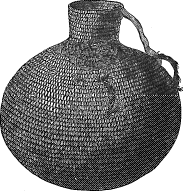
Fig. 538 (42149) (¼)
1932. (42125). A fine, large, and quite perfect specimen, of the jug or water-basket, with ears of horse-hair and string attached for use. Quite a number of the ancient water-jars are of this form, and both bear evidence of antiquity.
1933. (42149). Fig. 538 is a good illustration of this form.
1934-1937. 1934, (42146); 1935, (42147); 1936, (42148); 1937, (42150), are of the same class of cemented basket-ware. The small fruit-baskets, made of round willows and with much less care, are also of many forms. Some are square, others round, and some with a peculiar flattened body; of the latter there are but few in the collection. They belong to the older class of basketry.
The following specimens belong to that class:
1938-1941. 1938, (42126); 1939, (42127); 1940, (42128); 1941, (42129).
1942. (42130). A specimen of a much finer quality than the preceding. It is long and vase-shaped, with a wide mouth and flaring rim, and woven up from the bottom in oblique ridges.
1943. (42131). A coarsely constructed bowl-shaped basket, of which type the following are also specimens:
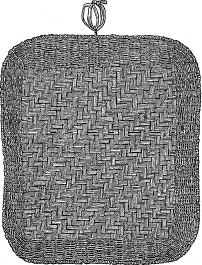
Fig. 540 (42145) (⅛)
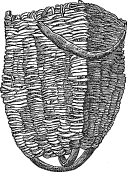
Fig. 539 (42153) (⅓)
1944-1951. 1944, (42132); 1945, (42133); 1946, (42134); 1947, (42135); 1948, (42136); 1949, (42137); 1950, (42138); 1951, (42139).
1952. (42140). Specimen of the older basketry, with large depressed body, flat bottom, and jar-like mouth.
1953-1956. 1953, (42141); 1954, (42142); 1955, (42143); 1956, (42144), are also different forms of the peach-basket.
1957. (42145). Fig. 540. A large floor or hearth mat frequently found in use among the Pueblos. The specimen in the collection exhibits some skill and taste in weaving it. The material of which it is made is a small round willow.
1958. (42151). A large deep basket, constructed by weaving coarse willow twigs around four upright posts or large sticks. It has a capacity of about two bushels.
1959. (42152). This is a small square basket of the same character.
1960. (42153). A specimen of this ware. It is shown in Fig. 539, exhibits a coarse, loose manner of construction. These are used as fruit-baskets.
1961-1962. 1961, (42154), and 1962, (42155). These are examples of the same kind.
1963. (42156). This specimen represents the finest quality of baskets in the collection. They are all more or less tastefully ornamented during the process of plaiting them. They are skillfully and closely woven, and are used for holding the finest of their flour and meal. These are undoubtedly of Apache manufacture. Fig. 541.
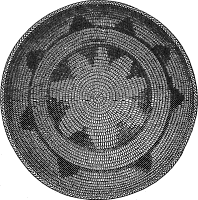
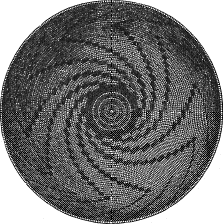
Fig. 541 (42157) (⅕) Fig. 542 (42160) (⅕)
1964. (42157). Has been selected as an illustration of this class of baskets, of which the following are examples, differing but little in form:
1965-1971. 1965, (42158); 1966, (42159); 1967, (42160), Fig. 542; 1968, (42162); 1969, (42163); 1970, (42164); 1971, (42165). The two last are almost flat; the rest saucer or bowl shaped and quite deep.
1972. (42166). Basket of coarse willow ware; platter-shaped.
1973. (42167). Conical-shaped basket of closely woven variety.
1974. (42168). Hemispherical-shaped basket of the same class; small.
1975. (42169). Cylindrical basket; small.
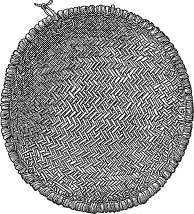
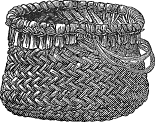
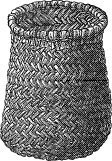
Fig. 543 (42183) (⅙) Fig. 544 (42199) (¼) Fig. 545 (42171) (⅓)
1976-1981. 1976, (42170); 1977, (42171); 1978, (42172); 1979, (42173); 1980, (42174); 1981, (42175). Small cylindrical-shaped peach-baskets made of flat yucca leaves. Fig. 545 is an illustration of that class.
1982-1987. 1982, (42195); 1983, (42196); 1984, (42197); 1985, (42198); 1986, (42199), Fig. 544; 1987, (42200). Examples of the same class.
The following baskets are made from the broad leaves of the yucca, woven or plaited crosswise in a very simple manner, and wrapped at the rims with leaves of the same plant. The texture of the weaving is quite coarse, not sufficiently close to hold any material smaller than corn or fruit:
1988-2006. 1988, (42176); 1989, (42177); 1990, (42178); 1991, (42179); 1992, (42180); 1993, (42181); 1994, (42182); 1995, (42183); 1996, (42184); 1997, (42185); 1998, (42186); 1999, (42187); 2000, (42188); 2001, (42189); 2002, (42190); 2003, (42191); 2004, (42192); 2005, (42193); 2006, (42194), are all specimens of this class well shown in Fig. 543.
DOMESTIC IMPLEMENTS, TOYS, ETC.
2007. (41706). A Shinumo blanket loom, with a blanket partly completed, with all the fixtures and implements employed in the art of blanket weaving. This art, however, attains its highest degree amongst the Navajos.
2008-2009. 2008, (41707), and 2009, (41708), are looms exhibiting different modes of weaving.


Fig. 546 (41683) (1/10) Fig. 547 (41676) (1/7)
2010. (41709). A loom with a partly finished garment.
2011. (41683). Fig. 546. Blanket-stick for tightening strands of blankets during the process of weaving. After the thread is passed through from one side to the other this stick is placed over the thread and then firmly beaten down. The following numbers are implements of the same kind. They are called soo-qua.
2012-2020. 2012, (41684); 2013, (41685); 2014, (41686); 2015, (41687); 2016, (41688); 2017, (41689); 2018, (41690); 2019, (41691); 2020, (41692).
2021. (41888). Blanket stretcher, tu-he-que-hey.
2022. (41166). Reed frames, used in weaving belts and garters, called quey-hu-wuk-ta.
The following are objects of the same kind:
2023-2027. 2023, (41667); 2024, (41668a); 2025, (41668b); 2026, (41669); 2027, (41670). Implement to show the process of making belts.
2028. (42372). Small notched stick used in weaving belts.
2029-2030. 2029, (41998), and 2030, (41999). Short pointed sticks for stretching and drying skins.
2031. (41676). Spindle whorl, pa-tu-he-kah. This is a common object of use amongst all the Pueblos. Fig. 547 is an illustration of one of these implements, showing the shaft with spun yarn below the disk. As previously mentioned, this spindle whorl is almost identical with the drill used for perforating stone and shell charms and ornaments. The addition of a cross stick and strings, with the flint tip, are only necessary to convert it into a drill. In both the drills and whorls the disks are made of horn, stone, bone, and wood. For the drill see Fig. 494.
2032-2037. 2032, (41677); 2033, (41678); 2034, (41679); 2035, (41680); 2036, (41681); 2037, (41682). All spindle whorls.
2038. (41658). Bow and three arrow-shafts.
2039. (41659). Bow.
2040. (41660). Bundle of four arrow-shafts.
2041-2044. 2041, (41661); 2042, (41662); 2043, (41663); 2044, (41664), are bundles of thirty-five arrow-shafts.
2045. (41651). Bow and six iron-pointed arrows.
2046. (41652), (41653). Bows.
2047. (41654). Bow and quiver.
2048. (41655). Quiver and twenty-six iron-pointed arrows.
2049. (41656). Child’s bow and two arrows.
2050. (41720). Boy’s bow with two arrows.
2051. (41976), Fig. 548. Stick used for hunting rabbits; it is in the form of a boomerang.
2052-2055. 2052, (41977); 2053, (41978); 2054, (41979), Fig. 549; 2055, (41980). Same objects as the last. In the Zuñi tongue this stick is called kle-ān-ne, and in Shinumo pu-wich-he-cu-he.
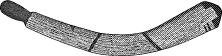
Fig. 548 (41976) (⅕)

Fig. 549 (41979) (⅕)
2056. (41924). Saddle-tree.
2057. (41925). Stirrups, pu-tut-hum-pee.
2058. (41119). Sinch hooks, cu-rah-bat-tow.
2059. (42000). Wooden hoe, made in imitation of European hoe.
2060. (41693). Wooden forceps, wat-cha.
2061. (41909). Pronged stick for rake, called ta-wish-wy-lah. See Fig. 550.

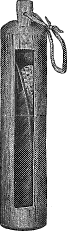
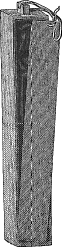
Fig. 550 (41909) (1/10) Fig. 552 (41866) (⅕) Fig. 554 (41865) (⅕)
2062-2063. 2062, (41916), and 2063, (41917). Small yoke-shaped implements for drying the skins of small animals by stretching the skin over them.
2064. (41863). Wooden treasure-box, of which the following numbers refer to specimens, and which are well shown in Figs. 552 and 554:
2065-2069. 2065, (41864); 2066, (41865); 2067, (41866); 2068, (41867); 2069, (41868).
2070. (41985). Baby cradle, with hoops over the head for net work; made of slats, mu-hu-tah.
2071. (41986). Baby cradle made of willow work.
2072. (41987). Cradle without top.
2073. (41988). Toy cradle, of basket work.
2074. (41989). Toy cradle of boards.
2075. (41710). Toy whirligig, made of a disk with two holes through which strings are passed.
2076. (41711). Specimen of Indian corn.
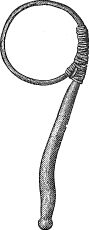
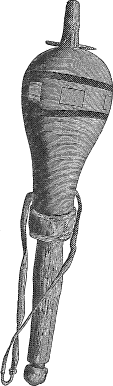
Fig. 551 (41178) (⅕) Fig. 553 (41191) (⅙)
2077-2078. 2077, (41715), and 2078, (41716).
2079. (41694). Paint toy, of wood, tat-chi.
2080. (41695). Bird snares, made of small sticks like the ramrod of a gun, arranged with horse hairs, wa-wa-shi.
2081. (42371). Bunch of very small reed-like grass, called nen-a-wash-pi or rain broom.
2082-2083. 2082, (41889), and 2083, (41890). Whirling sticks.
2084-2886. 2084, (41177); 2085, (41178); 2086, (41179). Specimens of a peculiar drum-stick in general use by the Shinumo, Zuñi, and other Pueblo Indians. It is made from a stick, one end of which is shaved off sufficiently to admit of bending the end thus shaved round in the form of a hoop, and then tightly securing it. The hoop portion is used in beating the drum. Fig. 551 is an illustration of one of these drum-sticks.
2087. (41180). Calabash, or gourd, for holding food or water.
2088-2090. 2088, (41181); 2089, (41182); 2090, (41183). Ordinary forms of the same vessel.
2091. (41191). Gourd, perforated, with a staff through the center, painted in many colors; held on a pole in dances. See Fig. 553.
ORNAMENTAL OBJECTS.


Fig. 555 (41931) (⅙) Fig. 557 (41932) (⅕)
2092. (41926). Is a flat piece of wood about twenty inches long and five in width, with a notched handle at the lower end. Two bunches of feathers are attached to each edge of it, and a bunch at the top. The form of the ornamentations is shown in Fig. 556; the colors employed in these ornamentations are brilliant red, yellow, blue, and black. The entire design is intended to represent the body of a human being. These objects are carried in the hand in their dances.
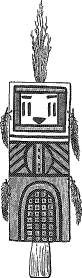
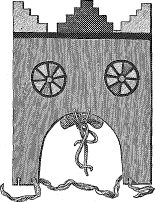
Fig. 556 (41926) (⅙) Fig. 558 (41940) (⅕)
2093-2097. 2093, (41927); 2094, (41928); 2095, (41929); 2096, (41930); 2097, (41931). These are other examples which are well represented in Fig. 555.
2098-2100. 2098, (41932), Fig. 557; 2099, (41933); and 2100, (41934), are sticks, carried in the main dance. They represent lightning.
2101-2102. 2101, (41935), and 2102, (41936). Small notched sticks, ornamented with blades of grass and wild-turkey feathers; carried in the dance.
2103-2106. 2103, (41937); 2104, (41938); 2105, (41939); 2006, (41940). Wooden objects highly colored with various devices depicted on them. These are worn on the head in dances. Mowers are represented on some; on others, the human face, &c. Fig. 558, an illustration made from one of them.
2107-2108. 2107, (41941), and 2108, (41942). Small frames, over which canvas is stretched, to the edges of which are attached various small ornaments; used in dances.
2109. (41943). Small hoop with canvas stretched over it, on which are painted five small objects like stars, used in dances.
2110. (41944). Leather dance-mask, painted.
2111. (41945). Dance-mask.
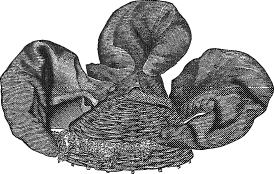
Fig. 559 (41949) (⅙)
2112. (41946). Pair of split horns worn in dances.
2113. (41947). Head-dress made in the form of scallops.
2114. (41948). Head-dress of painted sheep-horns.
2115. (41949). Head-dress crown made of basket-ware, to which are attached three projections intended for horns, Fig. 559.
2116. (41950). Corn-husk ornament for the dance.
2117-2118. 2117, (41671), and 2118, (41972). Wooden objects made in imitation of a sun-flower, with zigzag or snake-like sticks attached to them, which are used as ornaments in the corn dance, called pah-wah.
2119-2120. 2119, (41673), and 2120, (41674). Shuttle-cocks, made by inserting the ends of two hawk-feathers in a small block. They are carried in dances.

Fig. 561 (41982) (⅙)
2121. (42042). Dance-rattle made from a small gourd, embellished in colors of black, red, and white. The gourd is perforated at each side, through which a stick is passed for a handle, cross S’s on each side. See Fig. 562.
2122. (41982). Notched stick, with shoulder blade of sheep or deer, for musical instrument. See Fig. 561.
2123-2124. 2123, (41983), and 2124, (41984). Notched sticks without the bone.
2125. (41701). Dance ornaments, called tau-ah-qu-la, made by attaching semi-circular sticks or hoops to a small pole; ornamented with colors.
2126-2129. 2126, (41702); 2127, (41703); 2128, (41704); 2129, (41705), are ornaments of the same character as the preceding.
2130. (41857). Painted gourd-rattle for dances, of which the following numbers are specimens variously ornamented:
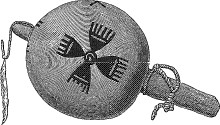
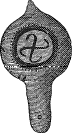
Fig. 560 (41862) (⅓) Fig. 562 (42042) (½)
2131-2135. 2131, (41858); 2132, (41859); 2133, (41860); 2134, (41861); 2135, (41862), of which the illustration of the latter is an example. See Fig. 560.
2136. (41883). Flat wooden block, painted, for head ornament.
2137. (41884). Cylindrical blocks, with a cup-shaped cavity in one end, used as gaming blocks.
2138-2139. 2138, (41885), and 2139, (41886), are specimens of this block called sosh-he-wey.
2140. (41887). Spherical grooved block, painted to represent a melon, used in the melon dance.
2141. (41918). Wooden top, ree-am-pee.
2142. (41920). Wooden balls, probably to represent eyes.
2143. (41921). Ball attached to the end of a painted stick, the use of which is not known; probably used in connection with dancing ceremonies.
2144. (41900). Small implement of wood used as a dance ornament.
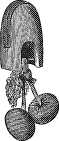
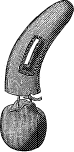
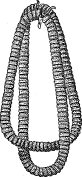
Fig. 563 (41752) (¼) Fig. 564 (41877) (¼) Fig. 565 (41922) (¼))
2145. (41752). Wooden ornament for the head, worn in dancing ceremonies. Two little leather balls are attached to the dotted end; shown in Fig. 563.
2146. (41754). Two small wooden balls with black ends and a white band around the middle; a dance ornament.
2147. (41756). Ornaments for the wrist; made of wooden rings.
2148. (41753). A similar object, painted in various bright colors.
2149-2150. 2149, (41881), and 2150, (41882), are slatted wooden cylinders with conical blocks attached to them. Ornaments for dancing ceremonies.
2151. (41876). Wooden ball attached to slatted gourd-neck, used as an ornament in the dance.
2152. (41877). See Fig. 564.
2153-2154. 2153, (41878), and 2154, (41879). Specimens varying from the preceding only in colors.