GEMS FROM MOORE’S IRISH MELODIES.
Reading edition
NO. II.—THE LAST ROSE OF SUMMER.
[SEE ENGRAVING.]
The simple, yet exquisitely touching air to which Moore wrote the words of this song, is now one of the most familiar that we hear. Yet, familiar as it is, it never falls upon the sense without awakening in the heart the most tender, and even sad emotions. The song itself is in fine keeping with the melody.
’Tis the last rose of summer,
Left blooming alone;
All her lovely companions
Are faded and gone:
No flower of her kindred,
No rose-bud is nigh,
To reflect back her blushes,
Or give sigh for sigh.
I’ll not leave thee, thou lone one!
To pine on the stem;
Since the lovely are sleeping,
Go, sleep thou with them.
Thus kindly I scatter
Thy leaves o’er the bed,
Where thy mates of the garden
Lie scentless and dead.
So, soon may I follow,
When friendships decay,
And from Love’s shining circle
The gems drop away;
When true hearts lie withered,
And fond ones are flown,
Oh! who would inhabit
This bleak world alone?
Although in private fashionable circles, like the “Meeting of the Waters,” this song is rarely heard yet now and then the air, or the words and the air united, break unexpectedly upon us in public, and the effect is almost electric. Well do we remember, on the first appearance of Herz, the effect produced on a crowded assembly, combining nearly all the musical taste and talent of our city, when, after a rapturous encore, he let his fingers fall with the exquisite grace that marked his playing on the keys of the piano, and “The Last Rose of Summer” trembled upon the hushed air. Literally, a pin might have been heard falling upon the floor. There was not a heart there that did not respond to the melody as an outburst of true emotion. The same effect was produced, not long since, when this air came thrilling over a large audience in the Musical Fund Hall, from the violincello of Knoop, and, soon after, from the warbling throat of Madame Bishop. Not to the players nor singer was this effect wholly to be ascribed. The power lay in the melody itself, to which they gave a full expression.
So long as there is an ear that can appreciate nature’s own music, and a heart to be touched by genuine emotion, “The Last Rose of Summer” will continue to be a favorite.
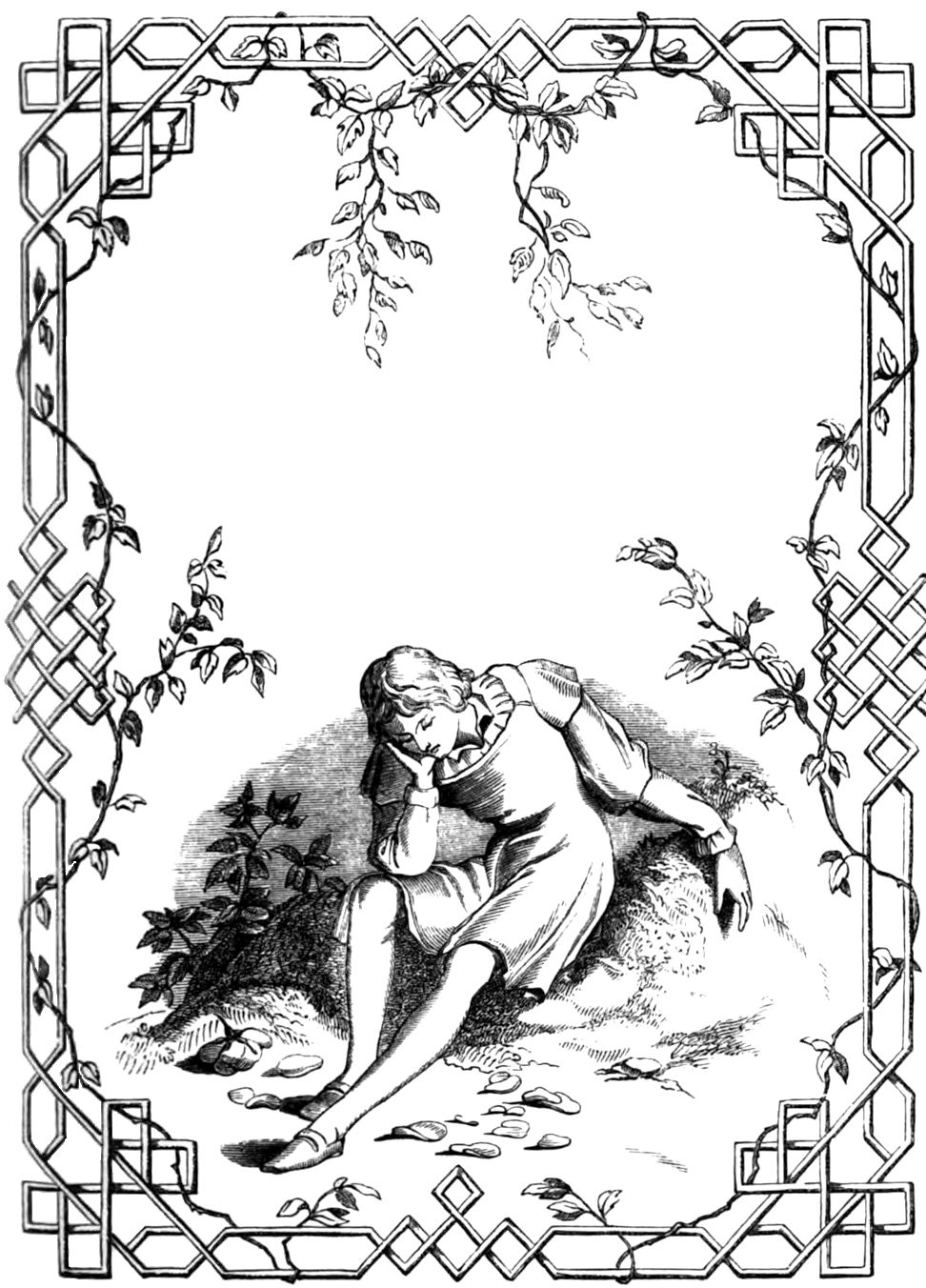
THE LAST ROSE OF SUMMER.