The 2. Booke. (continued 5)
Reading edition
[187] Concerning Mr. Allerton's accounts, they were so larg and intrecate, as they could not well understand them, much less examine & correcte them, without a great deale of time & help, and his owne presence, which was now hard to gett amongst them; and it was 2. or 3. years before they could bring them to any good pass, but never make them perfecte. I know not how it came to pass, or what misterie was in it, for he tooke upon him to make up all accounts till this time, though Mr. Sherley was their agente to buy & sell their goods, and did more then he therin; yet he past in accounts in a maner for all disbursments, both concerning goods bought, which he never saw, but were done when he was hear in ye cuntrie or at sea; and all ye expences of ye Leyden people, done by others in his absence; the charges aboute ye patente, &c. In all which he made them debtore to him above 300li. and demanded paimente of it. But when things came to scaning, he was found above 2000li. debtore to them, (this wherin Mr. Hatherley & he being joyntly ingaged, which he only had, being included,) besids I know not how much yt could never be cleared; and interest moneys which ate them up, which he never accounted. Also they were faine to alow such large bills of charges as were intolerable; the charges of ye patent came to above 500li. and yet nothing done in it but what was done at first without any confirmation; 30li. given at a clape, and 50li. spent in a journey. No marvell therfore if Mr. Sherley said in his leter, if their bussines had been better managed, they might have been ye richest plantation of any English at yt time. Yea, he scrued up his poore old father in law's accounte to above 200li. and brought it on ye generall accounte, and to befreind him made most of it to arise out of those goods taken up by him at Bristoll, at 50. per cent., because he knew they would never let it lye on ye old man, when, alass! he, poore man, never dreamte of any such thing, nor yt what he had could arise nere yt valew; but thought that many of them had been freely bestowed on him & his children by Mr. Allerton. Nither in truth did they come nere yt valew in worth, but yt sume was blowne up by interest & high prises, which ye company did for ye most parte bear, (he deserving farr more,) being most sory that he should have a name to have much, when he had in effecte litle.
This year also Mr. Sherley sent over an accounte, which was in a maner but a cash accounte what Mr. Allerton had had of them, and disbursed, for which he referd to his accounts; besids an account of beaver sould, which Mr. Winslow & some others had carried over, and a large supply of goods which Mr. Winslow had sent & brought over, all which was comprised in that accounte, and all ye disbursments aboute ye Freindship, & Whit-Angell, and what concerned their accounts from first to last; or any thing else he could charg ye partners with. So they were made debtor in ye foote of that accounte 4770li 19. 2.[DB] besids 1000li. still due for ye purchase yet unpayed; notwithstanding all ye beaver, and returnes that both Ashley & they had made, which were not small.
[188] In these accounts of Mr. Sherley's some things were obscure, and some things twise charged, as a 100. of Bastable ruggs which came in ye Freindship, & cost 75li., charged before by Mr. Allerton, and now by him againe, with other perticulers of like nature doubtfull, to be twise or thrise charged; as also a sume of 600li. which Mr. Allerton deneyed, and they could never understand for what it was. They sent a note of these & such like things afterward to Mr. Sherley by Mr. Winslow; but (I know not how it came to pass) could never have them explained.
Into these deepe sumes had Mr. Allerton rune them in tow years, for in ye later end of ye year 1628. all their debts did not amounte to much above 400li., as was then noted; and now come to so many thousands. And wheras in ye year 1629. Mr. Sherley & Mr. Hatherley being at Bristoll, and write a large letter from thence, in which they had given an account of ye debts, and what sumes were then disbursed, Mr. Allerton never left begging & intreating of them till they had put it out. So they bloted out 2. lines in yt leter in which ye sumes were contained, and write upon it so as not a word could be perceived; as since by them was confessed, and by ye leters may be seene. And thus were they kept hoodwinckte, till now they were so deeply ingaged. And wheras Mr. Sherley did so ernestly press yt Mr. Allerton might be sent over to finish ye great bussines aboute ye patente, as may be seen in his leter write 1629. as is before recorded, and yt they should be ernest wth his wife to suffer him to goe, &c., he hath since confessed by a letter under my hands, that it was Mr. Allerton's owne doings, and not his, and he made him write his words, & not his owne. The patent was but a pretence, and not ye thing. Thus were they abused in their simplicitie, and no beter then bought & sould, as it may seeme.
And to mend ye matter, Mr. Allerton doth in a sorte wholy now deserte them; having brought them into ye briers, he leaves them to gett out as they can. But God crost him mightily, for he having hired ye ship of Mr. Sherly at 30li., a month, he set forth againe with a most wicked and drunken crue, and for covetousnes sake did so over lade her, not only filling her hould, but so stufed her betweene decks, as she was walte, and could not bear sayle, and they had like to have been cast away at sea, and were forced to put for Millford Havene, and new-stow her, & put some of ther ordnance & more heavie goods in ye botome; which lost them time, and made them come late into ye countrie, lose ther season, and made a worse viage then ye year before. But being come into ye countrie, he sells trading comodities to any yt will buy, to ye great prejudice of ye plantation here; but that which is worse, what he could not sell, he trustes; and sets up a company of base felows and maks them traders, to rune into every hole, & into ye river of Kenebeck, to gleane away ye trade from ye house ther, aboute ye patente & priviledge wherof he had dasht away so much money of theirs here; [189] and now what in him lay went aboute to take away ye benefite therof, and to overthrow them. Yea, not only this, but he furnishes a company, and joyns with some consorts, (being now deprived of Ashley at Penobscote,) and sets up a trading house beyoned Penobscote, to cute of ye trade from thence also. But ye French perceiving that that would be greatly to their damage allso, they came in their begining before they were well setled, and displanted them, slue 2. of their men, and tooke all their goods to a good valew, ye loss being most, if not all, Mr. Allerton's; for though some of them should have been his partners, yet he trusted them for their partes; the rest of ye men were sent into France, and this was the end of yt projecte. The rest of those he trusted, being lose and drunken fellows, did for ye most parte but coussen & cheate him of all they got into their hands; that howsoever he did his friends some hurte hereby for ye presente, yet he gate litle good, but wente by ye loss by Gods just hand. After in time, when he came to Plim̅oth, ye church caled him to accounte for these, and other his grosse miscarrages; he confessed his faulte, and promised better walking, and that he would wind him selfe out of these courses as soone as he could, &c.
This year also Mr. Sherley would needs send them over a new-acountante; he had made mention of such a thing ye year before, but they write him word, that their charge was great allready, and they neede not increase it, as this would; but if they were well delte with, and had their goods well sent over, they could keep their accounts hear them selves. Yet he now sente one, which they did not refuse, being a yonger brother of Mr. Winslows, whom they had been at charge to instructe at London before he came. He came over in the White Angell with Mr. Allerton, and ther begane his first imploymente; for though Mr. Sherley had so farr befreinded Mr. Allerton, as to cause[DC] Mr. Winslow to ship ye supply sente to ye partners here in this ship, and give him 4li. p̲er tune, wheras others carried for 3. and he made them pay their fraight ready downe, before ye ship wente out of ye harbore, wheras others payed upon certificate of ye goods being delivered, and their fraight came to upward of 6. score pounds, yet they had much adoe to have their goods delivered, for some of them were chainged, as bread & pease; they were forced to take worse for better, neither could they ever gett all. And if Josias Winslow had not been ther, it had been worse; for he had ye invoyce, and order to send them to ye trading houses.
This year their house at Penobscott was robed by ye French, and all their goods of any worth they carried away, to ye value of 400. or 500li. as ye cost first peny worth; in beaver 300li. waight; and ye rest in trading goods, as coats, ruggs, blankett, biskett, &c. It was in this maner. The mr. of ye house, and parte of ye company with him, were come with their vessell to ye westward to fecth a supply of goods which was brought over for them. In ye mean time comes a smale French ship into ye harbore (and amongst ye company was a false Scott); they pretended they were nuly come from ye sea, and knew not wher they were, and that their vesell was very leake, and desired they might hale her a shore and stop their leaks. And many French complements they used, and congees they made; and in ye ende, seeing but 3. or 4. simple men, yt were servants, and by this Scoth-man understanding that ye maister & ye rest of ye company were gone from home, they fell of comending their gunes and muskets, that lay upon racks by ye wall side, and tooke them downe to looke on them, asking if they were charged. And when they were possesst of them, one presents a peece ready charged against ye servants, and another a pistoll; and bid them not sturr, but quietly deliver them their goods, and carries some of ye men aborde, & made ye other help to carry away ye goods. And when they had tooke what they pleased, they sett them at liberty, and wente their way, with this mocke, biding them tell their mr. when he came, that some of ye Ile of Rey gentlemen had been ther.[DD]
[DE] This year, on Sr Christopher Gardener, being, as him selfe said, descended of yt house yt the Bishop of Winchester came of (who was so great a persecutor of Gods saincts in Queene Maries days), and being a great traveler, received his first honour of knighthood at Jerusalem, being made Knight of ye Sepulcher ther. He came into these parts under pretence of forsaking ye world, and to live a private life, in a godly course, not unwilling to put him selfe upon any meane imployments, and take any paines for his living; and some time offered him selfe to joyne to ye churchs in sundry places. He brought over with him a servante or 2. and a comly yonge woman, whom be caled his cousin, but it was suspected, she (after ye Italian maner) was his concubine. Living at ye Massachusets, for some miscariages which he should have answered, he fled away from authority, and gott amonge ye Indeans of these parts; they sent after him, but could not gett him, and promissed some reward to those yt should find him. The Indeans came to ye Govr here, and tould wher he was, and asked if they might kill him; he tould them no, by no means, but if they could take him and bring him hither, they should be payed for their paines. They said he had a gune & a rapier, & he would kill them if yey went aboute it; and ye Massachuset Indeans said they might kille him. But ye Govr tould them no, they should not kill him, but watch their opportunitie, & take him. And so they did, for when they light of him by a river side, he got into a canowe to get from them, & when they came nere him, whilst he presented his peece at them to keep them of, the streame carried ye canow against a rock, and tumbled both him & his peece & rapier into ye water; yet he got out, and having a litle dagger by his side, they durst not close with him, but getting longe pols they soone beat his dagger out of his hand, so he was glad to yeeld; and they brought him to ye Govr. But his hands and armes were swolen & very sore with ye blowes they had given him. So he used him kindly, & sent him to a lodging wher his armes were bathed and anoynted, and he was quickly well againe, and blamed ye Indeans for beating him so much. They said that they did but a litle whip him with sticks. In his lodging, those yt made his bed found a litle note booke that by accidente had slipt out of his pockett, or some private place, in which was a memoriall what day he was reconciled to ye pope & church of Rome, and in what universitie he tooke his scapula, and such & such degrees. It being brought to ye Govr, he kept it, and sent ye Govr of ye Massachusets word of his taking, who sent for him. So ye Govr sent him and these notes to ye Govr ther, who tooke it very thankfuly; but after he gott for England, he shewed his malice, but God prevented him.
See ye Govr leter on ye other side.[DF]
Sr: It hath pleased God to bring Sr. Christopher Gardener safe to us, with thos that came with him. And howsoever I never intended any hard measure to him, but to respecte and use him according to his qualitie, yet I let him know your care of him, and yt he shall speed ye better for your mediation. It was a spetiall providence of God to bring those notes of his to our hands; I desire yt you will please to speake to all yt are privie to them, not to discovere them to any one, for yt may frustrate ye means of any further use to be made of them. The good Lord our God who hath allways ordered things for ye good of his poore churches here, directe us in this arighte, and dispose it to a good issue. I am sorie we put you to so much trouble about this gentleman, espetialy at this time of great imploymente, but I know not how to avoyed it. I must againe intreate you, to let me know what charge & troble any of your people have been at aboute him, yt it may be recompenced. So with the true affection of a frind, desiring all happines to your selfe & yours, and to all my worthy friends with you (whom I love in ye Lord), I comende you to his grace & good providence, & rest
Your most assured friend,
John Winthrop.
Boston, May 5. 1631.
By occation wherof I will take a litle libertie to declare what fell out by this mans means & malice, complying with others. And though I doubt not but it will be more fully done by my honourd friends, whom it did more directly concerne, and have more perticuler knowledg of ye matter, yet I will here give a hinte of ye same, and Gods providence in preventing ye hurte that might have come by ye same. The intelligence I had by a letter from my much hond and beloved friend, Mr. John Winthrop, Govr of ye Massachusets.
Sr: Upon a petition exhibited by Sr. Christo: Gardner, Sr. Ferd: Gorges, Captaine Masson, &c., against you and us, the cause was heard before ye lords of ye Privie Counsell, and after reported to ye king, the sucsess wherof maks it evident to all, that ye Lord hath care of his people hear. The passages are admirable, and too long to write. I hartily wish an opportunitie to imparte them unto you, being māy sheets of paper. But ye conclusion was (against all mens expectation) an order for our incouragmente, and much blame and disgrace upon ye adversaries, wch calls for much thankfullnes from us all, which we purpose (ye Lord willing) to express in a day of thanks-giving to our mercifull God, (I doubt not but you will consider, if it be not fitt for you to joyne in it,) who, as he hath humbled us by his late correction, so he hath lifted us up, by an abundante rejoysing, in our deliverance out of so desperate a danger; so as that wch our enemies builte their hopes upon to ruine us by, He hath mercifully disposed to our great advantage, as I shall further aquainte you, when occasion shall serve.
The coppy of ye order follows.
At ye courte at Whit-hall ye 19. Jan: 1632.
Present Sigillum Lord Privie Seale Ea: of Dorsett Lo: Vi: Falkland Lo: Bp: of London Lord Cottinton Mr. Trer Mr. Vic Chambr Mr. Sec: Cooke Maister Sec: Windebanck
Wheras his Matie hath latly been informed of great distraction and much disorder in yt plantation in ye parts of America called New-England, which, if they be true, & suffered to rune on, would tende to ye great dishonour of this kingdome, and utter ruine of that plantation. For prevention wherof, and for ye orderly settling of goverment, according to ye intention of those patents which have been granted by his Matie and from his late royall father king James, it hath pleased his Matie that ye lords & others of his most honourable Privie Counsell, should take ye same into consideration. Their lordships in ye first place thought fitt to make a comitie of this bord, to take examination of ye matters informed; which comitties having called diverse of ye principall adventurers in yt plantation, and heard those that are complanants against them, most of the things informed being deneyed, and resting to be proved by parties that must be called from yt place, which required a long expence of time; and at presente their lordships finding the adventurers were upon dispatch of men, victles, and marchandice for yt place, all which would be at a stand, if ye adventurers should have discouragmente, or take suspition that the state hear had no good opinion of yt plantation; their lordships, not laying the faulte or fancies (if any be) of some perticuler men upon the generall govermente, or principall adventurers, (which in due time is further to be inquired into,) have thought fitt in ye meane time to declare, that the appearences were so faire, and hopes so greate, yt the countrie would prove both beneficiall to this kingdom, and profitable to the perticuler adventurers, as yt the adventurers had cause to goe on cherfully with their undertakings, and rest assured, if things were carried as was pretended when ye patents were granted, and accordingly as by the patentes it is appointed, his Majestie would not only maintaine the liberties & privileges heretofore granted, but supply any thing further that might tend to the good govermente, prosperitie, and comforte of his people ther of that place, &c.
William Trumball.
Anno Dom: 1632.
Mr. Allerton, returning for England, litle regarded his bound of a 1000li. to performe covenants; for wheras he was bound by ye same to bring ye ship to [190] London, and to pay 30li. per month for her hire, he did neither of boath, for he carried her to Bristoll againe, from whence he intended to sett her out againe, and so did ye 3. time, into these parts (as after will appear); and though she had been 10. months upon ye former viage, at 30li. p̲r month, yet he never payed peney for hire. It should seeme he knew well enough how to deale with Mr. Sherley. And Mr. Sherley, though he would needs tye her & her accounte upon ye generall, yet he would dispose of her as him selfe pleased; for though Mr. Winslow had in their names protested against ye receiving her on yt accounte, or if ever they should hope to preveile in shuch a thing, yet never to suffer Mr. Allerton to have any more to doe in her, yet he ye last year let her wholy unto him, and injoyned them to send all their supplye in her to their prejudice, as is before noted. And now, though he broke his bonds, kepte no covenante, paid no hire, nor was ever like to keep covenants, yet now he goes and sells him all, both ship, & all her accounts, from first to last (and in effecte he might as well have given him ye same); and not only this, but he doth as good as provide a sanctuary for him, for he gives him one years time to prepare his accounte, and then to give up ye same to them here; and then another year for him to make paymente of what should be due upon yt accounte. And in ye mean time writs ernestly to them not to interupte or hinder him from his bussines, or stay him aboute clearing accounts, &c.; so as he in ye mean time gathers up all monies due for fraighte, and any other debtes belonging either to her, or ye Frindship's accounts, as his owne perticuler; and after, sells ship, & ordnans, fish, & what he had raised, in Spaine, according to ye first designe, in effecte; and who had, or what became of ye money, he best knows. In ye mean time their hands were bound, and could doe nothing but looke on, till he had made all away into other mens hands (save a few catle & a litle land & some small maters he had here at Plimoth), and so in ye end removed, as he had allready his person, so all his from hence. This will better appere by Mr. Sherley's leter.
Sr: These few lines are further to give you to understand, that seeing you & we, that never differed yet but aboute ye White-Angell, which somewhat troubleth us, as I perceive it doth you. And now Mr. Allerton beeing here, we have had some confferance with him about her, and find him very willing to give you & us all contente yt possiblie he can, though he burthen him selfe. He is contente to take ye White-Angell wholy on him selfe, notwithstanding he mett with pirates nere ye coast of Ierland, which tooke away his best sayles & other provissions from her; so as verily if we should now sell her, she would yeeld but a small price, besids her ordnance. And to set her forth againe with fresh money we would not, she being now at Bristoll. Wherfore we thought it best, both for you & us, Mr. Allerton being willing to take her, to accepte of his bond of tow thousand pounds, to give [191] you a true & perfecte accounte, and take ye whole charge of ye Whit-Angell wholy to him selfe, from ye first to ye last. The accounte he is to make and perfecte within 12. months from ye date of this letter, and then to pay you at 6. and 6. months after, what soever shall be due unto you and us upon the foote of yt accounte. And verily, notwithstanding all ye disasters he hath had, I am perswaded he hath enough to pay all men here and ther. Only they must have patience till he can gather in what is due to him ther. I doe not write this slightly, but upon some ground of what I have seen (and perhaps you know not of) under ye hands & seals of some, &c. I rest
Your assured friend,
James Sherley.
Des: 6. 1632.
But heres not a word of ye breach of former bonds & covenants, or paimente of ye ships hire; this is passt by as if no such thing had been; besids what bonds or obligments so ever they had of him, ther never came any into ye hands or sight of ye partners here. And for this yt Mr. Sherley seems to intimate (as a secrete) of his abilitie, under ye hands & seals of some, it was but a trick, having gathered up an accounte of what was owing form such base fellows as he had made traders for him, and other debts; and then got Mr. Mahue, & some others, to affirme under their hand & seale, that they had seen shuch accounts yt were due to him.
Mr. Hatherley came over againe this year, but upon his owne occasions, and begane to make preparation to plant & dwell in ye countrie. He with his former dealings had wound in what money he had in ye patnership into his owne hands, and so gave off all partnership (excepte in name), as was found in ye issue of things; neither did he medle, or take any care aboute ye same; only he was troubled about his ingagmente aboute ye Friendship, as will after appeare. And now partly aboute yt accounte, in some reconings betweene Mr. Allerton and him, and some debts yt Mr. Allerton otherwise owed him upon dealing between them in perticuler, he drue up an accounte of above 2000li., and would faine have ingaged ye partners here with it, because Mr. Allerton had been their agent. But they tould him they had been fool'd longe enough with such things, and shewed him yt it no way belonged to them; but tould him he must looke to make good his ingagment for ye Freindship, which caused some trouble betweene Mr. Allerton and him.
Mr. William Peirce did ye like, Mr. Allerton being wound into his debte also upon particuler dealings; as if they had been bound to make good all mens debts. But they easily shooke off these things. But Mr. Allerton herby rane into much trouble & vexation, as well as he had troubled others, for Mr. Denison sued him for ye money he had disbursed for ye 6. part of ye Whit-Angell, & recovered ye same with damages.
Though ye partners were thus plūged into great ingagments, & oppresed with unjust debts, yet ye Lord prospered their trading, that they made yearly large returnes, and had soone wound them selves out of all, if yet they had otherwise been well delt with all; as will more appear here after. [192] Also ye people of ye plantation begane to grow in their owtward estats, by reason[DG] of ye flowing of many people into ye cuntrie, espetially into ye Bay of ye Massachusets; by which means corne & catle rose to a great prise, by wch many were much inriched, and com̅odities grue plentifull; and yet in other regards this benefite turned to their hurte, and this accession of strength to their weaknes. For now as their stocks increased, and ye increse vendible, ther was no longer any holding them togeather, but now they must of necessitie goe to their great lots; they could not other wise keep their katle; and having oxen growne, they must have land for plowing & tillage. And no man now thought he could live, except he had catle and a great deale of ground to keep them; all striving to increase their stocks. By which means they were scatered all over ye bay, quickly, and ye towne, in which they lived compactly till now, was left very thine, and in a short time allmost desolate. And if this had been all, it had been less, thoug to much; but ye church must also be devided, and those yt had lived so long togeather in Christian & comfortable fellowship must now part and suffer many divissions. First, those that lived on their lots on ye other side of the bay (called Duxberie) they could not long bring their wives & children to ye publick worship & church meetings here, but with such burthen, as, growing to some competente number, they sued to be dismissed and become a body of them selves; and so they were dismiste (about this time), though very unwillingly. But to touch this sadd matter, and handle things together that fell out afterward. To prevent any further scatering from this place, and weakning of ye same, it was thought best to give out some good farms to spetiall persons, yt would promise to live at Plimoth, and lickly to be helpfull to ye church or comonewelth, and so tye ye lands to Plimoth as farmes for the same; and ther they might keepe their catle & tillage by some servants, and retaine their dwellings here. And so some spetiall lands were granted at a place generall, called Greens Harbor, wher no allotments had been in ye former divission, a plase very weell meadowed, and fitt to keep & rear catle, good store. But alass! this remedy proved worse then ye disease; for wthin a few years those that had thus gott footing ther rente them selves away, partly by force, and partly wearing ye rest with importunitie and pleas of necessitie, so as they must either suffer them to goe, or live in continuall opposition and contention. And others still, as yey conceived them selves straitened, or to want accom̅odation, break away under one pretence or other, thinking their owne conceived necessitie, and the example of others, a warrente sufficente for them. And this, I fear, will be ye ruine of New-England, at least of ye churches of God ther, & will provock ye Lords displeasure against them.
[193] This year, Mr. William Perce came into ye cuntry, & brought goods and passengers, in a ship caled ye Lyon, which belonged cheefly to Mr. Sherley, and ye rest of ye London partners, but these hear had nothing to doe with her. In this ship (besides beaver which they had sent home before) they sent upwards of 800li. in her, and some otter skines; and also ye coppies of Mr. Allertons accounts, desiring that they would also peruse & examene them, and rectifie shuch things as they should find amise in them; and rather because they were better acquaynted with ye goods bought ther, and ye disbursments made, then they could bee here; yea, a great part were done by them selves, though Mr. Allerton brougt in ye accounte, and sundry things seemed to them obscure and had need of clearing. Also they sente a booke of exceptions against his accounts, in such things as they could manifest, and doubted not but they might adde more therunto. And also shewed them how much Mr. Allerton was debtor to ye accounte; and desired, seeing they had now put ye ship White-Angell, and all, wholy into his power, and tyed their hands here, that they could not call him to accounte for any thinge, till ye time was expired which they had given him, and by that time other men would get their debts of him, (as sume had done already by suing him,) and he would make all away here quickly out of their reach; and therfore prayed them to looke to things, and gett paymente of him ther, as it was all ye reason they should, seeing they keept all ye bonds & covenants they made with him in their owne hands; and here they could doe nothing by ye course they had taken, nor had any thing to show if they should goe aboute it. But it pleased God, this ship, being first to goe to Verginia before she wente home, was cast away on yt coast, not farr from Virginia, and their beaver was all lost (which was ye first loss they sustained in that kind); but Mr. Peirce & ye men saved their lives, and also their leters, and gott into Virginia, and so safly home. Ye accounts were now sent from hence againe to them. And thus much of ye passages of this year.
A part of Mr. Peirce his leter[DH] from Virginia.
It was dated in Des: 25. 1632. and came to their hand ye 7. of Aprill, before they heard any thing from England.
Dear freinds, &c. Ye bruit of this fatall stroke that ye Lord hath brought both on me and you all will come to your ears before this com̅eth to your hands, (it is like,) and therfore I shall not need to inlarg in perticulers, &c. My whole estate (for ye most parte) is taken away; and so yours, in a great measure, by this and your former losses [he means by ye French & Mr. Allerton]. It is time to looke aboute us, before ye wrath of ye Lord breake forth to utter destruction. The good Lord give us all grace to search our harts and trie our ways, and turne unto ye Lord, and humble our selves under his mightie hand, and seeke atonemente, &c. Dear freinds, you may know yt all your beaver, and ye books of your accounts, are swallowed up in ye sea; your letters remaine with me, and shall be delivered, if God bring me home. But what should I more say? Have we lost our outward estates? yet a hapy loss if our soules may gaine; ther is yet more in ye Lord Jehova than ever we had yet in ye world. Oh that our foolish harts could yet be wained from ye things here below, which are vanity and vexation of spirite; and yet we fooles catch after shadows, yt flye away, & are gone in a momente, &c. Thus with my continuall remembrance of you in my poore desires to ye throne of grace, beseeching God to renew his love & favoure towards you all, in & through ye Lord Jesus Christ, both in spirituall & temporall good things, as may be most to the glory & praise of his name, and your everlasting good. So I rest,
Your afflicted brother in Christ,
William Peirce.
Virginia, Des: 25. 1632.
Anno Dom: 1633.
This year Mr. Ed: Winslow was chosen Governor.
By the first returne this year, they had leters from Mr. Sherley of Mr. Allertons further ill success, and ye loss by Mr. Peirce, with many sadd complaints; but litle hope of any thinge to be gott of Mr. Allerton, or how their accounts might be either eased, or any way rectified by them ther; but now saw plainly yt the burthen of all would be cast on their backs. The spetiall passages of his letters I shall here inserte, as shall be pertinente to these things; for though I am weary of this tedious & uncomfortable subjecte, yet for ye clearing of ye truth I am compelled to be more larg in ye opening of these matters, upon wch [194] so much trouble hath insued, and so many hard censures have passed on both sids. I would not be partiall to either, but deliver ye truth in all, and, as nere as I can, in their owne words and passages, and so leave it to the impartiall judgment of any that shall come to read, or veiw these things. His leters are as folow, dated June 24. 1633.
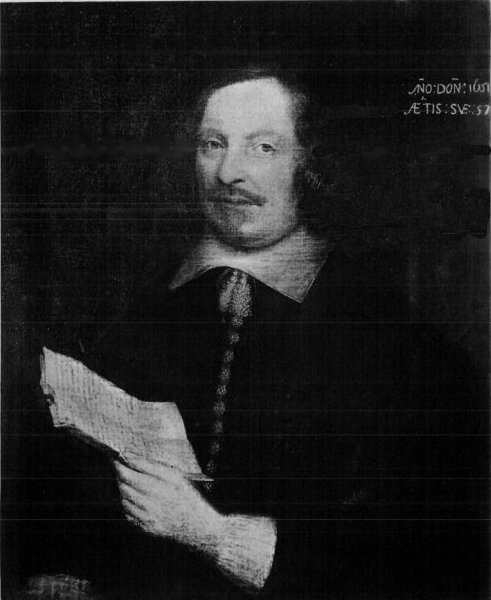
EDWARD WINSLOW.
Loving friends, my last[DI] was sente in ye Mary & John, by Mr. William Collier, &c. I then certified you of ye great, & uncomfortable, and unseasonable loss you & we had, in ye loss of Mr. Peirce his ship, ye Lyon; but ye Lords holy name be blessed, who gives & taks as it pleaseth him; his will be done, Amen. I then related unto you yt fearfull accidente, or rather judgmente, ye Lord pleased to lay on London Bridge, by fire, and therin gave you a touch of my great loss; the Lord, I hope, will give me patience to bear it, and faith to trust in him, & not in these slipery and uncertaine things of this world.
I hope Mr. Allerton is nere upon sayle with you by this; but he had many disasters here before he could gett away; yet ye last was a heavie one; his ship, going out of ye harbor at Bristoll, by stormie weather was so farr driven on ye shore, as it cost him above 100li. before shee could be gott off againe. Verily his case was so lamentable as I could not but afford him some help therin (and so did some were strangers to him); besids, your goods were in her, and if he had not been supported, he must have broke off his viage, and so loss could not have been avoyded on all sides. When he first bought her, I thinke he had made a saving match, if he had then sunck her, and never set her forth. I hope he sees ye Lords hand against him, and will leave of these viages. I thinke we did well in parting with her; she would have been but a clogge to ye accounte from time to time, and now though we shall not gett much by way of satisfaction, yet we shall lose no more. And now, as before I have writte, I pray you finish all ye accounts and reconings with him there; for here he hath nothing, but many debtes that he stands ingaged to many men for. Besids, here is not a man yt will spend a day, or scarce an hower, aboute ye accounts but my selfe, and yt bussines will require more time and help then I can afford. I shall not need to say any more; I hope you will doe yt which shall be best & just, to which adde mercie, and consider his intente, though he failed in many perticulers, which now cannot be helped, &c.
To morrow, or next day at furthest, we are to pay 300li. and Mr. Beachamp is out of ye towne, yet ye bussines I must doe. Oh the greefe & trouble yt man, Mr. Allerton, hath brought upon you and us! I cannot forgett it, and to thinke on it draws many a sigh from my harte, and teares from my eyes. And now ye Lord hath visited me with an other great loss, yet I can undergoe it with more patience. But this I have follishly pulled upon my selfe, &c. [And in another, he hath this passage:] By Mr. Allertons faire propositions and large [195] promises, I have over rune my selfe; verily, at this time greefe hinders me to write, and tears will not suffer me to see; wherfore, as you love those that ever loved you, and yt plantation, thinke upon us. Oh what shall I say of that man, who hath abused your trust and wronged our loves! but now to complaine is too late, nither can I complaine of your backwardnes, for I am perswaded it lys as heavie on your harts, as it doth on our purses or credites. And had ye Lord sent Mr. Peirce safe home, we had eased both you and us of some of those debts; the Lord I hope will give us patience to bear these crosses; and that great God, whose care & providence is every where, and spetially over all those that desire truly to fear and serve him, direct, guid, prosper, & blesse you so, as yt you may be able (as I perswade my selfe you are willing) to discharge & take off this great & heavie burthen which now lyes upon me for your saks; and I hope in ye ende for ye good of you, and many thousands more; for had not you & we joyned & continued togeather, New-England might yet have been scarce knowne, I am perswaded, not so replenished & inhabited with honest English people, as it now is. The Lord increase & blesse them, &c. So, with my continuall praiers for you all, I rest
Your assured loving friend,
James Sherley.
June 24. 1633.
By this it apperes when Mr. Sherly sould him ye ship & all her accounts, it was more for Mr. Allertons advantage then theirs; and if they could get any there, well & good, for they were like to have nothing here. And what course was held to hinder them there, hath allready beene manifested. And though Mr. Sherley became more sinsible of his owne condition, by these losses, and therby more sadly & plainly to complaine of Mr. Allerton, yet no course was taken to help them here, but all left unto them selves; not so much as to examene & rectifie ye accounts, by which (it is like) some hundereds of pounds might have been taken off. But very probable it is, the more they saw was taken off, ye less might come unto them selves. But I leave these maters, & come to other things.
Mr. Roger Williams (a man godly & zealous, having many precious parts, but very unsettled in judgmente) came over first to ye Massachusets, but upon some discontente left yt place, and came hither, (wher he was friēdly entertained, according to their poore abilitie,) and exercised his gifts amongst them, & after some time was admitted a member of ye church; and his teaching well approoved, for ye benefite wherof I still blese God, and am thankfull to him, even for his sharpest admonitions & reproufs, so farr as they agreed with truth. He this year begane to fall into some strang oppiīons, and from opinion to practise; which caused some controversie betweene ye church & him, and in ye end some discontente on his parte, by occasion wherof he left them some thing abruptly. Yet after wards sued for his dismission to ye church of Salem, which was granted, with some caution to them concerning him, and what care they ought to have of him. But he soone fell into more things ther, both to their and ye governments troble and [196] disturbance. I shall not need to name perticulers, they are too well knowen now to all, though for a time ye church here wente under some hard censure by his occasion, from some that afterwards smarted them selves. But he is to be pitied, and prayed for, and so I shall leave ye matter, and desire ye Lord to shew him his errors, and reduse him into ye way of truth, and give him a setled judgment and constancie in ye same; for I hope he belongs to ye Lord, and yt he will shew him mercie.
Having had formerly converse and famliarity with ye Dutch, (as is before remembred,) they, seeing them seated here in a barren quarter, tould them of a river called by them ye Fresh River, but now is known by ye name of Conightecute-River, which they often com̅ended unto them for a fine place both for plantation and trade, and wished them to make use of it. But their hands being full otherwise, they let it pass. But afterwards ther coming a company of banishte Indeans into these parts, that were drivene out from thence by the potencie of ye Pequents, which usurped upon them, and drive them from thence, they often sollisited them to goe thither, and they should have much trad, espetially if they would keep a house ther. And having now good store of comodities, and allso need to looke out wher they could advantage them selves to help them out of their great ingagments, they now begane to send that way to discover ye same, and trade with ye natives. They found it to be a fine place, but had no great store of trade; but ye Indeans excused ye same in regard of ye season, and the fear ye Indans were in of their enemise. So they tried diverce times, not with out profite, but saw ye most certainty would be by keeping a house ther, to receive ye trad when it came down out of ye inland. These Indeans, not seeing them very forward to build ther, solisited them of ye Massachusets in like sorte (for their end was to be restored to their countrie againe); but they in ye Bay being but latly come, were not fitte for ye same; but some of their cheefe made a motion to joyne wth the partners here, to trad joyntly with them in yt river, the which they were willing to imbrace, and so they should have builte, and put in equall stock togeather. A time of meeting was appointed at ye Massachusets, and some of ye cheefe here was appointed to treat with them, and went accordingly; but they cast many fears of deanger & loss and the like, which was perceived to be the maine obstacles, though they alledged they were not provided of trading goods. But those hear offered at presente to put in sufficiente for both, provided they would become ingaged for ye halfe, and prepare against ye nexte year. They conffessed more could not be offered, but thanked them, and tould them they had no mind to it. They then answered, they hoped it would be no offence unto [197] them, if them sellves wente on without them, if they saw it meete. They said ther was no reason they should; and thus this treaty broake of, and those here tooke conveniente time to made a begining ther; and were ye first English that both discovered that place, and built in ye same, though they were litle better then thrust out of it afterward as may appeare.
But ye Dutch begane now to repente, and hearing of their purpose & preparation, indēoured to prevente them, and gott in a litle before them, and made a slight forte, and planted 2. peeces of ordnance, thretening to stopp their passage. But they having made a smale frame of a house ready, and haveing a great new-barke, they stowed their frame in her hold, & bords to cover & finishe it, having nayles & all other provisions fitting for their use. This they did ye rather that they might have a presente defence against ye Indeans, who weare much offended that they brought home & restored ye right Sachem of ye place (called Natawanute); so as they were to incounter with a duble danger in this attempte, both ye Dutch and ye Indeans. When they came up ye river, the Dutch demanded what they intended, and whither they would goe; they answered, up ye river to trade (now their order was to goe and seat above them). They bid them strike, & stay, or els they would shoote them; & stood by ther ordnance ready fitted. They answered they had com̅ission from ye Govr of Plimoth to goe up ye river to such a place, and if they did shoote, they must obey their order and proceede; they would not molest them, but would goe one. So they passed along, and though the Dutch threatened them hard, yet they shoot not. Com̅ing to their place, they clapt up their house quickly, and landed their provissions, and left ye companie appoynted, and sent the barke home; and afterwards palisadoed their house aboute, and fortified them selves better. The Dutch sent word home to ye Monhatas what was done: and in proces of time, they sent a band of aboute 70. men, in warrlike maner, with collours displayed, to assaulte them; but seeing them strengtened, & that it would cost blood, they came to parley, and returned in peace. And this was their enterance ther, who deserved to have held it, and not by freinds to have been thrust out, as in a sorte they were, as will after appere. They did ye Dutch no wrong, for they took not a foote of any land they bought, but went to ye place above them, and bought that tracte of land which belonged to these Indeans which they carried with them, and their friends, with whom ye Dutch had nothing to doe. But of these matters more in another place.
It pleased ye Lord to visite them this year with an infectious fevoure, of which many fell very sicke, and upward of 20. persons dyed, men and women, besids children, and sundry of them of their anciente friends which had lived in Holand; as Thomas Blossome, Richard Masterson, with sundry [198] others, and in ye end (after he had much helped others) Samuell Fuller, who was their surgeon & phisition, and had been a great help and comforte unto them; as in his facultie, so otherwise, being a deacon of ye church, a man godly, and forward to doe good, being much missed after his death; and he and ye rest of their brethren much lamented by them, and caused much sadnes & mourning amongst them; which caused them to humble them selves, & seeke ye Lord; and towards winter it pleased the Lord ye sicknes ceased. This disease allso swept away many of ye Indeans from all ye places near adjoyning; and ye spring before, espetially all ye month of May, ther was such a quantitie of a great sorte of flies, like (for bignes) to wasps, or bumble-bees, which came out of holes in ye ground, and replenished all ye woods, and eate ye green-things, and made such a constante yelling noyes, as made all ye woods ring of them, and ready to deafe ye hearers. They have not by ye English been heard or seen before or since. But ye Indeans tould them yt sicknes would follow, and so it did in June, July, August, and ye cheefe heat of som̅er.
It pleased ye Lord to inable them this year to send home a great quantity of beaver, besids paing all their charges, & debts at home, which good returne did much incourage their freinds in England. They sent in beaver 3366li. waight, and much of it coat beaver, which yeeled 20s. p̲r pound, & some of it above; and of otter-skines[DJ] 346. sould also at a good prise. And thus much of ye affairs of this year.
Anno Dom: 1634.
This year Mr. Thomas Prence was chosen Govr.
Mr. Sherleys letters were very breefe in answer of theirs this year. I will forbear to coppy any part therof, only name a head or 2. therm. First, he desirs they will take nothing ill in what he formerly write, professing his good affection towards them as before, &c. 2ly. For Mr. Allertons accounts, he is perswaded they must suffer, and yt in no small sum̅es; and that they have cause enough to complaine, but it was now too late. And that he had failed them ther, those here, and him selfe in his owne aimes. And that now, having thus left them here, he feared God had or would leave him, and it would not be strang, but a wonder if he fell not into worse things, &c. 3ly. He blesseth God and is thankfull to them for ye good returne made this year. This is ye effecte of his letters, other things being of more private nature.
I am now to enter upon one of ye sadest things that befell them since they came; but before I begine, it will be needfull to premise such parte of their patente as gives them right and priviledge at Kenebeck; as followeth:
[199] The said Counsell hath further given, granted, barganed, sold, infeoffed, alloted, assigned, & sett over, and by these presents doe clearly and absolutly give, grante, bargane, sell, alliene, enffeofe, allote, assigne, and confirme unto ye said William Bradford, his heires, associates, and assignes, All that tracte of land or part of New-England in America afforesaid, which lyeth within or betweene, and extendeth it selfe from ye utmost limits of Cobiseconte, which adjoyneth to ye river of Kenebeck, towards the westerne ocean, and a place called ye falls of Nequamkick in America, aforsaid; and ye space of 15. English myles on each side of ye said river, commonly called Kenebeck River, and all ye said river called Kenebeck that lyeth within the said limits & bounds, eastward, westward, northward, & southward, last above mentioned; and all lands, grounds, soyles, rivers, waters, fishing, &c. And by vertue of ye authority to us derived by his said late Matis Lrēs patents, to take, apprehend, seise, and make prise of all such persons, their ships and goods, as shall attempte to inhabite or trade with ye savage people of that countrie within ye severall precincts and limits of his & their severall plantations, &c.
Now it so fell out, that one Hocking, belonging to ye plantation of Pascataway, wente with a barke and com̅odities to trade in that river, and would needs press into their limites; and not only so, but would needs goe up ye river above their house, (towards ye falls of ye river,) and intercept the trade that should come to them. He that was cheefe of ye place forbad them, and prayed him that he would not offer them that injurie, nor goe aboute to infring their liberties, which had cost them so dear. But he answered he would goe up and trade ther in dispite of them, and lye ther as longe as he pleased. The other tould him he must then be forced to remove him from thence, or make seasure of him if he could. He bid him doe his worste, and so wente up, and anchored ther. The other tooke a boat & some men & went up to him, when he saw his time, and againe entreated him to departe by what perswasion he could. But all in vaine: he could gett nothing of him but ill words. So he considred that now was ye season for trade to come downe, and if he should suffer him to lye, & take it from them, all ther former charge would be lost, and they had better throw up all. So, consulting with his men, (who were willing thertoe,) he resolved to put him from his anchores, and let him drive downe ye river with ye streame; but com̅anded ye men yt none should shoote a shote upon any occasion, except he com̅anded them. He spoake to him againe, but all in vaine; then he sente a cuple in a canow to cutt his cable, the which one of them performes; but Hocking taks up a pece which he had layed ready, and as ye barke shered by ye canow, he shote [200] him close under her side, in ye head, (as I take it,) so he fell downe dead instantly. One of his fellows (that loved him well) could not hold, but with a muskett shot Hocking, who fell downe dead and never speake word. This was ye truth of ye thing. The rest of ye men carried home the vessell and ye sad tidings of these things. Now ye Lord Saye & ye Lord Brooks, with some other great persons, had a hand in this plantation; they write home to them, as much as they could to exasperate them in ye matter, leaveing out all ye circomstances, as if he had been kild without any offenc of his parte, conceling yt he had kild another first, and ye just occasion that he had given in offering such wrong; at wch their Lordsps were much offended, till they were truly informed of ye mater.
The bruite of this was quickly carried all aboute, (and yt in ye worst maner,) and came into ye Bay to their neighbours their. Their owne barke com̅ing home, and bringing a true relation of ye matter, sundry were sadly affected with ye thing, as they had cause. It was not long before they had occasion to send their vessell into ye Bay of ye Massachusetts; but they were so prepossest with this matter, and affected with ye same, as they com̅ited Mr. Alden to prison, who was in ye bark, and had been at Kenebeck, but was no actore in ye bussines, but wente to carie them supply. They dismist ye barke aboute her bussines, but kept him for some time. This was thought strang here, and they sente Capten Standish to give them true information, (togeather with their letters,) and ye best satisfaction they could, and to procure Mr. Alden's release. I shall recite a letter or 2. which will show the passages of these things, as folloeth.
Good Sr:
I have received your lrēs by Captaine Standish, & am unfainedly glad of Gods mercie towards you in ye recovery of your health, or some way thertoo. For ye bussines you write of, I thought meete to answer a word or 2. to your selfe, leaving the answer of your Govor lre to our courte, to whom ye same, together with my selfe is directed. I conceive (till I hear new matter to ye contrary) that your patente may warrente your resistance of any English from trading at Kenebeck, and yt blood of Hocking, and ye partie he slue, will be required at his hands. Yet doe I with your selfe & others sorrow for their deaths. I thinke likewise yt your generall lrēs will satisfie our courte, and make them cease from any further inter medling in ye mater. I have upon ye same lre sett Mr. Alden at liberty, and his sureties, and yet, least I should seeme to neglecte ye opinion of our court & ye frequente speeches of others with us, I have bound Captaine Standish to appeare ye 3. of June at our nexte courte, to make affidavid for ye coppie of ye patente, and to manifest the circumstances of Hockins provocations; both which will tend to ye clearing of your inocencie. If any unkindnes hath ben taken from what we have done, let it be further & better considred of, I pray you; and I hope ye more you thinke of it, the lesse blame you will impute to us. At least you ought to be just in differencing them, whose opinions concurr [201] with your owne, from others who were opposites; and yet I may truly say, I have spoken wth no man in ye bussines who taxed you most, but they are such as have many wayes heretofore declared ther good affections towards your plantation. I further referr my selfe to ye reporte of Captaine Standish & Mr. Allden; leaving you for this presente to Gods blessing, wishing unto you perfecte recovery of health, and ye long continuance of it. I desire to be lovingly remembred to Mr. Prence, your Governor, Mr. Winslow, Mr. Brewster, whom I would see if I knew how. The Lord keepe you all. Amen.
Your very loving friend in our Lord Jesus,
Tho: Dudley.
New-towne, ye 22. of May, 1631.
Another of his about these things as followeth.
Sr: I am right sorrie for ye news that Captaine Standish & other of your neigbours and my beloved freinds will bring now to Plimoth, wherin I suffer with you, by reason of my opinion, which differeth from others, who are godly & wise, amongst us here, the reverence of whose judgments causeth me to suspecte myne owne ignorance; yet must I remaine in it untill I be convinced therof. I thought not to have shewed your letter written to me, but to have done my best to have reconciled differences in ye best season & maner I could; but Captaine Standish requiring an answer therof publickly in ye courte, I was forced to produce it, and that made ye breach soe wide as he can tell you. I propounded to ye courte, to answer Mr. Prences lre, your Govr, but our courte said it required no answer, it selfe being an answer to a former lre of ours. I pray you certifie Mr. Prence so much, and others whom it concer̃eth, that no neglecte or ill man̅ers be imputed to me theraboute. The late lres I received from England wrought in me divere fears[DK] of some trials which are shortly like to fall upon us; and this unhappie contention betweene you and us, and between you & Pascattaway, will hasten them, if God with an extraordinarie hand doe not help us. To reconcile this for ye presente will be very difficulte, but time cooleth distempers, and a comone danger to us boath approaching, will necessitate our uniting againe. I pray you therfore, Sr. set your wisdom & patience a worke, and exhorte others to ye same, that things may not proceede from bad to worse, so making our contentions like ye barrs of a pallace, but that a way of peace may be kepte open, wherat ye God of peace may have enterance in his owne time. If you suffer wrong, it shall be your honor to bear it patiently; but I goe to farr in needles putting you in mind of these things. God hath done great things for you, and I desire his blessings may be multiplied upon you more & more. I will commite no more to writing, but comending my selfe to your prayers, doe rest,
Your very loving friend in our Lord Jesus,
Tho: Dudley.
June 4. 1634.
By these things it appars what troubls rise herupon, and how hard they were to be reconciled; for though they hear were hartily sorrie for what was fallen out, yet they conceived they were unjustly injuried, and provoked to what was done; and that their neigbours (haveing no jurisdiction over them) did more then was mete, thus to imprison one of theirs, and bind them to [202] their courte. But yet being assured of their Christian love, and perswaded what was done was out of godly zeale, that religion might not suffer, nor sinne any way covered or borne with, espetially ye guilte of blood, of which all should be very consciencious in any whom soever, they did indeavore to appease & satisfie them ye best they could; first, by informing them ye truth in all circomstances aboute ye matter; 2ly, in being willing to referr ye case to any indifferante and equall hearing and judgmente of the thing hear, and to answere it els wher when they should be duly called therunto; and further they craved Mr. Winthrops, & other of ye reved magistrats ther, their advice & direction herein. This did mollifie their minds, and bring things to a good & comfortable issue in ye end.
For they had this advice given them by Mr. Winthrop, & others concurring with him, that from their courte, they should write to the neigboure plantations, & espetially that of ye lords, at Pascataway, and theirs of ye Massachusets, to appointe some to give them meeting at some fitt place, to consulte & determine in this matter, so as ye parties meeting might have full power to order & bind, &c. And that nothing be done to ye infringing or prejudice of ye liberties of any place. And for ye clearing of conscience, ye law of God is, yt ye preist lips must be consulted with, and therfore it was desired that ye ministers of every plantation might be presente to give their advice in pointe of conscience. Though this course seemed dangerous to some, yet they were so well assured of ye justice of their cause, and ye equitie of their freinds, as they put them selves upon it, & appointed a time, of which they gave notice to ye severall places a month before hand; viz. Massachusets, Salem, & Pascataway, or any other yt they would give notice too, and disired them to produce any evidence they could in ye case. The place for meeting was at Boston. But when ye day & time came, none apered, but some of ye magistrats and ministers of ye Massachusets, and their owne. Seeing none of Passcataway or other places came, (haveing been thus desired, & conveniente time given them for yt end,) Mr. Winthrop & ye rest said they could doe no more then they had done thus to requeste them, ye blame must rest on them. So they fell into a fair debating of things them selves; and after all things had been fully opened & discussed, and ye opinione of each one demanded, both magistrats, and ministers, though they all could have wished these things had never been, yet they could not but lay ye blame & guilt on Hockins owne head; and withall gave them such grave & godly exhortations and advice, as they thought meete, both for ye presente & future; which they allso imbraced with love & thankfullnes, promising to indeavor to follow ye same. And thus was this matter ended, and ther love and concord renewed; and also Mr. Winthrop & Mr. Dudley write in their behalfes to ye Lord Ssay & other gentl-men that were interesed in yt plantation, very effectually, wth which, togeather with their owne leters, and Mr. Winslows furder declaration of things unto them, they rested well satisfied.
[203] Mr. Winslow was sente by them this year into England, partly to informe and satisfie ye Lord Say & others, in ye former matter, as also to make answer and their just defence for ye same, if any thing should by any be prosecuted against them at Counsell-table, or els wher; but this matter tooke end, without any further trouble, as is before noted. And partly to signifie unto ye partners in England, that the terme of their trade with ye company here was out, and therfore he was sente to finishe ye accounts with them, and to bring them notice how much debtore they should remaine on yt accounte, and that they might know what further course would be best to hold. But ye issue of these things will appear in ye next years passages. They now sente over by him a great returne, which was very acceptable unto them; which was in beaver 3738li. waight, (a great part of it, being coat-beaver, sould at 20s. pr pound,) and 234. otter skines;[DL] which alltogeather rise to a great sume of money.
This year (in ye foreparte of ye same) they sente forth a barke to trad at ye Dutch-Plantation; and they mette ther with on Captaine Stone, that had lived in Christophers, one of ye West-Ende Ilands, and now had been some time in Virginia, and came from thence into these parts. He kept company with ye Dutch Gover, and, I know not in what drunken fitt, he gott leave of ye Govr to ceaise on their barke, when they were ready to come away, and had done their markett, haveing ye valew of 500li. worth of goods abord her; having no occasion at all, or any collour of ground for such a thing, but having made ye Govr drunck, so as he could scarce speake a right word; and when he urged him hear aboute, he answered him, Als 't u beleeft.[DM] So he gat abord, (the cheefe of their men & marchant being ashore,) and with some of his owne men, made ye rest of theirs waigh anchor, sett sayle, & carry her away towards Virginia. But diverse of ye Dutch sea-men, which had bene often at Plimoth, and kindly entertayned ther, said one to another, Shall we suffer our freinds to be thus abused, and have their goods carried away, before our faces, whilst our Govr is drunke? They vowed they would never suffer it; and so gott a vessell or 2. and pursued him, & brought him in againe, and delivered them their barke & goods againe.
After wards Stone came into ye Massachusets, and they sent & commensed suite against him for this facte; but by mediation of freinds it was taken up, and ye suite lett fall. And in ye company of some other gentle-men Stone came afterwards to Plimoth, and had freindly & civill entertainmente amongst them, with ye rest; but revenge boyled within his brest, (though concelled,) for some conceived he had a purpose (at one time) to have staped the Govr, and put his hand to his dagger for that end, but by Gods providence and ye vigilance of some was prevented. He afterward returned to Virginia, in a pinass, with one Captaine Norton & some others; and, I know not for what occasion, they would needs goe up Coonigtecutt River; and how they carried themselves I know not, but ye Indeans knoct him in ye head, as he lay in his cabine, and had thrown ye covering over his face (whether out of fear or desperation is uncertaine); this was his end. They likewise killed all ye rest, but Captaine Norton defended him selfe a long time against them all in ye cooke-roome, till by accidente the gunpowder tooke fire, which (for readynes) he had sett in an open thing before him, which did so burne, & scald him, & blind his eyes, as he could make no longer resistance, but was slaine also by them, though they much comended his vallour. And having killed ye men, they made a pray of what they had, and chafered away some of their things to ye Dutch that lived their. But it was not longe before a quarell fell betweene the Dutch & them, and they would have cutt of their bark; but they slue ye cheef sachem wth ye shott of a murderer.[DN]
I am now to relate some strang and remarkable passages. Ther was a company of people lived in ye country, up above in ye river of Conigtecut, a great way from their trading house ther, and were enimise to those Indeans which lived aboute them, and of whom they stood in some fear (bing a stout people). About a thousand of them had inclosed them selves in a forte, which they had strongly palissadoed about. 3. or 4. Dutch men went up in ye begining of winter to live with them, to gett their trade, and prevente them for bringing it to ye English, or to fall into amitie with them; but at spring to bring all downe to their place. But their enterprise failed, for it pleased God to visite these Indeans with a great sicknes, and such a mortalitie that of a 1000. above 900. and a halfe of them dyed, and many of them did rott above ground for want of buriall, and ye Dutch men allmost starved before they could gett away, for ise and snow. But about Feb: they got with much difficultie to their trading house; whom they kindly releeved, being allmost spente with hunger and could. Being thus refreshed by them diverce days, they got to their owne place, and ye Dutch were very thankfull for this kindnes.
This spring, also, those Indeans that lived aboute their trading house there fell sick of ye small poxe, and dyed most miserably; for a sorer disease cannot befall them; they fear it more then ye plague; for usualy they that have this disease have them in abundance, and for wante of bedding & lin̅ing and other helps, they fall into a lamentable condition, as they lye on their hard matts, ye poxe breaking and mattering, and runing one into another, their skin cleaving (by reason therof) to the matts they lye on; when they turne them, a whole side will flea of at once, [204] (as it were,) and they will be all of a gore blood, most fearfull to behold; and then being very sore, what with could and other distempers, they dye like rotten sheep. The condition of this people was so lamentable, and they fell downe so generally of this diseas, as they were (in ye end) not able to help on another; no, not to make a fire, nor to fetch a litle water to drinke, nor any to burie ye dead; but would strivie as long as they could, and when they could procure no other means to make fire, they would burne ye woden trayes & dishes they ate their meate in, and their very bowes & arrowes; & some would crawle out on all foure to gett a litle water, and some times dye by ye way, & not be able to gett in againe. But those of ye English house, (though at first they were afraid of ye infection,) yet seeing their woefull and sadd condition, and hearing their pitifull cries and lamentations, they had compastion of them, and dayly fetched them wood & water, and made them fires, gott them victualls whilst they lived, and buried them when they dyed. For very few of them escaped, notwithstanding they did what they could for them, to ye haszard of them selvs. The cheefe Sachem him selfe now dyed, & allmost all his freinds & kinred. But by ye marvelous goodnes & providens of God not one of ye English was so much as sicke, or in ye least measure tainted with this disease, though they dayly did these offices for them for many weeks togeather. And this mercie which they shewed them was kindly taken, and thankfully acknowledged of all ye Indeans that knew or heard of ye same; and their mrs here did much comend & reward them for ye same.
Anno Dom: 1635.
Mr. Winslow was very wellcome to them in England, and ye more in regard of ye large returne he brought with him, which came all safe to their hands, and was well sould. And he was borne in hand, (at least he so apprehended,) that all accounts should be cleared before his returne, and all former differences ther aboute well setled. And so he writ over to them hear, that he hoped to cleare ye accounts, and bring them over with him; and yt the accounte of ye White Angele would be taken of, and all things fairly ended. But it came to pass [205] that, being occasioned to answer some complaints made against the countrie at Counsell bord, more cheefly concerning their neigbours in ye Bay then them selves hear, the which he did to good effecte, and further prosecuting such things as might tend to ye good of ye whole, as well them selves as others, aboute ye wrongs and incroachments that the French & other strangers both had and were like further to doe unto them, if not prevented, he prefered this petition following to their Honrs that were deputed Comissioners for ye Plantations.
To ye right honorable ye Lords Comissioners for ye Plantations in America.
The humble petition of Edw: Winslow, on ye behalfe of ye plantations in New-England,
Humbly sheweth unto your Lordships, yt wheras your petitioners have planted them selves in New England under his Matis most gratious protection; now so it is, right Honbl, that ye French & Dutch doe indeaouer to devide ye land betweene them; for which purpose ye French have, on ye east side, entered and seased upon one of our houses, and carried away the goods, slew 2. of ye men in another place, and tooke ye rest prisoners with their goods. And ye Dutch, on ye west, have also made entrie upon Conigtecute River, within ye limits of his Majts [-l]rs patent, where they have raised a forte, and threaten to expell your petitioners thence, who are also planted upon ye same river, maintaining possession for his Matie to their great charge, & hazard both of lives & goods.
In tender consideration hereof your petitioners humbly pray that your Lopps will either procure their peace wth those foraine states, or else to give spetiall warrante unto your petitioners and ye English Collonies, to right and defend them selves against all foraigne enimies. And your petitioners shall pray, &c.
This petition found good acceptation with most of them, and Mr. Winslow was heard sundry times by them, and appointed further to attend for an answer from their Lopps, espetially, having upon conferance with them laid downe a way how this might be doone without any either charge or trouble to ye state; only by furnishing some of ye cheefe of ye cuntry hear with authoritie, who would undertake it at their owne charge, and in such a way as should be without any publick disturbance. But this crossed both Sr Ferdinandos Gorges' & Cap: Masons designe, and ye arch-bishop of Counterberies by them; for Sr Ferd: Gorges (by ye arch-pps favore) was to have been sent over generall Govr into ye countrie, and to have had means from ye state for yt end, and was now upon dispatch and conclude of ye bussines. And ye arch-bishops purposs & intente was, by his means, & some he should send with him, (to be furnished with Episcopall power,) [206] to disturbe ye peace of ye churches here, and to overthrow their proceedings and further growth, which was ye thing he aimed at. But it so fell out (by Gods providence) that though he in ye end crost this petition from taking any further effecte in this kind, yet by this as a cheefe means the plotte and whole bussines of his & Sr Ferdinandos fell to ye ground, and came to nothing. When Mr. Winslow should have had his suit granted, (as indeed upon ye pointe it was,) and should have been confirmed, the arch-bishop put a stop upon it, and Mr. Winslow, thinking to gett it freed, went to ye bord againe; but ye bishop, Sr Ferd: and Captine Masson, had, as it seemes, procured Morton (of whom mention is made before, & his base carriage) to complaine; to whose complaints Mr. Winslow made answer to ye good satisfaction of ye borde, who checked Morton and rebuked him sharply, & allso blamed Sr Ferd Gorges, & Masson, for countenancing him. But ye bish: had a further end & use of his presence, for he now begane to question Mr. Winslow of many things; as of teaching in ye church publickly, of which Morton accused him, and gave evidence that he had seen and heard him doe it; to which Mr. Winslow answered, that some time (wanting a minster) he did exercise his gifte to help ye edification of his breethren, when they wanted better means, wch was not often. Then aboute mariage, the which he also confessed, that, haveing been called to place of magistracie, he had sometimes maried some. And further tould their lordps yt mariage was a civille thinge, & he found no wher in ye word of God yt it was tyed to ministrie. Again, they were necessitated so to doe, having for a long time togeather at first no minister; besids, it was no new-thing, for he had been so maried him selfe in Holand, by ye magistrats in their Statt-house. But in ye end (to be short), for these things, ye bishop, by vemente importunity, gott ye bord at last to consente to his comittemente; so he was comited to ye Fleete, and lay ther 17. weeks, or ther aboute, before he could gett to be released. And this was ye end of this petition, and this bussines; only ye others designe was also frustrated hereby, with other things concurring, which was no smalle blessing to ye people here.
But ye charge fell heavie on them hear, not only in Mr. Winslows expences, (which could not be smale,) but by ye hinderance of their bussines both ther and hear, by his personall imploymente. For though this was as much or more for others then for them hear, and by them cheefly he was put on this bussines, (for the plantation kēwe nothing of it till they heard of his imprisonmente,) yet ye whole charge lay on them.
Now for their owne bussines; whatsoever Mr. Sherleys mind was before, (or Mr. Winslow apprehension of ye same,) he now declared him selfe plainly, that he would neither take of ye White-Angell from ye accounte, nor [207] give any further accounte, till he had received more into his hands; only a prety good supply of goods were sent over, but of ye most, no note of their prises, or so orderly an invoyce as formerly; which Mr. Winslow said he could not help, because of his restrainte. Only now Mr. Sherley & Mr. Beachamp & Mr. Andrews sent over a letter of atturney under their hands & seals, to recovere what they could of Mr. Allerton for ye Angells accounte; but sent them neither ye bonds, nor covenants, or such other evidence or accounts, as they had aboute these matters. I shall here inserte a few passages out of Mr. Sherleys letters aboute these things.
Your leter of ye 22. of July, 1634, by your trustie and our loving friend Mr. Winslow, I have received, and your larg parcell of beaver and otter skines. Blessed be our God, both he and it came safly to us, and we have sould it in tow parcells; ye skin at 14s. li. & some at 16.; ye coate at 20s. ye pound. The accounts I have not sent you them this year, I will referr you to Mr. Winslow to tell you ye reason of it; yet be assured yt none of you shall suffer by ye not having of them, if God spare me life. And wheras you say ye 6. years are expired yt ye peopl put ye trad into your & our hands for, for ye discharge of yt great debte wch Mr. Allerton needlesly & unadvisedly ran you & us into; yet it was promised it should continue till our disbursments & ingagements were satisfied. You conceive it is done; we feele & know other wise, &c. I doubt not but we shall lovingly agree, notwithstanding all yt hath been writen, on boath sids, aboute ye Whit-Angell. We have now sent you a letter of atturney, therby giving you power in our names (and to shadow it ye more we say for our uses) to obtaine what may be of Mr. Allerton towards ye satisfing of that great charge of ye White Angell. And sure he hath bound him selfe, (though at present I cannot find it,) but he hath often affirmed, with great protestations, yt neither you nor we should lose a peny by him, and I hope you shall find enough to discharg it, so as we shall have no more contesting aboute it. Yet, notwithstanding his unnaturall & unkind dealing with you, in ye midest of justice remember mercie, and doe not all you may doe, &c. Set us out of debte, and then let us recone & reason togeither, &c. Mr. Winslow hath undergone an unkind imprisonment, but I am perswaded it will turne much to all your good. I leave him to relate perticuleres, &c.
Your loving freind,
James Sherley.
London, Sep: 7. 1635.
This year they sustained an other great loss from ye French. Monsier de Aulnay coming into ye harbore of Penobscote, and having before gott some of ye cheefe yt belonged to ye house abord his vessell, by sutlty coming upon them in their shalop, he gott them to pilote him in; and after getting ye rest into his power, he tooke possession of ye house in ye name of ye king of France; and partly by threatening, & other wise, made Mr. Willett (their agente ther) to approve of ye sale of ye goods their unto him, of which he sett ye price him selfe [208] in effecte, and made an inventory therof, (yett leaving out sundry things,) but made no paymente for them; but tould them in convenient time he would doe it if they came for it. For ye house & fortification, &c. he would not alow, nor accounte any thing, saing that they which build on another mans ground doe forfite ye same. So thus turning them out of all, (with a great deale of complemente, and many fine words,) he let them have their shalop and some victualls to bring them home. Coming home and relating all the passages, they here were much troubled at it, & haveing had this house robbed by ye French once before, and lost then above 500li. (as is before remembred), and now to loose house & all, did much move them. So as they resolved to consulte with their freinds in ye Bay, and if yey approved of it, (ther being now many ships ther,) they intended to hire a ship of force, and seeke to beat out ye Frenche, and recover it againe. Ther course was well approved on, if them selves could bear ye charge; so they hired a fair ship of above 300. tune, well fitted with ordnance, and agreed with ye mr. (one Girling) to this effect: that he and his company should deliver them ye house, (after they had driven out, or surprised ye French,) and give them peacable possession therof, and of all such trading comodities as should ther be found; and give ye French fair quarter & usage, if they would yeeld. In consideration wherof he was to have 700li. of beaver, to be delivered him ther, when he had done ye thing; but if he did not accomplish it, he was to loose his labour, and have nothing. With him they also sent their owne bark, and about 20. men, with Captaine Standish, to aide him (if neede weer), and to order things, if the house was regained; and then to pay him ye beaver, which they keept abord their owne barke. So they with their bark piloted him thither, and brought him safe into ye harbor. But he was so rash & heady as he would take no advice, nor would suffer Captaine Standish to have time to summone them, (who had com̅ission & order so to doe,) neither would doe it him selfe; the which, it was like, if it had been done, & they come to affaire parley, seeing their force, they would have yeelded. Neither would he have patience to bring his ship wher she might doe execution, but begane to shoot at distance like a madd man, and did them no hurte at all; the which when those of ye plantation saw, they were much greeved, and went to him & tould him he would doe no good if he did not lay his ship beter to pass (for she might lye within pistoll shott of ye house). At last, when he saw his owne folly, he was perswaded, and layed her well, and bestowed a few shott to good purposs. But now, when he was in a way to doe some good, his powder was goone; for though he had ...[DO] peece of ordnance, it did now [209] appeare he had but a barrell of powder, and a peece; so he could doe no good, but was faine to draw of againe; by which means ye enterprise was made frustrate, and ye French incouraged; for all ye while that he shot so unadvisedly, they lay close under a worke of earth, & let him consume him selfe. He advised with ye Captaine how he might be supplyed with powder, for he had not to carie him home; so he tould him he would goe to ye next plantation, and doe his indeour to procure him some, and so did; but understanding, by intelligence, that he intended to ceiase on ye barke, & surprise ye beaver, he sent him the powder, and brought ye barke & beaver home. But Girling never assualted ye place more, (seeing him selfe disapoyented,) but went his way; and this was ye end of this bussines.
Upon ye ill success of this bussines, the Govr and Assistants here by their leters certified their freinds in ye Bay, how by this ship they had been abused and disapoynted, and yt the French partly had, and were now likly to fortifie them selves more strongly, and likly to become ill neigbours to ye English. Upon this they thus writ to them as folloeth:—
Worthy Srs: Upon ye reading of your leters, & consideration of ye waightines of ye cause therin mentioned, the courte hath joyntly expressed their willingnes to assist you with men & munition, for ye accomplishing of your desires upon ye French. But because here are none of yours yt have authority to conclude of any thing herein, nothing can be done by us for ye presente. We desire, therfore, that you would with all conveniente speed send some man of trust, furnished with instructions from your selves, to make such agreemente with us about this bussines as may be usefull for you, and equall for us. So in hast we com̅ite you to God, and remaine
Your assured loving freinds,
John Haynes, Govr. Ri: Bellingham, Dep. Jo: Winthrop. Tho: Dudley. Jo: Humfray. Wm: Coddington. Wm: Pinchon. Atherton Houghe. Increas Nowell. Ric: Dumer. Simon Bradstrete.
New-towne, Octor 9. 1635.
Upon the receite of ye above mentioned, they presently deputed 2. of theirs to treate with them, giving them full power to conclude, according to the instructions they gave them, being to this purposs: that if they would afford such assistance as, togeather with their owne, was like to effecte the thing, and allso bear a considerable parte of ye charge, they would goe on; if not, [210] they (having lost so much allready) should not be able, but must desiste, and waite further opportunitie as God should give, to help them selves. But this came to nothing, for when it came to ye issue, they would be at no charge, but sente them this letter, and referd them more at large to their owne messengers.
Sr: Having, upon ye consideration of your letter, with ye message you sente, had some serious consultations aboute ye great importance of your bussines with ye French, we gave our answer to those whom you deputed to conferr wth us aboute ye viage to Penobscote. We shewed our willingnes to help, but withall we declared our presente condition, & in what state we were, for our abilitie to help; which we for our parts shall be willing to improve, to procure you sufficiente supply of men & munition. But for matter of moneys we have no authority at all to promise, and if we should, we should rather disapoynte you, then incourage you by yt help, which we are not able to performe. We likewise thought it fitt to take ye help of other Esterne plantations; but those things we leave to your owne wisdomes. And for other things we refer you to your owne com̅itties, who are able to relate all ye passages more at large. We salute you, & wish you all good success in ye Lord.
Your faithfull & loving friend,
Ri: Bellingham, Dep:
In ye name of the rest of the Comities.
Boston, Octobr 16. 1635.
This thing did not only thus breake of, but some of their merchants shortly after sent to trad with them, and furnished them both with provissions, & poweder & shott; and so have continued to doe till this day, as they have seen opportunitie for their profite. So as in truth ye English them selves have been the cheefest supporters of these French; for besids these, the plantation at Pemaquid (which lyes near unto them) doth not only supply them with what yey wante, but gives them continuall intelligence of all things that passes among ye English, (espetially some of them,) so as it is no marvell though they still grow, & incroach more & more upon ye English, and fill ye Indeans with gunes & munishtion, to ye great deanger of ye English, who lye open & unfortified, living upon husbandrie; and ye other closed up in their forts, well fortified, and live upon trade, in good securitie. If these things be not looked too, and remeady provided in time, it may easily be conjectured what they may come toe; but I leave them.
This year, ye 14. or 15. of August (being Saturday) was such a mighty storme of wind & raine, as none living in these parts, either English or Indeans, ever saw. Being like (for ye time it continued) to those Hauricanes and Tuffons that writers make mention of in ye Indeas. It began in ye morning, a litle before day, and grue not by degrees, but came with violence in ye begining, to ye great amasmente of many. It blew downe sundry [211] houses, & uncovered others; diverce vessells were lost at sea, and many more in extreme danger. It caused ye sea to swell (to ye southward of this place) above 20. foote, right up & downe, and made many of the Indeans to clime into trees for their saftie; it tooke of ye borded roofe of a house which belonged to the plantation at Manamet, and floted it to another place, the posts still standing in ye ground; and if it had continued long without ye shifting of ye wind, it is like it would have drouned some parte of ye cuntrie. It blew downe many hundered thowsands of trees, turning up the stronger by the roots, and breaking the hiegher pine trees of in the midle, and ye tall yonge oaks & walnut trees of good biggnes were wound like a withe, very strang & fearfull to behould. It begane in ye southeast, and parted toward ye south & east, and vered sundry ways; but ye greatest force of it here was from ye former quarters. It continued not (in ye extremitie) above 5. or 6. houers, but ye violence begane to abate. The signes and marks of it will remaine this 100. years in these parts wher it was sorest. The moone suffered a great eclips the 2. night after it.
Some of their neighbours in ye Bay, hereing of ye fame of Conightecute River, had a hankering mind after it, (as was before noted,) and now understanding that ye Indeans were swepte away with ye late great mortalitie, the fear of whom was an obstacle unto them before, which being now taken away, they begane now to prosecute it with great egernes. The greatest differances fell betweene those of Dorchester plantation and them hear; for they set their minde on that place, which they had not only purchased of ye Indeans, but wher they had builte; intending only (if they could not remove them) that they should have but a smale moyety left to ye house, as to a single family; whose doings and proceedings were conceived to be very injurious, to attempte not only to intrude them selves into ye rights & possessions of others, but in effect to thrust them out of all. Many were ye leters & passages that went betweene them hear aboute, which would be to long here to relate.