First Sub-Kingdom: VERTEBRATA (Backboned Animals).
J. R. (James Richard) Ainsworth Davis translation
The Vertebrate body possesses a bilateral or twosided symmetry; i.e. it can be separated into two exactly corresponding halves, by a plane of division. The bilateral symmetry is strictly carried out as regards the external parts of the body, a single exception to this being flat-fish (plaice, flounder, etc.); but, on the other hand, it is more or less obliterated in the arrangement of the internal organs. In the Vertebrate body we find, as an axis, a vertebral column (backbone) made up of vertebræ, and traversed by the vertebral canal. As soon as this canal widens out 17in the skull to the cranial cavity, the spinal cord, which it contains, merges into the brain. In addition to the cavity containing the central nervous system, and placed on the upper side (= dorsal side) of the animal, a cavity, the body-cavity, is found in the under side (= ventral side). It contains for the most part the organs of respiration, circulation, digestion, and excretion (Fig. 1), and in Mammals is divided by the diaphragm into thoracic and abdominal cavities. In all the other subdivisions of the animal kingdom the central nervous system is situated in the same cavity as the above-mentioned organs.
Various bones are connected with the vertebral column, and they serve for the attachment of muscles. The bones collectively constitute the skeleton, which is one of the most distinctive features of a Vertebrate.
The animals of this sub-kingdom never have more than four limbs, and their blood is red, while that of most other animal groups is colourless.
The structure of the heart in the various Vertebrates must also be noticed. In no Vertebrate is this organ so simple in structure as in the scheme given in Fig. 6; such an arrangement, moreover, would involve great difficulties. One great difficulty would be that while the blood was leaving the heart at a (Fig. 6), no fresh blood could enter, so that the blood in the veins would stand still. Even in the lowest Vertebrates (the Fishes) this difficulty is obviated, for where the main vein (or veins) opens into the heart an enlargement of this vein is found, where the blood can collect as long as the heart continues to contract. This expansion is also reckoned as part of the heart, and named the auricle (Fig. 8, V.K.), while the heart proper is termed the ventricle (K.). It is also easy to see that there must be a tolerably wide opening between the two chambers, so that as soon as the ventricle becomes flaccid the auricle can force blood into it. But there being such a wide aperture 18between auricle and ventricle, one valve is not enough to make it impossible for the blood to pass back into the auricle during the contraction of the ventricular walls. There are two or three valves there (Fig. 8, Kl.) fixed by fibres to the wall of the ventricle. In order that the blood which is forced into the artery (S.A.) may not pass into the ventricle during its relaxation, there is another valve (not indicated in Fig. 8), at the base of the artery.
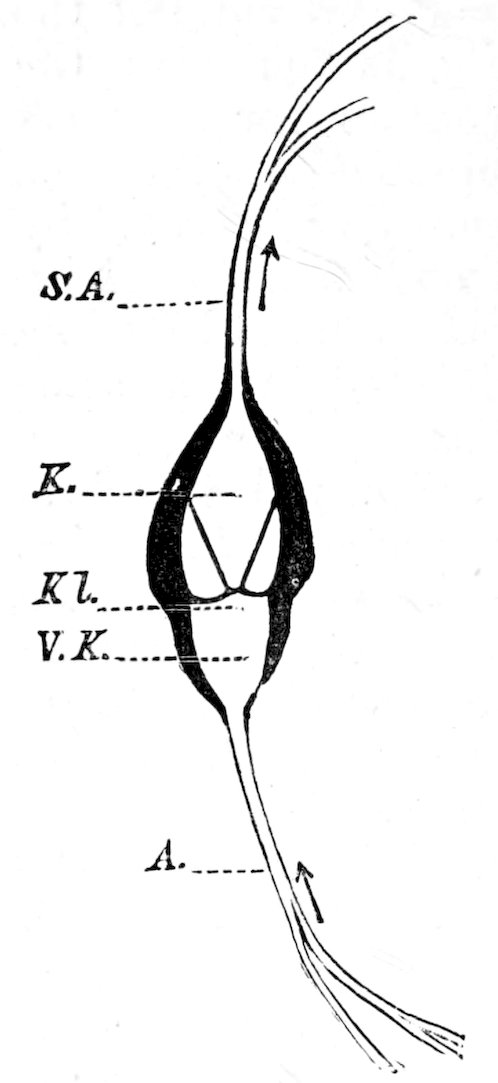
Fig. 8.—Diagram of the Heart in a Fish.
An arrangement like that so far described is found in fishes. The heart consists in them of an auricle, into which is returned the blood that has traversed the body, and of a ventricle which moves it on again. But the blood that has traversed the body is on that account poor in oxygen, and consequently unfit to be circulated again when it is returned to the heart. It is necessary for it to take up fresh oxygen before being circulated again. In fishes this difficulty is met by the blood, poor in oxygen, which flows out of the ventricle, first going to the gills and streaming through them. The gills consist of a very large number of small, thin-walled outgrowths arranged in regular rows on the firm gill-arches. The blood, poor in oxygen, passing out of the ventricle and through various arterial branches to the gill-filaments, takes up fresh oxygen as it streams through these from the oxygen dissolved in the water which constantly surrounds them. For this purpose a stream of pure water is regularly taken in by the mouth and 19expelled again, right and left, through the gill-slits. The blood, having become rich in oxygen in the gills, is now once more fit for circulation through the body, and therefore flows out of the gill-capillaries into larger vessels, which finally unite into a single large vessel that carries the purified blood to the various parts of the body. In the arrangement of the heart here described there is the disadvantageous condition that the blood is obliged to traverse two sets of capillaries (gill and body capillaries). This is not an easy matter, for there is a great deal of friction between the blood and the walls of the capillaries, constituting a hindrance to its progress. The circulation of the blood in fishes is consequently very slow, and since the blood contains the oxygen which is used by the various parts of the body, oxidation goes on slowly in the body of a fish; hence the small amount of heat developed there. Since fishes almost immediately give off to their surroundings the small amount of heat which they develop, they have no constant body temperature, varying in this respect with the temperature of the surrounding water. Such animals are termed cold-blooded.
In all other Vertebrates a more rapid movement of the blood is rendered possible by the insertion of a second heart, quite similar in every respect to the other heart, in the course of the blood between the respiratory organs and the body. The first heart drives the blood through the lung capillaries, and therefore corresponds to the fish-heart; from these capillaries the blood returns to the auricle of the second heart, and from the ventricle of that heart travels to the various parts of the body. When it has completed this course, it returns to the auricle of the first heart. Although these two structures work independently, they lie close together and make up a single organ. We do not therefore speak of two individual hearts, but of one heart with two halves. 20The first half, which receives the blood, poor in oxygen, that is returned from the body, and sends it on to the lungs, lies on the right, and is termed the right half. The second half, which receives the richly oxygenated blood from the lungs, and pumps it to the various parts of the body, is termed the left half (Fig. 9 and explanation).
In the arrangement just described, which is found in Mammals and Birds, the blood returning from the lungs is propelled with new force through the body, and therefore circulates very quickly, so that the various parts receive a relatively large amount of oxygen in a short time. It is therefore intelligible that Birds and Mammals develop more warmth than Fish. They possess a special, constant body temperature, somewhat different in different species, but usually lying between 98° and 104° Fhr., and they are called warm-blooded animals.
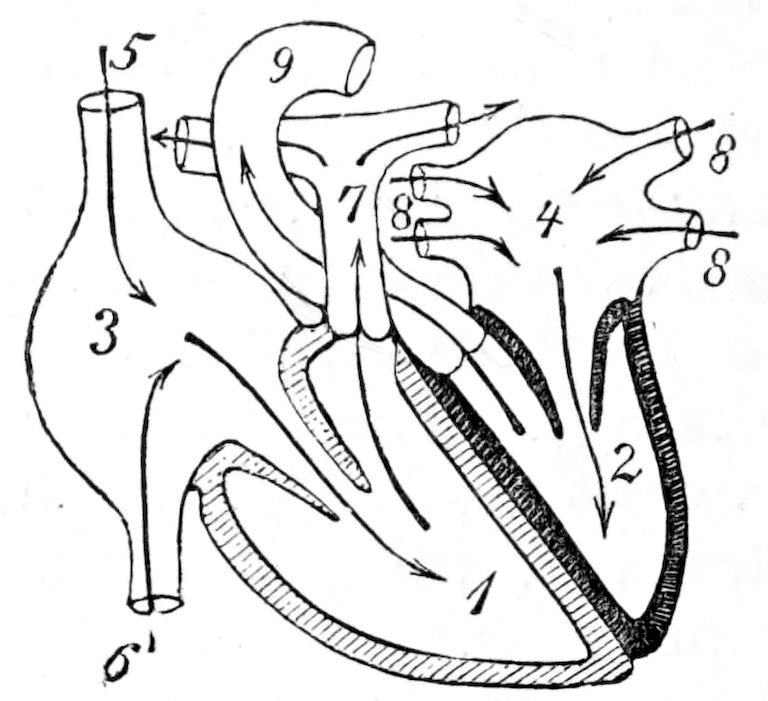
Fig. 9.—Diagram of the Mammalian Heart. 1, right, 2, left ventricle; 3, right, 4, left auricle; 5, superior, 6, inferior vena cava; 7, pulmonary artery forking into branches for right and left lungs; 8, the four pulmonary veins; 9, the great body-artery (aorta); the arrows indicate the direction of the blood-stream.
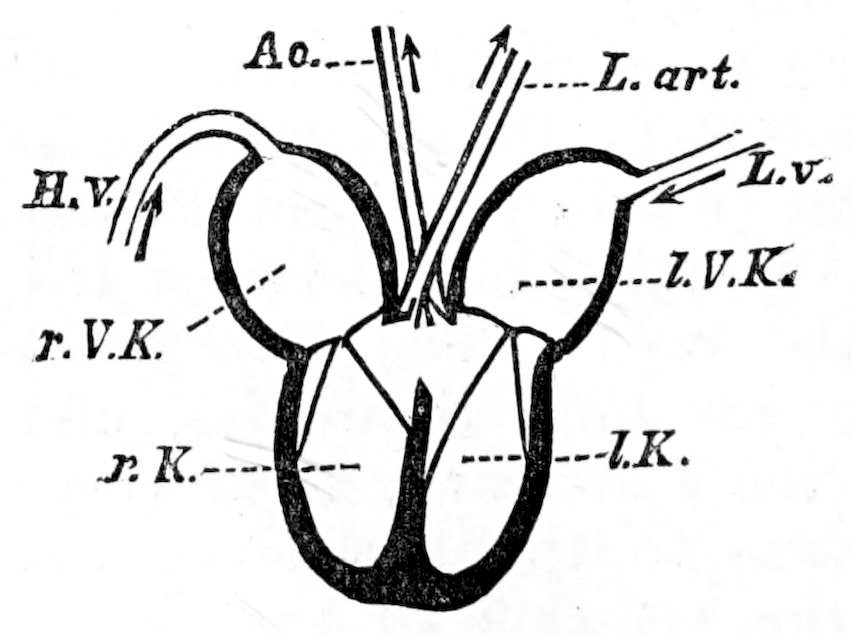
Fig. 10.—Diagram of the Heart of a Reptile. Between the right (r.K.) and left (l.K.) ventricles is a perforated partition. r.V.K., right auricle; l.V.K., left auricle; H.v., vena cava, carrying back the blood which has traversed the body into the right auricle; L.art., pulmonary artery; L.v., pulmonary vein; Ao., aorta.
In Reptiles (snakes, lizards, etc.), the two halves of the heart are not entirely distinct, since there is an opening in the partition-wall between the two ventricles. As a consequence of this, the poorly oxygenated 21blood of the right half of the heart mixes with the richly oxygenated blood of the left half, the extent to which this mixing takes place being proportional to the size of the aperture. In Reptiles, therefore, the blood supplied to the lungs is not so poor in oxygen as it might be, nor, on the other hand, is the blood supplied to the other parts of the body completely oxygenated. As consequences of this: (1) respiration is feebler, and (2) the development of heat less than in Mammals and Birds (i.e. reptiles are cold-blooded), and (3) the chemical changes taking place in the body (the metabolism) go on more slowly than in warm-blooded animals, and we can understand why reptiles execute fewer movements in a given space of time.
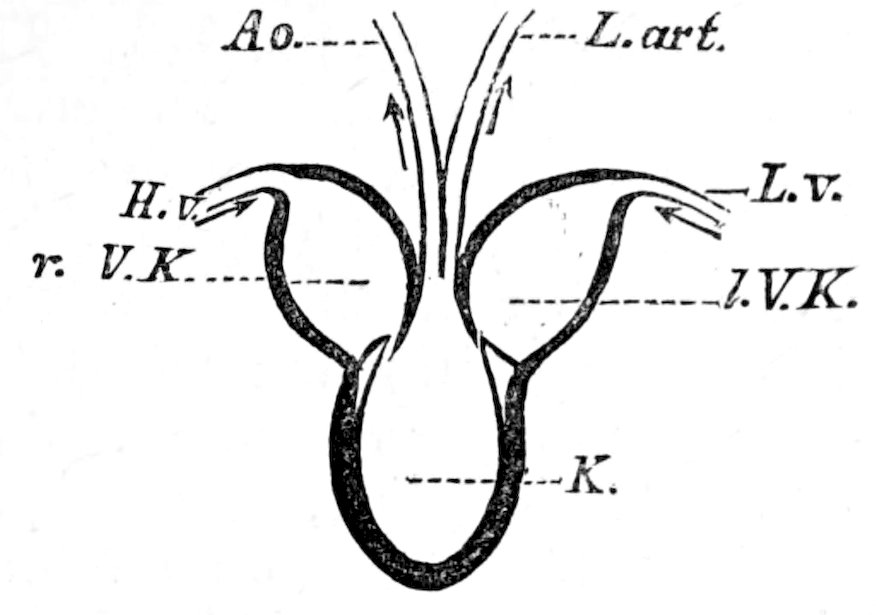
Fig. 11.—Diagram of a Frog’s Heart. (The ventricle K. is quite undivided: compare Figs. 9 and 10.) Other letters as in Fig. 10.
In Amphibians (e.g. frog) the two ventricles are similarly connected, but the opening is still larger than in Reptiles, and the partition-wall may even be altogether absent. It follows, therefore, that the mixing of the two kinds of blood is still more complete, and that Amphibians, too, are cold-blooded.
The vertebrate sub-kingdom embraces the classes of I. Mammals; II. Birds; III. Reptiles; IV. Amphibians; V. Fishes.
CLASS I.: MAMMALIA (SUCKLERS).
Warm-blooded Vertebrates (p. 16), usually covered with hair, and bringing forth living young, that suck for some time after birth. The female is provided 22with milk-glands on the thorax or abdomen, or both those regions.
Speaking quite broadly, the skeleton is like that of man, described on pp. 4–8. There are, however, great differences in detail. The cranium is relatively much smaller, and the bones of the face (especially of the jaws) are usually much larger than in the human skull. The number of the cervical vertebræ is seven in all Mammals, as in man; but the other kinds of vertebræ vary in number in the different species. The number of caudal vertebræ, for example, is very variable. As most Mammals go on all fours, their fore and hind limbs are much more similar than is the case in man. In many the thigh and upper-arm bones are drawn closely up to the body (horse, ox, pig). Mammals never have more than five fingers or toes, but may have fewer. The thumb or great toe is the first to disappear (hind foot of dog, fore and hind foot of pig). There may be only three (rhinoceros), two (ox, sheep), or one (horse) digit developed. In addition to fully developed digits, there are in many Mammals very small stunted ones (“dew-claws” of the stag).
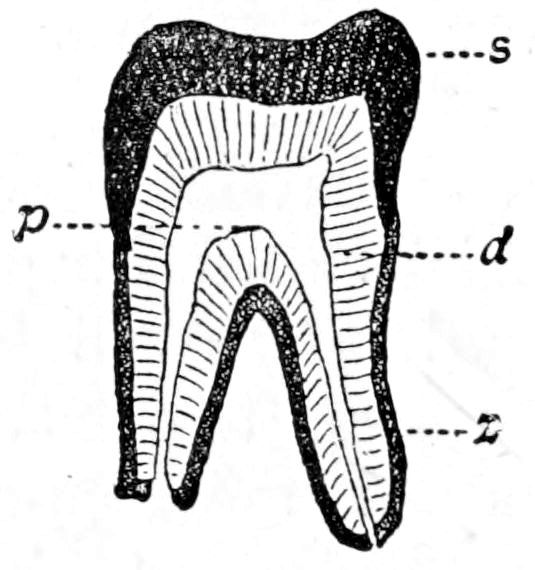
Fig. 12.—Vertical Section of a Human Grinding Tooth.
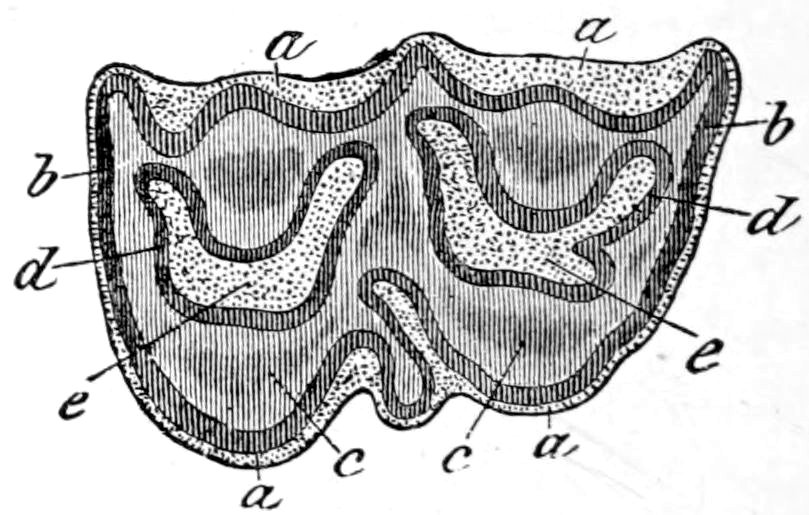
Fig. 13.—Crown of a Grinder of the Ox. a, cement; b, enamel; c, dentine; d, enamel; e, cement.
There are also great differences in the way of resting the feet on the ground. Man and bear tread on the soles of the feet (plantigrade); dog and cat walk on the under side of the toes (digitigrade), not on the other parts of the feet. Ox, pig, horse, etc., 23rest while walking only on the tips of the toes, which are sheathed in hoofs (unguligrade).
The teeth of mammals are wedged into special sockets in the jaw-bones. The structure of a mammalian tooth is made clear by Fig. 12. We first distinguish a pulp-cavity (p), which in the living animal is filled with a substance supplied by a bloodvessel and nerve. This cavity is surrounded by the dentine (d), a hard substance which makes up the greater part of the tooth. Hard enamel (s) covers the whole of the crown in man and many animals, while in certain other forms it is found only on part of the crown. The root of the tooth is covered with cement (z), a bone-like substance.
All teeth in which the entire surface of the crown is covered by enamel only are known as simple teeth, while those into which the enamel only penetrates in more or less deep folds, leaving the rest of the crown uncovered, are known as compound teeth (Fig. 13). The structure of the teeth is related to the nature of the food. We distinguish three kinds of teeth in the same animal, which, however, are not all present in every species; these are the incisors, canines, and grinders. The first two kinds are changed; but only the anterior grinders, known as the premolars, are changed, while the hinder ones, the true molars, do not first appear as “milk” teeth, but rather later on with the other “permanent” teeth.
The following orders of Mammals are distinguished: I. Bimana (Man), II. Quadrumana (Apes), III. Carnivora (Beasts of prey), IV. Insectivora (Insect-eaters), V. Cheiroptera (Bats), VI. Rodentia (Gnawers), VII. Ruminantia, VIII. Solidungula, IX. Pachydermata, X. Cetacea, XI. Edentata, XII. Marsupialia (Pouched animals), XIII. Monotremata.
I shall deal here only with those orders which are of agricultural importance.
24
Order: Carnivora (Beasts of Prey).
In each jaw there are six relatively small incisor teeth; and, on each side of these, a large projecting canine, by which the flesh is torn from the body of the prey (Fig. 14). The premolars and the first of the true molars (the carnassials[2]) are strongly compressed, and have a cutting crown; their outer surface is completely covered with hard enamel. As the lower jaw is smaller than the upper jaw, and is only able to move up and down, not from side to side, the sharp crowns of the premolars, and especially those of the large carnassials, cut along one another, and divide anything coming between them as if with shears. The small molars which are usually found behind the carnassials have broad tuberculated crowns. The temporal (i.e. chewing) muscles are strongly developed, the general result of which is that the head is broad. The claws are very sharp in some of the families. The Carnivora are powerful animals, move very quickly, and are endowed with keen smell and sight.
The wild Carnivora living in Britain belong to the families of cats, dogs, and weasels.
Family: Felidæ (Cat Family).
Typical Carnivora with very large canines and carnassials, two premolars in each half of each jaw, one of the upper molars, but none of the lower ones, small and tuberculated. Tongue rough. Fore and hind feet five-toed. When not in use, the claws are drawn back (retracted). The Felidæ are digitigrade. Backbone very flexible, and with free power of movement. The Felidæ are bloodthirsty, nocturnal animals, many of which climb well, and spring upon their prey.
The group is specially exemplified by the Domestic 25Cat, the parent stock of which is the Nubian cat (Felis maniculata), a native of Nubia and the Soudan. The Wild Cat (Felis catus) is larger than the common kind, and has a thicker tail. Formerly it was tolerably common in Britain, but now only occurs in a few thinly populated districts.
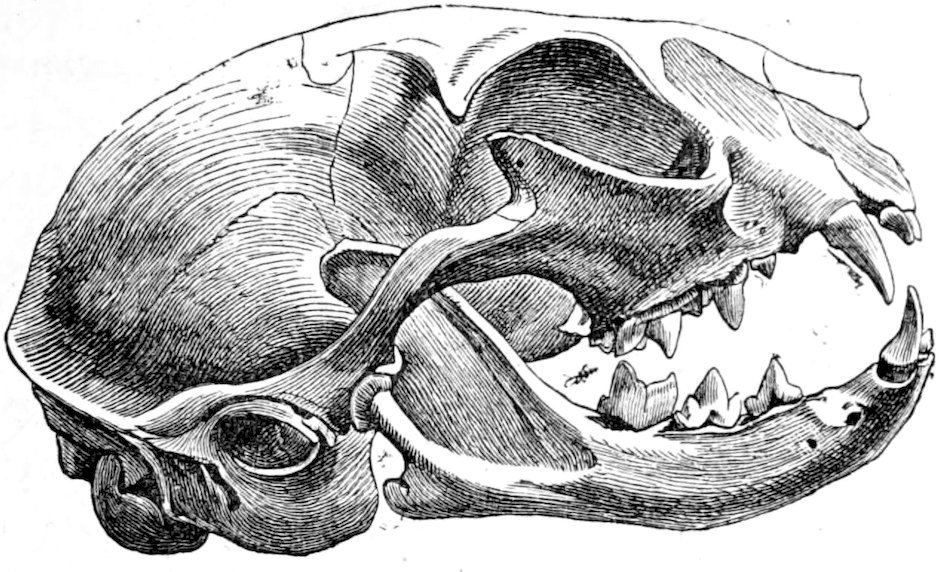
Fig. 14.—Skull of Domestic Cat.
The Lynx (Felis Lynx), found at one time in Germany, still lives in the Carpathians, and in Switzerland, but occurs more commonly in Scandinavia, Denmark, and Russia.
Family: Canidæ (Dog Family).
Head longer than in cats; canines and carnassials relatively less developed. Two tuberculated molars on each side of each jaw. Claws not so sharp as those of cats, and cannot be drawn back (i.e. are nonretractile). Fore-foot five, hind-foot four toes. Tongue smooth.
The various races of the Domestic Dog belong here.
The wolf (Canis lupus) is no longer an inhabitant of Britain or Germany, but sometimes crosses the German frontier from Russia, Galicia, Hungary, the Alps, and the Ardennes, especially in winter, and preys upon the larger domestic animals.
The remaining example is—
26 The Fox (Canis vulpes).
This animal lives in an underground dwelling, which is either dug out by itself or else is a deserted badger-burrow. It kills roes, fawns, hares, and game-birds; in farms it preys on poultry and eggs. It never commits depredations in the neighbourhood of its burrow, for fear of betraying its hiding-place. Valuable services, however, must be balanced against the damage mentioned above, for it catches many rabbits, and also an enormous number of field-voles in the years when these become a pest. It also often eats insects (e.g. cockchafers), worms, and snails. In fact, the fox is perhaps generally of more use than otherwise to the farmer and forester.
Family: Mustelidæ (Weasel Family).
Elongated, slender; legs short; head small and flat; cranium elongated; tongue smooth. Five toes on each foot, with small, sharp claws. A tuberculated molar on each side in the upper and lower jaws. The weasels give out an offensive odour from stink-glands situated near the anus.
There belong to this family—
1. The Pine Marten (Mustela martes). Body up to twenty inches, tail up to ten inches long; fur brown, with yellowish wool-hairs; a yellow patch on the throat. Is found in thick woods, where it destroys small birds and squirrels; it also kills much poultry and game.
2. The Beech, or Stone Marten (Mustela foina). About as large as the preceding species; greyish-brown fur, with whitish wool-hairs; a white patch in the throat; chiefly occurs in the immediate neighbourhood of human dwellings, in barns, wood-stacks, etc.; kills a great deal of poultry, sometimes also wild birds, mice, and game.
3. The Polecat (Putorius fœtidus). Shining brownish black, with yellow wool-hairs; somewhat smaller than 27the stone marten; in particular, the tail is shorter and its hair is not so long as in the two preceding species. In the summer it lives in the open country, in hollow trees, or in the burrows of foxes and rabbits; in winter it settles down near human dwellings, where it lives in wood and under heaps of brushwood, haylofts, etc. In summer it may do more good by destroying numerous field-voles, water-rats, etc., than harm by devouring those singing birds which are favourable to agriculture; but in winter its undesirable visits to the fowl-house and dove-cot effect much injury. It kills the birds and devours the eggs, sucking without smashing them. In winter, too, it is very harmful to beehives, being fond of honey.
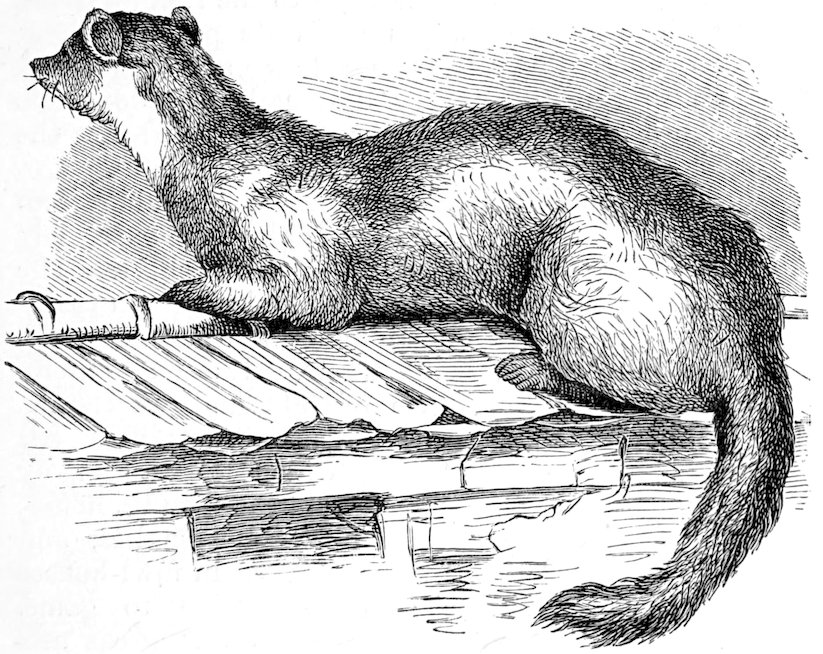
Fig. 15.—The Pine Marten (Mustela martes).
The Ferret (Putorius furo) is undoubtedly a short-legged variety of the common polecat, usually white in colour, and, when that is the case, red-eyed.
284. The Stoat, or Ermine (Putorius erminea). Body twelve inches, tail about three and a half inches long; slender; the body is scarcely broader than the head; tail longer than in the next species; summer fur, cinnamon brown above, white below; tail, cinnamon brown with black tip; winter fur quite white, but the end of the tail remains black. Mostly in fields, in the neighbourhood of plantations or woods; always abundant among sandhills, owing to the rabbits living there. The stoat usually follows its prey at night, stealing upon mice, rats, rabbits, hares, and song-birds; it is also sometimes very destructive in dove-cots and hen-houses. It must, however, be stated that the stoat is on the whole more useful than harmful.
5. The Weasel (Putorius vulgaris). Smaller than the stoat; head larger and thicker than the extremely slender, almost snake-like, trunk; legs short. The weasel is a very sharp little animal, and can easily pass along mouse-holes. Summer and winter coats alike—back brown, belly white. Its food chiefly consists of field-voles, also of rats and water-rats, young hares and rabbits, birds building near the ground, and also their eggs, which the weasel, by holding under its chin, manages to carry to its home; occasionally also lizards, blindworms, snakes, and frogs. The weasel does some damage in fowl-houses and dove-cots, and is also destructive to game. This, however, does not outweigh its very great use, since it is above all an untiring vole-catcher. When in any region the field-voles have multiplied excessively, an immigration of weasels takes place from surrounding parts. In years when there is a plague of voles the usual breeding time in spring is followed by another later on. A very large number of weasels may be found in a vole-infected district, and they thin out the mischievous rodents in a surprising manner. Nor are the weasels less useful in summer than in winter. They even follow under the snow 29the voles which winter in the country, and the slaughter effected at this period must exert a great influence on the following season, when these animals recommence their injurious work, and a pair of them that have survived the winter may perhaps produce two hundred others before the end of the summer.
6. The Mink (Putorius lutreola) is as large as a polecat, and may be regarded as a sort of link between it and the others. Leg and ears short; skin smooth-haired, brown both on the back and the belly; chin, lips, and a small patch on the neck, white; tail about one-third the length of the body. In well-watered regions on the banks of rivers, lakes, and ponds. Eats water-rats, water-birds, frogs, salamanders, fish, crayfish, water-insects, water-snails, and aquatic bivalves. Holstein, Mecklenburg, Pomerania, Brandenburg, Silesia.
7. The Otter (Lutra vulgaris). Body flattened; legs short, with webbed toes; snout rounded; ears short, and can be closed by a fold of skin; tail flat, and pointed at its tip. Length of the body, twenty-eight to thirty-two inches; of the tail, fourteen to sixteen inches. Skin smooth-haired, shining dark brown above and below. Found on the banks of lakes, pools, ponds, rivers, brooks, etc., where fish is plentiful. It catches water-rats, ducks and geese, as well as their young, wild water-birds, frogs, fish, crayfish, water-insects. Especially destructive to fish.
8. The Badger (Meles taxus). Body heavy; legs short, plantigrade; toes with strong digging claws; snout pointed; canines not very large; both they and the carnassials much worn in old animals. Tuberculated molars well developed. The dentition and whole structure of the body show that the badger is not exclusively a flesh-eater. Length of body, three feet; weight, 22 to 33 lbs. Fur tolerably long-haired, yellowish whitey grey, mixed with black. Head with longitudinal stripes of black and white; tail short, yellowish grey.
The burrow is very large; several passages, the openings of which may be ninety-seven feet apart, lead 30to the exterior. The badger only leaves its dwelling in the evening. It eats mice, birds which nest on the ground, especially their eggs and young, snakes, frogs, cockchafer grubs, earthworms, insects; also turnips, carrots, acorns, and sweet fruits. Although it is both harmful and useful, the latter is more generally the case. Its digging habits, however, are sometimes destructive, since it throws up young trees and other plants by the roots. The badger often sleeps several days in succession during the winter, although it does not hibernate. Its fat is used up during the winter.
Order: Insectivora (Insect-eating Mammals).
Since the Insectivora feed upon very small animals (insects, worms, snails), they cannot themselves be large. Only those species (hedgehog) which feed on small mammals and birds or upon vegetable matter, in addition to insects, are of medium size. The native species all live on or in the ground. The snout is extremely slender, and does duty as an organ of touch. The eyes are usually very badly developed. Incisors sharp; and the back teeth, which are completely coated with enamel, are remarkable for their pointed crowns. When the mouth is closed the upper teeth fit into the spaces between the lower teeth, and vice versâ. Consequently the shutting of the mouth forces the points of all the back teeth into any insect which happens to be between the jaws. The Insectivora are plantigrade (p. 22). Here belong the following forms: the Shrews (Sorex), the Mole (Talpa europæa) and the Hedgehog (Erinaceus europæus).
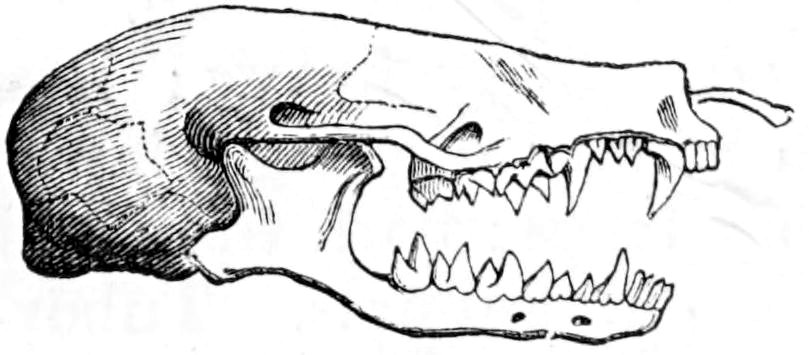
Fig. 16.—Skull of the Mole.
The Shrews (Sorex) are small animals with a 31superficial resemblance to mice, with slender soft-haired bodies, small eyes, and tolerably long, thickly haired tails. Shrews are extremely voracious, eating daily more than their own weight of food, and destroying an enormous quantity of subterranean vermin. They live in underground passages, not usually made by themselves, but dug out by field-voles. They smell strongly of musk, secreted by two glands in the hinder part of the body.
The blackish brown Shrew-mouse, or Common Shrew (Sorex vulgaris), and the Lesser Shrew (Sorex pygmœus), only about two inches long, kill, in the cornfields, gardens, or woodland, an enormous quantity of noxious insects found in the earth, together with their larvæ; also snails and worms, and sometimes field-voles, and are in the highest degree serviceable. But the larger (up to 3½ inches long), black Water Shrew (Sorex fodiens), although serviceable on land in the same way as the other kinds, is very injurious to fishing and fish-breeding, since it devours the small fish and kills the larger ones, eating out their eyes and brains.
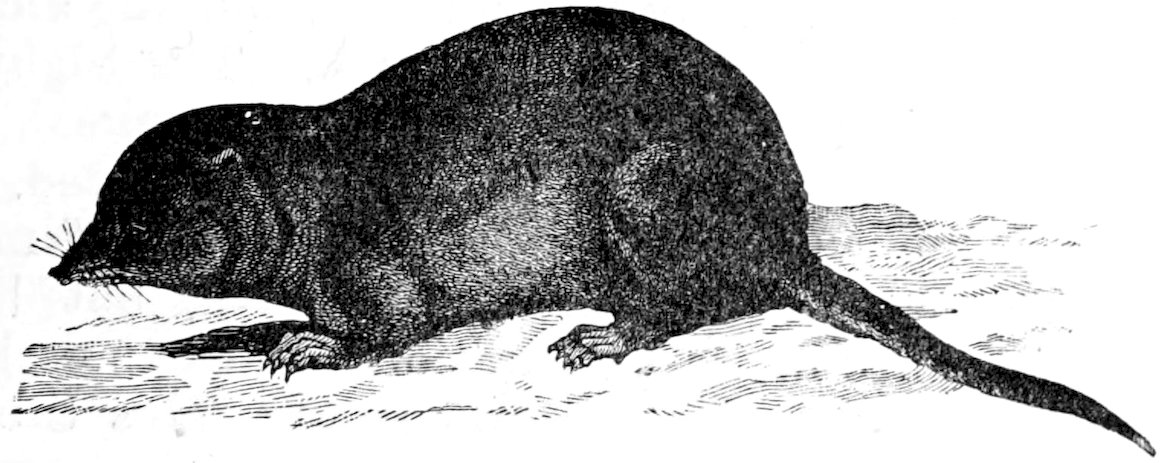
Fig. 17.—The Common Shrew (Sorex vulgaris).
The Mole (Talpa europœa). Body thick, cylindrical. Legs short, fore legs broad and spade-like, with broad digging claws. Eyes small, scarcely visible among the fur. No external ears; the auditory opening can be completely closed by a fold of skin. Shining black fur. The mole is found in every soil 32inhabited by insects and earthworms, provided it is not too stiff, but yet sufficiently coherent to dig passages in, which will not at once collapse. Its presence is known by the heaps which it throws up. The nest, however, is always found under a larger heap, frequently hidden under tree roots, walls, etc., though sometimes in the open field. It consists in the first place of a nearly round dwelling-chamber, softly upholstered with vegetable substances; this is surrounded by a labyrinth of passages. From the nest a passage runs to the mole’s hunting-ground. The walls of this passage of the labyrinth, and of the nest, are hard. The wider and subterranean channels, which the mole digs out when it is simply catching insects in the soil, easily fall in again, and the animal takes no pains to compact their walls. The highway to the hunting-ground, in which the animal can progress very rapidly, can be at once detected, not like the ordinary passages by a small chain of mole-hills composed of the thrown-up earth, but by a depression, since in its preparation the earth is laterally compressed and not thrown out. This tube is shorter or longer according as the hunting-ground is in the immediate neighbourhood or further off; it may be 100 or 160 feet long. The mole sleeps in the nest during the time not employed in seeking for food, and goes three times a day on the hunt for insects (early morning, midday, and before sunset in the evening). Having reached the subterranean hunting-ground, it tracks to some distance the insect larvæ, and worms found in the soil, being aided in this by its long snout. It daily devours more than its own weight. During summer the mole digs its passages near the surface, since larvæ and worms are then found in the uppermost layer of earth. In winter, when these withdraw into the depths of the soil, it digs much deeper channels. It does not fall into a winter-sleep. The young (three to seven) are born in 33May, June, or July. The mole never gnaws plants. It does service, sometimes very great, by eating many wireworms, grubs, snail embryos, earth caterpillars, mole-crickets, and other earth-inhabiting insects, as well as their larvæ. It also willingly eats earthworms, but whether this does good is not definitely known. But under certain conditions it may also do harm, rooting up plants as it makes its heaps. Grass and grain suffer little, if at all, by this; other plants more; while young flax-plants perish if their roots are loosened. Mole-hills in hayfields and cornfields are a nuisance at harvest time. Moles are not to be endured in the neighbourhood of dams, since their borings may become the immediate cause of flooding. Trapping may usefully be resorted to in cases where moles are harmful.
The Hedgehog, or Hedgepig (Erinaceus europæus). When danger threatens it rolls itself into a ball covered all over with prickles, and is in this way secured from the attacks of most enemies. The hedgehog goes on the hunt in the evening; while during the day it sleeps in its hiding-place, situated in such places as the side of a ditch, hedges, or under heaps of brushwood. It preys more particularly on field-voles, sometimes also on eggs and small birds (chickens occasionally), lizards, grass-snakes, adders (by the bites of which it is unaffected), frogs, cockchafers and their larvæ, field snails, earthworms, and similar small deer; now and then on fallen fruit and juicy plant roots.
Order: Cheiroptera (Bats).
34
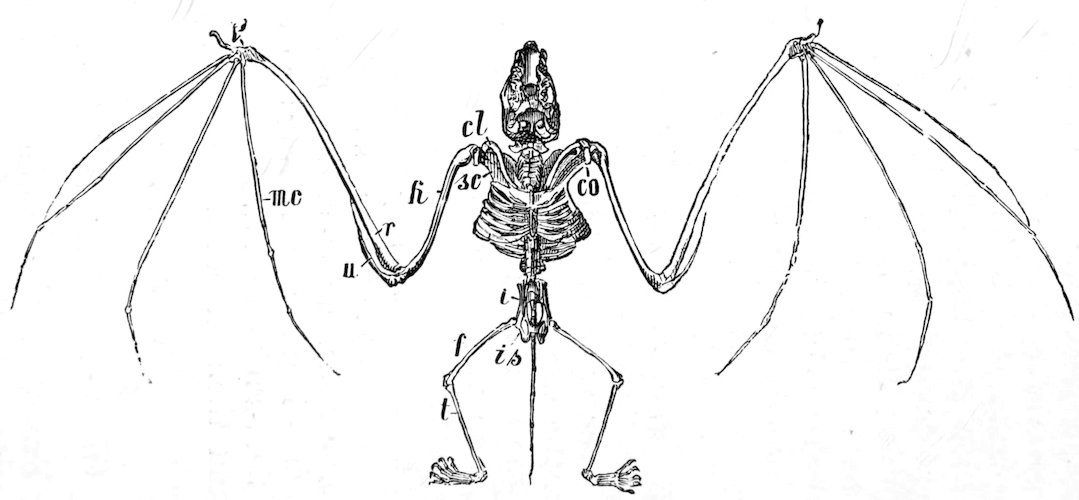
Fig. 18.—Skeleton of a Bat.
All Bats, except a few tropical genera, feed on insects, and possess teeth like those of the preceding order of Mammals (p. 30). The leading feature is the characteristic modification of the fore limbs into a flying apparatus. The bones of the fore arm (Fig. 18, u, r), the metacarpels (mc), and the phalanges (except in the case of the thumb, which possesses a sharp claw (p)) are of great length; and between the long fingers, between the fore and hind limbs, and, last of all, between the two hind limbs there is an elastic membrane, serving both for flight and touch. Sight ill developed, since the bat is a nocturnal animal; a 35delicate sense of touch has its seat not only in the flying-membrane, but also in the skin of the ears, which are often very large, and in the membranous flaps which, in a few genera (the “leaf-nosed” bats), occur on the nose and lips. As is well known, bats sleep in the day; and they also hibernate in chimneys, hollow trees, ruins, and other similar places of concealment.
They principally devour night-flying moths, and spiders; and, since they use a great quantity of nourishment, are of great service, since the caterpillars of many of the species they destroy are very injurious to agriculture or forestry. About nine species live in Britain, but there is no use in enumerating them here.
Order: Rodentia (Gnawing Mammals).
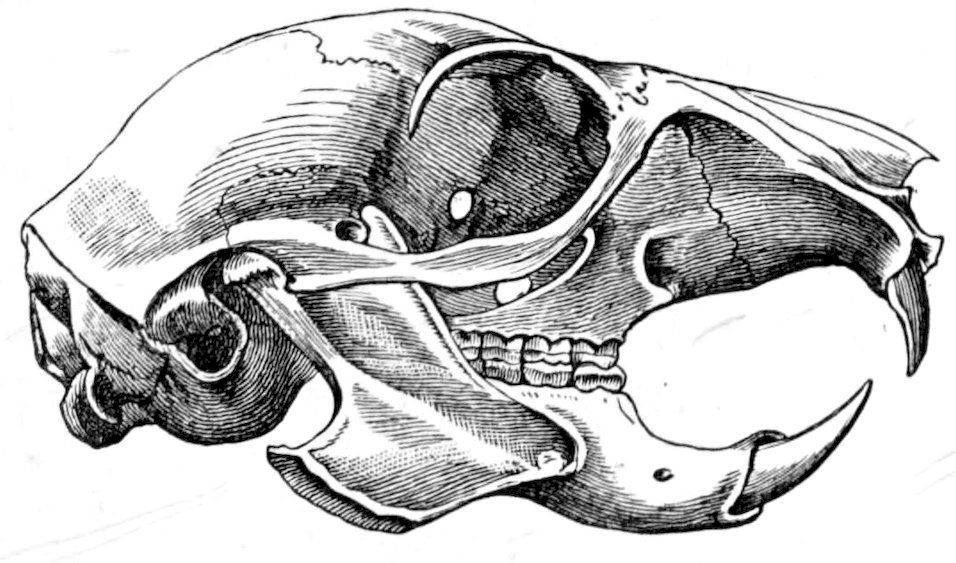
Fig. 19.—Skull of Squirrel.
Two long incisors (Fig. 19), the crowns of which are continually being worn down, while a corresponding growth takes place at the root-end. These incisors are used for gnawing, in which process the lower jaw is rapidly moved backwards and forwards. Gnawing wears down these teeth less in front than behind, owing to the presence of a thick layer of enamel in the former position. Their crowns, therefore, maintain a chisel-edge. That the incisors never stop growing 36is clearly seen when the usual wearing down does not take place, as, e.g., when the lower jaw is placed obliquely under the upper jaw, or when a tooth is absent in one jaw, under which circumstances the corresponding incisor in the other jaw is not worn down. In such a case the incisors continue to grow, ultimately curving upwards or downwards, and becoming tusk-like structures (Fig. 20). The Rodents have no canines. In those Rodents which feed both on animal and vegetable food (the “Omnivora,” e.g. squirrel, common mouse, brown rat, etc.), the crowns of the back teeth are completely covered with enamel; in the purely vegetable feeders (“Herbivora,” e.g. hare, rabbit), they are compound teeth (p. 22). In most Rodents the hind feet are longer than the fore, giving a springing gait. Eyes large. Many forms have “cheek-pouches,” in which the food they obtain can be stored up for some time. When the pouches are full, a muscle contracts by which their ends are drawn backwards; they are emptied by the animal pressing them with its fore feet. The majority of Rodents are small, they are at most of medium size (hare). The majority of the species have great powers of reproduction, by which the injurious kinds are sometimes rendered a very great pest. The British forms injurious to agriculture principally belong to the families of hares, mice, and voles. The squirrel (Sciurus vulgaris), and the dormice (especially Myoxus avellanarius) are solely of importance in forestry.
Family: Leporidæ (Hares and Rabbits).
Skull somewhat long. Two small incisors behind the two large upper ones. Ears long and spoon-shaped. Upper lip cleft. Back teeth with enamel folds. Here belong the hare (Lepus timidus) and rabbit (Lepus cuniculus).
37Hare (Lepus timidus). Ears longer than the head. Eyes yellowish brown. Fur rusty yellow to grey on the upper side, white on the under side. The doe litters in an open “form;” the young are born covered with hair and with open eyes. Mature animals breed four or even five times a year, producing two to four leverets each time. The hare is injurious to agriculture, eating cabbages, rape, turnips, clover, vetches, young corn plants, carrots, and grass. It also eats many weeds. It is, however, less injurious than the rabbit, for it does not burrow. The damage done by the hare is also less evident, since this restless, fastidious animal seldom feeds continuously in the same spot.
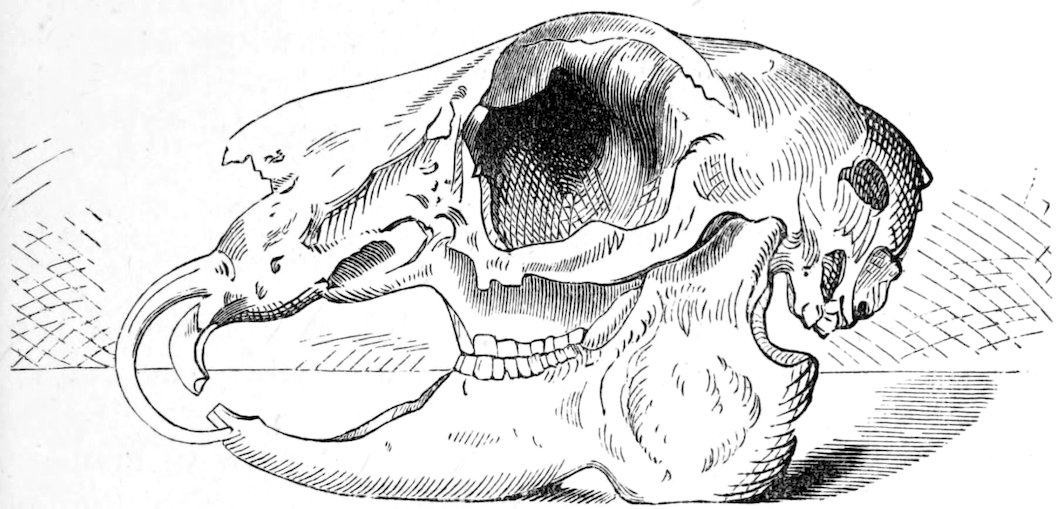
Fig. 20.—Abnormal Tooth in Hare.
Rabbit (Lepus cuniculus). Ears shorter than the head. Eyes dark brown. Fur yellowish brown to greyish yellow on the upper side, redder in front. Under fur bluish grey. Shape more compressed. The rabbit breeds more rapidly than the hare. Five to six times yearly the doe brings forth four to eight young, which, after six months, can again reproduce. Dwelling subterranean. Young, blind and hairless at birth. As the rabbit burrows, it is limited to certain districts, for the soil must not be too stiff and firm, 38nor, on the other hand, too light and incoherent. The rabbit is injurious in the same way as the hare, but the damage is more obvious (see above); and as a result of its burrowing habits it does infinitely more damage. Both in sandhills and in alluvial sandy soil rabbit burrows lead to the blowing away of material only held together by sand-plants. Kept down by shooting, netting, and ferreting (p. 27).
Family: Muridæ (Mouse Family).
The mouse-like animals (the larger species of the family are called “rats”) closely resemble the representatives of the following family, but are distinguished from these (the “voles”) by their slender body, longer legs, a more pointed head with longer always clearly visible ears, and usually, with the exception of the hamster, by a tail equal in length to the body. The hind legs are longer than the fore legs, hence the hopping mode of progression. Three back teeth on each side of each jaw, possessing a tuberculated crown completely covered with enamel.
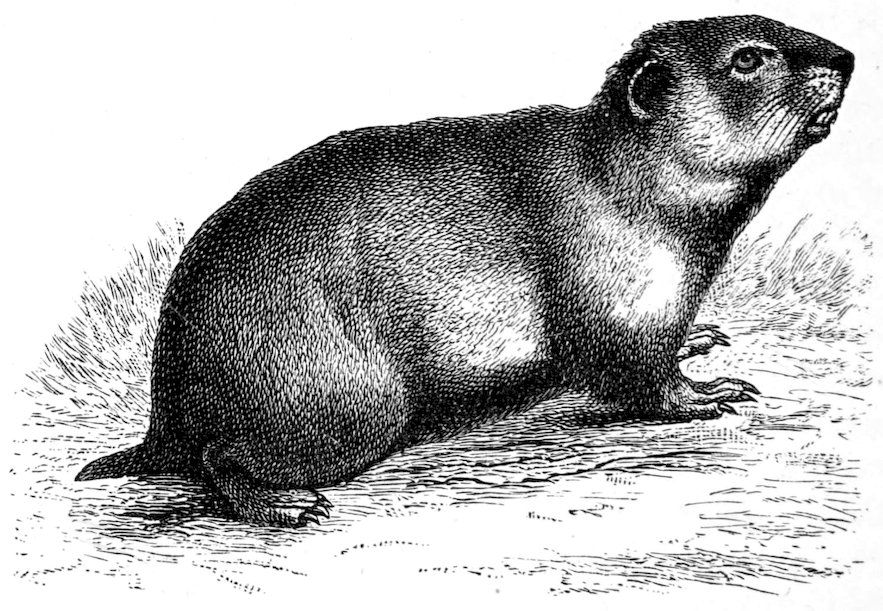
Fig. 21.—The Hamster (Cricetus frumentarius).
39The Hamster (Cricetus frumentarius).—The Hamster has cheek-pouches, and a very short, thick, but short-haired tail. It attains the size of the brown rat. Bright yellowish brown; belly and legs black. The hamster is found almost exclusively on fertile soil devoted to cultivation. It appears locally, and then for several years in great abundance, so that it is often caught in tens or even hundreds of thousands. Favourite food: wheat, field beans, and peas, then rye and similar grain; and, last, roots, turnips, young corn plants. Sometimes, too, the hamster eats animal food—worms, insects, lizards, small birds, eggs, and mice. As a winter store it usually only accumulates grain, beans, and peas in its hiding-place, often to the amount of more than five gallons. A little heap of thrown-out soil marks on the surface the position of its nest. The entry to this runs vertically down into the soil. Six to twelve young, twice a year. The dwellings of the hamster, which are situated in stubble-fields, can easily be found; and by digging them up, particularly in spring and late summer, when there are young ones, the number of these destructive Rodents can be greatly reduced. May be caught in traps.
Genus Mus (Mice and Rats) includes Rodents without cheek-pouches, and with long, scaly, ringed tails. Two large species (“rats”) belong here, namely—
The common Black Rat (M. rattus), indigenous to Europe since pre-historic times, and the stronger, somewhat larger—
Brown Rat (M. decumanus), with greyish white belly (while the first-named species is black on the upper and only slightly brighter on the under side). The brown rat migrated during the first half of the eighteenth century from Asia into Russia, and about the same time from Further India to England by means of ships. Since then it has spread all over Europe and other parts of the world, and in many regions has quite driven out the black rat. Both kinds of rat eat almost everything, and are a pest in housekeeping, as well as in agriculture. They feed on insects, mice, eggs, and chickens, will even bite pieces from the living bodies of grown poultry and fattening swine, and also devour young geese and ducks. They eat grain, peas, beans, potatoes, carrots, turnips; bread, cheese, and similar provisions. Multiply very rapidly. Can be driven away by clacking-mills, and to a great extent by noise. Caught in traps.
40Besides these, four mice belong here:—
The Common Mouse (Mus musculus). Back yellowish grey-black, gradually shading into a somewhat lighter tint on the under side.
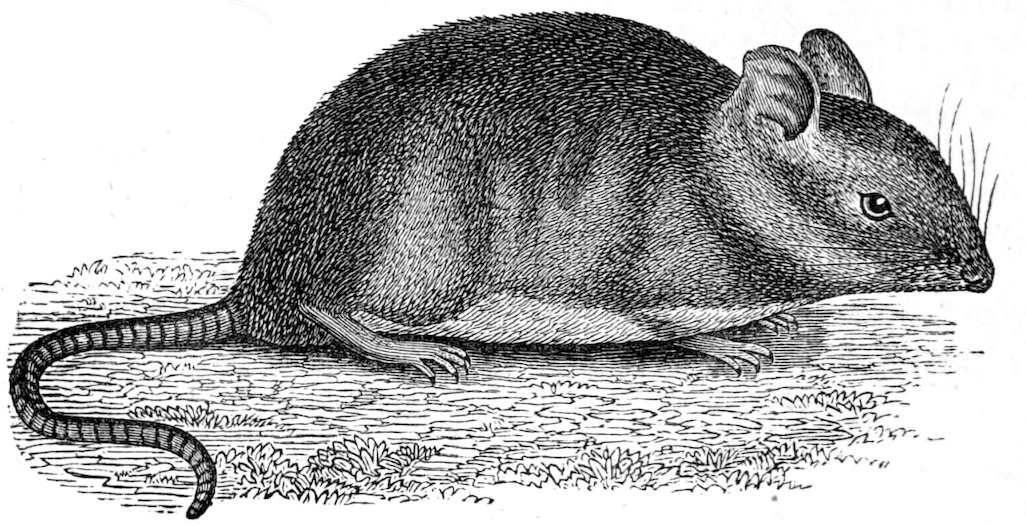
Fig. 22.—The Long-tailed Field Mouse (Mus sylvaticus).
The Wood Mouse, or Long-tailed Field Mouse (M. sylvaticus). Back a brown shade of yellowish grey; belly white, sharply marked off; relatively very long hind legs, hence a hopping gait. The long-tailed field mouse penetrates tolerably far into woods, but is also found in plantations and gardens, sometimes also in quite treeless regions. On arable land it may adopt the habits of the field vole (p. 42), but as it does not multiply so rapidly is not nearly so injurious. It may also live either for a short time or permanently in houses, adopting the same habits as the common mouse.
The Harvest Mouse (M. minutus). Small, pretty; back yellowish brown red, belly of a sharply marked-off white. Lives in cornfields during the summer; in harvest time by the field-paths; during winter in barns and haystacks, but also in outdoor nests in the fields. Climbs among the grass and corn-haulms, and the small stems and branches of other plants, including shrubs, holding fast, not only by the feet, but also by the tail. Builds a beautiful spherical nest with a 41side entrance out of the haulms and leaves of grass and corn, or out of other leaves. Devours seeds, especially grain, oats being the favourite.
The Corn Mouse (M. agrarius). Back brownish red with longitudinal black stripes. In plains east of the Rhine. Usually local, but then very abundant. Chiefly in cornfields and fruitfields; digs holes in the soil. In autumn it often occurs in the field in large colonies. Food: grain, beans, peas, potatoes, turnips, carrots. In winter in the barns and dwelling-houses of farmers.
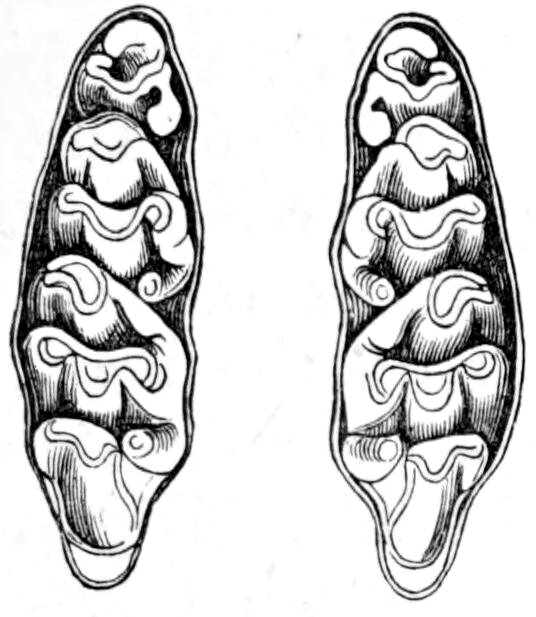
Fig. 23.—Upper Back Teeth of Brown Rat, seen from grinding surface.
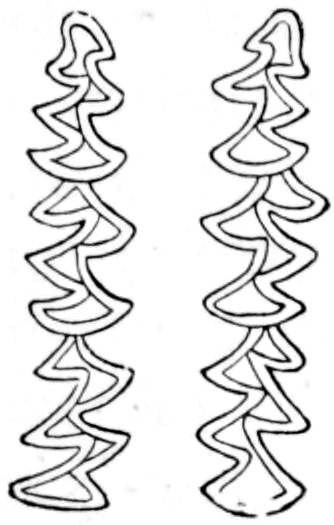
Fig. 24.—Upper Back Teeth of Water Vole, seen from grinding surface.
Regarding the means of destroying those mice which are sometimes damaging to agriculture (M. sylvaticus and M. minutus), see methods mentioned under “Field-vole” (p. 43).
Family: Arvicolidæ (Vole Family).
The large voles are also popularly called “rats,” the smaller ones “mice.” They closely resemble the true mice and rats (p. 38), but are distinguished from them by their plumper, more compressed body; a thicker head with blunt snout, and ears quite hidden in the fur; and a short, tolerably hairy tail, on which no rings of scales can be distinguished. There are on each side of each jaw three back teeth, of which each appears to consist of two rows of three-sided prisms, 42fused together along the middle line (cp. Figs. 24 and 23). The native species all belong to the genus Arvicola; the Bank Vole (Arvicola glareolus), the Water Rat, or Water Vole (A. amphibius), and the Short-tailed Field Mouse, or Field Vole (A. agrestis).
The brownish-red Bank Vole (A. glareolus) occurs in forests.
The Water Rat, or Water Vole (A. amphibius). Body six inches long, tail half the length of the body. Fur of one colour, brighter on the under side, varying from brownish grey to brownish black on the back, and from whitish to greyish black on the belly. On the banks of rivers, brooks, ditches, canals, etc.; also on damp low-lying meadows and fields. Digs much-branched passages in the soil; this often takes place in embankments to such an extent that it finally leads to their complete destruction. The vole also does damage in grass-fields and cornfields in the same way as the mole (p. 33). In its case, however, there is no compensating service. It certainly eats insects and worms, but its chief food is of vegetable nature; grain, potatoes, turnips, and carrots are devoured by it in large quantity, and in particular stored up in its hiding-place. It also destroys the roots of grass and corn, and eagerly devours chickens and the eggs of ducks and geese. A variety (A. amphibius, var. terrestris) occurs in dry soils, and is distinguished by its smaller size, lighter colour, and shorter tail. Its habits are the same as those of the ordinary form, but it is more given to attacking trees.
Traps, shooting, poisoning with celery stumps hollowed out and filled with phosphorus, or else with phosphorus paste.
The Field Vole, or Short-tailed Field Mouse (A. agrestis). A small animal, with dark brownish grey back and greyish white belly. [Lives in pastures, especially those which are low-lying and damp. Large numbers are found together, and they make deep burrows in 43the soil, each pair having a special nest to themselves. Three, four, or even more litters per year; four to ten young in each litter. Its favourite food consists of roots, young shoots of grass, etc., and the tender bark of shrubs, but nothing of vegetable nature comes amiss. Specially destructive in permanent pasture.]
Remedies. (a) Preventive measures. Protection of its natural enemies (weasel, stoat, polecat, fox, hedgehog, owls, buzzards, kestrels, the smaller seagulls). Catching in traps, etc., in the spring, when the voles are only present in small numbers.
(b) Destructive measures, which should be as generally used as possible in infested districts. If a field has been completely devastated, or the crop is over: (1) Working the soil with a spiked roller; (2) Partial inundation of the lower-lying fields. If it is desired to kill the voles and spare the crop as well, the following means may be recommended: (1) The digging of cylindrical holes six inches across and two feet deep, especially at the margins of the fields and in the furrows, as well as—at harvest time—on any footpaths that may be found. The voles fall into these holes, cannot get out again, and are starved. (2) The employment of poisons. (Care must be taken that no children or domestic animals are poisoned.) Phosphorus paste is best.
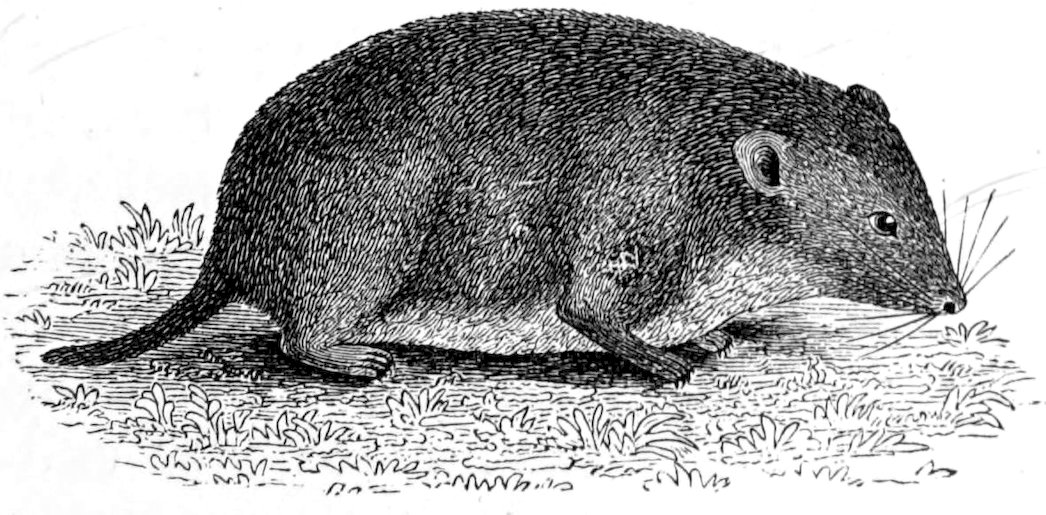
Fig. 25.—The Southern Field Vole (Arvicola arvalis).
The Southern Field Vole (A. arvalis) plays the same destructive part on the Continent that the preceding form does here (Fig. 25). Remedies—see above.
44
Order: Ruminantia (Cud-chewing Mammals).
The feet end in two hoof-covered toes, besides which two “after toes” are present. The upper incisors are absent, with few exceptions, but many deer have canines in the upper jaw. The back teeth of Ruminants are compound teeth. The lower jaw is smaller than the upper, and during chewing undergoes lateral movements, so that the plants taken in as food are ground up, as it were, into small pieces, between the projecting enamel ridges of the upper and lower back teeth. The stomach consists of four subdivisions; these are (1) the rumen, or paunch, where the greater part of the food and water taken collects; (2) the reticulum, or honey-comb stomach; (3) the psalterium, or manyplies; (4) the abomasum, reed, or rennet stomach. The last is the second largest part, and in it the same chemical changes take place as in the simple stomach of a non-ruminant. After the food has remained for some time in the paunch it passes up again through the gullet, and [as the “cud”] undergoes a second chewing. The soft mass resulting is once more swallowed, and passes into the psalterium and abomasum.
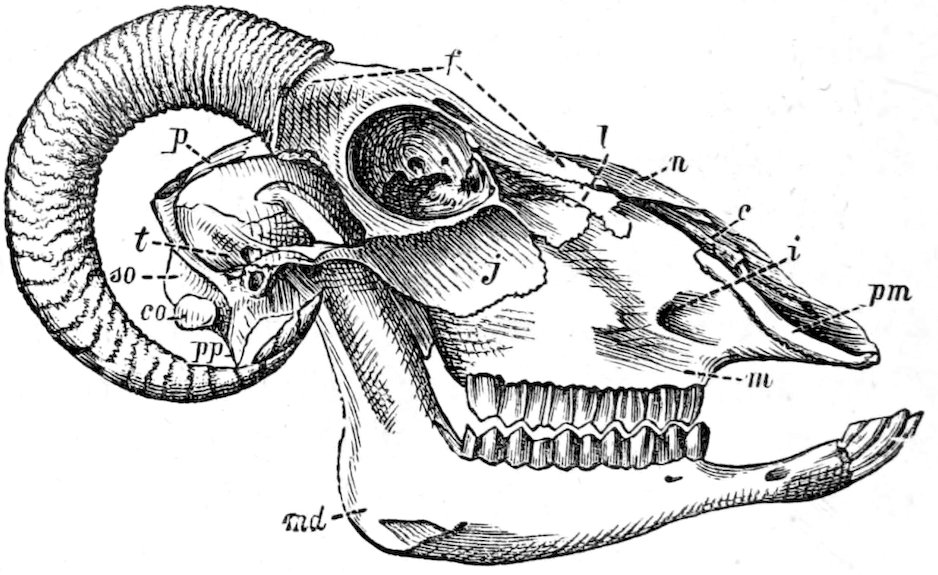
Fig. 26.—Skull of a Sheep.
Not only the families of Tylopoda (Camels, Llamas), 45and Camelopardalidæ (Giraffes), but also the large family of Cavicornia, to which, amongst others, the ox, sheep, and goat belong, will be passed over in this book. I need only mention the—
Family: Cervidæ (Deer Family).
Deer have branched horns, known as antlers. With the solitary exception of the reindeer, they are only found in the males. They are bony structures borne upon projecting knobs (horn cores) of the frontal lines. After each rutting-season the antlers are cast, new ones, clothed at first with a soft skin [the “velvet”], are developed. Before the next rutting-season the dermal part of the skin unites firmly with the underlying antler, and becomes itself ossified, while the epidermis shrivels up, partly peels off in bits, and is partly rubbed off by the animal against tree trunks. If the conditions of life (food, weather) are favourable, the animal acquires a new side branch to each antler every year, at any rate, so long as he continues to get bigger and stronger. The one-year-old male (“brocket”) has therefore a simple unbranched antler, the two-year-old (“spayad”) one side branch as well, the three-year-old (“sorel”) three points in all; the four-year-old (“staggard”) has four points; the five-year-old (“stag”) five, and so on.
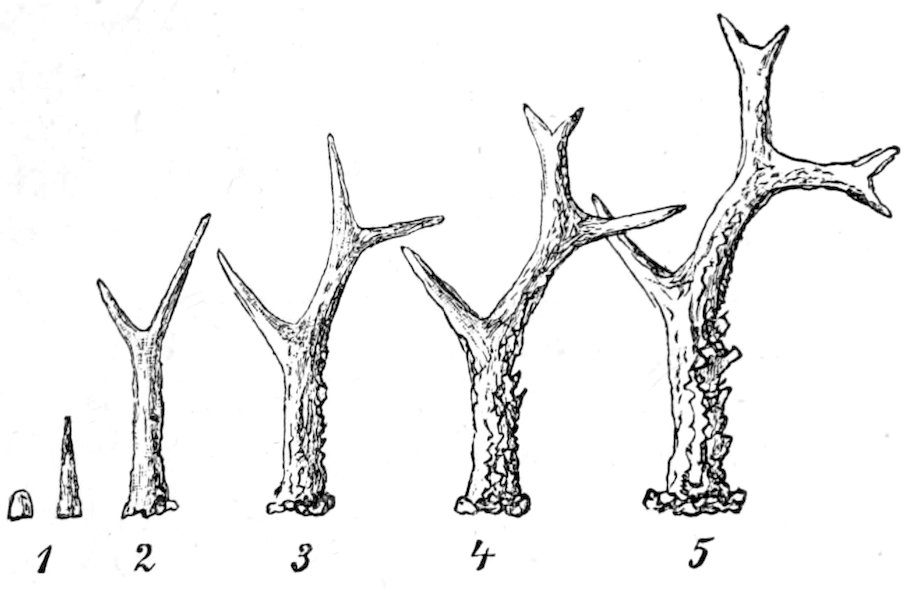
Fig. 27.—Development of Roebuck Antlers.
46In Britain two indigenous deer are found—the Red Deer (Cervus elaphus) and the Roebuck (C. capreolus); a third species, the Fallow Deer (C. dama), lives in South Europe and Asia Minor [and the exact date of its introduction into Britain is not known].
The Red Deer (Cervus elaphus). Six to seven feet long, and four feet high. Antlers rough and cylindrical for their entire length; each in its normal condition has two front branches [“brow” and “bez-tyne”], a middle branch [“tres”], and a “crown.” Tail small. Body of a brownish colour, becoming red in summer. A light yellowish brown spot on the tail. Male larger than the female, with long dark hairs on the neck during the breeding season (autumn). The young (“calves”) are spotted with white till their first change of coat in October. The hind brings forth one or rarely two calves in May or the beginning of June. The stag sheds his antlers at the end of February; the new ones are already full-grown in July. So long as they are growing the stag keeps to the low woods, and first seeks the high-lying forests when they are completed. He only leaves the forest for any length of time during the breeding season, but, wherever possible, comes to the field for a short time every evening to feed on cabbages, peas, beans, young corn, clover, lupines, grass, etc. Turnips, carrots, and potatoes, dug out of the ground by the fore legs, are also devoured. In this way red deer do a great deal of damage, not only directly in feeding, but also, to a larger extent, by trampling down the crops. In autumn and winter they chiefly feed on acorns, beechnuts, buds and young shoots of various trees. They also peel the bark from young trees, and often cause damage while rubbing the remains of the velvet from 47their antlers. Red deer are injurious to agriculture and forestry. Suitable fencing of fields, gardens, etc., to be protected.
The Roebuck (Cervus capreolus) measures up to three and a half feet long, and about two feet high. Antlers (Fig. 27) only slightly branched, and rough all over; beams and branches cylindrical. No brow-tynes, and usually only three branches. Tail extremely small and inconspicuous. Legs long and slender. Summer coat greyish brown, passing over to a reddish tint; the longer winter coat brownish grey. A whitish patch on the rump. The young (“fawns”) have at first white spots on a brownish ground.
Breeding season in August. The female (“doe”) brings forth her two fawns in May or June. The roebuck keeps principally to the lower and middle forests, especially in places where glades, rich in grass and herbage, and cornfields or meadows alternate with woodland. In the evening it comes out of the cover to eat in the fields and meadows; towards morning it withdraws again. The roebuck devours both young corn and corn in the ear; also ears of millet, beans, peas, clover, and lupines. It does not appear to touch potatoes and turnips. The bucks in particular do much mischief by trampling about in cornfields.
The Fallow Deer (Cervus dama) is about four feet long and three feet high; antlers rough and cylindrical only towards the root, with tolerably smooth, flat, shovel-like ends. Old individuals are pale brown, the summer coat is reddish and brightly spotted; belly whitish; a white patch on the tail. The young have sharply marked bright spots. In its habits this non-indigenous species agrees in many respects with the red deer, but changes its abode less. Towards evening it eagerly leaves the forest in order to seek its food in the cornfields. As the fallow deer lives in large herds its trampling does much damage.
48
Order: Multungula or Pachydermata (Many-hoofed or Thick-skinned Mammals).
Non-ruminating hoofed animals with thick, often callous, naked, or scantily haired, frequently bristly skin and with three to five toes, which, though they are not all developed to the same extent, are yet never rudimentary. The various species are very unlike one another as to food and dentition. Here belong domesticated swine, and a single species—formerly occurring wild in Britain—
The Wild Boar (Sus scrofa). On each foot four toes, of which the two hinder are small and do not usually touch the ground. The wild boar agrees in the general conformation of its body with the common domesticated swine. Six incisors in upper and lower jaw; the lower ones forwardly directed. The canines, which are more developed in boars than sows, curve outwards and upwards in both jaws as “tusks.” On each side of each jaw seven tuberculated back teeth completely covered with enamel. Length of the body 5 feet 10 inches; length of tail 1 foot 8 inches. Colour: black and rusty brown. The young ones are white, spotted and striped with dark brown. The wild boar likes damp, swampy, but at the same time thickly overgrown districts, where it remains hidden in the day, only seeking the fields and meadows when it has become dark and quite still. It then chiefly feeds on turnips, carrots, and potatoes, rooting them out of the ground; it also devours leguminous crops and grain, but treads down far more of these plants than it eats. Besides this, it also feeds on acorns, beechnuts, hazel-nuts, and truffles. The wild boar does some service by devouring snails, worms, insect larvæ living in the soil, and also the pupæ of destructive species of caterpillars, which occur in the same situation; also voles. Thick hedges, in order to protect the corn from injury.
Order: Solidungula (Single-hoofed Mammals),
to which the horse and the ass belong, need not be dealt with here; still less the other orders enumerated on p. 23.
49
CLASS II.: AVES (BIRDS).
Warm-blooded Vertebrates, which breathe by lungs, are covered with feathers, have no teeth but a horny beak, and lay hard-shelled eggs, which are hatched by the warmth of their body. They are adapted for movement in the air, though not all to the same degree. The fore limbs are modified into wings, in which, however, the parts found in Mammals can be recognized. We distinguish in the first place a small thumb, and then in most cases a two-jointed forefinger and a small second finger. Secondary quills (Fig. 28, BB) are attached to the ulna, and primary quills (A, 1–10) to the two metacarpals and the finger joints, while the thumb bears the bastard wing (C). The tail feathers, or rectrices, are attached to the last joint of the tail. The body is clothed with stiff, tolerably long contour feathers, which conceal the soft short down from view. The bones are hollow and filled with air. Their cavities are connected with air-sacs, which are found in all parts of the body, and fill themselves with air from the lungs when the bird begins to fly. In this way its specific gravity is reduced. The body firm, especially the hinder part of it, which is almost immovable; the neck, which may consist of many vertebræ (even as many as twenty-two), can, on the contrary, be turned in many directions. Birds walk entirely on their toes; the metatarsals are fused with one of the rows of tarsals into a “tarsus” bone. Tarsus and toes are covered with horny scales.
A bird’s egg (Fig. 29) consists of a germinal disc (h) from which the young bird develops, and which rests on the yolk, made up of substances serving for the nutriment of the developing bird: the yellow (a) and the white (b) yolk, as well as the albumen (c, c1, “white of egg”) in which lie two twisted cords 50(chalazæ),—finally of protective structures: the shell-membrane (e) and the calcareous shell (f); g is the air-chamber.
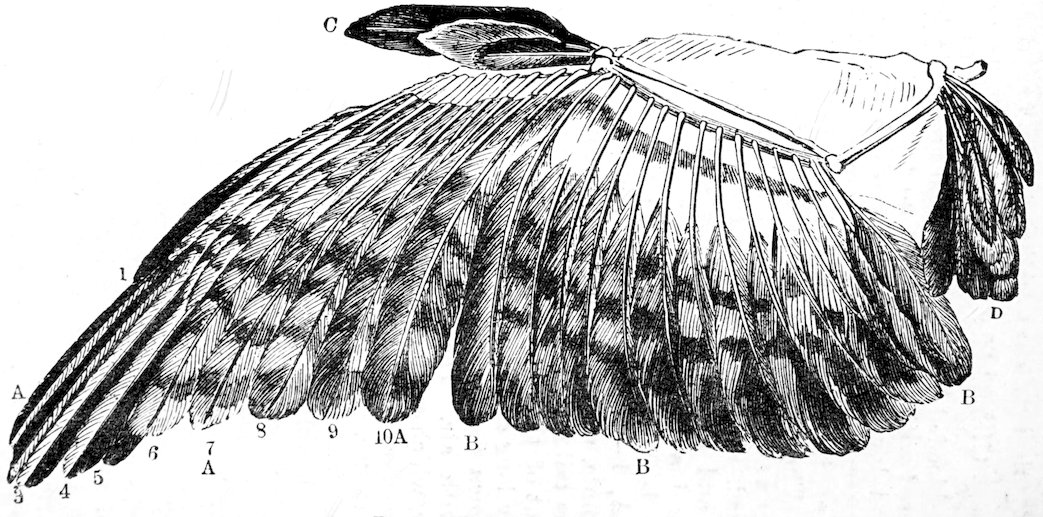
Fig. 28.—Wing of the Buzzard.
51
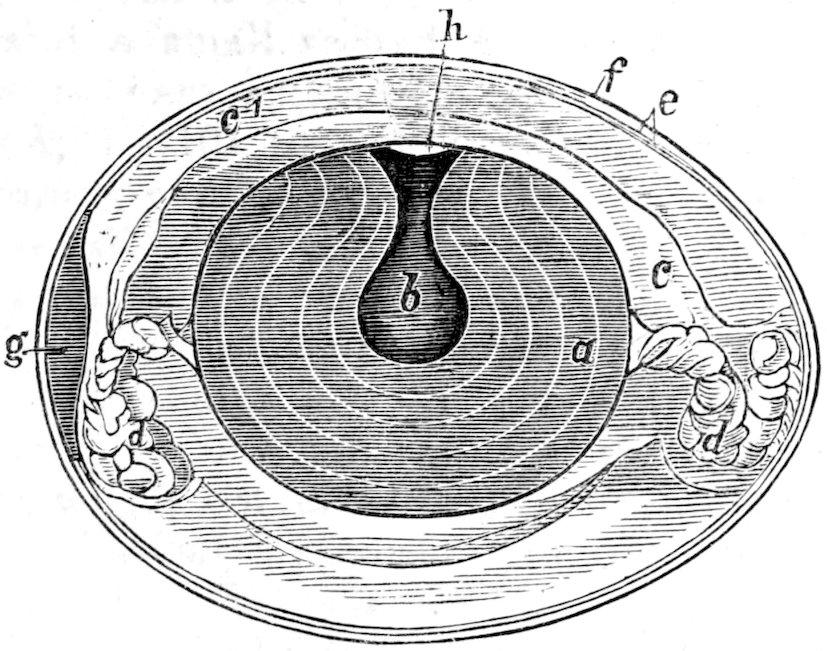
Fig. 29.—A Bird’s Egg.
When the young escape from the egg, they are either able to at once look after themselves more or less, at least to look for their food,—in which case they can see and are clothed with feathers at hatching (precocious young; e.g. fowls, ducks, gulls, and pewits),—or the young remain some time in the nest, as they are, to begin with, both blind and naked, and in this case they are fed for some time by the parents (nestlings; e.g. birds of prey, sparrows, nightingales, pigeons). In the frigid and temperate zones most species of birds do not remain in their native country after the breeding season; those which go south in the autumn are termed migrants; while birds which do not migrate, but remain in the district where they have bred, are known as residents (sparrow, jay, magpie). Gipsy migrants execute more or less extensive wanderings, influenced by want of food or other causes (woodpecker, titmouse, golden-crested wren, tree-creeper). The travels of such birds are not, like those of migrants, undertaken at a definite 52time of year, or in definite directions (N., S.), but many of their species collect together in large flocks for the purpose of wandering, like migrants.
The following orders are usually distinguished:
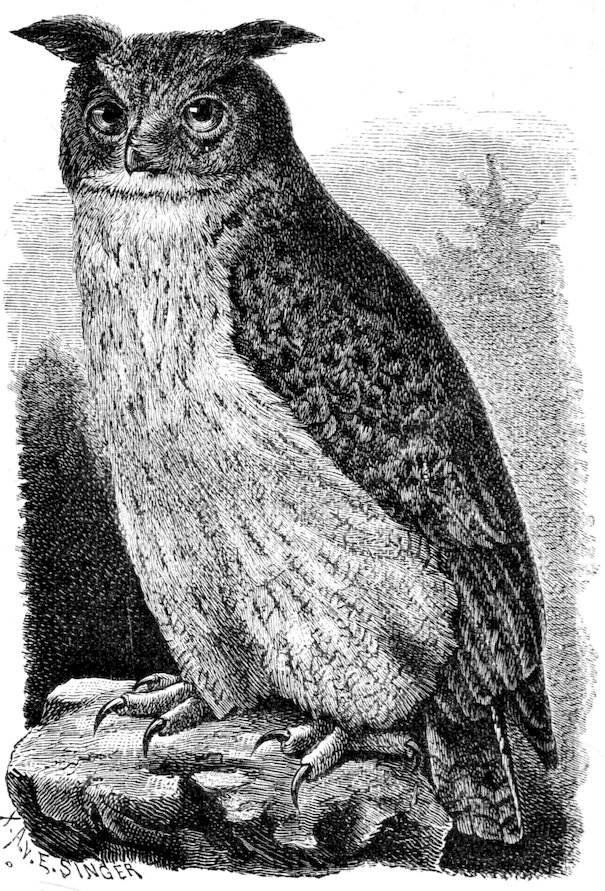
Fig. 30.—The Eagle Owl (Otus maximus).
I. Raptores (Birds of Prey), II. Scansores (Climbers), III. Passeres (Singing Birds), IV. Gyrantes (Doves), V. Rasores (Scratchers), VI. Grallatores (Waders), VII. Natatores (Swimmers), VIII. Cursores (Running Birds).
The Order Cursores includes the ostrich-like birds, and will not here receive further notice.
53
Order: Raptores (Birds of Prey).
Upper beak hooked, covered with a skin (cere) at its base; four toes possessing strong claws, and provided with pads in their under side (Fig. 31); wings powerful. Birds of prey live in pairs, and breed once a year in nests composed of pieces of wood and branches. The young are nestlings (p. 51). Sight keen. These birds feed almost exclusively on vertebrates, principally mammals and birds. An idea of their food can be gained by examination of their “pellets”—roundish balls composed of the indigestible parts of their food, and disgorged from twelve to twenty hours after feeding. Two groups are distinguished—diurnal and nocturnal birds of prey. The first (Figs. 31, 32) have a laterally flattened head, eyes directed laterally, and tolerably stiff feathers. The nocturnal forms (“owls,” Figs. 30, 33) have a large head, flattened in front, with large eyes facing to the front, soft plumage, and hair-like feathers on the toes, of which two are directed forwards, one backwards, and one outwards. The radiating feathers round the eye constitute a “veil.”
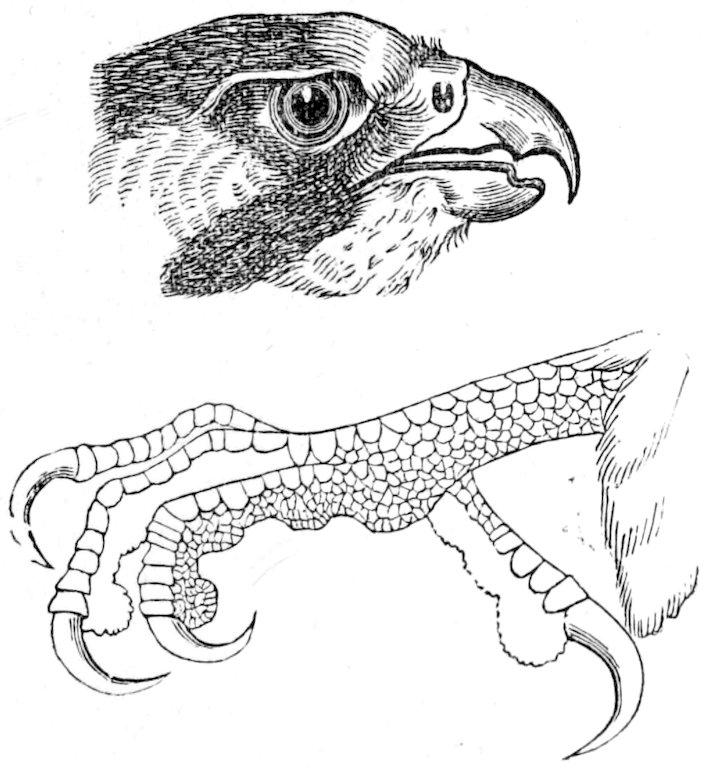
Fig. 31.—Head and Foot of Falcon.
Predominatingly harmful (from killing domestic mammals) are the following species occurring in Britain: the Sea Eagle (Haliaëtus albicilla), the Golden Eagle (Aquila chrysaëtus), the Peregrine Falcon (Falco peregrinus), the Merlin (F. œsalon), the Hobby 54(F. subbuteo), the Sparrow Hawk (Accipiter nisus), the Kite (Milvus regalis), the Goshawk (Astur palumbarius), the Harriers (Circus cyaneus and C. cinerarius), and the Honey Buzzard (Pernis apivorus). The last effects damage by catching honey bees.
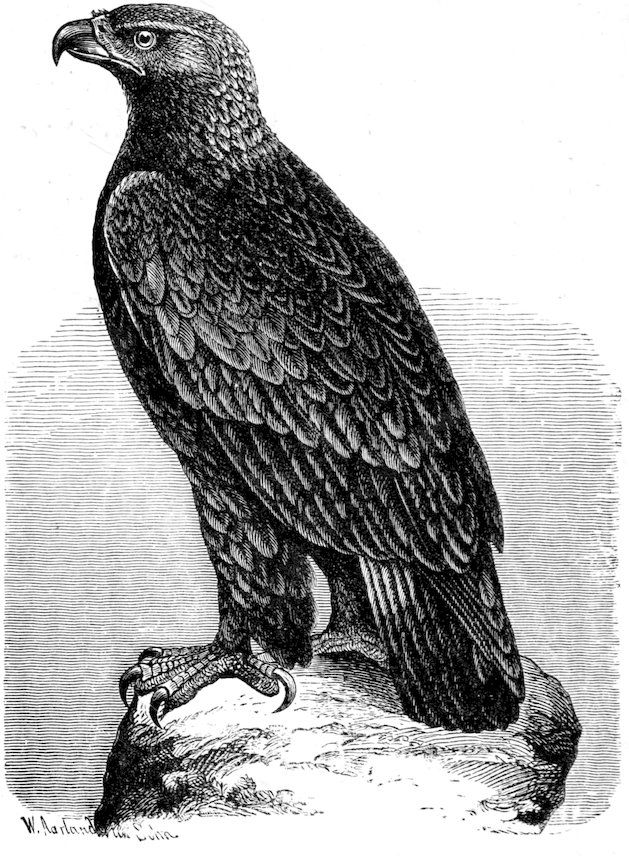
Fig. 32.—The Golden Eagle (Aquila chrysaëtus).
Useful in the main, being destroyers of field-voles, are the following: the Kestrel (Falco tinnunculus), the Buzzard (Buteo vulgaris), the Barn Owl (Strix flammea, Fig. 33), the Brown Owl (S. aluco), the Little Owl (Athene noctua), a casual, the Short-eared or Woodcock Owl (Otus brachyotus), the Long-eared Owl (O. 55vulgaris), and the Eagle Owl (Otus maximus, Fig. 30), a rare visitor.
A bird of prey cannot simply be classed as harmful or useful; a species mainly injurious may sometimes destroy a field vole or a destructive bird, while a useful species may sometimes attack domestic poultry. Game-preserving is destructive of almost all the indigenous diurnal birds of prey, and of the owls to a less extent.
Order: Scansores (Climbers).
Birds with two toes directed forwards and two backwards. The young are nestlings. Here belong toucans, parrots, cuckoos, and woodpeckers. The first two groups are limited to the tropics; woodpeckers are only of importance in the culture of fruit trees and in forestry. I describe briefly—
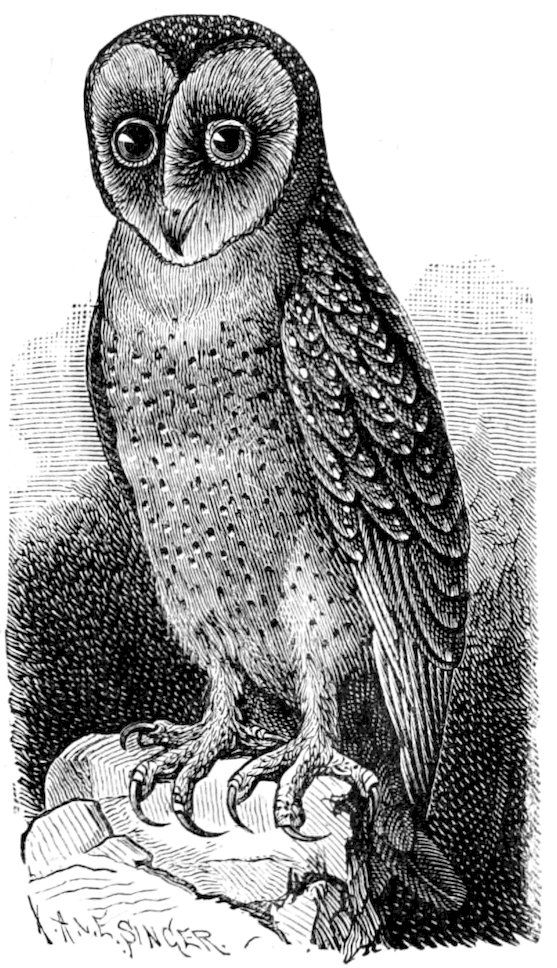
Fig. 33.—The Barn Owl (Strix flammea).
The Cuckoo (Cuculus canorus, Fig. 34). Fourteen inches long, tail eight inches. The yellowish beak is slightly curved; feet yellow. Back blue-grey in old birds, brownish in young ones. Belly white with dark transverse lines. Ten tail quills, flecked with white. Shy; flies like a bird of prey. The female lays her eggs at intervals of about fourteen days, and cannot therefore hatch them out herself. She lays the egg on the ground, and then takes it in her bill to the nest of a small bird which feed its young with insects (wagtail, grasshopper warbler, nightingale, robin, lesser whitethroat, wren, 56lark). The cuckoo’s egg is generally hatched by the foster parent, and the true young often do not come out from the egg, owing to lack of warmth; or, if hatched, they are thrown out later on by the much larger, rapidly developing young cuckoo. Every cuckoo, therefore, is so far harmful that it costs the lives of several insect-eating birds. But it far more than compensates for this by destroying insects. It is especially beneficial to fruit-tree culture and forestry, since it eats an enormous number of caterpillars; but in late summer it comes frequently from the woodland into the fields, and then eats the caterpillars of the cabbage white, cabbage moth, and silver Y moth, surface caterpillars, and the larvæ of the turnip saw-fly. It also devours mole-crickets and (naturally in the spring) cockchafers.
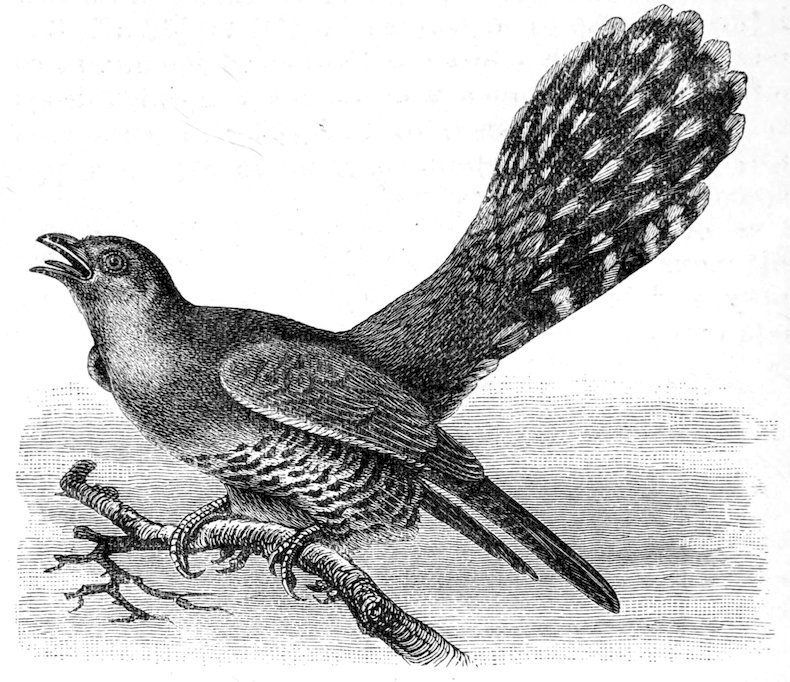
Fig. 34.—The Cuckoo (Cuculus canorus).
57
Order: Passeres (Perching Birds).
This order is essentially constituted by all those birds with helpless young (p. 51), which do not belong to the two preceding orders or the one next following. Beak without a cere. Three toes forwardly, one backwardly directed.
Group: Hirundinidæ (Swallows).
With short flat beak, broad at the base, with gape extending far back, and triangular as seen from above. In flight the beak is opened as widely as possible, serving for catching insects. Wings long and pointed. Feet short and weak, entirely unsuited or only poorly adapted for walking; their chief use is to enable the swallow to hold fast to different objects. Swallows fly quickly and catch insects while on the wing. The insects on which they prey are generally unimportant to agriculture and forestry; but they may also do good by catching crane flies (Tipula), and ribbon-footed corn flies (Chlorops), which often fly about our fields in enormous swarms in order to lay their eggs. All swallows are migratory birds. There belong here—
1. True Swallows (Hirundo), with forked tails; three toes directed to the front, one to the back. Here may be reckoned—Swallow (H. rustica), always broods in sheltered spots, e.g. inside a stable, summer-house, or verandah; House Martin (H. urbica), nests against buildings, under the eaves for example; the Sand Martin (H. riparia), breeds in the neighbourhood of streams, especially in vertical banks of loamy or coherent sandy soil, where it makes its nest at the end of a passage a yard long. The House Martin is shining black on the back, white on the entire under surface and rump. The Bank Martin is brownish grey on the back, white on the under side, with brownish-grey bands on the breast.
582. Swifts (Cypselus), with forked tails and four strong, curved, forwardly directed claws. Only one British species belongs here—the Swift (Cypselus apus), ten inches long, brownish black except for white throat, and with very long curved wings.
3. Night-jars (Caprimulgus), with tail not forked, soft plumage, large head and eyes; fly at night. One species belongs here—the Goatsucker (Caprimulgus europæus, Fig. 35), twelve inches long, grey on the upper side, spotted with blackish brown and rusty yellow, yellowish whitey grey with dark wavy lines on the under side. In the day it flies awkwardly and heavily, and usually keeps under cover; by night it flies rapidly and boldly, especially in bare spots in woods, or in gardens and on fields. It haunts especially the neighbourhood of sheepfolds and cattle in the meadows, since it always finds flies and gnats there. It also catches cockchafers and various moths.
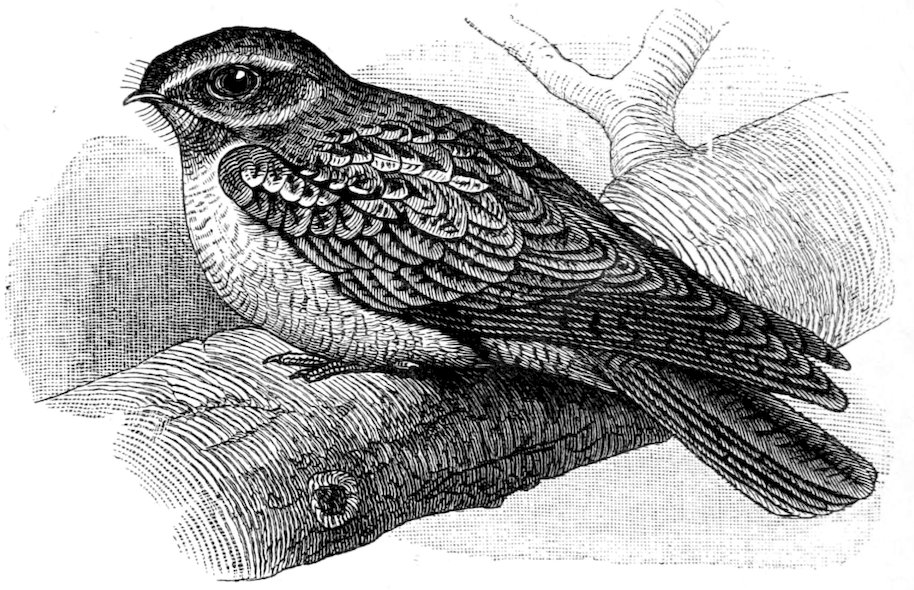
Fig. 35.—The Goatsucker (Caprimulgus europæus).
Group: Magnirostres (Large-beaked Perching Birds).
Beak strong, thick, often incurved near its apex. These birds eat almost all kinds of food, both animal 59and vegetable. Here belong Starlings and Raven-like Birds (crows, magpies, jays).
The Starling (Sturnus vulgaris).
Plumage black, with a violet sheen. The tips of the contour feathers, however, are white or bright yellowish. These white patches become so well marked after the autumn moult, that they almost completely cover the shining metallic black of the feathers. They gradually become smaller; in the next spring they are almost or entirely lost. Very serviceable. Devours, especially in autumn, many field snails, also cockchafer grubs, wireworms, grass caterpillars, grasshoppers, leaf-lice; also many insects destructive to fruit trees and forest trees. The starling, however, is able to do considerable damage to garden fruit trees, since it eats cherries, currants, and sometimes even pears. Starlings often settle on the backs of sheep and cows in order to pick off the vermin.
Genus: Corvus (Crow-like Birds).
Here belong—1. The Jackdaw (C. monedula), with relatively short beak and long tarsi. Black; side of the head and neck ashen grey. Breeds in holes in trees, chimneys, ruins, and towers. 2. The Hooded Crow (G. cornix); bright grey, except the head, throat, wings, and tail, which are black. Breeds in all parts of Europe east of the Elbe; occurs in Western Europe as a gipsy migrant in winter. 3. Carrion Crow (C. corone); black, beak stout and strongly bent at its end. Breeds in trees, but never (like the Rook) in large numbers together. 4. Rook (C. frugilegus); black, beak rather long; in adult specimens the head feathers are quite worn away at the base of the beak. 5. Raven (C. corax); much larger than the other species; black, beak very strong, strongly curved 60along its entire upper side. Nowhere in large numbers.
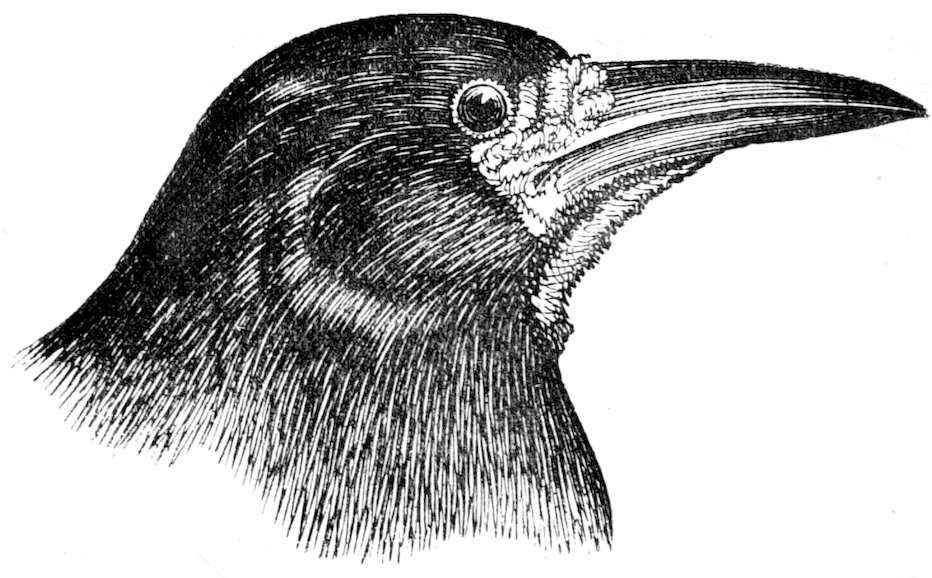
Fig. 36.—Head of Rook (Corvus frugilegus).
Food, Benefit conferred, and Damage done. Ravens, and sometimes even rooks, attack lambs and sick sheep, also ducks, geese, fowls, and pigeons. Carrion crows and hooded crows rarely attack our domestic animals. All crows, however, steal the eggs of our poultry. They also injure sport, since they kill hares and rabbits, young fawns, quails, pheasants, etc. They do a little good, however, by devouring field-voles, but, as a rule, only catch the sick ones which are not able to move quickly. They do harm by destroying useful insect-eating birds, also eating their eggs and young. But as insect-eaters, they are extremely useful; they devour cockchafers, wireworms, butterflies, surface caterpillars, crane flies and their larvæ, and field snails; also many earthworms. As to the vegetable part of their food, they devour, in the first place, germinating seeds; grain, peas, beans. They also pick grain from the ear, both when ripe and, to a larger extent, when still soft; and in doing this pull down the ear so as to crack the stalk, thus causing more damage than by the mere eating. They also plunder the ripening peas, and feast upon 61cherries, plums, apricots, and other juicy fruits; even potatoes and turnips. All crow-like birds do some harm and some good, only the raven (which eats scarcely any insects) is to be always reckoned as an enemy.
The Magpie (Pica caudata) and Jay (Garrulus glandarius) are resident birds closely related to the crows. The first affects open tracts of land (fields, meadows, gardens) in the neighbourhood of large trees; the latter is a woodland bird. Both birds eat almost everything: grain, acorns, beechnuts, cherries, berries; cockchafers, wireworms, and similar insects; the eggs and young of useful insect-eating song-birds (such as titmice), also these little birds themselves, ducklings and chickens, young partridges, quails, pheasants, now and then field-voles. More harmful than useful.
Group: Conirostres (Conical-beaked Perching Birds).
Beak conical, thicker and shorter than in the species of the following group. They devour insects and seeds, a few species seeds exclusively. Here belong first the Titmice (Parus), gipsy migrants which are extremely serviceable both in fruit-tree culture and forestry. Then the Larks (especially the Skylark, Alauda arvensis, a resident), which nest on the ground, eating insects, seeds, and in winter even leaves; they feed their young, however, with insects. They do both good and harm, but the former mostly preponderates. In late summer and autumn, skylarks collect in flocks, and wander here and there for a long time: before this, they travel south; at this time many are caught and eaten. The male skylark sings beautifully, rising meanwhile high in the air. The Buntings (Emberiza) have a characteristic compressed and pointed beak; they seek their food on the ground in fields and meadows, and on roads. The food consists of grain and insects; but since these birds never 62take grains from the ear, they only do damage by picking them up at seed-time. They feed their young with insects. The damage is usually very inconsiderable, but, on the other hand, the benefit conferred is slight. (Yellow Hammer, E. citrinella, a yellow-coloured resident. The Common Bunting, E. miliaria, a grey-coloured migrant, etc.) In the family of Finches a number of species are included which are of small agricultural importance: e.g. the Bullfinch (Pyrrhula vulgaris), specially attacks fruit-tree buds in March; the Goldfinch (Carduelis elegans); the Siskin (Chrysomitris spinus); the Lesser Redpoll (Linota linaria); the Greenfinch (Ligurinus chloris). A few species, however, must be dealt with more fully, and, first,—
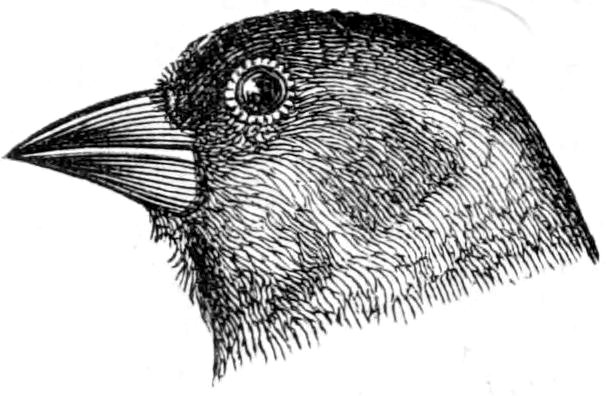
Fig. 37.—Head of Bullfinch.
The two Sparrows,
i.e. the House Sparrow (Passer domestica) and the Tree Sparrow (P. montana).
House Sparrow: ear region bright grey. A rust-coloured or yellowish streak behind the eye. The whole throat black in the male. Wings with a yellowish white transverse band. Tree Sparrow: ear region black. A black streak behind the eye, a white band round the neck, and a black patch on the throat. Wings with two white transverse bands. The two sparrows are very much alike in their habits, but the house sparrow frequents more the neighbourhood of human dwellings, even in large towns. Both sparrows are mainly harmful; where seeds (especially those containing starch, e.g. corn) are available, they prefer this kind of food to any other; and, besides this, they chiefly bring up their young on soft unripe grain. Sparrows devour the germinating corn after seed-time, and also pick the 63grain from the ear, in which process they at the same time do damage by breaking down the haulms so that the grain falls out. They pick the young peas from their pods; devour, too, several juicy tree fruits, e.g. cherries and grapes; and destroy young garden seedlings, e.g. lettuce, spinach, garden flowers. The house sparrow eats more insects than the tree sparrow (among them—geometer caterpillars, injurious roller caterpillars), but leaves the most noxious kinds untouched. Both sparrows are residents, but in autumn and winter often collect together in large flocks.
The Linnet (Linota cannabina),
with grey-brown darkly spotted back. Belly whitish, tail black with broad white margins. During summer the top of the head and the breast of the male are of a beautiful red. They are often found together in flocks during September. In spring and summer they chiefly live on oil-containing seeds, and may even do some good by eating the seeds of charlock; usually, however, doing much more harm by devouring the seed of rape, flax, linseed, and hemp.
The Chaffinch (Fringilla cœlebs).
A white patch on the two outermost tail feathers and the ones next them. Wings with one white and one yellowish transverse band. Male: upper side of head and neck bluish grey, back brown, breast reddish brown. Female: back grey-brown, belly whitish, breast ash-grey. The chaffinch inhabits forests, both those of ordinary foliage trees and those consisting of conifers; it also nests in gardens and plantations. At the beginning of September the males separate from the females, and both sexes collect in large flocks which haunt gardens, avenues, and bushes. In mild winters they remain resident, but travel away if the cold is greater. The chaffinch devours oil-containing seeds by preference, but also eats starchy ones, and seeks its 64food on the ground. It does a great deal of damage in cornfields by picking the seeds out of the soil after they have been sown; but does not take the grain from the ear. It also eats young seedlings. But valuable services more than counterbalance the harm done. When the chaffinches in autumn fly about in large flocks in the fields, they eat an enormous number of weed seeds. The young are chiefly fed with insects, especially with caterpillars. In the spring, when the seeds have germinated and the young corn is not yet ripe, the chaffinch feeds itself also on insects.
Group: Subulirostres (Awl-beaked Perching Birds).
Beak slender, awl-shaped, round in transverse section. A fully developed organ of voice. Feed almost exclusively on insects; there are only a few species which occasionally eat seeds. A few of them, however, sometimes devour juicy fruits (cherries, bird-cherries, elder-berries, juniper-berries, grapes). The birds belonging to this group, without exception, feed their young on insects. They are of service; even those species which occasionally do damage are useful on the whole.
There belong to the Subulirostres—
The Wagtails (Motacilla), e.g. the White Wagtail (M. alba), usually living in the neighbourhood of water, and seeking its insect food in the fields (often behind the plough), and in pastures and gardens.
The lark-coloured Pipits (Anthus).
The Hedge Accentor, or “Sparrow” (Accentor modularis),—in garden hedges, and woods, feeding sometimes on seeds.
The following “warblers:” Nightingale (Daulias luscinia), Robin (Erithacus rubecula), Redstart (Ruticilla phœnicurus), the Lesser Whitethroat (Sylvia curruca), Garden Warbler (S. hortensis), Willow Wren (S. trochilus), Chiffchaff (S. rufa), Reed Warblers 65(Acrocephalus streperus and A. arundinacea), etc. The last-named live among reeds and rushes on the banks of fresh waters, and eat insects which do not affect agriculture and forestry; all the other warblers are useful.
Other examples of the Subulirostres are the Golden-crested Wren (Regulus cristatus), and the Common Wren (Troglodytes parvulus), which are of service to forestry and fruit-tree culture, but not to agriculture.
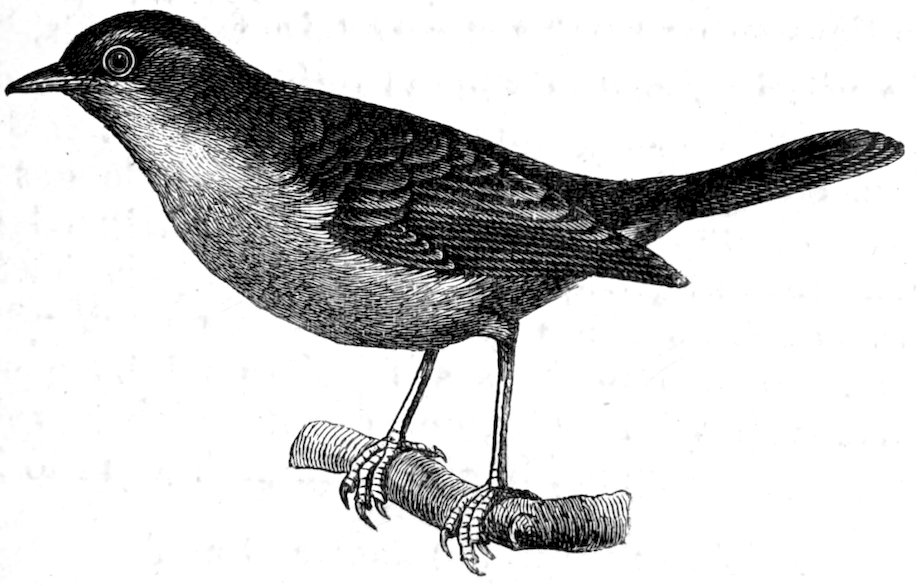
Fig. 38.—The Nightingale (Daulias luscinia).
Most of the native thrush-like birds (Turdus), e.g. the Blackbird (T. merula), the Missel Thrush (T. viscivorus), the Fieldfare (T. pilaris), the Redwing (T. iliacus), and the Song Thrush (T. musicus), assist the farmer by devouring noxious insects and snails; but several of them occasionally do damage by poaching on cherries, grapes, currants, etc. Some of them (e.g. the Song Thrush and Blackbird) breed in almost all parts of Britain, others come here only in autumn or winter.
Order: Gyrantes (Doves).
Body strongly built, somewhat thick-set. Wings long and pointed. Beak weak, with a cere at its 66base; nostrils covered by gristly scales. Toes: three forwardly and one backwardly directed, free, i.e. without a web (as in poultry). The young are at first blind and naked. They are at first fed with a cheesy secretion of the glands of the crop; later, with grain softened in the crop. Doves always live in pairs. Nests careless, flat, of loosely arranged twigs; situated on tree-branches, rocks, and large buildings. Doves breed twice or thrice a year, laying two longish, shining white eggs.
Native British forms:—
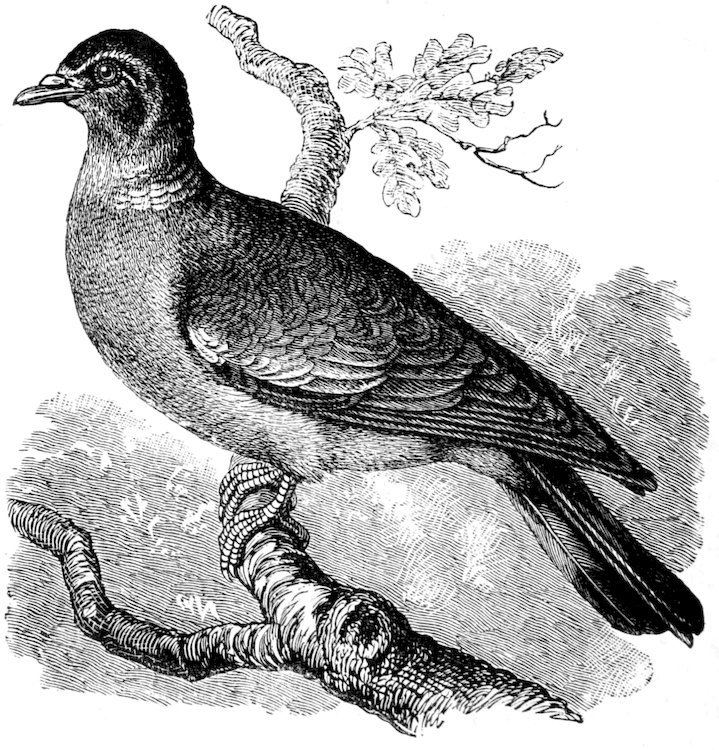
Fig. 39.—The Wood Pigeon (Columba palumbus).
1. Wood Pigeon (Columba palumbus, Fig. 39), from April to September scattered about in the woods, but after the breeding season wander about in flocks, and in winter travel further south, although many remain. It nests on horizontal branches, and feeds on seeds of fir and pine, acorns, beechnuts, also grain, 67peas, vetches, rape-seed,—but seeds of many weeds as well (e.g. those of charlock, vetchling, spurry, cleavers). When the earth is covered with snow it often eats cabbage and the leaves of winter rape, but is also of some service.
2. The Turtle Dove (C. turtur) occurs on the edges of woods, especially those consisting of coniferous trees. Nests in the trees. For food, use, and harm, cp. the preceding species. Steals buckwheat grains from the fields.
3. The Rock Pigeon (C. livia) is the original stock of our races of domestic pigeons. It nests, as a resident, in the Mediterranean countries; as a migrant, on the rocky parts of the coasts of Great Britain and the Orkneys, Shetlands, and Faroe Islands.
Order: Rasores (Poultry).
Body strong, thick-set. Head small, often with naked, brightly coloured patches, with fleshy combs or with a crest of feathers. Tip of the upper beak bends over that of the lower one. No cere (cp. Doves). Wings short, rounded; flight heavy. Feet strong. Hinder toe small and usually attached to the tarsus higher up than the front toes. Claws blunt. A small web at the bases of the toes. The male of several species bears a spur on the tarsus. Birds of this order usually keep on the ground, scraping it in search of their food, which consists of seeds, berries, the green parts of plants, insects, worms, and snails. Young precocious (p. 51). Several domestic birds belong to the Rasores: pheasants, the various races of fowls, pea-fowls, guinea-fowls, turkeys.
The species living wild in Britain are game-birds. They are—the Capercailzie (Tetrao urogallus, Fig. 40), Black Game (T. tetrix), Partridge (Perdix cinerea), Quail (P. coturnix); none of them are particularly harmful or useful to agriculture.
68The Pheasant (Phasianus colchicus, Fig. 41) was originally a native of the Caucasus, and shores of the Caspian Sea and Sea of Aral; it occurs wild in Central Europe. Pheasants are troublesome to the farmer, both by devouring the newly sown seed and by scratching up the fields.
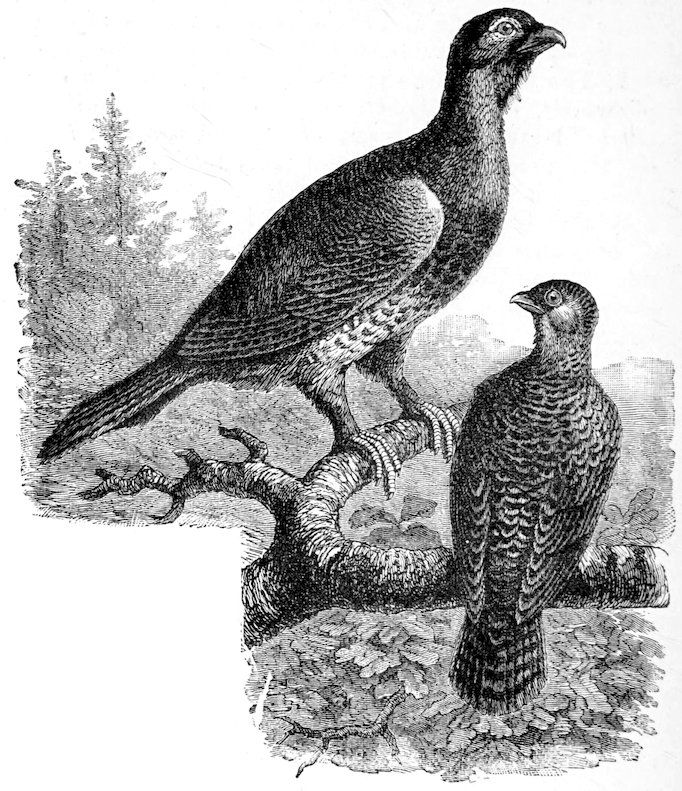
Fig. 40.—Male and Female Capercailzie (Tetrao urogallus).
Order: Grallatores (Wading-Birds).
The species here included differ very much among themselves; but all seek their food, which is almost exclusively of animal nature, at the water-edge (rivers, 69brooks, lakes, ditches, canals, seashore) or in damp places (damp meadows and ploughed fields, moors, swamps). They are, therefore, adapted to wading, and for this purpose have a long featherless tarsus, while the lower half of the long shank is quite bare and covered with horny scales. In flight the wading-birds do not draw their legs up to their body, as is the case with the birds already spoken of, but stretch them out behind to their full length. Monogamous. Young precocious (p. 51), except in storks and herons when they are nestlings. The shore-dwellers eat fish, bivalve molluscs, etc.; only those species living on damp meadows and fields are of use to agriculturists, by devouring insects, snails, and worms. These are indicated by the letter u in the following list of the commonest native kinds:—
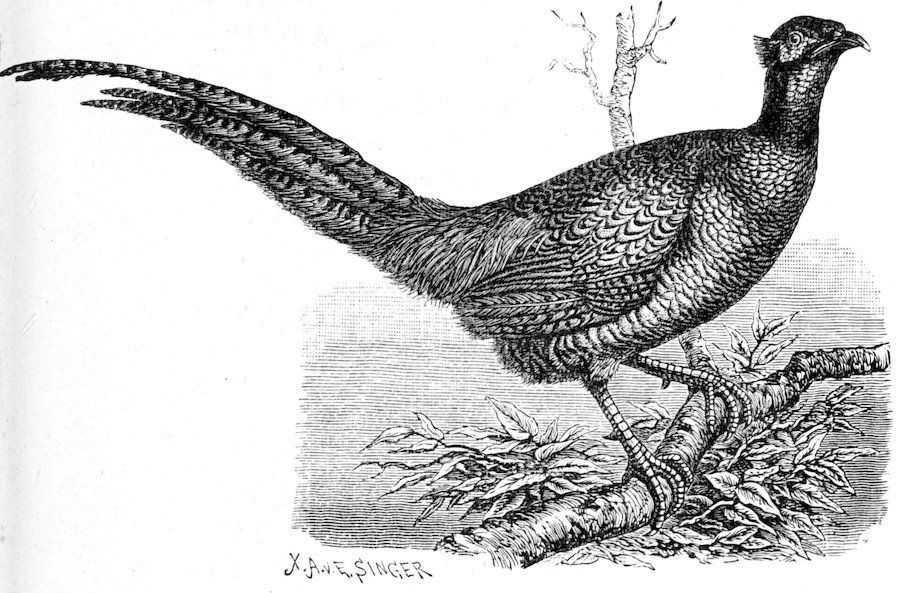
Fig. 41.—The Pheasant (Phasianus colchicus).
Coot (Fulica atra); Water Hen (Gallinula chloropus); Corn Crake (Crex pratensis, u); Plovers 70(Charadrius, u); Pewit or Lapwing (Vanellus cristatus, u); the Snipes (Scolopax); the Curlews (Numenius, u); the Stints (Tringa); the Godwit (Limosa ægocephala, u); the Sandpipers (Totanus, u); the Heron (Ardea cinerea).
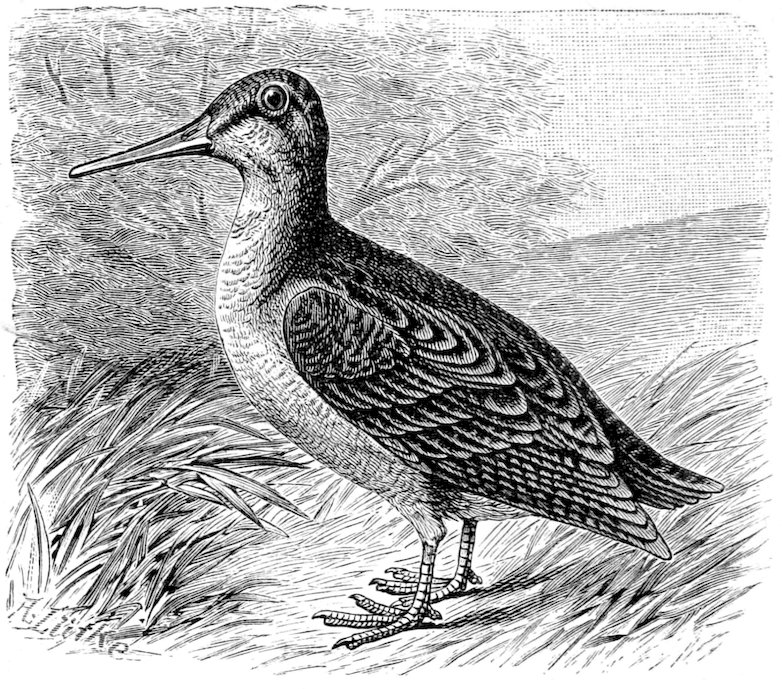
Fig. 42.—The Woodcock (Scolopax rusticola).
Order: Natatores (Swimming-Birds).
These birds are distinguished by their swimming powers and corresponding organization. Legs usually set on far back, shorter than the body. The feet in particular are adapted for swimming. In some swimming-birds each of the forwardly directed toes has a webbed margin (“split swimming feet,” Fig. 43); in others, the three front toes are all united by a web (Fig. 44), while the hind toe is either small or wanting (“swimming feet”); lastly, there are some in which all the toes are forwardly directed and united by a common web (“oar-feet”). The plumage of swimming-birds is compact, and always kept greasy by the 71secretion of the oil-gland. I shall speak of two families only.
Family: Lamellirostra (Ducks).
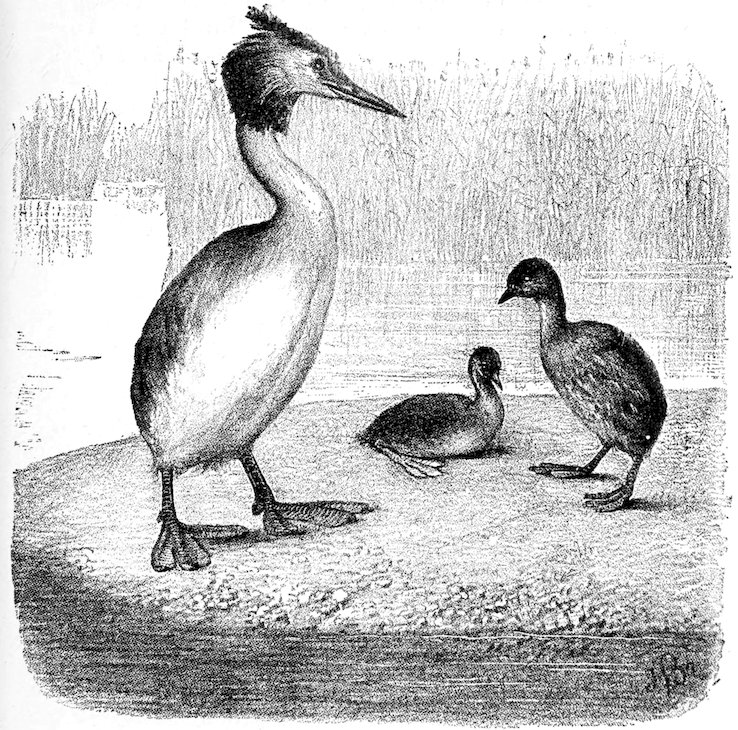
Fig. 43.—Crested and Little Grebes (Podiceps cristatus and minor).
The inner margin of the beak is covered by skin, thrown into transverse ridges or tooth-like projections. Swimming feet (Fig. 44). Tolerably long wings; remarkable powers of flight. Feathers soft. These birds mostly affect shallow fresh water, in 72which they get their food by grubbing in the mud, the soft skin of the beak serving as an organ of touch. Polygamous. Young precocious (p. 51).
Here belong—the long-necked Swans (Cygnus) and the thick short-necked Geese (Anser), in which the beak is higher than broad at its base; the Swimming Ducks (Anas) with broader beaks, the Diving Ducks (Fuligula), and Goosanders (Mergus) with a broad hanging web to the hind toe. None of these birds are useful, while wild geese and ducks are harmful.
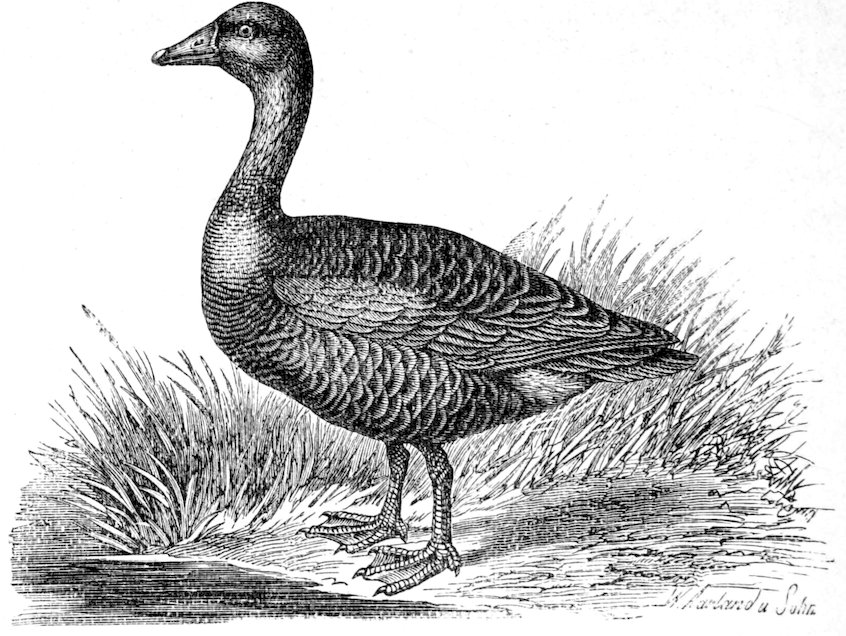
Fig. 44.—Goose (Anser cinereus).
Three species of wild Geese (Grey Goose = Anser cinereus, Bean Goose = A. segetum, White-fronted Goose = A. albifrons) chiefly breed in Eastern or Northern Europe, and only come to Britain in autumn or winter, flying about in flocks. They eat the grass in low-lying meadows, and even pull it up by the roots; in the cultivated fields they devour winter corn and winter rape, and tread down more with their clumsy feet than they eat. They are also harmful to 73vegetable growth, owing to the very caustic nature of their dung, which is often deposited in large quantities in one place. In regions where they breed they also devour both ripe and unripe grain. Where they only occur in autumn, they scrape potatoes, turnips, and carrots out of the ground in order to eat them. Flocks of geese fly in a slanting line or in the form of a ploughshare.
Among Swimming Ducks damage is only done by the Wild Duck (Anas boschas). It breeds wherever there are fresh waters. Nests amongst grasses or swamp-plants, or in a tree. The wild ducks remain the whole winter as long as the waters are not frozen, otherwise they go off for a short time to the south. Food: the tops of stems, buds, leaves of various water-plants, also barley, oats, and other grain; water-insects, fish, and fish-spawn. These ducks also do damage in cornfields by treading down and cracking the plants.
Family: Longipennes (Gulls).
Usually swimming feet. Legs tolerably long, adapted for wading (Fig. 45). Wings long, pointed. Beak laterally compressed. Young nestlings (p. 51). Breed in larger or smaller flocks, usually on the coast, occasionally on the margin of fresh waters. They chiefly feed on fish, worms, molluscs, and crustacea; sometimes, in the case of a few species, on young birds and eggs, as well as mice and other small mammals. Gulls are usually of no importance in agriculture; but the Black-headed Gull (Larus ridibundus), which breeds on the banks of lakes and rivers, devours many cockchafers and other noxious insects. The Herring Gull (Fig. 45), Kittiwake (Larus argentatus and L. tridactylus), and a few other species, which breed on the coast, sometimes show themselves inland, especially in stormy weather; they then pursue field-voles, and catch many injurious insects.
74Besides the true Gulls (Larus), I will only mention the Sea Swallows (Sterna), with forked tails.
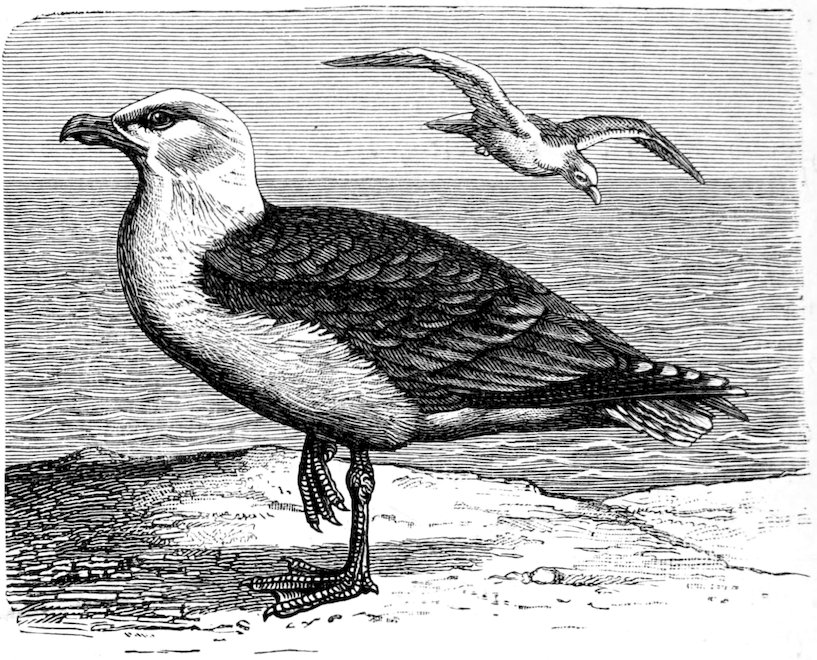
Fig. 45.—Herring Gull (Larus argentatus).
CLASS III.: REPTILIA (REPTILES).
Cold-blooded Vertebrates (p. 19). The heart has the same structure as in Mammals and Birds, but the left and right ventricles are usually only incompletely divided from one another (p. 20). The body is invested with horny scales or with bony plates covered by a horny layer. Reptiles are very unlike Birds in appearance, but present many essential points of resemblance to them in their skeleton; indeed, during earlier geological times, there were transitional forms between the two classes. The structure of the reptile egg, too, is very similar to that of the bird’s egg; but the first has no lime-salts deposited in its shell. The egg is not hatched out by the animal itself, but exposed to 75the heat of the sun or to the warmth developed by decaying vegetable matter. Several reptiles (adder, for example) keep their eggs in their bodies till the young escape. Reptiles have either no limbs (snakes, a few lizards), or, at any rate, the limbs are not well developed, and are so placed that the body does not rest upon them, but is slung between them.
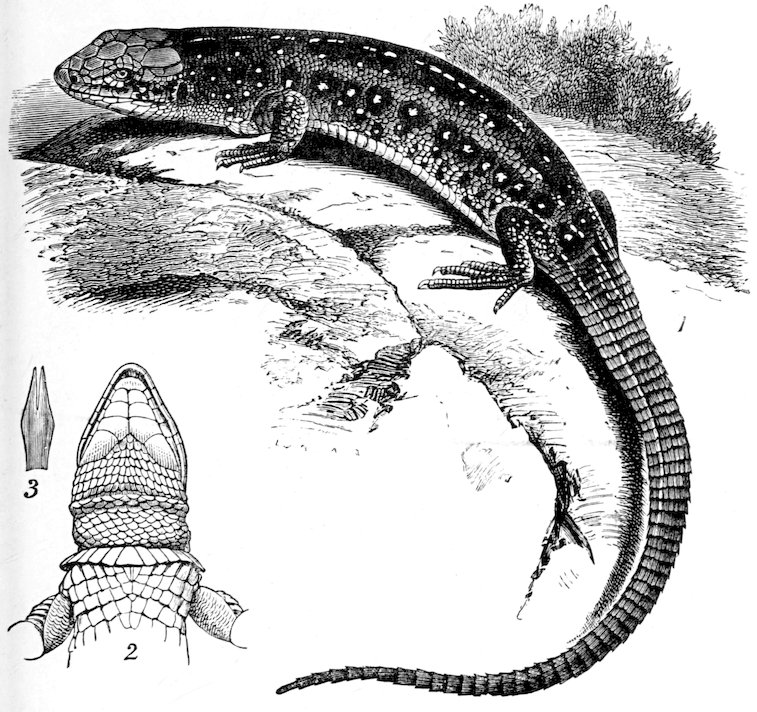
Fig. 46.—Common Lizard (Lacerta agilis); 2, head of the same from below; 3, tongue.
The Reptilia are divided into the Orders of Crocodilia (Crocodiles), Chelonia (Turtles and Tortoises), Lacertilia (Lizards), Ophidia (Snakes).
76
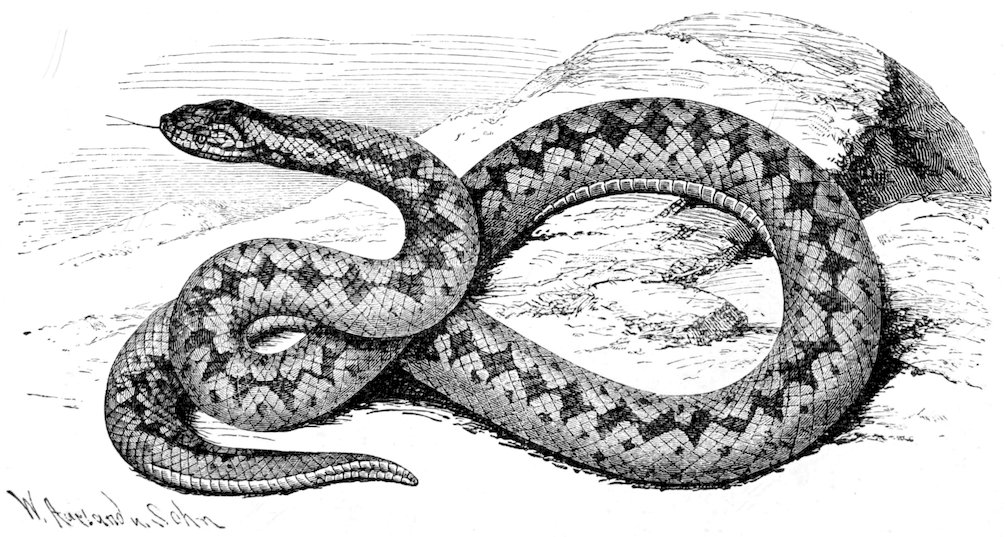
Fig. 47.—The Adder (Pelias berus).
Our native reptiles have no agricultural importance. I will, however, briefly mention the Adder (Pelias berus, Fig. 47), as it is dangerous to man. Head broad; tail much smaller than the hinder end of the body. Colour greenish grey or brownish. A black zigzag band runs along the dorsal side of the body. Length about twenty inches. The two hook-shaped poison-fangs are found in the front of the upper jaw; opening the mouth widely causes them to be erected. They are traversed by poison-canals through which the poison flows immediately into the 77two bloodless wounds. The adder lives in woods and on mountain slopes, where it devours mice. The poison has a decomposing action on the blood; it causes fever, and swelling of the part bitten, as well as sometimes of the neighbouring parts. The bite may be fatal. Alcohol is spoken of very highly as a remedy.
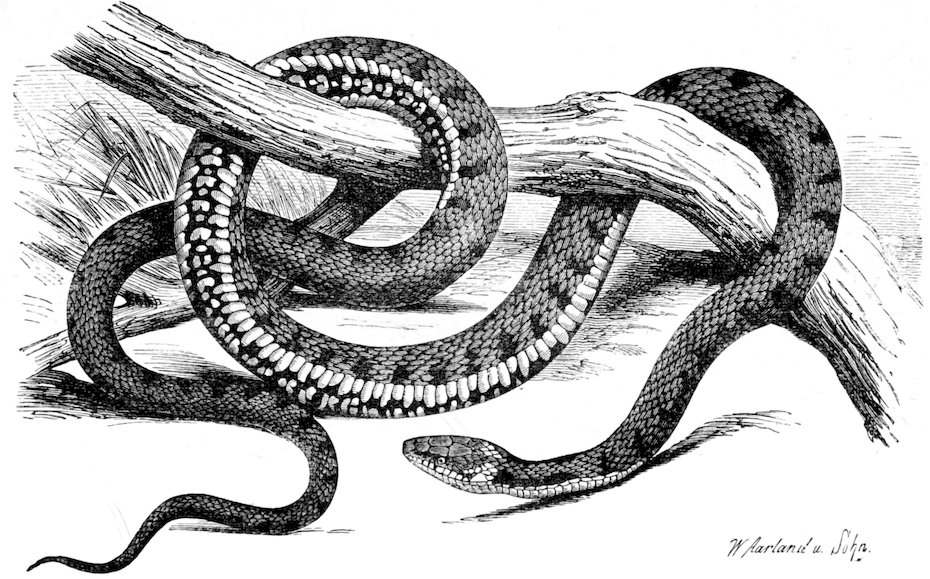
Fig. 48.—The Grass Snake (Tropidonotus natrix).
78
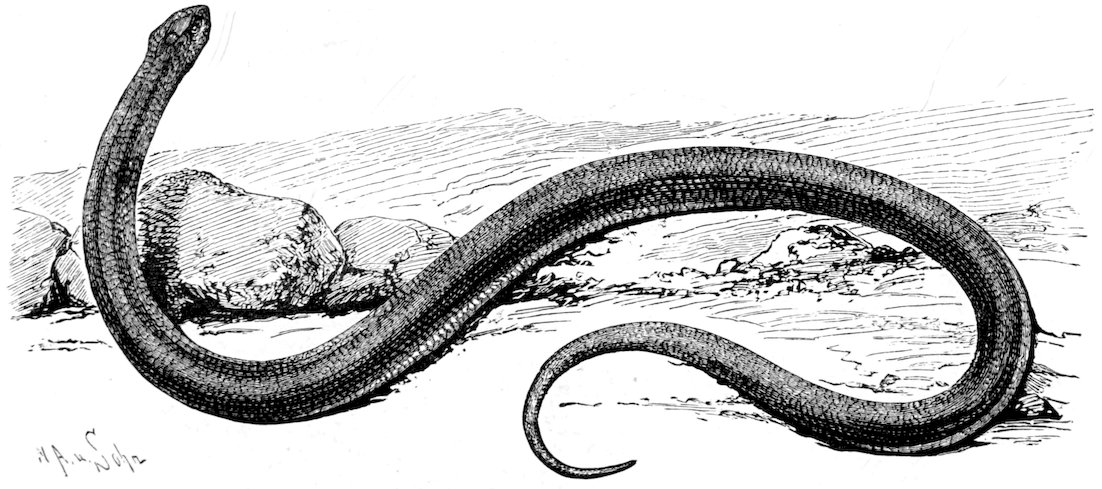
Fig. 49.—Blindworm (Anguis fragilis).
The native Ringed Snake (Tropidonotus natrix, Fig. 48), three feet long, is bluish with belly flecked with black and white; a yellow and a black band on the neck. It is fond of going into the water, and eats frogs, newts, and insects. The Smooth Snake (Coronella lævis), two feet long, is brown, with black patches on 79the back, which, however, do not form a continuous band. Head dark velvety black. Devours lizards and blindworms. The Blindworm (Anguis fragilis) is indeed snake-like, or rather worm-like (Fig. 49), but nevertheless belongs to the lizards, with which its internal structure agrees.
CLASS IV.: AMPHIBIA (AMPHIBIANS).
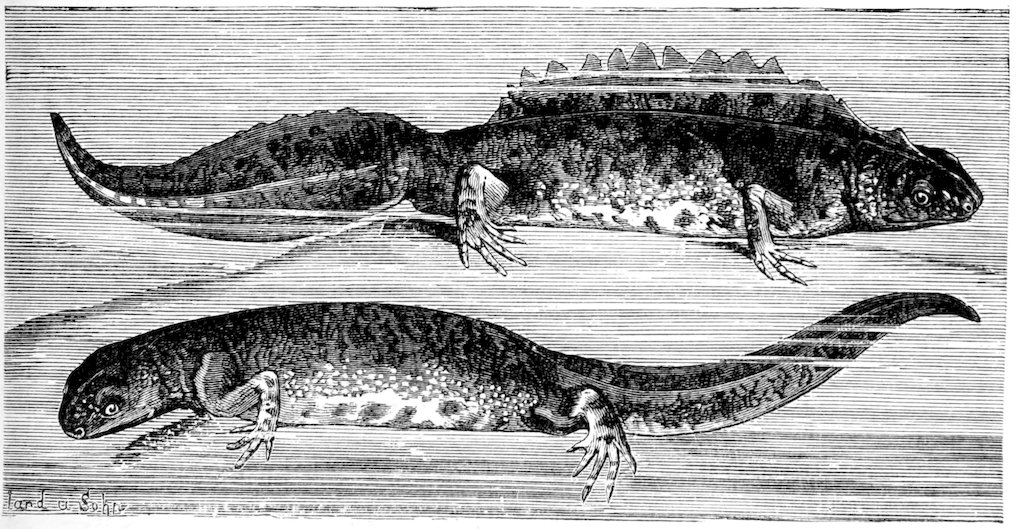
Fig. 50.—Great Crested Newt (Triton cristatus); male above, female below.
Cold-blooded Vertebrates (p. 19). The heart has only one ventricle and two auricles (cp. p. 21). The skin is naked, damp, usually slippery and smooth; it helps in respiration. Although several Amphibians resemble various Reptiles in outward appearance (Newt and Lizard, Figs. 50 and 46), the structure of the skeleton is quite different. Upon the whole, Amphibians resemble fishes more closely, and they breathe by gills when they are young, which strengthens the agreement. They undergo a metamorphosis. The just-hatched young at first hold fast by suction to the jelly of the spawn; they have external gills. They 80quickly develop a membranous margin to the body, especially round the tail, which consequently forms a sort of oar. Meanwhile internal gills develop, and the external ones disappear. The larvæ are now fish-like (“tadpoles”). The limbs quickly grow out, the lungs develop, the tail shrivels up, and the animal leaves the water. Even the adult, however, lives among damp surroundings. In the adult state the Amphibians feed on insects, worms, and snails; many species are exceedingly useful owing to this.
Amphibians are divided into two orders, the Urodela (Newts, etc.) and the Anura (Frogs and Toads). To the first belong the Great Crested Newt (Triton cristatus) and the Common Newt (Lissotriton tæniatus). Examples of the Anura are the Edible Frog (Rana esculenta), the brownish Common Frog (R. temporaria, Fig. 51), the Common Toad (Bufo vulgaris), and the Natterjack (B. calamita, Fig. 52).
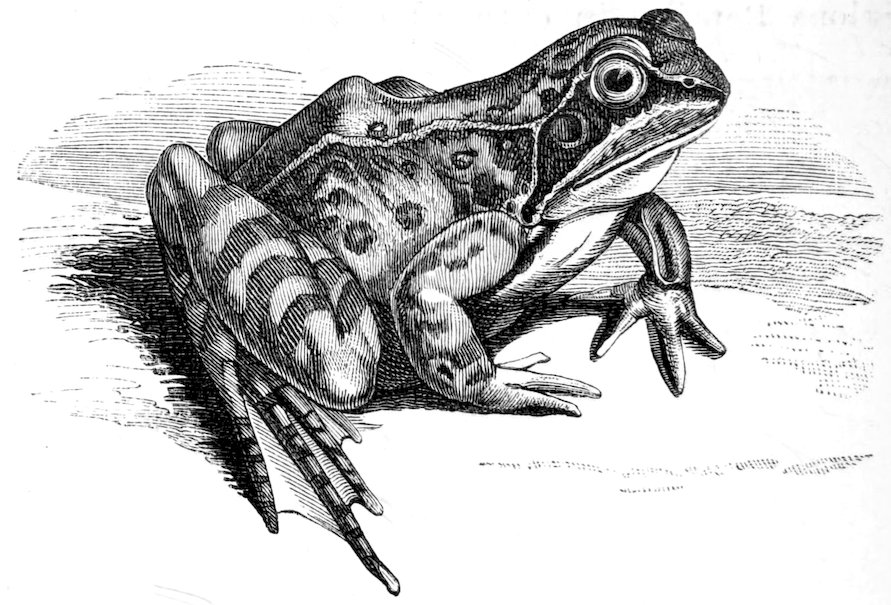
Fig. 51.—Common Frog (Rana temporaria).
Both frogs and toads do good by devouring many noxious insects, and also, in particular, snails. Toads are often kept in greenhouses for this purpose; and 81in the research garden attached to the Rouen entomological laboratory the snails were entirely exterminated in 1891, as a result of introducing a hundred toads and ninety frogs.
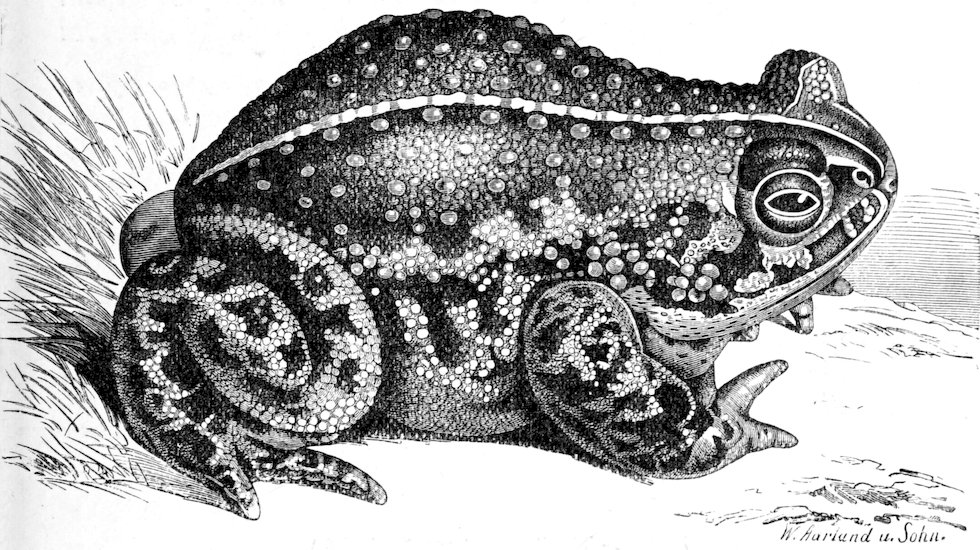
Fig. 52.—Natterjack (Bufo calamita).
CLASS V.: PISCES (FISHES).
Cold-blooded Vertebrates (p. 19), which breathe by gills during their whole life. The heart consists only of a single ventricle and a single auricle (p. 18). The head passes immediately into the body without any intervening neck. Fishes move chiefly by means of the tail, at the end of which there is a tail-fin. This and the dorsal and anal fins lie in the median plane of the fish, while the pectoral fins, which are attached to the skull in bony fishes, and also the ventral fins, are paired structures more or less comparable to the fore and hind limbs of higher vertebrates. The skeleton of most fishes (pike, perch, carp, eel, plaice) is bony; but in a few subdivisions of fishes 82(sharks, skates, sturgeons, lampreys) it is cartilaginous. The skin is usually covered with thin translucent scales; but there are fishes with a smooth skin (lampreys), with prickle-like dermal ossifications (sharks), and with rhomboidal bony plates (sturgeons). As Fishes are without exception aquatic, there is no need for me to treat more specially of them here.
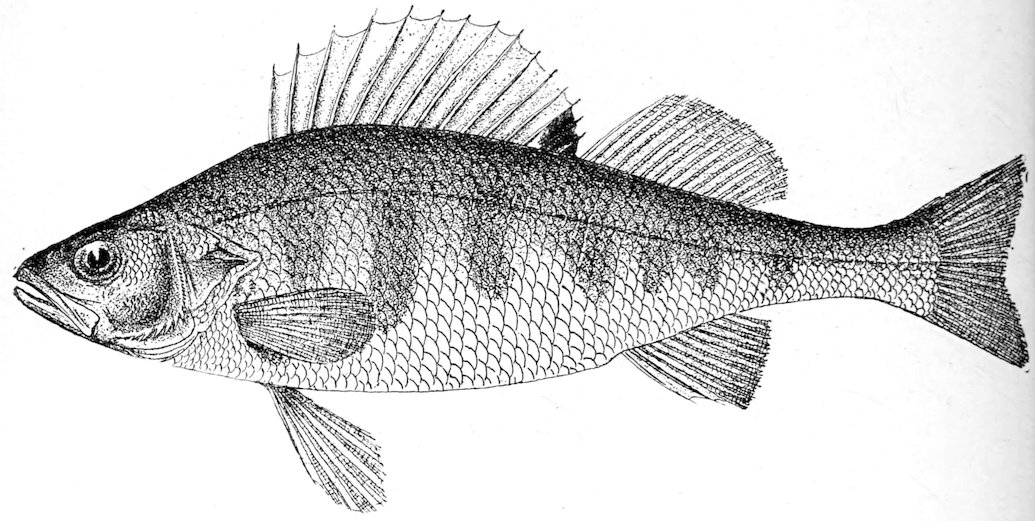
Fig. 53.—The Perch (Perca fluviatilis).