MANAGEMENT OF TRUMPS BY THE DEALER
Reading edition
The surest test of a player’s skill is the ability he displays in handling trumps. Habits that are wrong in theory are frequently formed, and errors in judgment are common in the trump management. The difficulties are as numerous as the combinations are varied. Only general rules can be given, and the constantly changing situations must be met by the skill and originality of the player.
WHEN TO LEAD TRUMPS
One of the first points for the dealer’s consideration is the advisability of the trump lead. As he usually holds the balance of trump strength in the combined hands, generally speaking the dealer should lead trumps.
A common excuse for avoiding the trump lead is that the hands contain no long suit; if this is true, why not try to establish your trump suit? If you hold five trumps in one hand, the chances are that three rounds will leave you with two long trumps and the adversaries powerless to “ruff” any high card you may hold; by refusing to lead trumps you may enable the opponents to “overruff” your strong hand and make their trumps separately. It may be to your advantage to have the other suits led by the adversaries and your trump lead will often force them to do this.
At times you will have the choice of two ways of playing the hand. One, to trump losing cards in your weak hand; the other to exhaust trumps and discard your losing cards on the commanding cards of a long suit. If your trumps are strong and your long suit established, the trump lead is preferable. With an established suit and high trumps against you, postpone the trump lead until you have allowed your weak hand to “ruff” the losing cards.
However, with five trumps in the strong and four in the weak hand, as you will probably exhaust trumps in two rounds, it is safer to lead the trumps first. You can then “ruff” in your weak hand without danger of being “overruffed.”
If you hold seven or more trumps in the combined hands, do not make the fact that your strong hand has been forced an excuse for not leading trumps. If you are protected in the adversaries’ suit and can lead the trumps advantageously from the weak to the strong hand, always lead them.
To lead trumps with this number is the rule, not the exception, but occasionally when they cannot be led from the weak hand it is better to make as many trumps as possible by “ruffing.”
WHEN NOT TO LEAD TRUMPS
Perhaps the simplest rule that can be given is, do not lead trumps when there is a short side suit in the weak trump hand. You will obviously gain by trumping losing cards in the weak hand.
As it often requires two rounds to exhaust the short suit in the weak hand, try not to show your intention too clearly, or the adversaries will circumvent your scheme of “ruffing” by a trump lead. Remember, also, that you cannot obtain the “ruff” unless you hold, or can make, an entry card in your strong hand.
When your combined hands contain fewer than seven trumps, the balance of strength is with the adversaries, and, in this case, unless your trumps or side suits are exceptionally strong, avoid the trump lead.
With but six trumps and an established suit against you, it would be dangerous to lead trumps. One adversary must hold at least four trumps, and it may be that all the remaining trumps are in one hand. The trump lead would only help the adversaries to make their suit.
When the commanding trump is against you, endeavour to discard your losing suit cards from one hand on winning ones in the other before you give up the lead.
UNBLOCKING THE TRUMP SUIT
As dealer, be careful to lead your trumps in such a manner that you will not find it impossible to continue the lead. The simplest method of unblocking the trump suit is to lead or play the high trumps from the shorter hand.
Occasionally to avoid blocking the suit, it will be necessary to “ruff” with a high instead of a lower trump. For instance, with ace and ten of trumps in dummy and king, queen, jack, nine and eight in your own hand, if you “ruff” with dummy’s ten, you will block the trump suit; even a temporary discontinuance of the trump lead may result in loss.
When you lead the queen toward the ace, holding the ace, jack, ten, nine, seven in one hand and queen, eight, four in the other, you must provide for the possible necessity for leading three times through the king by playing the nine of trumps on the queen lead. A careless play of the seven may make it impossible to capture the adversary’s king.
NOT FORCING YOUR STRONG TRUMP HAND
The greatest weakness and the most expensive fault in the beginner’s game is his predilection for trumping in the strong trump hand. When trumps are hopelessly against you, it may be necessary to make what you can by ruffing, but with the advantage of the make, you are seldom compelled to play a defensive game. When you needlessly force your strong hand to trump, you reduce your power to exhaust the adversaries’ trumps, to establish your suit, and to be left with the last trump—which is, par excellence, the dealer’s game.
To trump in the weak hand is always advisable, nor can any objection be raised to a “cross-ruff,” but force your strong hand only as a last resource.
If you hold the losing one of two remaining trumps, try to force the winning trump from the adversary’s hand; to force your own hand instead will materially prejudice your chance of making a suit.
LEADING TRUMPS TO PREVENT A RUFF
When it is apparent that one adversary can “ruff” a suit, or when a “cross-ruff” is imminent, it is important that you guard against such a contingency by at least two rounds of trumps. Of course, if you hold the commanding trump, this presents no difficulties; but, when the winning trump is with the adversary, you should try to tempt him to hold it up second in hand by refraining from a high card lead. For instance, with queen and seven of trumps in one hand and king jack ten nine eight in the other, lead the seven instead of the queen.
If your trumps are in sequence you can often obtain two rounds by leading the lowest of your sequence rather than the highest card.
WHEN TO DRAW THE REMAINING TRUMPS
When you are left with but one remaining trump, and that the commanding one, usually lead it to draw the losing trumps.
When there are but two other remaining trumps, trust that your trump lead will find them divided. If you have reason to know that both are in one hand, one must of course make; but lead the commanding trump, so that but one can make.
With the best trump in your hand and one against you, it is only in critical situations that you should refrain from drawing the losing trump. For instance, when the adversaries hold an established suit and the commanding card of your suit, it is a better play to clear your suit and then refuse a force until the adversary who holds the remaining trump cannot lead his partner’s suit. Take care, however, to accept the force at the right time, for a delay in trumping may allow the adversary to discard a losing card of your suit.
DISCONTINUING THE LEAD OF TRUMPS
There are many positions difficult to define when it is advisable to discontinue the trump lead. An obvious case is when the commanding trump is against you and the lead would entail your loss of two trumps for one card, which the adversary must make in any case. The best play is to force the adversary to “ruff” with the high trump, for then your trumps may make separately.
When you hold but two trumps with two against you, be careful about taking the third round of trumps when your adversaries hold an established suit; if the trumps are divided no doubt the lead will save a trick; but you risk finding both trumps in one hand, in which case the adversary will draw or force your remaining trump and make his suit. The trump lead cannot win more than one trick and it may lose several.
With three remaining trumps, if your suit is established, the third round should always be taken. Should you find after one or two rounds that the trumps are banked in one hand against you, it is, as a rule, better to force the opponent’s hand than to continue the trump lead. This gives you the long trump, which is no inconsiderable advantage.
The adversaries’ high trumps are sometimes placed after one round, so that it may be advisable to discontinue the trump lead temporarily until you can lead to better advantage from the weaker hand.
When you hold the commanding card of each side suit and do not wish the lead of your long suit to be interrupted, it is good play to lead the losing trump. If, however, you are not in a position to win any card the adversary may lead, it is better play to force the commanding trump.
WHEN TO TRUMP
If the adversary attempts to force your strong hand, it is usually advisable to accept the force. Only in rare cases does it pay to allow the opponent to continue the lead of his established suit.
At times you can afford to give the adversary one trick, knowing that, on the next lead, your weak hand can take the “ruff.”
With two trumps against you it is often good play to discard rather than to “ruff” with the commanding trump. But to gain by your play, you should hold a certain entry card in the suit that the adversary must lead.
With one trump against you, do not use your one remaining trump until the leader’s partner is exhausted in the leader’s suit.
If the adversary leads a suit which you can trump in either hand, the “ruff” should invariably be taken in the weak hand, and a discard made in the strong one.
You are sometimes in a position to know that if you trump, your adversary will overtrump. When the best card is led, it is usually good play to trump immediately and if possible with a card which will not unguard an honour in your own hand, but will force a high card from the opponent. If a suit is led, of which you hold the commanding card in the opposite hand, your best defence is to take a discard, which will prevent the adversary from making a high card later in the hand. If you can make no advantageous discard, your best play is to trump, especially if the trumps in your combined hands are in sequence, for, if the adversary wins the trick, his high trump will probably make in any case.
OVERTRUMPING
It is only the experienced player who can resist the temptation to overtrump. The beginner jumps at every trick without realising that he can often gain by waiting. Overtrump when your hand is weak and your trumps low; but, if overtrumping takes out your only high card in the trump suit, especially if it is the commanding trump, it is nearly always better to discard. Your winning trump is bound to make, and it is better play to throw away a suit that you can ruff later with one of your small trumps.
Frequently by overtrumping you make it easy for the adversary to draw your remaining trumps, which, had you not weakened your hand, he would be powerless to do. For instance, where you hold the best and the fourth best trump, with the second and third best in your adversary’s hand, should you overtrump, your adversary will, of course, be in a position to catch your smaller trump, while by refusing the trick you retain the extra trump and are enabled to draw the adversary’s last trump.
RE-ENTRY CARDS
It is of little use to establish a suit unless it is possible to get the lead in the hand that contains it; therefore, the reservation of a re-entry card in the hand that has the long suit is of great importance. A preferable re-entry is, of course, the last trump or trumps.
Arranging the trump lead so that the last round will be taken in the desired hand is often a necessary precaution.
After the adversaries’ trumps are exhausted, you may be compelled to place the lead in the opposite hand by an extra round of trumps, and often it is necessary to trump with a high card, saving the low trump to lead to the opposite hand.
It not infrequently happens that in order to get the lead in the opposite hand, you are forced to trump your own commanding card.
FORCING DISCARDS
Should you find as dealer that you have a losing card and a number of winning trumps, always lead the trumps to give the adversaries a chance to make an error in discarding.
If the adversary holds the ace, dummy the king, and you a singleton of a suit, your hand otherwise consisting of long trumps and established cards, by first leading the singleton you may tempt the second hand adversary to hold up the ace; while if you lead the established cards, the adversaries can count your hand and will make no such mistake.
Whenever you hold but six or seven cards of a suit in the combined hands, endeavour to make your adversaries discard before you indicate any strength. You will find that many times the discards will necessarily benefit your hand.
With two or three remaining trumps in your hand, you should lead at least two rounds of trumps before opening the suit of which you have but six cards. An example of the situation is given below:


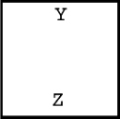


In this case hearts are trumps. The dealer is left with the two remaining trumps, and holds in his combined hands but six clubs. Should the clubs be led before the trump suit, the adversaries would be left with the commanding club. The dealer should play his two trumps to force discards from his opponents’ hands before he opens the club suit.
With four or five long trumps, when but one other suit has been opened, you will almost invariably gain tricks by forcing the adversaries to discard. Any error they may make in selecting the suit to protect may enable you to take tricks with cards that would otherwise be valueless.
THROWING THE LEAD
The disadvantage of the lead is at times most apparent, and you can often gain by forcing your adversary to lead a suit which you cannot well afford to open.
When there are tricks that the adversaries must win, try to make this necessity a benefit to your hand.
Occasions for throwing the lead arise most frequently in the end play; there are the nice situations where you gain the advantage of position by leading a losing trump or suit card.
However, situations where it is advisable to throw the lead are so frequent and varied in occurrence throughout the entire play that the subject can only be treated in a general way. Perhaps covered by one suggestion; when you cannot lead a suit advantageously, try to force the adversary to lead it to you.