Volume 6 — A SONG.
Reading edition
Set by Mr. John Eccles, and Sung by Mr. Gouge, in the Farce call'd, Women will have their Wills.
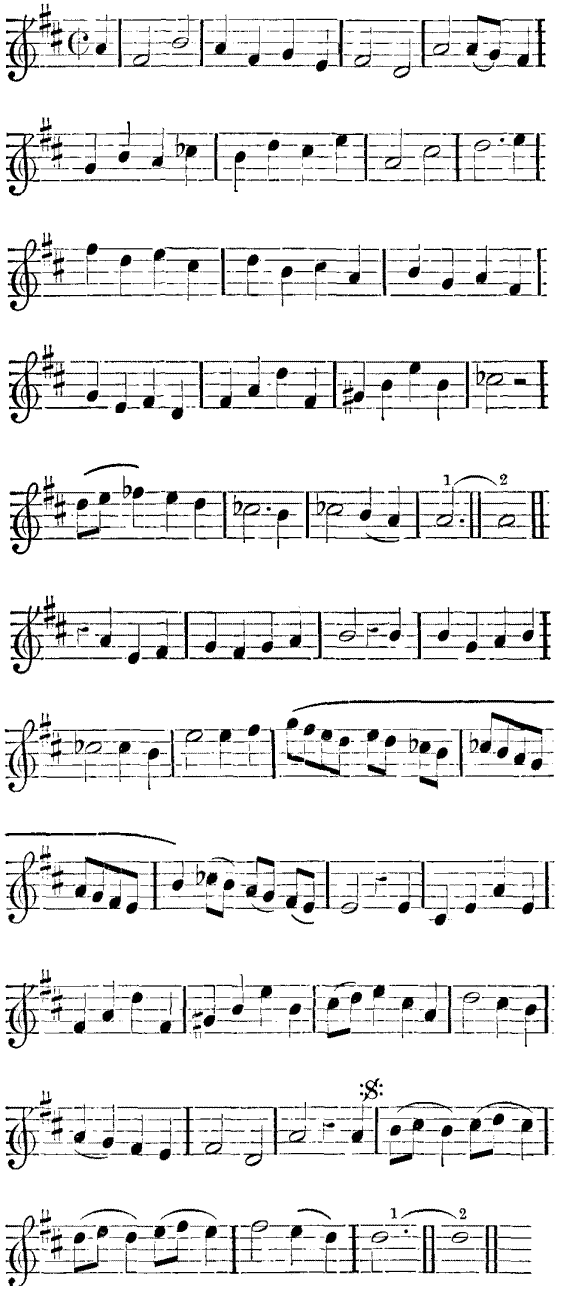
BELINDA's pretty, pretty, pleasing Form, Does my happy, happy, happy, happy Fancy charm: Her prittle-prattle, tittle-tattle's all engaging, most obliging; Whilst I'm pressing, clasping, kissing, Oh! oh! how she does my Soul alarm: There is such Magick in her Eyes, Such Magick in her Eyes, in her Eyes, Does my wond'ring Heart Surprise: Her prinking, nimping, twinking, pinking, Whilst I'm courting, for transporting, How like an Angel, She panting lies, She panting lies.

A Song on a Ladies Drinking.
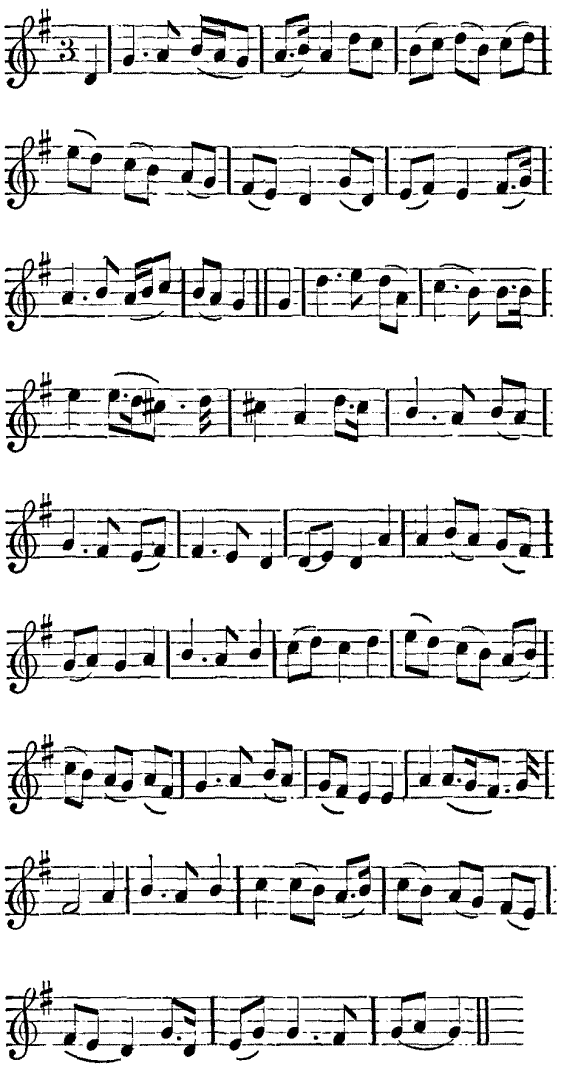
WHILST Phillis is Drinking, Love and Wine in alliance, With Forces United, bids resistless defiance; Each touch of her Lip, makes Wine sparkle Higher, And her Eyes by her Drinking, redouble the Fire: Her Cheeks grow the brighter, recruiting their Colour, As Flowers by sprinkling revive with fresh Odour; Each Dart dipt in Wine, Love wounds beyond curing, And the Liquor like Oil makes the flame more enduring.

The first Song, Sung by Mr. Prince, in the Maid in the Mill.
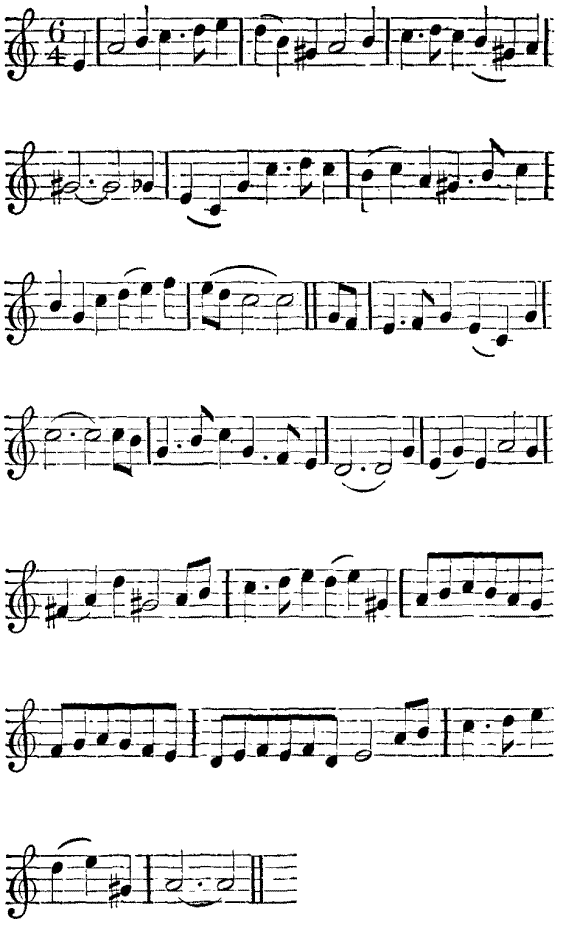
HOW long, how long shall I pine for Love? How long shall I sue in vain? How long, how long like the Turtle Dove, Must I heavily thus complain? Shall the Sails of my Love stand still, Shall the grist of my Hopes be unground? Oh fye, oh fye, oh fye, oh fye let the Mill, Let the Mill go round, let the Mill, let the Mill go round.
A Song Sung at HOLMSE's Booth in Bartholomew Fair, Set by Mr. JOHN BARRETT.
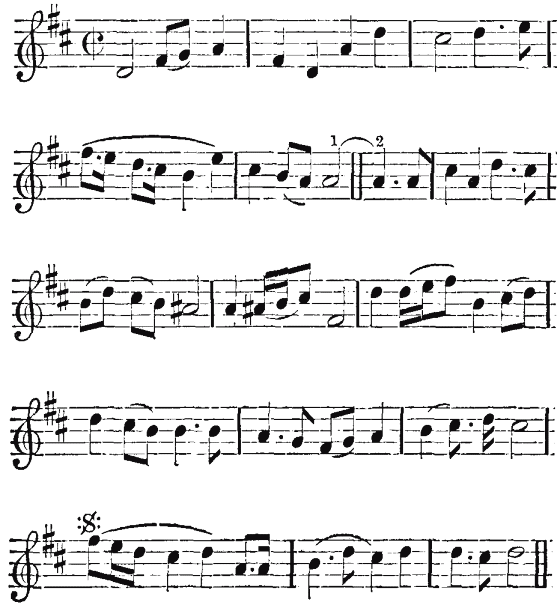
WAR, War and Battle now no more, Shall your thun'dring Cannons roar; No more, no more of War complain, Peace begins, Peace begins her Halcyon Reign: For now the Tow'ring Bird of Jove, Stoops, stoops to the gentle Billing Dove.
A Song Set by Mr. Daniel Purcell, and Sung at the Theatre Royal in Drury-Lane.
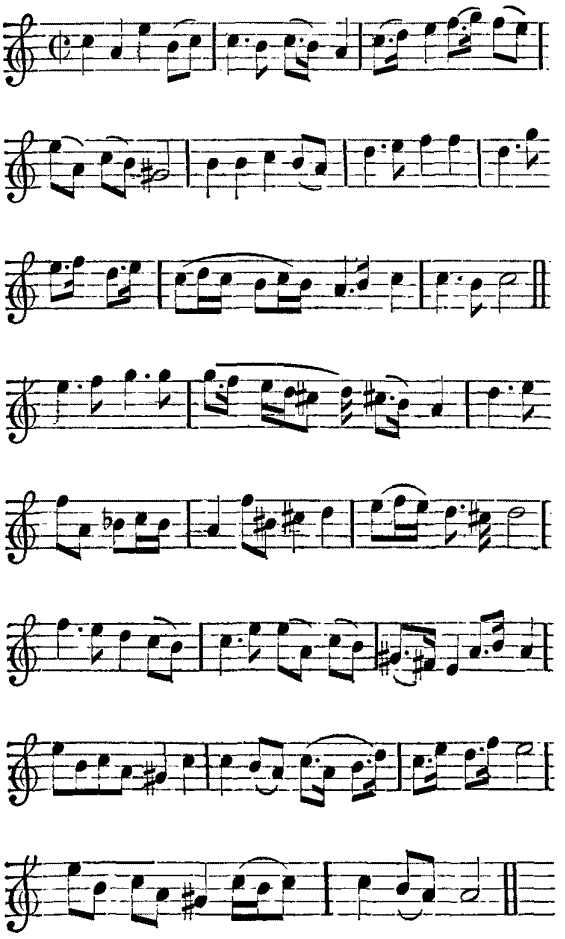
CUPID make your Virgins tender, Make 'em easy to be won; Let 'em presently surrender, When the Treaty's once begun: Such as like a tedious Wooing, Let 'em cruel Damsels find: But let such as wou'd, as wou'd be doing, Prithee, prithee, prithee Cupid make 'em kind, Prithee, prithee Cupid make 'em kind.

A Scotch Song, Sung by Mrs. Willis at the Theatre.
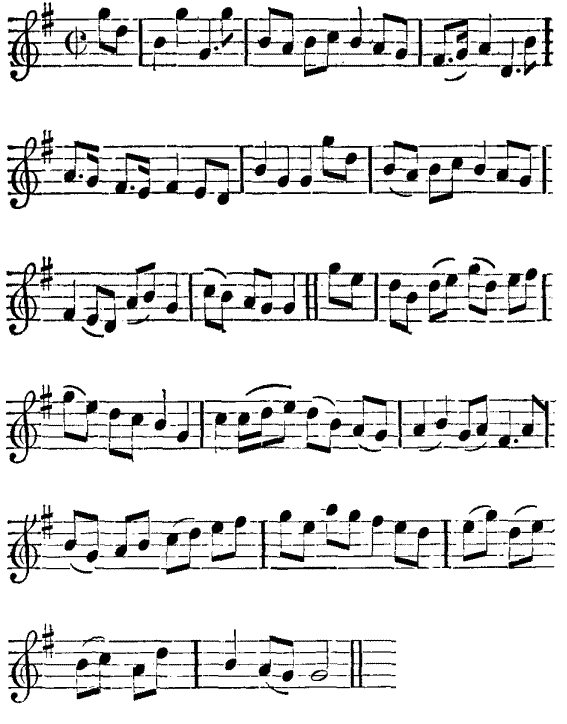
KEN you, who comes here, The Laird of aw the Clan; Whom Ise Love but fear, Because a muckle Man: But what if he's Great, He descends from his State, And receive him, receive him as you can. Come my Bonny Blith Lads, Shew your best Lukes and Plads, Our Laird is here; Whom we shou'd Love, And who shou'd approve, Our Respect as well as Fear, For the Laird is here whom we Love and Fear.

A Song in the Loves of Mars and Venus Set by Mr. J. Eccles, Sung by Mrs. Hudson.
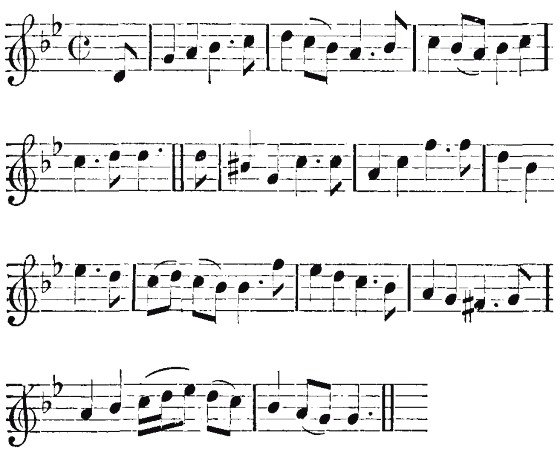
TO meet her Mars the Queen of Love, Comes here adorn'd with all her Charms; The Warriour best the Fair can move, And crowns his Toils in Beauty's Arms: The Warriour best the Fair can move, And crowns his Toils in Beauty's Arms.

A Song in the Comedy call'd Love betray'd, Sung by Mrs. Bracegirdle, Set by Mr. John Eccles.
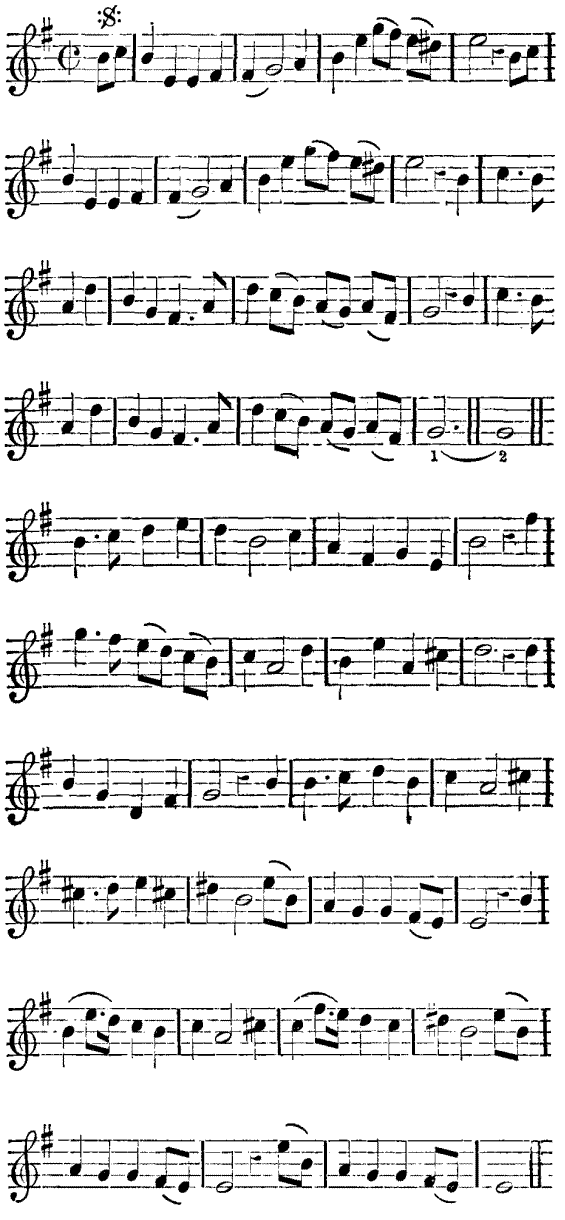
IF I hear Orinda Swear, She cures my Jealous Smart; If I hear Orinda Swear, She cures my Jealous Smart: The Treachery becomes the Fair, And doubly Fires my Heart; The Treachery becomes the Fair, And doubly Fires my Heart. Beauty's Strength and Treasure, In Falshood still remain; She gives the greatest Pleasure, That gives the greatest Pain, That gives the greatest Pain: She gives the greatest Pleasure, She gives the greatest Pleasure, That gives the greatest Pain: She gives the greatest Pleasure, She gives the greatest Pleasure, That gives the greatest Pain, That gives the greatest Pain.
A Song in the Funeral, Sung by Mrs. Harris, Set by Mr. Daniel Purcel.
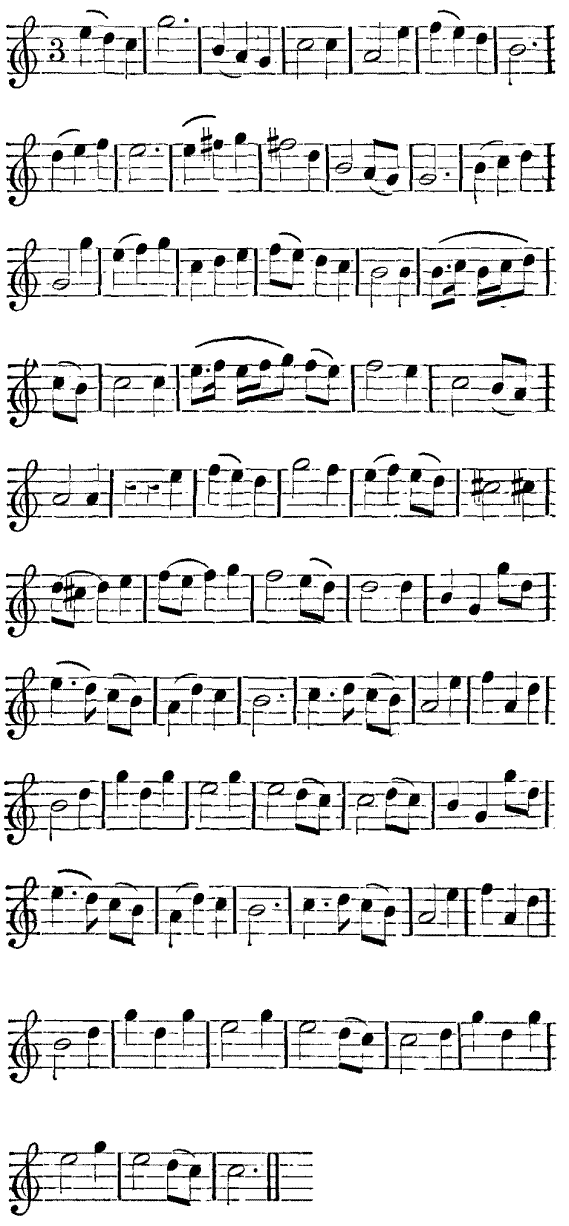
LET not Love, let not Love on me, on me bestow, Soft Distress, soft Distress and tender Woe; I know none, no, no, no, none but substantial Blisses, Eager Glances, eager Glances, solid Kisses: I know not what the Lover feign, Of finer Pleasure mixt with Pain: Then prithee, prithee give me gentle Boy, None of thy Grief, but all, all, all, all, but all, all, all, all, all, all the Joy; But all, all, all, all, all, all the Joy. Prithee give me, prithee give me gentle Boy, None of thy Grief, but all, all, all, all, but all, all, all, all, all, all the Joy, But all, all, all, all, all, all the Joy.

A Song in the Loves of Mars and Venus, Set by Mr. J. Eccles, Sung by Mr. Morgan.
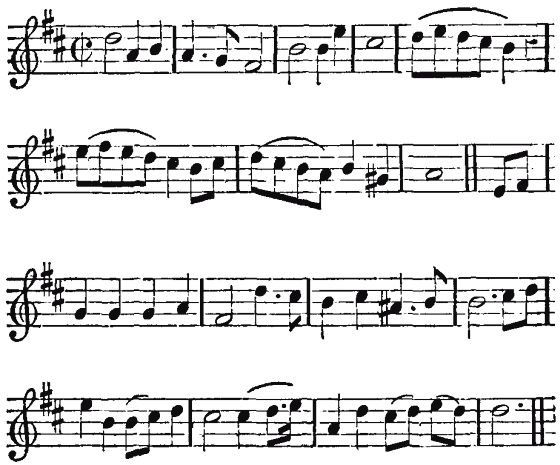
FLY, fly ye lazy Hours, hast, bring him here, Swift, swift as my fond Wishes are; When we Love, and Love to Rage, Ev'ry Moment seems an Age: When we Love, and Love to Rage, Ev'ry Moment seems an Age.

A Scotch Song, Sung by Mrs. BALLDEN.
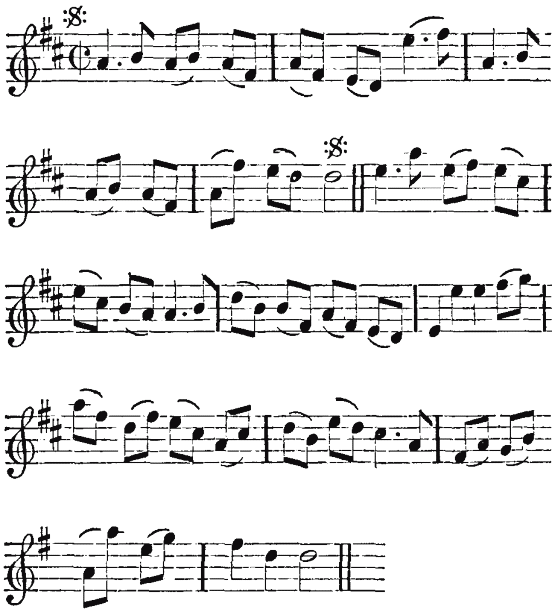
OH! my Panting, panting Heart, Why so Young, and why so sad? Why does Pleasure seem a Smart, Or I wretched while I'm Glad? Oh! Lovers Goddess, who wert form'd, From Cold and Icy, Icy Seas; Instruct me why I am thus warm'd! And Darts at once can wound and please.
A Song Set by Mr. John Eccles, Sung by Mrs. Hodgson.
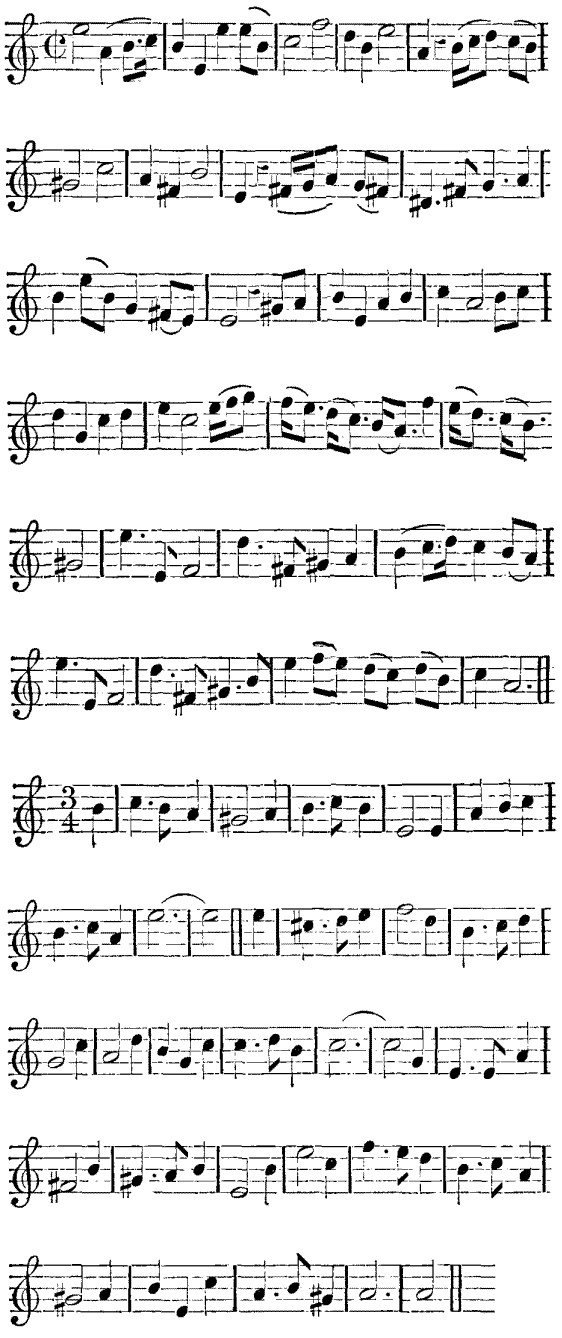
FYE Amarillis, cease to grieve, Fye, fye, fye, fye cease, cease to grieve, Fye, fye, fye, fye, cease, cease to grieve, For him thou never canst retrieve; Wilt thou Sigh for one that flies thee, Wilt thou Sigh for one that flies thee, No, no, no, no, no, no, no, no, Scorn the wretch, Scorn the wretch, that Love denies thee, Scorn the wretch, scorn the wretch, That Love, that Love denies thee. Call Pride to thy aid, and be not afraid, Of meeting a Swain that is kind; As handsome as he, perhaps he may be, At least, at least a more Generous Mind: As handsome as he, perhaps he may be, At least a more Generous Mind, At least a more Generous Mind.
A Song in the Comedy call'd, The Old Batchelour, Set by Mr. HENRY PURCELL.
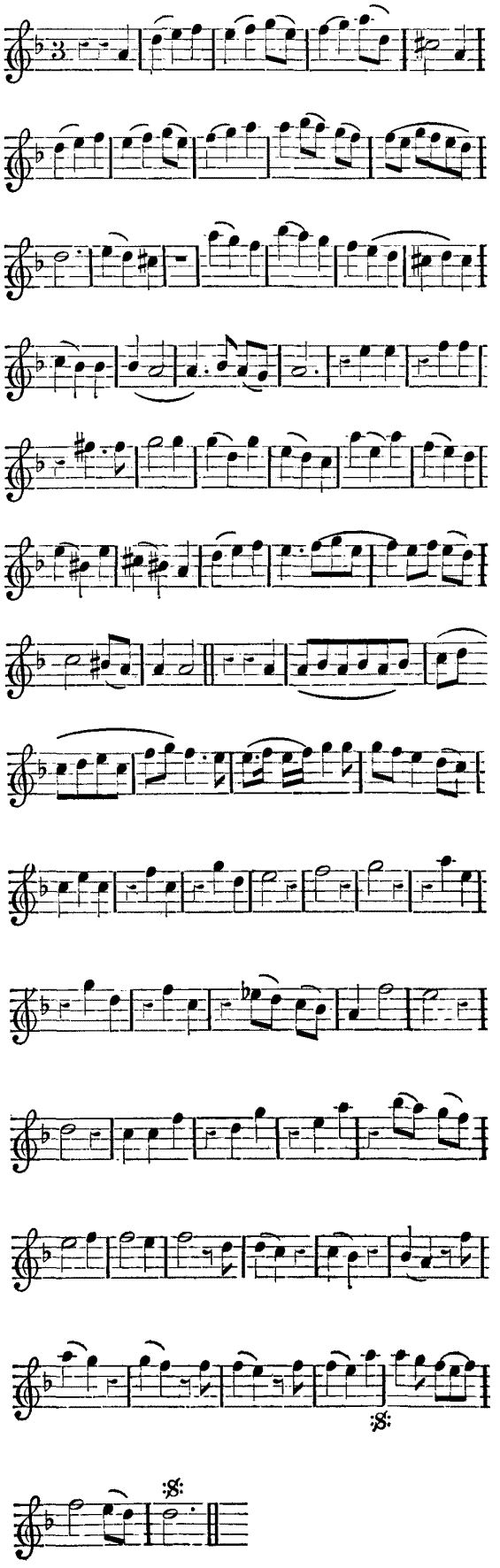
AS Amoret and Thyrsis lay, As Amoret and Thyrsis lay; Melting, melting, melting, melting the Hours in gentle play, Joyning, joyning, joyning Faces, mingling Kisses, Mingling kisses, mingling kisses, and exchanging harmless Blisses: He trembling cry'd with eager, eager hast, Let me, let me, let me feed, oh! oh! let me, let me, Let me, let me feed, oh! oh! oh! oh! let me, let me, let me, let me Feed as well as Tast, I dye, dye, dye, I dye, dye, I dye, I dye, if I'm not wholly Blest. The fearful Nymph reply'd forbear, I cannot, dare not, must not hear; Dearest Thyrsis do not move me, Do not, do not, if you Love me: O let me still, the Shepherd said, But while she fond resistance made, The hasty Joy in struggling fled. Vex'd at the Pleasure she had miss'd, She frown'd and blush'd, and sigh'd and kiss'd, And seem'd to moan, in sullen Cooing, The sad miscarriage of their Wooeing: But vain alass! were all her Charms, For Thyrsis deaf to Love's Alarms, Baffled and fenceless, tir'd her Arms.
A SONG.
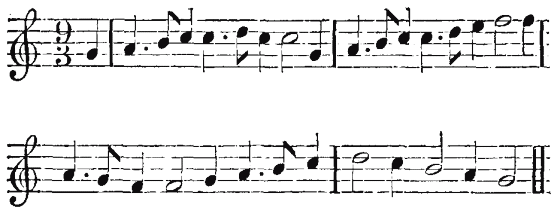
SHE met with a Country-man, In the middle of all the Green; And Peggy was his Delight, And good Sport was to be seen. But ever she cry'd brave Roger, I'll drink a whole Glass to thee; But as for John of the Green, I care not a Pin for him. Bulls and Bears, and Lyons, and Dragons, And O brave Roger a Cauverly; Piggins and Wiggins, Pints and Flaggons, O brave, &c. He took her by the middle, And taught her by the Flute; Well done brave Roger quoth she, Thou hast not left thy old Wont. But ever she cry'd, &c. He clap'd her upon the Buttock, And forth she let a Fart; My Belly quoth she is eased by thee, And I thank thee Roger for't.
Love's Conquest.
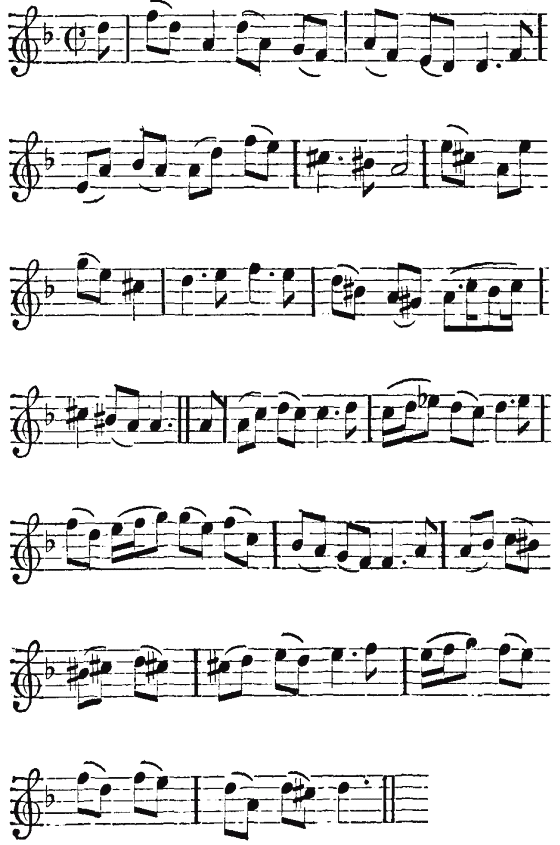
AS unconcern'd and free as Air, I did retain my Liberty; Laugh'd at the Fetters of the Fair, And scorn'd a beauties Slave to be: 'Till your bright Eyes surpriz'd my Heart, And first inform'd me how to Love; Then Pleasure did invade each Part, Yet to conceal my Flame I strove. As Indians at a distance pay, Their awful reverence to the Sun: And dare not 'till he'll bless the Day, Seem to have any thing begun: Thus I rest, 'till your Smiles invite, My Looks and Thoughts I do constrain; And tremble to express Delight, Unless you please to ease my Pain.

A Song in the Comedy call'd, the Wife's Excuse. By H. P.
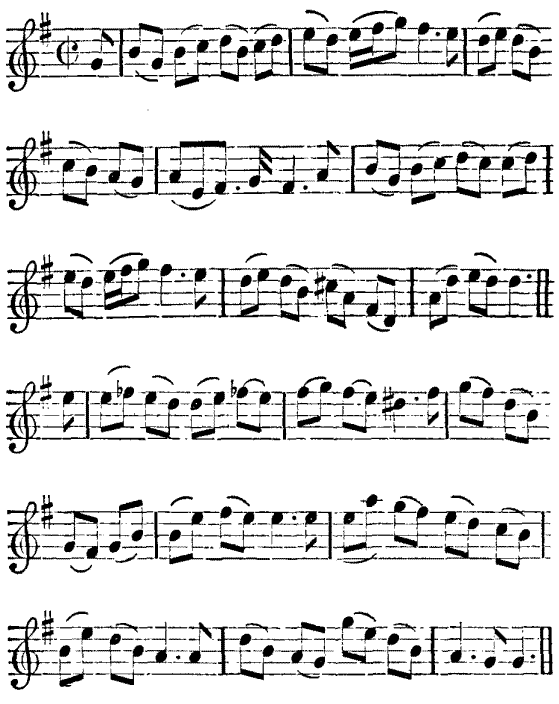
CORINNA I excuse thy Face, Those erring Lines, which Nature drew; When I reflect that ev'ry Grace, Thy Mind adorns, is just and true: But oh! thy Wit what God hast sent, Surprising, Airy, unconfin'd; Some wonder sure Apollo meant, And shot himself into thy Mind.
The Sailors Song in the Subscription Musick, Set by Mr. Weldon, Sung by Mr. Dogget.
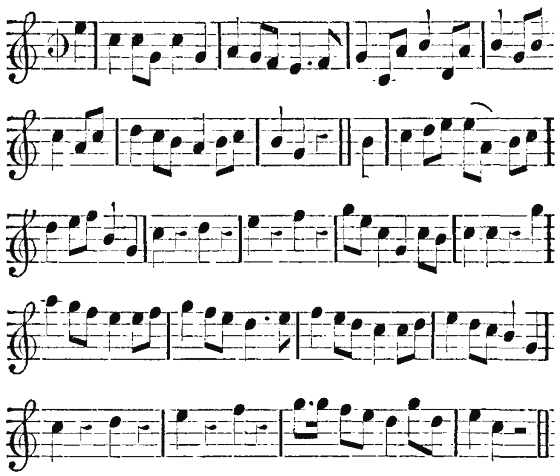
JUST coming from Sea, our Spouses and we, We Punch it, we Punch it, we Punch it, We Punch it, we Punch it a Board with Couragio; We Sing Laugh and Cling, and in Hammocks we swing, And Hey, hey, hey, hey, hey my brave Boys Bonviago: We Sing Laugh and Cling, and in Hammocks we swing, We Sing Laugh and Cling, and in Hammocks we swing, And Hey, hey, hey, hey, hey, my brave Boys Bonviago.
The Serenading Song in the Constant Couple, or a Trip to the Jubilee; Written by Mr. G. Farquhar, Set by Mr. D. Purcell, Sung by Mr. Freeman.
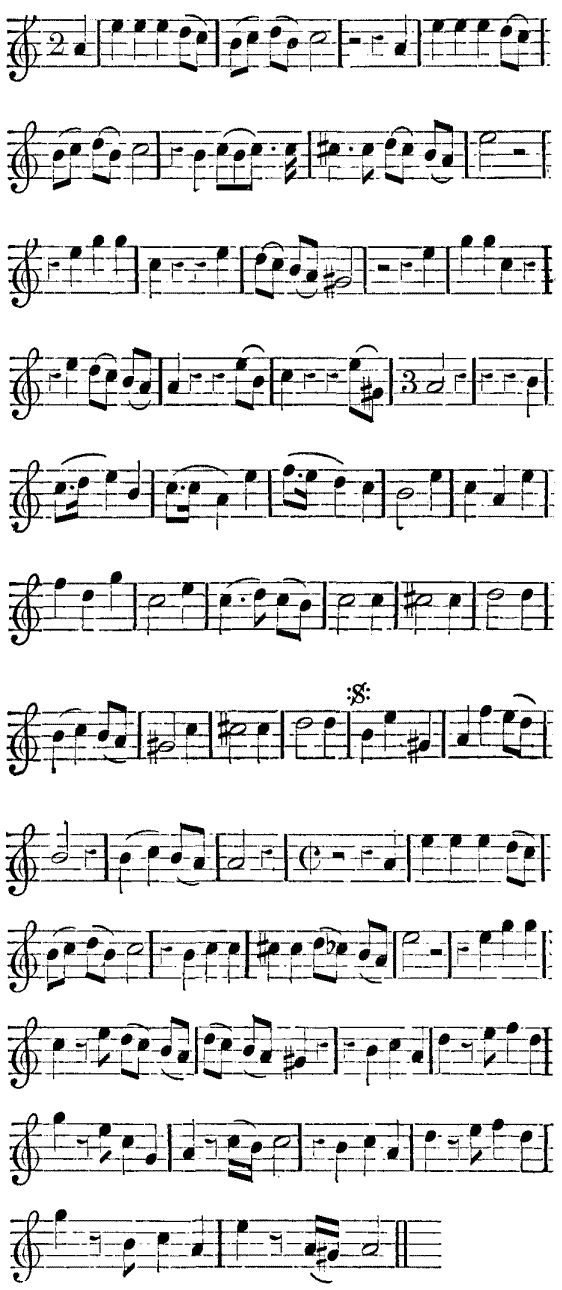
THUS Damon knock'd at Cælia's Door, Thus Damon knock'd at Cælia's Door, He sigh'd and begg'd, and wept and swore, The sign was so, She answer'd no, The sign was so, She answer'd no, no, no, no. Again he sigh'd, again he pray'd, No Damon no, no, no, no, no, I am afraid; Consider Damon I'm a Maid, Consider Damon no, no, no, no, no, no, no, I'm a Maid. At last his Sighs and Tears made way, She rose and softly turn'd the Key; Come in said she, but do not, do not stay, I may conclude, you will be rude; But if you are you may: I may conclude, you will be rude, But if you are you may.
A 'Squire's Choice; or the Coy Lady's Beauty by him admir'd.
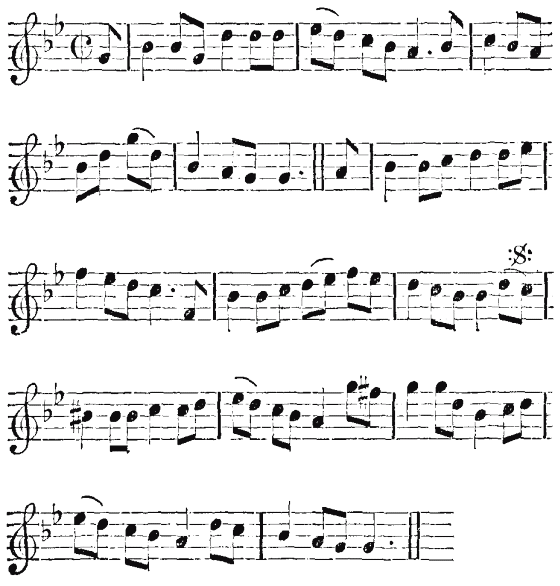
THE World is a Bubble and full of Decoys, Her glittering Pleasures are flattering Toys; The which in themselves no true Happiness brings, Rich Rubies, nay Diamonds, Chains, Jewels and Rings: They are but as Dross, and in Time will decay, So will Virgin Beauty, so will Virgin Beauty, Tho' never so gay. Then boast not young Phillis because thou art Fair, Soft Roses and Lillies more beautiful are, Than ever thou wast, when they in their Prime, And yet do they fade in a very short time: All temporal Glories in time will decay, So will Virgin Beauty, so will Virgin Beauty, Tho' never so gay. Since all things are changing and nothing will last, Since Years, Months, and Minutes thy Beauty will blast, Like Flowers that fade in the fall of the Leaf, Afford me thy Favour and pity my Grief: E'er thy Youth and Beauty does clearly depart, For thou art my Jewel, for thou art my Jewel, The Joy of my Heart. I value not Riches, for Riches I have, I value not Honour, no Honour I crave; But what thou art able to bless me withal, And if by thy Frowns to Despair I should fall: Then Farewel those Joys which so long I have sought, To languish in Sorrow, to languish in Sorrow, Alass! I am brought. I come not to flatter, as many have done, Afford me a Smile, or my Dear I shall run Distracted, as being disturbed in Mind, Then now, now, or never be loving and kind: This Day thou canst cherish my sorrowful State, To morrow sweet Jewel, to morrow sweet Jewel, It may be too late. You know that young Women has rail'd against Men, And counted them false and base flatterers, when We find that your Sexs are as cruel to us, Or else you would never have Tortur'd me thus: As now you have done by your Darts of Disdain, You know that I love you, you know that I love you, Yet all is in vain.
The Damsels Answer, To the same Tune.
NOW dry up thy Tears, and no longer exclaim, Against thy Fair beautiful Phillis by Name; Who never as yet was acquainted with Love, Yet here I declare by the Powers above: I cannot be Cruel to one that is True, Wherefore bid thy Sorrows, wherefore bid thy Sorrows For ever adieu. With all the Affections that Words can express, I freely surrender, and can do no less; When as I consider in e'ery Degree, How loyal and faithful thou hast been to me, I cannot be Cruel to one that is True, And so bid thy Sorrows, and so bid thy Sorrows For ever adieu.

The Jolly SAILOR's Resolution.
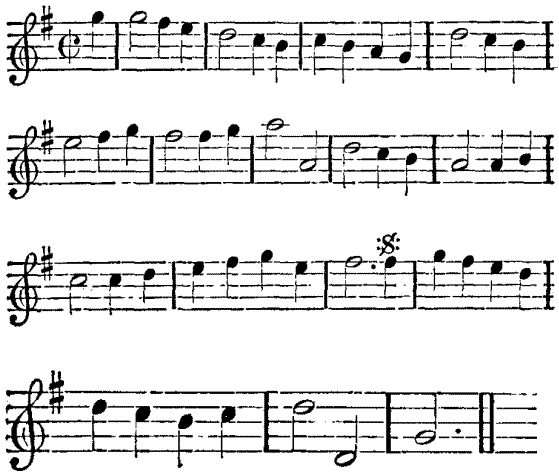
AS I am a Sailor, 'tis very well known, And I've never as yet had a Wife of my own; But now I am resolved to Marry if I can, To show my self a Jolly, Jolly brisk young Man, Man, Man, To show my self a Jolly, Jolly brisk young Man. Abroad I have been, and since home I am come, My Wages I have took, 'tis a delicate Sum; And now Mistress Hostess begins to flatter me, But I have not forgot her former Cruelty, ty, ty, But I have not forgot her former Cruelty. Near Lymehouse she liv'd, where I formerly us'd, I'll show you in brief how I once was abus'd, After in her House I had quite consumed my store, But kick me if I ever, ever feast her more, more, more, But kick me if I ever, ever feast her more. I came to her once with abundance of Gold, And as she that beautiful Sight did behold; She said with a Kiss thou art welcome John to me, For I have shed a Thousand, Thousand Tears for thee, Thee, thee, For I have shed a Thousand, Thousand Tears for thee. Her flattering Words I was apt to believe, And then at my Hands she did freely receive; A Ring which she said she would keep for Johnny's sake, She wept for Joy as if her very Heart wou'd break: Break, break, She wept for Joy as if her very Heart wou'd break. We feasted on Dainties and drank of the best, Thought I with my Friends I am happily blest; For Punch, Beer and Brandy they Night and Day did call, And I was honest Johnny, Johnny pay for all: All, all, And I was honest Johnny, Johnny pay for all. They ply'd me so warm, that in troth I may say, That I scarce in a Month knew the Night from the Day; My Hostess I kiss'd, tho' her Husband he was by, For while my Gold and Silver lasted, who but I: I, I, For while my Gold and Silver lasted, who but I. They said I should Marry their dear Daughter Kate, And in Token of Love I presented her strait: With a Chain of Gold, and a rich costly Head, Thus Johnny, Johnny, Johnny by the Nose was lead: Lead, lead, Thus Johnny, Johnny, Johnny by the Nose was lead. This Life I did lead for a Month and a Day, And then all my Glory begun to decay: My Money was gone, I quite consum'd my Store, My Hostess told me in a Word, she would not Score, Score, Score, My Hostess told me in a Word, she would not Score. She frown'd like a Fury, and Kate was Coy, A Kiss or a Smile I no more must enjoy, Nay, if that I call'd but for a Mug of Beer, My Hostess she was very Deaf and could not hear, hear, hear, My Hostess she was very Deaf and could not hear. But that which concern'd me more than the rest, My Money it was gone, and she'd needs have me Prest; Aboard of the Fleet, then I in a Passion flew, And ever since I do abhor the Canting Crew, Crew, Crew, And ever since I do abhor the canting Crew. Now having replenish'd my Stock once again, My Hostess and Daughter I vow to refrain Their Company quite, and betake my self to a Wife, With whom I hope to live a sober Life, Life, Life, With whom I hope to live a sober Life. Then in came a Damsel as fresh as a Rose, He gave her a Kiss, and began for to close, In Courting, and said, canst love an honest Tar, Who for this Six or Seven Years has travell'd far, Far, far, Who for this Six or Seven Years has travell'd far. His offer was noble, his Guineas was good, And therefore the innocent Maid never stood To make a Denial, but granted his Request, And now she's with a jolly Sailor, Sailor blest. Blest, blest, And now she's with a jolly Sailor, Sailor blest.

CUPID'S Courtesie.
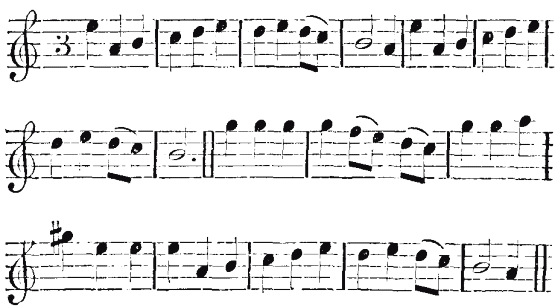
THROUGH the cold shady Woods, As I was ranging, I heard the pretty Birds, Notes sweetly changing: Down by the Meadow's side, There runs a River A little Boy I spy'd With Bow and Quiver. Little Boy tell me why Thou art here diving? Art thou some Run-away; And hast no abiding? I am no Run-away, Venus my Mother, She gave me leave to play, When I came hither. Little Boy go with me, And be my servant, I will take care to see For thy preferment: If I with thee should go, Venus would chide me, And take away my Bow, And never abide me. Little Boy let me know, What's thy Name termed, That thou dost wear a Bow, And go so arm'd: You may perceive the same, With often changing; Cupid it is my Name, I live by ranging. If Cupid be thy Name, That shoot at Rovers; I have heard of thy Fame, By wounded Lovers: Should any languish that Are set on fire; By such a naked Brat, I much admire. If thou dost but the least, At my Laws grumble; I'll pierce thy stubborn breast, And make thee humble, If I with Golden Dart, Wound thee but surely, There's no Physitians Art, That e're can cure thee. Little Boy with thy Bow, Why dost thou threaten; It is not long ago Since thou wast beaten: Thy wanton Mother, fair Venus will chide thee; When all thy Arrows are gone, Thou may'st go hide thee. Of powerful shafts you see, I am well stored; Which makes my Deity, So much adored: With one poor Arrow now, I'll make thee shiver; And bend unto my Bow, And fear my Quiver. Dear little Cupid be, Courteous and kindly; I know thou can'st not see, But shootest blindly: Altho' thou call'st me blind, Surely I'll hit thee; That thou shalt quickly find, I'll not forget thee. Then little Cupid caught, His Bow so nimble; And shot a fatal shaft, Which made him tremble: Go tell thy Mistress dear, Thou canst discover; What all the Passions are, Of a dying Lover. And now this gallant Heart Sorely lies bleeding; He felt the greatest smart, From Love proceeding; He did her help implore, Whom he affected, But found that more and more, Him she rejected. For Cupid with his Craft, Quickly had chosen, And with a Leaden shaft, Her Heart had frozen: Which caus'd this Lover more, Daily to languish; And Cupid's Aid implore, To heal this Anguish. He humble pardon crav'd For his Offence past; And vow'd himself a Slave, And to love stedfast; His Prayers so ardent were, Whilst his Heart panted, That Cupid lent an ear, And his suit granted. For by his present plaint, He was regarded; And his adored Saint, His Love rewarded: And now they live in Joy, Sweetly embracing, And left the little Boy, In the Woods chasing.

The Duke of GLOUCESTER's March, Set by Dr. BLOW.
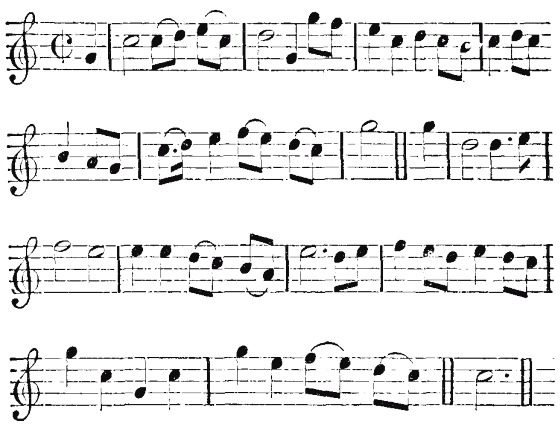
AND now, now the Duke's March, Let the Haut-boys play; And his Troops in the Close, Shall Huzza, Huzza, Huzza: And now, now the Duke's March, Let the Haut-boys play; And his Troops in the Close, Shall Huzza, Huzza, Huzza.
A Song Sung at Richmond New Wells, the Words by M. S. Set by Mr. Morgan.
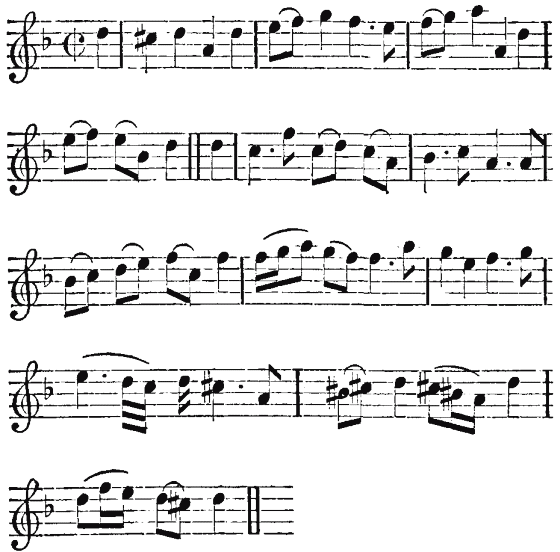
AURELIA now one Moment lost, A thousand Sighs may after cost; Desires may oft return in vain, But Youth will ne'er return again: Desires may oft return in vain, But Youth will ne'er return again. The fragrant sweets which do adorn, The glowing blushes of the Morn; By Noon are vanish'd all away, Then let Aurelia live to Day.
A Song Sung by Mrs. Prince in the Agreeable Disappointment. Sett by Mr. John Eccles.
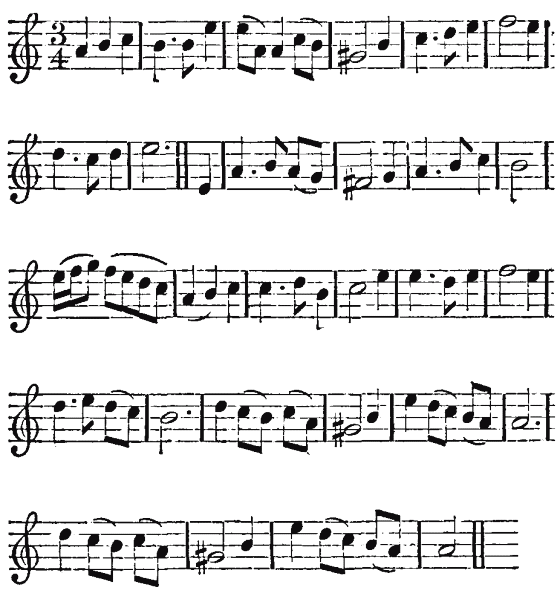
CHLOE found Love for his Psyche in Tears, She play'd with his Dart, and smil'd at his Fears, fears; 'Till feeling at length the Poison it keeps, Cupid he smiles, and Chloe she weeps: 'Till feeling at length the Poison it keeps, Cupid he smiles, and Chloe she weeps. Cupid he smiles, and Chloe she weeps.
A Song. Set by Mr. John Barrett.
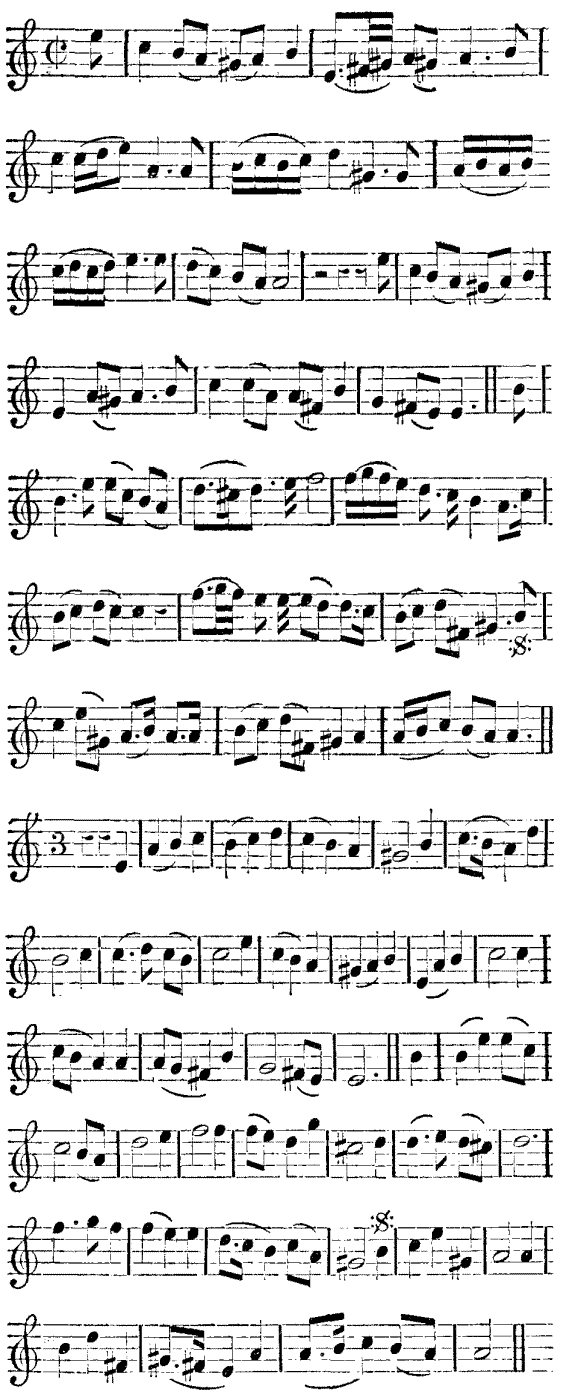
LIBERIA'S all my Thought and Dream, She's all, all, all, she's all, all, all, my Pleasure and my Pain: Liberia's all that I esteem, And all I fear is her Disdain, Her Wit, her Humour and her Face, Please beyond all I felt before: Oh! Why can't I Admire her less, Or dear Liberia, or dear Liberia love me more! Like Stars all other Female Charms, Ne'er touch my Heart, but Feast my Eyes; For she's the only Sun that Warms, With her alone I'd live and dye: Immortal Pow'rs whose Work Divine, Inspires my Soul with so much Love; Grant your Liberia may be mine, And then, then, then, then, and then, then I share your Joys above.
Coy Belinda, and False Amindor.
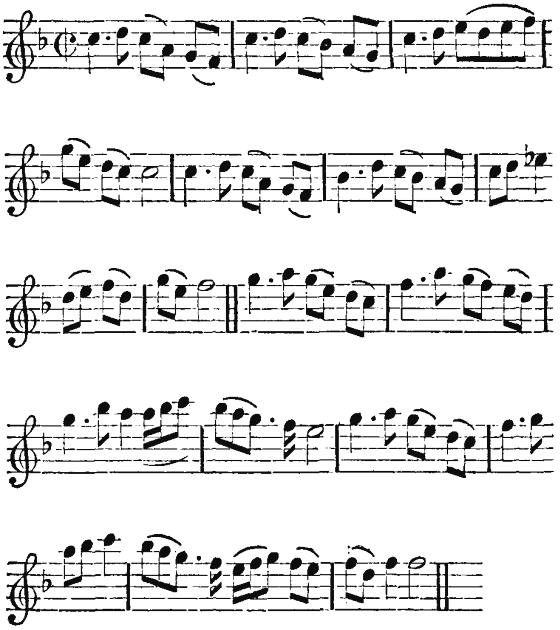
COY Belinda may discover, Love is nothing but a Name; 'Tis not Beauty warms the Lover, When he tells her of his Flame: But she keeps a greater Treasure, Binds and Bonds inflame his Heart; Charms that flow with tides of Pleasure, More obey'd than Cupid's Dart. False Amintor leave Dissembling, Tell her plainly you are Poor; Hence are all your Sighs and Tremblings, When you talk of your Amour: Tho' you Sigh, and tho' you Languish, 'Till she gives herself away; Then you soon forget your Anguish, And Belinda must obey.

An Amorous Address to the charming Corinna.
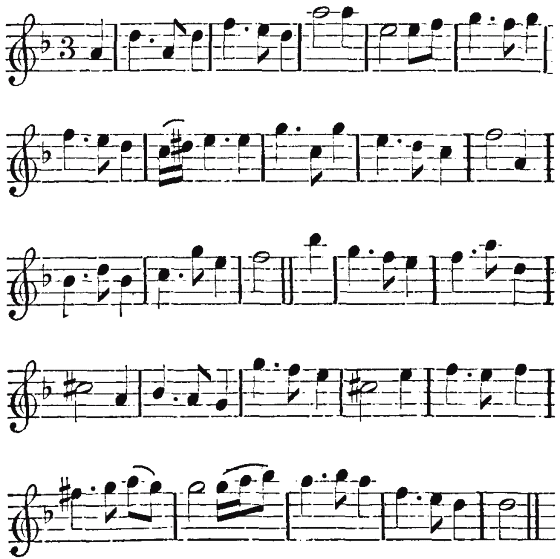
CORINNA 'tis you that I Love, And love with a Passion, a Passion so great; That death a less Torment would prove, Than either your Frown or your hate: So soft and prevailing your Charms, In vain I should strive to retreat; Oh! then let me live in your Arms, Or dye in Despair at your Feet. In vain I may pray to Love's Powers, To ease me and pity my Pain; Since the Heart that I sue for is yours, Who all other Powers disdain: Like a Goddess you Absolute reign, You alone 'tis can save or kill; To whom else then should I complain, Since my fate must depend on your will.

The Coy Lass dress'd up in her best Commode and Top-knot.
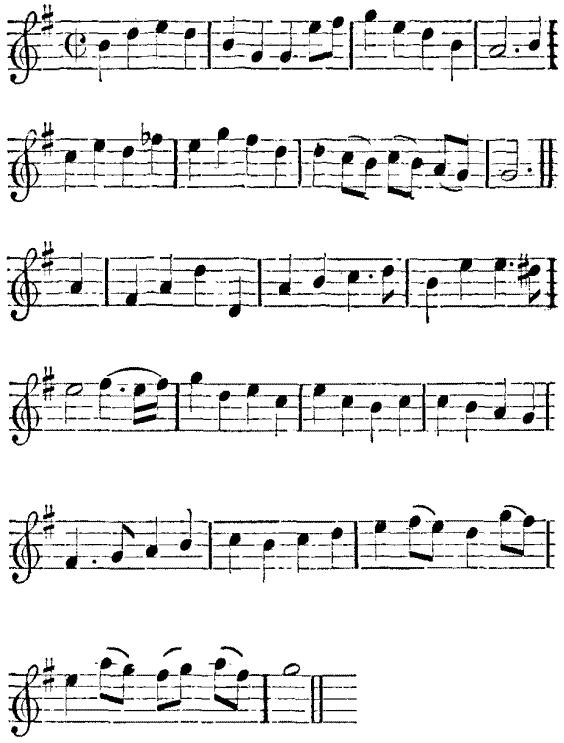
DO not rumple my Top-knot, I'll not be kiss'd to Day; I'll not be hawl'd and pull'd about, Thus on a Holy-day: Then if your Rudeness you don't leave, No more is to be said; See this long Pin upon my Sleeve, I'll run up to the Head: And if you rumple my head Gear, I'll give you a good flurt on the Ear. Come upon a Worky-day, When I have my old Cloaths on; I shall not be so nice nor Coy, Nor stand so much upon: Then hawl and pull, and do your best, Yet I shall gentle be: Kiss hand, and Mouth, and feel my Breast, And tickle to my Knee: I won't be put out of my rode, You shall not rumple my Commode.
A Song in the Dramatick Opera of King Arthur. Written by Mr. Dryden.
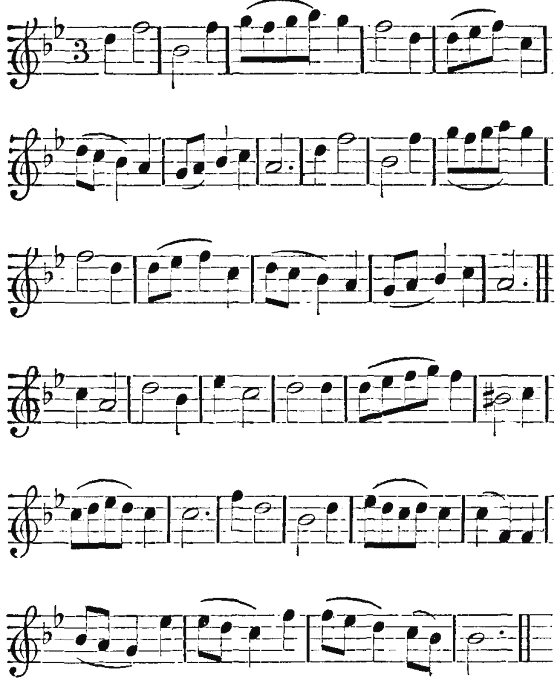
FAIREST Isle, all Isles excelling, Seat of pleasures, and of Love; Venus here, will chuse her dwelling, And forsake her Cyprian Grove. Cupid from his fav'rite Nation, Care and Envy will remove; Jealousy that poisons Passion, And Despair that dies for Love. Gentle murmurs sweet complaining, Sighs that blow the fire of Love; Soft Repulses, kind Disdaining, Shall be all the Pains you prove. Every Swain shall pay his Duty, Grateful every Nymph shall prove; And as these excel in Beauty, Those shall be renown'd for Love.

A Song in the Comedy call'd the (Wives Excuse: Or, Cuckolds make themselves.) Sung by Mrs. Butler.
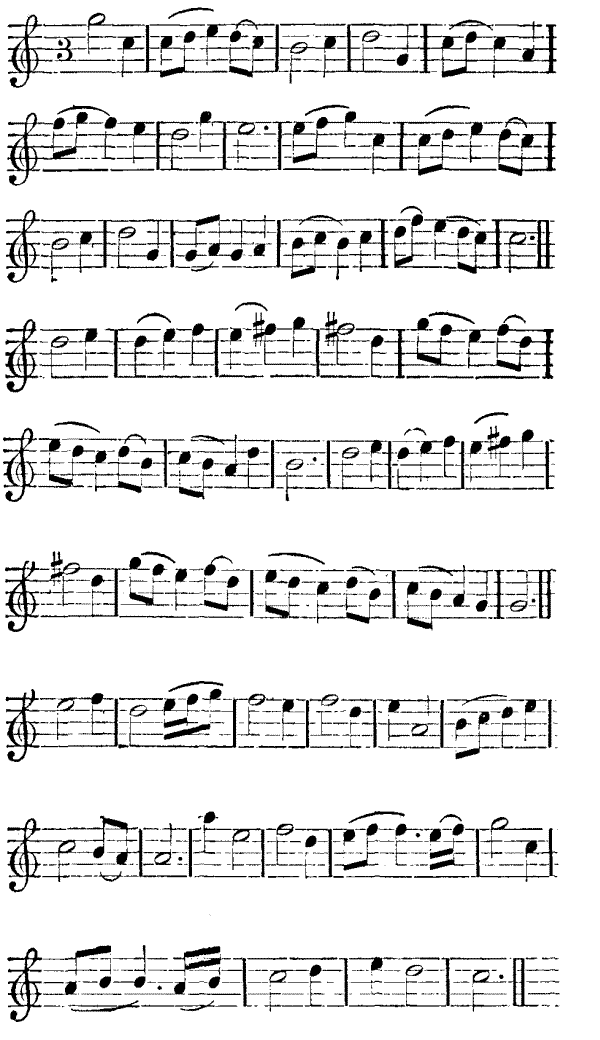
HANG this whining way of Wooing, Loving was design'd a sport; Sighing, talking without doing, Makes a sily Idol court: Don't believe that Words can move her, If she be not well inclin'd; She herself must be the Lover, To perswade her to be kind: If at last she grants the Favour, And consents to be undone; Never think your Passion gave her, To your wishes, but her own.
A Song in the Opera call'd the (Fairy Queen,) Sung by Mr. PATE.
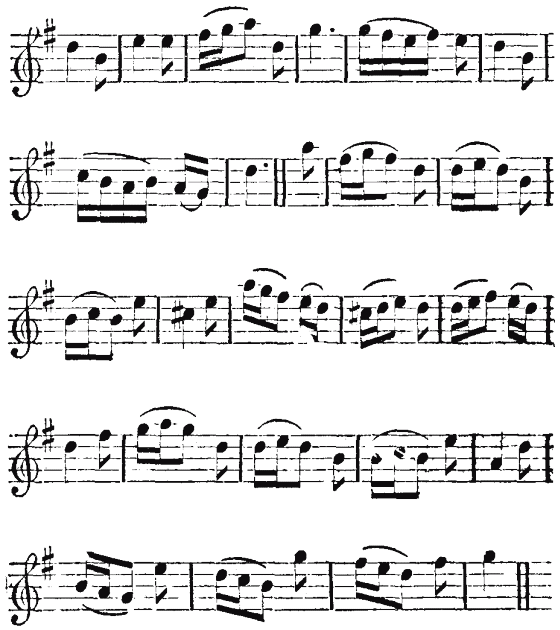
HERE's the Summer sprightly, gay, Smiling, wanton, fresh and fair: Adorn'd with all the Flowers of May, Whose various sweets perfume the Air, Adorn'd with all the Flowers of May, Whose various sweets perfume the Air.
A DOG of WAR:
Or, The Travels of Drunkard, the famous Curr of the Round Woolstaple in Westminster. His Services in the Netherlands, and lately in France, with his return home.
The Argument.
A N Honest, Well-knowing, and well-known Souldier, (whose Name for some Reasons I conceal) dwelt lately in Westminster, in the round Woolstaple, he was a Man only for Action, but such Actions as Loyalty did always justifie, either for his Prince, Country, or their dear and near Friends or Allies, in such noble designs he would and did often with Courage and good Approvement employ himself in the Low-countries, having always with him a little black Dog, whom he called Drunkard; which Curr would (by no means) ever forsake or leave him. But lately in these French Wars, the Dog being in the Isle of RHEA, where his Master (valiantly fighting) was Unfortunately slain, whose death was griev'd for by as many as knew him; and as the Corps lay dead, the poor loving Masterless Dog would not forsake it, until an English Souldier pull'd off his Masters Coat, whom the Dog followed to a Boat, by which means he came back to Westminster, where he now remains. Upon whose Fidelity, (for the love I owed his deceased Master) I have writ these following Lines, to express my Addiction to the Proverb, Love me and Love my Dog.
To the Reader.
READER if you expect from hence, An overplus of Wit or Sence, I deal with no such Traffique: Heroicks and Iambicks I, My Buskinde Muse hath laid them by, Pray be content with Saphicke. Drunkard the Dog my Patron is, And he doth love me well for this, Whose Love I take for Guerdon; And he's a Dog of Mars his Train Who hath seen Men and Horses slain, The like was never heard on.
Drunkard or the faithful Dog of War.
STAND clear, my Masters 'ware your Shins, For now to Bark my Muse begins, Tis of a Dog, I write now: Yet let me tell you for excuse, That Muse or Dog, or Dog or Muse, Have no intent to bite now. In Doggrel Rhimes my Lines are writ, As for a Dog I thought it fit, And fitting best his Carkass. Had I been silent as a Stoick, Or had I writ in Verse Heroick, Then had I been a Stark Ass. Old Homer wrote of Frogs and Mice, And Rabblaies wrote of Nits and Lice, And Virgil of a Flye: One wrote the Treatise of the Fox, Another prais'd the Frenchman's Pox, Whose praise was but a Lye. Great Alexander had a Horse, A famous Beast of mighty force Yecleap'd Buce- phalus: He was a stout and sturdy Steed, And of an exc'lent Race and Breed, But that concerns not us. I list not write the Baby praise Of Apes, or Owls, or Popingeys, Or of the Cat Grammalkin: But of a true and trusty Dog, Who well could fawn, But never cog, His Praise my Pen must walk in. And Drunkard he is falsely nam'd, For which that Vice he ne'er was blam'd, For he Loves not God Bacchus: The Kitchin he esteems more dear, Than Cellars full of Wine or Beer, Which oftentimes doth wreck us. He is no Mastiff, huge of Lim, Or Water-spaniel, that can Swim, Nor Blood-Hound nor no Setter: No Bob-tail Tyke, or Trundle-tayl, Nor can he Partridge spring or Quail, But yet he is much better. No Dainty Ladies fisting-Hound, That lives upon our Britain Ground, Nor Mungrel Cur or Shogh: Should Litters or whole Kennels dare, With Honest Drunkard to compare, My Pen writes, marry fough. The Otter-Hound, the Fox-Hound, nor The swift Foot Grey-Hound car'd he for, Nor Cerberus Hell's Bandogg; His Service proves them Curs and Tikes, And his Renown a Terror strikes, In Water-Dog and Land-Dog. 'Gainst brave Buquoy or stout Dampiere, He durst have Bark'd without Fear, Or 'gainst the hot Count Tilly: At Bergen Leaguer and Bredha, Against the Noble Spinola, He shew'd himself not silly. He serv'd his Master at commands, In the most Warlike Netherlands, In Holland, Zeeland, Brabant: He to him still was true and just, And if his fare were but a Crust, He patiently would knab on't. He durst t have stood Stern Ajax Frown, When Wise Ulysses talk'd him down In grave Diebus illis; When he by cunning prating won The Armour from fierce Tellamon, That 'longed to Achilles. Brave Drunkard, oft on God's dear Ground, Took such poor Lodging as he found, In Town, Field, Camp or Cottage; His Bed but cold, his Dyet thin, He oft in that poor case was in, To want both Meat and Pottage. Two rows of Teeth for Arms he bore, Which in his Mouth he always wore, Which serv'd to fight and feed too: His grumbling for his Drum did pass, And barking (lowd) his Ordnance was, Which help'd in time of need too. His Tail his Ensign he did make, Which he would oft display and shake, Fast in his Poop uprear'd: His Powder hot, but somewhat dank, His Shot in (scent) most dangerous rank, Which sometimes made him feared. Thus hath he long serv'd near and far, Well known to be a Dog of War, Though he ne'er shot with Musket: Yet Cannons roar or Culverings, That whizzing through the welkin sings, He slighted as a Pus-Cat. For Guns, nor Drums, nor Trumpets clang. Nor hunger, cold, nor many a pang, Could make him leave his Master: In Joy, and in Adversity, In Plenty, and in Poverty, He often was a Taster. Thus serv'd he on the Belgia Coast, Yet ne'er was heard to brag or boast, Of Services done by him: He is no Pharisee to blow, A Trumpet, his good Deeds to show, 'Tis pity to bely him. At last he Home return'd in Peace, Till Wars, and Jars, and Scars increase 'Twixt us, and France, in malice: Away went he and crost the Sea, With's Master, to the Isle of Rhea, A good way beyond Callice. He was so true, so good, so kind, He scorn'd to stay at Home behind, And leave his Master frustrate; For which could I like Ovid write, Or else like Virgil could indite, I would his Praise illustrate. I wish my Hands could never stir, But I do love a thankful Curr, More than a Man ingrateful: And this poor Dog's Fidelity, May make a thankless Knave descry, How much that Vice is hateful. For why, of all the Faults of Men, Which they have got from Hell's black Den, Ingratitude the worst is: For Treasons, Murders, Incests, Rapes, Nor any Sin in any shapes, So bad, nor so accurst is. I hope I shall no Anger gain, If I do write a word Or twain, How this Dog was distressed; His Master being wounded dead, Shot, cut and slash'd, from Heel to Head, Think how he was oppressed. To lose him that he loved most, And be upon a Foreign Coast, Where no Man would relieve him: He lick'd his Masters Wounds in Love, And from his Carkass would not move, Altho' the sight did grieve him. By chance a Souldier passing by, That did his Masters Coat espy, And quick away he took it: But Drunkard followed to a Boat, To have again his Master's Coat, Such Theft he could not brook it. So after all his wo and wrack, To Westminster he was brought back, A poor half starved Creature; And in remembrance of his cares, Upon his back he closely wears A Mourning Coat by Nature. Live Drunkard, sober Drunkard live, I know thou no offence wilt give, Thou art a harmless Dumb thing; And for thy love I'll freely grant, Rather than thou shouldst ever want, Each Day to give thee something. Thou shalt be Stellifide by me, I'll make the Dog-star wait on thee, And in his room I'll seat thee: When Sol doth in his Progress swing, And in the Dog-days hotly sing, He shall not over- heat thee. I lov'd thy Master, so did all That knew him, great and small, And he did well deserve it: For he was Honest, Valiant, Good, And one that Manhood understood, And did till Death preserve it. For whose sake, I'll his Dog prefer, And at the Dog at Westminster, Shall Drunkard be a Bencher; Where I will set a work his Chops, Not with bare Bones, or broken scraps, But Victuals from my Trencher. So honest Drunkard now adieu, Thy Praise no longer I'll pursue, But still my Love is to thee: And when thy Life is gone and spent, These Lines shall be thy Monument, And shall much Service do thee.

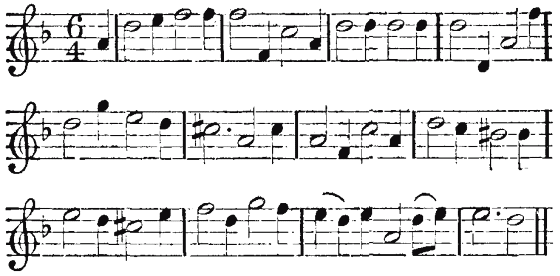
A Song Sung by Mrs. AYLIFF in the Play call'd Love Triumphant: Or, Nature will Prevail, Sett by Mr. HENRY PURCELL.
HOW happy's the Husband, how happy's the Husband, Whose Wife has been try'd, has been try'd, Not damn'd to the Bed, not damn'd to the Bed of an ignorant Bride; Secure of what's left, secure of what's left, he ne'er misses the rest, But where there's enough, enough, enough, but where there's enough, supposes a Feast: So foreknowing the Cheat, He escapes the Deceit; And in spight of the Curse he resolves, he resolves to be blest. And in spight of the Curse he resolves, he resolves to be blest. He resolves to be blest, he resolves, he resolves to be blest. If Children are blessings, his comfort's the more, Whose Spouse has been known to be fruitful before; And the Boy that she brings ready made to his Hand, May stand him in stead for an Heir to his Land: Shou'd his own prove a Sot, When 'tis lawfully got As when e'er it is so, if it won't I'll be hang'd.

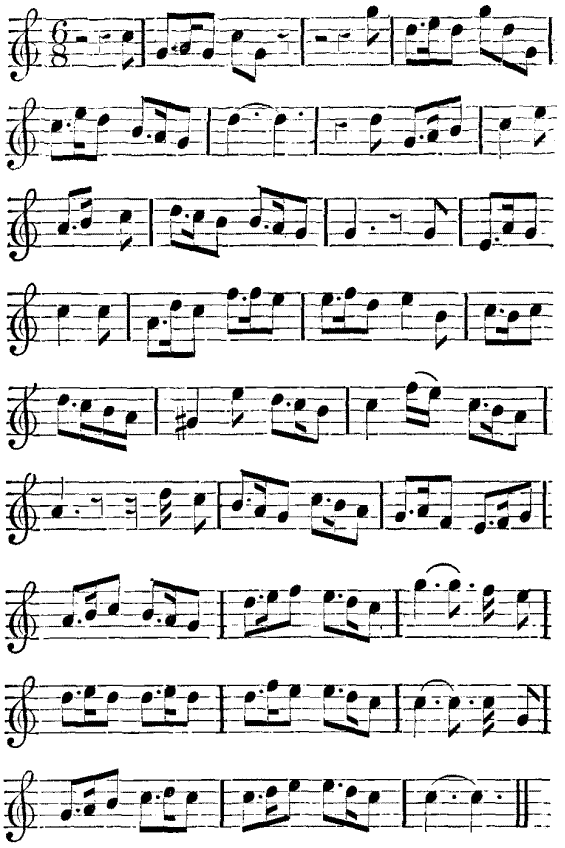
A New Song, to the Tune of the Old Batchelor.
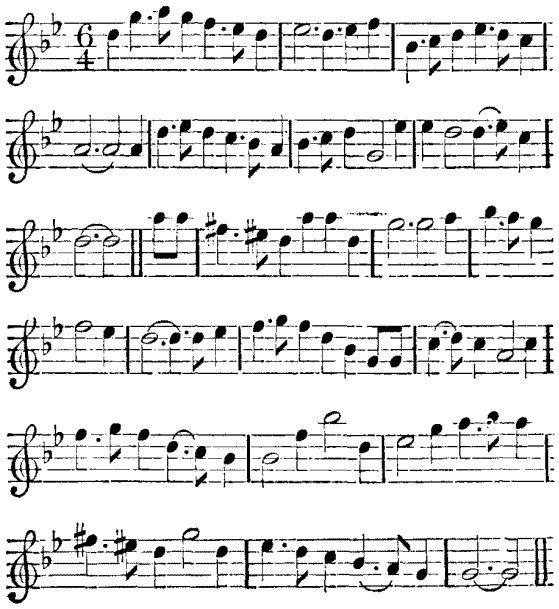
IF ever you mean to be kind, To me the Favour, the Favour allow; For fear that to Morrow should alter my Mind, Oh! let me now, now, now, If in Hand then a Guinea you'll give, And swear by this kind Embrace; That another to Morrow, as you hope to live, Oh! then I will strait unlace: For why should we two disagree, Since we have, we have opportunity.

A Song,
Set to Musick by Mr. Will. Richardson.
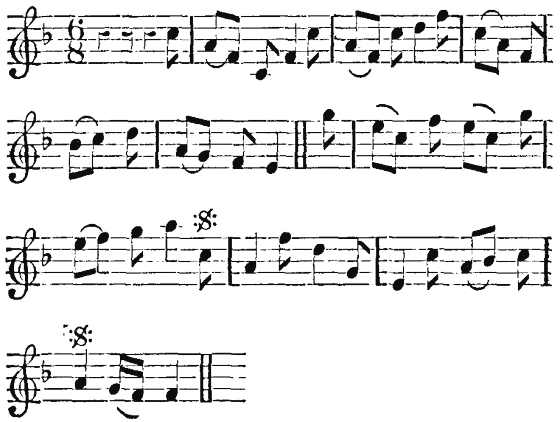
I know her false, I know her base, I know that Gold alone can move; I know she Jilts me to my Face, And yet good Gods, and yet good Gods I know I Love. I see too plain and yet am Blind, Wou'd think her true, while she forsooth; To me and to my Rival's kind, Courts him, courts me, courts him, courts me, and Jilts us both.

A Scotch Song.
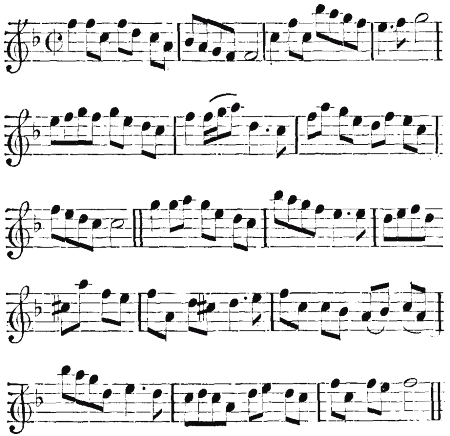
FYE Jockey never prattle more so like a Loon, No Rebel e'er shall gar my Heart to Love: Sawney was a Loyal Scot tho' dead and gone, And Jenny in her Daddy's way with muckle Joy shall move: Laugh at the Kirk-Apostles & the Canting swarms, And fight with bonny Lads that love their Monarchy and King, Then Jenny fresh and blith shall take thee in her Arms, And give thee twanty Kisses, and perhaps a better thing.

A Song in the Fairy Queen. Sung by Mrs. Dyer.
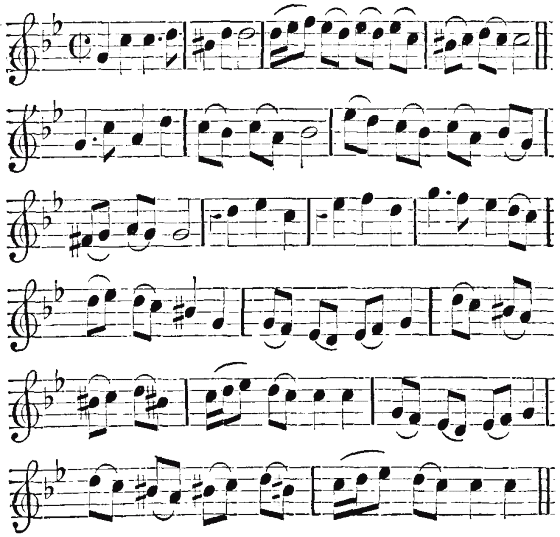
I Am come to lock all fast, Love without me cannot last: Love, like counsels of the Wise, Must be hid from vulgar Eyes; 'Tis holy, 'tis holy, and we must, we must conceal it, They prophane it, they prophane it, who reveal it, They prophane it, they profane it, who reveal it.

A New Song, Set to the FLUTE.
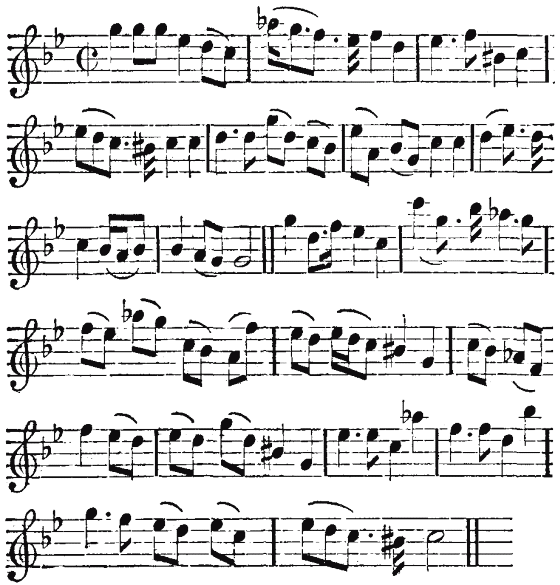
AFTER the pangs of fierce Desire, The doubts and hopes that wait on Love; And feed by turns the raging Fire, How charming must Fruition prove: When the triumphant Lover feels, None of those Pains which once he bore; Or when reflecting on his Ills, He makes his Pleasure, Pleasure more, He makes his Pleasure, Pleasure more.

A Song in the Comedy call'd Sir Anthony Love: Or, The Rambling Lady, Set by Mr. HENRY PURCELL.
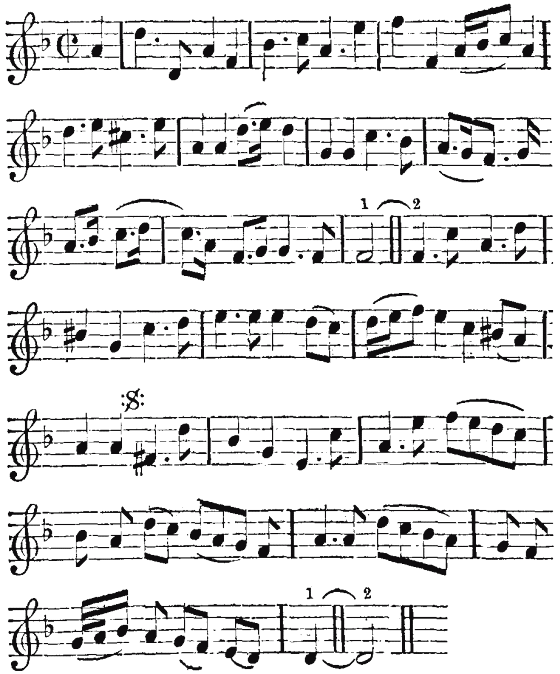
IN vain Clemene, you bestow, The promis'd Empire of your Heart; If you refuse to let me know, The wealthy Charms of every part. My Passion with your kindness grew, Tho' Beauty gave the first desire, But Beauty only to pursue, Is following a wandring Fire. As Hills in perspective, suppress, The free enquiry of the sight: Restraint makes every Pleasure less, And takes from Love the full delight. Faint Kisses may in part supply, Those eager Longings of my Soul; But oh! I'm lost, if you deny, A quick possession of the whole.

A Song,
Set to Musick by Mr. Graves.
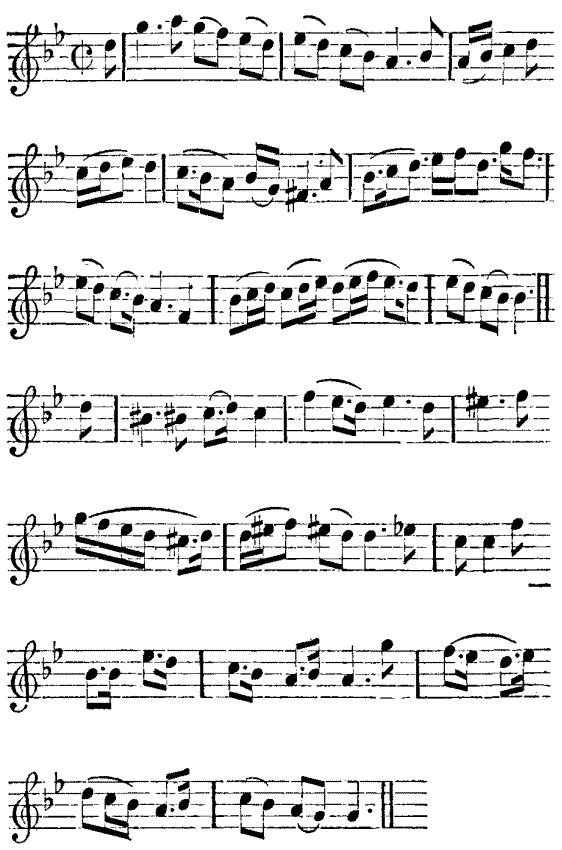
MY dear Corinna give me leave, To gaze, to gaze on her I Love; The Gods cou'd never, never yet conceive, Her Worth, tho' from above; There's none on Earth can equalize, So sweet, so sweet a Soul as she; Who ever gains so great a Prize, Has all, has all that Heav'n can be. Curse on my Fate, who plac'd me here, In a Sphere, a Sphere, so much below, My Love, my Life, my all that's dear; And yet she must not know: The torment for her I sustain, Shall ill, shall ill rewarded be; When loving, when loving, and not Lov'd again, Does prove, does prove, a Hell to me.
A Mock Song to If Love's a sweet Passion.
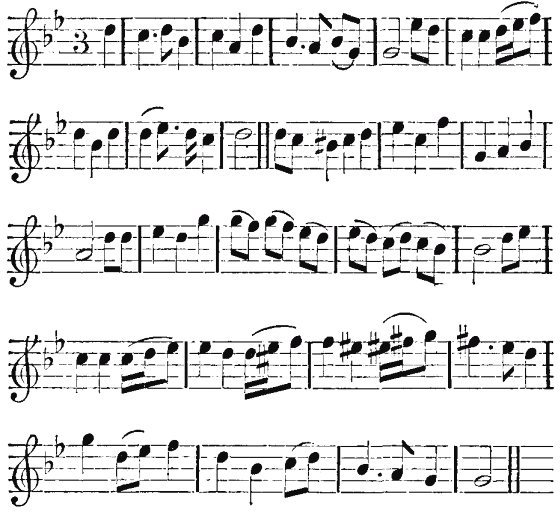
IF Wine be a Cordial why does it Torment? If a Poison oh! tell me whence comes my Content? Since I drink it with Pleasure, why should I complain? Or repent ev'ry Morn when I know 'tis in vain: Yet so charming the Glass is, so deep is the Quart, That at once it both drowns and enlivens my Heart. I take it off briskly and when it is down, By my jolly Complexion I make my Joy known; But oh! how I'm blest when so strong it does prove, By its soveraign heat to expel that of Love: When in quenching the Old, I creat a new Flame, And am wrapt in such Pleasures that still want a Name.
The LOYAL Subject's WISH. By Mrs. Anne Morcott.
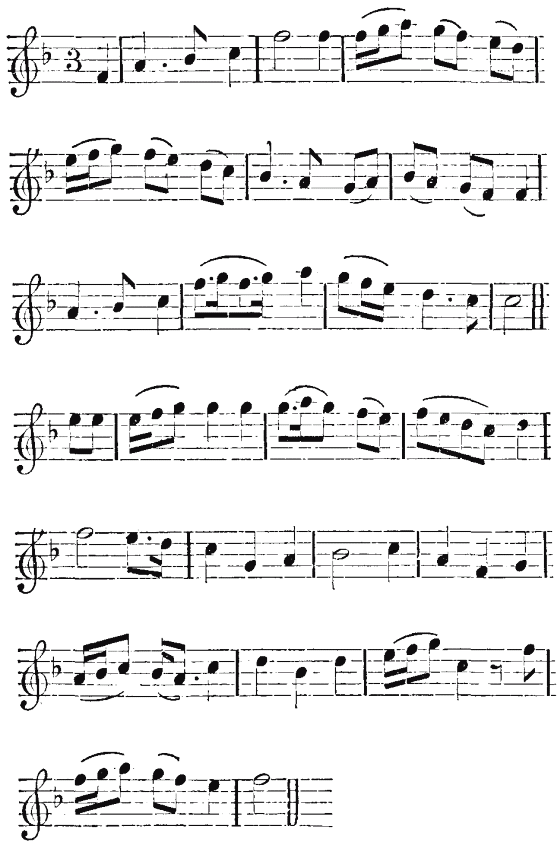
LET Mary live long, She's Vertuous and Witty, All charmingly Pretty; Let Mary live long, And Reign many Years: Wou'd the Cloud was gone o'er, That troubles us sore, When the Sun-shine appears; We shall be deliver'd, We shall be deliver'd, From fury and fears. Heavens send the King home, With Laurels to crown him, Each Rebel to own him; And may he live long, And Reign many Years: When the Conquest is plain, And three Kingdoms regain'd; Let his Enemies fall, Then Cæsar shall flourish, Then Cæsar shall flourish, In spight of them all. All glorious and gay, Let the King live for ever: May he languish never, never: Like Flowers in May, His Actions smell sweet: When the Wars are all done, And he safe in his Throne; Trophies lay at his Feet, With loud Acclamations, With loud Acclamations, His Majesty greet.

The Shepherdess Lerinda's Complaint, by Walter Overbury, Gent.
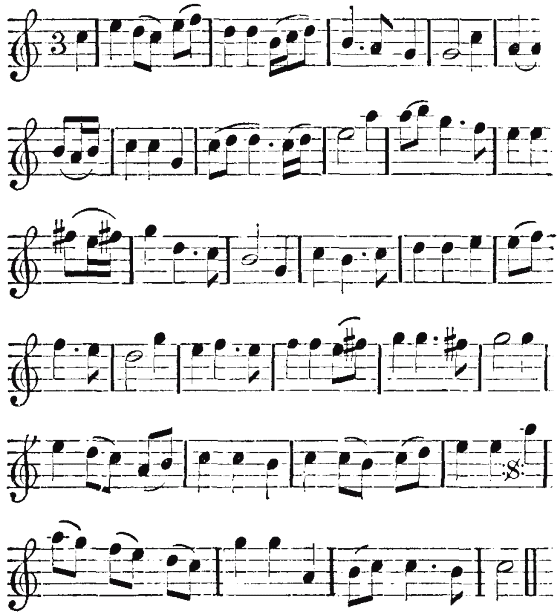
LERINDA complaineth that Strephon is dull, And that nothing diverting proceeds from his Skull; But when once Lerinda vouchsafes to be kind, To her long Admirer she'll then quickly find: Such strange alteration as will her confute, That Strephon's transported, that Strephon's transported, That Strephon's transported and grown more acute.
Love will find out the Way.
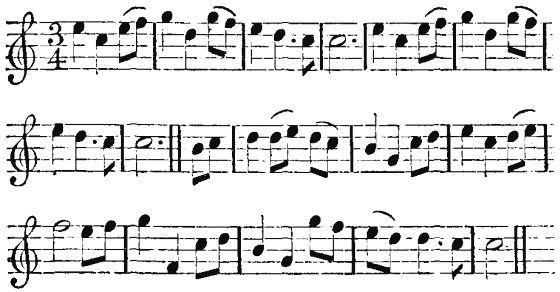
OVER the Mountains, And over the Waves; Over the Fountains, And under the Graves: Over Rocks which are steepest, Which do Neptune obey; Over Floods which are the deepest, Love will find out the way. Where there is no place, For the Glow-worm to lie: Where there is no space, For receipt of a Flye: Where the Gnat she dares not venture, Lest her self fast she lay: But if Love come he will enter, And will find out the way. You may esteem him A Child by his force; Or you may deem him A Coward, which is worse: But if he whom Love doth Honour, Be conceal'd from the Day; Set a Thousand Guards upon him Love will find out the way. Some think to lose him, Which is too unkind; And some do suppose him, Poor Heart to be Blind: But if ne'er so close you wall him, Do the best that you may; Blind Love, if so you call him, Will find out the way. Well may the Eagle Stoop down to the Fist; Or you may inveagle, The Phenix of the East: With Tears the Tyger's moved, To give over his Prey; But never stop a Lover, He will post on his way. From Dover to Barwick, And Nations thro'out; Brave Guy of Warwick, That Champion stout: With his Warlike behaviour, Thro' the World he did stray; To win his Phillis's Favour, Love will find out the way. In order next enters, Bevis so brave; After Adventures, And Policy grave: To see whom he desired, His Josian so gay, For whom his Heart was fired, Love found out the way.
The Second Part, To the same Tune.
THE gordian Knot, Which true Lovers knit; Undo you cannot, Nor yet break it: Make use of your Inventions, Their Fancies to betray; To frustrate your intentions, Love will find out the way. From Court to Cottage, In Bower and in Hall; From the King unto the Beggar, Love conquers all: Tho' ne'er so stout and Lordly, Strive do what you may; Yet be you ne'er so hardy, Love will find out the way. Love hath power over Princes, Or greatest Emperor; In any Provinces, Such is Love's Power: There is no resisting, But him to obey; In spight of all contesting, Love will find out the way. If that he were hidden, And all Men that are; Were strictly forbidden, That place to declare: Winds that have no abiding, Pitying their delay; Will come and bring him tydings, And direct him the way. If the Earth should part him. He would gallop it o're: If the Seas should overthwart him, He would swim to the Shore: Should his Love become a Swallow, Thro' the Air to stray; Love would lend Wings to follow, And would find out the way. There is no striving, To cross his intent: There is no contriving, His Plots to prevent: But if once the Message greet him, That his true Love doth stay; If Death should come and meet him, Love will find out the way.

A Song, in the Play call'd the Tragedy of Cleomenes the Spartan Heroe: Sung by Mrs. BUTLER, Set by Mr. H. PURCELL.
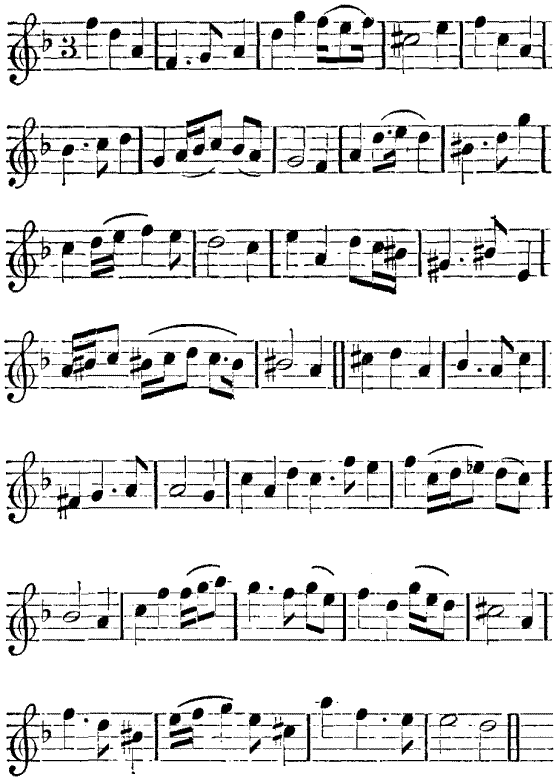
NO, no, poor suffering Heart, no change endeavour; Chuse to sustain the smart rather than leave her: My ravish'd Eyes behold such Charms about her, I can Dye with her, but not live without her, One tender Sigh of her to see me Languish: Will more than pay the price of my past Anguish, Beware, oh cruel Fair how you smile on me, 'Twas a kind look of yours that has undone me. Love has in store for me one happy Minute, And she will end my Pain who did begin it; Then no Day void of Bliss and Pleasures leaving, Ages shall slide away without perceiving: Cupid shall guard the Door, the more to please us, And keep out Time and Death when they would seaze us; Time and Death shall depart, and say in flying; Love has found out a way to Live by Dying.
The Jolly Trades-men.
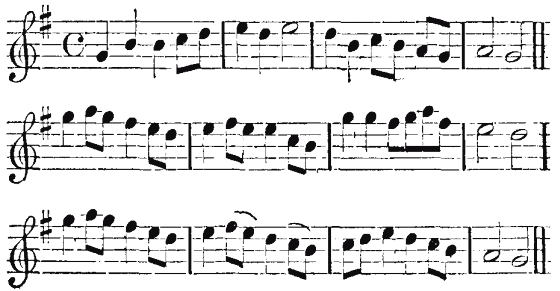
SOMETIMES I am a Tapster new, And skilful in my Trade Sir, I fill my Pots most duly, Without deceit or froth Sir: A Spicket of two Handfuls long, I use to Occupy Sir: And when I set a Butt abroach, Then shall no Beer run by Sir. Sometimes I am a Butcher, And then I feel fat Ware Sir; And if the Flank be fleshed well, I take no farther care Sir: But in I thrust my Slaughtering-Knife, Up to the Haft with speed Sir; For all that ever I can do, I cannot make it bleed Sir. Sometimes I am a Baker, And Bake both white and brown Sir; I have as fine a Wrigling-Pole, As any is in all this Town Sir: But if my Oven be over-hot, I dare not thrust in it Sir; For burning of my Wrigling-Pole, My Skill's not worth a Pin Sir. Sometimes I am a Glover, And can do passing well Sir; In dressing of a Doe-skin, I know I do excel Sir: But if by chance a Flaw I find, In dressing of the Leather; I straightway whip my Needle out, And I tack 'em close together. Sometimes I am a Cook, And in Fleet-Street I do dwell Sir: At the sign of the Sugar-loaf, As it is known full well Sir: And if a dainty Lass comes by, And wants a dainty bit Sir; I take four Quarters in my Arms, And put them on my Spit Sir. In Weavering and in Fulling, I have such passing Skill Sir; And underneath my Weavering-Beam, There stands a Fulling-Mill Sir: To have good Wives displeasure, I would be very loath Sir; The Water runs so near my Hand, It over-thicks my Cloath Sir. Sometimes I am a Shoe-maker, And work with silly Bones Sir: To make my Leather soft and moist, I use a pair of Stones Sir: My Lasts for and my lasting Sticks, Are fit for every size Sir; I know the length of Lasses Feet, By handling of their Thighs Sir. The Tanner's Trade I practice, Sometimes amongst the rest Sir; Yet I could never get a Hair, Of any Hide I dress'd Sir; For I have been tanning of a Hide, This long seven Years and more Sir; And yet it is as hairy still, As ever it was before Sir. Sometimes I am a Taylor, And work with Thread that's strong Sir; I have a fine great Needle, About two handfulls long Sir: The finest Sempster in this Town, That works by line or leisure; May use my Needle at a pinch, And do themselves great Pleasure.

The slow Men of London: Or, the Widow Brown. To the same Tune.
THERE dwelt a Widow in this Town, That was both Fair and Lovely; Her Face was comely neat and brown, To Pleasure she would move thee: Her lovely Tresses shin'd like Gold, Most neat is her Behaviour; For truth it has of late been told, There's many strove to have her. There were three Young Men of this Town; Slow Men of London; And they'd go Wooe the Widow Brown, Because they would be undone. The one a Taylor was by Trade, An excellent Occupation; But Widows Love doth waste and fade, I find by observation: The second was a Farrier bold, A Man of excellent Metal; His Love to her was never cold, So firm his Thoughts did settle, There were, &c. The third a Weaver was that came, a Suitor to this Widow; Her Beauty did his Heart inflame, Her Thoughts deceit doth shadow, Widows can dissemble still, When Young Men come a Wooing; Yet they were guided by her Will, That prov'd to their undoing. There were three, &c. This Widow had a dainty Tongue, And Words as sweet as Honey; Which made her Suitors to her throng, Till they had spent their Money: The Taylor spent an Hundred Pound, That he took up on Credit; But now her Knavery he hath found, Repents that are he did it. These were three, &c. Threescore Pounds the Farrier had, Left him by his Father; To spend this Money he was mad, His Dad so long did gather: This Widow often did protest, She lov'd him best of any; Thus would she swear, when she did least, To make them spend their Money. These were three, &c. The Weaver spent his daily gains, That he got by his Labour; Some thirty Pounds he spent in vain, He borrow'd of his Neighbour: She must have Sack and Muscadine, And Claret brew'd with Sugar: Each Day they feed her chops with Wine, For which they all might hug her. These were three, &c.

The Second Part, To the same Tune.
SHE went Apparell'd neat and fine, People well might wonder; To see how she in Gold did shine, Her fame abroad did thunder: A water'd Camlet Gown she had, A Scarlet Coat belaced With Gold, which made her Suitors glad, To see how she was graced. These were, &c. The Taylor was the neatest Lad, His Cloaths were oft Perfum'd; Kind Entertainment still he had, Till he his 'state consum'd: The Farrier likewise spent his 'state, The Weaver often kiss'd her: But when that they in 'state were Poor, They sought but still they miss'd her. These were, &c. The Farrier and the Weaver too, Were fain to fly the City: The Widow did them quite undoe, In faith more was the pity: She of her Suitors being rid, A Welchman came unto her: By Night and Day his suit he ply'd, Most roughly he did Woo her; For wooing tricks he quite put down, The Slow-men of London; He over-reach'd the Widow Brown, That had so many undone. He swore he was a Gentleman, Well landed in the Country: And liv'd in Reputation there, His Name Sir Rowland Humphry. The Widow did believe him then, And Love unto him granted; Thus he her Favour did obtain, Welchmen will not be daunted. By cunning tricks he quite put down, The Slow-men of London: That came to Woo this Widow Brown, Because they would be undone. The Welchman ply'd her Night and Day, Till to his Bow he brought her; And bore away the Widow quite, From all that ever sought her: She thought to be a Lady gay, But she was sore deceiv'd: Thus the Welchman did put down, The Slow-men of London: For they would Wooe the Widow Brown, Because they would be undone. Thus she was fitted in her kind, For all her former Knavery; The Welchman did deceive her Mind, And took down all her Bravery: It had been better she had ta'en, The Weaver, Smith, or Taylor; For when she sought for State and Pomp, The Welchman quite did fail her: Then learn you Young Men of this Town, You Slow-men of London: Which way to take the Widow Brown, For least you all be undone.
The ROYAL Example. By Mr. Henry Purcell.
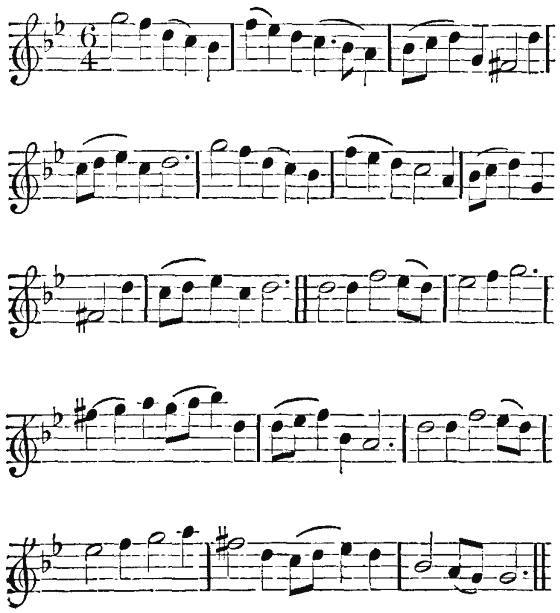
MAY her blest Example chace Vice, in Troops out of the Land; Flying from her awful Face, Like trembling Ghost when Day's at Hand: May her Hero bring us Peace, Won with Honour in the Field: And our Home-bred Factions cease, He still our Sword, and she our Shield.
The ROYAL Triumph of Britain's Monarch.
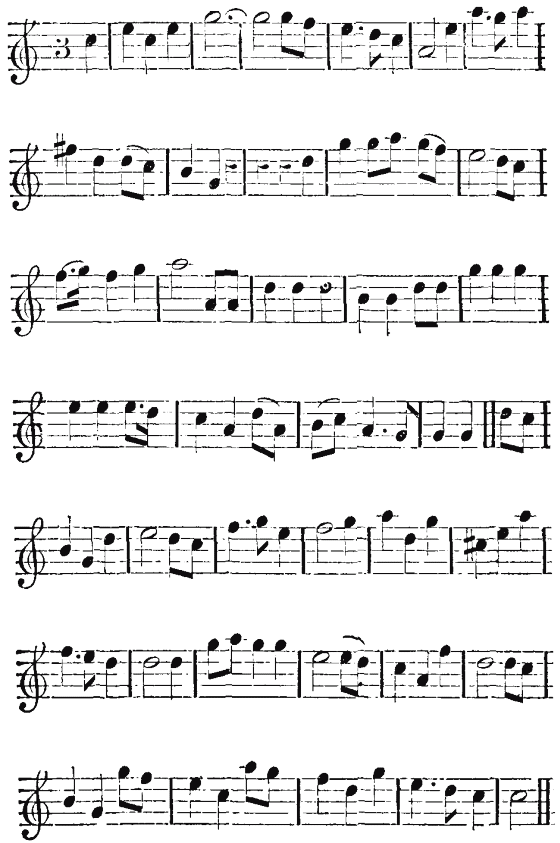
NEW Pyramid's raise, Bring the Poplar and Bayes, To Crown our Triumphant Commander; The French too shall run, As the Irish have done, Like the Persians, the Persians; Like the Persians, the Persians, Like the Persians before Alexander. Had the Rubicon been, Such a Stream as the Boyn, Not Cæsar, not Cæser himself had gone on: King William exceeds, great Cæsar in Deeds, More than he did, more than he did, More than he did, great Pompey before. Tho' born in a State, Fore-told was his Fate, That he should be a Monarch ador'd: One Globe was too small, To contain such a Soul, New Worlds must submit to his Sword. So Great and Benign, Is our Sov'reign Queen, Made to share his Empire and Bed; May she still fill his Arms, With her lovely soft Charms, And a Race of King William's succeed.

The Jolly Broom-man: Or, the unhappy BOY turn'd Thrifty.
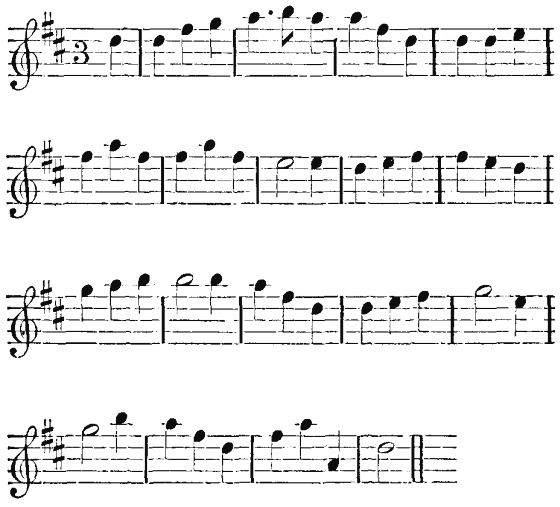
THERE was an Old Man, and he liv'd in a Wood, and his Trade it was making of Broom, And he had a naughty Boy, Jack to his Son, and he lay in Bed till 'twas Noon, 'twas Noon, and he lay in Bed till 'twas Noon. No Father e'er had, so lazy a Lad, with sleep he his Time did consume, In Bed where he lay, still every Day, and would not go cut his green Broom, green Broom, and would not go cut his green Broom. The Father was vext, and sorely perplext, with Passion he entered the Room; Come Sirrah, he cry'd, I'll liquor your Hide, if you will not go gather green Broom, green Broom, if you will not go gather green Broom. Jack lay in his Nest, still taking his rest, and valu'd not what was his Doom, But now you shall hear, his Mother drew near, and made him go gather green Broom, green Broom, and made him go gather green Broom. Jack's Mother got up, and fell in a Rage, and swore she would fire the Room, If Jack did not rise, and go to the Wood, and fetch home a bundle of Broom, green Broom, and fetch home a bundle of Broom. This wakened him straight, before it was late, as fearing the terrible Doom, Dear Mother, quoth he, have pity on me, I'll fetch home a Bundle of Broom, green Broom, I'll fetch home a bundle of Broom. Then Jack he arose, and he slipt on his Cloaths, and away to the Wood very soon; To please the Old Wife, he took a sharp Knife, and fell to the cutting of Broom, green Broom, and fell to the cutting of Broom. Jack follow'd his Trade and readily made, his Goods up for Country Grooms: This done, honest Jack took them at his Back, and cry'd, will you buy any Brooms, green Brooms, and cry'd, will you buy any Brooms. Then Jack he came by a Gentleman's House, in which was abundance of Rooms; He stood at the Door, and began for to roar, crying, Maids will you buy any Brooms, green Brooms, crying, Maids will you buy any Brooms. I tell you they're good, just fetch'd from the Wood, and fitted for sweeping of Rooms; Come handle my Ware, for Girls I declare, you never had better green Brooms, green Brooms, you never had better green Brooms. The Maiden did call, the Steward of the Hall, who came in his Silks and Perfumes, He gave Jack his Price, and thus in a trice, he sold all his Bundle of Brooms, green Brooms, he sold all his Bundle of Brooms. Likewise to conclude, they gave him rich Food, with Liquor of Spicy Perfumes; The hot Boyl'd and Roast, did cause Jack to boast, no Trade was like making of Brooms, green Brooms, no Trade was like making of Brooms. For first I am Paid, and then I am made, right Welcome by Stewards and Grooms, Here's Money, Meat and Drink, what Trade do you think compares with the making of Brooms, green Brooms, compares with the making of Brooms. I have a good Trade, more Goods must be made, to furnish young Lasses and Grooms, Wherefore I shall lack a Prentice, quoth Jack, I'll teach him the making of Brooms, green Brooms, I'll teach him the making of Brooms.

A Song, the Words and Tune by Mr. Witt Green.
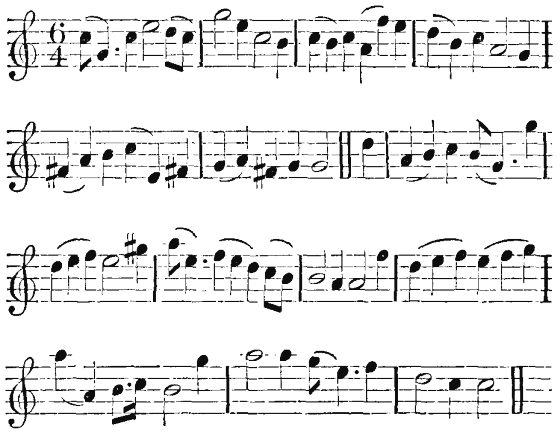
NEVER sigh, but think of kissing, More, and more, and more of Wishing; To possess the mighty Blessing, While they enjoy it they are true, They'll hug, they'll cling, and heave up too, But Liberty when once regain'd, The Favour's to another feign'd. Why should we then the Sex admire, For 'twas never their desire, To maintain a constant Fire; If oagling, wheedling you'll believe, They'll hourly study to deceive, But we will find out better ways, In Musick, Singing, spend our Days.
The LOYAL Delights of a Contented Mind. The Words by Mr. Mumford, Set by Mr. H. Purcell.
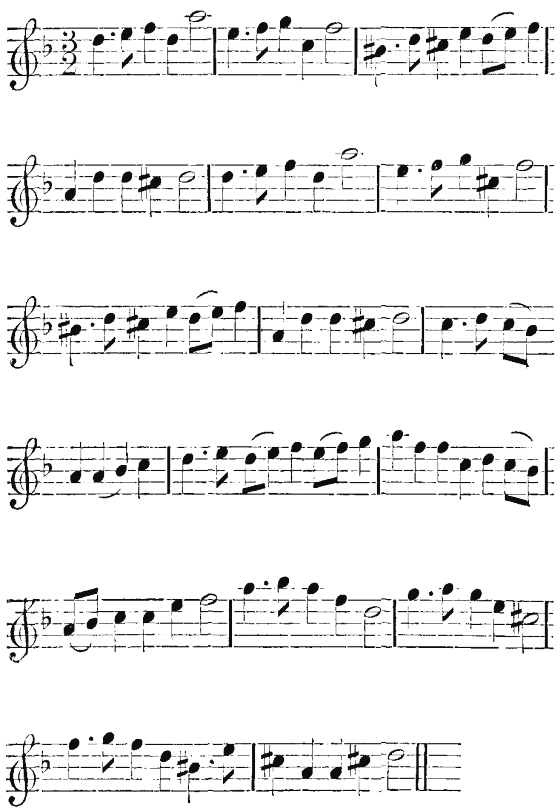
OH how Happy's he, who from Business free, Can Enjoy his Mistress, Bottle, and his Friend: Not confin'd to State, nor the Pride of the Great; Only on himself, not others doth depend: Change can never vex him, Faction ne'er perplex him; If the World goes well, a Bumper crowns his Joys, If it be not so than he takes of two; Till succeeding Glasses, Thinking doth destroy. When his Noddle reels, he to Cælia steals; And by Pleasures unconfin'd runs o'er the Night; In the Morning wakes, a pleasing Farewel takes, Ready for fresh Tipling, and for new Delight: When his Table's full, oh, then he hugs his Soul; And drinking all their Healths, a Welcome doth express: When the Cloth's removed, then by all approv'd, Comes the full grace Cup, Queen Anna's good success.

A Riddle.
THERE is a Thing which in the light Is seldom us'd, but in the Night, It serves the Maiden Female crew, The Ladies, and the good Wives too: They us'd to take it in their Hand, And then it will uprightly stand; And to a Hole they it apply, Where by it's good will it could Dye: It wasts, goes out, and still within, It leaves it's Moisture thick and thin.
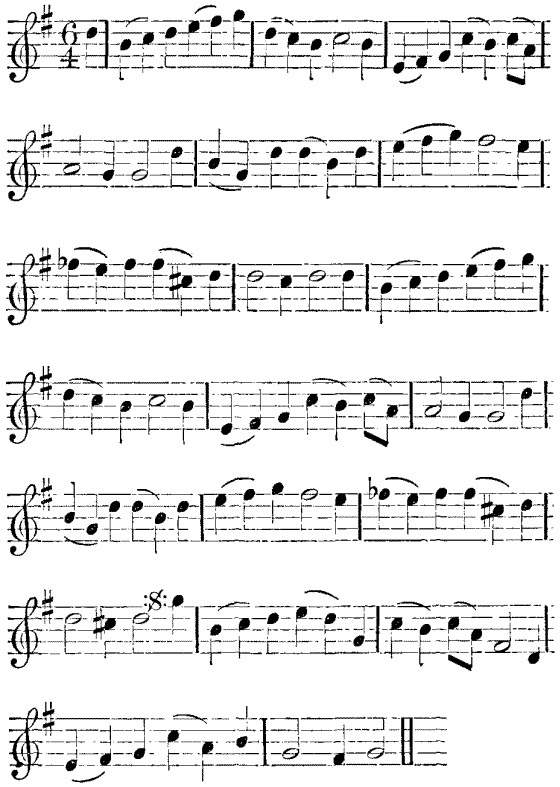
On a Lady Drinking the Waters, The Words by Sir George Etherige. Set by Mr. James Hart.
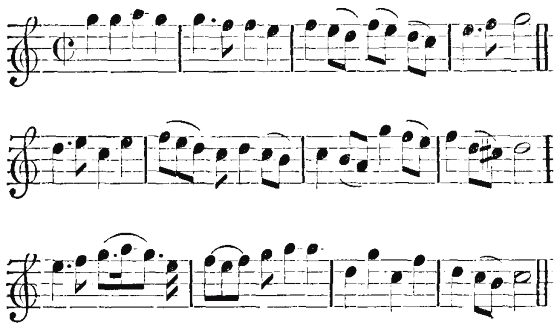
PHILLIS lay aside your Thinking, Youth and Beauty shou'd be Gay, Laugh and talk, and mind your Drinking: Whilst we pass the Time away, Laugh and talk, and mind your Drinking, Whilst we pass the Time away. They ought only to be pensive, Who dare not their Grief declare, Lest their story be offensive, But still languish in Despair, Lest their, &c. Yet what more torments your Lovers, They are Jealous, they obey, One whose Restless Minds discovers, She's no less a Slave than they, One whose, &c.
The Lascivious Lover and the coy Lass.
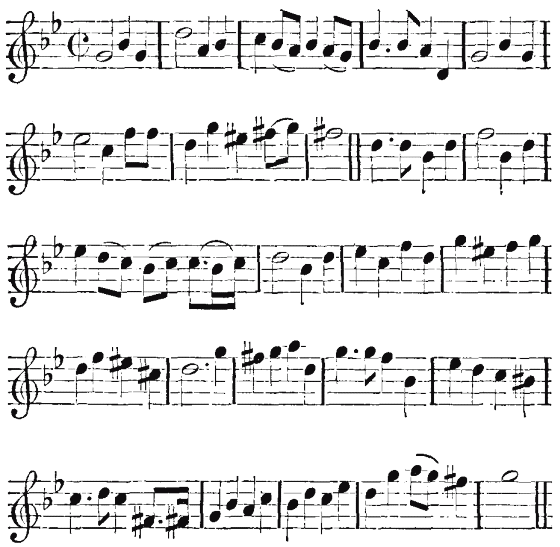
PISH fye, you're rude Sir, I never saw such idle fooling; You're grown so lewd Sir, So debauch'd I hate your ways; Leave, what are you doing? I see you seek my ruin, I'll cry out, pray make no delay, But take your Hand away; Ah! good Sir, pray Sir, don't you do so, Never was I thus abus'd so, By any Man, but you alone, Therefore Sir, pray begone.
Advice to a Miser. Set by Mr. James Graves.
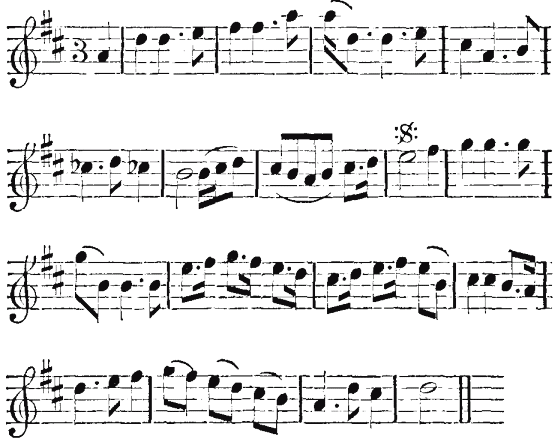
RETIRE old Miser, and learn to be wiser, In looking o'er Books ne'er spend all thy Time; But rather be thinking, of roaring and drinking, For by those to Promotion thou'lt speedily climb. Then prithee be Jolly, desert this thy Folly, Make welcome thy Friends, and ne'er repine; For when thou art hurl'd into the next World, Thy Heir I'll engage it in Splendor will shine. When thy Breath is just vanish'd, his care will be banisht, And scarce will he follow thy Corps to the Grave; Then be cautious and wary, for nought but Canary, He's a Fool that for others himself do's enslave.
A Song in the Play call'd, Rule a Wife and have Wife. Set by Mr. HENRY PURCELL. Sung by Mrs. Hudson.
THERE's not a Swain on the Plain, Wou'd be blest like me, Oh! cou'd you but, cou'd you but, cou'd you but, on me smile; But you appear so severe, That trembling with fear, My heart goes pit a pat, pit a pat, pit a pat, all the while. If I cry must I die, you make no reply, But look shy, and with a scornful Eye, Kill me by your cruelty; Oh! can you be, can you be, can you be, can you be, can you be, can you be, can you be, can you, can you, can you be too hard to me.

A Song in the Play call'd the Lancashire Witches. Sung by Mrs. Hudson, and Set by Mr. John Eccles.
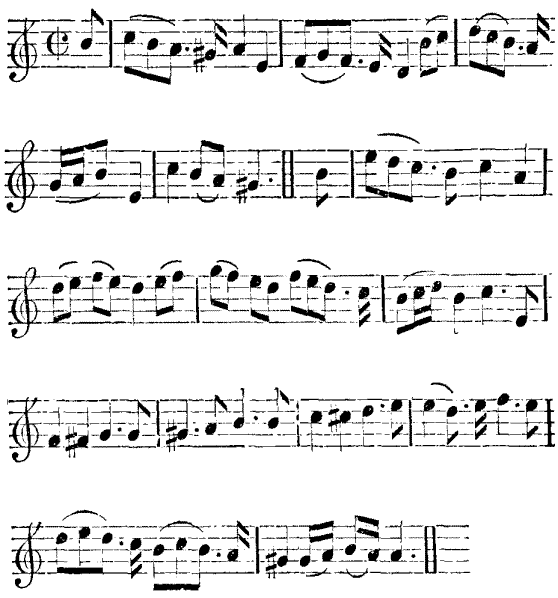
TORMENTING Beauty leave my Breast, In spight of Cloe I'll have rest; In vain is all her Syren Art, Still longer to hold my troubled Heart: For I'm resolv'd to break the Chain, And o'er her Charms the Conquest gain, And o'er her Charms the Conquest gain. Insulting Beauty I have born, Too long your Female Pride and scorn; Too long have been your Publick Jest, Your common Theme at ev'ry Feast: Let others thee, vain Fair, pursue, Whilst I for ever bid adieu, Whilst I for ever bid adieu.
A Song in the Comedy call'd, The Wives Excuse: Or, Cuckolds make themselves. Sung by Mr. Mountford. Set by Mr. HENRY PURCELL.
SAY cruel Amoret, how long, how long, In Billet-doux, and humble Song; Shall poor Alexis, shall poor Alexis, poor Alexis wooe? If neither Writing, Sighing, Sighing, Dying, Reduce you to a soft complying, Oh, oh, oh, oh, when will you come too. Full Thirteen Moons are now past o'er, Since first those Stars I did adore, That set my Heart on fire: The conscious Play-house, Parks and Court, Have seen my sufferings made your sport, Yet I am ne'er the nigher. A faithful Lover shou'd deserve, A better Face, than thus to starve: In sight of such a Feast; But oh! if you'll not think it fit, Your hungry Slave shou'd taste on bit; Gives some kind looks at least.
The Double Lover's Request.
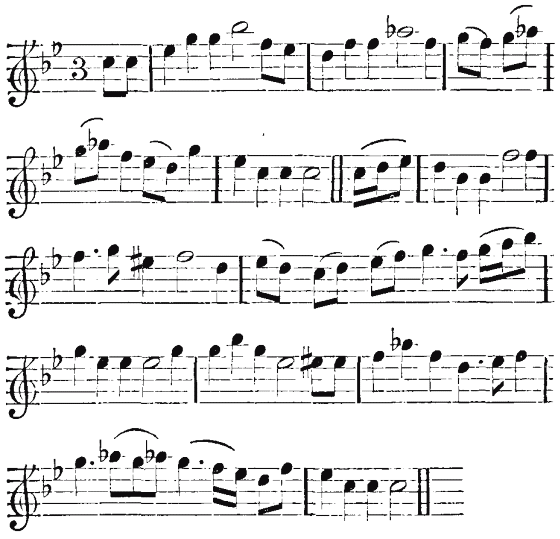
SUCH command o'er my Fate has your Love or your hate, That nothing can make me more wretched or great: Whilst expiring I lie, to live or to die, Thus doubtful the Sentence of such I rely: Your Tongue bids me go, tho' your Eyes say not so, But much kinder Words from their Language do flow. Then leave me not here, thus between Hope and Fear, Tho' your Love cannot come, let your pity appear; But this my request, you must grant me at least, And more I'll not ask, but to you leave the rest; If my fate I must meet, let it be at your Feet, Death there with more joy, than else-where I wou'd greet.
A Song,
Set by Mr. Rob. King.
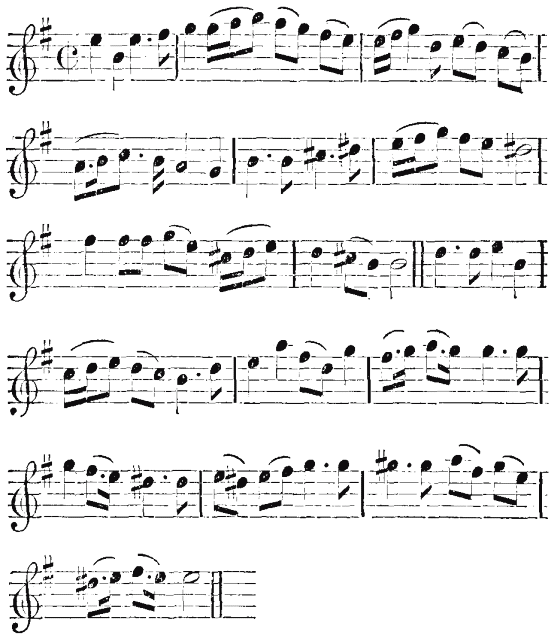
TELL me why so long you try me, Still I follow, still you fly me; Will the race be never done, Will it be ever but begun: Could I quit my Love for you, I'd ne'er love more what e'er I do; When I speak truth, you think I lie, You think me false, but say not why.
A Song, Set by Mr. Barincloe.
TIS a foolish mistake, That Riches can speak, Or e'er for good Rhetoric pass: To a Fool I confess, Your Gold may address, Or else where the Master's an Ass: To a Woman of Sense, 'Tis a sordid pretence, That a Golden Effigies can move her; No Face on the Coin, Is half so Divine, As that of a faithful young Lover. But Men when they Love, Their Passion to prove, From the Court to the dull Country Novice; To the Fair they're so kind, First to fathom their Mind, Next search the Prerogative Office: No imprimis I give, Then the Fair one they give, Notwithstanding their strong Protestations; Till the Lady discover, No Fortune, no Lover, Then draws off her fond Inclination,
The valiant Soldier's, and Sailor's Loyal Subjects Health, to the Queen, Prince and Noble Commanders.
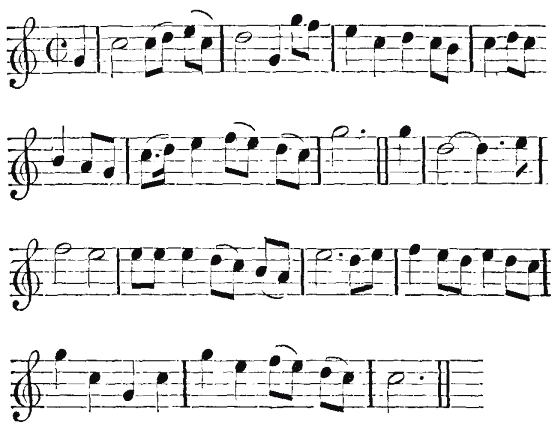
NOW, now the Queen's Health, And let the Haut-boys play; Whilst the Troops on their March shall huzza, huzza, huzza, Now now the Queen's Health, And let the Haut-boys play, Whilst the Drums and the Trumpets, Sound from the Shore, huzza, huzza, huzza. Now now the Prince's Health, And let the Haut-boys play, Whilst the Troops on their March, shall huzza, huzza, huzza: Now now the Prince's Health, And let the Haut-boys play; Whilst the Drums and the Trumpets Sound from the Shore huzza, huzza, huzza. Now the brave Eugene's Health, Who shews the French brave play; And does March over Rocks, let's huzza, huzza, huzza, Now the brave Eugene's Health, And let the Haut-boys play; Whilst the Drums and the Trumpets Sounds as they March, huzza, huzza, huzza. Now now the Duke's Health, Brave Marlborough I say, Whilst the Cannon do roar, let's huzza, huzza, huzza, Now now the Duke's Health, And let the Haut-boys play; Whilst the Drums and the Trumpets Sound from the Shore, huzza, huzza, huzza. Now brave Ormond's Health Boys, Whilst Colours do display: And the Britains in Fight, shall huzza, huzza, huzza; Now brave Ormond's Health Boys, Whilst Colours do display: And the Drums and the Trumpets Sound from the Shore huzza, huzza, huzza. Now Sir Cloudsly's Health Boys And Trumpets sound each Day, Whilst the Tars with their Caps shall huzza, huzza, huzza. Now Sir Cloudsly's Health Boys, And Trumpets sound each Day, Whilst the Thundring Cannon Loudly do roar huzza, huzza, huzza. Brave Peterborough's Health Boys, Who boldly makes his way, While the French run let's huzza, huzza, huzza; Brave Peterborough's Health Boys, And let the Haut-boys play, While the Drums and the Trumpets Sound as they March huzza, huzza, huzza. Now now brave Leak's Health, Who is sailed away, For to find the French Fleet let's huzzza, huzza, huzza, Now now brave Leak's Health, Who'll shew the French fair play, While the Drums and the Trumpets, Sound from on Board, huzza, huzza, huzza.

The Beau's Ballad. Occasioned by the sight of a White Marble Side-Table.
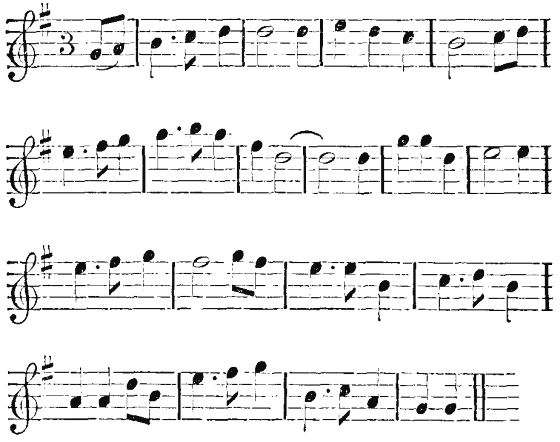
A POX on the Fool, Who could be so dull, To contrive such a Table for Glasses: Which at the first sight, The Guests must affright, More by half than their Liquor rejoyces. 'Tis so like a Tomb, That whoever does come Can't look on't without thus reflecting; Heaven knows how soon, We must lye under one, And such Thoughts must needs be perplexing. Then away with that Stone. Break it, throw it down, To some Church or other, else fling't in: 'Tis fitter by far, To have a place there, Than stand here to spoil Mirth and good Drinking. There Death let it show, To those who will go, And Monuments there gaze and stare at; We come here to live, And sad Thoughts away drive, With good store of immortal Claret. Tho' the Glasses stand there, They shan't do so here, 'Tis the only kind Lesson that teaches; Whilst it seems to say, Life's short, Drink away, No time o'er your Liquor to Preach is. Then fill up the Glass, About let it pass, Tho' the Marble of death doth remind us; The Wine shall ne'er die, Tho' you must and I, We'll not leave a drop of't behind us.
A Song.
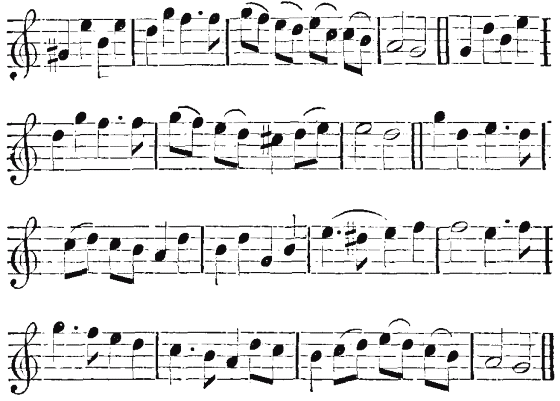
UNDERNEATH the Castle Wall, the Queen of Love sat mourning, Tearing of her golden Locks, her red Rose, Cheeks adorning; With her Lilly white Hand she smote her Breasts, And said she was forsaken, With that the Mountains they did skip, And the Hills fell all a quaking. Underneath the rotten Hedge, the Tinkers Wife sat shiting, Tearing of a Cabbage Leaf, her shitten A— A wiping; With her cole black Hands she scratch'd her A— And swore she was beshitten, With that the Pedlars all did skip, And the Fidlers fell a spitting.
The unfortunate Lover. Set by Mr. WILLIS.
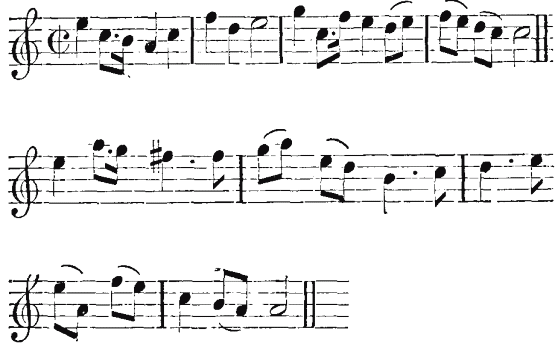
WHAT shall I do, I am undone, Where shall I fly my self to shun; Ah! me my self, my self must kill, And yet I die against my Will. In starry Letters I behold, My death is in the Heavens inroll'd, There find I writ in Skies above, That I, poor I, must die for Love. 'Twas not my Love deserv'd to die, Oh no, it was unworthy I; I for her Love should not have dy'd, But that I had no worth beside. Ah me! that Love such Woe procures, For without her no Life endures; I for her Virtues did her serve, Doth such a Love a Death deserve.
A SONG.
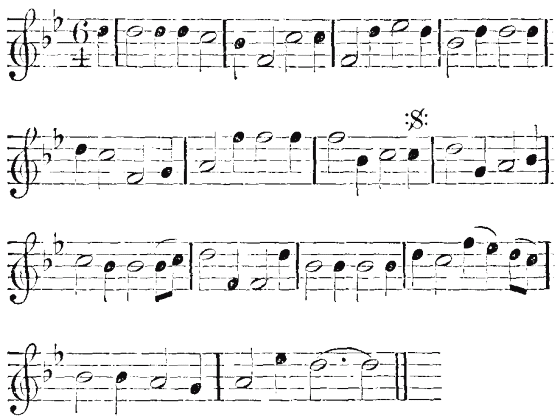
MY Dear and only Love take heed, How thou thy self expose; And let not longing Lovers feed, Upon such looks as those I'll Marble Wall thee round about, And Build without a Door; But if my Love doth once break out, I'll never Love thee more. If thou hast love that thou refine, And tho' thou seest me not; Yet paralell'd that Heart of thine Shall never be forgot: But if Unconstancy admit, A Stranger to bear sway; My Treasure that proves counterfeit, And he may gain the Day. I'll lock my self within a Cell, And wander under Ground; For there is no such Faith in her, As there is to be found: I'll curse the Day that e'er thy Face, My Soul did so betray; And so for ever, evermore, I'll sing Oh well-a-day! Like Alexander I will prove, For I will reign alone; I'll have no Partners in my Love, Nor Rivals in my Throne: I'll do by thee as Nero did, When Rome was set on fire; Not only all relief forbid, But to the Hills retire. I'll fold my Arms like Ensigns up, Thy falshood to deplore; And after such a bitter Cup, I'll never love thee more. Yet for the Love I bore thee once, And lest that Love should die; A Marble Tomb of Stone I'll write, The Truth to testifie: That all the Pilgrims passing by, May see and so implore; And stay and read the reason why, I'll never love thee more.

The Second Part of the Trader's Medly: Or, The Cries of London.
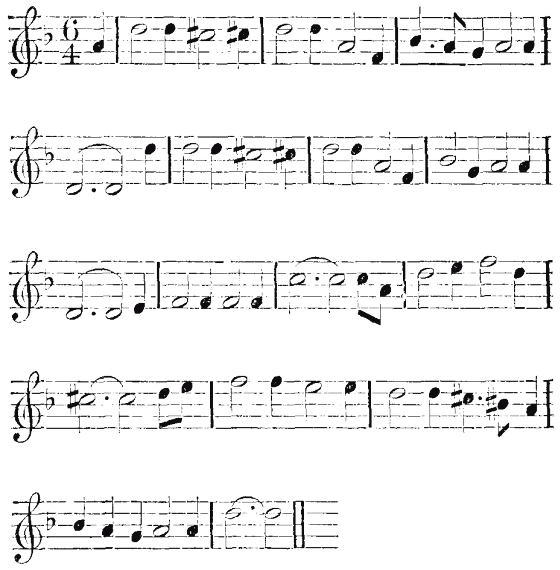
COME buy my Greens and Flowers fine, Your Houses to adorn; I'll grind your Knives, to please your Wives, And bravely cut your Corns: Ripe Straw-berries here I have to sell, With Taffity-Tarts and Pies; I've Brooms to sell will please you well, If you'll believe your Eyes. Here's Salop brought from Foreign parts, With dainty Pudding-Pyes; And Shrewsbury-Cakes, with Wardens bak'd, I scorn to tell you Lies: With Laces long and Ribbons broad, The best that e'er you see; If you do lack an Almanack, Come buy it now of me. The Tinker's come to stop your holes, And Sauder all your Cracks; What e'er you think here's dainty Ink, And choice of Sealing-Wax: Come Maids bring out your Kitchin-stuff, Old Rags, or Women's Hair; I'll sell you Pins for Coney-skins, Come buy my Earthen-ware. Here's Limmons of the biggest size, With Eggs and Butter too; Brave News they say is come to Day, If Jones's News be true: Here's Spiggot and fine Wooden-wares, With Fossets to put in; I'll bottom all your broken Chairs, Then pray let me begin. A Rabbit fat and plump I have, Young Maidens love the same; Come buy a Bird, I'm at a word, Or Pullet of the Game: I sell the best spice Ginger-Bread, You ever did eat before; While Madam King her Dumplings, She crys from Door to Door. Come buy a Comb, or Buckle fine, For Girdle of your Lass; My Oysters too are very new, With Trumpet sounding glass: Your Lanthorn-horns I'll make them shine, And mend them very well; There's no Jack-line so good as mine, As I have here to sell. Come buy my Honey and my Book, For Cuckolds to peruse; Your Turnip-man is come again, To tell his Dames some News: I've Plumbs and Damsons very fine, With very good mellow Pears; Come buy a charming Dish of Fish, And give it to your Heirs. Come buy my Figs, before they're gone, Here's Custards of the best; And Mustard too, that's very new, Tho' you may think I Jest: My Holland-socks are very strong, Here's Eels to skip and play; My hot grey-pease buy if you please, For I come no more to Day. Old Suits or Cloaks, or Campaign Wigs, With Rusty Guns or Swords: When Whores or Pimps do buy my Shrimps, I never take their words: Your Chimney clean my Boy shall sweep, While I do him command; Card Matches cheap by lump or heap, The best in all the Land. Come taste and buy my Brandy-Wine, 'Tis newly come from France: This Powder now is good I vow, Which I have got by chance; New Mackerel the best I have, Of any in the Town; Here's Cloath to sell will please you well, As soft as any Down. Work for the Cooper, Maids give Ear, I'll hoop your Tubs and Pails: And if your sight it is not right, Here's that that never fails: Milk that is new come from the Cow, With Flounders fresh and fair; Here's Elder-buds to purge your Bloods, And Onions keen and rare. Small-coal young Maids I've brought you here, The best that e'er you us'd; Here's Cherries round and very sound, If they are not abus'd; Here's Pippings lately come from Kent, Pray taste and then you'll buy; But mind my Song, and then e'er long, You'll sing it as well as I.

The Lover's CHARM.
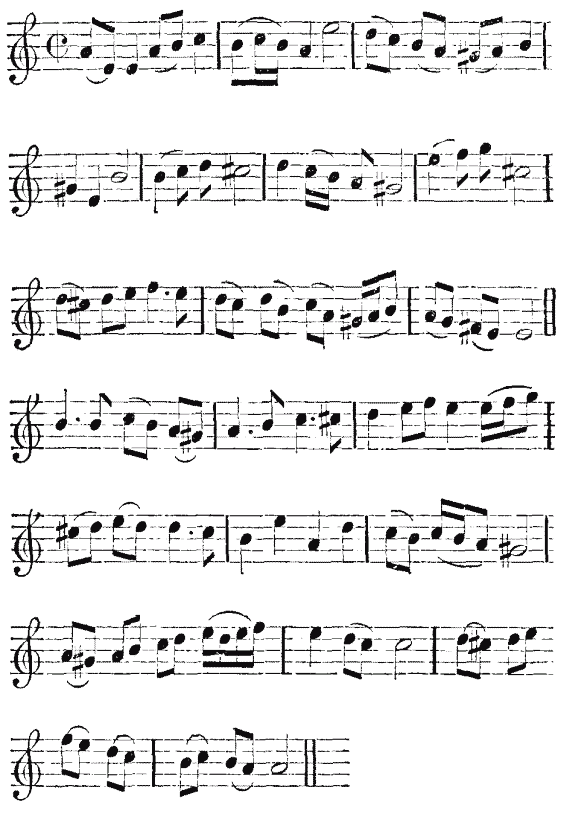
TELL me, tell me, charming Fair, Why so cruel and severe; Is't not you, ah! you alone, Is't not you, ah! you alone, Secures my wandering Heart your own: Change, which once the most did please, Now wants the power to give me ease; You've fixt me as the Centure sure, And you who kill alone can cure, And you who kill alone can cure. If refusing what was granted, Be to raise my Passion higher; Nymph believe me, I ne'er wanted, Art for to inflame desire: Calm my Thoughts, serene my Mind, Still increasing was my Joy, Till Lavinia prov'd unkind, Nothing could my Peace destroy.
A Song in the Royal Mischief. Set by Mr. John Eccles. Sung by Mr. Leveridge.
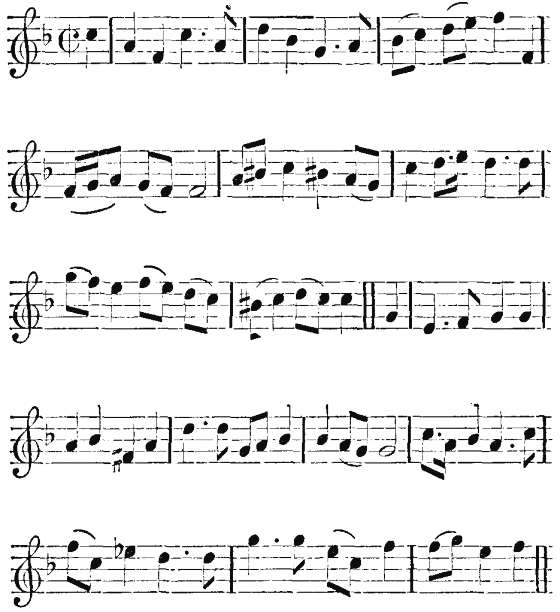
UNGUARDED lies the wishing Maid, Distrusting not to be betray'd; Ready to fall with all her Charms, A shining Treasure to your Arms: Who hears this Story must believe, No Heart can truer Joy receive; Since to take Love and give it too, Is all that Love for hearts can do.
A Ligg of good Noses set forth in a Jest. Most fitly compared to whom you think best.
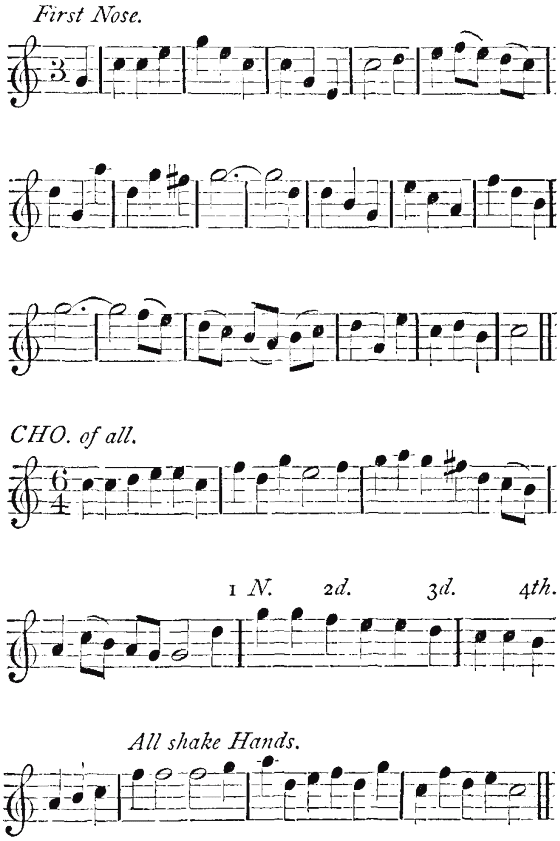
The LARGEST.
MY Nose is the largest of all in this place, Mark how it becometh the midst of my Face; By measure I take it from the end to the Brow, Four Inches by compass, the same doth allow. Likewise it is forged of passing good Metal, All of right Copper, the best in the Kettle; For redness and Goodness the virtue is such, That all other Metal it serveth to touch. Old smug, nor the Tinker that made us so merry, With their brave Noses more red than a Cherry; None here to my Challenge can make a denial, When my Nose cometh thus bravely to Tryal. All Sing. Room for good Noses the best in our Town, Come fill the Pot Hostess, your Ale it is brown; For his Nose, and thy Nose, and mine shall not quarrel, So long as one Gallon remains in the Barrel.
The LONGEST.
My Nose is the Longest no Man can deny, For 'tis a just handful right, mark from mine Eye; Most seemly down hanging full low to my Chin, As into my Belly it fain would look in. It serves for a Weapon my Mouth to defend, My Teeth it preserveth still like a good Friend; Where if so I happen to fall on the Ground, My Nose takes the burthen and keeps my Face sound. It likewise delighteth to peep in the Cup, Searching there deeply 'till all be drank up; Then let my Nose challenge of Noses the best, The longest with Ladies are still in request. All Sing. Room for, &c.
The THICKEST.
My Nose it is Thickest and Roundest of all, Inriched with Rubies the great with the small; No Goldsmith of Jewels can make the like show, See how they are planted here all on a row. How like a round Bottle it also doth hang, Well stuffed with Liquor will make it cry twang; With all, it is sweating in the midst of the Cold, More worth to the honour than ransoms of Gold. You see it is gilded with Claret and Sack, A Food and fit cloathing for belly and back: Then let my Nose challenge of all that be here, To sit at this Table as chiefest in cheer. All Sing. Room for, &c.
The Second Part.
We have the best Noses that be in our Town, If any bring better come let him sit down.
The FLATEST.
MY Nose is the Flatest of all that be here, Devoid of all Danger and bodily fear; When other long Noses let fly at a Post, My Nose hath the advantage, well known to my Host. For 'tis of the making of Dunstable way, Plain without turning as Travellers say, Though no Nose but approveth to some disgrace, It bringeth less trouble unto a good Face. Then let me do homage to them that have best, For all Nose and no Nose, are both but a Jest; Yet my Nose shall Challenge although it be flat, A place with my Neighbours at whiping the Cat. All Sing. Room for good Noses the best in our Town, Come fill the Pot Hostess, your Ale it is Brown: For his Nose, and thy Nose, and mine shall not quarrel, So long as one Gallon remains in the Barrel.
The SHARPEST.
My Nose is the Sharpest good Neighbours mark well, The smoak of a Banquet three Mile I can smell; Forged and shaped so sharp at the End, Makes known that I pass not what others do spend. Yet must my Nose spiced most orderly be, With Nutmegs and Ginger, or else 'tis not for me; And so to the bottom the same I commit, Of every Man's cup whereas I do sit. My Nose is the foremost you see at each Feast, Of all other Noses the principal Guest: Then let my Nose challenge as sharp as it shows, The chiefest of every good and bad Nose. All Sing. Room for, &c.
The BROADEST.
My Nose is the Broadest how like you Sir, that, It feeds on good Liquor and grows very fat; For like to a Panack it covers my Face, To make other Noses the more in disgrace. And look how it glisters like Copper-smith's Hall, To which our good Noses are summoned all; When if that the Colours hold out not good red, A Fine must be levied and set on their Head. For having the Broadest and fairest to the Eye, The Sergeant of Noses appointed am I; Then let my Nose challenge the chiefest from the rest, Of all other Noses the Broadest is best. All Sing. Room for good Noses the best in our Town, Come fill the Pot Hostess, your Ale it is Brown; For his Nose, and thy Nose, and mine shall not quarrel, So long as one Gallon remains in the Barrel.

The LUDGATE Prisoners.
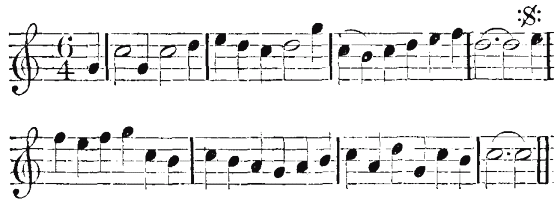
NOBLE King Lud, Full long hast thou stood, Not framed of Wood, but of Stone Of Stone sure thou art, Like our Creditors Heart, That regards not our sorrowful Moan. Within the Gate, They cry at the Grate, Pray Remember our Fate and shew Pity; The poor and distress'd, Who in Bonds are oppress'd, Entreat the relief of the City In Threadbare Coats, We tear our Throats, With pitiful Notes that would move All Creatures, but Brutes, To give ear to our Suits, And themselves like true Christians approve. But in vain we cry, With a Box hanging by, Good Sirs cast an Eye on our Case; No Beau nor Town Mistress, Are touched with our Distress, But hold up their Nose at the Place. The Lawyer jogs on, Without looking upon Th' afflicted, whose Moans he gives being; Nor thinks on us Cits, But Breviates and Writs, And demurrs on Exorbitant Feeing, The Serjeants and Yeomen, Who seek to undo Men, Though Good-men and True-men ne'er mind us; But rejoyce they get, By our being in Debt, And that where they have brought us, they find us. The Merchant alone, Makes our sorrows his own, And allows there is none but may fail; Since that is free, By losses at Sea, May be immurr'd in a Gaol. His Purse and his Board, With Plenty are stor'd, Due Relief to afford to the Needy; While the Priest in his Coach, Joggs on to Debauch, To cloath us or feed us too Greedy. Others go by, And hearing our cry, They cast up their Eye in Disdain; Affirming that we, If once get free, Should quickly be Prisoners again, But let 'em take heed, That reproach us indeed, And thus at our need go by grinning; Since it is so Man, That there is no Man, Knows his End, that may know his Beginning.

Room for Gentlemen.
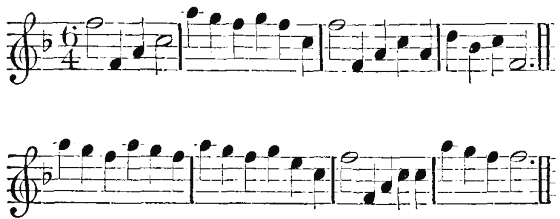
ROOM for Gentlemen, here comes a Company, Room for Gentlemen, here comes my Lord-Mayor; You Barons, you Knights, and also you 'Squires, Give Room for Gentlemen, here comes my Lord Mayor. First comes the Worshipful Company, Of Gallant Mercers into this Place; With their worthy Caps of Maintenance, Upon their Shoulders to their great grace: Side by side do they go as you see here, Room for, &c. Next to them here comes the Grocers, A Company of Gallants bold; Who willingly do give Attendance, As all the People may behold: In their Gowns and their Caps with gallant Cheer. Room for, &c. Then the Drapers they come next, With their Streamers flying so fair; And their Trumpets sounding most loudly, Attending still upon my Lord Mayor: Their Whifflers, their Batchelors, and all they have there, Give Room, &c. Then comes the Company of gallant Fishmongers, Attending his Lordship's coming here; As duty bindeth they do still wait, Until his Lordship doth appear: Then they rise, and go with lusty cheer, With Loving Hearts before the Lord Mayor. The Goldsmiths they are next to them, A braver Company there cannot be; All in their Liveries going most bravely, And Colours spread most gallantly: They do wait, they attend, and then they stay there, Until the coming of my Lord Mayor. The Merchant-Taylors now they come in, A Company both stout and bold; Most willing to perform their Duties, Scorning of any to be controul'd: In their Gowns and their Caps, and ancient Affairs, All attend, &c. The Haberdashers a Company be, Of Gentlemen both Grave and Wise; To all good Orders they do agree, For the City's good they still devise: They set to their helping as you may hear, Still to the comfort of City and Mayor. The Skinners they a Company be, As gallant Men as be the rest; Their Duties they perform truly, As honestly as do the best: Their Antients, then Drums, then Trumpets be there, Attending still, &c. Truly the Salters a Company Grave, Of Understanding be good and Wise; And to perform all godly Orders, Within the City they devise: When occasion doth serve they present themselves there, With all the Company, &c. The Iron-mongers a Company be, Who know their Duties every one; And willingly they do Obey, And wait his Lordship still upon: From the Morning they rise they still do stay there, Until the departing of, &c. The Company of worthy Vintners, His Lordship still do wait upon; With all their Furniture along most gallantly, In order they go every one: Until the Companys do appear, And then they go before, &c. A Company there is of worthy Cloth-workers, Who wait and give Attendance still: When his Lordship hath any occasion, They ready are to obey his Will; For fear any Service should be wanting there, They will present themselves before the Lord Mayor. God bless our King and Counsel all, And all his true Subjects in this Land; And cut down all those false Hereticks, That would the Gospel still withstand: God prosper this City, and all that are here, And I wish you to say God bless my Lord-Mayor.

The Batchelor's Choice.
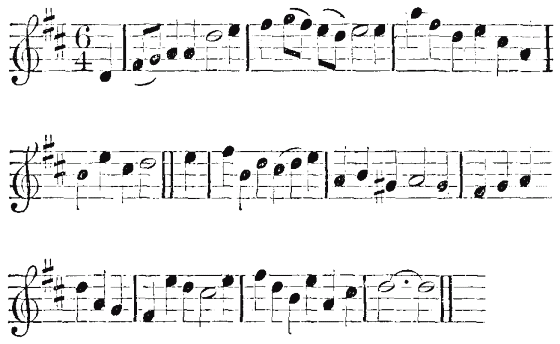
I Fain wou'd find a passing good Wife, That I may live merry all Days of my Life, But that I do fear much sorrow and strife, Then I'll not be Married yet, yet, yet, And I'll not be Married yet, yet, yet. If I should Marry a Maid that is Fair, With her round cherry Cheeks and her flaxen Hair, Many close Meetings I must forbear, And I'll, &c. If I should Marry a Maid that is Foul, The best of my Pleasure will be but a Scoul. She'll sit in a corner like to an Owl, And I'll not be Married yet, yet, yet, And I'll not be Married yet, yet, yet. If I should Marry a Maid that's a Slut, My Diet a dressing abroad I must put, For fear of Distempers to trouble my Gut, And I'll not be Married yet, yet, yet, And I'll not be Married yet, yet, yet. If I should Marry a Maid that's a Fool, To learn her more Wit I must put her to School, Or else fool-hardy keep in good rule, And I'll, &c. If I should Marry a Maid that's a Scold, My Freedom at home is evermore sold, Her Mouth is too little her Tongue for to hold, And I'll, &c. If I should Marry with one that's a Whore, I must keep open for her my back Door, And so a kind Wittal be called therefore, And I'll, &c. If I should Marry a Maid that is Proud, She'll look for much more than can be allow'd, No Wife of that making I'll have I have vow'd, And I'll, &c. If I should Marry a Maid that is meek, The rule of my Household I might go seek, For such a kind Soul I care not a Leek, And I'll, &c. I would have a Wife to come at a Call, Too fat, nor too lean, too low, nor too tall, But such a good Wife as may please all, Else I'll not be Married yet, yet, yet, Else I'll not be Married yet, yet, yet.
The Second Part.
IF I should go seek the whole World about, To find a kind and loving Wife out, That labour were lost, I am in great doubt, And I'll not be Married yet, yet, yet, And I'll not be Married yet, yet, yet. If I Marry with one that is Young, With a false Heart and flattering Tongue, Sorrow and Care may be my Song, And I'll, &c. If I should Marry with one that is Old, I never should have the Pleasures I would, But Arm full of Bones frozen with Cold, And I'll, &c. If I should Marry with one that is Poor, By me my best Friends will set little store And so go a Begging from door to door, And I'll, &c. If I should Marry with one that is Rich, She'll ever upbraid me she brought me too much, And make me her Drudge, but I'll have none such, And I'll, &c. If I should Marry with one that is Blind, All for to seek and worse for to find, I then should have nothing to please my Mind, And I'll, &c. If I should Marry with one that is Dumb, How could she welcome my Friends that come, For her best language is to say Mum, And I'll not be Married yet, yet, yet, And I'll not be Married yet, yet, yet. If I should Marry with one that is Deaf, Hard of Belief, and Jealous 'till death, To the Jawm of a Chimney spend I my Breath, And I'll, &c. If I should Marry with one that is Fine, She will spend all in Ale and in Wine, Spend she her own, she shall not spend mine, And I'll, &c. If I should Marry with one that is Tall, I having but little she would have it all, Then will I live single, whate'er it befal, And I'll, &c. For when I am Married I must be glad, To please my Wife though never so bad, Then farewel the Joys that lately I had, And I'll not be Married yet, yet, yet, And I'll not be Married yet, yet, yet. Maids that will not when you may, When you would, you shall have nay.

The Power of Verse.
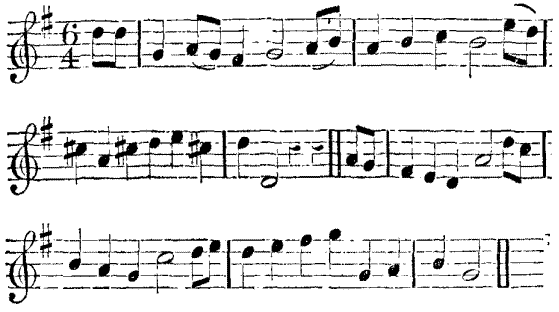
THO' thou'rt ugly and Old, A damn'd Slut and a Scold, Yet if you will tip me a Guinea; By the help of my Rhimes, To the latest of Times, Thou shalt have thy Adorers dear Jenny. We Bards have a knack, To turn White into Black, And make Vice seem Vertue, which odd is; True Poetical Cant, Dubbs a Rebel a Saint, And refines a Jilt into a Goddess. These trick Rhiming Sages, Observ'd in all Ages, To dress naked Truth in a Fable; And tho' ev'ry story, Out-did Purgatory, They still were believ'd by the Rabble. Pray what was Acteon, Whom Dogs made a Prey on, But a Sportsman undone by his Chasing; Or the fam'd Diomede, Of whom his Nags fled, But a Jockey quite ruin'd by racing? Medæa, 'tis sung, Could make old Women Young. Tho' she nought but a true waiting-Maid is; Who with Comb of black Lead, With Paint white and Red, With Patch and wash, vamps up grey Ladies. Vulcan left the Bellows, And Sooty left good Fellows, That he might take of Nectar a Cann full; Venus was a gay Trull, To the Cuckoldly Fool, Mars a Bully that beat on her Anvil. Neptune was a Tarpawling, And Phœbus by calling, A Mountebank, Wizard, and Harper; Jolly Bacchus a Lad, Of the Wine-drawing Trade, And Mercury a Pimp and a Sharper. Pallas was a stale Maid, With a grim Gorgon's head, Whose ugliness made her the Chaster, A Scold great was Juno, As I know, or you know, And Jove was as great a Whore-master. Then prithee dear Creature, Now show thy good nature, This once be my Female Macœnas; And Times yet unknown, My Jenny shall own, Chast as Pallas, but fairer than Venus.

The Bonny Lass: Or, the Button'd Smock.
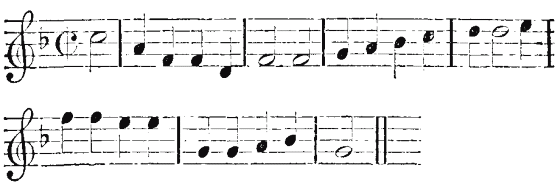
SIT you merry Gallants, For I can tell you News, Of a Fashion call'd the Button'd Smock, The which our Wenches use: Because that in the City, In troth it is great pity; Our Gallants hold it much in scorn. They should put down the City: But is not this a bouncing Wench, And is not this a Bonny; In troth she wears a Holland Smock, If that she weareth any. A bonny Lass in a Country Town, Unto her Commendation; She scorns a Holland Smock, Made after the old Fashion: But she will have it Holland fine, As fine as may be wore; Hem'd and stitch'd with Naples Silk, And button'd down before: But is not, &c. Our Gallants of the City, New Fashions do devise; And wear such new found fangle things, Which country Folk despise: As for the Button'd Smock, None can hold it in scorn; Nor none can think the Fashion ill, It is so closely worn: Although it may be felt, It's seldom to be seen; It passeth all the Fashions yet, That heretofore hath been. But is not, &c. Our Wenches of the City, That gains the Silver rare; Sometimes they wear a Canvass Smock, That's torn or worn Thread-bare: Perhaps a Smock of Lockrum, That dirty, foul, or black: Or else a Smock of Canvass course, As hard as any Sack. But is not, &c. But she that wears the Holland Smock, I commend her still that did it; To wear her under Parts so fine, The more 'tis for her Credit: For some will have the out-side fine, To make the braver show; But she will have her Holland Smock That's Button'd down below. But is not, &c. But if that I should take in hand, Her Person to commend; I should vouchsafe a long Discourse, The which I could not end: For her Vertues they are many, Her person likewise such; But only in particular, Some part of them I'll touch. But is not, &c. Those Fools that still are doing, With none but costly Dames; With tediousness of wooing, Makes cold their hottest flames: Give me the Country Lass, That trips it o'er the Field; And ope's her Forest at the first. And is not Coy to yield. Who when she dons her Vesture, She makes the Spring her Glass; And with her Comely gesture, Doth all the Meadows pass: Who knows no other cunning, But when she feels it come; To gripe your Back, if you be slack, And thrust your Weapon home. 'Tis not their boasting humour, Their painted looks nor state; Nor smells of the Perfumer, The Creature doth create: Shall make me unto these, Such slavish service owe; Give me the Wench that freely takes, And freely doth bestow. Who far from all beguiling, Doth not her Beauty Mask; But all the while lye smiling, While you are at your task: Who in the midst of Pleasure, Will beyond active strain; And for your Pranks, will con you thanks, And cursey for your pain.

A Song. Set by Mr. Ackeroyd.
Z——DS Madam return me my Heart, Or by the Lord Harry I'll make ye; Tho' you sleep when I talk of my smart, As I hope to be Knighted I'll wake ye; If you rant, why by Jove, Then I'll rant as well as you; There's no body cares for your puffing, You're mistaken in me; Nay prithee, prithee, prithee pish, We'll try who's the best at a huffing. But if you will your Heart surrender, And confess yourself uncivil; 'Tis probable I may grow tender, And recal what I purpos'd of evil, But if you persist in rigour, 'Tis a thousand to one but I teeze you; For you'll find so much heat and such vigour, As may trouble you forsooth or please you.